“The Thing on the Doorstep” is a nearly 8o-year-old gothic tale converted the short story written by H.P. Lovecraft to a small screen adaptation from Leomark studios and MVDVisual home entertainment. The story tells of Daniel Upton and his relationship with friend socially hopeless affluent Edward Derby. When Edward meets and weds a bizarre hypnotists Asenath Waite, his relationship with good friend Daniel turns eccentric and mysterious. Edward’s personality switches from the person Daniel knows and loves to a completely separate entity. As Daniel investigates down the rabbit hole, he learns that Edward might be a victim of black magic and that Asenath’s disturbed and demented background might be behind it all.

Telling the story of this magnitude would be a difficult feat but director Tom Gilserman’s style through the narrative the character Daniel Upton and the structure is simple enough to make this story work well on screen. Penned by Mary Jane Hansen, who also has the lead role of Asenath Waite, pieces together natural dialogue to form believable characters. For great writing to transmit, you also need great actors. David Bunce, Susan Cicarelli-Caputo, Ron Komora, and Rob Dalton round out a great first time cast of actors that join Hansen and have completed a flowing conversations.
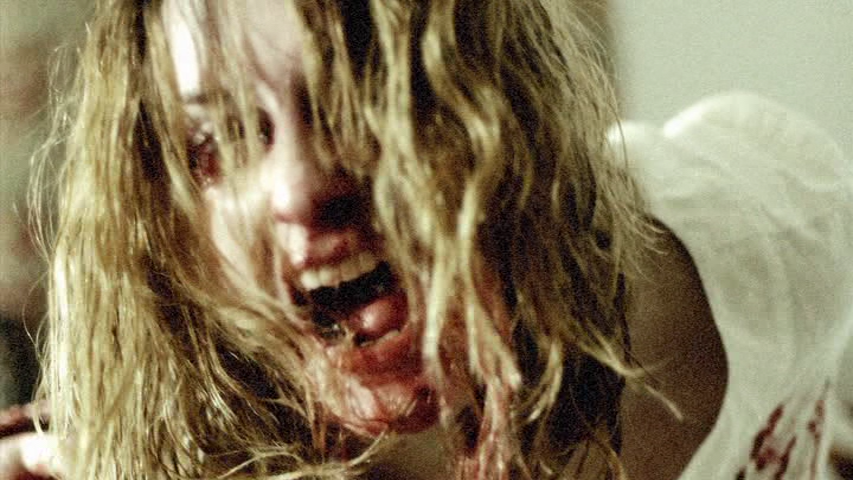
Gilserman does try to a create a Lovecraftian atmosphere with unique camera angles, a dark complexion, and a gothic facade that would make H.P. proud to have his story told through this medium. The film plays out as a bad nightmare full of continuous and repeated flashes of scenes that will drown you into madness while also attempting to make Edward have two sides of him – his soul and a wicked others.
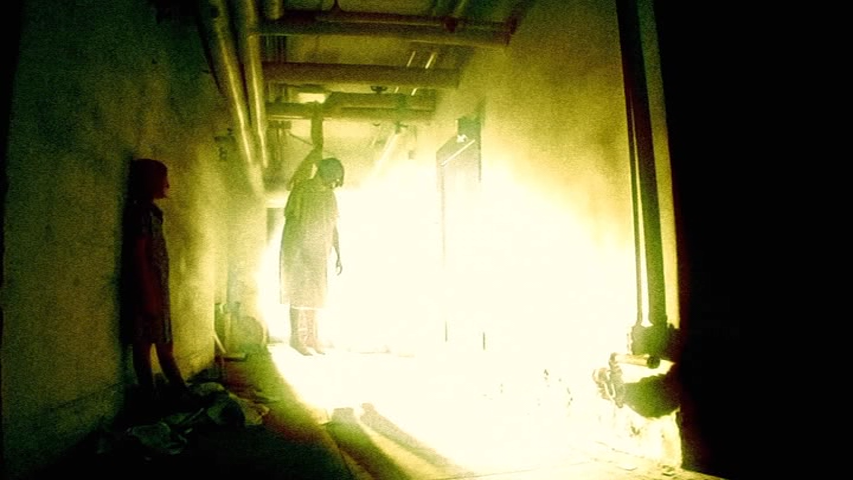
One thing that I thought the film lacked with the use of black magic revealed. Anenath is suppose to be this powerful being who may or may not be human, but a witch, a succubus, a shell of a human. What the plot is more focus on is Daniel and Edward’s relationship and I believe this to be contributed to the narrative style of this film as it delivers as if one is reading straight from the source – the short story. Not too much is given about Asenath or her ‘hired help.’ Budgetary constraints more than likely contributed to the lack of black magic effects if there were to be any.
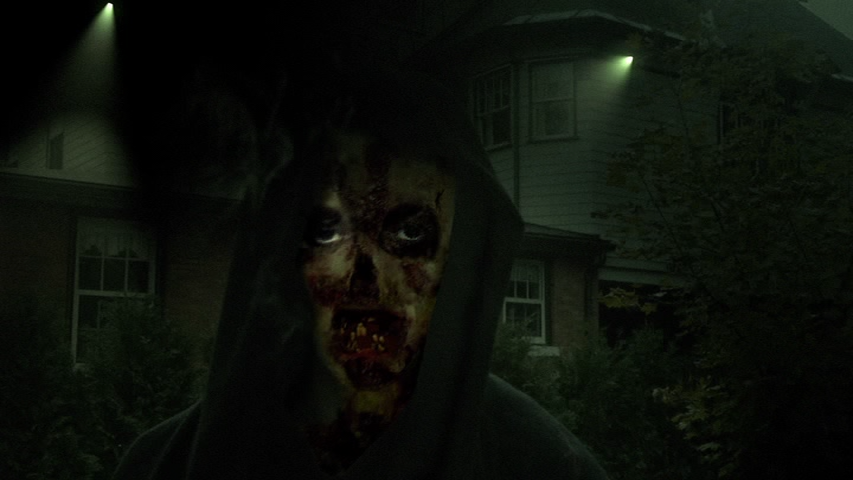
Take the plunge and test out this adaptation of one of Lovecraft’s more psychological horror stories. The DVD from MVD was released this past tuesday and surely will get your head twisted around and your spine snapped with intense suspense and mystery.
Tag Archives: Gothic
Evil Science! Frankenstein: The True Story review!

Frankenstein’s Creature hasn’t receive much love lately. The piece by piece monster hasn’t seen much screen time fame since the 1970s and the latest big screen installment didn’t fair too well in theaters with highly Underworld rip-off film I, Frankenstein. To get any good Creature action, we have to travel back in time to the 70’s when Peter Cushing and Christopher Lee dominated the Hammer horror gothic scene and take a good look at the British tele-movie Frankenstein: The True Story.
With the loss of Dr. Victor Frankenstein’s young brother William, Frankenstein looks for ways to cheat death. He embarks back to medical school where he meets the unethical physician Dr. Henry Clerval and together they create a new species of man from the body parts of several tragic accident victims including the mind of Henry Clerval who collapses and dies before the Creature’s “birth.” Frankenstein soon learns that his creation is nothing more than abomination that continues to decay and tries to disconnect from the whole situation until Dr. John Polidori takes upon a new creation of man.

The two part television movie series from 1973 can really suck you in for multiple reasons. For starters, the Jack Smidght film has a fair amount of graphic content from severed arms and separate heads from their necks; a great assumption scene. Secondly, Frankenstein: The True Story is right smack in the middle of the Golden Age of the Gothic horror era and though the cast doesn’t include Christopher Lee or Peter Cushing, the tele-cast is full of life and vigor. A young Jane Seymour plays the young, beautiful tragic leading lady, David McCallaum who you might know as the doctor from NCIS and, who ironically enough, portrays a mad doctor in this film, and 1966’s Romeo & Juliet star Leonard Whiting.
The setting yells period piece and this the production value dried up that budget to the bone. The extravagant sets lends a hand to the epic nature of Frankenstein and his Creature, but this sets don’t include the natural and standard definitions of a Frankenstein mythology. For instance, yes, there is a laboratory overloaded with machines and mechanisms, but instead of electricity to bring the Creature to life, the use of the sun’s energy becomes harnessed for life which has been unchallenged by any other film (or literature) that I am aware.

The story doesn’t following conventional storytellings. The Creature is shown as strong yet child-like, fairly usual, but then as the Creature is being discarded from society and his creator, he wonders on his own and learns how to love. With a twist catalyst in the second half of the film, the Creature’s compassion turns human and tragic. Michael Sarrazin’s portrayal of the Creature is fair to say at the least with some unintentional humor elements. I found myself chuckling at times rather than feeling compelled in a purposefully compelling scene. The child-life Sarrazin more than likely is suppose to be a bit funny and I don’t fault his portrayal to the extent as it may seem in this write up.
Second Sight release of Frankenstein: The True Story is a great edition to the label. Enriched with Technicolor and soaked with Gothic details, the film’s orgasmic battle between the creator and the creation is great symbolism between man and his creator. Though I believe the release to be heavily edited, this is still a great release.
