The Key to EVIL is to Kill Each Other For It! “A Hyena in the Safe” reviewed! (Celluloid Dreams / Blu-ray)

“A Hyena in the Safe” is on Black Friday sale! Get It at Amazon.com

Eleven months after a jewelry safe heist at the Bank of Amsterdam, a group of specialized international thieves from all over Europe reunite at an Italian mansion estate during a city carnival celebrate used as a distracting facade for their gathering.  Each have a key that form a coalescence to open the safe to ensure not one of them will swindle the others and make off with the jewels worth millions.  Their ringleader Boris, who’s now deceased, hid the safe in his mansion with this wife Anna overseeing his plan and portion of their lifted prize.  When one of the keys end up missing, a series of deceptions and murders begin a feisty vying for the each of the keys.  One-by-one, the criminals fall for inconspicuous laid deadly traps and engage in murderous rendezvous until there’s only one left standing as the old saying goes, there is no honor amongst thieves.

Italy director Cesare Canevari, notable for his contribution to the exploitation subgenre with “A Man for Emmanuelle,” “The Nude Princess,” and the notoriously renowned “The Gestapo’s Last Orgy,” wrote-and-direct a post-caper, bordering giallo in 1968 titled “Una iena in cassaforte,” aka “A Hyena in the Safe.”  Coming in on the incline toward giallo’s height of success, Canevari’s whodunit has less the conventional murder mystery elements but does have arouse that lack of trust amongst the principal characters, a high body count, a vaguely mysterious killer, and definitely a highly stylization of camera angles and visuals that’s correlates with the time period and give this giallo less of a terror firming shape and more of a “Clue” like profile.  Canevari cowrites the script with Alberto Penna and is a production of Fering SRL based in Milano, Italy where the film was shot.
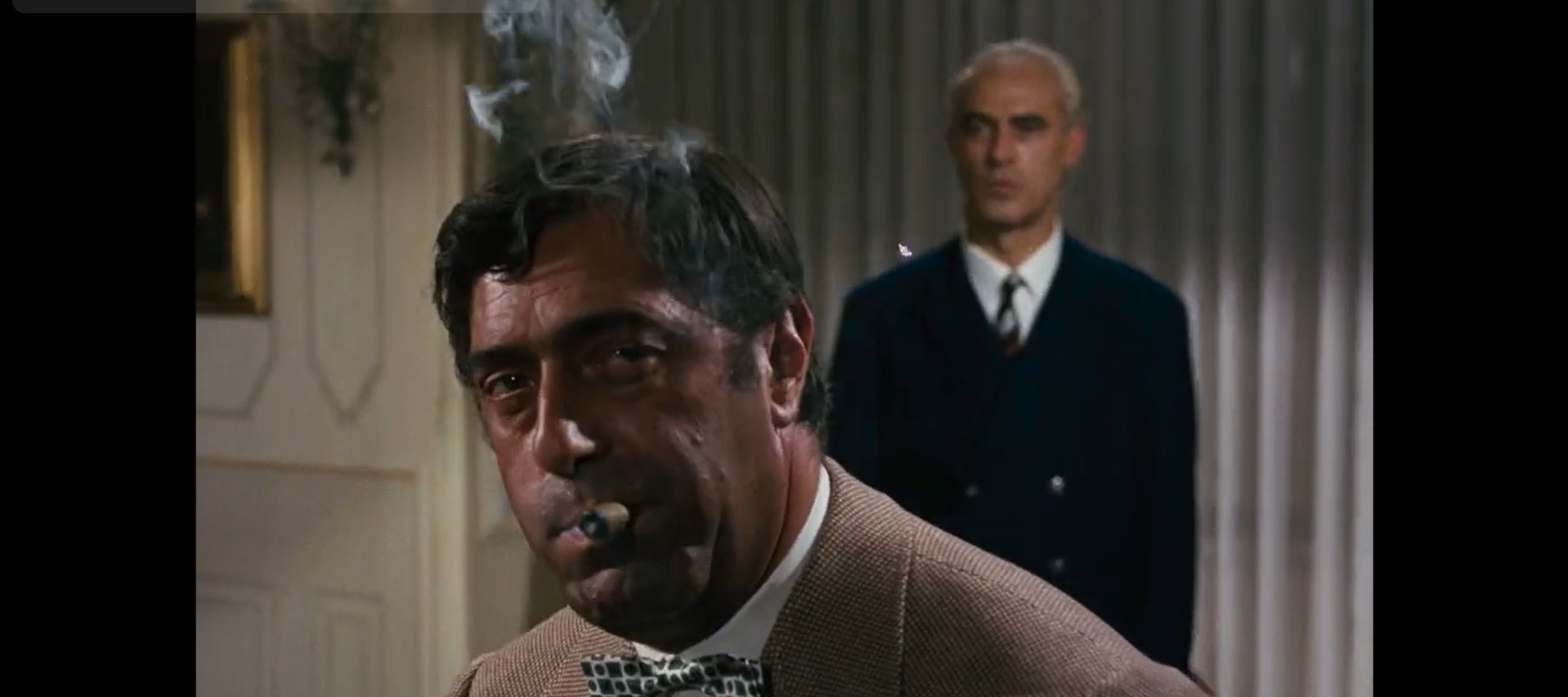
“A Hyena in the Safe” is carried by an eclectic, ensemble cast of international actors and actresses playing the roles that are not of their respective nationalities.  Going around the horn first with the keyholding thieves begins with Stan O’Gadwin’s Klaus, the German, Ben Salvador’s Juan, the Spaniard, Karina Kar’s Karina, the Tangerine and the only non-European of the group, opera singer Dimitri Nabokov’s Steve, The Englishman, and “The Slasher … Is a Sex Maniac!’s” Sandro Pizzchero’s Albert, the Frenchman.  The aforementioned cast primarily reduces to Italian and German actors in a virtually performance only role to exact and exude their character personality types in with Salvador, who gives Juan a thinking man’s confidence within a patient self and has a way of seducing women to extract information, or with Klaus, who’s aggressive pressing as an authoritarian German leans toward pursuit efficiency, or Steve, who’s quietly plotting multiple reserved schemes to deploy later.  Those not a part of the heist crew from the Bank of Amsterdam is Anna, the criminal mastermind’s wife portrayed by Maria Luisa Geisberger, and she, too, is a keyholder but only because the attractive femme fatale takes over the helm with the storage of the jewel vault and implants her own brand of deception after announcing her husband’s demise from an illness.  Jeanine (Cristina Gaioni) and Callaghan (Otto Tinard) are the last two who round out the ensemble in their corresponding roles of Albert’s blonde bombshell girlfriend who’s folded into the scheme at the chagrin of the others, and boy does she take a humiliating beating when Albert comes up short on his key, and the jewel appraiser who watches all the backstabbing unfold from the sidelines and counts down the bodies with the metaphorical removal of their party favor baggies, ones that would have been used to split the jewels between them upon opening the safe.
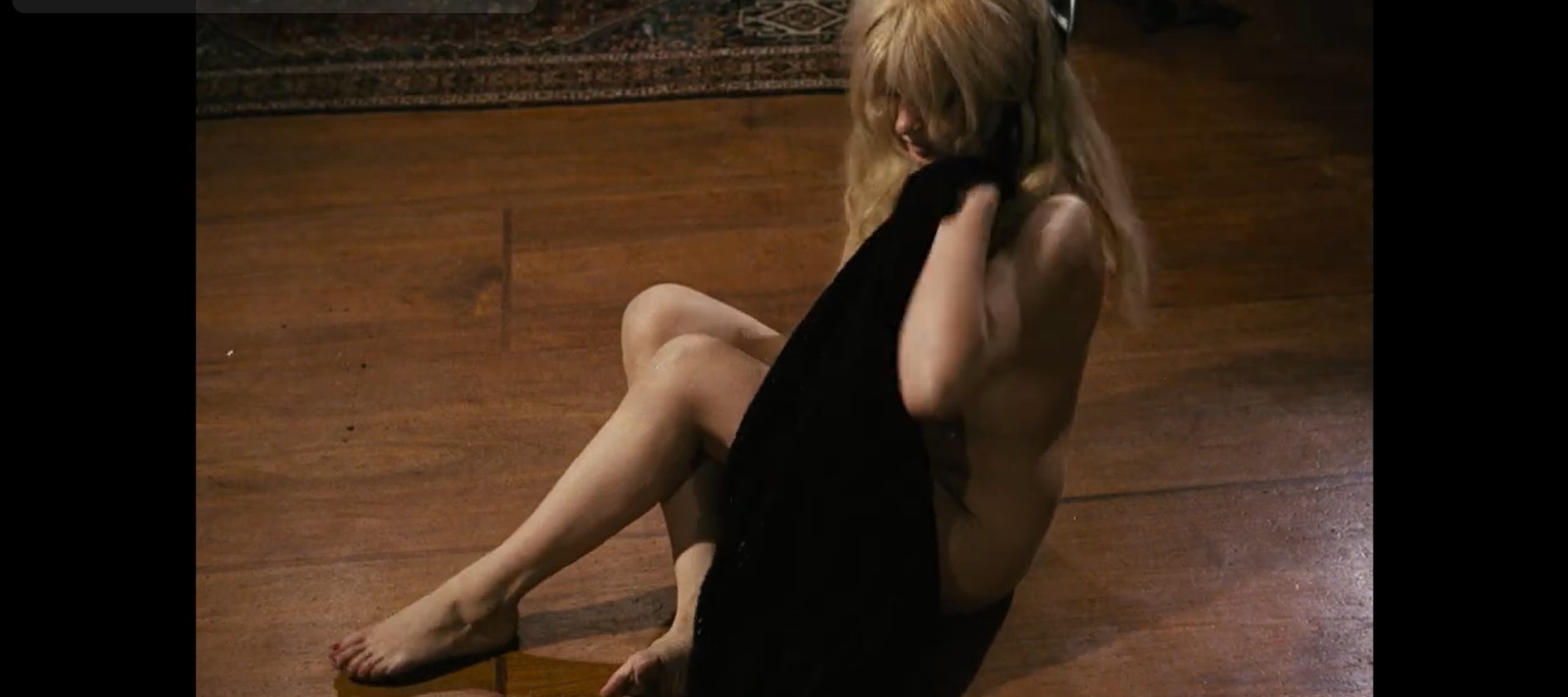
What’s interesting about “A Hyena in the Safe” is the beginning of the story plotted at the act of reassembling the team and only provide expositional context to a heist well after it’s been done, eleven months ago in fact.  All the characters are fresh and unknown to the audiences, we don’t know their personalities, their skills, their habits, or their attitudes toward one another, and all that dynamical odds and ends has processed, forcing those new to the film to watch, listen, and learn their way through the personality types and the situation at hand.  The tension is quickly laid out amongst the already side-eying and suspicious group of sophisticated thieves that react no differently from the lower class of thief with same cutthroat intent.  Keeping up with Canevari’s edited pacing and unconventional angle shots that squeeze out the tension with taut framing on expression-filled cutting of eyes and fear-induced faces, the mounting intriguing factors wet story hungry appetites with playful catering of the imagery that also consists of fixed and tracking shots.  Considering the film’s more conservative decade, Canevari builds tasteful implied sexual acts between conniving characters and is only explicitly, in physical means, when the scene calls for it, leaving gratuitousness begging to be let in.   One aspect with the pacing that hurts the enticingly heightening pressure cooker between the first act’s slow trot through choppy seas of character dynamics to elucidate taciturn behaviors and backdoor alliances and the last act’s spit firing and cutdown of those who are left standing, there is seemingly no middle act to funnel the trepidation and mystery from one end to the other in an abrupt ease into a quickly diminishing situation that goes from murder mystery to battle royale with switchblade umbrellas, electrifying door handles, and an indoor garage that can turn into an asphyxiating fish tank in a matter of minutes.  There’s an early James Bond campiness to the story’s temperament that can’t be ignored while be positively and simultaneously interesting.

Celluloid Dream’s third release title today “A Hyena in the Safe” arrives onto a new high-definition Blu-ray for the first time that’s AVC encoded onto a BD50 and presented in 1080p and in its televised pillar boxed full screen 1.33:1 aspect ratio.  The restoration of the original, likely, 35mm film stock was done by Rome’s Cinelab Services from the original camera negative, which also included the color grading.  The resulting transfer is peak restoration quality with a fresh coat of brilliant paint, a clear coating of texture producing details, and a virtually flawless image within the spherical lens picture.  Perhaps slightly on the orange side, skin tones come through a variety of shades to match the nationalities of the criminal enterprising collective.  Juan’s dinner jacket evokes tweed textures while Jeanine’s high, golden hair style never loses individual strands in the near all-bright-and-golden wash.  The original Italian mono mix was secured from the optical sound negatives attached to the filmstrip.  The mix had processed the Italian ADR in post and attached to synch to the celluloid, creating a near perfect pace and synchronicity with the conversational action though the lips doesn’t exactly match the actual words being spoken.  Speaking of dialogue, for a mono track the nice and robust with clarity from an untarnished negative albeit it’s lack of depth and not from the true source, and that goes for ambience as well.  English closed captioning is available.  Special features pack the encoding with a commentary track by Celluloid Dreams found and film critic Guido Henkel, interview featurette 7 Guests for a Massacre with Cesare Canevari (misspelled Canevaro on the back cover), Albert actor Sandro Pizzochero, Nini Della Misericordia, journalist/critic Adriana Morlacchi, and journalist/critic Diego Pisati discussing the film’s influence and pizzas from cast, crew, and critic perspective, a video essay by Andy Marshall-Roberts Schrodinger’s Diamonds:  The Duplicitous Mystery of Hyena in the Safe, a location featurette of the shooting setting The Mysteries of Villa Toeplitz, an image gallery, and the theatrical trailer.  The two-faced cover art, same art of dead bodies falling out of a safe, is set with the primary English language on the cover with the Italian language title cover on the reverse side.  The cover art on the encasing O-slip with a character composition design of a shadow-induced, high-contrast illustration by graphic artist Thu-Lieu Pham of Covertopia.com has slip art similarities with same art on both sides but with the title in either in English or Italian.  In the insert is advert for Celluloid Dream’s previous two releases – “The Case of the Bloody Iris” and “Short Night of Glass Dolls” and its upcoming fourth release “The Black Belly of the Tarantula” while the reverse side gives credits and acknowledgement in regard to the film restoration.  “A Hyena in the Safe” comes not rated, clocks in at 92 minutes, and is region locked for A, North America.

Last Rites: “A Hyena in the Safe” is a no laughs, all bite giallo caper once obscured from the public view now brought to the forefront of our attentions with a new Blu-ray release worth backstabbing for!

“A Hyena in the Safe” is on Black Friday sale! Get It at Amazon.com

EVIL Terrorizes the Parisian Women of the Night! “A Woman Kills” reviewed! (Radiance / Blu-ray)

“A Woman Kills” Now Available on Blu-ray! Click the Cover Art to Purcahse!

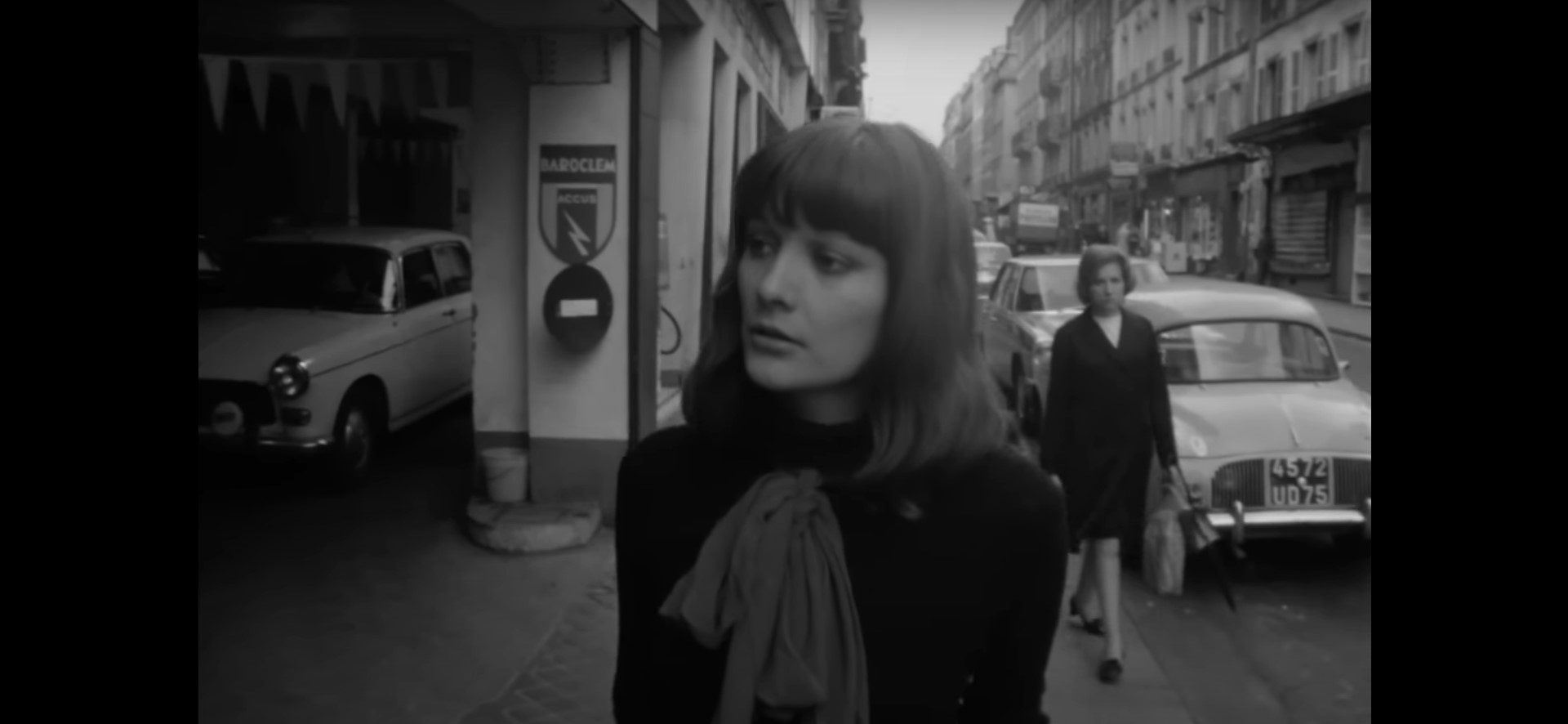
The execution of Hélène Picard, a convicted murderer of prostitutes in Paris, France circa 1960s, is carried forth and thought to have snuffed out a string of brutal killings.  Louis Guilbeau carried out the execution orders that gave Pairs a moment of relief and a sense of safety for the working girls on the streets, but when the similar murders spark public fear and the newspapers compare the scenes as Hélène Picard handywork, Paris is once again thrown turmoil with a serial killer.  Is Hélène Picard really dead?  Is it a copycat?  Or did they not catch the real killer?  Guilbeau, unphased by the recent atrocities, begins an affair with the lead investigator into the murders and continues to always be one step behind the suspected female culprit with no remorse, no shame, and no limits to her brutality against prostitutes.

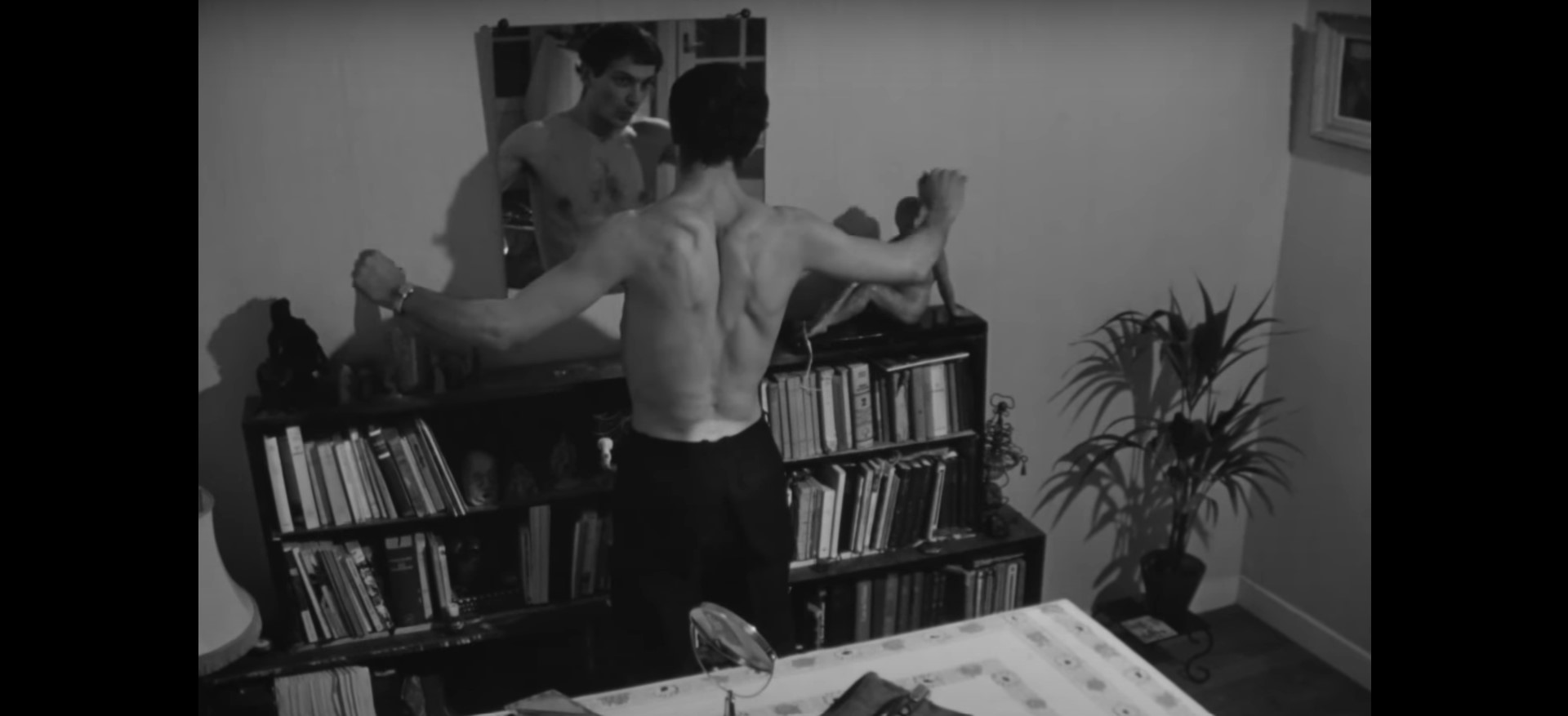
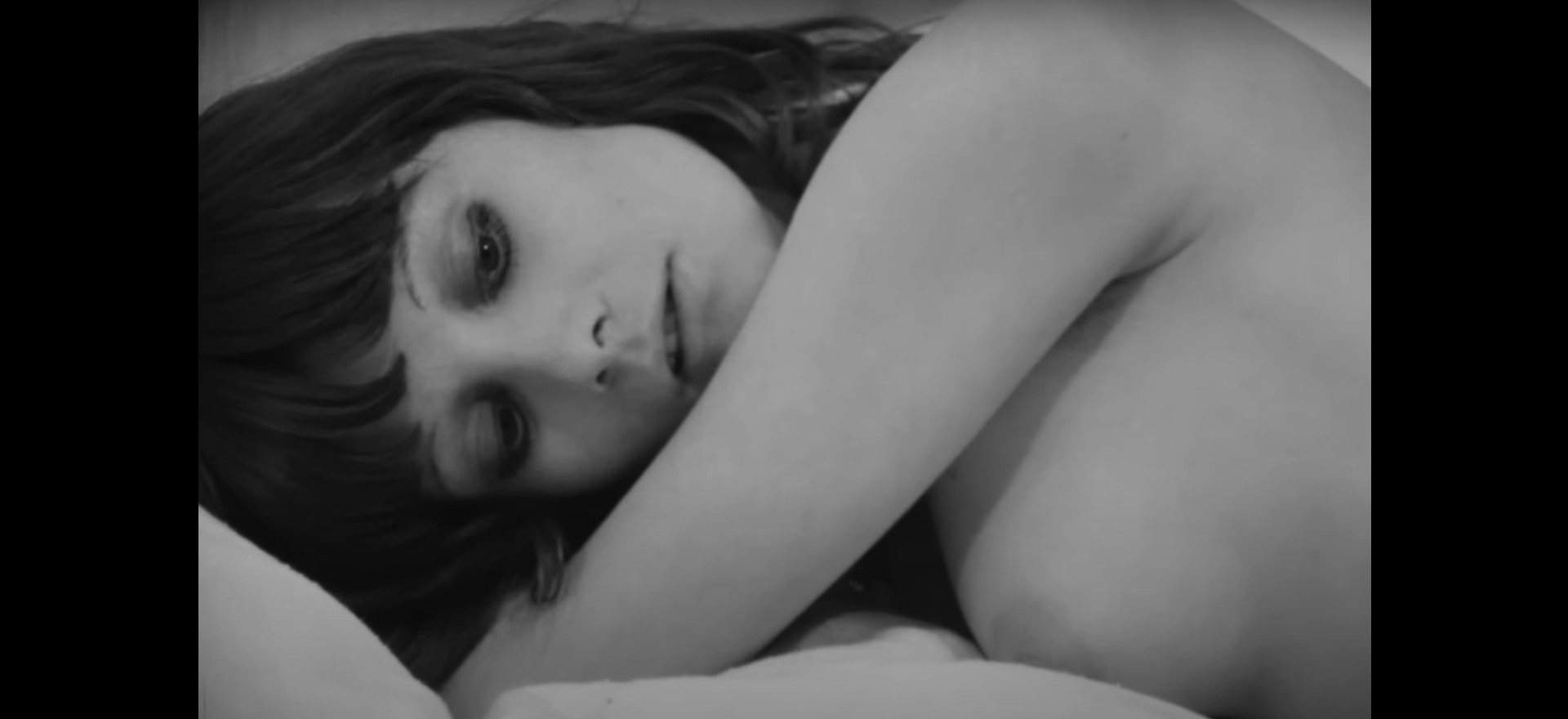
Thought to be lost in obscurity for forever, the reels for French director Jean-Denis Bonan’s “La femme bourreau,” aka “A Woman Kills” was discovered in 2010.  The master of the unfinished film became destined to be born again with a new home video release as Bonan’s debut directorial embodied parallelisms of the French sociopolitical unrest and protests, known as the Paris economic-stopping May 68 event, during the late 1960s, and hitched a ride on the narrative wave of post-“Psycho” gender identity complexes within the confines of a La Nouvelle Vogue, or the French New Wave movement.  Though “A Woman Kills” was the inaugural film of the young director’s career, Bonan simultaneously also became one of the few to document in real time the May 68 upheaving protests as he and the crew went back-and-forth filming a fiction story and nonfictional protests.  The film incorporates a semi pseudo-doc that treats the script like a mixture between a crime thriller and the experimental qualities of its playful, singsong soundtrack and harsh editing.  The 1968 film is a production of Luna Park Films and is self-produced by Jean-Denis Bonan.

For those casted in film, “A Woman Kills” was there first auteur film if not their first feature film role all together. What could be considered as a blend between New French Wave and Neorealism, Bonan rarely has his cast express their own vocal cords. Lots of action and expressiveness devour the attention but that doesn’t go on to say Bonon completely nixed dialogue altogether with his montage of interviewees, a jest-and-jovial troubadour descriptive songs of the scenes, the narrator’s file readings of victims, the newsboys hawking of murder headlines, all become the dialogue in lieu of the real McCoy. The cast does have their voices heard in rare moments, often in scenes of great exposures and difficult in detail. A case in point is Claude Merlin as the prison executive Louis Guilbeau. Merlin, who went on to be involved in another May 68’s connected film from 2001, “Toutes les nuits” or “Every Night,” is eager and excited in character when going into the medical details of the various way his profession executes prisoners or falls into a somber regarding his mother’s abusive behavior to him when he was just a boy. Guilbeau’s dialogued moments are precise and point plots toward his character and toward the end game. The affair Builbeau has with police investigator Solange Lebas, from Jean Rollin’s “Rape of the Vampire” and Bruno Gantillo’s “Girl Slaves of Morgana Le Fay’s” Solange Pradel, provides roughly the equal amount of dialogue time in a role that’s typically casted for men, a lead investigator on a high-profile murder case. Gender reversal and identity themes are accentuated by Merlin and Pradel’s tenues of the characters. Myriam Mézières (“Spermula”), Jackie Raynal, Catherine Deville (“Rape of the Vampire”), and Velly Beguard (“Endless Night”) work out the remaining cast.

I wouldn’t necessarily call “A Woman Kills” avant garde.  In fact, I firmly believe the propagating audio and video experiments and the themes are far from it.  Bonan borrows a little here and there from different techniques and cinematic trends to fashion a stake in the French New Wave movement.  Splashes of eroticism, which are greatly descriptive visually and narratively, don’t warrant “A Woman Kills” to be a full-fledged erotica film.  The same can be said about the crime or investigator angle that too just seems to be woven sporadically through this melee of classification. Pseudo-documentary montages and script narrator push the labeling in another direction as well. “A Woman Kills” doesn’t exactly fit into a mold, wears patchwork pastiche, but also has flare ups of Bonan’s call to add chaos into the traditional scheme of filmmaking. More so linear than not, the narrative transitions between scenes without a care for being comprehensible early on. Heavily relying on the narrator to give exposition on the background of the notorious prostitute murderer Hélène Picard and how she became under the executioner’s thumb, this event provides framework in introducing the executioner Louis Guilbeau and his professional ups-and-downs that ultimately land him working in the prison system. The association that connects the murders, Louis Guilbeau, and Hélène Picard is all very vague during initial proceedings and Gérard de Battista’s freeholding over-the-shoulder camera work provides passim POV shots and agley angles to keep the wheels of motion mysteriously slipping in order to not fully grip the reality of the situation. Bonan borders the edge of German Expressionism toward the third act by disenchanting the way of guilty thinking aesthetics and to root the killer in insanity on various levels, ending with a chase sequence that is seemingly endless amongst a pile of building rubble and ruin.

A provocateur of storytelling and of the celluloid vision, director Jean-Denis Bonan finally has his film, “A Woman Kills,” released onto a limited-edition Blu-ray home video from Radiance Films twelve years as being unearthed. First released on DVD in 2016, distribution for the film was all but easy due to Bonan’s deemed unclassifiable feature by large scale and indie firms. Today, the original reversible 16mm elements have gone through a 2K restoration scan for the feature’s Blu-ray debut and the presented in the original 1.33:1 aspect ratio and black and white format. For being undiscovered for four decades, unfinished, and receiving literally no support from any state funds to complete, the image has remained nearly pristine with only a few dust specks and faint scratches being the worse of the wear. The Cinémathèque de Limousin and the restoration by producer Francis Lecomte doesn’t feel to have overcorrected the natural grain or go high on the contrast but rather retain much of the classic, original elements for an honest viewing aside from the liner notes mentioning a few special effects added to remove equipment from out of the picture. Father time has forgotten all about Bonan’s lost relic, staving off age degradation to those with more day-to-day exposure. The French language Dolby Digital mono track also retains a remarkable, near stainless net result. The absence of the camera whirring and lack of electrical interference points to a complete dub track of the actors’ voiceovers to which the dialogue is distinct with only a handful of crackling peppered in throughout. English subtitles are optional on the menu settings and offer an error free, well-paced synchronization. The bonus features include a video introduction to the feature by Virginie Sélavy, an audio commentary by Kat Ellinger and Virginie Sélavy, the trailer, and a 37-minute, newly updated 2015 documentary On the Margin: The Cursed Films of Jean-Denis Bonan featuring one-sided interview responses from Bonan, cinematographer Gérard de Battista, editor Mirelille Abramovici, composer Daniel Laloux, and actress Jackie Rynal. There is also Bonan’s short films – “la vie breve de Monsier Meucieu,” “Un crime d’amour,” “Tristesses des Anthropophages,” Mathieu-fou, “and “Une saison chez les hommes.” The limited to 2,000 copies release does not disappointment with tangible material within this clear snapper, untraditional Blu-ray case that doesn’t sport the Blu-ray logo at the top. Much like Bonan’s work, the Blu-ray, too, rebels against marketing norms with cover art that displays the film’s synopsis and documentary bons feature on the front cover. The reversible cover also has the original 2016 DVD art on the inside along with a limited-edition booklet featuring “A Woman Kills” essay by film author and scholar Catherine Wheatley and writer-broadcaster Richard Thomas regarding the film’s themes and Bonan’s short films. The 51-page booklet also includes newly translated interviews and offers film credits as well as black and white stills of “A Woman Kills” and other Bonan credits. The feature has a runtime of 69 minutes, the release is region free, and Unrated. Jean-Denis Bonan disrupts the narrative routine, but his film remains a timeless, psychosomatic portrayal with a contentious backdrop of French sociopolitical unrest that makes the context of “A Woman Kills” that much more engrossing.

“A Woman Kills” Now Available on Blu-ray! Click the Cover Art to Purcahse!