
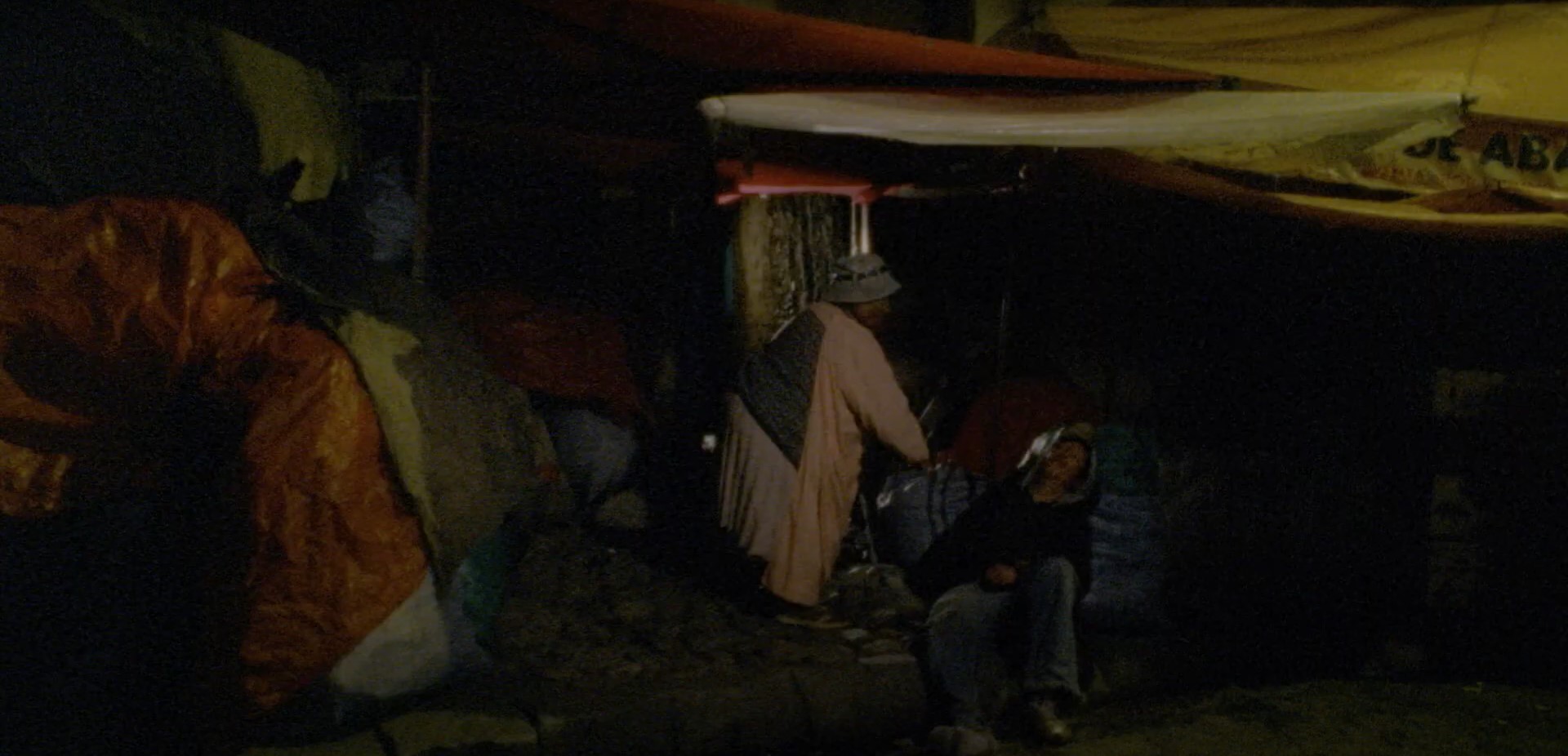
A group of out of work Huanuni miners march into the capital of La Paz to protest forced labor shortages. Young miners Gallo, Gato, and Elder roam around La Paz to rummage up piecemeal work to live. When they find work as commodity runners at an outside market, the job is labor intensive, pays very little, and they must sleep outside with other runners and vendors with essentially everything they own on their back. The job takes a toll on Elder who is suffering a strange illness that cases fever, coughing, shortness of breath, and fatigue that hurts his pockets when he can’t run product in a timely manner. Elder comes under the wing of a mysterious earthy, old woman who thinks Elder is her godson and she enlists the holistic medicine of a clairvoyant herbalist, living off the mountainous land just outside the city, to extract the unnatural elements that plague him.
Every so often, diving into a dramatic piece of filmic art, with hints of nightmarish surrealism to satisfy the horror element (or, in this case, the EVIL), is worth cracking into and peering into dependent the writher’s personal taste and the influencing environment surrounding. In this instance, Kiro Russo’s “The Great Movement” spoke to the interests of this reviewer for not only the urban growth is death, nature is life social commentary but also my intimate connection to Bolivia because of my second-generation wife whose mother was born and raised in the South American country before migrating to the U.S. “The Great Movement,” aka “El Gran Movimiento,” is the first native Bolivian film I’ve ever seen and that, too, sparked a curiosity in the Bolivian film industry that was virtually thought of as nonexistent. Russo writes-and-directs the film produced by an international conglomerate of production companies with Altamar Films (“Killing the Dead”), Bord Cadre Films (“The Untamed”) and the La Paz based Socavón Cine as well as Sovereign Films who also distributes the film.
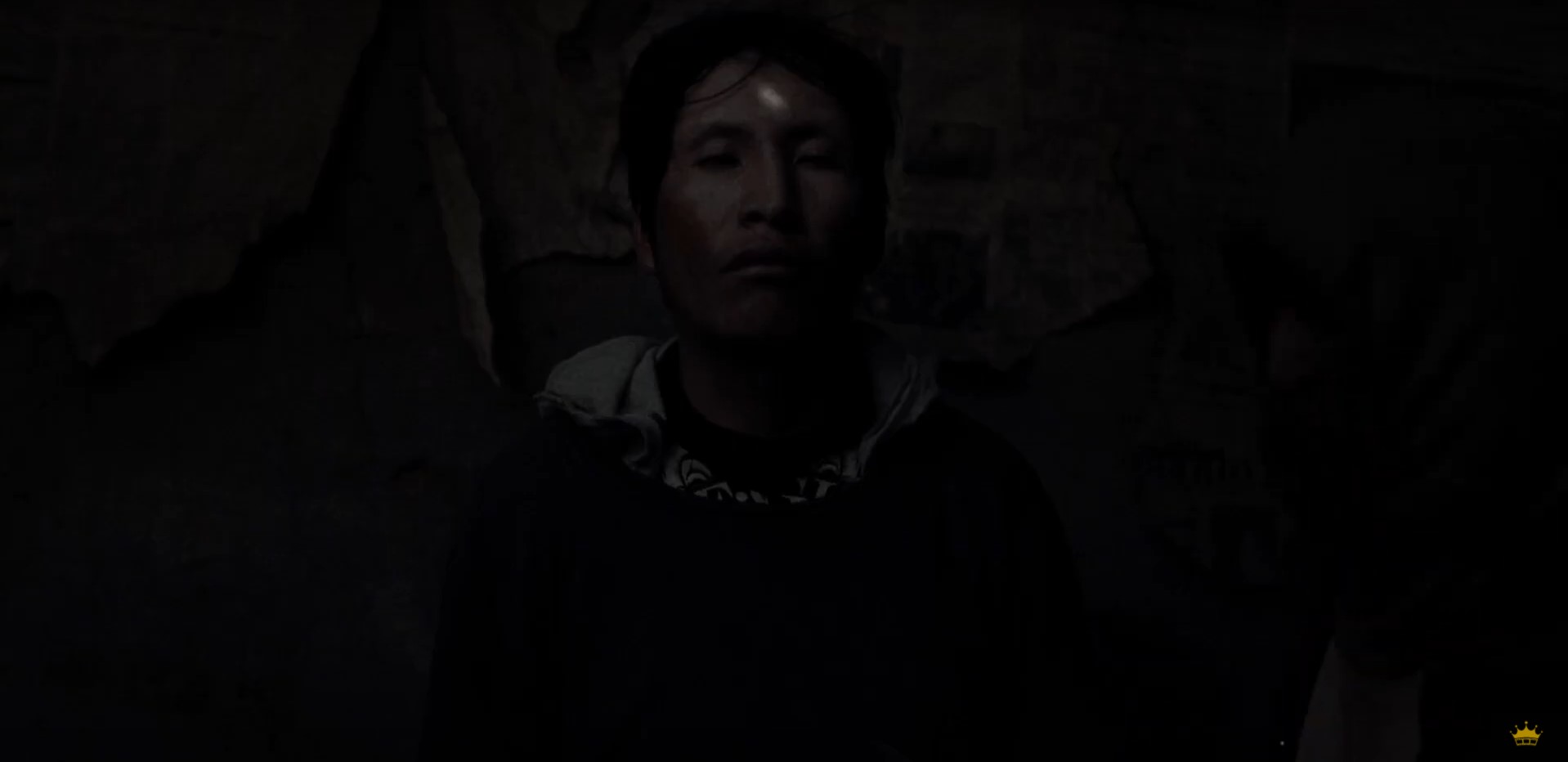
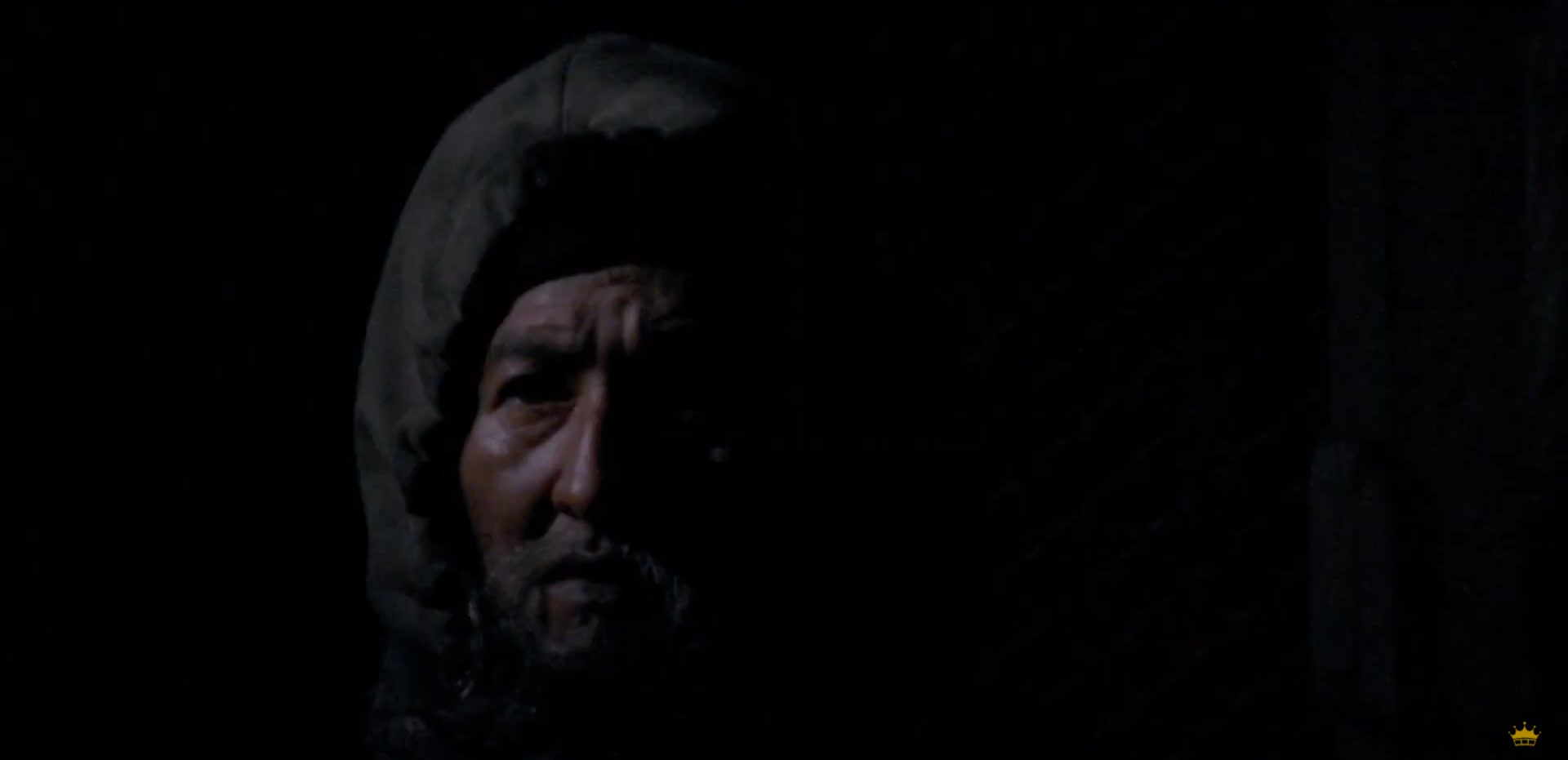
“The Great Movement” is a continuation of Elder Mamani’s story in this follow-up film from Russo’s 2016 “Dark Skull” where Elder’s moves in with his grandmother after his father’s death. Living in a mining town, Elder pickups a miner job which leads to unearthed secrets about his father. Julio César Ticona reprises his role as Elder, marching from the mines to the capital in protest for work only to be stricken by an illness insinuated from his dirty work at the mines. Only a little of the previous “Dark Skull” story works itself way into the next chapter revolving around Elder’s suffering from various forms of urban reaping toxicity and also a clairvoyant old man living off the adjacent wilderness. Max Bautista Uchasara, in his performance debut or at least as stated on IMDB, plays…well…Max, the well-loved, if not hard-loved, and dirty-cladded mystic that sees visions of La Paz in ruins. Elder and Max cross paths because of Elder’s unexplainable sickness, without hardly a word spoken between them, to eradicate his illness and heal the young man’s failing body. The connection between them is an old urbanite woman Mama Pancha (Francisa Arce de Aro) who thinks Elder is her godson but Elder, taking advantage of her kindness and generosity, doesn’t know this random person and, in the grand scheme of mysticism, Mama Pancha, which translates loosely to Mother Earth, is a symbolic representation of a forgiving planet lending a hand to an ore reaping miner by introducing a natural healer. “The Great Movement” rounds out with a cast in Gustavo Milán Ticona, Israel Hurtado, Armando Ochoa, and Richard Aguilera.
Through Russo’s use of cityscape and natural soundscape compositions, the sound design injects a creeping presence, enveloping the characters either insidiously or soothingly in their respective surroundings. The overwhelming arsenal of concrete jungle noise pollution becomes the harsh soundtrack that contributes to Elder’s environmentally unfriendly downfall. Every car horn, every construction machinery, every hustle and bustle of foot traffic is a spike through the head as Russo wants to make sure you can feel the audible image. In contrast, Max experiences virtually little noise, aside from streams, wind, and the rustle of greenery, in his detachment from clustered society when roaming the mountainous wilderness. Max’s elder ways grant him inexplicable aptitude that allows him to essentially speak to nature, live amongst the trees, and use the land for beneficial properties without waste and destruction. This encourages Pancha Mama, aka Mother Earth impression, to ask Max to heal her godson, aka an Earth child. This is Kiro Russo’s linchpin theme for “The Great Movement” that showcases a distinct dissonance between urbanization and nature. Being a nationality outsider going into Bolivia, that distinction is immensely obvious seeing firsthand the lack of organization, resources, and care for the city I travelled to that has been turned into a comprehensively polluted, dry dust-riddled, population on top of a population where one has trouble simply inhaling a breath of fresh air and struggling with the annoyance of a bloody nose. Now, I’m not singling out or epitomizing this one area of Bolivia I journeyed to as the worst of the worst, much of the same can be said about New York City sans the dust, but once you escape the city limits and step into Bolivia’s lush jungle, the air is noticeably cleaner with an almost healing effect on the body – no more bloody nose! My experiences greatly make visible and nail in Russo’s message as we accompany Elder through his deterioration, hearing about inhaling dust as a miner, drinking nothing but strong alcohol, and being worked literally to death with backbreaking labor. Modern medicine can’t locate or explain his symptoms, diagnosing Elder with psychological manifestation of physical problems. Russo’s “The Great Movement” is powerful and invokes soul-searching about reconnecting and healing with Mother Nature.
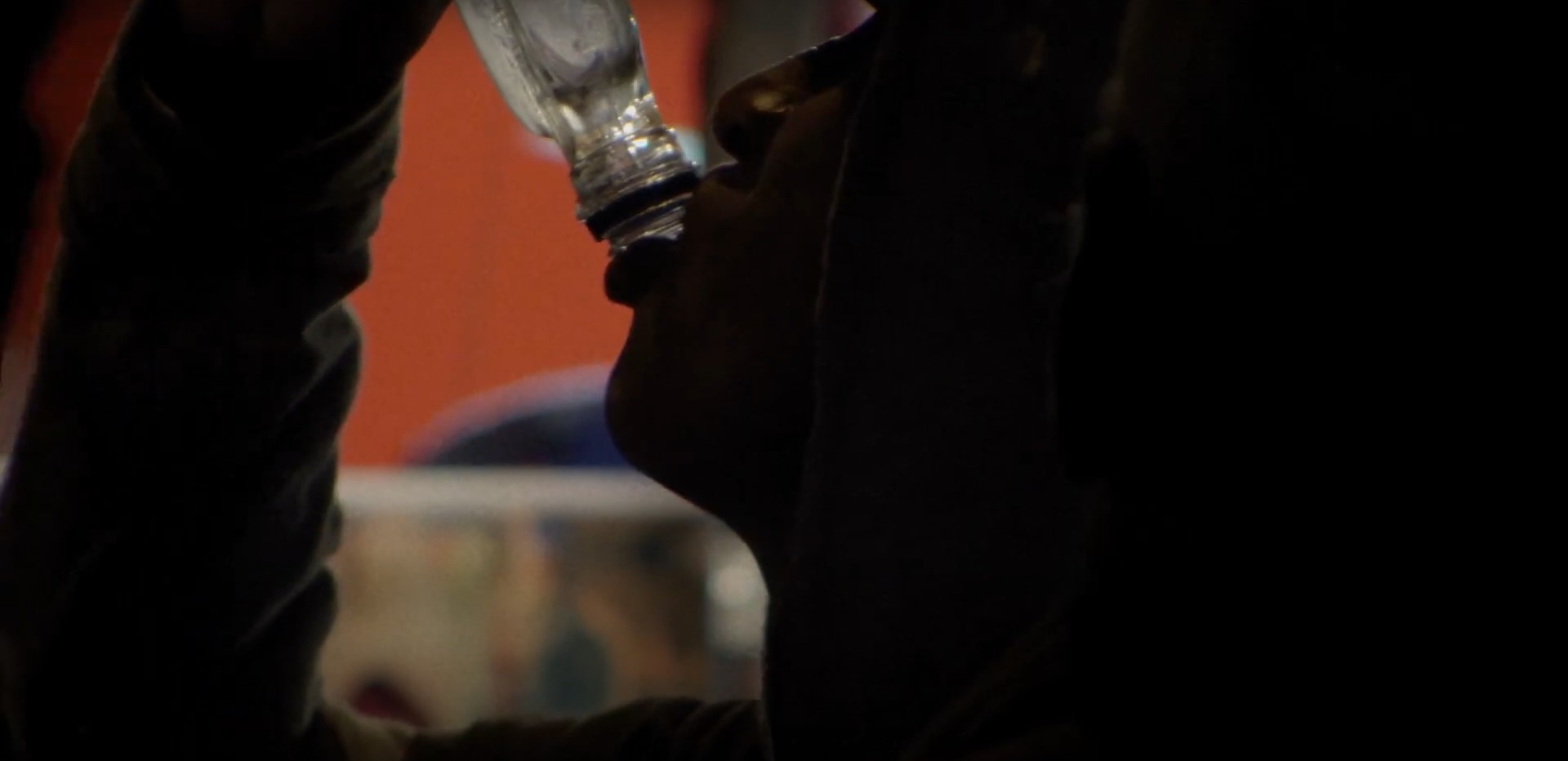
An insomniac nightmare that’s haunting in Russo’s solemn vision and full of delirium, “The Great Movement” is an arduous detox from the overdevelopment’s intoxicating prospect. Sovreign Films will release Kiro Russo’s 85-minute disenchanting and revival tale in UK cinemas on April 15th, 2022. With the limitations of a digital screener, I am unable to entirely comment on the audio and video quality, but the film is shot in the faint speckle of super 16mm and is presented in a widescreen 1.85:1 aspect ratio to get the full spectrum of the cinematographer Pablo Paniagua shot Bolivia from the market busy streets to the monolithic stone and mountain structures on delineated outskirts of the capital. Paniagua employs the vibrancy of daylight and the scarcity of night light for tenebrous effect already poorly rendered by the 16mm grain. Miguel Llanques’s score is often overshadowed by the conspicuous soundscape, but the impromptu synth-flash mob dream sequence broke up the feverish trajectory at midpoint with catchy beat and dance seemingly out of nowhere. There are no bonus scenes during or after the credits. “The Great Movement” is just as raw with the foreboding circumstances in the rest the world civilization as it is with Bolivia in Kiro Russo’s film that shepherds the overlooked denizens in need for growth back to a natural world of healing.
 It's Bloggin Evil!