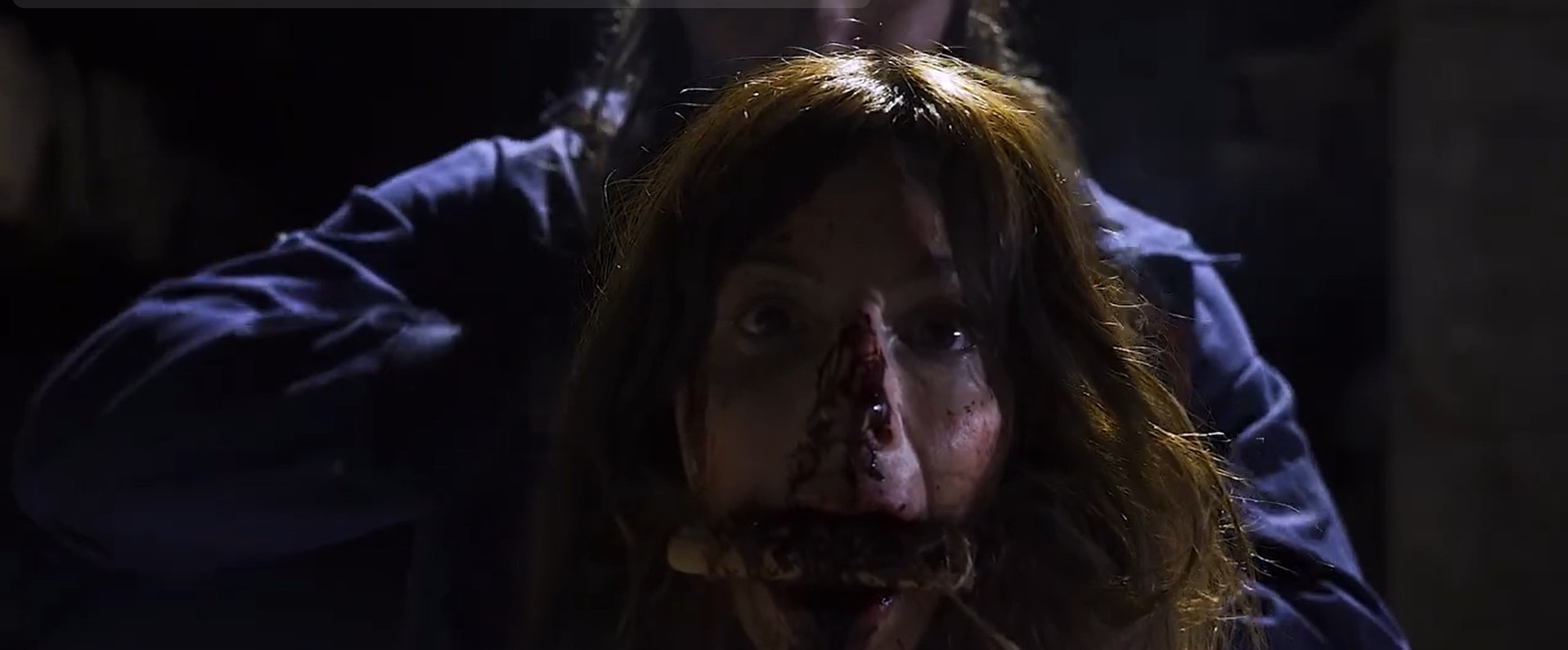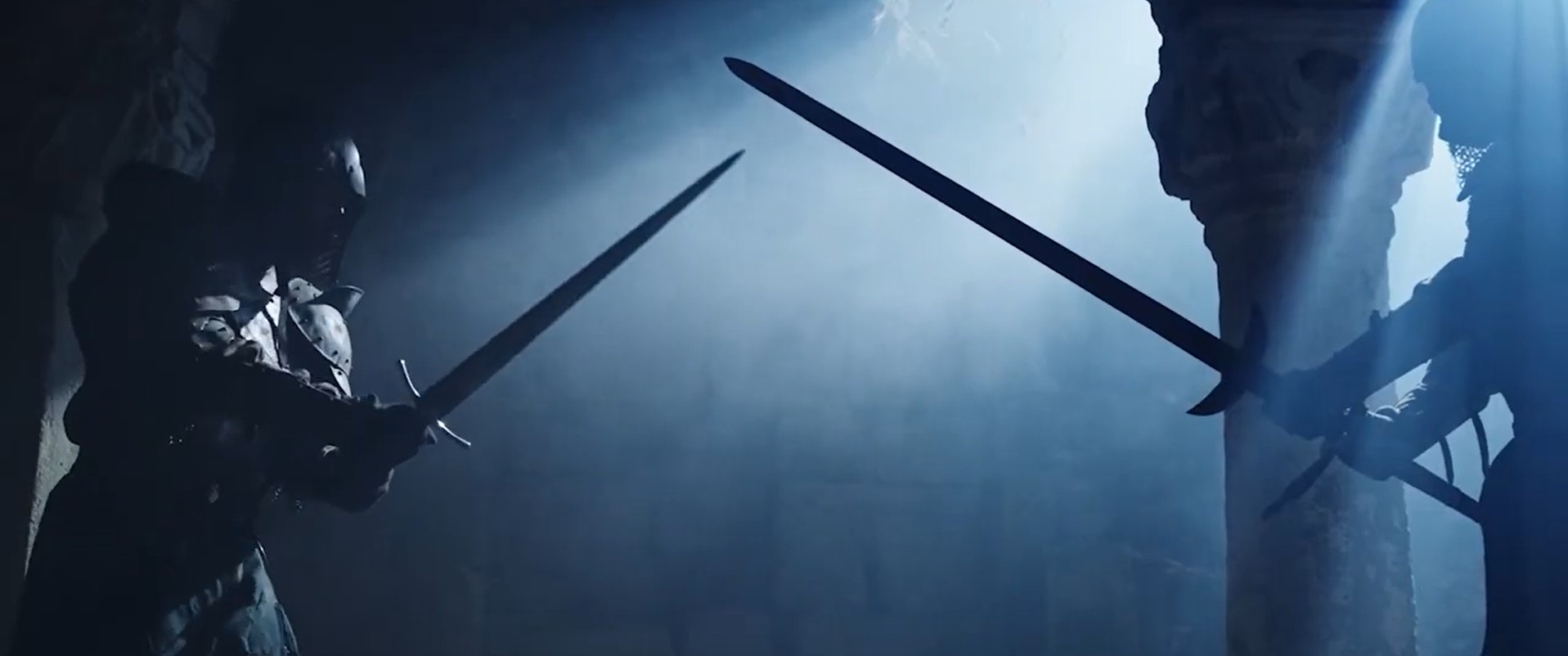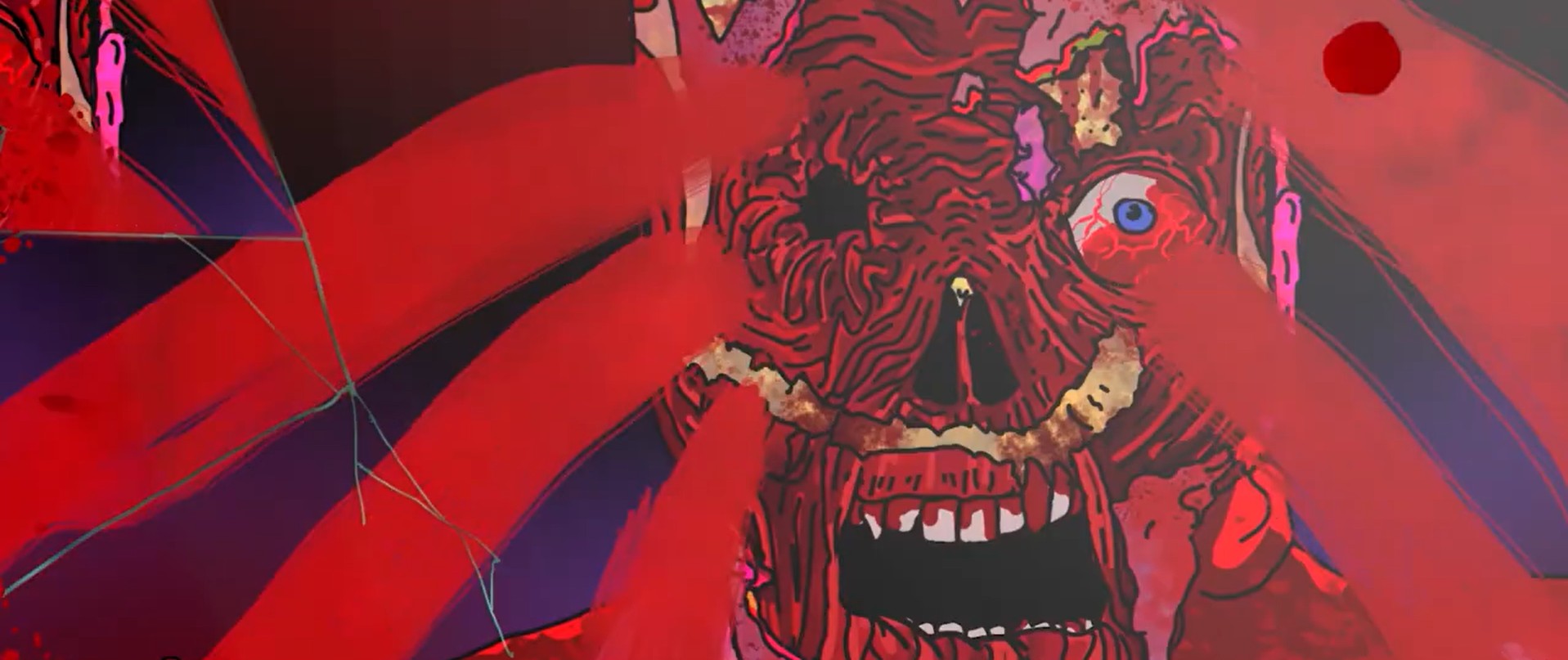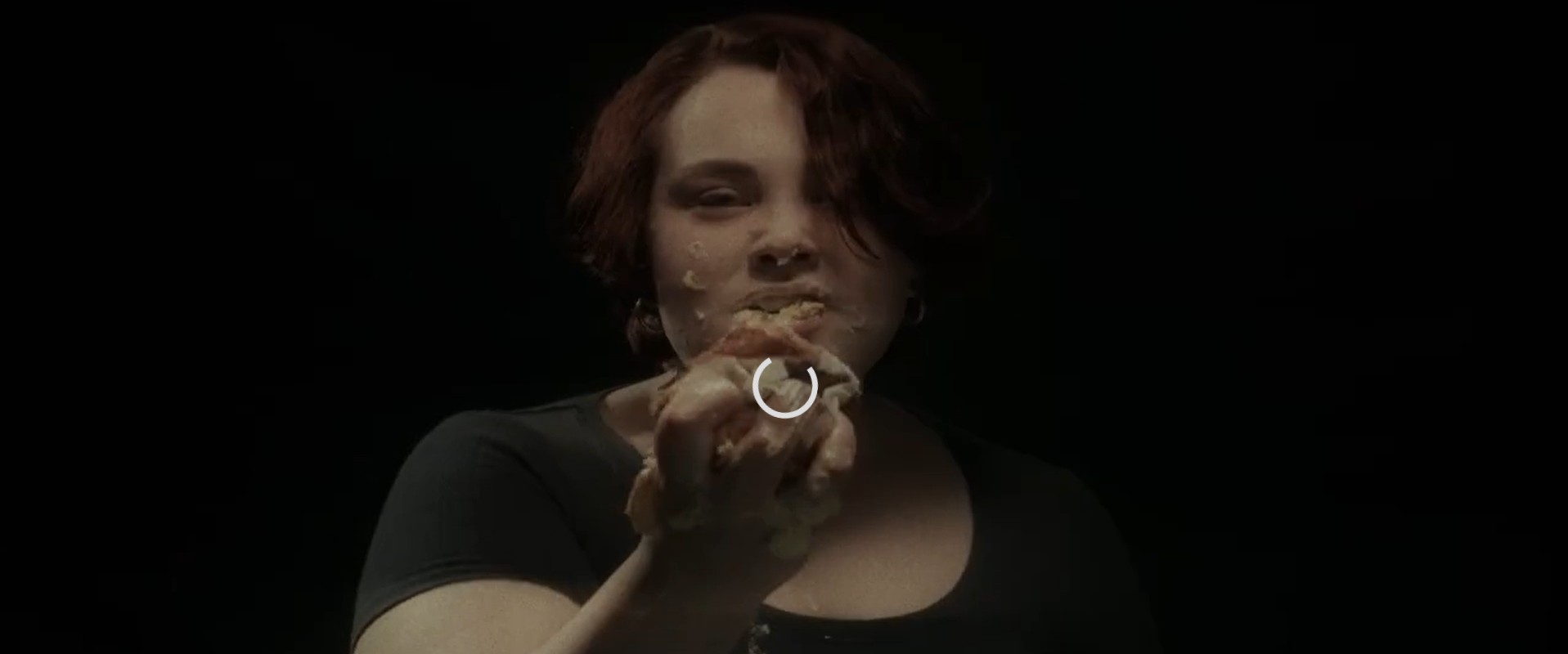
EVIL Dances Naked the Night Away! “Orgy of the Dead 2” reviewed! (MVD Visual / Blu-ray)

Get in on the “Orgy of the Dead 2” on Blu-ray!

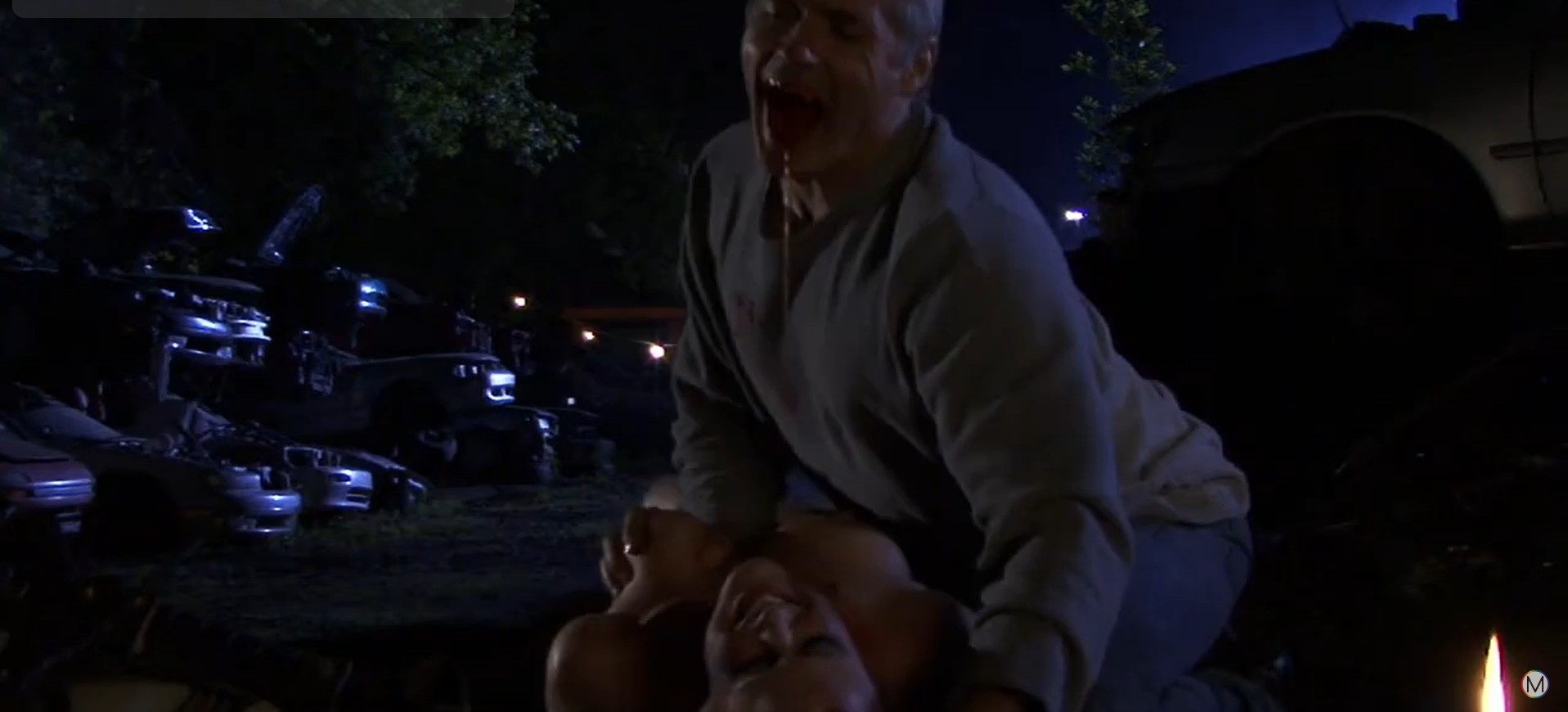
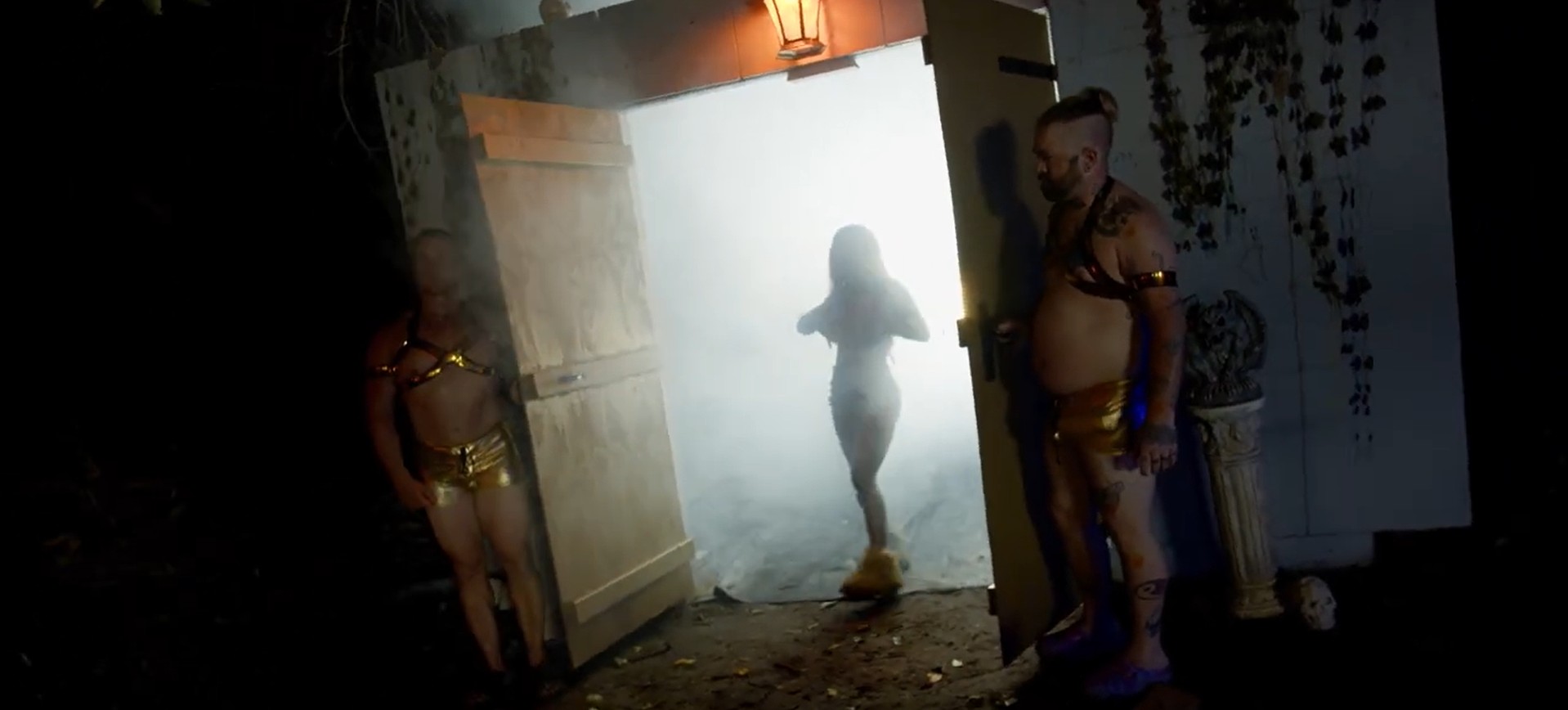
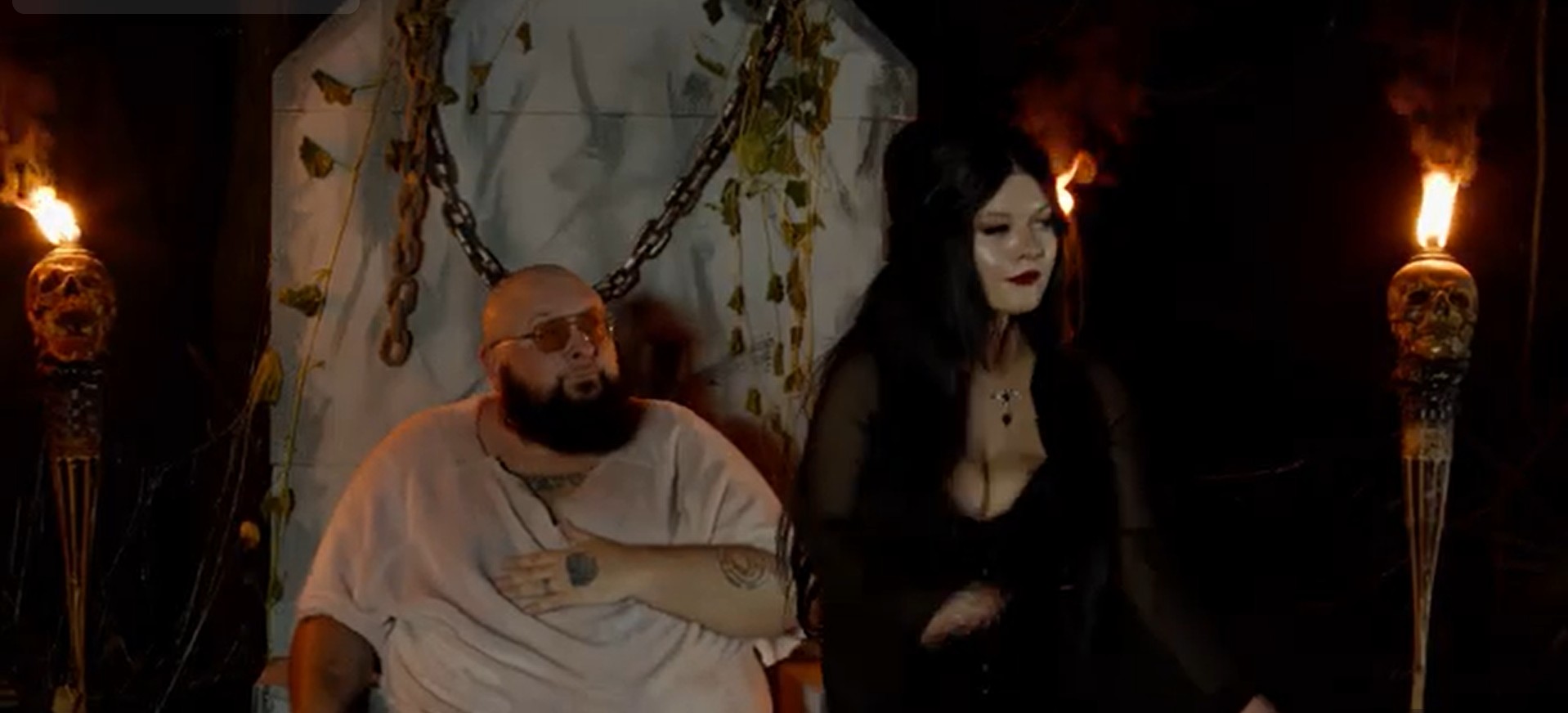
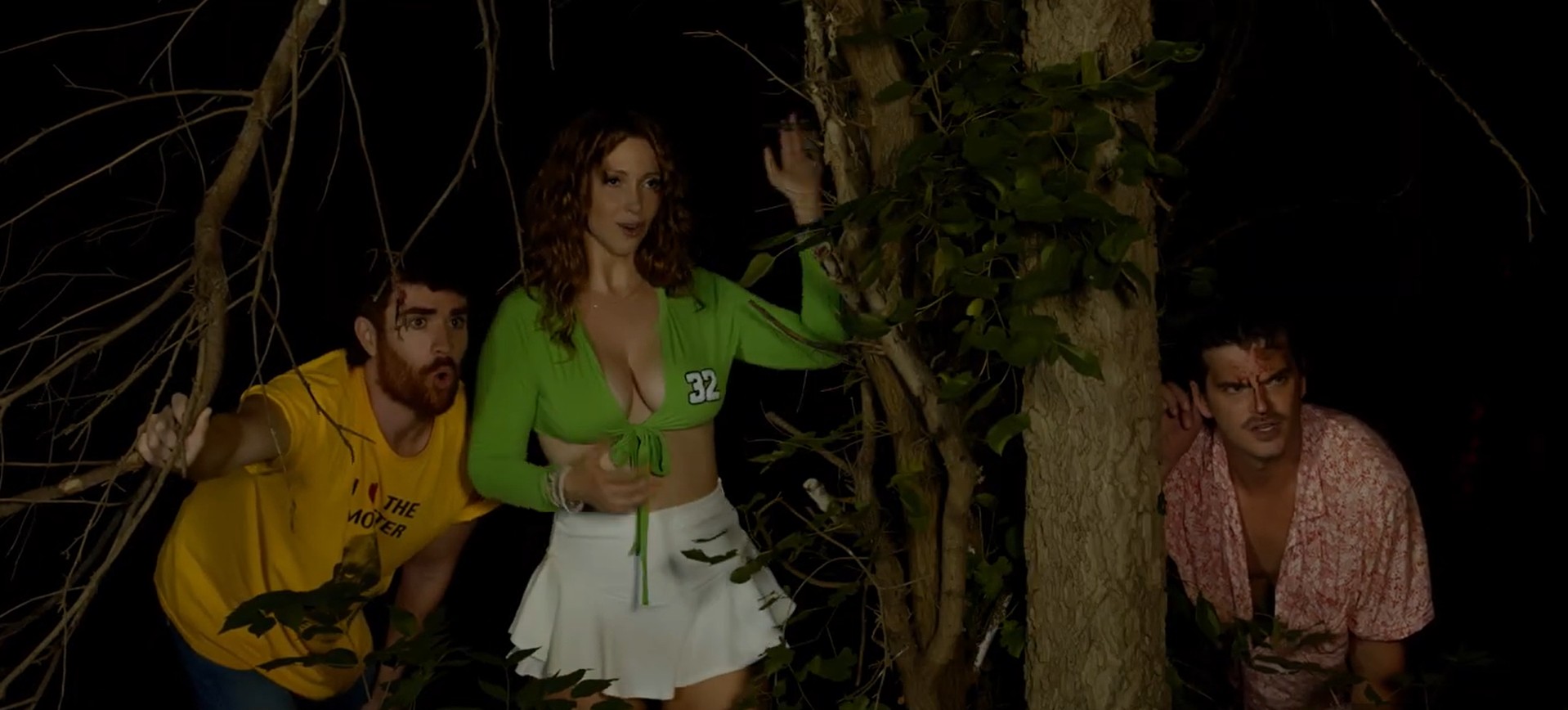
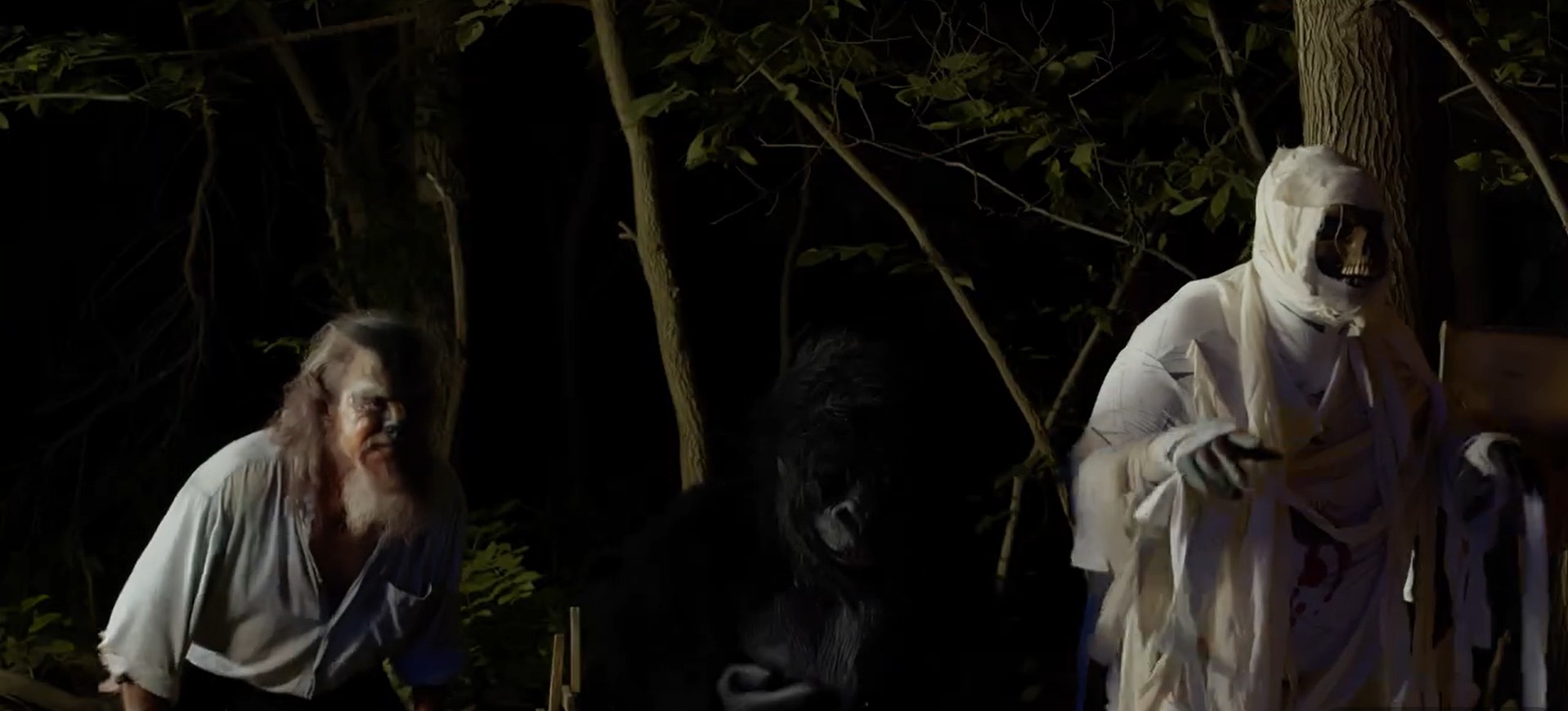
The Emperor of the dead and his Princess of the Night return from the dead to behold entertainment from the beyond.  As the Emperor sits on his graveside throne, his lap-seated Princess announces the lineup of dancing deceased, half naked women in a seduction of debauchery and death.  If the Emperor is not entertained, nor turned on, he damns their souls to Hell forever!  Four teens, on their way to the graveyard for sex and drugs amongst the dead, crash their car after some distracting roadhead, killing one of them in absent of a seatbelt.  As they search the graveyard for a living soul for help, they stumble upon the Emperor’s variety of groovy vixen and are captured to witness their dance of the dead.  As the show becomes more and more sordid, not all of the prisoners feel turned off by the show that creeps closer to their doom and their dawn.  

If you’re deeply knowledgeable of cult movies, have a familiarity with Ed Wood Jr. films, and have a genuine affinity for really schlocky horror and eroticism, you may have once in your life experienced the 1965 nudie-cuties erotic horror “Orgy of the Dead” that danced the graveside night away with topless stripteases challenged to entertain the Emperor of the Dead to avoid eternal damnation.  “Plan 9 from Outer Space” and “Jail Bait” filmmaker Edward D. Wood Jr. penned the then controversial and provocative script with Stephen C. Apostolof debuting his directorial effort, who then went on to do a number of exploitation pictures, such as “College Girls,” “The Snow Bunnies,” and “Five Loose Women.” The film’s rights were obtained from the Apostolof family by Andrew J. Chambers, who’s credentials followed a similar subgenre to his 1965 predecessors with “Babezilla vs the Zombie Whorde” and “Lust, Magic, and the Witches’ Sabbath.”  Chambers’s goal was to create a sequel, simply entitled “Orgy of the Dead 2” that brought back the Emperor, Princess of the Night, and a slew of scantily cladded undead women to burlesque the night away.  Chambers writes, directs, and produces the 2026 release alongside co-producer Stephen Apostolof’s son, Chrisotpher, under Chambers independent production company, HojBob Productions, and was partially crowdfunded under Indigogo.com, achieving an approx. $3,700 in pledges.

Obviously, the 60-year span between the two films doesn’t see the return of Jeron Criswell back as the Emperor (died 1982), Fawn Silver as the Black Ghoul (long retired and left pictures altogether), or Pat Barrington and William Bates as the stumbling lost couple Shirley and Bob.  Instead, the sequel features new talent in the principal parts as Mike Fantastik dons the undead ruler of darkness as the Emperor who sits on his throne to judge the decaying dancers.  Fantastik is no Criswell but the indie rapper from Nebraska brings his own licentious flair to the character by blatantly reading from cue cards just off screen.  Princess of the Night is played by pinup model Penny Aphrodite (“Pigshit”) that does resemble a bit of Fawn Silver’s Gothicism in looks and mannerisms.  The duo of Bob and Shirley are replaced with a quartette, or a pair of couples, who wreck their car after roadhead sends their car careening into the bushes near a graveyard.  Nick Somers, Adam Peltier, Jaymie Schroeder (“The Devil’s Dancers”), and Jessa Flux (“Debbie Does Demons”) are the new captured and witnesses to the Emperor’s sordid dance space of judgement.  Flux has established herself as a rising scream queen by integrating herself into any and all-types of horror films in a very unselective manner and with “Orgy of the Dead 2,” her character closely recalls other Flux’s roles of a sexed-up hot chick, making her Cindy performance not that stand out, but in contrasts, there’s an omission of emotional guilt and anger compared to the others tied to a staked crosses as they watch the perversion and death unfold.  The dancers a motley of alternate women and unabashed topless stripteasers between Stephanie Love, Bobbi Jo, Mercy Andersen, Tina Mazing, Katie Kadaver, Maia Thomas, Naomi Webb, Kaisa Neal, and Mae Devour with Michael E. Ross, Clint Beaver, Tony Kimball, Zdenek Voprada, and Morgan Molck as the Emperor’s creatures of the night. 

If any of you readers have ever seen the 1965 “Orgy of the Dead,” you’ll find the modern-day sequel to be not really a sequel in the traditional sense but more like a remake.  There’s no firm connection to the original production with Chambers bringing new nudie-cuties to the dance on the graves, a mixed soundtrack, and a totally different perverted vibe that’s cruder than it is implied to accommodate the time period in which the film is made.  Apostolof’s “Orgy of the Dead” had no plot in the traditional sense in what was more of an erotic, burlesque shindig in the middle of ghoulish-driven cemetery and, to be frank, the whole concept didn’t exactly leave an ecstatic and an aesthetic taste in my mouth with its boring static evolution further into the runtime.  I get it.  Times change, movies change, and taste change and Apostolof’s “Orgy of the Dead” might have been the hot ticket punched for some sleazy gawkers but in the early 2000s, when “Orgy of the Dead” made it to VHS, the novel idea just fell hard like a rock sinking to the bottom of a lake.  Chamber’s sequel, following the same design as the original, produces the same effect with its timeless homage to Apostolof’s original and, while that’s honorable, Chambers didn’t reinvent the wheel, he just bedazzled it with different kinks and coarser content.  Product looks even cheaper than the original on its measly $5-$7,000 budget that can only afford cardboard structures and tombstones, a glue on prosthetics, and simple in-laid practical effects.  Plenty of heart with really no soul, “Orgy of the Dead 2” is about as lifeless as the undressing undead. 

From Hojbob Productions and MVD Visual, “Orgy of the Dead 2” is a blast form the past done in contemporary times now on Blu-ray home video.  The unrated, region free release doesn’t have a lot of technical disclosure, but the release is AVC encoded, 1080p resolution, onto a 25GB BD-R with the bruised colored disc underbelly, suggesting a commercial writeable disc and muted colored, textured DVD label on top.  Presented in a 1.78:1 widescreen aspect ratio, the indie production isn’t at the summit of quality and, in fact, is rather low with poor visibility (aka lighting), compression blights such as banding and splotches, and an anemic color saturation.  The former of the three can be accepted to work in the sequel’s advantageous favor that keeps the hazy graveyard cemetery dim as possible and not be evident of key lighting that’ll throw off whatever authenticity “Orgy of the Dead 2” may possess.  The audio is an English Stereo 2.0, uncompressed but not reigned in with it’s noise static when volume levels overload with intense decibels.  Dialogue is clear but varies in strength in part to recording mic placement that can’t capture more than one person standing adjacent to the person next to the mic. The soundtrack by Aaron Gum is perhaps the best with a variety of musical genres from carnivalesque to rhapsody that loosely fits the dance number.  Special features include a making-of featurette with Andrew J. Chambers, a behind-the-scenes featurette with raw footage of takes and setups, actor Adam Peltier’s ramblings, a director and actor feature length commentary track, and the original trailer.  Released in a standard Blu-ray Amray case, “Orgy of the Dead 2” homages its predecessor with a slapped together package design of a blown up still from the actual movie and used as the front cover face.  The sleeve art is also one-sided.  Inside in the insert section, there’s a slick and nicely illustrated retroesque comic book front cover insert of the main characters.  It’s unfortunately uncredited.  The narrowly hour film, coming in at 65 minutes, is the perfect size for the BD-R capabilities.

Last Rites: If a fan of the original “Orgy of the Dead,” the sequel doesn’t stray into new territory with dancing corpses and a killer soundtrack, but don’t expect a novel sequel in this ready-made remake.

Get in on the “Orgy of the Dead 2” on Blu-ray!

A Trio of EVIL of Italian-Inspired Violence. “Gialli, Guns, and Gore!: The Brutal Films of Darren Ward” reviewed! (Treasured Films / 3-Disc Blu-ray)

The Brutal Films of Darren Ward Are a Must See! Buy the Set Here!

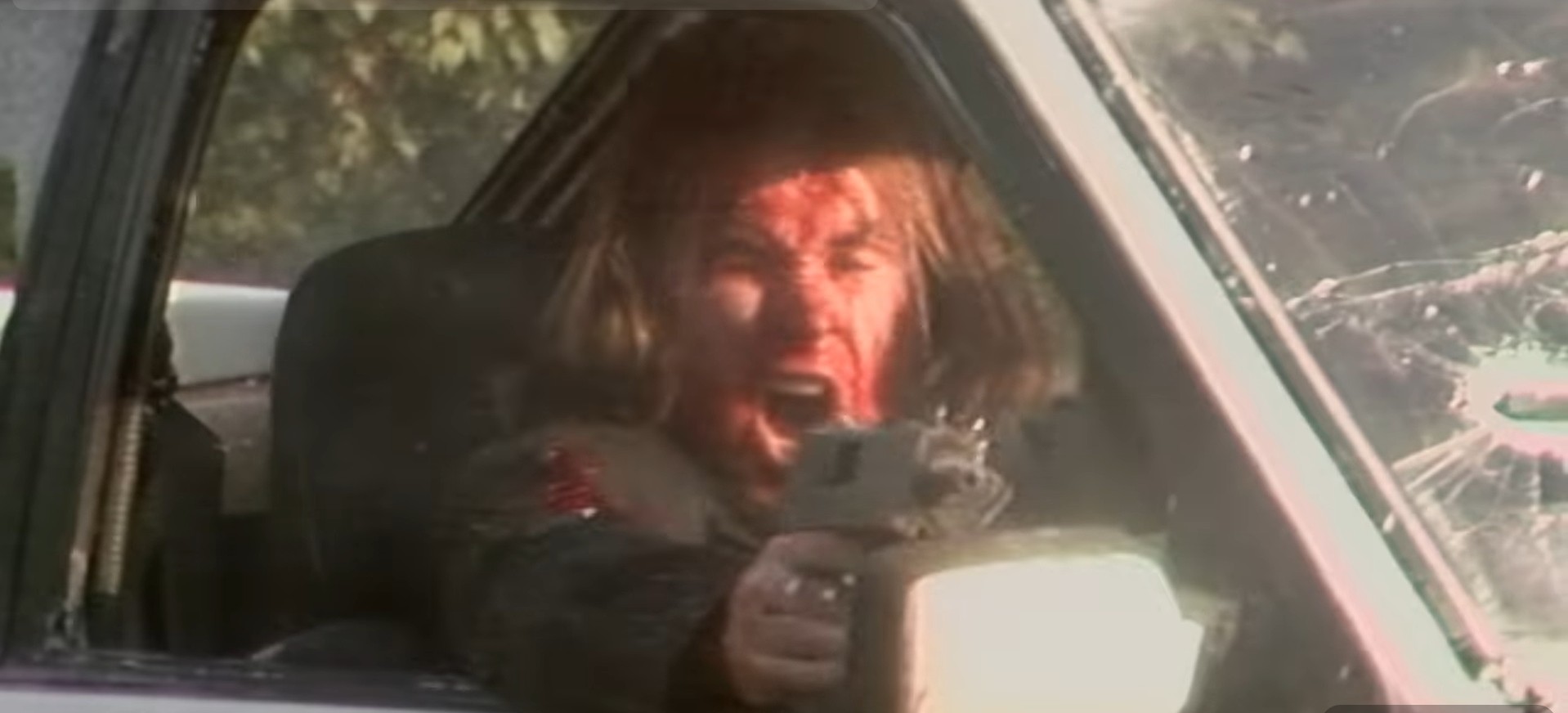
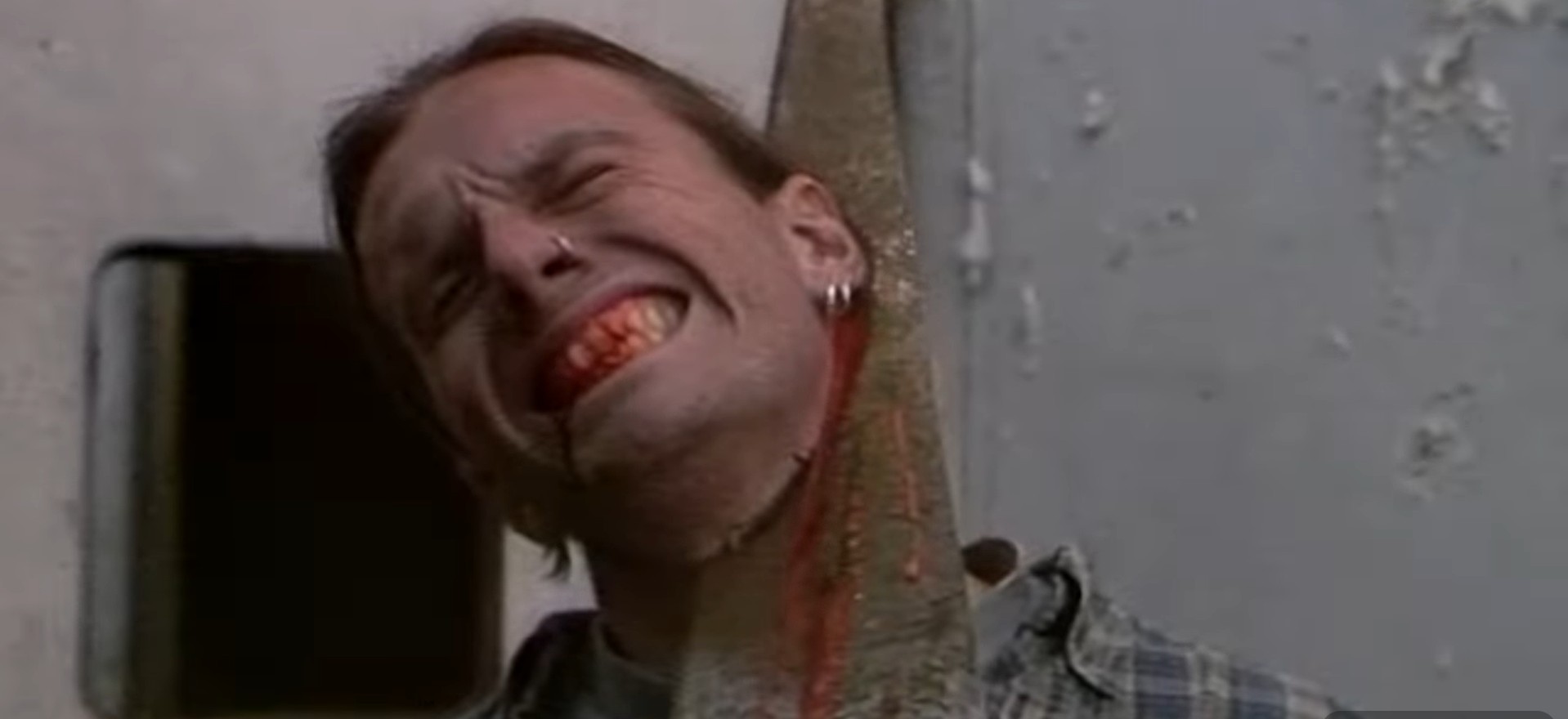
Walker, a former SAS turned hitman mercenary, accepts a job by a white-collar narcotics kingpin to snuff out a rival organization for control over cocaine distribution territories only to be betrayed by his employee, targeted himself for elimination.  Going into hiding to recover after narrowly escape with injuries, Walker’s best and only friend is caught, tortured, and slaughtered to draw him out.  There’s nothing left for Walker to do other than to mercilessly wipe them off the face of the Earth.  In another thrilling tale, low-level hoodlum Mitchell steals 100K from another low-level hoodlum holding the money for a mob boss.  Planning to use the money to fund his daughter’s return from a comatose state, Mitchell must first outrun and outsmart the mob who are hunting him down, but nothing will get in the way of saving his little girl.  Lastly, Walker returns to the fold having retired permanently from the mercenary life and is now living the married life with a child on the way.  When a group of lowlife henchmen decide to joyride murder and posthumously rape his wife and leave him for dead, all Walker wants is thoughtless vengeance and he must go through an entire crime syndicate to get to those responsible for destroying all that he loves.  Unfortunately, the underlings of a ruthless Russian mob boss, who is trying to tie up loose ends before the police and investigators come after him, are protected by a small arsenal.

From 1997 to 2019, British filmmaker Darren Ward produced the Fury Trilogy, a 3-film series of violent crime thrillers that harked back to the days of the Italian poliziotteschi subgenre, a brutally violent series of crime thrillers released between 1960 and 1980 that saw themes of cruel hearted antagonists, a justifiable hero hellbent on revenge, and the up-close-and-personal violence and, often times, gore.  “Sudden Fury” (1997), “A Day of Violence” (2010), and “Beyond Fury” (2019) are the titles and while not all three wholeheartedly connect in the series and in story, they share the cruel characteristics and the visceral animosity that has lurked in the Italian shadows for way too long.  From Italy to the United Kingdom, Ward resurrects the short-lived classic exploitation subgenre having written-and-directed all three years over the course of 20 years, and maybe even before that as Ward wrote-and-directed the 1994 short film “Bitter Vengeance” that preluded the Fury Trilogy with a foundational base concept for subsequent feature films.  Ward produces the films under his company Giallo Films.

The 1997 “Sudden Fury” is a showcase of mid-90’s nostalgia propped up by vast, electric, and eccentric cast and characters that spin a web of complexity between two gangs, one hitman, and a whole lot of vengeful vendettas.  Nick Rendell plays the sought after former SAS soldier turned mercenary hitman Walker with full zeal for the 80’s action star by carrying a reputation that proceeds the character.  Rendell’s portrayal is often aloof as Walker stands in between two gangs and their lack of integrity as they squabble over the cocaine dominion, but when the last standing gang tries to hunt him down, killing his one and only friend in the process, Walker takes the fight to them guns blazing.  Rendell also carries over his performance to the 2010 film, the unconnected “A Day of Violence,” but in different shoes as Mitchell, a father, husband, and hoodlum in desperation mode and doing whatever he can to live and breathe inside the context of mob land complexity for a large sum of money.  Rendell goes form lone wolf to a man with dependent in a totally different side of character in Mitchell when compared to Walker when considering how the compassion attribute.  Now, Walker returns for “Beyond Fury” but Nick Rendell does not return to the role as the 2019 film sees Nick Roberts filling the mercenary shoes.  Also, this time around, Walker is given compassion, compassion for revenge!  In his retirement, his family is murdered arbitrarily – as if ill-fated living a previous life of violence and death – and vows revenge at his own expense to harm taking on an entire organized criminal organization, ran by the unforgiving “City of the Living Dead” and “Cannibal Ferox” actor Giovanni Lombardo Radice.  Radice is also one of the only other connective tissues between the last two films but in different roles with opposing significance with more prominence as the chief villain in “Beyond Fury” as well as Victor D. Thorn in various capacities in each three films.  Other notable cast members from across all three films include David Warbeck (“The Beyond”) in “Sudden Fury” and Dani Thompson (“Axe to Grind”) with Andy Ranger, Paul Murphy, Christopher Fosh, Steve Humprhies, Tina Barnes, Helena Martin, Tina Barnes, Joanna Finata, Harold Gasnier, Gary Baxter, Dan van Husen, Glenn Salvage.

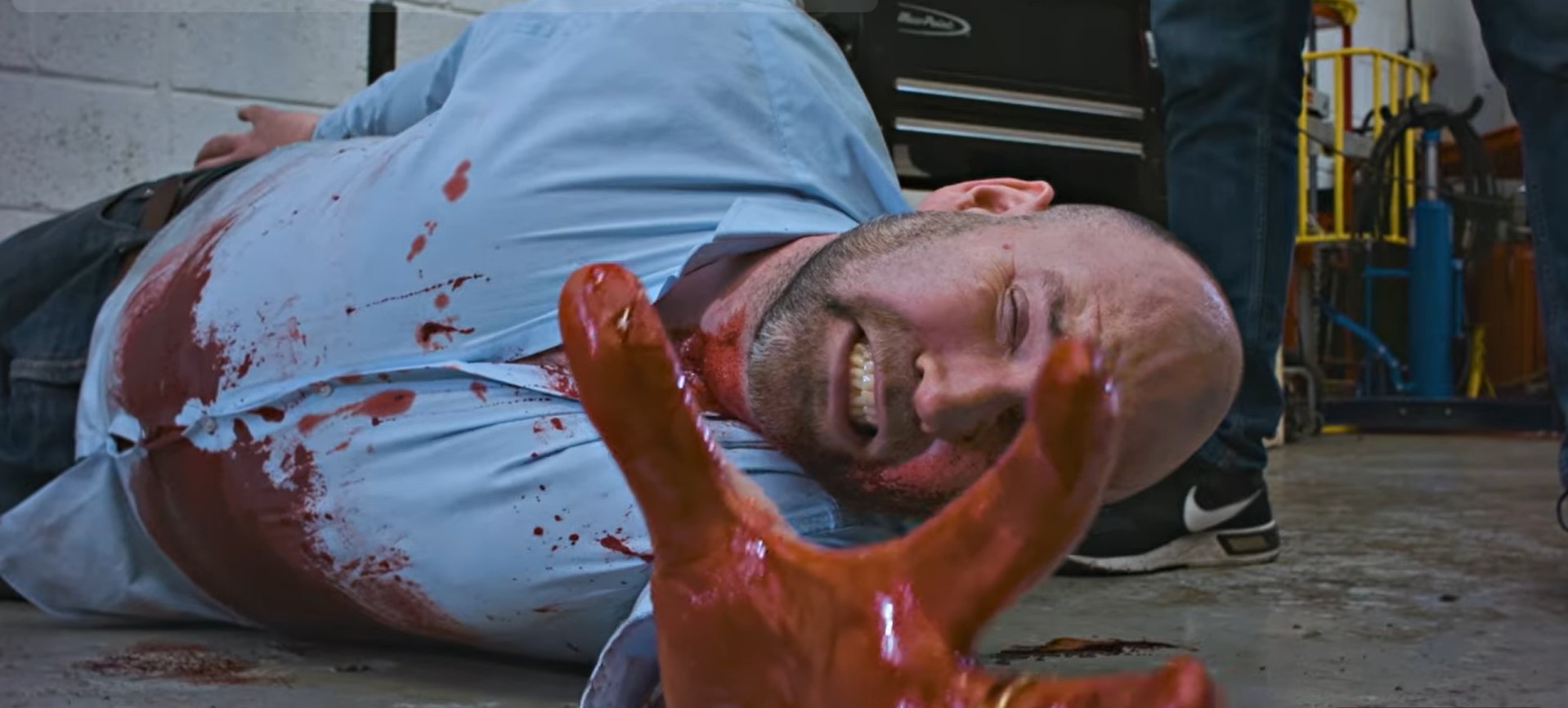
Darren Ward’s Fury Trilogy is roughly the same model copied over one another at roughly a decade and half apart, yet each individual storyline evokes a different impression as each has unique attributes.  “Sudden Fury” surrounds itself in sociopathy, drug trade, and gang war.  “A Day of Violence” has themes of devotion, parenthood, and blinding greed.  “Beyond Fury” spores retribution, justice, and loyalty.  Other than the reprisal of the Walker character in the first 1997 and last 2019 film, the real only aspects that connect the series together is the unflinching and visceral violence fueled one major motif in all of Ward’s movies, organized crime syndicates versus the single willed warrior.  Ward has no qualms with showing violence front and center in the most graphic way possible and without it being overly gratuitous or at least blending the excessive blood and gore action into the moment that it hides in plain sight.  The effects on all three films go hard under Alastair Vardy who did the SFX work on all three films.  Vardy is a major effects artist as of today, having worked on such films as “World War Z,” “Kick-Ass 2,” and last years “28 Years Later” and that speaks volumes to his dedication toward director Darren Ward and his three films produced on a lesser budget with mostly genre and cult actors.  Ward’s scripts are heavily dynamic and can become complex with betrayals, twists, and a fair amount of unpredictability in the grand schemes of either drug wars, money disputes, and damage control.  “Sudden Fury” and “Beyond Fury” has an easy, 2-part character arc for Walker but there often feels like a missing piece to his character backstory, especially when his stories are over 20 years apart and Ward doesn’t profoundly piece those missing years together with much effort.  Yet, through Ward’s camera cleverness and storytelling, there is plenty to like and easily digest through multiple camera angles of a scene, interesting shot setups, and the close and personal nature of strong violence.

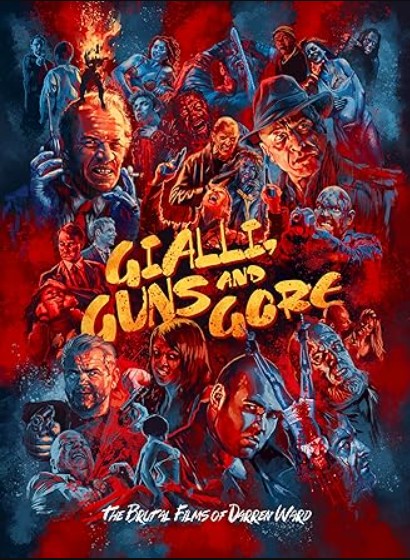
UK distributor Treasured Films rolls out the bloody red carpet for Darren Ward’s Fury Trilogy with a brand new 3-Disc Blu-ray set entitled the “Gialli, Guns and Gore” set that is region free for all to enjoy the carnage.  The limited-edition boxset comes with newly remastered and graded scans for its grand worldwide Blu-ray debut on “Sudden Fury” and UK Blu-ray debut for “A Day of Violence” and “Beyond Fury.”  “Sudden Fury” is scanned from the original SOV material and into a 720HD, leaving a lot of room for unfortunate and unable improvement but this transfer is pretty damn good that retains that shot-on-video, interlacing aesthetic and muted colors.  There are no evident issues of overly heated color tones or tracking lines from magnetic tape deterioration and presents the best possible image with soft details in a 1.33:1 aspect ratio, though the back cover states all features are in a widescreen.  “A Day of Violence” and “Beyond Fury,” having been digitally filmed over 13-years later, are in a widescreen 1.78:1 aspect ratio with cleaner image resolution that looks neat a pin with granular details surrounding skin and textures, a slight slate color grading with hues being diffused and saturated in balance, and offers a focal depth to enhance quality.  The English language audio format is an uncompressed DTS-HD Master Audio 2.0 that packs a wallop front and center.  The Fury Trilogy has immense range of gunfire, fisticuffs, explosions, and car races that run the onomatopoeia length of an action bundle with clear dialogue that’s more vital in the last two films with isolating features and more muted in the first with more integration around surrounding elements and electronic interference from the implemented equipment.  There’s not a ton of depth in either film that relies heavily on making an impact with the ultraviolence and caffeinated action in the front role of a dual channel that does have a decent separation and isolation of dialogue and action.  English subtitles are available on all three releases.  “Sudden Fury” special features include an audio commentary by Darren Ward and star Nick Rendell, a retrospective documentary Sudden Fury:  12 years On, a retrospective making-of interview with Darren Ward The Crime Trilogy:  Part 1:  Sudden Fury, deleted scenes and outtakes, a BTS special effects make-up reel, Ward’s 1994 precursing short films “Bitter Vengeance,” 1993’s “Blue Fear,” and 1992’s “Paura Il Diavolo,” an image gallery, and archived trailers.  On “A Day of Violence,” a feature length documentary of Making-Of a Day of Violence, an interview with actor Giovanni Lombardo Radice, an audio commentary with Ward and star Nick Rendell, the second Darren ward retrospective documentary on the making-of The Crime Trilogy Part 2:  A Day of ViolenceThe Crime Trilogy:  The In-Between Years looks at Darren Ward’s short film “Nightmares” from 2004, deleted scenes and outtakes, the hardcore trailer, a no-so-hardcore soft trailer, a Soprano trailer, short film “Nightmares,” an audio commentary for ”Nightmares” with Ward, and an image gallery fill out the special features for the second feature.  The third feature’s special features conclude with another audio commentary with Darren Ward and Nick Rendell, The Crime Trilogy Part 3:  Beyond Fury retrospective documentary of the making-of the film, Chainsaw Fun featurette, the Gasworks Visual Effects reel, The Crime Trilogy props used in the film tour, the Ward 2025 short film “Passion,” an audio commentary for “Passion,” trailers, and an image gallery for that short film.  While the encoded special features are impressive, the physical presence of the Treasured Films release is equally as eye-catching with a rigid slipbox containing frontal artwork by Uncle Frank Productions, three clear Blu-ray Amaray cases, each with new, reversible sleeve art for all three titles, and snug inside the slipbox with them is a 31-page booklet with color stills, release acknowledgements, and essay by Tom Lee Rutter – Furious:  The Story of the John Woo of Southampton..  All films are UK certified 18 for strong bloody violence, gore, sexual violence, very strong language, and strong sex.  The runs are as followed:  “Sudden Fury” 103 minutes, “A Day of Violence” 116 minutes, and “Beyond Fury” 117 minutes. 

Last Rites: The “Gialli, Guns, and Gore” set is Darren Ward’s unflinching frenetic violence now glorified in a beautifully curated Treasured Films package!

The Brutal Films of Darren Ward Are a Must See! Buy the Set Here!

Add This EVIL SOV to Your Halloween Watch List! “V/H/S/Halloween” reviewed! (Acorn Media International / Blu-ray)

Spend Halloween With What Scares You on Blu-ray!

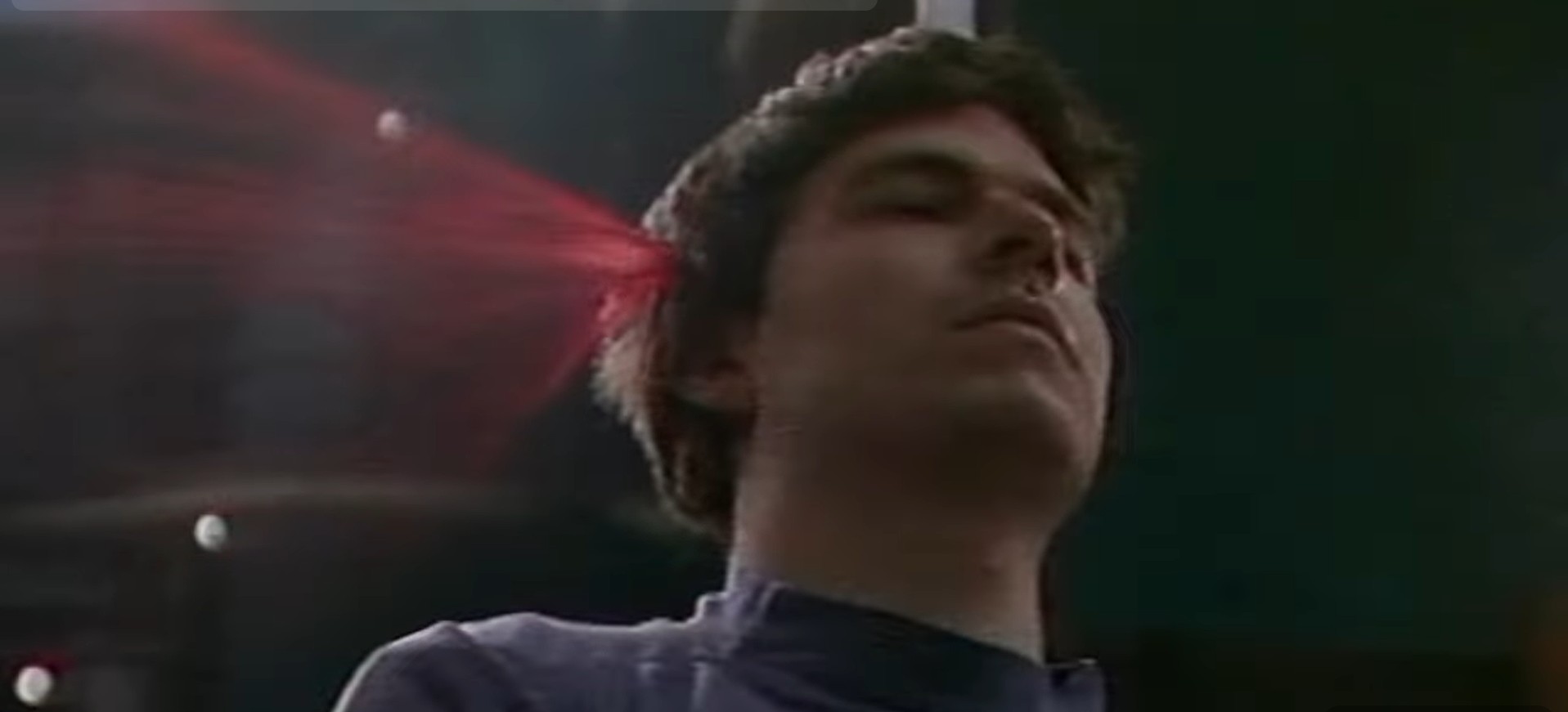
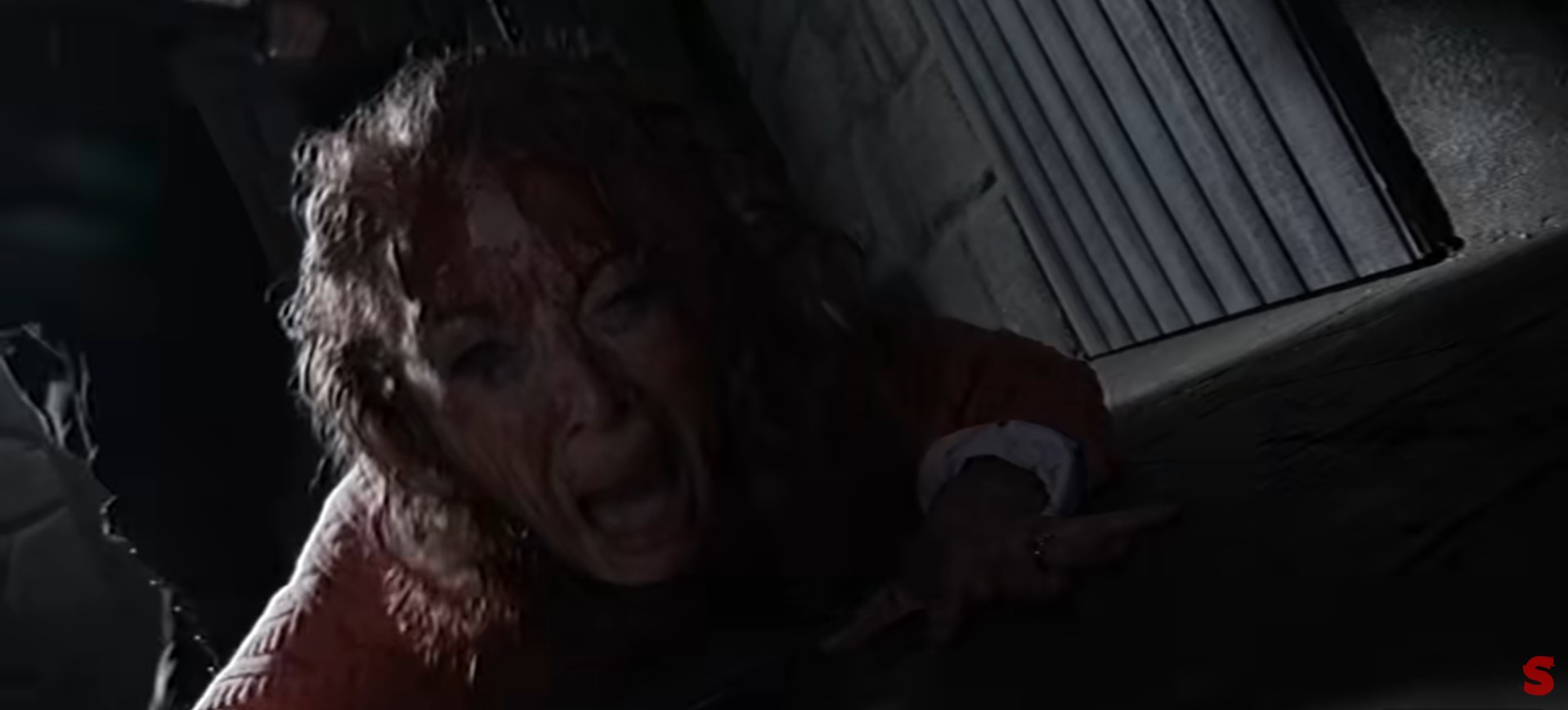
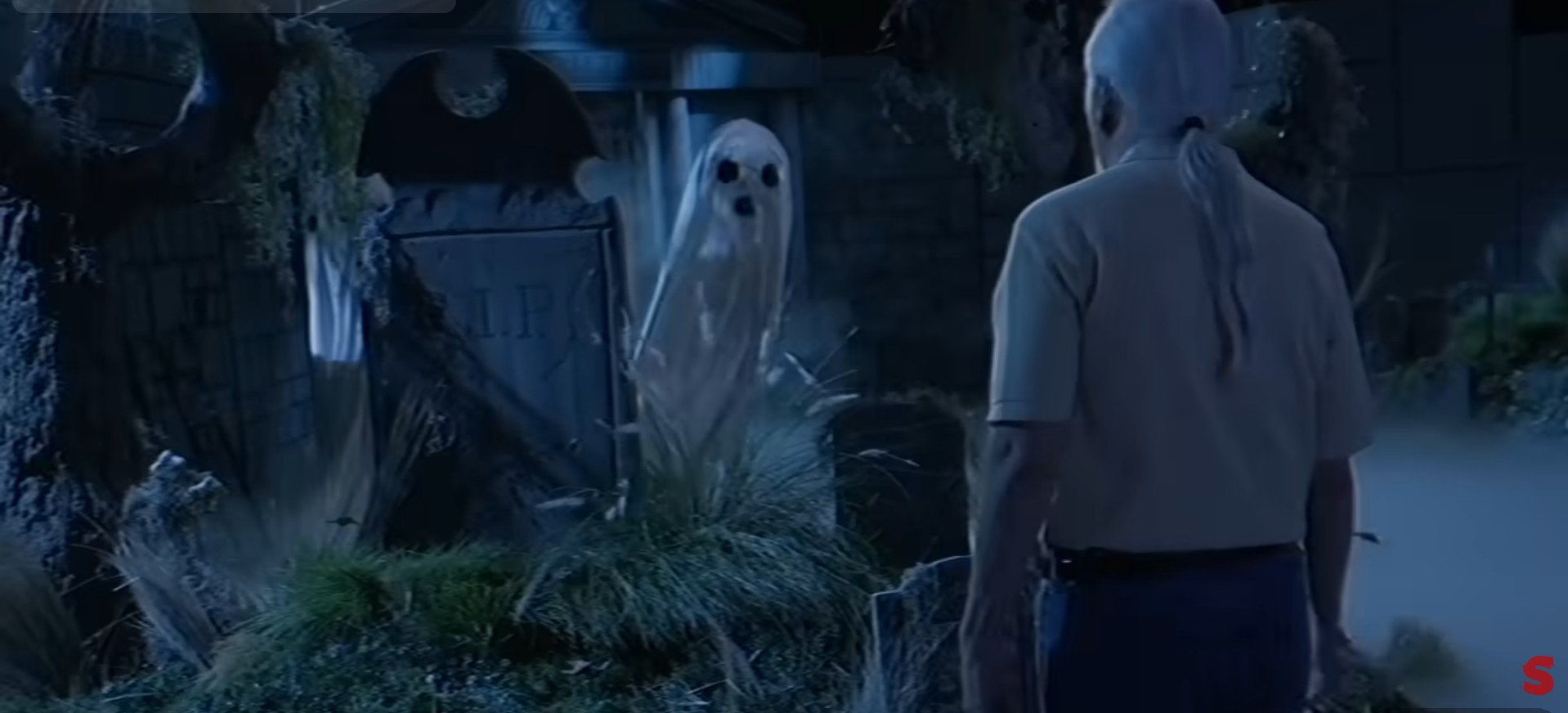
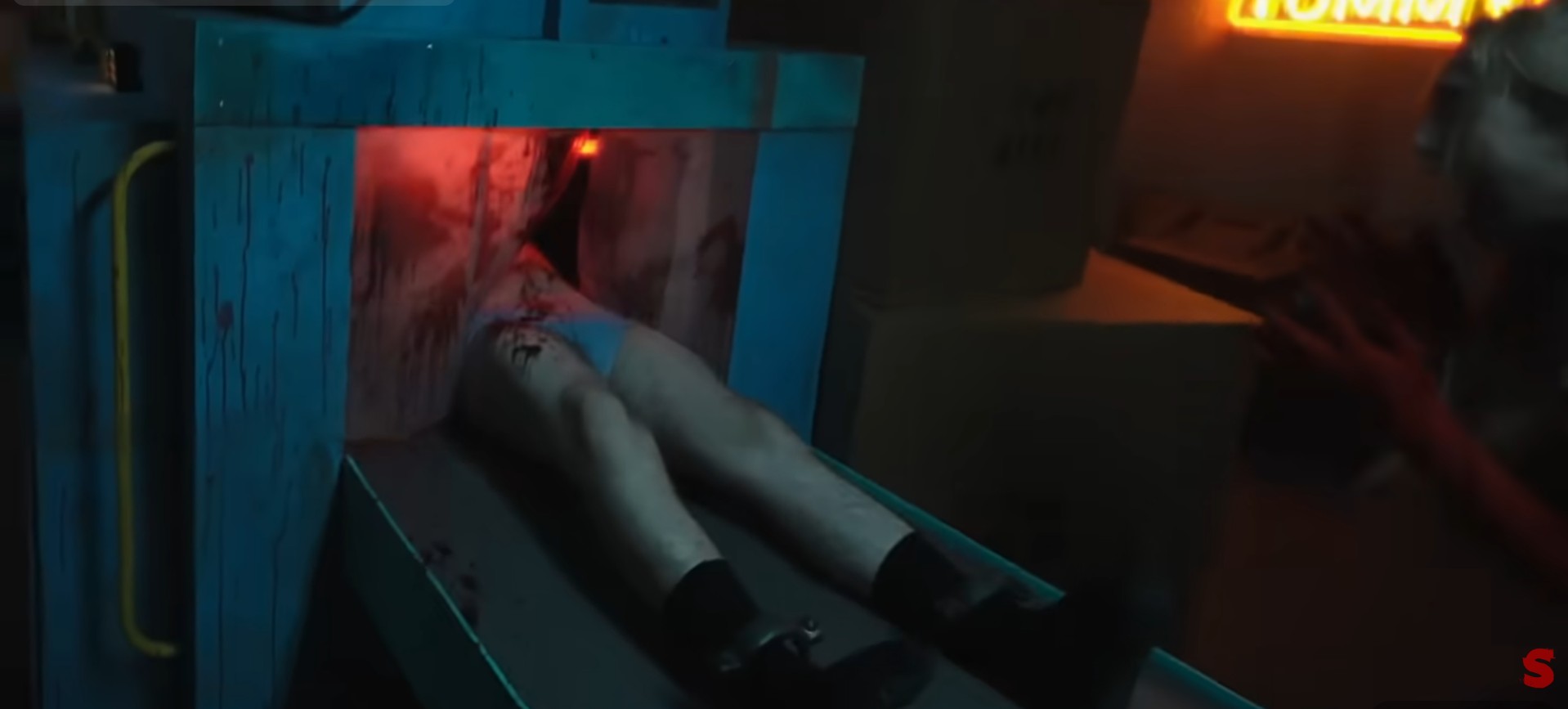
A new soda from the Octagon company is about to hit commercial retail shelves but before it does, voluntary testing is recorded for posterity with test subjects examined as they drink Diet Phantasma, a spirt-infused carbonate drink surely to die for.  In between the mopping up of test subjects, four more tales of terror penetrate the safety of the soul.  Two high school seniors go out trick-r-treating for one last mischievous hurrah only to find themselves trapped inside with Mommy, a matriarchal creature from the afterlife that kidnaps bad children on Halloween and makes them her own kids.  A night of revelry trespass onto the mansion grounds of a past gone necromancer who communicated with the dead and when the partygoers pickup the calls from the dead, a tremendous terror can’t go unanswered nor unseen.  Another group of adult trick-r-treater comes upon an unattended bowl full of obscure chocolates only to find themselves suck into the bowl itself and inside a desolate factory where the candymaker toys with his new fun size ingredients.  A media service aims to protect children with their videography services, especially from an unidentified abductor who mutilates and kills kids, but the service may be doing much more harm than good collecting children’s information as they walk through the store.  Lastly, a waning father-and-son bond over their makeshift Halloween maze turns into a nightmare when a record incantation brings to life each of the maze’s horrifying scenarios from ghosts to zombies, to child-eating witches.

For over a decade, the horror anthology series “V/H/S” has been terrifying audiences with short, original tales that break the scale of reality and enter a new dimension of horror that illuminated the careers of modern horror directors Ti West (“X”), Adam Wingard (“Godzilla vs Kong”), and David Bruckner (“Hellraiser” ’22), to name a select few.  The concept created by Bloody Disgusting’s founder Brad Miska in 2012 has one more installment with a new focus, Halloween.  All Hallow’s Eve already has a spooky air about it with a bit of treat to counteract its trick but in the 2025’s “V/H/S/Halloween,” there’s more sinister means than there are chocolates and sweets for new blood enters the series with filmmakers Bryan M. Ferguson writing-and-director “Diet Phantasma,” Anna Zlokovic writing-and-directing “Coochie Coochie Coo,” Paco Plaza directing and co-writing “Ut Supra Six Infra” with Alberto Marini, Casper Kelly writing-and-directing “Fun Size,” Alex Ross Perry writing-and-director “Kidprint,” and R.H. Norman helming a cowritten script of House Haunt” with Micheline Pitt-Norman.  Miska returns as producer alongside Michael Schreiber (“V/H/S/94,” “V/H/S/99”), Steven Schneider (“V/H/S/Beyond), Roy Lee (“V/H/S/Beyond),, James Harris (“V/H/S/85”), Josh Goldbloom (“V/H/S/94,” “V/H/S/99”), and Derek Dauchy (“Late Night with the Devil”) making his producing debut into the franchise.  “V/H/S/Halloween” is a coproduction of Shudder Films, Cinepocalypse Productions, Imagenation Abu Dhabi, and Spooky Pictures. 

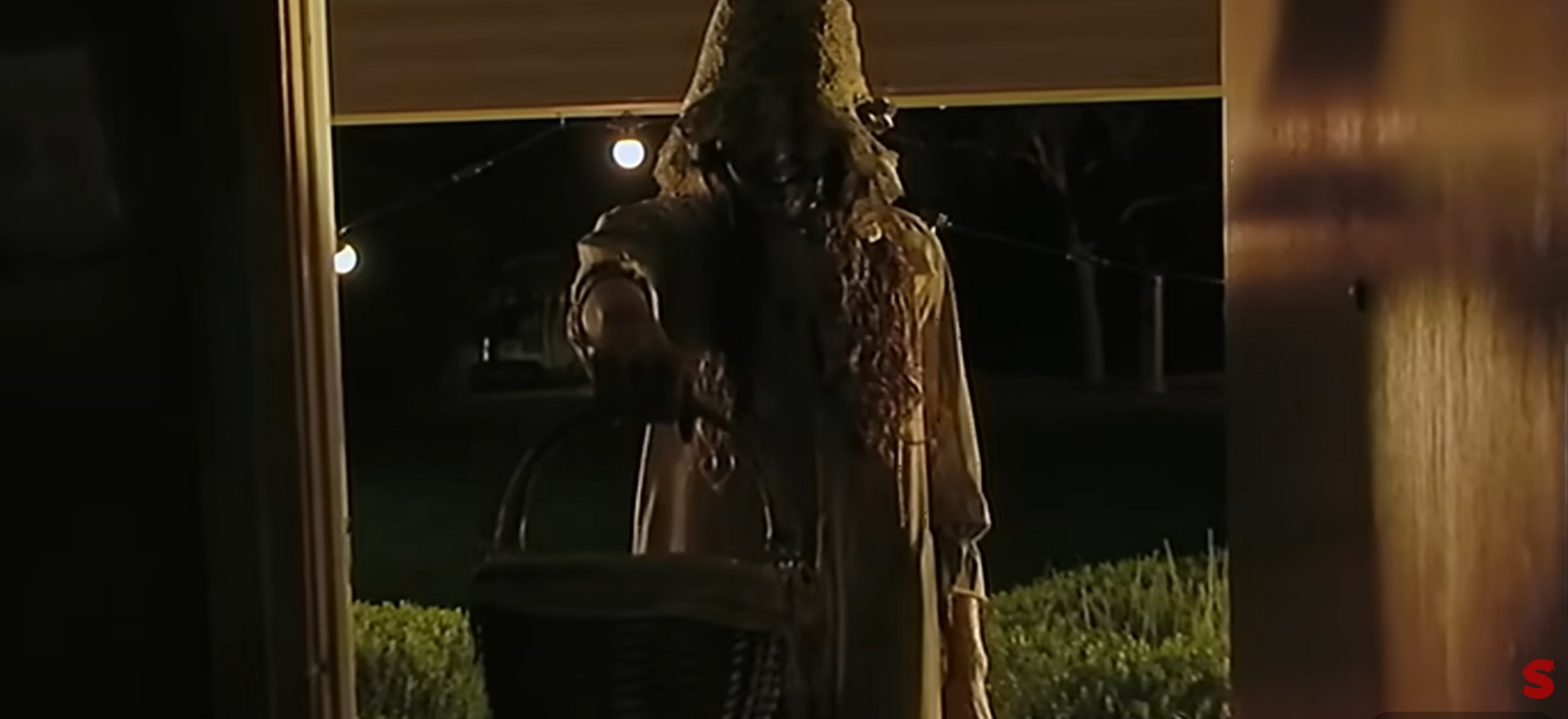
In true “V/H/S” fashion, the anthological shorts include a cast few would be familiar with, fresh faces for the grinder as each short touches Halloween night in a different, diabolical way than what we’re use to seeing.  The wraparound story “Diet Phantasma” opens with the Octagon corporate COO Blaine Rothschild being escorted into the manufacturing and testing plant devising the experiment.  David Haydn takes charge of his COO character that flashes a false grin but conveys an authenticity directive while doing it that leads a number of testers to their carbonated demise, from a cast comprised of UK and American actors.  In “Coochie Coochie Coo,” mother knows best as minor hooligan high school friends Lacie (“Samantha Cochran) and Kaliegh (Natalia Montgomery Fernandez) embark on their last night of mischief before moving away to college and stumble upon a light-pulsating house where they discover milk-induced deform adults acting like babies and their six-breasted mother has more milk to give!  Cochran and Fernandez are in the shoes of characters you wouldn’t root for as they’re more rulebreakers than young women with healthy goals and desires as they smoke weed, steal candy from children, and overall take life for granted and the two actresses do criminal-type behavior with justice, pun intended.   Underneath Mommy’s unnatural milkers, talk stature, and evil grin, all underneath a white nightgown and bonnet, is Elena Musser’s phenomenally creepypasta take on fictional lore for the short.  The Spanish-language “ Ut Supra Sic Infra” opens with a back and forth between an interrogation of sole survivor Enric and his eye-removed, bone-crushed friends strewn about a medium’s sacred chamber where Enric, detectives, and his lawyer return to unearth what went down that night.  Spaniard Teo Planell runs polar opposite with his centralized character Enric who begins in fear and ends in wicked confidence as the re-enactment of events turns into a repeat of that fateful night.   One of the more unfavorable performance stories is “Fun Size,” a quirky, corporate consuming double entendre that teleports four friends into a human meat manufacturer that turns their smallest body parts into chocolate covered goodies.  Lawson Greyson (“Herman”), Jenna Hogan (“Surviving the Sleepover”), Riley Nottingham (“The Demoness”), and Jake Ellsworth’s (“Party of Darkness”) performances hit the nail of artificiality and not-so-fun sized corniness.  The cringe acting coupled with stilted dialogue will have audiences root for the antagonist, a candy-headed, crown-wearing, suit-sporting supernatural entity named Fun Size provided with his best “Terrifier” like playfully menacing movements by Michael J. Sielaff with “V/H/S/Halloween” not being his first rodeo with the series having played Pale Face & Babysitter in the “Stork” segment of “V/H/S/Beyond.”  “Kidprint” perhaps has the most disturbing and realistic tale of a child abductor and murderer with a storyline set in the late 80s-early 90s.  Stephen Gurewitz (“The Scary of Sixty-First”) plays Tim Kaplan, owner of Kaplan’s video services where parents can record VHS tapes containing their children’s appearance and information in case they go missing for XYZ reason, and the do-gooder shop owner becomes intertwined with the real killer, someone close to him, who has access to all the tapes and all the information needed to indulge his sociopathic whims, a role “Hostile’s” Carl Garrison was born to play.  Last short shows through home video the decaying stability of a son’s bond with his father over a shared interest in what is a natural progression of coming of age with the now teen boy who’s tired of being bullied by his peers for his dad’s obsession over a Halloween haunt maze he builds every year.  Jeff Harms and Noah Diamond are father-son Keith and Zack in the throes of phasing out their once beloved bond because of teenage angst and peer pressures.  That tension and rebinding of affection is interrupted by the sudden personification of their inanimate horror show that goes straight for the throat in a show of supernatural and classically-creaturfied blood shedding within a homemade maze, leaving teenage angst to be wiped up with a mop. 

Like most “V/H/S” installments, each entry has hits, and each has misses, and this first of its kind holiday-themed ‘V/H/S” anthology produces the same effect.  Spanning across decades from the 80’s to the 2000’s with a series no longer cornered by a particular era, each SOV production produces an original tale all of which grab a handful of disturbing and unsettling content, most with a gore edge.  “Coochie Coochie Coo” and “Fun Size” are two good examples with each carrying opposite elements that make horror horrifying.  Though both shorts are my personally my least favorite of the six, “Fun Size” offers that grossly disturbing factor that invades a person’s private parts for candy making satisfaction but the while the story is short and sweet, there’s nothing shuddering about it where as “Coochie Coochie Coo” trades the vulgar gore for another unsettling factor, pure creepiness that feels like one of those cheap survival horror PC games but can jump scare the hell out of you.  “Ut Supra Six Infra,” “Kidprint,” and “House Haunt” seize a more traditional inlaid suspense with a properly encased twist moment, quickly downgrading a tense by calm story evolution to spiral out of control with madness of monsters, maniacs, and mayhem violently gnashing what’s left of a good around the campfire spooky tale.  “Diet Phantasma” is also a neat premise with an evil spirit infused soda under a corporation eager for obedience and mind control, a metaphor for soda companies running the world as we see such situations in other countries where Coca-Cola is the leading provider of clean purchasable water.  Ferguson also treats fans with an homage to Tommy Lee Wallace’s “Halloween III” by riding a similar plot but with trick-or-treat masks that kill children to resurrect Gaelic, or Samhain, sacrifices.  The COO is also seen reading a Fangoria magazine with hee John Carpenter penned off-shoot sequel on the front cover, suggesting further the idolizing connection.

Acorn Media International distributes the Shudder production onto an AVC encoded, 1080p high-def resolution, BD50.  Like it’s predecessors, the imitated and authentic SOV shoots go through periods of interlaced distortions and static snow that simulate the signal interference, tape artefacts, and low quality, low-graded detail and saturation with some shorts elbowing their way into the cleaner digital camcorder era.  No issues with the true compression of the Blu-ray format; audiences will be pleased to see they will get exactly what the filmmakers’ intended, a harried shaky cam first person view that has it’s monsters looking right back at you under a veil of vagueness and to be a hostage to the purposed angles that translate immense fear just out of frame, presented in a widescreen 1.78:1 aspect ratio rather than the organic 4:3 framing for the stories from the 80s to mid-90s with videotape.  The English and Spanish language DTS-HD 5.1 Master Audio has no issue delivering a vigorous and balanced mixed layers of sound depth based on design short that may contain areas of static, a weaker strength, and certainly a lot of screaming that reaches the mics physical limits to capture and reproduce the sound.  Dialogue is clear and prominent but, like I said, lots of screaming and wailing when events turn southward that it doesn’t matter often what is being said when it all just comes out of as chaotic cacophony.  I will say that “V/H/S/Halloween” is one of the better sound designed productions with more attention to the individual layering.  English subtitles are optionally available as well as French.  Special features include a director’s commentary for each short, a behind-the-scenes featurette for “Diet Phantasma” and “Coochie Coochie Coo” that’s is a swing between mostly raw footage during in between shots and some during shots with commentary here and there, a deleted scene from “Kidprint,” “Diet Phantasma” uninterrupted without the cut-to other shorts, “Diet Phantasma” faux commercial, and a gallery for the Ferguson short.  The physical appearances have the traditional “V/H/S” themed skull front and center on its one-sided sleeve art, sheathed inside the plastic of a Blu-ray Amaray.  There are no other tangible accompaniments.  The UK certified 18 film is region B locked and has a runtime of approx. 115 minutes. 

Last Rites: “V/H/S/Halloween” has original spooky tales centered around the holiday but as a collection, this anthology is a mixed bag of often great knee-buckling terror with considerable absurd tailspin that tries too hard to be scary out of the most unalloyed.

Spend Halloween With What Scares You on Blu-ray!

The EVILs that Lie Behind the Mask. “2551” Trology reviewed! (Deaf Crocodile / 4-Disc Blu-ray)

This One You’ll Need to See to Believe! “2551” Trilogy on Blu-ray!

In an underground dystopia ruled with by an ironfisted police state, dwelling creature-noid mutants violently clash with white-suited, gas-masked tactical units of a cruel despot.  One of the rioters, an Apeman, rescues a child with a burlap mask from being trampled between the two groups, injuring his hand in the process.  The child desperately clings to him, unwilling to part far from the Apeman who tries to turn over the child’s care to others, but as soon as the child is taken by the despot’s men, the Apeman goes through the depths of grotesque seediness to rescue the child forced into the training ranks of the police state.  He befriends and falls in love with luchadora who joins forces with him to rescue the child, but her betrayal whisks the child away from his grasp yet again.  Years later, the Apeman has become a salvaging source for an art purveyor’s gallery, but arrogant high society dismisses his efforts, and he’s thrust into violence, resulting him to face the despot’s capital judgement.  He’s saved from death by the child, now ga grown adult employed as a despot inspector, and when the inspector is given a traitorous execution, the Apeman’s immense adoration for the child sends him on a path of retribution to which there’s no coming back from.  

Born into an immense pro-fascism Austrian society a few years after World War II, influenced by political and societal unrest and protest of his time, and a devout mask collector, Norbert Pfaffenbichler construct a dystopian world unlike any other seen before.  Inspired by silent movie slapstick and black-and-white films, Pfaffenbichler channels the likes of Charlie Chaplin, Boris Karloff, and Lon Chaney into his trilogy of experimental grotesquerie of “2551.”  “2551” potentially references a futuristic, numerical year where a post-apocalyptic society, as we know it, has broken down into a sparring duality of survival, either as a penniless mutant driver to beg, sell, or give one’s body to live or a merciless enforcer to be wielded by an authoritarian ruler.  Set as a trilogy that began in 2021 and ended in 2025, Pfaffenbichler also wrote the screenplay for each installment, chaptered with decimal designations and subtitles: “2551.01:  The Kid,” “2551.02:  Orgy of the Damned”, and 255.03:  The End.”  Shot in Vienna, the trilogy is a production support of the BKA (Bundeskanzleramt), The City of Vienna’s Department of Cultural Affairs, and Land Oberosterreich with Pfaffenbichler producing “Orgy of the Damned” and “The End” while coproducing with Bianca Jasmina Rauch on “The Kid”

The ”2551” trilogy goes through the entire three features without a single piece of dialogue spoken from the main cast.  Though the characters may be roughly silent, albeit some added grunts, groans, and wails, added Foley action and movements along with an eclectic and often brooding industrial, punk-rock soundtrack ultimately tell the story coincided with impressive body expression and language.  At center stage, in his own petite personal plight in the aftermath of a devastated and derelict dystopia, is Apeman, a rebellious scavenger just trying to survive like all other half-creature, half-man mutants.  Played by Stefan Erber in all three films, Apeman is the only credit to Erber’s short breadth career but Erber’s very important to “2551’s” storytelling because even though he’s wearing a mask the entire time, his actions and reactions convey a broad range of emotions to where there’s no ambiguity in the scene.  Erber has a number of unique characters to interact with and each do not repeat across the films, such as David Ionescu in “2551.01:  The Kid” as the gunny masked child who clings in desperation to the initially reluctant to care Apeman, and after years passed into “2551.03:  The End,” the now grown child is an adult with Ben Schidla donning the mask as one of the despot’s inspector who helps Apeman escape the grasps of a tyrannical police state gunning for dissidence.  Both Ionescu and Schidla play into the different stage of their child and adult life; Inoescu’s awkward child movements and possessive need for Apeman is true child antics while Schidla provides the maturity and responsibility of being his own, self-reliant person now, one who doesn’t forget Apeman’s selfly act of rescuing him.  Veronika Susanna Harb wrestles as Apeman’s warring love interesting and street fighter in “Orgy of the Damned” and Manuela Deac is another strong female presence in the trilogy in a duel role in “The End” as the Apeman transitions into Apewoman in an anti-matter, alternate dimensional space that looks into the soul and she also is the hypnotic dancing deity near the beginning audience encircling with Apeman being chosen, or perhaps reminded, of his ward. 

When I say you’ve never seen a world like the one Pfaffenbichler pieces together, literally with pieces of severed limbs, stitched flesh, and an eclectic mix of masks, I mean it.  We’ve seen dystopian worlds before of desolate terrains, destructive and cruel authoritarian regimes, hunger, famine, and a dying race and there are obvious signs of influences pulled into “2551” from the likes of Phil Tippett animated and stop motion style to the comical ties of Charlie Chaplin, and the overall components of certain silent movie scenes and improvised, jaunty scores make the disgusting and derelict dark alleys and strange creatures more light-hearted and whimsical.  “2551.01:  The Kid” is a direct homage to Chaplin’’s 1921 “The Kid” by following along the lines of the same premise of a nomadic loner finds and cares for an abandoned child, their relationship jeopardized by their own problems with the law.  The sequels have a different direction but maintains the same bizarre world behind grotesque masks, a normalized consumption of dead animals and body parts, body horror fetishism beyond our comprehension, and a systematic oppression based off one person’s version of Tindr’s swipe right.  “Orgy of the Damned” mines the carnal shale with simulated sexual acts that go beyond missionary ways and into the sordid surgery and beastly BDSM while “The End” explores existentialism through past, present, and future that ultimately leads to a self-destructive revenge, hence the subtitle.  Bazaars of skulls, organic trinkets, and edible organs, flesh, and bone are a traversing theme of near desperation and survival within a concreted underground life where nothing grows, nothing thrives, and all succumb to its darkness.  Motifs of monkeys, including in the protagonists, are strung strongly through the trilogy in perhaps a reflection of the homo sapien within the de-evolved primate, aka the hidden humanity inside the beast.  Masks are the true and standard icon that obscurely hides the fact whether these people are real or whether their mask is their reverse personified reality.   Pfaffenbichler’s metaphorical social commentary is beautiful in its misproportioned and mutated state of mass oppression and the little good that glints through is all the hope in the world, and even in upside-down worlds, the need to recover its benignity is more important than ever.

In today’s society, especially in the U.S., autocratic governance is king or at least thinks it’s king.  For Norbert Pfaffenbichler, his “2551” trilogy parallels the present as well as the past.  Deaf Crocodile, under the playful label guise of Dead Crocodile because of the film’s subject matter, releases Pfaffenbichler’s trilogy on a 4-disc Blu-ray set that’s AVC encoded, 1080p high-definition resolution, on single layer BD25s.  The post-apocalypse is grim looking with a slightly tinged monochromatic experience, often with high levels of grain, and a fluttering of crisp detail through stroboscopic and rotoscope effects but that’s the entire intention of Pfaffenbichler and his cinematographer Martin Putz on all three films, creating a gritty, grungy, bunker-laden, desolate atmospheric that’s a hypogean house of horrors.  Most of the more grainer moments are when the image is blown up to focus on characters and some distress, alien scenes of a grotesque nature.  The black-and-white goes through periods of tint, muted coloring that run the hue gamut, with more traditional colorless scenes fining solace in their antecedent silent films.  Compared to a more austere impressed first film, the sequels do have a more polished appearance than “The Kid” when traversing through the sordid muck of a hazy underworld of flesh and fetishism in “Orgy of the Damned,” laced in tight leather, elegant lace, pastel pasties, and a myriad of masks and rags, while “The End” trades out tint for pure while in the interdimensional void Apeman navigates to find himself.  Each entry adds something a little different to mix up what could be a monotone milieu with bits of experimental panache that’s sustain the post-apocalypse colony.  Entirely shot without any production dialogue, Deaf Crocodile’s release comes with a DTS-HD 2.0 stereo mix to punctuate the action and to provide vitality through its punk and metal soundtracks and dark industrial whir and hum from composers Wolfgang Frisch and Simon Spitzer.   The added in effects applied after in the post sync very well and with the appropriate echo of being in tunnels and dark, hollow spaces.  So well in fact that you don’t realize it’s post-production sound.  The 4th disc is bonus features that include Pfaffenbichler’s seven short films, five new, individual interviews (Dir. Norbert Pfaffenbichler, Apeman actor Stefan Erber, cinematographer Martin Putz, stop motion and visual effects artist Paul Lechmann, and a Q&A hosted by Rolf Giesen with Pflaffenbichler answering), two visual essays (Angel of the Abject:  The 2551 Trilogy as a Necropolis of Cinema by film scholar Stephen Broomer and Don’t Let it Fester:  (Anti)Sentimentality in 2551.01 by Ryan Verrill), each film has its own commentary track that include input from film scholar Shelagh Rowan-Legg, film historian Eva Letourneau, artist and writer Anne Golden, and podcaster Mike White, a “2551.03:  The End” featurette Jam of the Damned is a behind the scenes look into the last film, the soundtrack score on all three films, three new trailers, new art by Beth Morris, and a prelude warning that states:  Trigger Warning:  all 3 films contain nightmarish images featuring simulated sexual and violent acts, as well las strobe lights and stroboscopic effects.  For adult viewers only.  The four-disc standard release is laid out two on each side and one overlapping one of the other in the thicker, clear Amaray with new cover art that’s a composition of stills arranged in a nonconformist arrangement that’s truly unnerving to behold.  The reverse cover art has an equally intense image but more simplistic red and black image with the film and Blu-ray spec info backside.  With a runtime total of 227 minutes, “2551” trilogy is not rated and is encoded for region A playback only.

Last Rites: “2551” is a myriad trilogy of influence and expression through Norbert Pfaffenbichler’s endless mask of hope in a world of oppression. The worldwide debut Blu-ray release from Deaf (Dead) Crocodile respects the subterranean story filled to the brim with sadomasochism, odd creatures, and authoritarian subjugation and the auteur’s unconventional and pallor style in its comprehensive 4-disc set of experimental, cinematic encomium.

This One You’ll Need to See to Believe! “2551” Trilogy on Blu-ray!

There’s No EVIL Treat with This EVIL Trickster! “The Jester 2” reviewed! (Dread Present / Blu-ray)

“The Jester 2” Blu-ray Is a Must-Get Sequel!

15-year-old Max is a girl without friends and with her bordering the edge of maturity that leaves her too old for trick-or-treating.  Dressed as magician with an enthusiasm for card tricks and slight of hand, Max tries unsuccessfully to make the best of her Halloween night as school peers mock and tease her until the animated and sinister Jester comes before her to show her a trick of his own.  When Max foils his trick, the Jester’s undertaking to contractually collect souls for Devil every All Hollows Eve comes into jeopardy as he loses his power to trick others.  The Jester forces Max’s hand to play tricks on others for their souls to be collected by the end of the night before his own soul burns in the internal inferno.  As the night goes on, Max must outplay the supernatural killer whose desperate game to spill as much blood as possible before the end of the night is coming to a full carnage head.

Our review of Colin Krawchuk’s “The Jester” called it “clever, entertaining, and devilish,” concluding out the review with “The Jester” acts the whimsical clown of conscience-stricken torment with an indelible joker different from the rest of the villainy pool. Yeah, we liked it.  Krawchuk and team return for a sequel, simply entitled “The Jester 2,” that opens backstory doors for the mischievous maniac whose mask grins from ear-to-ear and knows all of the tricks of the soul reaping trade.  Only one problem lies in his path, a 15-year-old girl who may be better a deceiving than he is.  The standalone sequel doesn’t segue with the original film, creating a new whole installment that anyone could enjoy without watching the original 2023 film or it’s viral short films both films are based off of.  Krawchuk writes-and-directs to be inherently different not only from the first film but from the large slasher genre that’s seen its fair share of clownish killers as of late.  Traverse Terror and Epic Picture Group collab once again for another Dread Presents release with Epic Picture Group leadership of Patrick Ewald coproducing side-by-side with “Bag of Lies” producing team of Victoria McDevitt, Jake Heineke, and Cole Payne. 

Michael Sheffield returns with his top hat and cane as the manically mute and mischievous Jester but with a slightly different approach to the Jester’s appearance.  Instead of a Venetian mask strapped around his head by an elastic band, the sequel’s Jester has a mask that’s seemingly an extension of his face, delineated by the rivulet of exposed under flesh between where skin ends and where mask begins.  Without Sheffield’s enthusiastic harlequinade and long, drawn out glares and motionless menace through empty, black eyes of the mask, “The Jester” films and shorts would without a doubt not be as entertaining and terrifying.  This time around, the Jester has a new foe in a 15-year-old girl with puerile dreams of magic and trick-or-treating.  It’s safe to say this girl, Max, is a loner with her peers making fun at her expense, but Max, as a final girl against the Jester, is intelligent and crafty in the face of pure evil despite her ounce of fear to live and be free of his threat against those she cares for – mother (Jessica Ambuehl, “Black Mold”) and sister – and strangers, even the ones that bully her.   Making her feature film debut, the then early 20-something Kaitlyn Trentham has a convincible foot in the door of “The Jester’s” awkward teen being the equalizer against supernatural Hell spawn.  Trentham can pivot between dejected loner to confident talent to the improvising fighter in the matter of circumstances, and when one of those circumstantial events involves Max’s family, a game of wits opens the chessboard for the next few moves.  Forced to align before “Halloween” night comes to close, “The Jester 2” is exclusively between Max and The Jester, good versus evil, for most of the narrative with filler, supporting characters weaved into the pattern to support the threat of tension and a high body count a sequel can be proud of.

Sequels tend to do everything bigger with their inlaid bigger budget off the back of a successful first film.  Big name talent, bigger effects, higher body count, etc., but character and story creator Colin Krawchuk doesn’t take the bait for a bigger boat and pushes that need to multiply tenfold “The Jesser’s” presence amongst audiences down to a suppressed level.  While that might seem counterintuitive to the idea of sequels, “The Jester “thrives on story and sf/x simplicity, letting Sheffield and Trentham battle it out and drive the story of certainly a different scenario from the first film.  The original “The Jester” embodies a similar tone but the control was imbalanced to “The Jester” with a supernatural upper hand always on the pulse of his tricked prey.  The sequel kinks the hose, stopping the Jester’s paranormal flow of life and soul snatching to be humbled by his need from a mortal who ultimately has his existence hanging in this teen girl’s sleight of hands.  This creates a perceptional shift from the Jester’s omnipresence, omnipotent immortality to he’s scraping by with desperation and longshot dependency on a young teen magician with a homemade costume.  This is not to say this new installment into the Jester’s ethos and extended qualities is downgraded or is riding the exact same original wave toward a mundane surf as the kills do have incremental whimsical value and there’s certainly more of a visual effects presence than before and it’s done well to push the sequel to be a step up and forward in conjunction with the good versus evil alliance storyline.

Epic Picture Group and Dread Presents returns the Jester for another go-around of illusionary ill intention with a Blu-ray release.  AVC encoded with 1080p, high-definition resolution on a BD25 and presented in a widescreen 1.78:1, the standard for video metrics supplies “The Jester 2” with adequate levels of a color saturation on a graded scale that leans toward ever so slightly a piano black finish.  Details hover between great depth to vague depending on the focus which Krawchuk and “2 Lava 2 Lantula’s” cinematographer Kevin Duggan who play with the perspective focus in the realm of an already detail-vague and hard-lit night shoot that’s contrast heavy, obtaining nice shadows around the contours of the Jester’s mask.  Duggan is not the returning cinematographer from the original 2023 film but really channels Joe Davidson’s (“President’s Day”) style that’s near raw with graded elements and focus precision.  “The Jester 2” offers an English Dolby Digital 5.1 surround sound and a Dolby Digital 2.0.  Much of the 5.1 is frontloaded with a trickle of atmospheric coming through side and back channels in a watery compressed copy of the track, that was likely recorded in Dolby.  Dialogues rendered clearly and cleanly, the Jester doesn’t speak anyway so much of his diegetic sounds are the ruffling swifts of his suit and hat with some walking cane taps, and the supernatural and killing ambient action has a punchy quality of a slight toon quality.  English subtitles are available for selection.  Special features include a director’s commentary, a making of featurette which is of Colin Krawchuk speaking on camera about the genesis and fruition of creating a sequel and sustaining villain with clips intercut into the interview footage, and the trailer as well as other Dread Presents’ previews.  The 87-minute Blu-ray is open to all regions for playback and is the film is not rated.

Last Rites: “The Jester 2” is the same but different and kills as a context sequel for a villain on the right path to being a successful franchise.

“The Jester 2” Blu-ray Is a Must-Get Sequel!