In the Canals, An EVIL Lurks! “Amsterdamned” reviewed! (Blue Underground / Blu-ray)

The Horror of “Amsterdamned” Canals Are Now Available at Home!

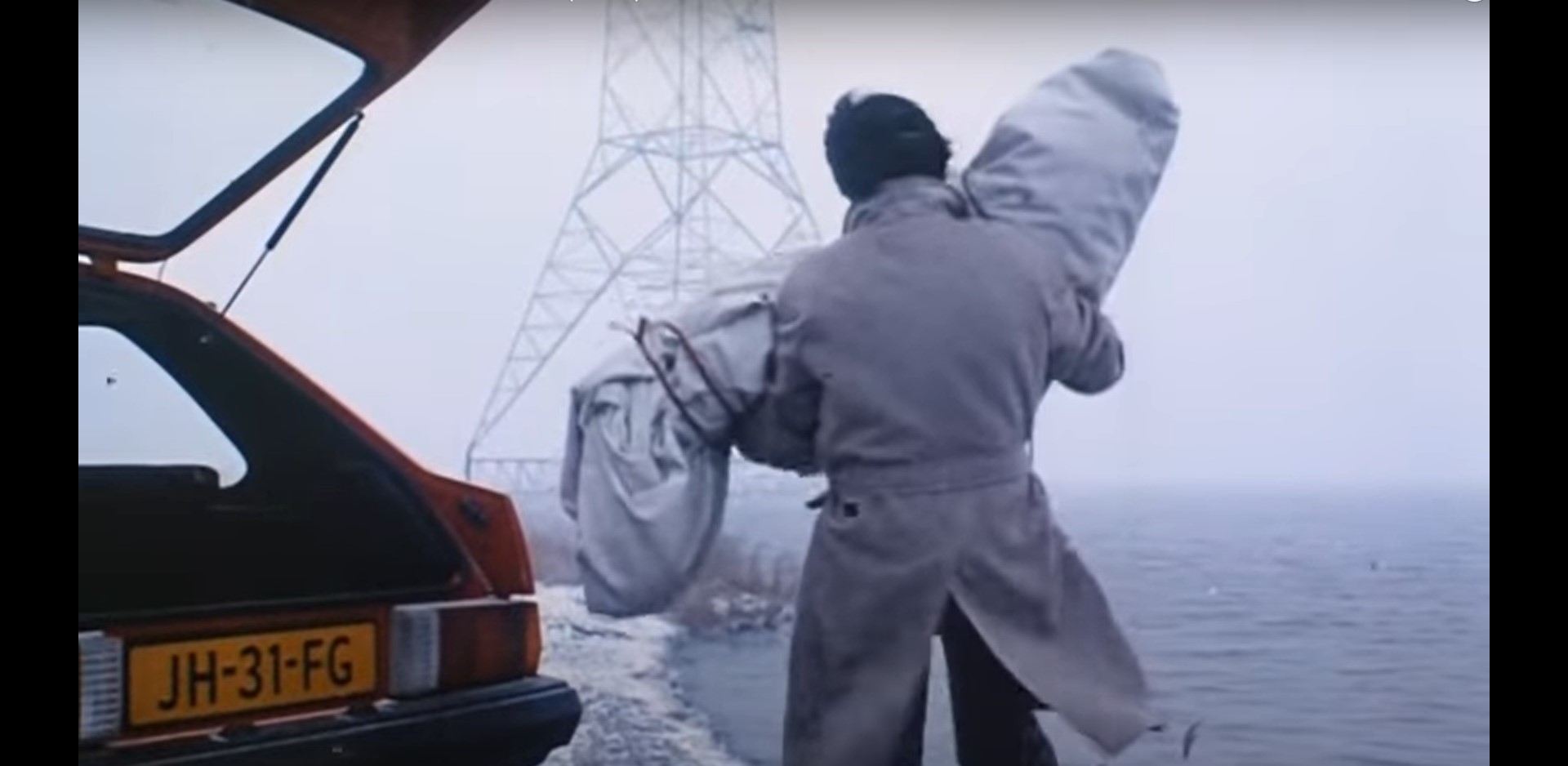
A killer emerges out of the depths of an Amsterdam canal and mercilessly kills a prostitute, dragging her into the water, and suspends her lifeless, stabbed-riddled corpse over one of the canal bridges.  Detective Eric Visser is baffled by the canal killer’s unusual technique but aims to track down the bravado murderer while living the single dad life with daughter Anneke.  When another couple of heinous killings takes place out in the middle of the water and the mutilated bodies wash ashore, panic begins to creep into administrative officials with the thought of a scuba diving maniac swimming in the hundreds of Amsterdam canals.  Investigating the underwater hobby leads Visser to meet Laura, a diving enthusiast and museum tour guide who sparks instantly with the ruggedly handsome detective, but as the Visser gets closer to the truth and the killer, Laura becomes emmeshed in a crime that’s deadlier than an embolism. 

If scuba diving wasn’t already deadly enough, the murky waters of canal rivulets become the hunting grounds of a deranged, underwater killer in Dick Maas’s 1988 Dutch crime thriller “Amsterdamned.”   The elevator horror filmmaker of “The Lift” Maas wrote and directed the red-running canal of carnage with a fast-paced, action-packed, hard-boiled, giallo film outside the conventional Italia-construction.  Shot mostly in the red-light district capital of the world of Amsterdam, shooting locations also include Utrecht to accommodate additional speedboat scenes, plus studio work in Leiden and Heemstede, Netherland.  Maas self produces the action-horror alongside Lauren Geels, a longtime collaborator with Maas who’ve worked previously on comedies “Voyeur” and “Flodders” and subsequent projects, such as the English-dialogued apocalyptic drama “The Last Island” helmed by provocative feminist filmmaker Marleen Gorris and Maas’s own American remake of “The Lift,” known as “The Shaft” or “Down.”  “Amsterdamned” is distributed theatrically by First Floor Pictures.

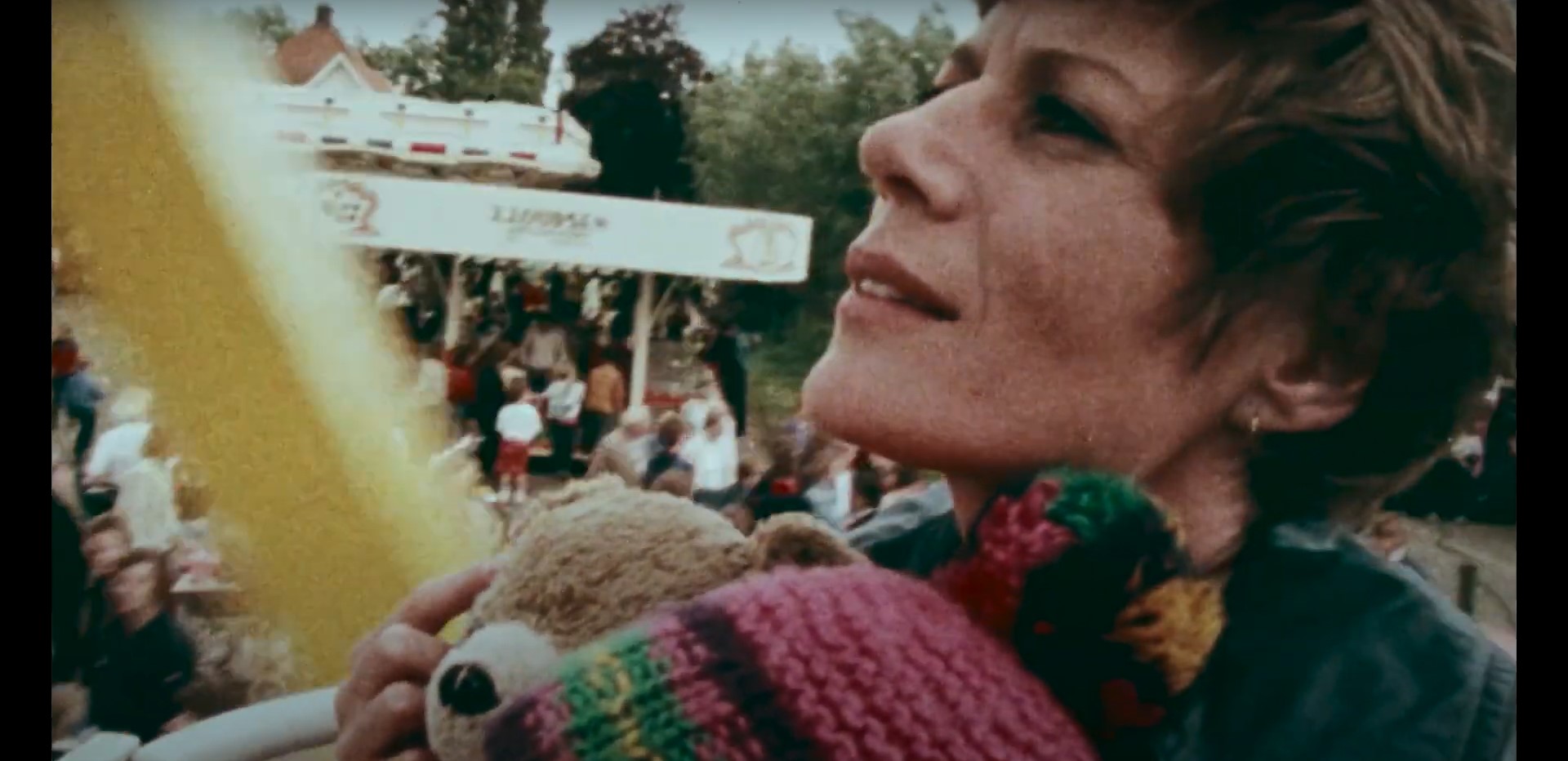
Huub Stapel (“The Cool Lakes of Death,” “The Lift”) stars as the world-weary, tough as nails cop Eric Visser.  Also, as a single dad raising a small preteen and nearly self-independent child Anneke (Tatum Dagelet, ”Stuk!”), the setup doesn’t automatically constitute the detective as a cynically hardboiled man of the law but evokes more of a seasoned and skeptical vigilant persona of a man who is willing to leave circumspection at the door when duty calls.  Stapel wonderfully fits the bill of Eric Visser’s rugged and assured good looks with a force in tune with being a father and a police investigator when the occasion calls for it.  Being a single father also invites the opportunity to spark an exciting love interest to later put into danger.  The infectious smile of Monique van de Ven (“Turkish Delight,” “A Woman Like Eve”) fills that void as Stapel and Ven engage in teetering flirtation that makes us wonder how astute is Visser now on a case that’s causing havoc on the streets of, or rather the waterways of, Amsterdam.  Luckily, fellow police partners Vermeer (Serge-Henri Valcke, “Sl8n8”) and John van Meegeren (Wim Zomer), the latter a professional scuba diver and once jealous rival lover of Visser, keep the detective mostly focused with investigative conversation, joint crime scene speculation, and the gruesome death of one of them when they get too close.  That ancient rivalry between Visser and Meegeren stays put in the re-introduction of their assembly with no hard feelings and bygones will be bygones attitude, missing the change for any exterior or addition tension outside the murderer’s reign of terror.  “Amsterdamned” rounds out the cast with Lou Landré, Tanneke Hartzuiker, and Hidde Maas.

The fascinating aspect of Dick Maas’s “Amsterdamned” is taking the idyllic, ingrained, and utilitarian that is a cultural and landmark staple of Amsterdam and turning into an unpleasant gateway of fear and anxiety.  Transferring soundbite cues and following a storyline that’s not terribly too dissimilar from that of Steven Speilberg’s iconic oceanic death-dealing “Jaws,” and toss in Dick Maas’s enthusiastic fervor for a heart-racing effervescence, and you have the singular crime-thriller “Amsterdamned” in a nutshell that’s doesn’t deliver trite and uninspired horror or thrills but rather spoils the innate grandeur of a worldclass city that’s soaked in splendor as well as carnal sin; a fact lost upon espionage thrillers who overuse “Amsterdam” as an assembly of salvo and high-speed chases.  Maas does add his own variation of high-speed chase with a lengthy and complex speedboat pursuit through the on-site in Amsterdam and Utrecht canals with gripping and well edited ramp jumps and fiery explosions that predate some of the more renowned speedboat chases of modern cinema.  What’s also interesting about “Amsterdamned” is the adversary that doesn’t have a lot of bells and whistles to make a convoluted story stick; instead, the killer is rather simply pieced together but descriptively held at bay until the finale for maximum suspense on unveiling the identity. 

Surfacing just beneath the depths is a 2K restoration from the original 35mm negative, approved by Dick Maas, from Blue Underground; however, these Blu-ray specs mirror the 2017 Blu-ray and DVD combo set and is more than likely the same transfer but for this standard edition, also labeled special edition, release.  The single disc, AVC encoded, BD50 is presented in high-definition 1080p and in a widescreen 1.85:1 aspect ratio.  Color saturation stands out here with a specified density that results in a pop of color and a diffusion of light that’s brilliant and revealing in the day without a bleeding wash and cold, wet, and with a noir-like steeliness at night, accentuated by inky solid shadows.  The original 35mm print has flawless approach into the restoration that makes the 2K scan candid and, perhaps, a walk in the park for another Blue Underground upgrade to high-definition in their established genre catalogue.  The original Dutch soundtrack is presented in a 5.1 DTS-HD, greatly tightened around the milieu and dialogue to isolate each track for separation and clarity.  Dick Maas, a filmmaker of many talents, scores his own feature with an unintrusive and dynamic soundtrack that ebbs and flows with the trepidation terror and tension-riddled action.  Dialogue is clean and clear but does have that ADR artificiality to it.  English subtitles render over promptly and error free.  Two other soundtrack mixes are available on the dual layer disc:  a lossless hybrid English-Dutch 2.0 DTS-HD and a French dubbed and lossy Dolby Digital 2.0 Stereo.  English SHD and Spanish subtitles are also optionally available.  Extras are pulled from the previous Blue Underground release and are an audio commentary from writer/director/composer Dick Maas and editor Hans van Dungen, a making of “Amsterdamned,” an interview with star Huub Stapel Tales from the Canal, an interview with stunt coordinator Dickey Beer Damned Stuntwork, the Dutch and US trailer, the Lois Lane music video directed by Dick Maas, and poster and still galleries.  Behind the wild ride illustrated composition of the Blu-ray front cover, the reverse cover lists the encoded scene chapters on top of one of Huub Stapel’s stunt work performances. The disc is pressed with the masked scuba diver head holding a gleaming diver’s knife cover art from Blue Underground’s limited-edition Blu-ray and DVD combo set of 2017. The all region encoded disc holds a 113-minute feature and is rated R.

Last Rites: If looking to save a buck against purchasing the limited edition, dual format combo set, the standard special edition Blu-ray of “Amsterdamned” is worth it, especially since the film has been absent from U.S. home markets up until 2017. Dick Maas is a premier Dutch horror filmmaker with the ability to keep us engaged as well as on edge.
The Horror of “Amsterdamned” Canals Are Now Available at Home!

Feminism Fights EVIL The Only Way Possible in “Broken Mirrors” reviewed! (Cult Epics / Blu-ray)

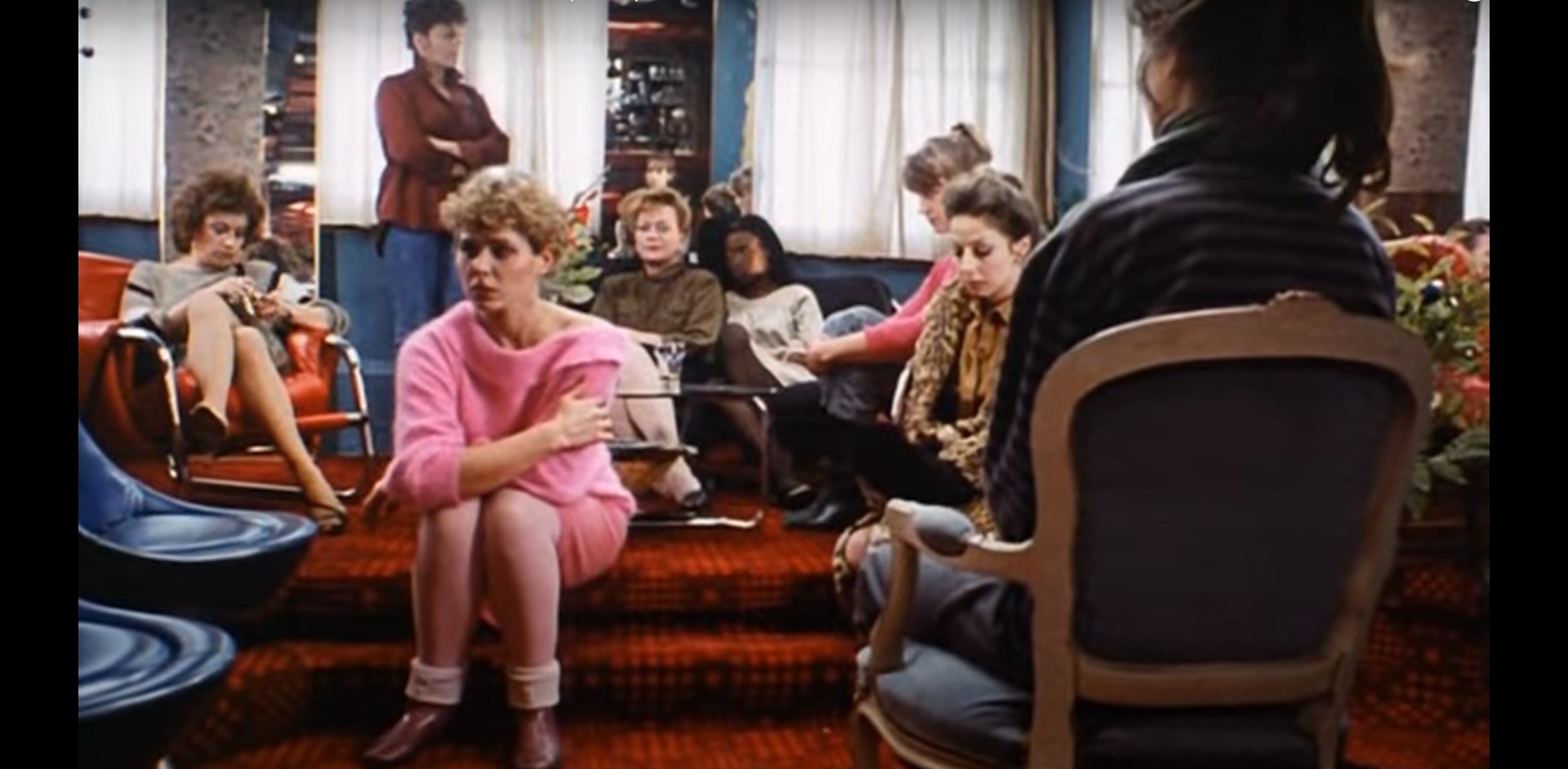
The Best Depiction of the Unpleasant Side of Brothels.  “Broken Mirrors” on Blu-ray.

An Amsterdam brothel Happy House Club clings to the good girls that remain employed to pleasure the reprobate and insensitive johns that visit.  Dora, a virtual working girl lifer, brings in new blood, Diane, a young mother desperate in need of financial support because of her drug addicted husband.  Night after night, customers select through the ever-growing service list the club’s owner deems profitable while the women and the matron manager naively cope with a profession that’s quick, easy cash.  They create a process, a standard of procedure so to speak, that tries to make the work that much less degrading but with each client, a little piece of their humanity is chipped away.  Simultaneously, a methodical serial killer abducts the women he previously surveillances from off the street, chains them to a bed in a remote room, takes snapshots of them in confinement, and slowly starves them to death, which could last months.  The two stories are intertwined and connected by a gender dominance disease in which a slow resistance begins to build to an explosive head.

The unofficial sobriquet of the Queen of Feminism Marleen Gorris had made a name for herself as a staunch supporter of feminism and lesbianism with her controversial and provocative films.  Her acclaimed 1982 debut written-and-directed “A Question of Silence” show oppressed gender solidarity and mutiny against a systematically enslaved masculine society.  Continuing her crusade against the patriarchal grain, Gorris followed up “A Question of Silence” with another powerfully messaged, social commentary film that, again, places women emotions and safety under the unyielding thumb of men two years later with “Broken Mirrors.”  Natively known in the Netherlands as “Gebroken Spiegels,” the film marks the return of select cast from her inaugural feature, marshalling in a new narrative in the neo-feminism cinema under the returning production company Sigma Film Productions with producer Matthijs van Heijningen (“A Woman Like Eve,” “The Cool Lakes of Death.”).

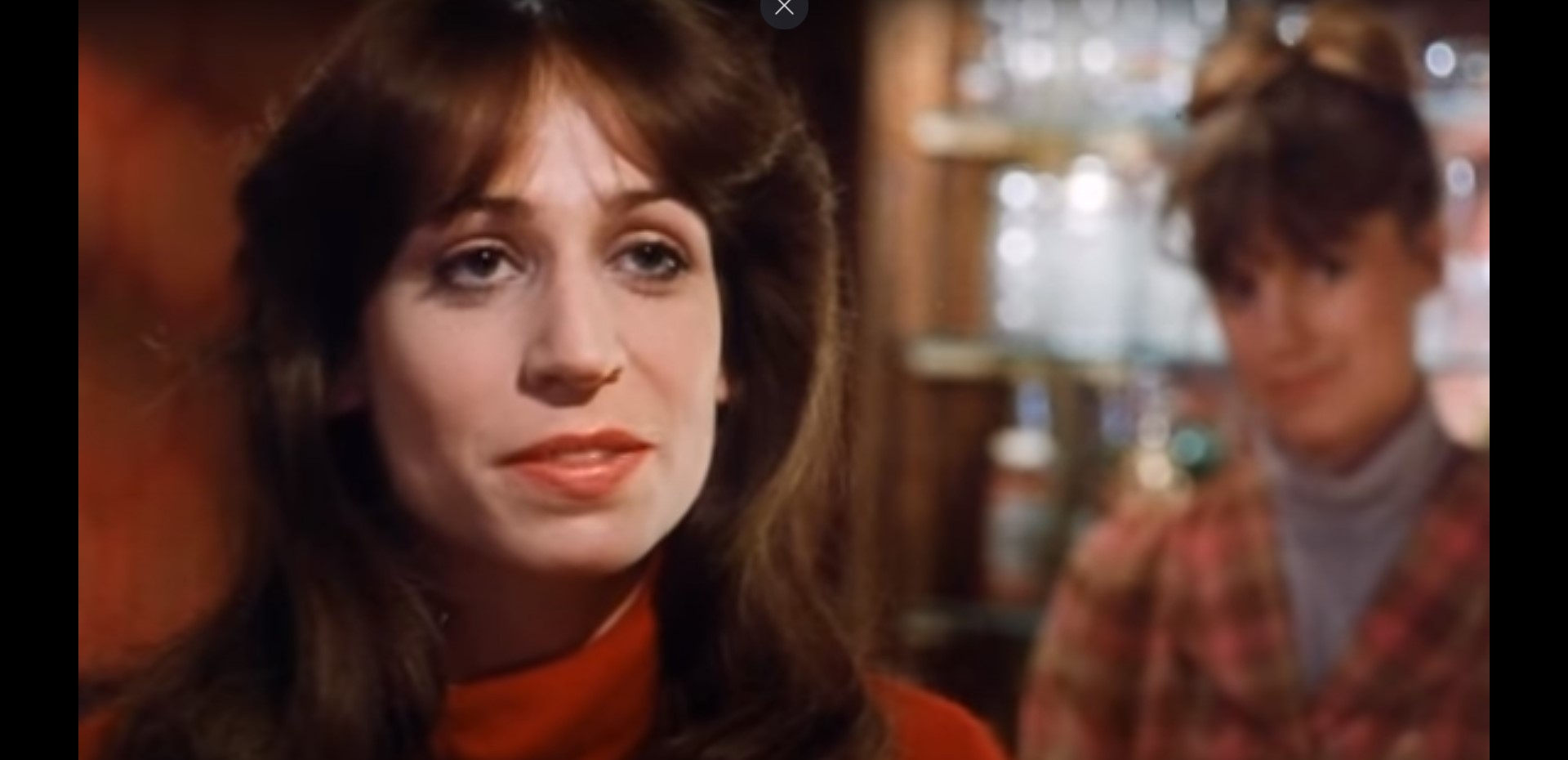
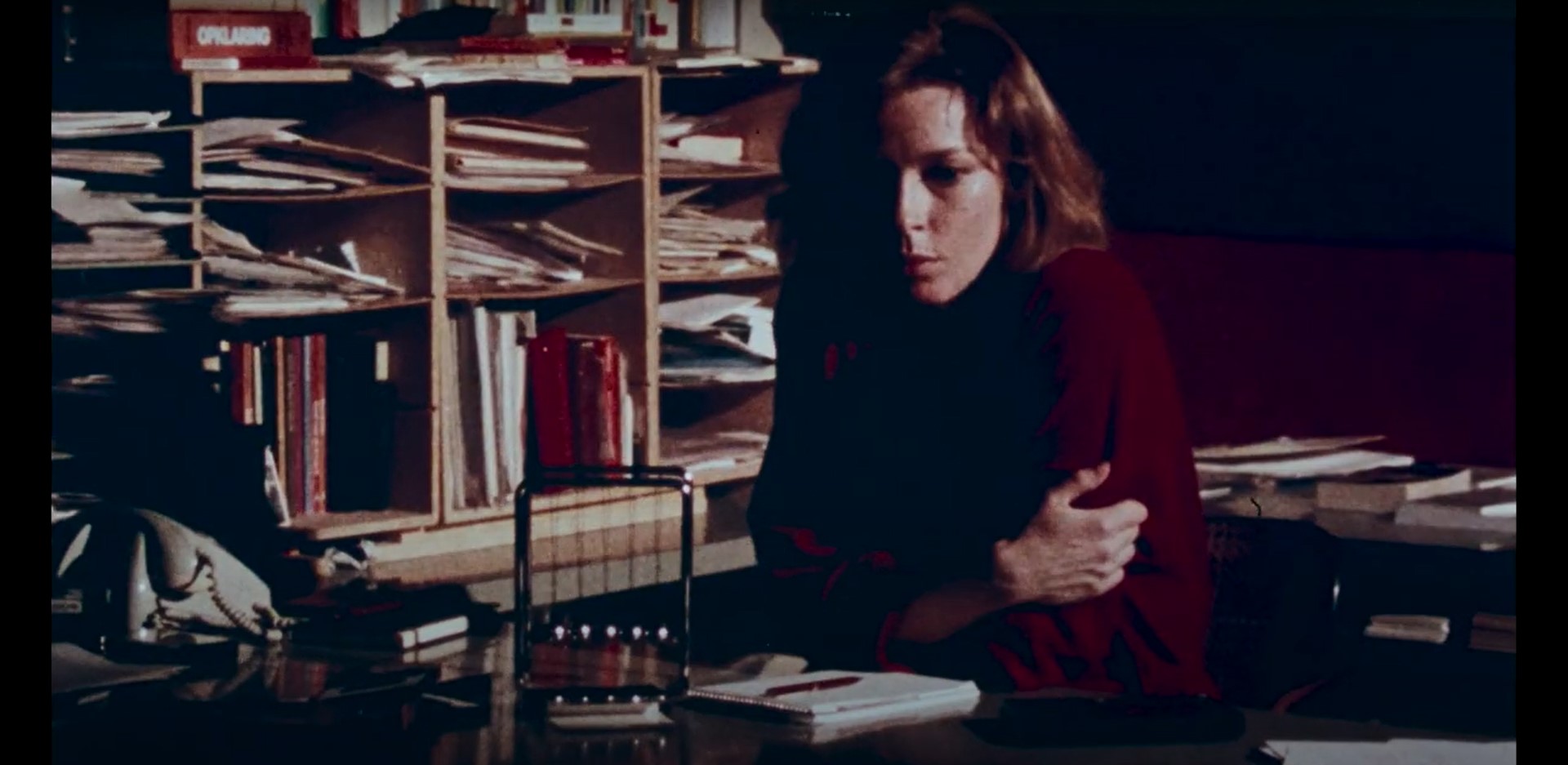
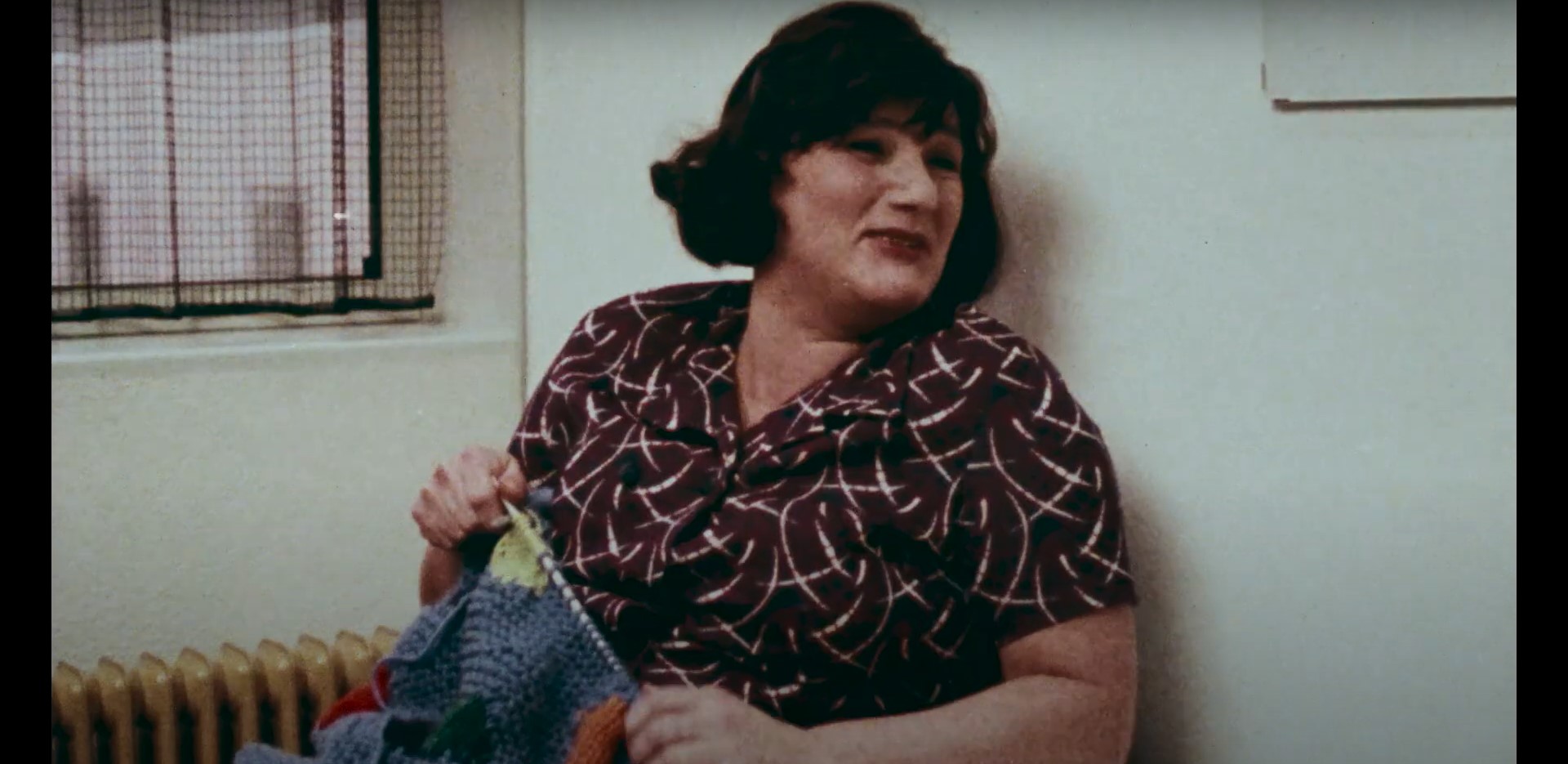
As mentioned, a pair of actresses have carried over from “A Question of Silence” to maintain a principal performance in “Broken Mirrors,” beginning with Henriëtte Tol who played the outwitting secretary in Gorri’s debut returns as a woman working in Amsterdam’s red-light district as a seasoned employee of the Happy House Club.  Tol ups the ferocity levels of her previous performance while still maintaining a gradually steady sex appeal.  Another returning actress who nearly didn’t have any dialogue in her previous role as a mother without a voice is Edda Barends now in a character that can’t stop screaming for her life as the latest abductee chained to a cruddy bed in a cruddy room with a coming-and-going, polaroid-enthused sociopath. In Barends starkly different rage against the man machine archetype, the actress finds herself discomposed in the face man she can’t understand but eventually recognizes his nasty need and withdraws it.  Both women excel beyond the unsavory current conditions and transfer the power that’s been dangling over their heads into themselves.  Newcomer Diane, played by Lineke Rijxman, becomes the key to initiate the unraveling of power of a man-owned brothel that subjugates women not as mere employees of a man-owned business but as nothing more than moneymaking ass-shakers and back-layers.  Rijxman puts in the work of having her character be resilient at work and at home as she juggles a wide variety of disgusting clients to please their whims while coming home to deal with a junkie husband’s mess.  As the story progresses and the women fall deeper under life’s heel, Dora and Diane spark what begins as a mutual friendship that slips gradually into sexual tension, giving them more assurances when they need it the most as the brothel parties become bigger and more intense.  The parallel story runs along the same oppressive path but in unconventional, unlawful, and inhuman way with the kidnap and starvation torture of a young mother.  Eddie Brugman is also a returning “A Question of Silence” actor who now finds himself in the shoes of Jean-Pierre, a mild-manner husband and by all rights societally normal seemingly man who visits the brothel for a quickie, easy money as Francine (Marijke Veugelers) would proclaim, but his dark hobby is to snatch unsuspecting women for his own perverse pleasure of watching and hearing them plea for their lives.  By the end of both stories, connected by Jean-Pierre and who finds himself at the end of the disappointing stick for his kicks, crafts more than one way to not give in and to stand up against male malarkey and nastiness.  The cast rounds out with Carla Hardy, Coby Stunnenberg, Anke van ‘t Hof, Elja Pelgrom, Hedda Oledzky, Arline Renfurm, Johan Leysen, Wim Wama, and Elsje de Wiljn.

Not only is “Broken Mirrors” another contentious and provocative incendiary story that wedges apart men and women, with the latter being victimized and justified in their actions, but Marleen Gorris also directs one hell of a boiling point intertwining between parallelisms that almost have no link to each other until the reveal.  Gorris doesn’t necessarily employ red herrings to keep audiences guessing but rather keep the killer obscure, as all that we are exposed to see is from behind the man, who doesn’t speak much either and if he does speak, his responses are to the point with as little descriptors and adjectives as possible.  Not only is the editing between simultaneous stories organic but also the other editing techniques that materialize the characters’ emotional decaying befit the mostly linear structure, such as with the student party montage at the brothel that does a roundtable of individualized scenarios between the women and their slimeball clients in an emotionally painful grin-and-bear it series that culminates to which one character best describes the ordeal as feeling like a human lavatory.  The feeling is very much mutual with viewers as well, like a used wet nap to scrub off a soul staining filth covering head to toe, as Gorris represents a thematic exactitude of fiercely dividing feminism that would define her career. A clear understanding of how brothels operate is greatly depicted with that flimsy layer of excitement and efficiency to mask the ugliness underneath.

“Broken Mirrors” arrives on a Blu-ray home video from Cult Epics and, once again, resurrects and restores a pièce de résistance of Netherland celluloid. The new 4K high-definition transfer from the original 35mm negative is presented in European widescreen 1.66:1 aspect ratio on an AVC encoded, 1080p, BD50. 35mm print looks none worse the wear over the course of father time with a mint print. Restored color graded has freshened up the natural print palette of the brothel story while the kidnapper’s tale sustains a grayscale to bisect the narrative and the delineation for both presents a palatable depth. The aplenty natural grain doesn’t swarm and takeover the higher pixelations to award us with a satisfying vintage image that now enriched without any smoothing enhancements nor any compression issues to note. The Danish language release comes with two audio tracks: A DTS-HD MA 2.0 Mono and a LPCM 2.0 Mono. “Broken Mirrors” fair well from both dual channel formats with the DTS-HD aggrandizing the Lodewijk de Boer razor synth score with intent that in itself is a character. Comparatively elsewhere, the two outputs offer little differences and sate with forefront dialogue, balanced in front an equally balanced ambient track. Optional error-free English subtitles are available with haste text to keep up with the fast-paced Dutch. Special features include an audio commentary by Leiden University film scholar Peter Verstraten, an archived 1984 interview with U.S. sex worker and activist Margo St. James with Cinema 3 host Adriaan van Dis, a promotional still gallery, and trailers. The Cult Epics Blu-ray comes in a clear, traditional snapper sporting the film’s most iconic and titular moment, displayed also on the disc art, while the reverse side of the cover depicts a still image of Carla Hardy. The region free Blu runs at a not rated 110 minutes. A good double bill against “A Question of Silence,” “Broken Mirrors” makes for a morosely on the trot sister feature in more ways than one to further a Marleen Gorris artfully aired agenda.

The Best Depiction of the Unpleasant Side of Brothels.  “Broken Mirrors” on Blu-ray.

Three Women Murder to Stand Up Against EVIL! “A Question of Silence” reviewed! (Cult Epics / Blu-ray)

“A Question of Silence” Laughs Louder than Words on Blu-ray!

Three different in age and lifestyle women carry on with the routine of their normal lives until police offices arrest them on the charge of murdering a male owner of a clothing boutique.  Having seemingly no motive and have no connection to each other, never having met each other before, the confounded prosecution hire a psychiatrist to determine the women’s mental state for the brutal beating of the shopkeeper.  As the psychiatrist interviews and digs into their personal lives to give rationality to an irrational crime, she finds herself drawn to the women and their heinous act stemmed by a life history that paints a picture of dehumanizing neglect and of providing zero respect.  Subjectively overwhelms objectivity the deeper she looks into their case and her professionalism is put to the test when she has to decide whether being labeled insane fits the accusation or if a more gender bias systemic issue is at play.

After a rousing first part of feminist revenge with “Red Sun” from 1970, we fast-forward slightly over a decade later in 1982, and moving from out of Germany and into the Netherlands, with Marleen Gorris’s acclaimed crime drama “A Question of Silence.”  With little-to-no film prior film experience, Gorris becomes a provocateuse with her debut picture that stirs controversy amongst one side of the sexes.  “A Question of Silence,” natively titled “De stilte rond Christine M,” or “The Silence around Christine M.,” became the best Dutch film of the year with local accolades, including a Golden Calf for best film at the Netherlands Film Festival the year of release.  Along with the Rudolf Thome’s “Red Sun” and the German social commentary on women integrating into equal social and professional positions, Gorris comes at a time where the status of Dutch women were on the lower end of the gender equality scale, especially in the workforce.  Matthijs van Heijningen, who produced polemic features directed by women filmmakers, such as Nouchka van Brakel’s “A Woman Like Eve” and “The Cool Lakes of Death,” risked yet another credit to his name with the virtually unknown writer-director Marleen Gorris and her sizeable undertone story under his company, Sigma Film Productions.

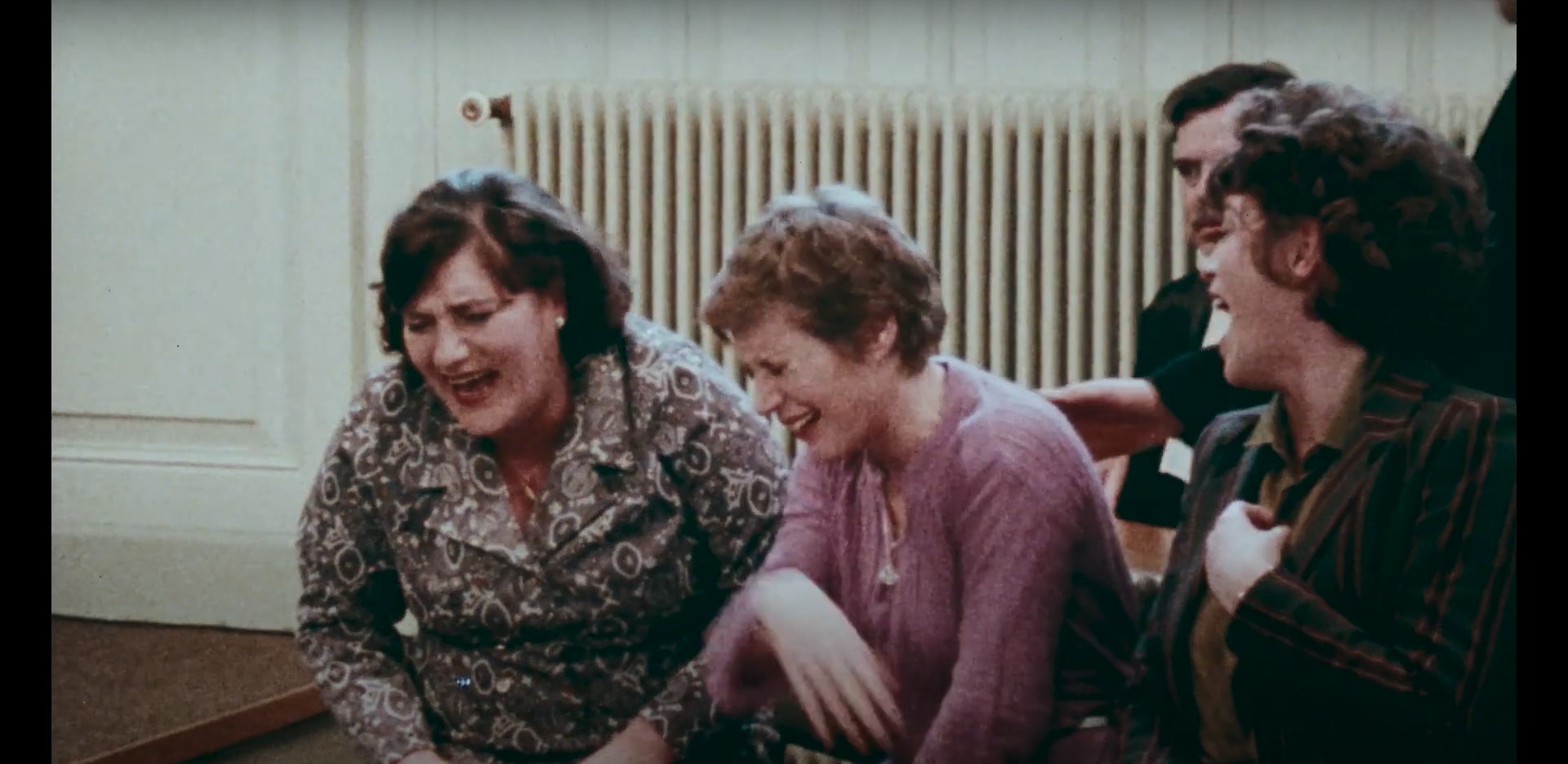
The narrative opens with Janine van den Bos and her husband Ruud having a flirtatious moment on the couch where Janine playfully annoys her book-reading husband with advances sexual foreplay.  Without knowing who these two people are exactly, other than they’re in a version of a relationship, Janine, played by Cox Habbema, and husband Ruud, played by Eddy Brugman setup metaphorically what’s inherently wrong with society with a woman seeking something and the man ignoring her and practically commanding her to stop the foolishness in a dismissive way.  This opening scene then cuts to the three women being arrested, led up to by intercuts of their daily routine before the police confront them.  We’re treated to some of the most idiosyncratic and grounded performances by Edda Barends as the muted housewife Christine, Nelly Frijda as the cackling coffee barista Annie, and Henriëtte Tol as the beautiful and intelligent secretary Andrea.  The three women never met before, never plotted before, and never killed before but a sudden epiphany while shopping became the straw that broke the camel’s back, turning watershed into bloodshed that unveiled something just as sinister as murder.  Cox Habbema engrosses herself into the psychiatric role as an educated woman analyzing and judging other women while also being judged herself by the opposite sex despite a higher-level of learning and professionalism.  Without exposition, characters express themselves through action while being ambiguous through dialogue, working to convey the lopsided gender equality across the screen perfectly without even one ounce of explanatory detail dropped. 

What’s most intriguing about Gorris’s film is it’s mirroring quality to society.  “A Question of Silence” doesn’t fabricate grand futures or alternate universes with eccentric, wily characters to be metaphorical fodder of expression; instead, Gorris remains earthbound, present, and timely by incorporating true-to-form examples that create derogatory silence on women.  The non-linear narrative, cutting back-and-forth from investigative present to the chronicled past visualizes the women’s struggles and frustrations living inside a male-dominated culture.  From being expected to handling all aspects of the household and childcare, to being brushed off and dismissed by colleagues, to forgotten and underappreciated, Gorris forces a frank contemplation on a patternized and patronized patriarchy.  Heightening the tension, Lodewijk de Boer and Martijn Hasebos’s giallo-esque and experimental soundtrack adds a layer of loadstone to see whether these extempore femme fatales executed a crime. 

Cult Epics, in association with the Eye Film Institute, continue their campaign on delivering thought-provoking, provocative, and controversial Dutch masterpieces onto the high-definition stage with their latest release, “A Question of Silence.”  The AVC encoded, 1080p, BD50 stored feature is presented in the 1:66:1 European widescreen aspect ratio.  The 2K HD scanned transfer and restoration is based off the 35mm print; however, judging by the grain levels and very little preserved detail, especially in a HD scan, I’d say the original negative was 16mm and then blown up for 35mm project, which was a fairly common process.  The noticeable enlargement of grain dampens picture details less favorable yet not the image quality is not a total wash with a stable graded rendering, with a natural skin tone and pigment of objects, and the presence of imperfections kept in a minimum – such as the occasional cigarette burns and dust/dirt.  What excels here mostly is the lack of compression issues so we’re only treated to the innate quirks of the original celluloid film.  The release offers two Dutch language audio options – a LPCM 2.0 mono and a DTS-HD MA 2.0.  Toggling between both tracks, there’s not much different between them until Nelly Frijda’s crone-cackle distinguishes itself with robust HD prominence projecting full-bodied through the dual channel.  Again worth noting, Lodewijk de Boer and Martijin Hasebos synthesizing score, coupled with Marleen Gorris’s tense and taut flashback storyline, casts a disquieting tone that’s very fitting for a film entitled “A Question of Silence.”  Dialogue, as well as the score and overall soundtracks, suffer very little from the slight hum of the running camera and some minor hissing but the general result has tremendous.  English subtitles are optional and synch well with error-free translation; however, upon watching the special features, the Cult Epics’ feature translations differ from the copious amount of snippet clips of the interview segments.  Roughly the same interpretation but the phrasing maybe clearer and less wordy in the snippets so I’d be interested in the, what I assume would be, the original English translation.  Special features include an audio commentary by film scholar Patricia Pisters, an archival Cinevise interview with Marleen Gorris from feature release year 1982, a sit-down, one-on-one interview with lead actress Cox Habbema and Cinevise host a year later, a Polygoon Journal Newsreel from ’82 that mentions the Golden Calf award from the Netherlands Film Festival, a promotional gallery, and trailers.  The clear Blu-ray cover comes with the tear-drenched and shadow-obscured face of Cox Hebbema with a reversible still image of the three accused women on the inside.  No insert included and the disc is pressed with the same front cover art.  Cult Epics Blu-ray comes with region free playback and the feature is 97-minutes and unrated.  Marleen Gorris first run as a filmmaker denotes her as a masterful storyteller with a timeless tale of close-quartered and subtle masculine tyranny in an attempt to open the unwilling eyes of the narrow focused. 

“A Question of Silence” Laughs Louder than Words on Blu-ray!

A Stuntman and Rock-n-Roll Magicians Have EVIL Under Control! “Stuck Rock” reviewed! (Umbrella Entertainment / Blu-ray)

The MUST OWN version of “Stunt Rock” Now on Blu-ray at Amazon.com!

Grant Page is a world-famous veteran stunt man from Australia and his new big project, a high octane, thrilling action move feature packed with car chases, fire sequences, and death-defying falls set in Hollywood, California.   When he arrives, his cousin Curtis picks up from the airport and shows him around, ending up at the recording studio where Curtis’s band Sorcery is lays down tracks for their upcoming album.  Between Grant’s thrilling high flying, quick burning stuntman work and the band’s theatrical heavy rock and magic trick performances, a showcase of entertainment energizes the soul as well as entertains it.  Before long, a column journalist Lois Willis aims to get Grant’s story on occupational health and lifestyles.  They’re joined by Grant’s costar of the film, leading lady Monique van de Ven, and together they rock out and enjoy the daredevil antics like one big life party. 

Unique in format and content, “Stunt Rock” reflects upon the ostentatious career of director Brian Trenchard-Smith. Before immersing himself in straight-to-video sequels of “The Omega Code,” “Night of the Demons,” and “Leprechaun,” Trenchard-Smith had a talent for being unabashed and taking risks in making something different. Thus, an 86-minute one-part showcasing demo reel, one-part fictional story, and one-part heavy rock music video was born from a slew of Trenchard-Smith shot achieve footage highlighting the impressive physicality resume of the one and only Grant Page. In 1978, “Stunt Rock’s” short theatrical run assumed the picture too radical for the general public with a motley crew of characters and a get-to-know Grant Page storyline that interjected the heavy rock, or borderline glam rock, of Sorcery, a five-piece band accompanied by two magicians whose illusions and pyrotechnics were performed live on stage as the musicians rocked out. Only recently has “Stunt Rock” re-emerged onto home video due in part to the advocating acolytes of the now defunct by not forgotten band and has become a wonderous and enriching blast from the past of reliving decades old history, contrasting artistry cooperating under one umbrella, and a deluge of rock and master class stunts. Also known as “Crash” or “Sorcery,” Martin Fink produces the quasi-action docu-musical with Trenchard filming under his own banner, Trenchard Films.

Grant Page, a man you may never recognize in name or face but probably have seen his broad list of service work at least a dozen times or more. “Mad Dog Morgan.” Yup, Page did the stunts. “No Escape.” Yup, that too. “Mad Max.” That as well! Between performing the stunts and a stunt coordinator, Grant Page has achieved over 100 credits to his name, but not until receiving the lead role in “Stunt Rock” is where he actually got to be himself…literally. Trenchard-Smith’s goal was to put Grant Page on a platform having worked with the stuntman on previous films, such as “Deathcheaters” and “The Man from Hong Kong,” putting his career, and life, on the line numerous times. Page is charming and collected under his rugged facial hair and glasses atop a muscular physique as he’s paired to cohabitate with the latter half of two-word title. Grant Page is stunt whereas Sorcery is rock. Consisting of, at the time, members of the Americna rock group were front man Greg Magie, bass Ritchie King, guitarist Smokey Huff, drummer Perry Morris, and Keyboardist Doug Loch who always wore a glitzy or colorful stocking mask with had his vocals adjusted to a higher pitch. There were also two highly skillful stage performing magicians in Paul Haynes as the bearded King of all Wizards, Merlin, and Curtis James Hyde as Haynes on stage villainous counterpart, the Prince of Darkness aka Satan. In between the two rip-and-roaring personas is a reporter working on a column piece and Grant becomes her angled subject. Brian Trenchard-Smith’s wife of 40+ years is Margaret Gerard in the role of Lois Wills, a love interest who doesn’t quite understand Grant’s obsession with intentional self-destruction as a profession but quickly falls for the big hunk despite any real tangible flirtation. Across the aisle at the other end of female perspective is Monique van de Ven playing as herself. The Netherlands actress, who mastered the art being in a catch-22 love triangle between her longtime husband and her adventurous and new female lover in “A Woman Like Eve,” is positioned in “Stunt Rock” as certifier of the fake movie Grant is there to stunt for being the leading actress eager to do what Grant does, the stunt work, at the chagrin of her asset protecting agent.

“Stunt Rock” may not be our bread-and-butter material for review, containing a severe lack of ghastly horror, creature horror, sleazy exploitation, gore and shock, phantasmagoria schlock, etc.  Instead, what “Stunt Rock” is is a pure, 100%, grade A cult classic title that goes beyond the baseline criteria for critique, as if the film even needed our insignificant stamp of world cinema approval.  Absolutely not, as “Stunt Rock” speaks for itself, literally so in the very title, delivering essentially what the film is selling, documenting, exhibiting, and entertaining along with the caveat to be a career booster and an endearing tribute for director Trenchard-Smith’s much adored and highly respected Grant Page. The way Trenchard-Smith fashions his own shot stock footage of Page’s exhilarating and adrenaline junky spectacles into flashbacks, split screens, and just a reel of collected examples whenever Page goes into specific memories of stunts, a montage of similar acts, or even how he feels before or during the performance never bogs down into arrogant gray area on the part of feature’s star. Only the director behind the one-two punch “Day of the Panther” and “Strike of the Panther” could pull of “Stunt Rock’s” insanity on celluloid, rock on reel, and a cloud nine high on a combination of both.

“Stunt Rock” is more than just assemblage of electrifying stunts as it also brings down, as well as breaks down, stunt work as not this grandiloquent behavior but more about precision, planning, and self-care with some mild levels of egomania to do things bigger, better, and more dangerous. All of this great content is now on coming at you on a Blu-ray home video from Umbrella Entertainment as the 8th spine on their Ozploitation Classics label. Presented in a widescreen 2.35:1 in full high definition, 1080p, the region free Australian release is a fury of packed goodness, in all sense of the term. Rated PG, “Stunt Rock” is about as wholesome as a PG film came come that even comes with an opening disclaimer about not trying these stunts at home, so parents open your children’s eyes to “Stunt Rock!” As far as image quality is concerned, Umbrella’s release perfects the natural-looking colorization by adding a pop of robust color, unintrusive grain, and baring miniscule blemishes. Most of the film is shot in 35mm, but some of the older footage Trenchard-Smith shot on Grant Page is in 16mm and the varying levels of difference in the details can play tricks on the mind with the stark contrast. The English language DTS-HD Master Audio 2.0 is a solid track. Dubbing can tilt an audio imbalance in the depth around certain dialogued moments, but for the most part, no compression issues leave a clean and clear outcome with even an array of well-recording Sorcery tracks and capturing all the fine details in their pyrotechnic and smoke and mirror shows in front of a live high school audience. This Blu-ray is packed with special features beginning with an exclusive virtual interview with Brian Trenchard-Smith and his wife/leading lady Margaret Gerard at their home in Oregon going over every facet in the genesis and aftermath of “Stunt Rock,” plus 2008 interviews with Grant Page and the director from Not Quite Hollywood segment, 2008 audio commentary from Page and Trenchard-Smith, 2009 audio commentary from the director, producer Marty Fink, and actor Richard Blackburn, a 2009 introduction to the film, extended interviews with Sorcery guitarist Smokey Huff and Marty Fink, 2009 audio interview with the band’s drummer Perry Morris, Brian Trenchard-Smith’s Alamo Drafthouse Appearance, Cannes Promo Reel, a HD theatrical trailer, an exclusive new Trenchard-Smith approved trailer reel, and more audio commentary from the director in Trailers from Hell. And that’s not all! Beyond the colorfully retro-esque slipcover and snapper cast with reversible cover art with the film’s posters on the inside is a 14-page collectible comic book with the abridged illustrated version of the film. “Stunt Rock” is an amazing, one-of-a-kind film with now a one-of-a-kind Blu-ray release from Umbrella Entertainment sure to be a must-own for any fans of Brian Trenchard-Smith, Grant Page, or Sorcery!

The MUST OWN version of “Stunt Rock” Now on Blu-ray at Amazon.com!

Expectations Lead to EVIL in “The Cool Lakes of Death” reviewed! (Cult Epics / Blu-ray)

Set in the early 1900s, Hedwig’s childhood is filled with love, wealth, and innocence, but when her mother dies suddenly at the hands of typhoid, life turns complicated as death, draconian religious teachings, and an uncompassionate home clouds Hedwig’s mind on what exactly her relationship with men and with God should look like.  Punished for self-pleasure and scolded for her belief in fantasies, Hedwig enters adulthood as a conformist seeking to marry a well off man and have children in what was supposed to be the perfect union that reveals in sexuality the secret to marriage.  Prim and proper on the outside but a child on the inside, Hedwig misjudges her affairs with men and indulges in a pretense relationship with them.   When she finally finds happiness with a renowned pianist and the two have a child together, Hedwig’s hold on reality snaps as the child dies a few days later, sending the once elegant Hedwig into a tailspin of unhinged mental stability, drug addiction, and prostitution. 

“The Cool Lakes of Death” is the adapted film based off the Netherlands novel from the dual profession novelist and psychiatrist, Frederik van Eeden, entitled Van de koele meren des doods, which closely translates to “The Deeps of Deliverance,” a psychological period piece and melodrama with themes on the antiquated God-fearing expectations of a 19th century young woman, the solidity of marital unions, and a woman’s sexual liberation.  “The Cool Lakes of Death” is the follow up directorial from “A Woman Like Eve” director, Nouchka van Brakel,” off a screenplay written also by Brakel and co-written with Ton Vorstenbosch.  The exquisite tragedy of a woman submerged in societal misconceptions of love that can’t be forced and the mutuality of pleasures is yet another Dutch production from producer Matthijs van Heijningen and his company Sigma Film Productions, who have overseen a handful of Brakel films including “The Debut” and “A Woman Like Eve.”

Understanding the mixed emotions of a young girl in the throes of self-discovery, with a pinch for the dramatic flair, Renée Soutendijk gives a prismatic performance, glistened in a stringent social dogma, of hope and pity.  The Netherlands actress, who had the role of Miss Huller in the 2018 “Suspiria” remake, the inundated Hedwig, friends call her Hetty, who has inexhaustible amount of hope in her search for passion, but insurmountable roadblocks and obstacles corrupt Hetty’s mental processor.  Soutendijk’s elegance has a soft innocence to it, a naïve virtue that contrasts bleakly against the subtle and not so subtle influencers of Hetty’s life and Soutendijk really opens our eyes when Hetty’s full blown crazy in a clear and precise moment of snapping her rationality like a dried and brittle twig.  The performance digs at you and Brakel exploits the worst (good cinematically) parts of Hetty’s break that has her be a wild, naked woman thrashing, spitting, and puking in a locked room of a psyche ward, injecting needles into her arm night after night after selling her body to unscrupulous men, or even stuffing her newborn baby into a duffel bag and heads off to sea to search for her husband Gerard, a subdued, appearance concerned gay man that never cared physically for Hetty, played by Adriaan Olree in his debut performance.  Hetty comes across two other lovers; one a flyby and compassionate artist Johan (Erik van ‘t Wout), who would have matched her passion, but not her social status, and, eventually, she finds much of what she seeks in a renowned concert pianist Ritsaart (Derek de Lint, “When A Stranger Calls” remake), who refuses to admit their relationship in fear of scandal and ruin of his career.  Along the way, Hetty listens more to her blinded heart than she does her logical mind when intaking sound advice from advocates of her wellbeing as Ritsaart’s best friend Joop (Peter Faber, “A Woman Like Eve”), her best friend Leonora (Kristine de Both), and a hospital nun (Claire Wauthion) attempt to steer her toward a happier existence. 

I really can’t get enough of Hetty unable to secure her ideal happiness.  That might sound a little inconsiderate but what is a perfect relationship?  Brakel explores how an sought ideal can turn into a damaging expedition for the white whale.  Instead of being the ill-fated, hellbent Captain Ahab, Hetty’s land based monomaniacal drive of fairytale love becomes her ultimate downfall, sinking her deeper into the depths of despair, loneliness, and a cataclysmic separation from reality.  Gerard wasn’t perfect because he secretly longed for men, Johan didn’t have the right social stature for a lady of her status, and Ritsaart kept their love hidden below the public eye.  There’s a quite a bit of feminism loitering around in that last statement with a touch of selfishness to no fault of Hetty’s and all circulate back to some sort of suppression whether it’s sexually or emotionally umbrellaed by patriarchal doctrine, discourse, and discipline.  The culture toxicity is so severe that the older generation of women are beguiled by it’s power to be controlling others themselves under the thumb of a male-dictated society as we see in Hetty’s Governess in tattling on her pupil’s every move to her wimp of a widowed father.  “The Cool Lakes of Death” is a beautiful disaster in almost a sing-songy narrative delivered by director Nouchka van Brakel’s mighty delicate touch. 

For the first time in North America and single in a trilogy of Nouchka van Brakel releases from Cult Epics, as well as in a trilogy boxset, the 1982 downcast drama “The Cook Lakes of Death,” arrives on DVD and Blu-ray home video.  The New 4k High-Def transfer is scanned from the original 35mm negative with an impeccable and nearly blemish-free restoration.  The film is presented in the European matted widescreen, 1.66:1 aspect ratio, with plenty of good looking natural grain and a softer image in the trashy romance first act then to a harsher, grittier quality during the time of her ruin under the eye of Theo van de Sande who ventured from the Netherlands to the U.S. later in his career and worked on Joe Dante’s “The Hole,” “Little Nicky,” and “Blade.”  A couple of whip pans into deep focus shots enrich the production, a technique that has served Sande in his later work.  The Dutch language DTS-HD Master Audio 2.0 lossy audio is as good as this title will ever see without an actiony framework.  Dialogue is completely discernible with well synched English subtitles.  A few pops in the span but no major damage to the audio to speak about in length.  Soundtrack has barrier moments of muffled penetration.  Not too many special features to touch upon with the theatrical trailer, a poster and sill gallery, a 1982 newsreel unearthed from the Polygoon Journal archive, and a reversible Blu-ray cover. “The Cool Lakes of Death” is young and naïve adolescence transitioning into womenhood only to be tripped up every step of the way; Hetty’s eager to blossom turns to withering as the underdog in life’s kennel and Brakel’s purificatory rite of passage beautifully disembowels hope and dreams in a dreamy fashion until finding faith in life come full circle, well almost, in commencing with both feet standing into adulthood.

“The Cool Lakes of Death” on Blu-ray Home Video at Amazon.com