

“Shepherd” on Blu-ray from Darkland Distribution!
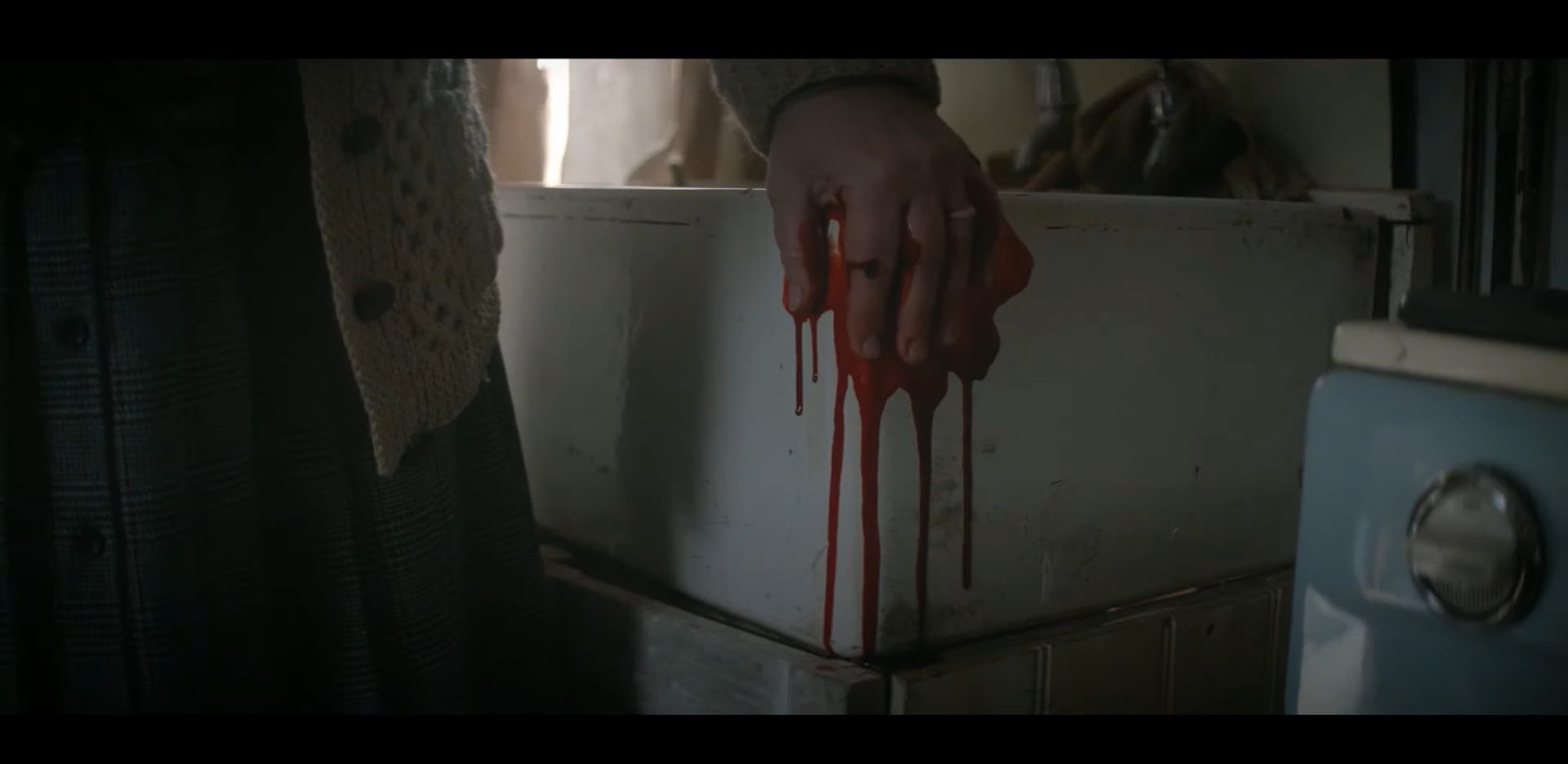
The death of his young, adulterous, and pregnant wife pushes Eric Black into wanting nothing else but space from the rest of the world. He ships off with his dog Baxter to an isolated lighthouse island, answering a classified job ad to be a shepherd of a flock over 600 sheep. His arrival to the island’s dilapidated living house is beyond below expectations but serves the purpose of avoiding everything that reminds him of his lost wife and previous life. When loneliness creeps around the entire stretch of the fog-covered island and intense nightmares sweep over him nightly, being trapped at his new home away home stirs madness into his everyday cup of life that also could be possibly the malevolent dealings of a supernatural presence residing on the island with him.
Mourning is already a powerful post-shock emotion that can swallow a person whole without warning. Couple the intense bereavement with a bristly line of behind-the-scenes loathing creates a perfect maelstrom that bears a force more soul crushing and more untouchably violent on the mind. This is the psychological assaulting premise for Russell Owen’s new film entitled “Shepherd.” The Welsh-born writer-director conjoins daunting atmospherics with slow burn deterioration and a Hell of one’s own making that questions conscious and subconscious morals. Owens stretch through grim realities continue well after his first two films, a 2013 post-apocalyptic thriller in “Welcome to the Majority” and a 2020 survival of zombified inmates with “Inmate Zero,” the latter initiating the island motif for Owen’s latest film. “Shepherd” is 103 minutes of bone-chilling folk horror from Golden Crab Film Production (GC Films) and Kindred Film under fellow producers Aslam Parvez and Karim Prince Tshibangu reconnecting with Owen from “Inmate Zero.”
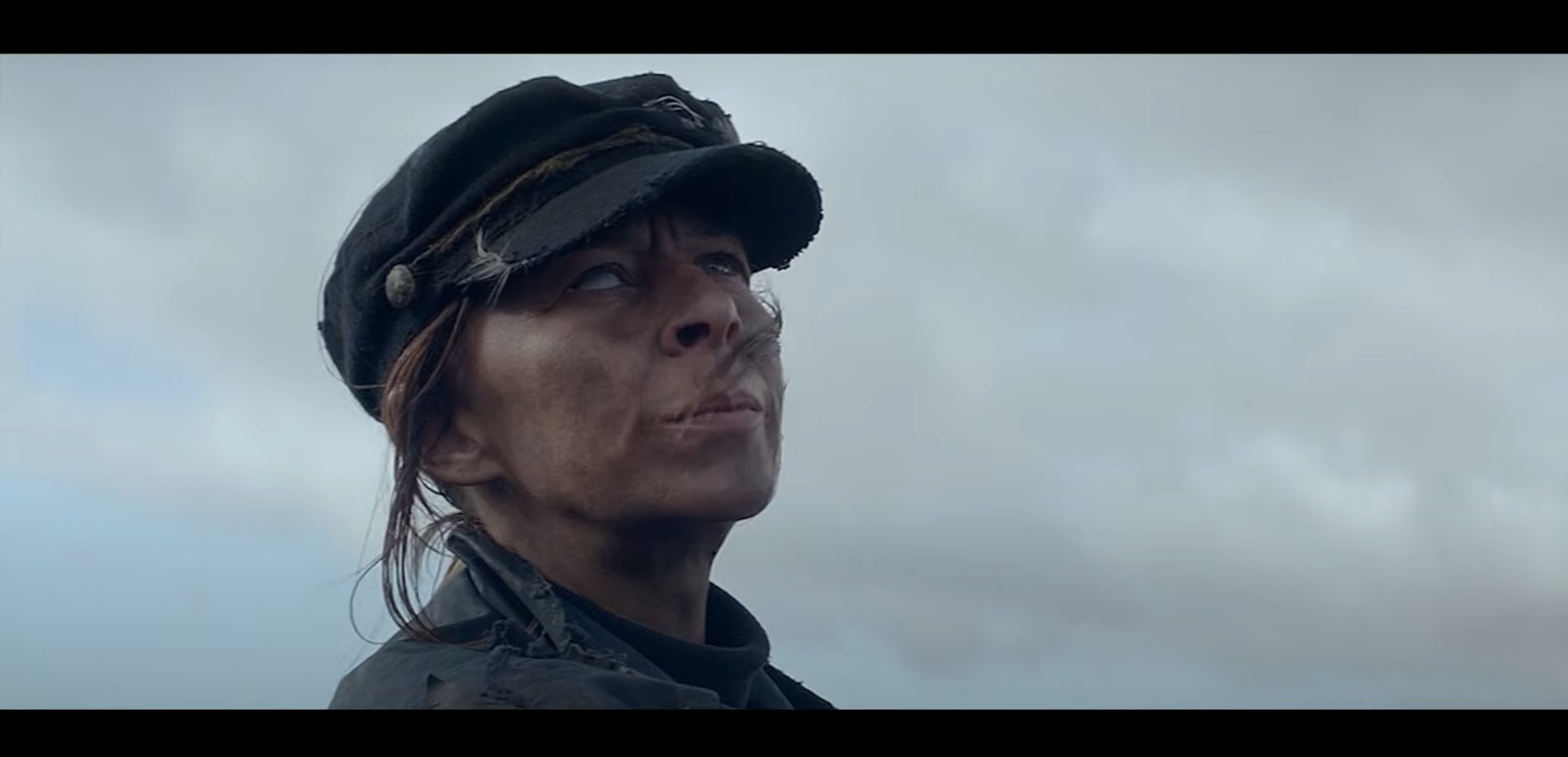
“A Discovery of Witches’” Tom Hughes embarks nearly solo on this frigid and fog-encrusted journey through self-segregating terror as Eric Black in order to break off Black from a world that won’t leave him be nor let him forget. Hughes amasses a broody-flavored anguish, quietly stewing, fretting, and absorbing with great sedated composure the bombardment of strange occurrences during his stay on sheep island. From his time with witches and vampires, the Cheshire-born, mid-30’s actor might be the lead of “Shepherd,” but it’s actually Kim Dickie (“Prometheus,” “The Green Knight”) who steals the show with her forebodingly salty fisher. Haggard in appearance with a white, ghostly eye, Dickie’s frightsome performance and unsettling calm tone of voice could instill shivering fear into anyone who charter’s her boat heading toward a forsaken island. The interactions between Hughes and Dickie are scarce with Dickie overshadowed by Hughes often wandering the island screen time like an avatar lost on in the fog of a Silent Hill horror game, waiting for something to pop out of the shadows and collecting clues to progress his story along. Rounding out the cast is Greta Scacchi as Eric’s widow-bitter and devout mother and Gaia Weiss in a flashback and dream role of Eric’s deceased wife.
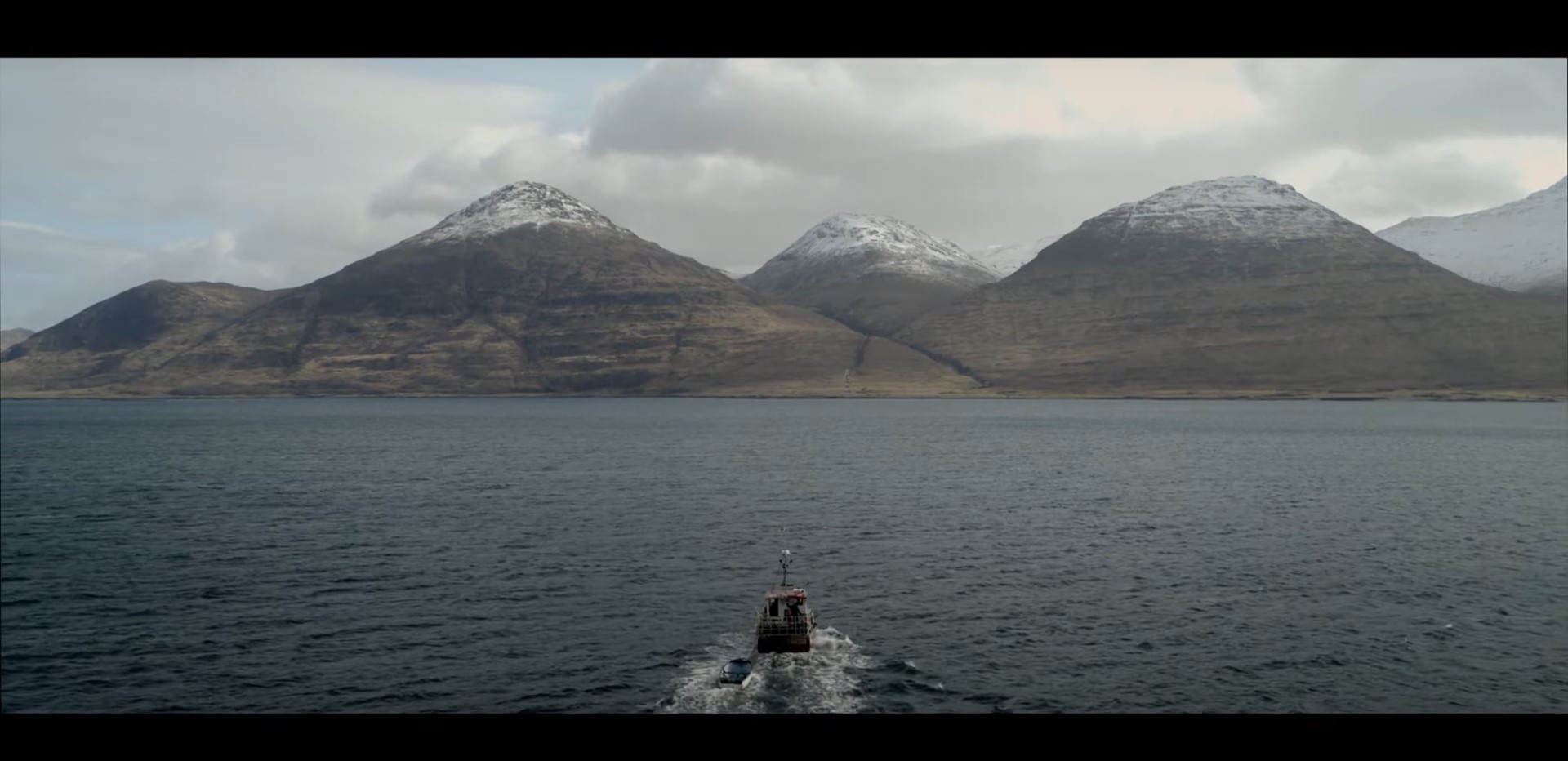
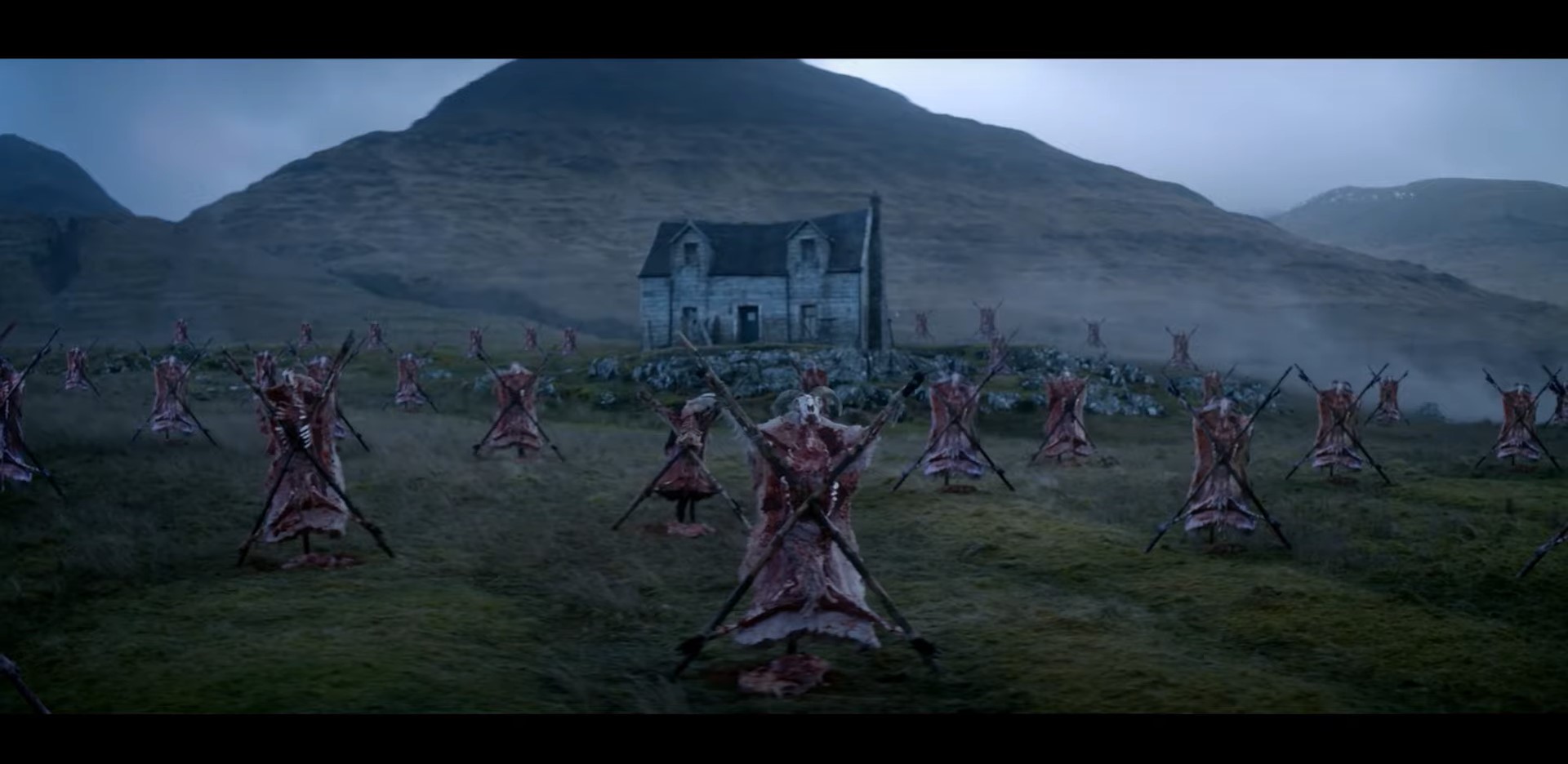
“Shepherd” immerses itself fully into the ideal concept of personal Hell with a wraparound mystery that batters and bruises the psyche of the protagonist, shielding away the hard-to-face truth, until a realization moment unfolds all the paranormal pastiche we’ve seen before in films such as Andrew Wiest’s “The Forlorned” and even Robert Egger’s “The Lighthouse,” both which involve lighthouses, lighthouse keepers, and a mixed-nuts’ tin of supernatural-madness. Trying to separate’s “Shepherd’s” niche from a very specific type of supernatural mystery subgenre surrounding a beacon of warning, or hope in some cases, is difficult to accomplish because each film, though stylistic diverse and eerily alluring in their own rite, regurgitate the same core context hinged on being unhinged. Now, what I’m not saying is that a remote, weather-beaten, and creepy lighthouse doesn’t make for a good setting – it sure as hell does – and cinematographer Richard Stoddard’s visual redecoration of the popular holiday tourist refuge, Isle of Mull, into a seemingly desolate, yet still a behemoth, island of nothing but monolithic rock faces and green grass as far as the eye can see. Stoddard’s use of in-flight drone cameras enables the visionary to capture breath-taking wide shots that dwarf Eric Black on his walkabouts in search for various odds and ends, providing an additional sense of overwhelming loneliness that pressurize the character to a breaking point. Space becomes an emblem of cursed irony for Eric between his need for separation from his disconnected place in the world to the vast space of Earth that inundates him into a bone-shivering panic. Space is also utilized by Russel Owen who’s able to manipulate through decent computer imagery the illusion of a large ship liner eerily resting a valley of fog or even taking a note out of Hitchcock’s shooting technique handbook of POV distortion, faltering Eric’s mind by disorienting him with swaying depths that play into the character’s fear of heights in another nod to the Hitchcockian coffer.
About every few years, a tense lighthouse lip-biter washes ashore. Released this past February of 2022, filmmaker Russel Owen’s psychological pilgrimage of coming to terms with consequential terror is his shot at the equivocal contretemps of one unlucky soul stuck on an eroded plinth of stone and shore. Darkland Distribution releases “Shepherd,” the second indie horror from Parkland Distribution’s dark subsidiary motion picture line, onto a UK Blu-ray with certified 15 rating and digital download, available off such platforms as Itunes, Amazon Prime, GooglePlay, Sky Store, Vubiquity (Virgin), BT, BFI Player, Rakuten TV and more. Since this review is based on a digital screener, I am unable to comment on the specifics of the Blu-ray A/V quality. The inhospitable-saturated soundtrack by Callum Donaldson is an unnerving mixture of low industrial rumblings and high anxiety string dissonance sure to keep the blood curdling with every resounding note and slice deep when the shocking time is right. I mentioned Stoddard’s eye for profound looming landscapes, capturing the natural beauty of the island, that are kept in continuity with the weathered fiber of the house and lighthouse interiors to match despite being shot inside a constructed studio set; however, a deep blue tint is added in post at random intervals of interior shots that pop out of place like a dislocated thumb, taking away from the realism and stepping more into the cerebral caged surrealism from which Owen ebbs and flows. “Shepherd” herds all the right tropes into a pen of madness. With a ferocity of natural imprisonment and the threat of evil dense within every molecule of the island, this awake nightmare fuels the ominous fire, but can’t quite reach its gut punch ending that curtails off toward ambivalence without cherishing a satisfying single resolution.


 It's Bloggin Evil!