Heart and Body Reunited Forges Immortal EVIL! “Witchtrap” reviewed! (MVD Visual / Blu-ray)

Get Caught in the “Witchtrap” on Blu-ray!

A motley crew of parapsychologists and private security are hired to investigate the haunted house of powerful warlock and accused serial killer Avery Lauter.  Before the graveyard side home can be turned into a themed Bed & Breakfast by Lauter’s inheriting next of kin, the team is brought in to eradicate the infamous house of any kind of malevolent spirits after the mysterious and gruesome death of a magician who agreed to stay at the house as a test run of the level of malignance.  When the investigators make contact with a confident and evil Lauter, the warlock tricks them by using the team’s physical medium to murder a far-too-inquisitive investigator one-by-one in order to finish a satanic ritual he started before his death that will make him immortal.  It’s up to non-believer, and wise-cracking, private detective Tony Vincente to make sense of the murders and put an end of Lauter’s reign of terror from beyond the grave before it’s too late.

A necromantically-charged slaughterhouse of a film, “Witchtrap” is the 1989 phantasmal thriller of the omnipresent, omni-powerful dead versus a group of clueless living always one-step behind in attempting to make sense of everything.  Also known as “The Haunted” or “The Presence,” the Kevin S. Tenney written-and-directed film succeeds the director’s cult classic “Night of the Demons” and Tenney’s debut film “Witchboard,” which is not a sequel to “Witchtrap” despite a similar title and the hiring of some of the same actors.  Shot in Fairfield, California on a 400K budget, the independence production showcases topnotch gore and pyro effects from makeup artist Judy Yonemoto (“Dance or Die,” “The Newlydeads”) and special effects supervisor Tassilo Baur (“House,” “DeepStar Six”) and is produced by Tenney alongside Daniel Duncan under Mentone Pictures; Duncan also produced Tenney’s “Brain Dead” later in the filmmaker’s career.  Cinema Plus, represented by executive producer Ryan Carroll, serves as the presenting company.

Tenney has been noted saying “Witchtrap” was a gift for the actors who have stuck with him over the years, playing pivotal parts in his student films that pole-vaulted his career into being a cult horror director.  “Witchtrap’s” leading man, James W. Quinn, has worked with Tenny since grade school and was cast in a principal role in “Witchboard” as well as in a minor role in “Night of the Demons.”  Quinn’s Tony Vincente is by far the best dialogue deliverer of the principal ensemble with a smartass ex-cop script that highlights Quinn to be the good guy but while being a complete jerk.  The rest of the cast is painfully flat, with little-to-no inflections, and a severe lack of dynamism or gesticulation that, despite how interesting their character backgrounds are, are just too dull with monotone script-reading.  “Night Visitor’s” Kathleen Bailey is likely the second best to liven up her character of Whitney O’Shea, the religious and reluctant physical medium with shark thrashing spams every time Avery Lauter channels her for to violently wipe out a parapsychologist team member, spearheaded by an eager ghost trapper Dr. Agnes Goldberg (Judy Tatum, “Witchboard”) and her mental medium husband Felix (Rob Zapple), and the accompanying private security forces that also include Vincente’s partner Levi Jackson (Clyde Talley II) and boss man Murphy (Jack W. Thompson).  Dangerous ambitions and irrational greed stir the pot between each of these groupings that side with personal stake over the safety of their existence that make for better character building underneath the rickety performance framing.  And, of course, we can’t neglect mentioning Linnea Quigley bringing up the rear with her rear as the bleached blonde, cropped seater topped A/V technician that can capture ghosts with her ectoplasm detecting gear.  Quigley, and also Judy Tatum, provide a bit of T&A, especially Quigley with an eye-popping full frontal in the prime of her career.  The remaining cast includes Hal Havins (“Sorority Babes in the Slimeball Bowl-O-Rama”) as the creepy groundskeeper and J.P. Luebsen (“Witchboard”) as the cap-wearing and wild-eyed bearded warlock Avery Lauter. 

Oddly enough, what makes “Witchrap” entertainingly great, is Tenney’s attractive and amusing dialogue.  Between the quips, banters, diatribes, and the depth conversations, Tenney formulates a dialogue that can match or even surpass the outstanding special effects that course through the narrative.  Without Vincente’s brutal mockery of the entire paranormal research and investigation scheme as well as an unmercifully, nonstop degrading position toward his contentious boss, left with only the tedious prosaic to hear, “Witchtrap” would be one of those great-gore, dull-dialogue features that force your hand to fast-forward to the good parts in order to not pass out asleep from the in between drag.  Instead, “Witchtrap” is 80’s cult-horror treasure, comfortably embedded somewhere between the cinematic Earth’s lithosphere and asthenosphere layers just waiting for someone to unearth and dust off its sheening crimson colored cabochon.  Definitely not elevated horror that makes one think about the auteur intended message, the feature remains true to Tenney’s previous like-mad credits with an outlandish and mortally fair game theurgy that’s surface-level eye candy and audibly dulcet, despite the audio recording snafu that sent the entire dialogue track to the post-production recording studio.  Though producers and marketing attempted to cash-in on “Witchboard’s” moderate success with a similar, familiar title, “The Haunted” and “The Presence” are no more than generic designation fodder that lacked tremendous flavor; “Witchtrap’s” a kitschy and blunt title that works and literally estimates what audiences should and will expect although Avery Lauter is a Warlock and not necessarily a witch per se. 

A part of the Eric Wilkinson’s throwback video club and Rewind Collection series from MVD Visual, “Witchtrap” arrives a fully restored, high-definition Blu-ray, presented on an AVE encoded, 1080p, BD50 and in a widescreen 1.85:1 aspect ratio.  This transfer essentially mirrors the Vinegar Syndrome release a few years back that had reinstated many of the MPAA cuts the general public hasn’t laid eyes for nearly 30 years until 2016.  Picture quality retains a fresh, renewed look without compromising the natural characteristics, such as grain, of the 35 mm celluloid.  There are sporadic scenes that slip due to generational loss but, for the most part, a solid 2K scan restoration of the interpositive. The English LPCM 2.0 mono track is post-production concomitant due to an inexperienced sound mixer that resulted overbearing hum throughout the dialogue. ADR was introduced in post subsequently diminishing depth and creating an artificial sounding mix with a silver lining being a near perfect match for actor emotionality, inflections, and synchronization. Optional English subtitles are available. Bonus material includes a commentary track with director Kevin Tenney, producer Dan Duncan, Cinematographer Tom Jewett, and actor Hal Havins. Also included are interviews with Kevin Tenney, Linnea Quigley, Tom Jewett, and Tassilo Baur who more-or-less say a lot of the same retrospective accounts regarding “Witchtrap’s” sound issues, pranks on Kevin Tenny, cheap film hints outside of L.A., and how constrained the budget was. This release also comes with the edited VHS version at 92-minutes, same as the Blu-ray, a photo gallery, and the original trailer. Physical features include a sweet throwback cardboard O-Slipcover of the original poster compressed inside a 1-inch, matte red border that’s back and front. The O-slip covers a clear Blu-ray case that holds a reversible Rewind Collection cover art that’s roughly the same as slipcover poster art with cropped out credits for a vivid red filled, white-lined title. On the other side of the cover is alternative European cover art of a puffy white cloud merged with a demonic face hovering over a white picket fenced house, reminiscent of the MGM “Return of the Living Dead” or the original Columbia “Fright Night” DVD covers. Inside the case is a folded mini-poster of the factory-wrapped front cover. MVD’s release is rated R and comes region free. “Witchtrap” epitomizes restless ghost syndrome with a head coup de grace motif and is a seance that conjures potent witty dialogue to hoist Kevin Tenney’s third feature up to another plane of existence.

Get Caught in the “Witchtrap” on Blu-ray!

Down the Path of Darkness is EVIL. “The Long Dark Trail” reviewed! (Cleopatra Entertainment / Blu-ray)

“The Long Dark Trail” on Blu-ray at Amazon.com

Set in the idyllic boondocks of Northwestern Pennsylvania, two young brothers plan to escape the abusive grasp of an alcoholic father in search for a better life.  Without a plan and nowhere to go, they go around the small town to collect money from the odd jobs the brothers worked in preparation for their abscond.  While doing so, they come upon information about their mother, who abandoned them at a younger age, that sparks an desire to track her down in hopes that once she’ll lay eyes on them, she’ll want to rekindle the relationship with her two sons, but the trek deeper into the northern woods would be long and arduous through abandoned aqueducts, pine forests, and numinous burial stones belonging to an inimical cult of women controlled by a sadistic leader.  It is the cult where their mother left them to reside and it is there where they are headed on their haunting journey in hopes for a better life.

Tackling impoverished, ill-treated youth haunted by their past and uncertain about their future, directors Kevin Ignatius and Nick Psinakis write-and-direct “The Long Dark Trail” as a tale of resiliency for two close brothers relying on each other to climb out from a pit of despair.  Ignatius and Psinakis have collaborated previously together as writer-director and cowriter-actor in the misfortunate happenings comedy “My Best Friend’s Famous.”  The 2022 drama-thriller marks the first feature film for the filmmakers who explore coming-of-age through trial by fire, or by the supernatural psychological manipulation of enchanted rocks and by the coarse portents of a blood sacrificing cult.  Shot in Ignatius’s birthplace home of Warren County, PA, the two New York filmmakers shoot the low-budget venture under their independent production company, Four Eighteen Films, in association with El Jean Productions and with associate producers Michael Kraetzer (“The Slaughterhouse Killer”) and Nicholas Onetti (“Francesca”) of Black Mandala presenting the film.

“The Long Dark Trail’s” story follows two brothers played by real-life brothers, Brady and Carter O’Donnell, debuting in their first feature film.  You can tell the brothers don’t have a ton of acting experience as their dialogue is very mechanical and their movements are bit stiff and hesitant, but since the narrative revolves around their characters, antisocially bred by the abusive father’s impropriety, being socially awkward on screen, even between each other despite their off-screen brotherhood, doesn’t necessarily feel far-fetched.   “The Long Dark Trail” isn’t a heavy on the dialogue narrative, leaving much of the plot to unfold with the brothers’ wondering the forest grounds, natural and unnatural visual imagery, and the hypnotic folksy score.  From start to finish, Brady and Carter carry the entire storyline from start-to-finish with intermittent spliced in scenes of hooded cult acolytes doing obscure and violent things in what looks to be the upstairs of a vacant barn or with the earlier scenes of the boys visiting and conversing with a purpose with Mr. Barrow as he rambles on about his veteran war stories while the boys take full advantage of his porch sitting to steal food form his cupboards; a role undertook by Kevin Ignatius’s father, Paul “Doc” Ignatius.  The O’Donnell siblings shepherd much of the trail journey’s harrowing phantasms to the best of their ability but are also not limited to being just reactionary to the spooky woods.  Practical makeup effects and some visual compositions are chartered for divisive inducing dynamics in order to drive a wedge between the brothers’ already contentiousness of wanting to traverse a dark corner of God’s country to see a mother that has already forsaken them once.  Trina Campbell plays the indoctrinated mother now embedded into an outskirt cult led by Paul Psinakis’s version of a cult leader in Zeke.  Psinakis has the maniacal wild eyes and brooding aura demarcating him as a clear cut bad guy with a bunch of vary-in-age women in tow but the cult is not very clearly defined as a whole or with a purpose and when the boys stumble into their isolated camp, near that aforesaid barn full of now chopped up body parts and hunting game skulls, the exposition to follow is not presented and the real sense of danger is only palpable from Zeke and Zeke alone. 

While cast and story struggle to make ends meet with relative clarity, what Ignatius and Psinaki do really well in fashioning for effect is depicting the rural folk horror elements of vast natural landscapes that can turn looming and inescapable.  As a resident of Southeastern Pennsylvania, convenience and concrete genetically makeup my quasi suburban-urban scenery, but I can appreciate the opposite side of the state with greenery up to your neck and beyond, the solitude of a different way of life, and how one could also appreciate how menacingly engulfing that can all feel as well.  We’re also not completely stuck to the forest setting as the directors’ use riverbeds and lakeshores, sprawling grasslands, and the quaint town structures to enlarge the presence of a smaller shoot.  Kevin Ignatius isn’t just the co-director of “The Long Dark Trail,” he’s also the film’s composer, another aspect of highlight, amongst other hat wearing titles.  The catchy and mesmeric folk/bluegrass score is a real tribute to Ignatius’s musical background, having formed a band, Das Tapes, with brother Mark, by adding a layering combination of vocal sounds and banjo strumming.  The latter banjo reminisces a little bit of “Deliverance” but with an elongated cadence integrated into the brothers’ long road tour, becoming a mainstay importance to the overall lingering feel of backwater chills.  Where “The Long Dark Trail” fumbles is at the heart of project – the story.  Never really tying the elements all together, the narrative often feels abstract and unhinged in a series of randomized events between the cursed rocks, vivid hallucinations, the boys’ trauma, the women stuck in a cult of a madman, and the message on blood ties.  Was the father’s verbal and physical abuse the root cause of psychological and family brokenness?  Are the brothers’ bond and endurance being tested on the trial trail toward their last form of hope, their abandoning mother?  “The Long Dark Trail” is in a long, dark well of questions without any return of answers in a conclusion that can’t be roughly swallowed along the course of an exceptionally scored and formidable atmospheric thriller. 

“The Long Dark Trail” path leads to at home Blu-ray release from Cleopatra Entertainment, the film banner of Cleopatra Records, and MVD Visual.  The AVC encoded BD25 provides high-def resolution in 1080p of a widescreen presentation.  The Cleopatra Blu-ray does not list the aspect ratio and IMDB.com lists the film at 2.39:1 which is accurate in accordance to the release.  A combination blend of natural and lowkey lighting doesn’t appear to present too many issues with the format storage.  A few signs of pixilation in deeper negative spaces cease to only a handful of decoded moments stark contrast.  For a digital recorded film that’s churning out an average of 25Mpbs, par for the course for Hi-Def, the details don’t display to the fullest sharp potential but are certainly on the edge of so.  You can get better visuals from the brightly lit of primarily color contrasting scenes for a film that’s remains in natural grading.  Also not listed on the Blu-ray back cover is the audio specifications, but according to my player, the release comes with an English Dolby Digital 5.1 surround sound and an English LPCM stereo. The five-point multi-channel audio mix studs the soundtrack with piquant notes, harmonies, and twanging banjo chords. Dialogue is pleasantly defined through the robust soundtrack and the ambience has a nice range of rustle and depth. I’m quite surprised by this Cleopatra Entertainment release that doesn’t come with a second disc, a CD, of the soundtrack, likely due to the score not produced by the parent record label. English subtitles are optionally available. The bonus features include blooper outtakes and behind the scenes footage, an image slideshow, and the original trailer. The back cover also notes an interview with the director, but what’s on the disc is a featurette surrounding artist R.L. Black’s graphic novel artwork for the film and for the forthcoming comic based off the film. There is no interview with the director. The rest of the bonus material rounds out with Cleopatra Entertainment trailers of “The Ghosts of Monday,” “Frost,” “A Taste of Blood,” “Escape from Area 51,” Baphomet,” and “Scavenger.” The film is housed in a traditional Blu-ray snapper with a rough and ready composite of a skull looking to swallow the bicycling boys on the dark path with a dark lit moon overhead; a missed opportunity in my opinion as there’s a better poster out there for the film, a more graphic poster, of one brother’s bloody head split down the middle and opening for the other’s brothers face to show. The Blu-ray is region free, unrated, and has well-paced runtime of 78-minutes. Likely not to please by or understand by most, “The Long Dark Trail’s” coming-of-age narrative wrangles with what’s most important for a folk horror film of its kind – either to be an apparatus for breathtaking countryside imagery or of trauma that is tense-laden and tearing families to pieces – and unfortunately, the feature couldn’t be both.

“The Long Dark Trail” on Blu-ray at Amazon.com

Romance and Chinese Boxing Don’t Equal EVIL and That’s Okay! “Gorgeous” reviewed! (88 Films / Blu-ray)

Fall in Love with “Gorgeous” on Blu-ray at Amazon.com!

Bu believes in true love.  The young Taiwanese girl, with immense positivity, travels from her small fishing village of Jibei to the big city of Hong Kong after discovering a bottle containing a romantic note floating in the sea.  When Bu is let down by the originating sender, a gay makeup artist in an attempt to use fate and fortune to bring back an ex-lover, she strikes up a friendship with him which leads to a wealthy business owner and Chinese boxing enthusiast C.N. Chan who serendipitously comes into her life.  With a well-known reputation of being a rake, Bu pretends to be a prominent ex-lover of a notorious crime boss in order to not be taken advantage of as she slowly falls for Chan’s playful charm.  A longtime rival businessman causes conflict by driving a wedge between Bu and Chan as fight training intensifies after losing to his rival’s hired professional fighter and Chan loses sight of what’s really important in life – happiness.  

International martial artists superstar Jackie Chan makes his debut on our little boutique review blog for his Hong Kong cult film, the 1999 romantic comedy with stellar fight sequences, “Gorgeous.”  “Forbidden City Cop” writer-director Vincent Kok teams up with Yiu Fai Lo and the “Rush Hour” star to pen a new kind of story for the stuntman and martial artists that would put a roundhouse kick of insecurities onto any action star’s chin.  Based on the Ivy Ho (“The Accidental Spy”) story, “Gorgeous” involves more than just punches, kicks, and high-flying antics with a comedy romance story about two very different people and perspectives finding commonality in unflinching happiness, joy, and love.  Jackie Chan does comedy very well but the comedy in “Gorgeous” is half non-physical, which the action star has mastered the craft by integrating into his physical model.  “Gorgeous” is a production of Golden Harvest Productions and is produced by Jackie Chan and then Golden Harvest president the late Raymond Chow.

Obviously, you can’t have a Jackie Chan movie without high-level martial arts action.  In the same breath, Jackie Chan wanted to give his Asian fans another movie after the tremendous success of “Rush Hour” that sent the longtime East-adored icon into global stardom.  Thus, “Gorgeous” was born, developed, and rewritten to add Jackie Chan as the lead character, playboy and business tycoon C.N. Chan, alongside costar Shu Qi of “Sex and Zen II” and “The Transporter” with Jason Statham.  As Bu, Qi develops a starry-eyed longing for unequivocal romance that you can only find in fairytales and storybooks as she is confronted by the puppy dog eyes of the local fishing boy proclaiming his love for her only to be rejected by Qi’s downplayed naivety that makes her appear to be the village simpleton.   Yet, the character is surrounded by a carefree comedic mom-and-dad of beer-drinking restaurant owners, Sung-Young Chen (“Hello Dracula”) and Elaine Jin (“The House That Never Dies”).  As a flirtatious couple of Bu’s hopeless romanticism driven by the signs and kismet and Chan’s all-business, no-play waning for a girl to be childlike to bring out the dormant happiness inside him, Jackie Chan and Shu Qi manage to never close that gap to fully immerse themselves as onscreen love interests in their 80’s structured amorous narrative and go get’em montage.   Where “Gorgeous” charisma lies is with Chan’s mano-on-mano dual with Jackie Chan’s hired member of his stuntman team, Brad Allan.  The former Australian gymnast and Chinese circus acrobat has a towering magnetism about him despite only standing 5’4” tall, shorter than Jackie Chan.  The fight sequences between the two nimble men with incredible speed and form, mirror each other with precision in their own individual styles, garner some the best one-on-one choreographed bouts ever to hit the screen and to be felt by the audiences with hard-hitting throws.  While the impact of the Chinese boxing is palpable, Chan and Allen pepper in lighter moments of great physical comedy that take the intensity down a notch in a welcoming reprieve from solemn combat.  That solemnity in Allen’s character is greatly received and adds to his magnetic appeal that doesn’t make the mercenary fighter a bad guy though hired by the antagonist (Emil Chau, “Super Cop 2”) of the story; instead, Allen’s fair without pulling punches and without dirty tricks, as he mentions to Chan to avoid, and we end up rooting for both men’s dignified square up being battled not in a square ring.  Tony Leung Chiu-wai (“Internal Affairs”), Ken Lo (“Holy Virgin vs. The Evil Dead”), Tats Lau (“Dating Death”), Richie Jen (“Tales from the Occult”), Siu Wai Cheung, and “Kung Fu Hustle’s” Stephen Chow costar.

While “Gorgeous” may not be evil in the least for our conversational liking and our in-depth coverage with its abundance of lighthearted goodness, romanticized ideals, and slapstick comedy, the turn of a century film has cult qualities with shoddy 90’s effects, intricate fight choreographies, and eclectic, eccentric performances that make the Hong Kong-Taiwan product standup and standout to be noticed.  The fight sequences alone swallow much of the attention and overwhelm a rather flimsy passionate plotline between C.N. Chan and Bu in what stirs between feels more platonic than desire.  “Gorgeous” attempts, and succeeds to a version of a successful end, a theme about positivity and happiness and how that brightness can be diminished by deceits, workaholism, and distracting contentions, sucking the joy from out of life and spitting out a solitude bitterness without any kind of understanding of how it all happened.  We see this more in the dynamics of business rivals Chan and L.W. Lo, two childhood friends driven apart by their subjective comparisons as they try to top one another, culminating from their back-and-forth to see who is the best at everything into the realization that their bond was ultimately worth more than success at material things.  This enriching theme, plus Jackie Chan’s stunt team work, pushes asides the infatuation glop of Chan and Bu’s playful childlike intimacy that just seems to slip through your fingers, unable grasp traction to be interesting enough.

“Gorgeous” receives an 88 Films’ 2K overhaul with a Blu-ray upgrade from the original film materials of the Hong Kong & International versions of the film, delivering two cuts in high definition 1080p and presented in an anamorphic widescreen 2.35:1 aspect ratio.  The AVC encoded BD50 offers plenty of room for “Gorgeous” to look, well, gorgeous on hi-def with a vibrant, spotless transfer of the 35mm shot print.   Coloring is consistently stable and rejuvenated for a fresh picture image; no one-off blips or glitches on the grading in sight on this very azure and teal toned production.  Despite holding two features and a handful of extras, the dual-layered single disc offers no hint of compression issues, creating a smooth beginning to end viewing.  The Hong Kong cut comes with a Cantonese DTS-HD 5.1 MA while the International Cut comes with the same as well as an English DTS-HD 5.1 dub track.  For authenticity purposes, the original native language is always the preferred choice and the Cantonese track on the HK cut simply shines with an orotund dialogue track, robust milieu and ambience, and a blended bubbly and businesslike score whenever the mood hits by Dan-yee Wong.  Balanced and kept in the check, neither track overtakes the other with a timely parallel consonance.  The newly translated English subtitles are paced well with error-free transcription.  Special features include Shy Guy – Andy Cheng, a member of Jackie Chan’s stunt team, discusses the rise of Brad Allen as well as note on the stunt team in general and Jackie Chan’s success at the time of “Gorgeous,” an interview with director Vincent Kok on Chan’s unfamiliar territory into romantic comedies, an archived making-of “Gorgeous” with raw and behind-the-scenes footage and interviews, “Gorgeous” music video in Cantonese and Mandarin, and the Hong Kong and International trailers.  The limited edition slipcover feature is a cardboard o-slip with illustrative art from 88 Films graphic artist Sean Longmore overtop a 2 to 3 millimeter thicker Blu-ray snapper to house the 32-page color booklet with daily set report of “The Accidental Spy” by writer Matthew Edwards and behind the-scene photos, a dual-sided mini-poster of Longmore’s slipcover art and the original poster one-sheet, a disc pressed with the image of Shu Qi smiling, and reversible cover art with the original poster one-sheet and a couple of “Gorgeous” stills joined together on one half.  Each cut is drastically different in length with the international cut heavily trimmed at 99 minutes while the HK cut keeps unedited at 2 hours.  Both features are not rated and are both have a region A and B playback with C untested.  Jackie Chan has always been a pillar of entertainment and “Gorgeous” is no exception to the rule.  88 Films refreshes the now 24-year-old film with a new, exciting transfer and physical package that commits one of the best fights in cinematic history to hi-def.

Fall in Love with “Gorgeous” on Blu-ray at Amazon.com!

Doppelganger EVIL Shares a Deadly Family Secret. “AmnesiA” reviewed! (Cult Epics / Blu-ray)

Become Caught Up in the Mystery of “AmnesiA” on Limited Edition Blu-ray!

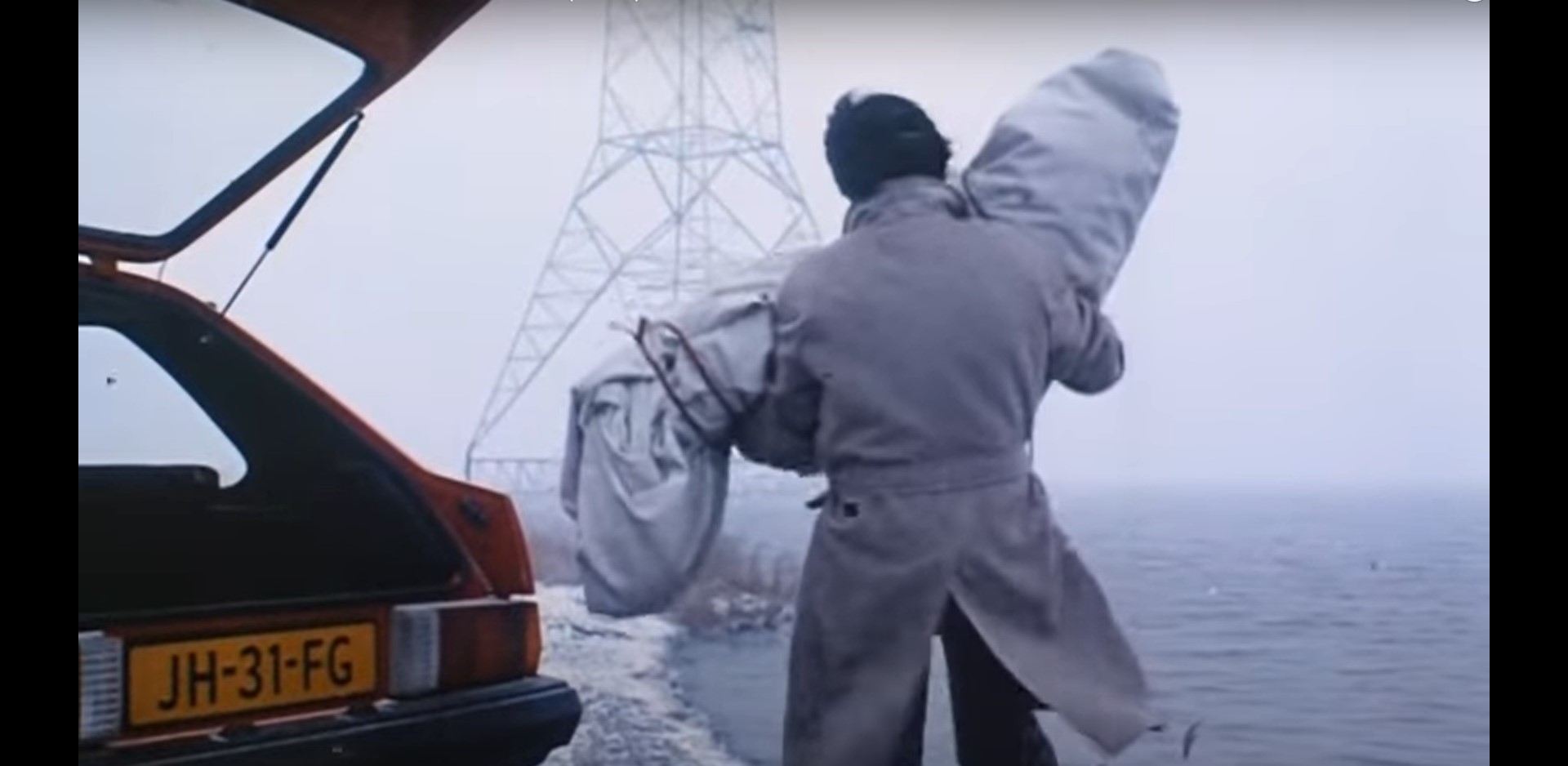
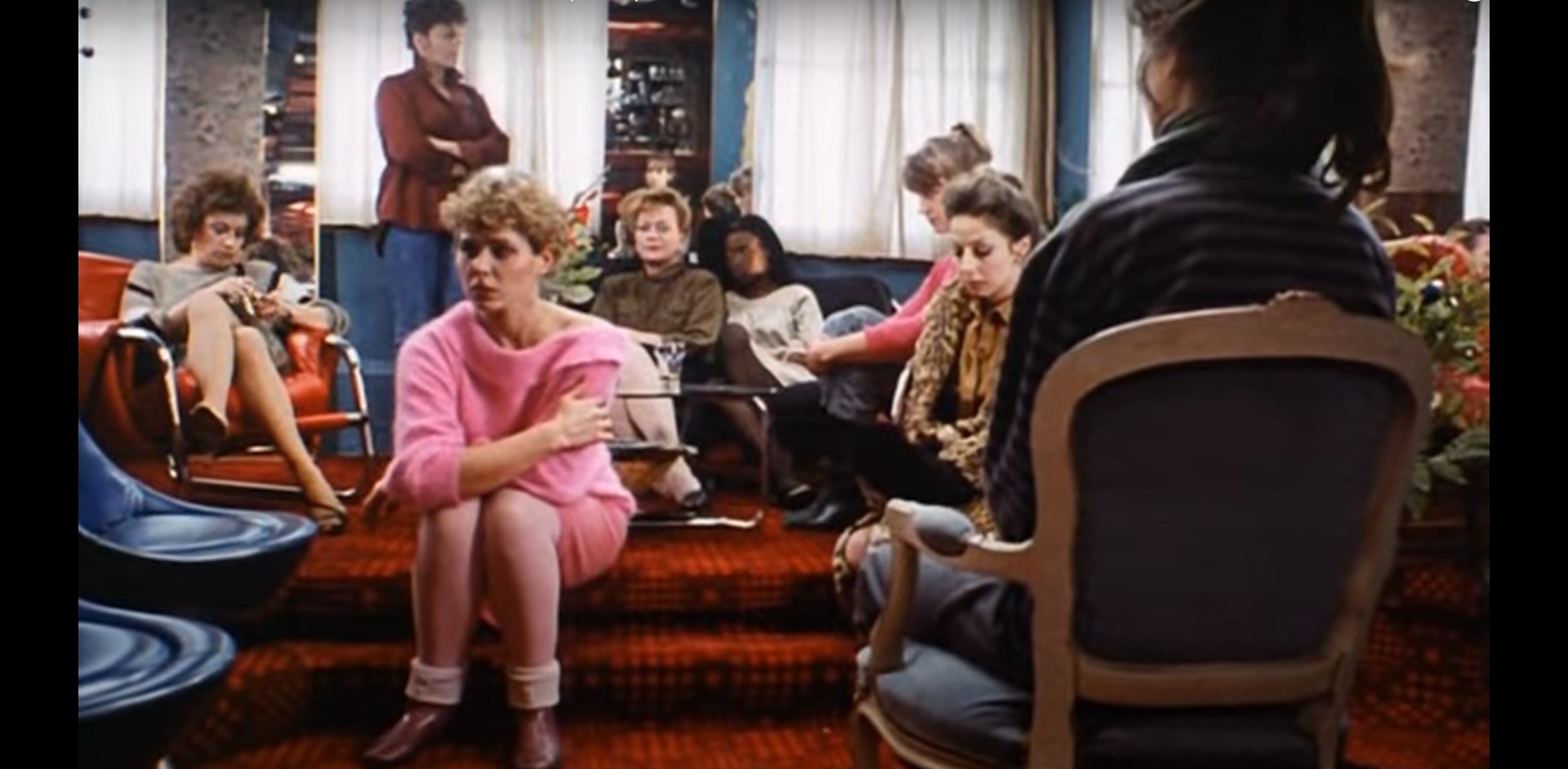
Alex, a meek photographer, is called back to his family home by his estranged identical twin brother, Aram, on the news of their mother’s severe illness.  Agreeing to help look after her for a while, Alex travels back home with his new girlfriend in tow, a pyromania epileptic named Sandra.  Upon his arrival in Amnesia, the home of the family business of tinkering on broken down cars around the property, Alex is met face-to-face with a past he’s long tried to forget.  Aloof Aram’s peculiar involvement with organized crime, his heart-healthy mother’s obsession with heart conditions, Sandra’s fire infatuation, and himself crippled by a imprinted, photographic fear swirls with ridicule tension around the crumbling junkyard estate.  The years long secrets between the brothers about their childhood past have taken a personalized toll on them and being in the same space together after a long time a part has loosed embedded raw emotions and dug back up the past again to finish what they started all those years ago.

“Amnesia” is a curious and mysterious black comedy thriller from the Netherlands and is the surrealistically bold effect of duality and family skeletons in the closet from filmmaker, the Hague native, Martin Koolhoven.  Taking similar household elements from the avant, 60’s inspired “Suzy Q,” writer-director Koolhoven pours another fractured glass of dysfunctional family-ade to sour perfection, squeezing every last drop out of neglected relationships in order for the truth to the be tasted.  With themes around secrets, guilt, processing that guilt, and family, “Amnesia,” or as originally spelled, “AmnesiA,” progresses a narrative of an irreversible broken family from through the looking glass of dark comedy and layered mystery to it’s ultimate destruction perceived as bittersweet.  Shot in Belgium, “Amnesia” is produced by Paul Verhoeven “Black Book” producers, Jeroen Beker and Frans van Gestel, under the partners’ 1995 established, Amsterdam-based production company, Motel Films. 

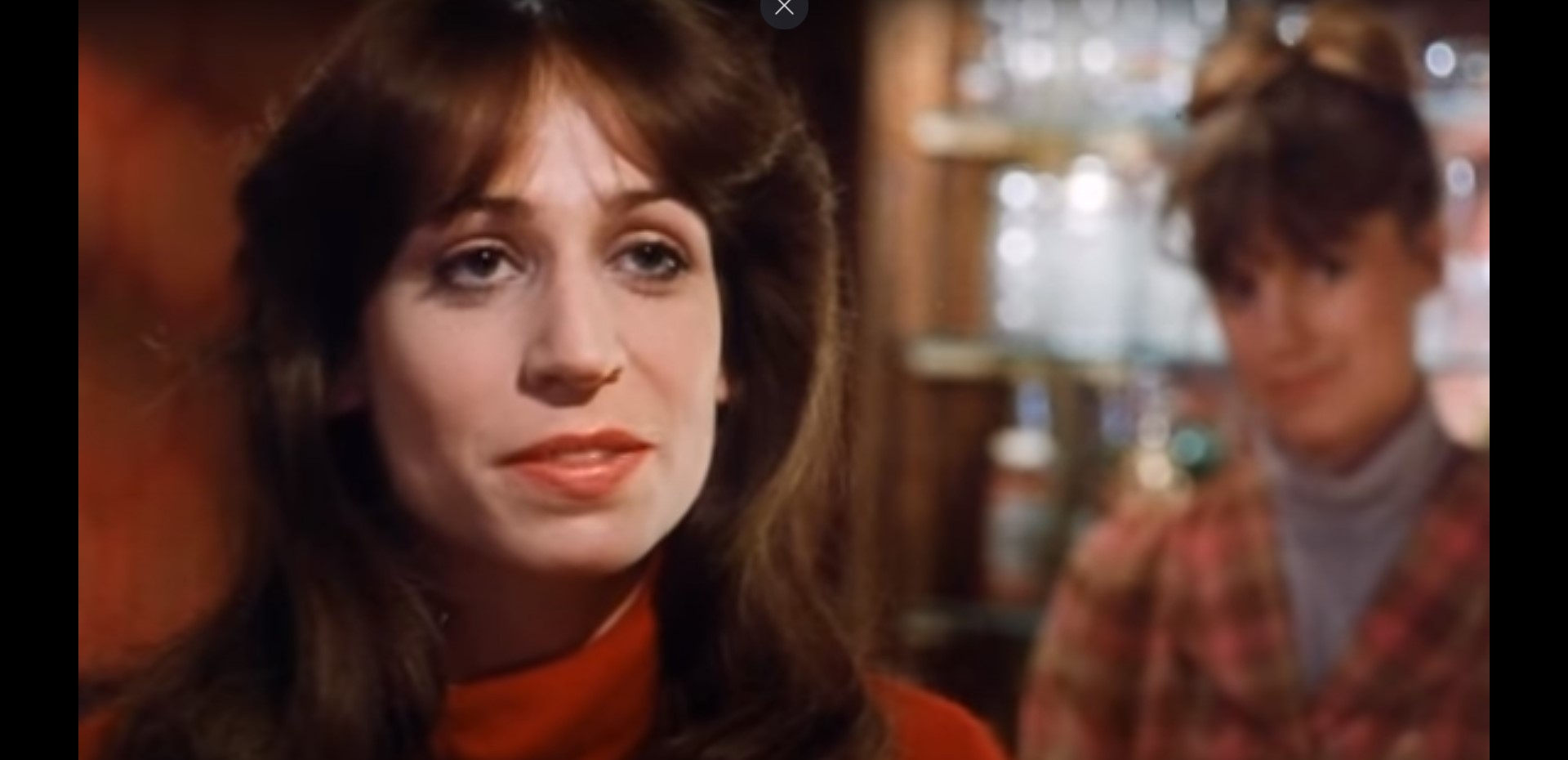
If unable to locate two suitable actors to play siblings, why not have one great actor to be both?  That’s the approach Martin Koolhoven erected when falling head over heels with Fedja van Huêt who could intuitively give Koolhoven the exactness of each brother’s personality.  Brothers Alex and Amar are so distinct in how they carry themselves as well as in their appearance that your mind and eyes can barely keep the registered fact that the brothers are inhabited by the one and the same Huêt.  Huêt, along with some good writing from Koolhoven, keeps insecurities close to the chest, blossoming a massive bubble of enigma that often repels the brothers against one another to keep audiences from homing in too close to the exact cause of their personal strife.  Tension works wonderfully despite not having the ability to act against the actual physical embodiment of the antithesis to spar with and the editing fully supports the duality with perfectly seamed visual effects touchup efforts.  Other support efforts come from a great supporting cast, including the international success Carice van Houten who starred in Verhoeven’s “Black Book” and won an Emmy for her high priestess role of Melisandre on HBO’s “Game of Thrones.”  Houten’s cagy, pyromaniac Sandra is just as odd as her appearing suddenly into Alex’s life, or rather into the backseat of his car, when things are beginning to feel complicated for Alex having to return home after many years away.  Sandra’s emotionally supportive, almost as Alex’s backbone or a buffer, when dealing with Aram but she’s interpreted as not normal by the brothers’ mother (Sacha Bulthuis) who herself is a representation of the past that keeps the individualized brothers connected and tries to keep both boys nearby without angering them; she even attempts to turn Alex into his mechanic father, whether done consciously or subconsciously goes unsaid, but in the end, the past always creeps back to the present and the unresolved coming to a close will put the final nail into the coffin of the Amnesia family business for good.  Theo Maassen, Cas Enklaar, Eva van der Gucht, and Erik van der Horst costar.

“Amnesia” is a thought-provoking puzzle box of rearranging clues and drop in visitants that instill an uneasy, surrealism surrounding chiefly these two brothers.  Bubbling to the surface through a series of baby step flashbacks is the root cause for much of the tension coursing the narrative. History becomes the driving force behind Alex’s apprehension in returning home, seeing his naive mother, and interacting with sycophantic brother who’s also jaded by the life’s little lurid lesson by turning toward a life of crime and holding onto not only a grudge against his brother’s abandonment but also against a decision his father made many times over that he now sees as unfinished and unsatisfied. What’s even more interesting is the lack of urgency and empathy surrounding them and to resolve what has been stayed stagnant for years from their adolescence and into their adult established lives. Immediate attention matters become secondary to the underfoot game that occupies mental space between them, infects those around them, and spills out of the shadows to eventually into the light. For example, Amar’s partner Wouter is critically injured after a botched heist and comes to Amnesia to wait for further instructions from Eugene, Amar and Wouter’s boss; yet, while Wouter bleeds from his abdomen, Amar saunters around the house and Wouter is equally leisured when it came down to his mortal wound. Eventually, Sandra and the brothers’ mother grow accustomed to Wouter’s state, just like Wouter, and though their mother’s deteriorating health inches itself back and forth into the conversation, the only thing that doesn’t shy from the forefront and never becomes accustomed is the lingering sense of that something isn’t copacetic between Alex, Amar, and their father in what transforms into a problem of masculinity affairs in which Amar steers the way in accordance to alpha theory. Koolhoven uses closeups and arranges characters in scenes that makes them feel right on top of each other, in various ways, that perpetuates the incommodious communalism of Amnesia.

With the associated restoration from the Eye Film Institute, Cult Epics introduces a new 4K HD transfer and restoration of Martin Koolhoven’s “AmnesiA” onto a limited edition, 2-Disc, dual-layered Blu-ray from the original camera negative. IMDB.com lists “Amnesia” as an Arriflex 16mm film blown up to 35mm, but the is incredibly sharp for 16mm and there doesn’t appear to be a ton of makeup work to cover 16mm’s sizzling grainy and jitteriness. However, the film is presented in the European standard 1.66:1 aspect ratio that’s shot in Super 16 and is particularly fascinating how Koolhoven’s color schemes and depth shadowing adds to the noir fashion of Menno Westendorp’s beautifully warm and splintering specious cinematography. Restoratively, “AmnesiA” is a perfectly graded film with a sharp, invigorating image that exhibits no compressions issues on the dual-layer BD50, available on both discs. The Dutch language audio options on the Cult Epics release has three options: a LPCM 2.0 stereo, a DTS-HD 5.1, and a Dolby Digital 5.1. Jumping back and forth between the audio choices, I settled upon the DTS-HD surround sound mix that produces a better full-bodied output, if only by a little better with notifiable sharper crackling of the tire and car fires to bring an audible warmth to the scene. Sometimes, it’s the smallest vibrations that make a biggest impact. Dialogue renders nicely on each of the three tracks with clarity and a cleanliness of the recordings. Tracks are dynamically distinct in each scene that creates a nice depth in many of the closeup scenes with more than one actor. English subtitles are available on all three audio options. Special features on the first disc include an optional presentation introduction by director Martin Koolhoven, audio commentary by Koolhoven and star Fedja van Huêt that’s moderated by Peter Verstraten, a 44-minute theater aisle retrospective conversation with Koolhoven and actress Carice van Houten, a making-of featurette, an archive behind-the-scenes with Carice von Houten from 2001, and the theatrical trailer. The second disc includes two bonus films from Martin Koolhoven’: “Suzy Q” from 1999 and “Dark Light” from 1997. The release itself comes in a clear traditional Blu-ray snapper case inside a cardboard slipcover with a new burning tire lens illustrative artwork from Peter Strain. The snapper cover art is a split screen of Alex and Amar with Sandra divisively in the middle and the reverse side of the artwork contains original poster reproductions for “Suzy Q” and “Dark Light.” Disc art is pressed with the same cover design on the feature presentation while the disc two is pressed with an image for “Suzy Q.” The 89-minute “AmnesiA” comes unrated and the both Blu-rays are tested region free. A real mind flayer that gets under your skin in a humorously surreal way, director Martin Koolhoven’s “AmnesiA” stuns as an official debut feature film, a real under-the-radar sleeper hit for the Netherland filmmaking canon, that only Cult Epics could deliver pristinely with a time-of-day restoration and high-definition scan.

Become Caught Up in the Mystery of “AmnesiA” on Limited Edition Blu-ray!

Never Weekend on Sadomasochists’ EVIL Private Island Alone! “Eugenie” (Blue Underground / 4K UHD and Blu-ray)

“Eugenie” is Waiting to Tell You Her Story of Perversion!  See It Now on 4K UHD at Amazon.com

A wealthy, sexually sadistic Madame St. Ange, a specialist in the Marquis de Sade’s teachings, entices to coerce the father of a young and beautiful innocent girl, Eugenie, St. Ange befriends to permit the naïve teenager to visit Madame’s private island for the weekend.  Excited and overjoyed with the idea of feeling like an adult indulging in mature activities, Eugenie is unaware that Madame and her equally as cruel stepbrother and lover Mirvel, who has been beguiled by Eugenie’s beauty, have ulterior motives and lured the unsuspecting youth into a ritualistic trap of sexual corruption and sadomasochism.  The step-siblings drug and rape Eugenie for their unspeakable gratifications only for her to awake in what only be explained as horrible nightmares of phantasmagorical encounters but when the nightmares unveil a disturbing reality when the dogmatic Dolmance and the rest of his Marquis de Sade acolytes arrive to initiate Eugenie into more than just pain and pleasure educations but to be a pawn in a murder scheme that tears the very fabric of virtue. 

Spanish director Jesús Franco, or widely known as Jess Franco, helmed an excessive number of provocative-pushing films over his nearly 60-year-career as a filmmaker before his death in 2013.  Many of the once labeled video nasties director were crafted on a tight budget with an even more so tight timeline as Franco churned out regularly mostly trashy horror and sexploitation that would more than often wind up in the projection booth of local red light district theaters for a dime and a wank.  Yet, “Eugenie” strokes a different kind sensation, one that lies in the ethereal concept of sexploitation and the ruin of youth made to order by the Marquis de Sade himself and artfully stitched by Jess Franco’s profundo knowledge of cinematic sculpturing.  “Eugenie,” or “Eugenie…. The Story of her Journey into Perversion” in the extended title, is based off the French 1795 novel, La Philosophie dans le boudoir (Philosophy in the Bedroom) written by de Sade and the script adaptation is penned by “99 Women” and “Christina” screenwriter and profound producer of film, Harry Alan Towers.  Towers also produces “Eugenie” under the pseudonym of Peter Welbeck for Video-Tel International Productions and was theatrically distributed by Distinction Films.

At the frayed edge of an already soul crusher subject matter, “Eugenie” repels against the grain of easily digestible roles,  Marquis de Sade’s characters are sadomasochist with abhorrent qualities of deception, malintent, and insatiability for a cathartic release from sexual pleasure and punishing pain.  On the other side of the coin, Franco and Towers film calls for the characters to push beyond the limits of their comfortability around the idea of drugging and raping, or being the victim of such, as well as violence and murder as part of a cult normalizing and rationalizing unrestrained freedom and ideology.  Swedish born actress Marie Liljedahl had a brief stint in erotica, as a power-seductress as the titular Inga, and only dabbled with sexploitation, “Eugenie” being that dabbled powder only once snorted to warrant a sudden disinterest in the theme altogether.  Liljedahl plays the titular character and she looks every bit the age later-aged teen with a round, youthful face, vibrant demeanor, and curvaceous like a ripe peach.  Like that knot forming in your gut spurred from anxiety, watching Eugenie exploited while in a stupor is the equivalent imaginations of what the deplorable effects and actions of a roofied drink that produces vague and foggy recollections and disbeliefs in what is reduced down to a vivid dream gone wild.  The two inveiglers at the heart of Eugenie’s virtuous destruction quickly become despicably loathed by not only their debauchery plans to corrupt good embodied but also by their snooty affluency and their acrid arrogance with the help.  “The Blood of Fu Manchu” and “99 Women” blonde beauty, Maria Rohm, and the stern faced “Succubus” and “The Vampires Night Orgy” actor Jack Taylor exemplify the essence of evil as the de Sade principled lovers and step-siblings Madame Saint-Ange and Mirvel.  The opened-ended lust Mirvel has for Eugenie morphs into a determined, nagging desire to have her at all costs, kept close to the chest by Taylor but knowing it’s simmering quickly to a head, and you can see in the Madame’s eyes that she’s either really internally pissed about Mirvel’s narrowed focus on a new toy or she’s basking in her ideology’s unchained gratification.  Rohm’s nonaligned decision maintains Madame’s sensual composure and undisclosed intentions until the shocking end.  The presence of Sir Christopher Lee in a Jess Franco film isn’t all that surprising.  The legendary, late British actor – “The Blood of Fu Manchu,” “The Bloody Judge,” and “Count Dracula” – where a handful of euro trashy and exploitative horror that were released around the same time as “Eugenie,” but “Eugenie” garishly bathed in the idea of sexual misappropriations and Lee being a last minute addition due to another actor’s ill-fate, agreed to fulfill the role without knowing how involved the nudity would ultimately land perverted cuts of the film into spank cinema houses.  Lee’s red smoking jacket, elegantly stoic composure and dialogue delivery, and his incredible ability to perform an intimidating figure without as much as lifting a finger compounds the value of Franco’s filmic adaptation to the point where I firmly believe with the original slated actor George Sanders (“Village of the Damned, 1951) in the ringleader and adherent role of Dolmance would likely have not have been half as good.  Anney Kablan, Paul Muller (“Vampyros Lesbos”), Uta Dahlberg, and Maria Luisa Ponte (“El Liguero Mágico”) costar.

Through an ocean of film filth, “Eugenie” may be the very film that proves Jess Franco is a cinematic genius in his own rite by capturing de Sade in the flesh, so to speak, with a plain-sighted fetish that diabolically hatches a scheme within a scheme.  In addition, “Eugenie,” dare I say it, almost feels like a Hammer film, especially with Lee in the picture.  The interior sets are modernly gothic with sleek and sterile furniture but garnished with large candle holders and the Marquis de Sade era sartorial worn by Dolmance’s muted followers. There’s a cadence to Franco’s story, one that leaves breadcrumb plot aspects to go against divulging a straightforward story right from the start, and the history between acquainted characters is contentious and fraught with unpleasant emotions in the act nice, play nice master sadists and the subservient help hierarchy that hints at a fraction of degrading minorities. Saint-Ange and Mirvel boatman Augustine, a black man who has his life reborn from the ashes of poverty only to be toiled as their attendant and frivolous plaything when the mood is right. There’s also deaf and mute woman brought on to be the new maid in a moment’s conversation between the siblings just to drop a dab of her presence amongst them. Augustine and the maid represent the lower class of people, a man of color and a woman of disability, to easily take advantage of just like Saint-Ange and Mirvel do with Eugenie’s innocence. France shies away being overly showy in slipping in this unjust dynamic that unfolds bit by bit as mentioned earlier of Franco’s revelation design. “Eugenie” not only dangles the attractive set locations and nudity carrot to draw attention but also invests in its talent as Frnaco the cherishes the cast of individual portrayers with longer shot moments to speak volumes of their unique objective or to pedestal them in their own keynote scene of power and, subsequently, obliteration that makes every occurrence worth noting and not just something to write off. “Eugenie” has no tears or apologies to spare but only inhuman indecencies separated by a blurred, unfettered line of sex and sadism satisfactions. This is Jess Franco at his finest.

The 1970 “Eugenie” print takes on more pixels, 2180p to be exact, with 4K UHD transfer and a re-release 1080p high-definition Blu-ray in a 2-disc set from Blue Underground. The 4K restoration from the original camera negative with Dolby Vision Hi-Def resolution on a 66GB, double layer UHD and is also on an AVC encoded Blu-ray that are both presented in an anamorphic widescreen 2.40:1 aspect ratio. Both transfers execute their respective program, offering an average frame rate of mid-high 30s Mbps, but there’s a focus issue with the transfer brought upon likely at the origin of filming and we know this because the frame rate never drops, staying consistent throughout the issue. Periods of unfocused detail come and go between edits and often in the same shot as if attempting to render delineation between the foreground and the background in order to get the shot on the fly (there are many instances Franco had limited time to shoot). Color grading, including skins tones, are natural appearing until the red tint, a symbol of when the subject matter becomes dark, eliminates and reduces vast color palette to one single hue. Both formats offer an English and French dub language 1.0 mono mix that buff enough to be ample; in fact, the mix is rather good considering the single channel with substantially clarity with no hissing, popping, or other blights on the dialogue track, Foley, or any track for that matter. Subtitles are offered in English, French, and Spanish. If you’re looking for special features, they mostly encoded onto the second disc, the Blu-ray, with Perversion Stories, a retrospective interview with the late Jess Franco, writer Harry Alan Towers, and stars Christopher Lee and Matrie Liljedahl discussing the behind-the-scenes measures and understandings of the sexploitation classic, Stephen Thrower on Eugenie, an interview with the author of “Murderous Passions: The Delirious Cinema of Jesus Franco,” a new interview with costar Jack Taylor Jack Taylor in the Francoverse, a newly expanded poster and still gallery, and theatrical trailer. The 4K disc also has a new commentary with film historians Nathaniel Thompson and Troy Howarth, plus a theatrical trailer. A two-disc UHD case holds a disc on each side of the interior and the case itself sports the class naked Eugenie pose with her brown locks draped over her shoulders, covering her chest. Speaking of covering, the snapper case is sheathed in a O-slipcover with oval cutout of the front to display Eugenie with a Victorian-aged mirror border. The darkened slipcover is also prominently titled under Marquis de Sade’s novel English moniker, “Philosophy in the Boudoir” that has a regal and classic aesthetic. The unrated, 87-minute film has an all-region playback. Jess Franco distills revolutionary extravagance and couples it with the notion that youth will inevitably be corrupted by family, friends, and a group of cruel Marquis de Sade cultists in what can be construed as one of the director’s most prestigious sexploitation and melodramatic films of his oeuvre.

“Eugenie” is Waiting to Tell You Her Story of Perversion!  See It Now on 4K UHD at Amazon.com