

“Forgotten Pistolero” Now Available on Blu-ray!
Rafael is a hunted man as he travels from Mexico to Texas searching for his childhood friend Sebastian, a son of a Mexican general who years earlier was slain by an unfaithful wife and her lover shortly after returning from war with the French. When Rafeal happens upon a man living in solitude on the land, he identifies him as his long-lost friend who has forgotten about his traumatic past and decides not to revictimize his friend of the past, but when Rafael is captured by bounty hunters, Sebastian saves his life that spurs Rafeal into unveiling to his friend his real childhood tragedy. Sebastian and Rafael set upon a mission of revenge and to save Sebastian’s sister Isabella, who Rafael has fallen in love with and who has had an arranged marriage to a humble shopkeeper to rein in her opposition to her mother’s betrayal. As the two men battle unscrupulous gun-toting henchmen and deal with their own personal issues in their own way, the gunfighters unravel the truth about their Sebastian and Isabella’s parents while shooting their way toward those directly responsible for unending their tranquil lives.
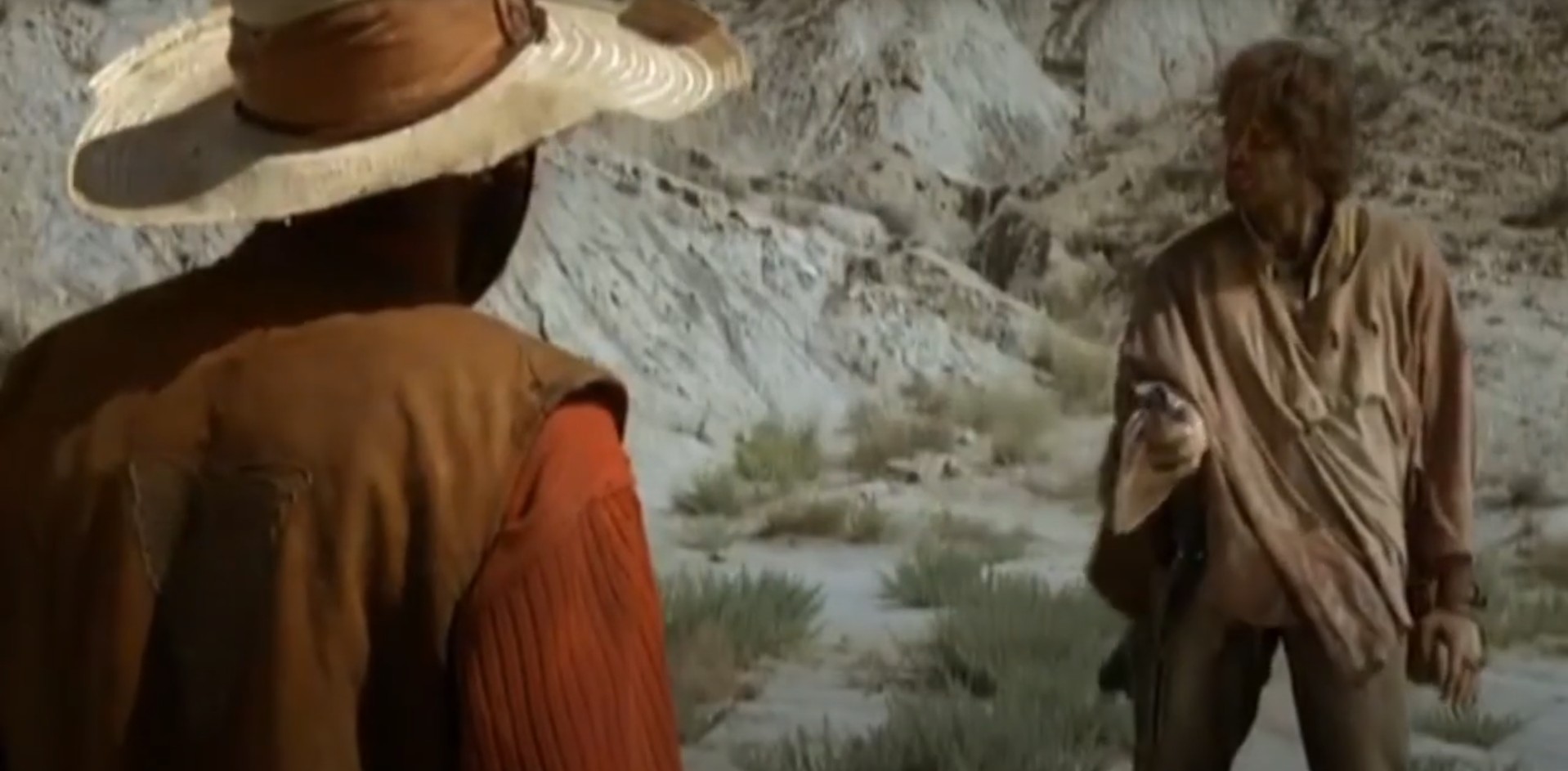
“The Forgotten Pistolero,” aka “Gunman of Ave Maria,” aka “Il pistolero dell’Ave Maria” is the 1969 Italian spaghetti western based on the converging of Greek tragedies from Aeschylus, Euripides and Homer. Notable Italian western director Ferdinando Baldi, director of “Texas, Adios” and “Django, Prepare a Coffin,” pulls forth the betrayal and revenge tale out of the fourth century and into the 19th century set in the semi-arid landscape between Mexico and Texas with spears traded out for six-shooters. The script is penned by multiple writers with Vencenzo Cerami (“The Silent Stranger”), Pier Giovanni Anchisi (“Hate is My God”), Mario di Nardo (“Aphrodite, Goddess of Love”), Federico de Urrutia (“Hour of Death”), and even director Baldi to grasp the immense drama of tragedy and place it inside the context of a western gunslinger. “The Forgotten Pistolero” came at the height of the spaghetti western subgenre produced out of Italy with “Django” producer Manolo Bolognini as feature showrunner with Izaro Films and B.R.C. Produzione as production companies filming primary in Spain doubling as the Central and North American west.
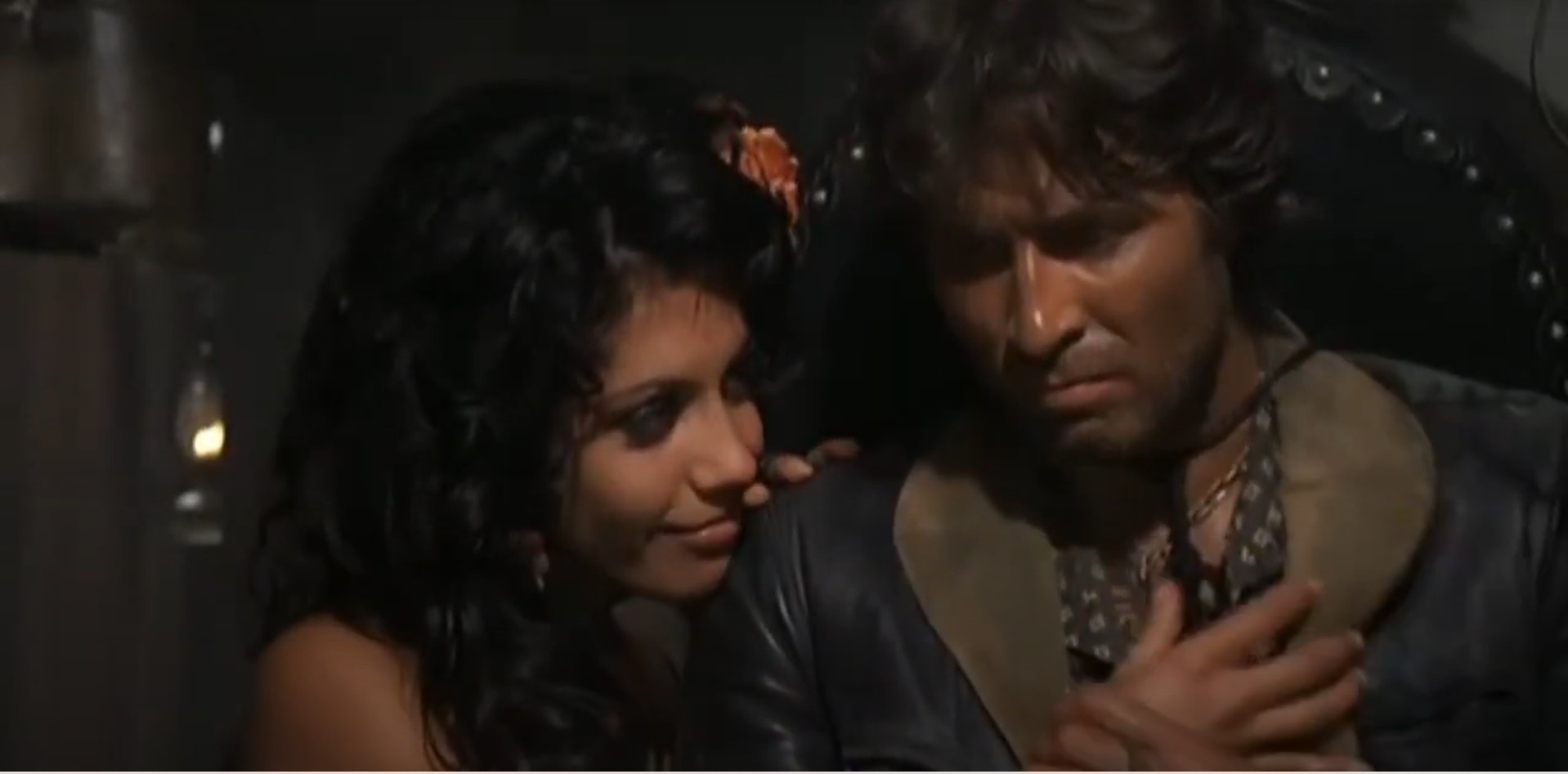
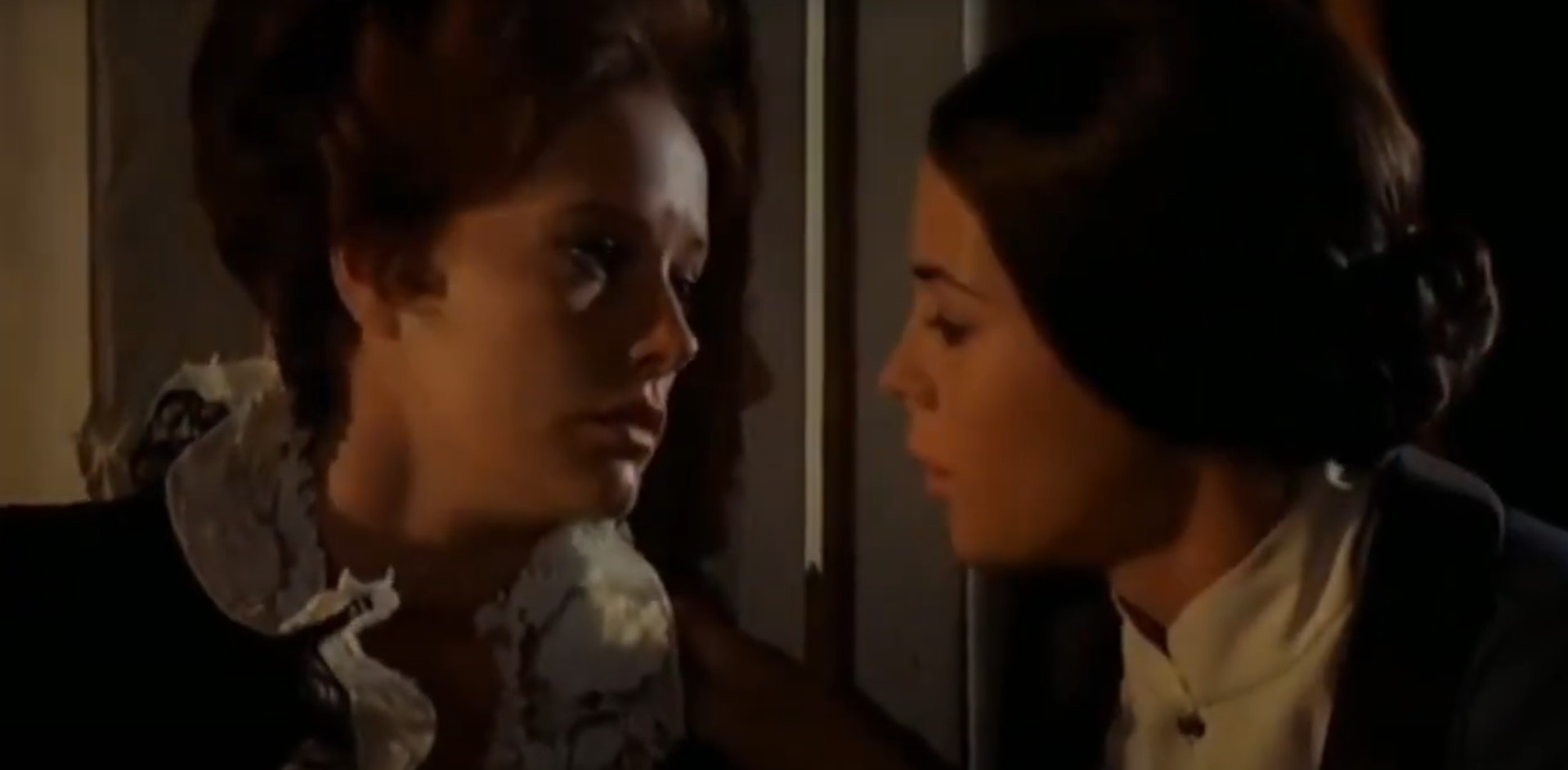
Like many Italian films of the era, especially in the spaghetti western and horror subgenres, the cast is comprised of multinationals with New York-born Leonard Mann at the lead actor credit. Mann, who began his career in Italy and continued acting in a number of Italian films (“The Unholy Four,” “Death Steps in the Dark”), plays the titular pistolero Sebastian inexplicably haunted by his past while living in solitude until childhood friend Rafeal, played by Italian-born Peter Martell (“God Made Them… I Kill Them”), discovers his friend and reveals he truth that’s subconsciously plagued Sebatian for far too long. There’s a show of unspoken connection between the two characters that time faded and is rekindled by mutual respect in both – Rafael’s intentions to not hurt Sebastian with the truth by running away after finding him and Sebastian’s tracking him down and saving him from bounty bandidos. No words needed to describe their bond and through Mann and Martell’s acting do we see that connection solidify to be indestructible. Completing the childhood friendship is Isabella, played by Spanish actress Pilar Velázquez (“Naked Girl Murdered in the Park”), who is forced to marry a humble yet good man shopkeeper Ignacio (Luciano Rossi, “Salon Kitty”) to be out of illicit lover Tomas’s way as he tries to woo back Anna, both of whom staged a coup and killed Sebastian and Isabella’s father, General Juan Carrasco (José Suárez, “Texas, Adios”). Isabella adds crucial love interest to Rafael’s state of mind as the hunted gunman finds solace at the bottom of the tequila bottle with his life on the run and his love married to another man. Rafael’s only hope is Sebastian, thought dead or believed to have vanished by his treacherous mother Anna (Luciana Paluzzi, “99 Women”) and her scoundrel lover Tomas (Alberto de Mendoza, “Horror Express”) who have drifted apart and have their own complex dynamic to which in itself is failing falling out to have permanently taken a father away from his children and have it result all for naught. Sebastian slowly reconnections with Rafael and himself as his subdued vengeance is ironically rooted by a fierce craving to see those responsible pay.
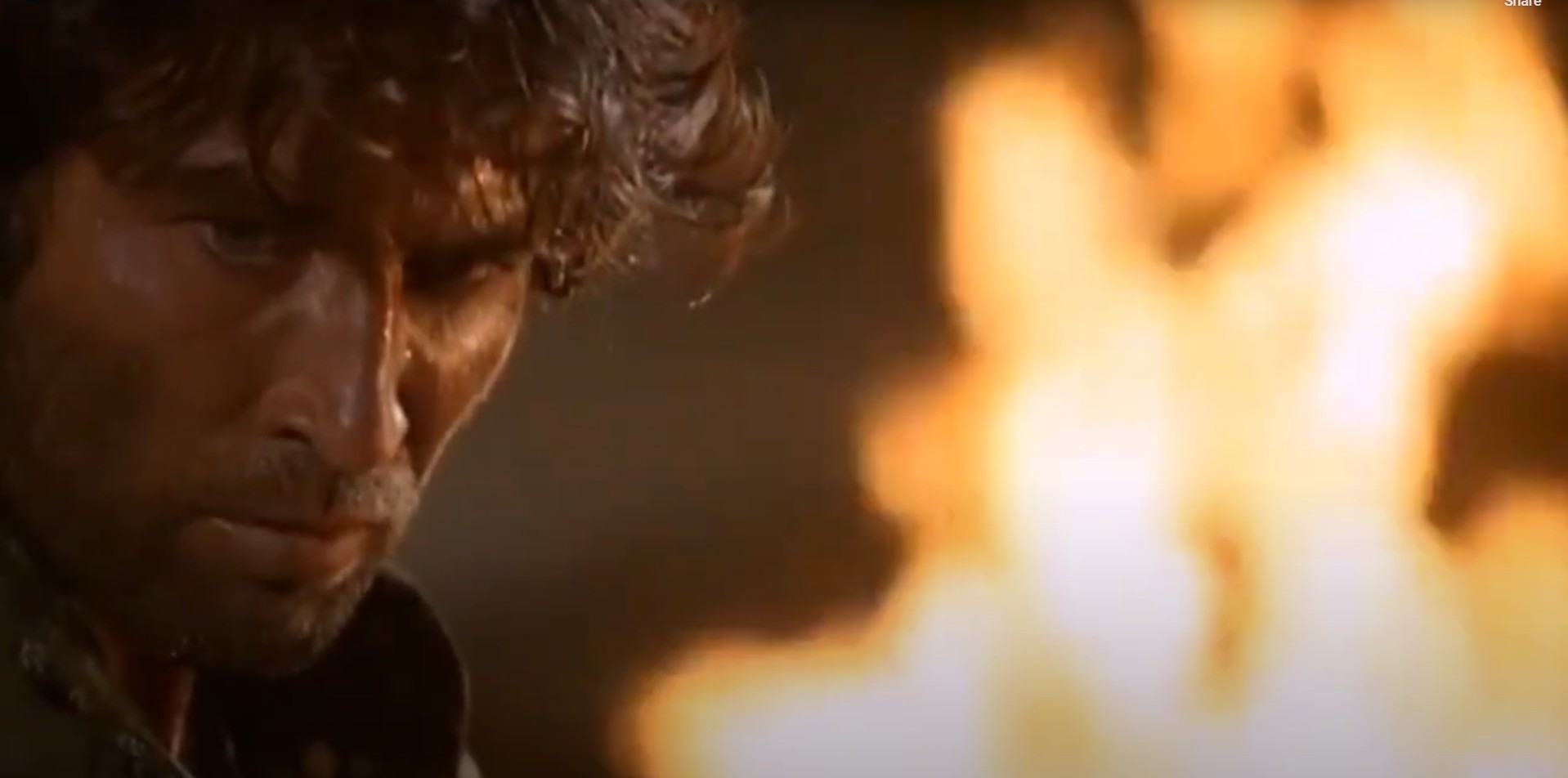
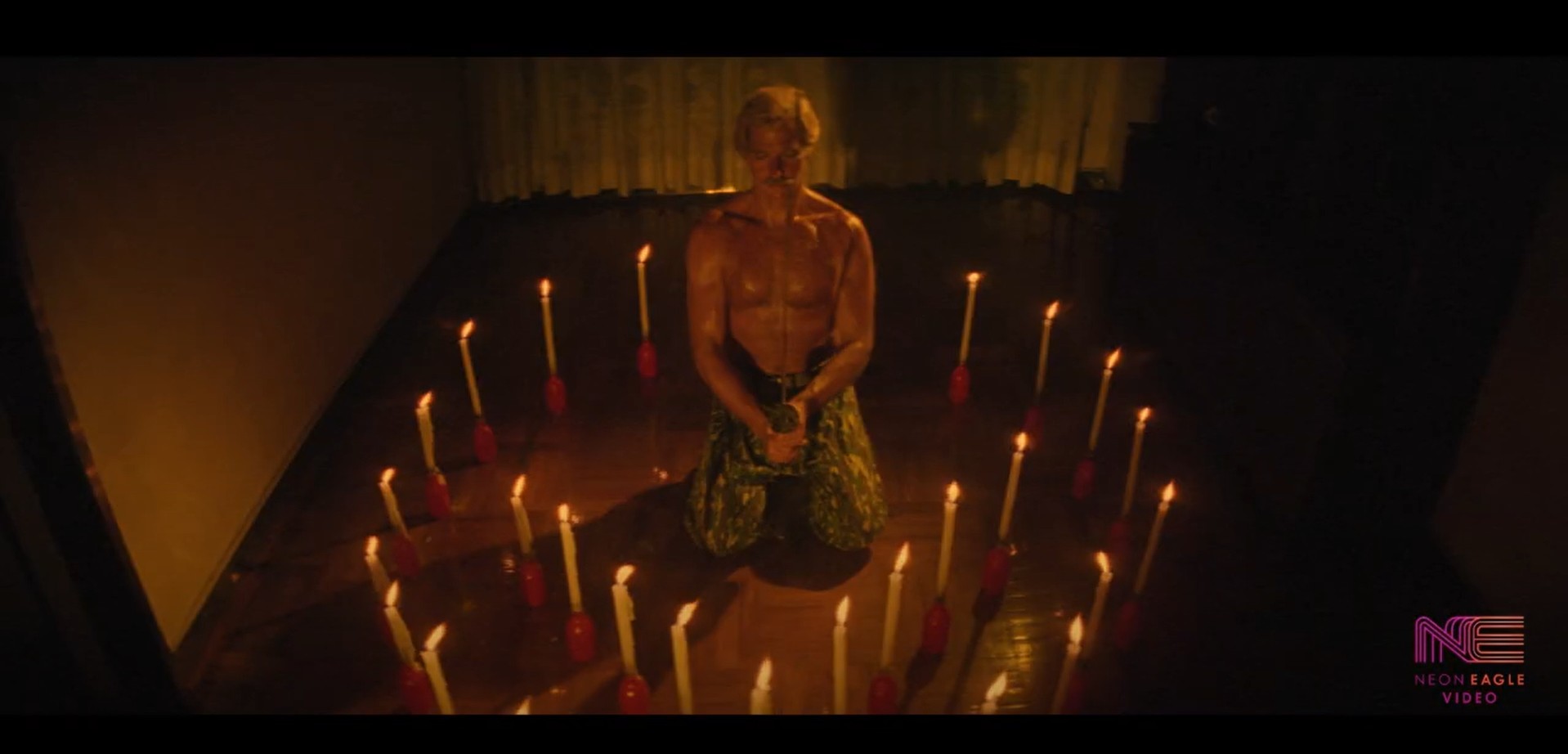
Ferdinando Baldi’s surface-layer retribution theme has a subaqueous depth of leagues-upon-leagues of combative and raw emotion, seeded by a singular event of betrayal, separation, and loss all in the life-altering blink of an eye. Though crucial to thought processes and motivations of the character on either side of the moral coin, the story bypasses the long years between the assassination when Sebastian, Isabella, and Rafael are children and much later when the obligation of adulthood comes knocking. What’s not depicted from those omitted years are the trials of Rafael’s passion for Isabella and his arduous ordeal to evade capture by Thomas’s goons nor the privy of Sebastian’s life since the death of his father other than it’s made known Rafael’s mother took Sebastian under her wing and died recently. What’s also missing, and has becomes quite a negative plot hole in the story, is how Rafael and Sebastian learned to gun fight and do it extremely well that becomes key to their reckoning success. Isabella too suffers living in close proximity to her mother and her illicit lover with a seething hate, especially for her mother, and her relationship with a timid but kind shopkeeper who aims to please her happiness without demanding much from her already shattered childhood. Triggering trauma, down the bottle depression, suffering in silence, and a searing hatred coupled with perfected embattled showdowns and gunslinging escapades lead up to an unraveled, truth-be-told twist ending of scorching inferno on where it all started. Baldi knew how to frame a shot that paired people with steady tension or to find their true North when it came to exposition and his gunfights, and though not inundated with rabid rapid-fire riddling with bullet holes, “Forgotten Pistolero” does stand firm in the turbulent ocean of western films, especially with flawed, hero-errant protagonists.
Catalogued title 001 for the IFD Films offshoot label, Carambola Media, distributed through Diabolik DVD, “Forgotten Pistolero” quick draws a new 2-disc, high-definition Blu-ray, encoded with AVC on a BD25 for the English ADR and a BD50 for the Italian ADR language version because it’s accompanied with extras. The different languages are encoded on individual discs. The extra pixels offer an extremely high level of detail that reproduces a competent saturation of a warmer graded film, complete with saddle brown and burnt sienna tones, brightly lit in exterior definition and really absorbed with the interiors from it’s 2K saturation of the 35mm print presented in a 1.78:1 aspect ratio. No obvious print damage to the 1969 film, emulsified and preserved properly for later restoration efforts of today. Often skin tones appear orangish, as seen in many DVD updates, but the color correcting process works wonders with “Forgotten Pistolero’s” verisimilar viewing. As noted, each language track has its own disc that offer two audio options on each disc. The English and Italian language discs come with a DTS-HD Master Audio 2.0 Mono mix and an uncompressed LPCM 2.0 Mono, both rendering ideal fidelity through the power of early Italian cinema ADR with only insubstantial studio inference and no hissing or crackling pops to note. Either track will work with a seemingly natural flow, even the English track since some actors are mouth articulating English works, as any kind of desynch between the action of talking and the post-production audio has egregious control. Gunfire has that distinctly rich ricochets effect, and the punches pack a nice wallop when struck, both typical in spaghetti western greats. The interview with Leonard Mann and the original trailer is exclusively on the Italian language disc whereas the English track focuses just on the feature. The standard Blu-ray comes in a standard Amaray with an extra lock-in flap for the second disc. The sleeve art is of the film’s original poster art with a shirtless Leonard Mann, who’s never shirtless in the film, looking cowboy rugged with his gun holstered on his hip. The hard A region encoded disc is not rated and has a runtime of 83-minutes.
Last Rites: Don’t mistake “Forgotten Pistolero” as an ordinary spaghetti western and don’t ever compare to it to The Man With No Name trilogy as a totally separate type of Italian western but the Carambola Media release is something special, pulled from the depths of Greek mythology, and spun to be a tale of tragedy, twist, and a torrent of gunfights and emotions.



 It's Bloggin Evil!