One’s Cool, One’s Crazy, Both Are Chasing EVIL. “Cutter’s Way” reviewed! (4K UHD and Blu-ray Combo / Radiance Films)

“Cutter’s Way” 4K UHD and Blu-ray Now Availble!

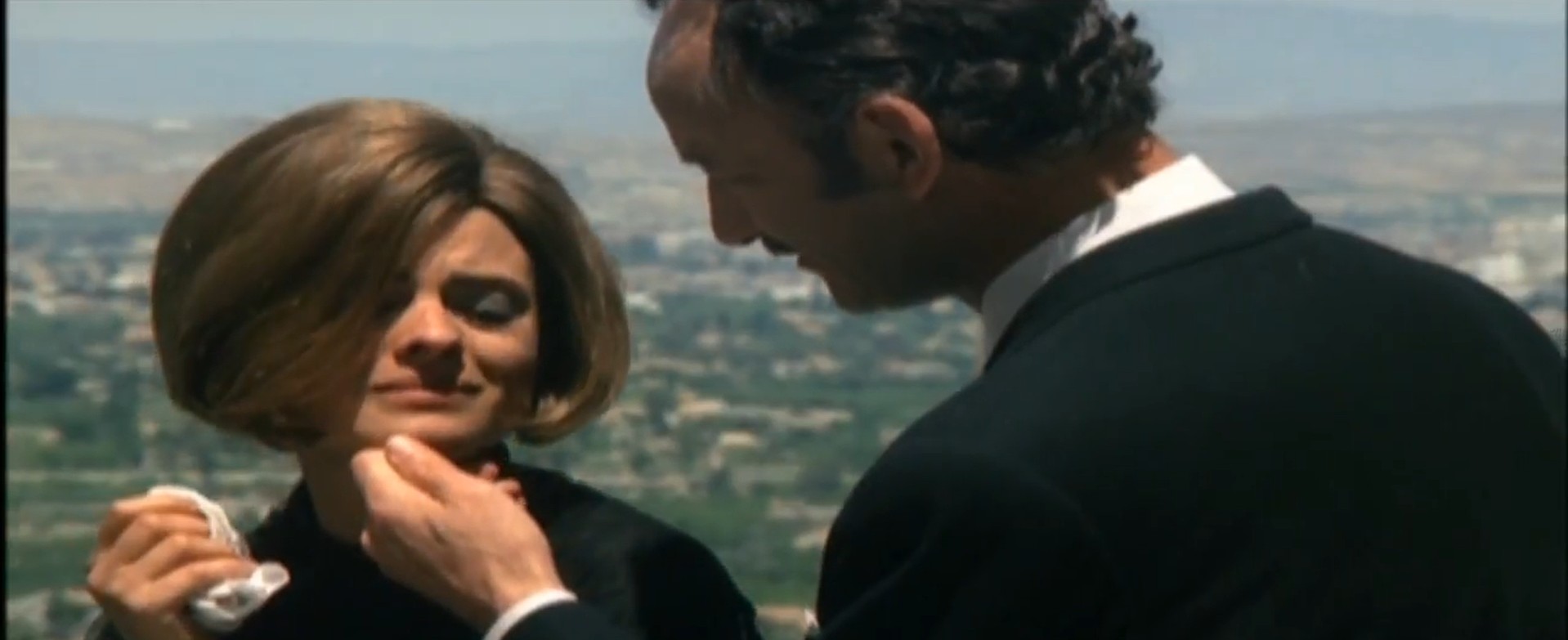
Cruising through life and women without much purpose, Richard Bone finds himself the prime suspect of a young woman’s murder.  Realizing he may have witnessed and seen the killer deposing of the body in a back alley where his car broke down on a raining night, he confides in his longtime best friend Alex Cutter, a crazed and paranoid disabled Vietnam veteran with a drinking problem.  Alex sinks his teeth into the case to exonerate his friend’s good name when Richard possibly recognizes the killer, a powerful oil tycoon revered by society and an employer to many and won’t let up on proving to Richard his suspected guilt by pieces the clues together.  Richard’s amuses Alex’s obsession, stemmed possibly from his trauma delusions, alcoholism, or his passive aggressiveness toward Richard’s infatuation with his wife Mo, but when Alex’s evidence becomes more and more convincing, Richard can no longer ignore his lunatic friend’s fixation as just a waste of time and conjecture. 

Based off the novel “Cutter and Bone” by novelist Newton Thornburg, the 1981 comedic-whodunit-drama “Cutter’s Way” is an unorthodox buddy gumshoe mystery with themes of the pitiful and nearly forgotten veterans of Vietnam War, the magnate power of whitewash and concealment, and to have purpose in life before life is taken away from you.  The late Ivan Passer, director of crime dramas “Law and Disorder” and “Crime and Passion,” focuses paper-to-screen transgressional energy to the pen-to-paper script by Jeffrey Alan Fiskin in the screenwriter’s sophomore feature film following the 70’s biker-exploitation and revenge caper “Angel Unchained.”   “Revenge’s” Fiskin tones down the ruffian violence, trading it for another type of irrational behavior in the form of the half-bodied war veteran drowning what’s left of himself at the bottom of a bottle while his best friend, a full-bodied, red-blooded, ladies man, ironically enough wants the one unavailable woman the vet married  and could keep in his possession despite her own form alcoholism and depression.  Once titled “Cutter and Bone,” changed to “Cutter’s Way” to appear less like a medical horror production, the film is produced by Paul R. Gurian (“The Seventh Sign”) under his namesake production company, Gurian Entertainment, shot in Santa Barbara, California.

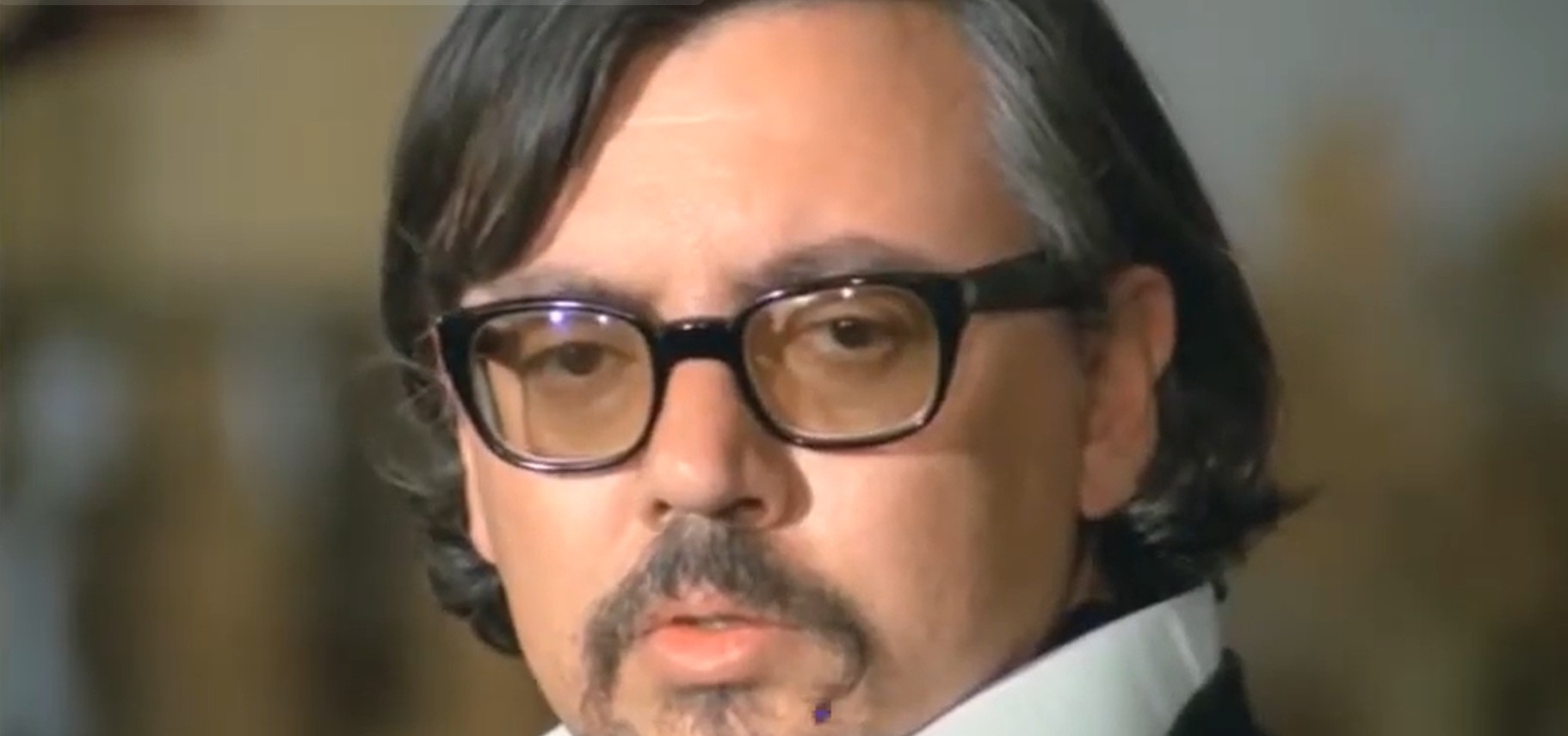
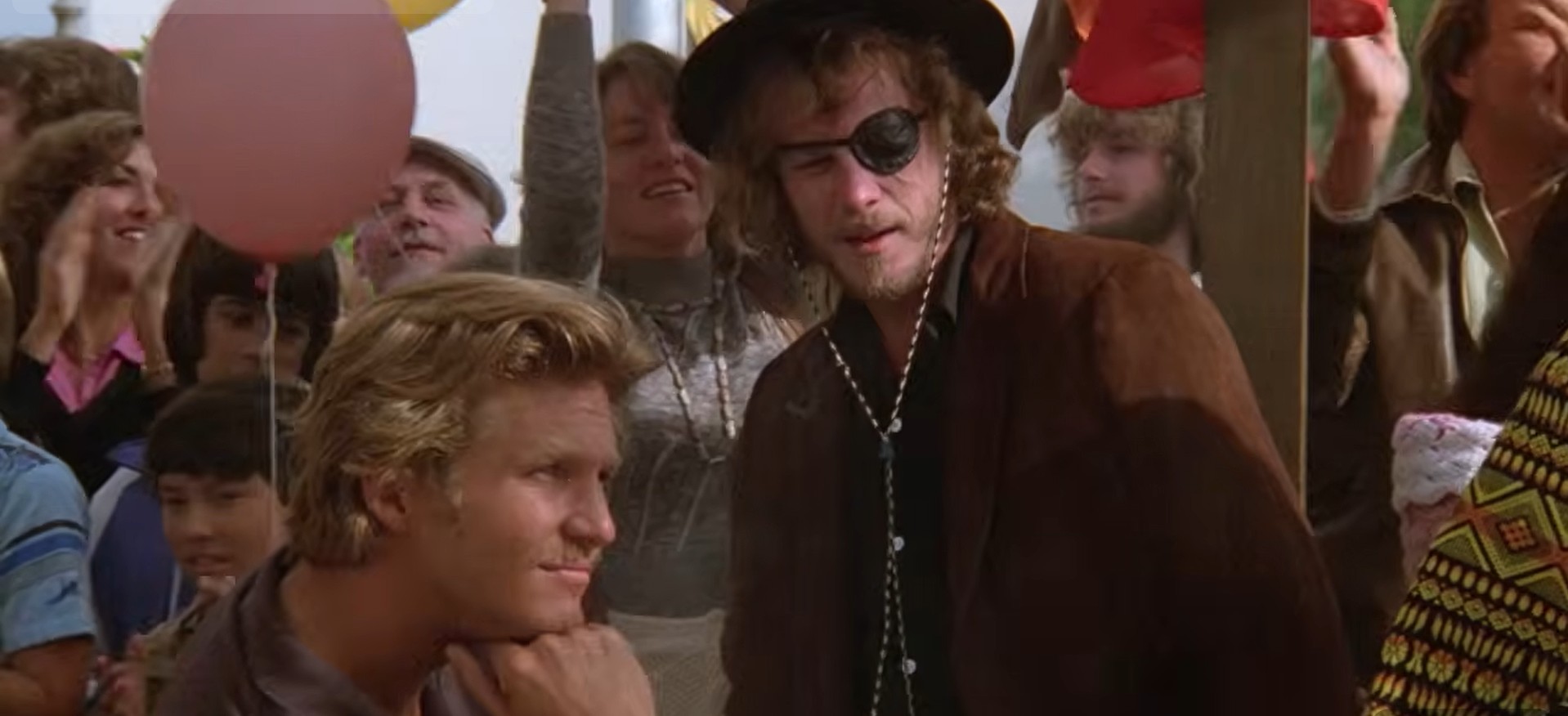
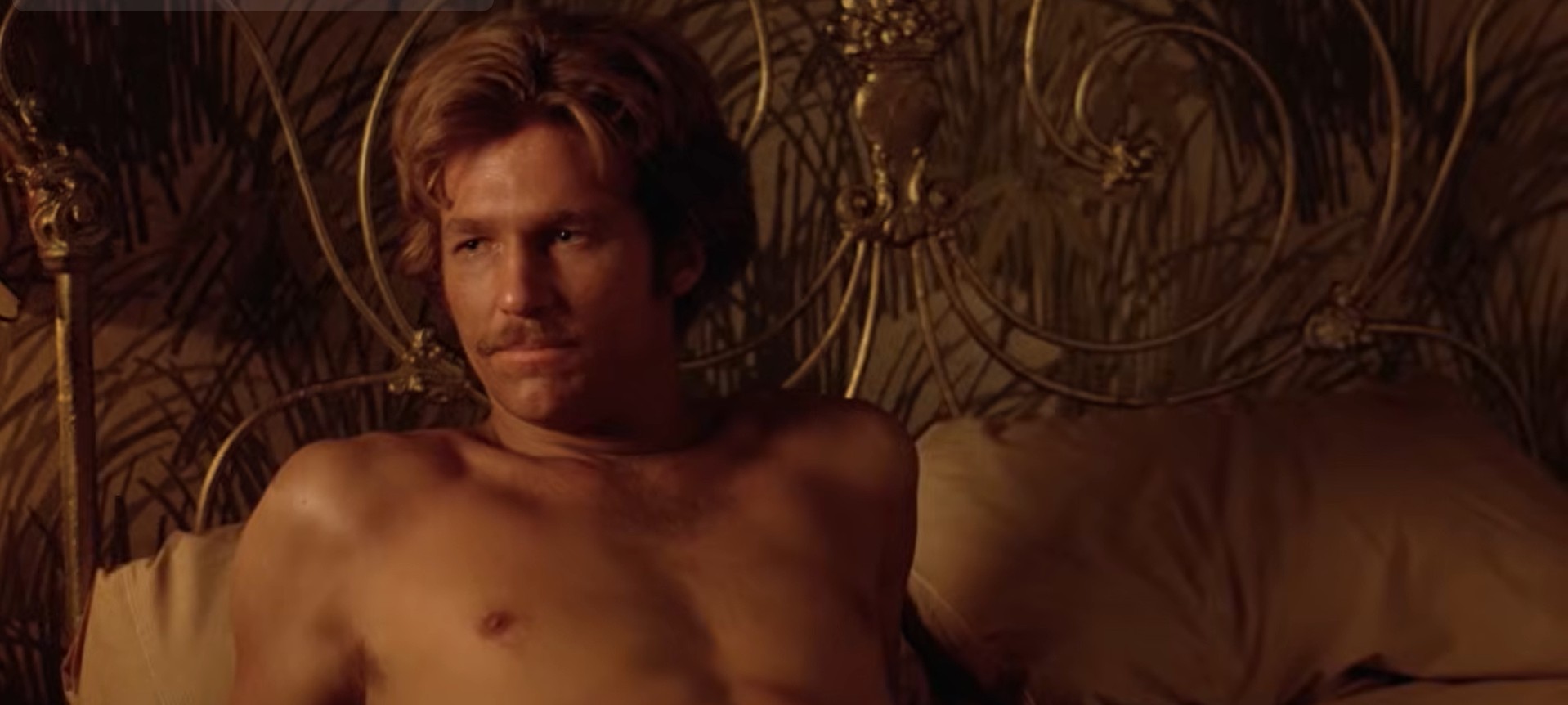
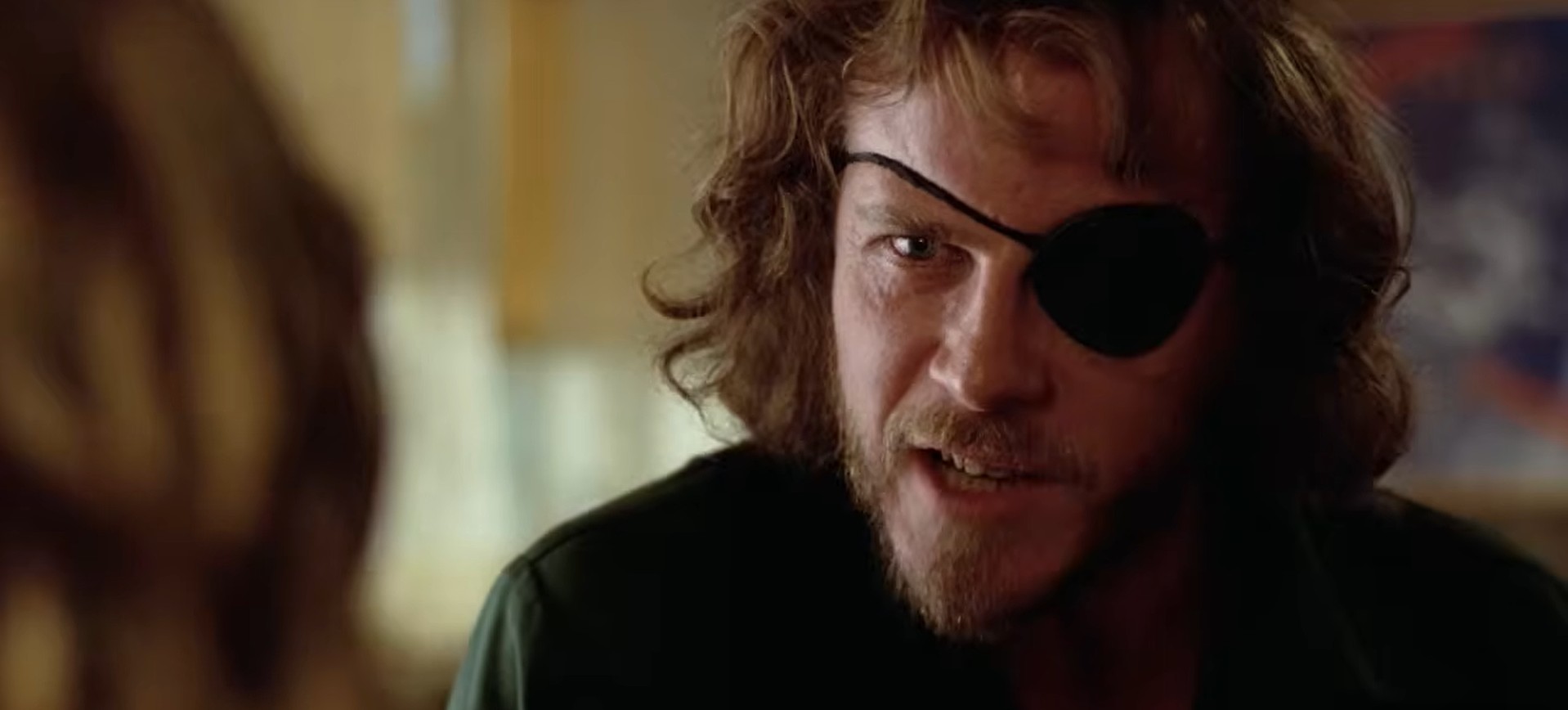
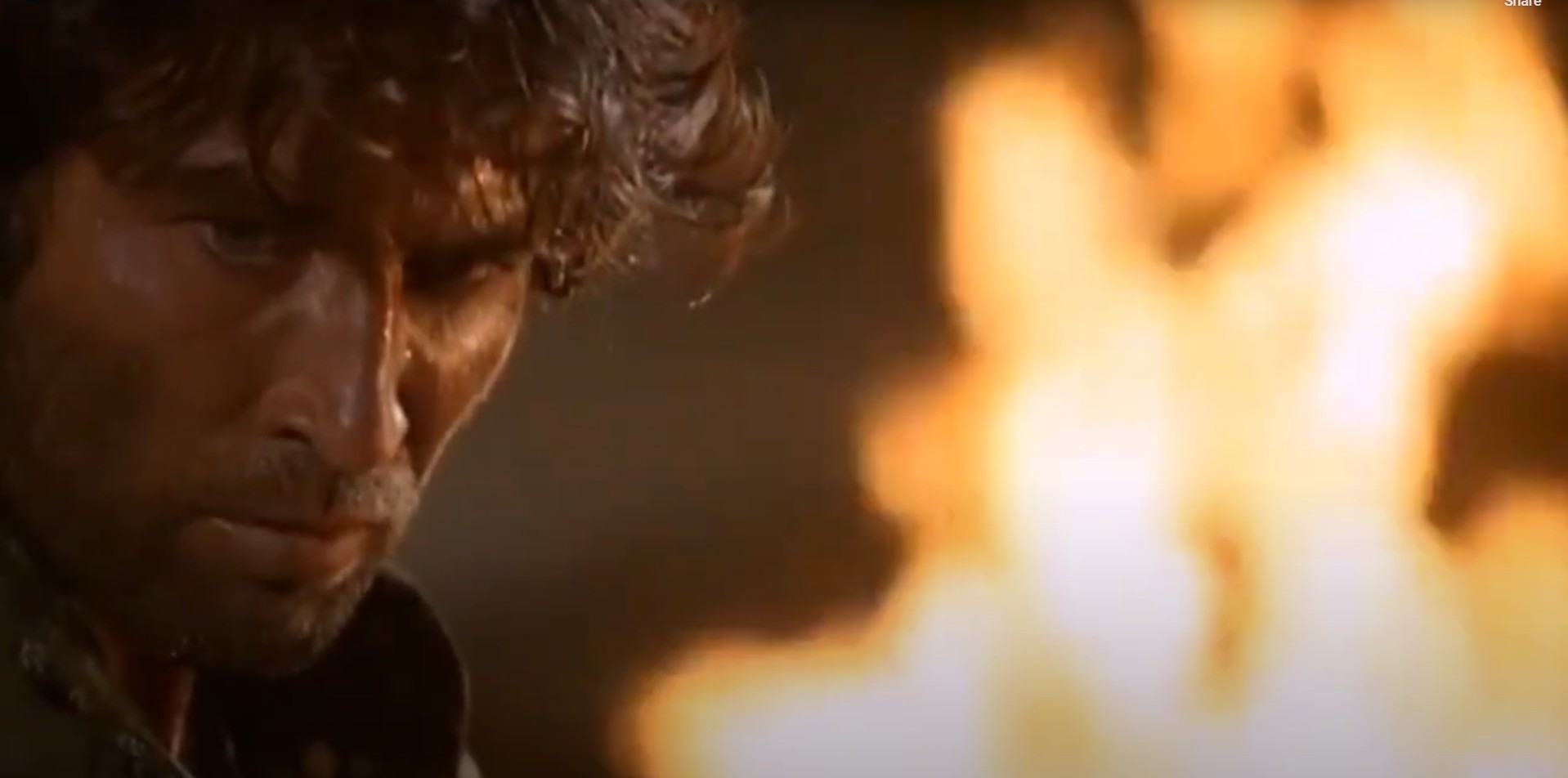
“Big Lebowski’s” Jeff Bridges has the story’s focal point being Richard Bone, the happenstance victim becoming a murder suspect while trying to coast through life by walking away from hard problems and not taking the steps to advance.  The Bridges of 1981 is certainly a different breed than of grizzlier Bridges of more than four decades later, and even nearly two decades later around “Big Lebowski’s release, with a slender cut and tall physique, baby-smooth shaved skin, and a head full of dirty blonde hair that certainly makes him the ladies’ man as shown in the opening scene of him dressing himself after a bedroom romp with a slightly older woman.  Bridges embodies both Bone’s lackadaisical commit to himself, his friends, to woman he loves, and even to the conspiracy surrounding the real suspect concocted and presented by his friend, Alex Cutter, but when the tone starts to shift more toward the evidence of a coverup and all the dots begin to connect to Cutter’s alcoholic rantings and ravings that could be construed as convincing conjecture, you see the Bone begin to care more than he’s ever allowed himself to.  Bridges’ Bone is actually not the most interesting, complex character as that accolade goes to John Heard as Alex Cutter.  The “Home Alone” actor deserved to be praised for his performance as the untamable and wildly convincing Veteran horribly disfigured by his service in Vietnam that fuels his drinking problem, causing a seemingly impenetrable yet sociable wall between him and his wife, and always seems to put tolerable Bone in the middle of his trouble, such as his use of the derogatory N-word in a joke at a bar where we first meet his uncouth, drunken, yet surprisingly together state.  Heard’s intensity has range and emotional standing in the character’s cocky hop-a-log swagger that gives the big ability middle finger to his disability that doesn’t stop his motivational obsessions.  Caught in the middle is Mo, played by Lisa Eichorn who would later costar with Jeff Bridges over 20-years later in the mystery-thriller “The Vanishing” alongside Kiefer Sutherland and Sandra Bullock.  Also an alcoholic in a less look-at-me kind of way, Mo has the heart of both Bone and Cutter as Bone walked away from their romance years earlier and she marries pre-war Alex, but Bone and Mo’s spark lingers, teases, and eventually comes to fruition as the damn breaks with Cutter’s behavior that leaves Mo isolated and lonely in a pit of depression.  One character that has girth in the first two acts is the murder victim’s sister Valerie from the girl who yelled SHARK! In “Jaws 2” in Ann Dusenberry and while Dusenberry has a sizable part as part of Cutter’s investigating team, almost like an instigator to his whims, Valerie ultimately disappears in near the tale end of act two and completely from act three, making this one of the biggest mysteries alongside the possible murder suspect itself.  “Cutter’s Way” rounds out the cast with Stephen Elliott (“Death Wish”), Arthur Rosenberg (“Cujo”), Nina van Pallandt (“The Sword and the Sorcerer”), and Patricia Donahue (“Paper Tiger”). 

“Cutter’s Way’s” powerhouse duo of Jeff Bridges and John Heard couldn’t be more perfect with two contrasting walks of life that somehow fit and work, drawn together like strong magnets despite their odd shaped and conflicting personas.  At some points during Cutter’s insane theories and aggressive, uncivilized touting, you would think a calm demeanor and conservatively rational Bone would distant himself from Cutter, or even try to stop his stare-induced antics but Cutter’s shenanigans fuel something in Bone that makes this relationship hobble along without any sign of slowing down and that likely is largely in part to Mo being the connective tissue.  There’s perhaps some guilt residing in Bone who escaped the draft whereas Cutter did not, resulting in losing eye, limp, and leg for a country he obviously has contempt for by going against societal norms.  Cutter convincingly lays the framework of suspicion against the big time oil tycoon with intrinsic connections to not only society by to Bone and Cutter’s friends that makes their meaningless existence in comparison to the oil man’s own feels diminutive and impossible to rise up and action against with the evidence toward a police department that already has Bone in their sights because his car was nearby.  However, the investigation follow-up, as well as the acute disappearance of the victim’s sister Valerie, stamp the story with difficulties of resolve and being a well-rounded narrative. These poofs of key parts differ from the death of main character that goes without explanation, or rather has too many explanations that mold in speculation, that adds to story’s deep misgivings of who was there that dark and stormy night of the murder and culminating to a dramatic finish that impresses a linger skepticism and perhaps even a little bit of cynicism between all left involved. 

“Cutter’s Way” has sorely fell under the radar amongst aficionados of cult classics and UK distributor Radiance Films is looking to expand the Ivan Passer directed adaptation to a broader audience of not only to fans of Jeff Bridges and John Heard but to the fans of thought provoking and open-ended features that get the rusted mind gears turning once again for storytelling and not glaze over with immense computer generated special effects.  Radiance Film’s new restored limited edition 4K UHD and Standard Blu-ray set is pretty deluxe with a 4K restoration presented in HDR/DolbyVision.  The 4K is HVEC encoded with 2160p on a BD100 and the Blu-ray is AVC encoded at 1080p on a BD50.  The ample space allows the restoration to fly without constraint with a vibrant and nicely diffused picture through the dynamic coloring with a slight contrast on its essential organic grading that dips into a bluish tone and low light noir here and there when the moment calls for it.  Impressive detail measurement along the texturing as John Heard looks every bit as grizzly as his character entails with a course, unkept beard, long straggly hair, and ill-fitting military-esque attire whereas Bridges has primary color pristine and neat lines about him.  The Panavision spherical lens used creates a natural concise look, often flat but not unnatural, as it doesn’t try to squeeze the framing.  There were no damage spots to note on a well looked after 35mm print.  The English DTS-HD Master Audio mono track is too flat with frontal space only for the enriched dialogue of the script between mostly Bone and Cutter.  The suitability of track doesn’t change despite a lesser vigorous mix that has competent job performance and is adequate to the type of contemporary noir.  Jack Nitzsche’s soundtrack too makes the film more alluring with a blend of Latino influences and an oxymoronic harmonic dissonance of a musical saw and harmonica that plays into the noir undertones.  English subtitles are optionally available.  On the 4K special features coverage there is an introduction by Jeff Bridges and three audio commentaries with novelist Matthew Specktor, assistant director Larry Franco and Production Manager Barrie Osborne, and an archived conversation between film writer Julie Kirgo and late producer Nick Redman.  There’s an isolated soundtrack from Jack Nitzsche formatted in a DTS-HD Master Audio 2.0 compared to the feature’s mono track.  The Blu-ray houses a little more bonus content with all of the above on the UHD and continues with an analyst featurette Piety, Patriotism, and Violence:  The Legacy of Cutter and Bone by film writers Megan Abbott, Jordan Harper, and George Pelecanos, an Ivan Passer interview from 2015, a Lisa Eichorn interview from the Fun City release, an interview with producer Paul Gurian from the Australian Imprint release, an audio only interview with former United Artist exec Ira Deutchman, Cut to the Bone:  Inside the Score is a featurette that interviews music editor Curt Sobel, Bertrand Tavernier is a Sidonis Calysta’s interview of admiration from the French film director, a still gallery, the trailer, and an alternative title sequence with the original “Cutter and Bone” title sequence.  Radiance Film’s physical presence is substance with this limited-edition release held all together in a rigid slipbox with new commissioned artwork by Time Tomorrow on both sides and comes with an obi strip with credit and technical information.  Inside is a clear Scanova Blu-ray case with reversible artwork with the primary art a split still image, one image for either side from the feature, with the reverse containing new artwork as well.  The overlapping stored discs are pressed with a blood red tint.  A 78-page mini book is inserted alongside the Scanova with cast and crew acknowledgements, transfer notes and release credits, and essays from Nick Pinkerton, Christina Newland, and Travis Roberts with an Ivan Passer Q&A by Jerry Roberts.  The book also contains color images as well as composition artwork on the bookends.  The region A locked release doesn’t have a rating listed, assuming not rated, and has a 109 minute runtime. 

Last Rites: Jeff Bridges and John Heard are the dysfunctional detective duo you never thought you needed. “Cutter’s Way” is a cathartic comedy and crime thriller refreshed and renewed for ultra-high definition from the fan’s favorite boutique labels, Radiance Films.

“Cutter’s Way” 4K UHD and Blu-ray Now Availble!

One Man’s Love and Another Man’s Revenge Take on the Mothers of All EVIL! “Forgotten Pistolero” reviewed! (Carambola Media / Blu-ray)

“Forgotten Pistolero” Now Available on Blu-ray!

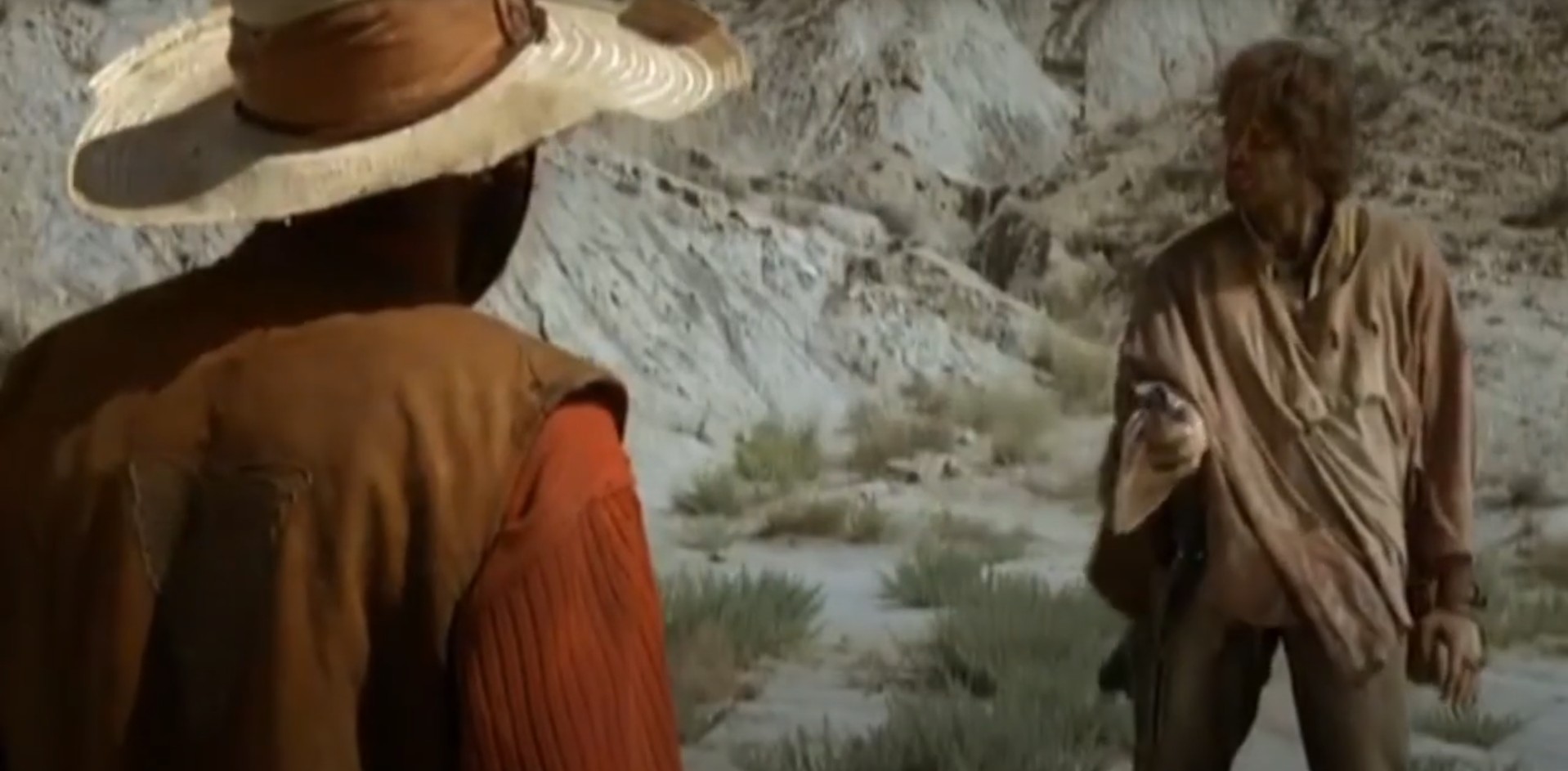
Rafael is a hunted man as he travels from Mexico to Texas searching for his childhood friend Sebastian, a son of a Mexican general who years earlier was slain by an unfaithful wife and her lover shortly after returning from war with the French.  When Rafeal happens upon a man living in solitude on the land, he identifies him as his long-lost friend who has forgotten about his traumatic past and decides not to revictimize his friend of the past, but when Rafael is captured by bounty hunters, Sebastian saves his life that spurs Rafeal into unveiling to his friend his real childhood tragedy.  Sebastian and Rafael set upon a mission of revenge and to save Sebastian’s sister Isabella, who Rafael has fallen in love with and who has had an arranged marriage to a humble shopkeeper to rein in her opposition to her mother’s betrayal.  As the two men battle unscrupulous gun-toting henchmen and deal with their own personal issues in their own way, the gunfighters unravel the truth about their Sebastian and Isabella’s parents while shooting their way toward those directly responsible for unending their tranquil lives. 

“The Forgotten Pistolero,” aka “Gunman of Ave Maria,” aka “Il pistolero dell’Ave Maria” is the 1969 Italian spaghetti western based on the converging of Greek tragedies from Aeschylus, Euripides and Homer.  Notable Italian western director Ferdinando Baldi, director of “Texas, Adios” and “Django, Prepare a Coffin,” pulls forth the betrayal and revenge tale out of the fourth century and into the 19th century set in the semi-arid landscape between Mexico and Texas with spears traded out for six-shooters.  The script is penned by multiple writers with Vencenzo Cerami (“The Silent Stranger”), Pier Giovanni Anchisi (“Hate is My God”), Mario di Nardo (“Aphrodite, Goddess of Love”), Federico de Urrutia (“Hour of Death”), and even director Baldi to grasp the immense drama of tragedy and place it inside the context of a western gunslinger.  “The Forgotten Pistolero” came at the height of the spaghetti western subgenre produced out of Italy with “Django” producer Manolo Bolognini as feature showrunner with Izaro Films and B.R.C. Produzione as production companies filming primary in Spain doubling as the Central and North American west.  

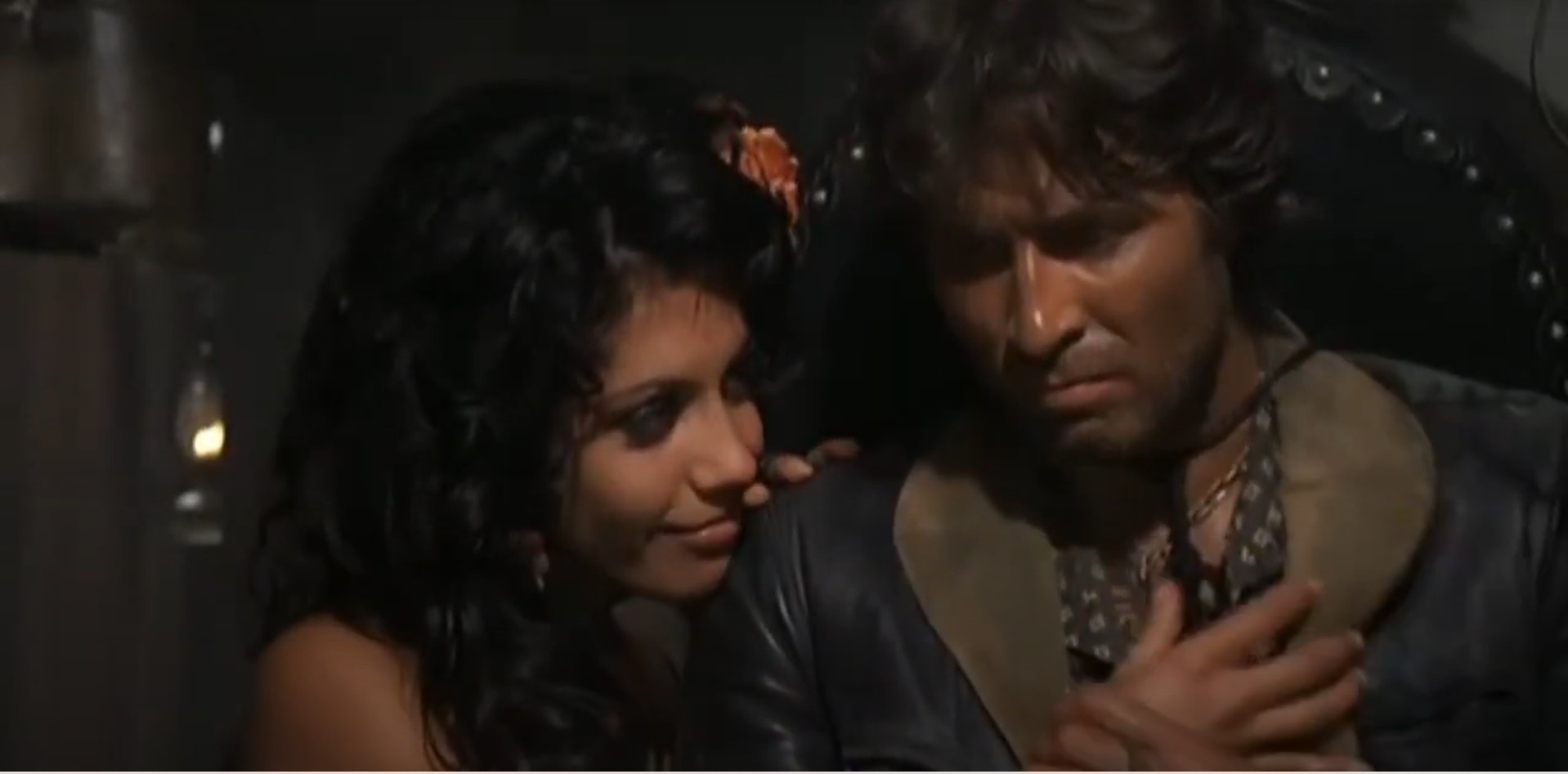
Like many Italian films of the era, especially in the spaghetti western and horror subgenres, the cast is comprised of multinationals with New York-born Leonard Mann at the lead actor credit.  Mann, who began his career in Italy and continued acting in a number of Italian films (“The Unholy Four,” “Death Steps in the Dark”), plays the titular pistolero Sebastian inexplicably haunted by his past while living in solitude until childhood friend Rafeal, played by Italian-born Peter Martell (“God Made Them… I Kill Them”), discovers his friend and reveals he truth that’s subconsciously plagued Sebatian for far too long.  There’s a show of unspoken connection between the two characters that time faded and is rekindled by mutual respect in both – Rafael’s intentions to not hurt Sebastian with the truth by running away after finding him and Sebastian’s tracking him down and saving him from bounty bandidos.  No words needed to describe their bond and through Mann and Martell’s acting do we see that connection solidify to be indestructible.  Completing the childhood friendship is Isabella, played by Spanish actress Pilar Velázquez (“Naked Girl Murdered in the Park”), who is forced to marry a humble yet good man shopkeeper Ignacio (Luciano Rossi, “Salon Kitty”) to be out of illicit lover Tomas’s way as he tries to woo back Anna, both of whom staged a coup and killed Sebastian and Isabella’s father, General Juan Carrasco (José Suárez, “Texas, Adios”).  Isabella adds crucial love interest to Rafael’s state of mind as the hunted gunman finds solace at the bottom of the tequila bottle with his life on the run and his love married to another man.  Rafael’s only hope is Sebastian, thought dead or believed to have vanished by his treacherous mother Anna (Luciana Paluzzi, “99 Women”) and her scoundrel lover Tomas (Alberto de Mendoza, “Horror Express”) who have drifted apart and have their own complex dynamic to which in itself is failing falling out to have permanently taken a father away from his children and have it result all for naught.  Sebastian slowly reconnections with Rafael and himself as his subdued vengeance is ironically rooted by a fierce craving to see those responsible pay. 

Ferdinando Baldi’s surface-layer retribution theme has a subaqueous depth of leagues-upon-leagues of combative and raw emotion, seeded by a singular event of betrayal, separation, and loss all in the life-altering blink of an eye.  Though crucial to thought processes and motivations of the character on either side of the moral coin, the story bypasses the long years between the assassination when Sebastian, Isabella, and Rafael are children and much later when the obligation of adulthood comes knocking.  What’s not depicted from those omitted years are the trials of Rafael’s passion for Isabella and his arduous ordeal to evade capture by Thomas’s goons nor the privy of Sebastian’s life since the death of his father other than it’s made known Rafael’s mother took Sebastian under her wing and died recently.  What’s also missing, and has becomes quite a negative plot hole in the story, is how Rafael and Sebastian learned to gun fight and do it extremely well that becomes key to their reckoning success.  Isabella too suffers living in close proximity to her mother and her illicit lover with a seething hate, especially for her mother, and her relationship with a timid but kind shopkeeper who aims to please her happiness without demanding much from her already shattered childhood.  Triggering trauma, down the bottle depression, suffering in silence, and a searing hatred coupled with perfected embattled showdowns and gunslinging escapades lead up to an unraveled, truth-be-told twist ending of scorching inferno on where it all started.  Baldi knew how to frame a shot that paired people with steady tension or to find their true North when it came to exposition and his gunfights, and though not inundated with rabid rapid-fire riddling with bullet holes, “Forgotten Pistolero” does stand firm in the turbulent ocean of western films, especially with flawed, hero-errant protagonists.

Catalogued title 001 for the IFD Films offshoot label, Carambola Media, distributed through Diabolik DVD, “Forgotten Pistolero” quick draws a new 2-disc, high-definition Blu-ray, encoded with AVC on a BD25 for the English ADR and a BD50 for the Italian ADR language version because it’s accompanied with extras.  The different languages are encoded on individual discs.  The extra pixels offer an extremely high level of detail that reproduces a competent saturation of a warmer graded film, complete with saddle brown and burnt sienna tones, brightly lit in exterior definition and really absorbed with the interiors from it’s 2K saturation of the 35mm print presented in a 1.78:1 aspect ratio.  No obvious print damage to the 1969 film, emulsified and preserved properly for later restoration efforts of today.  Often skin tones appear orangish, as seen in many DVD updates, but the color correcting process works wonders with “Forgotten Pistolero’s” verisimilar viewing.  As noted, each language track has its own disc that offer two audio options on each disc.  The English and Italian language discs come with a DTS-HD Master Audio 2.0 Mono mix and an uncompressed LPCM 2.0 Mono, both rendering ideal fidelity through the power of early Italian cinema ADR with only insubstantial studio inference and no hissing or crackling pops to note.  Either track will work with a seemingly natural flow, even the English track since some actors are mouth articulating English works, as any kind of desynch between the action of talking and the post-production audio has egregious control.  Gunfire has that distinctly rich ricochets effect, and the punches pack a nice wallop when struck, both typical in spaghetti western greats.  The interview with Leonard Mann and the original trailer is exclusively on the Italian language disc whereas the English track focuses just on the feature.  The standard Blu-ray comes in a standard Amaray with an extra lock-in flap for the second disc.  The sleeve art is of the film’s original poster art with a shirtless Leonard Mann, who’s never shirtless in the film, looking cowboy rugged with his gun holstered on his hip.  The hard A region encoded disc is not rated and has a runtime of 83-minutes.

Last Rites: Don’t mistake “Forgotten Pistolero” as an ordinary spaghetti western and don’t ever compare to it to The Man With No Name trilogy as a totally separate type of Italian western but the Carambola Media release is something special, pulled from the depths of Greek mythology, and spun to be a tale of tragedy, twist, and a torrent of gunfights and emotions.

“Forgotten Pistolero” Now Available on Blu-ray!

Bring Those EVILLY Responsible to US! “Garden of Love” reviewed! (Unearthed Films / Collector’s Limited Edition Blu-ray)

“Garden of Love” on Blu-ray from Unearthed Films!

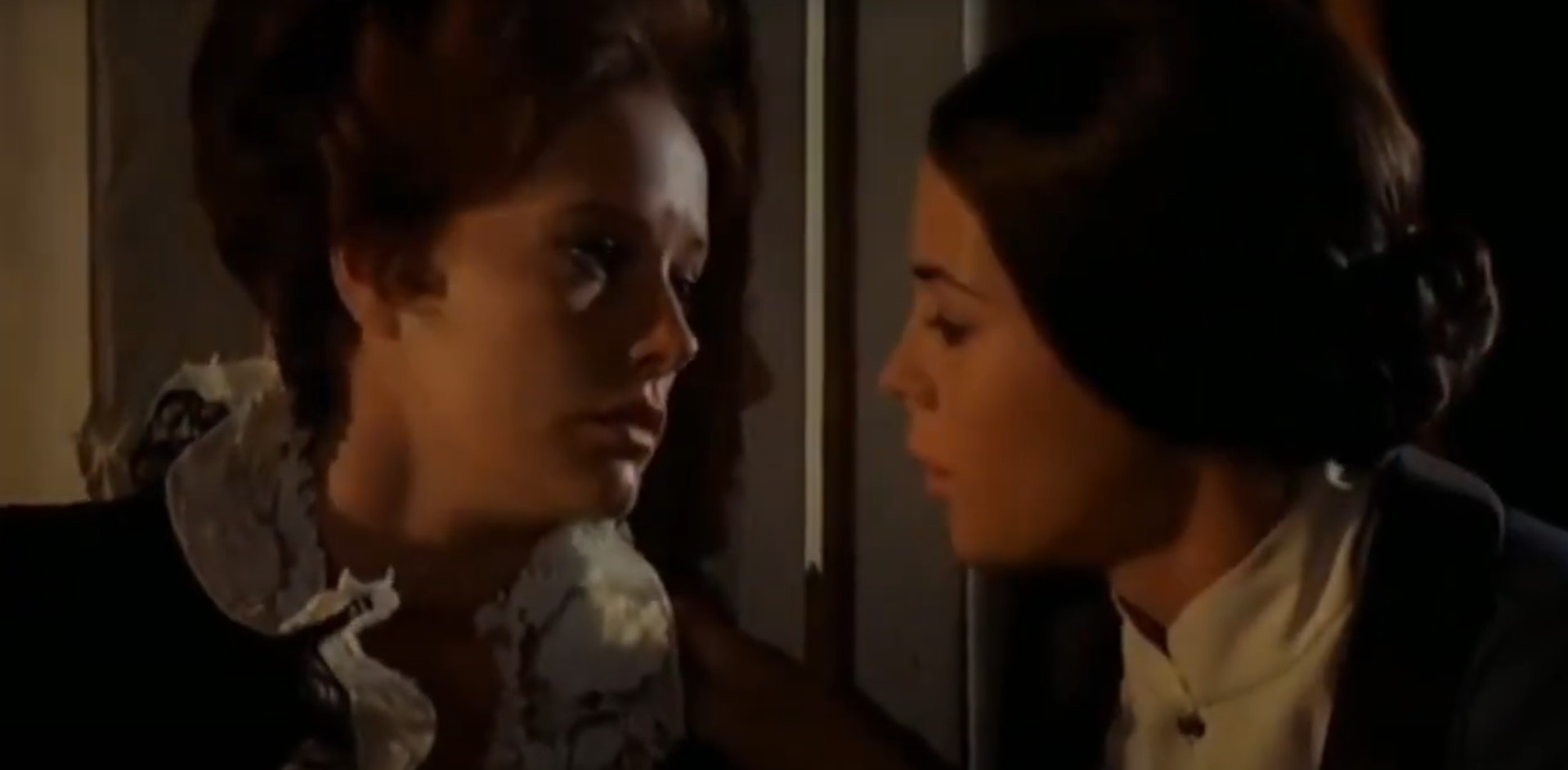
Rebecca Verlaine is the sole surviving child of a brutal massacre of her family and fellow amity commune by masked killer.  Years later, attending university and in a relationship with a professor named David, Rebecca has not been affected by the tragedy because of her post-traumatic amnesia induced response, a protective reaction by her mind.  When Rebecca begins to see grotesque images and corpses talk to her through the television, to the point of being frozen in fear, her adopted Uncle and Aunt, acting in the role of her real parents, along with David divulge the horrible truth about her father’s slaying.  Unable to shake the feeling she must visit the site of the massacre; Rebecca is escorted by police to the building where the ghosts of the television physically manifest and will slaughter all those Rebecca brings to them in retribution of their unpleasant death.  Rebecca must somehow unearth and bring to post-humorous justice their killer, but little does she know those responsible are already closely intertwined into her life.   

Director and special effects artist Olaf Ittenbach is one of the few kings of independent splatter horror between mid-1990s to present.  The German-born, “Premutos:  The Fallen Angel” and “Dard Divorce” filmmaker has accumulated gorehounds over last two and half decades with outrageous gore effects to the likes of early days Sam Raimi and Peter Jackson and subtle comedic gags inside the ghastliness of bodies being literally ripped to shreds.  The 2003 released “Garden of Love,” aka “The Haunting of Rebecca Verlaine,” is a pure example of Ittenbach never letting loose the reins of cathartic, blood-soaked chaos with a simple tale of supernatural revenge.  Ittenbach cowrites the script with Thomas Reitmair, the third writer-director collaboration behind “Riverplay” and “Beyond the Limits,” and the director has total control over his production by serving as the executive producer financier under his studio company IMAS Filmproduktion in association with Benfeghoul Goldberg Filmproduktion and producers Yazid Benfeghoul (“Sky Sharks”) and Ricky Golderg (“Beyond the Limits”). 

Natacza Boon, the English actress behind acting in a parallel Ittanbach production “Beyond the Limits” the same year, stars the adult version of Rebecca Verlaine bewildered by the truth be told after learning of her amnesia and once ghastly ghosts begin to talk to her through television sets.  Boon does a good job selling the initial fear and then transitioning into acceptance that was she’s visioning is real, real enough to absolute slaughter anyone in a spray of blood spatter when crossing its path.  While Boon is English born, the rest of the cast also includes more Ittenbach entourage American with Daryl Jackson (“Beyond the Limits,” “Dard Divorce”) playing Rebecca’s secret-holding lover David and the German native James Matthews-Pyecka (“Beyond the Limits,” “Legend of Hell”) as the initial inspector on the Verlaine massacre returning to the cold case to assist Rebecca’s need to explore her forgotten history.  Through the differing nationalities and styles each performer brings to the this splatter film, their dynamics have synergy having worked in tandem with another and despite their difference languages there is no language barrier to be broken as the film is written and shot in English with Mattehws-Pyecka, and the rest of the living principal cast of Rebecca’s adopted parents in Uncle Don and Aunt Barbara (Donald Stewart and Alexandra Thom-Heinrich), communicating with clear pronunciation.  German musician and actor, Bela B., a stage name as the punk rock drummer and vocalist for Die Ärzte, has an equally primary role that opposites Boon in portraying her murdered father’s vengeful spirit.  Real name Dirk Albert Felsenheimer, he’s depicted mostly in gruesome face-wounded makeup and ghostly milky white eyes that haunt his onscreen daughter Rebecca from beyond the grave and manifest only in the building where he died (much like that BBC show “Ghosts” but Ittenbach did it first).  Felsenhaimer’s unique facial contours make for good prosthetic balefulness and frightful fear being the head ghost who doesn’t necessarily go for the throat right away like the others.

“Garden of Love” is a cut-and-dry revenge film from the other side with not just a touch of but a full five-finger death punch of gory exaggerated explosion from Olaf Ittenbach.  Gabe Verlaine, his daughter, and his commune of bohemians have their harmony violently stolen from them, creating disharmony in the afterlife.  Their unrest is stretched outward into the corporeal world as love and peace is replaced with hate and spite in stark contrast.  Yet, and this where the little things become lost to the ridiculously entertaining blood splatter, the reason why their group returns to take vengeance is far from being elucidated.  Apparently, Gabe is also sitting on a fortune for his…well…we don’t know.  He plays the guitar but there are hints of him being a talented musician, but it’s never explained on why he’s sitting on a nest egg that’s the overarching theme of greed ingrained into the “Garden of Love” story.  What’s not ambiguous is the practical effects done with complete care in all fields from Olaf Ittenbach and Tommy Opatz (“BloodRayne,” “Black Death”) special makeup and prosthetic effects to the flawless editing work of Eckart Zeraway to piece the components of a sequence together for seamless quality and relayed purpose, such as pulling out comedy from the slapstick splatter of bodies literally being torn apart.  Let’s not forget to mention Holger Fleig’s cinematography as he captures eldritch supernaturality to emphasize the undead commune in an European, specifically Italian, way with a glowingly colorful, backlit haze that’s denotes an otherworldly tone, a tinged musing of Michael Müller’s work in “Premutos, compared to the modernist and contemporary arrangements of a clean and minimalism look with the living done without specialized lighting.

Unearthed Films delivers more Olaf Ittenbach to a 1080p high definition transfer, AVC encoded, Collector’s Limited-Edition Blu-ray, a BD50 disc.  Plenty of storage capacity to handle Fleig’s aura lighting aesthetic that’s show pristine saturation inside the 35mm stock, a format departure for Ittenbach who regularly use of video was an antithesis to pinnacle quality.  With an aspect ratio of 1.77.1 widescreen, “Garden of Love’s” imagery looks good albeit some of its sterile mise-en-scene layering of a production set, colors are touched up nicely to provide a supernatural backlit of purple and blue gel lighting, diffused through a smoke machine that greatly cues the in-and-outs of Gabe Verlaine’s crew of the vengeful dead with an accompanying gore with a stark tone of red and black, and the compression coding is easily digestible on the extended capacity disc with no signs of artefact interference to note and no interruption from a preserved early 2000’s print.  Aforementioned, this German product is entirely shot in English, recorded during principal photography, and can be presented in either an uncompressed PCM 2.0 or an uncompressed DTS-HD 5.1 surround mix depending on your setup.  Dialogue can be a bit boxy, leans little toward overexertion within the scope of the production setup, and is not the native language of a few actors but through the release encoding the mix comes out nicely balanced and clear without any distortion.  Same can be said for the milieu and the action Foley, especially during the carnage of spirits versus the coppers that highlights the perforation of body, the squish and thwack from pulverizing, and the spray of the blood, resulting in a range of onomatopoeia that too includes gun shots and atmospheric reverberate. English subtitles are available.  Extras include a making-of featurette that provides raw footage from behind-the-scene of principal photography and the special effects gags, a second behind-the-scenes featurette with cast-and-crew clipped interviews, an Unearthed Films exclusive outtake reel that runs without audio for much of it, a new photo gallery, and the original trailer.  The first Blu-ray pressings include a limited O-slip cover with a new illustrated composition artwork on the front cover of the slip and inside the Amaray sleeve that showcases exactly what you’re getting – gore, ghosts, and an otherworldly glow – presented in a dark and soul peering artistic rendition.  I did find the slipcover to be annoying too tight around the case, making it difficult to remove the Blu-ray to the point of damaging the product.  The disc is pressed to resemble a vinyl, like the one used in the film to signal the arrival of the spirits’ malevolence.  The region A locked Blu-ray comes not rated and has a runtime of 89 minutes. 

Last Rites: Fans of absurd violence and gore need to see Olaf Ittenbach’s “Garden of Love” that’s not colorfully rich in all its limbs and viscera, as well as an ethereal lighting, on a new Blu-ray release from Unearthed Films!

“Garden of Love” on Blu-ray from Unearthed Films!

Fulci Turns Back Time to Bring EVIL Back from the Dead! “The House of Clocks” reviewed! (Cauldron Films / Blu-ray)

“The House of Clocks” Delivers Time as an Illusion. Blu-ray now available!

An isolated Italian villa becomes the looting target for three thieves looking for an easy score.  Villa residents, an elderly couple, are tricked into letting them into their estate adorned with elegant clocks of all shapes and sizes but as the plane unfolds it goes awry when the imposing grounds man arrives and both homeowners are killed.  Yet, the villa owners were no saints and no ordinary couple as soon as the husband’s heart stops, the clocks begin to move counterclockwise and that’s when the peaceful villa turns into a strange nightmare where time goes in reverse and those short and long dead come back to life with wounds miraculously healed as if it never happened.  As time continues to reverse, the thieves find themselves trapped inside the house and on estate grounds being hunted down by the merciless grounds man, but the skeletons in the elderly couple’s closet will soon resurrect and be thirsty for vengeance.

“The House of Clocks” is the Lucio Fulci made-for-TV movie that never saw the light of television programing.  Deemed too gory and violent for public broadcast, Fulci’s 1989 Italian film, to which he created the concept for and the screenplay treated by the duo team of Gianfranco Clerici  of “Cannibal Holocaust” and Daniele Stroppa of “Delirium,” was shelved for many years until it’s eventual home video release because, as you can tell just from the high-powered Italian horror names attached to the project, the finished film would certainly frighten those general audiences with easy turn-of-the-knob and bunny ear-antenna access.  Also known natively as “La casa nel Tempo,” was a part of a four-film horror special surrounding a theme of the houses of doom and was a production of Dania Film and Reteitalia production companies with “You’ll Die at Midnight” and “Delirium” producers Massimo Manasse and Marco Grillo Spina serving as executive producers.

The film initially opens with Maria, the nosy for her own good housemaid, discovering two rotting corpses ostentatiously displayed in the villa’s chapel.  Why Maria (Carla Cassola, “Demonia” and “The Sect”) decides to snoop around is not explained but the act does start a chain events, leading up to elder Villa owners in Sara Corsini and her clock obsessed husband Vittorio, played by the role age appropriate Bettine Milne (“The King’s Whore”) and Paolo Paoloni (“Cannibal Holocaust”) in a lot more makeup and prosthetics to make him appear as an older man.  As mysterious senior citizens go, Milne and Paoloni are the malevolently cryptic under a façade of geniality, possessing and maintaining the corpses of their niece and nephew they’ve murdered in order to keep their wealth.  The backstory between the two pairs has vague clarity but there’s enough to keep the pistons pumping toward the crux of why the uncanny time about-face.  While, again, no sense of explanation on why time reverses, we’re under the assumption Paolo is essentially Father Time, a personification of the time concept represented as an old, bearded man with an hour glass and a scythe to represent a span from life to death.  When thieves Paul (Peter Hintz, “Zone Troopers”), Tony (Keith Van Hoven, “Black Demons”), and Sandra (Karina Huff, “Voices from Beyond”) put an end to the Corsinis, that is when time stops and reverses itself, affecting the once dead to return back to life, and creating a nightmare scenario for now three trapped thieves under the chase of not only the Corsinis but those also killed by the Corsinis as their deteriorating bodies rejuvenate into active flesh and bone as well as flesh and blood.  “The Beyond” and “Zombie’s” Al Cliver rounds out the principal cast and the overall cast with his menacingly evil, Corsini’s jack-of-all-trades grounds man with a scarred over eye and a double barrel shotgun to hunt down the thieves.

“The House of Clock’s” is quite an interesting concept without a durably designed reason for all the madnesses.  At its core, three thieves home invade an older couple for their valuable objects and accidently kill them in the process when the standoff goes bad.  With that oversimplified version of events, a hellish cog in the pocket watch gearbox links the old man’s ticker with the tons of tickers that adorn his villa home, causing a chain reaction of turn back the clock proportions to which audiences never receive a proper understanding and while this may bother a sample size few, most will find the story too weird, gory, and trepidatious tense to care in what becomes a fair-game free-for-all against all characters who don’t have an ounce of virtue.  The lot of thieves, schemers, and murders are all trapped inside time’s ill-reverse affect without a sign of slowing down and while it might seem advantageous at first for some, as time continues to revert, the worse the situation becomes as old adversaries emerge from their graves and tombs.  Fulci’s visualized gore also emerges through with the fantastic effects by Guiseppe Ferranti, including a high right through the crotch impalement.  Ferranti would also be behind the effects for two other the house of doom television movies.

“The House of Clocks” may not have been safe for television but for a new Cauldron Films Blu-ray, the Lucio Fulci film fits right in and comes in the nick of time!  Restored from a 2K scan of the 35mm film negative, the AVC encoded, 1080p high-definition, BD50 offers a visually invigorated, audibly astounding, and special features saturated release that presents Fulci’s lesser known and once previously shelved work!  Presented in a European widescreen 1.66:1, color saturation is beyond reproach with a beautifully natural grading that pops textures and objects right off the screen, adding density and tangibility to each.  Disc capacity affords the codec compression with no artefact issues in the reproducing of the encoded image that nearly replicates an ideal exhibition and appearance of a made-for-TV movie, especially in the macabre moment where extra slimy ooziness of the decaying corpses or the perforation of the servant’s crotch area is as clear as clear can get without misinterpretation.  Skin tones aren’t flared and are naturally set within a healthy, though smoother, grain layer.  The release comes with two audio mixes – a PCM English 2.0 mono and a PCM Italian 2.0 mono.  Both tracks are produced from ADR and have been scrubbed with no issues of hissing or crackling.  There’s a brilliant touch of echoing within the estate to create reverberations and a range, open quality to the exterior dialogue.  Vince Tempera’s synth piano is a ticking measure of modified vocals and integrated milieu elements with a organ tone like quality that’s ghoulishly soft.  English subtitles are optional on both mixes.  Special features include a handful of new interviews from behind-the-camera with cinematographer Nino Celeste Lighting the House of Time, composer Vince Tempera Time and Music, first assistant director Michele De Angelis Working with a Master, FX artist Elio Terribili Time with Fulci, as well as unmentioned archival interviews with actors Paolo Paoloni, Al Cliver, and Carla Cassola.  There’s a parallel audio commentary with film historians and critics Eugenio Ercolani, Nathaniel Thompson, and Troy Howarth who regularly step in to commentate on Italian horror.  Graphic artist Matthew Therrien designs an illustrative composition artwork, pulling inspiration from the film’s most iconic and chaotic moments, while Eric Lee designs the titular logo sitting pretty dead center.  The reverse side of the cover art displays a rotting hand still from the movie.  The 19th title has a clear Amaray that houses a cropped version of the front cover image pressed onto the disc, which is region free, uncut, and has an 83-minute runtime.

Last Rites: Most people wish they could turn back time. For Lucio Fulci and his penchant for beyond death, going counterclockwise in “The House of Clocks” is more frightening and deadly as time can’t be owned and controlled. Simply put, there’s just no stopping the sands of time, forwards or backwards, for the past will catch up to you and the future is mercilessly uncertain.

“The House of Clocks” Delivers Time as an Illusion. Blu-ray now available!

EVIL Manga to EVIL Movie! “Liverleaf” reviewed! (SRS Cinema / DVD)

“LIverleaf” Pushes Through the Bleak to Shine. On DVD Now!

The move from Tokyo to a dwindling rural town hasn’t been easy for middle schooler Haruka.  Most of her classmates have grown up with each other and formed vicious cliques that bully her relentless during and after school.  Mitsuru Abu, a photography enthusiast and Haruka’s classmate is also an outsider but has family ties to the area, is about her only friend and whom she finds attractive.  Upon returning home after spending the day together, Haruka finds her family home engulfed in flames, her mother and father dead, and her little sister severely burned over her entire body.  The loss of her family, her only emotional support, mentally compromises Haruka’s self-control and sends her spiraling into a revenge fueled murdering spree, targeting her bullying classmates who had a hand in the inferno of her family home.  The root of malevolence is not as it appears on the surface, and it will be up to Haruka to kill her way in finding the truth and reveal the secrets.

Adapted from the popular manga series, “Misu Misō,” written by Oshikiri Rensuke, the film version incorporates the indelicate dramas of being a school age teen in while reproducing faithfully the graphic gore, violence, and disturbing nature of character of the series in great detail.  Titled “Liverleaf,” as in the resilient, mountainous found three-lobe leafed flower that resembles the human liver and can withstand harsh winter conditions, is helmed by “Let’s Make the Teacher Have a Miscarriage Club” director Eisuke Naitô and penned by Miako Tadano of “The World of Kanako,” another manga-based film adaptation.  The 2018 film, which can be described as a revenge-drama with particle elements of horror, is shot in one of the snow-covered foothills of Japan’s mountain regions and is produced by Shigeto Arai (“We Are Little Zombies”) under the production banners of the Nikkatsu Corp. and the L’espace Film Co.

Anna Yamada is in the lead role that’s very familiar and culturally significant to Japanese cinema.  A scorn-born femme fatale that’s merciless and personnel, the kind of role that Quentin Tarantino exacted in his tribute to Asian revenge narrative with “Kill Bill,” starring Uma Thurman, hunting down the offending party and dispatching the scum from the Earth in a one-by-one fashion.  The “Suicide Forest Village” actress Yamada headlined “Liverleaf” as mid-to-late teen portraying the manga series’ preteen or early teenage girl Haruka Nozaki.  She isn’t the only nearly adult woman to play a teen in the throes of hormones, peer pressures, and angsty conditions sideswiped by wickedness and a taste for dominance as the whole student body pretends to be a youthful waste in a snowy, mountainside village on the verge of collapse.  Howling Village’s Rinka Ôtani, as Taeko Oguro, stands out with her bright orange hair and a sense of indifferent authority being the supposed head of the gaggle of bullying girls.  “Liverleaf” is Ôtani debut picture and Ôtani would eventually reteam with Yamada on “Suicide Forest Village,” but their first dichotomized performance as protagonist and antagonists brings a palpable tension to the screen.  Throw a boy both girls stoically can’t admit with a lot of expression and that pressure pot grows into an ugly shape of jealousy spurred love triangle.  Mitsuru Aibe is tall, handsome, kind, and a photography buff always looking for the raw and beautiful moment to capture on film.  Played by Hiroya Shimizu, “The World of Kanako” and “Sadako” actor instills that hope for the future and a glance of stability amongst the opposing craziness that has ensued between the rebirthed revenger Nozaki and the horrible highschoolers now fearing for their lives because of their responsible part for the monster they’ve created but does he really provide a safer, greener pasture Nozaki needs to return to once her retribution is complete?  Kenshin Endô, Masato Endô, Reiko Kataoka, Seina Nakata, Arisa Sakura, Aki Moita, Minoir Terada, Kazuki Ôtomo, and ReRena Ôtsuka are cast in one messed up and depressive high school student body that ends in a blizzard of bloodshed.

One thing about “Liverleaf,” if looking at and considering all the components of the feature as a whole, to take away from the adaptation is how Eisuke Naitô facsimiles the plot points of a manga series or, in more general terms, Naitô” has plucked the rudimentary concepts straight from any regular extreme manga series, not just from Oshikiri Rensuke’s Misu Misō.  Yet, “Misu Misō” is very faithfully extracted from the illustrated pages for live action execution down to many of the details with very few changes to the story’s original design. Gore has an extreme graphic nature juxtaposed against the snow, contrasting in homage to those historical revenge genre films set in the same harsh, white blanket, and like all the heroines, or anti-heroines, Haruka Nozaki speaks her soul in her outfit, dressed in a continuously deepening red after each gruesome dispatch of her classmates.  This saturation into crimson extends into this belief that Nozaki is bordering being supernatural, like most condemned women done wrong, who somehow find the superhuman strength, endurance, know-how, and resilience in their own disdain for blood and violence to slay beyond their normal means without batting an eyelash.  “Liverleaf” is not the chippiest of narratives with a coursing core of grim doom and gloom through a quickly dilapidating little town with an austere school, junk pits, and modest structures that inhabit indifferent teachers, brooding teens, and a mental illness that ranges from inherent sociopathy to social sociopathy of peer pressures and bullying. 

SRS Cinema brings manga pen and paper to the big screen with their unrated DVD release of the film adaptation titled “Liverleaf.”  The MPEG2 encoded, upscaled 1080p, DVD9 release is presented in a 1.78:1 aspect ratio.  “Liverleaf” stands out unusual from the other SRS releases, a company that prides itself on standard definition 480 and 720 resolutions and compressing features and their special features onto a packed DVD5 that creates eye artefacts on already low budget, commercial grade, inexperienced film.  Instead, “Liverleaf” has punchier colors and distinction on that segregates the austere from the vibrancy and the extra space helps allow for this decoding to be as smooth as possible on what some may now consider an antiquated format.  Decoding at a higher range of 7-9Mbps, compression imprudence doesn’t show itself here with a clean picture that retians inky voids, charted snow mounds and footprints in a white sheet of snow, and the colors and details on objects that natural enlarge themselves when in contrast, such as Nozaki’s red jacket or the red, orange, and yellow glow of house flames against the night sky.  The Japanese LPCM 2.0 stereo renders a clean mix of dialogue, ambience, and soundtrack.  Dialogue’s clean, crisp, and clearly upfront of a subdued diegetic sound mixed from the boom mic or from post and a Hisashi Arita soundtrack that scores Japanese revenge in non-traditional Japanese notes.  Post mix and action does create some separation that uncouples the visual onomatopoeia of the activity but remains negligible throughout.  The burned-in English subtitles synch well and are error-free.  Extras include a featurette from Manga to Movie that goes into the history of manga and the adaptation concept which most thought the film couldn’t be adapted, Elijah Thomas supplements with his own thoughts and opinions on “Liverleaf” as well as another featurette titled Liverleaf’s Obsession that looks at the character’s dangerous obsessive qualities, the trailer, a Oshikiri Rensuke, biography The Comically Twisted Mind of Oshikiri Rensuke with narrator voiceover going into the writer’s family history and “Misu Misō” genesis, the trailer, and talent files on Anna Yamada, Eisuke Naito, Hiroya Shimizu, Miako Tadano, and Rinka Otani.  These features house behind a static menu, that only has a play option alongside the extras, with a neat art illustration of a murderously ominous Naruka Nozaki.  The cover art hints at the film’s stark contrast aesthetics with a Naruka Nozaki wrapped her red coat and jetblack hair sprawled out on the white snow.  The Amaray does not come with a reversible cover nor any tangible extras inside.  DVD has region A only playback and has a runtime of 114 minutes. 

Last Rites: “Liverleaf” is a surprising, better-than-no budget teen revenge thriller that deals with obsession, depression, and a consternation that Haruka’s tragic journey through the pits of a lowly high school hierarchy will only get worse before it gets better.

“LIverleaf” Pushes Through the Bleak to Shine. On DVD Now!