The Fourth Go-Around with an EVIL Icon Is An Inferior Copy. “Jeepers Creepers: Reborn” reviewed! (101 Films / BD-R)

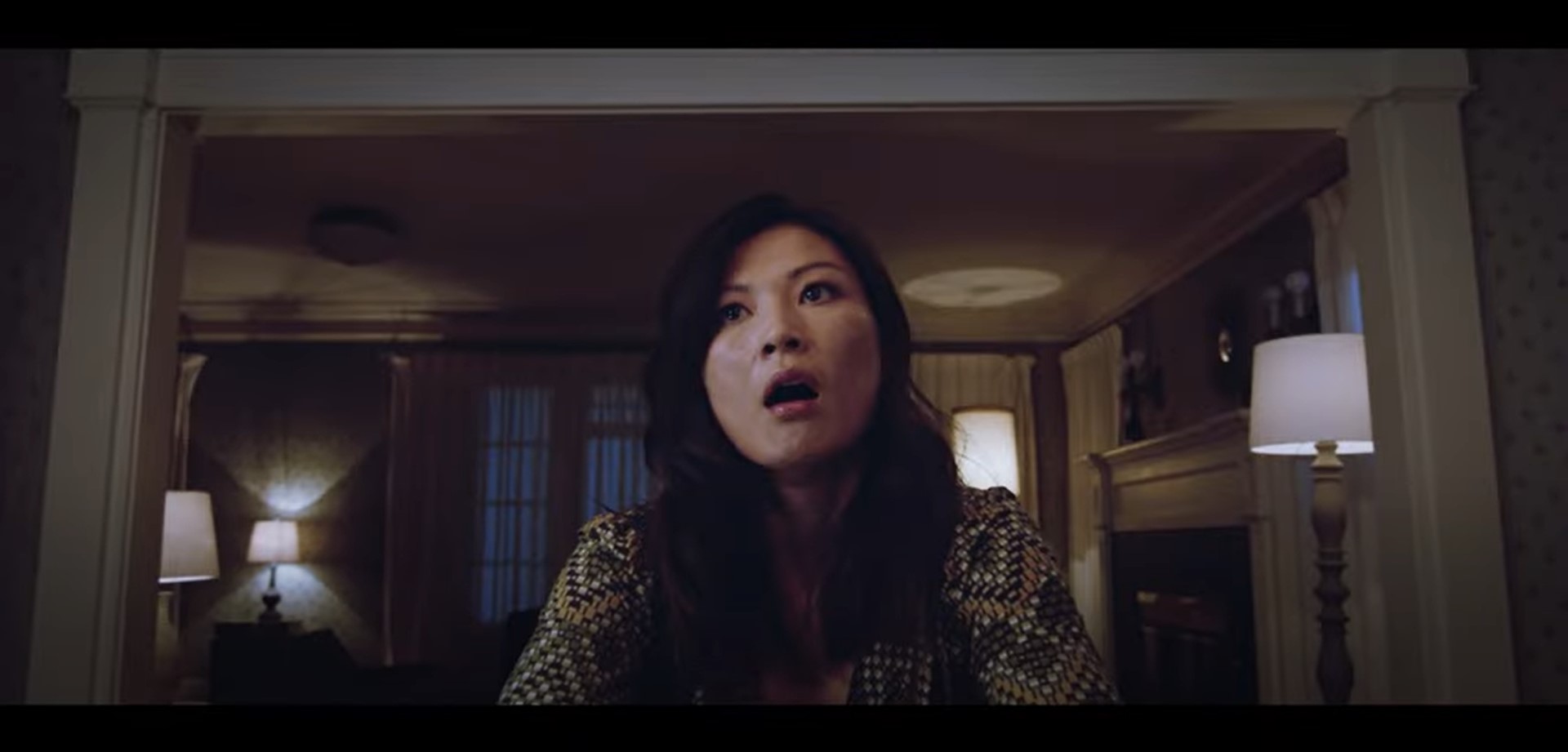
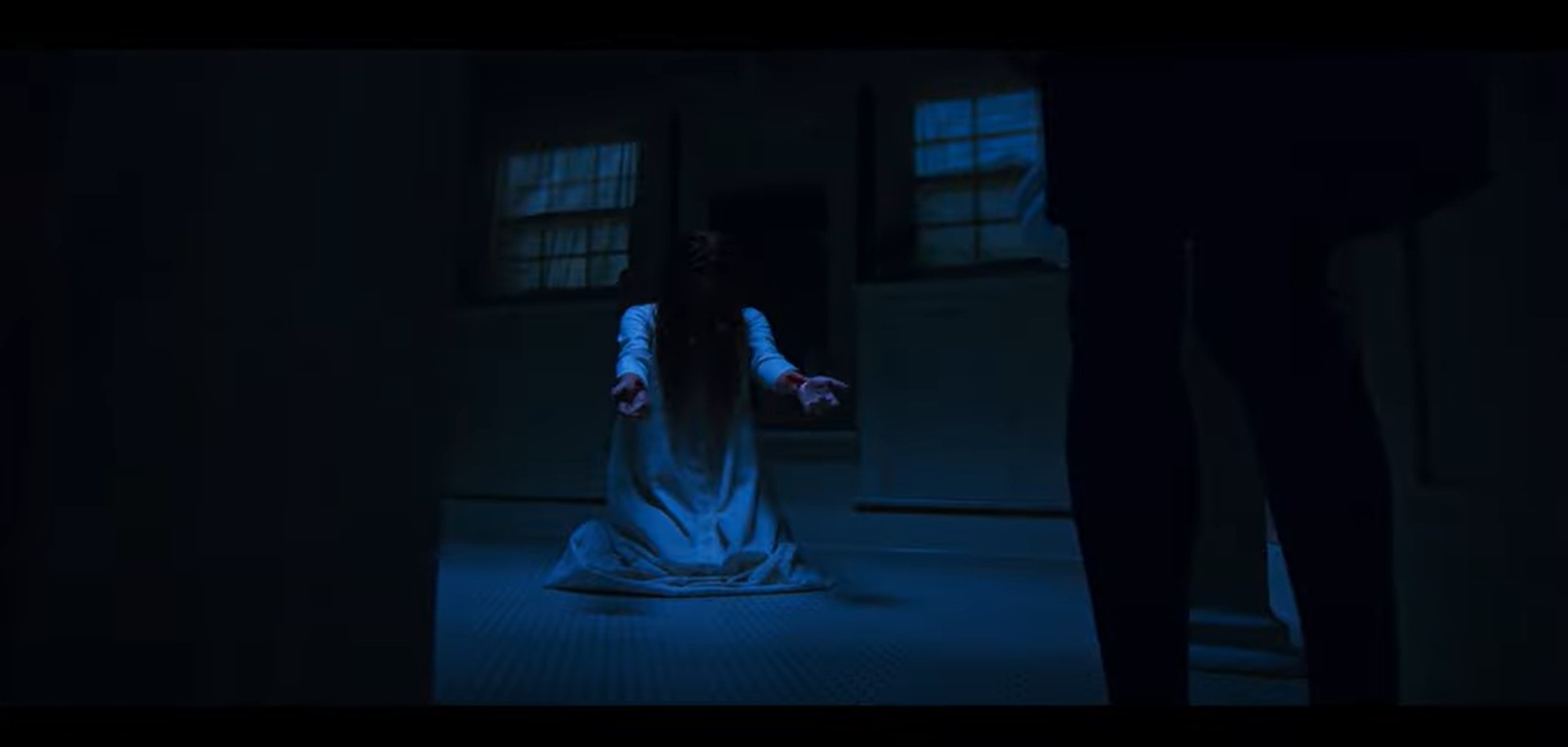
Laine and her boyfriend Chase drive toward Jackson, Louisiana where Chase has planned a fun-filled weekend in the land of the notorious Creeper legend and where the annual HorrorHound festival lures fans from all over the world for a carnival celebration of horror. Rolling her eyes at Chase’s complete obsession with the Creeper and his love for horror, Laine indulges her boyfriend’s every geeked-out whim, including entering a contest for a chance to enter a Creeper inspired escape room held at a dilapidated manor house on the outskirts of town. The lucky winners and the producing team find themselves lured into a deadly trap orchestrated by a cult loyal to the Creeper and Laine, who has been handpicked by his disciples, learns through premonitions that the Creeper hungers for her unborn child. Trapped inside with an unstoppable winged monster hunting them down, Laine and Chase implore the others to fight back against a living legend of lore.

Fascinating is the monster that is the Creeper, a versatile humanoid with batlike wings, a serious sniffer, and a flesh-eating connoisseur with the strength of 10 men and a primitive, yet effective assorted arsenal of deadly melee weapons. The Creeper is a modern marvel and icon of contemporary antagonistic favorites this side of the early millennium having arrived on the big screen now over two decades ago back in 2001 and producing now four films between that time span, but within those 21 years, a tremendous controversy has tarnished the good name of the “Jeepers Creepers” legacy. That name is “Jeepers Creepers” creator Victor Salva who conviction as a child sex offender might not have stopped him from directing three “Jeepers Creepers” films but certainly put the rubber stamp of disapproval against any kind of box-office success with audiences steering clear of work. 2022 saw promise for the Creeper with a new, fourth entry entitled “Jeepers Creepers: Reborn,” a title resembling a phoenix being risen from the fiery ashes type of project that removed Salva not only from the director’s chair but also any kind of substantial compensation for the legal rights. Timo Vuorensola (“Iron Sky”) steps into frame as the franchise’s newest visionary to hopefully resurrect the Creeper from the depths of indirect persecution. With a story written by Sean-Michael Argo (erotic-fantasy-horror writer of “Sineaters” and “Fable: Teeth and Beasts”), “Jeepers Creepers: Reborn” promises new blood and a new creative process with possible white glove treatment without the sully of sin behind the scenes. The first “Jeepers Creepers” film to be shot almost entirely in the United Kingdom with a few Louisiana locale shots, the fourth flight of the Creeper entry is a coproduction between Black Hanger Studios and Orwo Studios.

With a new “Jeepers Creepers” installment focused on adverting attention away from its creator, “Reborn” comes with an overhauled cast, including a new face toward the Creeper.  Instead of Jonathan Breck returning to resume the role in a fourth film, complications from an overseas production, English actor Jarreau Benjamin tackles the role with everything he’s got and with everything he has to work with.  Breck cobbled together large boots for the assimilation of a western horror villain with a mischievous and ruthless personality as he toys with his food before he eats it in the first three films.  Benjamin does a remarkable job attempting to emulate much of the same albeit the Creeper have a slightly different look because of Benjamin’s build and face structure.  Nonetheless, as the Creeper, the greenhorn fills in quite well tormenting conned prey that includes on screen couple Sydney Craven (“York Witches Society”) as Laine and Imran Adams as Chase.  To be honest, Craven and Adams had little emotion weight beyond a fantasy and lust dynamic and couldn’t find character and story support in what seems to be more of a close acquaintance rather than a highly involved and evolved romantic relationship.  They’re teamed with producers of a reality show, game show, some kind of vague media show of sorts, as the unfortunate lucky winners of an escape room challenge as well as a local Jackson resident, Stu, with a Duck Dynasty beard and salty arura about him, played by Peter Brooke (“Wrong Turn 5:  Bloodlines”) and I wanted to know more about Stu.  Is he good or bad?  Is he a patsy?  He’s mysterious but likeable and he’s written enigmatically up to a point but the descends into just another ordinary link in the chain. Ocean Navarro (“Infamous Six”), Matt Barkley, and Alexander Halsall round out the victims corralled by the cult of the Creeper. The Creeper worshipping group represented by a local shopkeeper (Georgia Goodman), a fire and brimstone preacher (Saverio Buono), and a horror hostess named Madam Carnage (Jodie Mcmullen) are a flake of a bigger scab that reveals nothing about their reasoning or their cause in helping every 23rd year for 23 days and the element of the cult cheapens the story because it goes unexplained. Overall, the performances are steady, if not slightly cliche at times, and the cast rounds out with Dee Wallace (“Cujo”) and Gary Graham (“Robot Jox”) with a familiar and strong opener that gets the blood going.

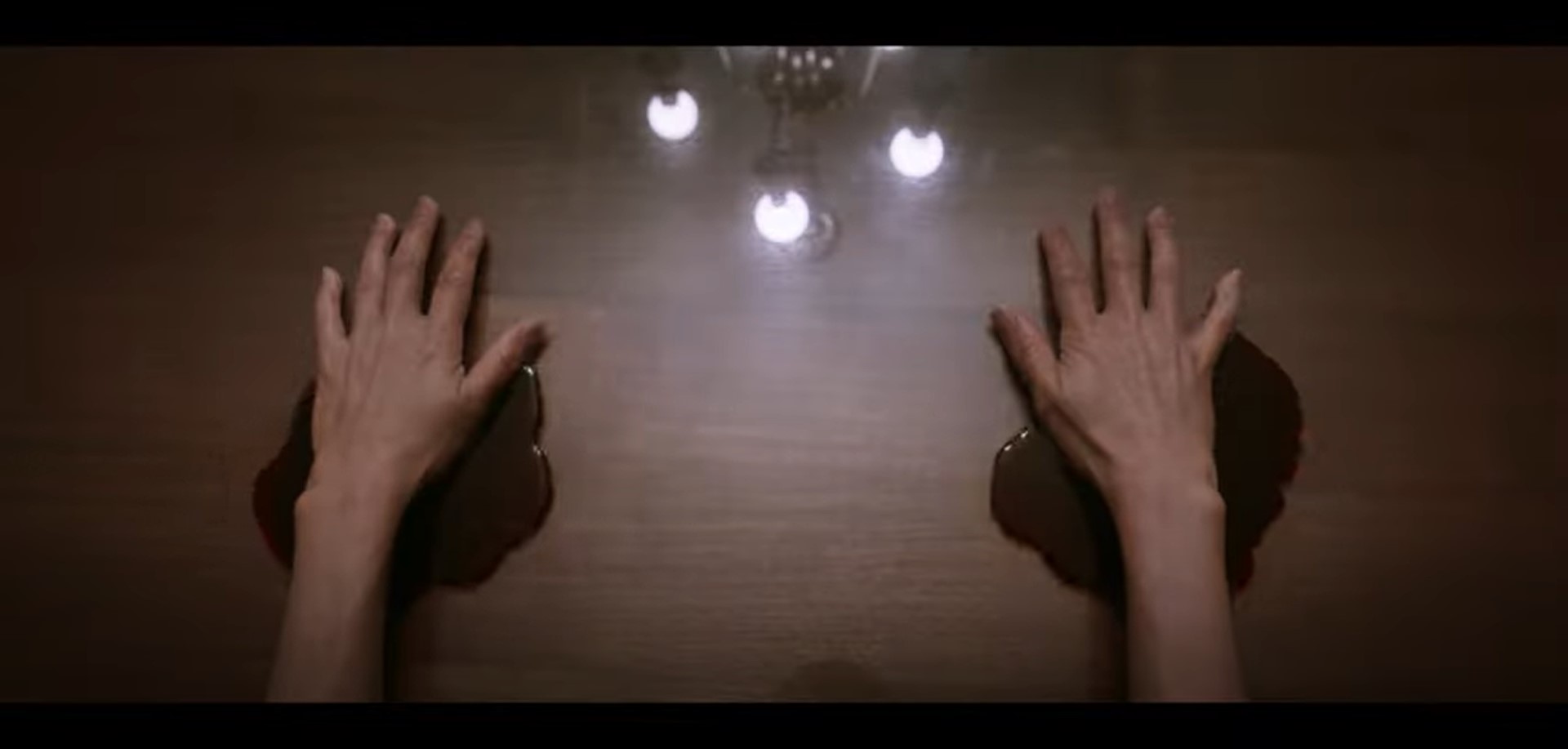
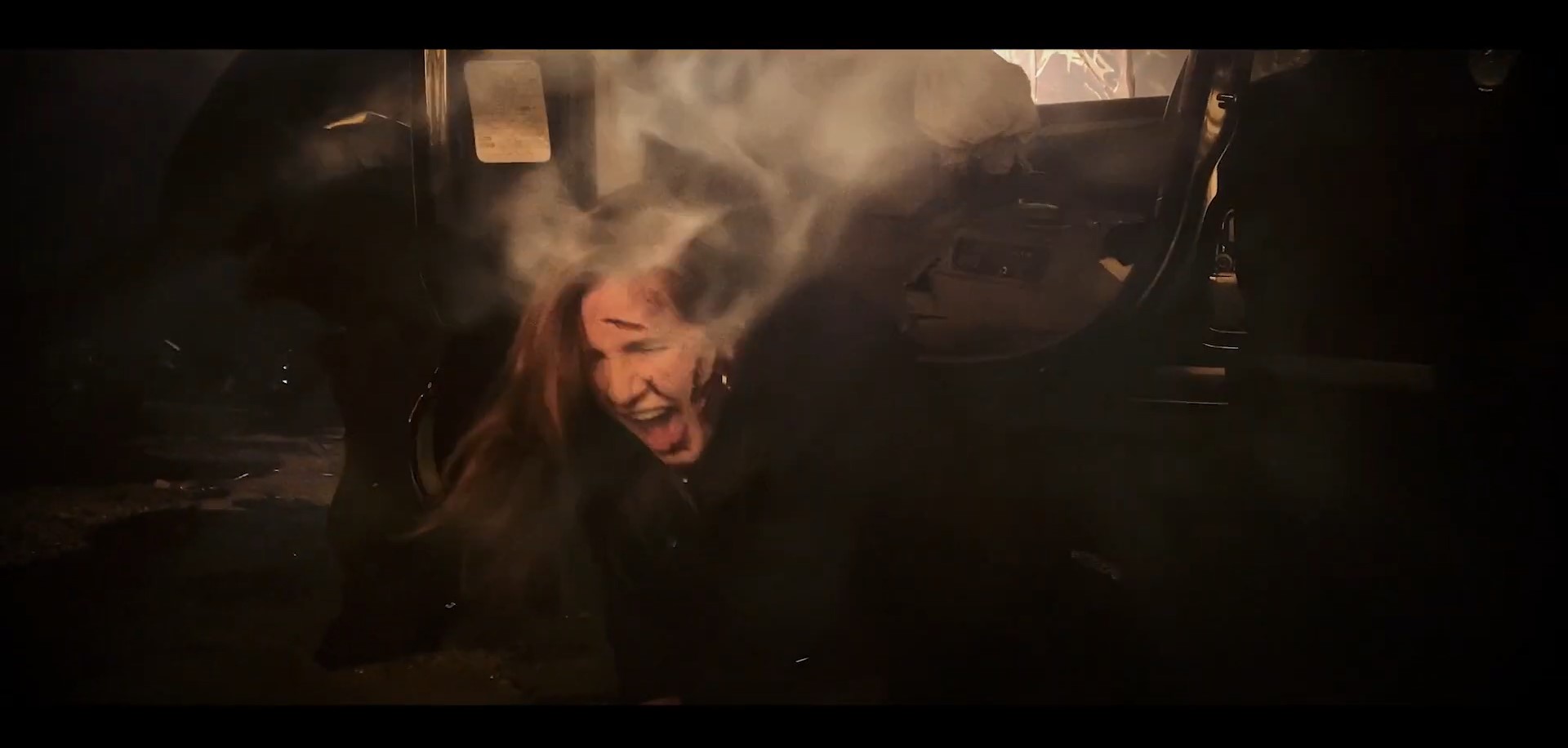
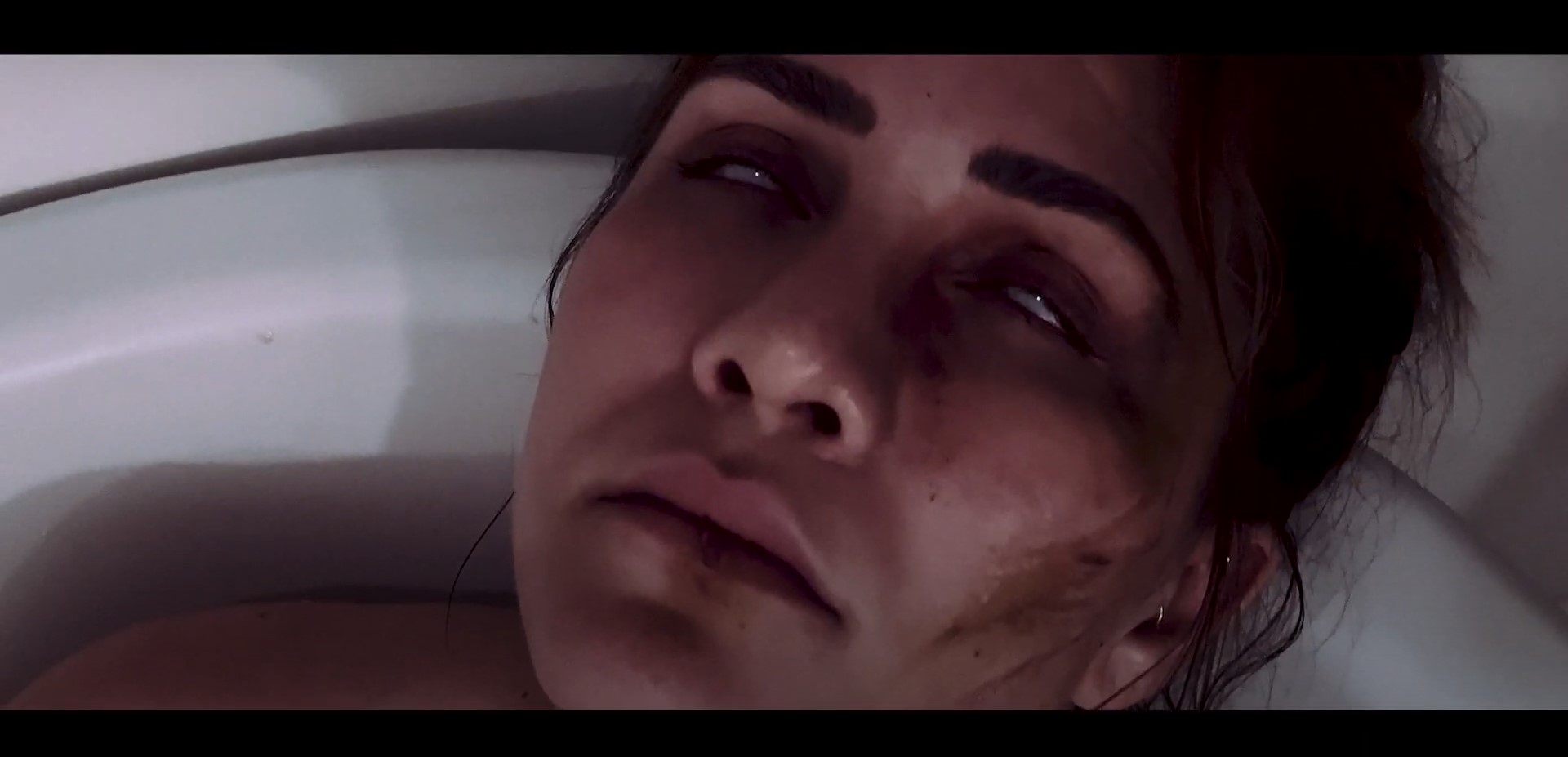
That very 15-or-so minute opener is “Jeepers Creepers: Reborn.” That’s it. That’s the film. It’s classic Creeper with a new, beaten down, larger box truck, starkly different from his rusted Chevy HD COE that’s like a supercharged street-legal tank but with the same BEATINGU double entendre license plate and malevolent-ripping energy that would make anyone’s heart race with fear as he tailgates and blares the horn at high speed. Yet, the opener quickly rescinds into an unsolved mystery-like episode and from that point on, Vuorensola and Argo work diligently to rapidly dismiss the first three films by meta means with one of the principals stating the Creeper stories gave way to three films, hence why the fourth film is subtitled “Reborn” and acts more like a reboot than a sequel. Perhaps that is why the plot adds a stronger motivation for the Creeper who is hellbent on extracting a prenatal child from Laine. “Reborn” invokes a return to the premonition theme that go hand-and-hand with the Creeper’s return as Laine has visions of her the centerpiece of attention, covered in blood, and a baby carriage containing, supposedly, the target, but the story is so far up the abstract tail with the visions and conjectural dialogue, we never receive a straight answer as to why the Creeper is after the peanut-sized pregnancy. With any of the four films, the Creeper dispatches prey in various neat ways with a primordial arsenal of medieval killing tools and the scenes of slaughter don’t disappoint. There’s actually a gory moment of a scalp flip and a brain snack that’s well executed. What kills “Reborn” with a stake through the heart is the rotoscoping at climatic end. Clunky, chunky, and disproportionate, the actors appear to be standing and moving around in a 2D environment with unintended rigid actions that dispel realism after a wonderful show of makeup and practical effects in the first two acts.

You don’t have to wait another 23 years to see the Creeper as “Jeepers Creepers: Reborn” lands on UK digital platforms on October 10th and on UK DVD and Blu-ray October 24th courtesy of UK distributor 101 Films. The just-before-Halloween release will contain a 15 certification and is available preorder at the https://101-films-store.com/. Unfortunately, I’m unable to dive into neither of the DVD or Blu-ray spec details or give a full critique of the audio/video aspects as a BD-R was provided for feature screening purposes only. The screener also didn’t have any bonus features and included only an English subtitle option. The film runs clocks in at 88 minutes and is shot with an Arri Alexa camera. “Jeepers Creepers: Reborn” might have dropped the surface level controversial dead weight but can’t fully shake the stigma and in an opportunity to reboot or rebrand the franchise, the effort is squandered by production snafus and shoddy presentation that’ll put the Creeper asleep for another 23 years until the next film.
All You Will See is EVIL if Blinded by Grief. “They Live in the Grey” reviewed! (Acorn Media / DVD)

Not the Blue, Not the Red, but the Grey!  “They Live in the Grey” on DVD!

CPS investigator, Claire Yang, struggles to cope with the untimely loss of her young son.  The tragedy forces her to push away her husband and have suicidal thoughts.  What’s also driving Claire further from the edge of sanity is her ability to see glimpses unhinged, and sometimes physically harmful, spirits.  When a child-protective case comes across her desk to look into the possible abuse of a young girl, Claire learns quickly that it might not be girl’s parents abusing her.  Tormented by an angry supernatural entity, Claire walks careful and hesitant thin line of keeping the girl with her family and attempt to prove that the parents are not responsible for the bruises and cuts, but when upper management pressures her to close the case at the school’s behest and a variety of ghastly come and go across her path, the churning burn of hurt and guilt grows inside her as she confronts her personal demons while trying to do the right thing for the abused girl in the middle of it all. 

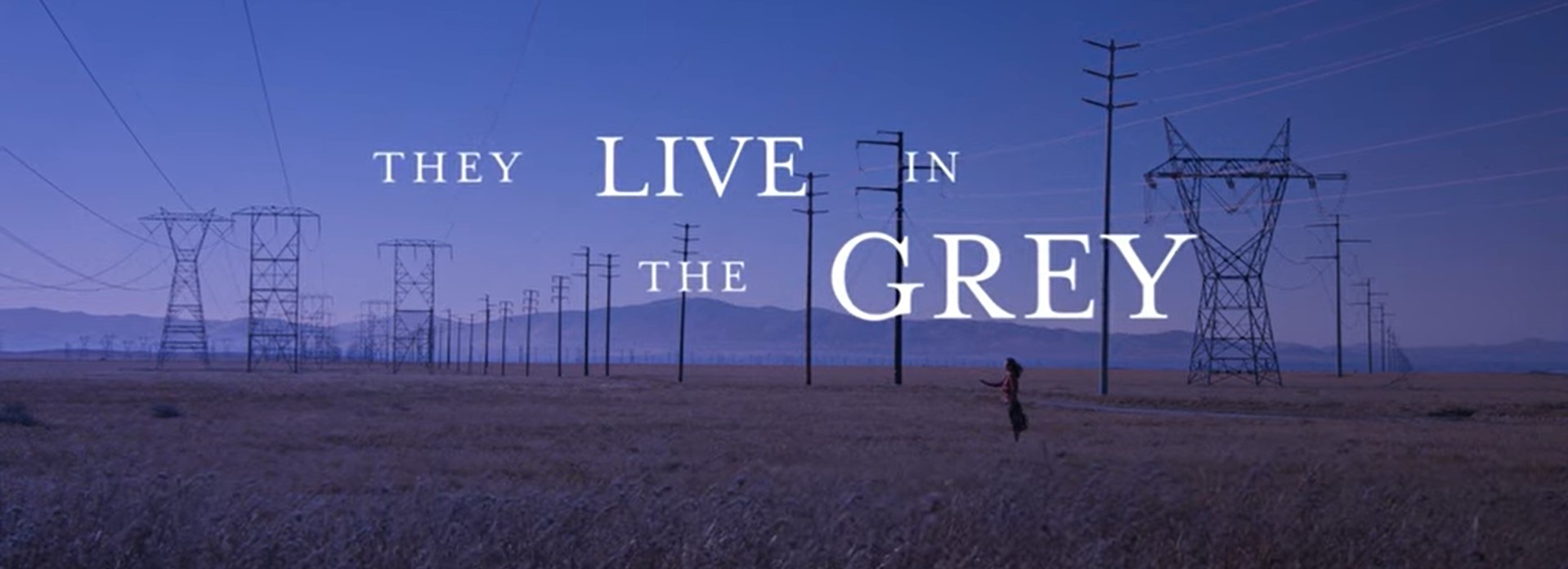
“The Sixth Sense” meets “The Conjuring” in The Vang Brothers’ 2022 supernatural thriller, “They Live in the Dark.”  As the sophomore written-and-directed project for the Fresno, California raised Abel and Burlee Vang, following up on their 2016 release of the moderately successful supernatural and social media mashup debut, “Bedeviled,” continuing to venture off their solo work and into a collaborating unit, “They Live in the Dark” tackles various topical concepts and troubles with overwhelming grief and how it manifests negatively on an individual and family level.  Previously once titled as “The Uncanny,” the story is set in nowheresville, U.S.A., the brothers really set the tone that this story, or more realistically its themes and messages, are broad and non-exclusive and we also see that in the cast for the film, a segment that we’ll dive into further in the next paragraph.  The Shudder exclusive film, “They Live in the Grey,” is a production from Standoff Pictures in association with Whiskey Stream Productions with the Vang Brothers producing alongside former filmmaker-turned-film academic-turned-filmmaker Stephen Stanley.

Coming from Hmong ancestry, The Vang Brothers found personal importance to cast mostly Asian-Americans for the film.  Taiwan born Michelle Krusiec (“The Invitation,” “The Bone Box”) plays the lead and is the very first character we meet in an awkward and frightful position as a woman attempting suicide by hanging herself near the home staircase.  Immediately, we don’t know what we’re exactly in for, but we know when we’re introduced to the threadbare Clair, she has a major depressive factor that beleaguers her existence to the point of removing it from the equation all together.  The Vang Brothers thoughtfully shroud details into exactly what’s devouring Claire from the inside out and keep close to the chest in securing that ace of revelation in the back pocket until the time is just right in the story to unveil the dealt bad hand.  As the details trickle and we learn more about Claire’s disintegrating family life, we also learn of her ability to see lost spirits and how she handles those more than often visceral visions is dose up on medication that ultimately factors into her current state of mind.  Though I wouldn’t say the performance pops offscreen, but Krusiec does cruise through the role with meticulous character conditioning and the actress can tremble and look scared with the best in the business, anchoring Claire as the rooted principal and establishing a tone that works with the casted cohort.  Ken Kirby, who plays Clair’s estranged beat cop officer husband Peter, goes outside the usual comedy element for the Vancouver-born actor-comedian, walking the emotional pathway of a husband on the ousts by no fault of his own.  The heartbreaking tension that’s both expressed outward and internalized between the teetering from loss parents, husband and wife, fills the scenes with raw and relatable emotion and barrier-laden endeavor to fix what is thought hopeless. As Claire becomes closer to the case of Sophie Lang (Madelyn Grace, “Don’t Breathe 2”), nothing is as it seems from a family already on shaky ground with not only the school system’s case of suspected abuse, but also inwardly as past troubles fester toward a frenzy. Ellen Wroe (“Final Destination 5”), J.R. Garcia, Willie S. Hosea, and Mercedes Manning fill out the cast.

The Vang Brothers accomplish phenomenal representation in a female leading role with the talented Michelle Krusiec. Reaching back into my mind to access the cache of catalogued films I’ve watched over the decades, I find myself in extreme difficulty in recalling an American made story where an Asian woman female lead is not a martial arts expert. The Vang Brothers with “They Live in the Grey” expand the palette with a supernatural scenario that could curse not just the single white female rearing and protecting their child from a plethora of supernatural predators, but also afflict a person of color who has already suffered tremendously and who has to still have to find and work on themselves in the muck of overcoming a millstone. Instead of a double whammy, “They Live in the Grey” is a triple whammy of pitfalls that rival similar grief-stricken genre films like “The Babadook” and “The Orphanage.” “The Vang Brothers elicit a stillness in their shooting of an extremely melancholic yarn by not being too fancy with their camera footwork that doesn’t track or follow, no hand-held or drone, and is allowed to have a more natural tone with an unfiltered gravitate toward the austere and the tormented. Though nothing too striking to make a spectacle from Jimmy Jung Lu’s cinematography but each shot is carefully setup and the slow zoom in and out is effective enough in breath-holding moments. Early into the story, the first can be choppy and disorganized with the back and forth of present and past and though heavily focus or strict on the narrative’s virgin veneer, there’s distinguishable indication to the audience that we’re looking into the present viewfinder or the past’s. As a whole, the scenes blend together in a seamless patchwork that hinders more than helps.

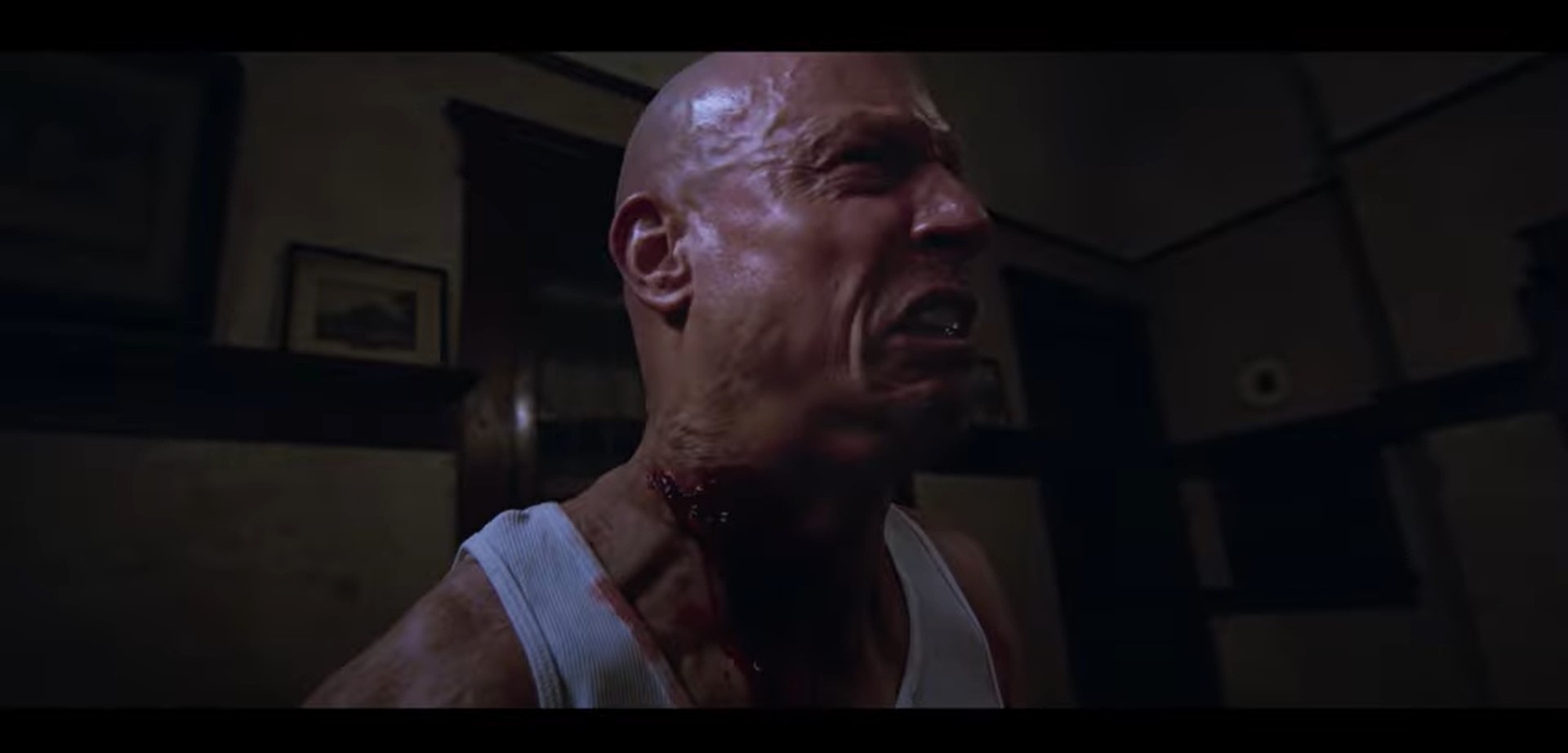
“They Live in the Grey” extends that lack of light and vitality for the living and the dead. Now, you yourself can experience the saturnine of atmosphere of the film that lives on DVD from Acorn Media International. The region 2, PAL encoded, 124-minute DVD comes from our overseas friends in the United Kingdom with an 18 certification for strong injury detail – aka – stabbing and blood. Presented in a 2.39:1 widescreen aspect ratio, the 2-hour runtime coupled with a compressed presentation appears to have shepherd in some compression issues, such as banding and fuzzy details. The picture is not the sharpest it should be with old wooden house’s textures could have added texture to the nerve-wracking tension builds. The English Dolby Digital 5.1 track represents a solid audio inlay with clear dialogue and a diverse depth and range. The musical soundtrack is subtle but works hand-in-hand with the story. Optional English subtitles are available. Bonus features include only a behind-the-scenes photo gallery. When it comes down to brass tacks, a strong story is a good story and “They Live in the Grey” may miss a few technical marks, but the horrid truth of grief is personal, potent, and packed full of demons.

Not the Blue, Not the Red, but the Grey!  “They Live in the Grey” on DVD!

Smuggling EVIL Past the Revenue Men! “Night Creatures” reviewed! (Blu-ray / Scream! Factory)

The Marsh Phantoms are Coming to a Blu-ray Near You!

A savage pirate is left for dead on a remote island by his ruthless captain, a small village avoids taxation from the British King’s revenue men by smuggling French Brandy, and on the same village’s marsh land, ghostly skeletons ride into the night, placing the fear into wanderers with ghastly-glowing skulls and undead horses. At the center of it all is Dr. Bliss, the Romney Marsh village Vicker, who also heads the liquor smuggling ring in town and plays the King’s tax revenue soldiers as fools by misdirecting their attention to elsewhere and away from their illegal brandy run. Keeping up with a ruse that’s cracking at the foundation with one of Romney Marsh’s irresolute community leaders forces Dr. Bliss to think fast and stay on top of a smuggling operation at the constant brink of collapse, but a return of a familiar face stirs up conflict and the captain of the revenge men continues to push for the truth no matter the cost.

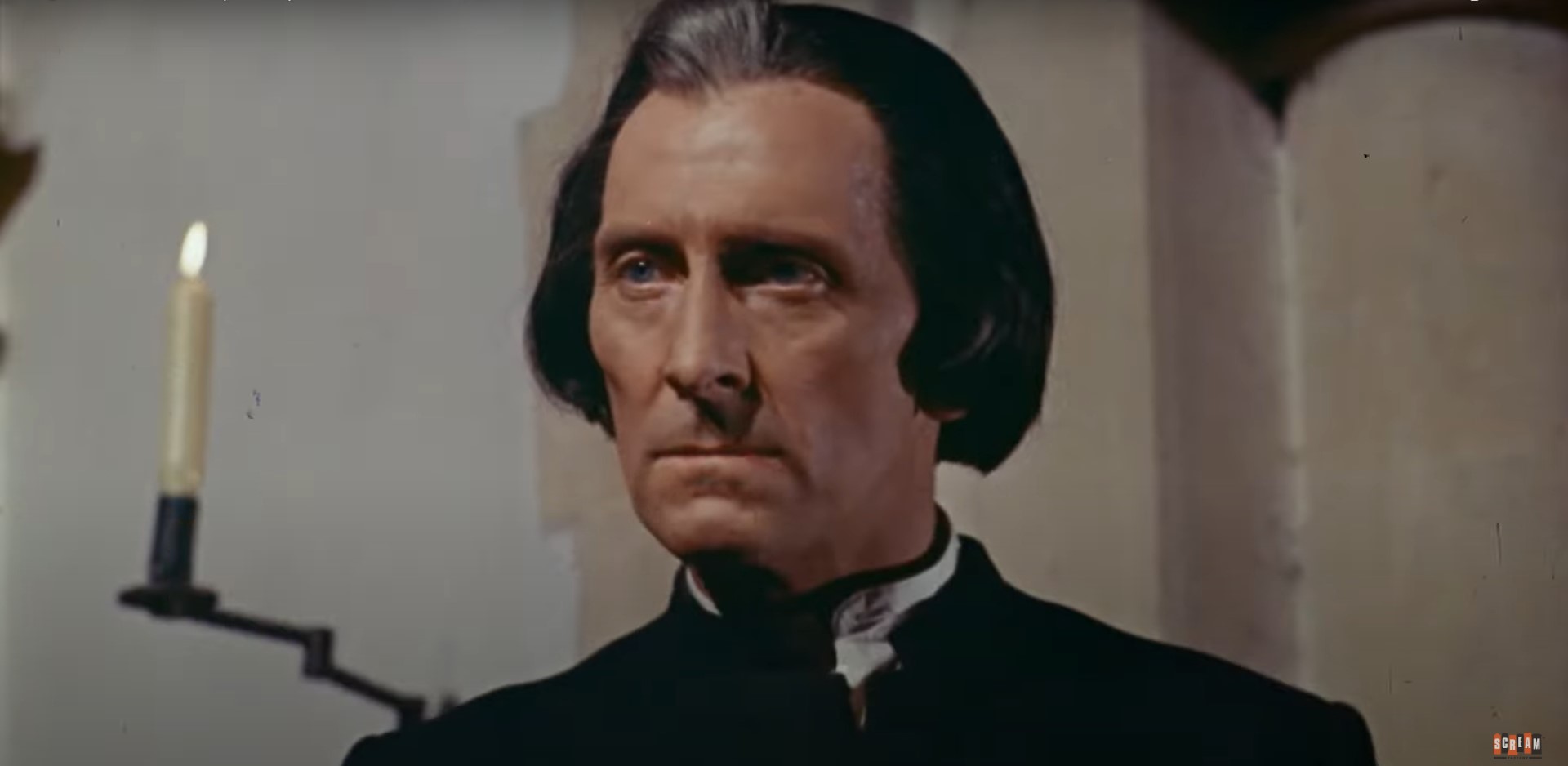
Peter Cushing is well-known for his solemn gothic horror roles in nearly a slew of countless Hammer films. An unequivocal and stoically determined vampire hunter, the intelligently disillusioned creature maker befallen by his creation, and a wizard sleuth with a nose for clues in tracking down murders are just a few of his linchpin roles for Hammer Productions that the English actor portrayed so very brilliantly in the company’s peak, and off-peak, years. Yet, one of his most pinnacle performances stem from one the lesser-known Hammer productions based off the English author Russell Thorndike’s anti-hero and swashbuckling novel “Dr. Syn” published in 1915. Known in the United Kingdom as “Captain Clegg” and “The Curse of Captain Clegg” because of legal rights issues with the Thorndike title and Disney (yes, that Disney!), U.S. audiences might recognize the Cushing film as “Night Creatures,” directed by a Hammer one-off in Peter Graham Scott (“The Headless Ghost”) and is written by Hammer vet Anthony Hinds (“The Brides of Dracula,” “The Kiss of the Vampire”) under his usual pseudonym John Elder with additional dialogue from Barbara S. Harper. John Temple-Smith produces the film under Hammer Film Productions

Though the cast, crew, and production company were bound not able to use “Dr. Syn” in the film that didn’t stop Peter Cushing in becoming Dr. Bliss, the peoples of Romney Flat’s very own Vicker who revitalized the small town and severed them from hefty taxation with a scheme of smuggling. Clearly, Cushing is in his glory, in his element of wide range, and can be seen as having a ball with playing a dualistic character in Dr. Bliss. Dr. Bliss bares no sign of being saintly stiff around the gills as any pious man might be portrayed and Cushing, at times, can be as rigid as they come in certain roles. Not Dr. Bliss though as a man playing the facade to hide behind-the-curtain his good intentions from those who want a piece of the pie for king and country. Opposite Cushing is “Never Take Candy from a Stranger’s” Patrick Allen as Captain Collier who trucks men by boat to land a surprise inspection after being tipped off about a possible smuggling ring. Allen’s cuts Collier from the clever cloth but the leader of revenge men is always one step behind his time as Pirate chaser and now as a fraud nabber. Another excellent act of thespianism in “Night Creature” is another Hammer household name in Michael Ripper (“The Curse of the Mummy’s Tomb,” “The Plague of the Zombies”) after a long stint of playing unnamed sidelined roles early in Hammer’s beginnings. Ripper has an unforgettable look with gravely gruff voice and a quick timed wit that makes him a pleasure every time he steps into the scene. Just coming onto the scene is Oliver Reed on the coattails of his success with “The Curse of the Werewolf” and though his role is purely supportive, his act as the love stricken and loyal to the smuggling cause son of the naive local squire and magistrate (Derek Francis, “The Tomb of Legeia”) who isn’t in on the scheme. “Night Creatures” rounds out the cast with Yvonne Romain (“Circus of Horrors”) as about the closest thing resembling a love interest, Martin Benson (“The Omen”), and Milton Reid (“Deadlier Than the Male”) as the Mulatto pirate exploited as a shackled hound dog to sniff out French Brandy…literally.

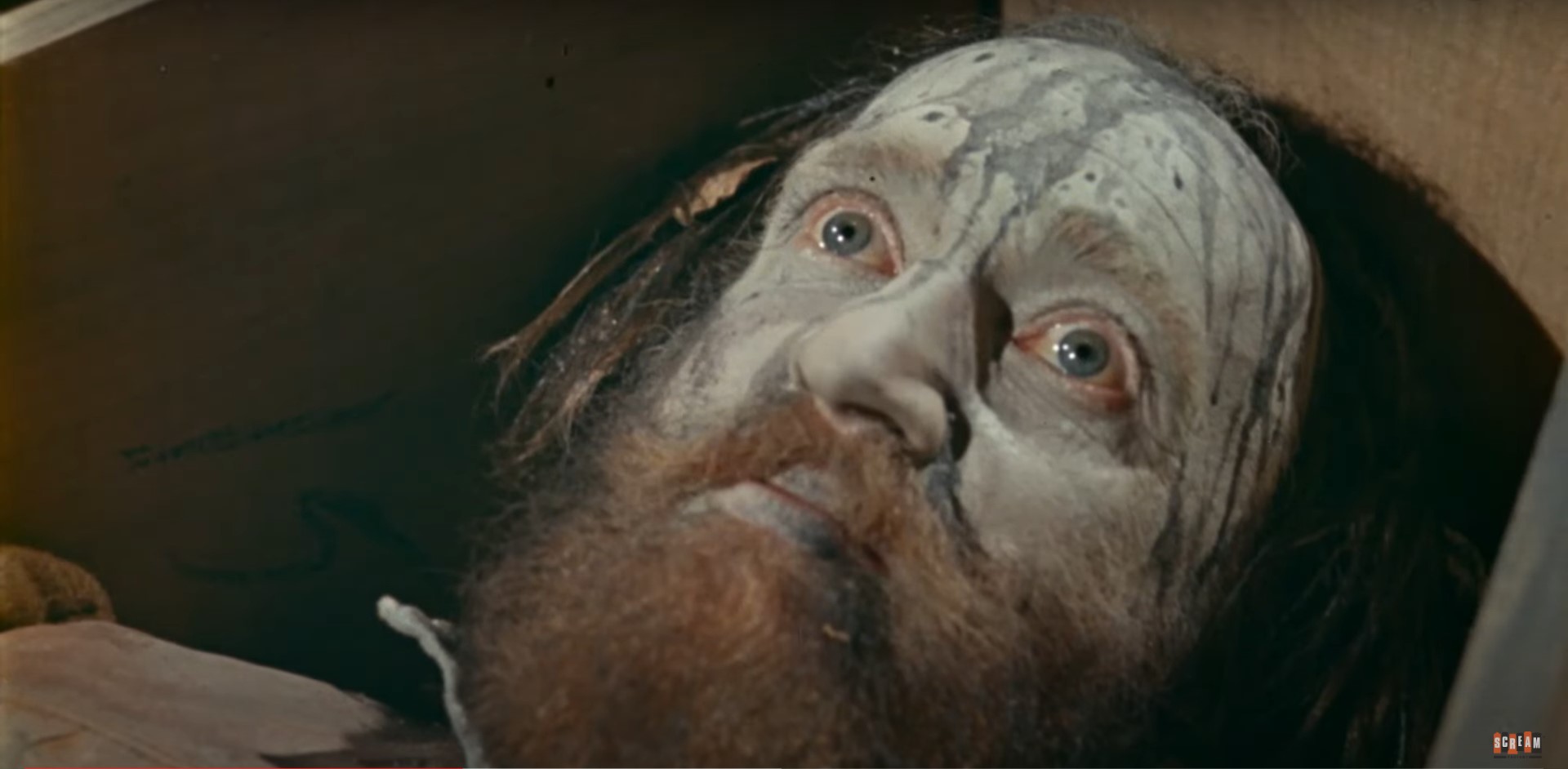
A swashbuckling, smuggling caper with notes of macabre imagery and a purloin-the-show performance by Peter Cushing stows “Night Creatures” away as one my favorite Hammer productions. Laced with characteristically grand production pieces and sets, mostly shot at Hammer’s Bray Film Studios, “Night Creatures” looks luxurious and feels expensive as pirate ship interiors, magnificent church hall, and haunting shots of a scarecrow with voyeuristic eyes propped on the countryside landscape elevate not only the story but also the rich characters brimming with complexity. Scott does a fine job sustain an ambiguous Dr. Bliss who, from our own suspicions, can be immediately pinpointed with a backstory that never falls in the pit of exposition. The true story behind Dr. Bliss is practically pressed, squeezed, tugged, and pulled by tooth and nail to finally be revealed to the audience and the moment is greatly satisfying when admission to something we all know is finally out in the open. While Dr. Bliss purposefully misguides the revenge men astray from his illicit activity, “Night Creatures” is also misguiding the audience with ghastly suspense in the existence of the Marsh Phantoms, a luminescent design of full body skeletal depictions on top of midnight cloaks and onesies, pulled off by special effects supervisor Les Bowie (“Paranoiac”) and his team to add a taste of horror to a rather subterfuge storyline of rebirth and sacrifice.

Now on a part of their Collector’s Edition line, Scream! Factory releases “Night Creatures” onto Blu-ray home video with a new 2022 2K scan from the original interpositive. The result is mostly immaculate with visualize details along the skin lines that makes every bead of sweat and every follicle more apparent to the eye. The release is presented in a 1080p high-definition transfer in what’s now labeled Univisium, an aspect ratio that is 2:1 (2:00.1), reformatted from the original 1.85:1 aspect ratio. Less than a handful of scenes display what looks to be posterization and a degrade in the scan, causing the scene to revert back to the original transfer for a split second. For this you receive a little more width that, ironically enough, homes better in on the focal image. The English language DTS-HD Master Audio mono mix has little to speak ill of as the dialogue, with a hint of continuous static, is greatly clean and clear, ambient track is balanced in range and depth, and you can follow every clashing note in Don Banks’ dramatically orchestrated score. Special features include a new audio commentary with film historian Bruce Hallenback, a new interview with Les Bowie’s special effects technician Brian Johnson, Pulp Friction with film historian Kim Newman on his take on the clustering mess of “Dr. Syn” film rights, Peter Cushing’s Changing Directions with film historian Jonathan Rigby mostly on Peter Cushing’s admiration for the role and his invested interest in playing the main role, a making-of featurette narrated by John Carson, The Mossman Legacy of film historian John Carson showcasing the lot of antique carriages crafted by the George Mossman company in Hammer films, a still gallery, and the original theatrical trailer. The unrated, 83-minute feature also includes a cardboard slipcover with new illustrated from cover art by Mark Maddox. Don’t let a claggy title like “Night Creatures” fool you! Though not the sexiest title, “Night Creatures” will enliven with the mystery of Marsh Phantoms, the suspense of the cat & mouse smuggling game, and the pure bliss on Peter Cushing’s face as he fully immerses himself into the role of his lifetime.

The Marsh Phantoms are Coming to a Blu-ray Near You!

Best Friends Trying Their Best to Best EVIL! “The Boy Behind the Door” reviewed! (Acorn Media International / Blu-ray)

Best friends Bobby and Kevin are kidnapped by a stranger and taken to a remote house in the middle of nowhere. After Kevin is removed from the stranger’s trunk and is dragged into the house kicking, screaming, and pleading to be let go, Bobby breaks free of his restraints, but hearing his best friend Kevin’s screams leaves Bobby with no choice but to help him. Working his way through the house and upstairs unnoticed, obstacles stand between him and rescuing Kevin, including the boys’ kidnapper, a paying customer, and Kevin being shackled to the wall, locked inside behind an attic door, but that doesn’t avert Bobby’s intentions from thinking outside the box to save his best friend from a fate far worse than death. However, only a matter time before the kidnapper or the paying customer knows there’s someone else lying low the house and unearthing troubling secrets.

Child sex abuse is, without a double, a disturbing and touching subject to exhibit in cinema.  How to maneuver around the theme with child actors can be a delicate balance of commitment and understanding when considering the cast involved, especially if most would argue that a child’s brain is too immature or not developed appropriately to comprehend the impact of sexual abuse and to expose them indirectly could also be traumatic to their being.  The opposite of that argument has been proved over the decades with child actors having major roles in general with horror films.  Monsters of all shapes and sizes, guts and blood, and violent themes surround them and films such as “The People Under the Stairs” and “IT” have some of the most frightening and disturbing practical effect imagery that would cause sleepless night terrors for months and, yet kids star in them and are key to their success because, as we all know, children are not immune to real world dangers and threats.  So, why should be exempt from the creative imaginary ones? David Charbonier and Justin Powell finesses that line with a massaged contented breakout feature in “The Boy Behind the Door” written-and-directed by the lifelong friends and produced by Ryan Scaringe of Kinogo Pictures. Howard Barish of Kandoo Films, and Rick Rosenthal, Bert Kern, Ryan Lewis of Whitewater Films

***Beware… this section may contain spoilers*** Lonnie Chavis (“This Is Us”) and Ezra Dewey (“The Djinn”) play Bobby and Kevin who find themselves in the worst-case scenario of two unaccompanied pre-teens violently whisked away to an isolated farmhouse near one or two oil well pumps. I commend Chavis and Dewey’s hard fought, emotionally deep performances in battling against the creepiest of odds and feigning injury without being too over-the-top or inauthentic. Either if by being well coached or, more than likely, just good child actors, the level of anxiety maintains a solid 10 throughout with them. Their only scenes together where I thought the fusing of their friendship didn’t quite work was before the abduction where their dialogue and interactions as two young boys drifting across fields and profoundly thinking about their future deemed itself well too mature and far beyond being advanced for boys their age that the moment was a complete misfire for the story. Inevitably, the two friends run into a couple of creeps and exploitative racketeers in Micah Hauptman (“Phobias”) as the paying customer abandoning paid up time to chase down Bobby and Kristen Bauer van Straten (“True Blood”) in a twisted plot point of a white, late 40s to early 50s-year-old woman, who in the film could be someone’s mother, as the ruthless kidnapper of young boys for old man pleasure. Hauptman is more-or-less there in slimy spirit but doesn’t ooze enough egregious behavior to note as that trait falls immensely well upon the shoulders of van Straten with a mean streak that never lets up despite the rather paralleling of a hard R “Home Alone” antics between adults and children.

“The Boy Behind the Door” is a butt-clenching thriller because of the sheer fact children straddle the danger line on either side of spectrum. You have Kevin locked securely away in the summitted play and video room, shackled and waiting in screams, tears, and fears for his sure fate, and then there’s Bobby escaping his restraints and staying in the shadows, out of sight, trying to save his friend before he becomes either chained and exploited like Kevin or executed because of his strong will. Charbonier and Powell offer little-to-no fluff in pretending “The Boy Behind the Door” is anything but a fight for survival, a fight for friendship, and a fight against the utmost evil. The film isn’t full of strong one-liners or momentous moments that keep the story grounded and pure in its vilest state with tiptoeing around the one-woman operated child sex abuse ring without going into the full gross details. Charbonier and Powell’s story has many strengths, but it also has a few weaknesses waned upon the characters’ decision making. For instance, when Bobby has to break into the house, he throws a rock through the mud room door window without knowing where the kidnapper is and if they are in earshot of the window breaking. Later in the film, Bobby is trapped in the upstairs bathroom and when a squad car pulls up, instead of breaking the window he can clearly reach, he tries to yell through it and fiddle with opening the latch. Why does he simply not break the window and then yell for help? That particular scene drove me nuts and there a few other minor instances of the same caliber throughout in a story that well made enough to be compelling, to be horrific, and to be gripping in and around every house interior scene.

Tense, harrowing, and an ugly truth, “The Boy Behind the Door” is defensible horror at its best and a righteous strength of friendship. Acorn Media International distributes “The Boy Behind the Door” onto a region 2 Blu-ray in the UK! The PAL encoded release is presented in a widescreen 2.38:1 aspect ratio and, speaking digitally, the picture renders flawlessly the inkling of low-lit hope inside a world of dark fatalism and cynicism under the cinematography eye of Julián Estrada. The English language DTS-HD Master Audio 5.1 is crystal clear that occupies each channel with the right number of decibels to exact the range of sneaking through a creaky wooden floored house. Dialogue is clean and clear, especially at whisper breath. The Shudder original film comes with a pair of special features including a blooper reel of mostly Lonnie Chavis sneezing and goofing off which is nice to see kids being kids on set and a music video to the film which is more like a trailer with Anton Sanko’s dark synth-gripping score being an apogee of suspense. There’s never sympathy for these types of vile exploitation villains on and off screen and in “The Boy Behind the Door,” that fight back mantra resonates loud and clear in an unambiguous do-or-die between guileless innocence and pure evil.

Become Lost with the EVIL in Your Head. “Faye” reviewed! (Reel 2 Reel Films / Digital Screener)


Author Faye L. Ryan has found success as a career writer penning personal growth and self-assurance books, but the renowned author has hit a mental wall in growing out of the process of mourning for her deceased husband, killed in a car accident in which Faye was at the wheel.  Scarred physically and mentally with painful reminders of that fateful night, Faye struggles to focus on her next new book, threatened to be dropped by her publisher if she doesn’t meet their deadline, and interacts with her husband as if he was still with her in person.  In a last ditch effort to get Faye back to writing before cutting her loose, the publisher offers up a lakeside vacation house to help focus on her work, but as Faye settles into her new, quiet writing space, she finds herself unable to escape a haunting presence tormenting her. 

Working solo is tough.  Having no one to bounce off dialogue or react to their disposition can be daunting and unnatural for most actors and actresses.  Yet, the titular character in “Faye” must do very that to ensure Kd Amond’s 83-minute feature directorial about loss, grief, and the supernatural representation that braids into a broken reality will exist without suffering stagnation.  “Faye” is a 2021 female-driven horror-drama written by Amond and the film’s lone wolf star Sarah Zanotti as the two filmmakers reteam from the previous year’s dysfunctional family thriller, “Rattled.”  Shot between Nashville, Tennessee and the cabin resort of Lacombe, Louisiana, “Faye” is cut from an all-female producing team of by Amond, Zanotti, Sara DelHaya, and Nicole Marie Lim under Amond and Zanotti’s independent film production company AZ if Productions.

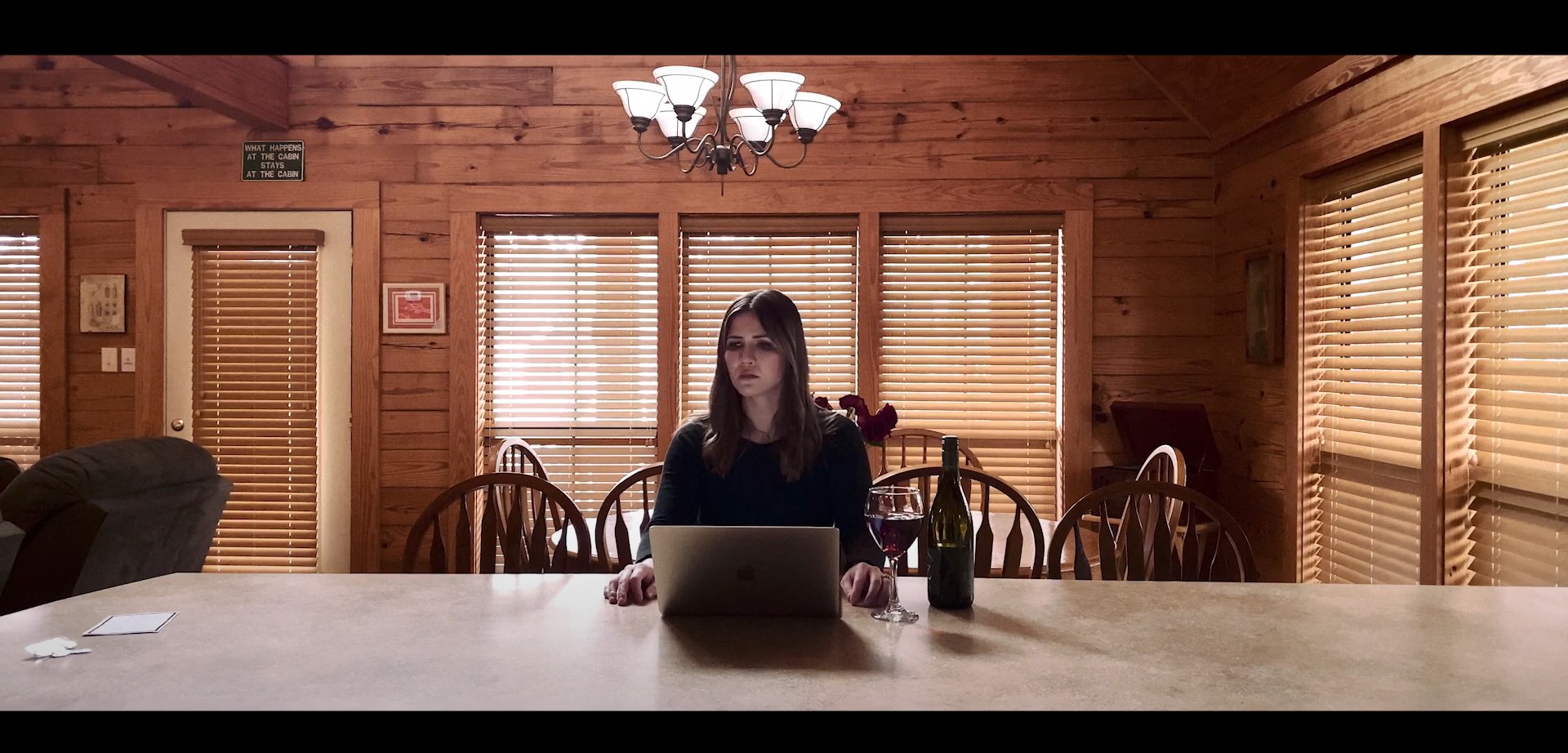
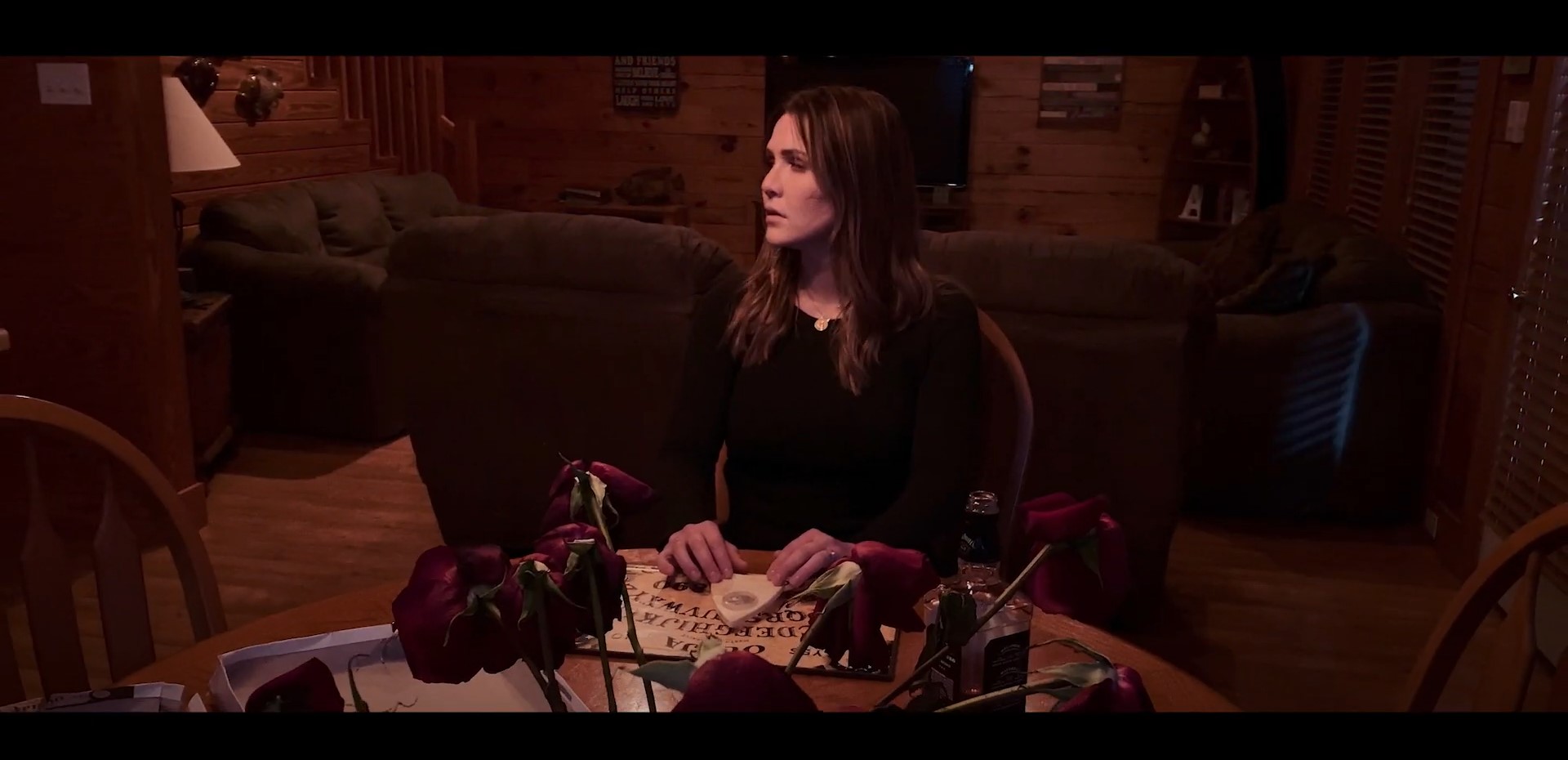
So, how did Sarah Zanotti perform going at the role alone with not another single body in sight?  Aside from the performance scale, initial first thoughts about an emotionally processing Faye rings clear that she is definitely alone with her thoughts without ever confronting her past head-on.  Faye, more or less, brushes the incident to the side, drowning herself in wine and loathing, until vague, intermittent memories pull her back down to reality every so often.  The role gratifies a sense of a struggling individual’s unintended and deeply personal isolation stemmed by unable to grasp with the hard to deal with issues to where’s she’s invented an imaginary friend in the form of her late husband in this pretend world of being normal, routine, and safe.  Looking from the outside in, Faye invokes pity on the saddest level as she converses with thin air as well as drinking large quantities of wine alone. There’s even the suggestion in either flashback scenes or maybe representational moments of despair that she, at one point in time, committed to, or thought of, suicide. As for the “Archaon: The Halloween Summoning” actress Zanotti? The actress, singer-songwriter, and proud cat mother (as stated on her personal website) breathlessly engrosses herself in Faye’s darkest moments with a ramble of insecurities that skate around the main issue until that issue manifests as a specter of duality, haunting “Faye” with her own scarred image that won’t allow her to leave until she combats the guilt eating her away. However, Zanotti’s a bit one tone through the entire storyline, never zig-zagging in a full range on emotive spectrum when face-to-face with the emulated specter. There are guest voices in the film whenever Faye takes or makes a phone call, including vocals from Corri English as Emory the publisher, Dean Shortland as Bobby, Brian Vance as Jacob, Kd Amond as Faye’s mom, and Zanotti as Elle.

To carry an entire feature film on your shoulders is empathetically tough for the one and only principle lead Sarah Zanotti and also the director Kd Amond as well and I wouldn’t declare “Faye” to be an overstimulating visual film albeit snazzy editing and makeup effects when sucked into supernatural self-reproach and suffering. “Faye” leans heavy into self-centered conversation in an acerbic chaptered and non-linear context that can be difficult to follow it’s pathway structure at times when the titular character is not framed in the cabin but rather sitting, speaking on a well-lit platform that fits her personal growth expatiate, like a Tony Robbins-type, connecting back to Faye’s mindset or actions in the cabin. Though much of the conversion is directed toward herself or the mental image and two-way communication of dead husband, a good chunk of the dialogue is the unwavering tough love business-speak between agent and client. Faye publisher rakes in money based off book sales and if Faye isn’t writing up drafts than a publisher does not care about your personal tragedy. That dynamic during the calls feels utterly cold with no pity or sympathy for Faye in the voice of the agent who cares solely about client image for publicity and is determined to nag a draft out of a woman who has lost her best friend in life – grief and guilt be damned. As a spook show, “Faye” whips up a few moments of fearful highlights but does little to the film’s self-proclaimed horror label when more of the acidity of internalizing the death and destruction of her life becomes more manic without the monster that’s introduced too late or comes too little often to be integrated into the story properly and stands out as negative concentrated symbolism.

Oozing with heartbreak and melancholy, the fracturing viability in “Faye” calls forth the detrimental impact and for reinstation back in the society, one needs to fall before getting back up. Reel 2 Reel Films brings the American-made, woman-driven, atmospheric and apparitional “Faye” to the United Kingdom on digital home video come May 9th. Since a digital screener was previewed, there will be no critique of the audio or video qualities. Kd Amond was really a one woman show behind the camera by taking on not only the directing duties but also many others, including cinematography and visual/practical effects and for “Faye,” the film was mostly captured with natural lighting outside the cabin, practical lighting for cabin interiors, and key lighting of Faye on stage. There’s use of a filters during the more supernatural plights and to tell night scenes that don’t look natural, leaning toward a more style-choice purple. For any extras, there were no bonus scenes during or after the credits. “Faye” has strong bones for a good grief and guilt ghost film in the indie realm and while it doesn’t have the star-laden power of other similar themes of its kind in “The Babadook” or “Hereditary,” “Faye” still invokes the power of hurt and the summoning of self-condemnation.