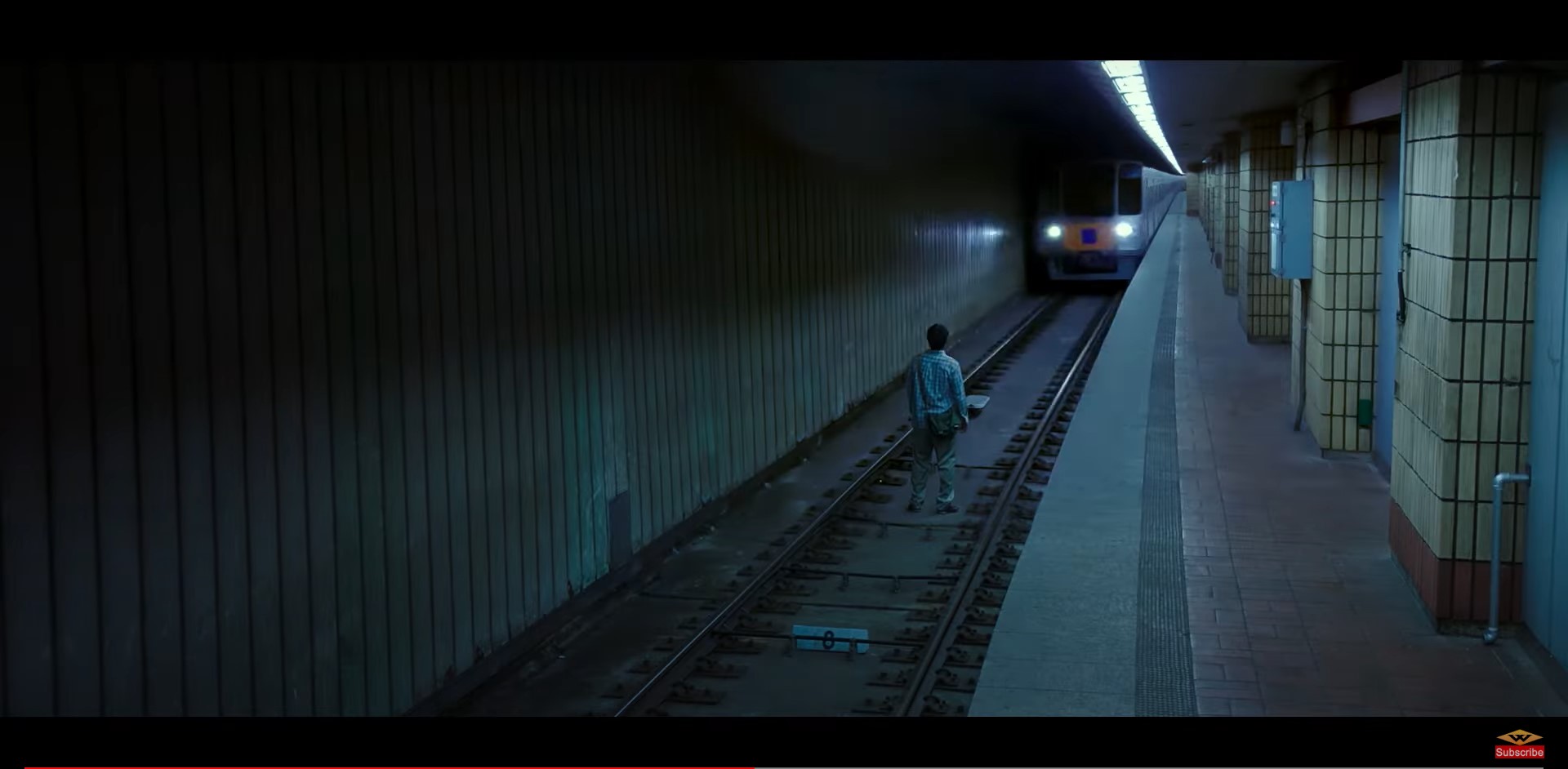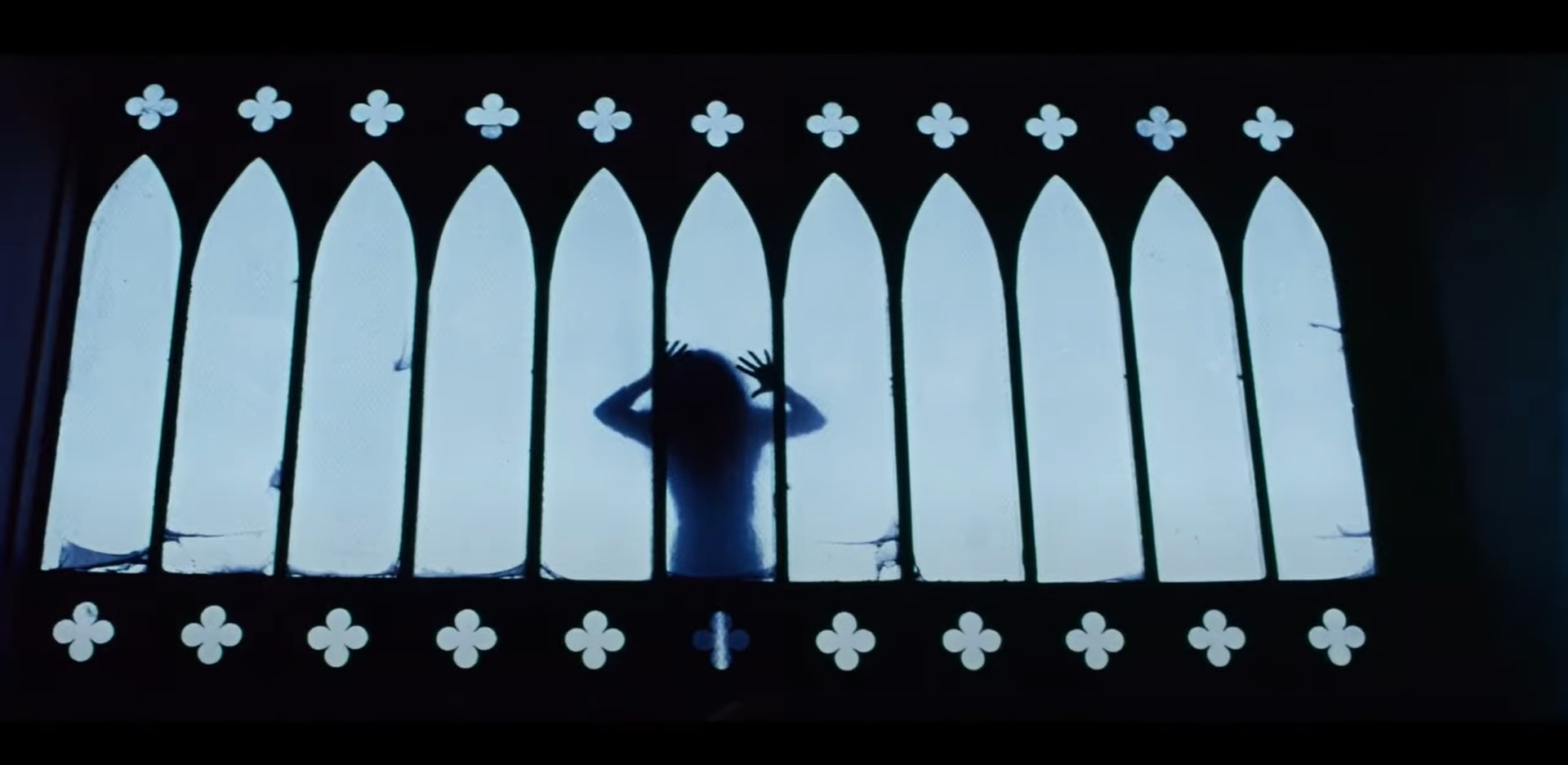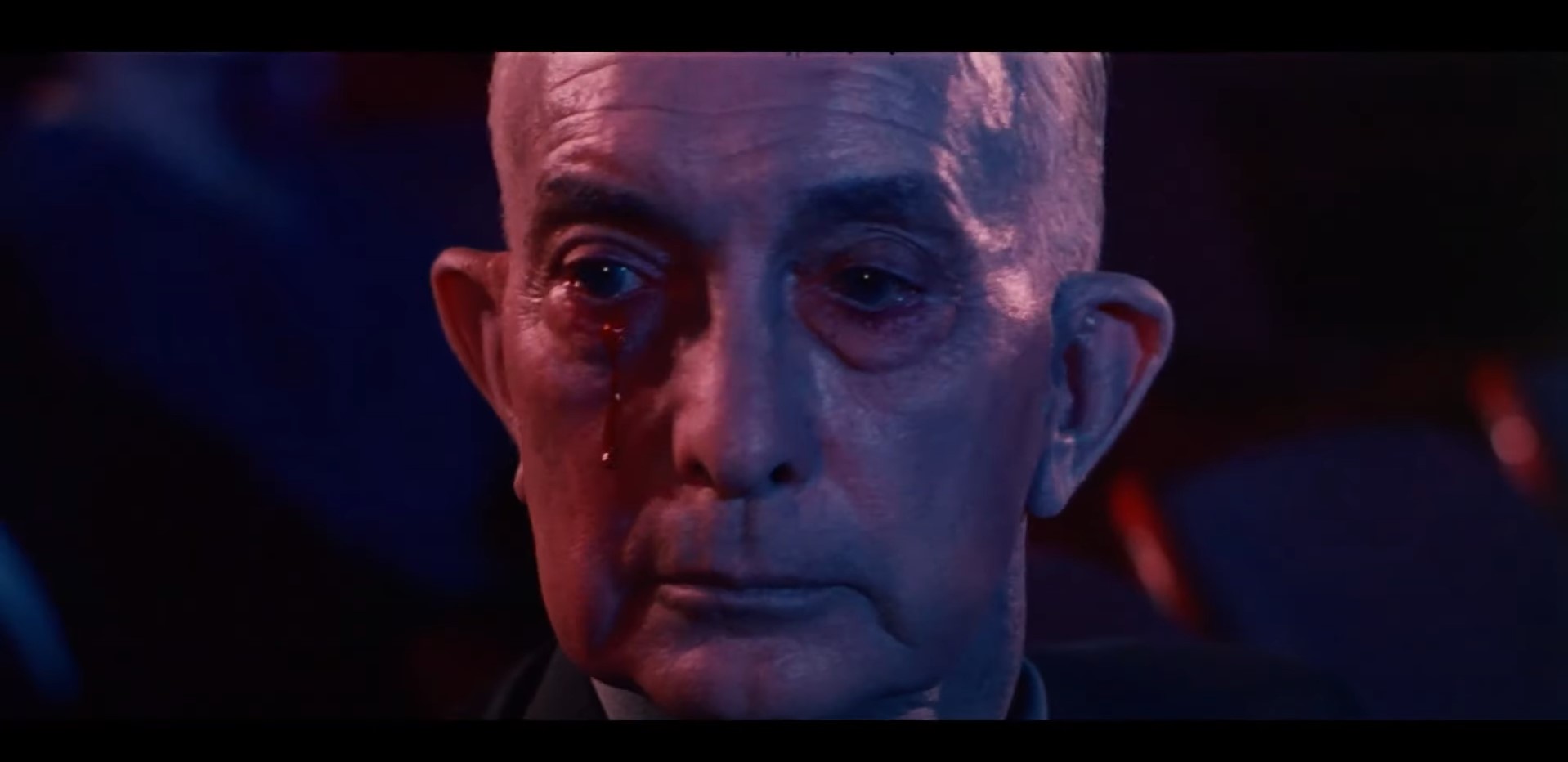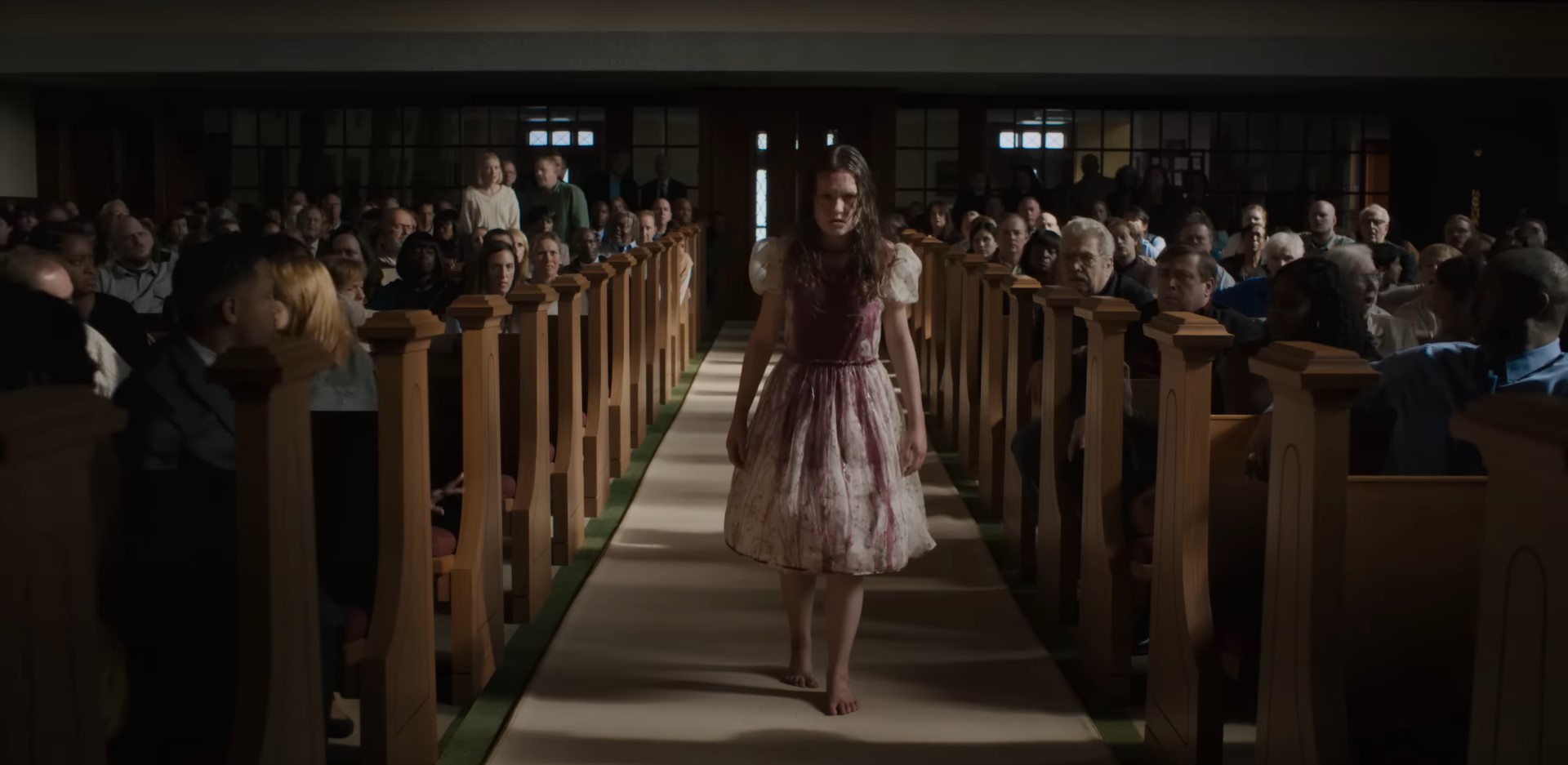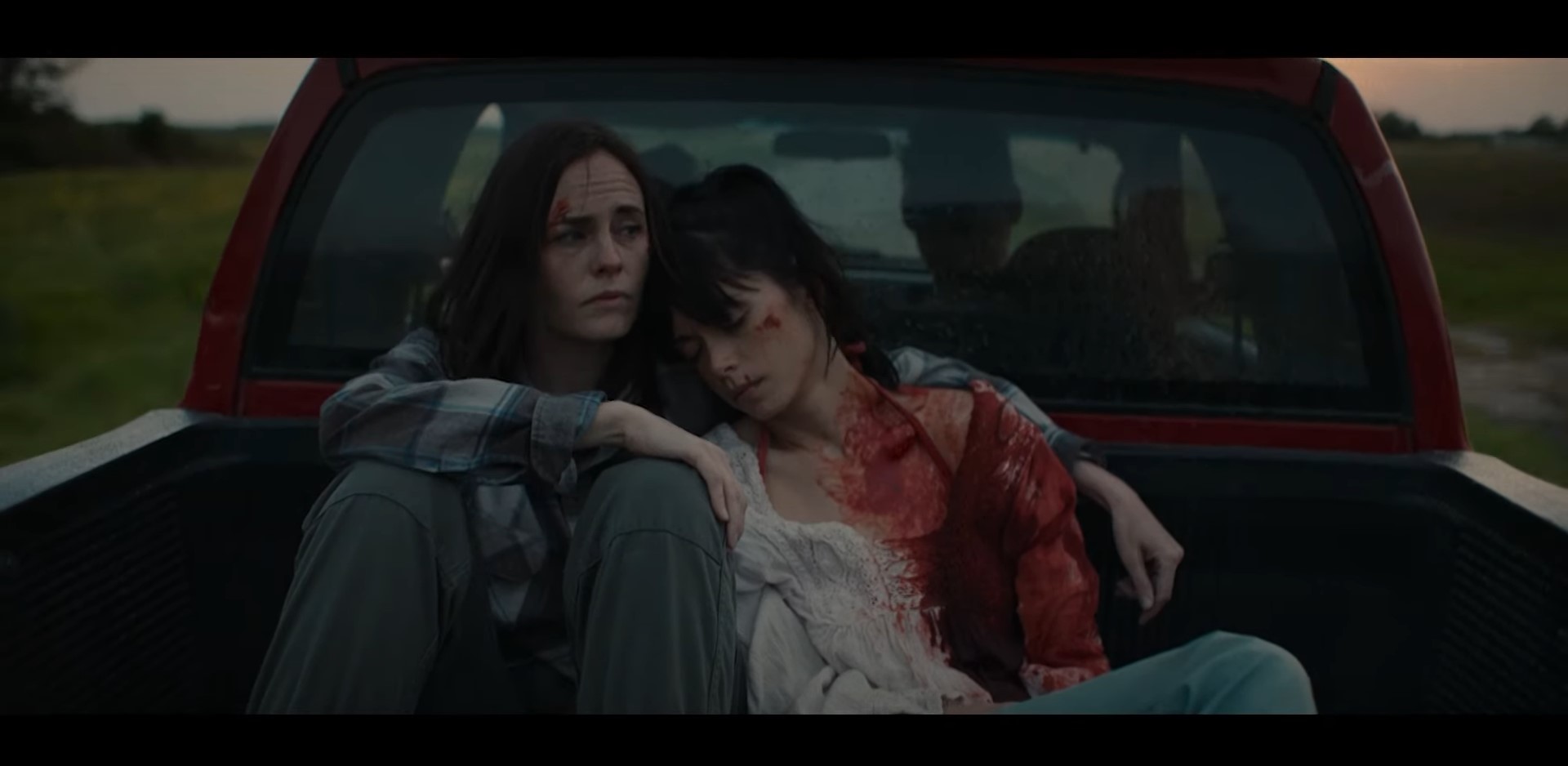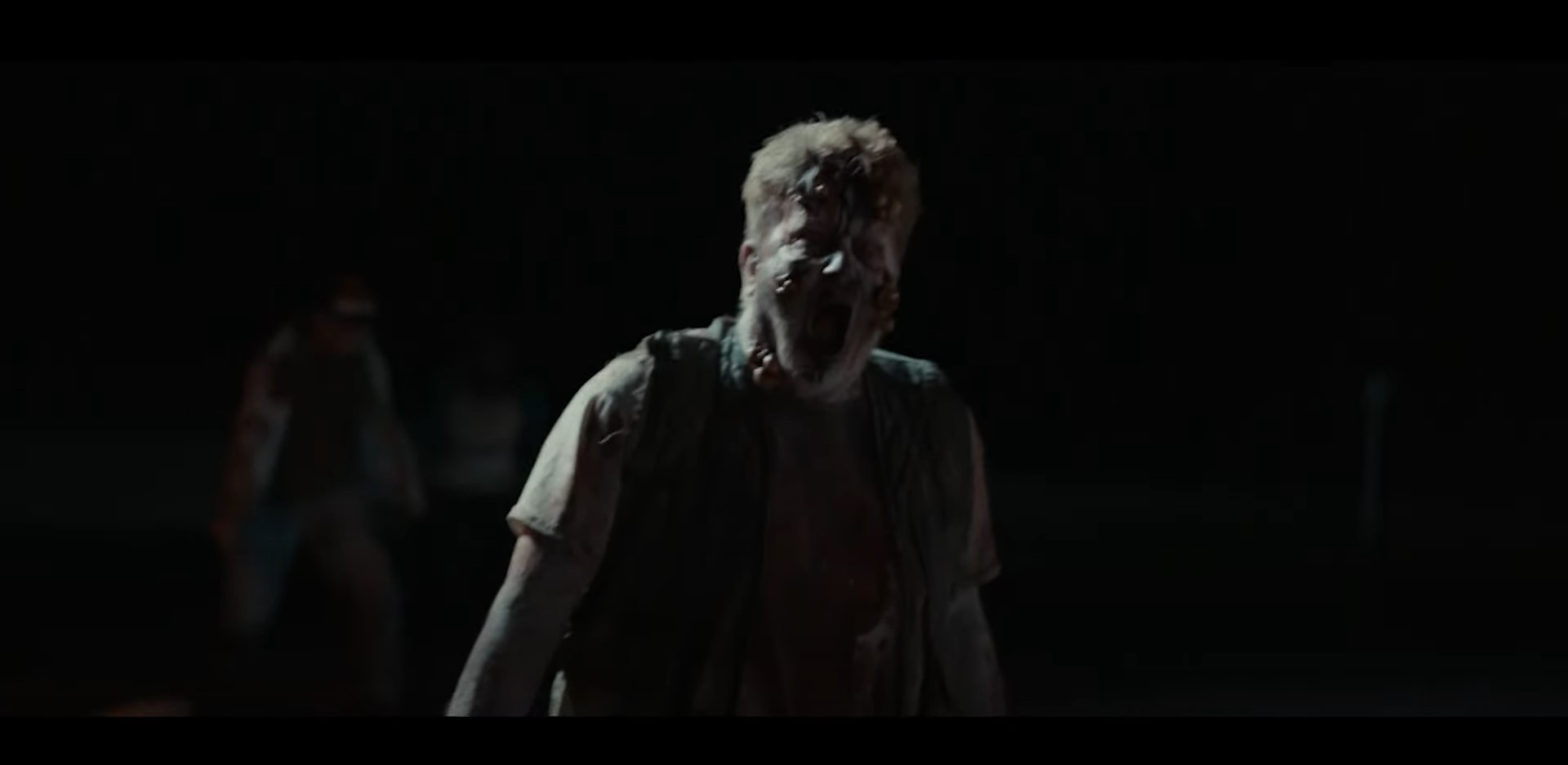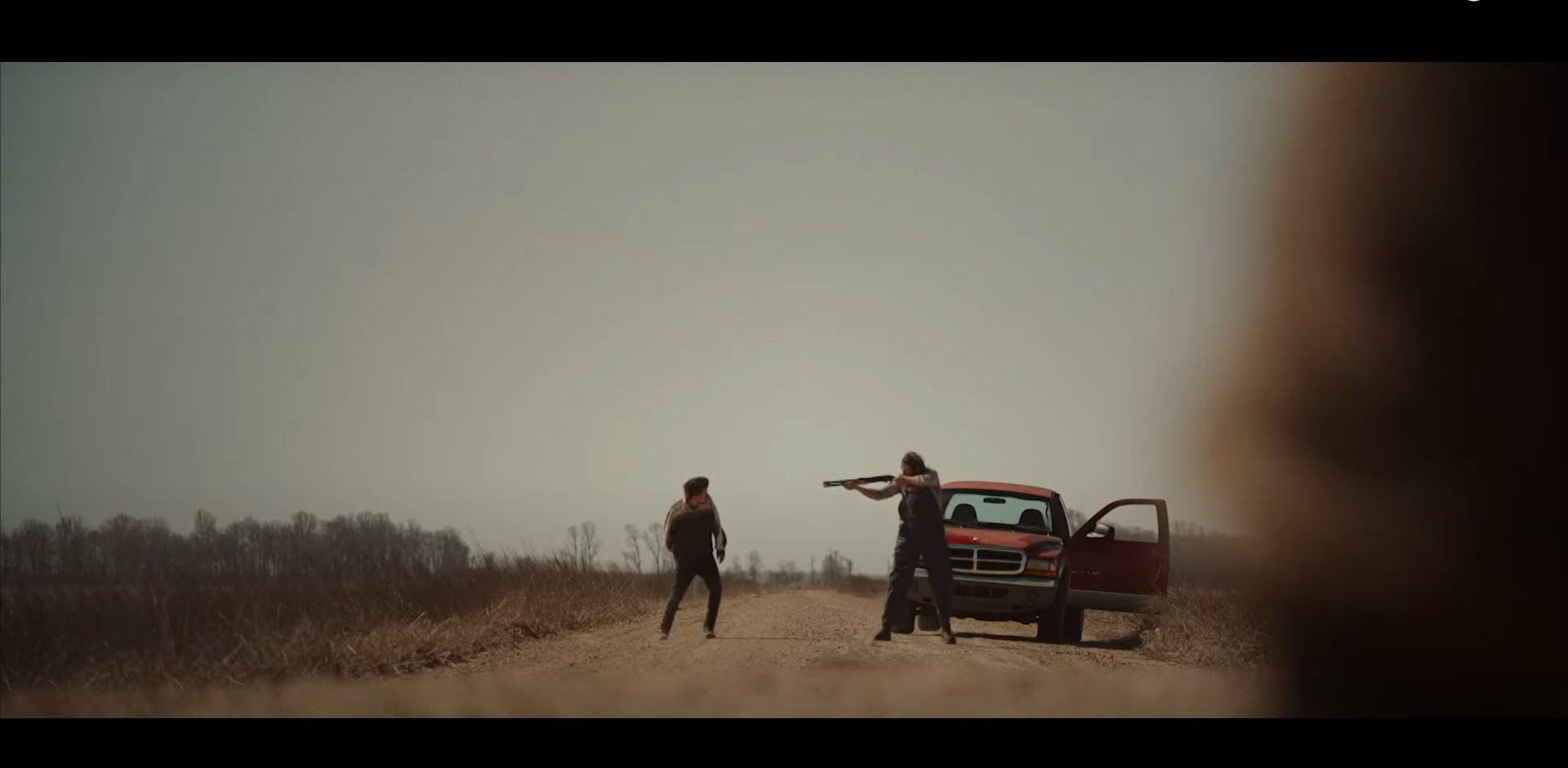
EVIL Says Talk to the Hand. “Talk to Me” reviewed! (Lionsgate / Blu-ray)

“Talk to Me” on Blu-ray/DVD/Digital!

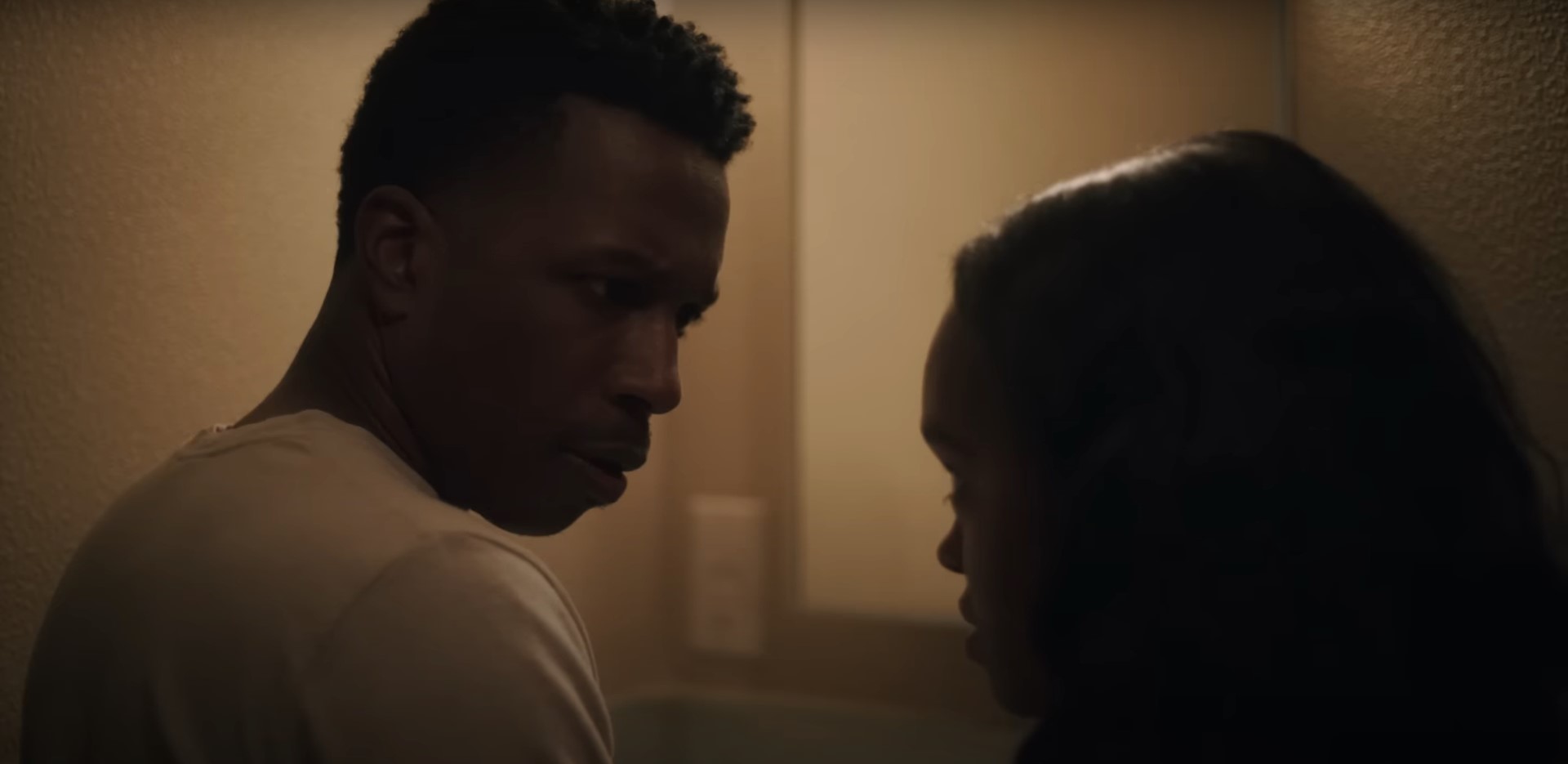
The two-year anniversary of the death is a solemn time for Mia to mourn the hard loss of her beloved mother who took her own life, or at least that is what her father tells her.  Feeling uneasy by her father’s account that circulates doubt uncontrollably, Mia pries her way into her best friend Jade’s family for comfort and becomes equally amiably with Jade’s younger brother, Riley, as like another sister.  When social acquaintances post viral videos of peers supposedly being possessed by an embalmed hand of a psychic for party games, Mia is eager to participate.  All is fun and games with the dead inhabiting and speaking through the hand holder for a limited time until Riley’s spirt takes a violent turn, leaving the boy severely injured and in a comatose state after exhibiting Mia’s mother possessing him.  Obsessed to speak again with late mother, Mia uses the hand to talk to the dead and learns Riley’s soul is stuck on the other side and being tortured by the countless, malign spirits. 

Grief can be so powerfully self-destructive that holding an embalmed hand, becoming connected with the grotesque spirit, and letting the shadow world possess you can be addictive and even as far as a parlor game to pursue answers or a desperate release from suffering.  The 2022, breakout Australian production “Talk to Me” explores that forced hand of grief, literally, with a socially pressuring aspect that can be contagiously engrossing and collaterally harmful if unchecked.  The Southern Australian-born brothers Danny and Michael Philippou come out swinging on their debut feature-length film penned by Danny alongside Bill Hinzman based on a concept by “Bluey” executive producer of all people, Daley Pearson.  “Talk to Me” is a coproduction between The South Australian Corporation, Screen Australia, Head Gear Films, and Causeway Films with Christopher Seeto (“The Flood”), Samantha Jennings (“Cargo”), and Kristina Ceyton (“The Babadook”) producing.  The film is released theatrically by A24.

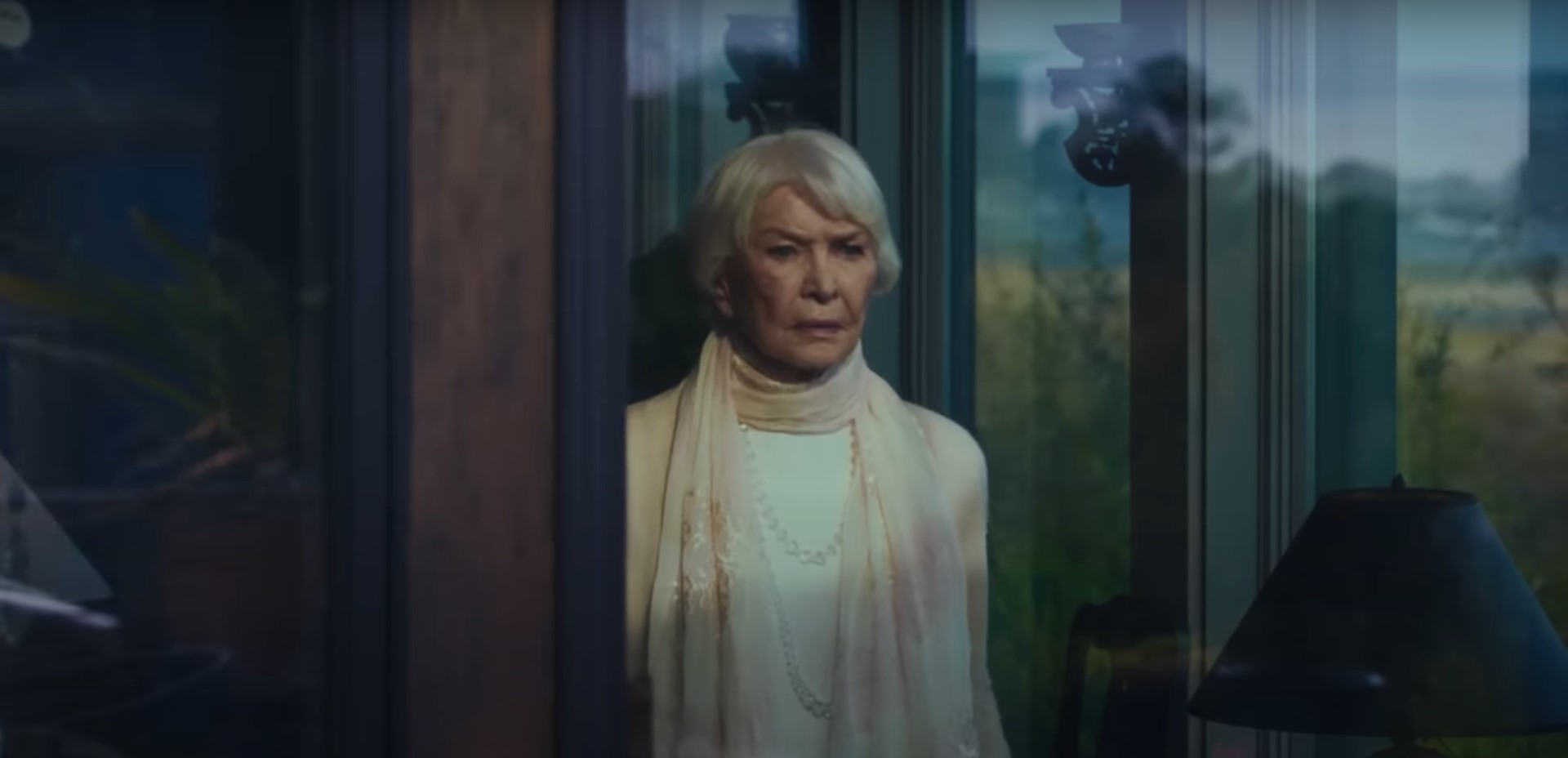
“Talk to Me” opening with a young, shoulder length haired man desperately searching for his younger brother through a sea of people at a house party.  The scene sets the film’s take-no-prisoners tone with begins with compassion as the older brother comes to the rescue of his disturbed, shirtless kin, trying to display the flashlight gleaming phone camera sharks who smell viral video blood in the water, when in a surprising turn of events the younger brother stabs his sibling before ramming the chef knife into his own skull.  “Talk to Me” segues into the cast of teenage characters, spanning the age spectrum of 14 to 20, letting us know right off the bat that youths are on the chopping block and no one will be safe.  The mostly untried cast pulls through with a trypanosome performance that gets under your skin, festering in its linger.  Sophie Wilde helms being the principal lead Mia still shell shocked by the sudden death of her twinning mother two years after later.  Suspicious of her father’s role in the death, Mia escapes and integrates herself into best friend Jade’s family, a role resting in between two uncomfortable rocks of being the new girl beside Mia’s onetime ex.  Alexandra Jensen as Jade floats carefully portraying Mia’s friend and a pursuant tiptoe toward the relationship with Daniel (Otis Dhanji) that passively irks Mia in the form of playful jokes, side glares, and inner demons becoming fruition ones expressing desires.  Sophie Wilde, on the other hand, spans the gamut with a flip of a switch soul spectrum polarized by spirit madness, grief over loss, and a fallback friendship.  When Wilde turns on the darkest light of possession, when her character lets the spirit into her body, the disheveled whole of Mia lives up to the actress’s surname becoming an uninhibited periapt for the spirit within that lusts over the youngest in the room, Riley (Joe Bird), for his childlike purity and when the spirits have control of over his soul in what is an orgasmic suffering that neither is parlous fun or exciting.  “Talk to Me’s” cast rounds out with Zoe Terakes, Chris Alosio, Marcus Johnson, Alexandria Steffensen, Ari McCarthy, and “Homeland’s” Miranda Otto. 

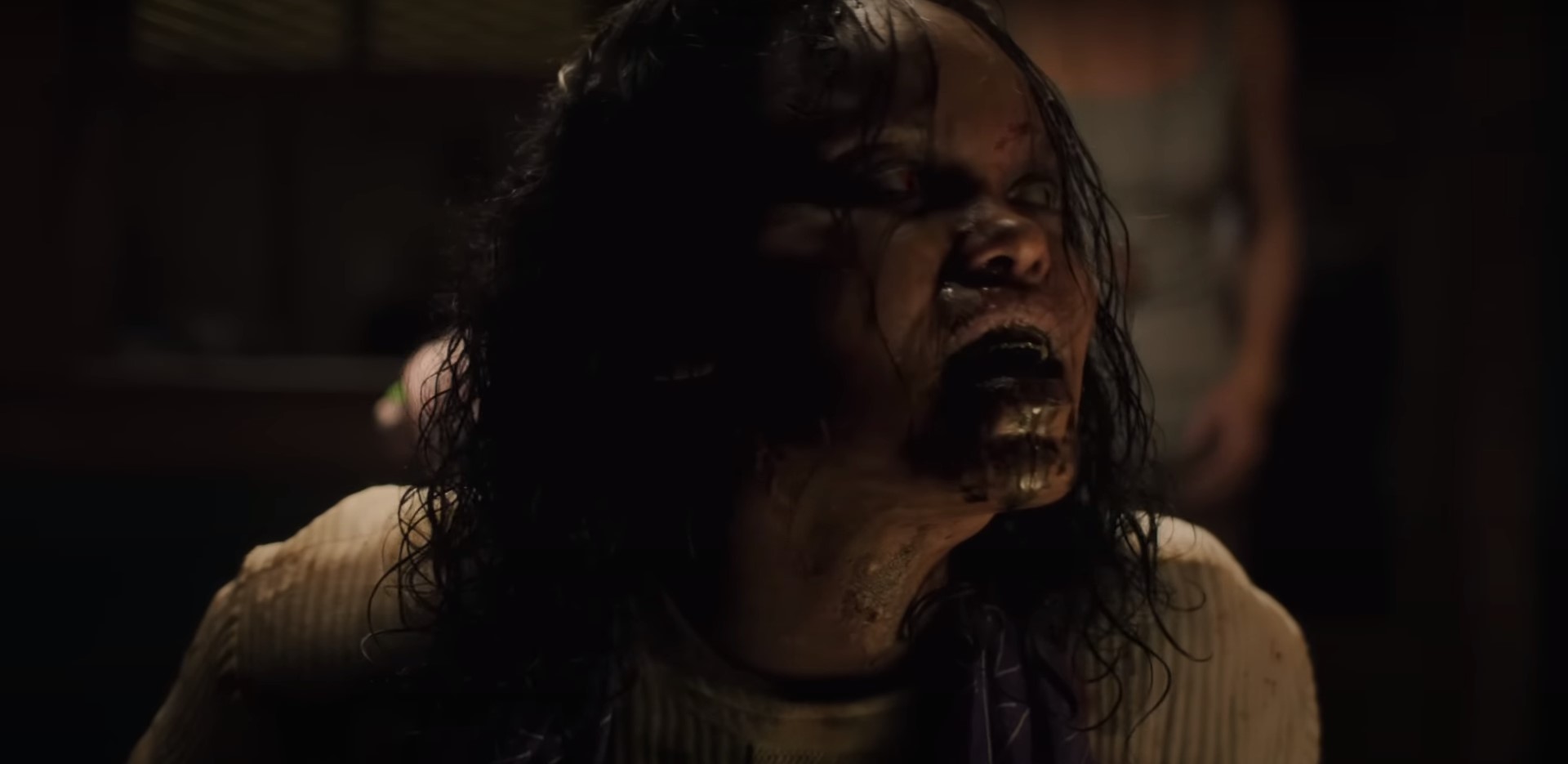
“Talk to Me” is an original byproduct stemmed from the cursed fetish genre.  The inexplicable mummified hand with unknown origins, thought to be once the hand of a medium, falls into the hands of a difference kind of representation.  Not to be bestowed conventional tropes like an inanimate object to be feared, the mirror in “Oculus” comes to mind or the cenobite unleashing puzzle box of “Hellraiser,” the persevered curled open hand doesn’t hold that sort of malevolent power, at first.  Despite its powerful connection to the purgatorial other side with frightening results of classic possession cases – levitation, catatonia, dissociative profanity and behavior, etc. –  these more-or-less new generational children treat something they don’t completely understand, such as ancient, mystical artifacts and in this case, human remains to be exact, without respect and humility, using the hand as if an additive drug, parlor game, or write to go viral amongst peers.  Directors Danny and Michael Philippou use the peer-pressuring viral video social commentary of their film as a sensationalized stern warning that has equal cause-and-effect results.  Ostentatiously showcasing more of the adolescent revelry spree rather than the mangled, decaying, and water-bloated entities in front of them or recklessly inhabiting their bodies once let corporeally inside.  For someone like the character Mia who continues to process close loss and has troubling thoughts, or maybe even delusions, regarding her father’s role in her mother’s untimely demise, she yearns for answers and when Mia receives a glimpse into what she believes is her kindred spirit mother through the vessel that is her friend Riely, aching impulses take over already crumbling judgements and she goes down the rabbit hole despite the consequences to herself, to her father, and to her adopted family.

Get a grip and take “Talk to Me’s” hand to experience the possessively powerful Philippou brothers’ debut film on a Lionsgate 2-disc Blu-ray/DVD/Digital release.  The AVC encoded, 1080p high-definition, BD50 and the MPEG-2 encoded, upscaled standard definition, DVD are presented in a 2.39:1 widescreen aspect ratio.  What’s achieved out of the Aaron McLisky’s through-the-looking-glass visual vignette is focus driven, claustrophobic, and engaging to be present of a reality teetering the line between two worlds.  Details inarguably shine, casting a great deal of deep shadows within the hard lighting to set the ominous tone.  Skin textures gleam within the light as well as coarse change with the vapid and pale makeup adjustments of the dead-entered body or even when we do brief see a condemned soul, the greatly applied contusions, decay, or bloating is reflected with great care from the infinite image detail.  The release has an English Dolby Atomos output reaching the difficult crevices of the inaudible dark holes and exposing them to immense carousal and haunting zeal that makes the experience more palpable. Dialogue renders nicely through albeit a heavy-handed score that relentlessly attempts to knock down the channel-leveled door and a strong Australian accent on most of the cast may sway those who don’t have a keen and distinct diverse ear away from the film or may find discerning a challenge to channel from beginning-to-end. While most of the camera’s frame stays in medium closeup to closeup, McLisky’s able to find depth where advantageous to bring a creep building dark cloud after Mia’s one minute over willing but felt forced possession participation. English SDH and Spanish subtitles are optionally available. Special features include an audio commentary with brothers Philippou, a featurette with the cast and crew in their experience and thoughts on the film, entitled In the Grip of Terror, deleted scenes, and theatrical trailer. Behind a rigid O-slipcover imaged with the centerpiece un-ensepulchered, plaster anoint, and sanskrit-esque-ladened hand upright and in the forefront with phone flashlights dully lit in the background. The typical Blu-ray snapper houses the same slipcover image slipped in between the plastic sheeting whilst the two discs are held on snapper locks on each side of the interior accompanied by an insert for the digital download. Both discs are pressed with the same font and coloring on in reverse with a baby blue stark against white. The 95-minute minute feature is region A locked and is rated R for strong bloody violence, some sexual material, and language. “Talk to Me” is utterly and terrifyingly fresh and freakish in more so with the naturality toward the touching and the facetious ways with an embalmed hand that’s a one-way personal radio to the dead as a means to be engaged in popular, peer-pressuring social activity and as something to prove with reckless naivety.

“Talk to Me” on Blu-ray/DVD/Digital!

The Gates Are Opening and The EVIL Wants to Squish Your Brains! “City of the Living Dead” reviewed! (Cauldron Films / 4K UHD – Blu-ray)

Cauldron Films’ “City of the Living Dead” on 4K and Blu-ray 3-disc Release!

In the Dunwich, a priest commits suicide by hanging himself in the Church’s graveyard.  In the same instance, a psychic based in New York City holds a séance where she witnesses the beginning of the gates of hell opening.  The order sends the psychic into sheer fright that nearly kills her.  A reporter digging deep into the near death of the young woman also buried alive and befriends the psychic, following his nose for a good lead despite its absurd sounding hoodooism of death apocalypse in less than 72 hours.  The psychic and reporter travel to the hard-to-find Dunwich town where the residents have been mysteriously vanishing or discovered dead of curious causes.   Baffled by all the strange occurrences is the town psychiatrist who witnesses first hand the troubles that stir fear into those close to him.  When the psychiatrist teams up with psychic and reporter, they must venture to the very depths of crypt Hell to close the gates and stop the dead for rising before All Saints Day.

The Godfather of Gore Lucio Fulci undoubtedly lives up to his title, establishing himself as one of Italy’s more profound and substantial horror filmmakers before his death in 1996.  “City of the Living Dead” came at the height of Fulci’s success after his breakout into the American market with “Zombie” or “Zombi 2,” an unofficial sequel to George A. Romero’s superb “Dawn of the Dead.”  Yet, Fulci didn’t follow suit with “Dawn’s” social commentary and pale-faced flesh eaters; instead, the writer-director stemmed his undead creatures from black magic hoodooism set in the sunny and sandy Caribbean islands with just as much visceral violence as his inspiring mostly Pittsburgh-based counterpart.  Alternatively known as “The Gates of Hell,” the Italian production of “City of the Living Dead” remains set in the U.S., filmed in New York and the surrounding metropolitan northeast, as the first part of the Gates of Hell trilogy that coincided with “The Beyond” and “The House by the Cemetery,” both of which were released approx. a year later.  “City of the Living Dead” is a Dania Film, Medusa Distribuzione, and National Cinematografica production with Fulci producing as well as the American Robert E. Warner (“Return of the Swamp Thing”) as executive producer.

A medley of nationalities make up “City of the Living Dead’s” who either are or are playing American characters.  Comprised mostly of Italian actors Antonella Interlenghi (“Yeti: Giant of the 20th Century”) as one of the first doomed Dunwich victims, Michele Soavi (director of “The Church”) as a canoodler with his brains being squished, Daniela Doria (“New York Riper”) as the other canoodler having her innards become outers, Fabrizio Jovine (“The Psychic”) as the hung priest who started all this mess and as the harbinger of the living dead, and Carlo de Mejo (“Women’s Prison Massacre”) in the psychiatric lead.  There’s an abundancy of diverse Italian flavor that definitely grounds “City of the Living Dead” as an Italian production, but a minor chunk of the cast are Americans with co-principal Christopher George (“Graduation Day,” “Pieces”) as a rakish NYC reporter forcing his way into a minor lead turned major forthcoming day of reckoning and Robert Sampson (“Re-Animator”) in a minor law enforcement role that bears little significance.  Sprinkled in the cast is also the Swedish-born-turned-Italian actress Janet Argen (“Eaten Alive”) as the psychiatrist patient and UK actress Catriona MacColl rounding out the principal cohort as the psychic.  MacColl is the only actress to have a role in all three of Fulci’s Beyond the Gates films, playing different characters in each.  Between Christopher George’s skeptic playfulness, Janet Argen’s uncontrollable hysterics, and in the unmalleable wrought shock of fear, the sundry cast doesn’t hinder the performances that mesh well under the greater air of portent and the hours leading up to end of days.  Giovanni Lombardo Radice (“Cannibal Ferox”), Luca Venantini (“The Exterminators of the Year 3000”), Adelaide Aste, Venantino Venantini (“Cannibal Ferox”), Robert Spafford, James Edward Sampson (“StageFright”), Perry Pirkanen (“Cannibal Holocaust”), Michael Gaunt (“Forced Entry 2”), and filmmakers Robert E. Warner and Lucio Fulci costar.

Through an unexplained mysticism and preformed stipulations on why the priest was the be all end all gatekeeper to the dead’s awakening on Earth other than Dunwich was original built upon the ruins of a witch-burning Salem, Massachusetts or why the day after the unmentioned Halloween season (likely because Italians do not celebrate Halloween with an abundance of candy and custome), All Saints Day, becomes the zero hour date when clearly the dead are already fatally impacting lives in the corporeal realm, Lucio Fulci masterful magician qualities diverts attention away from seemingly crucial elements of the plot toward a complete and total elemental atmosphere of fear, using eerie fog, whipping wind, and phantasmagoria imagery of the macabre to implant chthonic horror slowly rising above ground.  Makeup artist Franco Rufini recesses the sight sockets with deep, infraorbital darkening under the eyes in stark contrast with the pale shade skin, creating that classic yet effective zombified corpse casing in conjunction with special effects artists Gino de Rossi (“Burial Ground:  The Nights of Terror,” “Cannibal Ferox”) use of ground raw meat or whatever the gushy material used to construct the cerebrum contents that just squishes to a pulp between the fingers of the undead when they grab a fist full of hair, skin, and brains from behind an unlucky left living.  There’s quite nothing like a Lucio Fulci film where the ghouls knock on the door from the other side, threatening the land of the living, the world even, with a sound and steady ghoulish malevolence and death in a well-lit and framed Fulci-scope to hammer down defined purpose that drives a penetrating stake through the chest bone and into a chilled soul.

“City of the Living Dead” goes beyond the format gates and arrives onto a 3-disc 4K/Blu-ray release from Cauldron Films.  2160p Dolby Vision 4K and a 1080p AVC encoded high-definition options really put this Fulci classic back on the map, unlike the small, forsaken city of Dunwich. The 4K UHD is an HEVC encoded, 2160p Dolby Vision ultra high-definition resolution while the AVC encoded Blu-ray sports 1080p high-definition, presented in a widescreen 1.85:1 aspect ratio. Through the translucent mist of natural, good-looking grain, Cauldron Films have hyper-accentuated the atmospherics with a clean rendering of the innate cooler-to-warner photography grades of blue-to-yellow with creating a harsh contrast transition. The encoding never shows an ounce of detail distress to keep textured and palpable image of the darkened crypt or the thick fog exteriors that often would degrade decoding with omitted data. The Cauldron Films release retains and sustains bitrate that fastens the dark levels to a robust and effective pitch black. What’s neat about this release is the ability to toggle between the English DTS-HD 2.0 Mono and the Italian DTS-HD 2.0 mono, both post-recorded in standard with Italian productions. Both tracks are comprehensibly sound with a clear and clean dubbing with the only detailed differences being one in English language and the other in Italian and the title card switched out for the each. Between the two, range is exact on both with not a lot of superfluous ambient sound and both tracks offer a near blemish free experience in a robust context of atmosphere. Disc 1 and 2, 4K UHD and Blu-ray respectively, come with new audio commentaries, including with cult film critic Samm Deighan, author of Italian horror cinema Troy Howarth and film critic Nathaniel Thompson, as well as individual archival commentaries with actors Catriona MacColl and Giovanni Lombardo Radice. Disc 3 includes an interview with production Massimo Antonello Geleng, actor Giovanni Lombardo Radice, and on-stage Q&A with Venantino Venantini and Ruggero Deodata (“Cannibal Holocaust”), a Q&A with Catriona MacColl, a Q&A with composer Fabio Frizzi, interviews with special effects artist Gino de Rossi and principal actor Carlo de Mejo, A Trip Through Bonaventure Cemetary – an explorational and historical account on the main cemetery where the priest in the film hangs himself, trailers, an image gallery, and other archival interviews in a near feature-length collection of conversations with cast and crew reminiscing about Lucio Fulci during filming. The 4K UHD and third disc packed with special features are region free while the Blu-ray remains region A locked in licensed playback on the format. Both features have a runtime of 93 minutes and the release is unrated. Emerging from the gates of standard definition hell, Cauldron Films tempers Lucio Fulci’s “City of the Living Dead” to a foreboding crust, burgeoning with ominous clout the undead’s underscoring resurrection.

Cauldron Films’ “City of the Living Dead” on 4K and Blu-ray 3-disc Release!

Entrenched EVIL Sprouts Roots of Hate! “Bunker” reviewed! (Breaking Glass Pictures / DVD)

Go into the “Bunker” and Never Come Out!  Now on DVD!

Trench warfare has already been damning for allied forces held in stalemate against the German’s only yards away in their trench.  When the commanding Lt. Turner discovers the German trench has been abandoned, he moves his ragtag team of British and American forces across a barbed wire and cadaver-laden no man’s land in to salvage victory for obtaining a German bunker without a firefight or loss of life.  What they discover is an externally barricaded bunker and inside the vacated stronghold is a barely-breathing German soldier nailed to a cross.  Incoming artillery causes a bunker cave-in, leaving two of the soldiers dead and the others trapped inside.  Slowly, something insidious and omnipresent inside the bunker builds measured madness inside them, turning one-by-one the seasoned and fresh off the boat soldiers to suspect each other’s loyalty, sanity, and hope for escape,  something that has been dwindling every minute with each stale breathe. 

War and horror are unequivocally synonymous.  The atrocities and death seen on the combat field can break a person’s psyche in a matter of an artillery shell explosion.  Trauma can quickly take over as the totalitarian regime and that carnage-induced shock can never be unseen ever.  The wide-speed obliteration of people and towns done in the second Great War, between the Nazi hate-war crimes and the collateral damage caused by Blitzes and tank fire, has been the foundational base for a number of appended horror films.  “Men Behind the Sun,” “Outpost,” “Shockwaves,” and even “Ilsa, “She Wolf of the SS” are just a select few of the many subset horror films to be inspired by World War II.  While the more contemporary “Overlord” joined the bandwagon of one of the world’s deadliest conflicts, overlooked is the first Great War as the backdrop for horror narratives.  When I jog my categorial knowledge and memory of WWI horror movies, only one comes to mind, the 2002 M.J. Bassett mud and rain-soaked supernatural thriller “Death Watch” with Andy Serkis and Jamie Bell.  Now, I know two with 2022’s “Bunker,” the debut feature length script written by Michael Huntsman and directed by Adrian Langley (“Butchers”).  The U.S. production is spearheaded by Crossroad Productions with Buffalo FilmWorks (“A Quiet Place: Part II”) footing the costs by executive producers Lisa Gutbertlet, Andy Donovan, Jennifer O’Neill, Kevin Callahan, George Pittas and Brett Forbes (“The Collector”) with Matt Corrado (“Half Sisters”), Patrick Rizzotti (“The Collector”), Greg Wichlacz, and Michael Huntsman’s father and Blue Fox Entertainment founder, James Huntsman (“The Night Eats the World”) producing.

“Bunker” follows a group of allied soldiers unwittingly stumbling upon a supernatural dugout left behind by the enemy.  The U.S. production is fitted with nearly an all-American, all-male cast with the majority playing British soldiers and while accents do justice stressing certain syllables and comes off pronouncedly brisk, the ears can detect subtleties that can make you question the actor’s national validity, such as with stage actor Patrick Moltane’s Lt. Turner.  A very proper English suited from his officer rank, but the act does come off over-the-top and colorful in Lt. Turner’s pithy and lively vocabulary.  “Bunker’s” principal focus is on Pvt. Segura, a Latino-American medic who has answered the call of duty and has served long in the conflict, trying to prove his worth as outsider in his own country.  “Eraser:  Reborn’s” Eddie Ramos helms the character’s drive as an upstanding member of his community and as a military soldier by doing his part, playing the overall even-keeled medic whose goal is to keep soldiers healthy and breathing in a time of war.  “Bunker’s” subtle racism isn’t teeming and poignantly powerful, but the small band are mostly and carefully passive aggressive against Segura, except for one other private fresh off the boat, Pvt. Baker (Julian Feder, “Escape the Field”).  Segura then becomes what he’s yearned for, to be a protector, something he can’t do with minds already set in their ways with the rest of the characters who are either indifferent to his presence or forthright in his face as the root of their problematic situation.  Quinn Moran, Adriano Gatto, Mike Mihm (“Unsane”), Sean Cullen (“Killer Rats”), Roger Clark, and Luke Baines as the crucified Kraut make up the remaining all-male cast.

The all-male cast is crucial to the “Bunker’s” undercurrent theme which isn’t a torrent of one-after-another hits on the surface level.  Under the context that soldiers universally believe in comradery, especially during wartime stuck in a trench when relying on the next man to watch your back, Pvt. Segura secretly yearns to belong, be one of the team, and blend into the uniforms of brown and tan, suited mostly for the typical late 1920s white male.  Through the early acts of passive aggressiveness, the commanding officer ordering him to behave when left unattended, scolded for another private’s inability to move quietly across no man’s land, and being a person of mistrust when trapped in the German dugout, Segura ultimately is perceived as the enemy when the ungodly presence causes hallucinations, fear, and self-inflicting injury.  The bunker represents a fermentation of hate and death, deep-rooted distrust through the depictures of white radicles connecting everything around them be shield by the dirt walls that forces ugliness to come to a head by way of messing with the mind.  Being semi-familiar with Adrian Langley’s previous horror “Butchers,” I expected brutality, bloodshed, and groundwork that slowly flourishes as the story progresses and Langley delivers on demand with a chillingly connotative race-horror in an oppressive and melancholy World War I background.  While some period and wartime elements and actualities may frazzle historical war buffs, “Bunker” has otherwise resounding production quality despite its low-fare budget, feeling very much like the horrors of trench warfare and then some.

Philadelphia based, independent film home video distributor Breaking Glass Pictures releases Adrian Langley’s “Bunker” onto DVD.  The MPEG-2 encoded DVD5 is presented in a widescreen 2.35:1 aspect ratio.  Honestly, the compression works well here with the color reduction, a decrease in the hue saturation, leaving behind more neutral tan, browns, and greens, to flourish as an old timey picture that harmonizes with the classic resembling opening credits where the cast and crew are listed as whole.  Details are generally potent, reflecting delineating contours, coarse textures, and all the minor sweat, dirt, and blood strewn about the dugout from the Arri Alexa camera that captures confined spaces with vast depth.  The English language Dolby Digital 5.1 surround sound is the sole audio option and is the really only option needed for a confined, atmospheric film like this that utilizes the back and side channels with crumbling dirt walls and muffled bombardments.  There’s a nice balance between the prominent dialogue and the ambient action with Andrew Morgan Smith’s punchy score that’s like a mix between Joseph LoDuca’s “Army of Darkness” and Alan Silvestri’s “The Predator,” intense, grand, and heart pounding like a classic monster movie soundtrack. There are no subtitles available on this release.  Bonus features only include “Bunker’s” trailer and other Blue Fox Entertainment previews, another World War thriller “Wolves at War,” and Langley’s “Butchers.”  Physical attributes include a tempered chocolate-appearing DVD case with a long ally solder entering a large and foreboding bunker with war and graveyard elements above ground.  Inside, there disc art is pressed with the same image but cropped to just show the soldier entering the bunker.  There is no insert included.  The region 1 locked playback DVD comes not rate and has a runtime of 108 minutes.  “Bunker” is slowly-seeping dread of psychotronic apathy and abiding odium that manifests creaturely out of war’s massive and overwhelming stress and death.

Go into the “Bunker” and Never Come Out!  Now on DVD!

EVIL Knocks, A Child Listens. “Cobweb” reviewed! (Lionsgate / Blu-ray)

“Cobweb” on Blu-ray at Amazon.com!

Eight-year-old Peter isn’t allowed out on the forthcoming Halloween night.  Frightened by a neighborhood girl who went missing years ago, his strict parents keep a very close eye on their only son who’s social life has been squashed like one of the rotten pumpkins growing in his family’s backyard patch.  Relentlessly bullied and severely sheltered at home, Peter spends most of his time isolated from others until he hears knocking from the inside of his wall in the middle of the night.  Frightened at first in hearing the ensuing young girl’s whispering voice behind the wall, Peter’s loneliness entices a friendly, conversational voice after his parents dismiss the occurrence as Peter’s overactive imagination.  As the two talk through the nights, Peter learns the mysterious voice behind the wall is a terrible secret his parents have been hiding since before Peter was born, but the truth is much more darker and scarier than Peter could ever over imagine.  

Following the success of his written-and-directed 2019 French horror series “Marianne” on Netflix, surrounding the manifesting nightmares of a young writer who returns to her home town, director Samuel Bodin dives right into the spooky season with a Halloween-themed dysfunctional family horror feature that metaphors helicopter parenting as a harmful detriment that eats itself from within the nuclear structure.  The French director builds his vision off the back of the creepy children subgenre and off of the script by Chris Thomas Devlin, an American screenwriter behind the 2022 direct from the original sequel, “Texas Chainsaw Massacre,” that happens to be another Netflix debut release.  Devlin trades in rip-roaring chainsaws for rickety old houses lined with gaudy, antiquated-pattern wallpaper in this what’s-behind-the-walls thriller, produced by the Seth Rogen and Evan Goldberg company Point Grey Pictures (Amazon’s “The Boy’s” and “Invincible”) with Josh Fagen alongside producers Roy Lee (“Barbarian,” “It”) and Andrew Childs of Nu Boyana Productions and Vertigo Entertainment with Lionsgate distributing. 

Ironically at the center of attention is the loneliest boy Peter casted with UK child actor Woody Norman (“The Small Hand,” “The Last Voyage of the Demeter”) to ensure Peter’s anemic spirit with a head full of shoulder length brown hair, downcast eyes, and melancholic demeanor. Yet, like most child dependent horror schemes, Normal can thrust out a gutsy sprint to survive and save the day against not only his oddly adjusted parents who quarterly channel the onscreen unionization of Wendy Robie and Evertt McGill in fiercely fearful “The People Under the Stair’s,” but also something far more secretive and far more sinister.  Anthony Starr, who has worked with Seth Rogen’s Point Grey Productions in “The Boy’s,” is aptly a father suppressing to fold and diminuendo his son’s curiosity and venture with scary stories of disappearing children and a stern childrearing with a sinister smile only Anthony Starr can produce.  Then, there’s Lizzy Caplan as the austere-dressed matron with a retractable badge for her small set of keys, which are an underemphasized plot device for all the doors in the house, both unconcealed and concealed.  I struggled with Caplan’s mother that borders being simplistically prose, like speaking in a fairytale without the elegance of being a dainty princess or the maniacal barbs of an evil sorceress.  The “Cloverfield” actress’s take on how a reticent mother is overly proper and out of place even in this tale that stretches the imagination and even beyond the film’s other flawed portions, which lead me into Cleopatra Coleman’s benignant substitute teacher Ms. Divine, a name not abashed in its metaphorical properties.  Ms. Divine overreaches herself secondary educational authority by interjecting her nosiness into what she mistakenly thinks is Peter’s subconscious cry for help.  The “Infinity Pool” actress goes unnecessarily lone wolf into the lion’s den that would make any parent understandably concerned and angry whether hiding something or not.  “Cobweb’s” cast fills out with Jay Rincon and Gary Busey (“Predator 2”) and Stephanie Sampson’s (“Sharknado 4:  The 4th Awakens”) preteen son Luke Busey who I must say is the spitting image of his father. 

Funny and coincidently enough, this is my second Grey Point Production film watched back-to-back with “Teenage Mutant Ninja Turtles: Mutant Mayhem,” “Cobweb” is not children’s film but resembles more like a Grimm fairytale with elements pulled from various volumes, some from more popular stories such as the long locks of Rapunzel or the pretense of a wolf in planned deceit of the eager youth, and the film certainly embodies the charmingly dark and rustic patina of such tales.  From the words on a page to the visual effects of the screen, “Cobweb” introduces us to a new kind of terror co-bred out of bigotry and fear of a polar difference so severe, so monstrous, that it warrants a shameful imprisonment and a simultaneous misappropriation of tutelage of starkly unalike children because, as parents, we can have this innate fear for ourselves being replaced with the creation transcending the creator threat.  Pour these twisted tales and themes together into a cauldron of storytelling and we can easily overlook how flawed “Cobweb” can appear on the surface, as if to say the story’s phantasmal qualities exempt narrative structural norms.  “Cobweb” has repetitive use of the imagination as an excuse for Peter’s hearing something, someone beyond walls or could even stretch to the parent’s feigning ignorance or diverting tactics as part of making believe whatever they’re secretly hiding doesn’t exist.  Aside from the title, other allusions to an arachnid theme suggests Peter might have an overactive power of invention, integrating his already schoolyard bullied mind and body to form an embodiment of fear. His rigid parents mixed with an overwhelming fear of spiders creates, or wills, a person or creature of shared relations, someone he can converse with quietly and share his concerns but, in the same breath, be frightened of when out from the wall.  Peter has the same reaction between the spider that crawls on his desk in the class and see the wall dweller’s floating out from a hole in a wall, signifying a one-in-the-same fear.  When inevitably revealed, the creature skulks with the movement of an eight-legged arthropod, has hair like a large, draping web, a face with bulging eyes and fangs, lives within and between walls, and has tiny spiders crawling through its hair.  Intense and portentous, “Cobweb’s” creepy-crawlies are sure to be hair-raising with a shocking turn of events.

Become caught up in Lionsgate’s release of “Cobweb” on the Blu-ray + Digital release. The AVC encoded, high-definition 1080p, BD50 has a Mbps decode rate of low 30s and presented in a 2.39:1 widescreen aspect ratio. Centered around the Fall season, “The Transporter’s” Philip Lazano’s cinematography lives in the dichotomy of shadows and a cool blue-green grading. Exteriors look potently seasonal in a dreary-overcast kind of way that fits “Cobweb’s” austere approach to an atypical straightforwardness in such a dark fairytale theme. Unostentatious, Lazano does a remarkable job with shadows, and dim lighting in general, to convey just enough to make the creature’s skuttling a double dose of undetectable dread before you know what hits you. The main audio option is an English DTS-DS 5.1 master audio with Spanish and French Dolby Digital 5.1 alternatives. Again, the skuttling around the house, the faint scraping of dry, old hair on the wood floors, the creaks, oh the creaks, of every inch of that house make “Cobweb” cue every traditional trope of audible terror right to your sensory receptors. Dialogue is clean, clear, and prominent with the only issue being the behind the wall speak that renders more like whispering in the same room than a muffled subdued voice as the layered dialogue overlap in volume. English subtitles are optionally available. Special features are not in-depth with a to the point featurettes with Becoming the Girl that express Bodin’s vision of the person behind the wall and contortionist Aleksandra Dragova’s efforts to bring that vision to life, Through the Eyes of a Child focuses on a small child in a bigger, uglier world through one-sided interviews with the cast and director and how those differences translates an uneasiness not only with the child but also the viewers who are engrossed by the contras, and A Primal Fear rounds out the specials with underlining fears of creaky house sounds, amongst other combined sounds, and how they’re arranged into a design that innate scare us. Physical aspects of the release come in a traditional Blu-ray amaray case housed with a beautifully composition shot that immediately grabs the eyes on a sturdy O-slipcover laced with a slight embossed spine title. Disc art goes for the less is more visage of a blueberry blue background with white font “Cobweb” at the top. In the insert slot is the digital copy waiting for you to either download and discard the physical release (which I hope you don’t) or neglect for way longer than the expired date allows. “Cobweb” is rated R for horror violence and some language, has a runtime of 88 minutes, and is region locked on A. Lionsgate has distributed the boogeyman, or in this case, the boogeywoman in the fretfully concentrated “Cobweb” that turns every scurry or scratch behind your own walls worth your undivided attention.

“Cobweb” on Blu-ray at Amazon.com!

EVIL Will Always Get You in the End! “Ghoulies” reviewed! (MVD Visual / 4K-Blu-ray set)

“Ghoulies” Will Get You in the End With a 4K-Blu-ray set!

When a satanic ritual of sacrificing an infant boy is foiled by the acolyte mother, the child is taken far away from the fathering dark warlock who attempted to harness the boy’s youth for his own.  Fast forward 25-years-later, the malevolent father dies and the curse of the fiendish family tree has thought to be lifted.  The mansion is bestowed to very same young boy, Jonathan Graves.  Now a man in graduate studies and with Rebecca, his longtime girlfriend and love of his life, the inherited gothic mansion quickly entrances him into the urge for dark rituals, finding fascination in drawing and calling out the spirits and demons to do his bidding as their exclusive master.  In spite of Rebecca’s concerns and hoodwinking his unsuspecting close friends into a dark rite, Graves unwittingly resurrects his deceased and powerful father who seeks to pick up where he left off with his own callous ceremony from 25 years ago. 

If there are pint sized characters with a mischievous, devious edge, you better believe it that Charles Band is more than certainly behind the little terror-tykes hellbent on hell’s work.  One of the more successful ventures to come out of Charles Band’s empire, literally out from his Empire Production studio, is the 1984 released “Ghoulies.”  Written-and-directed by Luca Bercovici, as his debut feature film and who would later direct “Rockula” and “The Granny,” and co-written with Jefery Levy, who would go on to inevitably write a pair of sequels off the original film, the American-made production masters a flawlessly edited and sound designed layer composition mixed with the imprudence of 80’s stereotyped horror-teen character and nostalgic lighting and matte effects that make “Ghoulies” a travel-sized cult classic.  “Ghoulies” is produced and distributed by Empire pictures with Charles Band as executive producer, Jefery Levy as producer, and Debra Dion (“Oblivion”) as associate producer.

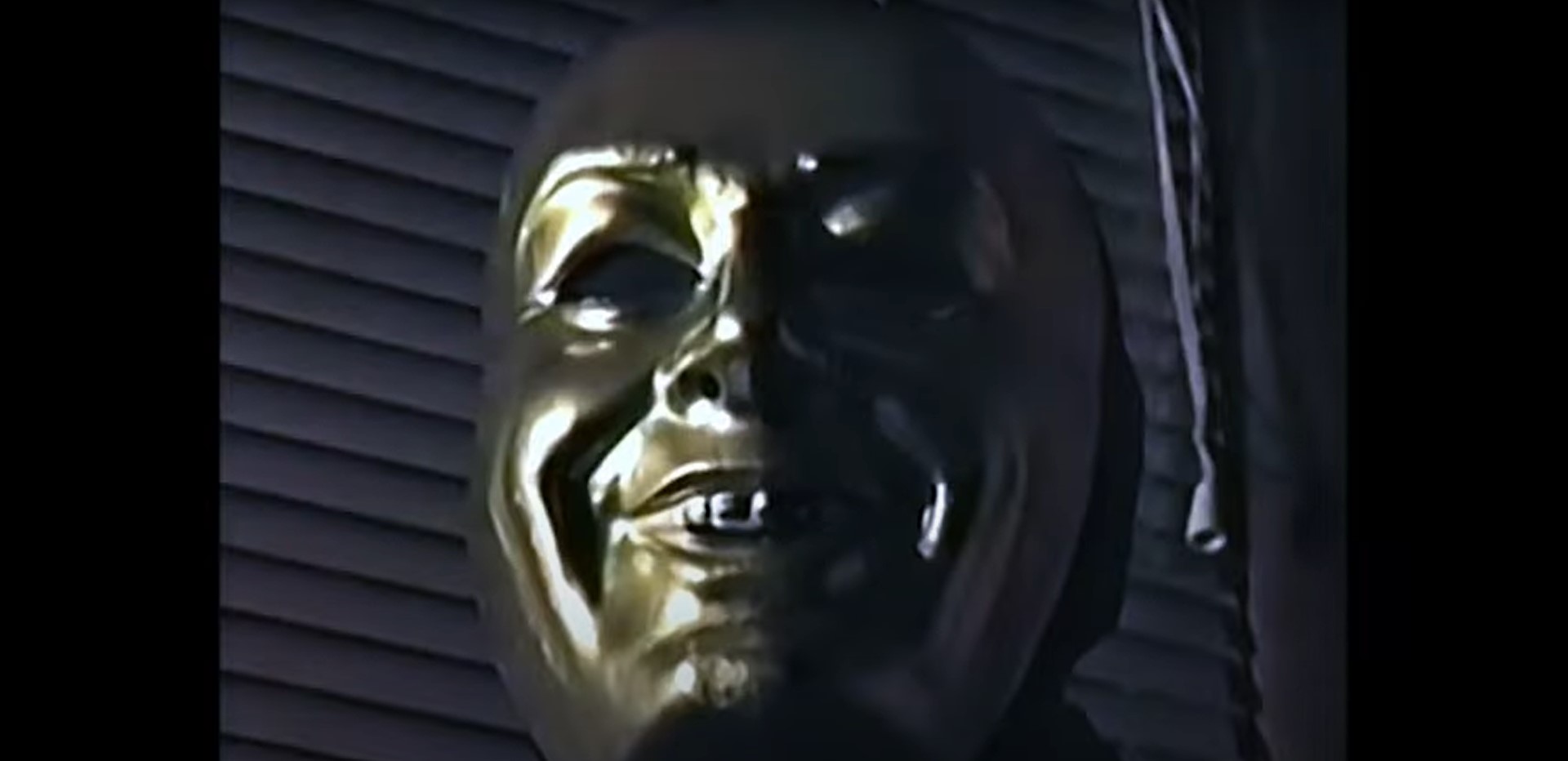
You can’t have a story about necromancing sorcery and demonic disinterring without big personalities and, fortunately, “Ghoulies” has a few that standout with memorable dark magic melodramatics.  Opening scenes of a ritual’s beginning introduces Malcolm Graves, an infernally flamboyant, wide-eyed, and animated with his hands sorcerer who likely won’t win the father of the year award.  “Mulholland Drive” and “Waxwork II:  Lost in Time” actor Michael Des Barres lights up the lurid life of Malcolm Graves with great enthusiasm and piercing eyes.  Graves eccentricity is balanced by another Lynchian actor Jack Nance as the acolyte turned mansion caretaker who oversees the Jonathan Graves’ wellbeing.   Nance meticulous eye gazes and gestural articulation combat and numb down Barress over-the-top dark magic ringmaster.  The “Eraserhead” and “Blue Velvet” actor definitely transposes his defined and evident presence of idiosyncrasies over to this little monster movie with manipulating occultist mascara that make “Ghoulies” that much more special.  The third actor is principal lead Peter Liapis who swings the pendula between normalcy and obsessive occultist as Jonathan Graves quickly swept up by an invisible force that drives him to become an intermediate master of miniature minions.  Liapis has that on/off switch ability to be sane one second and completely maniacal the next and when acting tranquil and the boyfriend of nicety to Rebecca (Lisa Pelikan, “Jennifer”), you better believe that we are convinced by his prosaic act.  Jonathan’s friends are an mixed lot of stereotypical lambs for the slaughter, to be used as pawns, and never know their role in the ritual of resurrection.  Stoners buds Mike (Scott Thomson, “Parasite”) and Eddie (David Dayan) fill “Ghoulies” with comedic jokester relief, rockabilly rake Dick (Keith Joe Dick) has eyes on the bedding prize with promiscuous Anastasia (Victoria Catlin, “Maniac Cop”), and an awkward dork Mark aka Toad Boy (Ralph Seymour, “Just Before Dawn”) tries to tickle swoon hottie Donna (a very young Mariska Hargitay, “Law & Order:  SVU”) are the paired up friends to fall into the, pun-intended, Graves trap.  “Ghoulies” round out the cast with the blonde and busty “Evil Spawn” and “Mausoleum” actress Bobbie Bresee as an open-armed invitation for sex and sacrifice while persons of short stature, Peter Risch (“Malibu Hot Summer”) and Tamara de Treaux (“Don’t Be Afraid of the Dark”), credited as the smallest actress in the world, made up a pair of mischievous, quarrelling minions fed up with the current incumbent of infernal dealings. 

For a 1984, Charles Band production, especially one of his first to be distributed under his Empire Productions, “Ghoulies” establishes the bar for the miniature maniac mogul’s subsequent earlier films that may have been the peak era for Empire and even Full Moon pictures, having and hitting all the hallmark tropes of effectual horror.  A fog permeating production design with enough gothic hulk in the mansion and in the out-the-window small gravesite to immerse atmospherics, a matte composition of brilliantly simple visual effects blended with the catastrophe force inspired practical effects that aggrandizes the budget, the fantastic editing by now longtime Full Moon filmmaker Ted Nicolaou (director of “Subspecies,” “Don’t Let her In”) to piece together a more-than-palatable sound design and image, the carnivalesque soundtrack by Charles Band’s brother, Richard Band, to enrich impish latency around the characters, and, of course, the icky-coated and reptilian-rinded puppet demons by creator John Vulich (“Dolls,” “From Beyond”) in dynamic surroundings with the living, breathing characters.  What “Ghoulies” could use is fine tuning on was to further the story development.  A little more exposition into the background of who Malcom Graves is or who Jonathan Graves was calling from the slither of beyond could go a long way.  The ending transition also took a lighter approach, an additional aspect in this pre-Full Moon, Empire Production we don’t typical see in the ensuing works that grinds the desolation gears by shifting the clutch into third gear of blood, boobs, and bodies. 

Coming in at number two on the spine of the MVD Rewind Collection, as part of the 4K UHD LaserVision line, “Ghoulies” comes a 2-disc UHD and Blu-ray set. Presented in a 4K Dolby Vision HDR restoration from a16-bit scan of the original camera negative in 2460p and a sister 1080p Hi-Def restoration for the Blu-ray, both transfers exhibit in the original widescreen aspect ratio 1.85:1. Both transfers cherish the source material and even celebrate it with a clean print scan that elevates the definition of a gloomy, brooding abode under the cast of many a shadow. No issues with compression as black levels remain inky and the in-lined picture isn’t blighted by artefacts, revealing the natural grain without a combover to smooth out any original veneer from the 35mm acetated celluloid. Both discs come with an English DTS-HD 2.0 master audio that’s stark as it is clear and orderly with a prominent dialogue track and a ridiculously good sound design edit that enhances the rituals and rambunctiousness of the cult and kids. Boosted levels are balanced and well overlayed to provide max composition as we get a good range and depth of sound and space with the eye lasers, atmospheric house creaks, and an Earth-rattling finale. English subtitles are available on both formats. As usual due to the vast number of gigabytes needed, the Blu-ray special features outnumber the 4K UHD. The 4K special features include once Shout Factory! exclusives, such as a 2015 archival audio commentary by director Luca Bercovici, a 2016 audio commentary with Bercovici moderated by Terror Transmission’s Jason Andreasen. With the Blu-ray, you receive the 4K content plus a video introduction by Bercovici, which is quick, simple, and not much too an opening recollection of the keystone of his career, an interview with editor Ted Nicolau Editing an Empire that more so Nicolau’s career from beginning to current, an interview with actor Scott Thomson A Mind Is a Terrible Thing to Waste as he exchanges his “Ghoulies” remembrance in that same stoner-fog as his character, an interview with Luca Bercovici Just for the Chick Man, a half-hour behind-the-scenes featurette From Toilets to Terror, a photo gallery, four television spots, and the theatrical trailer. The physical contents include a faux crumpled cardboard slipcover of the iconic Ghoulie in the toilet marketing ploy complete with security tag at the bottom. Sheathed inside is a black Blu-ray amaray with an ironed version of the cardboard O-slip. Inside, both discs are pressed with laserdisc-esque pattern art, and the insert contains a folded collectible mini-poster of the faux crumpled slipcover. The 80-minute, region A locked release doesn’t list a rating on the back cover but I suspect an unrated feature like with most Empire/Full Moon products and this seems to be the complete, unedited version. “Ghoulies” is a must-see for the casual horror fan, “Ghoulies” is a must-see for die-hard fans, and this MVD 4K and Blu-ray Rewind Collection release of “Ghoulies” is a must-own for the collector at heart.

“Ghoulies” Will Get You in the End With a 4K-Blu-ray set!