EVIL is the Will of the Gods. “Malpertuis” reviewed! (Radiance Films / Limited Edition Blu-ray)

“Malpertuis” Now Available at Amazon!

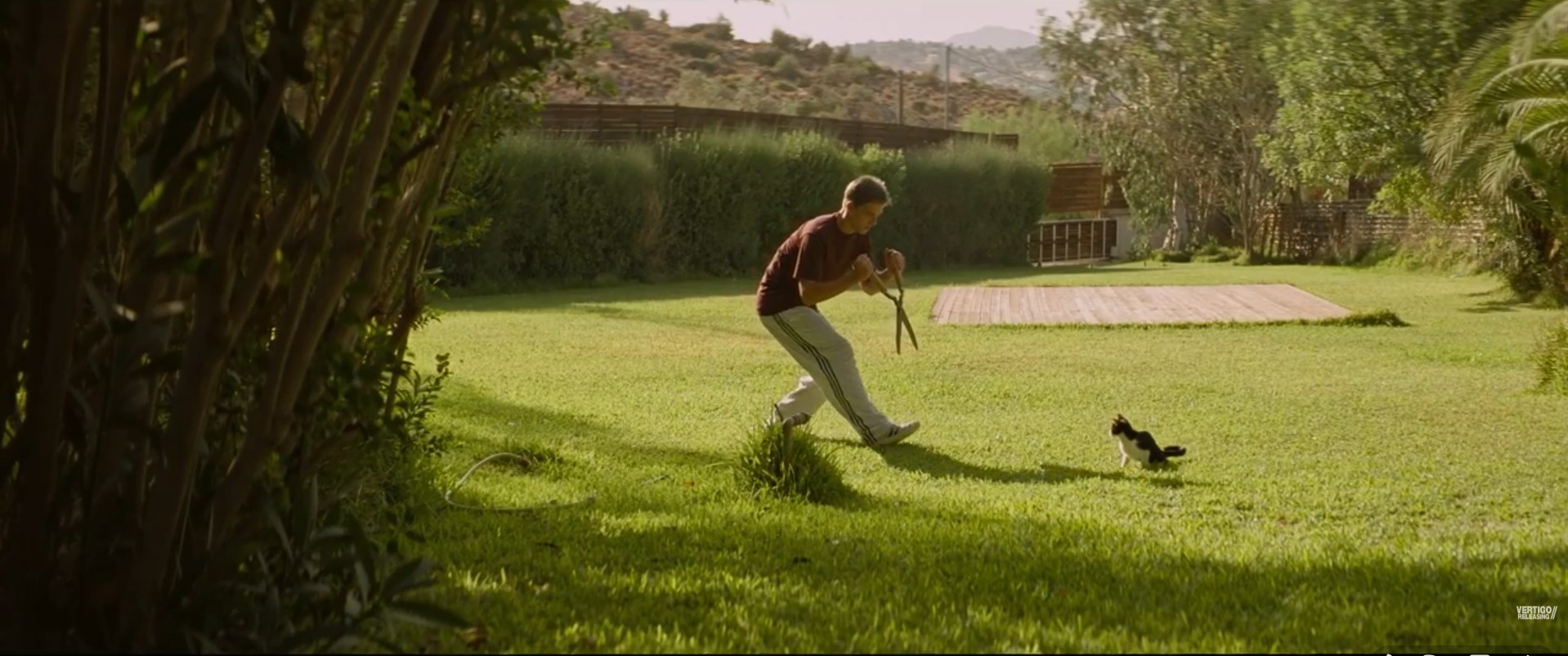
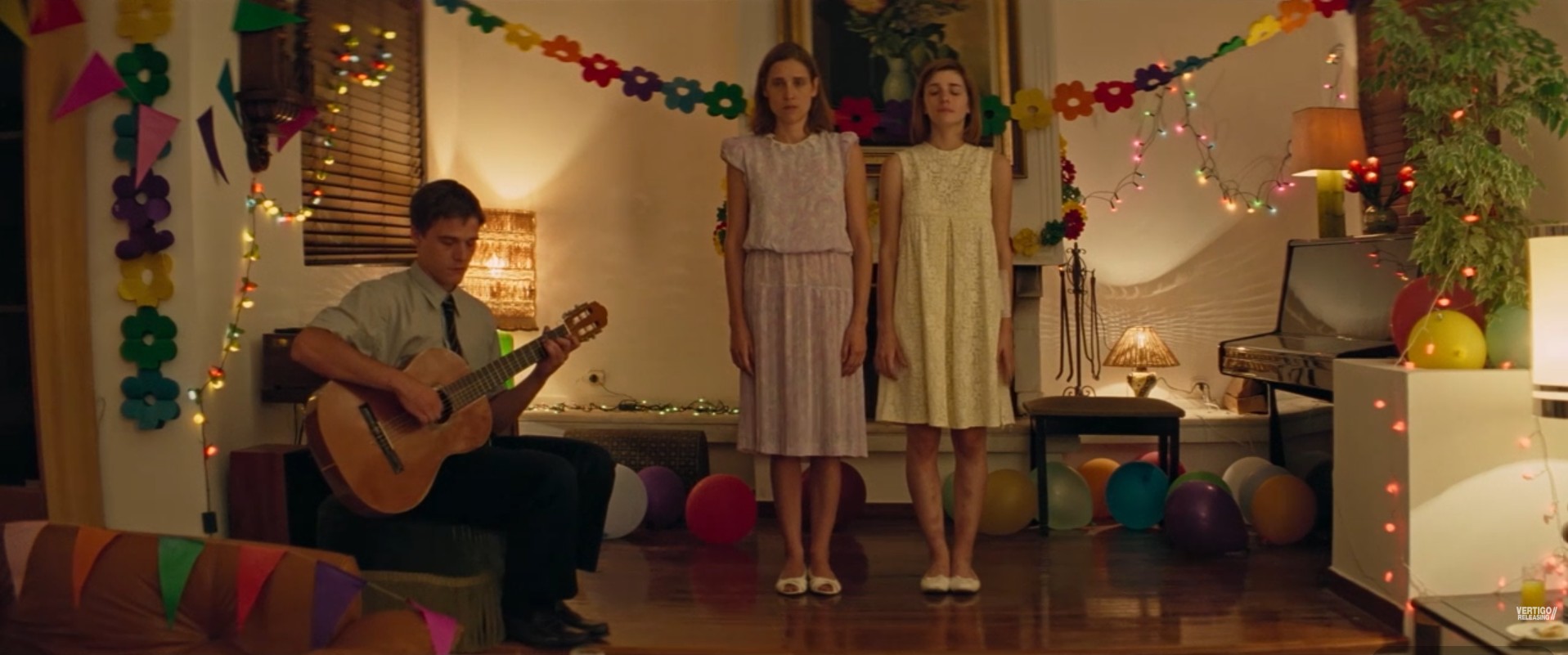
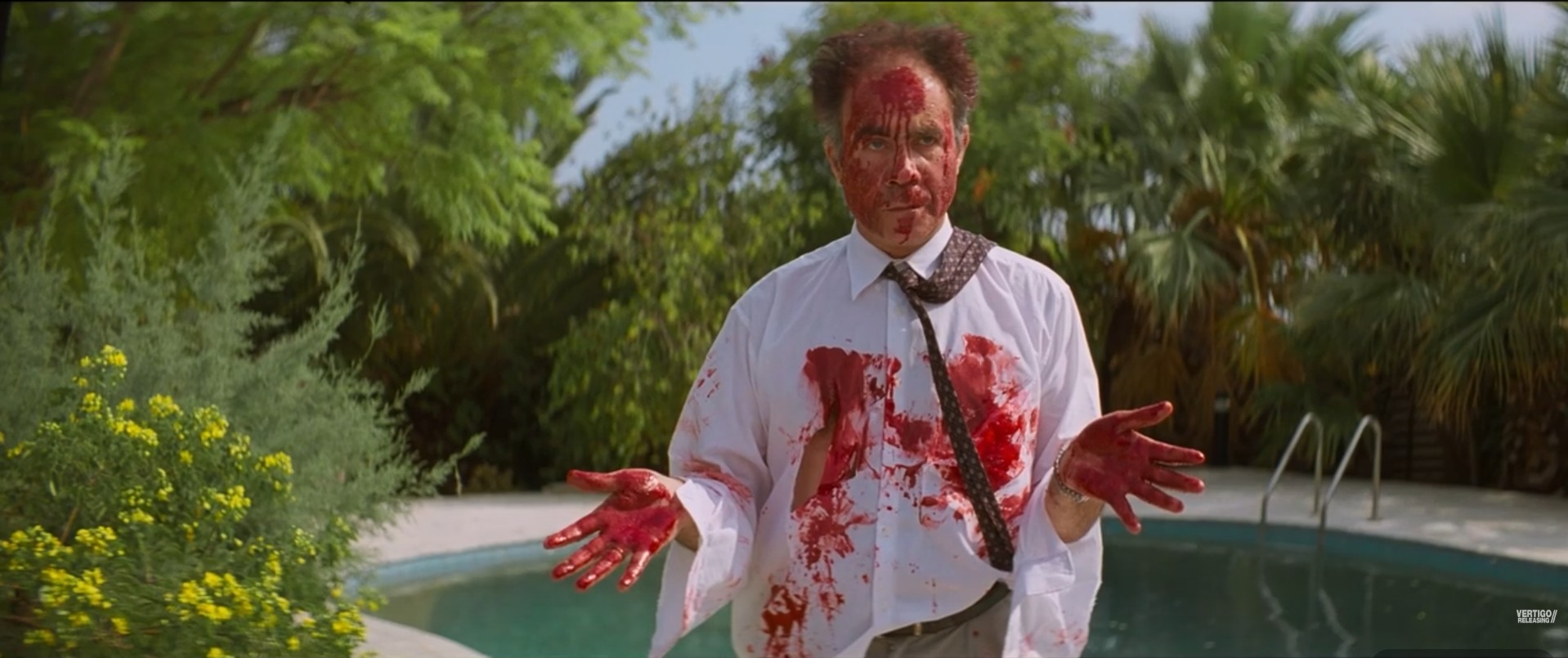
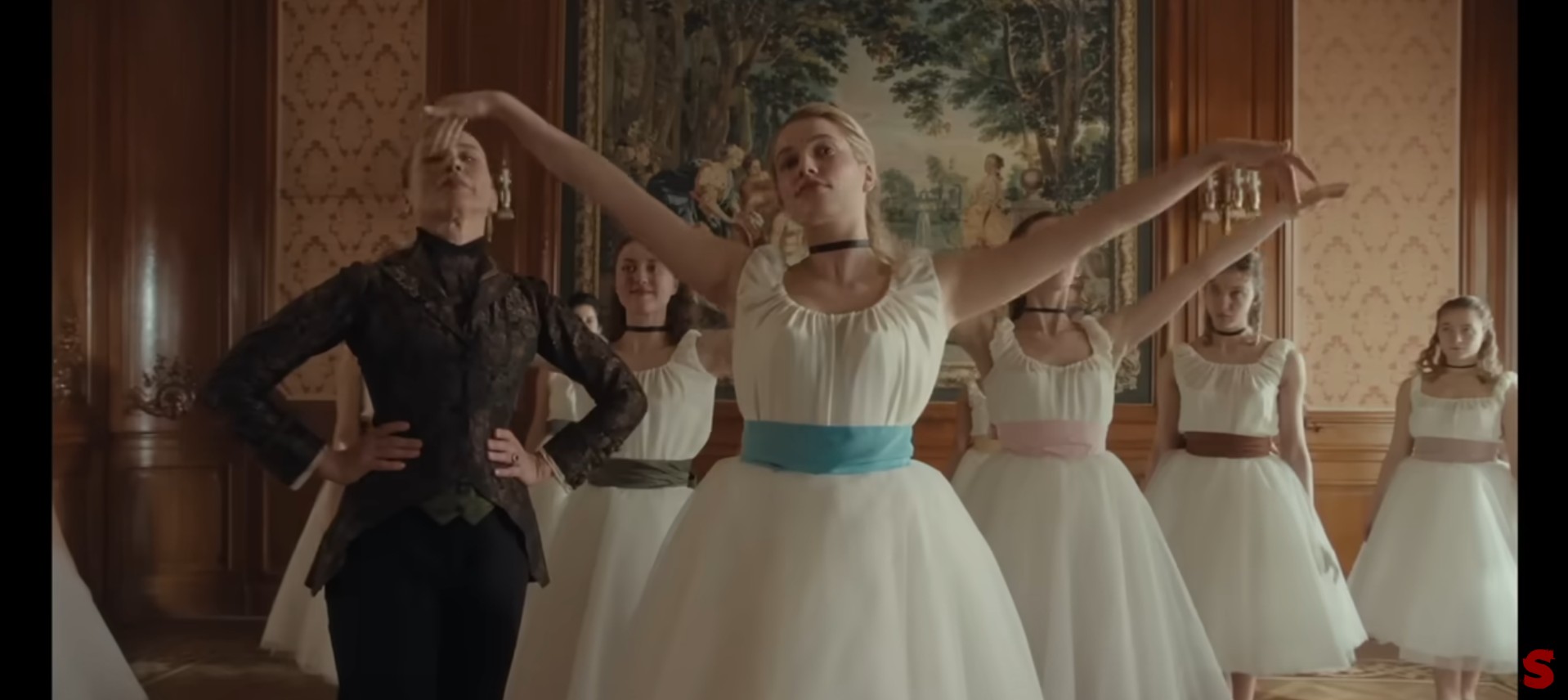
Jan, a young sailor returns home from a voyage to find his family home gone.  After getting into a scuffle with pimp at a night club, he’s knocked unconscious by a blackjack and wakes up to his sister Nancy taking care of him and in the bed inside the Malpertuis home of his draconian uncle, Cassavius, a wealthy, stern, and impatient man on the verge of death with terminal illness.  The sailor finds they’re not alone in the large labyrinth estate with peculiar relatives, nearby acquaintances, and longtime servants.  Before his death, Cassavius has his will read with everyone present bedside, announcing the distribution of the immense inheritance amongst the close assembly who’ve either worked and slaved hand and foot for Cassavius or have been on the outside clawing up into his good graces for their greed.  Yet, to receive their portion, they must abide by one stipulation:  they can never leave the Malpertuis.  Jan plunges himself into Cassavius’s unfathomable parting will and design, seeking to unearth Malpertuis’s warren secrets, but all a while, a killer begins to pluck away potential beneficiaries.

The 1943 gothic novel of the title by Belgium author Jean Ray serves as the film adaptation source for Harry Kümel’s 1971 gialli-like and surreal maddening “Malpertuis.”  Released in the U.S. as “The Legend of Doom House,” the Belgium and Dutch co-production creates phantasmic journey down the rabbit hole that unravels a mystery of pantheon proportions.  The “Daughters of Darkness” directing Belgium filmmaker helms the faultlessly fantastical adaptation and script by Jean Ferry, who would also collaborate with Kümel on “Daughters of Darkness” as well as pen original and adaptations of Franco-Italiano melodramas from “The Wayward Wife” to “The Foxiest Girl in Paris.”  Pierre Levie (1969 “The Witness”); and Paul and Ritta Laffargue (“The Mushroom”) produce the gothic and Greek movie under Artemis Film and Les Productions Artistes Associés.

“Malpertius” houses an international cast that ranges from the native English-speaking countries of Britain and America to the European republics of France, Belgium, Germany, and the Netherlands.  The biggest headliner out of the bunch, and perhaps the biggest drunk at the time too, is none other than “Citizen Kane’s” Orson Welles in the boisterous patriarchal role, Cassasvius, on the brink of death.  Welles commands the screen in his short lived but striking hard every note performance that simply overpowers an otherwise Eurocentric cast fashioned with off the wall characters.  The narrative circles around the ingenuous Jan freshly off the boat for a little R&R.  Played by Mathieu Carrière in one of his earliest performances of his copiously filled career that includes horror-based credits like “Born for Hell,” “Nurse Massacre” and “The Murdered Young Girl,” Jan refrains from mostly having a voice but rather actions his will to discover Cassavius’s secrets within Malpertius’s walls as well as extract his fellow beneficiaries aenigmas, such as why the lovely Euryale won’t ever look him in the eye though she’s destined to be his wife per Cassasvius’ will, his sister Nancy’s inexplicable need to leave Malpertuis with her lover, and Alice, one of three intrusive and gossipy sisters, with her cozy up urge to bed Jan while also sating the sexual desires of his greedy cousin and sneaky creep Charles Dideloo (Michael Bouquet, “The Bride Wore Black”).  All three women are played by a single actress.  Hailing from the UK, “The Violent Enemy” actress Susan Hampshire goes into complete incognito mode that disguises her physical attributes and character personalities with mere makeup and temperament tonal shifts too genuine to easily notice Hampshire being all three women.  Hampshire deserves much of the credit and earns a trifecta win by facing down the challenge without compromising character.  Perhaps a little unfair to single out Hampshire as such but the entire “Malpertius” cast deserves recognition for their titan acts, representing humanity-cladded divinity in the most simplistic of human limitation that none of them, apart from one being more recognizable against the others, can be pinpointed definitively who they’re roleplaying.  Charles Janssens, Jean-Pierre Cassel, Walter Rilla, Dora van der Groen, Daniel Piol, Sylvie Vartan, Jenny Van Santvoort, Jet Naessens, Cara Van Wersch, Fanny Winkler, and Bob Storm fill out the cast.

There’s nothing quite like a good film adaptation of a novel.  Author Jean Ray’s four-part narrative isolates characters more exclusively that delineates the individual storylines of the whole gothic affair inside , and outside in parts, of the crumbling Malpertuis estate.  The Harry Kümel and Jean Ferry vision set out to make “Malpertuis” cinematic by collapsing the subset storylines into a single perspective narrative bestowed upon Jan, who is also the main protagonist in Ray’s novel under Jean-Jacques Grandsire, but less involved in comparison to the film version.  This forces audiences to see through Jan’s eyes, a curious, naïve and perhaps good nature fellow, a nationalized sailor of sorts who cares more about his home and sister than the depravity of sailors on shore leave, and what Jan experiences is nothing short of exploitation, sexualization, and torment amongst Cassasvius’s most prized collection of heirs.  Which brings me to uncle Cassavius who is set up, through the remarks of his nephew Jan, as nothing more than a gruff and stern, ill-tempered man living in the gloomy prison-like structure that is Malpertuis, but Cassavius transforms in a postmortal light as no longer a wealthy grouch but as an omnipotent collector that instills a great power upon him albeit his once feeble condition that took his life.  His house is very much like himself, confounding, mysterious, and surreal now pact with peculiar beings that look, sound, and feel human, or at least to Jan, and in appearances to the audiences too.  There’s a theme of limitless power over power itself but with the caveat that everything must come to an end and “Malpertuis” has one Mount Olympus-sized end. 

What’s also definitive is the limited-edition Blu-ray set from Radiance Films.  A beautifully curated boxset encasing a dedication to the undervalued “Malpertuis” with a AVC encoded, 1080p resolution, BD50 set that’s presented in a 1.85:1 widescreen aspect ratio.  In the midst of Malpertuis’s dark corridors and staircases, its classically drab common rooms, and a bleakly deserted grayness to the seaport town that exemplifies the intentionally restored stark and severe grading overseen by director Harry Kümel, the 4K scan, compiled by the shorten Cannes cut and Kümel’s directors cut, depicts quite a bit of localized saturation that pops into play that creates stand out characters in tandem with their eccentric personalities.  There’s a meticulousness in the details that greatly heighten Malpertuis into a prison-like character, one that is personified holding the living, breathing characters into a stasis though they’re freedom to leave is unobstructed, the Lamplighter is a good example of this by appearing to be a near skin and bones, unkempt in appearances, and wailing in disquietude about Cassavius putting out the light, as if Cassavius himself was some sort of jailor and, in a way, he is.  No compression issue within the dim-lit black areas, the ruckus of various action, or any macroblocking during the decoding.  Though there is a language version somewhere in the world, Radiance Films supplies only the original Dutch ADR mono.  The post-production dialogue does have an asynchronous measure between picture and sound, especially between the non-native Dutch speakers, but the track is clear and prominent overtop a mysterious and unobtrusive Georges Delerue (“Platoon”) soundtrack, letting the actors and the action take the helm of the narrative with a low-toned menacing as well as hopeful score pieces that drive their curiosity and individual pecularities.  The diegetic dynamism denotes a defined design to be character driven rather than creating the immense suspense built by an edge of your score and omnipresent nondiegetic sounds.  The faultless and well-paced UK English subtitles are available and can be toggled.  Encoded special features include a 2006 audio commentary from director Harry Kümel and assistant director Françoise Levie, new interviews with Kümel and gothic horror writer Jonathan Rigby, an archival and behind-the scenes documentary on the making of the film with interviews Kümel, lead actor Mathieu Carriere, and director of photography Gerry Fisher, archival interviews with Kümel, Michael Bouquet, and Jean Ray with an archival featurette on Orson Wells and actress Susan Hampshire, Malpertuis Revisted takes audiences on location where the movie was shot with Kümel’s descriptions, the Cannes cut of the film, which is approx. 20 minute short than Kümel’s director’s cut and is viewable in the English and French language for selection, Kümel’s short film “The Warden of the Tomb,” and the trailer. Limited to 3000 copies, “Malpertuis’s” physical presence is palpable with a hard cardboard slipbox with Greek themed compositional artwork with a wraparound Obi strip denoting synopsis, bonus features, and technical aspects. Inside, a clear Blu-ray Amary comes primarily with a front and back still image cover given the artistic liberty treatment. The cover can be flipped from more traditional cover artwork, and all artwork provided is by Time Tomorrow. Heavier than the slipbox and the Amaray is the accompanying 78-page booklet with cast and crew acknowledgements, transfer notes and special thanks credits, and 2025 produced essays by Jonathan Owen, Willow Catelyn Maclay, Lucas Balbo, Maria J. Perez Cuervo, and David Flint. The region free release is region free and houses two runtimes with the main feature being the 125-minute producer cut and the Cannes cut, domiciling in the special features, clocking in at 100-minutes.

Last Rites: No one can top Radiance Films’ “Malpertuis” limited-edition Blu-ray set with its comprehensive insight into one of the more original adaptations surrounding Greek mythology, the harnessing and control of great, immense power, and the how that power is transposed and shaped into the human context where greed, sex, and love are the core contentions.

“Malpertuis” Now Available at Amazon!

EVIL’s Path to being a Psychopath. “The Beast to Die” reviewed! (Radiance Films / Limited Edition Blu-ray)

“The Beast to Die” on Limited Edition Blu-ray from Radiance Films!

Former war journalist, Kunihiko Date, stabs a veteran police investigator to death.  He then uses the detective’s revolver and guns down three, after hours casino employees in cold blood and steals the day’s earnings.  Date’s seemingly random acts of violence and theft from a respected war journalist and photographer are not just random acts but part of a methodical plan for an upcoming heist of a bank in Tokyo’s Nihonbashi district.  Casing the bank’s security, personnel, and layout, Date’s perfect plan has one hitch; Because of the bank’s size and bustling busines, he’ll need a little help.  By chance, he comes across Tetsuo Sanada at an annual school alumni dinner with his closest friends who have a violent run-in with Sanada as their antagonistic waiter.  Seeing the same potential disregard for life and disdain for existence conventions, Date approaches Sanada and mentors him under a nihilistic wing.  Now with a plan and an accomplice, Date’s violent holdup can move forward but to what end is the length of his sociopathic carnage. 

“The Beast to Die,” aka “野獣死すべし, Yajū shisubeshi,” is the intense and violent noir-thriller from Japan, directed by “Dead Angle’s” Tôru Murakawa and a script by Shoichi Maruyama (“The Triple Cross”).  The 1980 released feature would be Murakawa and Maruyama’s second feature length production together behind 1979’s “The Execution Game,” the second film of a trilogy known as “the Japanese Game Trilogy is a visceral yakuza tale of a kidnapped hitman unable to escape the criminal underworld. “The Beast to Die” is a step away from the Japanese gangster film; instead, focuses on the interpretation of war trauma, the cynical views of precious life, and has subtle presences of U.S. big brothering, asexual themes, and coarse, unforgiving violence at the highest level of sophisticated society.  Adapted from the Haruhiko Ôyabu novel of the same name, the written origin mirrors the vehemency of visual art with the film produced by Haruki Kadokawa (“Virus”) and “The Resurrection of the Golden Wolf’s” Mitsuru Kurosawa and Tatsurô Shigaki under the Toei Company and Kadokawa Haruki Jimusho.

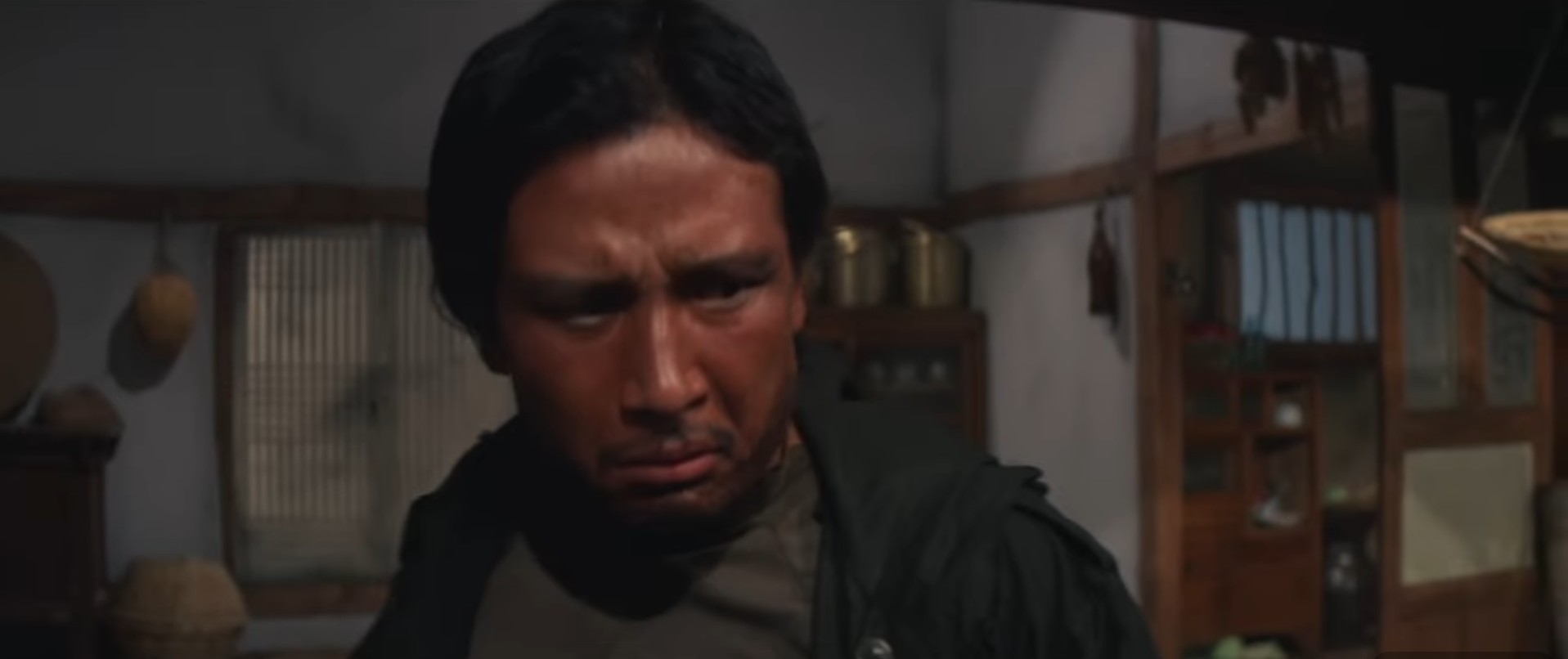
Undoubtedly one of the best sociopathic performances of our lifetime, “Horror of the Wolf” and the Japanese Game trilogy’s Yûsaku Matsuda is a cool, awkward, and, if not, plotting cucumber amongst the masses of jovial and hustling Tokyo denizens.  There’s a serenity about Matsuda’s Kunihiko Date that’s unparalleled, represented by blank stares, a patient demeanor, and precise movements that come in stark contrast in the film opener where Date takes down four people in one night in a show of murderous inexperienced bravado.  Even in the thick of combative survivalism, there’s only objective goal in his sweat infused brow and focused eyes while others gesture and make an invitational show of his attack or of their pleas for mercy.  Date becoming lost in classical music is a formidable way of grounding himself, not only from the high of excitement and thrills of killing, but also a way to retain sanity in the notes, an aspect he quickly unravels from when not exposed to classic music for an extended period.   Oppositely, Tetsu Sanada is full of pent-up anger as if he’s constantly hitting his head on the wall aiming to break free of the surroundings that confine his wild tiger attitude, yet Takashi Kaga (“Isle of the Evil Spirits”) maintains a personal struggle lock on the full emergence of Sanada as Kunihiko’s equal.  This dichotomy between the anger and tranquility of two sociopaths is immensely palpable that leads to a purposeful instability in a number of areas – hesitation and certainly, the sweat-inducing fear and the cooled fearless, and, eventually, the relationship’s ultimate internal destruction.  Thrown into the Kunihiko and Sanada tango is a potential love interest in the puppy-eyed Asami Kobayashi (“Sixteen Years Old:  Nymphets’ Room”) and her shared classical music and tenderness connection with Kunihiko and a happenstance Detective, played with casual approach by Toshie Negishi (“The Rapacious Jailbreaker”), being in Kunihiko’s consciously aloof presence as a pressuring force that suspects something between something off with Kunihiko and the murder of his detective colleague. 

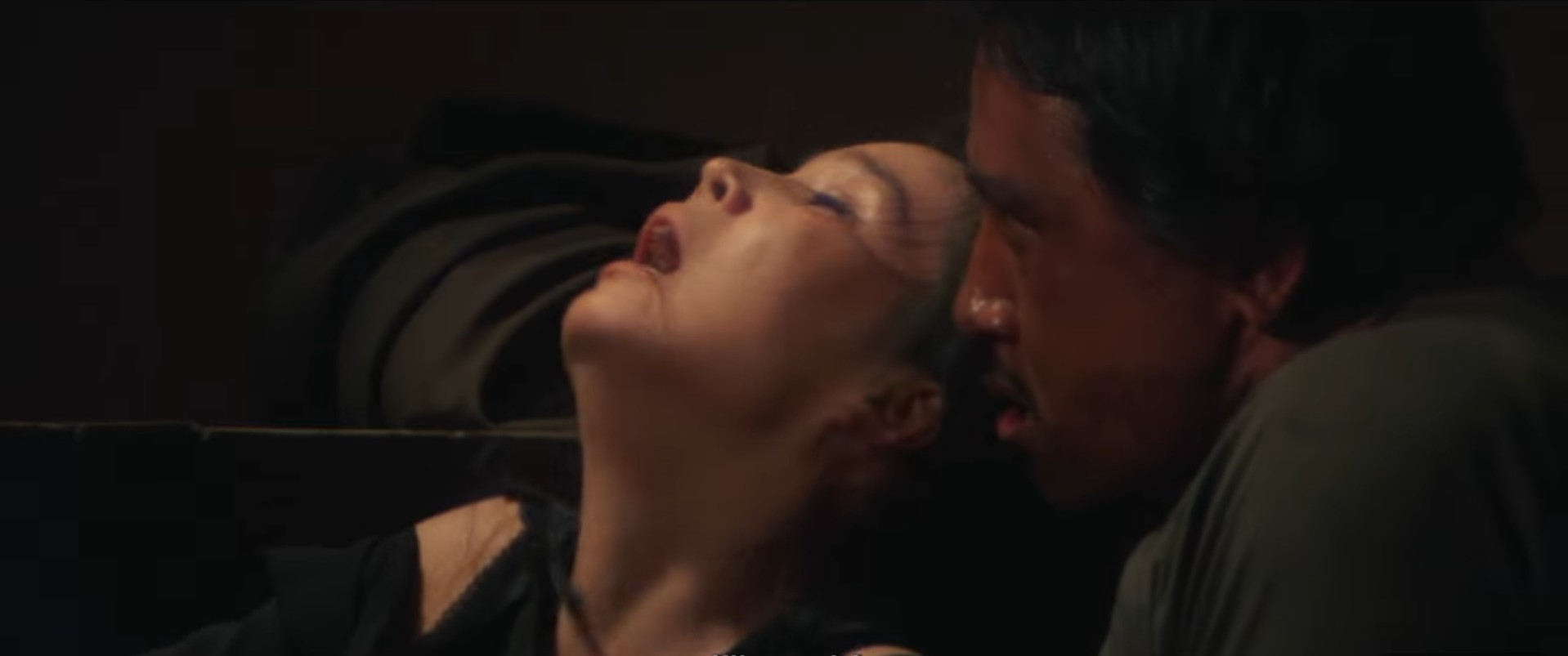
“The Beast to Die” explores various themes around the indirect damage of post-war trauma and living and feeling like an outsider of the what’s consider the normal societal collective, but there’s another avenue to look down when consider Murakawa’s villainous protagonists.  Kunikhiko Date may have been scarred by war, but his mind always had an inkling for bloodthirst, sated through the images of a photographic lens that captured the horrors of global conflict from military losses to the collateral damage.  Upon his return to Japan, Date had lost the exciting sensation of death that has exceled his rationality beyond being Godlike, able to take life without conscious due reproach.   Sanada, in a way, is similar in his radical viewpoints but Date finds him more talk than action, held behind the line he has yet to cross unlike Date’s journalistic meatgrinder and his self-drive to kill the detective and casino workers.  As far as vices go, neither men have an appetite for sex:  Kunikhiko  watches a sex worker masturbate with little interest and his connect with Reiko doesn’t go beyond the gazes into each other’s eyes and Sanada’s fortunate relationship with his girlfriend provides him with well-off opportunity in money, business, and romance but because she dapples in rendezvous with a U.S. sailor, Sanada finds himself engrossed with spite.  Both men become essentially sexually impotent with seeing red, in anger and in blood, replacing that primal need or ravenous appetite.  The last scene between the two men becomes a crucial turning point in their cruel comradery as the forceful sex act with an unconscious woman sends the other unravelling their partnership for good.  “The Beast to Die” is a cynically cold narrative without regard for human life in the traumatizing belief one can surpass the omnipotent Gods by ending the existence of others.

A compelling dark thriller relatable to contemporary trauma feeding mentally warped violence, “The Beast to Die” arrives onto a limited-edition Blu-ray from Radiance Films.  The UK label produces a Kadakawa Coprporation-created digital 4K restoration transfer from the original and pristine 35mm print.  AVC encoded onto a BD50 and presented with 1080p high-definition resolution in a 1.85:1 widescreen aspect ratio, this Stateside edition is the picture of health with a rich palate that’s stark with contrast.  Skin tones and textures, as well as fabrics, emerge into perspicuousness without missing or dropping a beat.  Negative spaces and shadows enshroud appropriate with the keyed lit dim levels.  The grain is pleasant, stable, and natural and there are no real issues with the print itself, withstanding the test of time.  The uncompressed Japanese PCM 2.0 Stere track offers a reasonably ample sound design and fidelity with post-production dialogue, foley, and ambience recordings that creates some mismatch and distancing space between the action and atmosphere audio and the character diegetic dialogue.  There are no rough patches to mention within the audio recordings, producing more than fine discernible quality to the technical threshold.  Japanese to English translator Hayley Scanlon provides newly translated English subtitles that are spotless in the Blu-ray’s world premiere with English subtitles.  Limited to 3000 units, Radiance offers exclusive special features, including new interviews with director Toru Murakawa, screenwriter Shoichi Maruyama, and a film critique and analysis from novelist and screenwriter Jordan Harper.  The newly commissioned artwork by TimeTomorrow revamps with a new look and layout on the classic, original poster art as the primary Amaray front cover with a reversible side housing an alternate rendition.  There are new and archival essays and archival in the limited edition booklet with 27-pages of color stills, a Tom Mes Yusaku Matsude:  Lost Rebel essay from 2004 showcasing the art and films of the lead actor, a new Tatsuo Masuto essay Shadow of the Beast, cast and crew acknowledgements, and transfer notes and Blu-ray release acknowledgements.  Encoded with a region A/B lock, Radiance Films release has a runtime of 119 minutes and is not rated.

Last Rites: Radiance Films’s limited edition run of “The Beast to Die” is immaculate in every aspect – filmically, technically, packaging – and is an important piece of Japanese culture and cinematic criterion.

“The Beast to Die” on Limited Edition Blu-ray from Radiance Films!

Never Trust an EVIL Trucker with a Drug and Prostitute Addiction! “The Bunny Game” reviewed! (Jinga Films, Danse Macabre, MVDVisual / DVD)

“The Bunny Game” is Not for a Weak Stomach! Now on DVD!

Bunny, a prostitute on the streets of Los Angeles, subjects herself to the lowest of clientele lists looking to exploit her services with their own abusive fetishisms.  Just to get by to her next meal.   Bunny is constantly in coked out state when tricking becomes nearly unbearable.  Manhandled, abused, and unconsciously raped, there seems to be no end, and she must persevere to survive the streets, beautifying and feeding herself physical and mental nourishment to keep up strength.   When she encounter’s a trucker named Hog, Bunny’s just looking to endure another insufferable John, but Hog has other plans for Bunny, kidnapping her, driving somewhere isolated, and chaining her up deep within his trailer, and tormenting and torturing her to a different kind of no end Bunny has never experienced.  Hog’s derangement is fueled by his extreme drug use in what is not his first rodeo with working in whores for his own personal enjoyment and the girls’ own personal Hell. 

Banned in the UK, “The Bunny Game” is an extreme torture porn horror based off the real events that happened to principal star Rodleen Getsic with being abducted.  There’s not much publicly known on her own horrible experience, but the “The Bunny Game” is a baseline shockumentary written in collaboration between Getsic and filmmaker Adam Rehmeier with in the director’s chair of his debut feature film.  Rehmeier, director and cinematographer of numerous music videos and shorts, conjures up a story and a completed film with singer-actress Getsic without ever materializing an official script.  Instead, improvising and extemporizing fluff up Rehmeier’s storyboarding bullet points of where people and places should be in the narrative construct, hence why much of the story goes without dialogue, replaced with frenetic visuals and montages of recalcitrant convention.  Rehmeier co-produced the film under his company Death Mountain Productions alongside Rodleen Getsic.

For having been abducted herself and for the film to be an overemphasis of it, Getsic steps into the main role’s fishnet stockings to be the used and abused sex worker, known only in the credits as Bunny, and the role is no walk in the park or for the faint of heart.  Bunny is a self-inflicted punishing performance and mostly what you see on screen being inflicted upon Bunny is genuinely be done to Getsic which includes branding of the caduceus symbol on her back, as well as the same symbol seared into the flesh of Getsic’s friend, Drettie Page, who was game to receive much of the same for-the-story, for-the-film punishment as another victim of Hog in, supposedly, flashback sequences.  Hog is played by Jeff F. Renfro, a regular in the industry for his transportation services owning a big rig and tractor-trailer, but as the formidable serial killer Hog, Renfro brings and matches the intensity of “The Bunny Game’s” near free for all improvisation and experimentation provocation.  Getsic’s willingness to go the extra mile, from being branded, lighting scored by knife play, having her head shaved, is equally matched by Renfro’s being the recipient of being spit in the face, handling the fondling and the other physical exploitation of Getsic and Page, and being a total wild eyed, masked and shirtless, top of his lungs maniac with a mindset that’s cruel and oppressive with another human being’s life in his hands.  Dynamically, it’s a cat playing with a mouse, a deplorable show of chauvinism, and a callously cruel picture of control with the players in full control and full acceptance of their characters.  Gregg Gilmore, Loki, Curtis Reynolds, and Norwood Fisher cast a supporting line to trawl the Rehmeier, and what Rodleen Getstic refers to, monsterpiece

Rehmeier and Getsic have both been recorded stating every action on screen, aside from the excess drug and alcohol use, is 100% real.  Now, “The Bunny Game” immediately slaps viewers in the face with Bunny on her kneeds giving extended, adult industry-enthusiastic, fellatio to some unknown man only shown from his clothed backside at mid-section down to the top of the knee.  While not as sloppy as one might think despite Getsic’s vigorous efforts, the opening oral provides that provocative, eye-opening, banned-in-the-UK scene that now has snuck insidiously in the recesses of our minds and, in conjunction with the previous Rehmeier and Getsic authentic claims that never really specifying sex as one of them, audiences will wonder if what they’re subjected to is in fact a real act of oral sex.  To digress briefly, what’s the deal with movies with Bunny in the title (“The Bunny Game,” “Brown Bunny”) and oral sex?  From there, if you’re not disgusted by the voyeurism and chauvinism of sex work and misogyny, you’re digging Rehmeier’s film and hooked with curiosity tied to Bunny’s unfortunate fate, but what ensues embodies the essence of a crazed industrial music video of minor, discordance chords that produce harsh sounds and tones to envelope the choppy and cutting editing that shatters linear time, as well as the struggling soul, especially in montages of maniacal torture and onset introspective  between the punishment giver and taker in the Hog and Bunny intersection that will instill a catalytic crossroad for one of them.   There’s plenty of empathy to be had for Bunny, or maybe even sympathy if one has gone through similar abduction, torture, or has had a previous life on the streets, but the coarse nature of Hog’s slow and measured wrath can certainly be felt in the 1 hour and 16-minute runtime as revisiting Bunny for another dash of screaming, laughing, and misuse of her body and being at the hands of Hog is often on a wash, rinse, and repeat cycle of cynicism, an unavoidable problematic staleness often associated with films that do not have a shooting script, or any script for that matter.  Ideas tend to run dry and the then cornered concept is to bedazzle with nonstop bedlam but the fresh frenzy of exploitation is often fleeting and expires a lot quicker than the film’s runtime does.

A tale of street tragedy and what should be an always constant reminder that deranged killers are here, there, and everywhere, “The Bunny Game” scores high in extreme exploitation within its experimental execution.  Jinga Films, Danse Macabre, and MVDVisual bring the corrosively cuddly film back onto DVD after the original Autonomy Pictures release has been out of print for a while.  The single layer DVD5’s codec is of MPEG-2 compression and presented in 720p resolution in a widescreen 1.85:1 aspect ratio.  The achromatic black and white image stacks additional bleakness to the already soulless content with a low field of contrast creating borderless shadows but the use of handheld key lighting, aka flashlight, does create a miniscule delineation at times when under a blank of black.  Blacks succeed in being solid for the most part with only a couple instances of minor banding which is pretty good DVD compression, likely a result of the zero color to encode and decode.  The English LPCM Stereo is not a girthy mix of dialogue, soundtrack, and ambience.  Now, all three elements exist, but since “The Bunny Game” has zero script, there’s not much in the way of conversating and what’s there is prominent enough amongst the layers of industrial jarring dissonance that, at times, beats in sync with the visceral montages.  Inside the mic recording scope, ambience comes and goes based off the intensity of the scene and score but there are quieter moments to reflect on the improper handling of Bunny with Hog and the other indiscriminately disgusting Johns her life as a prostitute absorbs.  Special features include an archival Caretaking the Monster behind-the-scenes interviews with cast and crew, including actors Rodleen Getsic, Jeff Renfro, Greg Gilmore, and director Adam Rehmeier, discussin the original concept that was more aligned with Getsic’s personal abduction accounts but then evolved into something more horrifying that lead to the casting of Renfro, their isolated locations, and the realism inflicted upon Getsic as well as the teaser and theatrical trailer.  The DVD packaging is much the same as previous editions with a video aesthetic resembling black and white contrast but unlike previous releases, the cover art shows off its graphically artistic masked bunny in shackle design that speaks to the content.  The Jinga, Danse Macabre Danse, and MVD release lists this as a rated R release whereas the previous version was unrated; however, both releases have a 76-minute runtime.  A quick review suggests this “R” cut is actually the same as previous versions.  The DVD also has region free playback.

Last Rites: This game is not for the faint of heart. “The Bunny Game” tests willpower to stay through to the end, through the torture, rape, and the real violence in a one-sided acrid affair. If you can survive the brutality, this game is for you.

“The Bunny Game” is Not for a Weak Stomach! Now on DVD!

Experimental, Recreational Drug Use in College has Killer, EVIL Effects! “Blue Suneshine” reviewed! (Synapse Films / 3-Disc 4K UHD, Blu-ray, and CD Limited Edition Set)

Trip Out on Synapse’s Limited Edition “Blue Sunshine”

A party between friends turns deadly when one of them goes into a violent frenzy after being reveled his loss of all his hair.  Blamed for the murders, floating through life Jerry Zipkin is evading police investigators while also trying to connect the pieces on why a good friend of his would suddenly turn into a madman with no body hair and with five times the strength of any ordinary man.  His own investigation leads him to Blue Sunshine, an LSD variant connected to every transgressive event similar to the party, and at the center of it all is congressional frontrunner Edward Flemming who peddled Blue Sunshine 10 years ago at Stanford.  The latent consequence is now slowly surfacing to a head and more people are starting to experience the aggressive, alopecia effects, all Zipkin has to do to prove his innocent and a major ticking timebomb is to take a sample from a living specimen to show aberrant chromosome damage caused by the designer drug. 

Before becoming outed and investigated that the U.S. government experimented LSD on human subjects and it’s unknown but possible dormant side effects of years later, writer-director Jeff Lieberman put theory into sensationalized practicality with his post-psychedelic horror “Blue Sunshine” that turned ordinary, friendly people into headache-induced phonophobia sufferers and hairless, homicidal maniacs with super strength.  Lieberman’s 1977 released film snugs in between his killer Earthworm creature feature “Squirm” and one of the better backwoods slashers titled “Just Before Dawn,” tackling with themes of adverse effects from manmade drugs, political corruption, and to never judge a book by its cover.  The film is produced by “Squirm’s” George Manasse with “He Knows Your Alone” and “The Clairvoyant” producers Edgar Lansbury and Joseph Beruh serving as executive producers on the Ellanby Films production.

While the plot point that pushes Jerry Zipkin in the direction of investigation of the sudden fury and death surrounding his friend treads a threadbare rope with little background to suggest Zipkin is characteristically dedicated, loyal, curious, or all of the above to find out what happened, Zalman King’s overall performance as the path unaffixed Zipkin overshadows those missing background pieces and motivations.  In more key precise terms, Lieberman’s misdirection toward King’s erratic and strange behavior puts a lot of the focus on Zipkin rather than obvious derangement of the latent LSD maniacs with corrupted chromosomes in what was meant to puzzle the audiences in believing Zipkin himself might be the loose cannon cause behind the murders or, even perhaps, another ignorant victim of blue sunshine, which the latter would have been more intriguing and powerfully motivating for the Zipkin character as what drives him to solve the mystery and save himself.  None of the relationship resolve any type of secure or genuine interactions, specifically with Alicia Sweeney (Deborah Winters, “Tarantulas:  The Deadly Cargo”) with an unrealistic strong undying love for Zipkin despite only knowing him for a couple of months and the entire Stanford contingent from a decade earlier who Zipkin was able to easily link together within a matter of seconds of either examining a bloody crime scene or meeting a pair of the blue sunshine fiends.  One of the better, solid bonds is between the will-do-what-it-takes congress candidate Ed Flemming (Mark Goddard, Lost in Space) and his towering former college football buddy Wayne Mulligan (Ray Young, “Blood of Dracula’s Castle”) who becomes Flemming’s 6’6” advisor and bodyguard.  While might not seem like a well-rounded bond, Flemming and Mulligan have something tangible one can grab and understand when compared to other dynamic relationships that float in arbitrary.   Robert Walden (“Rage”), Charles Siebert (“Tarantulas:  The Deadly Cargo”), Ann Cooper, and Stefan Gierasch (“Carrie”) costar. 

“Blue Sunshine’s” premise has long stood the test of time because its more relatable now than ever as scientists and medical experts are in a fluid state of studying the effects of drugs digested, snorted, injected, or smoked weeks, months, years, and decades ago.  This premise also translates over to contaminants that cause sicknesses, such as the link between asbestos and cancer were tumors form years after exposure.  Lieberman catches wind early of the dangerous latent effects and manipulates it for the basis his film that is more fact than fiction.  Lieberman’s ability to minimize assurances on who is transfiguring into a killer is all in his characterizing nuances, shading in gray areas with excellently crafted character profile vignettes in between the opening credits that instill suspicion, fear, and some unknown stemmed danger ahead.  The unique setup is the filmmaker’s only real unconventional course in the narrative that plays out mostly a routine hand in a natural style albeit the surrealism of extreme closeups and angles on bald headed balefulness when the rage takes over or the slow, insidious madness that seeps into Zipkin’s mind causing hallucinations to exact an audience experiencing disturbance in the envisaged air.  Engaging and self-security eviscerating, “Blue Sunshine” is carbonated madness in a bottle, shook up and ready to pop. 

Synapse continues to upgrade their catalogue with Blue Sunshine next on the augmentation block with a new and mighty 3-disc Blu-ray and 4K UHD restoration release.  Presented in Dolby Vision HDR10, the restoration of the original 35mm camera negative sees it’s 4K transfer compressed with a HEVC codec that produces 2160p and is stored onto a BD100 while the Blu-ray is a compressed AVC, 1080p resolution, on a BD50.  The restoration will blow you away with diffused color palette and organic details that by far are the best they’ve ever looked with a balanced, natural grain level that keeps the speckling down in darker portions of the film to retain inkiness while securing the authenticity of the film stock without any smoothing over and artificial enhancements.  Vivid coloring, immersive details, and natural skin tones, when not softly grayed by the drug’s effects, throughout are appreciatively stable with no qualitative loss between cuts, creating a pleasurable and seamless visual experience on both formats.  Each format comes with two English audio options, a lossless DTS-HD master audio 5.1 surround sound, supervised and approved by director Jeff Lieberman, and a lossless DTS-HD master audio original theatrical mono 2.0.  While the amplification of the same sound output through the dual channels is inviting for purist, I highly recommend the immersive 5.1 surround sound that retains the genuine article of audio fidelity.   Charlie Gross’s orchestral strings instruments, percussive gongs, and synthesizing score fully engrosses the characters and audiences alike into a fold of unnerving, lingering tingles that evoke the monstrous maniac effect possibilities beyond the Jerry Zipkin tale.  Dialogue renders over with fine precision that hangs on every word and sentence with no hissing and crackling to obstruct it’s sweeping clarity.  A bountiful amount of Mind-Altering special features that fill this limited to 4000 copies set that include a new feature prologue introduction with director Jeff Lieberman.  There are two audio commentaries, an archived 2003 interview with Lieberman, a Channel Z Fantasy Film Festival ”Lieberman on Lieberman” interview with the director hosted by “Sleepwalkers” Mick Garris, a Q&A video from the Fantasia Film Festival 4K premiere moderated by Michael Gingold and Lieberman, an anti-drug scare-film “LSD-25” from 1967 and “LSD:  Insight or Insanity?” From 1968 from the American Genre Film Archive, Jeff Leiberman’s first film “The Ringer” with two cuts of the film, the original uncut version from the projection print source and the final release from the remastered Synapse Films 4K transfer with audio commentary included on the uncut version by Jeff Leiberman and moderator Howard S. Berger, still gallery and theatrical trailers. Synapse’s limited-edition boxset is nothing you’ve ever seen before from the company with not only a rigid slipbox case but there’s also a cardboard O-slipcover, both housing the clear, inch-thick Blu-ray Amaray case and both showcasing new illustrative, compositional, air brushed artwork of some of the key character scenes and expressions by Wes Benscoter, which is a real thing of beauty. The Amaray cover art is the regular 70’s grade cover art seen on previous releases from DVD to Blu-ray with a reverse side an image of the tripped-out Ed Flemming icon photo of his drug peddling days at Stanford. Overlapping 4K and Blu-ray discs display graphic presses in story moment compositions, though I don’t recall a half-naked woman in the film yet is on the cover. Not quite yet done with the bonus material, the 3rd disc is a 13-track Soundtrack CD of the score and laid overtop is the 11-page liner note booklet from Jeff Lieberman’s 2020 memoir “Day of the Living Me: Adventures of a Subversive Cult Filmmaker From the Golden Age,” plus the CD track listing, production credits, and special thanks on the backside. A reproduction of the original one sheet poster is stored in the insert as a mini-folded poster along with Synapse’s 2024 catalogue for your perusing pleasure. The rated-R film has a runtime of 95 minutes, and the limited edition doesn’t limit itself to a confined playback with region free decoding.

Last Rites: In order to snag a copy of this stellar Synapse set, muscles are required as this heavy boxset feels like 5lbs of software and hardware special features regarding Jeff Leiberman’s drugs-are-bad thriller “Blue Sunshine” with chrome dome, blank-stare killers doing the dormant bidding of 10-years-old recessed LSD.

Trip Out on Synapse’s Limited Edition “Blue Sunshine”

Next Step in Evolution Leads to EVIL’s War Against the Common Man. “Scanners” reviewed! (Second Sight / 4K UHD)

“Scanners” 4K is Head Popping Good! Buy it Here!

Dr. Paul Ruth is a ConSec scientist, the head of the private contract weapons department on the “Scanner” project.  A Scanner is a highly developed human with psychic and telekinetic powers able to control and damage the minds of others through the nervous system.   Ruth’s latest case is Cameron Vale, a vagrant helped by Ruth to control his self-detriment powers with the use of a scanning suppressive drug known as ephemerol.  When one of Ruth’s past subjects, a renegade Scanner known as Revok, infiltrates and assassinates a live public demonstration of the Scanner project with the intent to wage war on non-Scanners, Ruth’s only hope is to convince to conscript Vale to join the fight and infiltrate against Revok who kills any Scanner who doesn’t join his growing army.  Vale’s search for Revok leads him to learn of a treacherous mole within ConSec and that ephemerol is being weaponized against the normal human race.

On the heels of our Second Sight 4K review of David Cronenberg’s 1979 film “The Brood,” Cronenberg’s following film “Scanners” released two years later in 1981 ups the ante in elaborate special effects and high conceptual themes twirling around in a bowl of body horror soup and is now also available on 4K UHD from the UK Second Sight label!  Like “The Brood,” Cronenberg writes-and-direct a dysphoric film in his birth country of Canadian, per his normal track record of principal production countries, specifically shooting in in the urban and greater areas of Québec, Canada.  The first film of a trilogy, to which Cronenberg did not return to direct the subsequent sequels with both films released a decade later in 1991 and helmed by “Screamers” director Christian Duguay, is a production of the  CFDC (Canadian Film Development Corporation), Filmplan International, and Montreal Trust Company of Canada with Pierre David and Claude Héroux both returning from “The Brood” as executive producer and producer, respectively. 

The face of Scanners has been and always will be Michael Ironside, included on most poster and home video release stills and artworks of a flaringly distorted Ironside as Revok deep in a frighteningly milky-white eyed scanner turbulence.  The “Total Recall” and “Starship Troopers” actor has a face the camera loves, especially in an antagonistic role with Ironside’s gifted devilish grin, dagger eyes, and sarcastic stoic expressions.  However, he is not the heroic lead of Cronenberg’s “Scanners.”  Ironside is not even in the top three headlining credits.  That foremost distinction is consumed by Stephen Lack (“Perfect Strangers,” “Dead Ringers”) in the Cameron Vale role and Lack’s performance is indicative of his name in a completely overshadowed protagonist role.  Lack’s monotonic bordering dangerously to catatonic presence is swallowed up by Ironside who has fewer scenes but instills punchier passion toward his character’s rebellion against humanity cause, plus the contour control over his mannerism and expressions are impeccably cinematic  There are other actors credited ahead of Ironside, beginning with the greatly dramatical Patrick McGoohan (“Escape from Alcatraz”) as the pro-scanner ally Dr. Paul Ruth whose commanding the Vale assignment, “The Clown Murders’” Lawrence Dane as a traitorous ConSec company man Keller in Revok’s pocket lining, and “The Psychic’s” Jennifer O’Neill as fellow pacificist scanner and Vale love interest Kim Obrist.  Each actor finds their individual, attributable, character voice while giving into the required performance with commitment, a sentiment that was not shared by Lack in a strong leading man contender against the forces that face him or scan his mental space.  “Scanners” rounds out the cat with Robert A. Silverman (“The Brood,” “Jason X”), Mavor Moore (“Heavy Metal”),  Fred Doederlein (“Shivers”), Adam Ludwig (“Short Circuit 2”), and Victor Desy (“Rabid”) with that iconic head explosion scene.

To follow up “The Brood” almost right on its heels with “Scanners,” David Cronenberg’s creative synapses were just thunder stroking on all cylinders with ways to evolve mankind into next level grimdark science fiction.  The simple premise of the advanced human condition sparking a potential war between normal man and Scanner man with a private weapons developer in the middle, perhaps inadvertently or intentionally coaxing a new breed of man, is elevated by the special effects of Gary Zeller (“Visiting Hours, “Amityville II: The Possession”) and the makeup alley-oop by Dick Smith (“The Exorcist”) to give audiences those head-exploding, vein-popping, fire-starting special effects that are sear so well into the mind they’re virtually unerasable from the mind, as if real life scanners were implementing the reel into the occipital lobes themselves.  Plot devices like these inarguably saturate the cloak-and-dagger, on-the-run, and species-eradicating storyline with leadup anticipation, building suspense through the truth and lies of Vale’s assignment as well as Vale understanding and, ultimately, accepting his gift rather than seeing it as a burden or a blight to his being.  Unlike “The Brood,” “Scanners” leans more into the physical method of effects with not only the pulsing veins and the white contact lenses but Cronenberg amps up the pyrotechnics with violent and fiery explosions, both of which do a number of the body with blunt invisible force ravaging soft tissue, and also sets ablaze characters’ specific, isolated areas for visual awe and a presentation of a whole new possibility dimension plane of the mind and body that can create, endure, and eventually destroy.   

“Scanners” rounds out the pair of Second Sight’s David Cronenberg releases onto 4K UHD, in conjunction with “The Brood.” The HEVC encoded, 2160p ultra high-definition, BD100 houses the director approved 4K restoration transfer, presented in Dolby Vision HDR10 and in a widescreen 1.85:1 aspect ratio. Previous HD releases favored a slightly anemic image with a tilted color grading that never approached the aesthetics of the cinematic era. Second Sight improves on this with a present in time natural grading true to the late 70s into the early 80s. Healthy, organic grain filter through with an agreeable measure, never overtaking the details that effect upon texture and substance, such as from the massive head explosion with all the intricate gory bits of hair and flesh flying splattering about make for ideal visual immersion to the more macrolevel of inside circuitry when Vale enters the computerized nervous system through scanning. Skin tones render over organically with no flashes of a slightly orange tinge as in previous releases, corrected to overall completed neatness on the finer points. An English DTS-HD 5.1 master audio and a LPCM 1.0 mono consummate the release with fidelity honoring mixes. The surround sound offers a constructed immersive dynamic riddled with explosions and a feverish Howard Shore score engulfing the echoing of the scanner waves to denote the telekinetic or psychic use, but the mono track offers something far greater than any retroactive designed immersion track could offer, a genuine, unforced mix. Both tracks offer clean, robust dialogue with a clarity to match. English subtitles are available on both. Special features include a new audio commentary by Canadian film writer Caelum Vatnsdal and a second audio commentary by film academic William Beard. If comprehensive interviews straight for the horses’ mouths are your thing, than Second Sight has you covered with new and archive interviews with Stephen Lack My Art Keeps Me Sane, Michael Ironside A Method in His Madness, Lawrence Dane Bad Guy Dane, cinematographer Mark Irwin The Eye of Scanners, composer Howard Shore Mind Fragments, executive producer Pierre David The Chaos of Scanners, makeup artist Stephen Duplus Exploding Brains & Popping Veins, and with makeup effects artist Chris Walas Monster Kid. A new visual essay by Tim Coleman Cronenberg’s Tech Babies cabooses the special features. Encased in a traditional back UHD Amaray, the new artwork also sports a prominent and looming Michael Ironside as a raging scanner Revok but now Stephen Lack has presence space with his own iconic and disturbing moment from the film now on the front cover, as the little spoon of course. The companion standard Second Sight release of “Scanners” is UK certified 18, has a runtime of 103 minutes, and is region free!

Last Rites: “Scanners” never looked so good. An exceptional inception of a release from Second Sight Films that continues to aim high and raise the bar with every title they touch, like King Midas without being cursed by their success.

“Scanners” 4K is Head Popping Good! Buy it Here!