What’s Fashion Without a Little EVIL Behavior? “Helter Skelter” reviewed! (Radiance Films / Limited Edition Blu-ray)

Beauty is Pain. “Helter Skelter” from 88 Films!

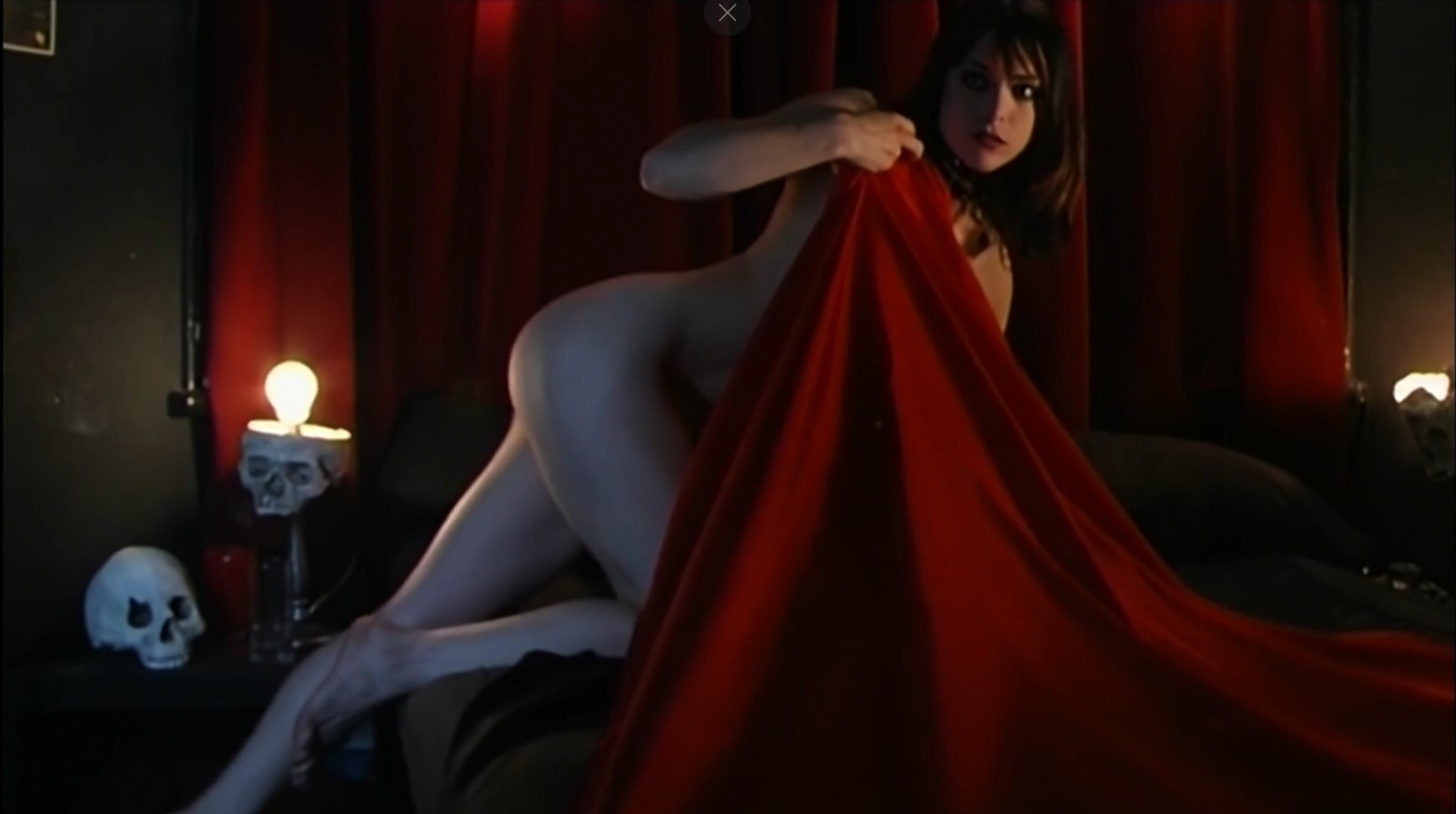
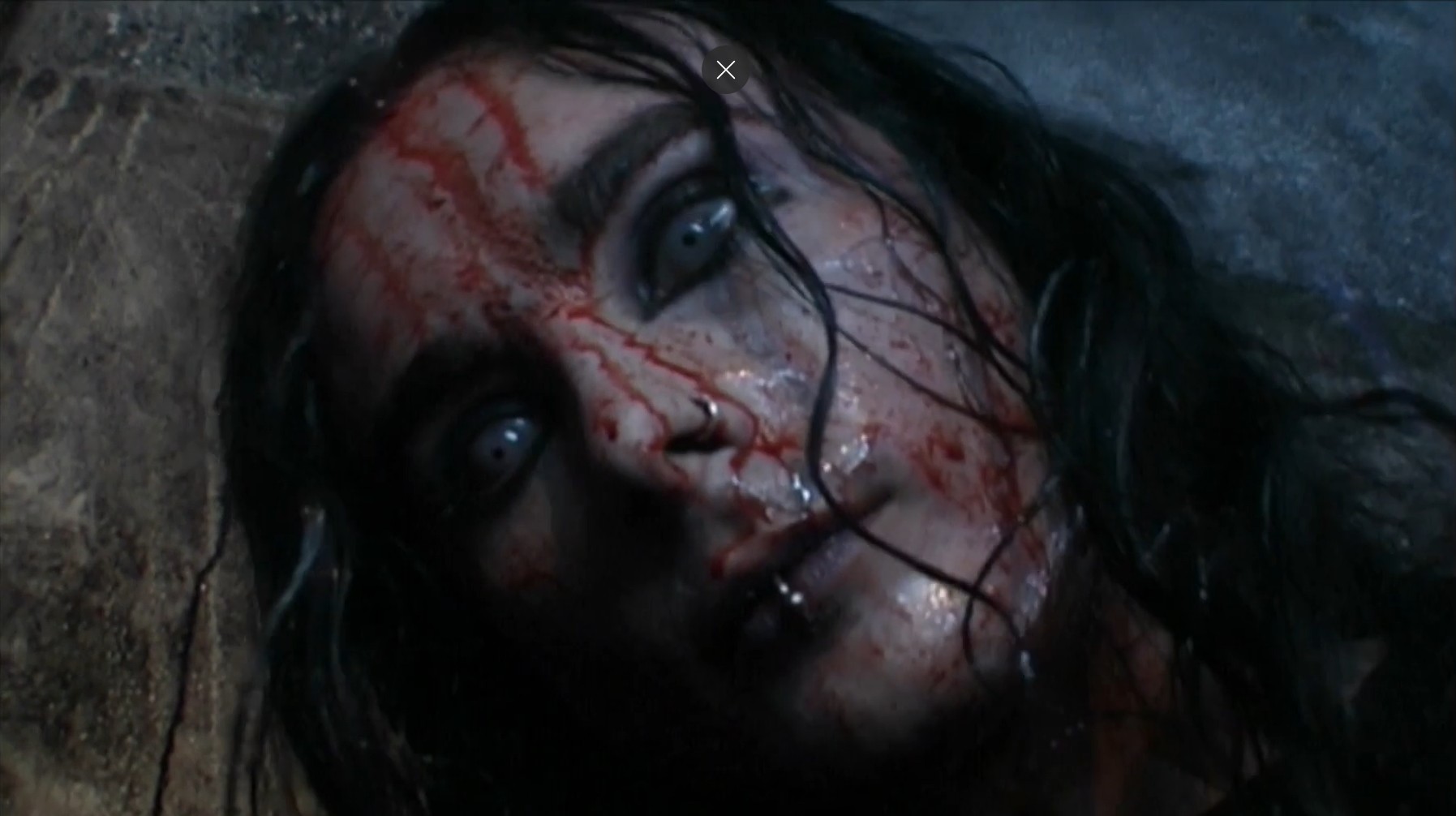
Lilico is the hottest Japanese fashion icon.  Fans adore her, brands want her, magazines crave her, and paparazzi and photographers yearn to shoot and work with her beauty that inspires all and commands undivided attention.  However, her astonishing beauty isn’t entirely organic as multiple surgeries through unorthodox surgical procedures that enhance her from a forgettable nobody to an unforgettable somebody.  Her radical surgeries begin to show blight side effects of the surface of her skin, sending her into vanity driven sociopathic spiral of sex, mental torture, and self-destruction, also affecting those closely around her, especially her assistant Hada who takes the brunt of her maltreatment.  When a new, hot model is presented by her manager and the world begins to fall in love with her, seemingly dropping Lilico from being the face of the fashion industry, the model’s snowballing and necrotizing surgical side effects can’t be stopped from becoming all but public. 

Social commentary horror movies like “The Substance,” “The Neon Demon,” and “The Ugly Stepsister” underline the vast awfulness and extreme lengths of beauty standards.  How to keep youthful, how to manipulate the face and body, and how envy can be weaponized from the worst of counterparts are just some of the attributes, which are very accurate outside the cinema, used as tropes for the body horror subgenre where attractiveness is the core catalyst that motivates monstrosities.  These late 2010s and early 2020 films might not have been directly inspired by Mika Ninagawa’s “Helter Skelter” but definitely pulls from the same cloth.  The 2012 Japanese fashion industrialized body and psychological horror is adapted by Arisa Kaneko based off the Kyôko Okazaki manga of the same name with established manga-to-film experienced producers, Morio Amagi (“Cutie Honey”) and Mitsuru Uda (“Xxxholic”), producing the WOWOW, Parco Co. Ltd, and Asmik Ace Entertainment film.

Objectification perspective isn’t always from the outside looking in but can be looking out as well.  In “Helter Skelter,” model Lilico believes in her self-importance, treating others in subordinate to her illustriousness career as the hottest flavor in Japan’s fashion society.  Society objectifies Lilico as nothing more than a stylistic Goddess who can do no wrong and even have the smallest bit of her in their space, whether be the hot topic of conversation or to the be face of their magazine cover, whereas Lilico objectifies those all around her with eviscerating self-proclaimed eminence and dominion over their mind, body, and soul.  “Ghost Train’s” Erika Sawajiri has the perfect look and approach to celebrity derision without blatancy toward others as her expressionless face never contorts with anger, never smiles without the devilish smirk and piercing eyes, that makes the fashion icon unreadable and to sway of control during bi-polar scenes where happiness and disgust swing rapid on a totalitarianism pendulum.  Personal assistant Michiko Hada, under the performance of “R100’s” Shinobu Terajima, takes the brunt of abuse during on-the-clock and off-the-clock professional and personal time.  Terajima’s ordinary bearings for Hada make the character an easy target in contrast to Lilico’s ornate wardrobe and lavish style of living spurred by ruthless nature to be best and most beautiful, taking an authoritative sovereign stance of control in the fashion hierarchy.  Lilico’s spoiled prince behavior coincides by a fueling Kaori Momoi in a queen-like mother figure as the talent agent who mostly advises her star pupil an instigating misconduct mindset with pro-surgical advice and like-minded guidance that artificially influences her body despite the pain and dangers as well as providing a mimicking behavior of dejecting and downcast harm.  Nao Ōmori (“Ichi the Killer”), Gô Ayano (“Woman Transformation”), Kiko Mizuhara (“Attack on Titan”), Hirofumi Arai (“The Neighbor No. Thirteen”), Anne Suzuki (“Returner”), and Mieko Harada (“Ran”) all play a role in the rise and fall of Lilico.

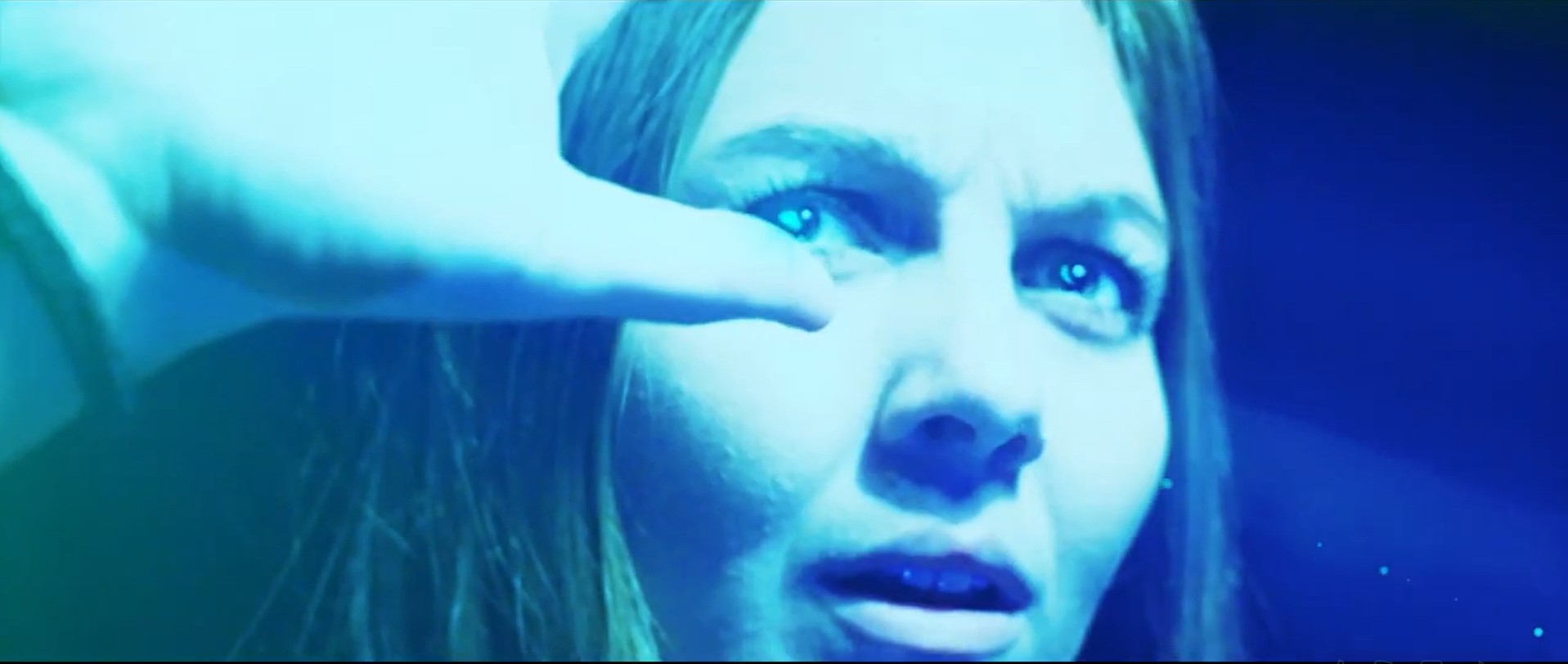
Much like Lilico’s quickly deteriorating fractured state of mind, and body, Ninagawa utilizes a cinematic style that’s overly brilliant with neon colors and a sharp polished look that contrasts reality and distorted perception, creating a disjointed narrative digression Lilico experiences.  The hyper stylization keeps in tandem with the fashion world of flash photography and gaudy maximalism, the ultra-violence and promiscuous behavior depict the cutthroat competition of remaining beautiful and the ugliness that’s truly inside, and the sheer flaunting of indifference and superficiality lingers throughout in and out of favor of our terrible protagonist who is actually the villain and the victim of her own tale.  Each character is flawed beyond reproach and having no redeemable qualities that make them appear strong or promising to be a virtuous type.  Not even the meek and eager-to-please personal assistant Hada who takes the punishing commands of her employer and manager in a purely pitiful subjugation of oneself to not lose a job position and be in the presence of stardom.  Hada even lets Lilico invade her personal life and continues to let it happen with no choice in the matter.  “Helter Skelter” embodies the very definition of the term with its confused and hurried chaotic state in design and in story while, in the same baroque breath, disenchanting the illusion of the fashion industry and beauty standards as not glamourous and genuine but fickle and fabricated with a heavy dish of backstabbing and self-destruction. 

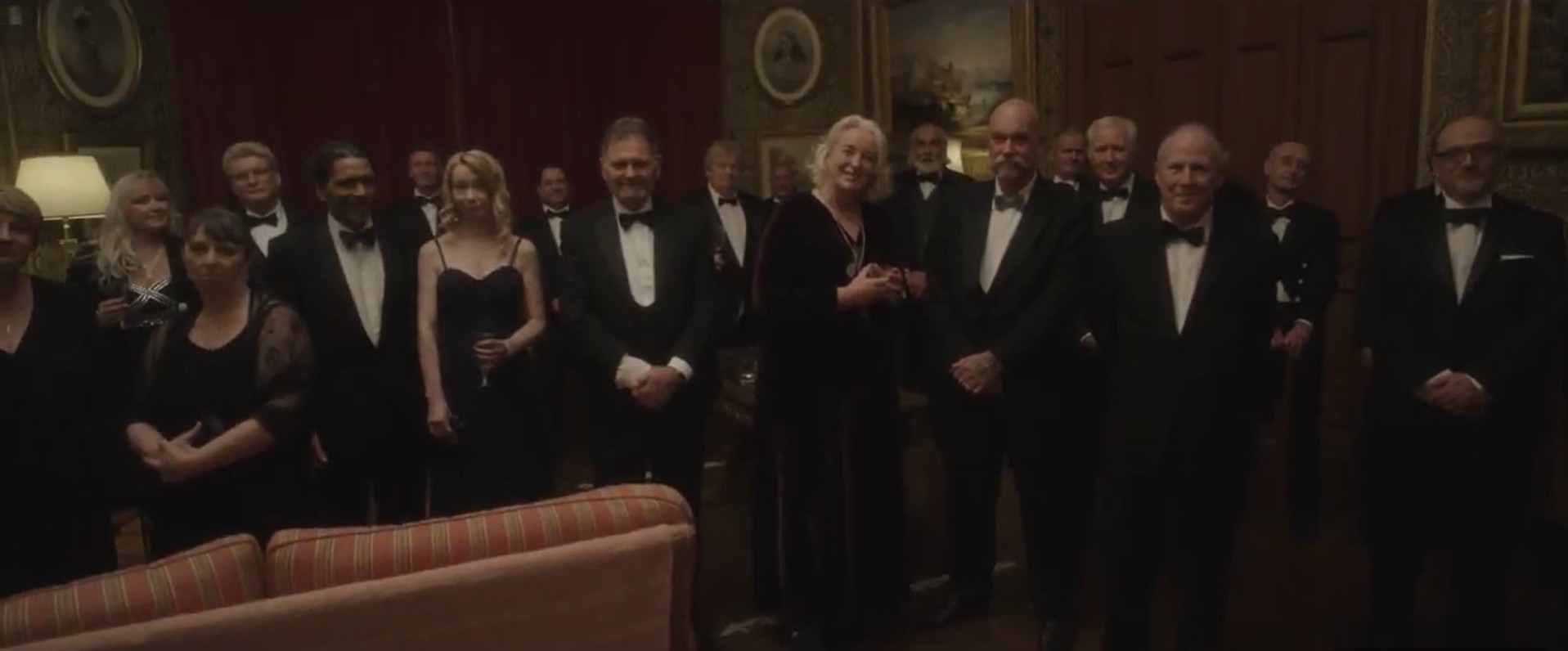
In the same spirit as photogenic magazine models, UK label 88 Films releases a beautifully crafted, limited-edition Blu-ray release.  The numbered release Blu-ray is AVC encoded, 1080 high-definition resolution, onto a BD50 that was already shot digitally with a Red One MX camera through Zeiss Ultra Prime and Angenieux Optimo lenses under cinematographer Daisuke Soma.  This gave “Helter Skelter” a glamorously polished look to accentuate the hyper-stylized and contemporary look that starkly discolor the centralized characters as ruthless people of fashion and high society.  When good finally enters the picture, a young model stepping to Lilico’s high heels as the next young, hot model, the harsh design of modernism is scaled back to simple and sterile aspects with more of the dramatics being held locally to the downfallen characters.  Higher contrasts create deeper shadows amongst a medium-heavy color saturation that primaries strong statement colors like fire-engine red and Duke blue.  The curvature of the anamophoric lenses, presenting in a 1.85:1 aspect ratio, do show intentional signs of wrapping at the sides to capture the entirety of the wide shots in smaller spaces but adds to the surrealistic effect and is implemented at the right moments to make it all sensible.  No compression issues to note.  The Japanese DTS-HD 5.1 Master Audio and 2.0 Stereo tracks are the only two formats encoded.  The 5.1 has formidable attention to the side and back channels with the chaotic fashion-industry ambiance with erratic behaviors steering the scene.  Every action detail is highlighted to bring quieter scenes more tension and every tumultuous moments a fuller body.  The dialogue is crystal clear and layered appropriate with environmental track and soundtrack.  Moods rise up and down with the fluctuation soundtrack that pulsates in breath-holding, provocative, turning-point scenes that while melodies play in more of shocking portions to entice attention during climatic notes.  The newly translated English subtitles have no synchronization or grammatical issues to note and pace well with the visuals.  Special features include a feature in tandem audio commentary with Tori Potenza and Amber T., interviews with star Erika Sawajiri and director Mika Ninagawa, a behind the scenes of raw footage making the film, the Japanese premiere stage greeting, an opening day stage greeting, the Q&A from the Taipei Film Festival with director Mika Ninagawa, the original rehearsal footage, an image gallery, and the teaser and official trailers.  Like Ninagawa’s film, 88 Films tangible release is also hyper-stylized with newly commissioned art by Luke Insect that’s surreal, color, and slightly disturbing.  The clear Scanavo cases comes with an gold Obi strip with film and Blu-ray details and the sleeve is dual sided with original Japaense compositional design on the inside.  Inserted inside is a 23-page color booklet with a chaptered essay by Violet Burns, complete with color photo stills and promotional photos with the front and back art contrasting the two model women in a good and evil, light and dark, way.  The not rated, limited-edition Blu-ray has a runtime of 127 minutes and is A and B encoded to support playback in the Americas as well as Europe. 

Last Rites: There are plenty of horror as well as commentary films about fashion, but none do it with style quite like Mika Ninagawa and still develop an unrivaled cynicism of self-implosion.

Beauty is Pain. “Helter Skelter” from 88 Films!

Two Van Damme’s Take on Twice the EVIL! “Double Impact” reviewed! (MVD Rewind Collection / 4K UHD and Blu-ray)

“Double Impact” 4K UHD and Blu-ray Will Having You Seeing Double the Damme!

The assassination of their parents separates infant twins Chad and Alex from Hong Kong to different parts of the world, living very different lives.  Chad trains Karate and stretching while living the high, comfortable life in Los Angeles with this uncle while Alex, abandoned at a covenant orphanage, grows up to be a street-savvy importer of illegal and luxury goods.  They’re reunited in Hong Kong by Chad’s uncle, who’s not their uncle at all but their father’s former bodyguard and close friend, to bring down a criminal organization collaborating with their parent’s killer who orchestrated the hit with the Chinese triad.  Outmanned, outgunned, and at odds with each other’s different persona, Alex and Chad must find common ground to stand on to fix the wrong done them, to inflict payback for their murdered parents, and claim his stolen legacy, an underwater passage way between Hong Kong and mainland China, as their own in observance of their birthright from what they’re engineer father had built.

If one Jean-Claude Van Damme wasn’t enough to handle, try your hand at double the Van Damme!  “Double Impact” is the first film Van Damme gets to show his range inside the context of martial arts action film and to break, ever so delicately, the typecast he’s been filled repeatedly to perform by taking on converse brothers.  The 1991 action-thriller with comedic morsels was shot in Hong Kong, one of a handful of films the now 65-year Belgium native did in country, coming in between “Bloodsport” and “Knock Off,”  with years in between, and is written-and-directed by Sheldon Lettich with cowritten credits by Van Damme as well.  “Double Impact” is the sophomore collaboration between Lettich and Van Damme and the two have worked on a number of project since the film’s release, such as “Perfect Target” and “The Order.”  Van Damme also produces the film alongside Paul Michael Glaser, Ashok Amritraj, and the one and only Michael Douglas under his co-founded company Stone Group Pictures (“Flatliners”) in association with Vision International. 

“Bloodsport” Van Damme pulls double duty with ying-yang characters Chad and Alex.  Chad’s an easy-going, well-dressed, expensive-taste, slightly naïve, student of Karate who’s living comfortably in L.A. while brother Alex with slick back hair, leather attire, greasier-appearance and cynical attitude has him pegged as more Hong Kong street smart in his transgressor affairs as a illegal importer.  As far as exhibiting the desired range goal, Van Damme does provide the persona separation to make Chad and Alex individuals but he’s still playing characters he’s been in previous films and the only difference between Chad and Alex is their hair styles.  To ensure their differences, the story is woven for them to compete each other a little bit with evoking some jealous around Alex with the fear Chad may still his woman, Danielle, played by the tall and beautifully blonde “King of New York” actress Alonna Shaw.  Fueled by alcohol and a wild imagination, a wedge drives Alex to view his brother as more feminine than him and shows it with pejorative name calling and brotherly spat violence while in an intoxicated schoolyard tiff.  I will say that one the many glaring plot holes between the two characters is both have the same fighting style, which is Van Damme’s kick heavy Shotokan karate, and while that fits Chad’s backstory, it does not fit Alex who was too busy selling stolen cars rather than learning Karata in a studio.  Geoffrey Lewis (“Night of the Comet,” “The Devil’s Rejects”) dons the forced parental role as Chad and Alex’s former friend and bodyguard Frank who must reunite and rekindle the twins’ harmony with shared, common foe.  That foe, or rather foes, being corrupt businessman and British socialite Nigel Grifith (Alan Scarfe, “Murder by Phone”) and Hong Kong triad boss Raymond Zhang (Philip Chan, “Bloodsport”).  However, the real villains of the story are more interesting and standout with Bolo Yueng (“Bloodsport”) as the scarred face hitman and brute enforcer Moon and six-time Ms. Olympia Corinna Everson as a muscular henchwoman. 

Though Van Damme essentially plays the same person, I wouldn’t necessary dub “Double Impact” a replica of his previous work as it does mix up the narrative formula with dual roles with a one-half antihero theme and the scenes themselves where both Chad and Alex are in together, face unobstructed, present, and forward, are done exceptionally well for a late 90’s production with little-to-no seam and coloring imbalance or weird facing angles from Chad or Alex looking at one another – often times it’ll appear one character is looking at something totally offscreen instead of the appearance of looking at themselves.  The action is also palpable and fun to watch Van Damme go through the motions of making the opposition look foolish with his grunted elbows and roundhouse jumpkicks but there’s really no decent opposition for him in the choreographed mix.  Aside from Bolo Yeung, all the other major playing villains are no real equal match against Van Damme, not even Corinna Everson, who’s a physical and perceived threat, doesn’t provide the satisfactory fight in her brief combat interaction with the Muscles from Brussels.  The fight and action are also more grounded in reality unlike Van Damme’s last Hong Kong venture earlier in the decade in “Knock Off” that had an implausible cartoony design to it’s nonstop physicality.  There are no high-flying rope acts or escaping the inescapable devastation case by nano-explosives; instead, “Double Impact” is truly a fair 1v1 with gunplay and martial arts doing most of the heavy lifting and anything else that’s outrageous is left at the door. 

MVDVisual releases “Double Impact” on a new 4K and Blu-ray dual formatted release on their Rewind Collection sublabel.  As a part of the 4K LaserVision Collection, that emulates the mock trimmings of the antiquated but still celebrated LaserDisc video format, the MVD release 4K is HVEC encoded with 2160p ultra-high definition HDR – DolbyVision – onto a BD100 with the standard Blu-ray encoded with AVC with 1080p resolution onto a BD50.  Presented in it’s original 1.85:1 aspect ratio, the new, director’s approved 4K scan and restoration comes from a 16-bit scan of the original camera negative and looks pretty flawless with image presentation, immersive depth, skin and fabric textures and tones, inky negative space, and a diffused color palette that’s mediumly saturated, slightly muted for a harder, gritty appearance.  Neither format shows areas of concern with compression artefacts in a clean transfer and decoding.  The main audio track is an uncompressed English 2.0 Stereo.  The dual channel audio has enough impact to provide a wide berth of action points with the kick and punch added hits, dialogue is clean and unobstructed even though Van Damme’s heavy Belgium accent which seems more egregious in this feature, and the soundtrack’s your staple culture blend of a Jan Hammer synth-pop rock and traditional notes of Hong Kong influence.  Depth is limited as well in stereo that front loads the action and dialogue with not a terribly immersive ambient track of a bustling Hong Kong city that would be the chief spatial and directional culprit for depth.  UHD special features are limited due to space and, in fact, the 4K disc is feature only.  All your extras are on the standard Blu-ray disc, including a near hour long Making-of featurette segmented in parts I and II that provides retrospective interviews from cast and crew, such as Jean-Claude Van Damme, director Sheldon Lettich, fight coordinator Peter Malota, producer Ashok Amritraj, and more.  The bonus content continues with director a short Sheldon Lettich interview Anatomy of a Scene, a behind-the-scenes featurette with Van Damme interviews archived from 1991, deleted and extended scenes, a raw footage B-roll with behind-the-scenes moments, television promotional clips, and an electronic press kit (EPK) that contains more interviews with Van Damme, Moshe Diamant, and Charles Layton.  The Rewind Collection always comes with a substantial exterior style that begins with the black background of a O-ring slipcover that mirrors the crinkled sleeve of a LaserDisc and has the original poster/home media art of the “brothers” Van Damme.  The black 4K UHD Amaray case has the same front cover image sans mock crinkles with the discs inside pressed with LaserDisc appearance imagery on the UHD and VHS texture imagery on the Blu-ray.  There’s also a folded mini-poster of the slipcover image tucked inside.  The 17th title on the Rewind Collection also has a reversible sleeve of the unwrinkled image.  Rated R for strong violence, sexuality, and langue, “Double Impact” has a runtime of 110 minutes and is region A locked.

Last Rites: You need double the media formats to enjoy double the Jean-Claude Van Damme in “Double Impact!” Double time it to get your copy in stores now!

“Double Impact” 4K UHD and Blu-ray Will Having You Seeing Double the Damme!

Driven Mad with Revenge, The Doctor’s Wife has Wanton, EVIL plans for Those Responsible for his Death! “She Killed in Ecstasy” reviewed! (Severin Films / 4K UHD and Blu-ray)

Dr. Johnson is determined to save countless lives from diseases, including cancer, by experimenting his research on human embryos with great results.  However, the more conversative medical board deems his actions too inhumane and unethical for science, rejecting his research, expelling him from the medical board, and revoking his license to practice medicine.  Unable to cope with the loss, Dr. Johnson slowly slips into insanity with his former colleagues’ condemnations rolling through his thoughts to the point where he ultimately takes his own life with one slice of the wrist.  His beloving and dedicated wife reels over his death and swears to avenge him by luring each of the four into a seductive death trap.  Mrs. Johnson entices the respectable professionals one-by-one with her desirable femininity into sordid circumstances that leaves them vulnerable for vengeance but at what cost to her own sanity and the police hot on her trail.

Jesús Franco, aka Jess Franco, writes and directs, under the pseudonym of the Americanized Frank Hollman, a tit-for-tat revenger of European sleaze under the contextual themes of controversial medical research, revenge, and hypocritical moralities with a femme fatale kicker.  The film is called “She Killed in Ecstasy” and was released the same year as Franco’s auteur homoerotic “Vampyros Lesbo” of 1971 and as a pair, the two films see a 4K caliber upgrade from the established genre boutique label Severin with UHD Blu-rays that star sultry actress Soledad Miranda.  Filmed in Spain, more specifically in the Valenciana providence, and like his “Vampyros Lesbos,” “She Killed in Ecstasy” is also a German production produced under Artur Brauner (“The Devil Came from Akasava”) and Arturo Marcos (“Count Dracula”), both of whom worked with Franco on “Vampyros Lesbos,” with Karl Heinz Mannchen returning as well to serve as executive producer under the production banner of Tele-Cine Film und Fernesehproduktion in collaboration with Fénix Cooperativa Cinematográfica. 

If you thought Spanish actress sizzled as a sapphic bloodsucker in “Vampyros Lesbos,” seeing her manipulate those who’ve done her and her husband (“Fred Williams, “The Red Nights of the Gestapo”) wrong with weaponized sex is the naked, full-bodied zenith of her career as the vehemently vindictive Mrs. Johnson.  “She Killed in Ecstasy” offers Miranda more range of arc that takes her happiness, squashes it, and forces her to sex her way through destroying the lives of those who’ve destroyed her own relationship but with each kill slowly piecing away her soul and sanity.  It takes a woman’s touch to evoke the sordid true selves of the husband-damning medical board who are riddled with their own vices that stray not too far from Mr. Johnson’s unethical research.  Masochism, lesbianism, perversion – these are the sexualized traits of the medical board who fall into Mrs. Johnson’s snare to be snuffed out in the summit throes of sexual foreplay, distracted by her iconic figure, lush bush, and deep brown hair and eyes.  Primarily Swiss and Swedish actors makeup the medical board with Paul Muller (“Lady Frankenstein,” “Eugenie de Sade”) as the Dr. Franklin Houston, Howard Vernon (“Angel of Death,” “Zombie Lake”) as Prof. Johnathan Walker, and Ewa Strömberg (“The College Girl Murders”) returning to costar alongside Miranda from “Vampyros Lesbos” as the only woman in the group as Dr. Crawford while Jess Franco himself takes the last spot as Dr. Donen, integrating himself into the madness.  The last principal cast member is “The Horror of Blackwood Castle’s” Horst Tappert and the German actor plays the generic role of a police Inspector monitoring and tracking a killer unleashing knife-edge fury on specific medical professionals.  The Inspector is essentially a throwaway role with no real contribution to the narrative other than to be an aimless cat chasing it’s own tail with no real sleuth work; instead, the Inspector has the persona attributes and gaited grace of a cool, calm, and collected know-it-all except the killer’s identity and motive. 

Now, the premise itself is promising, like most revenge thriller that exploits sexual provocatively for a death strike, but Franco’s narrative is hindered on being formulaic without any kind of deviation from one kill to the next as Mrs. Johnson spins the same trap of being the promiscuous spider enticing the fly to its bed of web.  Mrs. Johnson does disguise herself differently for every scenario and opportunity to lure, attract, and feast upon her targeted prey, using mostly a melee knife from her garter to slit their throats and castrate them as if to say, you killed my husband, now I take your manhood!   Pure spite drives her until the unhinge of insanity takes the helm with each kill taking a little bit of her soul with each murder.  “She Killed in Ecstasy” fits into Franco’s framing and depth of shots by shooting with wide landscapes and incorporating actors as longshots to engulf them in the environment without it feeling isolating or an immense sense of doom.  Franco can also get intimate with closeups as the actors get intimate themselves, it’s as if Mrs. Johnsons is reeling in the unsuspecting lustful and condemning medical board from the wide, long shots through class panes and door frames to between the sheets that is tightly shot on faces, body parts, and the eventual fatal act. 

The second act on a two part Jess Franco and Soledad Miranda film 4K UHD and Blu-ray release from Severin Films, “She Killed in Ecstasy” comes dual formatted with a HVEC encoded BD100 and a AVC ended BD50 and with their respective resolutions of 2160p ultra high-definition and 1080p high-definition.  The work Severin has done is impeccable with a well diffused, well saturated image containing natural and balanced film stock grain and has immersive details.  There’s not a ton of notable differences between the two formats with more of the darker shades or tenebrous areas on the UHD having a richer control in the decoding that has spot yet minor banding on the standard Blu-ray.  Skin tones and textures never break from normal tones and into splotchy territory; it’s quite an achievement to make the newly scanned 4K image from the original camera negative appear like a fresh film right off the digital scan.  The audio is not as complex with just a simple German language mono track with optional English subtitles that’s about as good as it would be sound on any system setup with coequal layers between dialogue, ambience, and soundtrack.  With an international cast, not all the cast speak German with the film’s dialogue, and ambient, layer produced through ADR with German voice actors.  The produced result is overall clean with minor interference static from the used equipment but does not impede verbal progression and dynamics between characters.  English subtitles appeared accurate and well-placed.  The UHD disc has little-to-no special features in what is essentially a feature-only disc that has an accompany German trailer for the film.  The Blu-ray has all the extra glory with a Jess Franco novel author Stephen Thrower interview Ecstasy in Rage,” a location visit In the Land of Franco Part 13, an archived interview with Jess Franco before his death Jess Killed in Ecstasy, an archive interview with actress Soledad Miranda Sublime Soledad, and an archive interview with actor Paul Muller.  The German trailer is also on the Blu-ray disc.  Much like ‘Vampyros Lesbos,” “She Killed in Ecstasy “ has a O-ring slipcover with commissioned graphic art that resembles the original poster art and the Shriek Show DVD cover with Soledad Miranda in one of her rememberable scenes of her character’s sanity crumbling in a upright fetal on a couch moment.  The backside of the slipcover offers up some of her character’s rage which is intense amongst the eyes and fascial expressions.  The black UHD Amaray case comes with a single sided sleeve with original film artwork and no tangible materials inserted inside.    The region free release for both formats provides all Franco and genre fans with a not rated film clocking in at 80 minutes. 

Last Rites: A must-see Jess Franco film for exploitational revenge and a must have physical release for Jess Franco fans, “She Kills in Ecstasy” is an alluring revenge-thriller that exposes thin morality hypocrisy as well as a deepening madness over grief and death.

Keep an Eye on EVIL Unloved Ones with a Camera in the Coffin! (Wild Eye Releasing / DVD)

“Watch Me Sleep” Now Available on DVD!

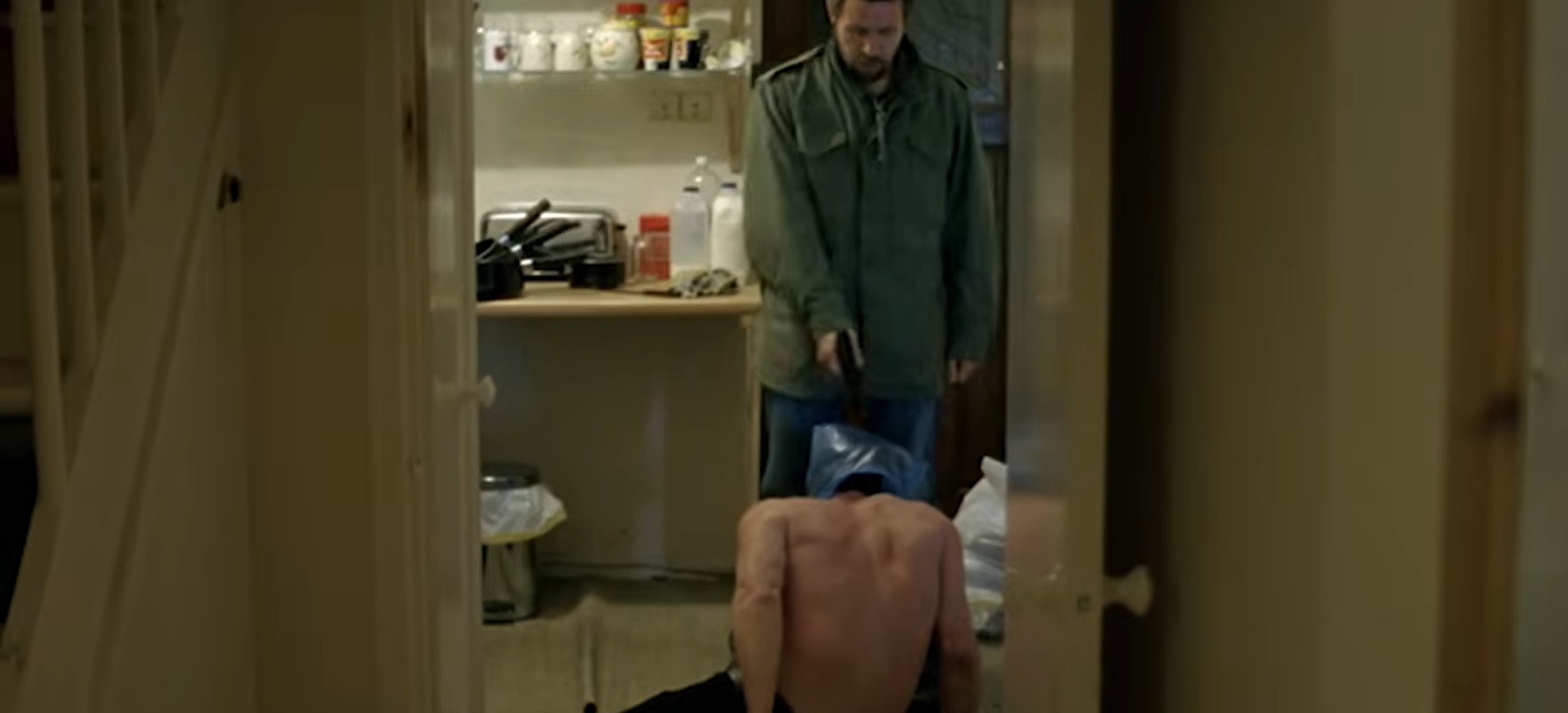
After the death of his abusive mother, recovering alcoholic Sean returns to his hometown with ulterior motives other than attend her funeral.  He hires a webcam company service to install a camera inside her coffin to ensure that his mother, who would repeated micro-stab him in the back with knives, is, in fact, dead.  As he struggles with his addiction and plagued by nightmares of random occult images involving his mother, Sean can barely hold it together to watch the video fee but when he does, what he sees often horrifies him – a rotting skeletal corpse with maggots, brief movements caught in a glimpse, and even her staring right back at him.  He implores a town friend to check his sanity, but all seems normal as normal can be with a coffin-cam facing directly at a corpse.  As the nightmares intensify, a presence takes hold of Sean, a familiar presence that hasn’t terrified him since he was a child. 

“Watch Me Sleep” might sound like a ploy phrase your kids would say to get you to stay with them at night or during nap time but for John Williams – the director of the 2023 film and not the “Jaws” and “Star Wars” composer – the lingering effect of trauma can be a powerful, often adjacent to being supernaturally scary, and is nowhere near being child’s play.  The director of 2015’s “The Slayers” and “Creatures of the Night” writes and directs the British voyeuristic graveside thriller that concentrates on the lasting aftermath effects of trauma despite our past being buried six feet underground.  Filmed in Staffordshire England, “Watch Me Sleep” is an independent production with Williams and Claire Ward as their third production together since 2021, behind “Creatures of the Night” and “There Something in the Shadows,” and executive producer Volker Plassmann, producer behind “Next Door” and “The Beast of Riverside Hallow.” 

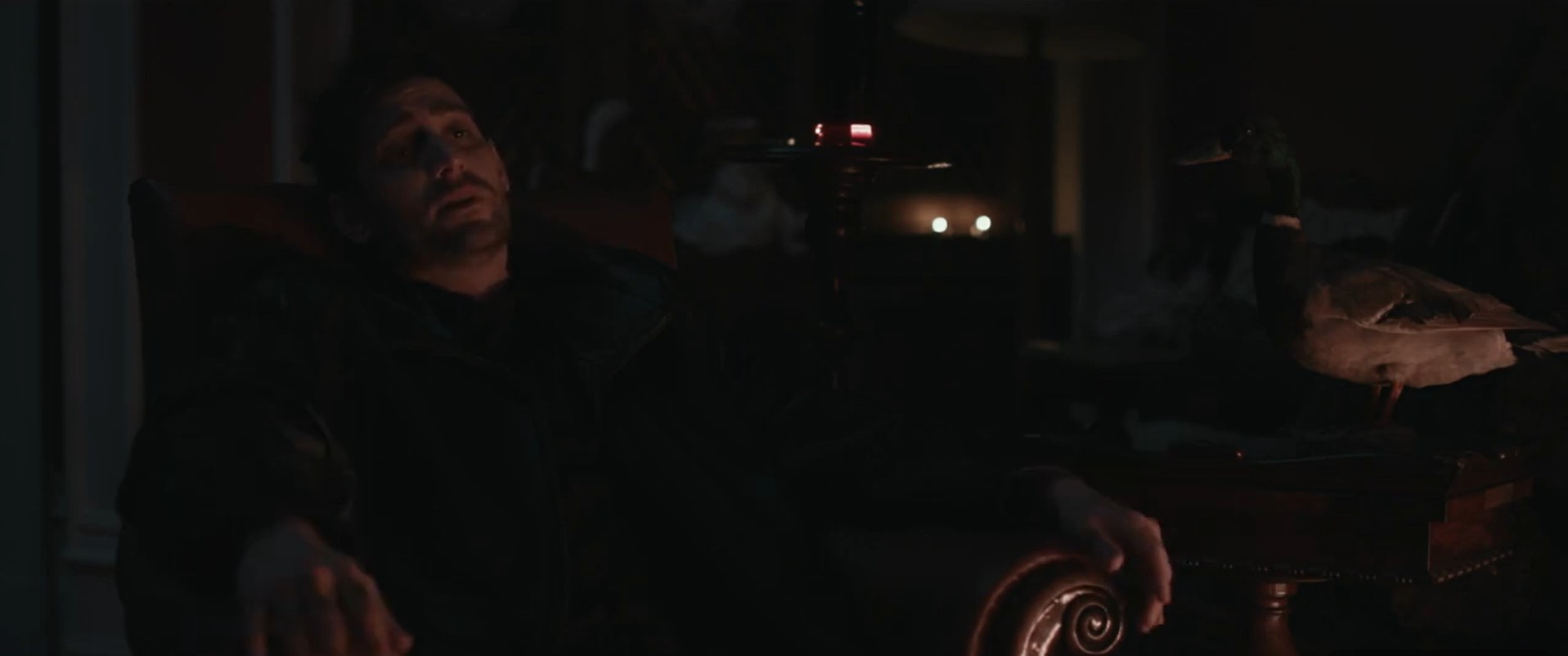
Small production equals small cast but that doesn’t equate to poor performance as “Watch Me Sleep’s” cast is brilliant within the oversimplification explanation of the plotline which is more or less a traumatized man obsessed with watching his dead mother on camera to ensure she stays dead.  That doesn’t sound too exciting but with the actors’ performances and with Williams evolving of the plot to keep Sean’s sanity teetering on edge, “Watch Me Sleep” is more fleshed out with richer than expected character backstory and development of Sean, played intently and without hesitation by William’s go-to actor Darren McAree, and his problems with alcohol, a tormented childhood, and his blinding spite for his mother.  Mum is played by Sarah Wynne Kordas in a dialogue-free peripheral of psychological spookiness as a lifeless head on a webcam for most of the picture but is able to shine in the shadows of Sean’s vivid imagination and be diabolically on point when that lifeless head moves unexpectedly in a not-so-subtle manner for the chill and thrill triggered moments.  While the mum is certainly a presence, Sean is basically a one-man show of bopping between his struggles with drinking, his affliction of nightmares, his hesitation of webcam voyeurism, and trying to blow off steam and showcase his questionable sanity to townie friend Tom (James Whitehurst, “Creature of the Night”) who humors his friend’s hysteria with rather tranquil patience that is unusual.  The rest of the characters support where needed with brief interactions surrounding Sean’s cam setup and AA meetings with  Zane Hopkins (“The Beast of Riverside Hollow”), Steve Wood (“Cannibals and Carpet Fitters’), Charles O’Neill (“The Jack in the Box Rises”), Katie Elliff, and David Tunstall (“Beyond the Witching Hour”) as a mysterious man once friend to Sean’s mother. 

Despite the budget and some unpolished areas, there’s surprisingly more bang for your buck in “Watch Me Sleep” with a thrilling storyline that houses competent performances, editing, and one hell of a movie magic accomplishment in its special effects.  The black and white dream sequences of randomized occult and supernatural imagery are reminiscent of “Ringu’s” the contents of VHS tape with more visceral sound design to give it a lasting, haunting discord and the editing done an all accounts of these dreams are spliced perfectly into Sean’s sleeping and waking nightmares.  Between this reoccurring onslaught of mixt pernicious phantasmagoria and the out of left field special effects that reap the success for “Watch Me Sleep,” John Williams’ little English film is a bit a sleeper itself we should watch in a statement that’s ironically punned.  Keeping it mysteriously ambiguous, Williams doesn’t define the context that is kept open to be obscure and confusing for Sean who’s trying to pieces his dreams, evidence, and his mother’s curious connections together, a puzzle that could be an explanation why she tortured him with a knife, but the gist of the story delves into the occult as his mother dabbled in ritual and paganistic indoctrinations in the layer much more satanists or demonology driven.  Yet, those details are never verbal explained and that keeps you guessing whether his mum had dark dealings with the Devil or is the trauma, stress, and alcohol withdraw doing a number on his fractured psyche.  

You never know what kind of film you’re going to unearth at Wild Eye Releasing with its mysterious grab bag of horror schlock and independent ambition.  There have been titles of questionable taste that not even the sleaziest or gorehound fans would touch with a ten foot pole, but titles like the now out-of-print first-person-shooter occult-actioner “Hotel Inferno” and the satirical crude-humor of “Race Wars:  The Remake” are absolute low-budget gold held in high esteem.  “Watch Me Sleep” ranks up in that small layered stratosphere for the company who releases it on DVD.  The MPEG2 encoded DVD5 leaves much on the table technically with fuzzy detail on its standard 720p definition.  There’s no intricate picture quality nor does it have textural achievement but what you see is what you get, a picture constant and watchable B-horror you may catch on USA’s Up All Night hosted by Rhonda Shear and guest starring Gilbert Godfrey on cable television, broadcasting in analog through a tube set.  I will say the special effects are damn good for money and with no signs of how they’re achieved, such as wires, CGI, nor other.  The UK English language PCM Stereo 2.0 has its problems as well with a boxy, depth-less dual channel output that has a subtle layer of interference static, likely due to inexperience or poor equipment, but the dialogue track remains front and center with prominence and the sound design, the jarring clicks and pops along with the discord sounds of Sean’s nightmares and the overall brooding score, shoulders a lot of the weight by carrying the film’s technical problems.  There are no available subtitles.  Bonus features include only an image gallery, the trailer, and other Wild Eye Releasing previews.  The clear DVD Amaray comes with Wild Eye Releasing’s on brand exaggerated artistic rendition of an intense and scary old woman emerging from her coffin.  It’s a bit hyperbolic but eye-catching.  The reversible sleep has a sheet spanning, bloody depicted still from the film and no other bonus inserts.  The region free DVD is not rated and has encoded a 91-minute runtime.

Last Rites: Definitely one Wild Eye Releasing titles to pick up and enjoy, “Watch Me Sleep” has mother issues, alcoholic issues, trust issues, relationship issues, paranoia issues, and supernatural issues in what is a sleeper hit from the writer-director John Williams.

“Watch Me Sleep” Now Available on DVD!

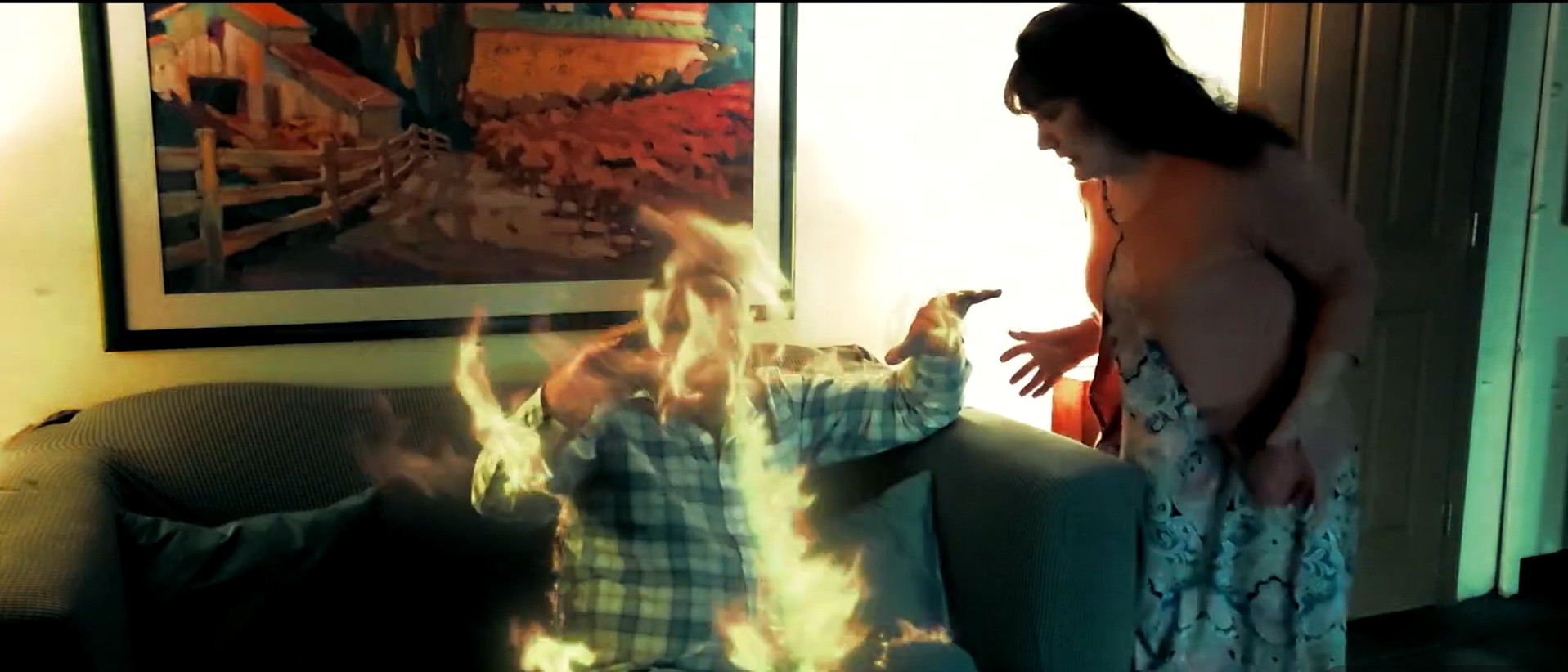
It’s Not Freddy. This is a Different Kind of EVIL in Your Nightmares! “Dream Eater” reviewed! (The Horror Section / DVD-Bluray Combo)

“Dream Eater” Will Watch You In Your Sleep! Check It Out Here on Blu-ray!

Alex suffers from parasomnia, a sleep disorder condition that causes him to sleepwalk, talk and act erratically, and even produces violent behavior while seemingly conscious during his sleep cycle.  When one particularly violent bad episode nearly kills him, his girlfriend Mallory, a documentarian, rents a snowy, isolated cabin for a little rest and relaxation while also video documenting Alex awake and asleep per medical request from his doctors.  Over the course of a week, Alex parasomnia events become more frequent and even more strange when Alex refers to a man trying to get into the house but has no recollection of events when awake next morning.  As Mallory digs deeper into the conversations of his dreams, her investigation leads her beyond scientific explanation as there lies an evil influence possessing Alex family line, one where Alex was left orphaned and adopted as a child.  Alex’s uncovered past is key to his sleepwalking terrors that are insidiously taking him over. 

Trio collaborating filmmakers Jay Drakulic, Alex Lee Williams, and Mallory Drumm independently controls the market when it came to their script for “Dream Eater,” a modest cosmic horror that took the elements of the unknown and other terrifying Lovecraftian lore and put them into a found footage terrifier themed surrounding sleep disorders and how the science is not exact nor is it taken seriously to a fault within its frighteningly fantastical context.  The trio not only wrote-and-directed the 2025 released film but they also played key roles because of the real physical scenes involving snow and ice enveloping the isolated cabin.  The Canadian production was filmed in late winter of the Laurentian Mountains of Quebec to achieve the helpless sensation of being trapped with no signs of civilization to help.  Blind Luck Picture serves as the production studio with Drakulic, Williams, and Drumm in the executive producer roles under the company alongside “Godsend” actor Thomas Chambers as co-producer. 

Alex Lee Williams and Mallory Drumm spreadhead all the major areas of production, including acting as the parasomnia inflicted Alex and his worried documentarian girlfriend Mallory.  Yes, their character names didn’t stray at all away from their actual names, likely to be as natural as possible while character conversing, and because they’re already familiar with each other, the on-screen relationship doesn’t stick out and into the sides of our viewing pleasure as an odd couple; instead, Alex and Mallory, the characters, project examples of engrained compassion, fear, and loyalty.  However, I do feel Alex and Mallory, as a couple, also has an artificial aspect as they’re only boyfriend and girlfriend when they’re interplay more plays to the tune of a married couple that, in a way, feels like a one-sided relationship with little-to-no intimacy between them other than a couple of pecking kisses.  Mallory has the patience of a saint and it’s not because of Alex’s continual night walks and terrors that are getting more and more erratic each day, it’s more of Alex during the day that doesn’t express much love and care for Mallory’s endurance during this tough time.  Alex is quite endurable, insufferable, and aimless as a person with no ambition, job, or adoration for much of anything.  So, instead of an easiness of the presence that beleaguers them, much of the anxiety is created interpersonally that’s perhaps an intentional play by the filmmakers to metaphorically materialize troubling inner demons into an actual demon-like creature.  Brief supporting roles from Kelly Williams, Dainty Smith, David Richard, and Robin Akimbo fill in the gaps with video calls and photographical sequences while the third director Jay Drakulic implements his voice talents as a 911 operator in the prologued turmoil of Alex’s frantic self-harm during one of parasomnia episodes.

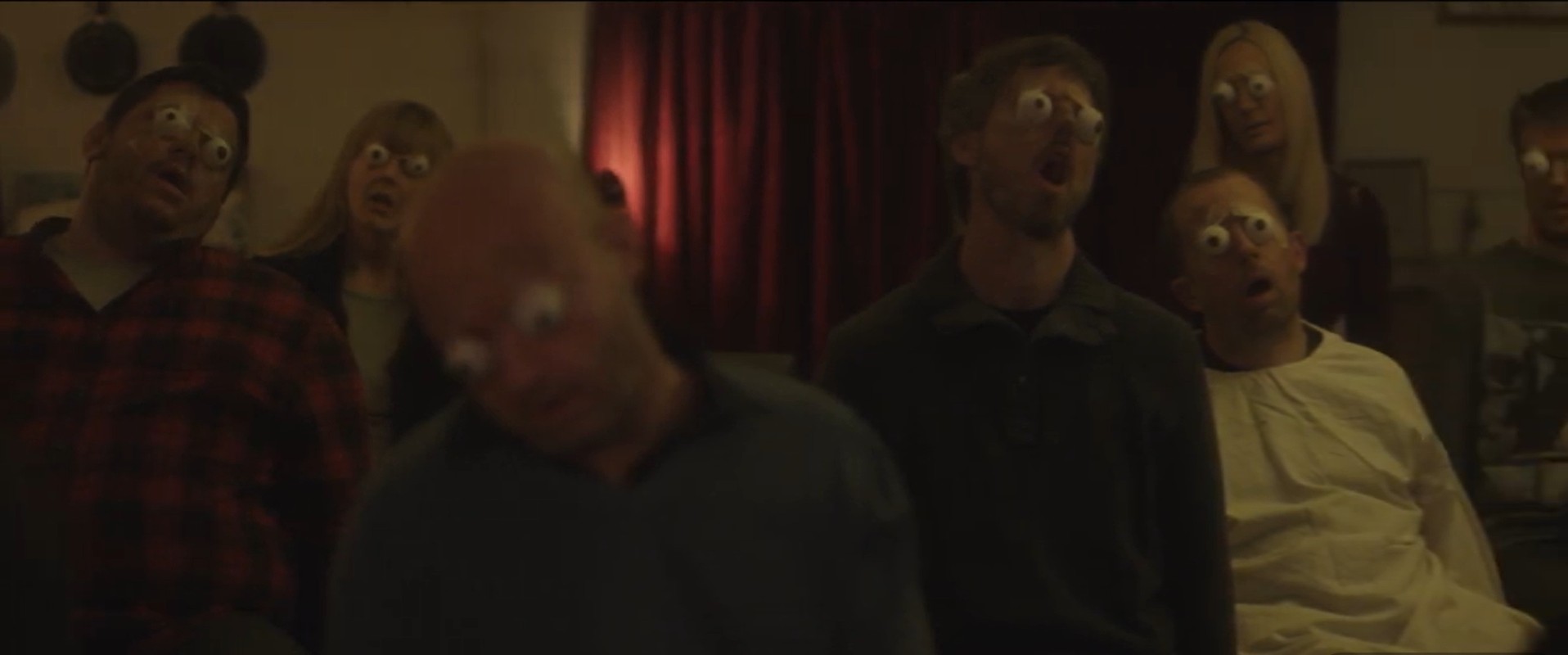
“Dream Eater” is one of those small but might films that has a larger-than-life concept beyond our realm and existence but contained to only a handful few.  Yet, the impacting result, by not only the story but also the Michael Caterina cinematography, has extensive reach to be massive and full of impending doom.  It’s “Dream Eater’s” cosmic horror that draws and builds as the reality hasn’t set in on the exact root cause for Alex’s increasing nightly episodes.  Once that corner has turned and there’s something more sinister, unnatural, at play, “Dream Eater” hooks securely with the enticing bait that reels in a timeless malevolent being on the precipice of all hell breaking loose as it slips into reality using susceptible Alex as the meaty vessel.  Viewers will know it’s coming but they won’t be prepared for it and that’s a welcome kink to work and chew on as Alex slowly becomes inhabited, or possessed, or manipulated by some thing. The found footage format doesn’t waste digital reel seizes the jump scare moments with max force, especially when Williams’s is grinning ear-to-ear and wildly abrupt in chase lurking just off frame to suddenly pop into view on cue.  The aesthetic of a snowy bleak setting adds to rise of calamity and ominous come forth and even the cabin as an austere interior without the comforts of modern security and technology in its mostly wooden veneered structure, rustic shed, and industrial-metal play equipment outside.  Where “Dream Eater” cheapens out is the finale scene that has a forced feel about it as if the Williams, Drumm, and Drakulic didn’t quite no how to end the story on any type of note and rushed a crude fate separated from the trunk of snow, cabin, and isolation.   

The self-funded film catches the eye of Eli Roth (“Cabin Fever,” “The Green Inferno”) and his media outlet The Horror Section as the one of three films produced by Roth’s company, sandwiched between “Bliss” director Joe Begos’” body horror “Jimmy and Stiggs” and the upcoming remake of the Clint Howard cult film, “Ice Cream Man,” helmed by Roth.  In association with Alliance Entertainment, the company releases a 2-disc, dual format set with DVD and Blu-ray.  The Blu-ray is AVC encoded BD50 with 1080p resolution and the DVD is MPEG2 encoded DVD9 with 720p resolution to upscaled resolution on the right system.  Both films are presented in a widescreen 1.85:1 aspect ratio.  The found footage image is what it is, or rather what its supposed to be, a hectic and erratic camera shuffle of ungraded film produced in lowlight and not a lot of contrast and that in itself can be a character of the story within the found footage trappings.  There’s no feigned rupture or distortion of the image because it’s set in more modern times with recent video capture tech.  The same descriptive qualities can be said about the audio where there’s no crackling, popping, or cuts in the formatted English language DTS-HD 5.1 Master Audio that produces a clean sound with measured depth and a diffusion of atmospheric directionals from around the surround sound.  Dialogue has clarity under less than a full-bodied of potential with uncured found footage and some of the nondiegetic dialogue can sound more omnipresent and asynchronously afloat from any point of origin but does hit the side and back channels nicely for directional awareness. The environment sound has a delicate but effective touch with the swirling wind and snow and the motif sound cues that provide direction and rising tension, such as the door open announcement.  The DVD comes with a lossy Dolby 5.1 Sound Sound mix not reviewed in this coverage.  English subtitles are available.  Special features include director’s commentary, a behind-the-scenes featurette with Eli Roth presenting as more of sales pitcher of the project, a behind-the-scenes still gallery, and the trailer.  Underneath the video screen blue and white designed cardboard O-ring slipcover of William’s maniacally crazed screaming face is a traditional Blu-ray Amaray housing the DVD and Blu-ray on each of the case’s interior sides.  The one-sided sleeve art is exactly what I’ve described above about smallness felt amongst a larger impending setting with a near stark white cover and Alex’s silhouette standing small bottom-center.  There is a mini folded poster inside between the slipcover and the case that fits nice enough between the discs when you need to store it more securely.  The 89-minute film comes unrated and though unlisted, both Blu-ray and DVD are region locked in A and 1. 

Last Rites: As a micro cosmic horror with its Lovecraftian influence and fear of the unknown, “Dream Eater” is the perfect nightmare, a found footage of atmosphere fear and sanity dysphoria with an impending doom kicker.

“Dream Eater” Will Watch You In Your Sleep! Check It Out Here on Blu-ray!