Snuff, a hot commodity amongst patrons of the black market and dark web provides real violence and real death for real morbid viewers. Laws are challenged and circumvented by consent of women willing to die for money through various ways of asphyxiation in front of the camera and sold under the controversial snuffing genre. A Ten-minute window of revival separates the actors and actresses from permanent brain damage or certain expiration. A snuff performer interfaces with the complexity of thrills and easy money that counterbalances against relationship troubles, social stigma, and the constant threat of actually dying hanging over their heads, or more literally, pressed against their throats. A handful of willing performances lets a documentarian illustrate their niche profession, lifestyle, and personal struggles to the world with included behind-the-scenes footage on set and in their private spaces as they put on their line mind, body, and soul have to survive.
Those who seek out snuff, even if represented in a sensationalized, fictious way to glorify gore, violence, violence against women, and a fascination, obsession need to satisfy murder lust, likely need to have their heads thoroughly scoured for the tiniest ounce of sociopathic tendencies. Films like “Effects,” “Faces of Death,” “8MM,” “A Serbian Film,” and the like all contribute to that black desire of control of another person’s existence and getting off perversely on the sadism. Films like Sean Russell’s “Snuff Queen” are nothing like those more aberrant productions of cruel reproductions. The 2023 pseudo-documentary and mockumentary hybrid began in 2008 with AVN interviews with porn stars and their take the matter of snuff or overall rough sex. Shelved for many years because no producer at the time deemed the material worth making a movie out of it, Russell is approached by Dark Arts Entertainment’s Brian Yuzna and John Penney to finish the film with new scenes based off the 2008 script but cut most of the comedy out for a darker tone. David Navarro producers the film.
Previously shot 2008 AVN interview footage with some of the then biggest talent in the industry, such as Sasha Grey, Bree Olson, Stormy Daniels, Jenna Haze, Stoya, Faye Reagan, Jesse Jane, Belladonna, Aurora Snow, Jessica Drake, Sunny Lane, and even Larry Flynt, is cut into snippets of a montage as they comment on death and sex in various contexts. The series of comments and quips puts into perspective individual limitations, mindsets, behaviors, and an unfiltered truth underneath the layers of makeup, fake breasts, and forged happiness in the adult entertainment industry masked in glitzy red lights, supersized sex drives, and a prospecting tease of getting laid. As the 2008 prologue interviews ends, the 2023 interviews begin with mostly scripted talk following the daily lives of a handful of snuff performing women, 4 principal female characters to be exact. Moxie Owens (“Girl Lost: A Hollywood Story”) as Jane Doe, Lexie Leone (“It Don’t Bother Me at All”) as Amy Doe, Juliet Kennedy as Angela, and Lindsay Normington (“Anora”) as Audrey Doe become the diverse batch of short-listed actresses of controversial and law-bending snuff films. These core cast of women are joined by gap-filling support, ranging from gays, to blacks, to Asians, and so forth by extenuating out from just a white female dominated industry in touching cultural and race by the less promoted numbers of adult entertainment. Much of “Snuff Queen’s” inauthenticity garb comes from the acting that’s densely overplayed and exaggerated because of the less-comedic directive by shot-calling distributors and performances stand out amongst a darker theme as too watery and less potent, like off-brand prescription drugs. Ironically enough, IMDB.com gives in the title’s controversial nature by not listing the film under any of the actor’s individual credits as to say or allure “Snuff Queen” documentary as real evidence and content based. Tuesday Knight (“A Nightmare on Elm Street: The Dream Master”), Josie Hung (“Staycation”), Gina DeFlilippo, Captain Dare, Zac Mendoza, Neill Flemming (“It Kills at Midnight”), Christopher Parker (“Spider”) and Jake Holley costar.
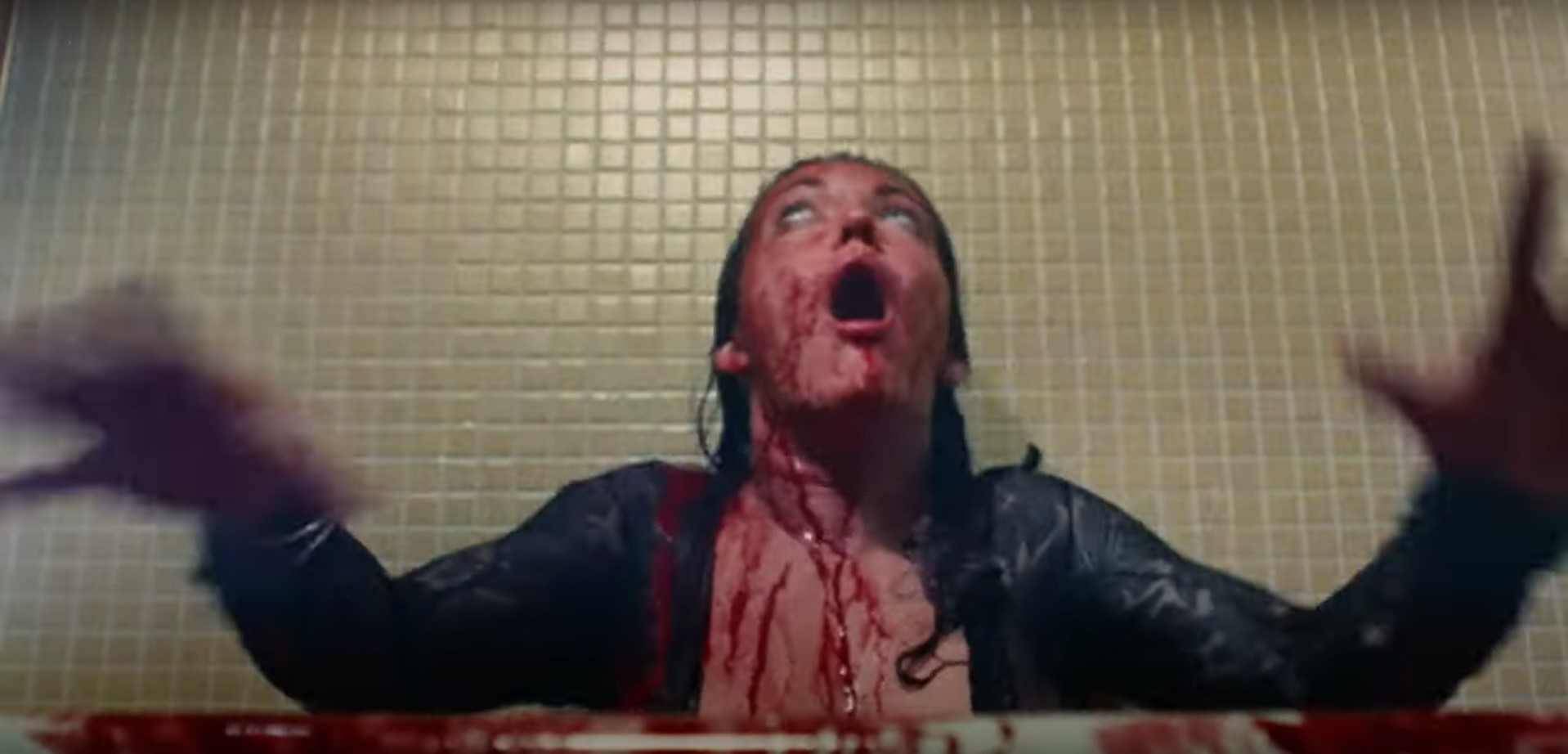
Much of what is laid out in “Snuff Queen,” all the provocative and debatable ethics, legality, and portentous aspects of Snuff, is all a load of crap and the director, Sean Russell, would be the first person to tell you that. What Russell intends to convey is an allegorical emotional evaporation in adult entertainment performers and how apathetic the industry is toward the safety and responsibility for its talent who battle with low self-esteem and anger issues that either drive wedges between friend and family or ensue verbal spouts. There’s also the treatment or being seen as just a bag of meat for the slaughter when getting the shot is important than the person taking all the risk for little reward. Russell achieves that endgame message despite the cuts of levity humor that do squeeze through every so often but with that squeeze-in of a dark humor chuckle, coincided with a reserved approach to a documentary surrounding Snuff of all things extreme, in lies an off-putting characteristic going against the grain of the film’s black toned nature and Russell’s indelicate undercurrent theme. “Snuff Queen” is nowhere near the shock level its required to have, especially being bestowed a taboo title, with little-no-effort in the thickness of the story’s creative girth; instead, the 2008 interviews, snipped scenes from previous controversial films, and one atypical scene at the heart of the story teases with stark nudity and blood are the only edgier content of a rather dull feature length pseudo-documentary.
Presented in a widescreen 1.78:1 aspect ratio, Dark Arts Entertainment distributes the home release of “Snuff Queen” on DVD. The MPEG2, 720p and 1080p, DVD9 has stark grade resolutions due to the 2008 recorded interviews and footage shoot 15-years later in 2023 with the former a blockier, less-pixelated digital camcorder for ease of AVN, working the crowd, person-to-person use. Recent footage has the polished look of a high-dollar digital recording sans any artistic grading or stylistic lens. No issues with compression codec that produces a very fine, detailed image reproduction that sinks into inky blacks and retains a natural color palette. “Snuff Queen” is authored with a LPCM English stereo mix that’s an imitation of a hot mic of continuous dialogue, as many real, pseudo, and mock documentaries are, that renders cleanly through from one bookend to the other. There’s also not a ton of interference other than in the 2008 interviews at the AVN with perhaps more commercial equipment or audio setup. The onboard mic snags the milieu sounds with the raw range and depth. English subtitles are available. Encoded special features include a director’s commentary that goes through the first planned steps for the film and its subsequent rejections from producers back in 2008, deleted scenes, and the film’s trailer. Physical features are stark and spartan with a convention DVD Amaray that has a mock polaroid border and the redacted eyes and mouth of a faceless, chest high naked woman that draws attention in conjunction with the title. Dark Arts Entertainment presents the release not rated, region free, and has a runtime of 92 minutes.
Last Rites: “Snuff Queen” might have worked 15-years ago with the old footage that contained real pornstars and real enough gore effects that could have turned this concept onto a creative machination in illusion of the truth or a clever black comedy that really pokes the porn industry in the ribs, but instead time and too many hands the creative pot has relinquished any power “Snuff Queen” may have wielded, dethroning it definitly out of shock contention.
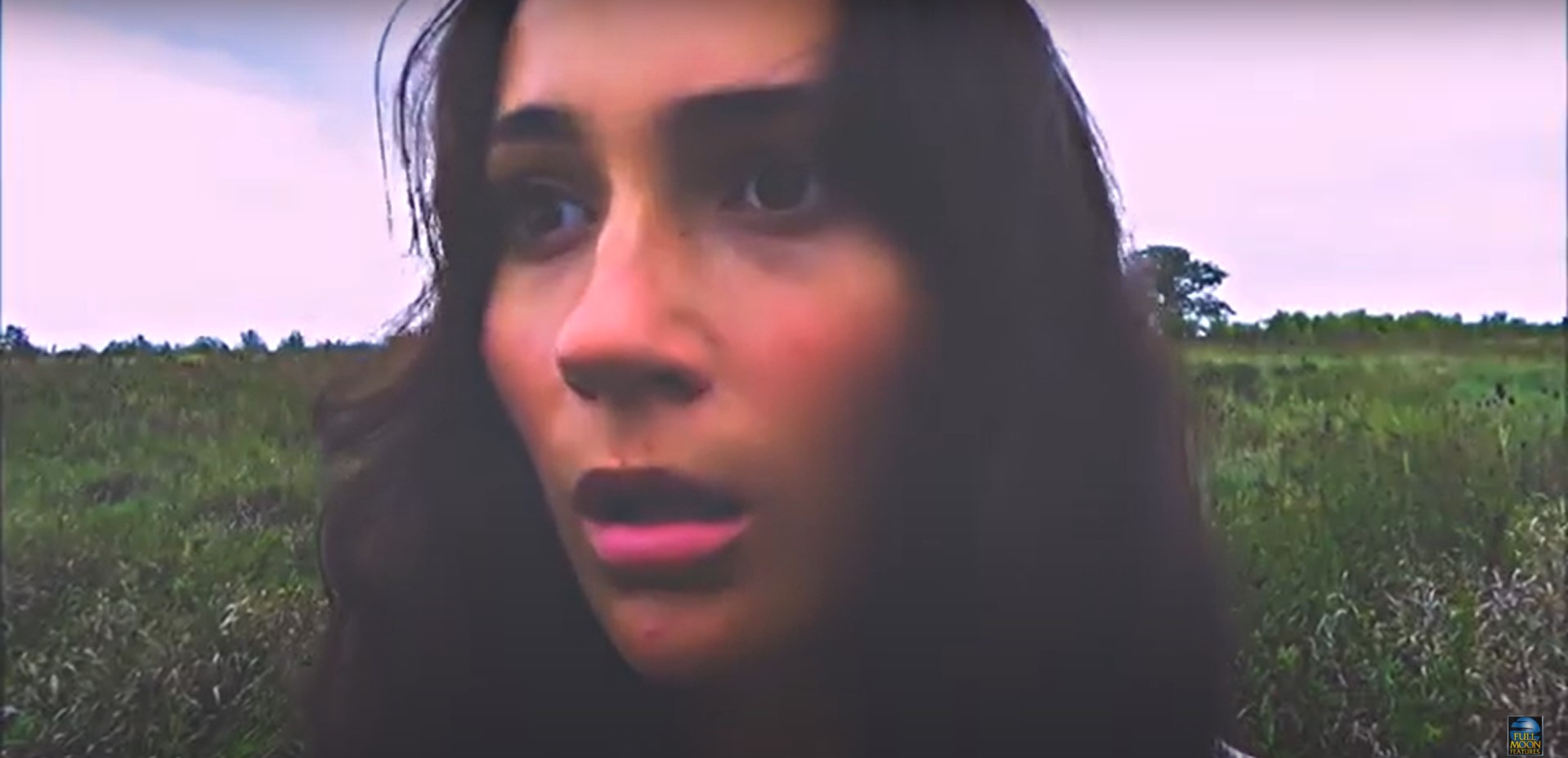
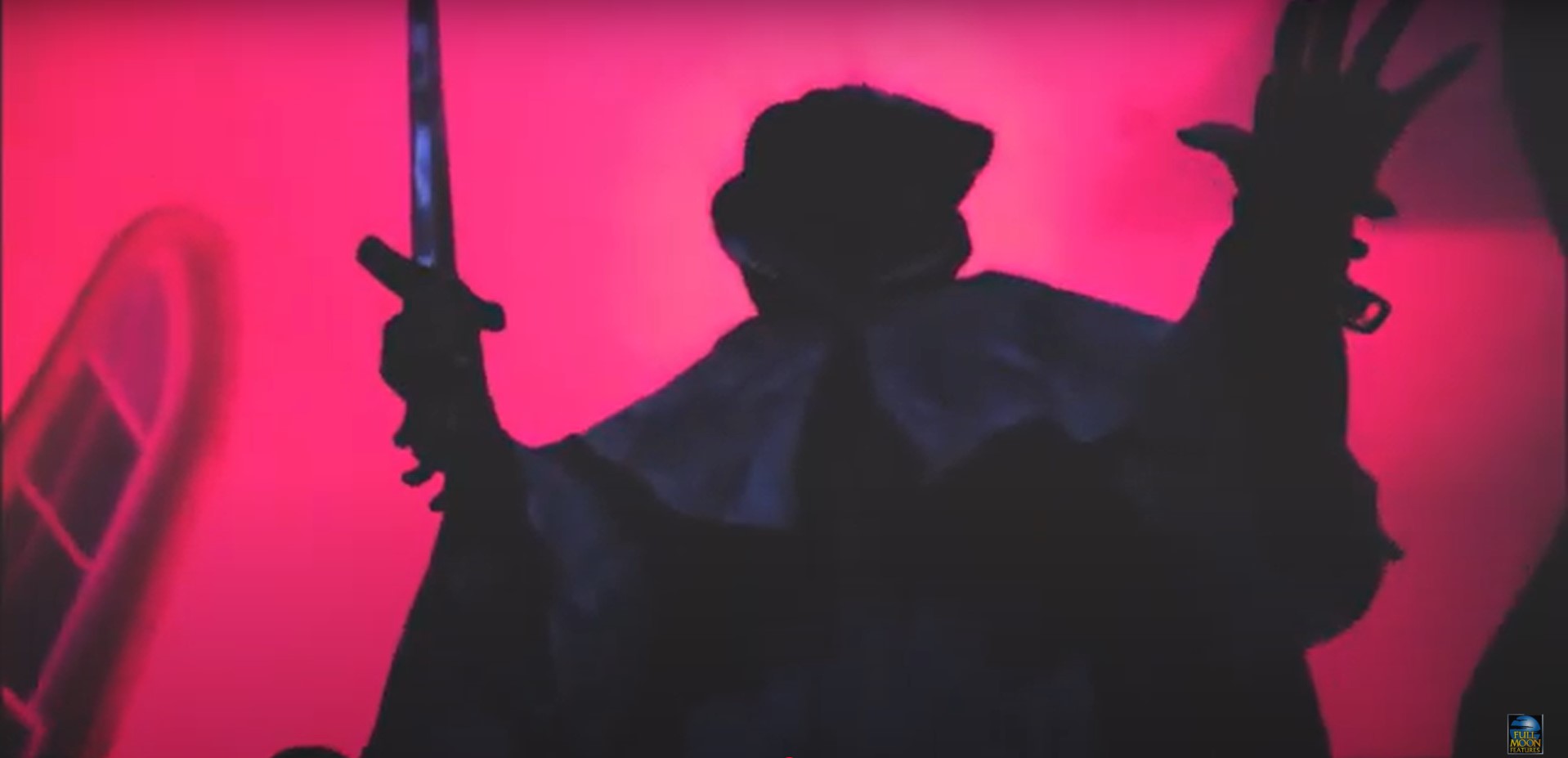
Arriving by train to the deserted, medieval ruins of a once great 14th century town, a woman wanders aimlessly through the dilapidated structures left standing and eventually finding a peaceful resting spot on a church pew before the Holy Trinity. Alone with her amorous thoughts for another woman, her very presence stirs the awakening a blind undead corpse out from the slumbering, Earthly tomb, the resting place of a once righteous Templar knight of a prestigious order once assigned to protect Christian values with sword and shield but disbanded and accused of occult heresy. Being chased from dark corner to dark corner inside the ruins’ isolated, labyrinth wall, the woman narrowly escapes the relentless knight’s bloodlust blade. She is not only frightened by the razor-sharp sword of the ghostly, ghastly figure, a dirtily shrouded, mummified corpse, but what evokes within her, her own dark, secretive past of love, murder, and vengeance, will haunt her to death.
Director Chris Alexander has settled himself in the realm of the homage. The Canadian filmmaker is well-known for his tribute films toward specific directors and trope styles within the creepshow genre that allow him to express his own artistic take on a classic. “Scream of the Blind Dead” is Alexander’s latest to follow suit based off the original concept and characters by Amando de Ossorio and the Spanish director’s Blind Dead series, beginning with “Tombs of the Blind Dead” in 1972 which is the featured inspiration of Alexander’s short remake film. The 2021 homage is penned by the “Girl with a Straight Razor” director but is also progresses forward without dialogue in what is like a music video for Ossorio’s original film, slimmed down to the principal character and one blind undead knight for much of the story. Alexander created Delirium Films, a Full Moon sublabel to release his own productions under, conjoining the once Fangoria editor to the hip of Charles Band, as coproducer, to stretch the imagination of terror even further. Kevin Cormier and Cheryl Singleton also coproduce the short.
You won’t see a herd of horses or a horde of blind, rotting knights on horseback in the “Scream of the Blind Dead” nor will you there be a collective degree of humans fighting for against the dead for their very lives. Instead, two women and one knight consist of the entire cast, pared down to the two chief female characters Betty and Virginia, though they’re not explicitly named in the story, but the gist of designation is there. Betty is played by Ali Chappell, a mainstay regular in many of Chris Alexander directorial repertoire, having roles in “Necropolis: Legion,” “Girl with a Straight Razor,” and “It Knows Your Alone” while also being quite the scream queen in other horror projects from the 2019 anthological “The Final Ride” to last year’s “Malediction” which she debuted as a director as well. As Betty, the short-lived role sets the dark synth soundtrack-driven tone lengthened by use of slow-motion and additional edits to build suspense and does harp back to the premise and spirt of Ossorio’s brand of Spanish horror. Not as seasoned as Chappell in credits, the casting of Virginia goes to Stephanie Delorme, a brunette in contrast to Chappell’s blonder shade, who finds herself being chased, melodramatically I might add, by an undead knight. Delorme’s frightful face and lumbering getaway cadence have the hallmarks of a good final victim being pursued on common horror of past, present, and future but her direction to stop and stare, almost waiting in frozen terror, is reminiscent of yore when the act of escape is negated by the sheer shock. These are the moments audiences yell at the screen, pleading for movement, to do something other than just stand there and gape at the monster before them. Chasing Virginia is no ordinary templar knight but a female templar knight, played by all-things-horror enthusiast, musician, and another of Alexander’s on-screen regulars Thea Faulds, under her showbiz name of Thea Munster. Munster dons two parts connected by death as Virginia’s lover in flashback and the ghoulish knight chasing Virginia.
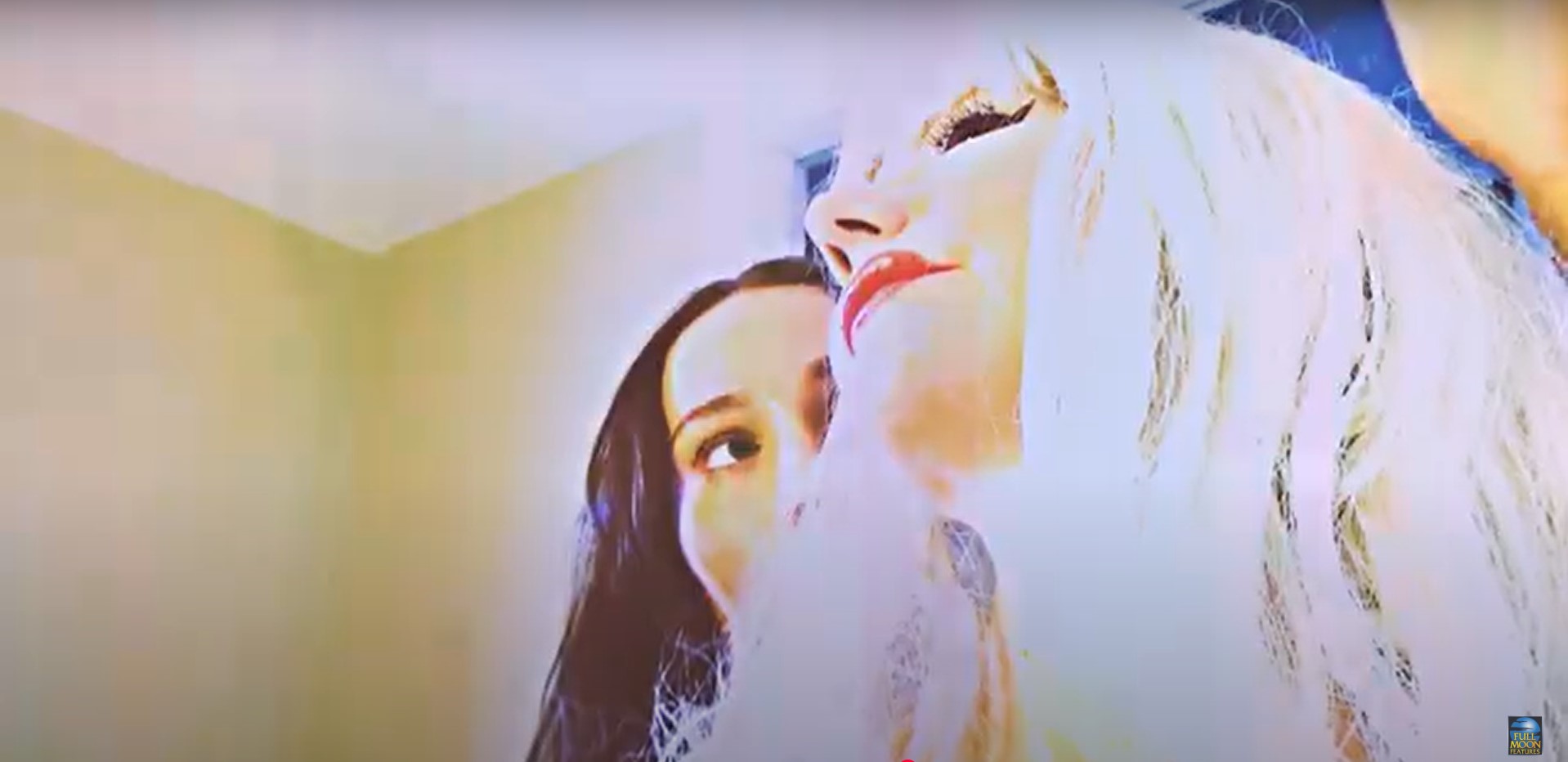
“Scream of the Blind Dead” has haunting connotations of past guilt or along the lines of the soul-touching past catching up to one’s beleaguered conscious, hence why Virginia wanders the countryside in search for answers, stopping or resting along the way into a state of pain or melancholy of a memory, and comes upon a church, perhaps unintentionally to confess her darkest sins or find solace in forgiveness. However, it wouldn’t be a horror show without some fort of graveside penance from an unearthing corpse, slowly sauntering to seek eviscerating Virginia’s regret from her exposed, beach chic-cladded abdomen. Right before being engrossed in the standard chase fair, scenes of Virginia self-groping from fantasizing the physical touch her female lover add a layer of sensuality yet to have context other than a strong passion within Virginia, whether it’s in her heart or loins is indeterminable, but shortly after singlehandedly pleasuring herself, a female knight, with pursed mummified lips, resurrects from inside the church where Virginia rests and the slow-motion macabre begins, moving about different backdrops within the ruins and field exteriors that are basked in neon gelled key lighting that creates a smokey psychedelic, or hallucinogenic, fever dream atmosphere, a nightmare experience only fabricated in deep-seeded guilt-trips.
“Scream of the Blind Dead” short salute to Amando de Ossorio and the “Blind Dead” series is honorable enough to keep the always nitpicking fanbase from picketing. Full Moon Features distributes the MPEG2 encoded DVD5 presented in 720p resolution and a widescreen 1.78:1 aspect ratio. Picture quality through a lower resolution and a patchwork of sizzling vibrant neon lights scores across a refined image with fuzzy details and indiscernible outlines. On the color scale, there’s plenty of range through the assortment of abrasive key lighting that illuminates the rustic, rundown church and surrounding area of mostly greens and browns. Sound selection offers a lossy English Dolby Digital 5.1 and Stereo 2.0 that absolutely has a soundtrack that trades the tings of a fortepiano for a theremin but still digs into the familiar tones of Antón García Abril’s ominous industrial-synth score that lingers eerily with resonating vocals. Very few moments do in-frame sounds from the actresses come over, entirely all screams in what was mostly done in post with a clear separation from action. Because of the music video approach with no dialogue, the lossy format is nulled by what’s really a psychosexual visual experience. English closed captioning is available. Special features a feature-length director’s commentary with Chris Alexander, two music videos including Thea Munster with her thermin solo entitled Werewolfry and the other track Burial Ground from her band Night Chill, the official trailer, and the Delirium Films’ trailers. Full Moon’s No. 355 title comes in a standard DVD Amary with a mixed illustration and live photo cover art that befits the body of work. There are no slipcovers, inserts, or other tangible materials set next to the disc pressed with the same knight silhouette but with a buzzing blue outline. At feature length, “Scream of the Blind Dead” would have been too long with Alexander’s stylistic outlet but at a crisp 40 minutes has a greater success rate for a not rated, region free releases that mostly lambent lights and ethereally evil sans actor dialogue.
Last Rites: “Scream of the Blind Dead” is not blind to the Ossorio source material and captures the core center of the Spanish director’s picture of history crusades on the ignoble never dies while Chris Alexander twists into it a fever dream of sexual fervor, slenderized for a post-impressionist style.
35-year-old Les Hackel is stuck in a rut. He has a numbing, pushing paper office job, he lives with his overburden mother and an absently present father, his gossiping girlfriend dumps him, and life, looking forward, looks bleak and unexciting. When he learns there is an explosive device implanted in the back of his neck, Les is pushed into a plot that uses people do life or death dirty work without a choice. The odd, ugly texted assignments have him interact with a medley of colorful, unsavory characters also under the thumb of the unseen puppeteers and force blood onto his hands. Happening simultaneously around him, society begins to crumble after the U.S. President is assassinated and anarchy roams the streets. He meets Chelsea, a young college student looking for refuge from chaos, and the two slowly form a bond of support and affection that’s slowly being threatened by what Les learns might not be of this world.
Unlike anything seen before regurgitating and depicting an undercurrent common theme of extreme guilt, “Abruptio” is the all-puppet, doomsday horror thriller that needs to be seen. Evan Marlowe writes-and-directs only his second feature-length, horror film in over a decade behind 2012’s “Blood Rush” and “Horror House” with a series of shorts in between. The 2023 “Abruptio,” a term used to define pause or separation, is a decade-later elevated experience that conveys an alternate universe impact through the petrifyingly personified use of dolls in the middle of a collapsing world. Marlowe’s HellBent Pictures LLC and Los Angeles based Sweet Home Films embark on the 8-year journey to completion from 2016 to the film’s release in 2023 with Marlowe footing time, energy, and money as executive producer alongside Barry, Kerry, and Susan Finlayson, Ryan Hicks, Martin Lee White, Kerry Marlow, and Anchor Bay Entertainment’s Thomas Zabeck, and Brian Katz with the presenting and physical media distribution rights.
Since pre- to post- took 8 years to completion, “Abruptio” speaks to use from the grave as the late Sid Haig, the bald and bearded stern-looking and wide grin “The Devil’s Rejects,” “Foxy Brown,” and a slew of other genre early genre B-pictures actor and who died in 2019, has a principal supporting role voicing one of the older modeled puppets with a gruff voice and wise-crackin’ dad jokes in what would be one of the revered horror and exploitation actor’s last roles. James Marsters, who is more of a frequent voice actor (“Curses!”, “”Dragon Ball Super”) but has made his mark in live-action television and film (“Buffy the Vampire Slayer,” “Shadow Puppets”), voices the protagonist role, an antiheroic, recovering alcoholic Les Hackel with skeletons in his closet that are not initially apparent but made known to be there from his lethargic loafing through life and not saying much of anything until his AA meeting where he notes the bottle being his confident peacemaker. Marsters projects a nice average mid-30-year-old man’s non-distinctive voice juxtaposed against the likes of Haig and others who do standout vocally, such as with Christopher MacDonald (“Happy Gilmore”) as a sadistic police chief and Jorden Peele (“Get Out”) as Les’s loose-mouthed only friend, Danny. The interesting characters, all game to all sort of disturbing behaviors and violence, are interweaved into Hackel’s do-or-die assignment; some are unsavory like a brutish Englishman mobster like Clive (Darren Darnborough, “20 Feet Below: The Darkness Descending”) or the germaphobe arsonists of school age children in Mr. Salk (Robert Englund, “A Nightmare on Elm Street”) but there are also grounded personalities that support and need supporting. Hana Mae Lee (“The Babysitter: Killer Queen”) plays her puppet double who’s under the oppression of a societal breakdown and she finds solace in the teetering guilt of Les Hackel and the two find a common quietude that helps them cope until subversion rears its ugly head, yet again. Rich Fulcher, Sohm Kapila, Patrick Cavanaugh, Kerry Finlayson, Carole Ruggier, and John Wuchte, rounds out the cast of voices.
Unlike anything you’ve ever seen before in a first of its kind medium of puppetry that’s unsettling and unique. Humanoid faces molded into individual personalities have a pseudo-skin texture appearance stitched with superlative detail in a five o’clock shadows, fine hair fibers, properly placed facial spacing, and a skin tone that’s not different from mine or yours. Yet, what makes Full Moon’s special effects artist Jeffrey S. Farley’s puppet so damn effect is the devil in the details they lack: ageless pores and wrinkles, no eye movements beyond blinking, lips that flap up and down but again don’t move past a vertical motion, and a loose, rubbery skin like an oversized mask that doesn’t quite fit right. Puppetry rods helmed by Danny Mantooth and Jonathan C.K. Williams have seamless Sesame Street gesticulation but when shooting is from afar and not shooting from chest up, a warm body animates the lower half without the use of a puppetry rods, and this intermingle weaving method messes with the mind that puts into question the surrealism being witnessed. With that suspicious surrealistic element circulating, “Abruptio” pushes the antiheroic Les Hackel to recall and confess a crime he cares not remember and in trying to set that haunting guilt aside, Les is thrusted into a quicky corroding world that sets him centrally ablaze with murderous missions conducted in a crumbling global society by ubiquitous, subverting plotters orchestrating under clandestine means. Guilt dispatches phantasmagoria in droves in “Abruptio’s” especial brand of horror and science-fiction.
Who would have thought the complexities that that string together the human soul could be conveyed so poignantly, so precisely, through puppetry? Evan Marlowe did and his film, “Abruptio,” is a masterful marionette of mixed melancholy and optimism when everything seems hopeless. A part of the first batch of releases from the revived Anchor Bay label, “Abruptio” comes to Blu-ray on an AVC encoded, 1080p high-definition, BD25 capacity. The compression on the 25gig disc does not dilute the picture quality and digital reproduction presented in a widescreen 1.85:1 aspect ratio. As mentioned previously, puppet skin textures have an uncomfortable likeness to real human skin, dotted with stubble, wrinkled by time, and patched with faux fur to give simulate head hair and facial hair. Yet, high-def captures miniscule details in the rubber-like fabric that develops folds or hummocks across the surface. Certain aspects of the face are exaggerated to nightmarish levels, such as the wide-open eyes or large appendages like in Sal’s Gonzo nose. Age distinctions are wonderfully apt to create the type of person and persona and the human movements from a distance compared to the closeups have a seamless complement to where you don’t know where the actual puppet move ends and where the person movement begins. Blacks are a softer dense and the purposefully hardscape of urban and suburban environment, sprinkled with animation television bits, does fan a diffusion of natural and synthetically coated objects to match current mise-en-scene. The English Dolby Digital 2.0 stereo invites lossy audio into an eclectic range of gunfire, electrical currents, and flying unidentifiable objects whizzing just overhead. Spatial distance is affected the most by not clearly marking the effect in relation to our perspective, which is mostly through Less Hacek’s eyes or in an omnipresence around Hackel and creates an anemic audio layer that doesn’t punch like it should. Dialogue renders over good enough to thwart a tough concept when understanding conversations with a mouth flexion with no expressive movements of the lips or corners of the mouth needs a little support when gesturing can’t cut it. English subtitles are available. Bonus features contain two audio commentaries – one with writer and director Evan Marlowe and producer Kerry Martowe and the second has puppeteer Danny Montooth – and a featurette A New Kind of Horror has interviews from voices actors, such as Robert England, Jordan Peele, and James Marsters, and the crew, such as director Evan Marlowe. Unlike Anchor Bay’s other initial batch release, “Abruptio” comes with a cardboard O-slip with stretched, blood sprayed-skin of the puppet faces overtop the Blu-ray Amaray that houses an illustration of a marionette hand and puppet silhouettes. The disc is pressed with the same image and there is nothing else inside. The region free release has a runtime of 95 minutes and is not rated.
Last Rites: Twisted and grotesque, yet still remarkably human, the separation ambiguity between puppet and man is “Abruptio’s” gift to fans of peculiar films.
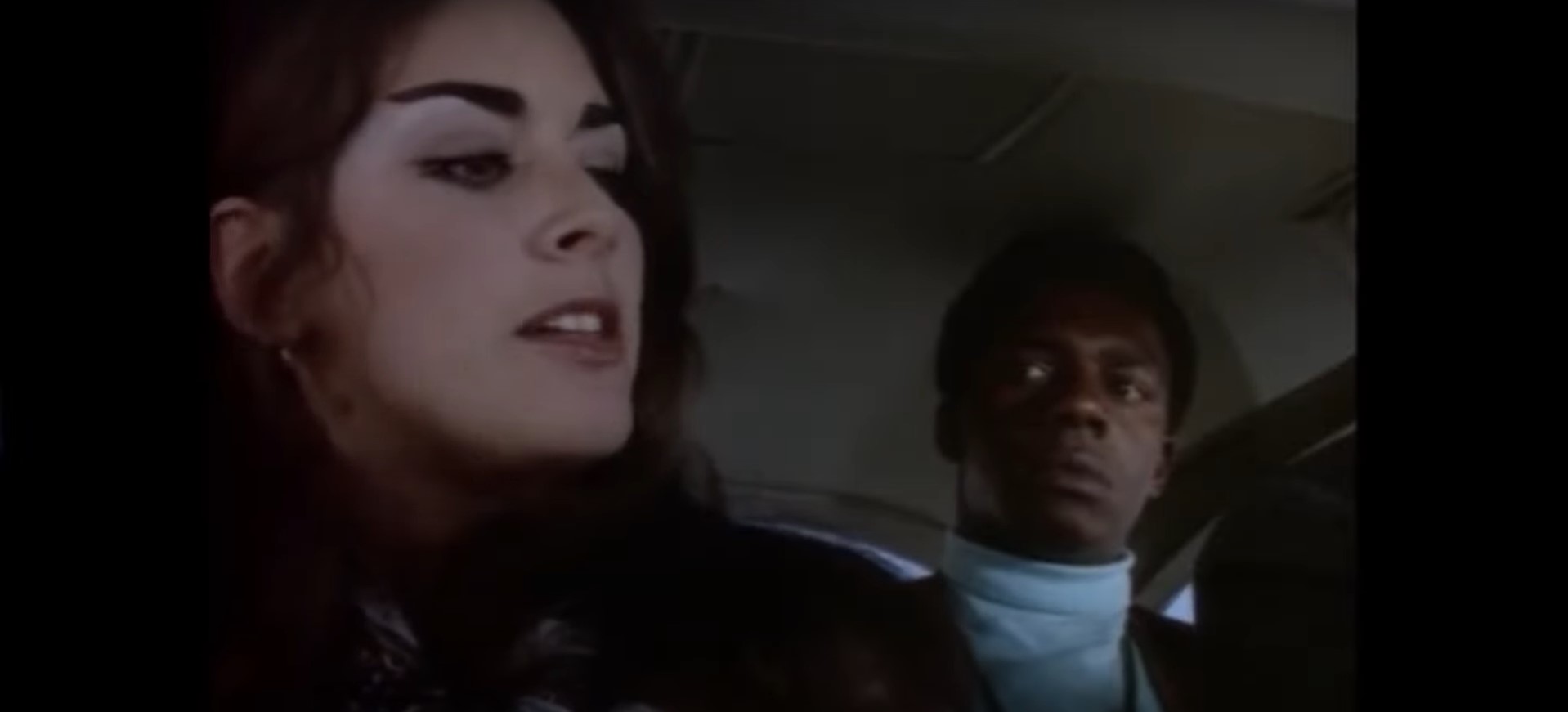
In the untamed wilderness of British Columbia, a bush pilot named Tom picks up fares that give tourist, fisherman, hikers, and the like an experience of a lifetime in raw, Canadian countryside. Also, an experience of a lifetime is when his clients and guests staying the night in his rugged cabin home meet his nymphomaniac wife, Vixen. When Tom’s flying about to-and-fro, Vixen slips out of her clothes and into the comforting arms of varietal strangers of men and women alike. Indoors, outdoors, land, water, men, women…for Vixen, sex is life, and she must take it whatever means necessary, even if that means conniving her way into sleeping with her motorcycling little brother Judd. No Canadian Mountie can stop her from mounting him. No lawyer can litigate his way out of her desiring deposition. In fact, no one can resist the voluptuous Vixen at all except for one man, a negro named Niles, as Vixen’s racist belittlement seeds a strong ambivalence between them.
The first film in Russ Meyer’s “Vixen” trilogy, “Vixen!” is the 1968 produced feature directed by the man dubbed King Leer and The Fellini of the Sex Industry known as Russ Meyer. The World War II combat photographer saw unequivocal carnage and death in his camera lens but his post-war vocation to become an eroticist earned him being one of the most prolific skin flick filmmakers ever between the 1950s to the 1980s. With a penchant for heavy-chested women, Meyer’s “Vixen!” is uninhibition incarnate and is a pleasure-seeking good time when the prim-and-proper hubbub is put to the side in this Robert Rudelson penned philandering orgy of ogling based off an original story by the “Faster, Pussycat! Kill, Kill” and “Motorpsycho!” director and infrequent concept collaborator and producer Anthony-James Ryan (“Black Snake”). Meyers wife, Eve, served as associate producer alongside Richard S. Brummer and George Costello under the production companies of Goldstein Films, Coldstream Films, and Eve Productions.
SUPERVIXENS (1975)
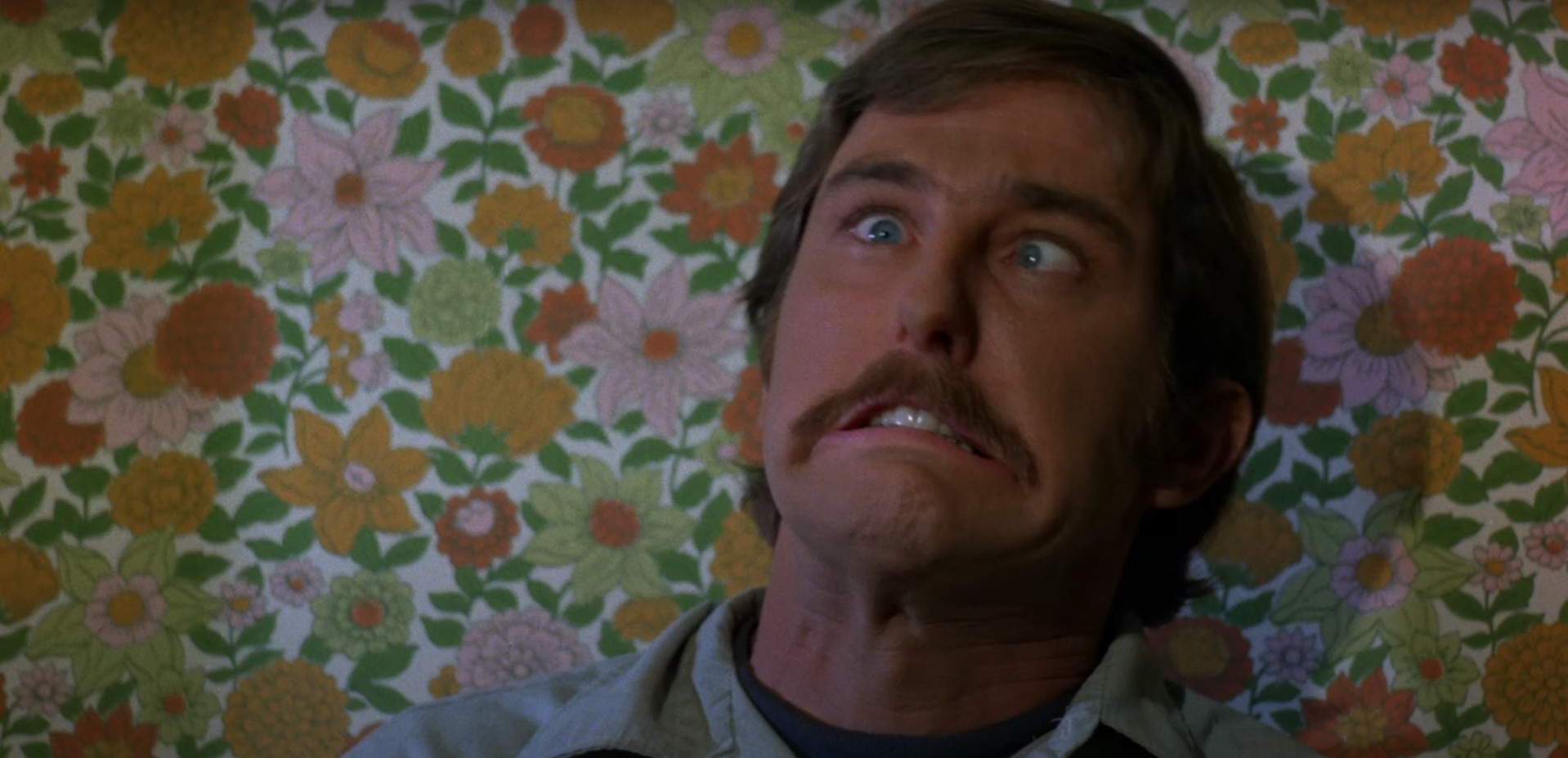
Gas station attendant Clint maintains the steady pumping of gas and washing of windshields that pull up to be serviced, but his insatiable wife, SuperAngel, wants Clint back home for a little pumping of her own. Constantly calling him at work and threatening the dissolution of marriage frustrates Clint to the point where their lovemaking turns heated and violent that results in Officer Harry Sledge to knock out Clint and trifle with SuperAngel’s coquettish whims after its all said and done. Yet, Harry Sledge’s inadequacies release his true nature, a pent-up maniac who mercilessly murders SuperAngel and shifts the blame toward Clint. On the run, Clint finds himself at the mercy of ride givers who either take advantage of his body and what little money he has or provide him a safe place to stay with a caveat of busty, horny temptations knocking down his spare room door. Clint finally lands being a gas station attendant again with SuperVixen, a gas station inheritor running both the pumps and the hamburger grill, and he finally feels he’s back on his feet in life being in love with SuperVxen. That is until Harry Sledge coincidently shows up at his gas pump.
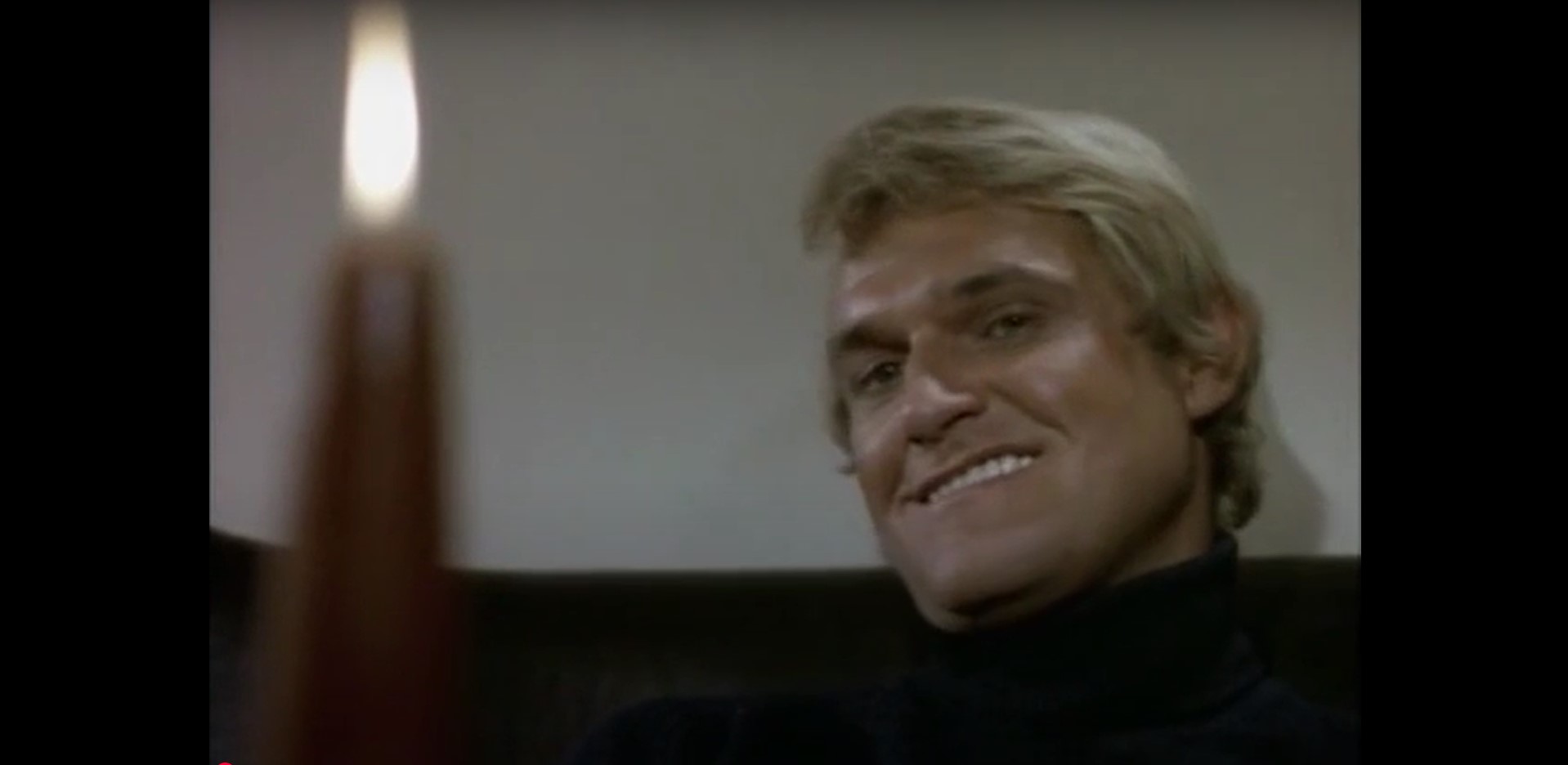
Not so much a sequel to “Vixen!” as one would expect in an unaffirmed trilogy, “Supervixens” is Russ Meyer’s 1975 satirical sex-comedy busting at the seams into insanity and out of blouses. A bigger cast with even bigger boobs, literal and figurative, plays upon a charade of Meyer’s troubled time through divorce that sees a little more violence toward women while still shitkicking characters with well-endowed powers of sexualized influence. Unlike “Vixen!,” Meyer writes the film too, adding his flare of elongated exposition that in itself is a foreplay of phonics with its blend of sophistication, wit, and obscenity. The RM (Russ Meyer) International presented film is produced by Meyer, Fred Owens, Charles Napier, Wilfred Kues, James Parsons, executively produced by Anthony-James Ryan, and filmed mostly in the vast Arizona desert.
BENEATH THE VALLEY OF THE ULTRA-VIXENS (1979)
Junkyard worker Lamar is a studios young man who wants nothing more than to earn his degree in smalltown America. His wife Lovenia is studios in keeping her bed warm by sating her thirst for every man in said smalltown America. Yet, Lovenia wants Lamar only and badly too but the one thing that wedges their sex life apart is Lamar’s obsession with the backdoor only and not being eye-to-eye intimate. To try and fix their broken relationship of rear entries and unrestrained randiness, the two young lovers embark on a journey around town to seek salvation into solace of each other’s arms rather than meeting their needs elsewhere. A gay marriage counselor/dentist with a kinky lesbian nurse, a radio evangelist busting out of her shirt to save souls, 14-year-old athletes being taught adulthood with hands on experience, junkyard and garbageman rendezvous and scrappy scandals, all play a part in working out Lamar’s kinks and sedating Lovenia’s nymphomania.
Now this Meyer entry has more sequel components. “Beneath the Valley of the Ultra-Vixens” has even more sexploitation satire shrouded by a saturation of sordid sleaze in what would be essentially Russ Meyer’s last theatrical feature-length film. The 1979 production really goes into the pubic bush of pushing public boundaries with sexualized situations, intermingling faith with sexualized fervor, and expressing a provocation freedom only in the way Russ Meyer could deliver it. The story is conceived by Meyer but is written by none other than Roger Ebert under the penname of R. Hyde in what was the last of three feature film collaborations with the director behind “Beyond the Valley of the Dolls” and “Up!” Meyer’s RM Films International solely presents the Richard S. Brummer, Fred Owens, and Russ Meyer coproduced “Beneath the Valley of the Ultra-Vixens” shot, yet again, on harsh terrain of the American west in arid and rural portions of California.
CAST
All three films center around one sex-driven consumed woman and one hapless in-one-way-or-another man. Each of the principal lead actress are made up of parts Russ Meyers admires the most: buxom, curvy, and beautiful. Each provide their own eccentricity to the role despite their common core theme of nymphomania. In the titular role of “Vixen!” is the Meyer discovered topless dancer Erica Gavin, sporting D cups that were typically, and funny enough, just a tad small for the Russ Meyer usual collective of busty babes. Gavin’s envelopes herself completely into the promiscuous role that preys upon men like a shark whiffing a solitary drop of blood to get the olfactory senses working overtime. Gavin devours her counterparts on screen as a saucy, sassy seductress with hips that hypnotize and a chest that chastises chastity with extreme prejudice. And speaking of prejudices, “Vixen!” paints an obscene vocabulary depiction of the only black actor through the vile and vicious name-calling by the Vixen herself. Between the verbal bigotry, U.S. military draft dodging, unpopular Vietnam war beliefs and communism, Meyer disguises 1960s socio- and political topical matter underneath a large rack of sexploitation but does evoke the black character Niles (Harrison Page, “Carnosaur”) as a costar rather than a supporting actor. Super Angel in “Supervixens” can also be rancorous but not in a prejudice sense; instead, the actress Shari Eubank portraying Super Angel has an impatient demeanor for her rather unhurried beau Clint and what also separates Gavin and Eubank in their respective roles is that Eubank has a dual performance in the most irony of names being a malicious tease as Super Angel and being sweet as pie as Super Vixen. The contrast between the two women also mirrors a resemblance of what once was even to the detail of Clint obtaining his old job back at a new gas station but their arc as couple must face the formidable Harry Sledge as the peak they both must overcome, representing as perhaps a metaphor, coupled with some sly editing and intention, in being an older version of Clint heading toward impotence, anger, and confusing sexual orientation. The uninhibited nude dancer and adult film starlet Kitten Navidad led the charge in the third film, “Beneath the Valley of the Ultra-Vixens,” as the uber-compulsive sexual Lovenia. Before starring in the stags “Bodacious Ta Tas” and “Eat at the Blue Fox,” amongst others, Navidad ran rampantly new in swanky, silly, softcore in front of the camera lens of her then husband Russ Meyer. Lively and lovely, with large breasts and a hairy bush, Navidad sparks a wide grin under her Latina charm as well as portraying a promiscuous housewife gone wild in a starkly different demean that’s more toon in its titillating manner when compared to “Vixen!” and “Supervixens.” “Beneath the Valley of the Ultra-Vixens” is the only film in the trilogy to be a sequel, and barely at that, with returning characters of “Supervixens” helpful farmer Lute (Stuart Lancaster, “Starlet!”) and his lovely Austrian wife SuperSoul, played by another adult and genre actress Uschi Digard (“Ilsa: She Wolf of the S.S.,” “Superchick”). The three films round out the cast increasingly with Garth Pillsbury, Jon Evans, Robert Aiken, Peter Carpenter, Michaenl Donovan O’Donnell, John Furlong, Charles Pitt, Henry Rowland, John Lazar, Fred Owens, Glen Dixon, Ken Kerr, Patrick Wright, Robert E. Pearson, Michael Finn, Don Scarborough, Aram Katcher, and DeForest Covan with sexploitation and adult industry regulars Vincene Wallace (“A Sweet Sickness”), Deborah McGuire (“The Young Secretaries”), Colleen Brennan (“China and Silk”), Christina Cummings, Ann Marie (“For Your Breasts’ Only”), June Mack, Sharon Hill (“Dawn of the Dead”), and Candy Samples (“Fantasm”).
OVERVIEW
From the flowing creeks and tall pines of British Columbia, Canada, to the arid desert rocks and scantily scenic hardscapes of the western U.S. deserts, Russ Meyer had a fondness for the coarse-nature of the great outdoors put up adjacent to the delicate, soft-skin beauty of voluptuous women prancing, dancing, jumping, skipping and fornicating to the beat of oversexualization, perversion, and the problems that rouse from the unfettered arousal. Meyer’s interests not only laid with gigantic melons and the overall less-is-more clothing on women, but the director also had a fondness for rural, smalltown settings, a subtle paradoxicality to pepper German aspects into the story’s vast and bosomy berth despite his World War II veterancy, and he really tackled sociological issues of race, orientation, and, of course, a broad spectrum of general sexuality too taboo for much of puritanical America. Yet, Meyer had an eye for what makes cinema alluring and not only from a taboo and bare skin angle but from the angles of which he shot and a stylistic eye to match to create and edit unforgettable compositions. An eclectic medley of angles, quick coherent edits, a witty, sarcastic, and philosophical dialogue, a swanky and swinging instrumental soundtrack, and the vibrant, sultry, and pulpy coloring of pinks, reds, blues, yellows, and other fuzzy posh palette colors come together in a beautiful mesh of fast-paced filmmaking that tells about the fast-and-loose times, an exaggerated parallel of the rather an unmentionable underbelly most were too ashamed to mention or even think positively minutely about in that era. Today, sex is more fashionable but 40-50 years ago, Russ Meyer foresaw a future of polyamory in a fun, lightful, sexy, if not borderline sleazy and perverted, way sewn into an alternate universe of risk and reward told in meta fashion.
If you must take one thing away about Severin Films is that the boutique label knows how to restore and package lost treasures. Such is the case with Russ Meyer’s broad bare-bosom view of Americana cinema with the Vixen trilogy. These Russ Meyer Bosomania films are restored and scanned in 4K on the worldwide debut of an AVC encoded, 1080p high-definition, BD50 and presented in a widescreen 1.85:1 aspect ratio except for “Vixen!” which is shown in the European aspect ratio 1.66:1. Noted on the back covers, “Vixen!” print scanned in 4K from the original negative is restored by MoMA, the Museum of Modern Art, “Supervixens’” print is restored by Severin Films in conjunction with The Russ Meyer Trust with the 4K scanned print originating from The Academy of Motion Pictures Arts and Sciences, and “Beneath the Valley of the Ultra-Vixens’” weathered-worn print was painstakingly restored by Severin Films as well with cooperation from The Russ Meyer Trust. Between 1968 and 1979, there’s more than a subtle difference in image presentation, style, and quality, as expected, whether be Meyer growing as a student of cinematography, film stock upgrades, or just plain print wear and tear. “Vixen!” has a more muted color palette but nowhere near being totally vapid as Meyer uses less colorfully charged lighting and shadow work that results in an organic image with some inconsequential anemic and barely perceptible damaged frames sporadically throughout. Details are generally favorable and kind to early colorists, touched up I’m sure in the restoration to pop it out some. “Supervixens” and “Beneath the Valley of the Ultra-Vixens” do color-pop tremendously, punctuated by Meyer’s stroke of lighting and editing genius to have each scene be enthralling to behold and be aggregated into a class known as the Russ Meyer magnum opus. Meyer is the David Lynch of the sexploitation subgenre, seducing with sordid and satirical sex-driven maniacs and a peculiarity of situations and themes that often run silent in the general population. The latter two films are scot-free of print wear which is surprising since “Ultra-Vixens” is noted to have been weathered, which is a true testament to Severin’s dedication to the restoration. All three films have an ENGLISH LPCM Mono mix of fair fidelity that’s akin to the skin soundtracks of a burlesque-like Benny Hill show. “Vixen!,” once again,” strays from the pack with glam swing revelry and sultry notes of passion herald in by a smooth piano, percussion, and guitar. Dialogue renders nicely through from all three films accompanied by more of the near slapstick Foley rather than environment din. “Vixen!” does emit a bit of an echo is certain scenes, more evidently so when Vixen argues or persuades to get what she wants, and you can hear her dialogue again in like a soft breath underneath. English closed captioning is available for selection. Several hours of special hours have been compiled for this set, beginning with “the “Vixen!” allotment that has a second, censor prologue cut of the film in from the theatrical re-release, an archival audio commentary with Russ Meyer, a new audio commentary with Erica Gavin, new interviews with Gavin and Harrison Page in Woman…Or Animal?, a television interview of Russ Meter and Yvette Vickers on the David Del Valle hosted show The Sinister Image, Entertainment… Or Obscenity? Is the Marc Edward Heuck historical and present look at the Cincinnati Censorship Battles against Russ Meyer and his films and rounds out with the feature’s trailer. “Supervixens'” special features include an archival audio commentary with Russ Meyer, an interview between Mike Carroll and Russ Meyer Russ Meyer Versus The Porn-Busters, an interview with The Return of Harry Sledge Charles Napier, S1E5 with Russ Meyer on The Incredibly Strange Film Show, a TV spot, and the trailer. Rounding out the extras on “Beneath the Valley of the Ultra-Dixens” came another archival feature-paralleling commentary with Russ Meyer, The Latin Brünhilde interview with actress Kitten Natividad, an Ellen Adelstein interview with Russ Meyer on her 1979 talk show, a much later and new/current interview with Ellen Adelstein, and the theatrical trailer. All three Amaray cases share the same color scheme of a black case contrasted with a red border on the cover with an inner black border surrounding a still or a retro one sheet with taglines and pulled quotes from past reviews. There are no other tangible elements with the disc pressed roughly with the same primary image. The region free Blus are not rated and have respective runtimes of 71 minutes (“Vixen!”), 106 minutes (“Supervixens”), and 93 minutes (“Beneath the Valley of the Dolls”).
Last Rites: To experience Russ Meyer’s Vixen trilogy is more than these words can ever express. You just have to dive right into the voluminously, voluptuous vixen world and the best, polished way to do it is with Severin’s Russ Meyer Bosomania restored 4K scans!
Interstellar scientists voyage home after discovering and retrieving a new species of shark and carnivorous plant from the planet Crypt-X. When a rogue meteoroid field strikes the hull and sends their ship careening toward the Nevada desert, only one human survivor emerges from the wreckage to face off as the only resistance against a deadly combinational species of highly technological and predatory sharks and the piranha-like swarm of hungry vegetation. At the same time, a group of recovering addicts are led onto a scenic desert trail for a spiritual nature hike while a conspiracy theorist, toyed with by clandestine organizations, makes his way west to locate the crash and uncover the truth connecting the space sharks with every other conspiracy theory known to man. Man versus space shark versus killer plant in an extraterrestrial showdown on Earth’s terrain and only one will survive in what’s surely be a massive Government coverup.
Tornadoes whip man-eating sharks through the air in “Sharknado.” Engineering virtuosos yet undead World War II Nazi soldiers ride monstrous, flying sharks to wreak havoc on modern civilization in “Sky Sharks.” Now, outer space is no longer quiet and safe as a newly, deadly breed of predator is brought to Earth in “Space Sharks.” Director Dustin Ferguson, a director with an oeuvre of low-budget horror going back as far as 2010, pens and helms the adjunct indie horror-comedy under his pseudonym of Dark Infinity and his latest is to infinity and beyond being right up there at the top of the schlockiest of sharksploitation. Filmed and around Burbank California, doubling with no much likeness to the deserts of Nevada near the Grand Canyon, the team behind “5G Zombies” and “Amityville in the Hood” SCS Entertainment in a co-joint effort with Wild Eye Releasing, who also distributes the title, releases “Space Sharks” with Wild Eye Releasing’s founder Rob Hauschild producing and associate produced by Julie Ann Ream and Joe Williamson.
For all of roughly five minutes and a couple of lines of dialogue, Eric Roberts secures top bill on this what’s sure to be lost in the sharksploitation pit of nonsense. The once formidable 1980s and 1990s star, and brother to the high-powered and elegant Julia Roberts, “Best of the Best” and “Runaway Train” star has ebb-and-flowed vertically between mainstream Hollywood films and the lowest-of-the-low indies. “Space Sharks” is definitely in the latter category and doesn’t showcase much of Roberts’ given talent that has in recent years strayed to the more eccentric in a countless number of Dick, Jane, and Harry productions. Longtime scream queen Brink Stevens is another familiar who you’ve might not even known existed in the film if it wasn’t for the credits. Playing the nature hike leader but enveloped under the shade of a large sun hat, hidden behind large black sunglasses, and, too, with very little screentime, Stevens comes and goes like the snap of a finger. Other cult film actors are added to this ridiculous recipe with Mel Novak (“Game of Death,” “RoboWoman”) and Scott Schwartz (“A Christmas Story,” ‘Café Flesh 2”) folded into a cheap, B-movie run cast batter of Ferguson regulars to give this tasteless schlock some spice. If “Space Sharks” had to select a true principal lead, Allie Perez (“Amityville Emanuelle”) would be the closest as the lone surviving scientist with arms training to fend against the upright and muscularly athletic sharks while trying to make her way home to dad, Mel Novack, but tasked to protect desert lost civilians Nick Caisse (“Apex Predators 2: The Spawning”), Traci Burr (“Death Bitch”), Janet Lopez (“Liza: Warden from Hell”), Ben Anderson (“Witchblossom”), Breana Mitchell (“Cocaine Couger”), Daniel Joseph Stier (“The Clown Chainsaw Massacre”), Christine Twyman (“It Wants Blood!”) and Joshua Mooney (“Axed to Pieces”) from being chum.
An “Alien” and “Predator” rip-off integrated into the multifaceted farce that has become sharksploitation. As premises go, “Space Sharks” has a promising plotline of a newly discovered, extraterrestrial species of shark being returned to Earth for scientific, governmental weaponization or examination and then runs amok the desert when things go terribly South. That story is far more lucid than previous low-rent, quick-produced features of a supernatural shark emerging jaws first out of a toilet bowel. Also, the way the trailer was cut had “Space Sharks” perk ears of interest with a very similar appearance to “Street Sharks,” a mid-1990s Saturday morning, animated television series of muscular man-eaters that were half-man, half-shark heroes running around beating up bad guys on a weekly basis. Then, we see the film and we were wrong, dead wrong. “Space Sharks” is a half-cocked mashup of too much, too little of unwanted knockoffs and crisscrossing ideas. Computer-generated designs of the brawny tech-sharks are not terrible for budget but do borrow quite an uncomfortable bit from our favorite jungle and urban hunter, the Predator, with heat vision, cloaking ability, and the methods of skinning and suspending corpses upside down. The pull from “Alien” is more subtle with an opening credit title that comes about in the same gradual style as the Xenomorph films. Ferguson is no stranger in his cache of flattery and audiences likely wouldn’t have minded the echoes that entail if it wasn’t for the nonsensical chasing of conspiracy theories, a space mission stemmed with little-to-no details, explanation of tiny alien sharks grown to be elite hunters, man-eating plants, giant spaceship crash that befell no concern, zero character developments, dynamics, and arcs, and a story edit too perfunctory to keep focus.
“Space Sharks” invades retail shelves with a Wild Eye Releasing DVD. The MPEG-2 encoded, upscaled 1080p, DVD5 houses essentially the encircling feature presented in a widescreen 1.78:1 aspect ratio. The upscale barely registers with a mid-range decoding rate at approximately 5 Mbps. Textures are not as defined inside the context of tangible captured frames whereas any post-production object, computer generated with commercial animation software, is about as backwards realistic as an early 90s source coded video games, such as the blockiness, square-pegged Doom or Duke Nukem 3D. “Space Sharks” has an ungraded, unpolished overlay that leaves colors desaturated or muted and the compression seizes control with blatant aliasing issues when characters run around like free range chickens evading foxes. The long opening through galaxy is the best “Space Sharks” will get that exposes colors, multi-shaped object, and an ease of poorly rendered animation burden with a rather decent composition of visuals and soundtrack to kick off the film. The English language stereo 2.0 mix too rides that sliding scale of independent filmmaking with a low-frequency, heavily saturated audio mix that can’t harness and real in isolated elements, and without that even diffusion of sound, every exterior noise maker attaches itself to the dialogue and the intended ambient sound. Dialogue renders through anemically but has enough strength to be heard and intelligible, even if what’s scripted is not. English subtitles are not available. DVD unfolds as a feature-only product with an al carte selection of Wild Eye trailers that are usually on every Wild Eye home video releasing, special features withstanding. A time warping 70-minutes runtime has this just over hour long feature feel much longer in is unrated, region free format.
Last Rites: Simply put, if you’re looking to watch something jawsome, “Space Sharks” is more space junk and not worth going anywhere near its orbit.














 It's Bloggin Evil!