EVIL’s Vampiric Power Over the Homunculus is Short Lived! “Decadent Evil” reviewed! (Full Moon Features / Blu-ray)

The Remastered “Decadent Evil” is now on Blu-ray!

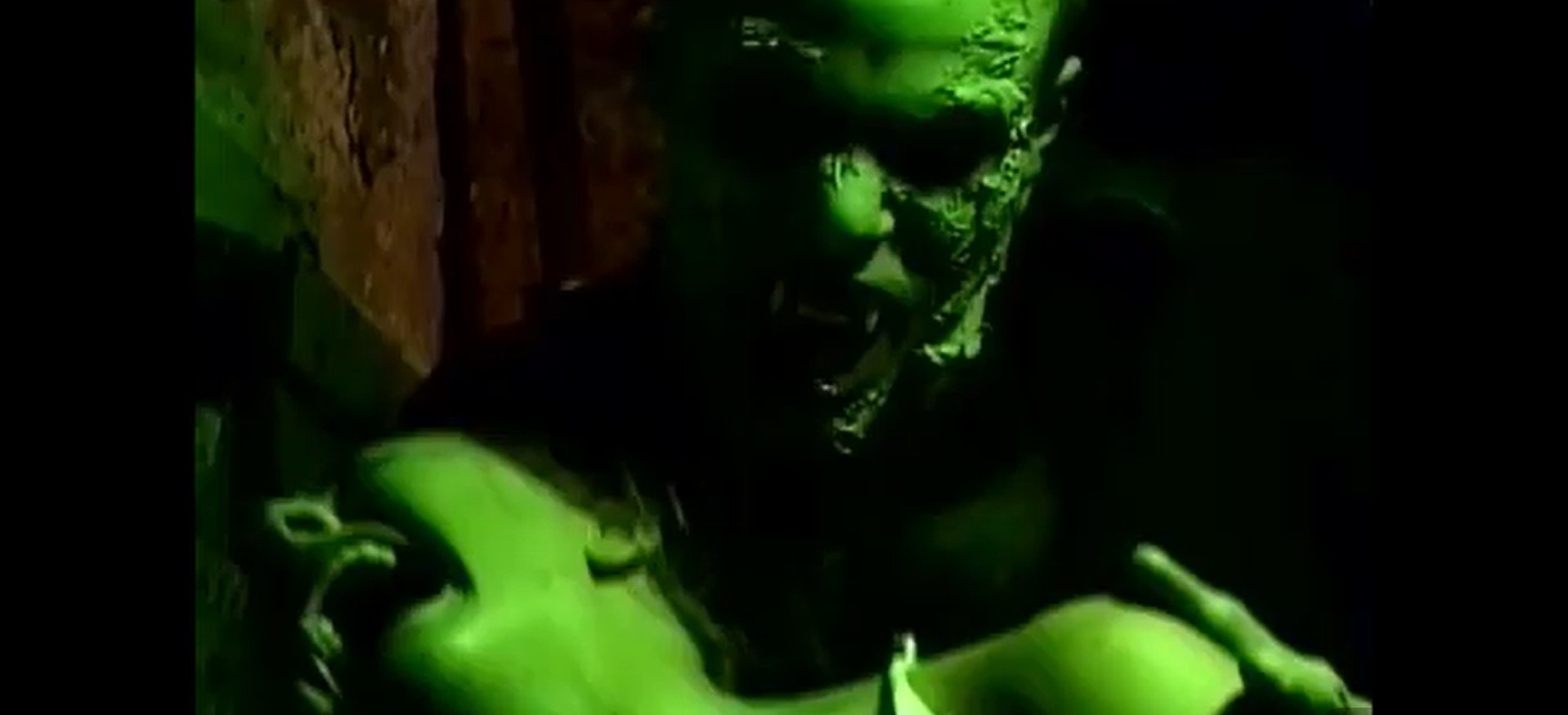
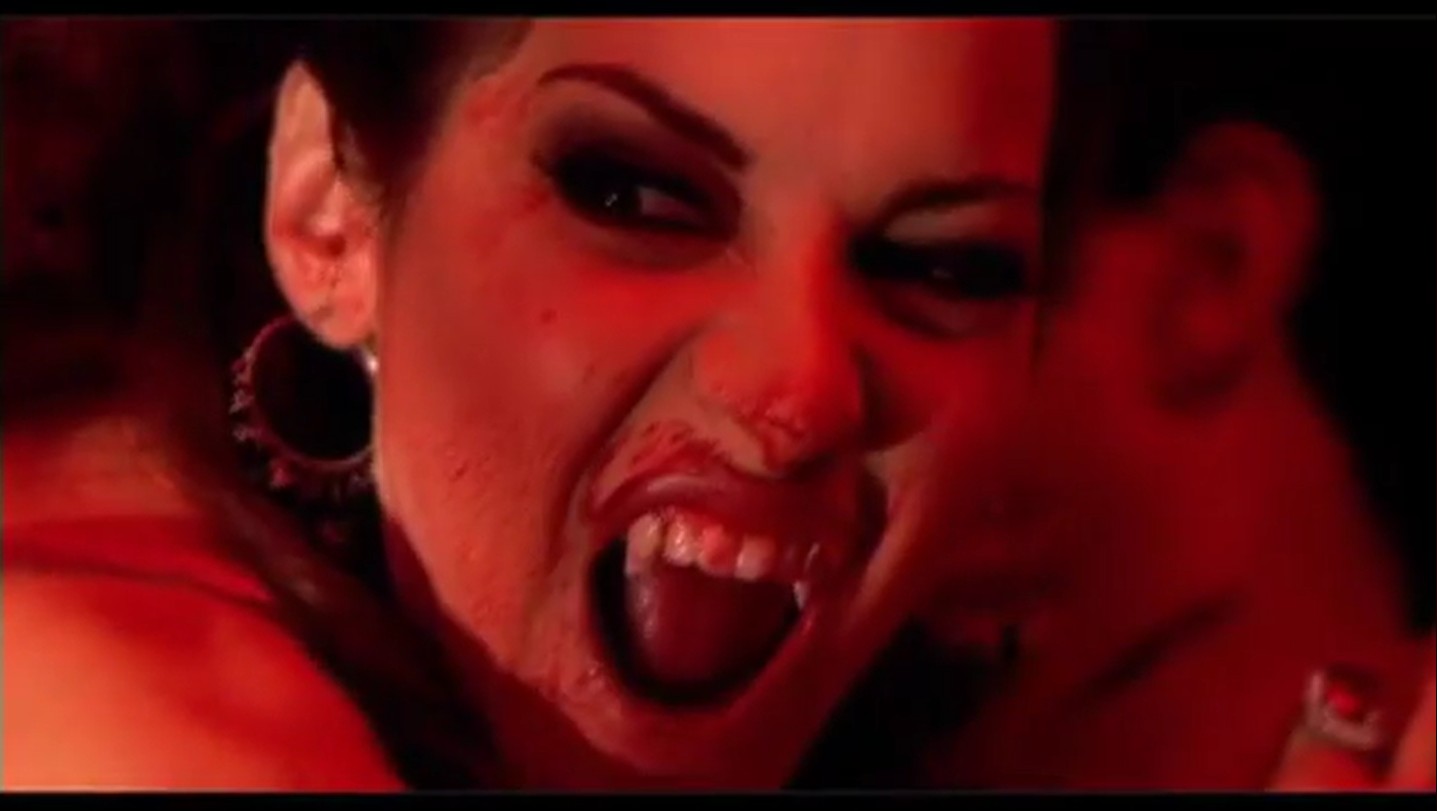
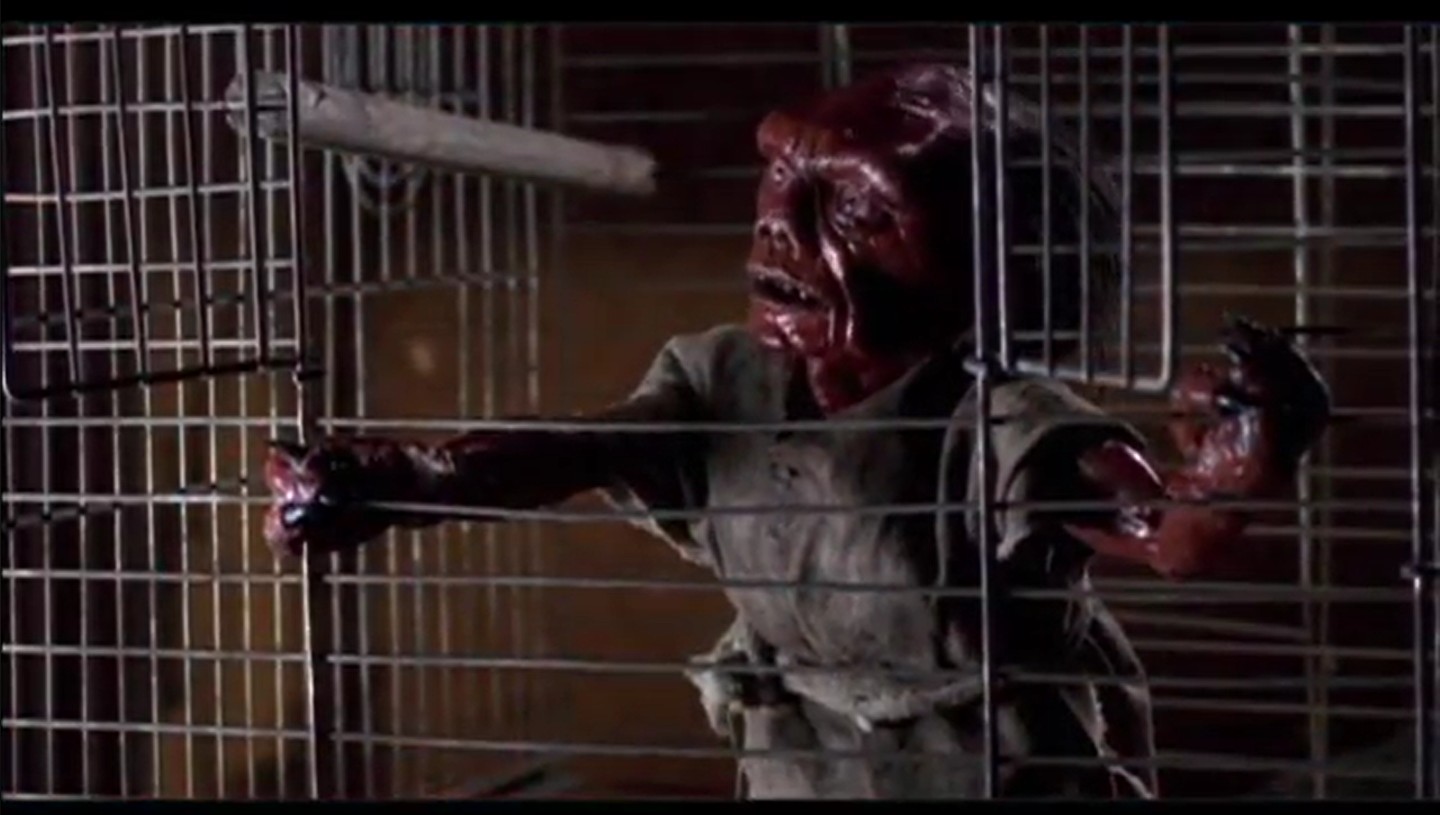
An evil vampiric bloodline has stretched from Europe to U.S., specially in the Los Angeles area, where Morella, a centuries year old master vampire, collects the blood of innocent victims and she requires just one more soul to fulfill a prophecy to be the most powerful and invincible vampire ever.  Morella is so cruel she even transformed her once lover into a homunculus, a scaly and green shrunken humanoid, to keep as a caged pet.  When two of Morella’s thralls are uncovered working at a strip club by a dwarf vampire hunter with a grudge, she finds obtaining the last soul to be challenging, especially when one of her subservient vampires, Sugar, is against the whole bloodsucking attribute and falls in love with the strip club DJ.  With Sugar, the DJ, the homunculus, and the vampire hunter standing in her way of total immortality of godlike proportions, Morella has little allies in her corner but has the majority of evil power behind her ancestral lineage. 

An early 2000’s Anne Rice facsimile, “Decadent Evil” is Charles Band and Full Moon’s other Gothically romantic infused vampire feature behind “Subspecies” and “The Vampire Journals,” which are technically all part of the same “Subspecies” universe in one way or another.   The “Puppet Master” and “Trancers” cult filmmaker helms the 2005 low-budget feature and cowrites it alongside a staple Full Moon screenwriter Domonic Weir (“Evil Bong”) in what would be one of Weir’s first feature length films for the longtime genre producing company after gifting the horror community with a “Critters” screenplay in 1986.  After a few minor re-writings of Hong Kong actioners for an English dub, Weir returns to horror with Full Moon and indulges Band on his diminutive obsession with tiny terrors.  And what may you ask is the small creature in a sexy-slathered vampire flick?  A homunculus is written into the story, of course!  Band produces “Decadent Evil” not under Full Moon but Wizard Entertainment in collaboration with Shoot Productions and Astonishing Features with Jeremy Gordon and Jethro Rothe-Kushel as association producers on the Los Angeles based shoot. 

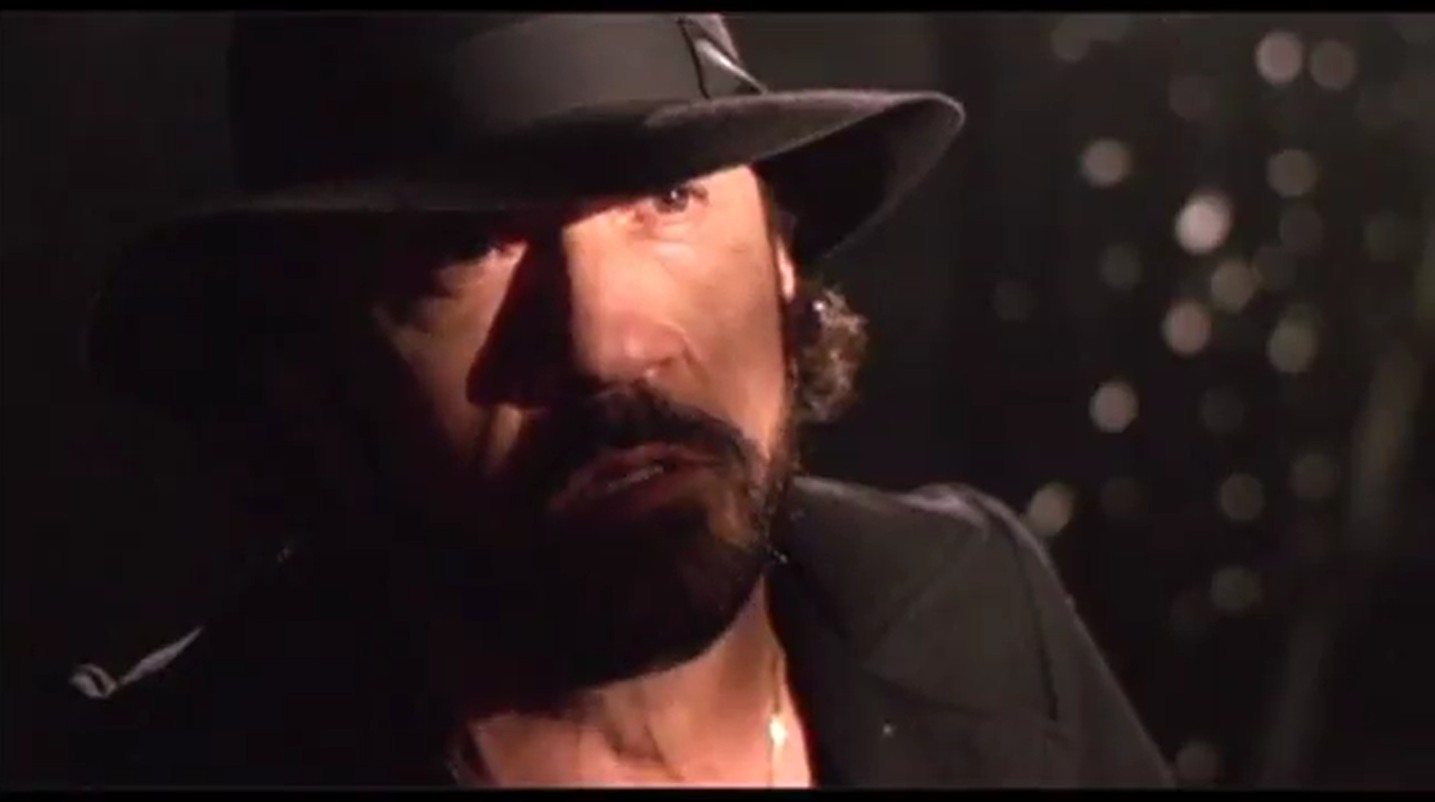
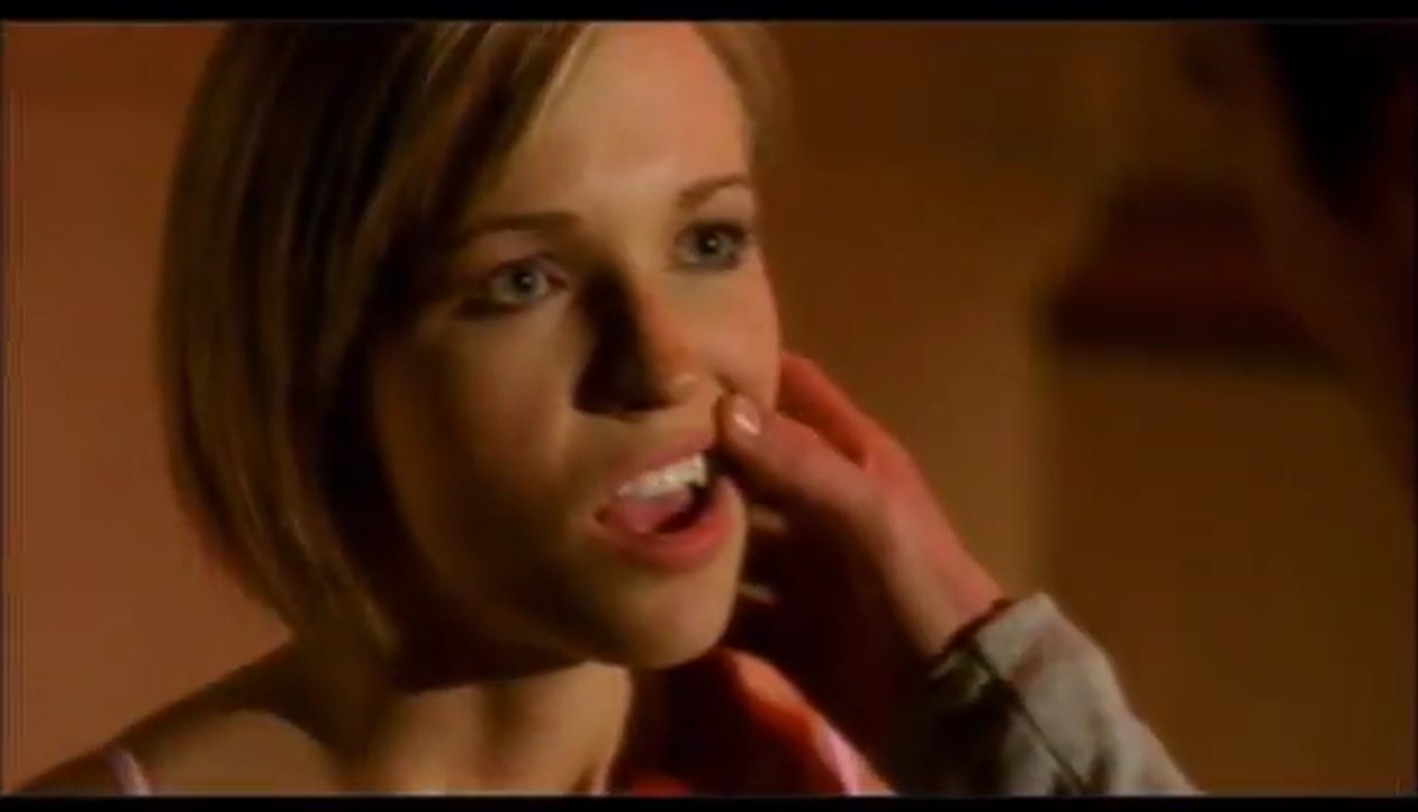
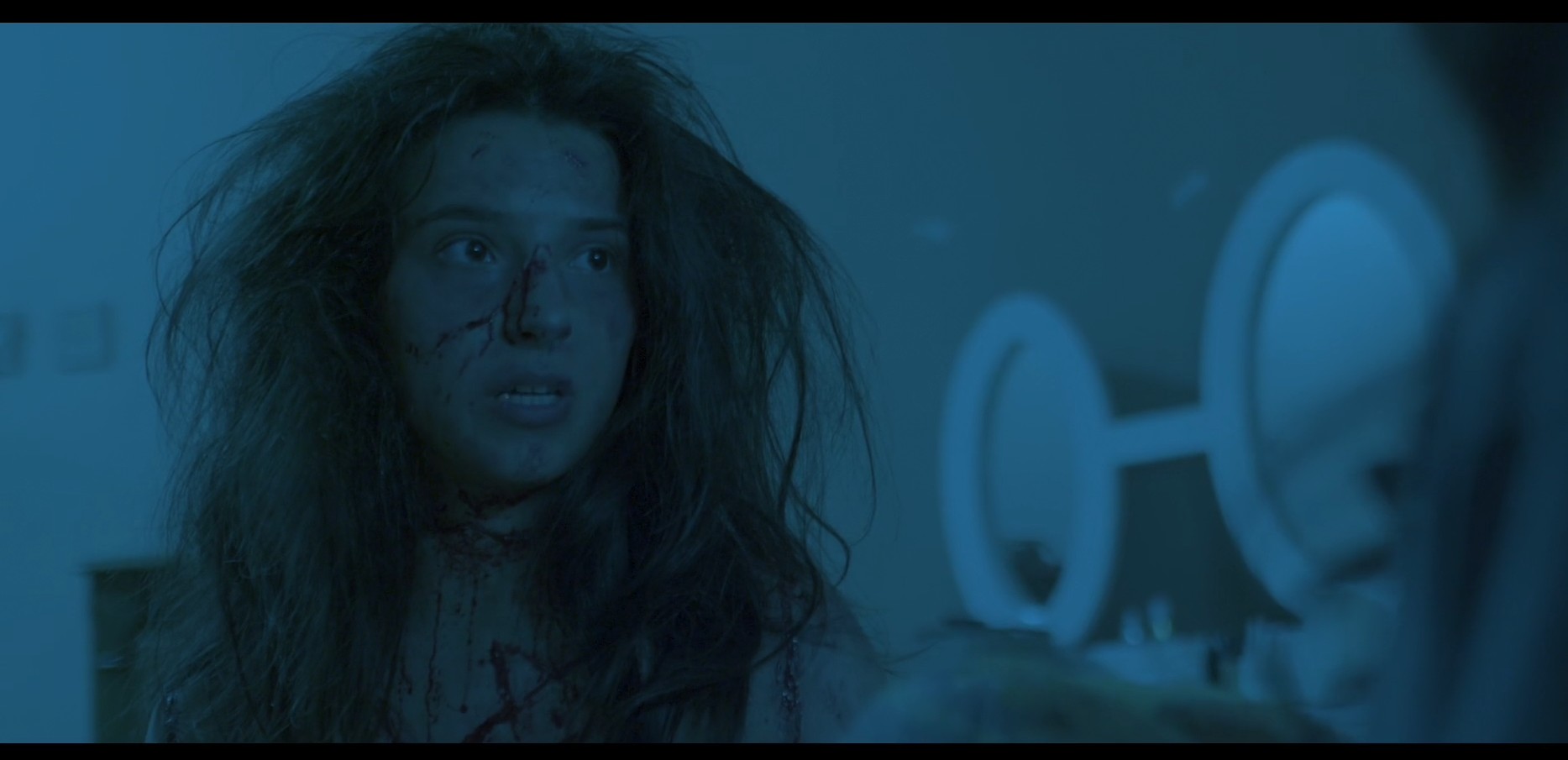
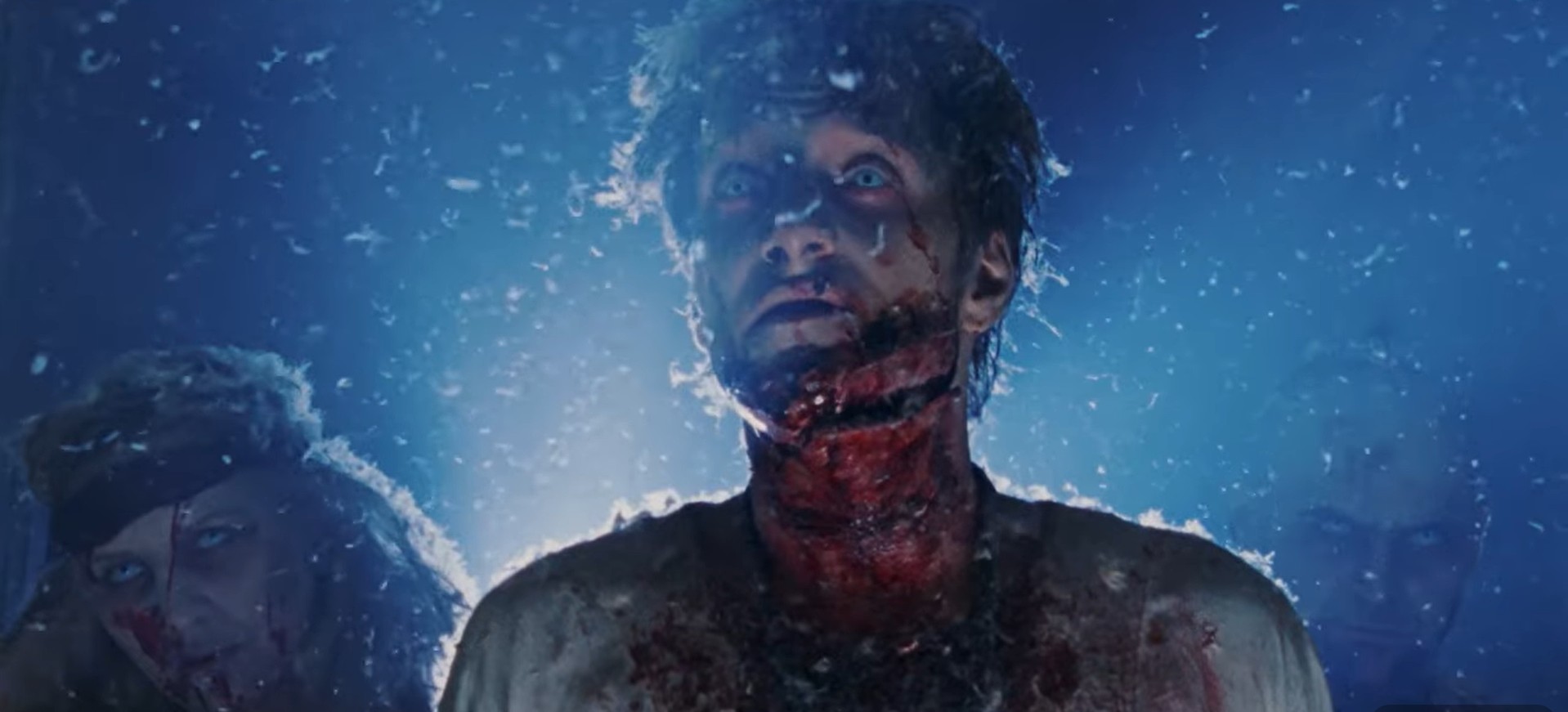
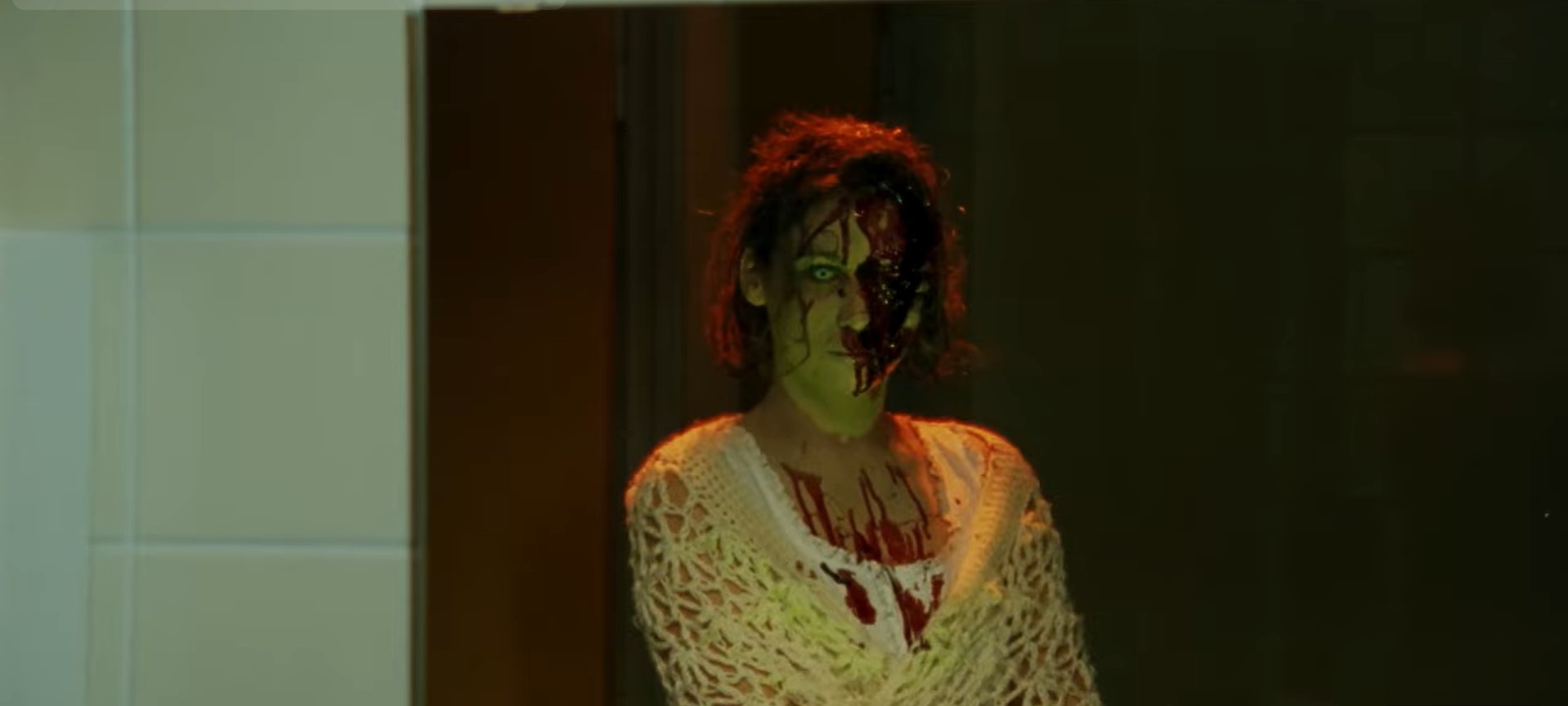
The prologue backstory of “Decadent Evil” can be misleading as to who the main characters will be with a restructured, recut introduction made from bits and pieces of scenes of “The Vampire Jounrals,” another Full Moon production, that uses a power Euro male vampire bloodline as the basis for Morella’s L.A. homebase of operations, which include the ying yang, naughty and nice, vampiric sisters, Sugar and Spyce.  “Blood Dolls” and “Prison of the Dead’s” Debra Mayer, a late 1990’s scream queen for about a decade and half until her eventual departure from acting, plays the head vampire in charge Morella with a firm grip on her subservient thrall, the angsty and gothic-inclined Spyce (Raelyn Hennessee, “Cutter’s Club”) and the sweet-and-innocence exuding Sugar (Jill Michelle, “Erotic Secrets”).  The sisters go through the motions of obedience but to an extent with Sugar basically disavowing her vampire blood in hopes for a romance relationship with her strip club’s DJ Dex (Daniel Lennox, “The Black Magic”) and Spyce pushes the limits of her own control, like a teenager testing their parents, by drinking the blood of those meant for Morella’s grand power count.  With a 67-minute runtime, “Decadent Evil” doesn’t have the minutes to really explore the characters that force the actors to be plain, act plain, and never be anything more than plain.  Even Phil Fondacaro, the headlining star and most recognizable face of the troupe, must purge backstory in a flash upon his acute introduction mid-way through.  The “Willow” and “Ghoulies II” actor is a vengeful vampire hunter after his father falls victim to Morella.  April Gilbert (“The Butcher”), Roger Toussaint (“Illicit Dreams”), John F. Schaeffer, and, of course, it wouldn’t be a Charles Band picture without a half-naked adult film star in Harmony Rose who goes topless for the cause. 

Locally shot near the company home base of Los Angeles, full of either Full Moon actors or greenhorn actors, little-to-no budget for practical or computer generated effects, a runtime of under an hour, and the tacking on of “The Vampire Journals” at the beginning to extend the length to just that under the hour mark is a true show of low-budget colors from Charles Band and Full Moon.  The premise of Morella becoming an omnipotent vampire through a scrapbook collection of pure blood is a solid enough premise that is unfortunately not explored enough to become invested, turning this Full Moon venture into what it has become over the last couple of decade, a feast of female-casted eye candy and fatigued nostalgia without implementing anything new to the vampire or horror genre.  There’s also the matter of the homunculus that becomes a centerpiece and eventually tops as the main motif that hangs around in a bird cage and perversely has eyes for blood while simultaneously carrying around a major libido with scenes of molesting and raping involving the pint size creature.  The whole idea is a bit off, added to sate Charles Band’s fascination of with small creatures, and only adds mild interest in its development through the story which ends in a perversion of slapstick that, again, doesn’t fit, this time in the narrative tone. 

Full Moon continues to upgrade their catalogue, and the “Decadent Evil” films are the latest to be AVC encoded onto a BD25 with a remastered, high-def, 1080p, resolution for the first time ever in HD with a transfer scan form the original 35mm negative.   The early 2000 film sustains a fair amount of its 35mm charm despite most companies flocking to the less expensive digital format and this helps retain a richer saturation and an organically bold image that accentuates the hardlines and elaborately dressed gothic interiors and the smoke-filled darkness of the strip club.  The rest of the settings are standard fair, but the focus is within Morella’s L.A. mansion that has a mistress vampire’s touch.  The digitized conversion and the upgrade in pixels have cleaned up the image some but hasn’t exactly wowed with impressive measure as the details often fluctuate outside stylized lighting and smoke.  There’s often superb, granule detail on the homunculus’s shiny wet gland-filled dermis and deep contoured bone structure in the obvious puppet’s face and head.  The English audio comes with a couple of uncompressed formats with an PCM 5.1 and a 2.0 Stereo.  The 5.1 is more than enough for dialogue, soundtrack, and the ambient environment, though the latter is more for immediate focal points rather than the natural course of surroundings.  For instance, the homunculus’s heavy breathing and slippery skin provide characteristics to the already unique character but since much of the narrative is held indoors in a still mansion, there’s not much to the audio atmospherics, and even the strip club is doused with a rock track that swallows any other diegetic and nondiegetic noise.  Dialogue prominently in front but can struggle with depth in the 5.1 mix that often doesn’t pick it up; there’s better discernibility within the dual channel that maintains a front forward audio rather than trying to diffuse the already distance stilted audio.  “Decadent Evil’s” soundtrack is less carnivalesque than other Full Moon productions because Richard Band is not at the orchestrator helm, providing “Deathbed” composer James T. Sale’s soap opera Gothicism and playful low-tones more opportunities to flourish with this campy vampy film.  Extra features include a behind-the-scenes with snip interviews with the cast, a blooper reel, the original trailer, and other preview trailers from Full Moon Features.  The physical release mirrors much from the same line of DVD to Blu-ray upgrades with standard Amaray case.  The one-sided sleeve art illustration is new, which is a fine collage of characters, yet is uncredited.  There’s no inserts or other tangible extras on this region free, 74-minute, unrated vampire indulger. 

Last Rites: Fans of Full Moon’s “Subspecies” and ‘The Vampire Journals” will find “Decadent Evil” to stagger in its more modern affiliation with a meek story having little-to-no bite, favoring more the shorter stints of an arbitrary homunculus inclusion and Phil Fondacaro’s flyby hunter.

The Remastered “Decadent Evil” is now on Blu-ray!

Sometimes Sacrificing for Satan for Favors Does More EVIL Than Good! “Sex Ritual” reviewed! (International Media Network / DVD)

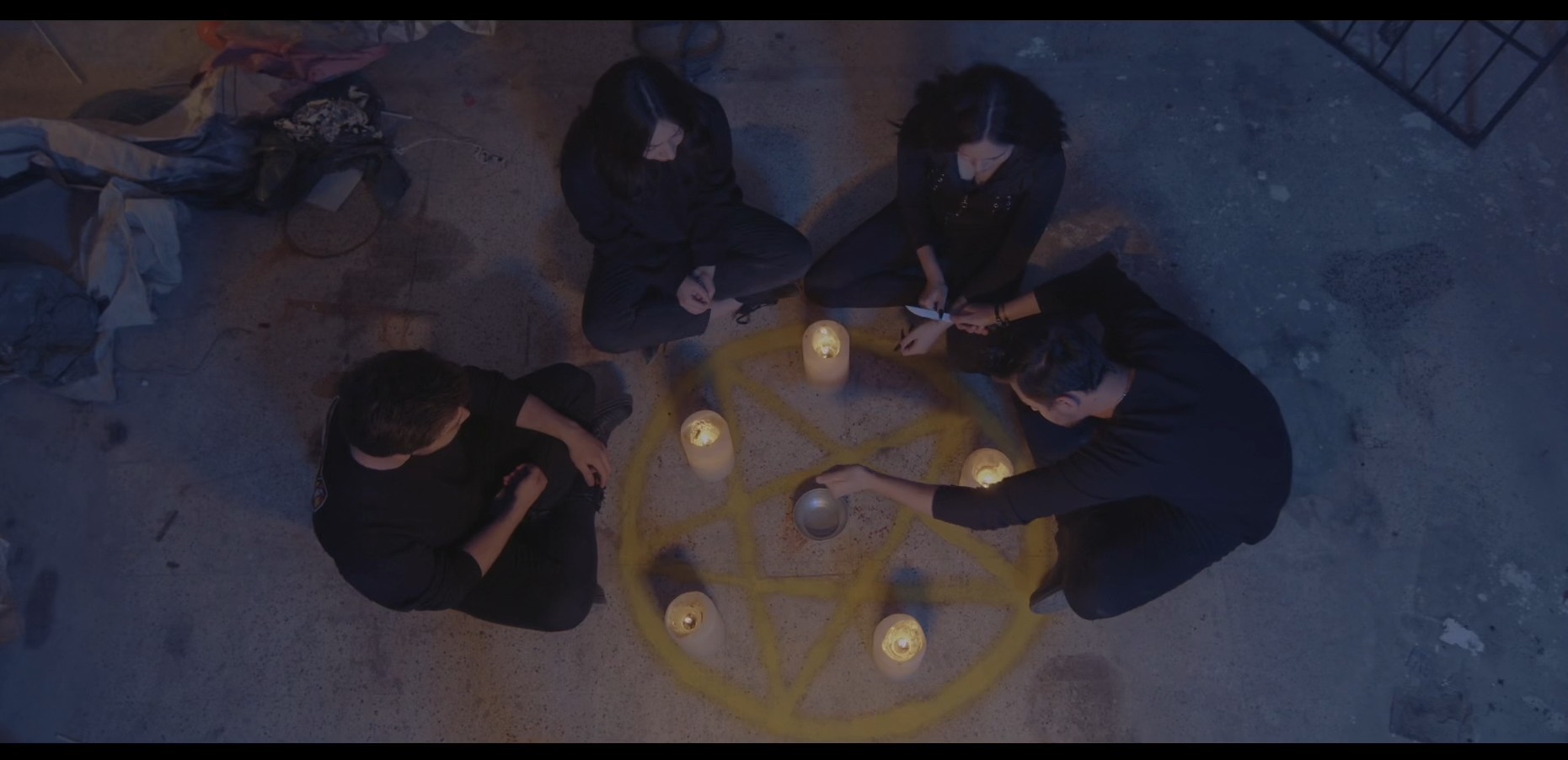
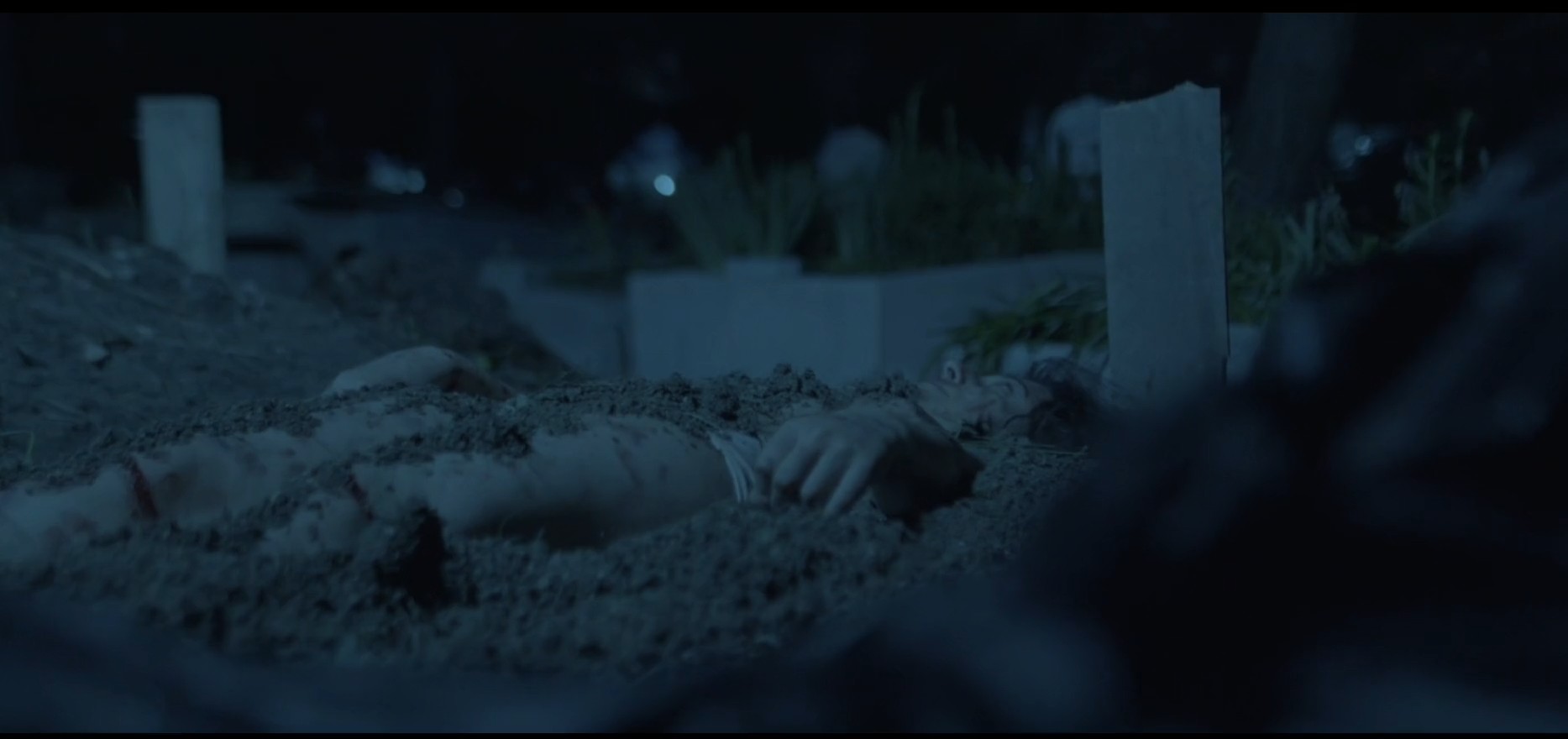
The sudden death of her mother has left Ceren in the hands of a pettish and immoral stepfather.  Smacked around and even possibly raped while unconscious, Ceren becomes reserved while being on defense whenever her stepfather is around.  She ultimately joins a satanist group at the behest of friend Tuna who has ulterior motives of human sacrifice for the 13th of the sacred year where a rare celestial alignment allows Lucifer to grant powers to his disciples in return.  Ceren’s reluctant to be the Satanists’ much needed fourth person for the ritual, involving drinking each other’s blood and eating a helpless kitten, has nearly pushed her to the limit but when a young woman, a promised sinner, is kidnapped, tortured, and murdered on a pentagram and all in the name of Lucifer, Ceren is pushed into immense guilt.  When each of their supernatural powers come to light, Ceren has the ability to resurrect her deceased mother who takes care of Ceren’s immediate problems, such as her abusive stepfather, as well as be a guide to help the falsely accused sinner, the sacrificed young woman, to take revenge on her satanic murderers.

Never in all my horror movie watching existence have I ever seen, or come across, a Turkish horror movie.  Well, there’s a first for everything and Özlem Yesilyurt is the first director to have his horror film from Turkey, entitled “Sex Ritual,” to cross my desk.   Granted, “Sex Ritual” is an eye-catching and provocative title with lots of loaded promises but the conspicuous title is a Westernized conjuring to lure viewers, like me guilty as charged, into an intriguing concept based off title alone.  The real title is “Seytanin Elçiler,” roughly translated as “The Messengers of Satan” a far, far cry from the more outshining “Sex Ritual” title.  The 2023 satanist horror that allures reclusive and repressed individuals into doing horrible things is a scripted story written by Askin Kartal (“Lilith Cinleri,” aka “Lilith’s Demons” and “Zina” aka “Other”).  Mert Ozan Düz (“Zina”) produces the film under his company, Mert Production Media.

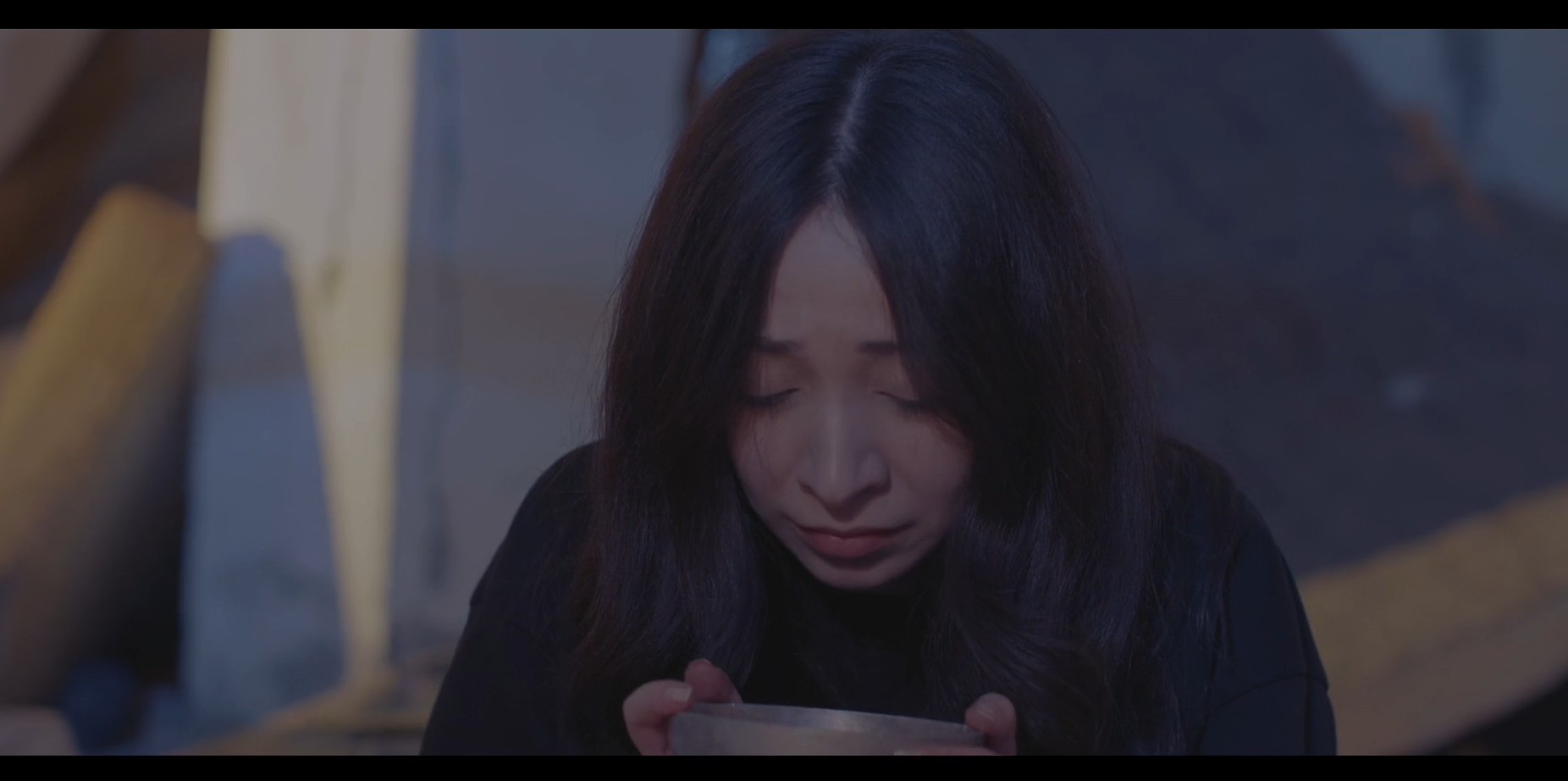
The story is casted entirely with Turkish actresses and actors with Yalçin Cemre at the center of the conflict.  Life browbeaten with her mother passing away and she now dwells under the ignoble thumb of an abusive stepfather, Ceren has little-to-no options in life until the opportunity to escape with a new set of friends, friends of the Satanic kind.  Ceren agrees to join at the constant behest of friend Tuna (Atilla Karahan) who has ulterior motives other than to be a good friend to the downtrodden Ceren in a pure case of netherworld summoning exploitation.  Not sure what Ceren was expecting, or perhaps there is some conjecture lost in translation, but when the satanists, which round out with Caner Gölgüoglu and Yagmur Yenice, begin to cut themselves, drink a bowl of their own blood, kill and eat cats, and the event murder with glee satisfaction, a hesitant Certain eventually goes with all of it without much of a stern opposition that makes her just as accountable for all the ritualized death at the groups’ hands.  Yet, the story makes her out to be the duped heroine and the savior of the sacrificed’s spirit, played by Renas Işıklı in life and death as the unfortunate young woman Selin who has her nipples cut off (not shown but implied with edits) during the sacrificial ritual.  Ceren uses her demonic powers for anti-hero good by taking revenge on those who’ve done inherent wrong to others, such as against her stepfather Kazim Arslantas along with Selin, by resurrecting dead mama (Esra Vural) to take exact the revenge. 

Özlem Yesilyurt’s feature can be construed as a very limited budgeted film with only a handful of simple, repeated locations (a scare abode, a vacant warehouse, outside bench), skirted-by special effects, and less-than-effectual emotional and dynamic dialogue between characters to progress a natural story.  Ceren’s stepfather talks a big improper game with threats and innuendos toward Ceren’s youthful beauty, but his actions are rather mild and any physical abuse, other than a handful of open handed slaps, have been crudely implied, barely registering a sexual encounter.  Strobe lights and some clinging-for-dear-life scab prosthetics make up more than most of the special effects efforts coupled by ham-fisted, overexaggerated performances that are more into theatrical play melodramatics rather than embodying a sense of practical realism.  The satanic enthusiasm between Tuna, Berk, and Asli finds refreshing footing with a disturbing appetite to do all the unspeakable rituals just to be granted unnatural powers, ones that prove to be fruitless against Ceren’s revivification of the dead which begs the question of who exactly did the satanist sacrifice for?  You would think if it was actually for Satan himself, he would not have gifted the fourth wishy-washy acolyte Ceren with a formidable ability over his true followers, unless Satan’s a real son of a bitch and likes to see the world burn no matter who bends a knee to him.  The “Sex Ritual” title is pushed to the seams, stretched to sell copies on a provocative promise that isn’t fulfilled as there’s no sex – voluntary, influenced, or forced copulation – to bring about infernal Hell on Earth, or at least in an inner circle of the desperate to be devilish. 

“Sex Ritual” is a conjured up Turkish horror now available in North America on DVD.  The MPEG2 encoded DVD5 comes courtesy of International Media Network, aiming to bring worldwide horror to western audiences.  Presented in a widescreen 1.78:1 aspect ratio, IMN isn’t the pinnacle of transfer quality but the digital picture has a fair amount of inherent success that has already done the preinstalled work but “Sex Ritual” is a release that’s essentially from farm to table with an ungraded picture within the framework of a 720p resolution, possibly upscaled through your player and television setup.  To its advantage, the feature doesn’t have the scenic, action, or special effects range to test the format and that makes the picture look better, cleaner, and with greater emphasis on detail than typical effects boosted horror with a snappier pace to build the intensity and the terror.  “Sex Ritual’s” often slowed down, lingers on scenes, because of the budget limitations and this results in never challenging the compression.  The audio is an uncompressed PCM Stereo 2.0 mixed in the Turkish language with English subtitles that synch and pace just fine with no sign of misspelling or broken sentence structures.  The little devilry ambiance instilled is held at bay, reserved to be only accessorial to the maniacal laughing and victimizing screams, and the dialogue supplied has prominence and strength between a mostly conversating narrative contrived of pressure, abuse, and bullying with little substance in Ceren’s beset angst and a proper farewell to dear old dead mother.  The generic stock soundtrack from Ekrem Düzgünoglu (“Lilith’s Demons”) lacks vitality to be impactful and sounds as it pulled and edited directly from a generated percussion and synthesizer you find free online.  For encoded special features, there is only a chapter selection on the static menu.  The physical DVD comes in a standard Amaray case with a simple, yet bold and captivating sleeve art with a similar relevance to Ceren and the pagan act with “Sex Ritual” hovering over top, a good marketable look for the IMN release.  The 82-minute DVD comes unrated, though not listed, with region free playback. 

Last Rites: Between the poor taste westernized title and the stale progression of the narrative, “Sex Ritual” has no path forward in summoning its darkest qualities for power and glory in this Turkish-made, low-budget, forgettable thriller.

Sex Ritual Trailer (2026) on Vimeo

Bring Those EVILLY Responsible to US! “Garden of Love” reviewed! (Unearthed Films / Collector’s Limited Edition Blu-ray)

“Garden of Love” on Blu-ray from Unearthed Films!

Rebecca Verlaine is the sole surviving child of a brutal massacre of her family and fellow amity commune by masked killer.  Years later, attending university and in a relationship with a professor named David, Rebecca has not been affected by the tragedy because of her post-traumatic amnesia induced response, a protective reaction by her mind.  When Rebecca begins to see grotesque images and corpses talk to her through the television, to the point of being frozen in fear, her adopted Uncle and Aunt, acting in the role of her real parents, along with David divulge the horrible truth about her father’s slaying.  Unable to shake the feeling she must visit the site of the massacre; Rebecca is escorted by police to the building where the ghosts of the television physically manifest and will slaughter all those Rebecca brings to them in retribution of their unpleasant death.  Rebecca must somehow unearth and bring to post-humorous justice their killer, but little does she know those responsible are already closely intertwined into her life.   

Director and special effects artist Olaf Ittenbach is one of the few kings of independent splatter horror between mid-1990s to present.  The German-born, “Premutos:  The Fallen Angel” and “Dard Divorce” filmmaker has accumulated gorehounds over last two and half decades with outrageous gore effects to the likes of early days Sam Raimi and Peter Jackson and subtle comedic gags inside the ghastliness of bodies being literally ripped to shreds.  The 2003 released “Garden of Love,” aka “The Haunting of Rebecca Verlaine,” is a pure example of Ittenbach never letting loose the reins of cathartic, blood-soaked chaos with a simple tale of supernatural revenge.  Ittenbach cowrites the script with Thomas Reitmair, the third writer-director collaboration behind “Riverplay” and “Beyond the Limits,” and the director has total control over his production by serving as the executive producer financier under his studio company IMAS Filmproduktion in association with Benfeghoul Goldberg Filmproduktion and producers Yazid Benfeghoul (“Sky Sharks”) and Ricky Golderg (“Beyond the Limits”). 

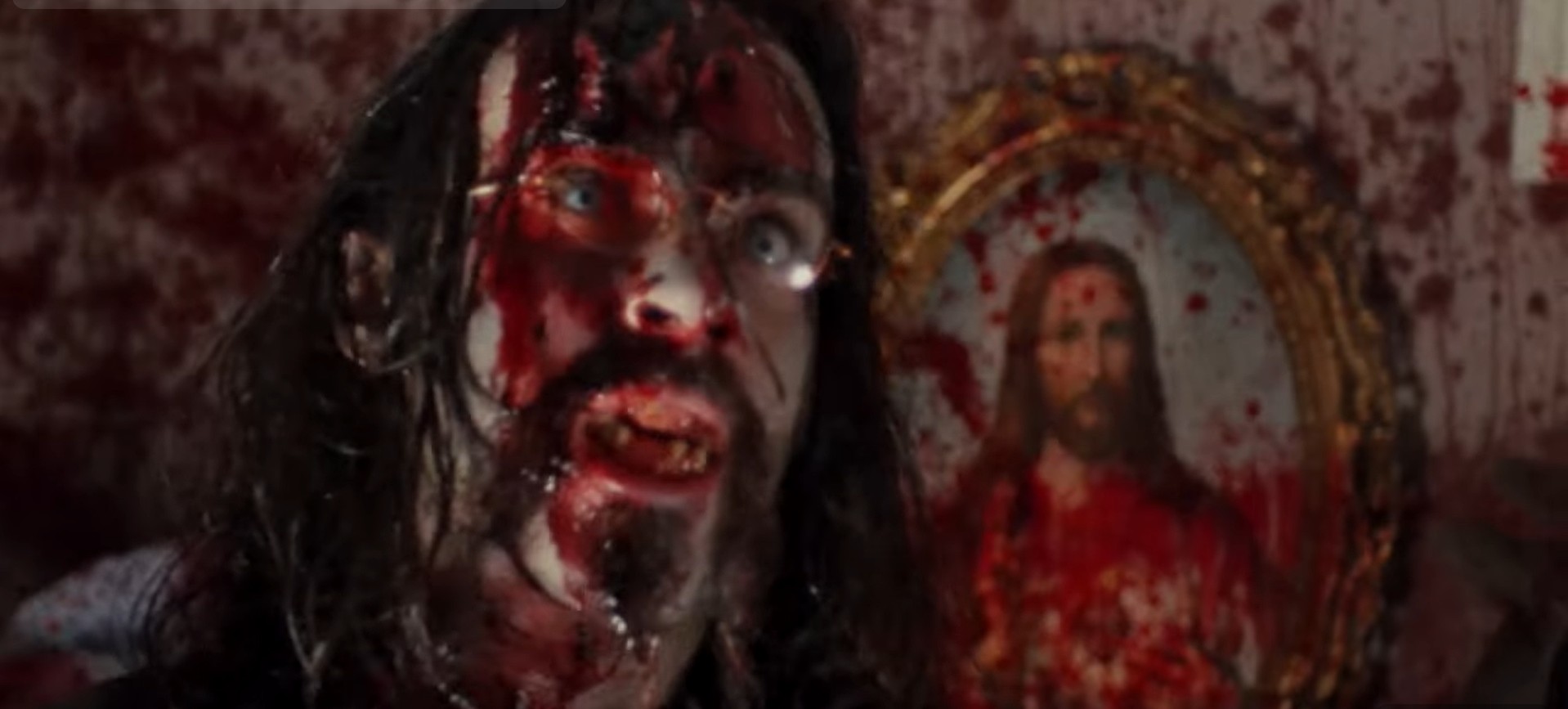
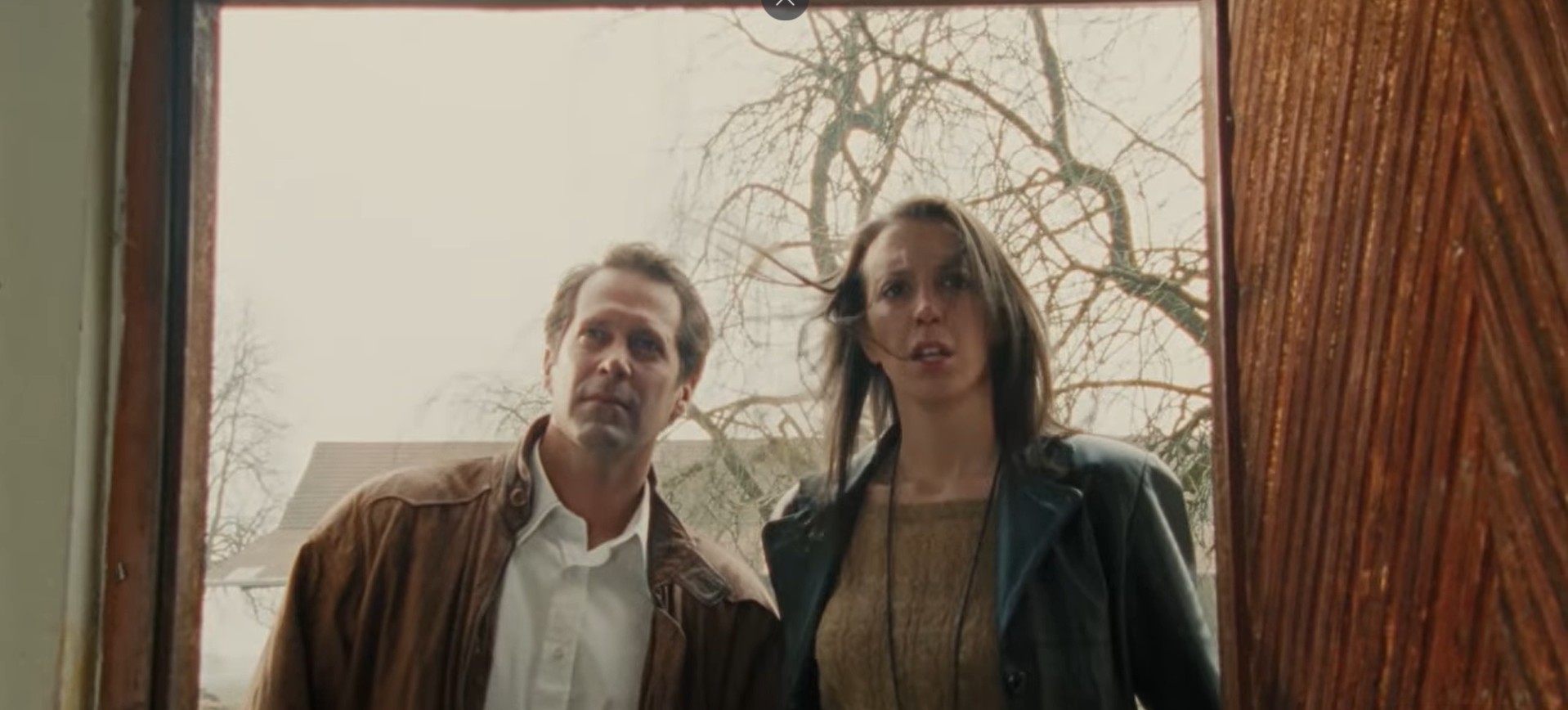
Natacza Boon, the English actress behind acting in a parallel Ittanbach production “Beyond the Limits” the same year, stars the adult version of Rebecca Verlaine bewildered by the truth be told after learning of her amnesia and once ghastly ghosts begin to talk to her through television sets.  Boon does a good job selling the initial fear and then transitioning into acceptance that was she’s visioning is real, real enough to absolute slaughter anyone in a spray of blood spatter when crossing its path.  While Boon is English born, the rest of the cast also includes more Ittenbach entourage American with Daryl Jackson (“Beyond the Limits,” “Dard Divorce”) playing Rebecca’s secret-holding lover David and the German native James Matthews-Pyecka (“Beyond the Limits,” “Legend of Hell”) as the initial inspector on the Verlaine massacre returning to the cold case to assist Rebecca’s need to explore her forgotten history.  Through the differing nationalities and styles each performer brings to the this splatter film, their dynamics have synergy having worked in tandem with another and despite their difference languages there is no language barrier to be broken as the film is written and shot in English with Mattehws-Pyecka, and the rest of the living principal cast of Rebecca’s adopted parents in Uncle Don and Aunt Barbara (Donald Stewart and Alexandra Thom-Heinrich), communicating with clear pronunciation.  German musician and actor, Bela B., a stage name as the punk rock drummer and vocalist for Die Ärzte, has an equally primary role that opposites Boon in portraying her murdered father’s vengeful spirit.  Real name Dirk Albert Felsenheimer, he’s depicted mostly in gruesome face-wounded makeup and ghostly milky white eyes that haunt his onscreen daughter Rebecca from beyond the grave and manifest only in the building where he died (much like that BBC show “Ghosts” but Ittenbach did it first).  Felsenhaimer’s unique facial contours make for good prosthetic balefulness and frightful fear being the head ghost who doesn’t necessarily go for the throat right away like the others.

“Garden of Love” is a cut-and-dry revenge film from the other side with not just a touch of but a full five-finger death punch of gory exaggerated explosion from Olaf Ittenbach.  Gabe Verlaine, his daughter, and his commune of bohemians have their harmony violently stolen from them, creating disharmony in the afterlife.  Their unrest is stretched outward into the corporeal world as love and peace is replaced with hate and spite in stark contrast.  Yet, and this where the little things become lost to the ridiculously entertaining blood splatter, the reason why their group returns to take vengeance is far from being elucidated.  Apparently, Gabe is also sitting on a fortune for his…well…we don’t know.  He plays the guitar but there are hints of him being a talented musician, but it’s never explained on why he’s sitting on a nest egg that’s the overarching theme of greed ingrained into the “Garden of Love” story.  What’s not ambiguous is the practical effects done with complete care in all fields from Olaf Ittenbach and Tommy Opatz (“BloodRayne,” “Black Death”) special makeup and prosthetic effects to the flawless editing work of Eckart Zeraway to piece the components of a sequence together for seamless quality and relayed purpose, such as pulling out comedy from the slapstick splatter of bodies literally being torn apart.  Let’s not forget to mention Holger Fleig’s cinematography as he captures eldritch supernaturality to emphasize the undead commune in an European, specifically Italian, way with a glowingly colorful, backlit haze that’s denotes an otherworldly tone, a tinged musing of Michael Müller’s work in “Premutos, compared to the modernist and contemporary arrangements of a clean and minimalism look with the living done without specialized lighting.

Unearthed Films delivers more Olaf Ittenbach to a 1080p high definition transfer, AVC encoded, Collector’s Limited-Edition Blu-ray, a BD50 disc.  Plenty of storage capacity to handle Fleig’s aura lighting aesthetic that’s show pristine saturation inside the 35mm stock, a format departure for Ittenbach who regularly use of video was an antithesis to pinnacle quality.  With an aspect ratio of 1.77.1 widescreen, “Garden of Love’s” imagery looks good albeit some of its sterile mise-en-scene layering of a production set, colors are touched up nicely to provide a supernatural backlit of purple and blue gel lighting, diffused through a smoke machine that greatly cues the in-and-outs of Gabe Verlaine’s crew of the vengeful dead with an accompanying gore with a stark tone of red and black, and the compression coding is easily digestible on the extended capacity disc with no signs of artefact interference to note and no interruption from a preserved early 2000’s print.  Aforementioned, this German product is entirely shot in English, recorded during principal photography, and can be presented in either an uncompressed PCM 2.0 or an uncompressed DTS-HD 5.1 surround mix depending on your setup.  Dialogue can be a bit boxy, leans little toward overexertion within the scope of the production setup, and is not the native language of a few actors but through the release encoding the mix comes out nicely balanced and clear without any distortion.  Same can be said for the milieu and the action Foley, especially during the carnage of spirits versus the coppers that highlights the perforation of body, the squish and thwack from pulverizing, and the spray of the blood, resulting in a range of onomatopoeia that too includes gun shots and atmospheric reverberate. English subtitles are available.  Extras include a making-of featurette that provides raw footage from behind-the-scene of principal photography and the special effects gags, a second behind-the-scenes featurette with cast-and-crew clipped interviews, an Unearthed Films exclusive outtake reel that runs without audio for much of it, a new photo gallery, and the original trailer.  The first Blu-ray pressings include a limited O-slip cover with a new illustrated composition artwork on the front cover of the slip and inside the Amaray sleeve that showcases exactly what you’re getting – gore, ghosts, and an otherworldly glow – presented in a dark and soul peering artistic rendition.  I did find the slipcover to be annoying too tight around the case, making it difficult to remove the Blu-ray to the point of damaging the product.  The disc is pressed to resemble a vinyl, like the one used in the film to signal the arrival of the spirits’ malevolence.  The region A locked Blu-ray comes not rated and has a runtime of 89 minutes. 

Last Rites: Fans of absurd violence and gore need to see Olaf Ittenbach’s “Garden of Love” that’s not colorfully rich in all its limbs and viscera, as well as an ethereal lighting, on a new Blu-ray release from Unearthed Films!

“Garden of Love” on Blu-ray from Unearthed Films!

The Shaw Brothers Deliver the EVIL Lovers! “Shaw Brothers Horror Collection Volume 2” reviewed! (Imprint Asia / Blu-ray)

Shaw-Shock Horror Collection Volume 2 is Now Avilable for Purchase!

The Qing Dynasty of Imperial China is full of spiritual folklore, mysticisms, and romance.  Three tales of supernatural passion arouse not only enduring amorousness and longing desire but also strikes fear of apparitional ghosts and grudges into naive and honest souls from beyond the grave, crossing existential planes to be with intended suitors no matter the cost.  These stories will send a pining chill down your spine:  a traveling scholar bunks at an abandoned temple to find he’s enchanted by a young woman not of life and protected by a blood thirsty lady-in-waiting, a provincial governor crosses paths with a beautiful virgin while taking shelter at her home.  When he catches her nude, he’s willing to marry her to avoid her shame but little does he know she’s a lonely ghost searching for love and revenge against those who raped and killed her, and, lastly, an arranged marriage is foiled by the sudden death of a young mistress and the late arrival of the master because he was being robbed of a debt he owned the mistress’s family.  Unfulfilled in love and life, the young woman returns to court the young master with the help of her elderly servant who took her own life to make the love between them possible.  Not believing the rumors of her death and discounting the spirit warnings from those close around him, the young master falls in love with his intended bride despite the obstacles put in between them by the master’s servants, Taoist priests, and even a band of bodyguards. 

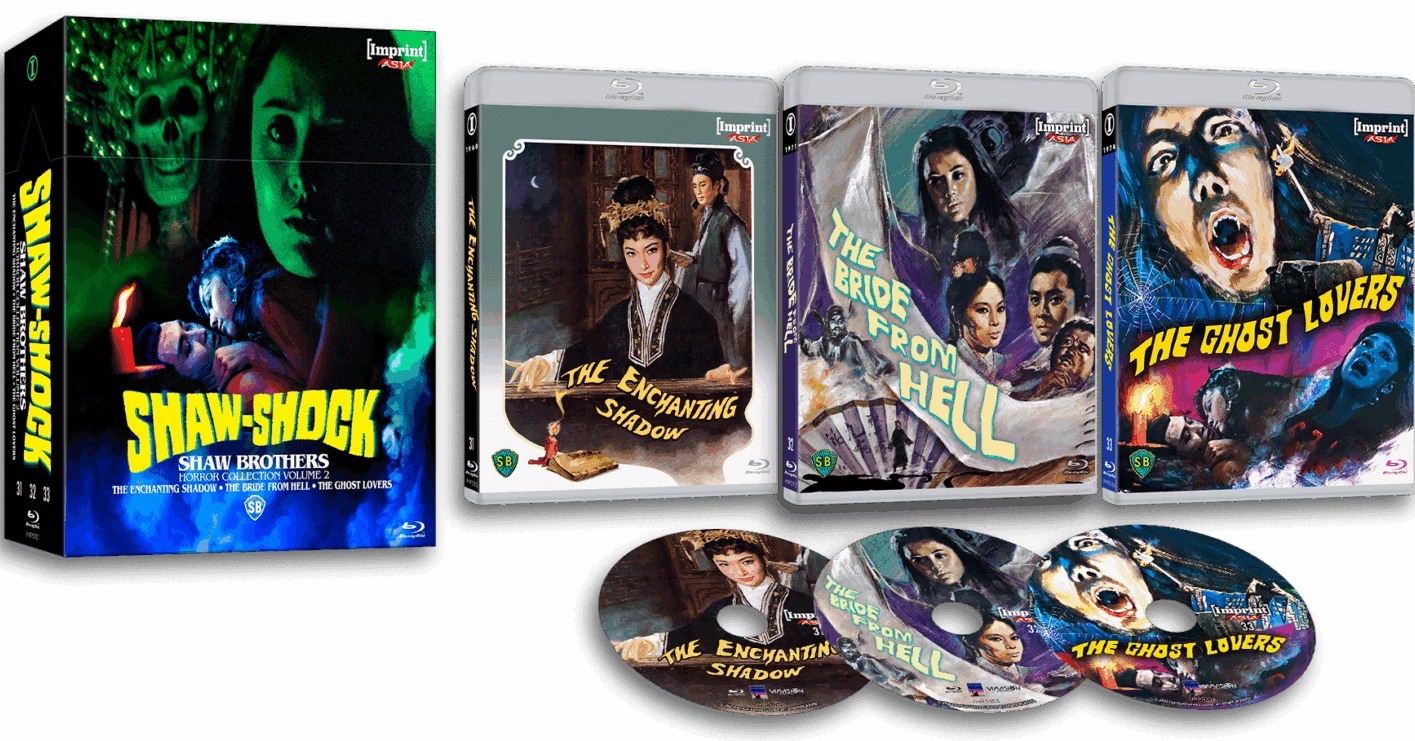
Australian distributor Imprint, under their sublabel Imprint Asia, has released the second volume of the Shaw-Shock:  Show Brothers Horror Collection with three more titles that fall within the release window of 1960 to 1973.  These adapted stories stem from and inspired by Songling Pu’s Liaozhai Zhiyi, aka Strange Tales from a Chinese Studio, which is a collection of classical Chinese ghost narratives, and they include the 1960 “The Enchanting Shadow,” directed by Han Hsiang Li (“The Ghost Story,” “Return of the Dead”) and written by Yue-Ting Wang and Wong Yuet-Ting, the 1972 “The Bride from Hell,” directed Hsu-Chiang Chou (director of “The Enchanting Ghost,” not to be confused “The Enchanting Shadow”) and penned by Tien-Yung Hsu, and 1973’s “The Ghost Lovers,” the only film of the three from Korean-born filmmakers, director Shin Sang-ok (“3 Ninjas Knuckle Up”) and writer Il-ro Kwak (“Ghosts of Chosun”).  Runme Shaw produces all three films in the Shaw Brothers production studio. 

Other than being a Shaw production, each of the three stories are also connected by common elements – travelling male scholars or those high in station, a dead or recently deceased high-born woman in phantomic form, and the two intertwine romantically under false pretenses all the while Taoist priest, servants, or family of the living beg, plead, and even self-interject themselves in between the unnatural love affair to save the man from a wraith’s haunt, whether the affectionate intent by the ghost is malicious or benign, but each also differ in style and substance.  Lei Zhao (“Succubare”) plays a servant-less travelling scholar, Ning Tsai-Chen, unphased by the foreboding warning of ghosts and death of a dilapidated temple where those who stay the night don’t live the next morning.  Ning falls for adjacent neighbor maiden in Nie Xiaoqian (Betty Loh Ti) and between the actors there is a show of palpable and touching natural coquet that’s honorable to their period and to their characters’ hearts but their being from two different worlds puts up a marital blockade unlike in  “The Bride of Hell” that has generally has the same amorous bond between Yang Fang (Nie Yun Peng) and Anu (Margaret Hsing Hui) that eventually leads to marriage, but the Anu guileful portraying of a living is more deceitful to use Yang Fang despite also actually loving him in this more revenge based spookery involving Fang’s unscrupulous family members.  “The Ghost Lovers” also uses ghostly deceit to trick the master into a coitus cemented bond revolving and complicated around Han His-lung’s (Wei-Tu Lin, “Corpse Mania”) honor and shame and the affluent Sung Lien-hua’s (Ching Lee, “Sexy Girls of Denmark”) unfulfilled life and love before an untimely death.  There are of course the conflicts that get in the middle – the blood thirsty Lao Lao (Rhoqing Tang, “Brutal Sorcery”) aims to kill temple trespassers and Nie Xiaoqian suitors no matter how much a gentlemen they are, there’s the rape-revenge aspect in “The Bride of Hell,” and the sundry hindrances that try to keep the undead Sung and the alive Han from being unionized.  There’s quite a bit of hammy performances to digest in what’s relatively near being the same story said over thrice,  The three films fill out the cast with Chih-Ching Yang and Ho Li-Jen in “The Enchanting Shadow,” Carrie Ku Mei, Hsia Chiang, Chi Hu, Feng Chang, and Yi-Fei Chang in “The Bride from Hell,” and Shao-Hung Chan, Feng-Chen Chen, Ki-joo Kim, Ling Han, Han Chiang, and Mei Hua Chen in “The Ghost Lovers” as the belabor the melodramatics of ghostly fervor. 

From a bird’s eye view, the Shaw Brothers productions appears virtually unoffensive and harmless period pieces set in the Imperial China with romanticized slices of fantasy in love after death, unstoppable passion, and an adherence to honor, principles, and duty to others, but a closer look reveals a darker sliver coursing through the supernatural palaver with it’s unnatural fascination of hooking up dead beautiful women with eligible scholarly men.  The most outlying and blatant example would be the rape-revenge narrative of “The Bride form Hell,” a coarse title that’s been spun into various renditions over the decades – take Quentin Tarantino’s The Bride from “Kill Bill” for example – by a woman embarking on path of retribution after being wronged in a maliciously despicable way and she uses everything to her advantage, even if that means marrying a relative, while a spirit I might remind you, of the men who raped and murdered her during their plundering of riches.  The film also doesn’t mind it’s hands a little dirtier with some nudity unlike the other two films of the set.  “The Ghost Lovers” isn’t as deeply disturbing with more of an untimely and unfortunate situation robbing mistress Sung of life and love and master Han of time and wealth that would have solidified a bond if the elements were not stolen from them.  There’s also a misunderstanding with fear of the unknown and a twisted sense of intent by humble servants and priests who distress of anything not of this plane of existence.  Much can be said the same about “The Enchanging Shadow” but that also deploys a countermeasure to the good heart nature of spirit Nie Xiaoqian as she’s balanced by her pure evil and bloodthirsty caretaker Lao Lao who between love and represents unholy demise.  Han Hsiang Li, Hsu-Chiang Chou, and Shin Sang-ok don’t stray too far away from each other when it comes to production set and scene compositions by keeping much of the storylines set during the mischief of the night when folkloric ghosts are more awake and present and keep the coloring cold contoured under grays, blues, and only hints of muted vibrancy outside the monochrome.  Special effects are kept close to the chest with fleeting rudimentary prosthetic and makeup, superimpositions to liven the ghost effect, and lay a dense fog in certain moments of atmospherics.  Combine all the elements infused with Chinese culture and superstitions and you get three stories that shutter with phantasmic passion. 

The Shaw-Shock:  Shaw Brothers Horror Collection Vol. 2 from the Imprint Asia line under parent company Via Vision is another awesome Shawtastic boxset that takes obscurity into the light.  The three disc Blu-ray set is AVC encoded, 1080p high-definition resolution, encoded onto BD50 is limited to 1500 copes.  Each included film is catalogue as numbers 31 to 33 in the Imprint Asia sublabel.  “The Enchanting Shadow” is the only one of the three presented in a 1.66:1 aspect ratio, transferred from a rougher print that has patches of cell damage and varied grading as if a couple of prints were spliced together.  There is a prelude title card warning of the quality so there should be no surprise when it does come up.  “The Bride from Hell” and “The Ghost Lovers” are presented a widescreen 2.35:1 aspect ratio and have used a cleaner print for the hi-def transfer with no notice of damage issues.  All carrier a softer, airy image from the film stock and film processing scans and combine with sharp key lighting, there is a glow effect around objects but not enough radiance to affect the diffusion of colors and smooth out details.  Skin tones often fluctuate between an organic and an orange tinge that can sway the perceived quality.   The much older “The Enchanting Shadow” from 1960 definitely shows its age with more muted earthly tones within its darker scaling.  Each film uses a compressed, spherical lens as the curvature is more severe than you notice in more modern productions, hallmarking Hong Kong’s utilized lenses during the decades.  All three films are in Mandarin with no other language option within a LCPM 2.0 audio format that adequate fills the front channels of dialogue, ambience, and soundtrack.  Dialogue and ambience is not immersive with the stereo mix but the ADR track is present and discernible with some noticeable sparse hissing in the dialogue and low level gurgling interference amongst more docile moments.  Along with the image damage, “The Enchanting Shadow” has counterpart audio damage with tears in the audio layer that pop and crackle during the damage breaks. English subtitles are available on all three titles and are paced well but the subtitles on the “The Ghost Lovers” come with a few grammatical and misspelling errors. New special features encoded on the releases include an audio commentary by author Stafan Hammond and Asian film expert Arne Venema, film historian analysis by Paul Fonoroff, an archival interview with director Hun Hsiang Li, and the original and DVD trailer for “The Enchanting Shadow,” the “The Bride from Hell” has a new audio commentary also by Arne Venema with the DVD trailer, and “The Ghost Lovers, too, has a new audio commentary from critic and filmmaker Justin Decloux with film scholar Wayne Wong discussing the film. The new encoded special features compliment the tremendous and substantial Imprint Asia rigid box set with a removable jagged tooth locked top that includes compositional artwork and permeated with the Shaw Brothers insignia. Inside, the three Blu-rays sit snug in individual clear Amaray cases, each with their own original cover art reflecting the original posters with the reverse side pulling a still from the film. The total runtime of all three films is 4 hours and 14 minutes in its region free, unrated capacity.

Last Rites: A triple threat of Shaw Brothers’ classics resurrected from the dead to haunt your collection! Imprint Asia’s boxset continues to recover unearthed Hong Kong and Chinese culture, folklore, and fantasy for new enthusiasts of the far East and avid collectors of physical media!

Shaw-Shock Horror Collection Volume 2 is Now Avilable for Purchase!

To Bring Life into Existence, One Must Go Through the unscrupulous EVIL Trials and Tribulations. “The Last Frankenstein” reviewed! (DiabolikDVD / Blu-ray)

“The Last Frankenstein” on Blu-ray from DiabolikDVD

Jason Frankenstein is the great grandson from a long ancestorial line of corpse reanimators.  Feeling unfulfilled in life and his destined legacy, Jason goes through the motions of being a hospital’s physician assistant and putting up with his less ambitious girlfriend, Penny.  When a disfigured serial killer is brought into his hospital, Jason immediately recognizes the shell of a man as his grandfather’s reanimated corpse brought back to life with the family’s secret elixir, Adrenarol.   Hiring two crooked, drug-dealing EMTs to do his kidnapping bidding in exchange for medical grade drugs and with the assistance of a confidential nurse with a disreputable past, Jason sets to complete what his grandfather started by creating his own living, breathing, thinking monster with the family reanimating formula.  Selective hacked up body parts, double-crossing henchmen, and a troublesome manmade man goes against his birthright grain with the only path forward soaked in the blood created by his own hands. 

Resurrected from the depths of just a concept and electrified by crowdfunded, “The Last Frankenstein” is alive, ALIVE!, from writer-director David Weaver in his debut feature length film.  The U.S. film from 2021 was set and shot in Weaver’s hometown of Amsterdam, New York, just northwest of the state capital of Albany.  Labeled as an existential slasher, extracted from Mary Shelley’s classic gothic novel, Weaver sought to recreate exploitation films of the 1970s-1980s with a raw façade, gruesome practical effects and gore, and an assortment of cynical characters in a story that tells of generational expectations, the pressures of living up to greatness, being the last of one’s family surname.  The Kickstarter production raised $13,500 for mostly the shooting costs with much of the post work being completed by Weaver to maintain low costs and is a production of Gila Films with Jay Leonard producing.

“The Last Frankenstein’s” acting tone is a curious one.  Complex with the desire to conquer death with footnotes of drug peddling and murderous EMTs, longing relationships and carnal stress releases, and death, much death, there’s a severe lack of emotion amongst the character pool, delivering a consistent and constant cadence of flat intonations.  The same expression is pretty much splayed onto each face with attitudes and personalities to match in a widespread of white bread acting.  In a way it works toward the story’s apathetic and cynical nature but while Frankenstein’s monster lives with a new life, “The Last Frankenstein” cast utterly is lifeless, beginning with the lead actor William Barnet in the titular role and though a doctors are conventionally attributes plainspoken, carry an unbiased inflection, and eve have some sense of being on the spectrum, perhaps, Barnet’s lukewarm woodenness extends beyond his reach and to the rest of the lot.  There’s no concern or fear in Nurse Paula’s (Keelie Sheridan) eyes when her acquaintance is killed by Jason Frankenstein or that the doctor is trying to resurrect the dead, no anger, resentment, or guilt from the two stoic ambulance drivers (Jeff Raiano and Ulisses Gonsalves) covertly dealing drugs and doing Frankenstein’s dirty work, and there’s definitely no life behind Frankenstein’s monster’s eyes, neither his grandfather’s nor his, that’s very opposite to the legacy portrayals by Boris Karloff’s sadness, Robert De Niro’s revenge, or Peter Boyle’s joy and fear.  This different take on the canopied story has the creature boiled down to a Jason Voorhees type, especially with eldest creature (Roderick Klimek) that looks very much like hockey mask slasher from the backside and even kills like him too.  Jason Frankenstein’s version, played by Michael Wetherbee, at least shows some reserve, some kind of calculation happening behind the flesh-stitched face, and does abide by his apathetic opportunity to kill but also resists the juggernaut chase to slaughter even if detrimental to his existence.  What that resistance is that holds him back goes without exposition or a vague sense of implicit explanation but it’s a performance that renders the most feeling in a rather frozen stiff guild of actors.  Jana Szabela plays Jason’s girlfriend Penny, Brett Owen plays Jason’s father in flashbacks, and cult actors Jim Boelsen (“Strange Behavior,” “The Curious Case of the Campus Corpse”) and the late Robert Dix (“Forbidden Planet,” “Horror of the Blood Monster”) also costar.

The creature’s Gothically enriched surroundings, darkly and bleakly trimmed with elaborate castles inside sinister castles and grotesque in unordinary shapes, styles, and hauntings, are more than replaced by David Weaver’s backwoods entry into the electrified monster.  Trading castles for cabins and grandiose laboratories for makeshift surgical rooms, “The Last Frankenstein” utilizes what’s immediately around, and in this case it’s Weaver’s hometown of Amsterdam, New York, a quaint, post-industrial smalltown surrounded by brick homes, rundown factories, and woodland that gives the story an unconventional look and approach while keeping true to the basic principles of Frankenstein and his monster.   With the idea that small towns hold secrets, “The Last Frankenstein” leans into the problematic drug problem less populated areas encounter with most turning a blind eye or ignorantly keeping their blinders down to the transgressions that are happening right underneath their noses.  In this instance, the drug dealing EMTs are utilized via blackmail but deal to come out better than before with more peddling product than before without risking exposure through a doctor approved sign out sheet for narcotics, which is how Frankenstein caught onto their scheme.  To dig deeper into that latter statement, Frankenstein is the smartest amongst his living peers but can’t seem to understand and figure out his and his ancestor’s creations that go against his family tree in a visceral and violent protest of what it means to live, promoting once again that anti-God actions spoil the fruits of man.  There’s a show of arrogance and false omnipotence to cheat the natural course of death found in all the Frankenstein subject films and those who create variations of the filmography, such as with “Re-Animator” and “The Lazarus Effect.”  

The film may be called “The Last Frankenstein” but it’s the first title with the DiabolikDVD label as a company release.  The AVC encoded, 1080p high-definition, BD50 Blu-ray is presented in the original widescreen aspect ratio of 2.35:1.  “The Last Frankenstein” favors a neutrally saturated raw image, capturing a lot of the natural greenery and aesthetic of nearby woods, creeks, and other characteristics of rural America, including trailer parks, post-industrial buildings, and wood paneling interiors.  The surrounding intricacies of a clearly puttied and latex mask used for the Frankenstein grafted facial skin looks like a true mask instead of skin but that’s the very intention of a created being, pieced together in slapdash stitchwork to add a layer of differentiation much like the original monster’s scars or bolt.  General particulars around exteriors and interiors are clearly defined with the consistent laid out image quality that produces ordinary smalltown charm contained to limited landscapes and mostly the direct environs that are not exactly cinematically picturesque but does depict the visual boredom of the vicinity.  The sole audition option is an English LPCM 2.0 stereo that reproduces faithful fidelity of the dialogue and diegetic action within the front channels.  The foley and Steve Noir’s poignant trance of a synth score are a little more girthier bodied to fill the entire medium that get to being comical in action (in foley) yet powerfully bleak and hypnotic (in score).  Dialogue is clean, clear, and in the forefront mostly, often vying for position with Noir’s repetitive and pulsing soundtrack portions. English SDH are optionally available.  Special features include feature-length commentary with writer-director David Weaver and producer Jay Leonard, a second commentary track with Weaver, a making-of featurette Reanimating the Last Frankenstein that goes through cast and crew interviews, the Kickstarter campaign, and a creation thought process for the concept and its materialized conception, deleted scenes, outtakes, still gallery, and a mentioned bonus easter egg listed on the back cover but unable to locate it on the disc. The reviewed copy isn’t the DiabolikDVD exclusive with limited slipcover, but the standard Blu-ray comes one-side cover art that actually requires the slipcover in its muted and dark composition of characters with no title, only the subtitle Nothing Lasts Forever, which makes me believe the slipcover is the one and only primary cover art. The 102-minute featured release comes not rated and region free.

Last Rites: Not to be a wash, rinse, and repeat of the canonical Frankenstein films, “The Last Frankenstein” is creature feature-lite in toneless, small-town adversities of creating an existence that requires life and limb…many, many limbs.

“The Last Frankenstein” on Blu-ray from DiabolikDVD