

This One You’ll Need to See to Believe! “2551” Trilogy on Blu-ray!
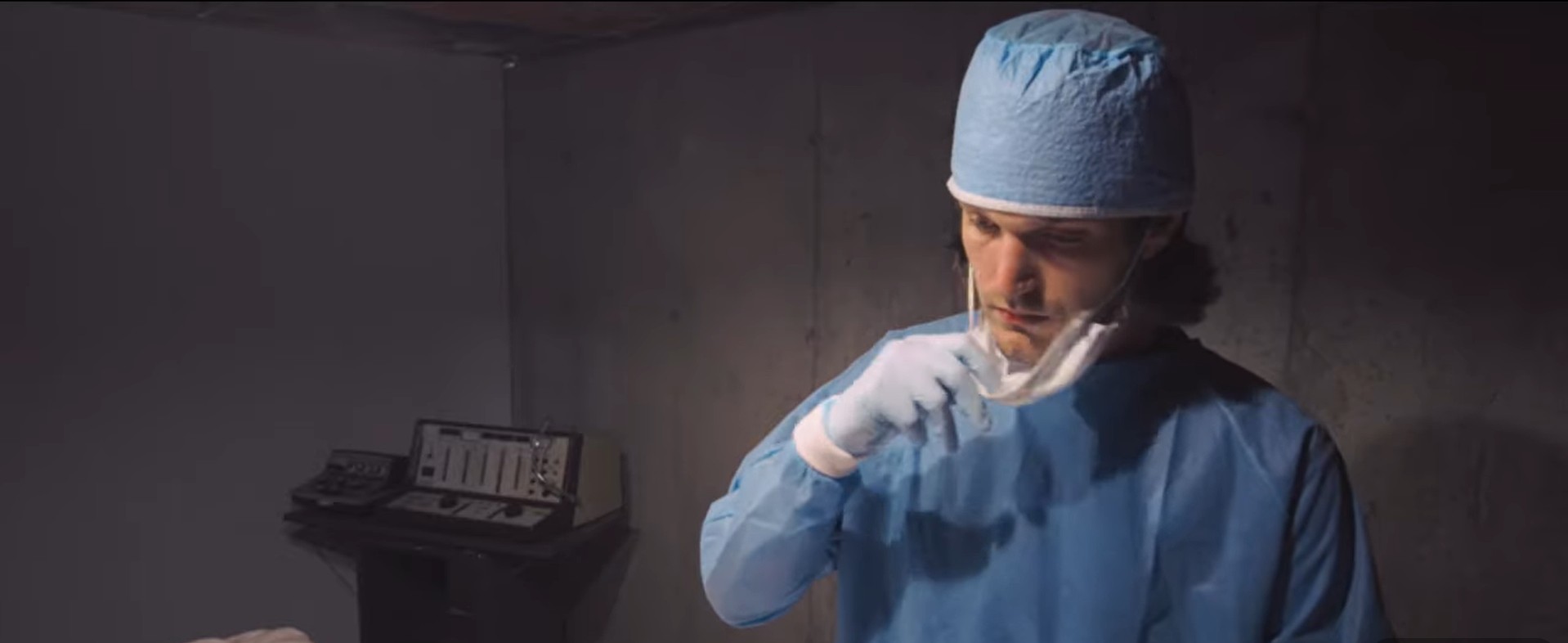
In an underground dystopia ruled with by an ironfisted police state, dwelling creature-noid mutants violently clash with white-suited, gas-masked tactical units of a cruel despot. One of the rioters, an Apeman, rescues a child with a burlap mask from being trampled between the two groups, injuring his hand in the process. The child desperately clings to him, unwilling to part far from the Apeman who tries to turn over the child’s care to others, but as soon as the child is taken by the despot’s men, the Apeman goes through the depths of grotesque seediness to rescue the child forced into the training ranks of the police state. He befriends and falls in love with luchadora who joins forces with him to rescue the child, but her betrayal whisks the child away from his grasp yet again. Years later, the Apeman has become a salvaging source for an art purveyor’s gallery, but arrogant high society dismisses his efforts, and he’s thrust into violence, resulting him to face the despot’s capital judgement. He’s saved from death by the child, now ga grown adult employed as a despot inspector, and when the inspector is given a traitorous execution, the Apeman’s immense adoration for the child sends him on a path of retribution to which there’s no coming back from.
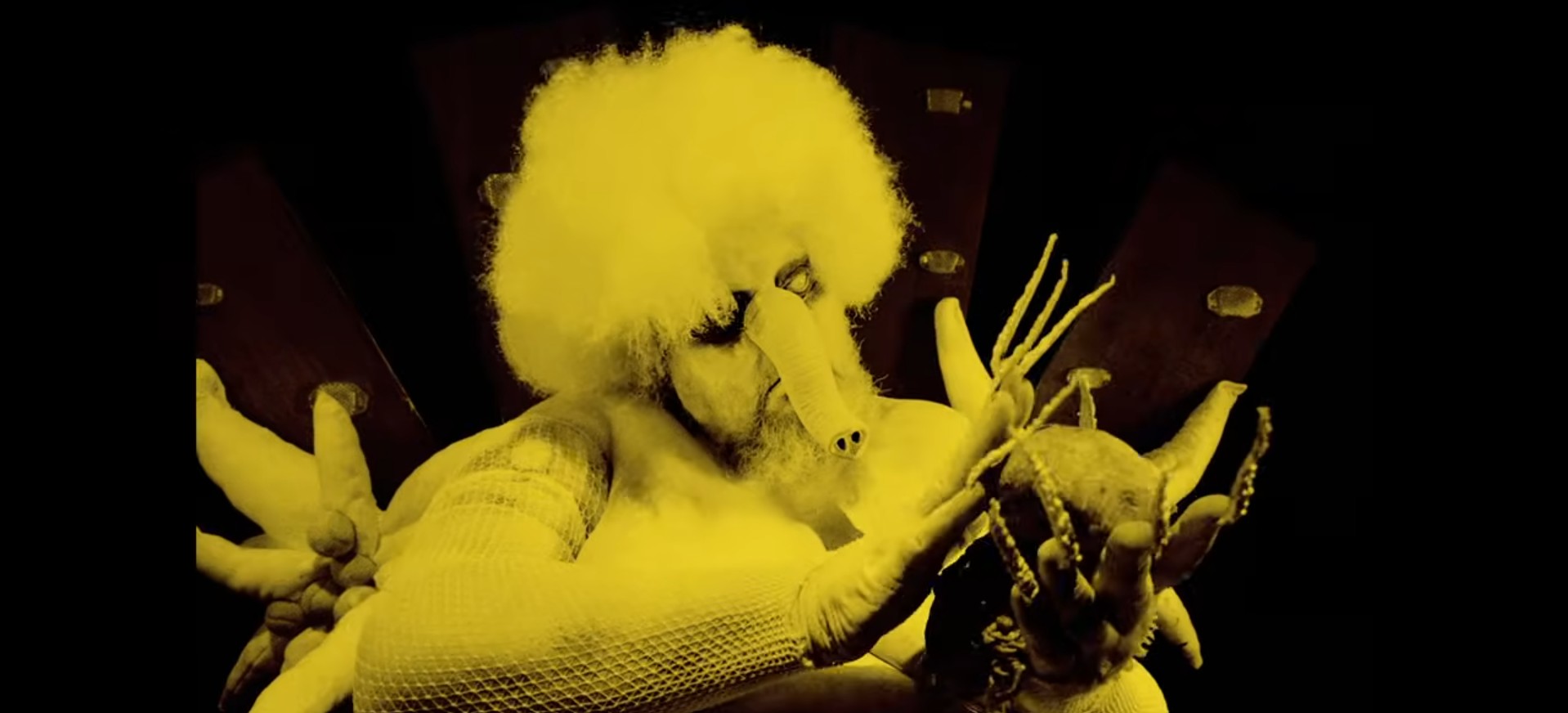
Born into an immense pro-fascism Austrian society a few years after World War II, influenced by political and societal unrest and protest of his time, and a devout mask collector, Norbert Pfaffenbichler construct a dystopian world unlike any other seen before. Inspired by silent movie slapstick and black-and-white films, Pfaffenbichler channels the likes of Charlie Chaplin, Boris Karloff, and Lon Chaney into his trilogy of experimental grotesquerie of “2551.” “2551” potentially references a futuristic, numerical year where a post-apocalyptic society, as we know it, has broken down into a sparring duality of survival, either as a penniless mutant driver to beg, sell, or give one’s body to live or a merciless enforcer to be wielded by an authoritarian ruler. Set as a trilogy that began in 2021 and ended in 2025, Pfaffenbichler also wrote the screenplay for each installment, chaptered with decimal designations and subtitles: “2551.01: The Kid,” “2551.02: Orgy of the Damned”, and 255.03: The End.” Shot in Vienna, the trilogy is a production support of the BKA (Bundeskanzleramt), The City of Vienna’s Department of Cultural Affairs, and Land Oberosterreich with Pfaffenbichler producing “Orgy of the Damned” and “The End” while coproducing with Bianca Jasmina Rauch on “The Kid”
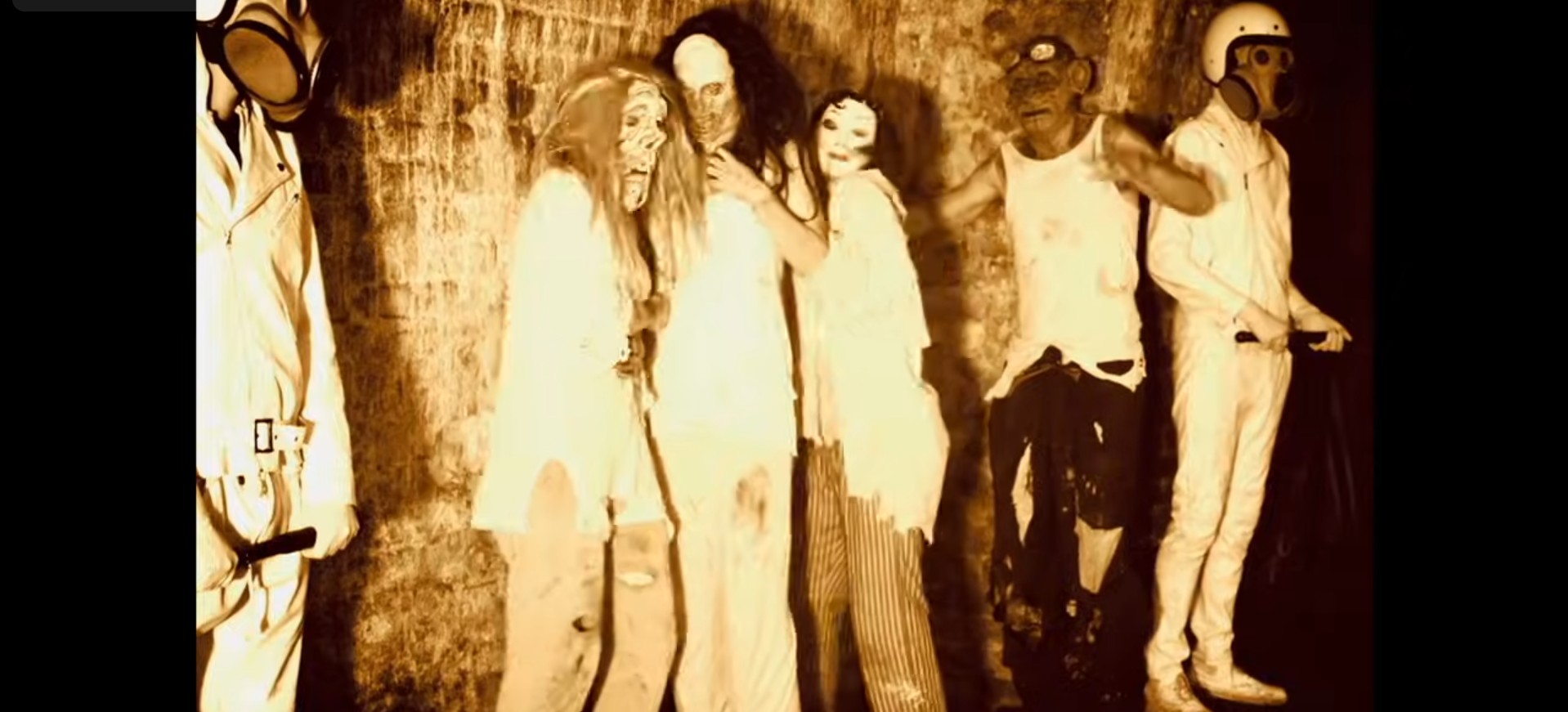
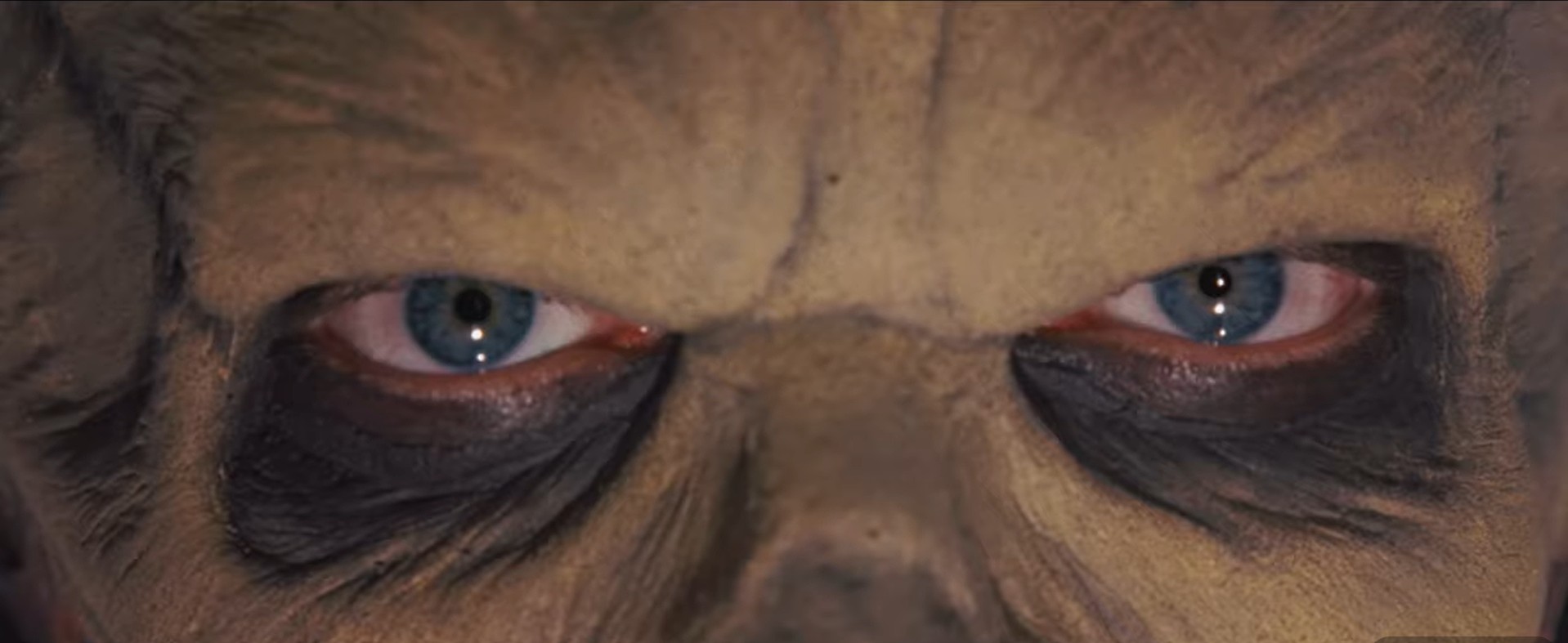
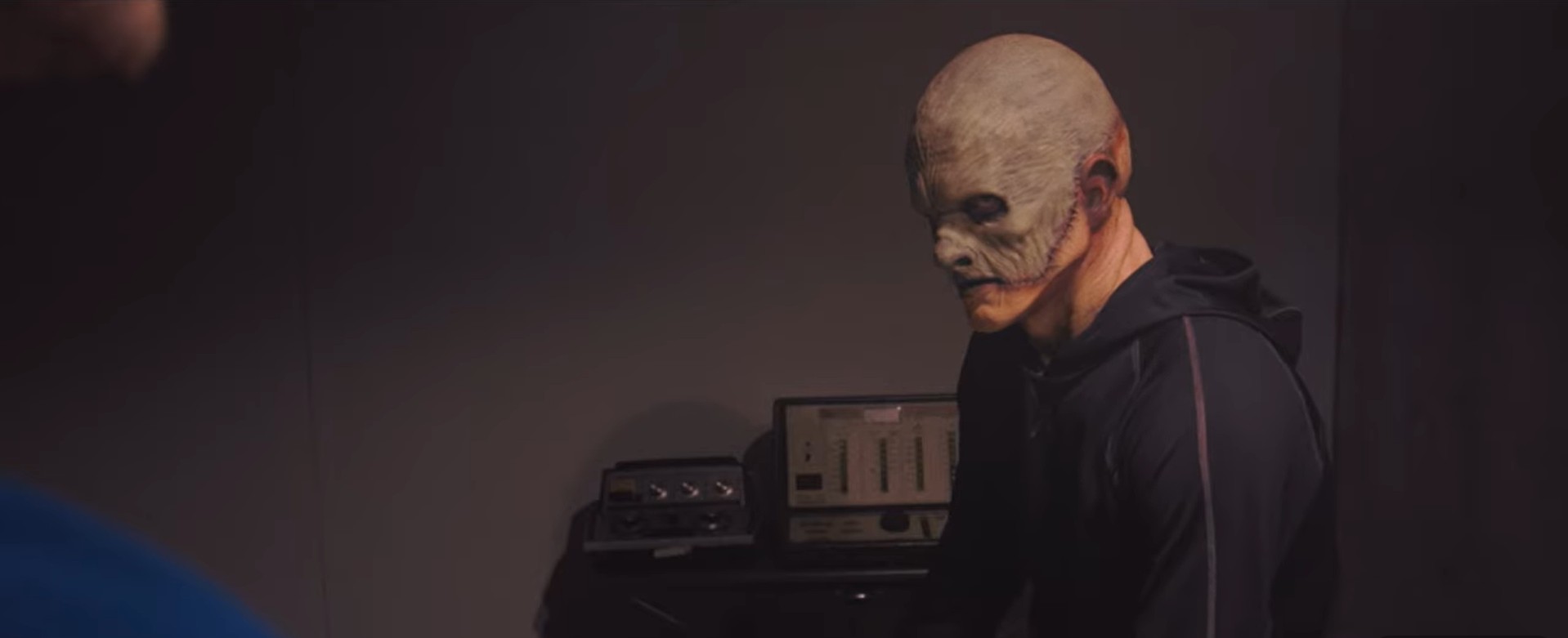
The ”2551” trilogy goes through the entire three features without a single piece of dialogue spoken from the main cast. Though the characters may be roughly silent, albeit some added grunts, groans, and wails, added Foley action and movements along with an eclectic and often brooding industrial, punk-rock soundtrack ultimately tell the story coincided with impressive body expression and language. At center stage, in his own petite personal plight in the aftermath of a devastated and derelict dystopia, is Apeman, a rebellious scavenger just trying to survive like all other half-creature, half-man mutants. Played by Stefan Erber in all three films, Apeman is the only credit to Erber’s short breadth career but Erber’s very important to “2551’s” storytelling because even though he’s wearing a mask the entire time, his actions and reactions convey a broad range of emotions to where there’s no ambiguity in the scene. Erber has a number of unique characters to interact with and each do not repeat across the films, such as David Ionescu in “2551.01: The Kid” as the gunny masked child who clings in desperation to the initially reluctant to care Apeman, and after years passed into “2551.03: The End,” the now grown child is an adult with Ben Schidla donning the mask as one of the despot’s inspector who helps Apeman escape the grasps of a tyrannical police state gunning for dissidence. Both Ionescu and Schidla play into the different stage of their child and adult life; Inoescu’s awkward child movements and possessive need for Apeman is true child antics while Schidla provides the maturity and responsibility of being his own, self-reliant person now, one who doesn’t forget Apeman’s selfly act of rescuing him. Veronika Susanna Harb wrestles as Apeman’s warring love interesting and street fighter in “Orgy of the Damned” and Manuela Deac is another strong female presence in the trilogy in a duel role in “The End” as the Apeman transitions into Apewoman in an anti-matter, alternate dimensional space that looks into the soul and she also is the hypnotic dancing deity near the beginning audience encircling with Apeman being chosen, or perhaps reminded, of his ward.
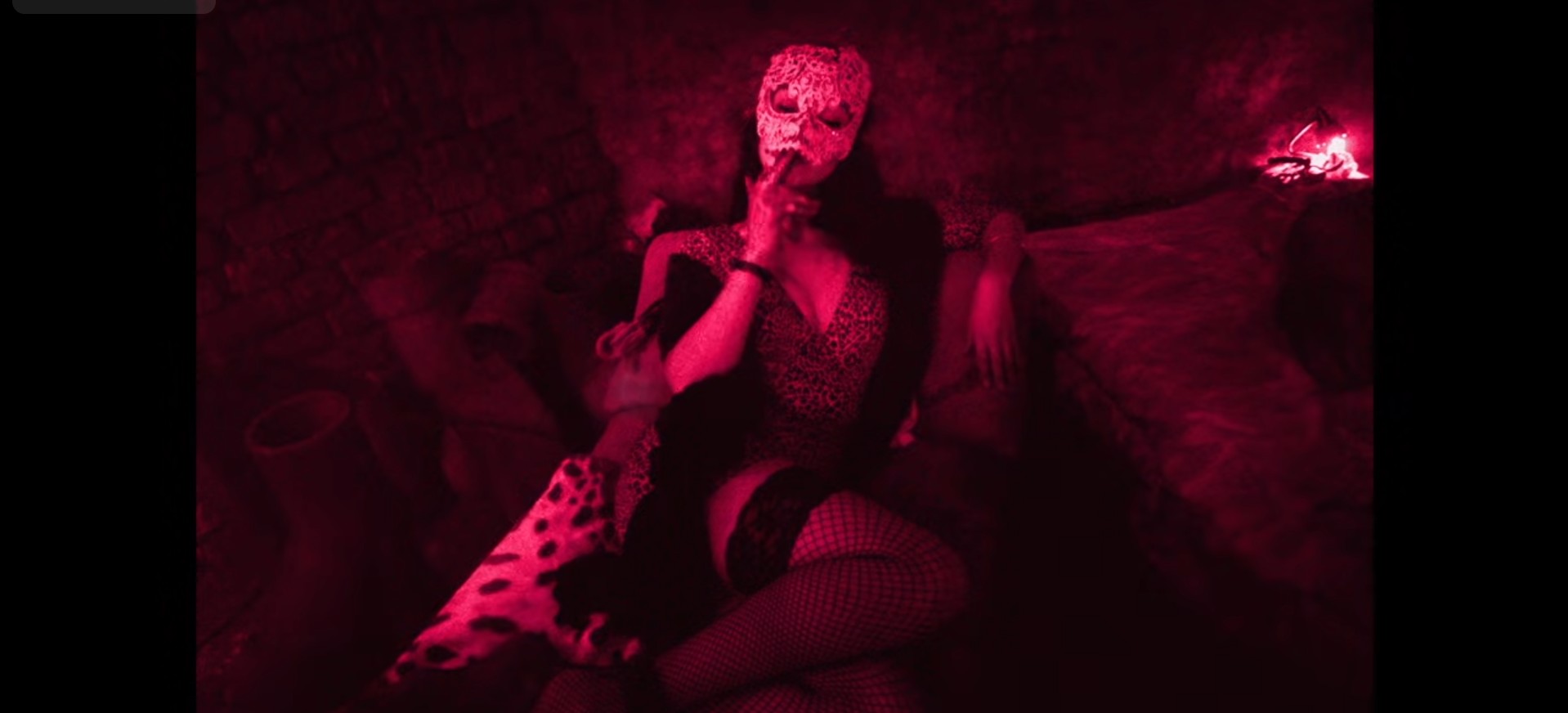
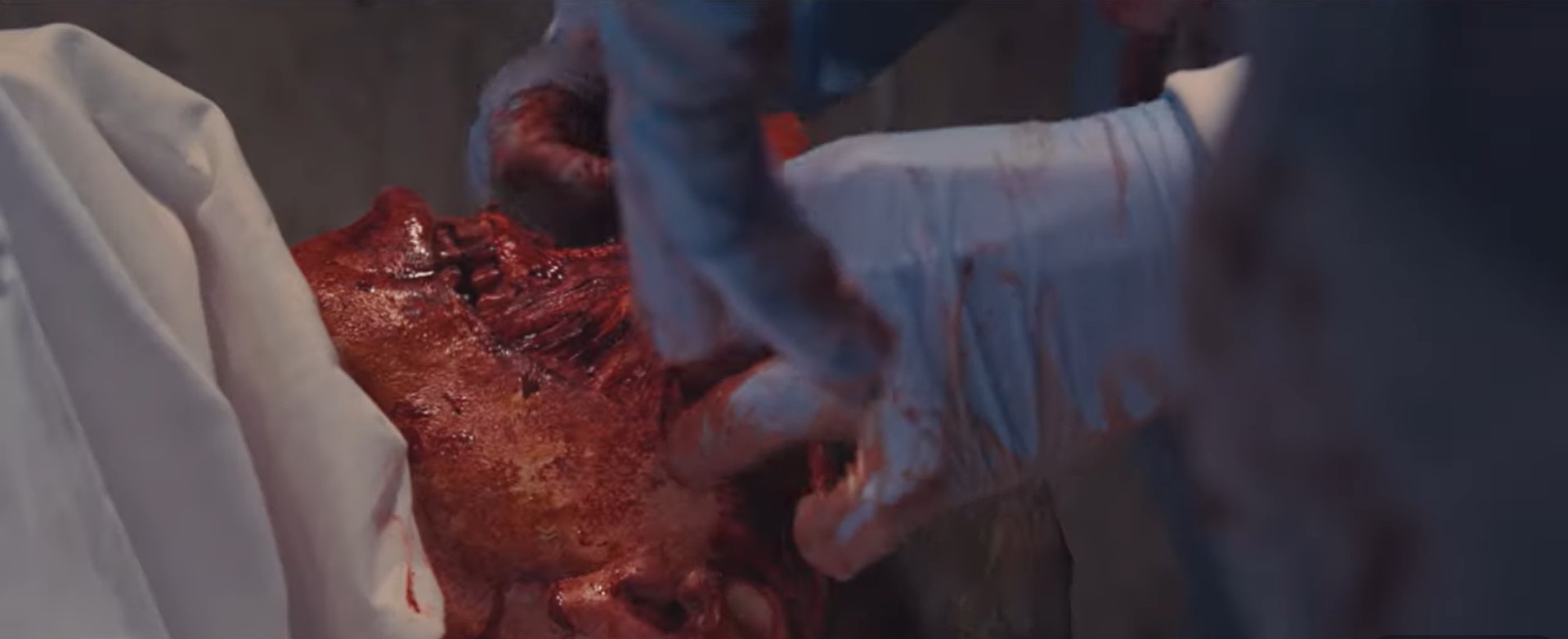
When I say you’ve never seen a world like the one Pfaffenbichler pieces together, literally with pieces of severed limbs, stitched flesh, and an eclectic mix of masks, I mean it. We’ve seen dystopian worlds before of desolate terrains, destructive and cruel authoritarian regimes, hunger, famine, and a dying race and there are obvious signs of influences pulled into “2551” from the likes of Phil Tippett animated and stop motion style to the comical ties of Charlie Chaplin, and the overall components of certain silent movie scenes and improvised, jaunty scores make the disgusting and derelict dark alleys and strange creatures more light-hearted and whimsical. “2551.01: The Kid” is a direct homage to Chaplin’’s 1921 “The Kid” by following along the lines of the same premise of a nomadic loner finds and cares for an abandoned child, their relationship jeopardized by their own problems with the law. The sequels have a different direction but maintains the same bizarre world behind grotesque masks, a normalized consumption of dead animals and body parts, body horror fetishism beyond our comprehension, and a systematic oppression based off one person’s version of Tindr’s swipe right. “Orgy of the Damned” mines the carnal shale with simulated sexual acts that go beyond missionary ways and into the sordid surgery and beastly BDSM while “The End” explores existentialism through past, present, and future that ultimately leads to a self-destructive revenge, hence the subtitle. Bazaars of skulls, organic trinkets, and edible organs, flesh, and bone are a traversing theme of near desperation and survival within a concreted underground life where nothing grows, nothing thrives, and all succumb to its darkness. Motifs of monkeys, including in the protagonists, are strung strongly through the trilogy in perhaps a reflection of the homo sapien within the de-evolved primate, aka the hidden humanity inside the beast. Masks are the true and standard icon that obscurely hides the fact whether these people are real or whether their mask is their reverse personified reality. Pfaffenbichler’s metaphorical social commentary is beautiful in its misproportioned and mutated state of mass oppression and the little good that glints through is all the hope in the world, and even in upside-down worlds, the need to recover its benignity is more important than ever.
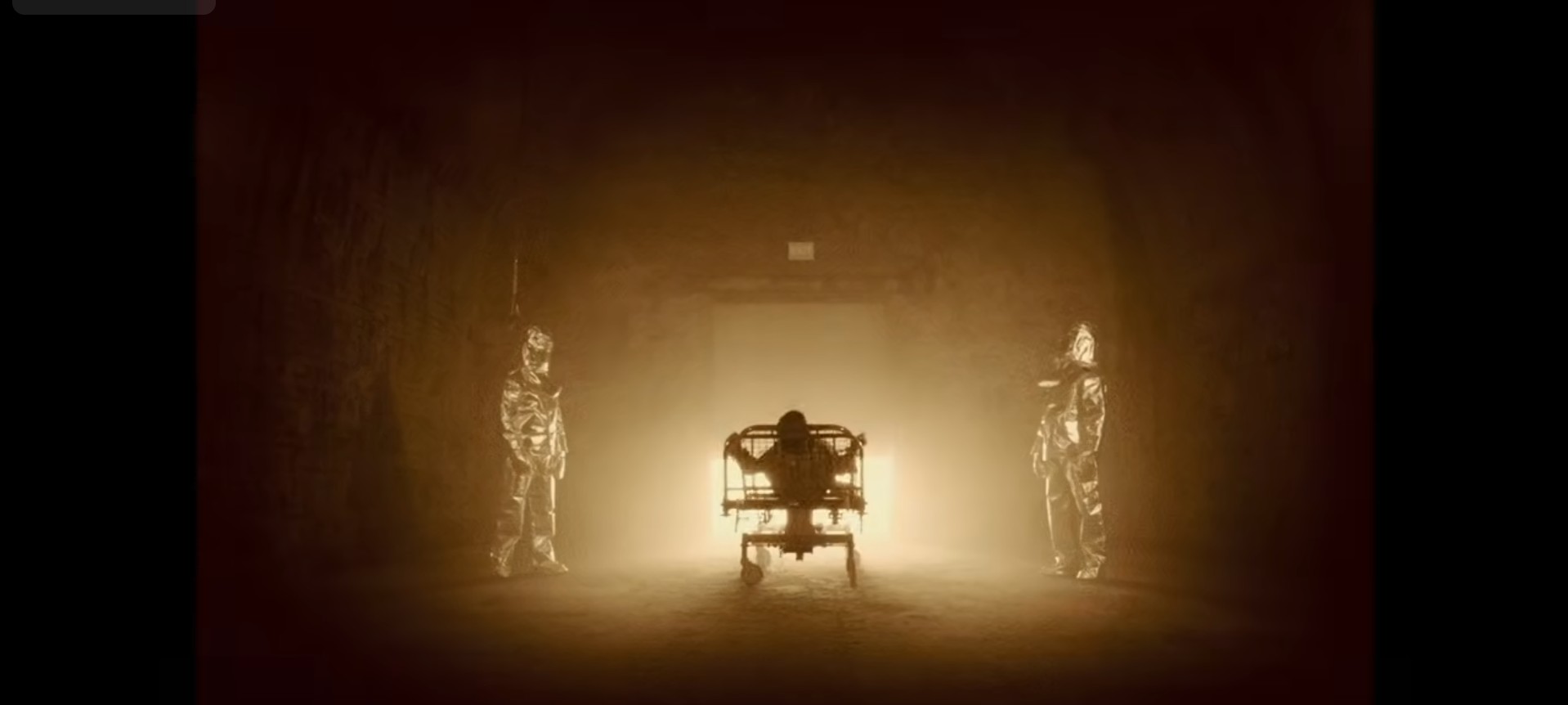
In today’s society, especially in the U.S., autocratic governance is king or at least thinks it’s king. For Norbert Pfaffenbichler, his “2551” trilogy parallels the present as well as the past. Deaf Crocodile, under the playful label guise of Dead Crocodile because of the film’s subject matter, releases Pfaffenbichler’s trilogy on a 4-disc Blu-ray set that’s AVC encoded, 1080p high-definition resolution, on single layer BD25s. The post-apocalypse is grim looking with a slightly tinged monochromatic experience, often with high levels of grain, and a fluttering of crisp detail through stroboscopic and rotoscope effects but that’s the entire intention of Pfaffenbichler and his cinematographer Martin Putz on all three films, creating a gritty, grungy, bunker-laden, desolate atmospheric that’s a hypogean house of horrors. Most of the more grainer moments are when the image is blown up to focus on characters and some distress, alien scenes of a grotesque nature. The black-and-white goes through periods of tint, muted coloring that run the hue gamut, with more traditional colorless scenes fining solace in their antecedent silent films. Compared to a more austere impressed first film, the sequels do have a more polished appearance than “The Kid” when traversing through the sordid muck of a hazy underworld of flesh and fetishism in “Orgy of the Damned,” laced in tight leather, elegant lace, pastel pasties, and a myriad of masks and rags, while “The End” trades out tint for pure while in the interdimensional void Apeman navigates to find himself. Each entry adds something a little different to mix up what could be a monotone milieu with bits of experimental panache that’s sustain the post-apocalypse colony. Entirely shot without any production dialogue, Deaf Crocodile’s release comes with a DTS-HD 2.0 stereo mix to punctuate the action and to provide vitality through its punk and metal soundtracks and dark industrial whir and hum from composers Wolfgang Frisch and Simon Spitzer. The added in effects applied after in the post sync very well and with the appropriate echo of being in tunnels and dark, hollow spaces. So well in fact that you don’t realize it’s post-production sound. The 4th disc is bonus features that include Pfaffenbichler’s seven short films, five new, individual interviews (Dir. Norbert Pfaffenbichler, Apeman actor Stefan Erber, cinematographer Martin Putz, stop motion and visual effects artist Paul Lechmann, and a Q&A hosted by Rolf Giesen with Pflaffenbichler answering), two visual essays (Angel of the Abject: The 2551 Trilogy as a Necropolis of Cinema by film scholar Stephen Broomer and Don’t Let it Fester: (Anti)Sentimentality in 2551.01 by Ryan Verrill), each film has its own commentary track that include input from film scholar Shelagh Rowan-Legg, film historian Eva Letourneau, artist and writer Anne Golden, and podcaster Mike White, a “2551.03: The End” featurette Jam of the Damned is a behind the scenes look into the last film, the soundtrack score on all three films, three new trailers, new art by Beth Morris, and a prelude warning that states: Trigger Warning: all 3 films contain nightmarish images featuring simulated sexual and violent acts, as well las strobe lights and stroboscopic effects. For adult viewers only. The four-disc standard release is laid out two on each side and one overlapping one of the other in the thicker, clear Amaray with new cover art that’s a composition of stills arranged in a nonconformist arrangement that’s truly unnerving to behold. The reverse cover art has an equally intense image but more simplistic red and black image with the film and Blu-ray spec info backside. With a runtime total of 227 minutes, “2551” trilogy is not rated and is encoded for region A playback only.
Last Rites: “2551” is a myriad trilogy of influence and expression through Norbert Pfaffenbichler’s endless mask of hope in a world of oppression. The worldwide debut Blu-ray release from Deaf (Dead) Crocodile respects the subterranean story filled to the brim with sadomasochism, odd creatures, and authoritarian subjugation and the auteur’s unconventional and pallor style in its comprehensive 4-disc set of experimental, cinematic encomium.

 It's Bloggin Evil!