EVIL Follows the Virtuous. “Justine” reviewed! (Blue Underground / 4K UHD & Blu-ray)

Own Your Piece of Virtue with this 2-Disc “Justine” set from Blue Undergrounda and MVD Visual!  

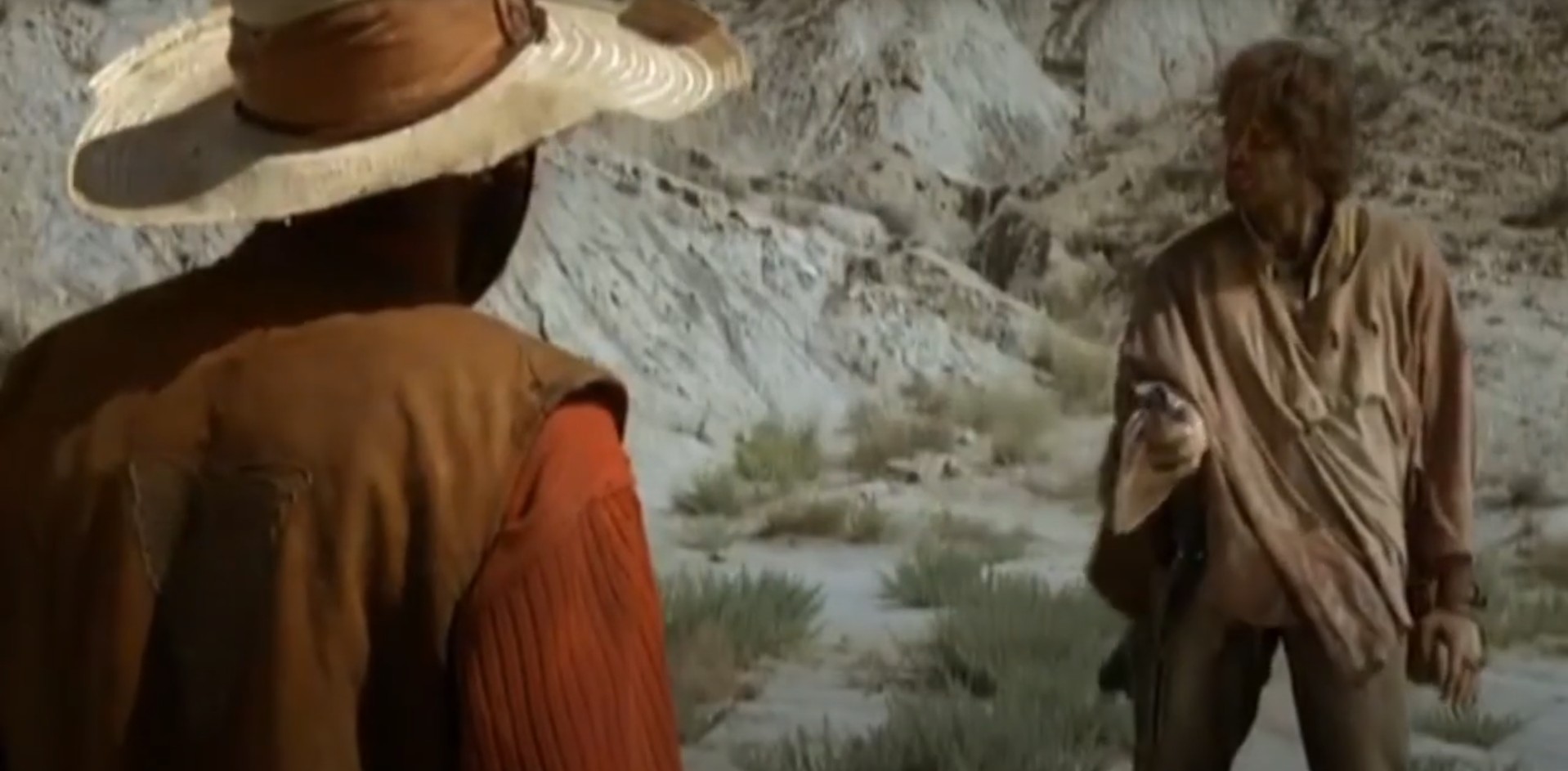
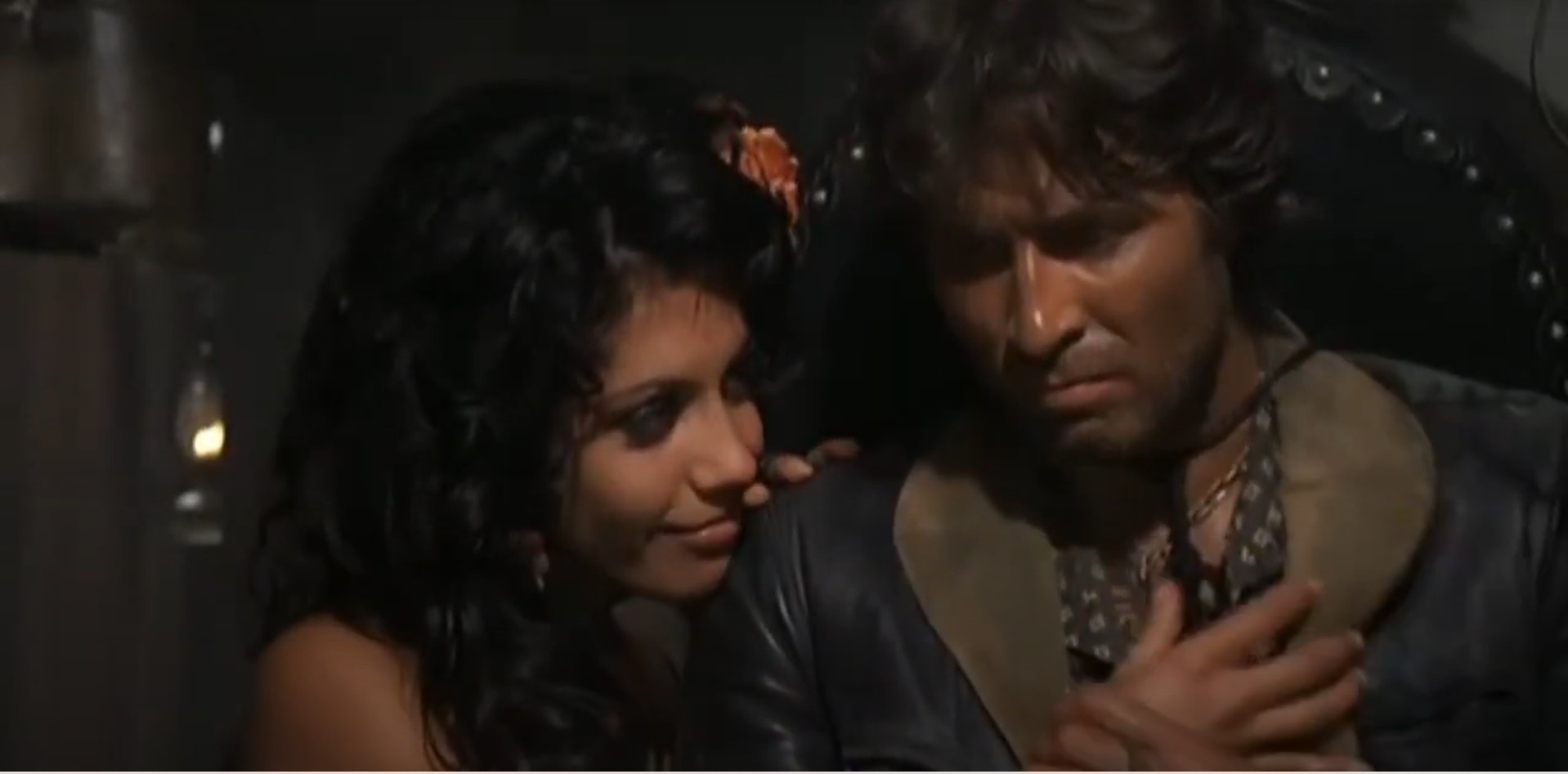
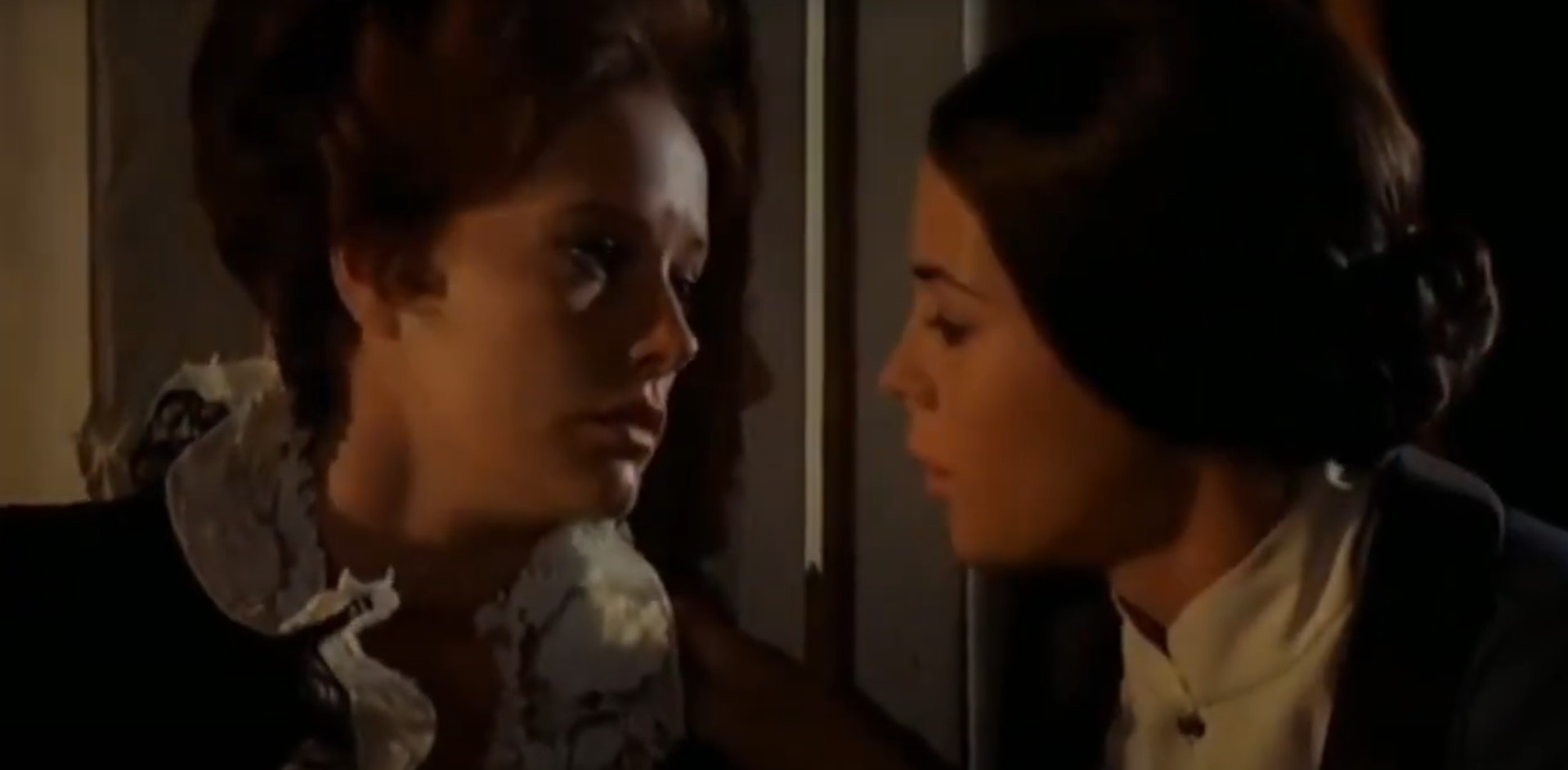
Unable to continue their religious education, left with a meager currency to afford room, board and food, and holding no station or options for social pursuit, Justine and her sister Juliette are put out to the streets of 18th century France.  While Juliette recruits herself into a Madame’s established brothel for money, shelter, and sleight of hand opportunities, leading a life sinful in flesh, murder, and exploit that reaps luxurious benefits into high society, a more chaste Justine finds her path to be far less desirable.  Her virtue becomes the object of obsession, lust, and is taken advantage of for other’s personal gain.  No longer protected by her parents or the convent’s shelter, Justine is exposed to the wickedness of the world in every form and fashion with only slithers of bliss here and there as a reward of her decency only to be immediately snatched from her grasp before she can even enjoy a second.  Accused of stealing and murder, tortured and branded, imprisoned and convicted, labeled an escaped enemy of France, and with her virtue corrupted by a cult of pleasure seekers, Justine questions a life led in chastity and overall goodness that has brought her nothing but pain and strife. 

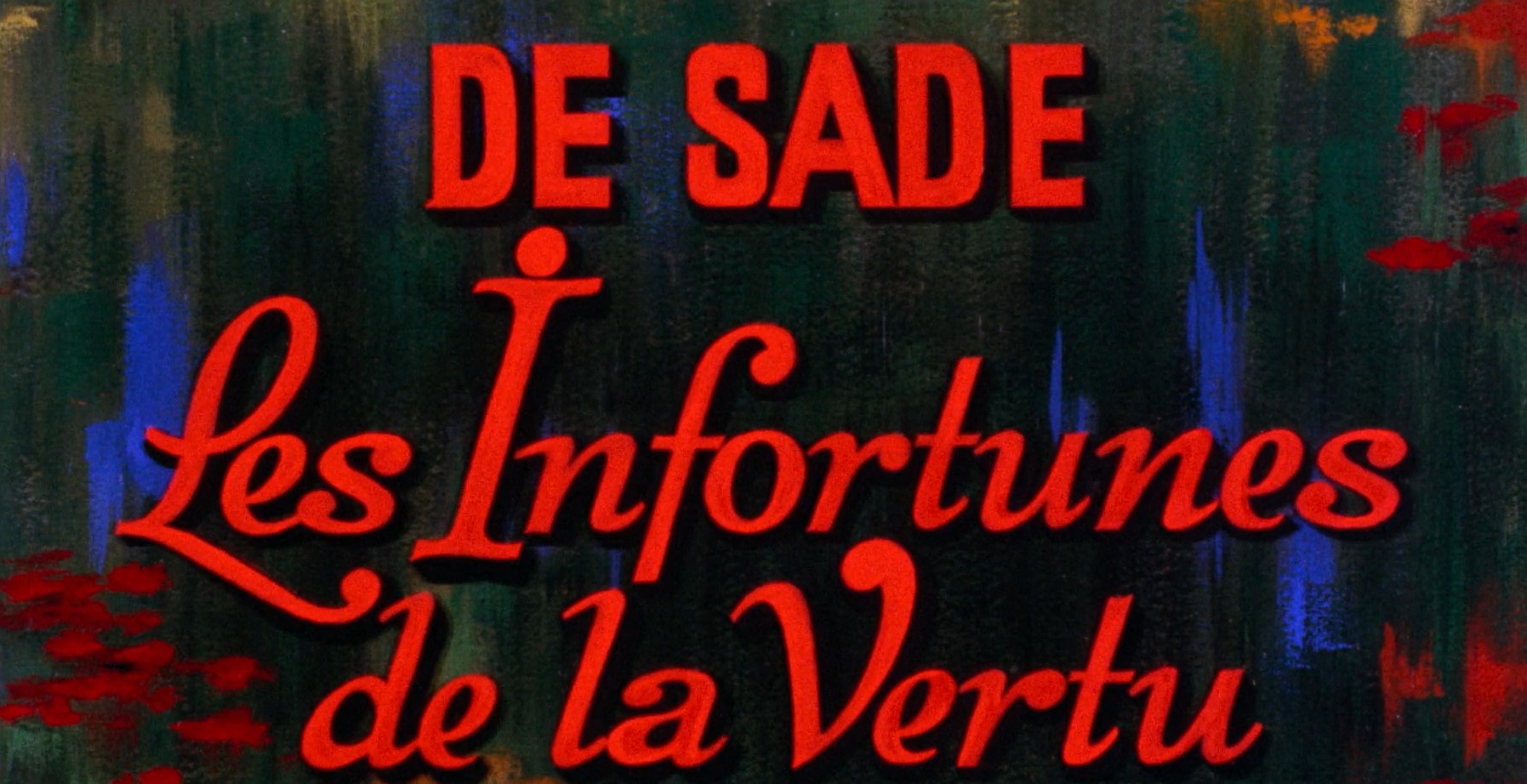
On the heels of my own personal overseas trip to France, a trip for pleasure if you must know, I found it timely and fitting that the Jess Franco directed film, the Marquis de Sade’s “Justine,” would be the next celluloid critique of enticing pulpy obscura.  A part of a pair of Marquis de Sade-themed productions from producer Harry Alan Towers, the other being “Eugenie,” the Eurotrash sexploitation is based off Marquis de Sade’s 1791 novel Justine, or The Misfortunes of Virtue and is adapted for screen by Towers from an original treatment penned by Arpad DeRiso (“Death Steps in the Dark”) and Erich Kronte. “Justine” is one of Franco’s most ambitious visual epics with ornate time period customers, elaborate and grand locations, and an anthology of sorts of the titular character’s misadventures through France that disenchant her chastity. Corona Filmproduktion and the Aica Cinematografica S.R.L. served as the co-productions of this Italian-Spanish 1969 film.

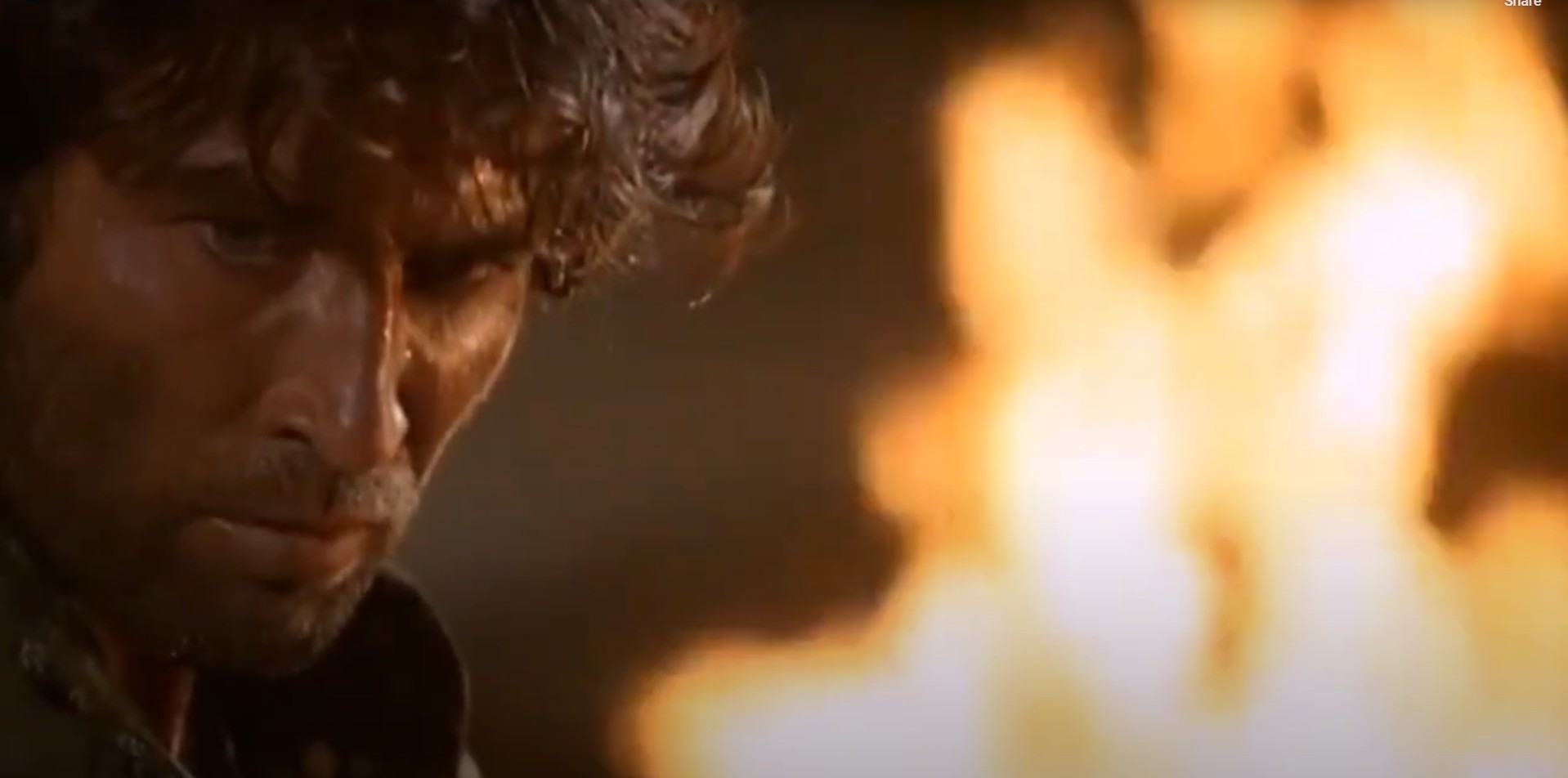
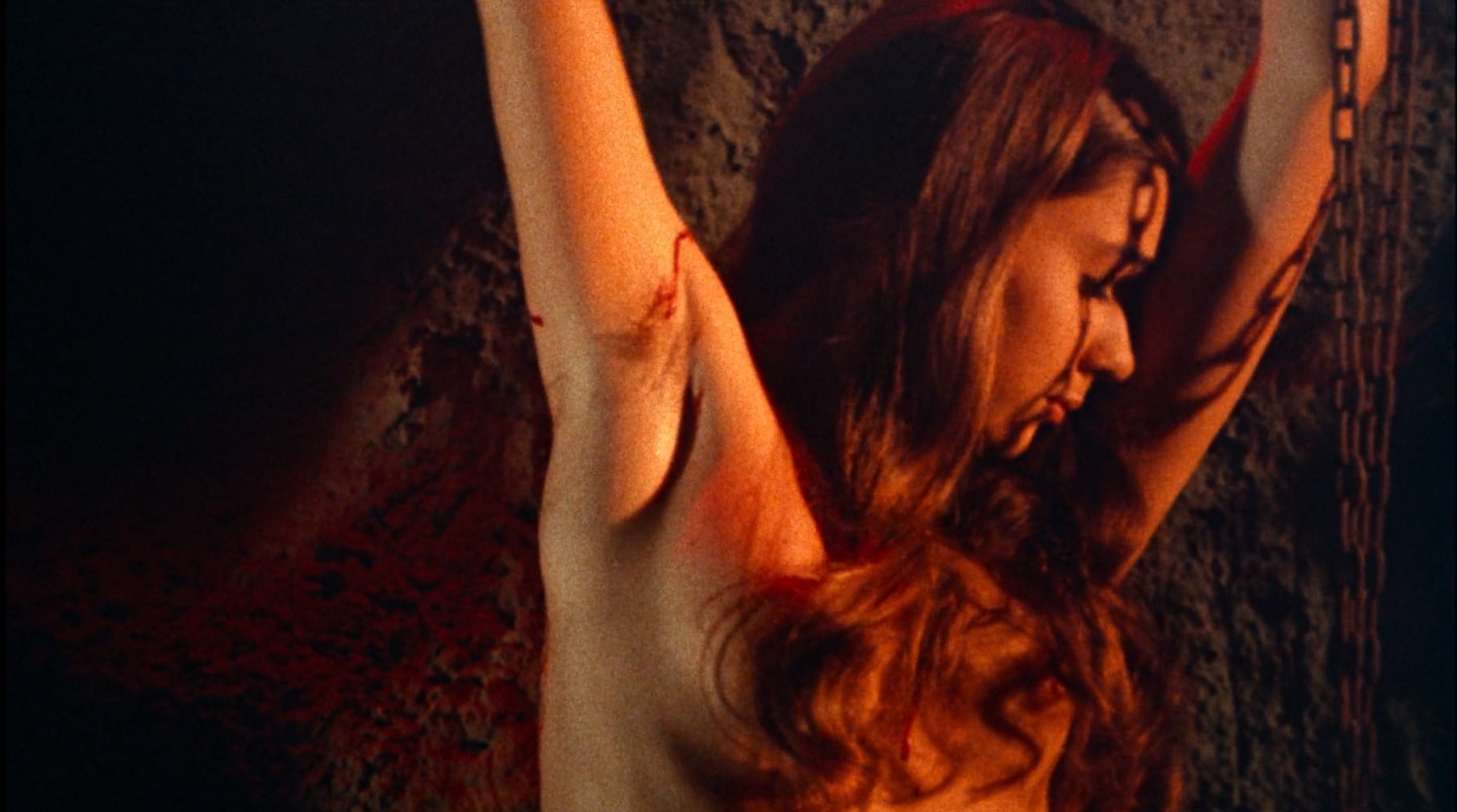
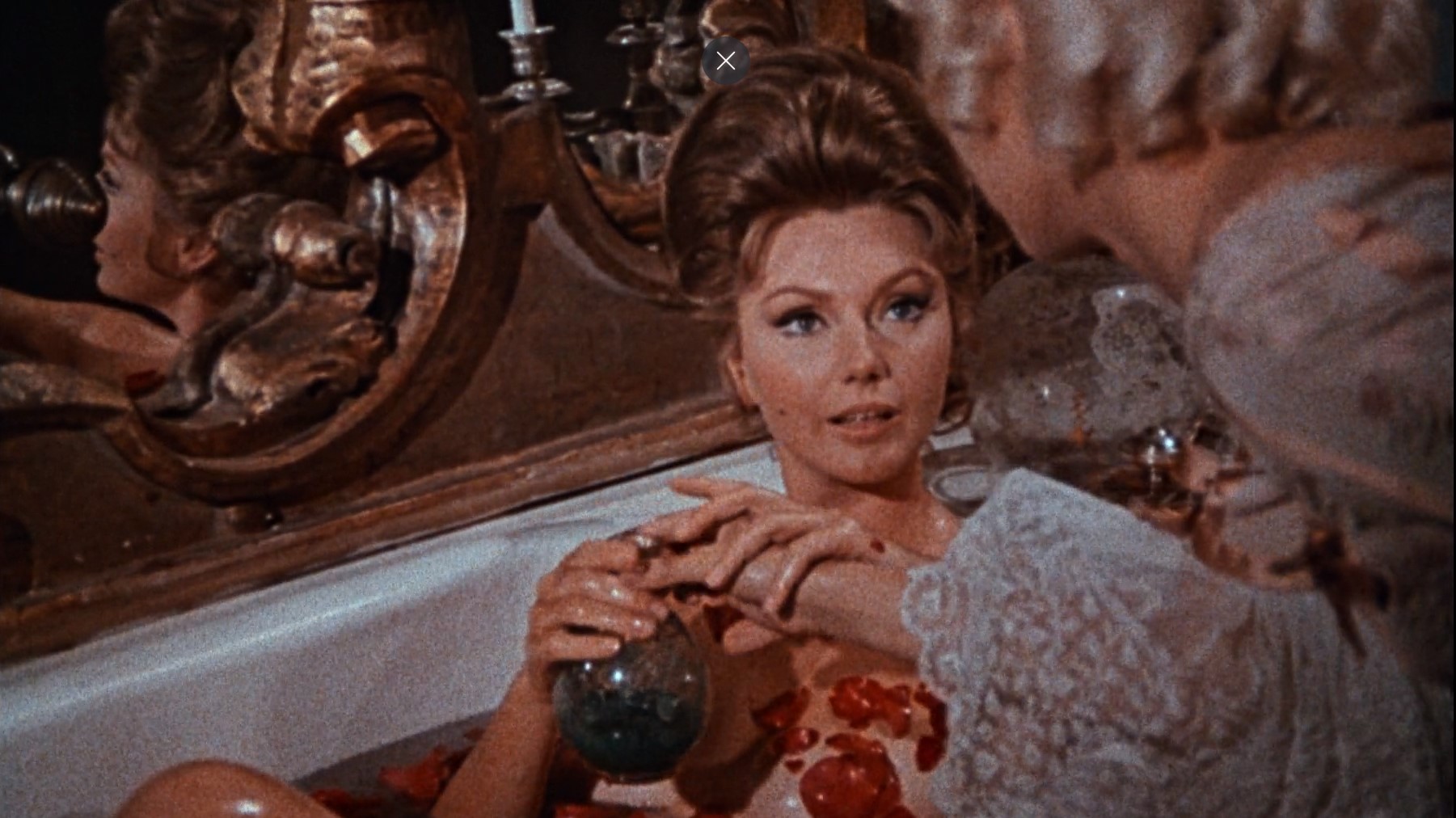
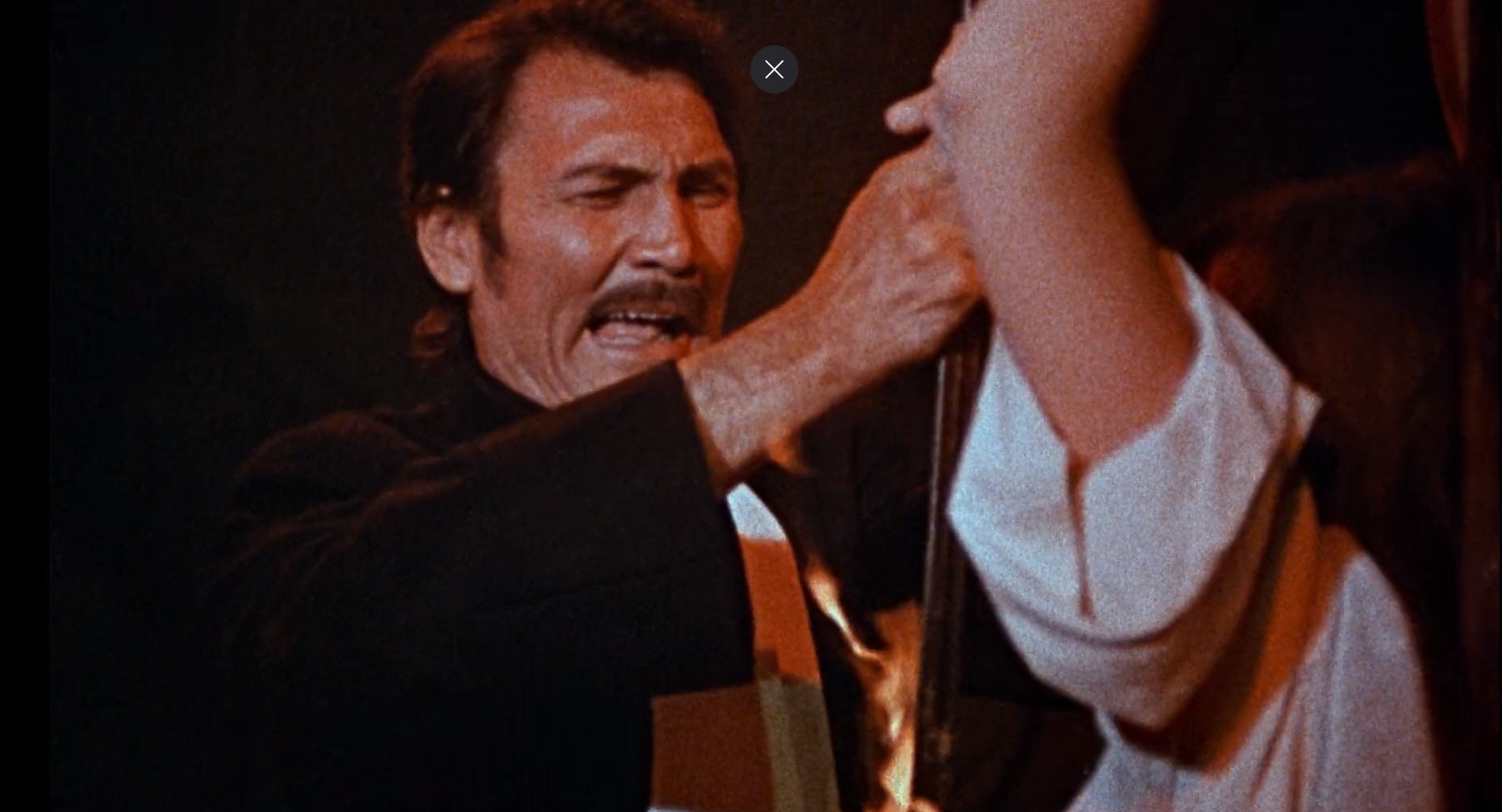
Perhaps the most recognizable and most notable adaptation of Marquis de Sade’s novel, “Justine” is also popularized by its identifiable cast with big names in not only Europe but also in America. The opening scenes with Klaus Kinski, in a wraparound narrative as the Marquis de Sade himself imprisoned and suffering visions of bloodied and bound naked women, immediately draws you into the “Nosferatu the Vampyre” and “Schizoid” actor’s character plight and muted damnation into writing about virtue, a misfortunate respectability. The other famous face in the film, one that spans from Europe to the U.S., is Romina Power as the titular “Justine.” Power, daughter of actor-songwriter Tyrone Power, was, in her own right, a well-known Eurovision singer after the release of the Franco film, but it was her father’s musical talents who landed the sweet-faced Romina into the denigrated young woman role. While Kinski acts on pure facial expression alone, using his iconic, distinct facial features, Power offered a more rigid approach like a child locked by confusion and while unintentional and usually not what any filmmaker wants in a devoid of relaying vicarious expressive emotions, Power naive innocence proves key to Justine’s, well dare I say it, naive innocence. Power’s beauty alone could have stood ground in making the attack from angles perversity film work like a charm. One of the more surprising casted members is Jack Palance. Yes, Curly from “City Slickers” or Jake Stone from “Cops and Robbersons” outlines the formidable pleasure-seeking cult leader Brother Antonin with such gusto flamboyance, the must-see and most-enjoyable performance seemingly feels alien to the usual stoic and stern typecasted actor who could rival Clint Eastwood with a fierce thousand-yard stare. Having co-starred in the Franco-de Sade film “Eugenie” a few years later, Maria Rohm, aka Harry Alan Towers wife, plays the role of Juliette and while the story is ultimately a dichotomy of virtue and sin, there’s an imbalance between the two characters for screen time. The Marquis de Sade’s novel was named “Justine” after all. For her alotted screen time, Rohm provides a suitable sinful scarlet woman climbing the aristocratic ladder by cheating, stealing, and killing her way to the top. The cast fills out with Harold Leiptnitz (“The Brides of Fu Manchu”), Horst Frank (“The Cat o’ Nine Tails”), Gustavo Re (“Horror Story”), Sylva Koscina (“Uncle was a Vampire”), Akim Tamiroff, Rosalba Neri (“The French Sex Murders”), and “99 Women’s” Mercedes McCambridge in an unforgettable role as a nasty gang-leading woman whose high-velocity cruelty rockets are so homed in on Justine it’s explosively devastating to watch.

Having seen the elegance of interior architectures inside Paris’s Opera house, walked the cobblestone streets surrounding the monumental Eiffel Tower, and taking in the laissez-faire of the French way of life, I can honestly say Jess Franco captures France impeccably well for an self-exiled Spaniard known more for his sleaziness and horror than his efforts in cinematic expressionism.   Arching with one big showcase revolving around the idea that virtue will get you nowhere and will be nothing but trouble, ultimately putting to question the validity of the decency concept, the narrative is broken up into a mini-scenarios, mostly of Justine being completely subjugated to the wicked whims of others and a handful of Juliette erecting a better life off the backs of others she’s duped or snuffed.  Franco mastered false hope and misconceptions with each of Justine’s encounters as they lure her in with promises of salvation to then only kick her when she’s down and reap full advantage of her inexperience and gullibility that the world is full of good people.  Sordid and cruel, “Justine” is a contradiction of actionable cynicism in the foreground of depicted magnificence in location, costume, and cinematography choices that hews into the coarse callousness; one particular scene comes to mind involves Jack Palance’s Antonin arranged with hand positioning that abbreviates the name Jesus Christ and as Antonin is holding this hand arrangement, he seemingly glides or floats down the stone corridors toward Justine, demonstrating religious imagery as a form of abusive power or corrupted guidance to serve one’s own deviant devices.  Though labeled in some circles a sexploitation film and certainly full of skin from Romina Power, Maria Rohm, and Rosalba Neri amongst others peekabooing their assets through cut potato sacks during the sex slave orientation scene, much of the sex is heavily implied with a limited gratuitous outcome.  Before going fully into an Eurotrash market by the late 70s and all the way through to the 90s, Franco made every effort to be a considerable filmmaker for a broad audience in numerous countries and his dislike for censorship shines through to his work, despite the likelihood of costing him acclaimed fame as a director. 

“Justine” arrives on 4K UHD in a Blu-ray combo set from Blue Underground.  The two disc set is AVC encoded Blu-ray 50gig and a triple layered Blu-ray 100gig with 1080p (standard BR) and 2160p (UHD) high-definition resolution, and presented in the original European widescreen aspect ratio of 1.66:1.  The brand new 4K restoration from the uncensored original camera negative of the 35mm film with Dolby Vision HDR is a foremost upgrade to the highest power, an ultra-balanced grading that reels in a wide variety of colors from interior to exterior that helps bring the ornamentation of 18th century France to a vivacious life on screen.  The saturation is enriched and finitely retuned to deliver the best and naturalistic grading as humanly possible, or as current technology allows.  The Blu-ray offers a just as reasonable presentation but does lack that high attention to detail because of the lower pixel count.  Bitrate decades are a comfortable average in the high 30s to low 40s.  The UHD and standard Blu-ray offer a clean and free from compression artifacts with immeasurable format capacity to render an unimpeachable picture. Both formats come with an English DTS-HD mono, dubbed in English by voice actors and not the original cast. No hissing, popping, and only a slight interference hum. Dialogue is dub boxy but clean, clear, and right forefront without question of what’s being discoursed and is well-folded into the ambient and Bruno Nicolai epic vein-coursing score that triumphs a military march over a classical base. English SDH are optional. In regard to special features, both formats include a new audio commentary with film historians Nathaniel Thompson and Troy Howarth and the French trailer, but the Blu-ray contains archive interviews with director Jess Franco and writer-producer Harry Alan Towers, an interview with author Stephen Thrower of Murderous Passions: The Delirious Cinema of Jesus Franco, a new interview with actress Rosalba Neri, in Italian with English subtitles, On Set With Jess, a newly expanded poster and still gallery, and a Jess Franco dreaded censored cut of the Americanized shorter version of the film under the “Deadly Sanctuary” title in HD and clocking in at 96 minutes, a nearly 30 minutes shorter. The physical features mirror the “Eugenie” 4k/Blu-ray release with a black Blu-ray snapper case with similar thickness. A shackled Justinne graces the front cover, as with the previous DVD Blue Underground release, and has the same cardboard slipcover with an oval shaped like mirror cutout to not block the half-naked Romina Power. Back covers are both the snapper case and cardboard cover have the same layout design but different still images on each. Inside, there is a disc on each side of the case held in by a push lock. The UHD is a sizzling infrared and sultrier posed version of the snapper cover while the Blu-ray, in the same red hue, is a composition of characters clustered together in a circular design. The film comes not rated, region free, and has the presentation feature with a runtime of 124 minutes. The Marquis de Sade divulges a sardonic, topsy-turvy belief that the more you stay virtuous, the more trouble follows as it’s the way of the world and the more you swindle, the more headway you make in life. Jess Franco brings the Marquis’s vision to cinematic life with a grand and sordid tale, dissevering the two ways toward their individual soul crushing path, and discovering morality within the immoral.

Own Your Piece of Virtue with this 2-Disc “Justine” set from Blue Undergrounda and MVD Visual!  

Classy Brothel Girls Bring Dirty EVIL Secrets to “Madame Claude” reviewed! (Cult Epics / Blu-ray)

A high end Paris brothel ran by the influential Madame Claude sends the most beautiful and sophistical women to wealthy and powerful dignitaries all over the world to satisfy their most sexual desires.  Her lucrative business becomes a governmental target seeking to collect back taxes on the illicit business.  However, the French government is the least of her worries when a playboy-aspiring rake and amateur photographer snaps photos of Madame Claude’s clients in compromising situations that can be ruinous to their status.  The CIA becomes involved when unscrupulous business dealings involving an American and Japanese companies connect to Madame Claude and her potentially persuasive young women after rumored photographs put the Madame Claude in the middle.  Two governments, big businesses, a jet setting brothel, wealthy socialites and a nosy photographer become involved in lies, secrets, and the potential for murder.

Part biography, part fiction, “Madame Claude,” also known as “The French Girl,” is the 1977 released erotic and political thriller based off the real Madame Claude, Fernande Grudet, as her life of prostitution management and scrutiny unfolded before the public eyes in the mid 1970’s.  Erotically and elegantly sexy with gorgeous women groomed into lust and ensnared into the lion’s den of exchanging powers, “Madame Claude” became the third film from the immensely successful erotic French director, Just Jaeckin, following 1974’s “Emmanuelle” and 1975’s “The Story of O.”  Jaeckin, pressured by his financiers to continue his success in the highly sought eroticism, returns to the randy genre, but this time with a story to his liking, one that is embroiled in the background of a bribery scandal involving aerospace company, Lockheed, at the heart of it. From a script by crime-action writer André G. Brunelin, based off the book of memories of Madame Claude by Jacques Quiorez, Jaeckin splices visual elements of each story together to form not only an arousing sexual lamination but also a cloak-and-dagger tenser of a film. Shot primarily in Paris, with minor shoots in the Bahamas and Washington, D.C., especially the scenes on the faux White House, “Madame Claude” is a production of Orphée Arts of Paris with Claire Duval on as executive producer.

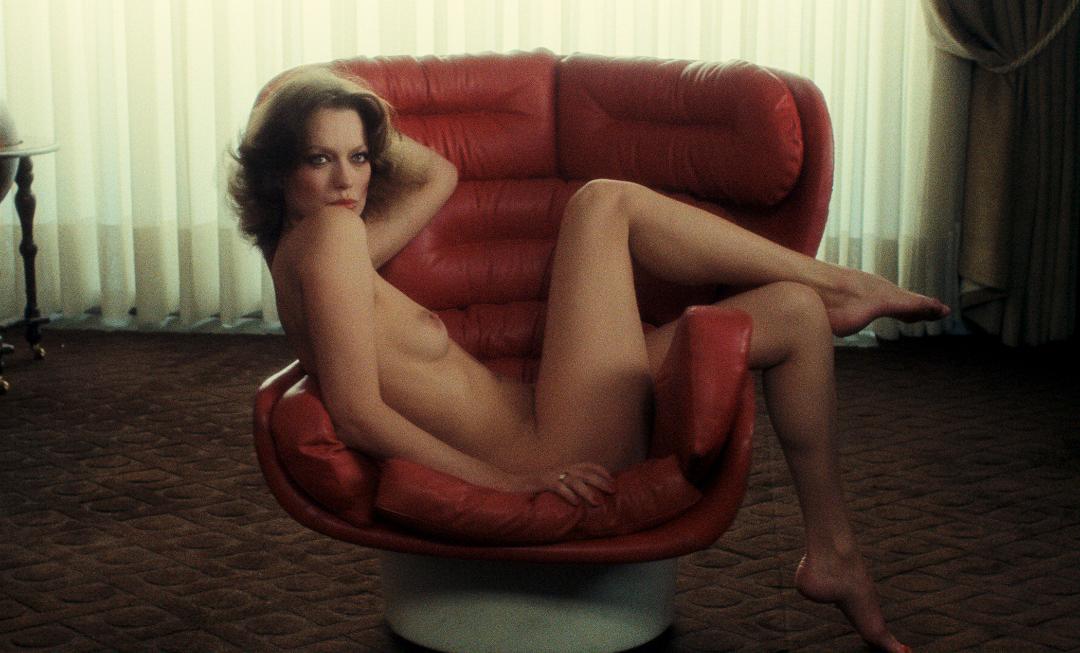
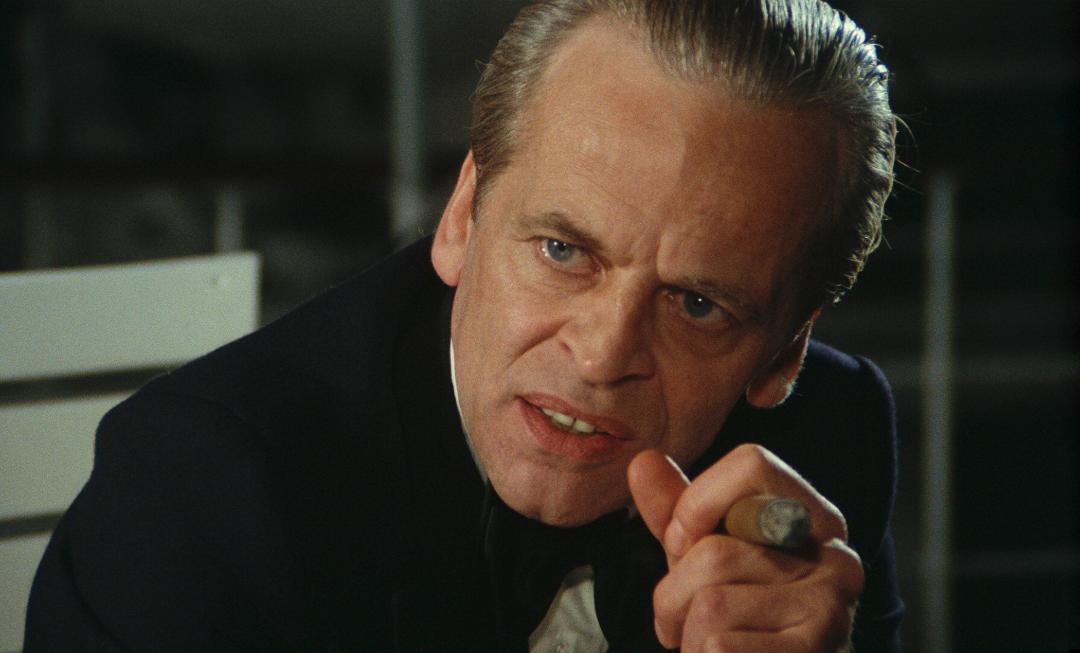
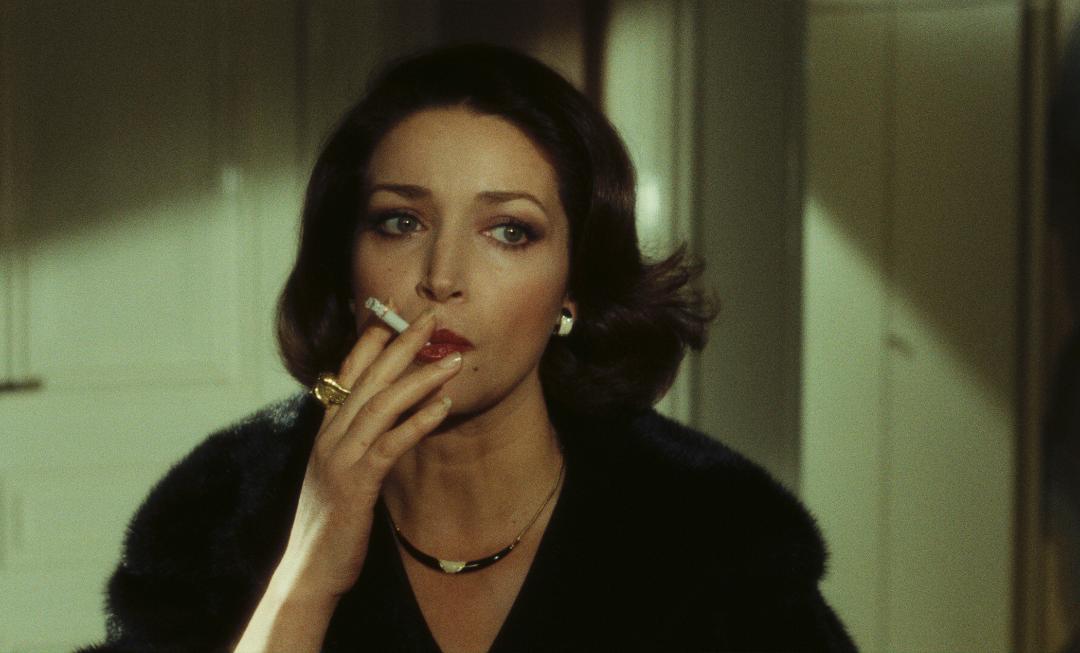
While the titular character is the obvious centerpiece, Jaeckin mingles the characters around each other in a game of espionage chess toward the endgame of checkmate. Keystone to everyone’s problems is Madame Claude, played by renowned French actress and early onscreen sex object, Françoise Fabian, who previously had roles in the paranormal pubescent horror, “Expulsion of the Devil,” a more comedy-friendly brothel film, “Holiday Hookers,” and among many other films predating 1977, but not until later in Fabian’s career did show rocket to success, playing older, more aligned, women that strongly championed feminism, such as portraying “Madame Claude” who used sex as a means to gain control and power of men, and pushed it to the brink of the era’s cinematic limits. “Horsehead’s’ Murray Head plays the photographer schmo, David Evans, making Madame Claude’s life complicated. An about town ladies man, Evans goes to each of Claude’s girls one-by-one and, for some reason or another, they invite the handsomely charming, but brutish, amateur porn photographer into their bedrooms, sleeping his way into blackmail scheme that will bring down the most powerful brothel head in all of Paris while also lining his pocket with not only money but power among the socialites who treat him like the village idiot. Head’s nails down the fast-and-loose aspect of Evan’s personality that treats his stratagem like a game he’s already won, but when the government agencies come knocking on doors, Head about faces Evan’s waggish incompetence to a frightened man looking around every corner for danger. It’s wonderful to see Head interact with Klaus Kinski (“Nosferatu the Vampire”) and Marc Michel as a ridiculed subordinate in an examination of social status as Kinski and Michel flaunt expensive taste and lavish orgies in lieu of decency, but it’s Murray Head, playing the fool with cemented proof that would put all them of into shame, as the aspirer to their life of luxuries. The beautiful Dayle Haddon (“Cyborg”), Vibeke Knudsen-Bergeron (“Spermula”), and Ylva Setterborg stun in just a handful of the very elegant, and very naked, women acting as Madame Claude’s international bound employees. Other cast of characters in “Madame Claude’s” game of lies and spies include Robert Webber (“Death Steps in the Dark”), Jean Gaven (“The Story of O”), François Perrot, André Falcon, and Maurice Renot.

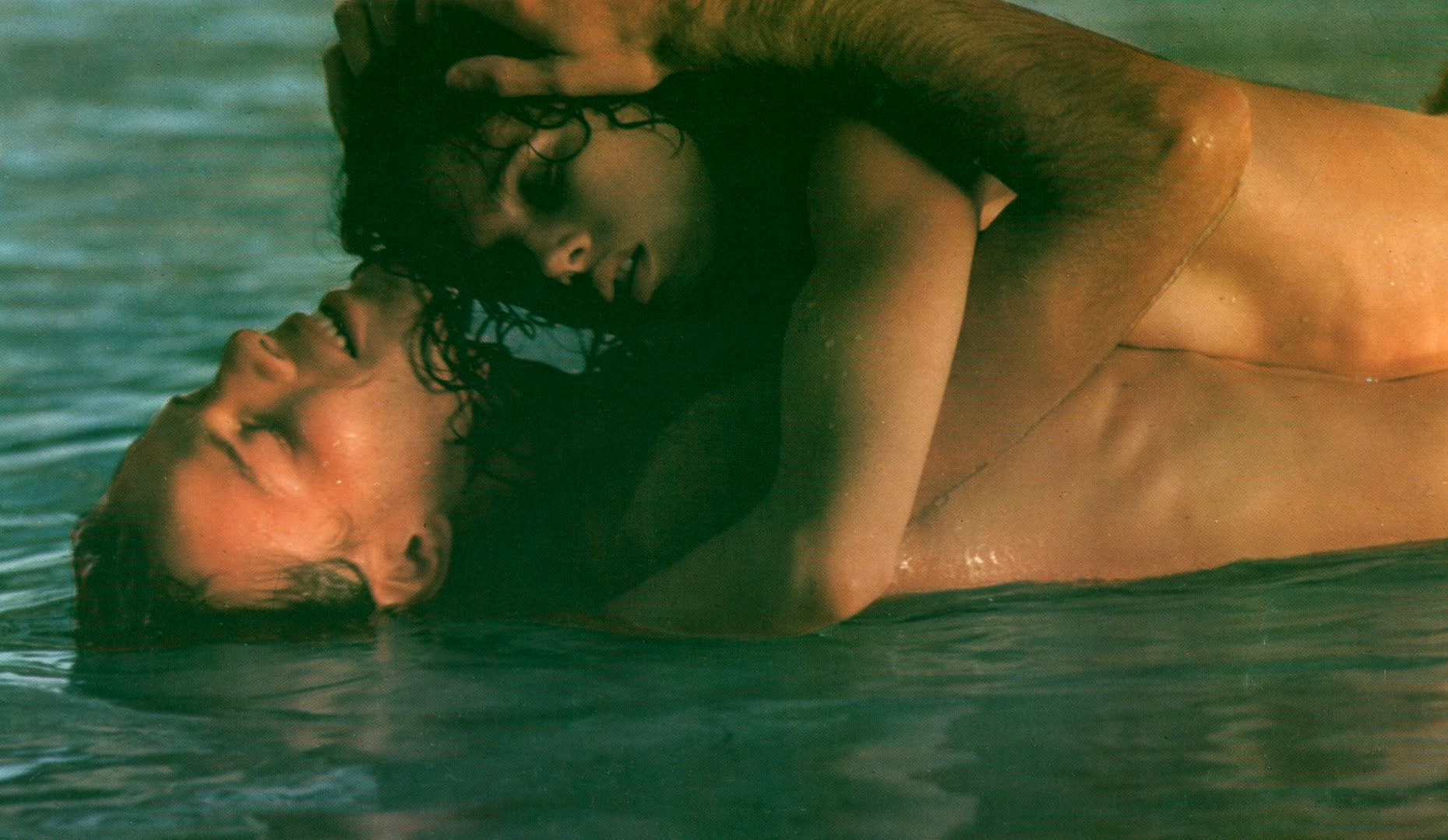
Following his films “Emmanuelle” and “The Story of O,” Jaeckin’s “Madame Claude” strays into an atypical kind of formulaic eroticism downplaying the sexual excursions and discoveries for a more typical crime drama affair. Jaeckin’s directorial abilities can take you on an exotic tour around the world and onto the fleshy planes of some of the most gorgeous and provocative women to ever grace the screen. Yet, “Madame Claude” trims substantially the skin with a more precise execution to be more of an oil lubricating the machine rather than the gear that actually operates the mechanism to entail sex as a misused tool for motivation and bribery. These scenes of fleeting eroticism outright shine Just Jaeckin’s proclivities with mirrored reflections and becoming lost in the entanglement of sexually enflamed bodies and these scenes outright shine Jaeckin’s intent on delivering a corkscrew crime drama with double-dealings, wiretapping, and counterintelligence gathering as what unfolds isn’t clearly delineated between Madame Claude, David Evans, the French and U.S. Governments and the Lockheed scandal that actually becomes sidetracked at times by the infiltrated sex-training of Madame Claude business as the brothel head has to train an alternative misfit new girl and send her to the Bahamas work trip shortly after a quick one-night-stand initiation with one of the Madame’s trusted former beaus. We wholeheartedly become more intrigued and fascinated with Madame Claude’s feminist principles, recruiting subjugated women to use their sexuality to dominate and become wealthy in the process. In more than one scene, Madame Claude flaunts self-admiration in transforming star-crossed girls into young women fortune bound with their promiscuous ways. Madame Claude’s murky backstory caresses her complexities of anti-man without detail delving into the turning point catalyst that made her become who she became to be, an affluent Madame, other than a seemingly emotionally and controllably invalidating romantic experience with a long time friend and business companion, Pierre (Maurice Renot).

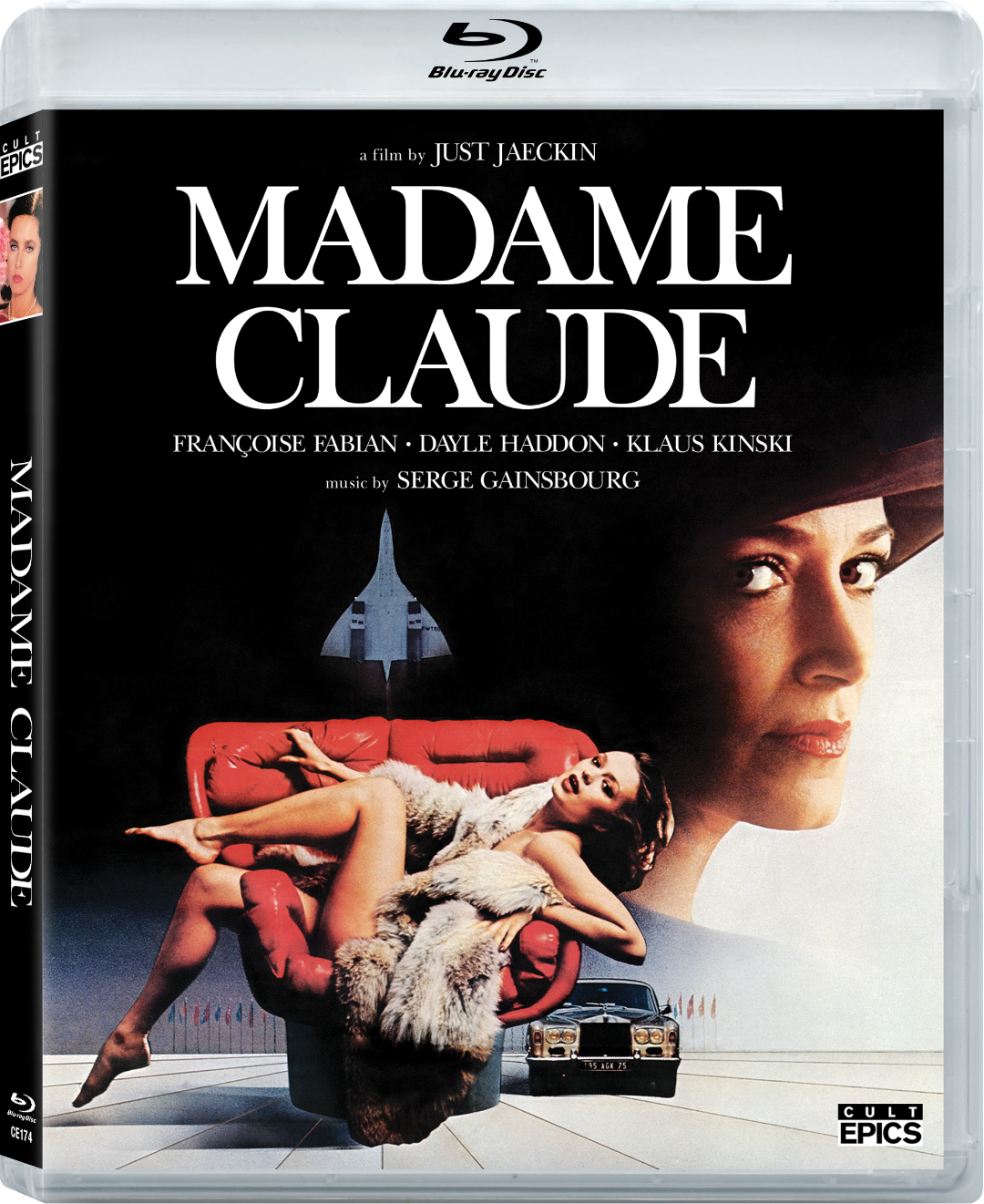
Cult Epics sustains another forgotten classic into a celebrated Blu-ray release with a new 4K HD transfer of “Madame Claude” from the original 35mm negative, supervised by the original cinematographer, Robert Fraisse. Housed on a BD50, the region free release maintains the impeccable coloring under Fraisse’s soft glow with no cropping or undue enhances that tries to put out fire with gasoline and, aside from a discolored yellow-greenish, translucent stripe, perhaps a loose film roll, during the opening scene, the image quality is clean and pleasing in it’s natural 35mm grain. The English and French language audio tracks come with three options: LPCM 2.0 mono, DTS-HD Master Audio 2.0 mono, and a Dolby Digital 2.0 Stereo. The DTS-HD Master Audio had the highest marks, slightly topping Dolby Digital stereo with a little more gusto in the pipes. Audible dialogue is clean and forefront, but the engineered dubbing laid over Murray Head and, even, the self-dubbing of Dayle Haddon can be off-putting at times when actors’ voices seem to not be sharing the same vocal space with others on screen. French composer Serge Gainsbourg’s lounge, yé-yé score tuned into that erotic soufflé of light and airy pop music that can be often dreamy with singsongy female vocals, complimenting the softer, sexier side of Jaeckin’s film while also playing into period melodies of the 1970’s. Cult Epics always has down right with resurrecting obscure erotica for not only quality sake but also to arm the hell out of the releases with bonus material. Included with “Madame Claude” is an audio commentary by Jeremy Richey (author of the upcoming book entitled Sylvia Kristel: from Emmanuelle to Chabrol), a high definition, Nico B. produced interview with director Just Jaeckin from 2020, the vintage French theatrical trailer, a promotional photo gallery, and Cult Epics previews. Not the most sensual film shot by the renowned maestro of venereal visuals, Just Jaeckin explores his versatility by acclimatizing familiarity with new horizons surrounding brothel delights with shadow games and the new 4K Blu-ray from Cult Epics is the one, and only, way to experience it all in “Madame Claude.”

Cult Epic’s “Madame Claude” on Blu-ray. Available at Amazon – click the poster!