Return Home to Discover Dad’s An EVIL SOB! “The Abandoned” reviewed! (Unearthed Films / Limited-Edition Blu-ray)

Don’t Be Left Behind. Get Your LE Blu-ray Copy of “The Abandoned” from Unearthed Films

Marie Jones never knew her parents.  Born in Russian, raised in the London, and now lives in the U.S., the low-budget movie producer receives news from a Russian estate notary providing her details on her murdered mother back in 1966 and her existence entitles her to the isolated family farm.  Unable to resist the urge to find out about her mysterious past, Marie travels to her parents’ dilapidated farm settled on an island encircled by a river.  There she meets Nicolai claiming to be her twin brother and that he also, after a similar call from the notary, felt pulled to their family home on the verge of their upcoming birthday, but they’re not totally alone.  Trapped on land that won’t allow them to leave, Marie and Nicolai run into their undead doppelgangers that impel them to dig into their family history and uncover the gruesome truth to what happened to their mother.  All the while, the house around them rewinds back in time before age and weather have taken a toll and the souls living in what was once a home return to bring the family back together again.

A past drawing near story stretching from 1966 and 2008, “The Abandoned” is a haunted house, supernatural, and circular tale that bears down a forlorn ancestry nightmare onto ensnared curious lineage wanderers, bringing them back into a vicious cycle of a family history that should have been left alone.  “Aftermath” and “Genesis” short film director Nacho Cerdá tries his hand at less necrophilia and gore for more daring, open-to-interpretation horror with the Karim Hussain (“Subconscious Cruelty”) original script with some rewrites and sprucing done by “Dust Devil” and “Hardware’s” Richard Stanley.  Filmed in Bulgaria to double as the scenic landscapes and to use the country’s looming, enveloping trees as another margining aspect of being trapped, “The Abandoned,” initially title as “The Bleeding Compass” on Hussain’s original script, is produced by Julio and Carlols Fernández, Kwesi Dickson, Stephen Margolis, and Alexander Metodiev under Castelao Producciones, Filmax International, and Filmstudio Bojana with Future Films’ Carola Ash and Albert Martinez Martin serving as associate producers.
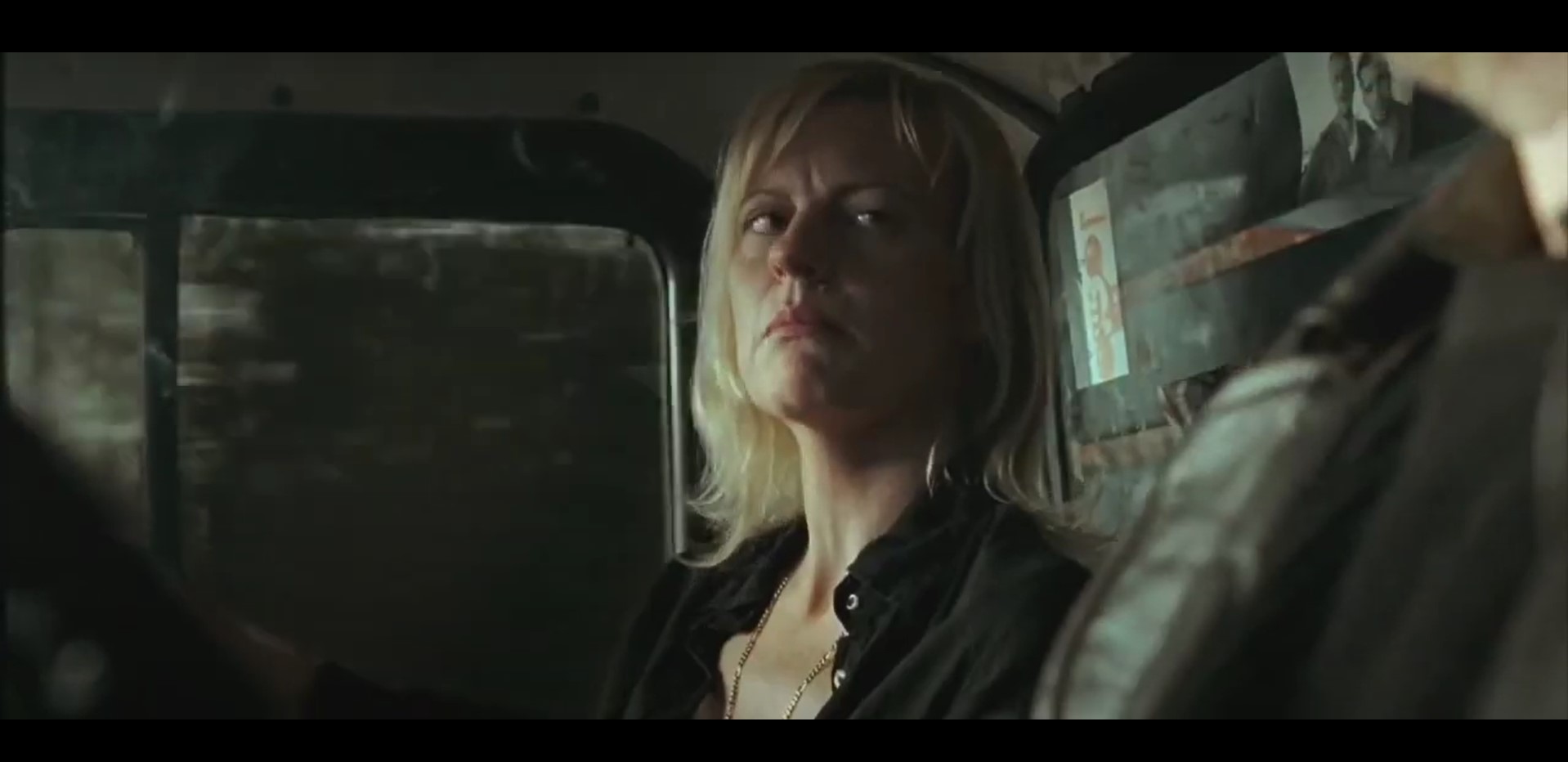
“The Abandoned’s” modest budget regulates casting to, at that time, relative unknowns for the U.S. market but certainly not an experienced lot between English actress Anastasia Hille (“Snow White and the Huntsman,” “Martyrs Lane”) and Karel Roden (“Orphan,” “Hellboy’) playing reunited brother and sister Marie and Nicolai who have not been together since infancy.  Separated at the demise of their mother, Marie and Nicolai have undoubted hesitation to their relation, especially both are met by grisly versions of themselves in the old family homestead.  The double versions of themselves represent a dual life, one connected to their current path, and one connected to their past, and Hille and Roden play into that theme with fortitude and fear in how the past haunts their characters connected to a shadow world in a very “Silent Hill” way.   Hille brings complexity to Marie’s own troubled relation with her daughter, a character we don’t necessarily see physically on screen, but we understand through phone conversations and brief interactions with Uncle Nicolai that the foundation the mother-daughter relationship stands on is shaky and that pushes Marie to pursue the truth about her own mother to avoid that disconnection with her daughter.  For Nicolai, Roden instills a more tragically inclined façade without overcompensating with tremendous evidence in the loss of a woman he loved, aside from their matching tattoos, and his melancholic state is staid by the newfound opportunity to discover his past until unless it also becomes his downfall.  Again, we’re back to the past should stay dead, or in the past.  Hille and Roden underpin “The Abandoned” and its ghostly enigma with brief interjections of supporting ancillaries in Valentin Ganev, Carlos Reig-Plaza, Paraskeva Djukelova, and Marta Yaneva. 

“The Abandoned” is one of those circular narrative stories working toward a revelational end, one that likely won’t be pleasant.  An endless loop of trying to leave Marie and Nicolai’s childhood home only for them to be brought right back into the same room from which they started lend into a couple of preconceived notions of their ringlet wretchedness, both in circumstance and in life, and that being either they’re already dead and in a purgatory or their grieved existence has warped them into a psychological break when returning to a decaying land left in the memories of the heinous death of their mother.  Both theories incorporate a supernatural element where time reverses and, coinciding with the twins’ upcoming birthday, a clock ticks down that will bring the family whole again, this time in the afterlife if the unnatural powers to be have anything to say about it.  That’s the definitive beauty of “The Abandoned’s” open air forbidding allegories with the more than one interpretational rivulets spreading in different directions, shaped idiosyncratically by Marie or Nicolai’s life.  What helps the impervious fate outcome of the principals is that “The Abandoned” also has strong, poignant visuals as a foothold into keeping audiences intrigued on what could be a slippery slope of symbolism.  A mix of practical and composite effects, done amazingly through the editing process, sell duality on every layer as if we’re experiencing two worlds during a collision and waiting with anticipation for one to engulf the other. 

Unearthed Films brings “The Abandoned” home on a limited-edition Blu-ray home video. The AVC encoded, 1080p high-definition, BD50 capacity houses plenty of breathing room for the claustrophobia details to writhe within. Middle-to-higher contrast levels that throw out good shadows without being extremely inky, there’s spectrum discoloration from blotchy-banding, suggesting a good encoded transfer that deciphers more details rather than squeezing everything in under a lossy codec. Range of the darker graded feature does favor a generous bluish green for the interiors while natural light swarms and illuminates into the exteriors, brighten up Anatasia Hille’s already blonde enough hair to almost pure yellow. Fine details pervade over much of the duration, only relinquishing details for dark, cavernous moments to scare up apprehension levels. The English DTS-HD 5.1 and the PCM 2.0 give viewers lossless fidelity and flexibility with audio setups. I preferred the stereo with robust dual channel dialogue; however, the 5.1 showed signs of directional awareness – rustling of leaves, ghostly voices, etc. – through the back and side channels. Dialogue is prominent and clear on both audio options and free of intrusion and interference. English and Spanish subtitles are optionally available. Special features include an abundant of new material exclusively produced by and curated from Unearthed Films, including new, individual interviews with director Nacho Cerdá, screenwriter Karim Hussain, and screenwriter Richard Stanley; there are also new furnished for this release alternate endings that more so involve Marie’s daughter, deleted and extended scenes cut for timing and flow, and outtakes. Archived bonus content has a Making of featurette, location vision in “The Abandoned’s” den, a featurette of Nacho Cerdá: The Trail of Death that looks at the director’s earlier horror inspirations of his trilogy of death shorts, The Little Secrets of Nacho Cerdá goes further into the director’s insights for his varied take on “The Abandoned” story, Nacho Cerdá has a conversational horror discussion with friend Douglas Buck, director of 2006’s “Sisters,” promotional and storyboards gallery, trailers, and a BD-ROM storyboard collection. The limited-edition release has a lissome cardboard slipcover with original poster art of the blood-crying doll from “The Abandoned” on the front. Inside, a standard Blu-ray Amary case has the same cover art image that’s also pressed on the disc. There are no inserts included. The rated-R release has region A playback only and a runtime of 99 minutes.

Last Rites: A step back from the gore and revulsion, Nacho Cerdá is able to scare stiff with “The Abandoned,” a dead and buried family abstrusity squaring the score for lost time by reversing time to welcome back those left living, and Unearthed Films’ limited-edition release is the best version to date that deserves a warm homecoming for its icy, taciturn atmosphere.

Don’t Be Left Behind. Get Your LE Blu-ray Copy of “The Abandoned” from Unearthed Films

The Stillness, the Quiet, and the Darkness evokes EVIL to Home In. “Skinamarink” reviewed! (Acorn Media International / Blu-ray)

The Kids Aren’t All Right in “Skinamarink” on Blu-ray!

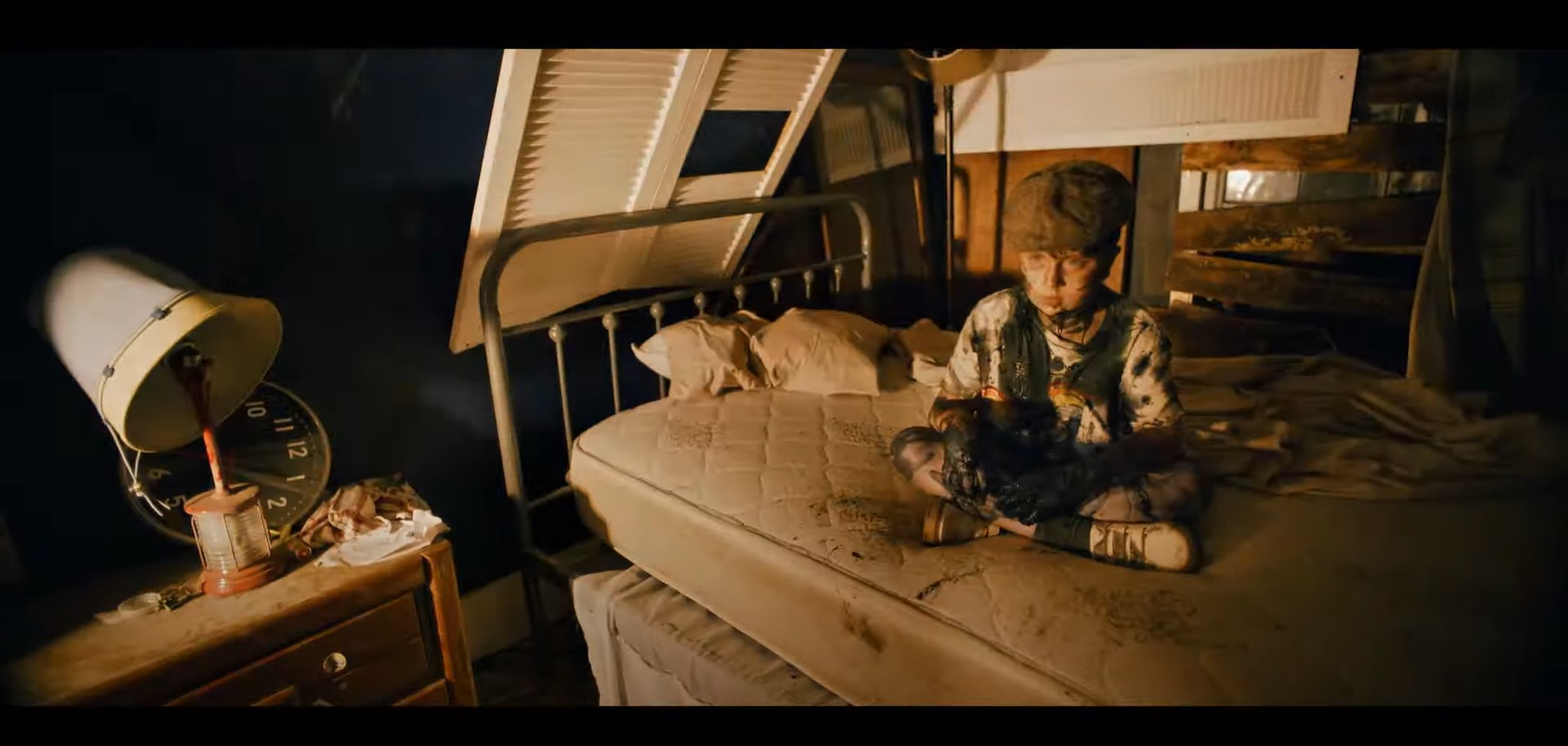
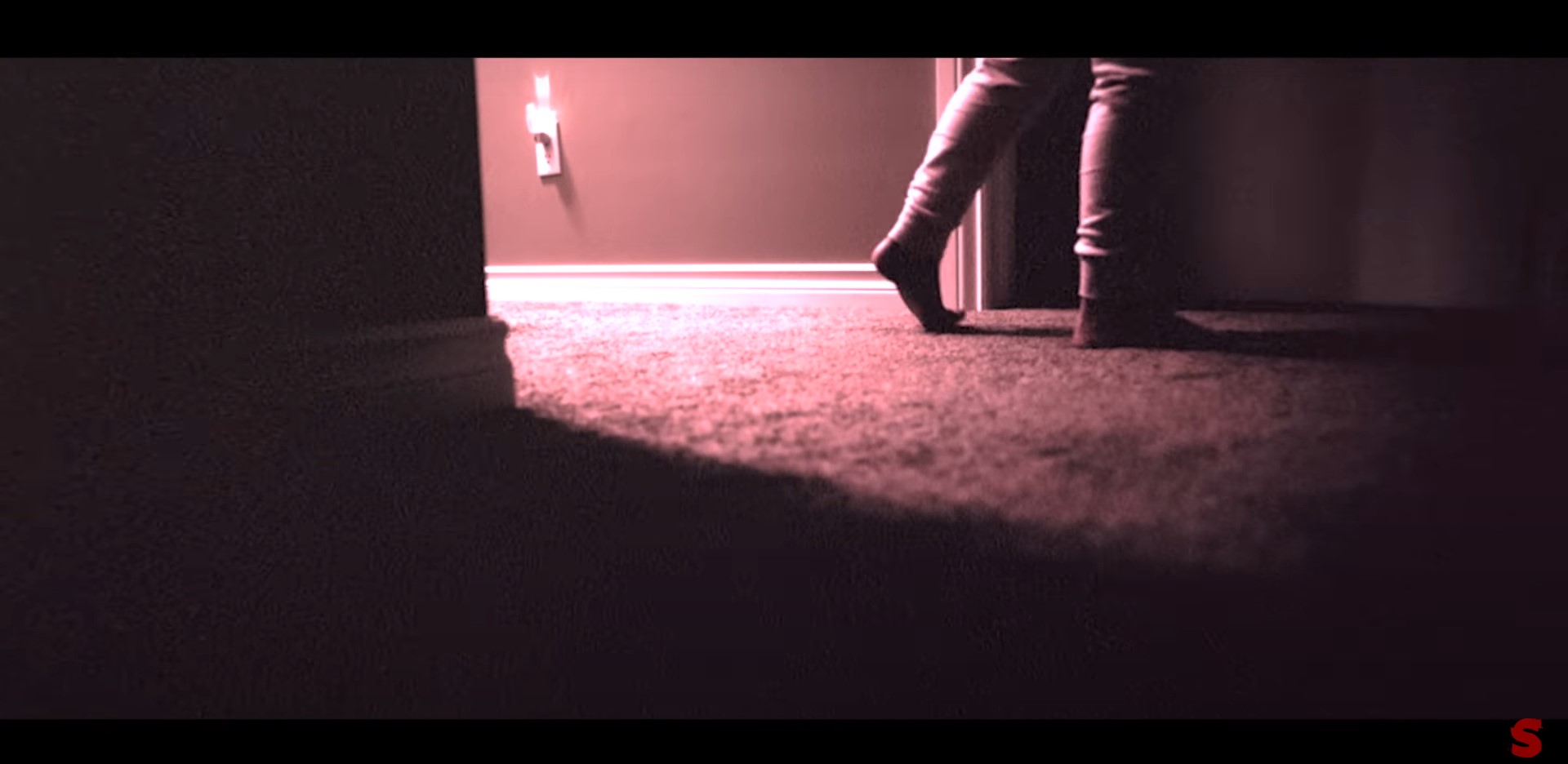
A night of silence is disturbed when a young boy, Kevin, falls down the stairs of his two story home.  Rushed to the hospital to return to the same silence-soaked house, the restless boy and his sister Kaylee search for their dad who has suddenly vanished from his bedroom.  Doors, windows, and even the bathroom toilet has strangely disappeared right from sight.  Feeling scarred under the cover of isolated darkness, the siblings head downstairs to sleep on the couch softly lit b0 the fluorescent glow of the television set.  As they watch old cartoons, crayon, and build with large Legos, while catching a few ZZZs in between, strange noises resonate through the home, floor based objects are found stuck onto the walls and ceilings, and a twisted, omnipresent voice slips the siblings commands that exposes them the darkness from within the house.

Schismatically different from any other spine-taut chills ever experienced before, Kyle Edward Ball’s written-and-directed 2022 Shudder exclusive “Skinamarink” is no joyful and innocent children’s song in the filmmaker’s debut feature film.  Based and expanded upon Ball’s 2020 short film entitled “Heck,” viewers will be enveloped and swallowed by the very core of childhood fears that plays like a fever dream, or a distant nightmare, where faces are a blur, spatial direction is nothing more than theoretical concept, and the voices around us are distorted, muffled, and cold.  “Skinamarink” offers little warmth under constant blanket of darkness and leaves no room for hope when parents are removed from the picture.  What’s Ball leaves behind is primordial and innate terror that rarely can be seen straightforward and lucid.  The Canadian picture, which was filmed in Ball’s childhood home in Alberta, is a micro-budget production of ERO Picture Company, distributed by Bayview Entertainment, Shudder, and IFC Midnight, crowdfunded by Seed & Spark contributors and produced by “Texas Road” producer, Dylan Pearce.

Shot over the course of a week’s time, “Skinamarink” works more like CCTV footage recording the static surroundings within the scope of the lens.  The cast is small, rarely visible, and when visible, they are often obscured or never directly focused upon to mint atmospheric dread.  Two parents.  Two children.  A nuclear family becomes the objective of an omnipresent, ominous presence, but there are concerning questions about the integrity of the family that Ball incites with clues of broken household.  Father and mother briefly make an appearance, or with one of them just their voice, throughout the course of the night, restricted their attendance exclusively around the children’s perspective that makes viewers shrink and become engulfed in childish fears – sometimes they are adult fears as well – of the dark and of being separated from parents.  Lucas Paul and Dali Rose Tetreault as kids Kevin and Kaylee kill their seldomly seen performances with the patter of little feet running through the house and up-and-down stairs, their soft, angelic voices whispering to each other and calling out for their father, and when briefly in frame, or at least the back of their heads, they manage to complete the succinct shot just in the way Ball intends to secrete fear from our every pore amongst the quiet and stillness.  “Skinamarink” is not a character-driven film in the least as Ball cherishes a chilling atmospheric horror so father (Ross Paul, Lucas’s real life dad) and mother (Jamie Hill, “Grotesque”) receive what essentially is cameo roles to establish a feeling of lost when they’re gone and are perhaps the easiest roles the two actors have ever taken and turn out to be the most eerily effective on screen and over the audio track.

“Skinamarink” experiments more with surroundings, audio and visual senses, and common inborn anxieties rather than progressed by traditional methods of character dynamics and that is where the film will be conflict-ridden and divisive amongst the niche group of diehard horror fans.  General audiences will find “Skinamarink” to be a bore without much popcorn pageantry to keep short-attention spans entertained and a disembodied villain.  Slow burn horror usually has an elevated element to it and Kyle Edward Ball certainly incorporates an open for interpretation access door for the deep-dive genre conspiratorialists to work overtime on reasoning and explaining “Skinamarink” to the masses still trying to process what they just experienced themselves after watching the film.  Theories will run amok with the most prominent being Kevin’s fall that reduced him to a coma state and what we experience is all in Kevin’s conscious-cracked cerebrum trying attempting interpret, at best guess, the dissolution of mom and dad’s relationship.  Again, this is just a theory as Ball aims for ambiguity to fester fathomable, one-solution explanations.   Perhaps in a type of narrative the world is not ready for, but in my opinion, “Skinamarink” fills in what is void from modern day horror, a uniquely fresh and chance-taking pervasive eidolon scare package to revitalize genre numbness with slow burn phobias.

An original parapsychological paralyzer, “Skinamarink” arrives on a Blu-ray home video courtesy of Acorn Media International, the acquired UK distribution company of RLJ Entertainment.  Presented in a widescreen aspect ratio of 2.39:1, the AVC encoded BD25 sustains a purposefully intended lo-fi A/V feature, set to the date tune of 1995, much like when SOV quality films were abundantly popular because of their cost value and accessibility.  If you’re expecting depth of detail, you won’t get it from “Skinamarink’s” dense static approach that all but eliminates object definition.  Delineation is scarce to an effective scare tactic to which Ball tones the film; yet, the static is not, for lack of a better word, static as the current changes within the blips, increasing and decreasing visibility for desired poltergeist potency, if poltergeist is what we want to call it.  Set entirely in nighttime, sleepy home, the basking glow of tube television is the only semblance of color that emits a faint blue luminous while antiquated cartoons provide flat caricature coloring.  Certain scenes are shot in obvious night vision with the spherical focus that becomes unnatural in the frame, but there’s really nothing natural about Ball’s auteur style.  The lo-fi style choice continues into the English DTS-HD 5.1 surround mix that doesn’t exercise every channel.  Instead, we’re back to canned content with intentional hissing, popping, and distorted tracks.  Aside from a couple of innate audio recordings of a squeaking closet door, all the other ambient audio and dialogue is done after the fact in post-production to be rendered appropriately misshaped and muddled.  There’s also no score, retaining realism of a hushed house sound design to pay heed to soft footsteps and other delicate and mortifying milieu noises.  Depending on your audio setup, subtitles may be your friend here as the whispers are so low, they’re nearly inaudible.  There are a handful of scenes that have burned in English subtitles for that very reason, but full menu English captioning is available too for the minute amount of dialogue.  Special features only include an audio commentary track with the director and director of photography Jamie McRae.  Acorn Media’s release mirrors the U.S.’s RLJ Entertainment’s Blu-ray with the exception of a slightly thicker Blu-ray snapper. The front cover denotes essentially what to expect in the future, a low-resolution and a blue-toned, dark, inverted screenshot image of the young boy; this scene also translates to the disc art.  Encoded with a region B playback, “Skinamarink” comes UK certified 15 for strong horror and sustained threat in its 100-minute runtime.  Take my advice:  there’s nothing quite like “Skinamarink” outside the experimental gallimaufry but it’s sleepy time nature should not be viewed at the late-night weary hours or else it’ll lull you into a nightmare of your own.

The Kids Aren’t All Right in “Skinamarink” on Blu-ray!

When EVIL Won’t Let Go to “Those Who Walk Away” reviewed! (VMI Releasing / DVD)

Never Abandon Your Problems.  Face Them!  “Those Who Walk Away” on DVD!

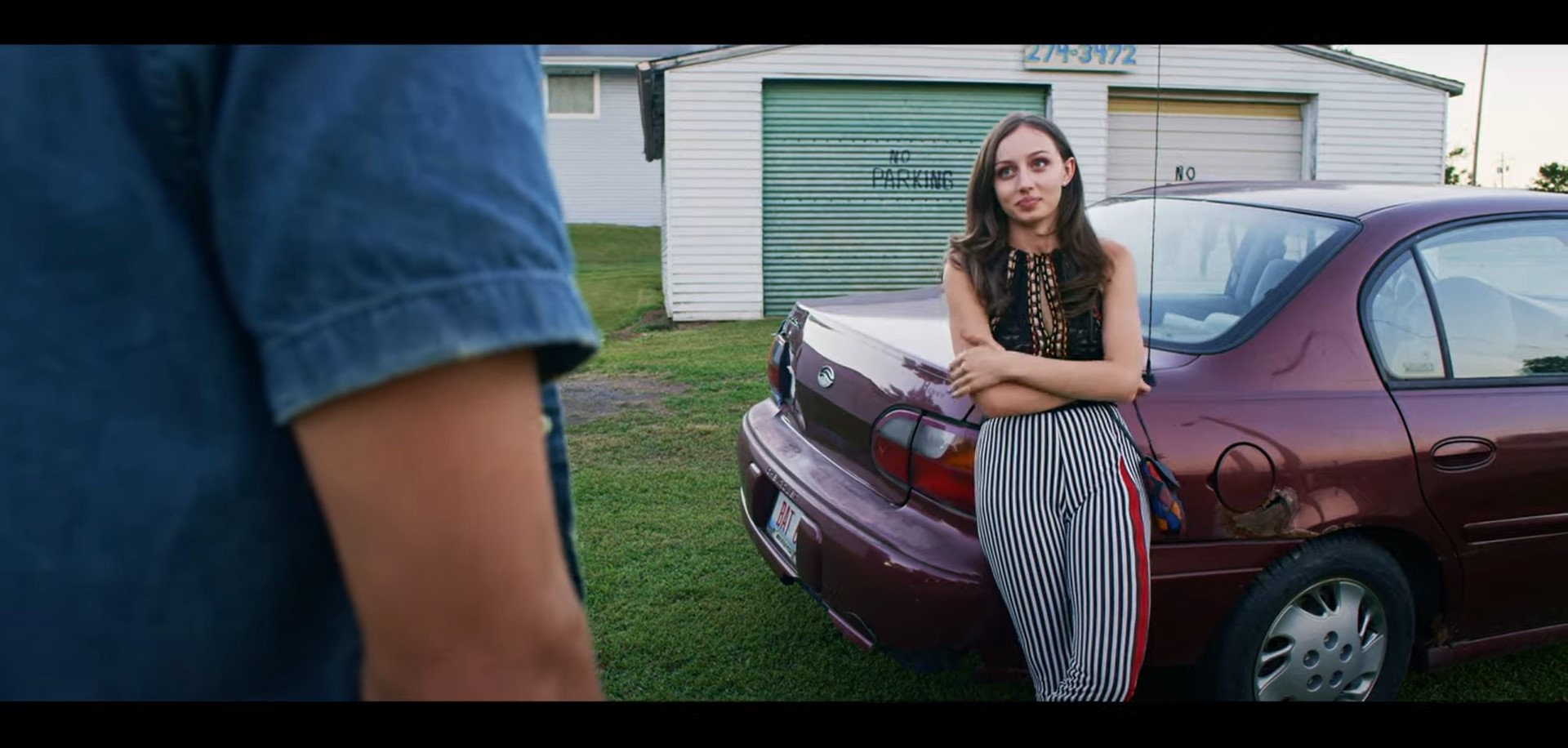
When Max could no longer stomach the sight of his mother falling deeper into severe sickness, he abandons his mother’s side after a year of care.  A year-long hiatus from dating has put a temporary halt on his love life, but as he rejoins the socializing game, he connects with Avery on an online dating app.  Avery appears to be the perfect girl:  smart, witty, and really into him.  The start of their first date is a match made in heaven until the girl too good to be true decides to drive him to a supposed haunted house for uninhibited fun when their original plans fall through.  Inside, a dilapidated abode comes with an appalling story, surrounding a malevolent urban legend spirit known as Rotcreep.  Swallowed by house’s notoriety, Max and Avery grapple with their own personal demons that have come back to haunt them and with no escape, facing the trauma is the only path toward survival.

A lot of films, past and present, are drenched dripping in the trauma theme that the subtopic has become waterlogged in the independent and mainstream scene, but has there ever been a trauma touted full length feature film that was done in one long single take?  That’s the novelty concept to proof of product feature from writer-director Robert Rippberger, a documentary filmmaker who has only recently dipped his toes into fictional storytelling.  After the 2019 unsung release of “Strive,” an urban drama of perseverance starring Danny Glover (“Predator 2”), Rippberger’s latest “Those Who Walk Away” sets two personal distresses into a prevailing evasion of death.   Rippberger’s script, cowritten with Spencer Moleda, materializes one’s own baggage being personified as waking nightmares or a manifestation of shackling malevolence, manacled by past mistakes and centrifugal hurt.  The Chillicothe, Illinois shot picture is a production of Ripberger’s own Los Angeles based SIE Films, Argentic Productions, and is in association with Slated Productions and Sandeep Sekhar Films with Rippberger, Sandeep Skehar, and Argentic’s KT Kent producing. 

At the center of the story are Max, played by “Twilight” franchise’s Booboo Stewart (no relationship to Kristen Stewart), and Avery, played by Scarlett Sperduto (“Float”), as individuals looking for love or connection having met on a dating app.  Necessary lengthy exposition provides the footing for “Those Who Walk Away’s” climatic third act, giving Max and Avery a chance to go to town on their historical credentials during the date as we learn about Max’s ill mother and his sudden departure from her around the clock care before the heartache becomes soul consuming and about Avery’s fight or flight childhood, anecdotal and accounts that are kept closer to her chest,  with her close and adored brother.  The chemistry is palpable between them with nervous conversational exchanges and teasing jocularity that makes their one long scene seem like an actual first date, completely selling the dynamics with the audience who are induced with anxious butterflies and an eagerness to connect, emotionally and sexually, on Max and Avery’s behalf.  The narrative, ultimately, has to change because “Those Who Walk Away” is not a romantic-comedy but rather a dramatic-horror.  Whereas everything seemed to go swimmingly with the two young love birds really getting into the moment, we’re suddenly engaged with a different, if not darker, tone that has come out of the swindling shadows and into the light of a dimly lit, ramshackle haunted house that is the premier first date destination experience, if you’re a sociopathic survivor that is.  “Those Who Walk Away” works with a tight, small cast that finishes off the list with Grant Morningstar, Devin Keaton, Bryson Whereas, Connor McKinley Griffin, and former professional wrestler, veteran stuntman, and veteran actor of such films as “The Mask,” “Barb Wire,” “Hot Wax Zombies on Wheels” with Nils Allen Stewart, aka The Stomper, as the Rotcreep – again, not related to Kristen Stewart, but is father of lead actor Booboo Stewart.

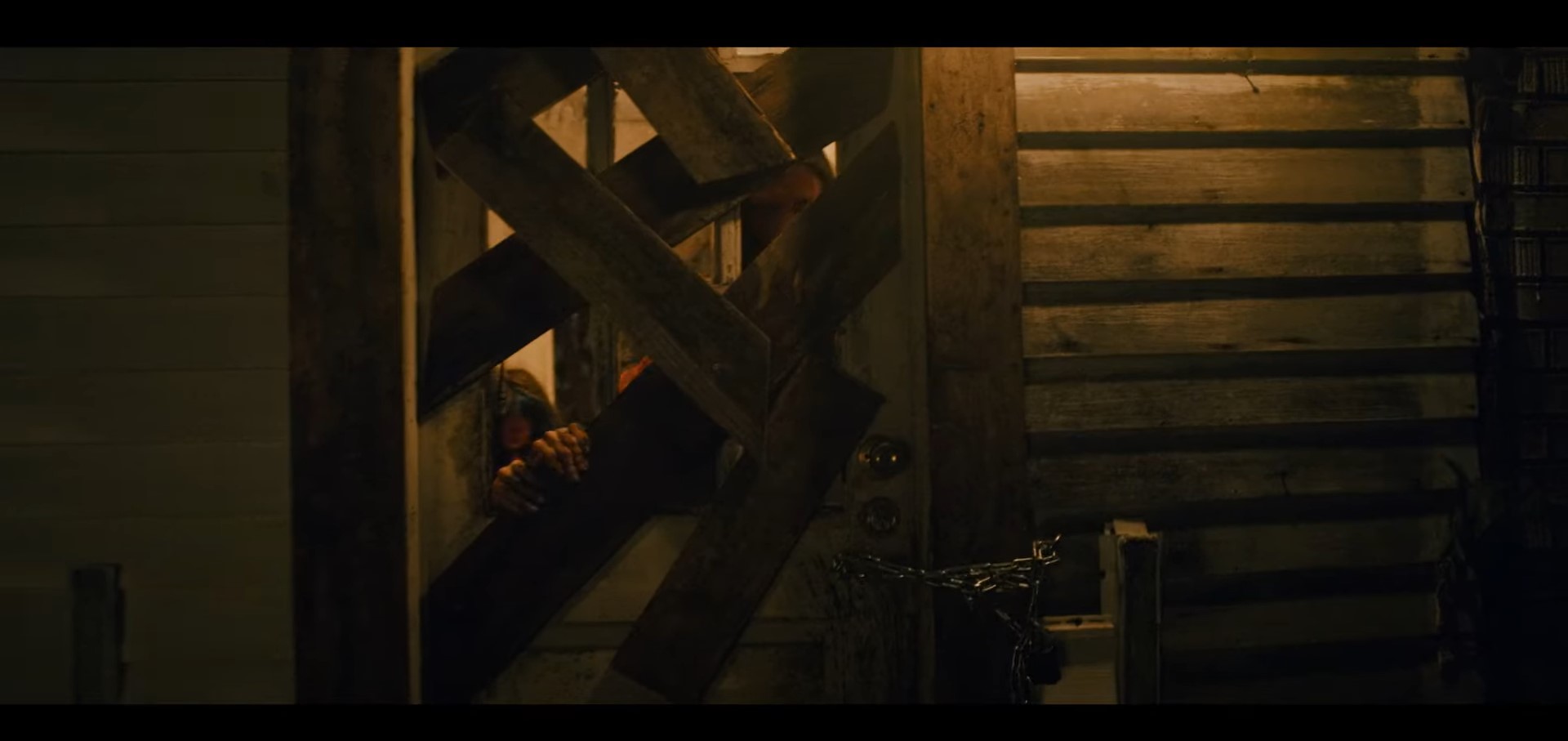
“Those Who Walk Away” has the concentrated acting chops to pull off the two-pronged plot and despite the obscure and incoherencies with the revelation climax, the turn of events still bids a gripping blank check on what to expect next.  Yet, the most interesting portions of the film are not those aspects that do have a degree of excellence for an indie project.  Instead, the single long take from opening-to-ending credits is a mind-blowing feat.  Unless there’s a seamless cut that I’m missing or blind to, “Those Who Walk Away” never edits or cuts away from the action that puts the actors in a position of having to perform to perfection.  Rippberger also doesn’t remain stationary to a single location for the first half of the film, coursing through the populated public park and bustling small town of Chillicothe during Max and Avery’s getting-to-know-you talk-and-walk, and as the story evolves toward more sinister circumstances in a one house setting, Rippberger can’t sit still and uses nearly every square inch of the creepy, boarded up house to his advantage, creating and changing up room interiors that fashion an illusionary creepy funhouse that Max scrambles from room-to-room avoiding Rotcreep and finding a way out of what could be perceived as Hell in a house, a metaphor for Max’s own mother-abandoning torment.  If that isn’t impressive enough, Diego Cordero’s camera handling to make the single take work isn’t bush league cinematography as having the frame trajectory move in tight, confined spaces without a bit of awkwardness, like moving from outside the car to inside the front of the cab then to the back between the driver and passenger seat while keeping characters in frame and keeping the characters acting is a tough, planned shot.  What’s also tough is achieving crisp dialogue in one take and that’s where the film falters a little with the pivotal exposition losing strength and clarity where it’s needed the most, essentially being muddled instead of meticulously articulate if actors are either not vigorously vocal enough, mic placement isn’t exact, or mic picks up other noises that scuttle overtop the dialogue.

Courtesy of VMI Releasing and MVD Visual comes a chilling crucible in “Those Who Walk Away” on DVD.  Presented in 720p on a widescreen 1.78:1 aspect ratio, the film is distributed on a DVD5 with a reasonable compression rate to keep the image sharp without a lot of addition fluff to bog down the overall compacted digital transfer.  Instances of off and on lens focus works against the long take, much like the audio, where timely is key but as far as VMI Releasing’s handling of the storage, the resolution and image quality do the work to represent the best quality possible.  Although the DVD back cover states one audio option – an English Dolby Digital 5.1 – there is a second option with a English Dolby Digital 2.0 Stereo.  Unless you’re setup with a surround sound, the stereo option will have identical dialogue and ambience noise but there is an amplified finish on the soundtrack by video game composer Dmitrii Miachin with the drawn out violins and a brooding, sonorous pitch.  Dialogue is a minorly muddle as mentioned before with the tribulations on a feature length shot but mostly clean and clear to the point of satisfaction.  Aside from the static menu’s original trailer for the film, and the illustratively ghoulish opening sequence, the DVD comes with no other bonus material.  The DVD comes in a standard DVD tall case with a front cover of a bloodied Booboo Steward looking dazed walking through fire and the same image is used for the disc art.  Psychologically scything, “Those Who Walk Away’s” fillets guilt from the bone with scene shooting originality and a cast that nails every second lapse. 

Never Abandon Your Problems.  Face Them!  “Those Who Walk Away” on DVD!

One Can’t Just Pray Away EVIL in “The Banishing” reviewed! (Shudder – Vertigo Releasing / Digital Screener)

Set in a backdrop of Great Britain on the very brink of world war against Nazi Germany in the late 1930s, a small English community has nearly lost it’s entire faith in the Catholic church after the last priest suddenly and mysteriously died.  When a young vicar is offered a generous stipend, the village parish, and a large estate by the region bishop to restore a congregational foothold, he brings with him his new wife and stepchild to make the house their home, but the house has a dark history that might have played a role in the previous vicar’s death and a lone, eccentric occultist urges the family to vacate the premises immediately before the house swallows them into grave danger at the haunted hands of sadistic monks, ghastly visions, and a tormented soul roaming the corridors. 

If the prim-and-proper social class structure of Julian Fellows’ “Downton Abbey” collided with the volatile and tormented spirits of James Wan’s “The Conjuring,” then Christopher Smith’s pre-wartime staged haunted house feature, “The Banishing,” would be the outcome.  The period piece horror marks the latest installment into the genre from the Bristol, English-born Smith who made a name for himself with 2004 dark subway corridor heartstopper, “Creep,” and went on to make cult favorites amongst genre fans with the workplace violence satire, “Severance,” and the medieval bubonic plague film, “Black Death” starring Sean Bean and Eddie Redmayne.  “The Banishing,” a term used as the practice within the supernatural ambit of dark magic to ward off negative spirits, is a UK feature co-written between David Beton, Ray Bogdanovich, and Dean Lines.  Maya Amsellem and Sharon Harel-Cohen serve as producers under the London-based WestEnd Films production banner with “The Banishing” marking their fifth completed feature film product and with the nearly worldwide distribution rights landing with AMC Network’s popular horror streaming service, Shudder, in partnership with Vertigo Releasing in the UK.

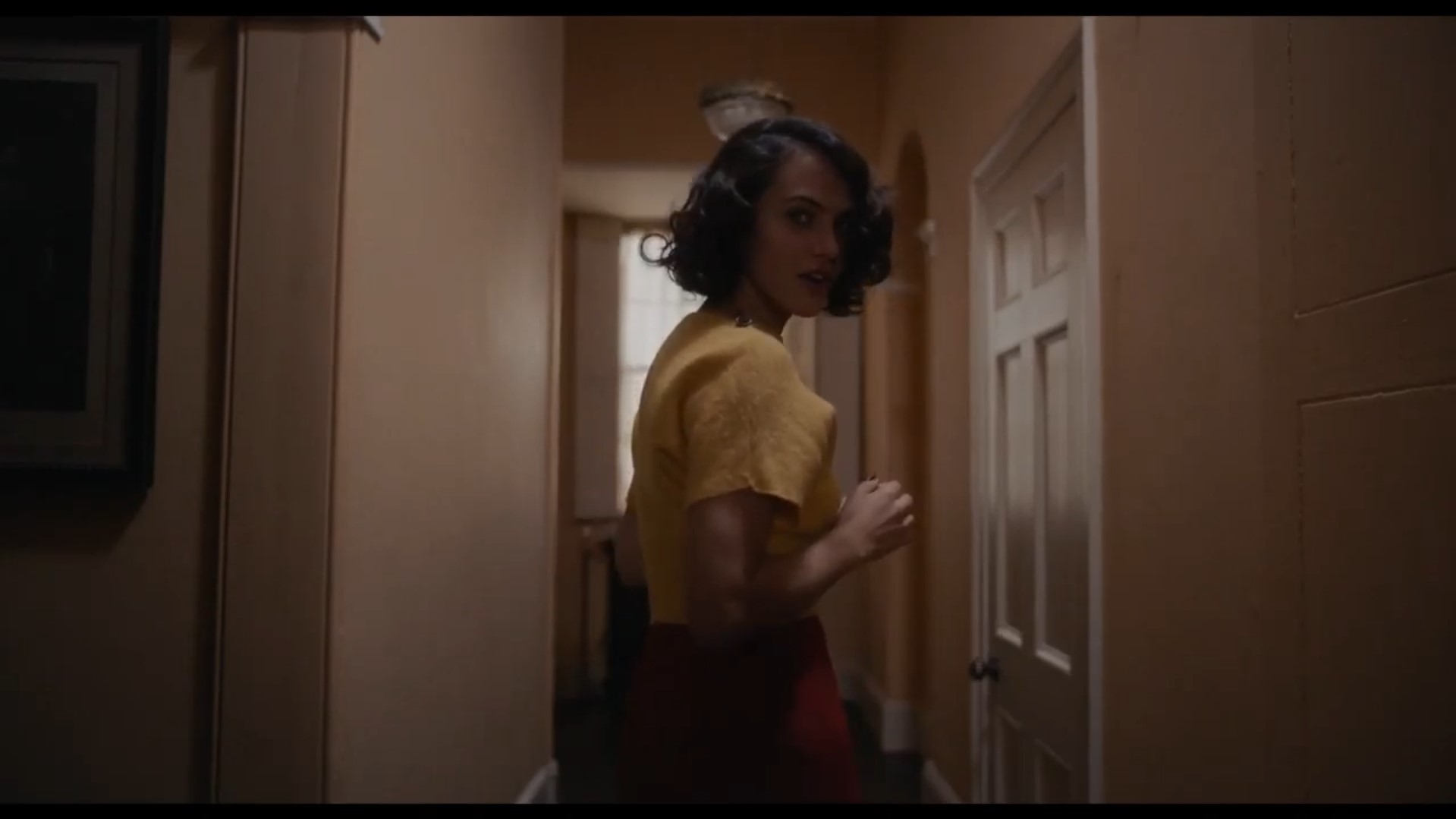
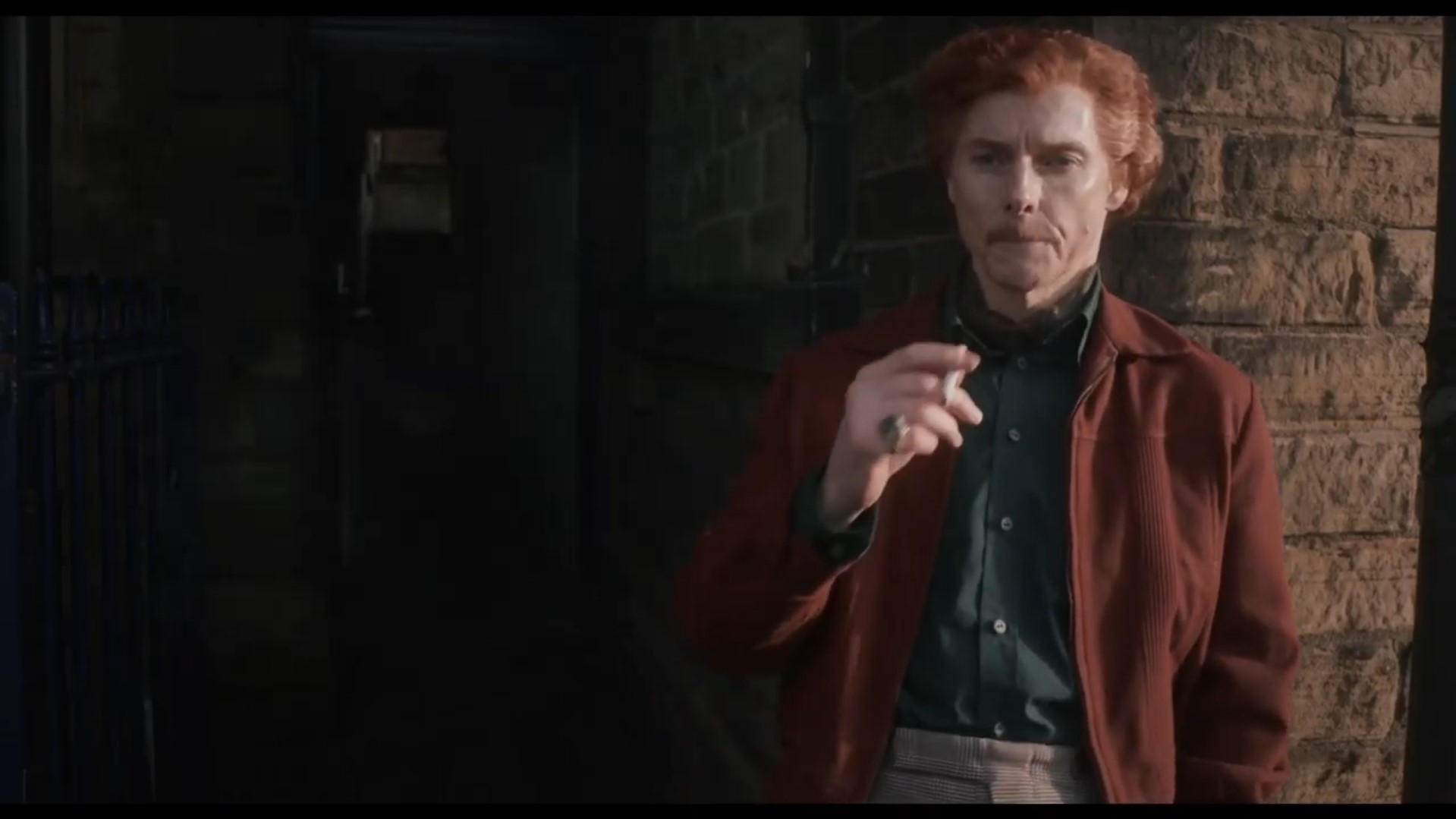
“The Banishing” revolves mainly around Marianne, the newly-wed vicar’s wife with a young girl along for the ride, played by Jessica Brown Findlay (“Downton Abbey,” “Victor Frankenstein”). Findlay endows Marianne with vitality as a woman who must meet the vicar’s standards of Godliness, but still be a strong mother to her child despite disreputable social standing. The priest Linus (Essex-born John Heffernan) lacks experience in the field of his cleric position, lending to question why the region bishop would appoint him to a muster a flock of faithful Christian followers during turbulent times. The husband and wife dynamic between Linus and Marianne is marred by dissonance backgrounds of a priest who doesn’t know to be with a woman and a woman who can’t escape her socially unflattering past. Heffernan and Findlay ignite as repellants of the same magnetic currents when the harder they try to extend their relationship, they push each other way, with Findlay giving a fervent performance. Speaking of performances, Sean Harris bares the most intriguing and rollicking local occultist. The “Mission Impossible: Fallout” actor parades around as Harry Price, a likable, straight-shooting outcast and a believer in the supernatural with extensive, and ghastly, historical knowledge on Linus and Marianne’s new home. As Price aims to extract the hapless from danger, he butts heads with a headstrong region bishop, a stern and solemn role secreted with distrust from John Lynch who has worked on a Christopher Smith film previously in “Black Death.” “The Terror” actor juxtaposes starkly against Harris as a character who dons a likeness to the clown prince of crime in costume than a dull agent man of the cloth…with secrets to uphold. “The Banishing” rounds out with a supporting cast in Adam Hugill, Jason Thorpe, Jean St. Clair, James Swanton, and Anya McKenna-Bruce as Marianne’s daughter, Adelaide.

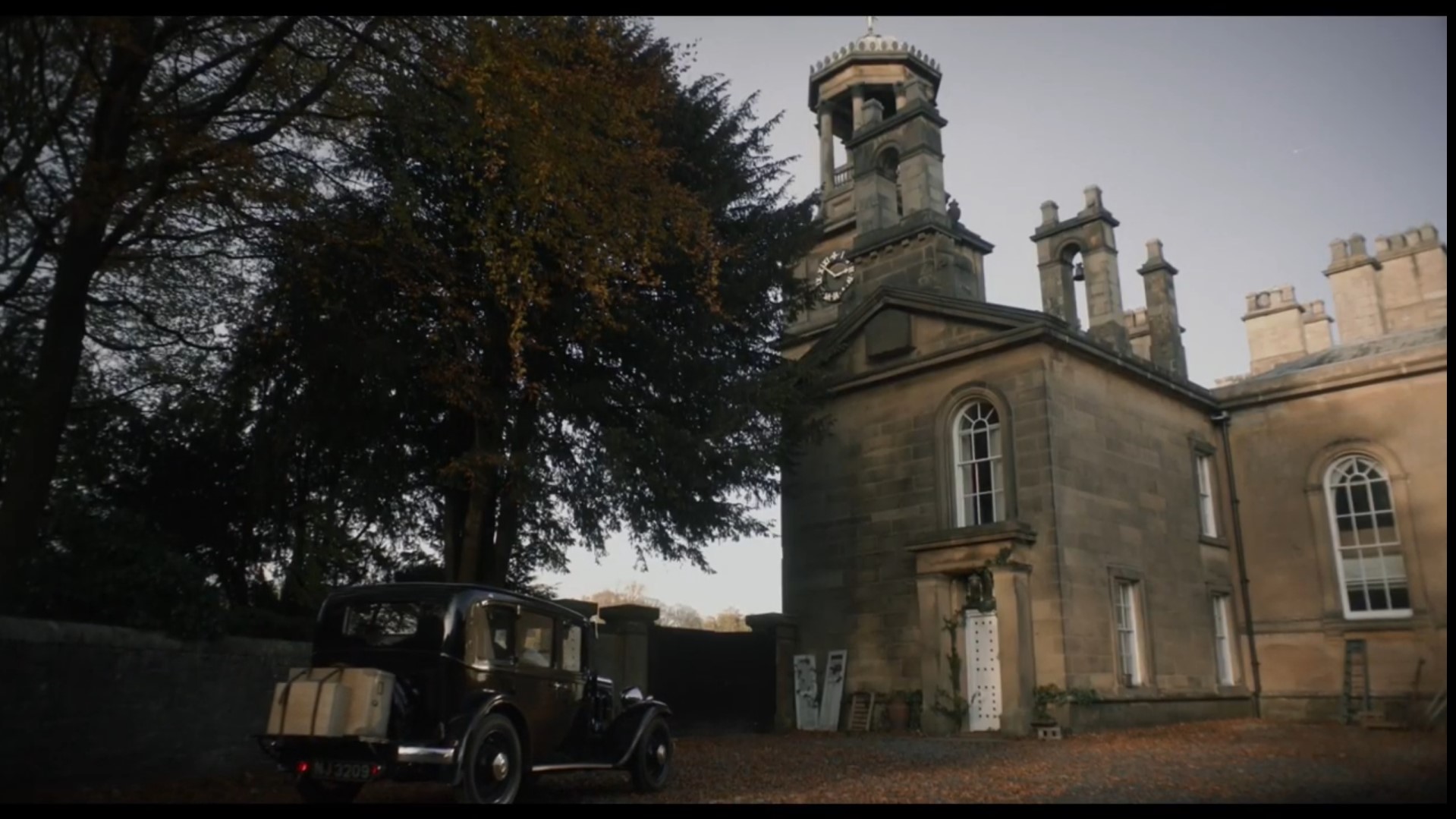
Set convincingly in a quaint, 1930s English town, Christopher Smith transports the audience back in time to the predated anxious moments before World War II that would upheave turmoil across all across Europe, but though that fretted lingering of war is set as the backdrop for “The Banishing,” and is coiled around every man who served in the first Great War that brought up more than once, the root of the narrative ultimately becomes the house Linus and Marianne have come to call their home.  Haunted house films surmise the house as a built-in principal character because of either the way the architecture affects the mental or physical wellbeing of it’s flesh and bone counterparts or if the abode is actually possessed and set to harm the inhabitants in a personification of pure evil, as such with various films of this caliber (“House,” “The Haunting,” etc,). Yet, Linus and Marianne’s estate failed to become a part of the narrative limelight despite the immense grounds that compromised of a large greenhouse and a robust library complete with fireplace and the disconcerting labyrinth of a dungeon-esque basement full of barred enclosures and close quartered corridors.  Nearly every interior shot felt like a new section of the house hat kept extending upon, what would be assumed, a grand mansion that had a longer rap sheet by reputation in being a former religious torture chamber run by sadistic monks hellbent on whipping the sin out of the mentally tormented. Smith always had an eye for the unsettling visuals and sustains that feng shui by allowing time and space to be the inner horrors of a funhouse, but doesn’t evoke clean, unadulterated terror that continues to profusely bleed into the film’s climatic cause-and-effect unraveling. There is a lack of a transformative realization and a small hurtle of sedated possession to figure out that the main presence in the house, amongst the other more malevolent presences, wants something and the characters are spoon fed each and every morsel to get them up to speed. The final scene of the bishop meeting with the Nazi regime intended to leave the story open for supernatural possibilities, but felt like a more poignant and compelling crux leading into Nazi occultism, hinted by the eccentric resident occultist Sean Harris.

Morosely dramatic and haunting, “The Banishing” is an aggressive salvo of facing shame head-on, creeping into UK cinemas and digital platforms on March 26th courtesy of Shudder and Vertigo Releasing. Director of photography Sarah Cunningham has an remarkable ability to engulf the actors in the space of the shot, making them seem diminutive to the rooms that feel like a giant hand looming overhead, and with the bare, hard lighting, the cinematography is really where “The Banishing” shines as gothic cladding without a stodgy spot to speak visible. Cunningham adds all the hallmarks of a horror film with titled angles, brilliant reds, and tight shots on tense faces to garner a more anxiety that never actually pans out by the end. The organic electro duo TOYDRUM score the 97 minute film with a single note droning hums at various pitch levels that can really get inside your head. The “Prevenge” composers set up scenes with a ill-founded fears when nothing presently visible is intended to fright. There were no bonus scenes during or after the credits, but one scene to note is Sean Harris waltzing with an uncredited woman during the opening credits that seems out of place but speaks to the aberrated decorum of his character. “The Banishing” works tirelessly to discredit shame by confronting truth and while we’re being beat over the head by the message, the overlay of horror is lost despite some brilliant and engrossing performances from Findlay and Harris who usher us through to the imperfect conclusion.

Evil Hate Trumps Good Love! “The Hatred” review!


In 1968, former Nazi occult officer, Samuel Sears, runs a strict farm in rural America, restricting his only daughter Alice from the corruption of the outside world with an infinite workload, and Alice violently rebels against her tyrannical father, Samuel kills her with rage. Hidden deep in the dark basement of his plantation home, a powerful Nazi-occupied amulet, charged by fear and hate, feed on his rage and fear and curses him to do the unspeakable. In the present day, four college girlfriends retreat to a friend of the family’s recently purchased foreclosure farm house, the abandoned and forgotten Sears farm, for a relaxing weekend getaway, but after night of drinks and games, the amulet reignites an ominous and dark cloud, reviving long forgotten, evil spirits who search for an endless quantity of fear and hate and will stop at nothing to swallow the souls of each and everyone inside the Sears’ estate home.

“The Hatred” is the 2017 haunting thriller from writer-director and Brooklyn native Michael Kehoe and produced by long time “Halloween” franchise producer Malek Akkad. Kehoe tells the story in two parts with the first delving in the Sears family, getting a first hand look at the hardworking German mennonite character that is Samuel Sears whose a former war time Nazi that’s settled down and raised a family in America’s backcountry. From what can be gathered about Samuel Sears, the farmer protects his past identity and isn’t ashamed of yet, but rather proud of his accomplishments alongside the Führer. All of the attributes of a proud countryman come suddenly alive when he receives a mysterious package containing the amulet, a photo of him in full Nazi dress standing with Adolf Hitler, and a signed letter personally acknowledged by the Nazi leader himself offering him the amulet as a gift for his fine work during the War and that ultimately becomes his downfall, pitting him against his family. The second part of the film tells a more uncharismatic story of four young girls staying at the Sears farm in present day. One of the girls, Regan, just finished college and is about to start a new job and what’s her ideal getaway with her girlfriends? An old (haunted) farmhouse.

“Wishmaster” himself, Andrew Divoff, gives “The Hatred” much more life despite his joyless character Samuel by somehow giving the former Nazi, now American farmer personality traits that are haunting in an unforgettable performance during the first act. The same can not be said about the four girls – Regan (Sarah Davenport), Layan (Gabrielle Bourne), Samantha (Bayley Corman), and Betaine (Alisha Wainwright). There’s no comparison as Samuel is a superiorly written and finely performed character than those he stalks beyond the afterlife. The gaggle of women offer no substance in the face of adversity or just plain ole progression of their character. Numerous times does Regan’s sick grandmother have scenes and Regan passively forgets about her poor grandmother’s health or Samantha’s uncanny interesting in history that really goes no further than the random facts that she spews. Regan and Betaine seem to have this close knit relationship, yet it founders and is suddenly cut short when all hell breaks loose. There are no personal connections established, offering little-to-no worth to their lives when Samuel comes calling for their souls, and leaves “The Hatred” in the take-it or leave-it column in the second and third act. Darby Walker, Nina Siemaszko, and Shae Smolik complete the cast.

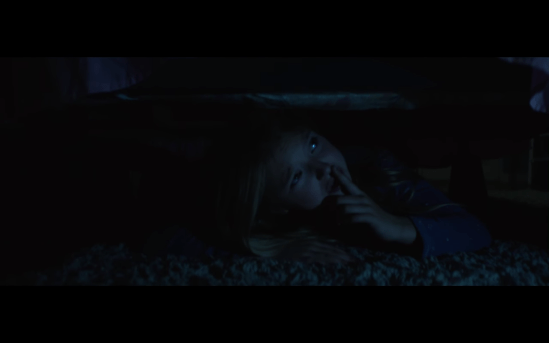
Kehoe does display intense, nail-biting visuals with the materialized embodiment of fear and hate as well as sly editing with a scene involving Shae Smolik’s Irene, a little girl whose friends with Regan, who asks Regan to check under her bed, for supposed shadowy figure. When Regan pulls back the skirt to look, she sees another Irene putting a finger to her mouth, hushing Regan, and saying, “that’s not me,” as she points upward toward Regan’s impending doom. The heart-stopping moment will tear eyes away from the screen in anticipation of what Regan will see atop of Irene’s bed. However, that’s the sad truth in the extent of Kehoe’s story; a story riddled with plot holes and underdeveloped subtexts in which one in particular pertains to the aforementioned subplot of Regan’s ill stricken grandmother that goes undercooked when attempted to connect with the supernatural portal that of the Sears farm home. Characters disappear to never be seen again, character motivations go unexplained, and backstories are like a hazy dream and the entire ensemble is a mismatched, muddled mess in a premise that should have continued with the motif of the Nazi infiltration into America and less about scaring the wit out of witless girls with the creepiness of an alternate dimension seeping out of an unholy amulet.

The Lionsgate Films’ “The Hatred” is presented by Anchor Bay Entertainment on Blu-ray and UltraViolet home video in a 2.40:1 aspect ratio from an encoded AVC 1080p transfer that’s sleek and well lit, especially capture Samuel’s earthly and grim nature. The overall atmosphere doesn’t particular hone in a horror palette design, but offers realistic ventures into brightly lit areas of dark scenes. Details are fine in more of the natural aspects of the film whereas the CGI goes soft at times, but still very well detailed. The English language Dolby TrueHD 5.1 keeps Kehoe’s film buoyant with a leveled mix through and through with clear fidelity and good, if not great, surround sound output. Instilled with conventional horror schemes, burdened with design flaws, and unfocused in it’s inability to pin down an narrative identity, Malek Akkad and Michael Kehoe’s spook house feature “The Hatred” requires much tender loving care to uplift this unkempt cliche horror into a coherent thriller.

“The Hatred” on Blu-ray+UltraViolet!