The Gates Are Opening and The EVIL Wants to Squish Your Brains! “City of the Living Dead” reviewed! (Cauldron Films / 4K UHD – Blu-ray)

Cauldron Films’ “City of the Living Dead” on 4K and Blu-ray 3-disc Release!

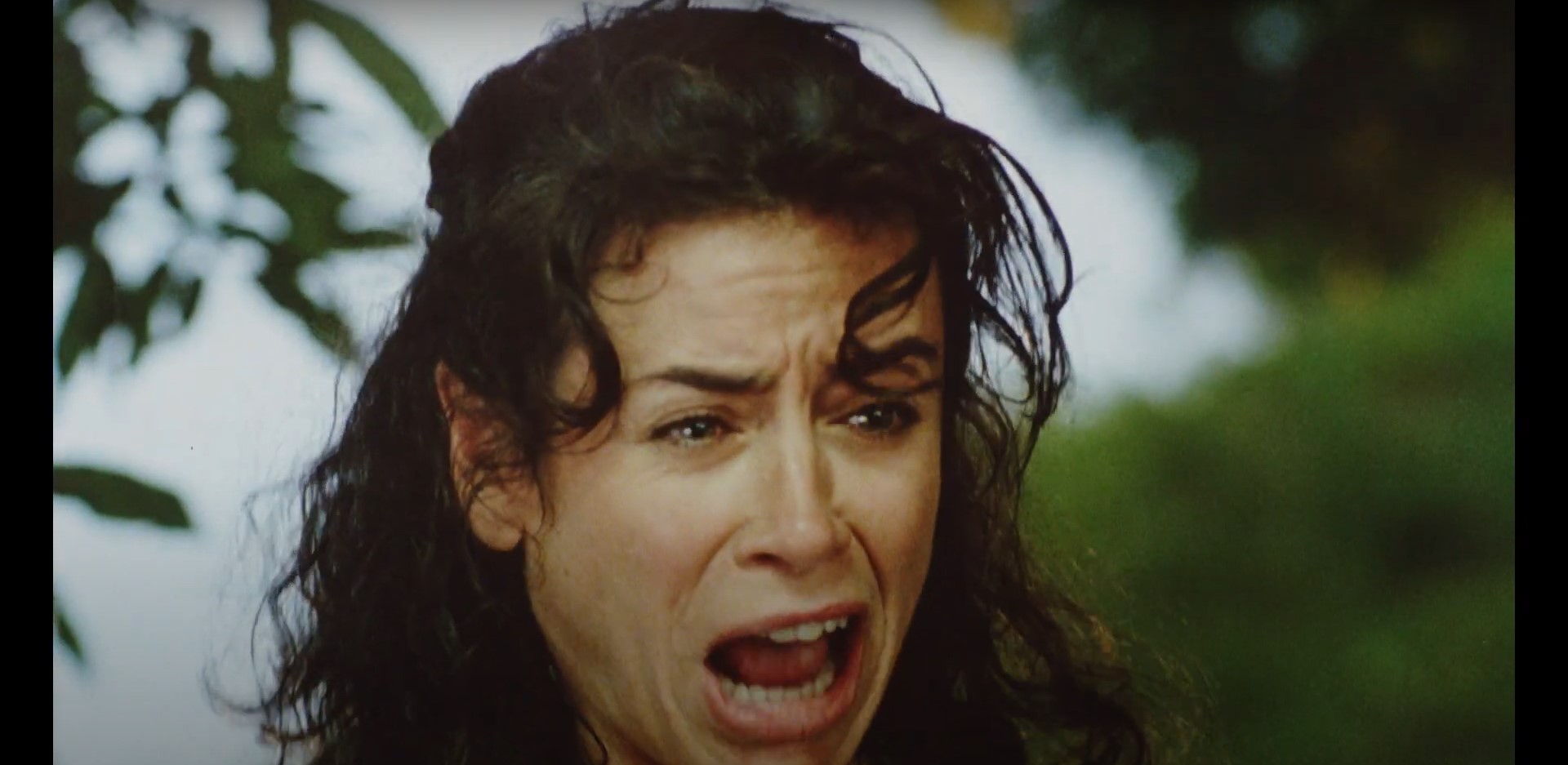
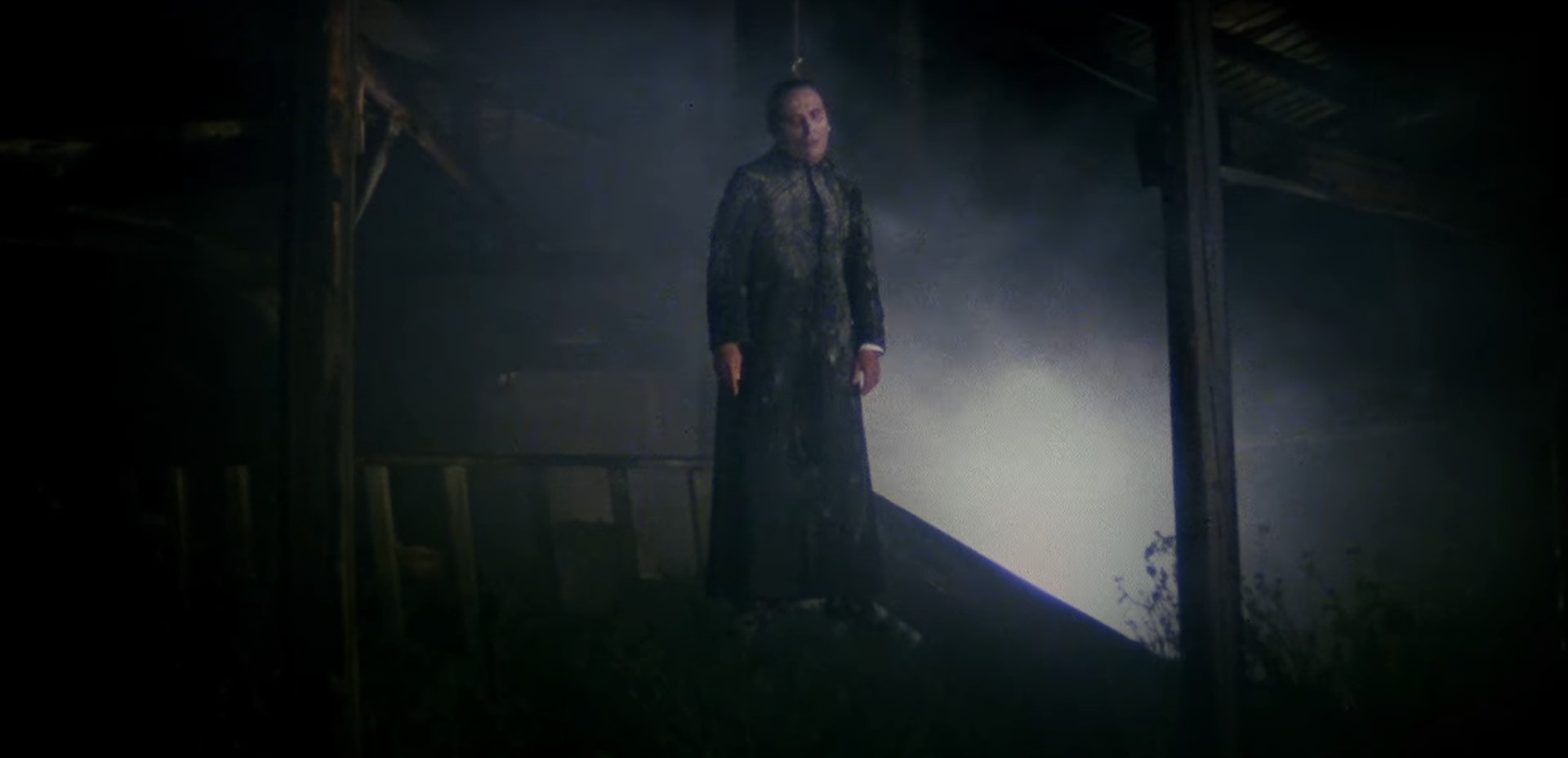
In the Dunwich, a priest commits suicide by hanging himself in the Church’s graveyard.  In the same instance, a psychic based in New York City holds a séance where she witnesses the beginning of the gates of hell opening.  The order sends the psychic into sheer fright that nearly kills her.  A reporter digging deep into the near death of the young woman also buried alive and befriends the psychic, following his nose for a good lead despite its absurd sounding hoodooism of death apocalypse in less than 72 hours.  The psychic and reporter travel to the hard-to-find Dunwich town where the residents have been mysteriously vanishing or discovered dead of curious causes.   Baffled by all the strange occurrences is the town psychiatrist who witnesses first hand the troubles that stir fear into those close to him.  When the psychiatrist teams up with psychic and reporter, they must venture to the very depths of crypt Hell to close the gates and stop the dead for rising before All Saints Day.
The Godfather of Gore Lucio Fulci undoubtedly lives up to his title, establishing himself as one of Italy’s more profound and substantial horror filmmakers before his death in 1996.  “City of the Living Dead” came at the height of Fulci’s success after his breakout into the American market with “Zombie” or “Zombi 2,” an unofficial sequel to George A. Romero’s superb “Dawn of the Dead.”  Yet, Fulci didn’t follow suit with “Dawn’s” social commentary and pale-faced flesh eaters; instead, the writer-director stemmed his undead creatures from black magic hoodooism set in the sunny and sandy Caribbean islands with just as much visceral violence as his inspiring mostly Pittsburgh-based counterpart.  Alternatively known as “The Gates of Hell,” the Italian production of “City of the Living Dead” remains set in the U.S., filmed in New York and the surrounding metropolitan northeast, as the first part of the Gates of Hell trilogy that coincided with “The Beyond” and “The House by the Cemetery,” both of which were released approx. a year later.  “City of the Living Dead” is a Dania Film, Medusa Distribuzione, and National Cinematografica production with Fulci producing as well as the American Robert E. Warner (“Return of the Swamp Thing”) as executive producer.
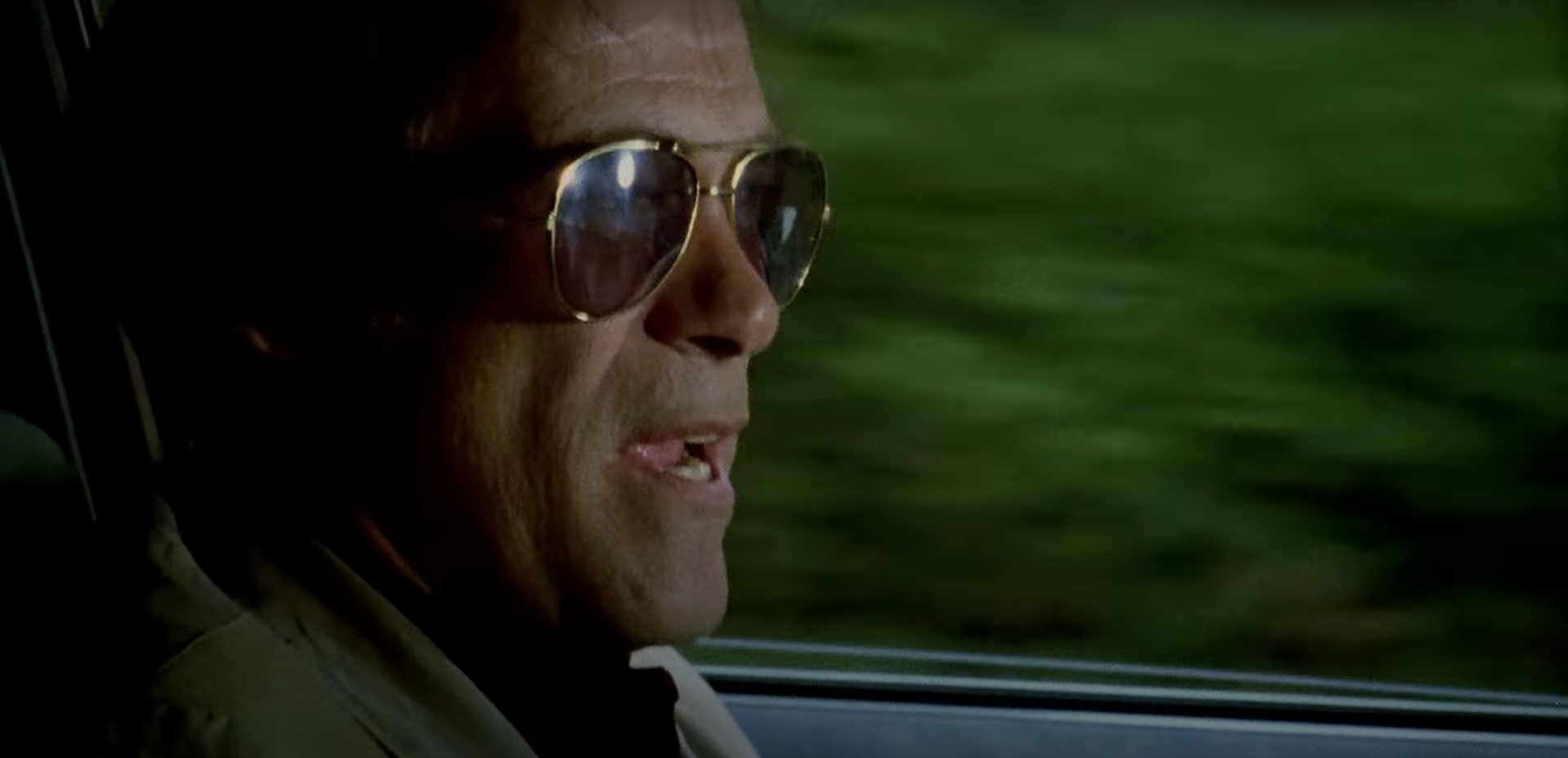
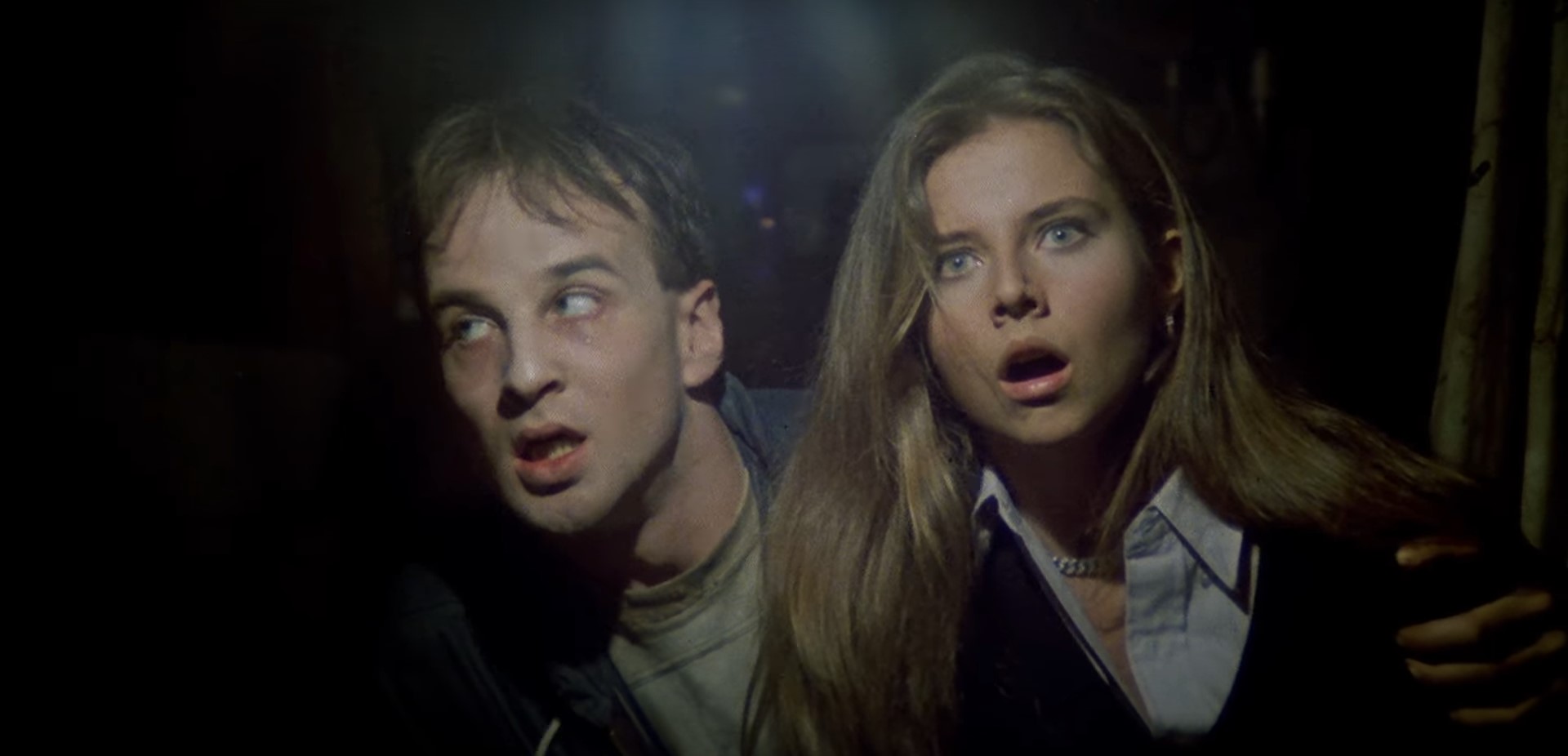
A medley of nationalities make up “City of the Living Dead’s” who either are or are playing American characters.  Comprised mostly of Italian actors Antonella Interlenghi (“Yeti: Giant of the 20th Century”) as one of the first doomed Dunwich victims, Michele Soavi (director of “The Church”) as a canoodler with his brains being squished, Daniela Doria (“New York Riper”) as the other canoodler having her innards become outers, Fabrizio Jovine (“The Psychic”) as the hung priest who started all this mess and as the harbinger of the living dead, and Carlo de Mejo (“Women’s Prison Massacre”) in the psychiatric lead.  There’s an abundancy of diverse Italian flavor that definitely grounds “City of the Living Dead” as an Italian production, but a minor chunk of the cast are Americans with co-principal Christopher George (“Graduation Day,” “Pieces”) as a rakish NYC reporter forcing his way into a minor lead turned major forthcoming day of reckoning and Robert Sampson (“Re-Animator”) in a minor law enforcement role that bears little significance.  Sprinkled in the cast is also the Swedish-born-turned-Italian actress Janet Argen (“Eaten Alive”) as the psychiatrist patient and UK actress Catriona MacColl rounding out the principal cohort as the psychic.  MacColl is the only actress to have a role in all three of Fulci’s Beyond the Gates films, playing different characters in each.  Between Christopher George’s skeptic playfulness, Janet Argen’s uncontrollable hysterics, and in the unmalleable wrought shock of fear, the sundry cast doesn’t hinder the performances that mesh well under the greater air of portent and the hours leading up to end of days.  Giovanni Lombardo Radice (“Cannibal Ferox”), Luca Venantini (“The Exterminators of the Year 3000”), Adelaide Aste, Venantino Venantini (“Cannibal Ferox”), Robert Spafford, James Edward Sampson (“StageFright”), Perry Pirkanen (“Cannibal Holocaust”), Michael Gaunt (“Forced Entry 2”), and filmmakers Robert E. Warner and Lucio Fulci costar.
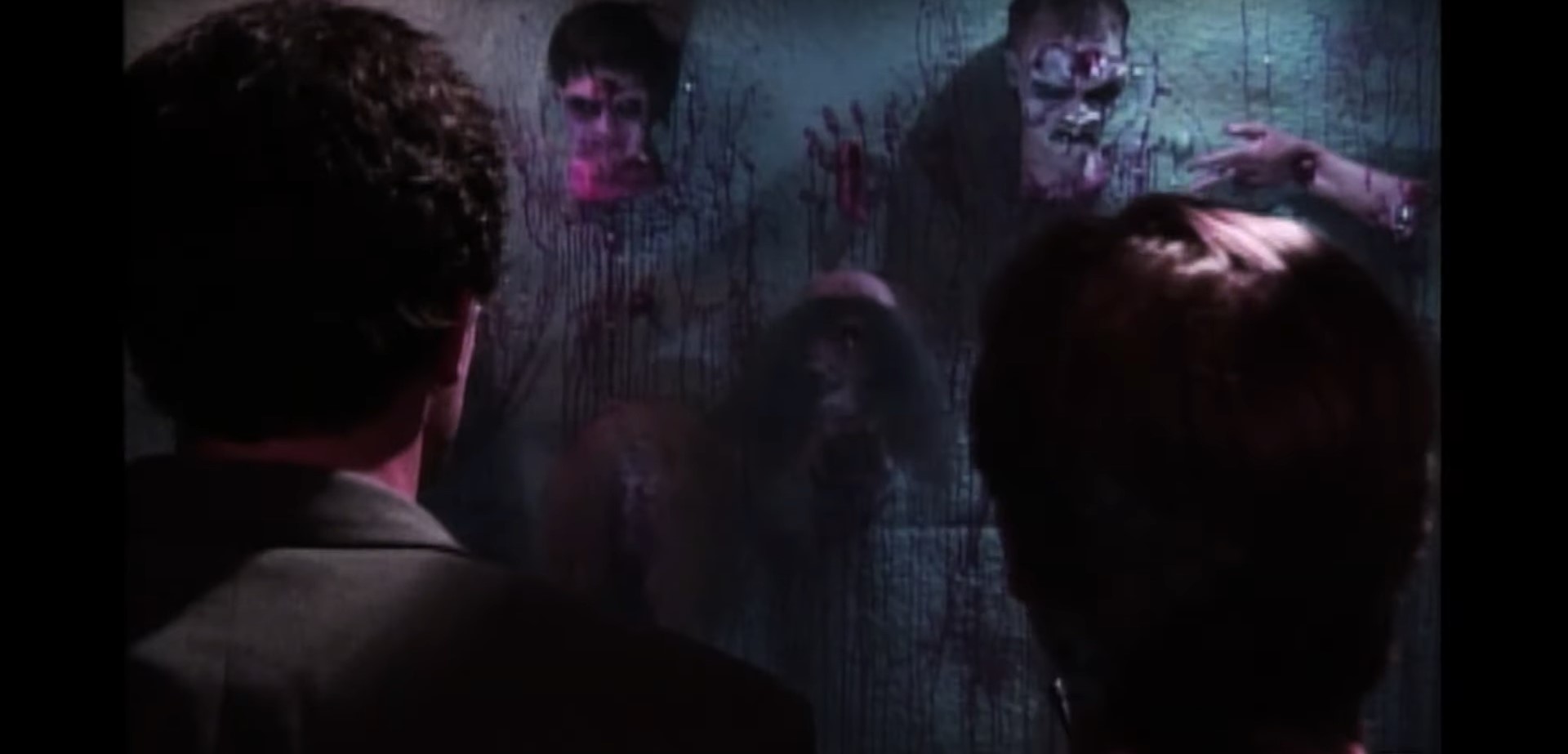
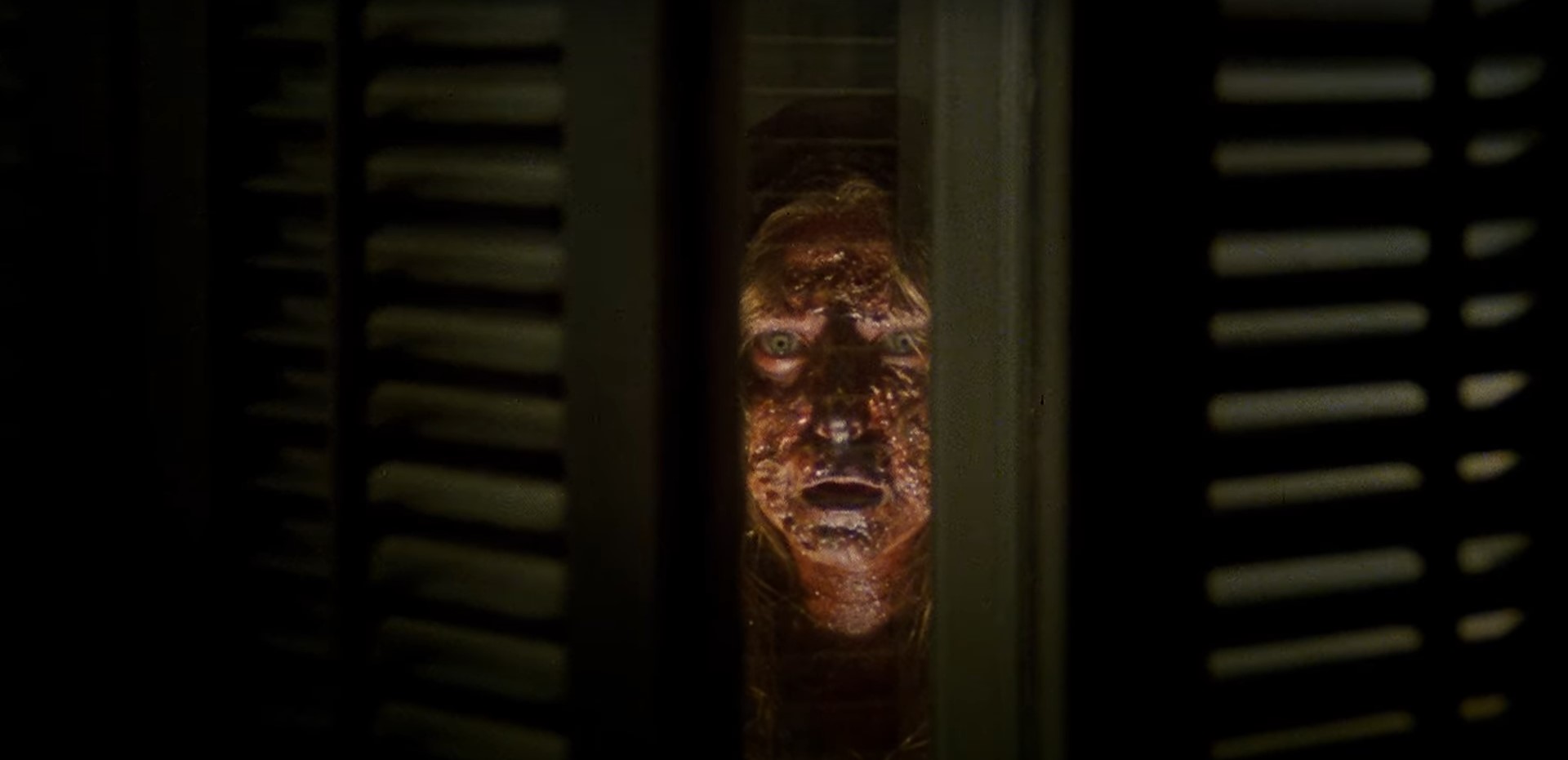
Through an unexplained mysticism and preformed stipulations on why the priest was the be all end all gatekeeper to the dead’s awakening on Earth other than Dunwich was original built upon the ruins of a witch-burning Salem, Massachusetts or why the day after the unmentioned Halloween season (likely because Italians do not celebrate Halloween with an abundance of candy and custome), All Saints Day, becomes the zero hour date when clearly the dead are already fatally impacting lives in the corporeal realm, Lucio Fulci masterful magician qualities diverts attention away from seemingly crucial elements of the plot toward a complete and total elemental atmosphere of fear, using eerie fog, whipping wind, and phantasmagoria imagery of the macabre to implant chthonic horror slowly rising above ground.  Makeup artist Franco Rufini recesses the sight sockets with deep, infraorbital darkening under the eyes in stark contrast with the pale shade skin, creating that classic yet effective zombified corpse casing in conjunction with special effects artists Gino de Rossi (“Burial Ground:  The Nights of Terror,” “Cannibal Ferox”) use of ground raw meat or whatever the gushy material used to construct the cerebrum contents that just squishes to a pulp between the fingers of the undead when they grab a fist full of hair, skin, and brains from behind an unlucky left living.  There’s quite nothing like a Lucio Fulci film where the ghouls knock on the door from the other side, threatening the land of the living, the world even, with a sound and steady ghoulish malevolence and death in a well-lit and framed Fulci-scope to hammer down defined purpose that drives a penetrating stake through the chest bone and into a chilled soul.
“City of the Living Dead” goes beyond the format gates and arrives onto a 3-disc 4K/Blu-ray release from Cauldron Films.  2160p Dolby Vision 4K and a 1080p AVC encoded high-definition options really put this Fulci classic back on the map, unlike the small, forsaken city of Dunwich. The 4K UHD is an HEVC encoded, 2160p Dolby Vision ultra high-definition resolution while the AVC encoded Blu-ray sports 1080p high-definition, presented in a widescreen 1.85:1 aspect ratio. Through the translucent mist of natural, good-looking grain, Cauldron Films have hyper-accentuated the atmospherics with a clean rendering of the innate cooler-to-warner photography grades of blue-to-yellow with creating a harsh contrast transition. The encoding never shows an ounce of detail distress to keep textured and palpable image of the darkened crypt or the thick fog exteriors that often would degrade decoding with omitted data. The Cauldron Films release retains and sustains bitrate that fastens the dark levels to a robust and effective pitch black. What’s neat about this release is the ability to toggle between the English DTS-HD 2.0 Mono and the Italian DTS-HD 2.0 mono, both post-recorded in standard with Italian productions. Both tracks are comprehensibly sound with a clear and clean dubbing with the only detailed differences being one in English language and the other in Italian and the title card switched out for the each. Between the two, range is exact on both with not a lot of superfluous ambient sound and both tracks offer a near blemish free experience in a robust context of atmosphere. Disc 1 and 2, 4K UHD and Blu-ray respectively, come with new audio commentaries, including with cult film critic Samm Deighan, author of Italian horror cinema Troy Howarth and film critic Nathaniel Thompson, as well as individual archival commentaries with actors Catriona MacColl and Giovanni Lombardo Radice. Disc 3 includes an interview with production Massimo Antonello Geleng, actor Giovanni Lombardo Radice, and on-stage Q&A with Venantino Venantini and Ruggero Deodata (“Cannibal Holocaust”), a Q&A with Catriona MacColl, a Q&A with composer Fabio Frizzi, interviews with special effects artist Gino de Rossi and principal actor Carlo de Mejo, A Trip Through Bonaventure Cemetary – an explorational and historical account on the main cemetery where the priest in the film hangs himself, trailers, an image gallery, and other archival interviews in a near feature-length collection of conversations with cast and crew reminiscing about Lucio Fulci during filming. The 4K UHD and third disc packed with special features are region free while the Blu-ray remains region A locked in licensed playback on the format. Both features have a runtime of 93 minutes and the release is unrated. Emerging from the gates of standard definition hell, Cauldron Films tempers Lucio Fulci’s “City of the Living Dead” to a foreboding crust, burgeoning with ominous clout the undead’s underscoring resurrection.

Cauldron Films’ “City of the Living Dead” on 4K and Blu-ray 3-disc Release!

Sucked Into Hell. Surrounded By EVIL! “Vampires and Other Stereotypes” reviewed! (Visual Vengeance / Blu-ray)

Hell Wants You To Stay for Dinner!  “Vampires and Other Stereotypes” on Blu-ray!

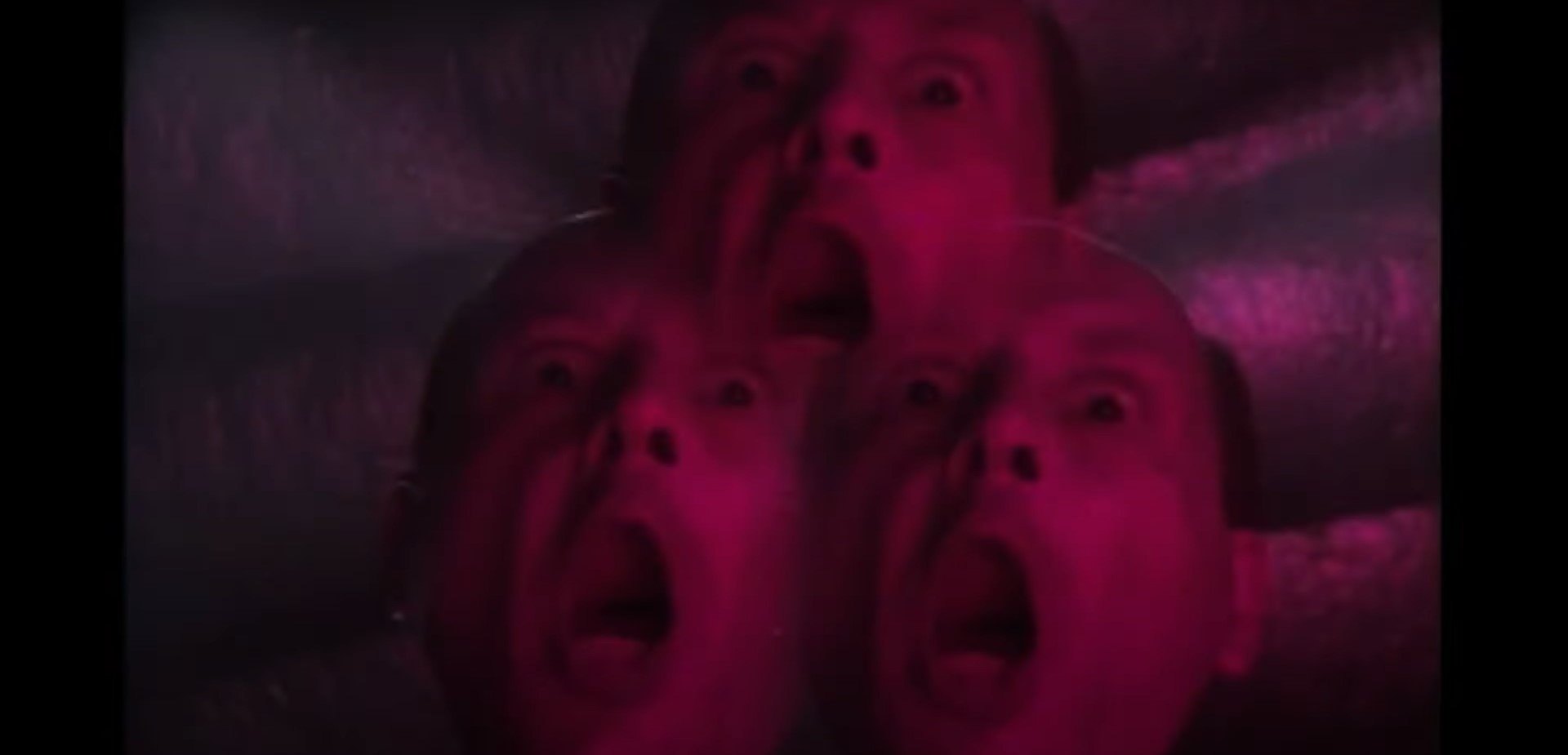
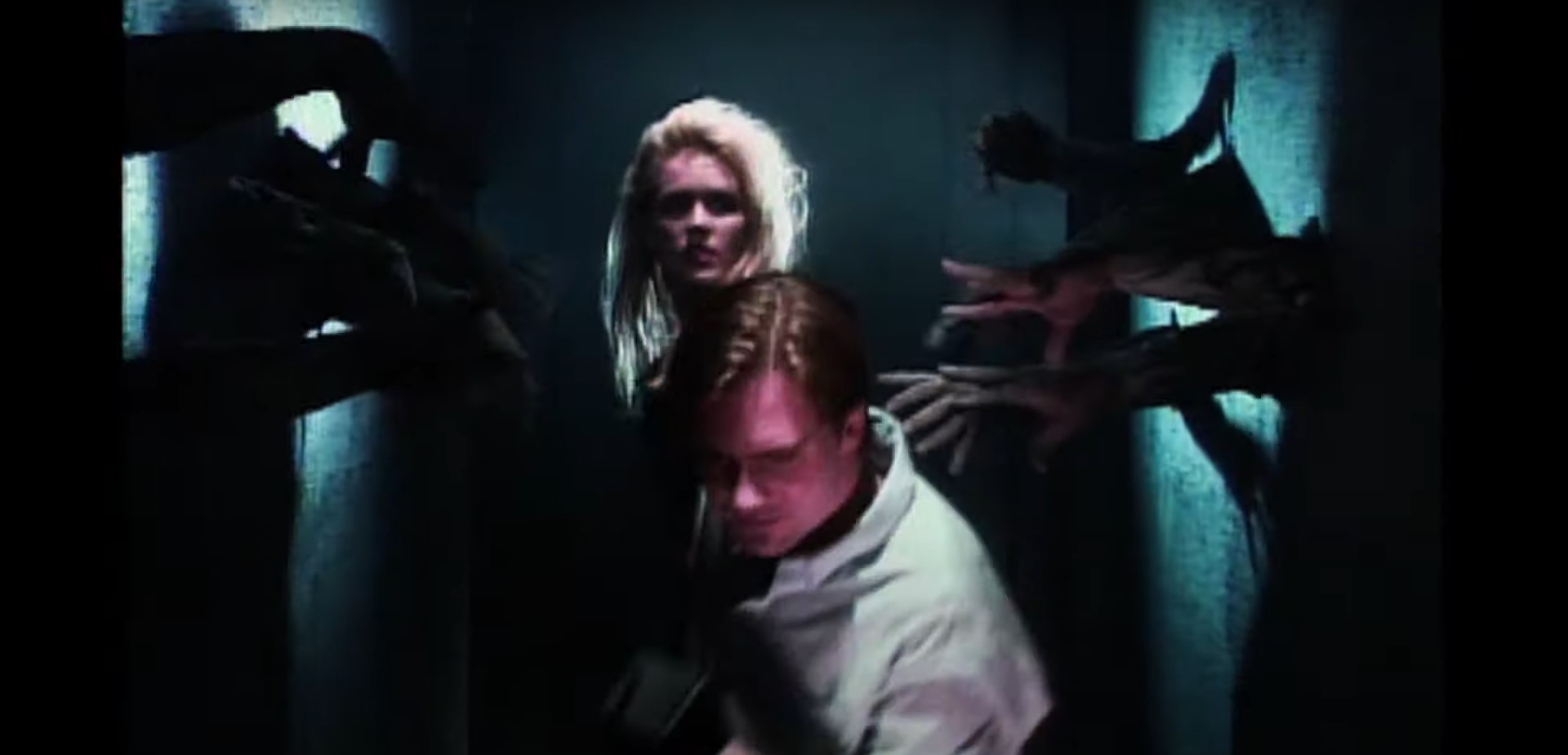
Ivan and his hard-nose partner Harry work between the shadows as protectors of the Earth realm.  The pair of paranormal guardians battle demons attempting to sneak from the Netherworld for more domain and power in the human world.  After thwarting a demon’s reneging plans with a wealthy businessman, they find themselves sucked into a portal to Hell after a group of young partygoers become lost and inadvertently crossover everyone in the abandoned warehouse to the underworld, including the warehouse itself.  Confined to a room with the portal opening, they must band together to survive the night where gnarly demons roam behind every door and are master tricksters with one goal in mind – to breed human women with half-breed demons to procreate more of Hell’s minions.  Its up to Ivan and Harry to see the survivors through until dawn but not everyone is who they seem and when the masks are dropped, real Hell will pounce upon them.  

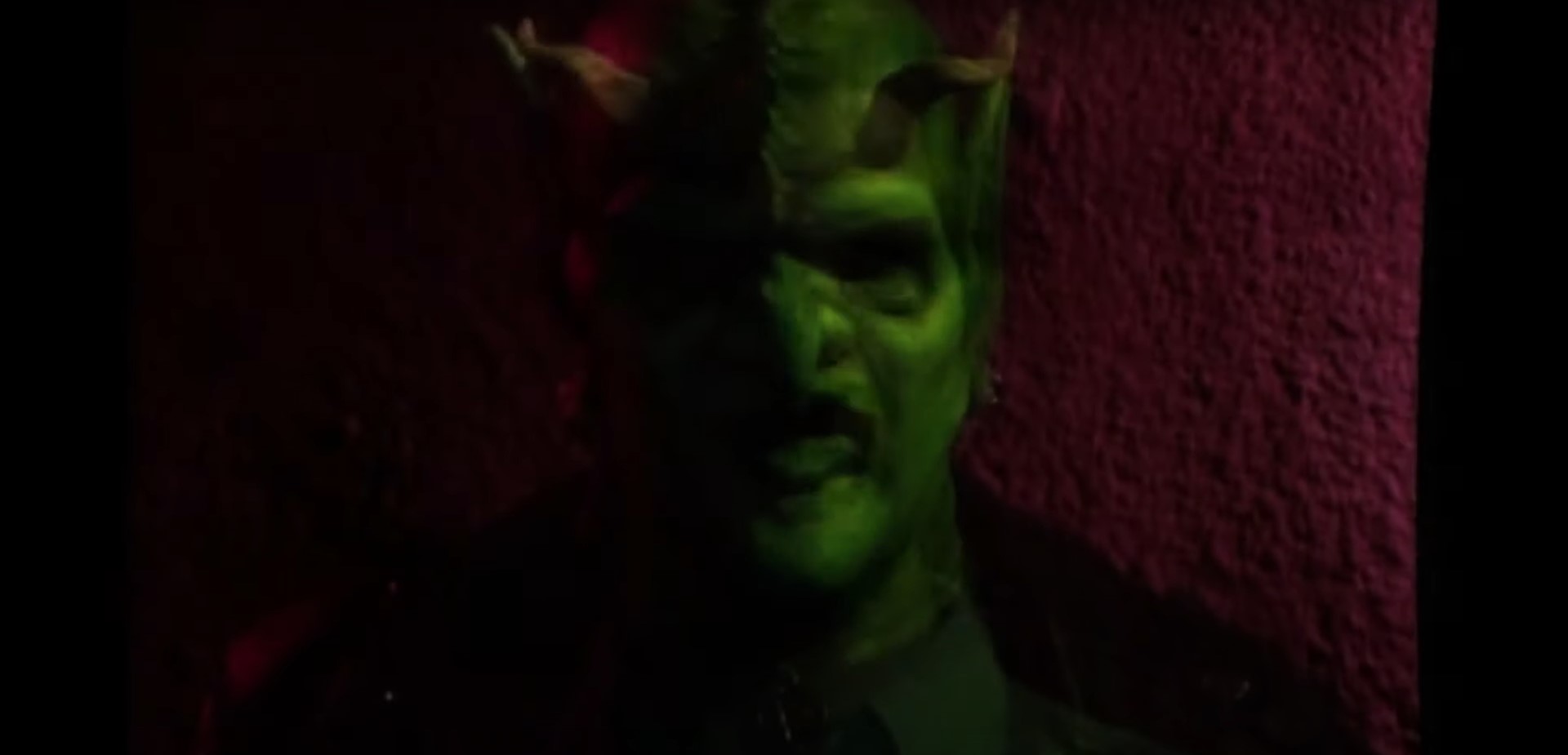
The northeastern American horror-comedy, “Vampires and Other Stereotypes” is the topsy-turvy and totally-transcendental SOV feature from first-time writer-director Kevin J. Lindenmuth (“Twisted Tales,” “Monsterdocom”).  Shot primarily in Cherry Hill, New Jersey with some exterior city shots of New York City, the film alternatively known as “Hell’s Belles” sought ambitious Hell below Earth undertakings, creating a maze-like dwelling for disfigured dwellers of the demonic kind, and a down-the-rabbit hole story where the head-lopping queen is actually the devil in a leatherjacket playing procreator matchmaker and the Cheshire Cat is a overgrown rat looking to nibble on human flesh rather than cheese.  The rat, as ostentatiously cool as it sound, is simply a slither of one of “Vampires and Other Stereotypes” few themes, which is fear.  Kevin J. Lindenmuth’s production Brimstone Media Productions serves as the studio and Lindenmuth serves as sole producer of his self-funded venture into the vile mouth of the demon world.

“Vampires and Other Stereotypes” follows two difference groups related to the existence of Hell, the demons that inhabit it, and the rogue demons splicing themselves into the human world. One group is the guardians Ivan (Billy White) and Harry (Ed Hubbard) who are very much aware of the esoteric magnitude of the abysmal situation and background while the other group, young Generation X’ers oblivious to the signs of Satan’s underworld seeping into their own. Lead by serial-dater and college girl Kirsten (Wendy Bednarz, “There’s Nothing Out There”) and her two tagalong best friends Linda (Anna Dipace) and Jennifer (Suzanne Scott, “Child of the Sabbat), the ready-to-party trio provide the state of affairs with Kirsten’s nonchalant taste in bad boy boyfriends, believing her courting apathy, treated as an impulse indulgence for the sake of fun, will one day run her out of luck. Enter Erik (Mike McCleery, “Deep Undead”), another misfit miscreant unearthed by Kirsten in her ever unquenching need to be wined, dined, and spoiled by the bottom layers of the dating pool. The two parties clash walking into the epicenter of an open investigation, denoted by an aperture in the middle of the room, where dead, decapitated bodies are strong upside down and Kirsten and her businessman father (Rick Poli, “Blitzkrieg: Escape from Stalag 69) are unexpectedly reunited in an air of something more happening behind the scenes other than Kirsten’s father’s flailing dealings with the demons and Erik’s party-sniffing nose leading them to astray and lost. The rest of the cast comes together with Laura Vale as Rosa the psychic, Monica Batavanis as the wife lost to the dark side, Mike Memphis as the Elvis impersonator, Bean Miller as the Lizard King aka Jim Morrison impersonator, and Sally Narkis as the demon waitress.

Lindenmuth’s dragged to Hell premise is a neat enough concept to peak the interests of the casual and diehard horror fan. However, the executed result is a whole other animal that tends to claw back, trying to maul away your viewership.  The special effects Scotts – Scott Hart and Scott Sliger – pull off practical prosthetics and latex with some side curb appeal that helps lift up “Vampires and Other Stereotypes” as best as possible, but the effects have a difficult time keeping up with the film’s innate ambitious concept to where much of the story relies on character exposition to fill in the gaps and where I note the exposition has a few cracks and leaks in themselves is in the very first word you see in the title that sets the expectation right off the bat before going far into a narrative that constantly and hurriedly builds upon the demonic construct.  That edifice evolves so high and so quick that the air becomes thin when the very first presence of a vampire insert comes late into the third act.  You nearly forget that the word Vampire was ever in the title.  Where Lindenmuth succeeds in this frenzy of fiends and folly is passively providing verbal cues of one of the character’s monotone-delivered pangs of extreme hunger.  Being a New Yorker and a rather large individual, you believe a NYC pizza or a greasy burger would be in mind here to feed the need but then the gag drops with well-timed revelation albeit the severe tardiness inside the narrative framework that suggests maybe the title should have been reworked or better thought through to really add upon that element of surprise and not sit waiting and waiting until bloodsuckers join the jittery jamboree.  While the demons are jovially wicked, their wily ways are playful to a fault compared to an “Evil Dead” Kandarian demon or a twisted and ugly demon from “Night of the Demons,” a class of demons that craft a special kind of deviance that maniacally fun as they rip you to shreds.  Not to say the “Vampires and other Stereotypes” demons are painfully dull or too good to be terrible, quite the opposite in the variety of severed head yappers or an oversized rodent, but they don’t offer that same fear-inducing merriment of playing with their food before they eat it. 

The 12th release on the Visual Vengeance line of dusted off sidelined SOV horror and cult films with a brand-new Blu-ray release with an AVC encoded, 1080p (note: off the original standard definition master 1-inch tape), BD50 presented in the original pillarbox of a 1.33:1 aspect ratio. Visual Vengeance provides the usual prefatory statement about the using the best possible elements out of consumer grade equipment, but I do think “Vampires and Other Stereotypes” has the best details within the Betacam SP camcorder, which was, at the time, the crème de la crème of videotape, and then have the video run through a millimeter gauge emulator to give it a 16, or even stretched to a 35 mm, appearance at times. Tullio Tedeschi cinematography is soft, light, and dreamy that forsakes stark details but does offer a sheen along the surfaces and textures that size up and adds to depth to the objects, even more so with the film’s hard lighting and deep shadows to provide a diversion away from the cheap sets but also a diversion away from what could be lurking from the horror-set tropes. The English language stereo 2.0 has decent dynamism between the dialogue, ambience, and soundtrack. Dialogue has a voice above the other sublayers, separating its prominence in front of the batty surroundings of a demon-riddled rodeo and against a soundtrack, or lack thereof, that’s repetitively uninspiring to takes away from the spirt of the level Lindenmuth attempts to reach with his debut. Optional subtitles are available. Special features include three new audio commentaries with director Kevin Lindenmuth, actor Mike McCleery and Lindenmuth, and Weng’s Chop Magazine’s Tony Strauss. Also included are new, brief interviews with Lindenmuth on the technical tangents of his film, actress Laura McLauchlin surrounding her role as Rosa and various recollection of principal photography, actor Mike McCleery as bad boy Erik fitting into his skintight, nonbreathable demon mask and having a good time on set overall, Suzanne Turner on playing Jennifer, Sally Narkis in her brief role as demon waitress and her sidetracking fashion career, and plus interviews with makeup effects artist Ralis Kahn, special effects artist Scott Sliger, photographer Sung Pak, and publicist Joe Mauceri with behind-the-scenes image gallery, original trailer, Visual Vengeance trailers, and Lindenmuth early Super 8 films along with commentary by the director. As always, the physical presentation is nothing short of a thing of pure beauty with a rigid slipcover graced with new illustration by Tom “The Dude Designs’ Hodge with a traditionally sized clear Blu-ray amaray case with reversible front cover that includes more new looming demon heads art and the original one-sheet on the reverse side that really relates to the dreaminess of the photography. In the insert pocket is stuffed a color trifold essay from Tony Strauss with behind-the-scene stills, a folded mini poster of the Blu-ray case cover art, and retro VHS stickers. Disc art is pressed with the slipcover art. Region free for the world to see, the Blu=ray is unrated and has a 87 minutes. Nominal and ambitious, “Vampires and Other Stereotypes” fights an uphill battle coming off the heels of an extremely gorified video nasties of the 1980s, but Lindenmuth fulfills with an indiscriminate spread of insanity at every turn with some vivid and vibrant vanward effects to drive this one home to the great people at Visual Vengeance, a boutique distributor of lost, but not forgotten, SOV buried treasure ready to be rediscovered.

Hell Wants You To Stay for Dinner!  “Vampires and Other Stereotypes” on Blu-ray!

Entrenched EVIL Sprouts Roots of Hate! “Bunker” reviewed! (Breaking Glass Pictures / DVD)

Go into the “Bunker” and Never Come Out!  Now on DVD!

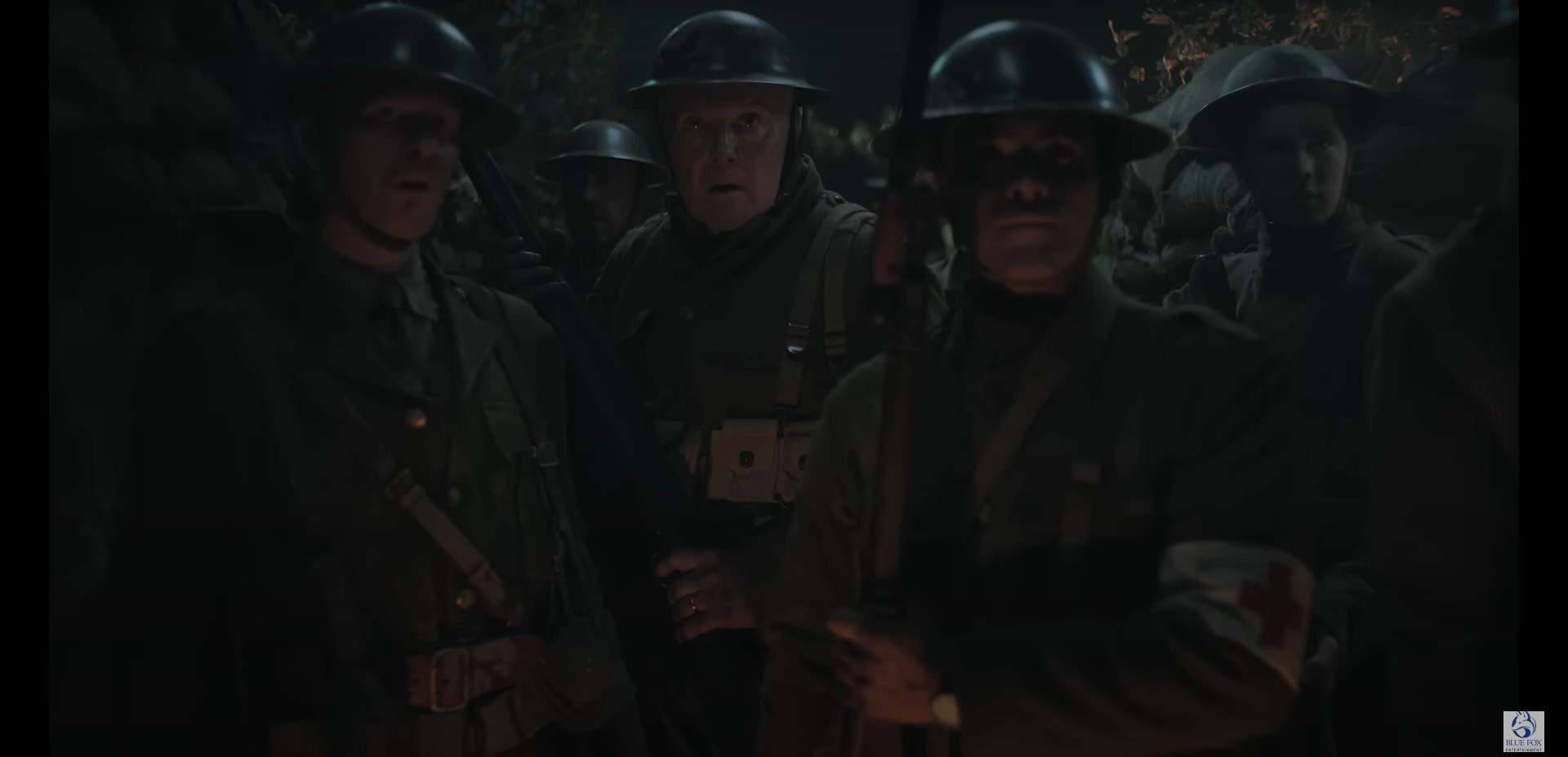
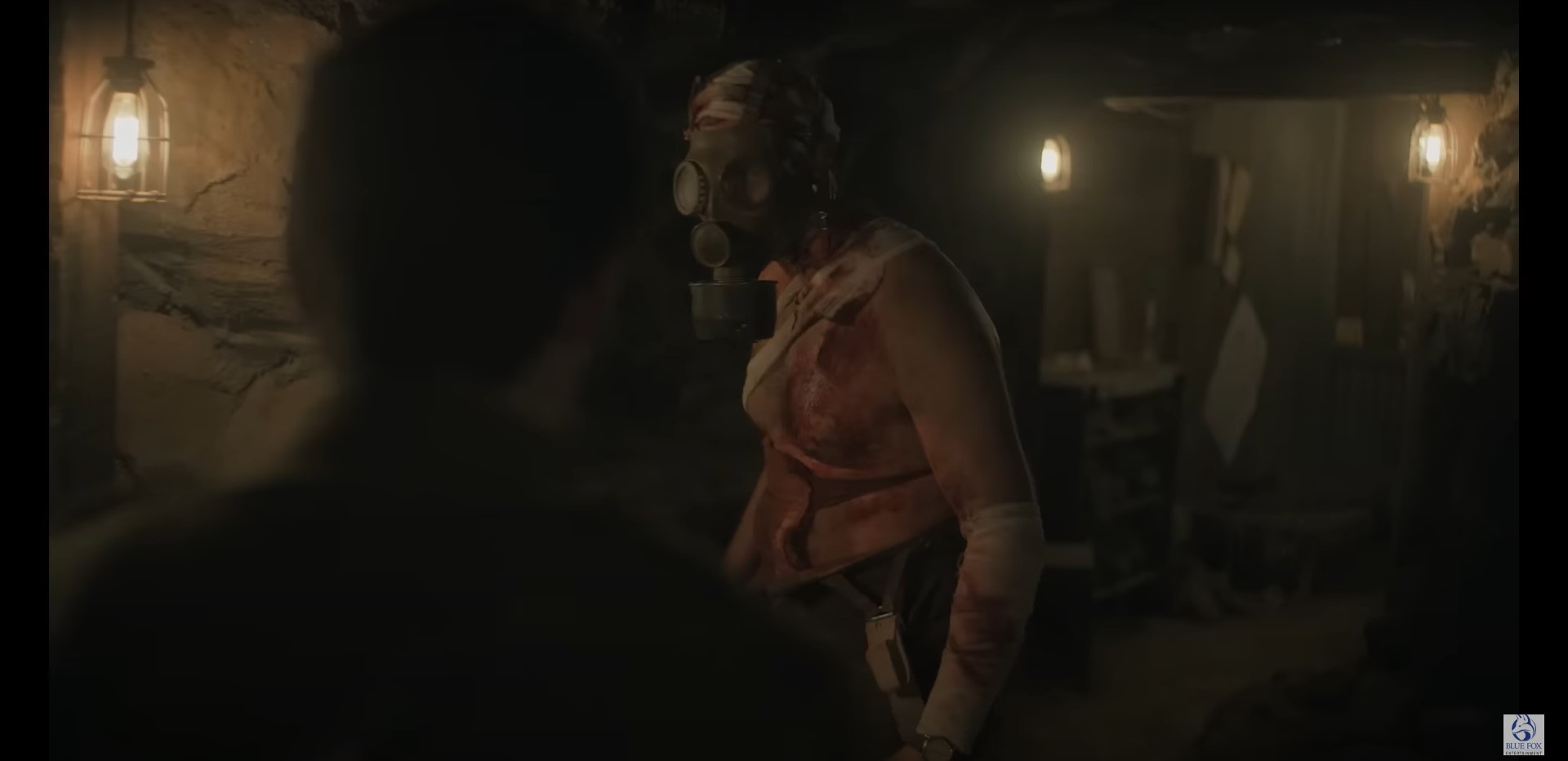
Trench warfare has already been damning for allied forces held in stalemate against the German’s only yards away in their trench.  When the commanding Lt. Turner discovers the German trench has been abandoned, he moves his ragtag team of British and American forces across a barbed wire and cadaver-laden no man’s land in to salvage victory for obtaining a German bunker without a firefight or loss of life.  What they discover is an externally barricaded bunker and inside the vacated stronghold is a barely-breathing German soldier nailed to a cross.  Incoming artillery causes a bunker cave-in, leaving two of the soldiers dead and the others trapped inside.  Slowly, something insidious and omnipresent inside the bunker builds measured madness inside them, turning one-by-one the seasoned and fresh off the boat soldiers to suspect each other’s loyalty, sanity, and hope for escape,  something that has been dwindling every minute with each stale breathe. 

War and horror are unequivocally synonymous.  The atrocities and death seen on the combat field can break a person’s psyche in a matter of an artillery shell explosion.  Trauma can quickly take over as the totalitarian regime and that carnage-induced shock can never be unseen ever.  The wide-speed obliteration of people and towns done in the second Great War, between the Nazi hate-war crimes and the collateral damage caused by Blitzes and tank fire, has been the foundational base for a number of appended horror films.  “Men Behind the Sun,” “Outpost,” “Shockwaves,” and even “Ilsa, “She Wolf of the SS” are just a select few of the many subset horror films to be inspired by World War II.  While the more contemporary “Overlord” joined the bandwagon of one of the world’s deadliest conflicts, overlooked is the first Great War as the backdrop for horror narratives.  When I jog my categorial knowledge and memory of WWI horror movies, only one comes to mind, the 2002 M.J. Bassett mud and rain-soaked supernatural thriller “Death Watch” with Andy Serkis and Jamie Bell.  Now, I know two with 2022’s “Bunker,” the debut feature length script written by Michael Huntsman and directed by Adrian Langley (“Butchers”).  The U.S. production is spearheaded by Crossroad Productions with Buffalo FilmWorks (“A Quiet Place: Part II”) footing the costs by executive producers Lisa Gutbertlet, Andy Donovan, Jennifer O’Neill, Kevin Callahan, George Pittas and Brett Forbes (“The Collector”) with Matt Corrado (“Half Sisters”), Patrick Rizzotti (“The Collector”), Greg Wichlacz, and Michael Huntsman’s father and Blue Fox Entertainment founder, James Huntsman (“The Night Eats the World”) producing.

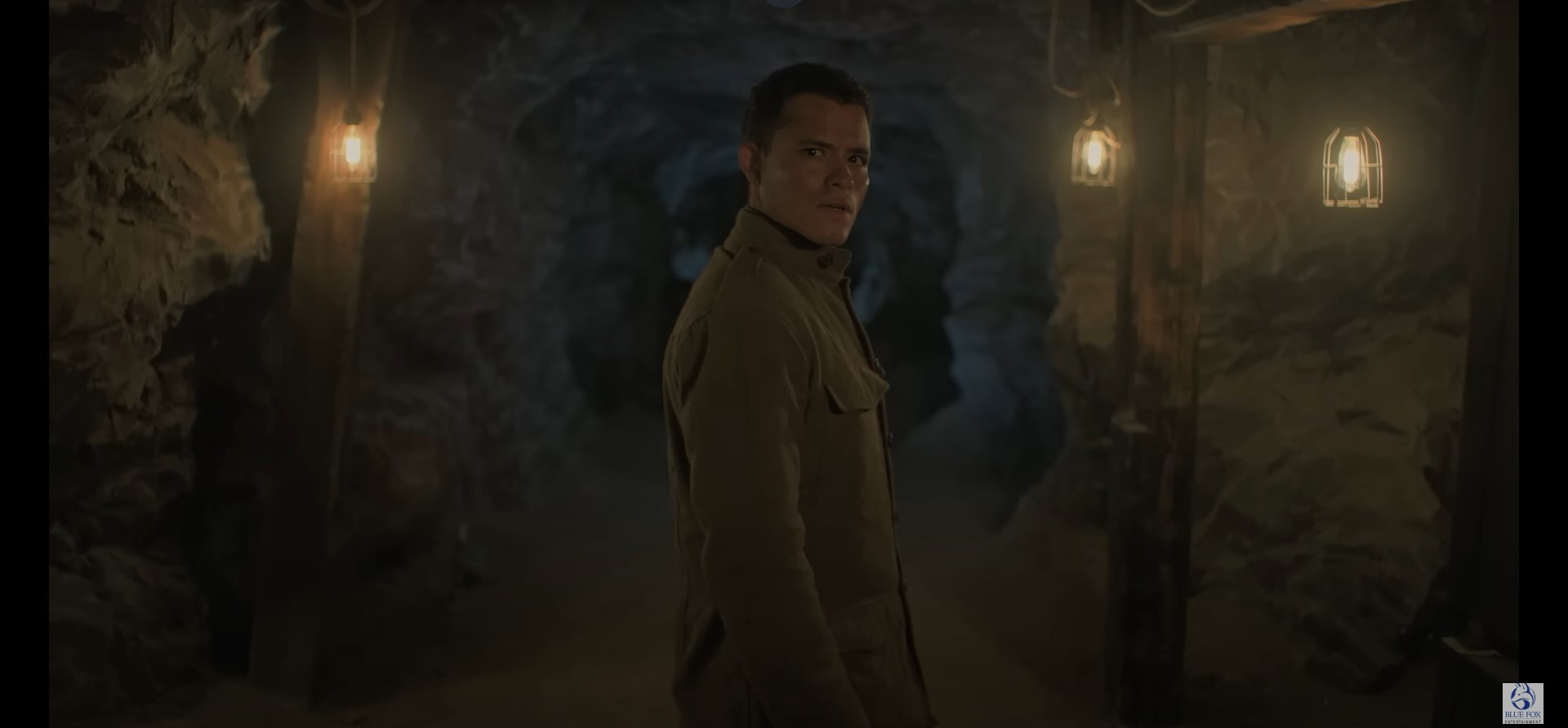
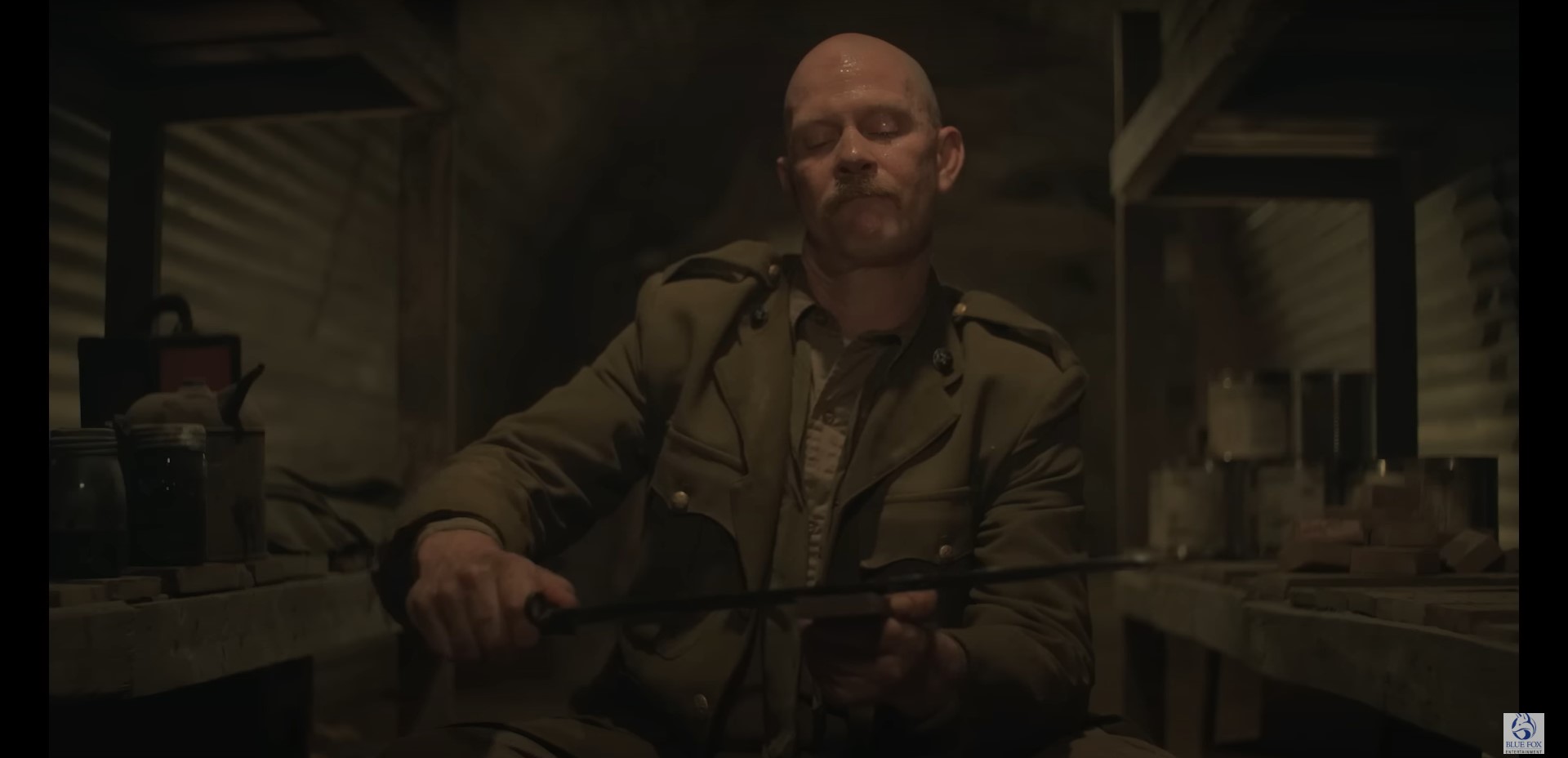
“Bunker” follows a group of allied soldiers unwittingly stumbling upon a supernatural dugout left behind by the enemy.  The U.S. production is fitted with nearly an all-American, all-male cast with the majority playing British soldiers and while accents do justice stressing certain syllables and comes off pronouncedly brisk, the ears can detect subtleties that can make you question the actor’s national validity, such as with stage actor Patrick Moltane’s Lt. Turner.  A very proper English suited from his officer rank, but the act does come off over-the-top and colorful in Lt. Turner’s pithy and lively vocabulary.  “Bunker’s” principal focus is on Pvt. Segura, a Latino-American medic who has answered the call of duty and has served long in the conflict, trying to prove his worth as outsider in his own country.  “Eraser:  Reborn’s” Eddie Ramos helms the character’s drive as an upstanding member of his community and as a military soldier by doing his part, playing the overall even-keeled medic whose goal is to keep soldiers healthy and breathing in a time of war.  “Bunker’s” subtle racism isn’t teeming and poignantly powerful, but the small band are mostly and carefully passive aggressive against Segura, except for one other private fresh off the boat, Pvt. Baker (Julian Feder, “Escape the Field”).  Segura then becomes what he’s yearned for, to be a protector, something he can’t do with minds already set in their ways with the rest of the characters who are either indifferent to his presence or forthright in his face as the root of their problematic situation.  Quinn Moran, Adriano Gatto, Mike Mihm (“Unsane”), Sean Cullen (“Killer Rats”), Roger Clark, and Luke Baines as the crucified Kraut make up the remaining all-male cast.

The all-male cast is crucial to the “Bunker’s” undercurrent theme which isn’t a torrent of one-after-another hits on the surface level.  Under the context that soldiers universally believe in comradery, especially during wartime stuck in a trench when relying on the next man to watch your back, Pvt. Segura secretly yearns to belong, be one of the team, and blend into the uniforms of brown and tan, suited mostly for the typical late 1920s white male.  Through the early acts of passive aggressiveness, the commanding officer ordering him to behave when left unattended, scolded for another private’s inability to move quietly across no man’s land, and being a person of mistrust when trapped in the German dugout, Segura ultimately is perceived as the enemy when the ungodly presence causes hallucinations, fear, and self-inflicting injury.  The bunker represents a fermentation of hate and death, deep-rooted distrust through the depictures of white radicles connecting everything around them be shield by the dirt walls that forces ugliness to come to a head by way of messing with the mind.  Being semi-familiar with Adrian Langley’s previous horror “Butchers,” I expected brutality, bloodshed, and groundwork that slowly flourishes as the story progresses and Langley delivers on demand with a chillingly connotative race-horror in an oppressive and melancholy World War I background.  While some period and wartime elements and actualities may frazzle historical war buffs, “Bunker” has otherwise resounding production quality despite its low-fare budget, feeling very much like the horrors of trench warfare and then some.

Philadelphia based, independent film home video distributor Breaking Glass Pictures releases Adrian Langley’s “Bunker” onto DVD.  The MPEG-2 encoded DVD5 is presented in a widescreen 2.35:1 aspect ratio.  Honestly, the compression works well here with the color reduction, a decrease in the hue saturation, leaving behind more neutral tan, browns, and greens, to flourish as an old timey picture that harmonizes with the classic resembling opening credits where the cast and crew are listed as whole.  Details are generally potent, reflecting delineating contours, coarse textures, and all the minor sweat, dirt, and blood strewn about the dugout from the Arri Alexa camera that captures confined spaces with vast depth.  The English language Dolby Digital 5.1 surround sound is the sole audio option and is the really only option needed for a confined, atmospheric film like this that utilizes the back and side channels with crumbling dirt walls and muffled bombardments.  There’s a nice balance between the prominent dialogue and the ambient action with Andrew Morgan Smith’s punchy score that’s like a mix between Joseph LoDuca’s “Army of Darkness” and Alan Silvestri’s “The Predator,” intense, grand, and heart pounding like a classic monster movie soundtrack. There are no subtitles available on this release.  Bonus features only include “Bunker’s” trailer and other Blue Fox Entertainment previews, another World War thriller “Wolves at War,” and Langley’s “Butchers.”  Physical attributes include a tempered chocolate-appearing DVD case with a long ally solder entering a large and foreboding bunker with war and graveyard elements above ground.  Inside, there disc art is pressed with the same image but cropped to just show the soldier entering the bunker.  There is no insert included.  The region 1 locked playback DVD comes not rate and has a runtime of 108 minutes.  “Bunker” is slowly-seeping dread of psychotronic apathy and abiding odium that manifests creaturely out of war’s massive and overwhelming stress and death.

Go into the “Bunker” and Never Come Out!  Now on DVD!

The Home Recordings of a Pure EVIL! “August Underground: Mordum” reviewed! (Unearthed Films / Blu-ray/DVD combo)

“August Underground:  Mordum” Limited Collector’s Edition!

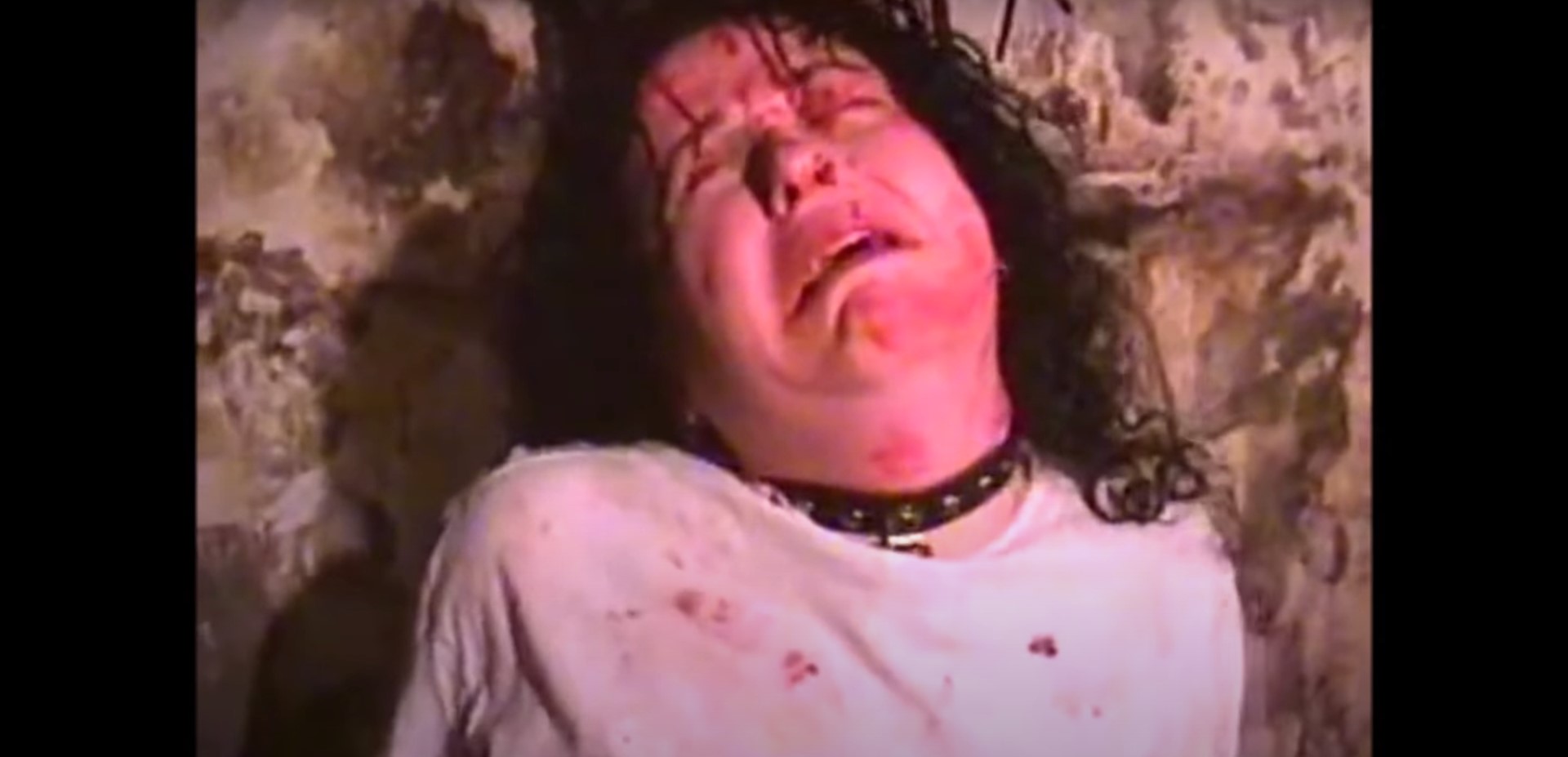
Uncompassionately deranged serial torture and murderer Peter Mountain is back.  Along with his maniacal partner Maggot and his depraved sister Crusty, whose also Peter Mountain’s girlfriend, the terrorizing trio videotape their exploits with no shame and with no end from no matter how mundane to no matter how gruesomely vile.  Rage and lust mix together with sociopathy and psychopathy, resulting in a dangerous combination for whomever crosses their path.  Shocking glimpses of their killing spree reflect through the lens of their camcorder, capturing every kidnap, imprisonment, confinement, rape, mutilation, torture, and eventually murder of their sadomasochistic onslaught onto every random, unlucky soul but with every moment of madness captured, their no so friendly friendship verges ever closer toward a volatile collapse when Maggot and his sister Crusty hook up from time-to-time and the perpetually aggressive juggernaut Peter Mountain is on the brink of breaking more beyond his broken mental state.

The return of Peter Mountain marks the return of shock and gore director Peter Vogel with “August Underground:  Mordum,” the 2003 sequel to Vogel’s unnervingly raw depiction of depravity and exploitation in “August Underground” released two years prior.  Not a traditionally subsequent sequel, “Mordum” is a standalone entry with only the presence return of Peter Mountain to connect the two stories together, but “Mordum” initially didn’t start out as a sequel and only morphed into a feature when Vogel was requested to shoot gruing material for the aptly named death/gore metal band Necrophagia and the band’s lead singer, Frank “Killjoy” Pucci, suggested to turn the material in a follow up film of “August Underground” with Killjoy co-wring alongside Toe Tag Picture’s Vogel, Christie Whiles, Michael Todd Schneider and Jerami Cruise.  What emerged felt like an organic chapter in Peter Mountain’s found footage mausoleum of bloodlust mayhem.  Shot in and around the Pittsburg, Pennsylvania area, “Mordum” is a production of Toe Tag Pictures under executive producer Jerami Cruise.

2001’s “August Underground” brought a terribly raw image to the independent cinema fold that house realistic depictions of the utmost evil and perversion.  So much so, a few of the cast members decided to not use their real names.  For Peter Vogel, a follow up film was like another day walking in the park as a proud papa of his villainous protagonist Peter Mountain, an eclipsingly large and laughing feverishly fiend of a man who preys on the cries and screams of his victims.  “Mordum” introduces us to two new actors into the fold with Christie Whiles, who would reprise Mountain’s girlfriend Crusty in the third Entry “Penance,” and Michael Todd Schneider (“I Never Left the White Room”) as Crusty’s brother Maggot.  It’s not exactly made clear if Maggot is a returning character, the hyena chuckling man behind the character played by pseudonym Allen Peters, or not.  In either way, Whiles and Schneider are equally as vicious on screen as Vogel but invite a whole of a hell a lot more nudity, non-simulated genitalia fondling, and induced vomiting to give “Mordum” that extra mile of stomach-churning, eye-adverting discomfort.  As the fluids deluge in scene-after-scene of massacre depictions, the triple threat come across a like-minded individual, played by the person who very much encourage and inspired for the sequel.  The late Frank Pucci, aka Killjoy, the front man for Necrophagia plays an equal with a slaughter shed full of rotting, putrid corpses, beheaded babies with maggots, and prime meat tied and lying in wait for him to butcher as his leisure.  “Mordum” offers up a slew of victims in different abattoir and snuff scenarios, casted with a rising makeup artist in a pre-crew acting role Midian Crosby (with makeup credits including “Halloween Ends,” “Cop Car,” and “Guardians of the Galaxy Vol. 3”) and Elmo Painter in the vomit and viscera evacuation scene, Rick Kundrach and Tim Grubjesik as unfortunate junkies, as well as Chris Shaw, Shelby Lyn Vogel, Allana Sleeth, Dave Brown, Erika Schultz a few pseudonyms in Daisy, M. Kadath, and E. Jay, and with Ultra Violent Magazine editor Art Ettinger.

Similar to the first film, “Mordum” has no plot in it’s a series of found footage flashes in the day in the life of a serial killer.  This approach makes what you’re having to behold for 70-minutes that much more plausible and realistic and what you’re seeing is quintessential gore porn.  “Saw” wasn’t the basis of the coined term.  No, my sanguine licking friends.  Fred Vogel pioneered that course three years earlier with his sick and twisted show of seminal underground.  The only reason why Vogel wasn’t at the top of the gore porn list was because none of his films had mainstream theatrical runs.  However, literally, “Mordum” contains that borderline porn element of exposed and molested nudity, the below the waste naughty parts that don’t see a tone of skin-to-skin action, and there’s certainly enough gore to go around and around and around and around again.  Some of those smaller gore elements were real, such as skin cutting.  Another element that makes “Mordum” effectively morbid is the special effects work by Vogel, Jerami Cruise (who has gone on to do major studio films from his extreme horror indies), and the late Ryan Nicholson (director of “Gutterballs” and who also was a special effects supervisor on a wide scope of studio and indie films) who provided many of the dismembered and grimed up dummy props framed through a standard definition, commercial camcorder for the Necrophagia music video.  If no story arises, one hell of a damn good show must come out of the horrific footage and Peter Vogel and the Toe Tag team achieve diabolical decadence with stomach content-emptying pizzazz.

Unearthed Films and Toe Tag Pictures have teamed up to release limited edition releases of Peter Vogel’s “August Underground” trilogy.  “Mordum” receives the royal physical release treatment with a 2-disc, Blu-ray/DVD, Limited Collector’s Edition.  The Blu-ray is an AVC encoded, 1080p high-definition, BD50 can only be so detailed with a shaky, consumer cam but the image could not look any better, or gruesome.  Presented in a pillarbox framed 1.33:1 aspect ratio, RGB color model leans more toward warmer reds, yellows, and greens so you don’t get an authentic color scheme on objects or skin tones.  Darker scenes render nicely enough despite the MiniDV magnetic tape’s e-interference compression artefacts and some tracking lines onto digital recording that makes the image jittery/jumpy, but all the in-your-face closeups, low-quality picture quality adds to “Mordum’s” rancid-sensing realism.  The English PCM 2.0 audio track has copious clarity for its unrefined, raw built-in mic recording that comes with some crackling and echoing if the decibels rise during screaming or shouting and the built-in can’t handle the received input. Depth is lossy with the range of the recording and range doesn’t factor into play as dialogue pushes through whereas the low-budget constraints leave the action audibility left to the imagination. Subtitles are not available on either format. The limited-edition regurgitation of the sequel warrants a ton of special features in its inauguration to the mainstream masses. Both formats share most of the extras but the Blu-ray features many more. Brief Dave Fogel touchpoints on certain aspects of “Mordum’s” obscure longevity Mordum Lives!, the climax’s most disturbing visuals The Most Disturbing Scene, and an ode to Necrophagia’s front man Remembering Killjoy dive into those specific nuts and bolts of involvement, a new interview with Michael “Maggot” Schneider A Family Affair of Love and Hate which also includes The Ravenous music video from Necrophagia, offering some more cut scene insight, a sit-down interview with between Unearthed Film’s Stephen Biro and Tog Tag’s Jerami Cruise on the gruesome special effects work on a budget of literally what was lying around, Necrophagia’s promotional video of Rue Morgue Disciple, a new Rue Morge Disciple Behind-the-Scenes gallery, deleted and extended scenes that prolong the violence of the most graphic, extreme scenes and add another level of behind-doors sexual deviation to near pornographic heights, the U.S. premiere from 2003, a brand new extensive photo gallery, original animation work, and trailers while the Blu-ray includes these features, also on the hi-def disc is a new interview with Ultra-Violent’s editor Art Ettinger and Allana Bleeth who both have small roles in the film, a new interview with Zobo With A Shotgun’s Zoë Rose Smith interview director Fred Vogel, filmmaker Dave Parker interviews Vogel as well, Severed Cinema interviews Vogel too in Snuff Purgatory, a new mockumentary and its trailer for Sickcess: A Necrophagia, and a Zombie Demo from Flashback Weekend circa 2004. On top of the special feature filth, the physical aspects of the release come in a clear and traditional Blu-ray snapper case housed inside a cardboard slipcover showcasing the infamously disturbing scene. The same scene is also illustrated on the Blu-rays cover art with reverse cover art providing a rough-and-ready composition alternative of the same scene. Both disc arts are pressed with camcorder blurry images of depicted carnage. The region A/Region 1 locked Unearthed Films combo set has a runtime 91 minutes and comes, obviously, not rated. If looking for the original 3 from Hell, Peter Vogel’s “August Underground: Mordum” assembles three monsters to ever savage the screen with their horrible, unspeakable acts of sadism. The unabashed Unearthed Films rightfully doesn’t lubricate our hole of curiosity, sodomizing our prurience with the metallic taste of blood and madness.

“August Underground:  Mordum” Limited Collector’s Edition!

Five Men. Two Women. What EVILs Could Be Committed? “The Last Island” reviewed! (Cult Epics / Blu-ray)

“The Last Island” is Man’s Last Hope!  Now on Blu-ray!

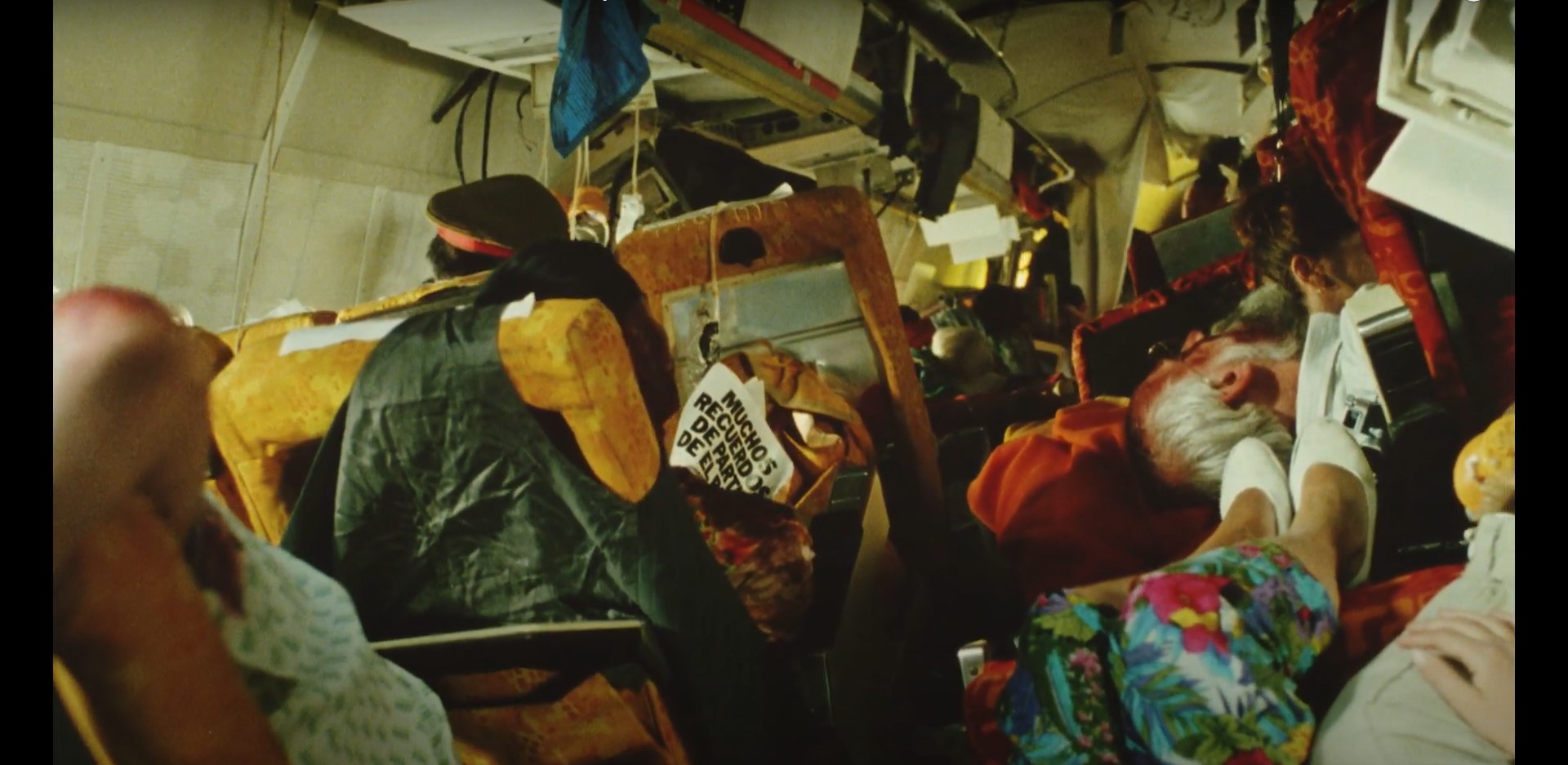
The horrible, mangled wreckage of a commercial plane crash on a deserted tropical island only leaves seven survives – five men and two women.  Burning what’s left of the remaining passengers, salvaging through baggage, and setting forth a plan of survival until their hopefully imminent rescue,  the survivors lean on each other and on hope for only temporary residence on the idyllic island.  With a working radio only picking up static on every channel, a mysterious boat carrying a charred body to shore, and other clues that suggest the world may have just gone through a nuclear disaster, the possibility of never leaving the island seems very real despite their best efforts to the contrary.  Fear of being the last humans on Earth takes hold and for the species to survive, the idea of procreation insidiously warps their already traumatized principles.  Two women survived the crash but with one being an old woman, the younger fair of the sex becomes the object of necessity between the men of varying sexual orientation, beliefs, and ethics. 

Director Marleen Gorris helms another powerfully provoking and feminist perspective, gender divisive drama, but her 1990 released third feature, “The Last Island,” is quite different from her previous two films that have established her with such labels as a feminist filmmaker and the more preposterously perception of being a man-hater.  The differences are stark within the Netherland born Gorris’s penned script and directorial.  Unlike “A Question of Silence” and “Broken Mirrors,” “The Last Island” isn’t casted with frequent Netherland actresses of previous collaborations with this particular film seeing more native English speakers from the U.K. and Canada.  A large scale production also distances the previous handful of dressed interiors with exterior foliage, day-glow lighting, and a giant plane prop that elevate the tensions of exposition.  “Amsterdamned” and “The Lift” director Dick Maas along with colleague Laurens Geels produce “The Last Island” under Maas and Geels cofounded Dutch production company First Floor Features as one of their many English-run films. 

“The Last Island” had a cast that brimmed with over-spilling success having just come off acclaimed features within the last decade.  Paul Freeman was the first villainous face against one of America’s most beloved archeological heroes as Belloq in “The Raiders of the Lost Ark,”  Freeman pivots nearly a decade later in another strong, affluent role but as an older gay man with a taste for grooming younger men.  Freeman plays the Scottish born Sean, a seemingly ally to the one child-bearing able woman on the island but his own gender is turned against him with his need to live and his need to be in power to sustain the human race.  Opposite Freeman, and eyed as more of the principal character, is the lesser known Shelagh McLeod (“The Sleep of Death”) who is given a voice of reason, voice of choice, and voice of justifiable resistance against a crumbling male majority.  McLeod completely stands rivaling against a formidable Freeman without the backstory of ethical waning and as the well-rounded Joanna, she finds herself in opposition of other eclectic group of men with extreme strengths and flaws.  Pierre (Mark Berman, “Tom et Lola”) is a brilliant scientist but a craven coward, Nick (Kenneth Colley, “Star Wars:  Episode V – The Empire Strikes Back”) has military arms training for hunting but is a bigoted, pious fanatic, Frank (Mark Hembrow, “Out of Body”) is strong and compassionate but indecisive and insecure, and Jack (Ian Tracey, “The Keeper”) is the epitome of youth but is arrogant and motivated by sex.   Morris is able to turn each of the salient men seem small and insignificant beside Joanna steadfast candor.  Then there’s Mrs. Godame, the seemingly most insignificant character who is actually the most complex out of them all.  Age is just a number but the way Morris writes the old woman makes subtle suggestion that she might be more of a higher power than what she appears to be on the surface.  One suggest is hidden in plain sight right in the old woman’s name, Godame, and if you split the syllables, God and Dame equals Woman God.  “Willow’s” Patricia Hayes dons a charitable, mother-like performance providing hints of being the abstention Almighty by ending many sentences to the others with my child, knowledgeable in wisdom and in parable, trying to guide with conversation and compassion, and we’re even introduced to Mrs. Godame lying on the beach, arms stretched, and perceived from a top view as if in a crucifix position.

Religious imagery and metaphors run beyond the subtext of Mrs. Godame.  The world has seemingly destroyed itself from what is suspected to be a nuclear war and thrusts a reasonable suggestion that the age of apocalypse is nigh.  Man and woman are stranded on an island that’s been referenced as paradise on more than one occasion and Eden, a garden where the first man and woman lived, was known for its abundance of natural beauty and paradisal qualities.  Other aspects from the story of Adam and Eve and the Garden of Eden are also present, such as the forbidden (poisonous) fruit and the snake that bites one of survivors.  Joanna can be said to be the forbidden fruit as well in a reversal of the theological tale where man is tempted by the forbidden fruit, tries to take a bite, and is cursed by removal innocence and bliss and replaced with sin, misery, and, eventually, death, more specifically, death of the human race.  Morris blends these elements smoothly into the conspicuous concept, leaving a very few mysterious metaphors left unresolved by the natural consequence of the characters, and ending on a note of ambiguousness hopelessness because is Joanna pregnant or not – we’re neither informed by the story or Mrs. Godame herself with another imparting and inconclusive turn of phrase that bestows a classic curtain fall on the unforeseeable future of the survivors. 

Cult Epics releases “The Last Island” on an AVC encoded, high-definition 1080p, BD50 presenting the new 2K transfer and restoration scan from the original 35mm print in a widescreen aspect ratio of 1.85:1. An opening preface notes that the restoration done was done on the only working English-language 35mm print known available, accompanied by evident dirt and scratch imperfections. Comprehensively, the restored print is beautifully vibrant with popping tropical frondescence and a deep blue sky. Much of the imperfections come early on, during the aftermath of the crash, where faint but evident scratches are noticeable, dust specks can be visible but insubstantial, and with the only real blight being a rip-split frame that flashes a horizontal tear across the screen. Details are sharper than expected with a nice delineation in the space between, skin textures, amongst other tactile elements such as trees, the plane, and the sandy setting, don’t wash out under the brilliant sun that lights up everything, and black levels keep inky inside the naturally adequate grain. Though a Dutch production, the dialogue track is all in English with a DTS-HD 2.0 master audio. Also available is a LPCM 2.0 stereo. Even-keeled throughout the picture’s entirely, never did the levels intertwine or lose strength in what’s a satisfactory arranged overlayed soundtrack in suitable company with Boudewijn Tarenskeen’s grave dramatic score. Optional English subtitles are available. Special features include an audio commentary by film historian Peter Verstraten who returns for another Cult Epics release, an audio-less, raw footage behind-the-scenes of certain production creations such as the plane setting and certain dynamic scenes mantled with diverse song tracks, an archive interview with Politica columnist Annemarie Grewel, the original theatrical trailer, promotional still gallery, and trailers. Also include but not in special features is a Dick Mass audio-only introduction at the play film selection. The clear Blu-ray amary case sports the original composition “The Last Island” one-sheet of wrecked plane and stranded survivors. On the cover’s reverse side is a full spread of the cast in one of the more memorable, heartbreaking scenes. There is no insert included inside and the disc art has the same rendered front cover art. Clocking in at 101 minutes, this Blu-ray has region free playback and is not rated. Gorris’s eye for upending men rationales to use against them tears into the very fabric of their misguided intentions as the prospect of end of the world comes down to one, single-minded thought – to procreate when facing extinction and the only way to do that is a man’s way.

“The Last Island” is Man’s Last Hope!  Now on Blu-ray!