A Stop-Motion EVILscape of Totalitarian Hell! “Mad God” reviewed! (Acorn Media International / Blu-ray)

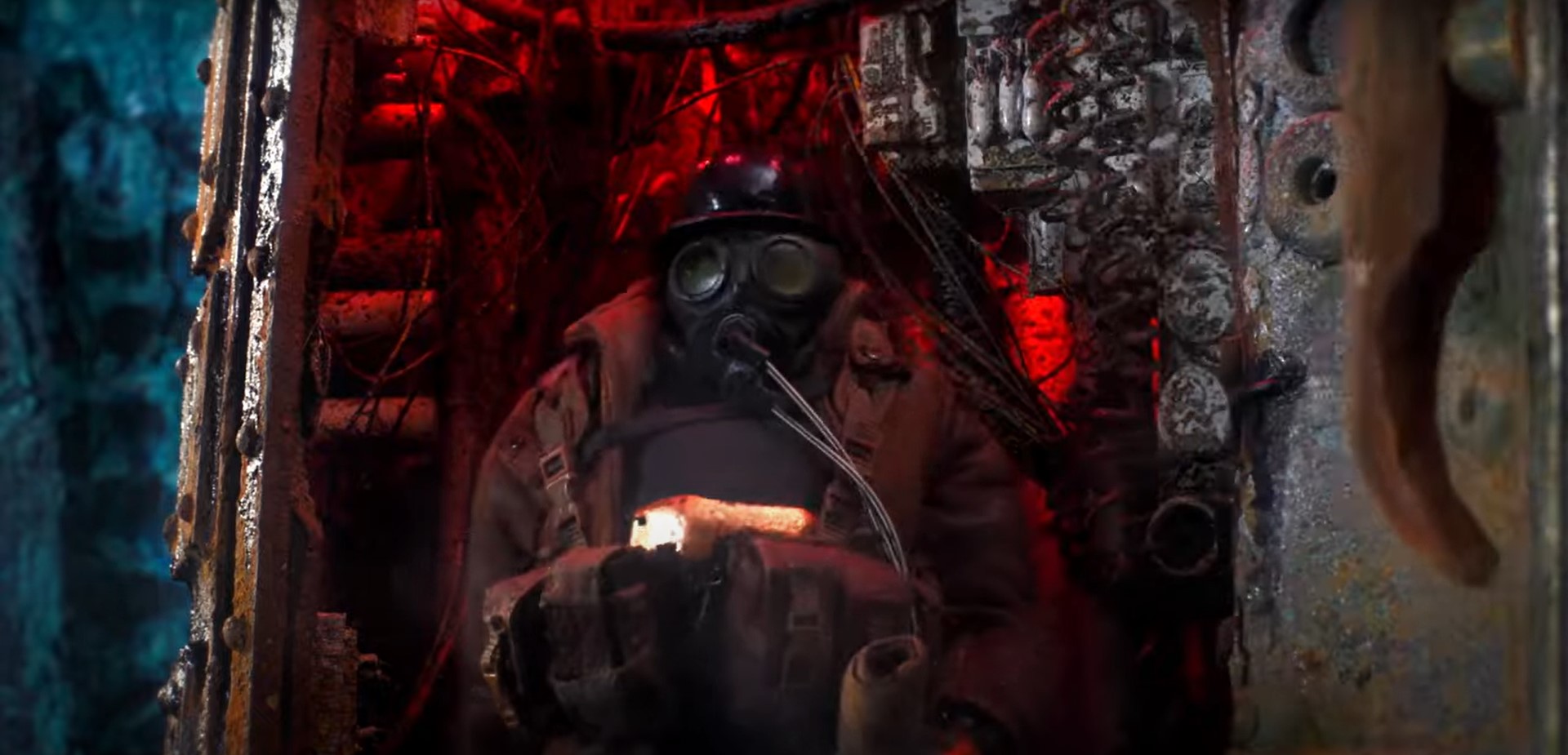
Descending from above into the depths of grotesque terror and suffering, The Assassin steps out of the drop pod with a gas mask, industrial armor, a suitcase, and a crumbling map.  Bearing witness to the surrounding horrors – cruel experimentations, enslaved beasts, tortured manufactured slave laborers, dog-eat-dog atrocities – The Assassin sallies forth, descending deeper into the primordial pit.  The missioned at hand is to set an explosive charge that will eradicate out the ruinous, oppressive filth that aims to corrupt the everything, but there the darkness won’t be so easily wiped away and The Assassin must stay in the shadows and out of sight or else become a tortured fixture in the fray. 
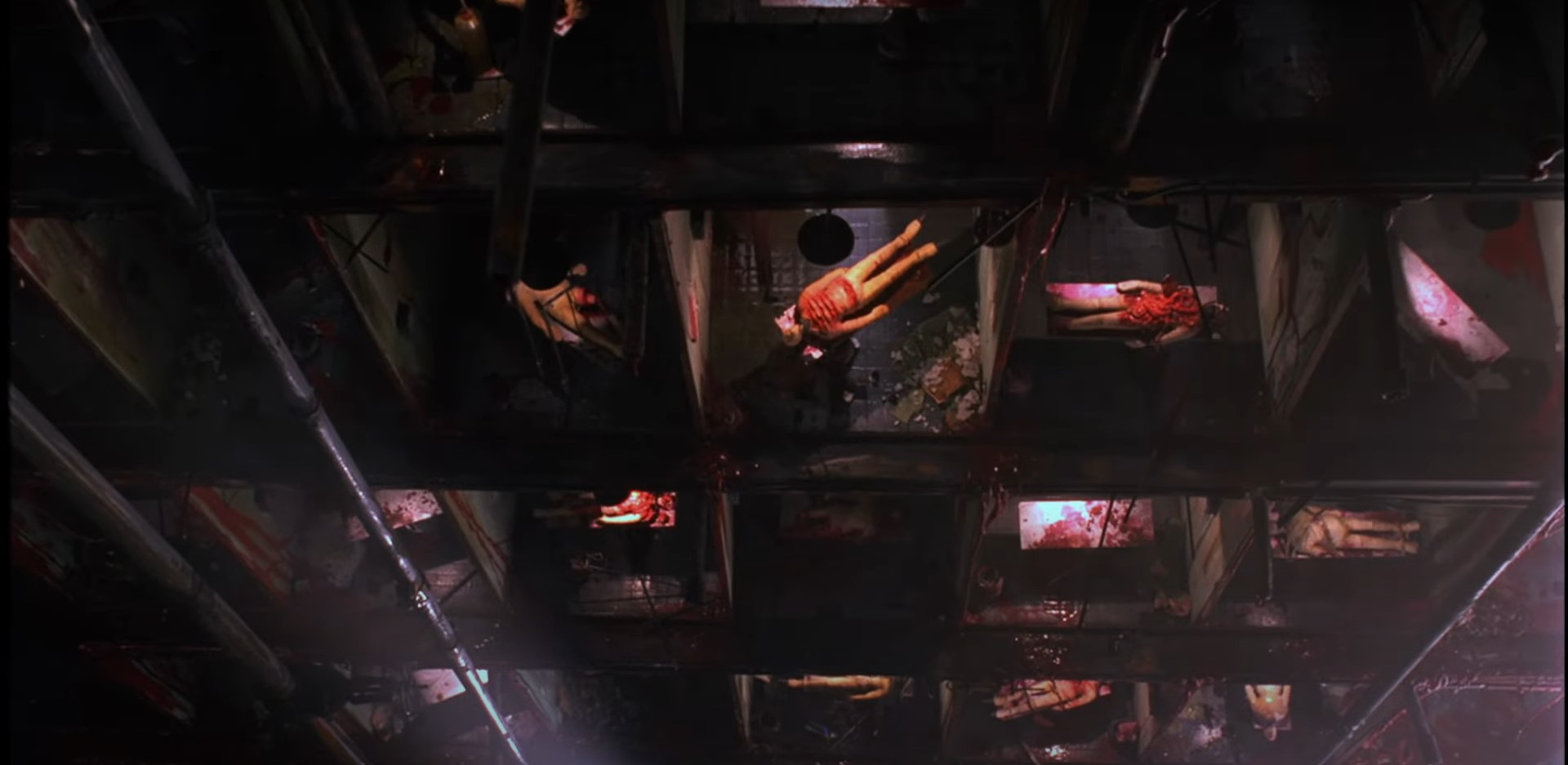
“Mad God?”  More like mad genius!  Phil Tippett’s 34-year, stop-motion, pet-project “Mad God” is the purest Hell I’ve ever seen.  Tippet, famed stop-motion and puppeteer effects artist responsible for the iconic visual effects and stop motion work in fan films such as the original “Star Wars” saga and the “Robocop” franchise as well as cult favorites “Howard the Duck,” “Piranha” and “House II:  The Second Story,” started “Mad God” in 1987 that become more of an ambitious project than originally thought and once the 1993 saw a computer generated effects revolution with a little prehistoric dino-disaster film called “Jurassic Park”, a film Tippett also did work on as dinosaur movement consulting supervisor because of his expertise on the short “Prehistoric Beasts,” the gifted animator had shelved “Mad God” for about 20 years with the though a newer, shiner, computer-driven animation would be the next best thing studios would ardently desire. This two-decade span gave Tippett time to outline objectives and really expand upon ideas of how “Mad God” should look and feel when conveyed. Tippett co-produces the film with Jack Morrissey under Tippett Studios and presented by IFC Midnight and AMC’s Shudder.
Just because “Mad God” is dialogue-less doesn’t make the “Mad God” voiceless. All around, in every scene, is a disturbing commentary or an unhinged metaphor bred mostly out of the animatable inanimate, but there are some live action performances weaved into the mad tapestry of monstrous titans and despot of cruelty. The most clearly discernible face of the lot comes from a director, “Repo Man” and “Sid and Nancy” director Alex Cox to be more exact. Cox plays the long nailed and regime-driven “Last Man,” representing divine leadership of a modest, dieselpunk heaven above a more organic and grotesque hell-type world. Only on screen for perhaps a total of 5-to-10 minutes, Cox grunts and gestures with precision articulation to give off a fair and just ruler impression. Niketa Roman plays the next real person to have some substantial screen time. Less of an actress and more of an animator by trade, with credits including “Blade II,” “Jurassic World,” and “Star Wars: Episode IX – The Rise of Skywalker,” Roman finds an expressive talent in her striking, heavily made-up eyes overtop a surgical mask and gown when whisking away one of the Assassin’s souls to be studied and experimented on by a broodingly ethereal entity. Other micro-performances include minor roles of tortured monkeys, various iron-cladded Assassins, witches, and gnomes from Satish Ratakonda, Harper Gibbons, Arnie Hain, David Laur, Chris Morley, Anthony Ruivivar, Tucker Gibbons, Tom Gibbons, Hans Brekke, and Jake Freytag.
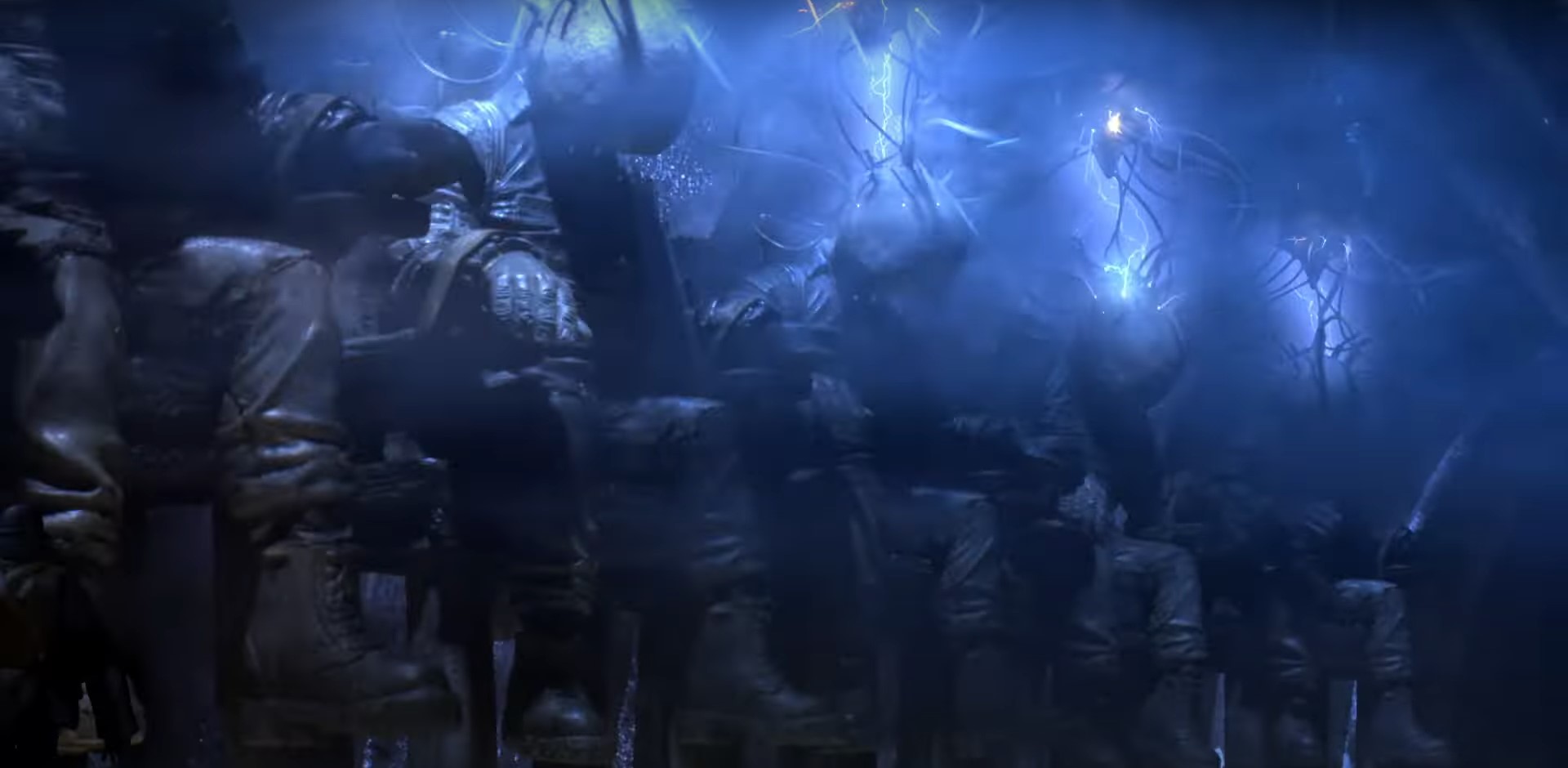
“Mad God’s” possibilities and interpretations are endless. Phil Tippett pulls from a motley of inspiration that includes, but is not limited to the fantastical, sometimes hellish, paintings of Hieronymus Bosch, the wacky, often gonzo animation of Tex Avery, the stop-motion titans of Nathan Juran’s “The 7 Voyages of Sinbad, and Dante’s Inferno. The mind is a deranged and wonderful creator of the macabre and of the aberrant and as a receiving device, the mind can also, if opened up enough, accept such visceral visuals of bowel fluids being jettisoned out by electric shock and into the mouth of an organic machine that manufactures fibrous, lumbering humanoids for slave labor. Like lemmings in a way, these exploited shadows of human beings will succumb under their own demise or at the gnarled and unforgiving hands of their master’s gargoyleish work-whippers. “Mad God’s” eye for detail is greatly disturbing to see cities in monolithic cities and cultures in ruins, the composite depth between foreground and background action in one scene reminds me a lot of older works like “The Neverending Story” or “Clash of the Titans” that create a vast scale with smaller objects, and the playful irony of a nightmare netherworld being commanded over by a baby’s babble doesn’t nearly seem to a stretch from the truth. As the multiple Assassins trek through the chaos and the insanity, an overwhelming sense of life is meaningless scores the landscape as there isn’t an ounce of compassion or empathy to be had or displayed for any of the malformed creatures and wretched humans. A laborer is crushed by a stone – no biggie. A cute and cuddle animal is attacked and whisked away for food storage – all in the day of cruelty. A man is stripped of his armored gear, injected with a mysterious substance, and prepped for exploratory surgery – all for show in front of a live clapping and cheering audience. The only compassion I can make sense is the Assassin’s mission to blow up this God-forsaken world of eternal suffering to restart the heart. Madness grinds bones, fillets spirits, and crushes souls in Phil Tippet’s Godless underworld and can haunt you even while you’re awake.
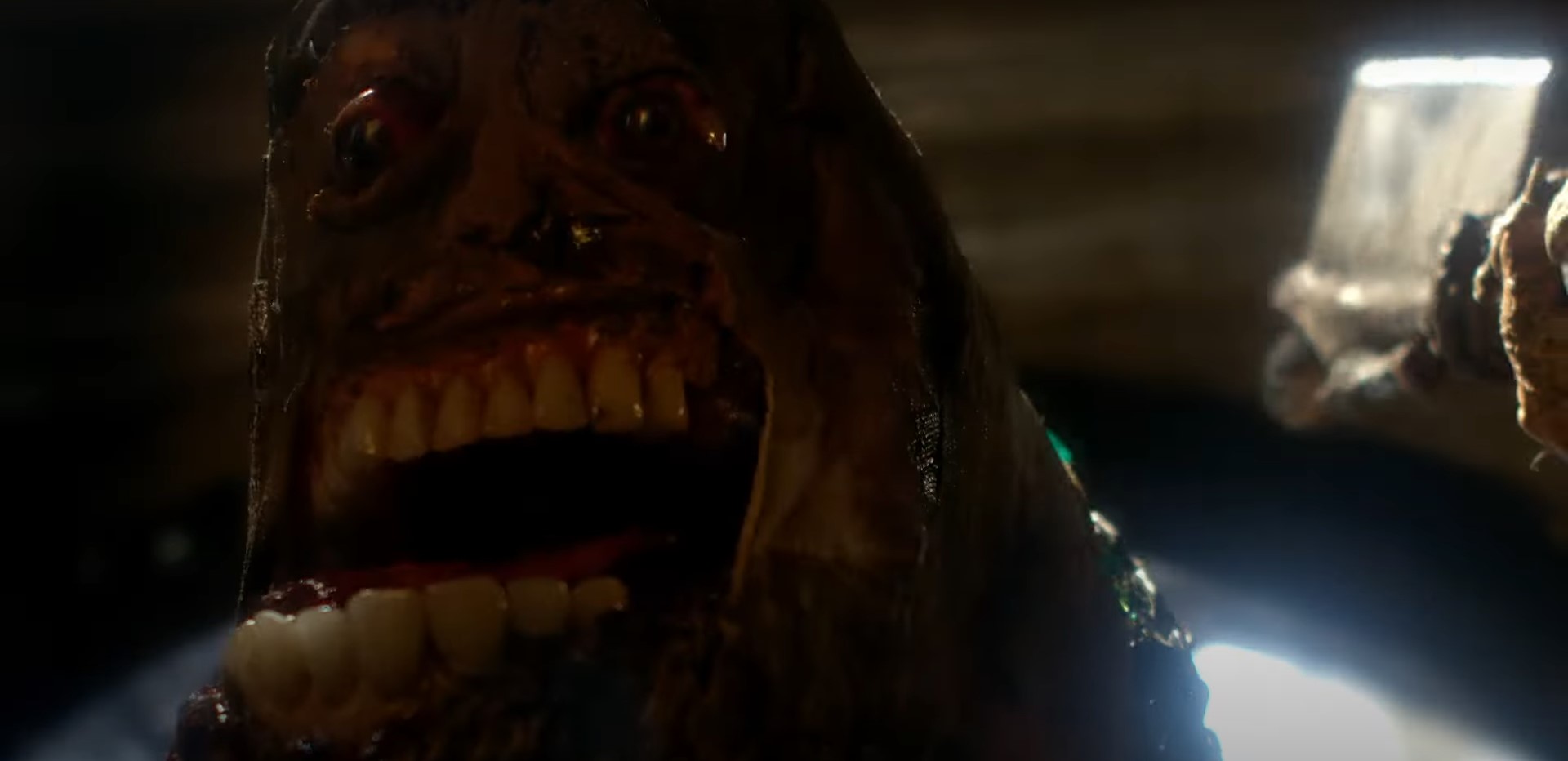
A surreal stop-motion wonder and excruciation, “Mad God” brings all the horrors of the subconscious mind to the surface with a high-definition, 1080p Blu-ray. The region 2, PAL encoded release from UK distributor Acorn Media International presents Tippet’s tour de force in a widescreen 1.78:1 aspect ratio and the image is purposefully varied to exhibit different strokes of craft as students would assist Tippet with contrastive topographies to carve out an apocalypse-riddled world that’s in a state of a violet retrogression. Tippet and Tippet Studio visual effects artist, Chris Morley, pivot to “Mad God’s” cinematography appearance with brooding, darker tones that illuminate and are erratically sparked with warm neon glows or brilliant voltage streaming through highly conductive bodies. Some earlier scenes from the late 80’s have natural grain from the 35mm stock and then later, more recent scenes have a cleaner, sleeker look with the digital recording. The Dolby Digital 5.1 surround sound mix has an all-embracing range, mostly with sudden and alarming blazons of guttural roars, unnerving baby babble, elongated zaps and shocks, and the indistinct yips and yaps of a mad world, that sustains on a line of being lesser than crisp, which might be contributed to the inexact capture of depth as sometimes all sounds casts like from inside the reverberations of a fishbowl. Descriptive SDH subtitles are available. Bonus features include audio commentary with Phil Tippett and “Pan’s Labyrinth’s” Guillermo del Toro, cast & crew commentary, an interview with Phil Tippett, “Mad God’s” various painter, cartoonist, animator, and psychology inspirations, the making-of “Mad God,” Maya Tippett’s Worse than the Demon – Phil Tippet’s daughter’s 12-minute thesis documentary of her father’s 34-year passion project journey, Academy of Art & “Mad God,” a behind-the-scenes montage, and a behind-the-scenes photo gallery. “Mad God” has a runtime of 84 minutes and is UK certified 18 for strong violence and gore. A motion picture diorama of Phil Tippett’s neoteric psyche, “Mad God” is wrath wrapped in heart and soul, two descriptors not topmost on the surface but are meticulously integrated into every frame of pain, suffering, and despair.

Tune In to EVIL’s Frequency. “99.9” reviewed! (Cult Epics / Blu-ray)

Lara, a paranormal radio show host, learns her close friend and former lover has been tragically killed in an accident at small village of Jimena.  Determined to find out what happened after a mysteriously mailed tape unveils disturbing images of her friend, Lara travels to Jimena to investigate the accident she believes was intentional.  Entangled amongst the village’s strange residents, suspicions are high on just about everyone who had contact with the deceased, but Lara is certain about one thing, at the center of her investigation is an abandoned house with a ghastly urban legend, afflicted by the entombment of murdered women and children souls and, one-by-one, the faces of the torture souls are manifestly etched out from within the walls onto the surface.  As Lara inches closer to the truth of her friend’s research of the phenomenon, the shocking truth will reveal a dark power trying to keep the house’s secrets contained.

Estranged lover.  Tortured souls.  Witchcraft.  Secret experiments.  Murder mystery.  Agustí Villaronga’s “99.9” depicts a loaded, shrouded ethereal thriller with a thin translucent layer of homosexuality draped over so delicately you almost don’t realize the Spanish filmmaker’s subtle exhibition of lifestyle exile.  The 1997 film, also known as “99.9:  The Frequency of Terror,” a subtitle moved from the main title to tagline status, is shot primarily in Madrid as well as certain exterior shots in La Vereda, Guadalajara to provide the intimate essence of a small village’s ever-watching glower.  Villaronga, along with cowriters Lourdes Iglesias and Jesús Regueira, stitch an argyle style narrative sweater of consistent checkered behavior inside an ostentatious presentation of simmering hostility toward foreigners and homosexuals, stirring an isolating heroine into a mixture of local animus and lingering occultism.   “The Black Moon” and “Ninth Gate” executive producer Antonio Cardenal solely funds “99.9” and with Impala and Origen Producciones Cinematograficas serving as co-productions. 

Bearing most of the story’s weight is lead actress María Barranco (“Witching and Bitching”) in an unfamiliar to her thriller role polar opposite of her profound previous work as a comedienne in the vocational genre.  Yet, Barranco grabs the role with undue hesitation or eager to professional please Villaronga with her character entering a spurning atmosphere seething with mistrust and ill-intent.  Playing a single mother enduring the unknown status of her estranged lover, also the father of her fatherless child, it isn’t until a package containing a VHS tape of mostly recorded static and a naked man, her estranged lover Victor (Gustavo Salmerón, “V/H/S Viral”), briefly seen fleeing for his life instills a strong uncompromising need to find the truth.  Barranco captures being rocked and shaken by Victor’s footage so much so that her tension and fear contagiously transmit to the viewer and that hardly lets up in a deluge of suspicious and dread curiousness compelling her to investigate the gruff and oddly civil villagers.  One of those village inhabitants, Juan Márquez, reeks of nervous energy that’s poured into his hunky local mechanic Mauri who becomes the mystery’s weakest link amongst the unbreakable locals, especially under the rigid impatience of Mauri’s girlfriend Julia (Ruth Gabriel), house owner Lázaro (Ángel de Andrés López, “Sexy Killer: You’ll Die for Her “), and the creepy committed bruha mother Dolores (Terele Pávez, “The Day of the Beast,” “Witching and Bitching”).  Pávez stamps her presence into “99.9’s” grim resolve that links Dolores to the souls trapped in the house with fanatical obsession.  The cast rounds out with Simón Andreu (“Flesh+Blood”), Pedro Mari Sánchez (“Creation of the Damned”), Maite Brik, and Paula Soldevila (“Immortal Sins”).

If I had to compare another film to “99.9’s” persistent bleak atmospherics and a singular principle quietly poking around to solve a cryptic scene-turner, a more widely known and recognizable title with a familiar cast, I would put up Villaronga’s film against Robert Zemeckis’s circa 2000 Harrison Ford and Michelle Pfeiffer thriller “What Lies Below.”  Both works are saturated with melancholy stuffing and are beautifully shot in their own stylistic right, but Villaronga adds an undercurrent of homosexual persecution as well as a xenophobic aspect that seeks to discourage, dismay, and disconcert nosy foreigners poking around in local business with a gray area of a big city versus little community vibe and scientific fact versus yokel superstition.  Yet, the script renders omission at more pivotal character junctures that go in-depth about backstory, such as the case with the forgotten Victor who, despite being a major plotpoint in the opening scene of the movie, is more a name thrown around as device to stir commotion amongst the locals.  Victor’s experiments in capturing the images and sounds of tortured souls aimlessly floating inside an ethereal plane in the electronic noise of television broadcast during his very much alive subjects’ REM sleep practically dissipates faster than a bottom burp with the window open and the breeze blowing. As loose as the script may be, Villaronga makes up for it with a tone of stern pall, a delicate theme of bigotry mitigated by the tortured souls and mischievous plot ingredients, and the timorous determination exuding from Maria Barranco’s portrayal.

“99.9” is Lara’s radio station frequency; a frequency in the story that nurtures and embraces the abnormal paranormal from callers night in, night out. Instead of sitting comfortably behind a mic and headphones, cozy in her sound proof studio, her frequency is a barrier that is flipped on it’s head as she becomes involved in like the stories of her callers. Speaking of flipping, in more of a “99.9” is Lara’s radio station frequency; a frequency in the story that nurtures and embraces the abnormal paranormal from callers night in, night out. Instead of sitting comfortably behind a mic and headphones, cozy in her sound proof studio, her frequency is a barrier that is flipped on it’s head as she becomes involved in like the stories of her callers. Speaking of flipping, in more of a layman, satanic sense, “99.9” inverted is also the sign of the beast. Either way, two solid possible metaphors for “99.9” give meaning to the tuning title that’s now available on a dual-layer Blu-ray and DVD combo from Cult Epics who present the film in the original European preferred widescreen 1.66:1 aspect ratio from a 2K scan of the original 35mm negative. Villaronga’s chromatic vision finds unadulterated success in the crisp, clean picture of the Cult Epics release with almost no damage from the original transfer. There’s a slight, and extremely brief, scratch noticeable in the first half of the film, but the amount of grain is perfection and no evidence of manipulation of enhancing. Details are insanely delicate on every tactile texture, even the skin. Aforesaid, Villaronga expresses in color, using a cool blue tints, which is actually toned down some with the transfer, and implementing different lighting techniques to reinforce Javier Aguirresarobe’s breathtaking scenic wide wide shot cinematography. The Spanish language DTS-HD Master Audio 5.1 on the Blu-ray packs a punch with balanced channels funneling not only clean, unobstructed dialogue, but also “Pan’s Labyrinth” composer, Javier Navarrete,’s brooding baritone, chordophone score. There are two other audio options for the DVD: a LPCM 2.0 Stereo and a Dolby Digital 2.0 Stereo. Optional English subtitles are available and do match up well with no faults. Special features include a new-ish interview with director Agusti Villaronga conducted by Cult Epic’s Nico B, the making of 99.9 that has archival interviews with the director, María Barranco, and other cast and crew, an isolated Javier Navarrete score, and Agusti Villaronga trailers. Both formats are region free and not rated with a runtime of 111 minutes. Back in the 90’s when Spanish supernatural thrillers peaked, “99.9” was right there with a captivating ghostly gossamer from Spain.

Own 99.9 on Blu-ray DVD Combine from Amazon.Com!

A Child’s Dreams Can Conjure Evil! “Before I Wake” review!

screen-shot-2017-01-07-at-3-14-59-pm
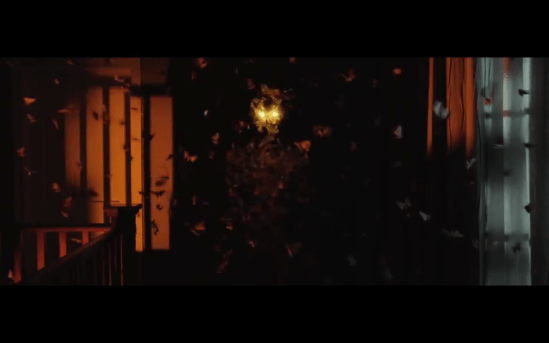
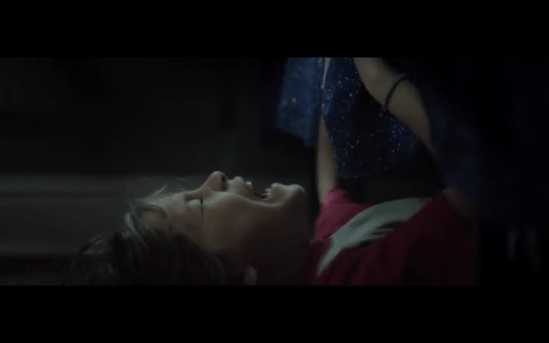
Grieving parents, Jessie and Mark, aim to heal the deep wounds of the tragic and accidental death of their young son by fostering an orphan boy named Cody. After the mysterious death of Cody’s mother and having been through two concerning foster parents prior to Jessie and Mark, Cody strives to be the most sweet and loving child to his new and pleasant foster parents, but Cody has a dark secret that keeps him up at night. When Cody falls into a dream state, his subconscious imagination manifests his awe-inspiring dreams and even his worst nightmares that become deadly with the presence of the malicious Cranker Man, a dream shadow who can pluck anyone into disappearance that happens to be near the slumbering boy.
screen-shot-2017-01-07-at-3-14-23-pm
“Before I Wake” director Mike Flanagan labors over all that is supernatural, churning out more than his fair share of specter-centered storied films including “Absentia,” “Occulus,” and the more favorable sequel to “Ouija,” entitled simply enough “Ouija: Origin of Evil,” that was produced alongside “Before I Wake” in 2016. Flanagan’s knack for suspenseful tall-tale horror doesn’t pigeonhole the Salem, Massachusetts born director into producing the same terrorizing story over-and-over and while “Before I Wake” has undoubtedly a few heart-pounding horror elements, fantasy more than so strong arms the genre into a branding submission. If I may be so bold by comparing “Before I Wake” to Guillermo del Toro’s “Pan Labyrinth” might be committing, perhaps, blogger career suicide, but the draw to resemblances can’t go ignored with what “Before I Wake’s” Cody creates from his overly stimulated dreams is much more familiar to what “Pan Labyrinth’s” Olivia character imagines when she escapes the horrors of a war bred sadistic maniac, if even only in a diluted version of events.
screen-shot-2017-01-07-at-3-14-52-pm
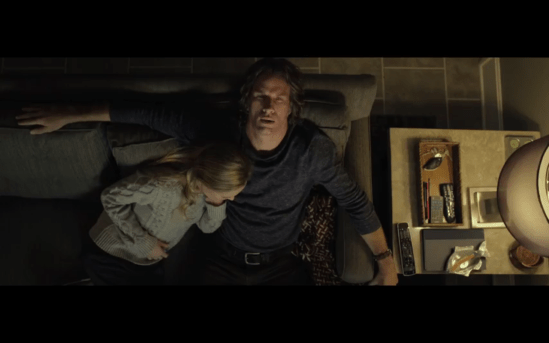
“Superman Returns” actress Kate Bosworth headlines with co-star Thomas Jane (“The Mist,” “Deep Blue Sea”) as the unwitting foster parents who are forcing themselves back into the parenting game. I specifically was not coming to terms with Bosworth’s performance as Jessie; her facial expressions and body language, along with her tone and line deliveries, were too lifeless with rigidity and repetitiveness. So much so that I compared Bosworth to Suzanne Cryer’s impassive Laurie Beam character from HBO’s “Silicon Valley.” Unless the inexplicable amount of grieving has voided her of all emotion, like the Borg drone from “Star Trek: The Next Generation,” the role of Jessie is written with a variety of mood driven circumstances that start with her insomnia, to her willingness to not leave their home, to being carelessly exploitive with Cody. Being a fan of Thomas Jane since 2004’s “The Punisher,” I might be a bit biased, but Jane had more range with the ability to switch back-and-forth between mixed attitudes and sentiments, making the dynamic between Jane and Bosworth clunky and awkward. To round off the trio of main actors, you might recognize the pint sized actor playing Cody as Jacob Tremblay from the 2015 Oscar Winning Brie Larson film “Room” portraying an innocently pitiful dreamer with an unquenchable thirst to be loved.
screen-shot-2017-01-07-at-3-14-56-pm
The Flanagan and Jeff Howard co-authored storybook script, intentionally or not, borrows heavily from psychoanalyst Sigmund Frued’s dream interpretation theory that wishful fulfillments are more common in children. Previous day activity, or day residue, has influential properties on a child’s dream, much like with Cody in this story, and Cody’s dreams are written to be an exaggerated fruition, fulfilling his desires and illuminating his emotions to the brightest or the darkest extent. Like many other films that involve the misunderstanding of children, adults Jessie and Mark blindly understand all the possibilities of Cody’s uncontrollable gift, exploiting Cody’s powers for their own greed. I did find that I love Jane’s Mark character as he tries to show Jessie the errors of her reasoning as he’s a bit of a kid himself, living vicariously through Cody with the video games and with the pizzas as if husbands, or men in general, are actually children at heart. Cody’s gift becomes a power struggle with Mark caught in the middle and the consequences of this struggle result in being the catalyst to unify Jessie and Cody as a strong bond between Mother and Son. Men totally receive the shaft in this picture where both dominant adult male figures are reduced to a forgotten or humbling state, left behind because mother knows best when it was really mother who dismantles the situation.
screen-shot-2017-01-07-at-3-14-57-pm
“Before I Wake” is a boogeyman fable of sleepless nights that independent Canadian distributor Mongrel Media presents on Blu-ray for the first time anywhere in North America on a home entertainment platform come January 10th. The film has been in a distribution limbo since U.S. theatrical distributor Relatively Media filed for bankruptcy, but, luckily for fans of the supernatural genre, Mongrel Media obtained home video rights. I was provided an online screener link, forcing my hand to not comment on the specs of the Blu-ray audio or image quality nor touch upon the bonus material, but what I can state is that the spin on the dream killer won’t stop here with “Before I wake.” Dreams, like conceptions of outer space, are vast with unlimited, unconstrained content that surrealist director Mike Flanagan has only partially tapped into by exploring the dangerously innocent perceptions fabricated from a child’s abstract mind.