Prostitution Might Be the Oldest Profession but Killing People on Camera is the Evilest! “Snuff Tape Massacre” reviewed! (SRS Cinema / DVD)


Pick Up This Nightmare Fuel of “Snuff Tape Massacre” on DVD at Amazon!

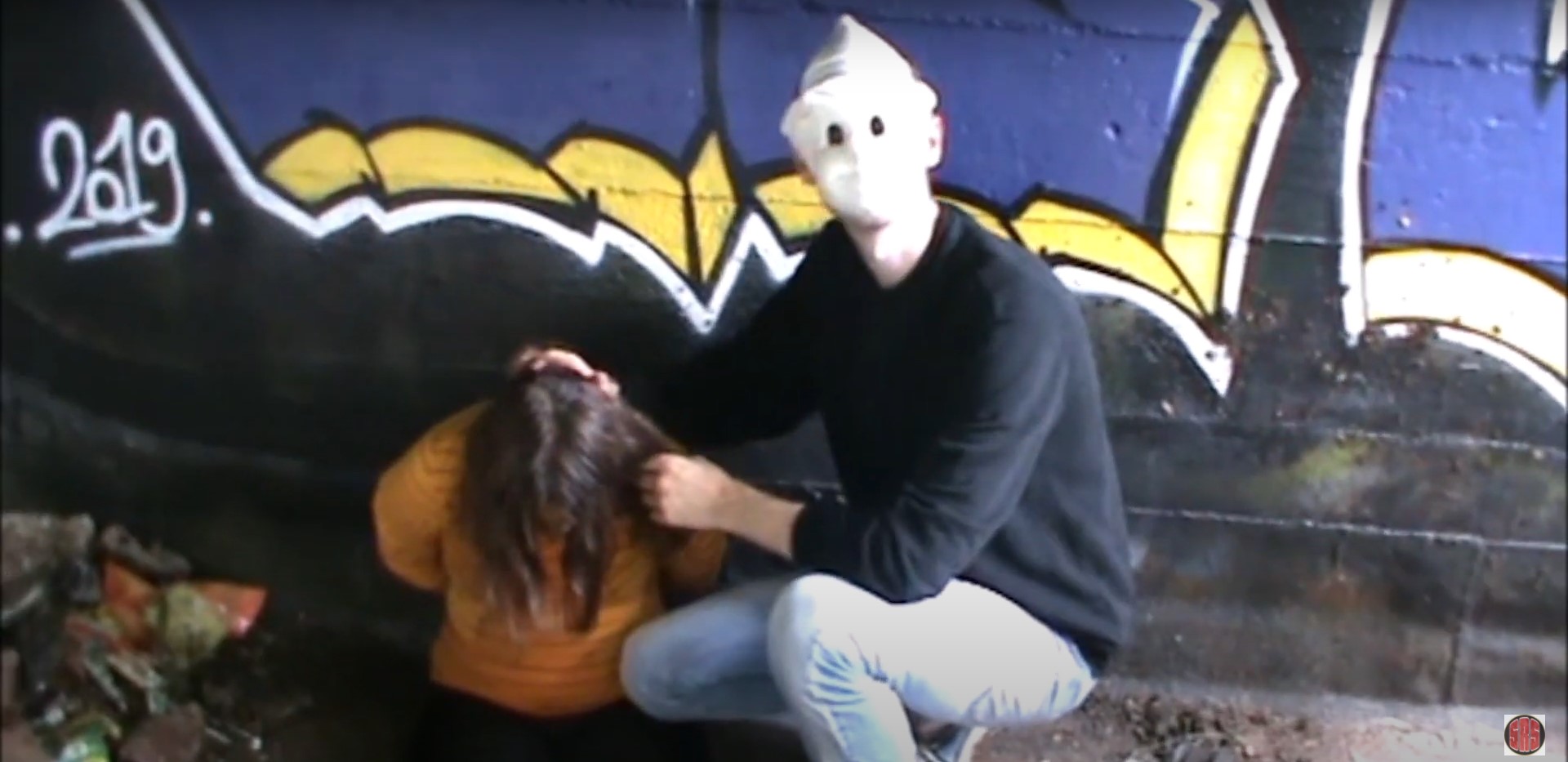
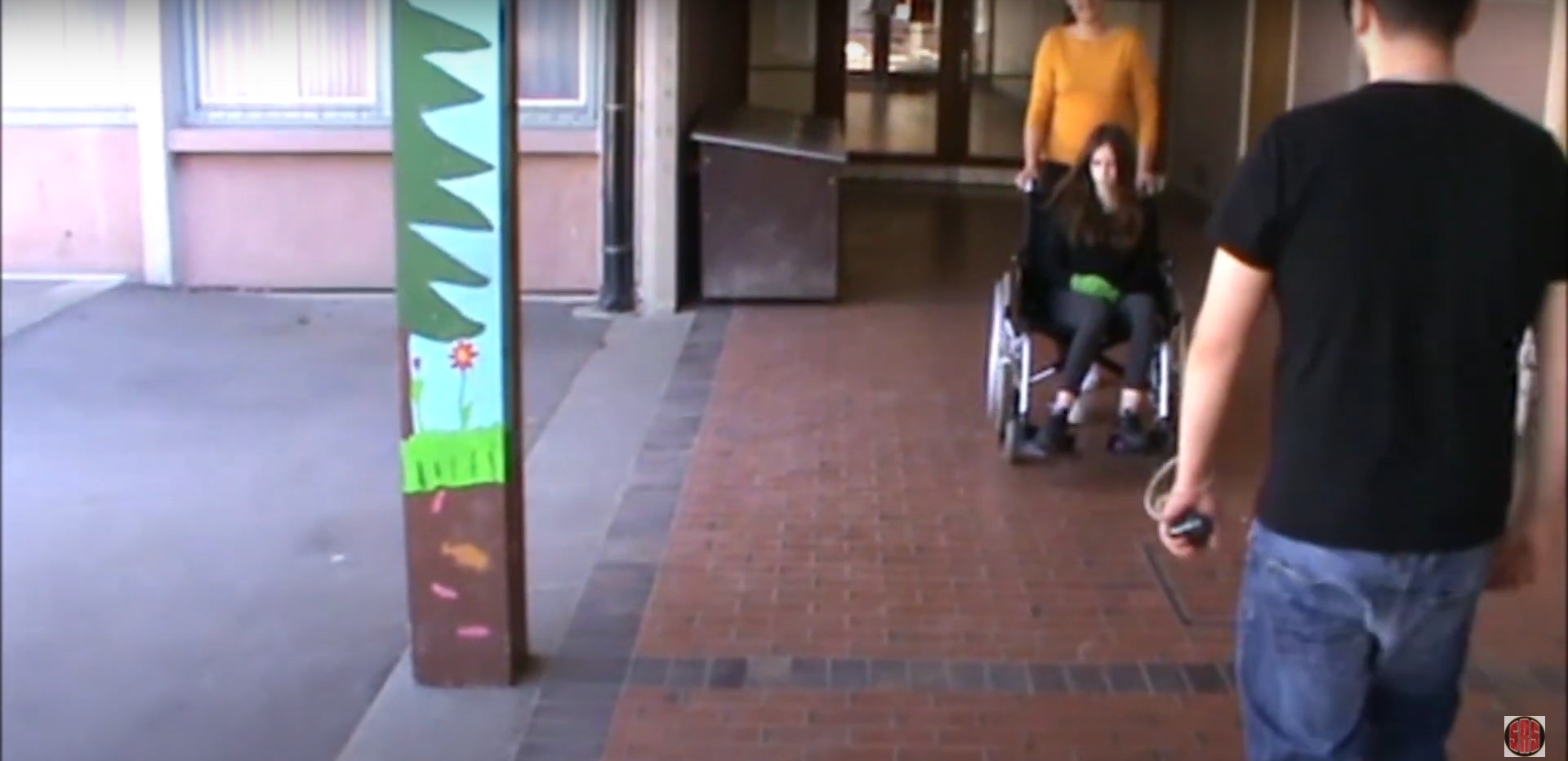
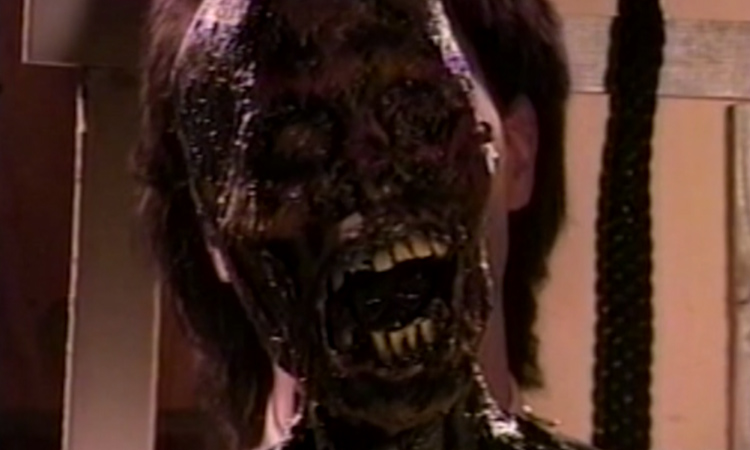
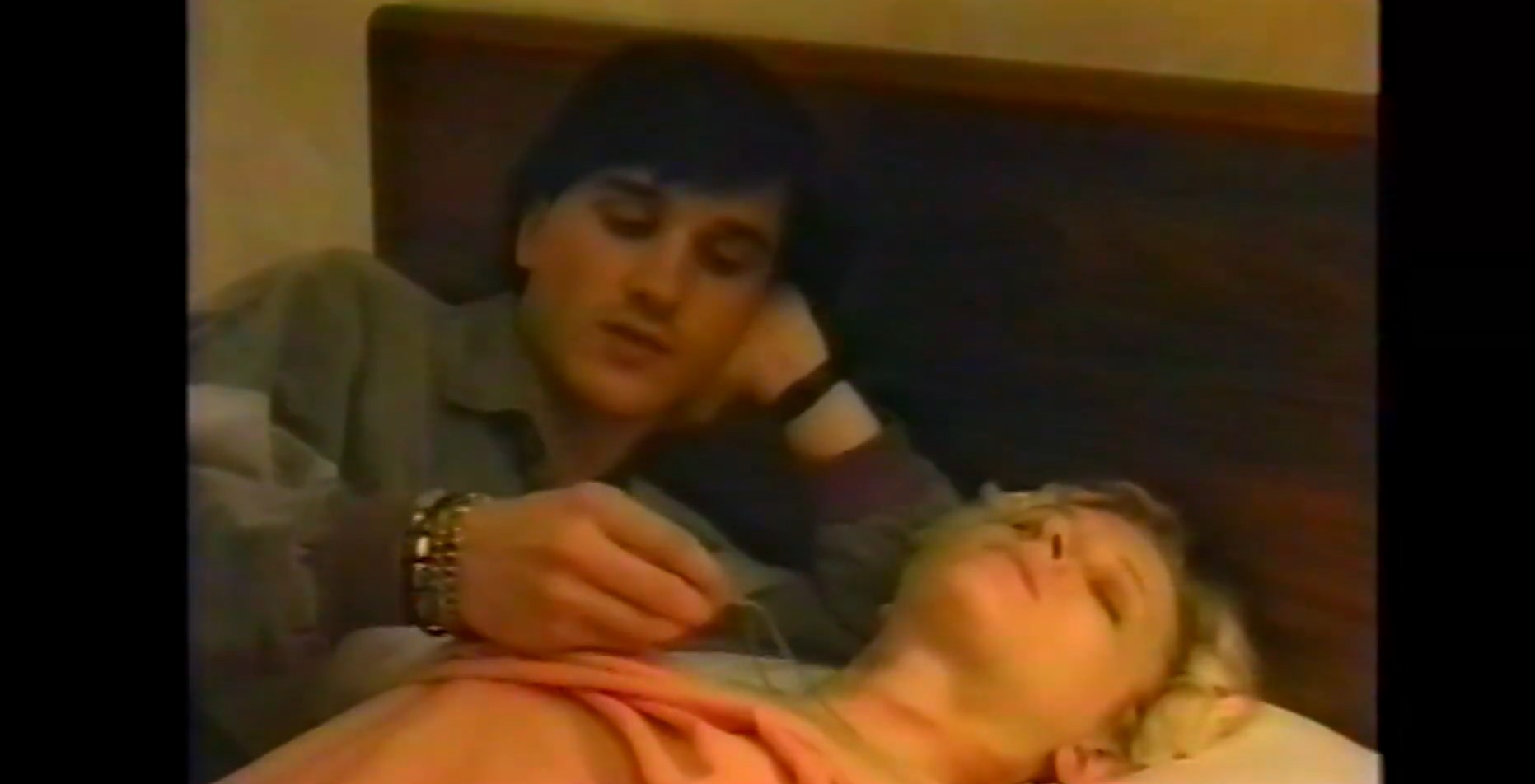
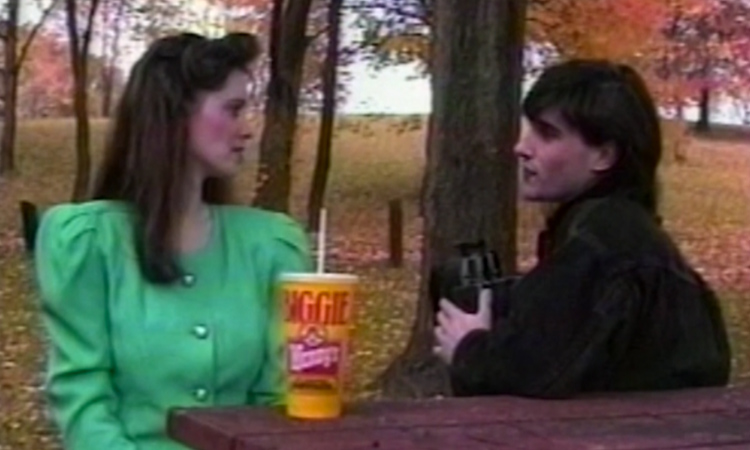
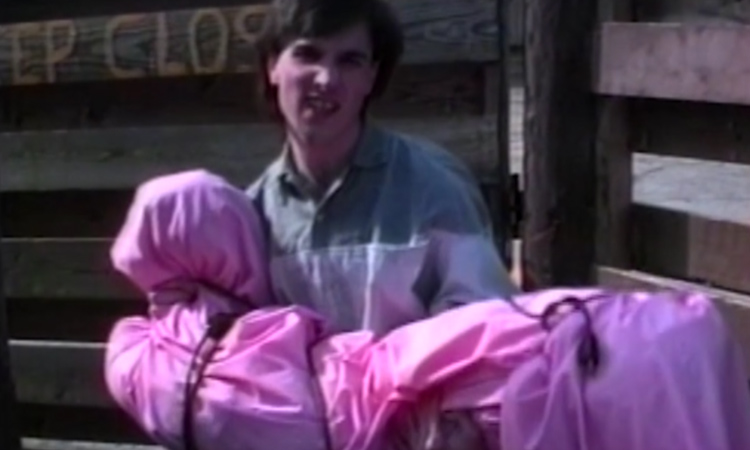
Two killers are employed to do what they do best, to make a snuff tape.  Brokering the deal is Brand, a middleman serving on the behalf of a unknown client and relaying the job’s details to his contracted filmmakers.  The casted stars of their next production is a young pregnant woman who works at the home for the disabled and one of the residents, a 15-year-old deaf-mute girl who can’t utter a single sound due to her extreme incapacitated condition.  Pretending to be making a documentary about the disabled, the two killers were able to gain the women’s trust, easily drug them, and move them to a secluded location where the sadistic torture and affectionless murder show begins.

Straight torture and gore with no cinematic style or undertone depth is not every moviegoers preferred cup of tea.  For this gore hound, I can take it or leave it but would enjoy the darkest recesses of human sadisms and fantasies more if something was more germane to the reason for gore, but as far as Juval Marlon’s “Snuff Tape Massacre” is concerned, what you receive is a single perspective propelled by unsympathetic maliciousness, nihilism, and a taste for that metallic sweetness of blood.  The Germans are fairly well known for their insensitive, uncouth, and extreme films from the likes of directors Olaf Ittanbach and Jörg Buttgereit.  Does Juval Marlon have the blood and guts to be on the same level?  His written and directed 60-minute independent feature, also known as “Stermgewehr,” (“rifle” in German), aims to be a gruesome shocker under Marlon’s own befitting Beheading Films banner.

Obviously, none of the following names will be a part of a familiar, household cast fixture.  These types of gorging gore films usually have a small and conversant with each other cast of at approximately a hand full of willing actors and actresses to possibly mar, or better yet castrate, their acting aspirations with needless disturbing content that’s ironically overstated as well as understated.  “Snuff Tape Massacre” has a total of five members in the cast and out of the five members, only one uses a first and last name. The others go essentially dark with their real or full names anonymous to the world because who would ever in their right mind want to be associated with a movie about a snuff film? Thomas Goersch is the only full name credited and the only actor who a respectable credit list. However, Goersch has had many publicly and critically panned low-rent features with “The Curse of the White Woman,” “Bloody Shadows,” and “Poltergeister Experiment” being just some of his most recent samples that fallen into the depths of unsalvageable dumpster fires (and this has perked my darkly morbid and unusual curiosity in bad, bad movies!). As businessman Brand, Goersch never gets his hands dirty, leaving the role and his name unscathed and to leave all death-dealings to his hired hands in a pair of automaton teenage terminators including the head Snuff Filmer (Navarro) and his unnamed companion on the trail of blood. At least Goersch has a bit of Bill Zebub underground star power in Germany, Navarro exists only in this film as the one of the two mostly shaded and masked killers who kidnap actresses Tanja and Maria V. to exploit. The ruse surrounding the kidnapping leaves what ever little effort there was to be, to make the ordeal more engaging and exciting, was left back on Brand’s phone call as the Snuff Filmer’s plan to be pseudo-interviewers for a documentary goes off without a hitch. Maria V. does find as an interviewee of a second-year social worker enthusiastic about helping but her fellow co-kidnappee in binds Tanja literally serves as a second body to humiliate, torture, and execute by two desensitized individuals that isn’t a far stretch from their rigid performances as high and tight killers.

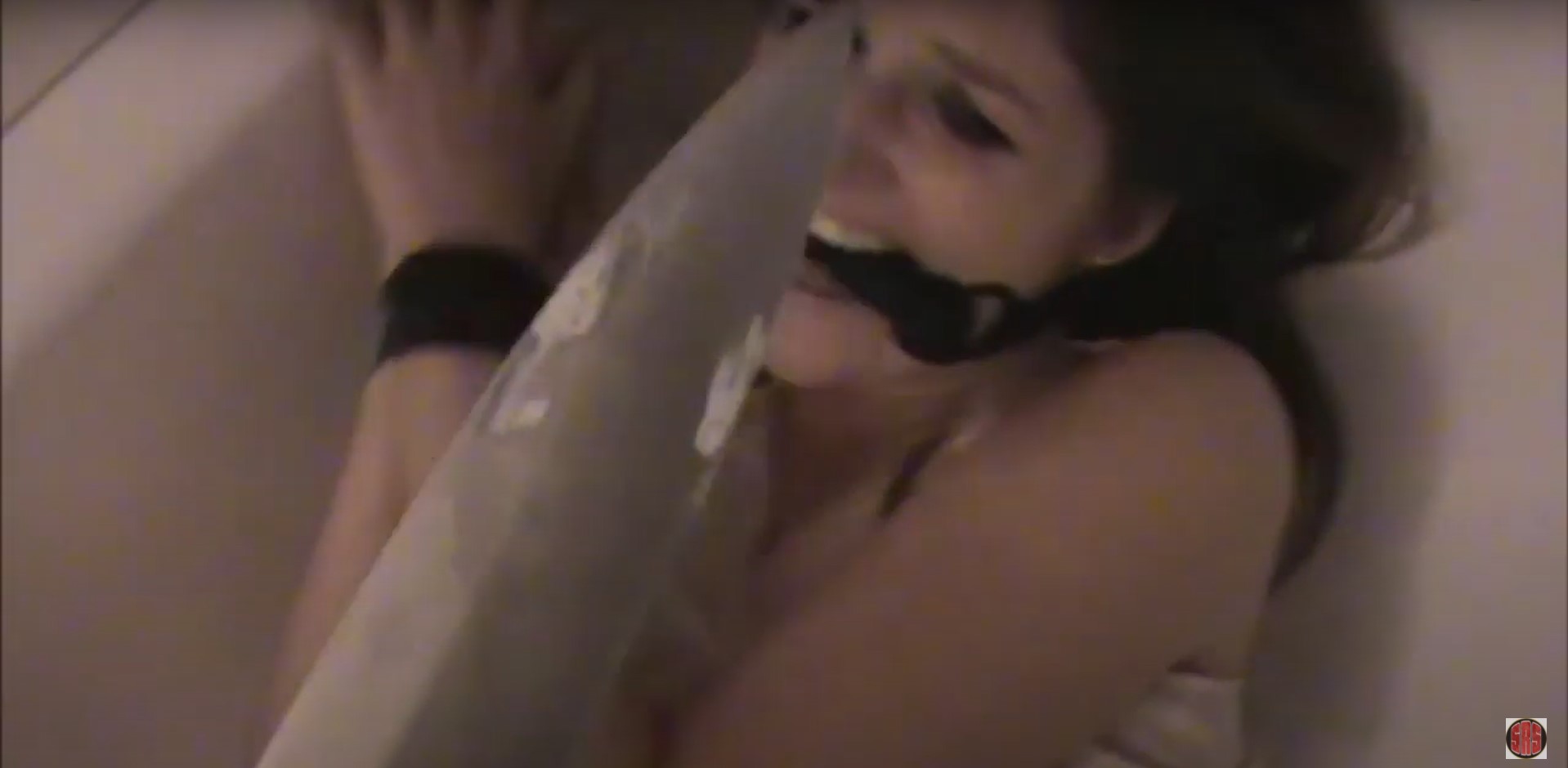
The crux of the problem with “Snuff Tape Massacre” is that the movie is just too long. Right now, you’re sitting there, reading this, cross-eyed by confusion, and thinking to yourself, “Steven, didn’t you say this was a 60-minute movie?” The answer is, yes, I did say that, but Marlon’s previous work, of similar extreme fetishisms, have been short films and “Snuff Tape Massacre” feels very much like a short film that’s been mishappened by a rack, stretched beyond its limits to where the possibility of being recognized for what it is, an orthodox gore and shocker, no longer factors into the equation. Scenes run too long and are over kneaded to the point of losing its impactful rise. For instance, when the young 15-year-old mute-deaf girl is being threatened by the Snuff Filmer’s automatic rifle barrel as he stuffs it into her mouth in an unspoken, simulated act of fellatio, the scene drags on for minutes upon minutes. As aforementioned, “Stermgewehr” in Germain is rifle and so these scenes should have some significance importance but overall feels juvenile and executed with poor time management. Marlon obviously doesn’t have two Nickels to rub together to fund this film, using old compact, pocket-sized digital cameras to record the varying levels of video and audio quality, but the one thing us gore hunds can appreciate is the gore. We can certainly tell a fake leg, arm, and even penis when one comes on screen and “Snuff Tape Massacre” is not exempt from using more-so than obvious inner details with no arterial or vascular details whenever a leg or arm is chopped (or even sawed) off with a dull hatchet, but what can be admired is the seamless look of the leg and the arm to the actresses. We’re not talking about a mannequin’s appendages or a plastique digits here when the dragged-on interview has finally wrapped, and the real raw material begins with decent prosthetics and blood pumping mechanisms that squirt blood longer and for the duration. The most effective effect is dick-hole jab stuck on repeat until the snuffer hits what we all presume is the back off the prosthetic piece but in the back of our mind, we’re really thinking bone. It’s a crotch-grabbing, leg-crossing, dick mangling moment no guy will ever forget.

SRS Cinema is well-known for bringing schlocky shockers to the table under the guise of really fantastic and detailed artwork for the banner’s DVD covers. “Snuff Tape Massacre” is no exception here as Juval Marlon’s film is juicy enough to make the company’s Nightmare Fuel line with an unrated and extreme release presented in widescreen 1.85:1 (16:9) aspect ratio in a lower resolution of 720 pixels (due to the compact digital cameras). Though unable to tell what cameras are being utilized, there are two different cameras are being used based on the vast difference in picture compressions with one looking stronger and more detailed than the other. The onboard microphone for the English language dual channel stereo mix is a lossy MPEG audio format that really takes a hit with the inconsistent background noise and electronic interference with a straight hum throughout when Marlon’s industrial sampler score is not substituted for sole audio dominance. Like many other SRS titles, the only special features included are SRS trailers for their catalogue unless you count the aforesaid artwork design of an illustrated half-naked bathtub victim with eyes of kitchen knife-stricken terror as part of the special features package – see below. “Snuff Take Massacre” is considerably low for a repeat viewing, but there are enough scenes that will undoubtedly make you recoil and squirm and that, my gory compadres, is worth the sole price of admission.

Pick Up This Nightmare Fuel of “Snuff Tape Massacre” on DVD at Amazon!


Hide Your Children! EVIL Comes For Them! “Achoura” reviewed! (Dark Star Pictures / Digital Screener)


“Achoura” now available on Prime Video!

Broken by witnessing the kidnapping of their friend Samir, Ali, Nadia, and Stephen’s lives are plagued by the past and turmoiled in the present as adults.  When Samir is miraculously discovered alive, a realization of truth begins to flood back into their memories as the kidnapper’s intentions were to stop a malicious, child-devouring entity by stowing the demon away in Samir’s body as an encapsulating prison.   The demon, known as the Bougatate, uses the joyous celebration of the Muslim holiday Ashura to snack on beguiled youth and is now free to feed upon ripe, happy children once again, especially Ali and Nadia’s young son.  The four friends must band together and seek to destroy Bougatate on his own turf, a decrepit rural French house engulfed in nightmarish lore. 

Nothing says originality and mind-broadening concepts more than when international filmmakers weave the fabric of their folklore, the sequin of traditions, and the raw materials of cultural customs into their fabrication of creativity.  Director and co-writer Talala Selhami takes us on that very journey through Morocco with a tale based off the concepts of a shifty Djinn-like urban legend terrorizing children of the Ashura celebration with a shadowy, jaw-opening and jowl-extending monster devouring children like a snake in this 2018 released supernatural, child-be-vigilant thriller, “Achoura.”  Selhami’s sophomore film comes 8 years after releasing the cutthroat hiring practices of Corporation authority over the applying individual in “Mirages.”  The French-born director helms a script penned by Jawad Loahlou and David Villemin showcasing the horrors of loss, sometimes forgotten, amongst the Arab-Berber population.  The half-crescent coast of Casablanca becomes the main shooting location for the Moroccan-French co-production under Moon & Deal Films, Overlook Films, Orange Studio, and Black Lab VFX produced by Selhami and Lamia Chraibi with executive producers in Caroline Piras (“Among the Living”) and Rachida Saadi.

“Achoura” has been described as the Moroccan “IT” where four childhood friends reunite to face a preadolescent predator known as Bougatate.  That analogical sentiment is extremely on-point to the detriment of “Achoura’s” North American release; I, myself, before reading any other external comments, had thought “Achoura’s” story walked the same line as the 2017 remake and strongly resembled Pennywise in intentions and, in some ways, specific ways he – or rather it – tricks and consumes children.  The four friends are also similar to certain characters in the Loser Club, but the Sofiia Manousha is the least affected by her past, reimagining what happened to her friend, Samir (Omar Lotfi), as nothing more than being an abducted whim of a pervert’s fantasy.  Samir is the younger brother to Nadia’s estranged husband Ali (Younes Bouab), a brooding, sleepless detective ceaselessly on his brother’s case as he dives deep into old investigative interview footage and cigarette packs he continuously bites the filter off of each cancel stick.  The pain Ali bottles up is complete poison wonderfully conveyed as well as the interpretation of trauma from the last friend of four in painter, Stephen or Stéphane as the character is credited.  Played by the Spanish born Iván González, whose worked on a pair of intense thrillers – “The Divide” and “The Crucifixion” with director Xavier Gens, Stephen singles himself the only person that remembers what actually happens as González glosses the artist with starry eyes and a verbally shaken recollection of monstrous images.  The one performance thought to be the weakest link was Omar Lotfi’s Samir, an imprisoned man-child imprisoning a demon with him, and Lotfi’s infantility as a grown man freed from confinement and a demon crossed too intractable goofiness, leading the Samir away from being a sympathetic character into more of a cartoon of one.  The cast is relatively comprised of the four friends with minor parts here and there in roles from Mohamed Wahib Abkari, Jade Beloued, Abdellah El Yousfi, Celine Hugo, Gabriel Fracola, Mohamed Choubi, Noé Lahlou, and Moussa Maaskri as The Guardian incarcerating Bougetate inside Samir, who we assume is the same boy from the film’s prologue setup but never actually verified.

While “Achoura” draws many comparisons to “IT,” Selhami sepulchers itself into an overwrought, yet hugely overworked subgenre of shrouded gangly presences lurking from the darkest corners of the room to bring antagonism toward children.  “The Babadook” comes to mind with the manifestation of grief descending upon a single mother and her child.  Same theme can be extracted from “Achoura’s” grief and trauma over the loss of their friend and how they represent the condition in different ways:  Nadia chooses to reimagine the event to a safer, saner memory, Stephen expresses his horror through painting, and Ali’s guilt drives him to unhealthy habits in looking for his brother.  The Bougatate is akin to a pedophile robbing children of their innocence, a motif that extends from the very beginning of the story with a preteen boy expressing his affection for a girl his own age before Bougatate seizes upon them.  Their innocent and charming clandestine affair is kept from her betrothed husband, who’s creepily decades older, in a mind-boggling and unpleasant idea of children arranged marriages that sets the misguided tone for a sordid underlayer that sparks Bougatate’s resurgence into the world.   Though I like the tone of the film albeit a vague carbon copy of others like it, what I find to be tone deaf is the often clunky special effects surrounding the entity’s polished look.  One attribute belonging to Bougatate is the legion of flies that constitute his form in what has diminutively become just a bunch of nano byte specks moving in menacing unison and swallowing (or being swallowed) anything in their path. The non-linear format that double culminates the unravelling in present and in flashback past retains a sustainable 90-mystery.

One of the last horror films to be released in 2021, “Achoura” came to digital platforms and DVD home video this past December from Dark Star Pictures, the same company who released the phenomenal Veracruz folklore and Bruha horror, “The Old Ways,” and the Mickey Reece’s perfectly subtle nod to vampires and depression in “Climate of the Hunter.” Since a digital screener was provided, commenting on the DVD audio and video quality is a no-go, but the Mathieu De Montgrand offers harsh hard lit scenes vast in depth, a breadth of landscape between the countryside of France and Casablanca shoreline, and excellent action and tracking shots to instill the appearance of a big-time movie. Montgrand is definitely not just a point and shoot cinematographer as he can build suspense purely on his angles along with Julien Foure’s editing of the flashback montage that tells a bigger side of the four friends’ history yet to be revealed. “Achoura’s” bleak analogy of children’s innocence being consumed by the complexities of adulthood problems understands the unstoppable crossbreeding crisis of blending youthful naivety with seasoned reality to the point of no return that one day all unspoiled exuberance will simply be eaten into oblivion.

“Achoura” now available on Prime Video!

EVIL Ditches Satan, Picks Up a Camcorder. “Midnight 2: Sex, Death, and Videotape” reviewed! (SRS Cinema / DVD)

“Midnight 2:  Sex, Death, and Videotape” now available on DVD!

The sole survivor of the murderous, devil-worshipping cult family, Abraham Barnes, continues to kill under a new outward show as amateur videophile recording everything and everyone to gain their trust.   Instead of harboring his mother’s dark intentions of eternal life, Abraham simply thirsts for killing, documenting his premeditated methods using a camcorder.  When his latest victim goes missing, her friend initiates an investigation with a police detective, but Abraham is always recording, always one step ahead of them both, always on the hunt.  With the trap set and the play button pressed, the blood-lusting survivor of the maniacal, serial killing Barnes family preserves a lineage legacy of death. 

Screenshot from AGFA

Ten years after releasing his moderately successful All-American shocker, “Midnight,” John Russo returns with the Barnes family.  Well, at least one of them in the 1993 release of “Midnight 2:  Sex, Death, and Videotape.”  Also known as simply just “Midnight 2,” the secondary title references the widely popular 1989 Steven Soderbergh film of sexual testimonial video-tales in “Sex, Lies, and Videotape,” starring James Spader and Andie MacDowell.  The sequel gives way to a new motive and theme that’s very different from the satanic panic aspect of the original.  “Midnight 2” enters the mind of a serial murderer with every calculated and cold thought and whim that crosses the killer’s mind laid out in detail to paint a compulsive picture. Behind the scenes, conjuring up resources to make the sequel exist as it stands today, is “Dead Next Door” and “Robot Ninja’s” J.R. Bookwalter, the head-honcho in production and distribution of his own created company banner, Tempe Entertainment. Bookwalter, who also wears the director of photography and editor hat on this film amongst others, produces the Russo sequel that was shot on location in Bookwalter’s home city of Akron, Ohio.

If you’re expecting or anticipating seeing John Amplas (“Martin,” “Day of the Dead”) return to the Abraham role 10 years later, be prepared to be severely let down as Amplas does not return for “Midnight 2.” Instead, profound schlock horror screenwriter and composer, Matthew Jason Walsh, brings a whole new peculiarity to Abraham Barnes and I’m not just talking about his face or mannerisms. Walsh, who penned such David DeCoteau C-list gems as “Witchouse,” “Young Blood, Fresh Meat,” and “The Killer Eye,” goes face-to-face with the camera in a hybrid performance as lead actor and lead narrator of his own exposition into his own executions. Being a sociopath is never fleeting from Walsh who can sink into the sardonicism of the Abraham character naturally as one of the two only traits to carryover from the original film with the other being a killer. Aside from a boat load of archival footage and a verbal recap of nearly the entire first film, the whole Devil-worshipping aspect of the Barness family is dropped in favor of a more undisclosed truth in the hidden agenda of a person who thrives off the hunt and the kill. Abraham goes through verbatim his daily, stalking routine in a publicized manner of videorecording everything and everyone to capture as much detail as possible as well as capture their last moments. Russo does throw in escape clause caveat for Abraham in that if he meets the right girl, the love for her will be strong enough to break him away from killing and possibly start a family and while Russo plays into that tangent a little with Jane (“Killer Nerd’s” Lori Scarlett), nothing much more materializes significantly as a romantic conflict that circles back to that subtheme. Russo ultimately gives in to a more cat-and-mouse game with Jane’s worried friend Rebecca (“Chickboxer’s” Jo Norcia) and the detective who rather slip into Rebecca’s pants than actually solve the case in a stiffer than roadkill performance by Chuck Pierce Jr. (“The Legend of Boggy Creek”).

Screencap from AGFA

I wonder how much ‘Midnight 2″ is actually from the mind of John Russo or if it’s more of the J.R. Bookwalter show in calling the shots from the producer’s director’s chair as the film feels very much like Bookwalter’s usual fare, a SOV, DIY, home brew production of local Ohioan talent. “Midnight 2” also goes from the backwoods suburbia of Pittsburgh to the concrete structures of Akron, leaving behind any remnants of Abraham’s satanic past in the ground along with his dead siblings, but the sequel very dutifully leans into us with a heavy archival footage recap with Walsh narrating the entire damn thing. I kid you not, the recap is approx. a third of the runtime and so essentially, “Midnight 2” is a two for one straight-to-video special. Granted, the archival footage remains in its untouched up state so don’t expect the Severin grade video quality. In one way “Midnight 2” is discerned to be more of a Russo film is the very hesitancy of graphic, blood-shedding violence. Bookwalter’s a bit of gorehound in making some gruesome grisliness out of the singles from a Podunk stripper’s Kmart thong. There’s none of that imaginative ingenuity here with a surprising severe lack of that adored shot-on-video nastiness common of its era, especially from the likes of John Russo in filing a rated 13 release according to the DVD back cover, enervating “Midnight 2” as a inferior sequel that tries on a new pair of shoes but ends up limping with a lame gait.

Screencap from AGFA

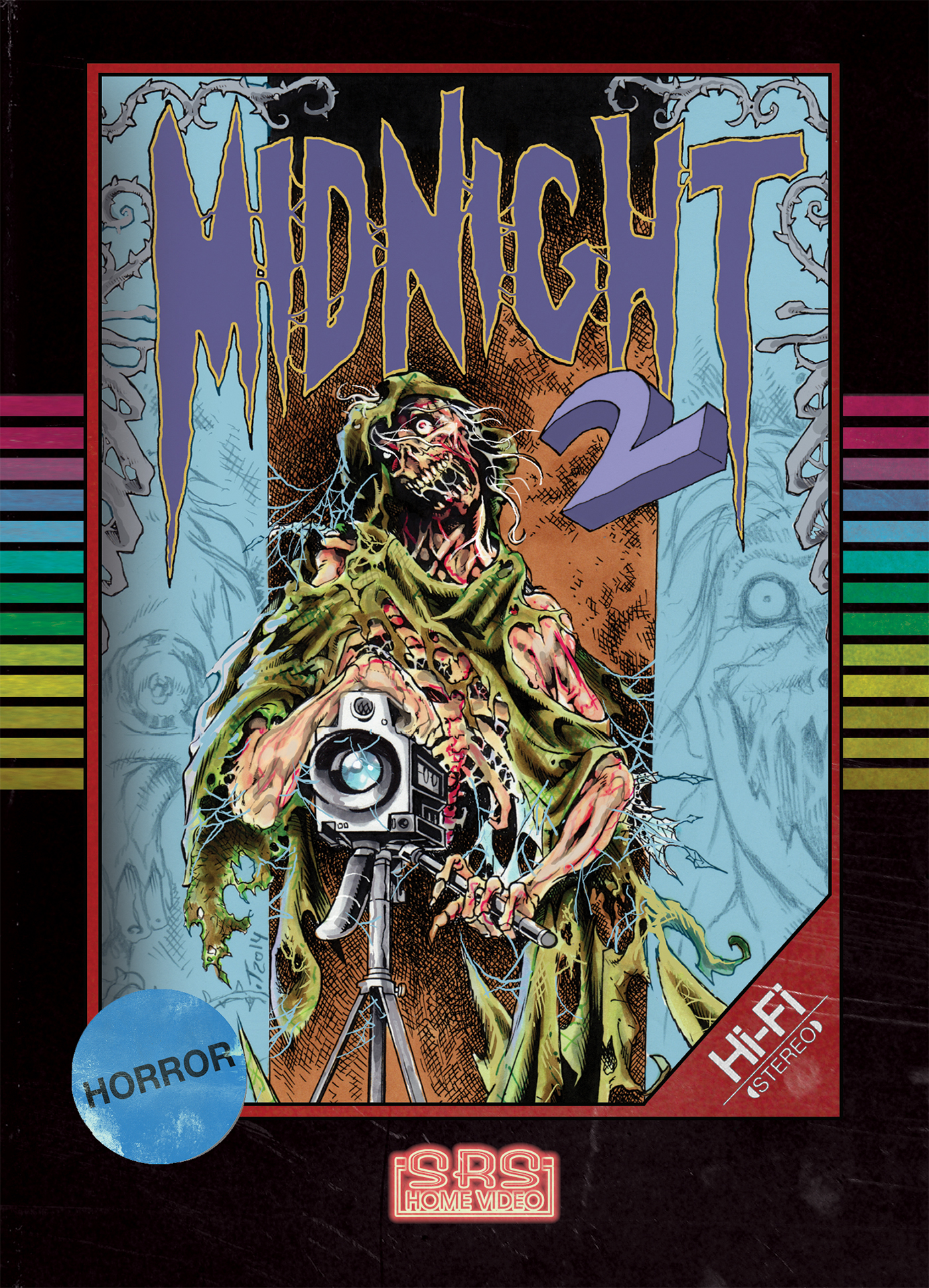
Russo might always be remembered for his contribution to the start of the “Living Dead” franchise. The cult legendary filmmaker surely found modest success with his first directorial run with “Midnight.” Yet, “Midnight 2” will have a tough time keeping out of the celebrated shadows of Russo’s credits, but the indie, underground horror label SRS Cinema pulls back the shrouding curtain with a newly released, MVD Visual distributed DVD featuring two cuts of the film. Fitted with a retro look and ghastly illustrated cover art, a superb upgrade from the VHS cover, the region free DVD is presented shot-on-video in a 4:3 aspect ratio on both cuts. Essentially, both cuts are the same with reworked scenes and narration with the except of the 90-minute rough cut having extended archival footage of the first film. The main version runs slimmer at 72-minutes. The lossy image quality abides within both versions with a flat color palette that, at times, had a singularity about its choice of unflattering hue, compression macroblocks consistently flare up, and dimly discernable innate tracking lines with video recording destabilize the image. The anemic English Language single channel mono mix is a bottom of the barrel budget sound design and that was to be expected. Dialogue does come over clear enough but lacks vigor and crispness as there is just too much electrical interference shushing in the background. Depth’s a bit awkward too with the actors conversing in the background but have foreground decibel levels. Aside from the two cuts of the feature, the only other bonus content is the theatrical trailer and other SRS home video trailers. “Midnight 2” works as a standalone in a different shot-on-video horror light but is crammed with unnecessary recapping on a story built around the destined, convoluted conjecture of a homicidal narcissist and his videotape addiction.

“Midnight 2:  Sex, Death, and Videotape” now available on DVD!

Meir Zarchi Returns With Another Round of EVIL Exploitation! “I Spit On Your Grave Deja Vu” reviewed! (Ronin Flix / Blu-ray)

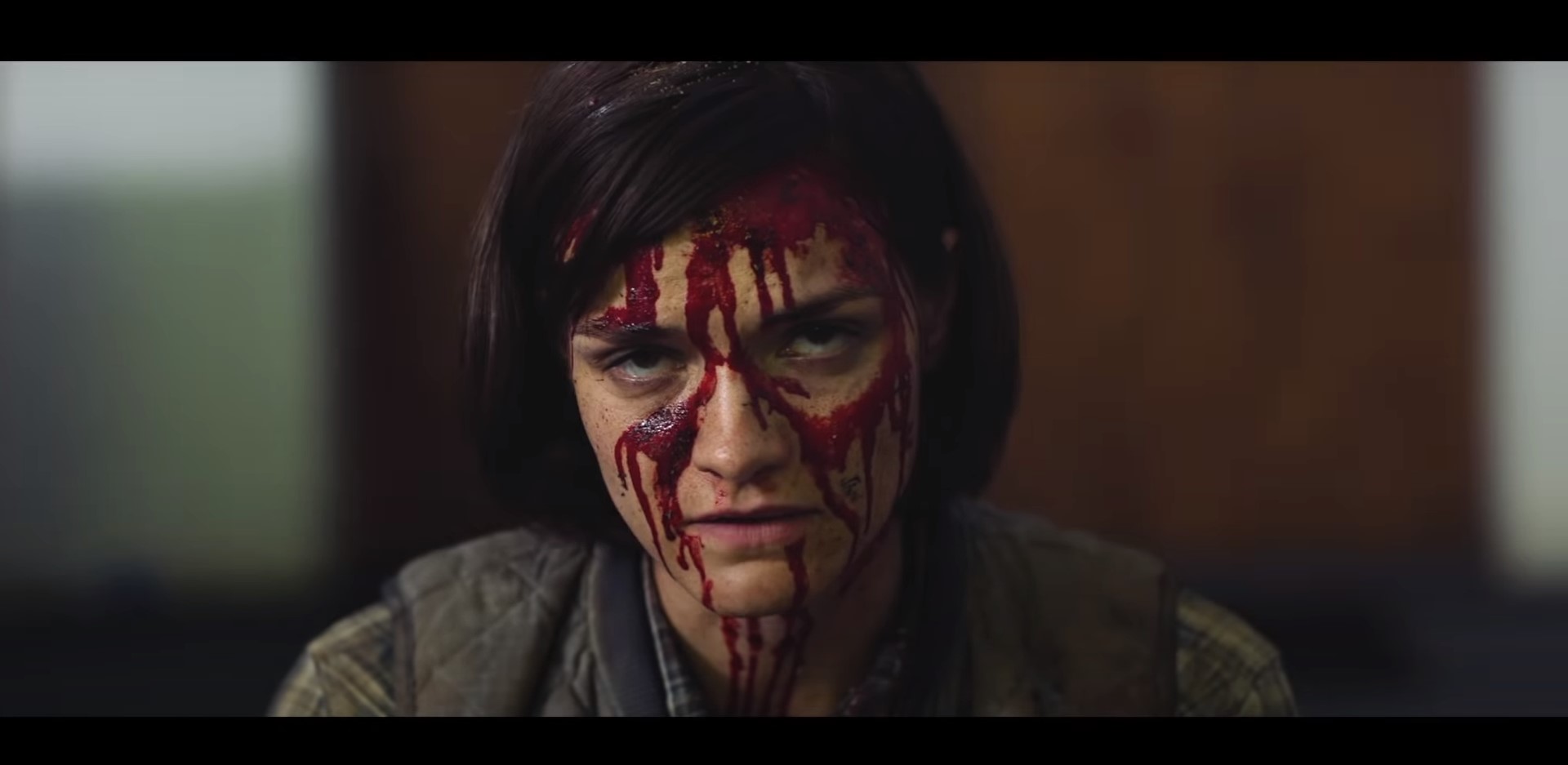
Forty long years have passed since the sexual assaulting atrocities of Johnny Stillman and his gang were committed on the young and beautiful Jennifer Hills.  Empowered by her horrific tale of survival with the release of a new tell all book of how she outwitted and took homicidal revenge on her rapists by luring them in with her sexual persuasions, Hills finds herself back in familiar terrorizing territory being kidnapped by Johnny’s devoutly vindictive widow and three living relatives of the gang that once ganged raped and brutally beat her, but she’s not alone.  Captive with her as collateral damage is her famous supermodel daughter, Christy.  Both are caught up in an eye-for-an-eye revenge plot where being lethal is the only means of survival and with a long history of resentment, rooted deep inside Johnny’s kin, fighting back will take every ounce of resilience and strength against a community of hellbent sociopaths. 

Circa 2005-2006 is around the time I first bared witness to Meir Zarchi’s 1978 controversial exploitation shocker, “I Spit on Your Grave.”  Popping in the DVD popped open my eyes to the world of graphic vengeance and the submission to primal, carnal whims inside the human-on-human violence context.  Before Zarchi’s film, which is also known as “Day of the Woman,” and even Wes Craven’s “The Last House on the Left,” this neophyte’s description and knowledge of horror was limited to the stymies of broadcast television that only aired edited and censored slashers like the “Friday the 13th” and “Halloween” series or supernatural presences of “A Nightmare on Elm Street” and “Poltergeist.”  Never has the likes of “I Spit on Your Grave” been a red pill option into the vast horror matrix for this then college kid who glazed over with the façade of sleeping through studies and worrying over trivial matters involving the opposite sex.  In a way, Zarchi was a kind of Morpheus to me when I started purchasing physical media that opened my eyes and my mind to the rape and revenge facet in horror hidden behind the commercial veil.  In 2010, a Zarchi produced reboot saw more light in the commerciality and spawned two sequels in its wake, but not until 2019 did Zarchi get back to writing and sit back in his director’s chair to helm an official, yet less commercial, sequel entitled “I Spit On Your Grave Déjà Vu” or “Day of the Woman Déjà vu” that was produced by his limited company banner, Déjà Vu LLC with son Terry Zarchi and Jan O’Connell producing.

The long-awaited sequel reteamed Zarchi with original lead actress, and also ex-wife, Camille Keaton, distant relative of the famed comedy and stunt actor, Buster Keaton.  Camille Keaton, who looks phenomenal in her 70s during production, steps back into the infamous Jennifer Mills role that made her a household name amongst grindhouse-horror community.  Though completely nude for most of the 1978 film, that part of her performance takes a step back for a new actress to pave a new path in the saga.  Obscure indie scream queen Jamie Bernadette (“Axeman,” “The Bunnyman Massacre”) is ceremoniously passed the torched as the new riches to ragdoll as the Jennifer Mill’s unhappy supermodel daughter, Christy, who becomes haplessly snagged into her mother’s unforgotten past.  Bernadette offers a variable beauty and a diverse poise that doesn’t make Christy a carbon copy of Jennifer Hills, but the actresses deliver the same apathetic venom of a woman scorn.  More of a carbon copy is the four backwoods bumpkins fuming over Jennifer Mills’ vindictive dissecting of their dead relatives.  The gang is spearheaded by Beck, played by Maria Olsen who, like Bernadette, has made a name for herself in low-budget horror having roles in films such as “To Jennifer,” “Starry Eyes,” and “Gore Orphanage.”  Olsen projects Becky as the gas station attendant from Hell, someone you don’t want to interact too long with as you’re pumping gas in the middle of nowhere, but Becky is not a woman of a few words who constantly has to remind us, to the blistering point of annoying, that she must avenge her late husband’s sinful murderess.  The rest of the gang didn’t impress much after that.  Jonathan Peacy has a chance to shine from out of the extra and bit part shadows as the crazed and hyperactive Kevin, brother of Stanley from the original film, and while Peacy channels his best Al Leong look, Kevin is ultimate a big detrimental goof with small dog syndrome than actual menace.    The last two aren’t any better with a lackluster act by Jeremy Ferdman as Andy’s cousin and “Tales of Frankenstein’s” Jim Tavaré’s rather befuddling downplay of Matthew’s mentally disordered father, Herman, who teeters back and forth between morals with a jumbled underlay of piety.  There are not many sane performances in a rather loose and unbridled Zarchi follow up with a cast that rounds out with Alexandra Kenworthy, Roy Allen III, and Holgie Forrester.

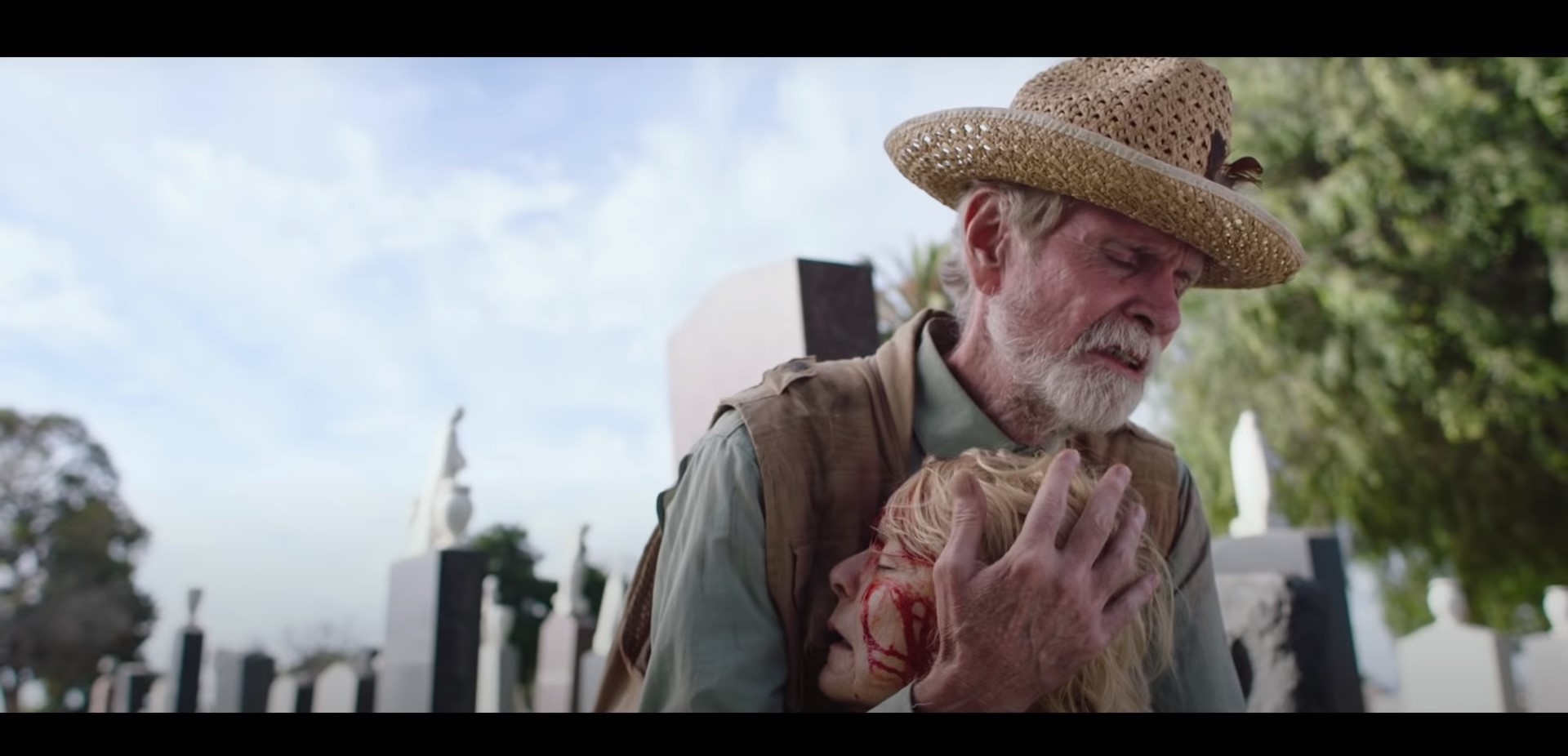
Performances aside, “I Spit on Your Grave Déjà vu” is also a cacophony of yelling as the script, from paper to pronunciation, reaches top of the lung levels with every bit of dialogue from every player in this tussle of who’s right and who’s wrong when it comes down to justifications of killing.  Zarchi’s sequel lacks the tact his first film achieves so delicately with Mills post-assault softer approach to lay waste her assailants.  “Déjà vu” satisfies its own revenge kicks with little subtly in trying to be outrageous, outlandish, and off its rocker as the confrontation between Christy and the gang becomes a rancorous grudge match.  What concerns me most about “Déjà vu” is the year in which this sequel takes place.  Between the 1978 original and the 2019 follow up, 40 years have passed, but the characters don’t fit any of Father Time’s natural aging characteristics on the surface.  Becky looks okay as an early to mid-60s woman despite Maria Olsen’s actual age being early 50s at the time of filming and release.  Herman is another one that sneaks into fathomable constructs as a character living a farmer’s life in the latter half of middle age, but I question whether Kevin and Scotty were even born yet.  The two youngsters barely seem to be out of their 30s and the same can be said for Christy where much more of her life is revealed as the story progresses.   If following the script logic, I would assume the story takes place in the 90s, but certain technologic advances, like modern day touchscreen phones, suggests no earlier than late 2000s.  As a whole, time and space don’t appear to exist on any reasonable plane for the film with characters able to bump into each at random intervals despite being a densely wooded and rural location and, for all you cinematographers out there, if your location is supposed to be rural, don’t shoot in at a cemetery with a massive grave footprint with a stream of cars speeding down a busy suburban street.  You instantly lose the illusion.  Zarchi’s intentions were clear to only echo the original while allowing for individuality with a brasher onslaught of right versus wrong, eye for an eye, and misguided righteousness for injustice, but the execution crumbles with excruciating results, never reaching the same poetic justice the first film accomplishes so graphically grafted. 

As far as rape and revenge exploitation is considered, “I Spit on Your Grave Déjà vu” gets about as down and dirty and ugly as they come.  Cult movie curator, Ronin Flix, delivers the Meir Zarchi sequel onto Blu-ray home video, presented in 1080p, full high definition, with a widescreen 2.39:1 aspect ratio.  A+ for natural lighting, skin tones, and overall appeal, Pedja Radenkovic’s cinematography is about as uninspiring as they come artistically, but, as a personal preference, the shots are more organic, raw, and less distracting from the content that’s much more abrasive and interesting.  A more natural framework also more time for Russell FX’s practical effects to be showcased without enhanced imagery.  As long as the details are there (they are), no damage is concerning (there wasn’t), and the framing made sense (for the most part), “Déjà vu” can be considered a win for Radenkovic.  The English language DTS-HD 5.1 Master Audio soundtrack for “Déjà vu” is a blessing and a curse.  Dialogue clarity is excellent and there’s a wide range to exploit, forgive the punned term, each channel with great balance, but remember what I said about all the character yelling?  Also, with the higher bitrate DTS, the quality is too good for some of the applied ambient effects like the exhaust sputtering of an old Ford pickup that sounds way too fake and way too close despite its positioning in the scene. The region A, not rated Blu-ray is stored on a BD50 due in part to the film’s massive 148 runtime and the inclusion of special features that include a new audio commentary with film critic and “The Last Drive-In” host Joe Bob Briggs, select cast interviews, the making of the film, behind the scenes footage from producer Terry Zarchi, and the theatrical trailer. Is “I Spit on Your Grave Deja Vu” the long-awaited sequel to Meir Zarchi’s first film? I’d say they’re two totally different exploitation entities cut from the same cloth with ties only in names and some flashbacks alone, but both films would make for a great double bill that starts with a harrowing, nothing-to-lose, woebegone toned, revenge thriller complimented with a lukewarm and unfocused follow up to help come down off the original’s gripping ultra-violence high.

Ronin Flix’s “I Spit on Your Grave Deja Vu” Blu-ray available at Amazon.com!

EVIL Strikes at the Stroke of “Midnight” reviewed! (Blu-ray / Severin)

Teenager Nancy searches for forgiveness through reestablishing her faith in God after being dumped by her sexually active boyfriend.  When her alcoholic, police officer stepfather learns of the relationship’s abrupt ending, he moves in quickly to take advantage of Nancy while under the heavy influence of the bottle.  Escaping his grasp, she flles home and hitchhikes a ride with two men travelling South on a getaway from Pennsylvania to sunny Fort Lauderdale, but when facing trouble with small town local law enforcement after attempting to steal groceries, the three find themselves right in the middle of a Satanic cult’s sacrificial ritual that requires the killing of three women for eternal life, one a night at midnight for three days.  Held in a dog cage, Nancy anxiously awaits her turn at the bloodletting alter surrounded by the cloaked-cladded cult and their decomposing mother’s corpse  Praying to God to save her soul, little does Nancy know that her stepfather has tracked down her whereabouts, leading to a bloody showdown of one cop pitted against a family of satanic psychopaths. 

Based of his 1980 novel of the same title, “Midnight” is known to be John Russo’s heart-and-soul project that ended up suffering one mishap after another in the two years of its production and post-production until it’s final release in 1982.  Also known as “Backwoods Massacre,” the “Night of the Living Dead” co-writer Russo helms the low-budget occult slasher out from his usual stomping grounds in and around Pittsburgh, Pennsylvania.  “Midnight” showcases a story themed with a depraved sense of race intolerance for African Americans and all varieties of religious convictions to be innately false in an atheistic Russo viewpoint amongst a glorified surface level of enrapturing inhumane violence seasoned by brainwashing.  This West Pennsylvanian born and bred grindhouse exploitation found producers in  Sam Sherman and Daniel Q. Kennis of “Blazing Stewardesses” and “Blood of Ghastly Horror”) along with Donald Redinger under the now defunct Independent-International Picture Corp.

In a sea of smaller fish of Pittsburgh actors in “Midnight’s” casting tow is a larger and rougher around the gills grouper embodied by the singular Lawrence Tierney (“Reservoir Dogs,” “The Prowler”) in the Officer Bert Johnson role. Tierney’s no stranger to the horror genre, flaunting his thick New York tough guy accent that typically typecasts the veteran actor into authoritative roles. In being no exception, “Midnight” has Tierney playing a sleazy, alcoholic, police officer who winds up more-or-less unearthing sense in his old age and utilizing his skills for good to fully satisfy his character’s arc, but Tierney alone is wonderful to behold and easy to be disgusted by as he solicits his underage teenage stepdaughter with a perverted proposition. That stepdaughter, Nancy (Melanie Verlin), is the face of “Midnight’s” protagonist whose attempting to get back on track with God after a sinful bedroom relationship with an ex-boyfriend, but her plans are slighted by a brood of young Satanists keen on keeping their now long deceased mother’s irreligious convictions intact. David Marchick, George Romero regular Ted Amplas (“Day of the Dead” 1978, “Martin”), Robin Walsh, and the face of “Midnight” on many of the posters, Greg Besnack, size up as the Satanic terrible and merciless foursome. The cast fills out with Charles Johnson, John Hall, Bob Johnson, Lachele Carl, Jackie Nicoll, Doris Hackney, and Ellie Wyler.

After the success of a collaborated run with George Romero on a handful of projects, John Russo ultimately branches off to do his own creative output after their production company, Latent Image, brought on newcomers’ and the shared ideas on the direction of their company didn’t sit well with Russo – an irk that Russo still harps upon to this day, according to the special features’ new interview from the latest Severin Film’s release.  Yet, I digress into the review of “Midnight” that has feral narrative with an irregular plotted blueprint of teenager exploitation, racial injustice, and backwoods barbarians.  Somehow, Russo’s able to juggle his jotted down on a budget scrambler with a threadbare satanic family baseline that unsettlingly feels snagged in a randomizing generator spitting out scenes to see if they cohesively connect into the next.  Nancy’s traversing into the thicket of terror story cuts into and undermines more of the sibling’s unholy ritual, which the title “Midnight” becomes an important piece to the ceremony, with a subplot of the teen running away from a handsy stepfather and into the Mystery Machine modeled van-driving hands of a pair of cavalier friends on a road trip and then find themselves in an endgame of rotten luck with bad company.  The whole lead up to the two groups running into each other is suddenly dropped like a bad habit, forgoing much of the racial tensions, the youthful subverts, and even the attempt at pedophilia when the main, overarching theme of cult mayhem and religion inadequacies come to the forefront.  “Midnight” inarguably a gargantuan piece of good ole American hicksville victimization with some underappreciated manic performances by John Amplas and Greg Besnak, but there’s difficulty in shaking “Midnight’s” stark story division that leaves much to be desired.

“Midnight” is the particular video nasty that’s surpassing all of it’s other formatted counterparts with a Severin Film’s 4K scanned Blu-ray of the full uncut negative.  The 1080p Full High Definition, region free BD50 is presented in a widescreen 1.85:1 aspect ratio with a respectable color correction, but the correction sees unstable moments regressing near the cuts revealing the lifeless yellow tinge of unmastered quality. A right amount of grain, a great amount of detail, and hardly any damage to the thought-lost uncut negative proves Severin found buried treasure of the John Russo shocker. Two audio options grace the release with an English language DTS-HD 5.1 surround and an English 2.0 Stereo. While the 5.1 offers a more robust audio option of funneling individual tracks through their respective channels, I wouldn’t necessarily say “Midnight” has an overwhelming yield for audiophiles. Soundtrack comes across just enough to know it’s there, the dialogue is clean and unimpeded, but what unfolds out of clarity is the wonky foley ambience that just render solemn scenes silly. Severin offers up a new interviews under “Midnight’s” mediocre cult status with director John Russo – Making Midnight – as top bill in a lengthy discussion about his long career, his acquaintances including George Romero, and, of course, his recollections about “Midnight.” Other interviews include producer Samuel Sherman – Producing Midnight, actor John Amplas – The Midnight Killer, and special makeup effects artist Tom Savini – Small Favors – who barely remembers working very little on this film by providing pre-fabricated headshots and sliced throat prosthetics. An isolated score selection with audio interview with Mike Mazzei, an alternate title card for “Backwoods Massacre,” the trailer, and radio spot round out the bonus content inside the blackout snapcase. Prolific as John Russo may be in horror literature, filmmaking, and in legendary regards with his work alongside Romero, “Midnight” reflects poorly on his cinematic vocation and while many problems plagued production and post-production, Russo somehow managed to root out a passable working cut of crazed satanic panic.

“MIDNIGHT” available on Blu-ray from Severin!