A Dilapidated Terminal Full of EVIL Spirits. What Could Go Wrong? “Prison of the Psychotic Damned” reviewed! (Wild Eye Releasing / DVD)

A pre-depression era railway terminal is now an aging and decrepit structure left to ruin in Buffalo, New York. It’s also the site where an experienced paranormal investigator, her ghost-tech guru, and three volunteers venture for exploration, hoping to uncover something spooky that goes bump in the dark because of the buildings long-marred and infamous history that includes an insane asylum, an unorthodox cattle abattoir, and many unexplained and terrible deaths throughout the decades. The deeper they dig down into the terminal’s underground corridors, the more they find themselves lost in a labyrinth amongst a taxonomic diversity of unhinged ghosts and ominous orbs. Lost and being hunted down, the ghost hunters fight for topside survival before absorbed by the terminal’s evil past.
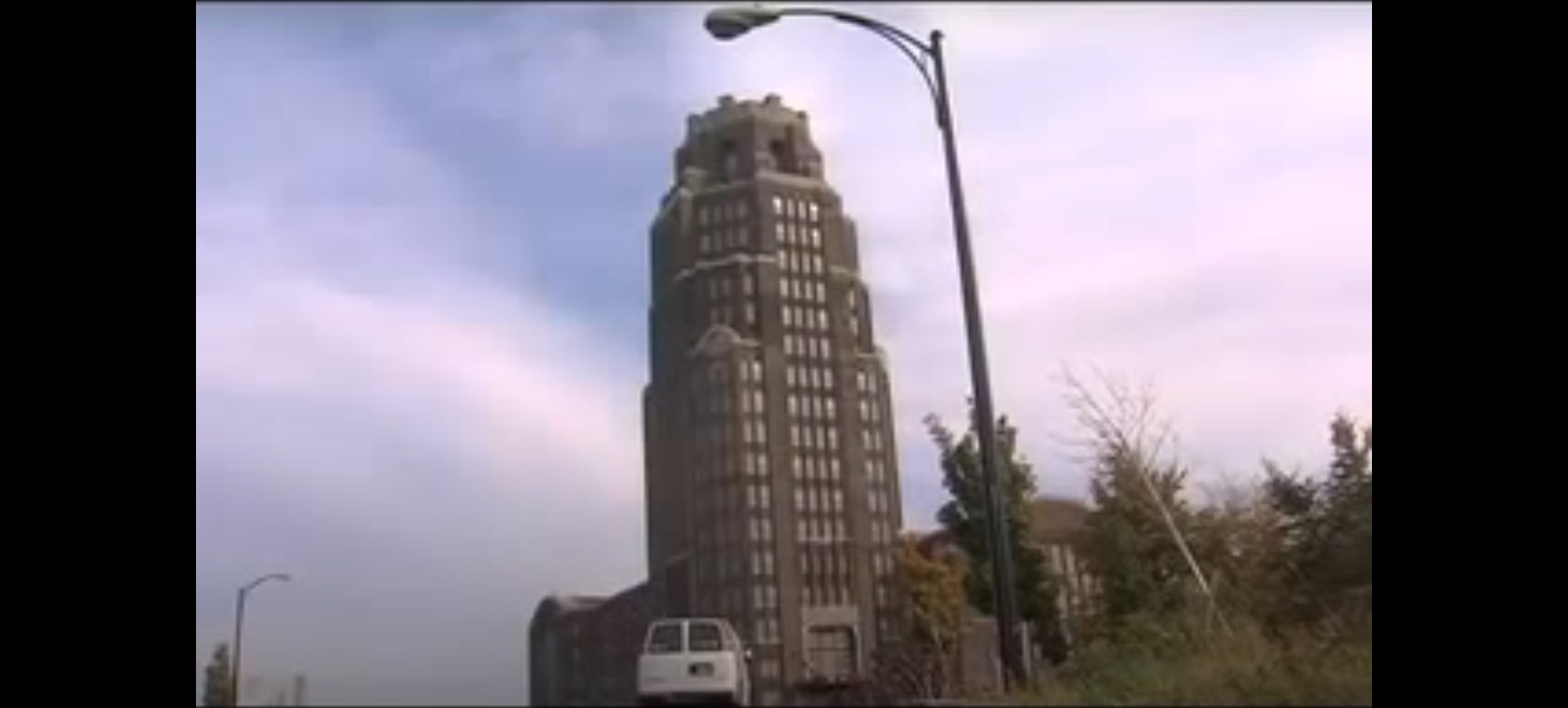
Ghost hunters investigating the eerie ambience has been a source of easy pickings for producers and filmmakers from television’s “Ghost Adventures” to the popular James Wan phenomena that is “The Conjuring” franchise based off the Ed and Lorraine Warren investigations. The then mid-30s, New England filmmaker, David “D.W.” Kann hops aboard the investigator train with his own specter-sleuthing indie film, “Prison of the Psychotic Damned,” penned by producer David R. Williams (“Frightworld”) and released in 2006.  Also known as “Prison of the Psychotic Damned:  Terminal Remix,” the once puppetry and props master, who worked on such classics as “Carnosaur 2” and “Children of the Corn III:  Urban Harvest” as well as hitting the big time with Jim Carrey’s “The Mask” and the 1995 video game adaptation, “Mortal Kombat,” showcases the historic Fellheimer & Wagner Art Deco-architecture that once stood grand inside the Buffalo Central Terminal.   Built in 1929, the 15-story building has been abandoned since 1979 and left for the whim of vandals until its sloth restoration in the 2000’s that even saw paranormal activity themed reality shows take a crack of discovering spirits beyond the grave.  “Prison of the Psychotic Damned” also is an imprisonment of psychotic fraud as David R. Williams was arrested and convicted of embezzlement of his then employer’s capital back in 2010 to fund his schlock ventures under his production company, Red Scream Films, including this film but that didn’t stop Williams who went on to continue producing and directing long after his short stint in the slammer. 
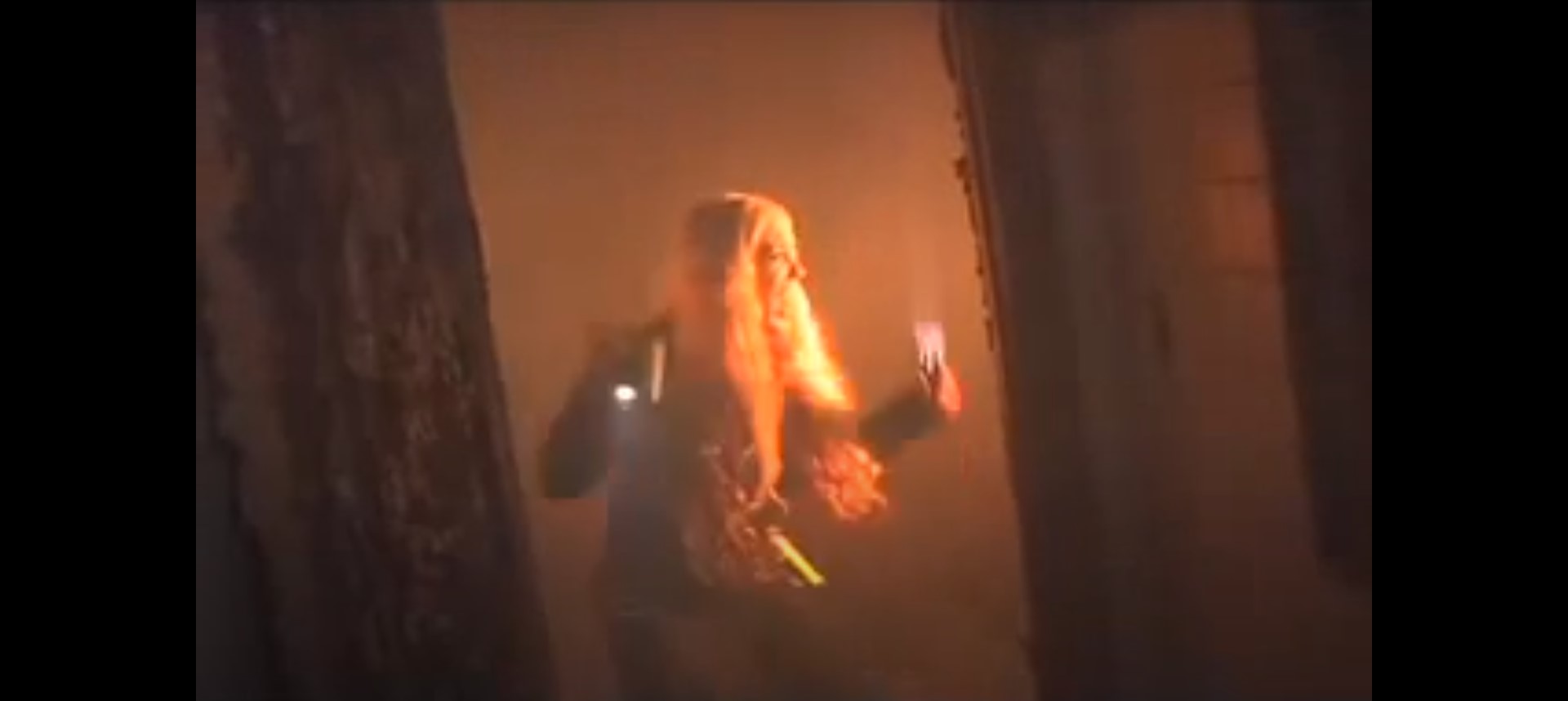
About as volatile as Mount Vesuvius wiping out Pompeii in 79 A.D. are the five, dynamically counterpoised ghost hunters driving toward their insensible doom at the Central Terminal.  Spearheading the venture is the most experienced investigator Rayna (Susan Andriensen, “The Blood Shed”) with the intention of reviving her dwindling career before becoming defunded by the grant investors.  Rayna is joined by her longtime tech assistant Jason (James Vaughn) looking to capture something, anything, supernatural with his homemade psychokinetic-detecting gear as he innocently enough flirts with the snarky unwilling participant Kansas (Melantha Blackthorne, “Bloody Slumber Party”) who finds herself on the brink of losing her funded wayward lifestyle if she doesn’t join Rayna’s expedition per her moneybag father’s direction.  The relation between Rayna and Kansas is being step daughters, but that connection isn’t made entirely clear with only one brief exchange regarding Kansas’s forced attendance.  While Kansas disparages much of the investigation, and many of its participants, she’s joined by fellow volunteers Nessie (Noel Francomano, “Kottentail”) and Aurora (Nemesis 5:  The New Model’s Daiane Azura, credited as Demona Bast) in their respective roles of Rayna’s geeky fanatic and go-to psychic.  The one aspect that really kills these characters (pen intended) for me, and probably the audiences, is the consistent, continuous, ceaseless contentiousness between them with a slew of nitpicking, name-calling, and verbal and physical abuse that makes you wonder why should we even care for a bunch of people who can’t get along.  Brief moments of reasoning flash between them that could end up turning the dynamic around, but the fleeting qualities subside to blunt anger and hate to the point they’re bashing each other’s heads with bricks and leaving each other to fend for themselves against a horde of surgery-conducting ghost-zombies with revoked medical licenses, played by Kidtee Hello, Terry Kimmel, Michael Ciesla, Kelly Budniewski, and Jessica Grangler rounding out the remaining cast list. 
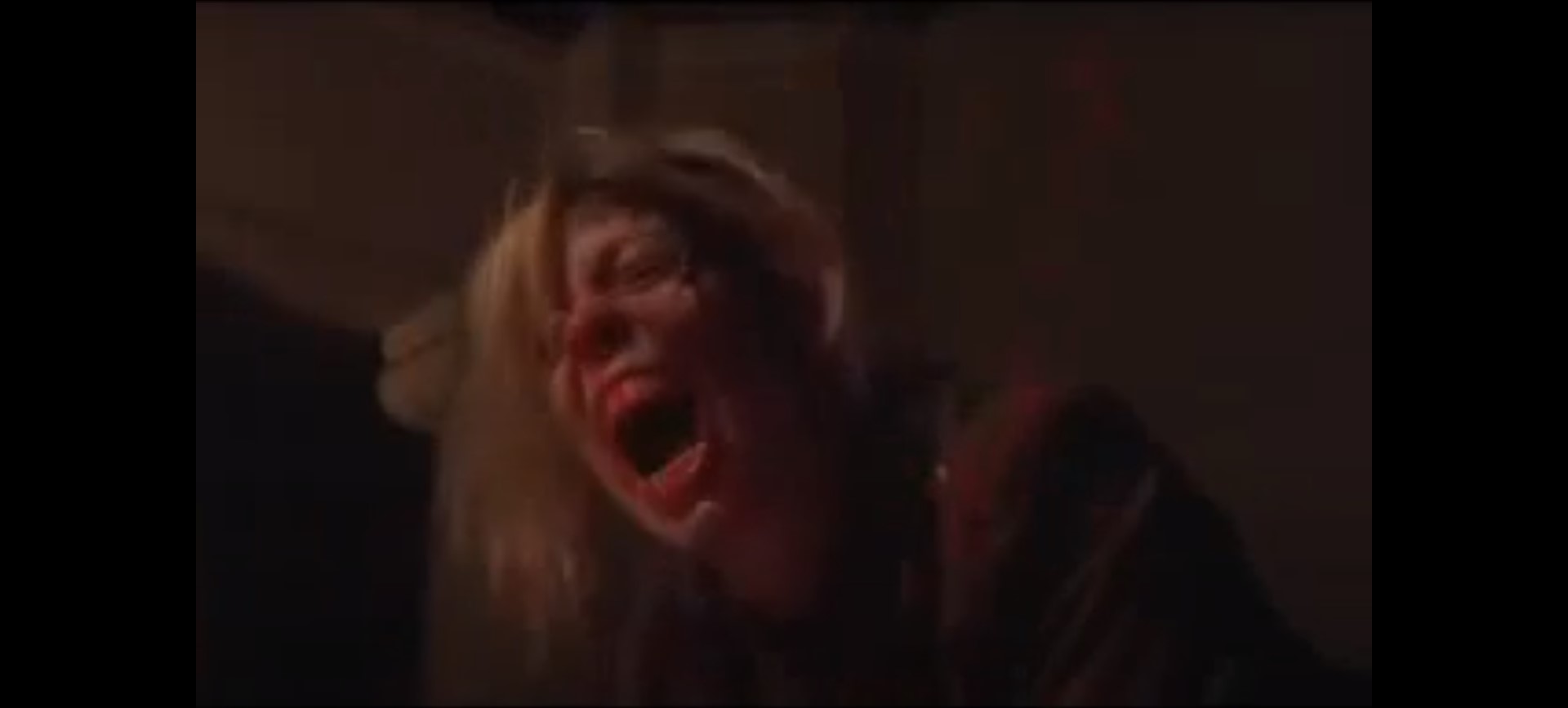
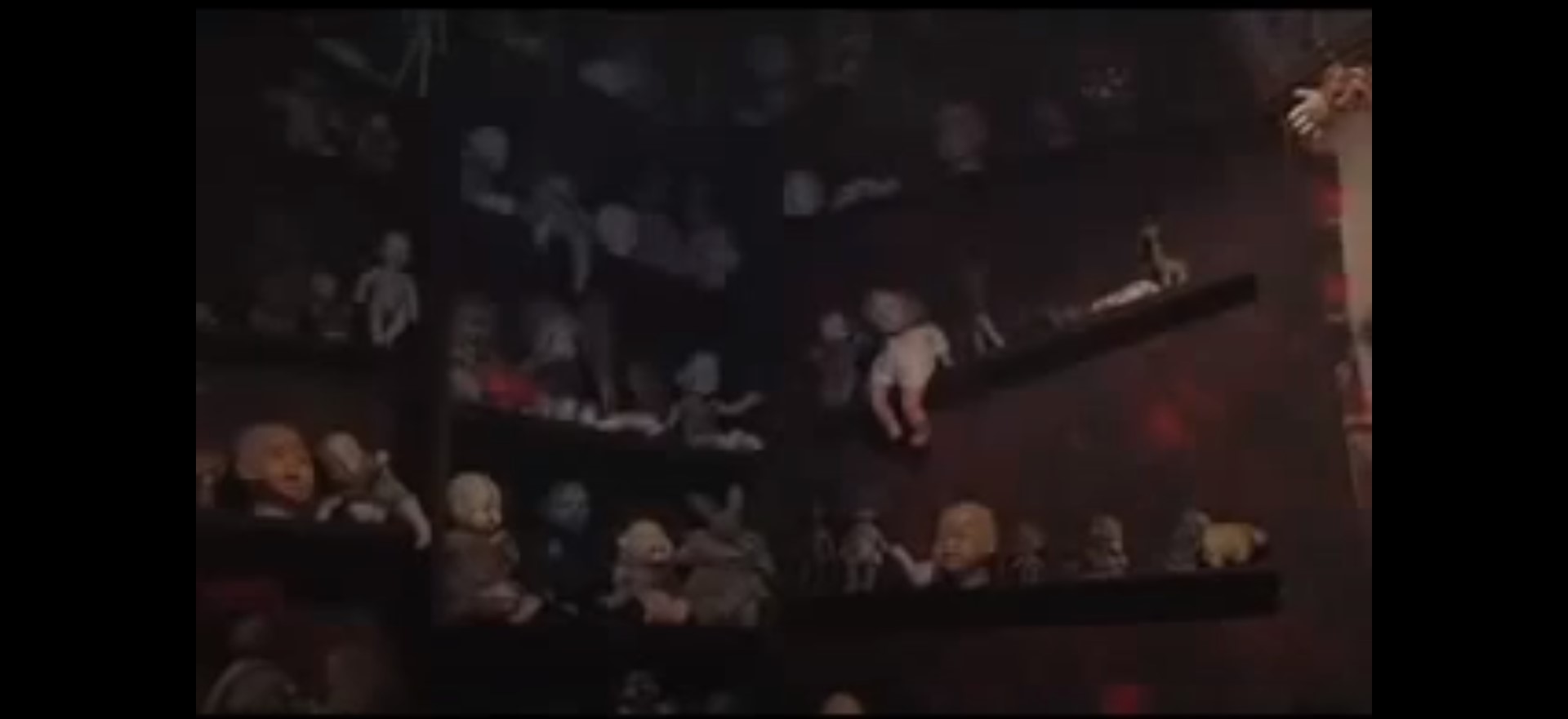
In what feels like the distant cousin, watered down version of “House on Haunted Hill” lite, Kann’s lowbrow, Digital8 shot film is a talkative spew of exposition that lends itself to pretentious prologue surrounding Kansas’s opening scenes of self-mutilation and prosaic nudity as if she’s on an unidentified narcotic.  What’s more confusing about the out of context opening scenes is we don’t really know it is Kansas alone in her apparent apartment.  The film begins with a woman slashing her wrist and licking the blood from her wound, before two medically masked men rush through apartment door and whisk her away.  Next scene, the same woman is back in perhaps her same dingy, dim lit apartment, but this time she’s spouting out philosophy and exposing her breasts by ripping her cheap cotton, tight white top before getting into a warm, steamy bath to stare at the candles at the other end of the tub.  Next thing we know post title creds, we’re riding in a van with the five paranormal investigators and Kansas, sitting in the back seat with Nessie and Aurora, doesn’t even look like the person we saw in the prologue as her hair is put up tight in a bun and she outfits more makeup and gothic drapery.  Once Rayna and Kansas have a sidebar chat and Kansas’s hair progressively loosens and falls, the pieces begin to fit together that Kansas’s disturbed impulses has forced her father’s hand to pair his errant daughter with Rayna for some extracurricular activities that maybe will do her some good…?  Ghost hunting must be the new vogue therapy the kids are into these days, or at least back in 2006.  Structurally, “Prison of the Psychotic Damned” runs faithfully the same obscured narrative course with Rayne expiating mouthfuls of the Terminal’s anecdotal infamy to build a dark dome above the longstanding history, but we rarely see any of the said mythos come for blood and get punted random glowing orbs, creepy doll room, and gloppy possession in return.  Along the way, Kann finds some ways to expose all but one of the actresses’ breasts in a gratuitous-laden attempt to advert our attention from the misaligned components like the story or the performances that just consist of ball-breaking personalities becoming trapped underground with killer spooks and have to duck and dodge the malevolent spirits to survive.  Though the gory bits sate nicely and David Williams erratic editing of eerie filler shots of the Terminal and surrounding area renders like a formidable damaged homemade movie on screen, “Prison of the Psychotic Damned” ultimately boils down to just more of the same rebranded indie slop we’ve all seen before.
Wild Eye’s DVD is released under the indie company’s Raw & Extreme sublabel and is the third physical release of “Prison of the Psychotic Damned” behind the cheap York Home Entertainment DVD and the SRS Cinema limited edition Blu-ray that was released approx. 2 years ago.  The DVD back cover lists the region free film as a widescreen presented transfer, unrated, and clocking in a 100 minutes.  Producer David R. Williams once noted that the surviving master transfer of a flood that destroyed nearly all material is the best there ever will be and with many dark areas shot on a Digital8 camcorder, the presentation is practically raw footage switching back and forth between digital third person and POV with ghosting and soft details amid the thick grain that collaborates the fact of a cruddy transfer. The lossy English 2.0 stereo sound mix toggles with the ears about as much as you have to toggle with the volume. From dialogue to score, insipid flat audio mix universally stiffens the Terminal urban legends Rayna rambles on about as well as extinguishing the score to a putter of insignificant industrial tones with a bookend and backup soundtrack by The Voodoo Dollies and actress Demona Bast serenating with the gothic-vamp vocals with Sonic 14 on an outro track. Among a static menu with scene selection, only Wild Eye trailers are included with the release. Buried beneath the torment of deranged souls, “Prison of the Psychotic Damned” sequesters itself from originality and from graspable, relatable, or even likeable characters in a vanilla story with decent gore effects.

Own “Prison of the Psychotic Damned” on DVD from Wild Eye!

One Hundred and Twenty-Nine Men, Two Ships, and One EVIL Beast Trapped Together in Icebound. “The Terror” reviewed! (Blu-ray / Acorn Media International)


Departed from English ports in 1845, two exploration sailing ships, HMS Erebus and HMS Terror, sought to chart a northwest passage through Artic waters above North America.  Bound for King William Island with over 120 men between the two vessels, the traversers found themselves icebound as the Winter months froze the arctic waters completely and solidifying their positions within one large ice mass.  Their story doesn’t end there as months pass, even through the summer, and winter’s firm grip shows no sign of rising above zero degrees, sweating the brow of the few experience Arctic officers.  To top off their troubles, a vicious polar bear, or some kind of supernatural beast connected to Innuit people, hunts down and ravages a few unfortunate Royal Navy seamen.  Low of provisions and spirits, a combination of infinite winter madness and trembling fear weigh heavy on the seafaring fellows frozen in an icy cold Hell. 

Straight from the ill-fated expedition in British maritime history, the mystery surrounding Captain Franklin and his crew’s death and disappearance in the Arctic is given the hypothetical explanation and supernatural treatment in season one of the AMC series “The Terror.”  However, the tale is more relative to the adapted novel of the same name written by American author Dan Simmons who specialized in science fiction and horror.  Adding elements of a monstrous presence stalking them in the shadows of a bleak tundra, Simmons’ historical fiction turned television series blurs the lines of non-fiction and fiction with chilling atmospherics and the indelicacies of human nature when necessities for survival are pushed to the extreme and are in short supply.  “The Terror” is backed by a strong executive producer team in Ridley Scott (“Alien”) and notable historical television producer David W. Zucker (“Mercy Street,” “The Man in the High Castle”) with writers Max Borenstein (“Godzilla vs. Kong”) and Andres Fischer-Centeno (“Under the Dome”) penning the screenplays with Tim Mielants, Edward Berger, and Sergio Mimica-Gezzan directing a total combined 10-episodes under the Scott Free Productions and Entertainment 360 flag. 

The AMC television thriller scores an amazing cast of seasoned English and Irish actors refined in their skills of becoming a part of the history their work reflects.  Chiefly surrounding the top three principle commanding officers, “The Cook, the Thief, His Wife & Her Lover’s” Ciarán Hinds as Captain Sir John Franklin, “Underworld: Blood Wars’” Tobias Menzies as Commander James Fitzjames, and with a foremost focus on “Resident Evil:  Apocalypse’s” Jared Harris as Captain Francis Crozier, an unique dynamic courses through the speckled personalities of each commander in the face of duty for Queen and country and in the certain finality to their crisis from the God-fearing Franklin, to the command prodigy Fitzjames, to the more sage practicality of Crozier.  Each also have their own flaws that inadvertently put a blight on the already ill-fated mission of charting a passage through the frigid bleakness of the Arctic ice and how they interact with a doubt inching motley crew of novice and experience sailors, especially between the stark contrast of fellow principle characters in the amiable Harry Goodsir (Paul Ready), whose personality is reflected by his name, in confliction with the more menacingly conniving shipmate Cornelius Hickey (Adam Nagaitis).  Both Ready and Nagaitis perfect their roles in convincing the audience on how we should feel about moral compass as they become the nerve center that drives the tale of continual darkness.  Praiseworthy performances definitely go to the entire cast, that also includes Nuuk native and Greenlandic band frontwoman, Nive Nielsen as well as Ian Hart, Alistair Petrie, Trystan Gravelle, Tom Weston-Jones, and Richard Riddell, pinpointing and bringing to life the mid-19th century Royal Navy speak, look, and mannerisms that adapt over the length and breadth of “The Terror’s” forlorn themes of two ship’s crew stranded in what could be said is a strange and alien terrain that evokes madness and fear in the longer you reside. 

The information surfaced about Franklin’s lost expedition with the discovery of possible cannibalism evidence discerned in the early 90’s and, more recently, the found wreckage of both the HMS Erebus and HMS Terror within the past decade add insurmountable coils of surreal realism around the true tragedy of both ships when embellished supernatural elements of an Inuit spirit animal stalking, hunting, and ravaging the crew.  Simmons novel and the series go hand-and-hand story wise but pull visually inspiration from Sir Edwin Landseer’s painting entitled “Man Proposes, God Disposes” where one polar bears tear at what’s left of a ship’s mast and another swallows what looks like human ribcage remains in a surely more a powerful image that’s aligned with the series in the offering an outcome of when it comes to man versus nature, nature will unduly win on it’s own frozen turf. AMC and Ridley Scott undoubtedly knew how to showcase a character driven story where over the time relations build and deteriorate between crew, officers, and a mingle of both and in that stretch of time, the passing of time itself has seemingly stood still as the nights become longer, routines are made, and the ships are stuck on the ice like a warm tongue pressed against a frozen metal pole, but, in the 10 episode series, the story stretches over a nearly two year period and the production is able to connect together next scenes to the previous ones without having to address each and every moment or exposition enough information to avoid the explanatory segue. This method of filmmaking always leave a smidgen of unknown, leaving viewers like us on tenterhooks and in an agitated state that we’ll never fully understand or fulfill that missing part of the mysterious portions and lapses in time. The unfortunate real life story itself casts an alluring wonder and I would even go as far as maritime excitement even if stemmed out of tragedy; that’s how “The Terror,” affixed to the rising ice in an infinite frozen sea of stalagmites, dresses every episode with a less is more garb. “The Terror” endures for a long time in the mind set to replay the desperation and the poignancy of the character’s madness, fear, cold, hunger, and the rest of their godawful bad luck.

A story relished with new fright and unsullied violence with every repeat viewing is now available on a two-disc, region 2 Blu-ray from Acorn Media International. The 10-episode series is presented in a widescreen, 16:9 aspect ratio, on two PAL encoded discs with a total runtime of 453 minutes. The image pails in comparison to the perilous subject matter with a more softer, hazier picture than the harsh, snowy environment setting. Yet, I find that the subpar high definition not to be a complete distraction as much of story plays out in the dark or in the thick of flurries meant to obscure the eyes from seeing reality before biting your head off. Two different audio options are available on the release – a DTS surround sound 5.1 and a Dolby Digital PCM Stereo 2.0. Both tracks have high audio discernible marks as a well-balanced whole with the dialogue cleanly present, the ambient noise, especially the continuous wood creaking on the ships being squeezed by the ice, finely tongued for ever musket shot and snowy foley, and a respectfully insidious soundtrack that makes the body’s blood curl. Option English subtitles are available. I do think the bonus features are a little on the cheap side with only AMC’s behind-the-scenes commercial break segments making the cut on this release, complete with the AMC logo in tow, but the special features include Ridley Scott on “The Terror,” a look at the characters, the boat and visual effects, and concluding with an inside look at each episode featurettes. By the end of the last episode of “The Terror,” you won’t feel chipper, you won’t feel happiness for a long time; yet, you’ll want more and wished season 2 continued the story, but after an impressionable gnarly grand finale, “The Terror” season one is one of the best televised horror shows to come out in a very, very long time.

One Can’t Just Pray Away EVIL in “The Banishing” reviewed! (Shudder – Vertigo Releasing / Digital Screener)

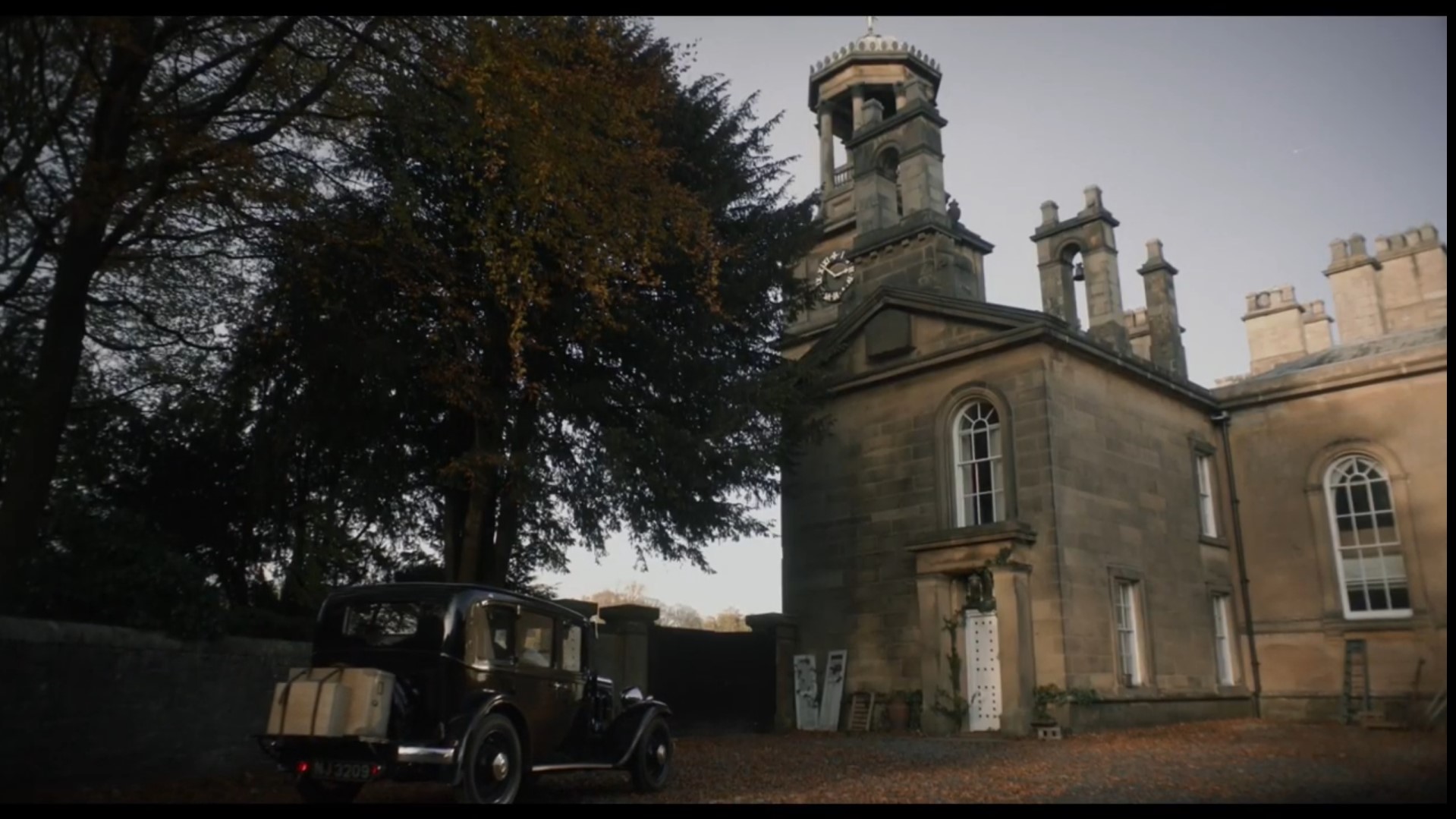
Set in a backdrop of Great Britain on the very brink of world war against Nazi Germany in the late 1930s, a small English community has nearly lost it’s entire faith in the Catholic church after the last priest suddenly and mysteriously died.  When a young vicar is offered a generous stipend, the village parish, and a large estate by the region bishop to restore a congregational foothold, he brings with him his new wife and stepchild to make the house their home, but the house has a dark history that might have played a role in the previous vicar’s death and a lone, eccentric occultist urges the family to vacate the premises immediately before the house swallows them into grave danger at the haunted hands of sadistic monks, ghastly visions, and a tormented soul roaming the corridors. 

If the prim-and-proper social class structure of Julian Fellows’ “Downton Abbey” collided with the volatile and tormented spirits of James Wan’s “The Conjuring,” then Christopher Smith’s pre-wartime staged haunted house feature, “The Banishing,” would be the outcome.  The period piece horror marks the latest installment into the genre from the Bristol, English-born Smith who made a name for himself with 2004 dark subway corridor heartstopper, “Creep,” and went on to make cult favorites amongst genre fans with the workplace violence satire, “Severance,” and the medieval bubonic plague film, “Black Death” starring Sean Bean and Eddie Redmayne.  “The Banishing,” a term used as the practice within the supernatural ambit of dark magic to ward off negative spirits, is a UK feature co-written between David Beton, Ray Bogdanovich, and Dean Lines.  Maya Amsellem and Sharon Harel-Cohen serve as producers under the London-based WestEnd Films production banner with “The Banishing” marking their fifth completed feature film product and with the nearly worldwide distribution rights landing with AMC Network’s popular horror streaming service, Shudder, in partnership with Vertigo Releasing in the UK.

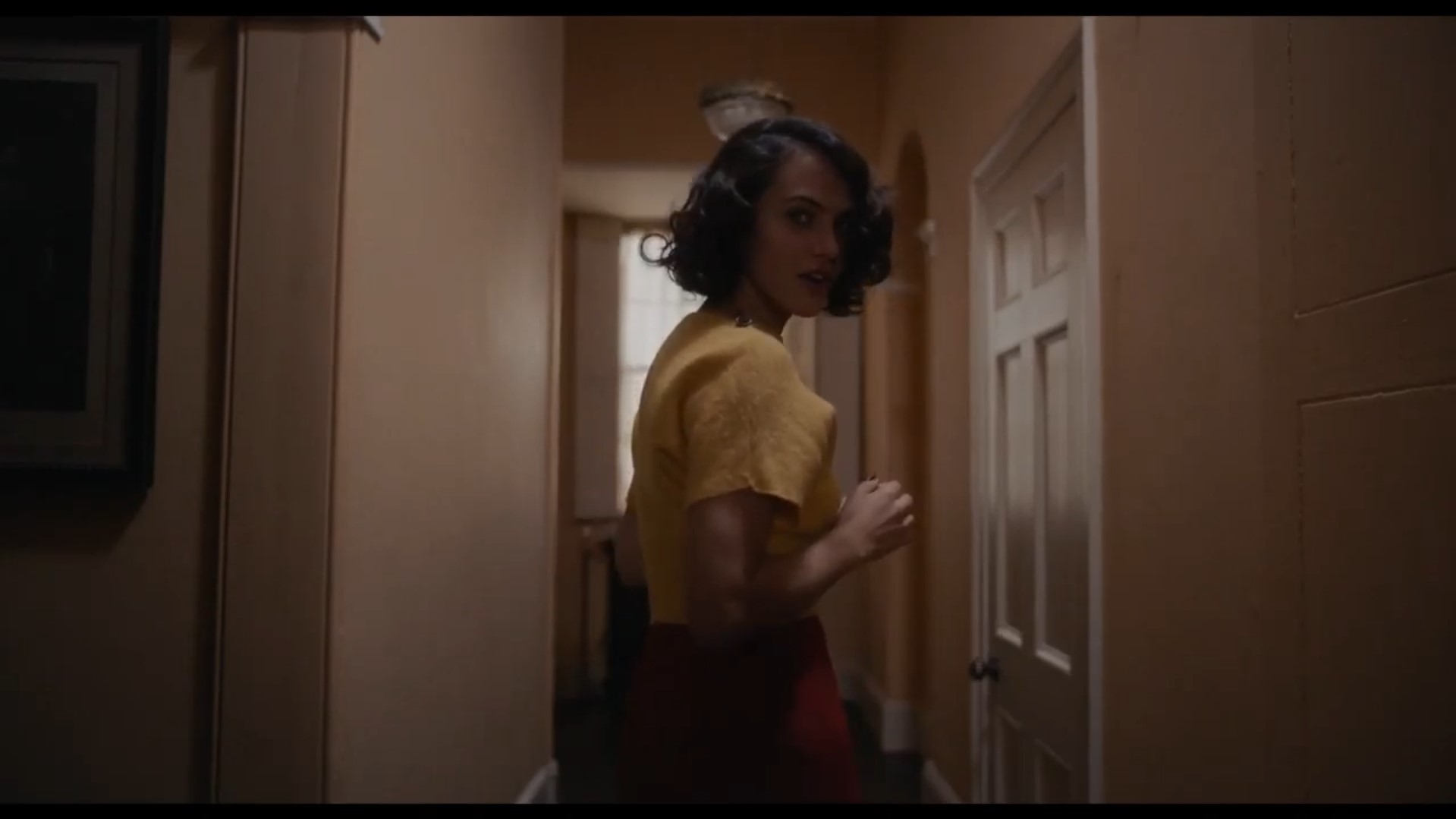
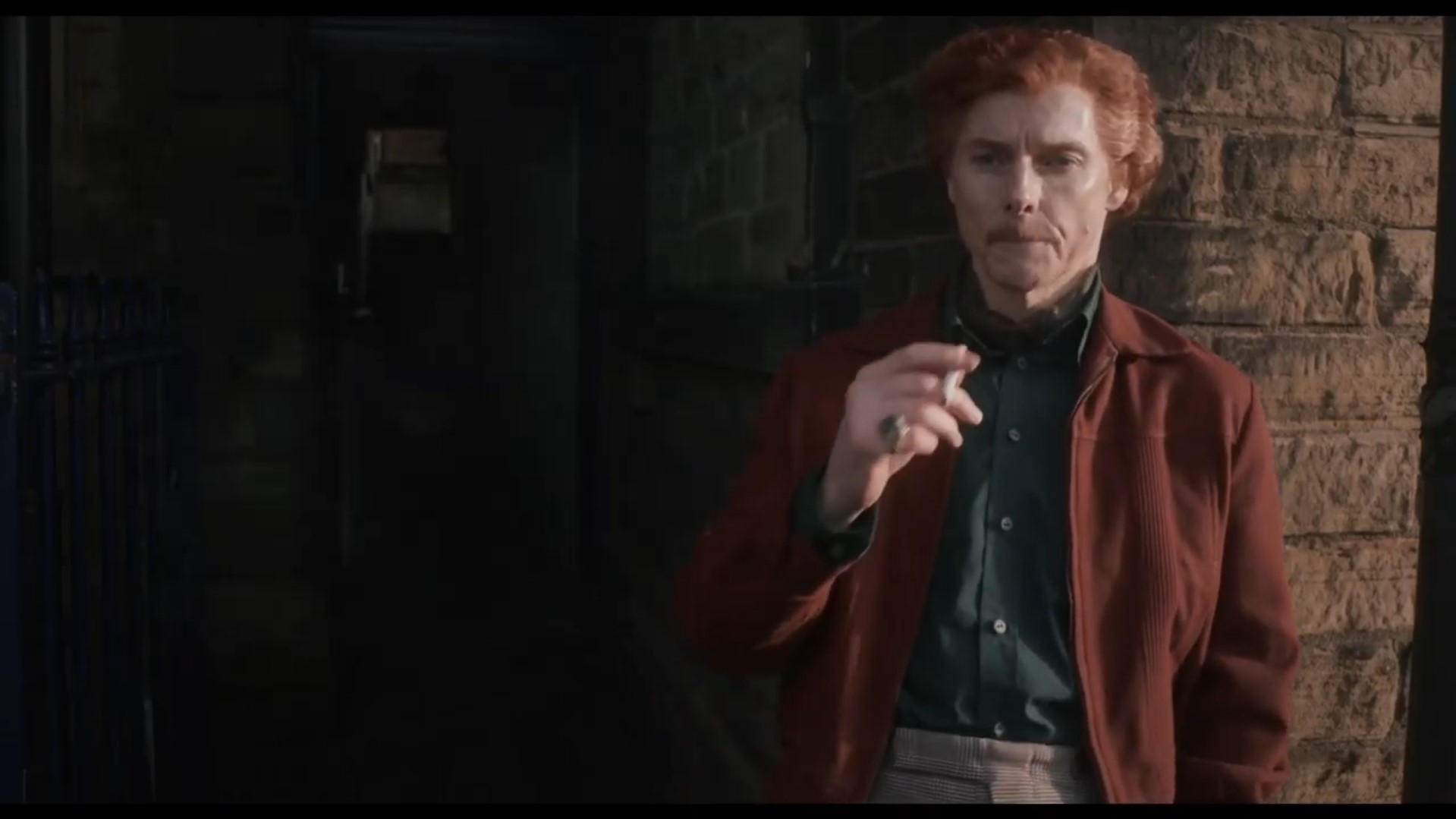
“The Banishing” revolves mainly around Marianne, the newly-wed vicar’s wife with a young girl along for the ride, played by Jessica Brown Findlay (“Downton Abbey,” “Victor Frankenstein”). Findlay endows Marianne with vitality as a woman who must meet the vicar’s standards of Godliness, but still be a strong mother to her child despite disreputable social standing. The priest Linus (Essex-born John Heffernan) lacks experience in the field of his cleric position, lending to question why the region bishop would appoint him to a muster a flock of faithful Christian followers during turbulent times. The husband and wife dynamic between Linus and Marianne is marred by dissonance backgrounds of a priest who doesn’t know to be with a woman and a woman who can’t escape her socially unflattering past. Heffernan and Findlay ignite as repellants of the same magnetic currents when the harder they try to extend their relationship, they push each other way, with Findlay giving a fervent performance. Speaking of performances, Sean Harris bares the most intriguing and rollicking local occultist. The “Mission Impossible: Fallout” actor parades around as Harry Price, a likable, straight-shooting outcast and a believer in the supernatural with extensive, and ghastly, historical knowledge on Linus and Marianne’s new home. As Price aims to extract the hapless from danger, he butts heads with a headstrong region bishop, a stern and solemn role secreted with distrust from John Lynch who has worked on a Christopher Smith film previously in “Black Death.” “The Terror” actor juxtaposes starkly against Harris as a character who dons a likeness to the clown prince of crime in costume than a dull agent man of the cloth…with secrets to uphold. “The Banishing” rounds out with a supporting cast in Adam Hugill, Jason Thorpe, Jean St. Clair, James Swanton, and Anya McKenna-Bruce as Marianne’s daughter, Adelaide.

Set convincingly in a quaint, 1930s English town, Christopher Smith transports the audience back in time to the predated anxious moments before World War II that would upheave turmoil across all across Europe, but though that fretted lingering of war is set as the backdrop for “The Banishing,” and is coiled around every man who served in the first Great War that brought up more than once, the root of the narrative ultimately becomes the house Linus and Marianne have come to call their home.  Haunted house films surmise the house as a built-in principal character because of either the way the architecture affects the mental or physical wellbeing of it’s flesh and bone counterparts or if the abode is actually possessed and set to harm the inhabitants in a personification of pure evil, as such with various films of this caliber (“House,” “The Haunting,” etc,). Yet, Linus and Marianne’s estate failed to become a part of the narrative limelight despite the immense grounds that compromised of a large greenhouse and a robust library complete with fireplace and the disconcerting labyrinth of a dungeon-esque basement full of barred enclosures and close quartered corridors.  Nearly every interior shot felt like a new section of the house hat kept extending upon, what would be assumed, a grand mansion that had a longer rap sheet by reputation in being a former religious torture chamber run by sadistic monks hellbent on whipping the sin out of the mentally tormented. Smith always had an eye for the unsettling visuals and sustains that feng shui by allowing time and space to be the inner horrors of a funhouse, but doesn’t evoke clean, unadulterated terror that continues to profusely bleed into the film’s climatic cause-and-effect unraveling. There is a lack of a transformative realization and a small hurtle of sedated possession to figure out that the main presence in the house, amongst the other more malevolent presences, wants something and the characters are spoon fed each and every morsel to get them up to speed. The final scene of the bishop meeting with the Nazi regime intended to leave the story open for supernatural possibilities, but felt like a more poignant and compelling crux leading into Nazi occultism, hinted by the eccentric resident occultist Sean Harris.

Morosely dramatic and haunting, “The Banishing” is an aggressive salvo of facing shame head-on, creeping into UK cinemas and digital platforms on March 26th courtesy of Shudder and Vertigo Releasing. Director of photography Sarah Cunningham has an remarkable ability to engulf the actors in the space of the shot, making them seem diminutive to the rooms that feel like a giant hand looming overhead, and with the bare, hard lighting, the cinematography is really where “The Banishing” shines as gothic cladding without a stodgy spot to speak visible. Cunningham adds all the hallmarks of a horror film with titled angles, brilliant reds, and tight shots on tense faces to garner a more anxiety that never actually pans out by the end. The organic electro duo TOYDRUM score the 97 minute film with a single note droning hums at various pitch levels that can really get inside your head. The “Prevenge” composers set up scenes with a ill-founded fears when nothing presently visible is intended to fright. There were no bonus scenes during or after the credits, but one scene to note is Sean Harris waltzing with an uncredited woman during the opening credits that seems out of place but speaks to the aberrated decorum of his character. “The Banishing” works tirelessly to discredit shame by confronting truth and while we’re being beat over the head by the message, the overlay of horror is lost despite some brilliant and engrossing performances from Findlay and Harris who usher us through to the imperfect conclusion.

77-Minutes of Nonstop EVIL Combat! “Crazy Samurai: 400 vs 1” reviewed! (Well Go USA Entertainment / Blu-ray)

The Yoshioka clan has been dishonored by the death of two of their samurai warriors in an attack that has left the clan in desperate need for revenge.  Yoshioka clan’s sensei devises a plan to gather the clan’s best 100 samurai and 300 mercenaries and set an ambush for the one they call the crazy samurai, Musashi Miyamoto.  But Miyamoto strikes first, killing two Yoshioka clan members, sparking a torrent of warriors and mercenaries to besiege upon the crazy samurai and bombard him with attack.  The long sword combat stretches for over a hour as Miyamoto defends himself in an impossible task of standing alone while an entire clan’s army of swordsmen come at him from every angle, but Miyamoto is no ordinary master samurai, leaving the 400 to 1 odds in his favor. 

Journey back to Japan’s bushido era when honor and courage reign supreme during times of conflict and unrest with Yûji Shimomura’s nonstop, way of the sword, battle royale skirmish, “Crazy Samurai:  400 Vs 1.”   Originally titled “Crazy Samurai Musashi,” changed only for the home video release and on streaming platforms, the samurai film from Japan sticks out amongst the countless in the genre not for being filmed nearly a decade ago and finally receiving a theatrical and at-home release, but with a one particular, grand feature in being cinema’s first non-stop, one-take action shot for approx. 77-minutes, bookending between a story-functioning epilogue and prologue that clocks the film’s runtime at a total of 92 minutes from start to finish.  Shimomura, who directed the fantasy-action “Death Trance” in 2005 and the covert war drama “Re: Born,” helms a script penned by first timer Atsuki Tomori that bares little dialogue and even less plot to unreservedly place the juggernaut shot into the main spotlight.  The film is a production of the action enrapturing company, Uden Flameworks, based in Tokyo and with the North American streaming rights funded exclusively as a Hi-Yah! original film.

Reteaming with Yûji Shimomura in their third collaboration together following “Death Trance” and “Re: Born” if you follow each film’s sequential release date and if not following the release dates, then, more accurately, “Crazy Samurai:  400 vs 1” would be their second collaboration, Tak Sakaguchi, who cut his teeth in the cult favorite “Versus,” becomes a one-man show as the titular principal samurai, Musashi Miyamoto, slicing-and-dicing his way through a village horde of sword-wielding antagonists.  Kudos must be given to Sakaguchi with the stamina of a workhorse who carries the entire production on his back with a seamless performance without ever breaking stride, or taking a break for that matter, as you can see the sweat beading from his face and weariness in his eyes during the 77-minute long performance that takes a natural exhausting toll on his body, but the actor’s spirit to go on never breaks in any regards.  Sakaguchi fortitude for Musashi is unquestionable, but the backstory quivers at the knees with a character whose unable to be deciphered whether a hero or the villain.  The latter feels like the befitting choice as the plot begins with a Yoshioka clan ploy of arraigning a honorable duel between Musashi and the clan’s child prince after killing two of the dojo’s promising members in an act of defacing, but the ruse is an ambush to swarm Musashi upon arrival and execute him on sight.  Known for being a madman, Musashi comprehends Yoshioka’s deception and penetrates their defenses to immediately strike down the innocent child prince, who is only a pawn following council’s guide to be there, in the first blow that would set off a chain reaction of swordplay events.  Is Musashi that much of a cold-blooded lunatic to kill anyone, even children, and that is why he’s the villain who must be stopped by any means possible?  Or are the Yoshioka so dishonorable that Musashi will take on 400 or more well-armed men, and sacrifice one child, to slaughter them all for the sake of mankind?  Where Musashi motivations lie teeters into well after the credits roll, making the Crazy Samurai an enigmatic means to an unsatisfactory end.  Kento Yamazaki, Yôsuke Saitô, Akihiko Sai, Ben Hiura, and Fuka Hara round out the cast.

The possibilities of something going wrong is extremely high when attempting to film one long scene without breaks that include not only harmless slipups in choreography or dialogue, but also fatigue and risk of injury are likely to be greater.  Luckily for Tak Sakaguchi, and the production’s insurance company, there were enough water bottle and rest breaks strategically placed in between each pocket battle.  On the other side of the katana, the breaks frequent into improbability that there will be a full water bottle and a new sword just laying about in a Japanese village in the exact path of Musashi’s bore.  While most of the wardrobe and scenery feels authentic to the Edo-esque period and each actor puts in the effort to complete the scene, the unthought out choreography cheapens “Crazy Samurai’s” straight-gimmick concept by rotating out Musashi attackers who stumble off screen after being “killed” and rejoining the ranks on the backend.  More than once you’ll see the same faces go toe-to-toe with Musashi.  Rarely do the extras fall and lay dead at Musashi’s feet and only do so when the time at the present scuffle location comes to an end, but when the camera turns in a 360-motion around Sakaguchi, the bodies that had lain fallen previously where the fighting was held have now mysteriously disappeared. And the buck doesn’t stop there as Shimomura’s action film fails to impressive with the swordplay, outlandishly flaunts no blood other the visual effects spray in a blink-and-you-miss-it style, certain samurai have specialized wigs on to absorb Musashi’s signature Three Stooges-style bonk the enemy on the head move, obviously squaring off against more than 400 bodies, and, bluntly, the 77-minute runtime was tediously too long. You can also tell that the opening scene and ending scene were spliced into fold around the story’s trunk, probably shot years later from the original uncut scene, as we’re never able to connect the main characters from the opening and ending to the extended midsection in a slight of misdirection, obscure camera angles, and connecting only a pair of characters in act one and two.

Don’t be remiss to check out Yûji Shimomura’s see-it-to-believe-it “Crazy Samurai: 400 vs 1” on Blu-ray courtesy of Well Go USA Entertainment. Unrated, region A, and presented in a widescreen 16:9 aspect ratio, Well Go USA’s Hi-Yah! original film allures solely by the idea of the stunt, but hones in on two contrasting cinematic styles. The opening and ending scenes are consistent with conventional action flicks with fast edits, slow motion, and purpose with what’s seen in the scene whereas the midriff feels like a third person videogame that dodges and turns around Musashi, rarely taking the focus off him, and “Jaws in Japan’s” Yasutaka Nagano’s near entirely mobile steady-cam is quite an impressive feat considering the amount of moving objects in the frame, even capturing a manufactured lightning storm with rain while the camera then attaches to a boom for an areal shot; however, aside from the post-visual blood and embroidered sound effects, there was little touchup work done to polish the outwardly raw appearance. The Japanese language DTS-HD Master Audio is solid and holds up during the action though having barely much dialogue to play with during the fight. Ambient levels elevate a little louder above norm to put the sounds of a struggle right in your lap, or your ears, while the percussion of traditional Japanese instrumental, in the tune of war, plays erratic at times on the soundtrack. The Blu-ray is encased in a cardboard slipcover of the same illustrations and pictures as the snap case. Bonus material only includes the international and domestic trailers of the film. Yûji Shimomura and Tak Sakaguchi’s ambitious feat deserves a master stroke commendation for pulling off a historical and strenuous deluge of action, but “Crazy Samurai: 400 vs 1: fails to muster much more than that with threadbare editing and tip-toe choreography too dishonorable for the likes of feudal Japan.

Own or Rent “Crazy Samurai: 400 vs 1” on Blu-ray and Other Formats. Click to Poster to go to Amazon.com.

Classy Brothel Girls Bring Dirty EVIL Secrets to “Madame Claude” reviewed! (Cult Epics / Blu-ray)

A high end Paris brothel ran by the influential Madame Claude sends the most beautiful and sophistical women to wealthy and powerful dignitaries all over the world to satisfy their most sexual desires.  Her lucrative business becomes a governmental target seeking to collect back taxes on the illicit business.  However, the French government is the least of her worries when a playboy-aspiring rake and amateur photographer snaps photos of Madame Claude’s clients in compromising situations that can be ruinous to their status.  The CIA becomes involved when unscrupulous business dealings involving an American and Japanese companies connect to Madame Claude and her potentially persuasive young women after rumored photographs put the Madame Claude in the middle.  Two governments, big businesses, a jet setting brothel, wealthy socialites and a nosy photographer become involved in lies, secrets, and the potential for murder.

Part biography, part fiction, “Madame Claude,” also known as “The French Girl,” is the 1977 released erotic and political thriller based off the real Madame Claude, Fernande Grudet, as her life of prostitution management and scrutiny unfolded before the public eyes in the mid 1970’s.  Erotically and elegantly sexy with gorgeous women groomed into lust and ensnared into the lion’s den of exchanging powers, “Madame Claude” became the third film from the immensely successful erotic French director, Just Jaeckin, following 1974’s “Emmanuelle” and 1975’s “The Story of O.”  Jaeckin, pressured by his financiers to continue his success in the highly sought eroticism, returns to the randy genre, but this time with a story to his liking, one that is embroiled in the background of a bribery scandal involving aerospace company, Lockheed, at the heart of it. From a script by crime-action writer André G. Brunelin, based off the book of memories of Madame Claude by Jacques Quiorez, Jaeckin splices visual elements of each story together to form not only an arousing sexual lamination but also a cloak-and-dagger tenser of a film. Shot primarily in Paris, with minor shoots in the Bahamas and Washington, D.C., especially the scenes on the faux White House, “Madame Claude” is a production of Orphée Arts of Paris with Claire Duval on as executive producer.

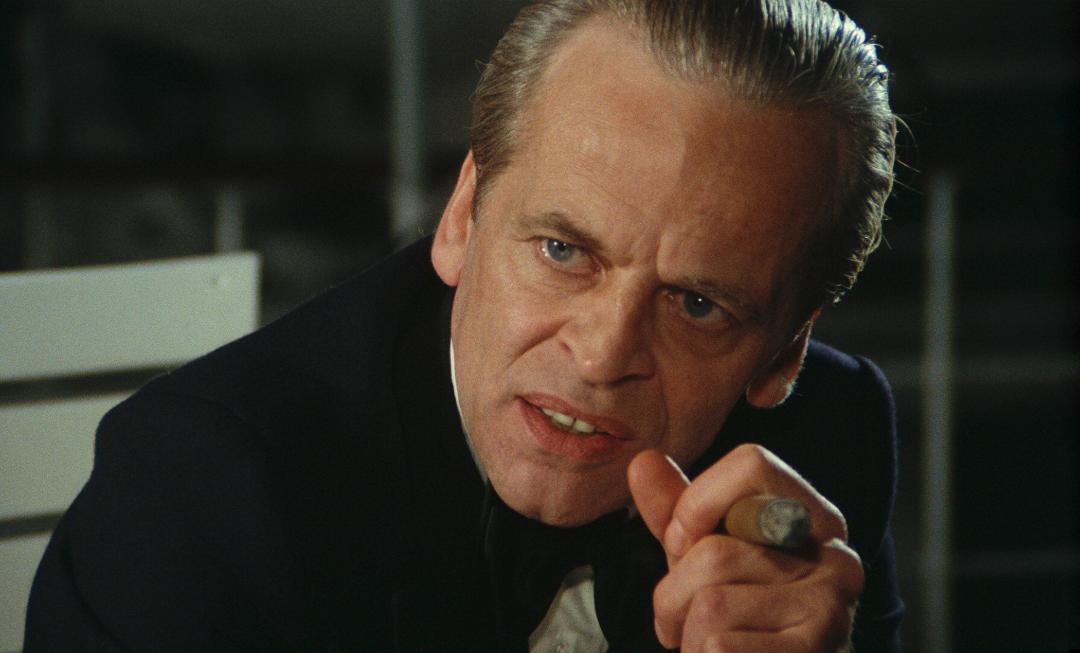
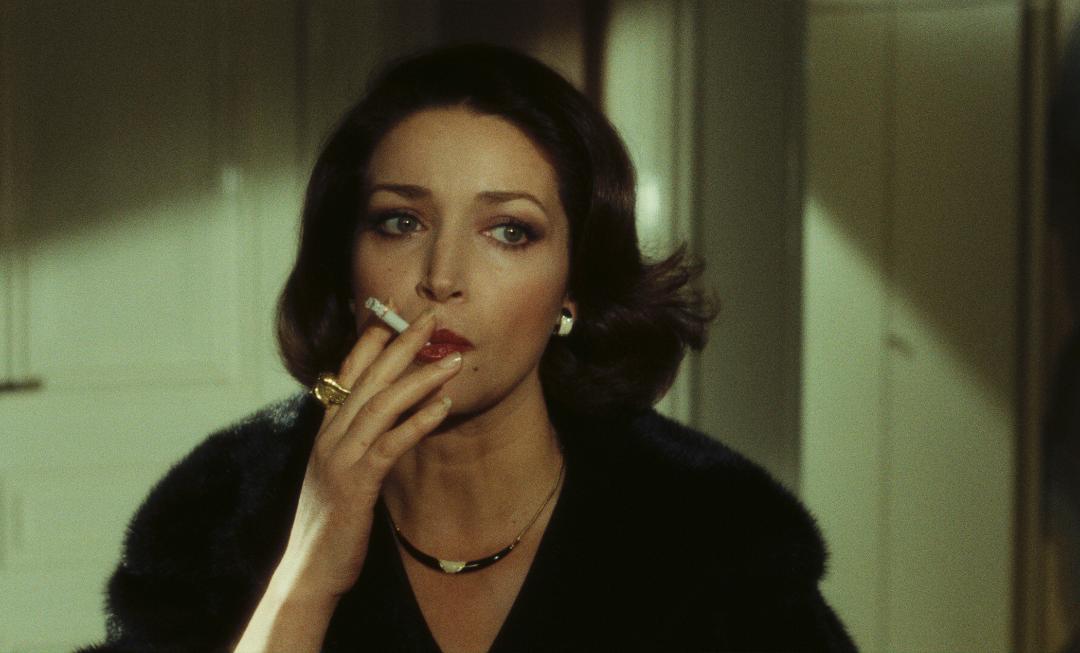
While the titular character is the obvious centerpiece, Jaeckin mingles the characters around each other in a game of espionage chess toward the endgame of checkmate. Keystone to everyone’s problems is Madame Claude, played by renowned French actress and early onscreen sex object, Françoise Fabian, who previously had roles in the paranormal pubescent horror, “Expulsion of the Devil,” a more comedy-friendly brothel film, “Holiday Hookers,” and among many other films predating 1977, but not until later in Fabian’s career did show rocket to success, playing older, more aligned, women that strongly championed feminism, such as portraying “Madame Claude” who used sex as a means to gain control and power of men, and pushed it to the brink of the era’s cinematic limits. “Horsehead’s’ Murray Head plays the photographer schmo, David Evans, making Madame Claude’s life complicated. An about town ladies man, Evans goes to each of Claude’s girls one-by-one and, for some reason or another, they invite the handsomely charming, but brutish, amateur porn photographer into their bedrooms, sleeping his way into blackmail scheme that will bring down the most powerful brothel head in all of Paris while also lining his pocket with not only money but power among the socialites who treat him like the village idiot. Head’s nails down the fast-and-loose aspect of Evan’s personality that treats his stratagem like a game he’s already won, but when the government agencies come knocking on doors, Head about faces Evan’s waggish incompetence to a frightened man looking around every corner for danger. It’s wonderful to see Head interact with Klaus Kinski (“Nosferatu the Vampire”) and Marc Michel as a ridiculed subordinate in an examination of social status as Kinski and Michel flaunt expensive taste and lavish orgies in lieu of decency, but it’s Murray Head, playing the fool with cemented proof that would put all them of into shame, as the aspirer to their life of luxuries. The beautiful Dayle Haddon (“Cyborg”), Vibeke Knudsen-Bergeron (“Spermula”), and Ylva Setterborg stun in just a handful of the very elegant, and very naked, women acting as Madame Claude’s international bound employees. Other cast of characters in “Madame Claude’s” game of lies and spies include Robert Webber (“Death Steps in the Dark”), Jean Gaven (“The Story of O”), François Perrot, André Falcon, and Maurice Renot.

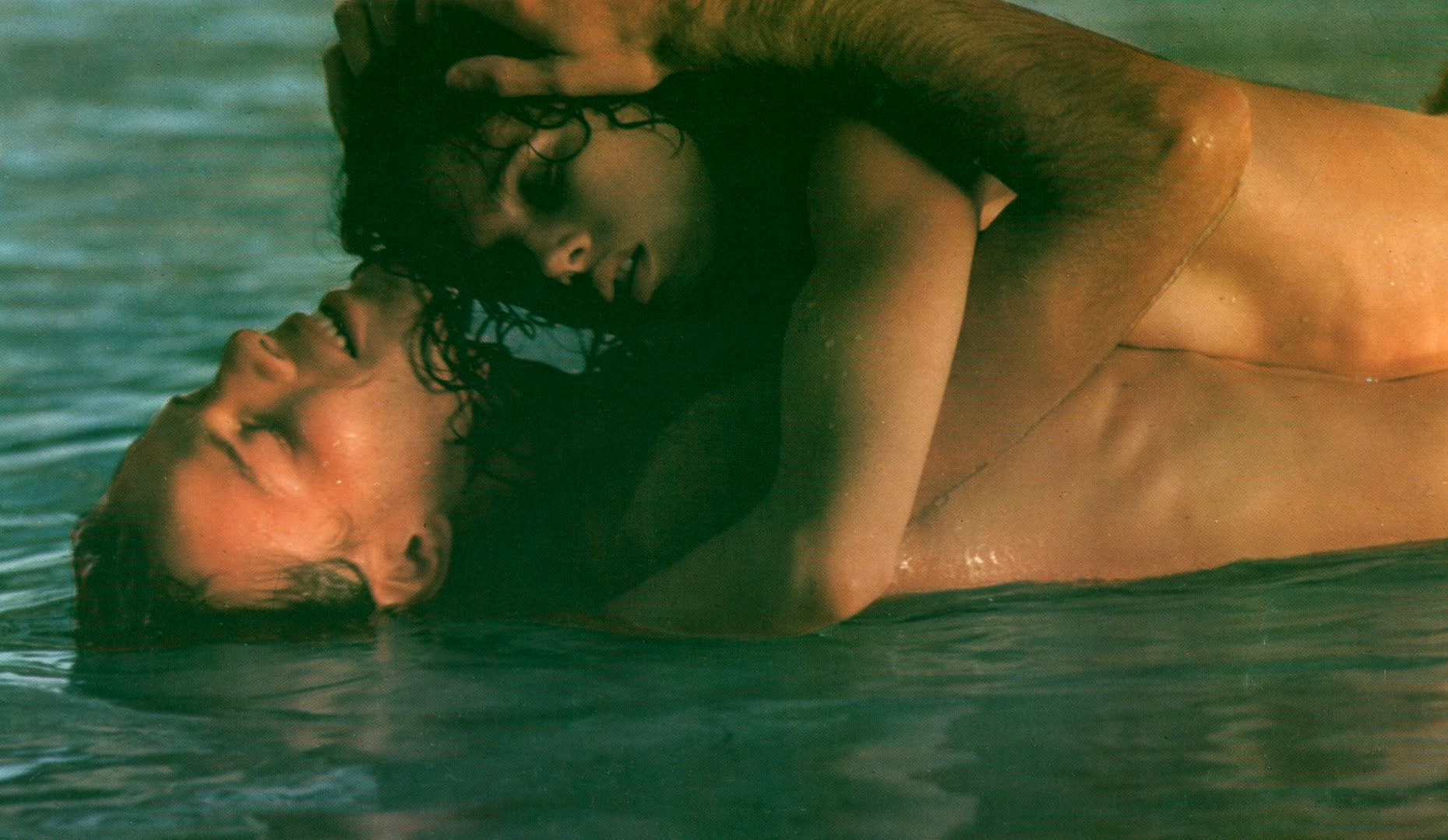
Following his films “Emmanuelle” and “The Story of O,” Jaeckin’s “Madame Claude” strays into an atypical kind of formulaic eroticism downplaying the sexual excursions and discoveries for a more typical crime drama affair. Jaeckin’s directorial abilities can take you on an exotic tour around the world and onto the fleshy planes of some of the most gorgeous and provocative women to ever grace the screen. Yet, “Madame Claude” trims substantially the skin with a more precise execution to be more of an oil lubricating the machine rather than the gear that actually operates the mechanism to entail sex as a misused tool for motivation and bribery. These scenes of fleeting eroticism outright shine Just Jaeckin’s proclivities with mirrored reflections and becoming lost in the entanglement of sexually enflamed bodies and these scenes outright shine Jaeckin’s intent on delivering a corkscrew crime drama with double-dealings, wiretapping, and counterintelligence gathering as what unfolds isn’t clearly delineated between Madame Claude, David Evans, the French and U.S. Governments and the Lockheed scandal that actually becomes sidetracked at times by the infiltrated sex-training of Madame Claude business as the brothel head has to train an alternative misfit new girl and send her to the Bahamas work trip shortly after a quick one-night-stand initiation with one of the Madame’s trusted former beaus. We wholeheartedly become more intrigued and fascinated with Madame Claude’s feminist principles, recruiting subjugated women to use their sexuality to dominate and become wealthy in the process. In more than one scene, Madame Claude flaunts self-admiration in transforming star-crossed girls into young women fortune bound with their promiscuous ways. Madame Claude’s murky backstory caresses her complexities of anti-man without detail delving into the turning point catalyst that made her become who she became to be, an affluent Madame, other than a seemingly emotionally and controllably invalidating romantic experience with a long time friend and business companion, Pierre (Maurice Renot).

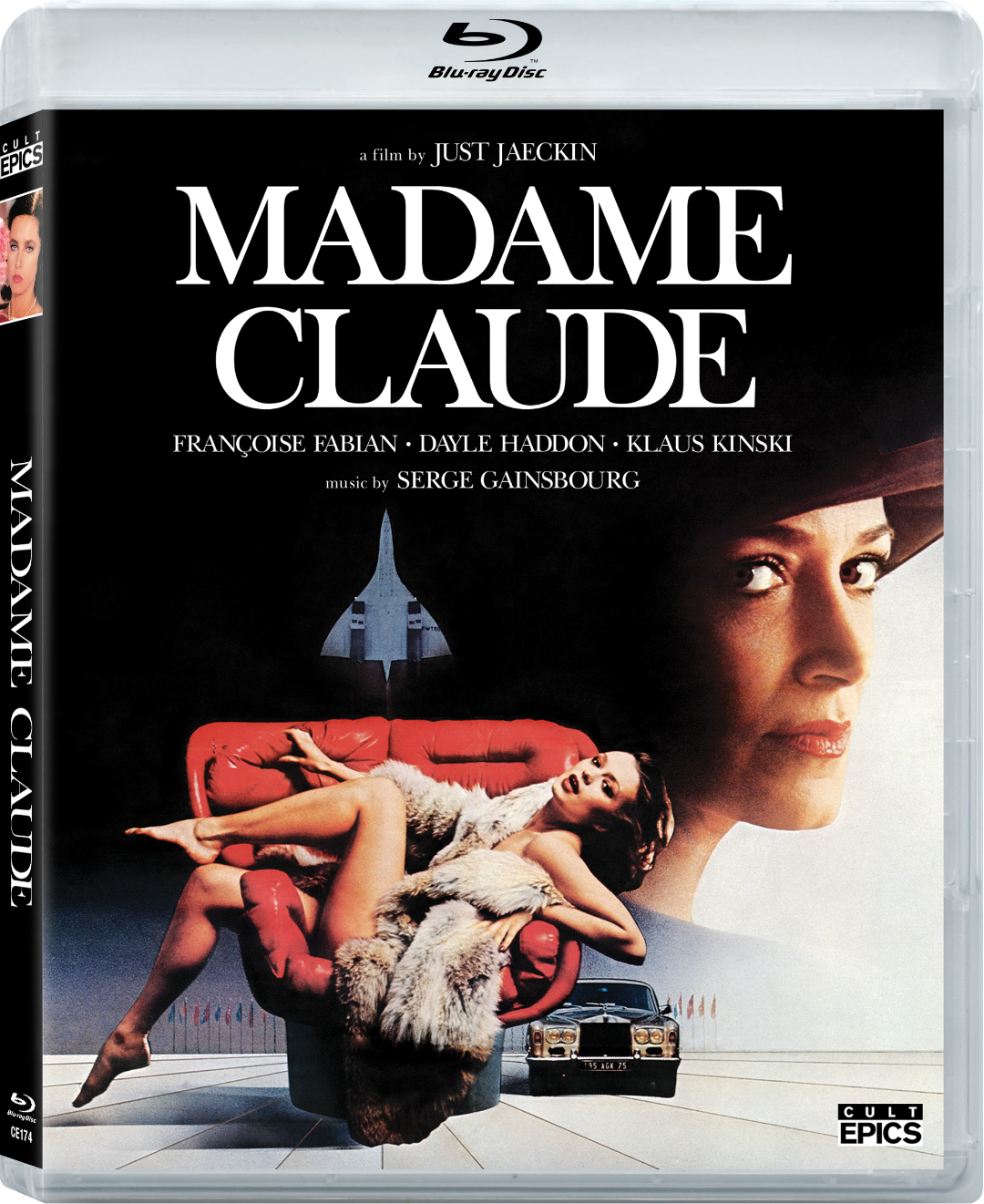
Cult Epics sustains another forgotten classic into a celebrated Blu-ray release with a new 4K HD transfer of “Madame Claude” from the original 35mm negative, supervised by the original cinematographer, Robert Fraisse. Housed on a BD50, the region free release maintains the impeccable coloring under Fraisse’s soft glow with no cropping or undue enhances that tries to put out fire with gasoline and, aside from a discolored yellow-greenish, translucent stripe, perhaps a loose film roll, during the opening scene, the image quality is clean and pleasing in it’s natural 35mm grain. The English and French language audio tracks come with three options: LPCM 2.0 mono, DTS-HD Master Audio 2.0 mono, and a Dolby Digital 2.0 Stereo. The DTS-HD Master Audio had the highest marks, slightly topping Dolby Digital stereo with a little more gusto in the pipes. Audible dialogue is clean and forefront, but the engineered dubbing laid over Murray Head and, even, the self-dubbing of Dayle Haddon can be off-putting at times when actors’ voices seem to not be sharing the same vocal space with others on screen. French composer Serge Gainsbourg’s lounge, yé-yé score tuned into that erotic soufflé of light and airy pop music that can be often dreamy with singsongy female vocals, complimenting the softer, sexier side of Jaeckin’s film while also playing into period melodies of the 1970’s. Cult Epics always has down right with resurrecting obscure erotica for not only quality sake but also to arm the hell out of the releases with bonus material. Included with “Madame Claude” is an audio commentary by Jeremy Richey (author of the upcoming book entitled Sylvia Kristel: from Emmanuelle to Chabrol), a high definition, Nico B. produced interview with director Just Jaeckin from 2020, the vintage French theatrical trailer, a promotional photo gallery, and Cult Epics previews. Not the most sensual film shot by the renowned maestro of venereal visuals, Just Jaeckin explores his versatility by acclimatizing familiarity with new horizons surrounding brothel delights with shadow games and the new 4K Blu-ray from Cult Epics is the one, and only, way to experience it all in “Madame Claude.”

Cult Epic’s “Madame Claude” on Blu-ray. Available at Amazon – click the poster!