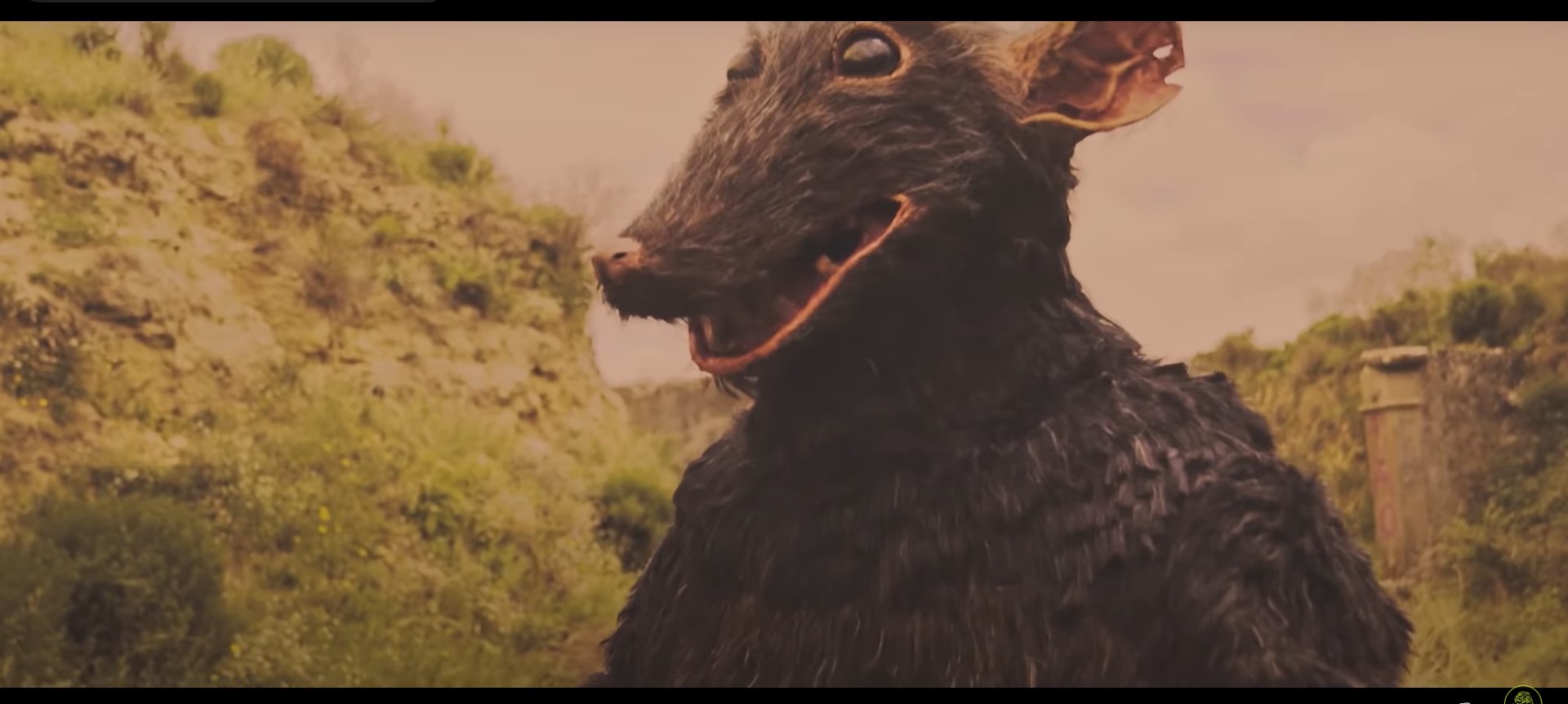
EVIL Says, Victor Crowley Who? “Freak” reviewed! (Wild Eye Releasing / DVD)

Get Freaky with “Freak” on DVD at Amazon.com

Arthur Crenshaw – the name of a terrifying urban legend.  The story has it that the religious small town-born Arthur was malformed unlike anything anyone has ever seen and that the God-fearing townsfolk didn’t take kindly to his existed as Arthur was looked down upon as an abominable creation of Satan.  His parents, giving into constant community pressure, casted him out into the nearby woods to die alone.  Years later, campers would record that their food and supplies would go missing.  Some campers even went into the woods and never came out.  Present day, a group of campers reserve a campsite, seeking the thrill of the woods’ notorious backstory and for a little R&R on a quick weekend getaway, but the stories of the misshapen, monstrous Arthur Crenshaw are not just tarradiddles to give people the willies and for the youthful campers, a night under the stars has become a night of survival.

Looking for something different, unusual, and still carnage drunk in a disfigured, backwoods killer of a campy slasher?  Look no further!  Lucky Cerruti’s very own misunderstood reject Arthur Crenshaw is the type of “Freak” we’ve all been craving.  The 2020 American indie feature is the sophomore production from writer-director Cerruti who oversaw all the pre-, principle, and post- in the height of pandemic time.  The “Kindness of Strangers” filmmaker films “Freak” in New York’s picturesque Adirondack mountains surrounding the community of Ochiota and Cerruti’s able to capture a slither of the landscape beauty with the majority of shots constrained to closeups due to puppetry.  Yes!  Arthur Crenshaw is but a mere puppet with more than frightening features that makes him appear more alien than human.  “Freak’s” indie crew consists of James Bell on special effects with producers Matthew Sorensen, Kegan Rice, Jessica Fisher, Leslie Dame, and Robin Cerruti serving under multiple hats with cinematography, puppetry control, and creature design under directors Dead Vision Productions.

Consisting of mostly Adirondack local artists and actors, “Freak’s” casts yips with little bite to make Arthur Crenshaw’s wretched, hillbilly kill-monger. Unimpressive and uninspiring character buildups coupled with so-so first-time acting doesn’t exactly put one on edge for these unlucky campers’ survival. I realize that Cerruti attempts to parallel Crenshaw with the awkward tag-a-long little sister Jenna, played by independent painting artist Sasha Van Cott, by focusing on both of them being an outcast and misunderstood. Cott’s meek performance aligns with that element but the character, like the others, is terribly bland. Her brother Ryan, performed by independent musician Dorran Boucher, is portrayed as seemingly have little to do with Jenna in a big brother role that can be described as neither sympathetic or apathetic to his sibling and treats her more like just one of the friends, but encouraged by their parents to bring Jenna to socialize her into having…I don’t know what. Jenna does manage to have a spark with or soft spot for Ryan’s best friend Henry as she constantly sides with his oddball interest in the legend of Arthur Crenshaw. Her fascination keeps Henry interesting in a subconscious kind of way but the two are a mismatch from the start as he appears to be the cool kid or the jock trope of the group. “Freak” sacrifices up a platter of kill-fodder with throwaway roles by more feature film first timers in Annachristi Cordes, Hunter Wilson, Leslie Dame, Hope Stamper, and Lucky Currati in an intense introductory opener and Kent Streed as Arthur’s old man who gave a damn and one of the only principals to receive a proper personal history that provides depth and understanding.

“Freak” might have low marks in acting, but the self-labeled C-movie has straight up, grade-A kills. We’re not talking about a simple knife to the gut or a slice across the throat here. Arthur Crenshaw doesn’t quite know when to stop as that single slice turns into two slices, three slices, four slices, and on and on until the who head hangs barely on the sinew attaching the head to the rest of the body. You know when you’re dicing up chicken breast and that white tendon streaking through the raw white meat is so damn hard to cut through, it’s like that. There’s blood everywhere and then some. “Freak” is surprisingly and pleasantly gore-laden and that goes hand-in-hand with the antagonist’s physical existence as a rod puppet worked from behind under the guise of a green screen by creature designer and executive producer Matthew Sorenson. Sorenson’s visualization is quite the abstract concept in reality with reverse knee flamingo legs, essentially no torso, and a head with one big blue eyeball and snaggle teeth. Arthur reminds me a little of the aliens from the 1996 David Twohy alien conspiracy film “The Arrival.” Hell, he could have very well been a stand in. The puppet and the puppetry are quite crude but are profoundly effective, welcomely campy, and an ingenious way to make a horror film during pandemic pandemonium.

Wild Eye Releasing, along with distributor MVD Visual, get in bed with the “Freak” on region free DVD home video. The big question is is “Freak” considered a feature film since the runtime is only 52 minutes? Some would argue the not rated Lucky Cerruti production doesn’t make the cut. I would say so what? But I did find the short runtime does hurt the storyline that’s unable to beef up portions that severely lack substance, such as the campers. The DVD is presented in a widescreen format that doesn’t list the ratio on the cover but if I was a betting man, 1.78:1 aspect ratio. The digitally recorded video’s data decompresses are varying levels between from a high 4 to a low 7 Mbps as banding and digital noise inference sneak into on the low-lit scenes negligibly. The DVD lists the audio as stereo, but the release actually has an English Dolby Digital 5.1. In fact, for some reason, there are two of the same Dolby Digital 5.1 tracks without any metric differences available. Despite some crackling during the more intense audio moments, the audio tracks are pretty well balanced and keep most of the blights at bay. The bonus features include a nifty behind the scenes featurette that dives deep into creating “Freak” in a wholistic view, a directory’s commentary, and Wild Eye trailers. We want more of the “Freak,” more of Arthur Crenshaw, as the Lucky Cerruti and Matthew Sorenson have a goldmine of a cult slasher right at their fingertips as the potential next big backwoods franchise that’ll breathe new life into horror and provide the genre what it sorely needs and deserves. Now…where’s Part II: The Return of Arthur Crenshaw?!?

Get Freaky with “Freak” on DVD at Amazon.com

A 10-Year-Old Girl Pieces Together an EVIL Tragedy. “Martyrs Lane” reviewed! (DVD / Acorn Media International)

Purchase ACORN Release of “Martyrs Lane” on DVD

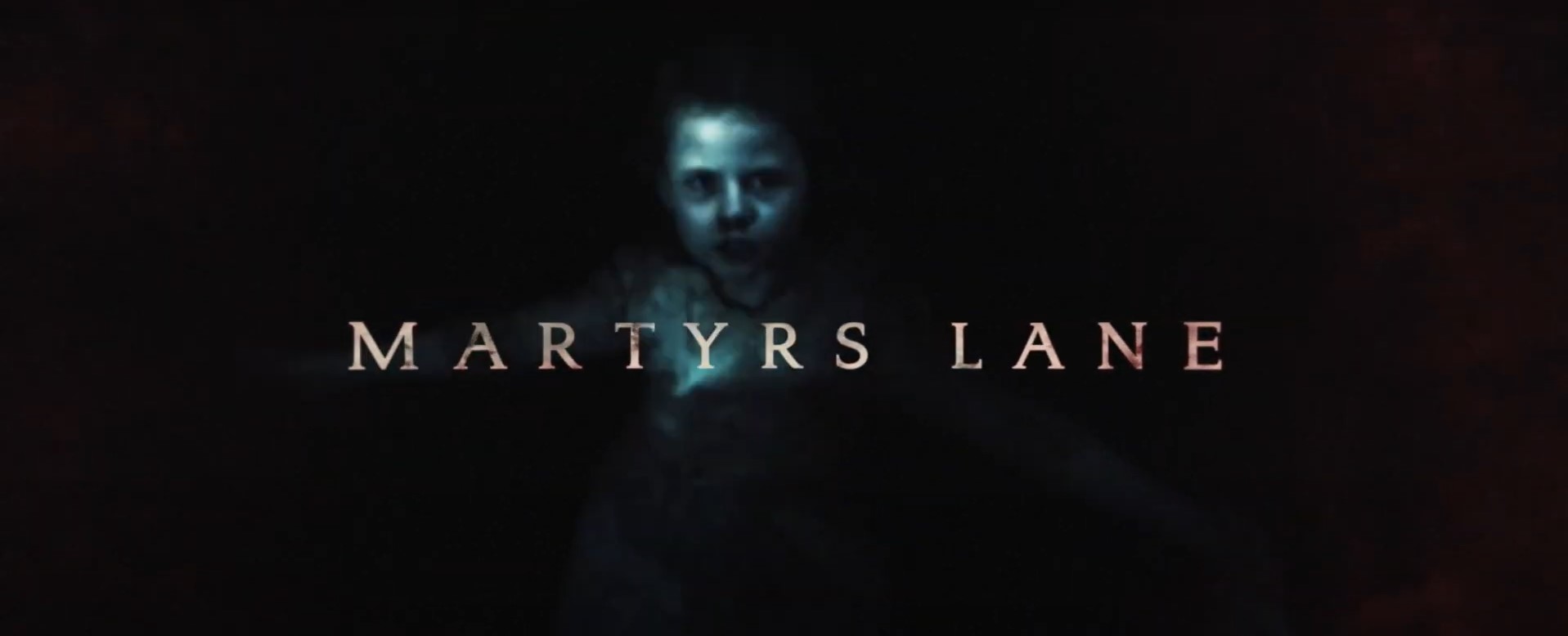
10-year-old Leah is a curious, quiet child, living in a vicarage household.  Her nightly nightmares surrounding her mother’s necklace locket and her mother’s stern conduct along with her constant obsession with her necklace locket leads Leah into an interest in the ornament’s contents.  Inside is a lock of hair and Leah takes it and loses a day later, sending her mother into a tailspin of anxiety.  That same night, a little girl knocks on Leah’s window and provides Leah momentary comfort and friendship until every visit after that, the little girl grows sicker and more ominously enigmatic in her play, providing clues and the whereabouts of thought-lost items that will open up the truth about the mystery girl’s identity as well as her family’s dark secret.

“Martyrs Lane” is a thoughtful and empathetic drama with supernatural delicacies surrounding complexities in loss and grief of bottled-up family secrets.  The British film is the third feature film, second in horror, for actress-writer-director Ruth Platt (“The Lesson”) who has commented that “Martyrs Lane” is a plucking of aggregated events from her own childhood woven into the very fabric of the story. Platt’s 2021 release is a fined tune extension upon her 2019 short of the same title that recasts the core principal roles from original actresses Indica Watson, Phoebe Lloyd, and the live action adaptation of “Beauty and The Beast’s” Hattie Morahan and turned the short into a 96 minute closed book feature about a scrutinized and consuming locket and a slowly decaying little girl playing two truths, one lie with the main character during bedtime hours who then has to unravel the mystery behind it all. Ipso Facto Productions’ Christine Alderson, who also produced “Valhalla Rising,” “Alpha Alert,” and even Platt’s original short film, produces “Martyrs Lane” alongside Katie Hodgkin and partly funded by the British Film Institute (BFI) in association with Sharp Films, Lypsync, and LevelK.

Recasting the short’s linchpin framework actresses took an audition to bring to light exactly the kind of talent Platt needed to express the different levels of somber ambivalence toward a family obviously struggling to deal with something more than just the day-to-day tasks. Kiere Thompson took over for Indica Watson as Leah in her feature performance debut and Thompson smashes a complex role and gains high marks on the voyeur scorecard as the youngest child who watches as her mother ebbs and flows in various states of anxiety while serving a milder, yet vastly different, dish of dynamics with the levity being around her vicar father and to be always primed to deal with her tormenting much older sister Bex (Hannah Rae). The best chemistry is between Thompson and age-appropriate counterpart Sienna Sayer, taking over Phoebe Lloyd’s role from the short as the strange visiting little girl. You can see two youngsters’ genuine play and natural innocence come through their smiling faces, wide eyes, and contagious giggles and when the winch of fear washes over them, called for by the story’s puzzling rising of events, mirthless moments are quickly produced, snapping us back into Platt’s eerie cold quandary. Hattie Morahan is replaced by Denise Gough as the mother Sarah and though her performance is fine, there just wasn’t enough of the mother’s side of the story to evoke a sense of empathy or sympathy and ultimately just falls into right into apathy even though Sarah is a pivotal piece to the theme. Catherine Terris, Charlie Rix, Donna Banya, Anastasia Hille, and Steven Cree as the vicar and Leah’s father rounds out the cast.

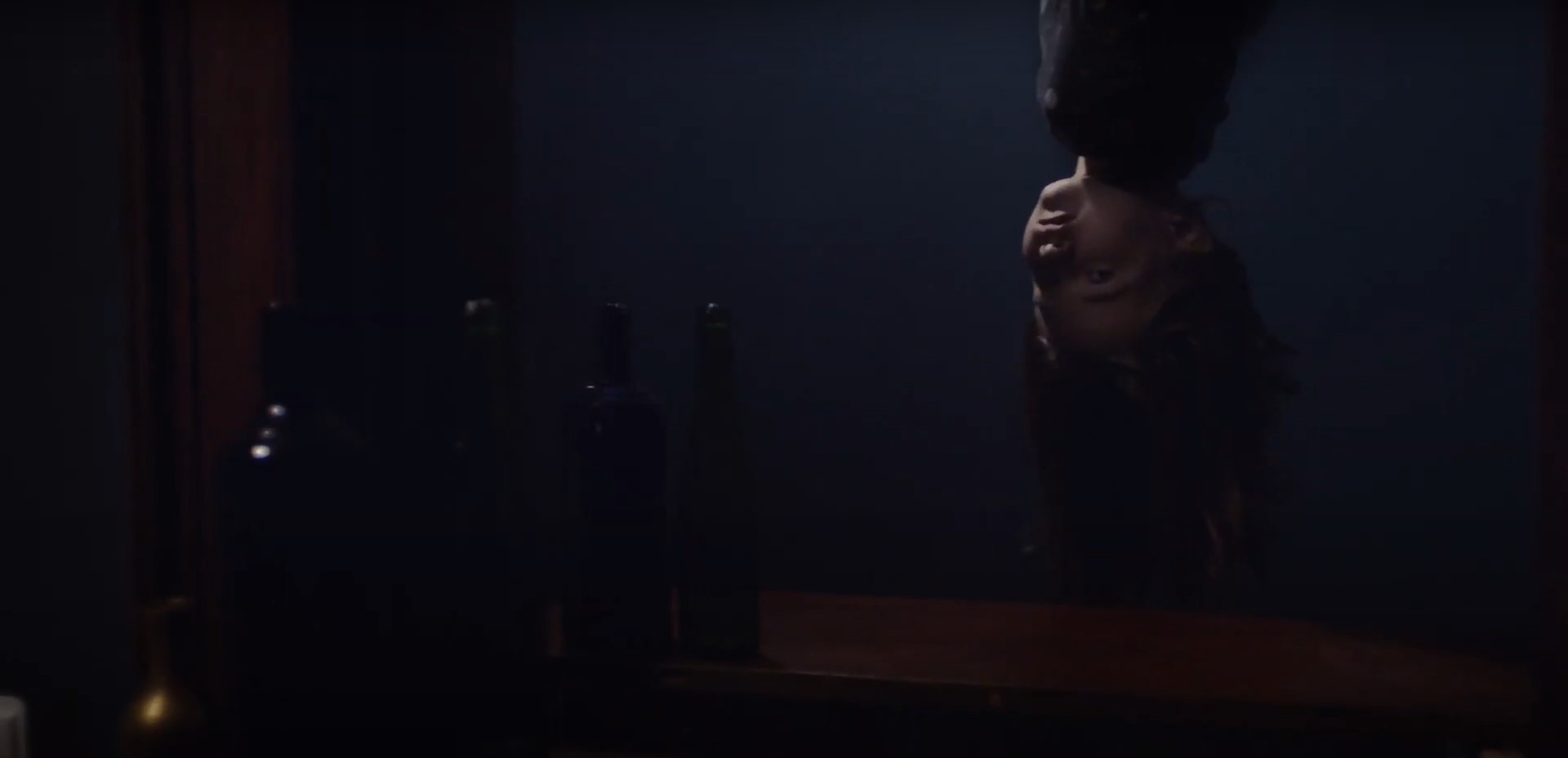
A blend between “Let the Right One In” and “The Babadook” but with less blood and less malevolent atmospherics, “Martyrs Lane” offers an imposing exhumation of a secret told in a way that doesn’t carry the sensation of something being hidden from Leah or even the audience in general.  Instead, Platt invests into the thematic subtleties with the bigger picture on the supernatural element of a strange, orphaned girl who knocks on the outside of Leah’s second story window, wearing dress up angel wings and is slowly deteriorating health wise with each passing night.  Yet, despite her appearance and reluctance at times, Leah’s peculiarly drawn to opening her window, letting her in, and even play childish games with her and tell jokes but soon those games become clues, near riddle-like, for Leah to push the envelope that link her mother, the locket, and this strange girl together.  Platt tacks on a silent and tenebrous after-hours backdrop during Leah’s sleepless nights and the stillness is greatly encroaching upon into the terror senses that you find yourself holding your breath and jumping at the breakneck editing aimed to momentarily scare you until a sigh of relief for when it’s over.  “Martyrs Lane” is externally melancholic and mood driven from outside Leah’s perspective as she, herself, internalizes and absorbs the emotions of others, studies them, and puts the pieces together to unravel the truth.

Ruth Platt’s “Martyrs Lane” is a wistful, and often eerie, entry into the creepy child subgenre. UK distributor, Acorn Media International, releases the Shudder exclusive-streaming film onto a PAL encoded region 2 DVD.  Presented in a widescreen 1.85:1 aspect ratio, there’s virtually no issues with the compression as even the night sequences retain the thick and obscuring black levels with almost unnoticeable banding, and it’s a clean dark too with balanced contrast to really home in on and define the shadows.  Details and textures are good for Platt’s dreamy-presented cinematic approach of slight overexposure and blur are more a stylistic attribute than an issue with the imagery.  I liked the tactile details in the loose strands of hair around Leah and the mystery girl that plays on their differences, and sometimes similarities, really well.  The English Dolby Digital 5.1 surround sound retains no significant issues.  Dialogue track perceives slightly muted or distant in some scenes and clarity, though free from audio blemishes, can be straining.  English subtitles are available.   Bonus features include a behind-the-scenes with snippets of interviews from Ruth Platt and the cast, an interview with Ruth Platt (which contains the same segments pulled for the behind-the-scenes), and a behind-the-scenes photo gallery.  The Acorn DVD is certified 15 for strong supernatural threat and injury detail.  In the end, “Martyrs Lane” is a dead-end road to melancholy, a family-affecting affair that peripherally chronicles not only one person’s struggle to maintain a slither of normalcy but also profoundly hits innocent youth who know nothing of the skeletons kept in the closet.

Purchase ACORN Release of “Martyrs Lane” on DVD

EVIL Won’t Let You Just Kill Yourself Even If You Wanted To! “Violator” reviewed! (WildEye Releasing / DVD)

“Violator” on DVD from Wild Eye Releasing and MVD Visual!

Desperate to track down her sister Naomi who becomes involved in an online social media forum about mass suicide, a woman’s investigation leads her on a train ride to a small village on the outskirts of the city.  There she meets Red Sheep, an internet handle for the mass suicide form greeter for those individuals seeking to give up their life willingly.  Returning her to the abandoned house where congregated patrons of their own demise wait for forum members from all over to gather before stepping into the afterlife, but the beneath the surface of simply drinking the Kool-Aid together is a wretched plan of death and self-inflicted suicide is not in the ill-fated stars for the group now sequestered in an isolated town. 

When the film is titled “Violator” and the very first images on the screen are flashing title cards, warning of violence and depravity from what you’re about to see, then a graphic intensity bar has been firmly set with the expectation that disturbing content is afoot.  The Japanese 2018 released horror-comedy comes from the cyborg-splattering mind of “Meatball Machine” writer-director Jun’ichi Yamamoto and is a continued part of the tokusatsu horror genre peppered with familiar Japanese motifs of mass suicide, samurai sword, oral fixations, and all with a pinch of Kabuki!  Yamamoto is no stranger to the Kabuki culture as he works in a callback scene and line from his 2008 actioner “Kabuking Z:  The Movie” into “Violator’s” evil eviscerating and executing entrapment.      

I wouldn’t call “Violator” aces in acting, but I’m not speaking to the general known fact that Japanese portrayals are often over-the-top exaggerated, and I’m referencing more toward the lack of selling the bizarre by any means possible.  The cast more than often feels like a rehearsal and robotic to the point where picking out cues can be almost a game.  Most of the cast are once overs or have a select history in the indie-tokusatsu market.  The biggest name in the film also has the shortest screen time with Nikkatsu Roman Pink film actor Shinji Kubo as the leader of the pact who lures lost souls to the abandoned house of doom.  Kubo doesn’t make or break “Violator,” but his character is pivotal in turn of events that alters the course of a few particular principals. Mai Arai plays the worried sick and searching woman tracking down her sister Naomi (Sora Kurumi) before she makes a grave suicidal mistake. Along the way, Arai’s character bumps into a mixed company of varying personalities revolving around their own death – one early 20-something young’un treats her suicide like the next cool thing, another ostentatiously can’t commit, and while another couldn’t be bothered by anything else surrounding her and plays it cool. The small village inhabitants are just as diversified and as quirky as the emotionally haphazard suicidals but with special, supernatural abilities to absolutely mess with their minds until satisfying their morbid, high-on-death munchies. Shinichi Fukazawa (“Bloody Muscle Body Builder In Hell”), Shun Kitagawa (“Prisoners of Ghostland”), Kanae Suzuki, Anna Tachibana (“Corpse Prison”), Ichiban Ujigami, and Rei Yatsuka round out “Violator’s” cast.

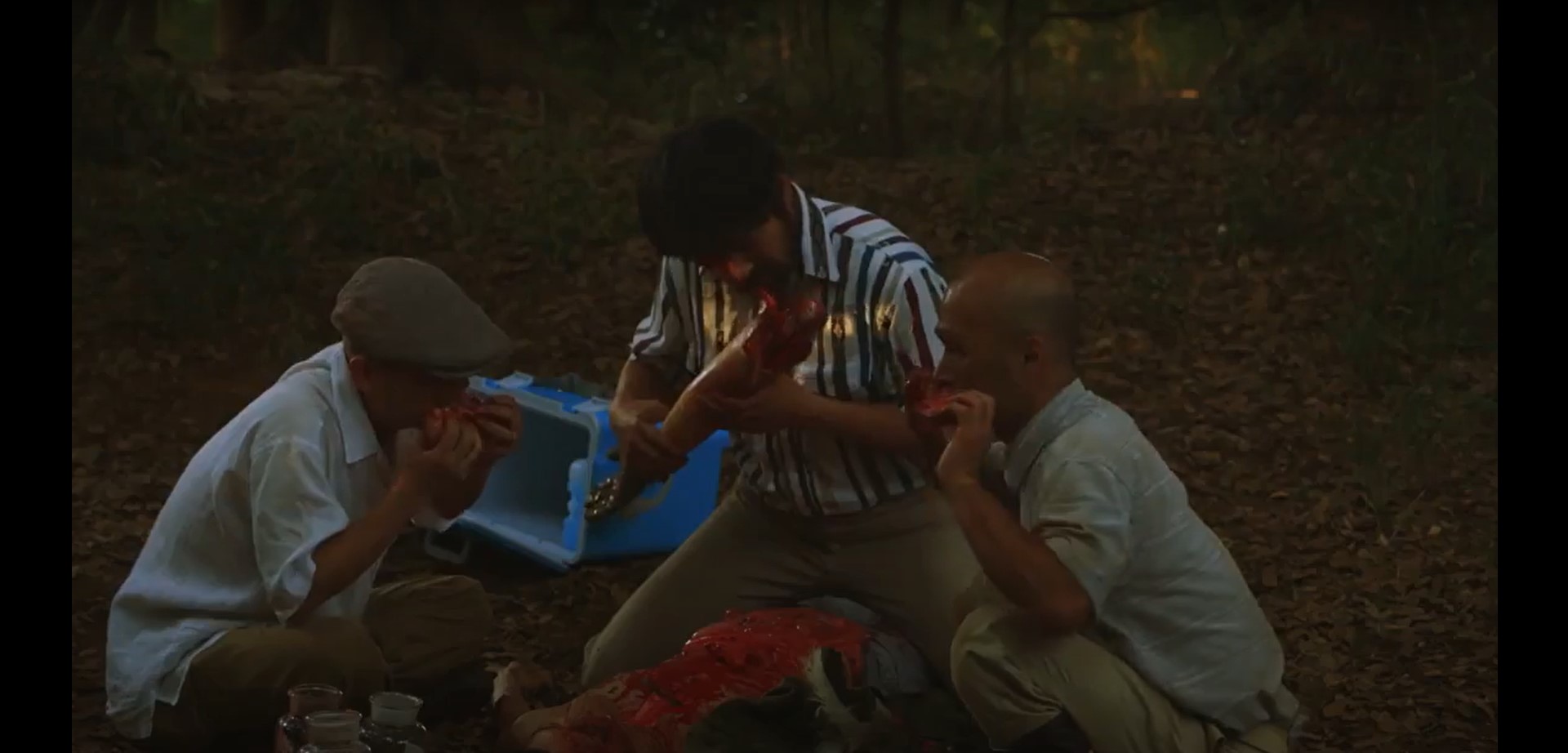
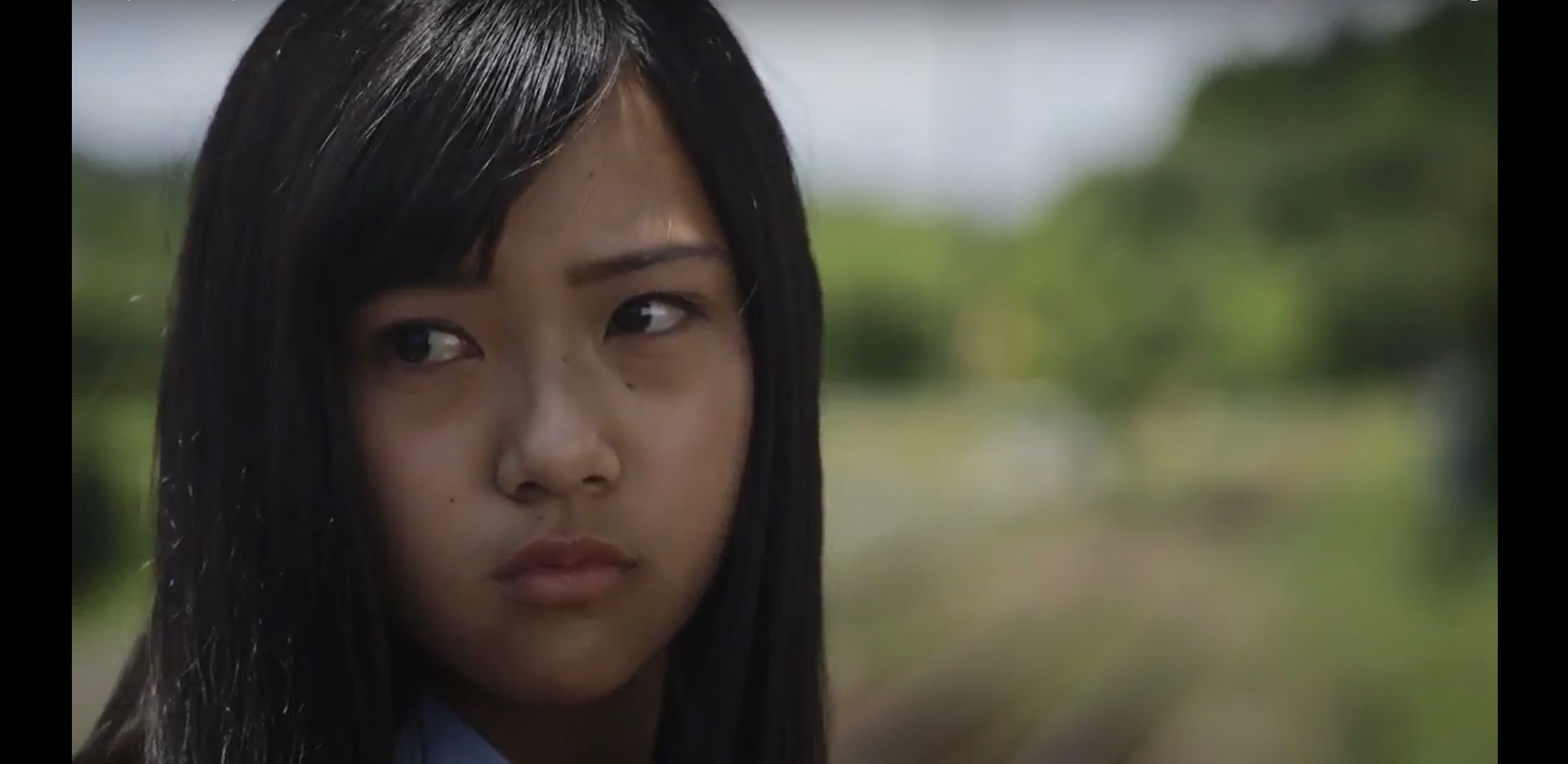
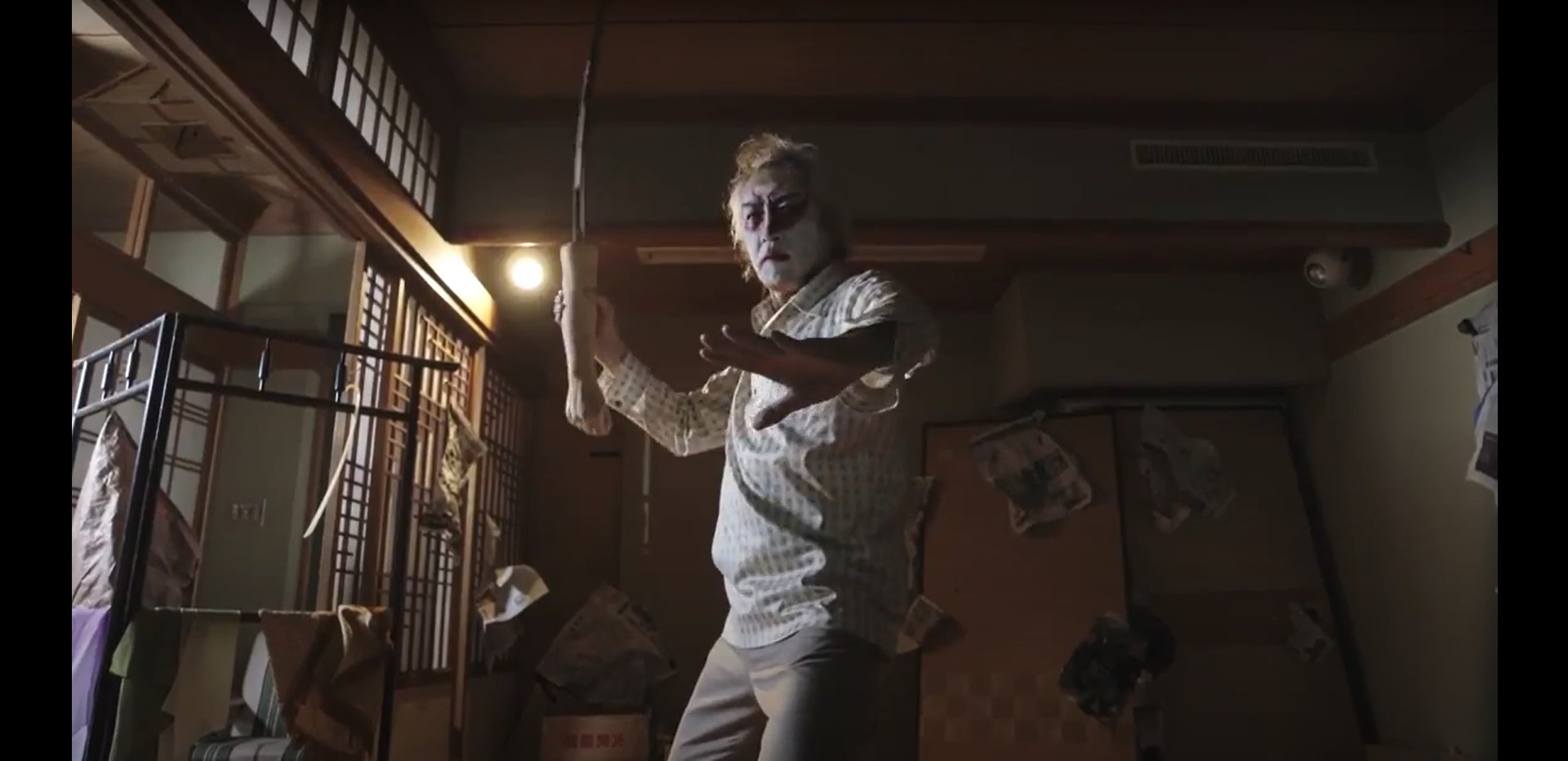
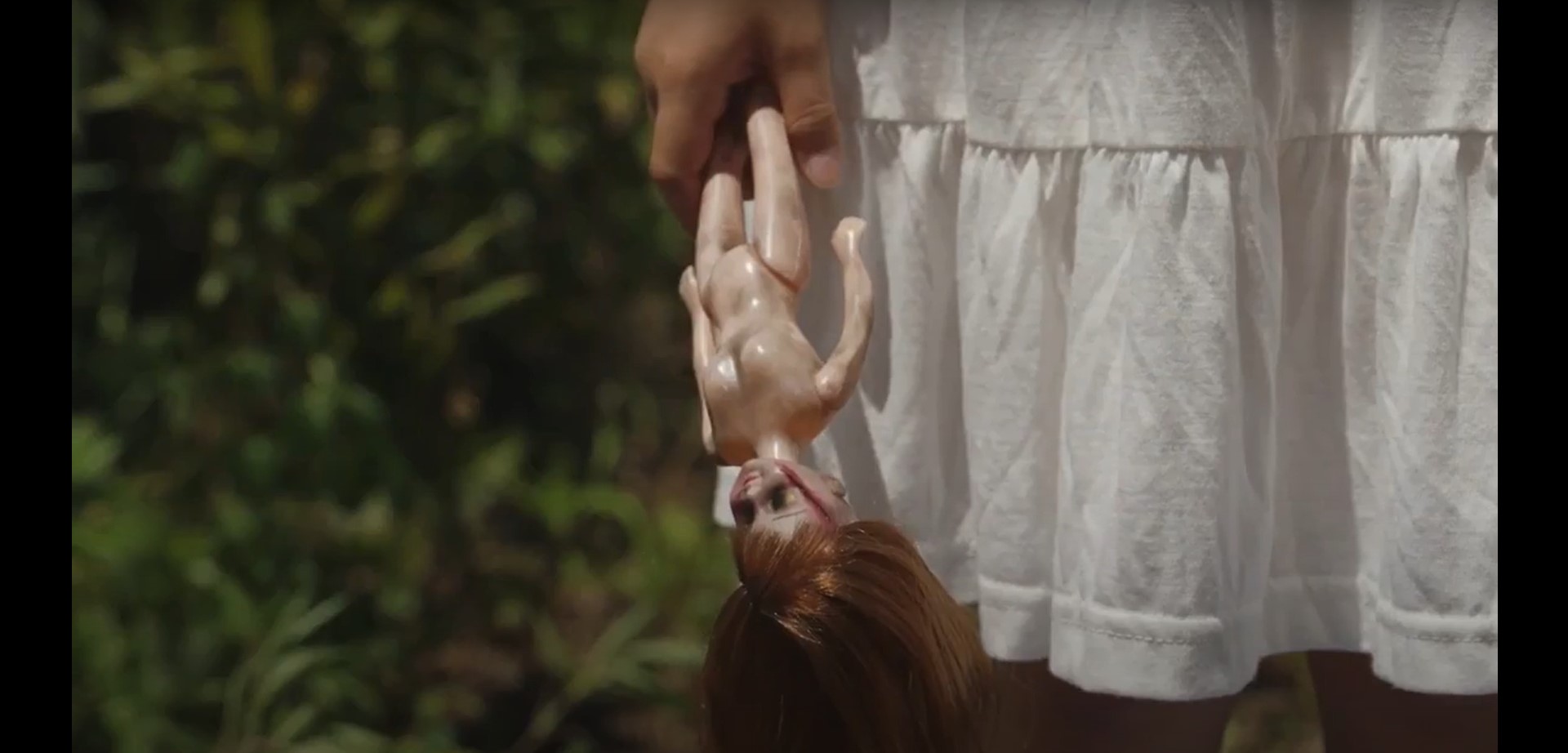
With a provocative title and a stern, flashing warning for taboo content, “Violator” starts off slow and continues so until about 3/4s into the film. Yamamoto glides not the sliced underbelly with murderous rage and profane callous through sexually and wicked means. No, Yamamoto builds each individual character, giving the what’s usually throw-away victims the time of day with a prolonged preface before their death that sets in who they are, what mindset they’re in, and, instead of just being collateral damage, what catalytic action becomes their ultimate undoing. By providing singular personalities, Yamamoto instills a breadth of subconscious care amongst the audiences that unintentionally react with the pangs of sympathy for the less naive during their demise to a straight up I’m glad they’re dead death because of their horrible unprincipled being and them dead makes the world a better place. Eventually, Yamamoto turns the keys to rev up the havoc as the death pact suicide squad disband into distinct, slasher-esque junctures to make good on the promise of building the character to give them a proper cutthroat curtain call and it’s about this time “Violator’s” pre-film turpitude caution actually applies with strange ritualistic kabuki decapitation, a virginal last-gasp cunnilingus before a protruding vaginal spear pierces through the skull, and a toy doll becomes a literal eye-opener for a suicide documentarian. Idiosyncratic in their own right, the kills are a violent spectacle that make “Violator” memorable enough to not forget it, but there’s far worse inflammatory material out there in the world of cinema that “Violator’s” handful of okay kills doesn’t exactly set off our internal omigod alarms.

“Violator” is the kind of off market brand and violence-laden film that fits like a glove with indie distributor, Wild Eye Releasing, in association with Tomcat Films (“The Amazing Bulk,” “Mansion of Blood”) and is perhaps one of the best releases out from the shlock usually produced from the latter company. With a muted colored and basic arranged DVD cover mockup that evokes every suspicion of an unauthorized release, I couldn’t love this cover any more than I already do with the promising depiction of a hysterical bloodbath and the singular moments represented in the collage of carnage and madness don’t stray away from the truth. The not rated DVD is presented in a widescreen 1.78:1 aspect ratio with a runtime of 72 minutes. DVD image quality is not terrible with a rate of decompression hovering around 6-7 Mbps, but still a little fuzzy in particular scenes with more than one character present and a in low-lit show production, that can hinder the viewing. The Japanese language PCM stereo track has no real flaw to speak of with a good synchronous English subtitle track and no detectable compression issues other than the lack of surround sound audio strength. The metal soundtrack also didn’t align, or rather clashed, with the mise-en-scene, added for just the sake of adding to make the story edgier. Bonus features include only a scene selection and trailers on a variable menu. Coy and different, “Violator” thinks outside the box with a simple supernatural revenge narrative that penetrates slowly at first but then really rams in the sudden disarray without a precautionary moment to lube up first.

“Violator” on DVD from Wild Eye Releasing and MVD Visual!

To EVIL, Death is Only the Beginning. “Girl With a Straight Razor” reviewed! (Darkside Releasing / Blu-ray)

“Girl With A Straight Razor” available on Blu-ray and DVD at Amazon.com!

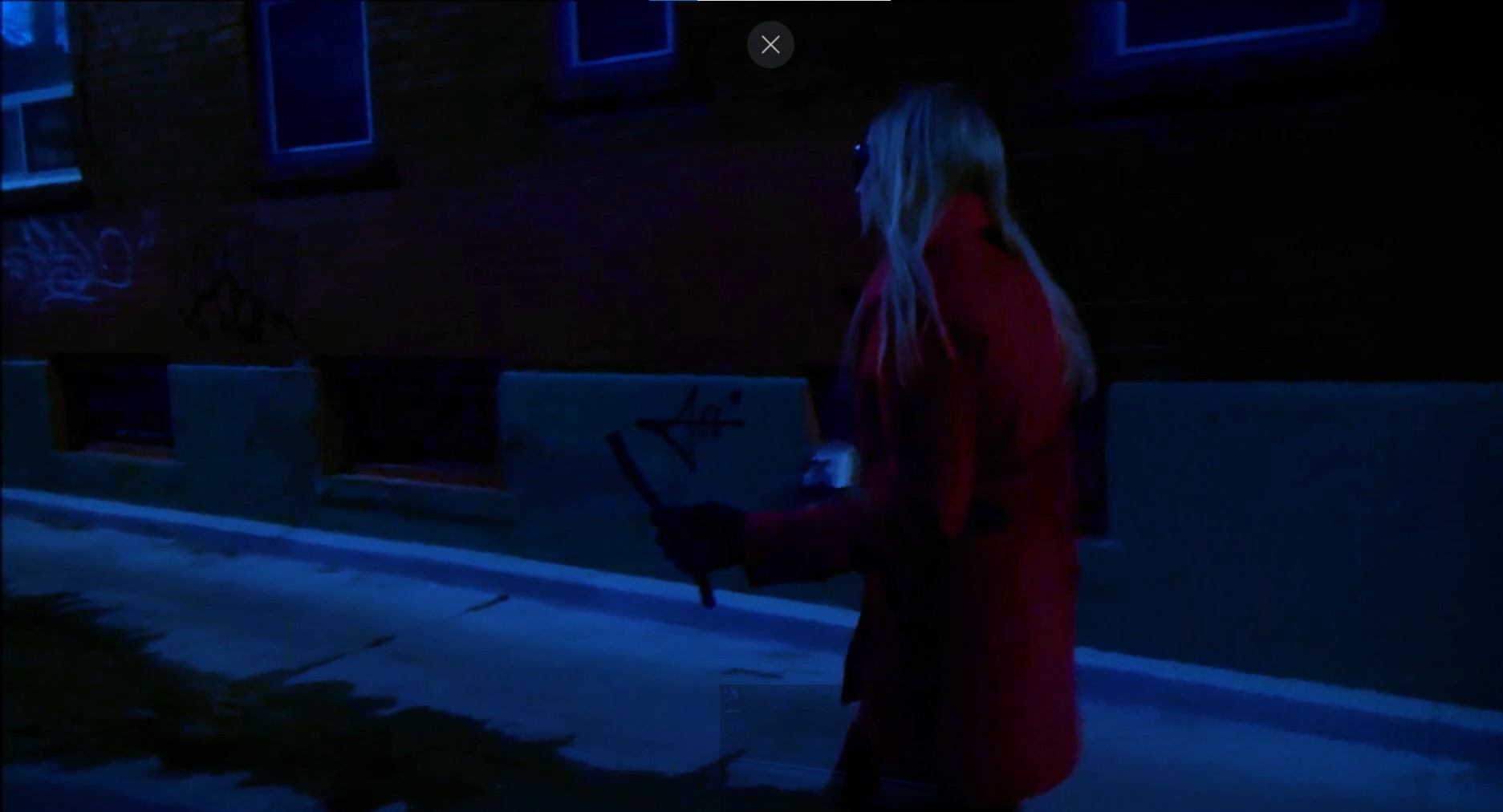
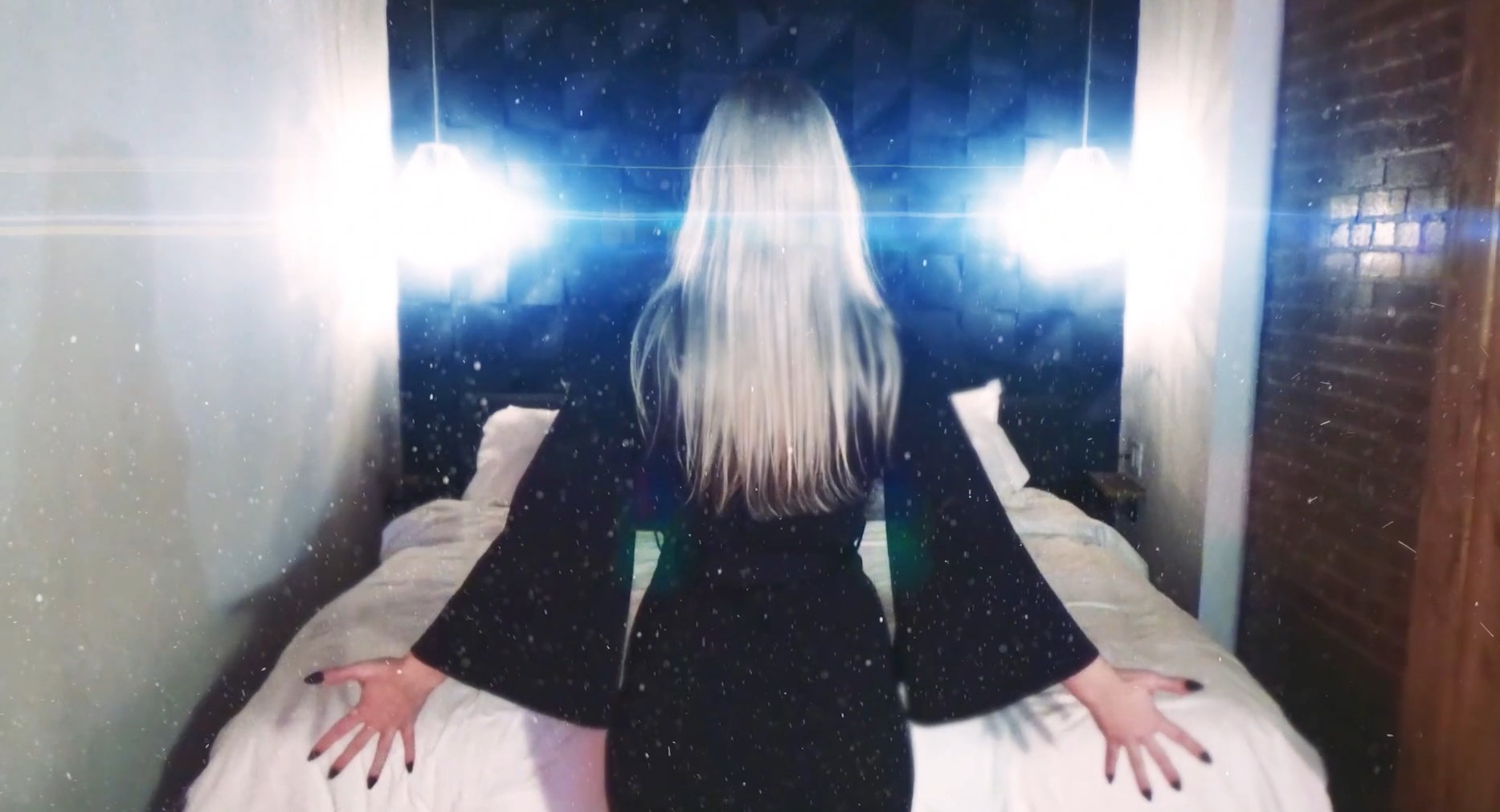
A placid woman waits in her modern chic apartment until dark. She ritualistically dresses elegantly and exits her apartment building wearing sunglasses, a bright red coat, and an unsheathed straight razor. As she wanders the streets, she locates a target, another woman, and stalks her with a bloody thirst in her eyes. When approaches from behind to only turn around her victim and come face-to-face with an exposed neck, she slashes away at the jugular, slicing crudely a blood-splattering spree that manifests a smile across her face. She returns to her apartment where she’s visited in between her straight razor murders by a lady dressed and veiled in black, priming the elegantly dressed woman for the next kill. The blade continues to slash through napes nightly, memories of the woman’s past seep into her psyche to a terrifying outcome of how she became a killer.

“Girl With a Straight Razor.” Simple, yet effective. The eye-catching, razor-sharp title certainly has a couple of key words combined together audiences often drool over just by the very straight-forward approach and appealing word sequences that make the appearance of an idiosyncratic title that much more desirable. Canadian horror-filmmaker Chris Alexander seizes advantage writing-and-directing a script that’s a numbing-gaze reminiscent in homage to giallo by assembling the trademark motifs of stark red coloring, gloved hands shot in a first-person view, and the use of a melee blade familiar to the Italian-made mystery-thriller genre for a fever dream highlighted as a pain-pleasure principled purgatory. The “Female Werewolf” and “Necropolis: Legion” director also composes the film and controls the overall look of the colorfully prone to epilepsy cinematography that jars sense the visual cortexes. “Girl With a Razor Blade” is the first feature production of the Vancouver based Molemen Entertainment and is produced by Vince D’Amato, the founder and managing partner of Darkside Releasing who released the film on home video this year.

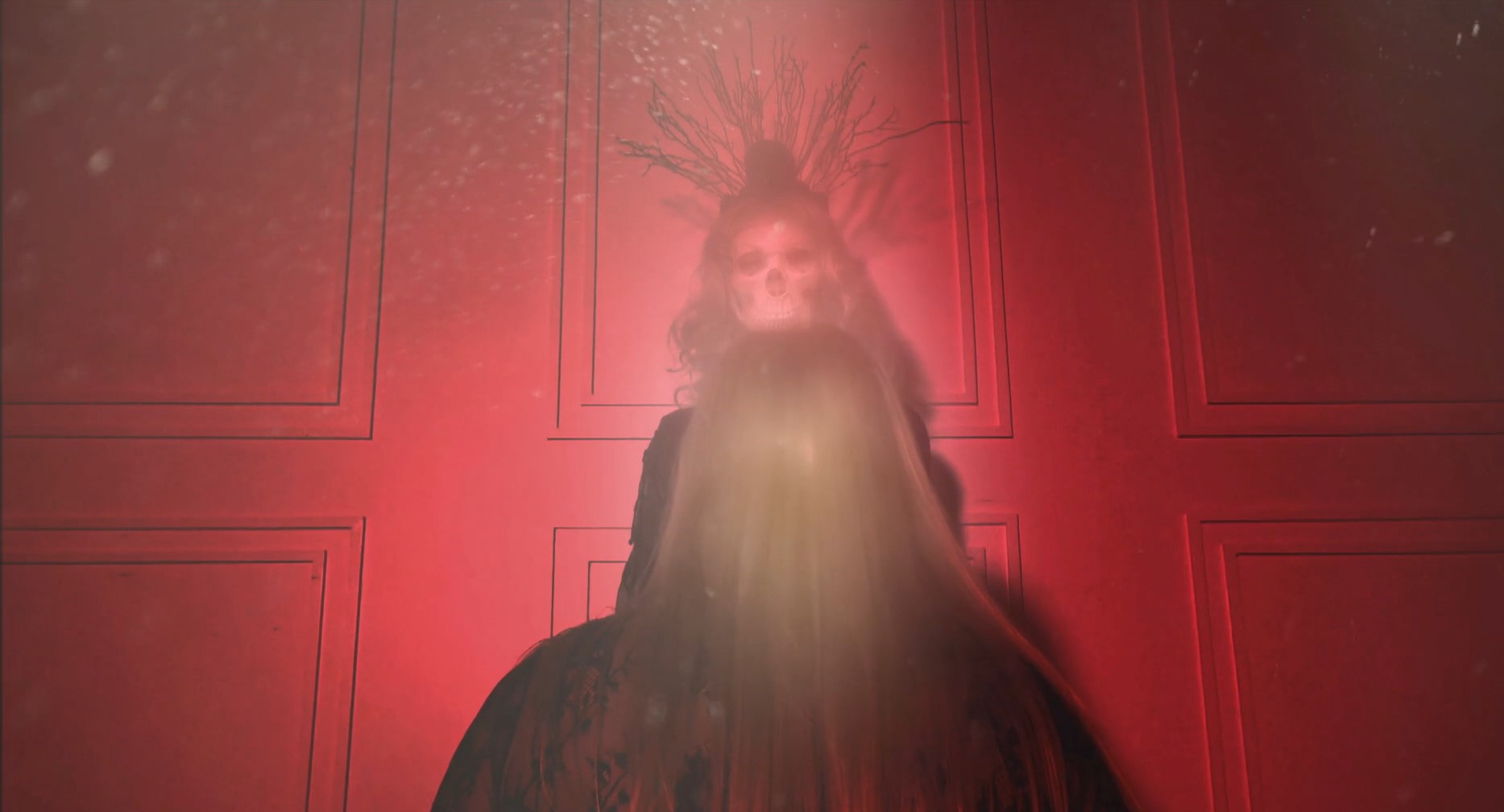
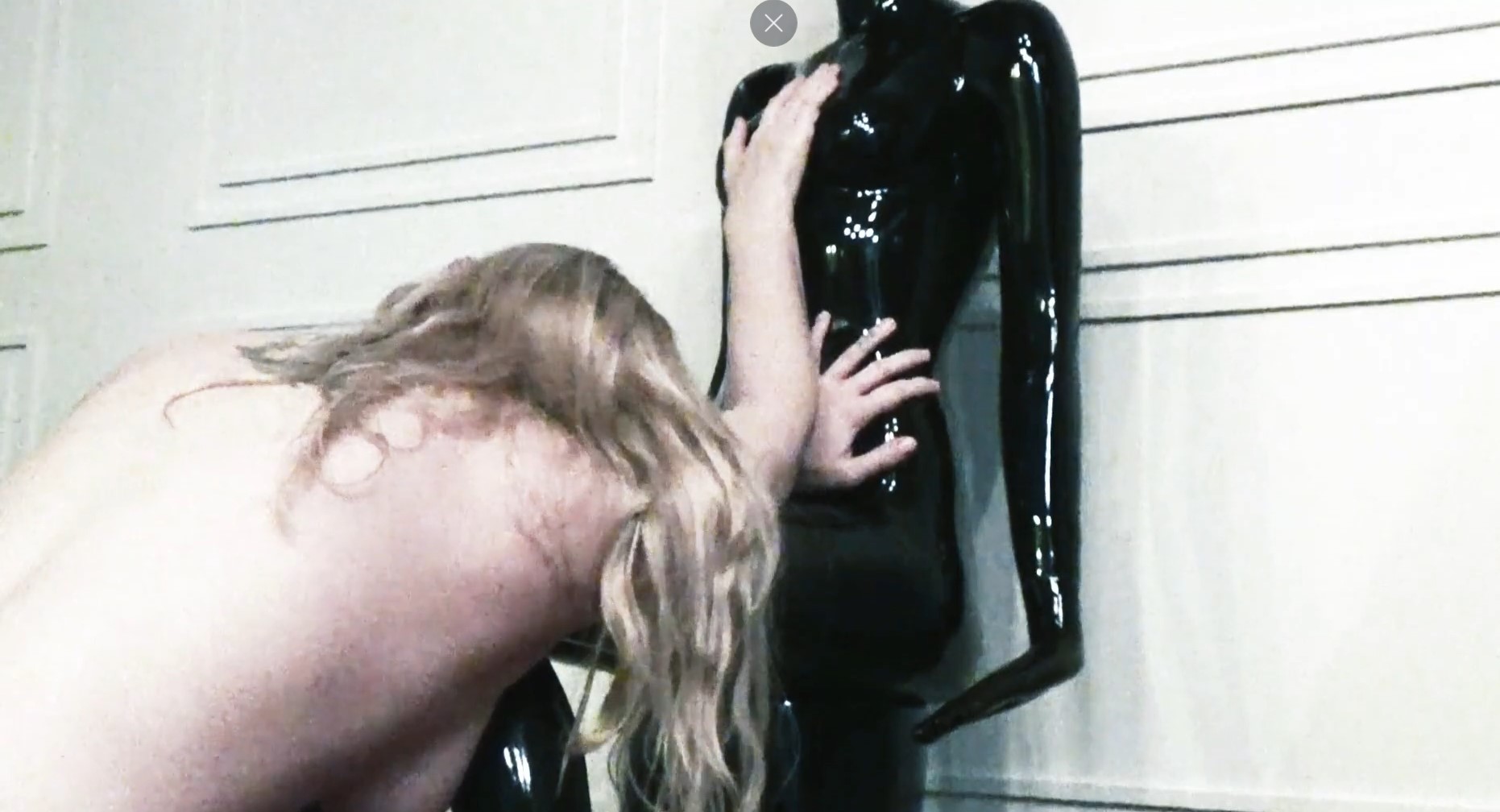
If you want to make a low-budget film and keep a lot of change in your pocket, hire only a handful of decent, well-rounded actors and actresses to maintain the spirit of independent filmmaking that balances the budget as well as balances the filmmaker’s creativity with semi-creditable performances. If you want to make a low-budget film and keep dollar bills in your pocket, hire two actresses where one only has two to three scenes max with no dialogue and the other have them play four different versions of themselves with very little dialogue. The minimal dialogue forces Alexander into a creative environment where express the principal’s emotional deluge, or lack thereof, can be displayed in a range of camera angles, his musical composition, and the variegated kill scenes contrasted against contrasting black and white visuals. In these scenes are a pair of Chris Alexander regulars. Having had roles in some capacity 2019 re-imagining of Bruce Hickey’s “Necropolis” from 1986, Thea Munster finds herself again in front of the director as a ghostly, haunting figure costumed in an old-fashioned lacy black dress as if going to a funeral, to which she’s properly playing a character called Lady Death so there’s no ambiguity about the status and intentions from the grim reaper concept, and Ali Chappell who isn’t foreign to leading lady role with Alexander and has the nearly the entire story on her shoulders with scenes of her as the lady in red cutting the throats of window shoppers on a nightly basis that becomes reverse engineered into the deconstruction of her as a killer with humanizing sympathy. Despite not much dialogue, both Munster and Chappell hit their marks and cater to Alexander’s idea of posturing expression that mostly involves Chappell laying topless in an egg-shaped chair, an animal skinned carpet, or on a black mannequin chair.

“Girl With a Razor Blade” is cutting-edge existentialism and novel re-imagining around the idea of death’s plans for us all. Alexander dives into the depths of mortal consequences that limbo the soul into a loop of insensible pain and suffering.  As we learn more about this woman and her marital troubles, presumably separated by legal force and a resentfully angry husband, from her child, Chappell’s character has no other place to go than down into darkness, mentally and physically.  Its during that time Lady Death approaches to become a harbinger of death, puppeteering her subject’s will to conduct more self-harm as the villain and the victim in a mind warping illusion that’ll fool the viewers’ perception of the woman’s insatiable lust for red jugular juice.  Alexander’s cinematography style is simply ethereal and elegant with a touch of precise choreography in the characters positions and movements to reflect a vivid dichotomy between the present stillness of surrealism and the past’s stressful reality. “Girl With a Razor Blade” is grim bordering the line of certain religious doctrines in condemning oneself to an unsavory existence, if you can even call it an existence, of facing yourself, your fate, over and over again until no longer the feeling the need to spill blood is gnawing at the marionette strings and waking up to the truth, facing it, can be free. There are moments the blade is a sexual object, almost like an obsession with what it represents, which would be death, that can be addicted, can’t be ignored, and won’t let you forget it.

Stylish, cryptic, and thought provoking, Chris Alexander’s seventh film “Girl With a Straight Razor” cuts onto a high-definition, AVC encoded, Blu-ray home video courtesy of Darkside Releasing. Two versions of the film are available – a Darkside Releasing expanded cut with a runtime of 67 minutes and a director’s original cut of the film with a runtime of 57 minutes. Both produced during the pandemic films are presented in a widescreen 1.78:1 aspect ratio. Picture quality wasn’t the best for Darkside Releasing with a shaky, often banding, image mostly throughout due to compression issues. You can see the blurry splotches in the darker portions of the scenes. Delineation is also difficult during rainbow strobe effect when the woman slices at away during a kill moment in a fit of haziness that leaves barely an outline of the contours. In fact, Alexander’s style is all over the map with filters, lens flares, and gel lighting that can be a little too much and gaudy to digest. The English language 5.1 surround sound has a lossy framework that’s more of a soft crunch than a sharp crisp. There isn’t much dialogue to be hand in the film, but the clarity is there, it’s just not robustly defined. Aside from two versions available of the film, bonus features also include an audio commentary on the director’s cut, three short music videos by co-star Thea Munster and her band “Night Chills” as she spotlights her niche playing of the theremin instrument, and Darkside Releasing 2021 Giallo and Surreal trailer reels. A character-driven and introspective “Girl With a Razor Blade” laments as an acquiescent nightmare breaded lightly in giallo features and fried heavily in the abstract qualities of surrealism. Don’t expect Chris Alexander’s film to be straight forward giallo with a straight blade razor and you’ll come out with only a close shave nick into your expectations.

“Girl With A Straight Razor” available on Blu-ray and DVD at Amazon.com!

A Mushroom Cloud of DNA Altering EVIL Proportions! “Mutant Blast” reviewed! (Troma / Blu-ray)

“Mutant Blast” is a BLAST!  Now available at Amazon.com

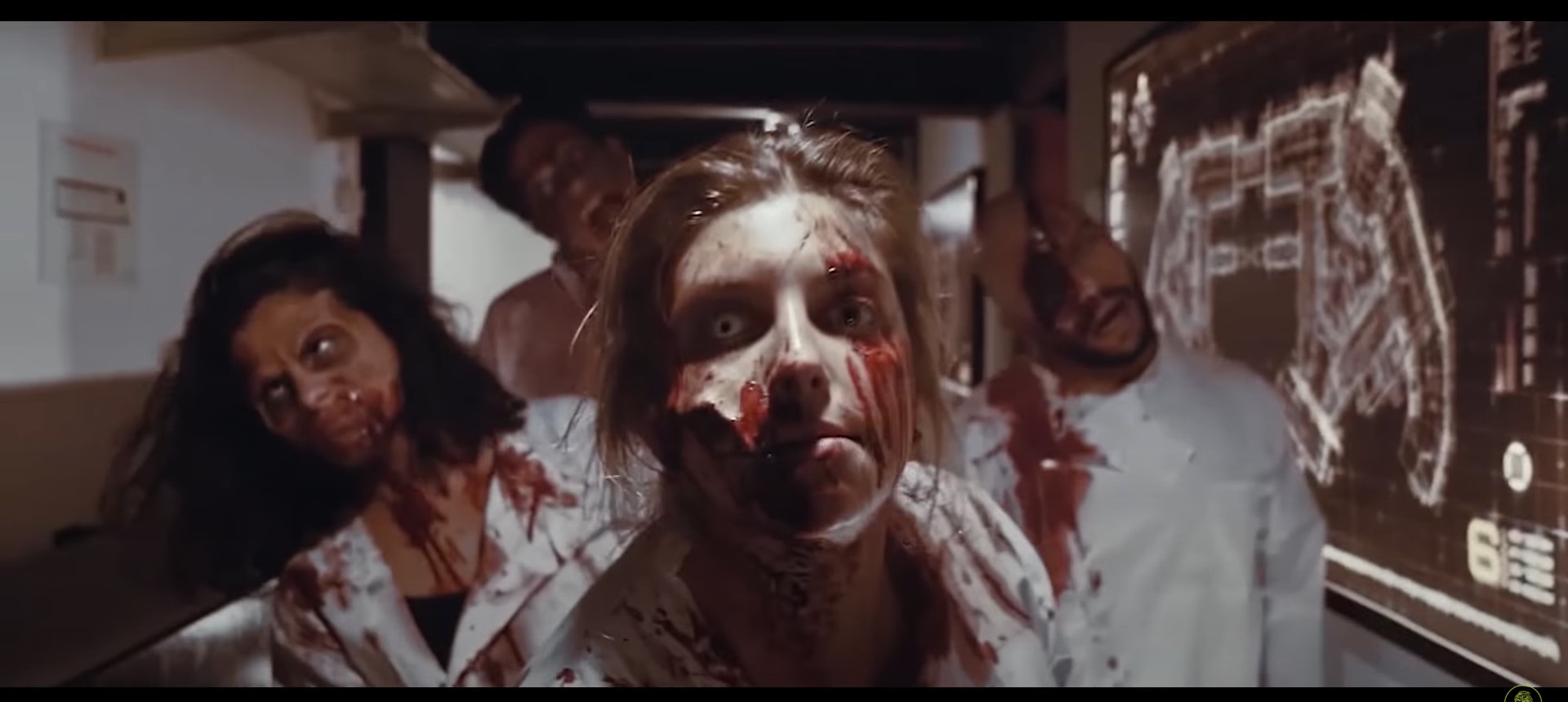
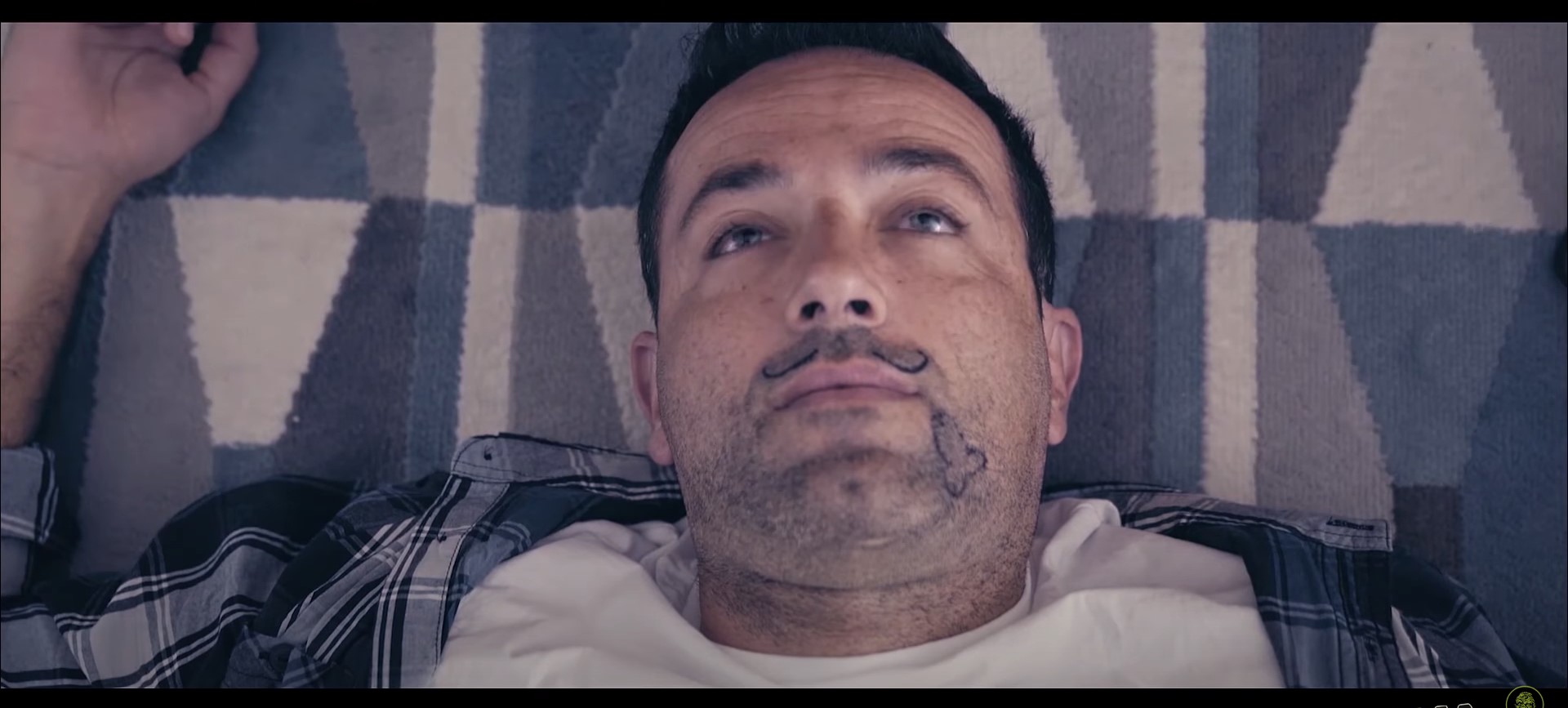
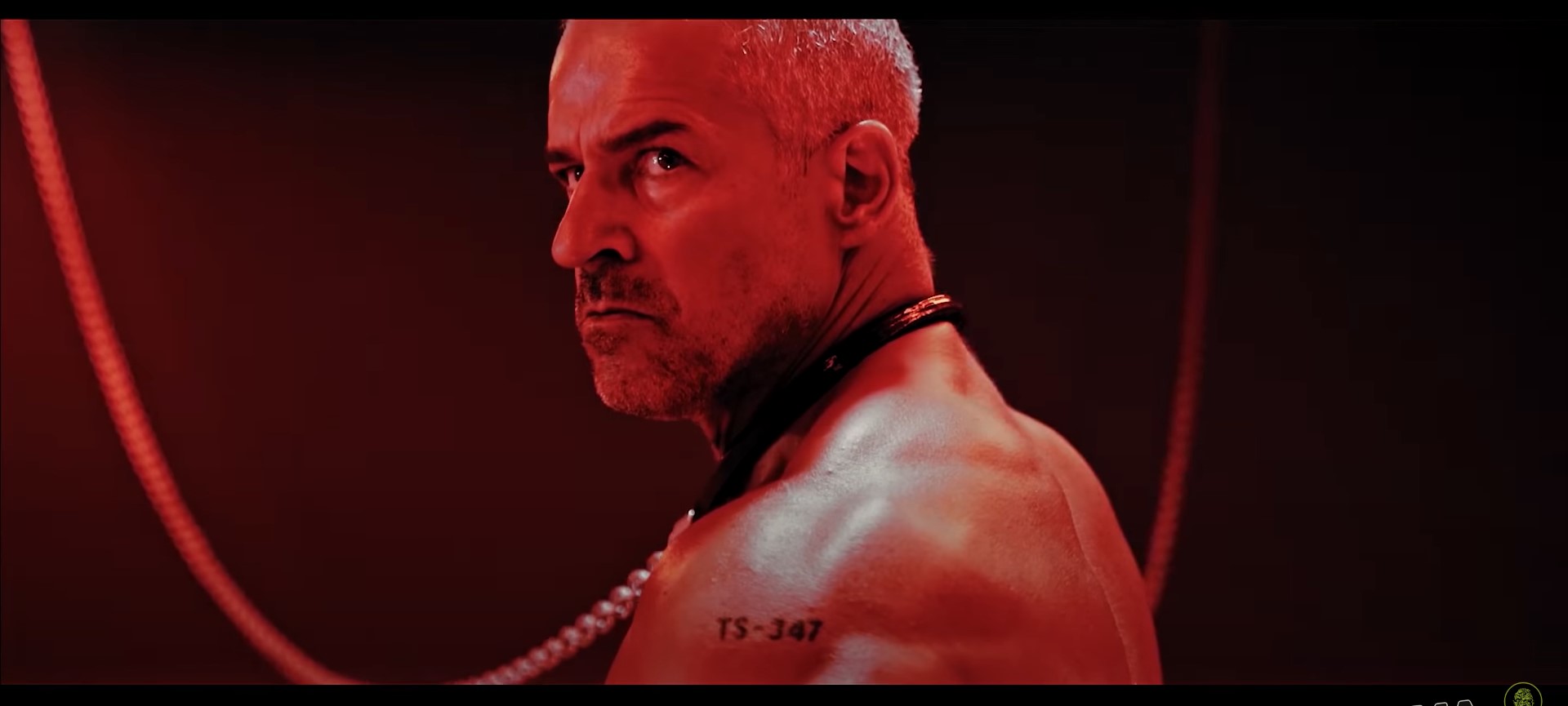
A top-secret military unit conducts human experiments to create the perfect super-soldier. Their illegal and amoral work has proven more difficult than desired with only one subject, TS-347, being deemed functional and fit for dutiful purpose. Maria, operating incognito with an adversarial paramilitary group, infiltrates the cell section where TS-347 is being held to either purloin the property or destroy it in order to not have the DNA be replicated. There’s only one problem – the failed superhuman experimental trials that transformed people into flesh-eating zombies have escaped confinement to begin the apocalypse. Barely escaping with their lives, Maria and TS-347 run into Pedro, a simple, low ambitious man with no clue to what is happening after awaking from a party-induced hangover. Together, they trek to the ocean for safety, but multiple nuclear bombs send their journey into a tailspin of mutant hostiles along their path.

A nuclear orgasm within every minute, the Portugal-made post-apocalyptic comedy-adventure-horror “Mutant Blast” is crazy fun and certifiably crazy. Produced in 2014 but not released until 2018, the Fernando Alle written-and-directed debut radioactive-to-rendezvous through a zombie infested and freakshow continent leaves no stone unturned with an unbridled and practical effects-laden story that’s reminiscent of early 90’s splatter-comedies. Being one of the select more recent films to be actually produced instead of distributed by Troma Films (“The Toxic Avenger,” “The Class of Nuk’Em High”), “Mutant Blast” doesn’t have to work too hard to be granted passage into Tromaville’s sophisticated affinity catalogue. Troma’s masterminds Michael Herz and Lloyd Kaufman, who has a zombified bit part in the film, coproduce “Mutant Blast” alongside Alle and Matt Manjouridas, executive producer of Shudder’s “The Last Drive-In with Joe Bob Briggs, also financially supports Alle’s film that should one day, hopefully, be on the docket for Joe Bob Briggs to introduce its rat-fu, seafood-fu, and titty-shot-fu to the rest of the horror fanbase.

Living her best imitation of Ellen Ripley with a shaved dome from “Alien 3” is Maria Leite as the infiltrating noble cause soldier aiming to stop the experimental creation of human super soldiers by any means necessary.  Leite makes looking like a badass action hero pretty convincing and her comedic timing is wonderfully contrasted with Pedro, “Blarghaaahrgarg’s” Pedro Barão Dias in his introductory role into feature films, as a lighthearted and bewildered man strikingly outside his element and out classed what’s about to face him.  If you haven’t noticed, the characters names don’t stray far from the actor’s and that makes the chemistry a little easier, especially on “Mutant Blast’s” ambitious post-apocalypse and kooky freakshow façade.  Dias has the charming qualities of a gleefully lost puppy in a world that has everything trying to kill his character Pedro where previously the carefree partying fool was left alone, if not also insignificantly thought of, to his own devices.  If hitting the notes on the “Alien” franchise notes a part of the Fernando Alle’s must-have adulation check list then “The Terminator” is another box the filmmaker sought to check off as well with the TS-347 cyborg-ish super solider played by the then nearly 50-year-old professional bodybuilder Joaquim Guerreiro doing double duty as also the evil counterpart TS-504, splitting his obvious presence except with a prosthetic mask, makeup, and way more clothing overtop his shirtless glistening pectorals and deltas.  Their odyssey to the ocean has them cross paths with other survivors, sprouting various fission bomb mutated genes as if seeds were sowed in their skin.  Mário Oliveira, Hugo Cássimo, Andreia Brito, Joao Gualdino, Pedro Caseiro, Mauro Herminio, Francisco Alfonso Lopes, Basco Ferreira, Paulo Alexandre Firmino, and João Vilas fill the colorful shoes playing one, or sometimes multiple, mutants.

If you like gooey and explosive foot-to-head smashes, then “Mutant Blast” is for you.  If you like single punch decapitations, then “Mutant Blast” is for you.  If you like baby rat hands, third ear growths, melted faces, horn protrusions, zombie head backpacks, giant rats squirting highly acidic teat milk, Dolphinman versus a French speaking Lobster man, then “Mutant Blast” is definitively in your very best interest. Past all that juvenile jazz that, if done right like Alle did it, transforms a lobotomizing spectacle into a complete cherry of cinema, underneath the liberating layers of free, self-made movies, lies a subtle message weaved into the very fabric of “Mutant Blast’s” nuclear core story. Alle’s undoubted wants audiences to take away from his film not only riotous laughter and an appreciation for tangible gore effects but also to take away a sense of how we, people of Earth, seek to self-destruct. Life is precious yet experiments turn into crazed maniacs, we nuke ourselves in an ironic act of fighting fire with fire in cleaning up our messes, and with the lobster who turned into man names Jean-Pierre, wears a suit, speaks French, and hates “motherfucking” dolphins delivers a monologue served up on a platter of overfishing, environmental indifference and destruction, and a general apathy overview for life in general conceptualizes as the vertex of the Alle’s entire theme before the one-on-one with the James Gunn created Dolphinman who makes a very special appearance.

Troma’s newly upgraded, upscaled, and likely high on uppers release of “Mutant Blast” is not available on a director’s cut Blu-ray that wouldn’t be complete or official with a Lloyd Kaufman introduction from the COVID bunker. Released in high definition 1080p, the region free, 2-disc, AVC encoded Blu-ray is presented in a widescreen 2.35:1 aspect ratio with an 83-minute runtime. I’m genuinely impressed by the compression of this Troma release as the image quality looks quite good with little-to-no compression afflictions in the digital video, displaying an above par codec in the ballpark of 24-26 megabytes. Granted, “Mutant Blast” isn’t perfect with signal aliasing infractions, but the overall image stands out amongst the catalogue as one of the best from Tromaville. Offering two dual audio options – a Dolby Digital 5.1 surround sound and a LPCM 2.0 stereo track – you’ll get to enjoy every squish, squash, and squirt on the effects track to compliment to head bashing assaults. The Portuguese and French language dialogue tracks render no issues with clarity and the English subtitles keep things smooth and easy with ample timing and errorfree. There are a slew of dubbed languages including English, Russian, Spanish, Italian, Polish, and, if you want to be precise, Brazilian Portuguese. Troma also offers up some fantoxically futuristic extras with a making of featurette Lobsterman Caws, the giant rat pre-production test, a doc about “Mutant Blast” heading to Korea over a three-day coverage span, Portugual audiences’ reactions to “Mutant Blast,” the film’s special effects, blooper reel, bottlecap challenge, the original theatrical trailer, international trailer, 30 second trailer, and see how Lloyd Kaufman transformed into a flesh-eating Portuguese zombie. In the gloriously objectionable essence of all that makes Troma Troma, “Mutant Blast” is textbook Troma, a modern new face for the company, and is radiantly glowing from the same toxic waste that gave birth to the beloved Toxie.

“Mutant Blast” is a BLAST!  Now available at Amazon.com