The Devil’s Tongue is a Powerful, Influencing EVIL. “The Dark and The Wicked” reviewed! (Acorn Media / Blu-ray)


Siblings Louise and Michael Straker return home to their farmland house when their terminally ill father becomes bedridden.  A long time alone and isolated before her children arrived, Virginia provided suitable care for their father up until the voices started.  Lurking in between the shadows around the rural home, a menacing presence wedges itself into an already splintered family spirit as the harbinger of death coming for their father’s soul.  The influence of voices and grim visions tatter Louise and Michael resolve, testing their unconditional love for family and moral obligations, but evil can be very persuasive the closer their father comes to his end. 
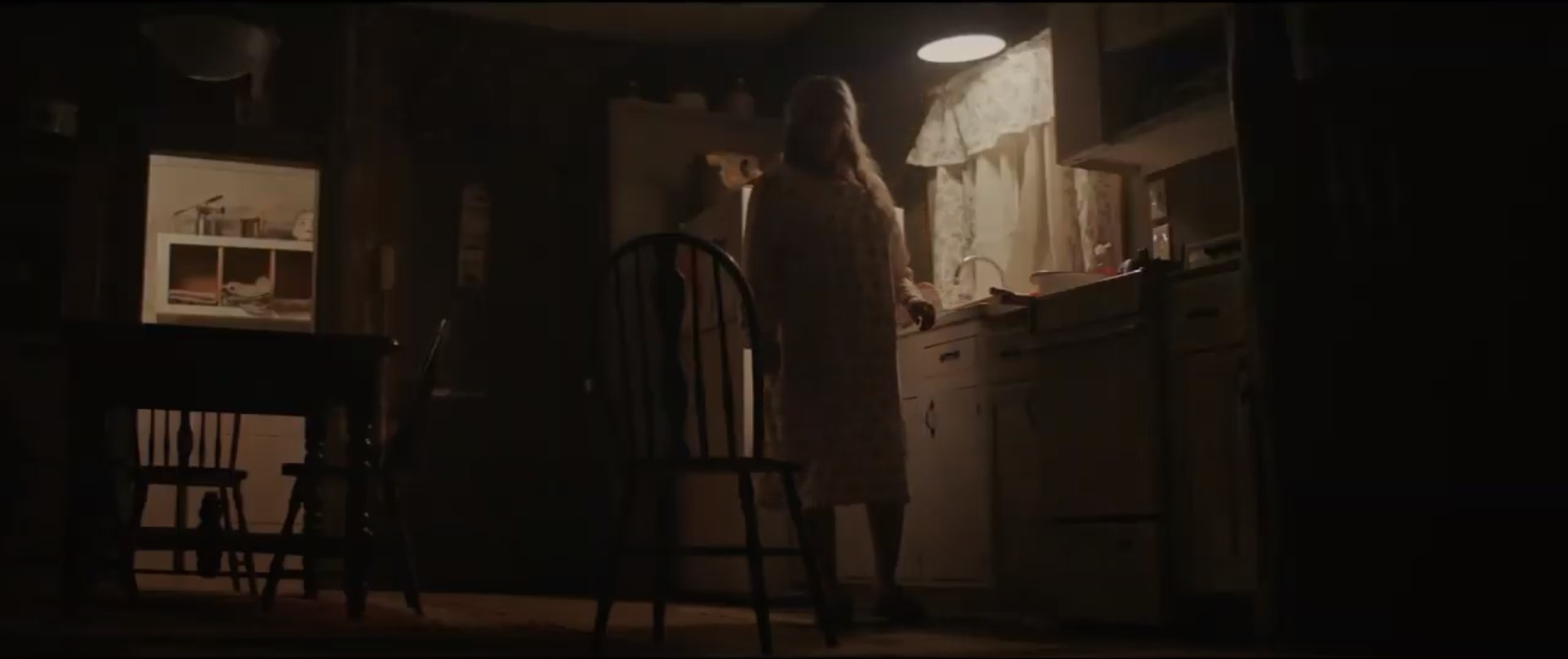
The battle grounds of losing oneself during the verge of loss has commonly been a recurrent topic amongst indie films.  For filmmaker Bryan Bertino, the concept feels deeply personal.  “The Strangers” and “Monster” writer-director’s latest discomforting horror film, “The Dark and the Wicked,” uses Devil speak in mass, detrimental volumes as an allegoric device for the internal deconstruction of family, capitalizing for his tale the use of his family’s rural Texas farm house written as a threatening locale of isolation and the tenebrous unknown.  “The Dark and the Wicked’s” paganistic undertones heavily perceive a dissipating family structure’s disconnect from not only God but from the community who has been all but absent from coming to the fictional Straker family aid.  The 2020 released film is produced by Bertino’s production company, Unbroken Pictures, alongside Shotgun Shack Pictures (“Hurt”), Traveling Picture Show Company (“The Blackcoat’s Daughter’), and in association with Inwood Road Films.
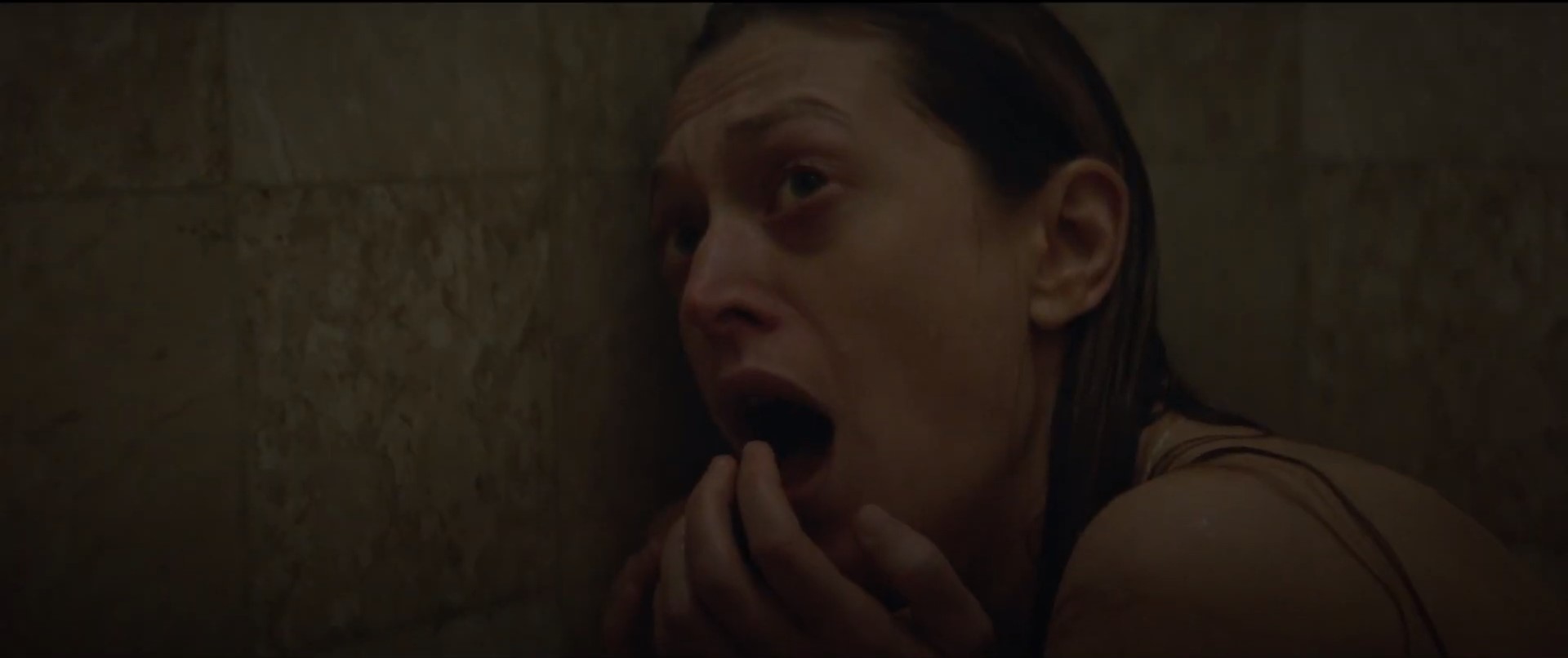
To play characters accustomed to the rural lands of the Texas outskirts, “The Dark and the Wicked” required a range submerged with leisurely movements, a Lonestar draw, and to, of course, look good in plaid and Wrangler jeans.  The cast that emerged was nothing short of spectacularly precise in fabricating the lives of remote lives rural Texans, opening with a Texas-born Julie Oliver-Touchstone (“Bounded by Evil”) sewing dresses in the barn, tending the farm’s goats, and chopping produced in her white nightgown as who will be the catalytic mother, Virginia Straker, that passes not only the 24-hour hospice care to her children but also all the beneath the light misery that drives her terrified.  The girth of the story revolves around, Louise, “The Umbrella Academy’s” Marin Ireland, and Michael, Michael Abbot Jr. from the upcoming “Hell House,” as sister and brother who return back home upon the news of their bedridden father (Michael Zagst).  At this point in the story, where we meet Louise and Michael for the first time, a shrouded background puts a delectable side dish of mystery into making them initially interesting, but over the course of the 96 minute runtime, the enigma dissolves around why Louise no longer works from the Postal Service and what’s stringently being shied away from the thick layered division between the siblings from being close to one another.  The impending standoffish goes unspoken, never comes to a head between them as like the unfolding of “The Strangers” where Liv Tyler and Scott Speedman unravel and expose their marital struggles with the invisible wall between them before, and even in the midst of, being terrorized.  There’s something there that isn’t being part of the exposition or coming back around when the Devil comes really calling for their father’s doomed soul.  Instead, Ireland and Abbot simply assimilate well enough into their falling into farm life dynamics as the sister who must shoulder the responsibility of hospice care and the brother overseeing what could be considered man’s work of handling the duties of raising livestock.   We also get some messed up supporting second fiddlers to execute Satan’s handywork with performances Lynn Andrews, Tom Nowicki (“Conjurer”), Mindy Raymond (“Bigfoot Wars”), and “The Walking Dead’s” Xander Berkeley channeling his best Julian Beck’s Kane performance as a sinister Priest making a house call.
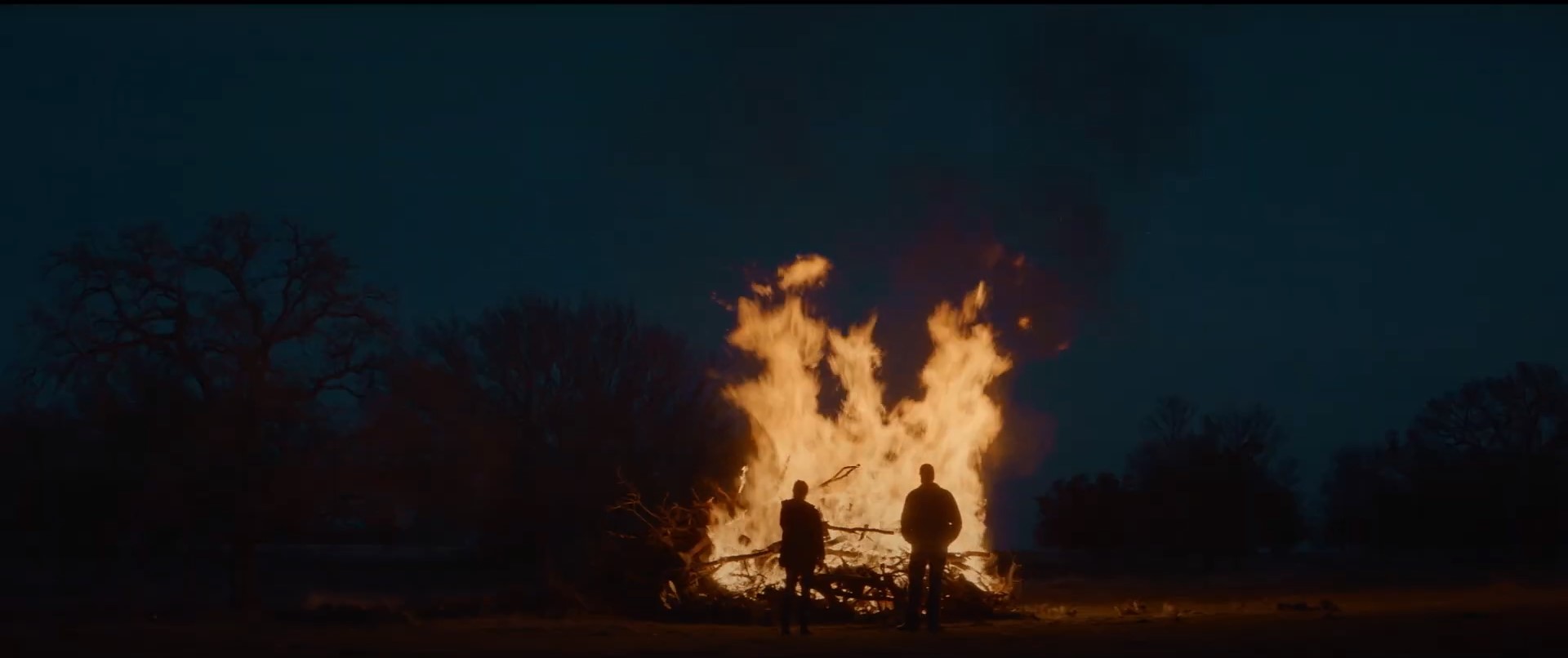
Bryan Bertino has a stillness about his films. Their creepily quiet, stirred in a somber stew of macabre, and utterly deranged in a nihilist coating. What appeals to me about “The Dark and the Wicked,” as well as “The Strangers,” is Bertino’s gift to deliver powerful fatalist realism. His stories couple earthly family drama with otherworldly malevolence stemmed from the deeper affects of prolonged relationship breakdowns that literally assigns a demonizing blame on the supernatural for people’s own crumbling failings. Another aspect is the godless presence wholeheartedly felt throughout from the Straker’s loud and proud proclamation of atheism to the lack of religious artifacts. Michael nearly tosses the priest out of his keester just for making checking and noting his mother’s recent unbeknownst connection to God to which Michael took great offense. This leads into the Straker’s lack of community connection as they seemingly are adverse or are agonized by those who wish to help and those who rather seem them burn under the guise of the malice presence. Goats are thematically prevalent to the story, especially when the shadowy Wicked hides amongst the herd, like a wolf in sheep’s clothing. Goats are often associated with Pagan beliefs, such as with the deity Baphomet, and the evils marked upon them by cultures all around the world and by having the Straker farm be a goat farm is more than just coincidence. “The Dark and the Wicked” brings chaos and confusion much like any circumstances where one or both parents die and all the burdens, all the consequences, and all the pure emotional baggage that comes with death is passed to the children whether the Devil is involved or not. When broken down rudimentary that decline of hope and overwhelming grief can cause a great amount of destruction for any family and even extend to friends with suicide being heavily portrayed in the film. Bertino masterfully touches upon every collateral damage output leaving no one spared from death’s, the Devil’s, hopeless hold on them.

Filled with frightening imagery, plenty of toe-curling suspense, and a loud silence of utter despondency, “The Dark and the Wicked” is a must own for any horror fan and, luckily for you, Acorn Media International just released the Bryan Bertino film on Blu-ray in the UK in alliance with horror’s favorite streaming service, Shudder. Listed as region 2, but more accurately a region B in Blu-ray format, the PAL encoded release is presented in a widescreen 2.39:1 aspect ratio. If there was one word to describe the comprehensive picture that word would be dark. Bertino maintains an eclipsing cinematography through hard lighting, matted lifeless colors, and a reduction tint to give it that extra gloomy blackness. Cinematographer Tristan Nyby’s first collaboration with Bertino is also the first debut into the genre field and Nyby comes out on top with an ability to show just enough, whether through shallow focus or obscured wide shots to always keep the depth and range of the unknown factor alive and frightening. In regards to the Blu-ray quality, “The Dark and the Wicked” has little to offer in details not because of the lack there of but because much of the film is shot in the dark, a fine midnight black with little-to-no wish or noise, and dim lighting . Facial details do appear slightly soft as you can’t make out the blemishes or even skin pores, but the intentional flat coloring steers much of that away from the senses. The English language DTS-HD Master Audio 5.1 surround sound is a boost of jumpscare ambient effects. The range and depth finely pitch the position of well-timed scares, especially when the strung together bottles, glasses, and cans rattle in a discordance. Dialogue has lossy muster that makes discerning characters’, especially Michael or his mother, Virginia’s, Southern draw. English subtitles are optional. Special features include only a Fantasia Q&A with actors Merin Ireland and Michael Abbott Jr that dive into their characters quite a bit and into Bertino’s morose mindset. Bleak and genuinely personal on a whole other level, “The Dark and the Wicked” is quintessential truth when talking about the Bryan Bertino Americana horror film and, believe you me, expect more devilish descriptors that’ll shock you.
A Security Guard’s Terrifying Dance With EVIL in the “Morgue” reviewed! (Blu-ray / Well Go USA Entertainment)

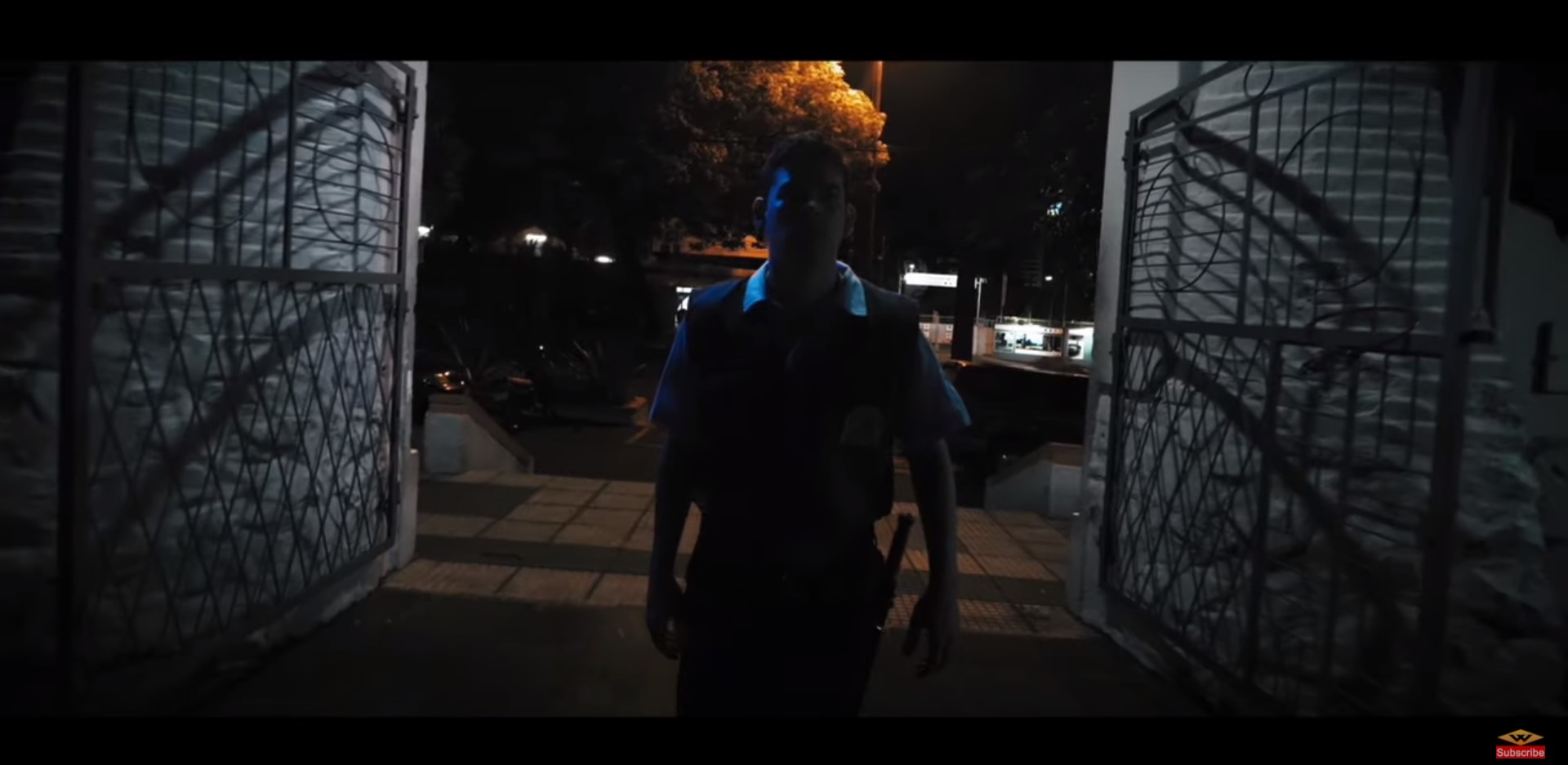
After fleeing a hit and run on his way to his girlfriend’s house, night security guard Diego Martinez is called to work a shift at the hospital morgue later that evening.  Seemingly showing very little concern for what transpired earlier, Diego goes through the motions of the night, checking doors and making sure the area is locked up tight and secure.  When a pursuit of a vagrant ends with Diego trapped inside the eight table slab morgue, he comes face-to-face with the malevolent paranormal in a terrifying night of survival.   Could what be happening to the scared night security be connected to the pedestrian he hit with his car or the transcendence of a purgatory afterlife from those who pass through the morgue without a pulse? 

“Morgue” is the Paraguayan poltergeist and purgatory thriller of high anxiety and tenebrific atmosphere proportions from the introductory feature film directorial debut of Hugo Cardozo.  The 2019 released horror film, which only recently made Stateside debut onto home video, is supposedly based on real events and written and produced for the silver screen by Cardozo and not only does the filmmaker showcase a hair-raising fright of a foreign film, “Morgue” also highlights the intrinsic South American infostructure and societal norms that’ll certainly be eye-catching details and differences to audiences from Paraguay’s northern neighbors.  From the Toyota Hillux trucks that are not sold in the U.S., to the wheel valve toilet flushes, to the open plaza compounds, “Morgue” is a down-to-Earth Latin American production that offers no unrepresentative notional misconceptions of other parts of the world.  Trust me, I’ve been to South America and to me, the city framework is authentic to the location.   With the support of FilmSharks’ subsidiary, The Remake Co., and HJ (Hugo Javier) Producciónes, a music video and film production company, “Morgue” is filmed in the district city of Encarnación, the capital city of Itapúa in Paraguay. 

Much of the story lands on poor Diego Martinez’s shoulders.  A cheapskate and a bit of an overall scoundrel, Martinez’s loafing life only has one thing going for it, his doting girlfriend who keeps him on thin ice because of his wandering eye and penchant for breaking promises.  Pablo Martinez has no problem playing a fool in Diego’s pitiful life as the actor shifts right into being indolent young man driving a beat-up jalopy and steel shavers just to keep ups his groomed look.  On the job, Pablo Martinez has to shift postures to a more diligent security guard which, for a character already established in a foundation without throwing down a trickster trope card, creates an uneasiness and a sense of empathy for Diego during his otherworldly ordeal as he follows his duties without much messing around.  Martinez, in both the character and actor, radiates fear once the tables turn and he realizes what he’s up against isn’t human or in figment of his imagination.  Or is it?  The role is written with some ambiguity on whether his experience might be guilt induced, but that’s for you, the audience, to decide.  “Morgue’s” one man show fleshes out with some strong supporting performances from Francisco Ayala, Willi Villalba, María del Mar Fernández, Abel Martínez, and Raúl Rotela.

Not many horror films hecho en Paraguay come across our screener desk; in fact, Cardozo’s “Morgue” is probably the first from the country and not too sound like a stuffy harsh critic, but I wouldn’t exactly say I’m more than pleasantly surprised by the overall design; yet,  I’m not not impressed either.  The middle of the road impression balances the bone-shivering atmospherics of a dark and tightly confining morgue where mischievous spirits seriously terrorize and toy with Diego’s physical and mental being with an about-face in Diego nonchalant behaviors and the established and recognized grim tone Cardozo slowly builds around the bonehead protagonist quickly fades at the very tail end with cheesy special effects and unfitting Latin rock music.  Without going too much into spoiler details, “Morgue” strongly reminds me of some elements of the “Creepshow 2” segment, “The Hitch-Hiker,” blended with Ore Bornedal’s “Nightwatch” while being stuffed with paranormal psychotic-nightmare fuel straight into the guts of story for gaslighting a terrified response.  The slow burn beginning might seethe a few eager to dive right into the you can’t-spell-pandemonium-without-demon action, but does set up perfectly, in a few suppressed laughs kind of way, Diego’s series of events that serve as a bread crumb trail to his frightening ordeal.  Cardozo utilizes various shooting techniques, many stunningly achieved in the manipulation of the film, to capture Diego’s fear and hikes the tension to a bite your lip in suspense level that’s well deserved. 

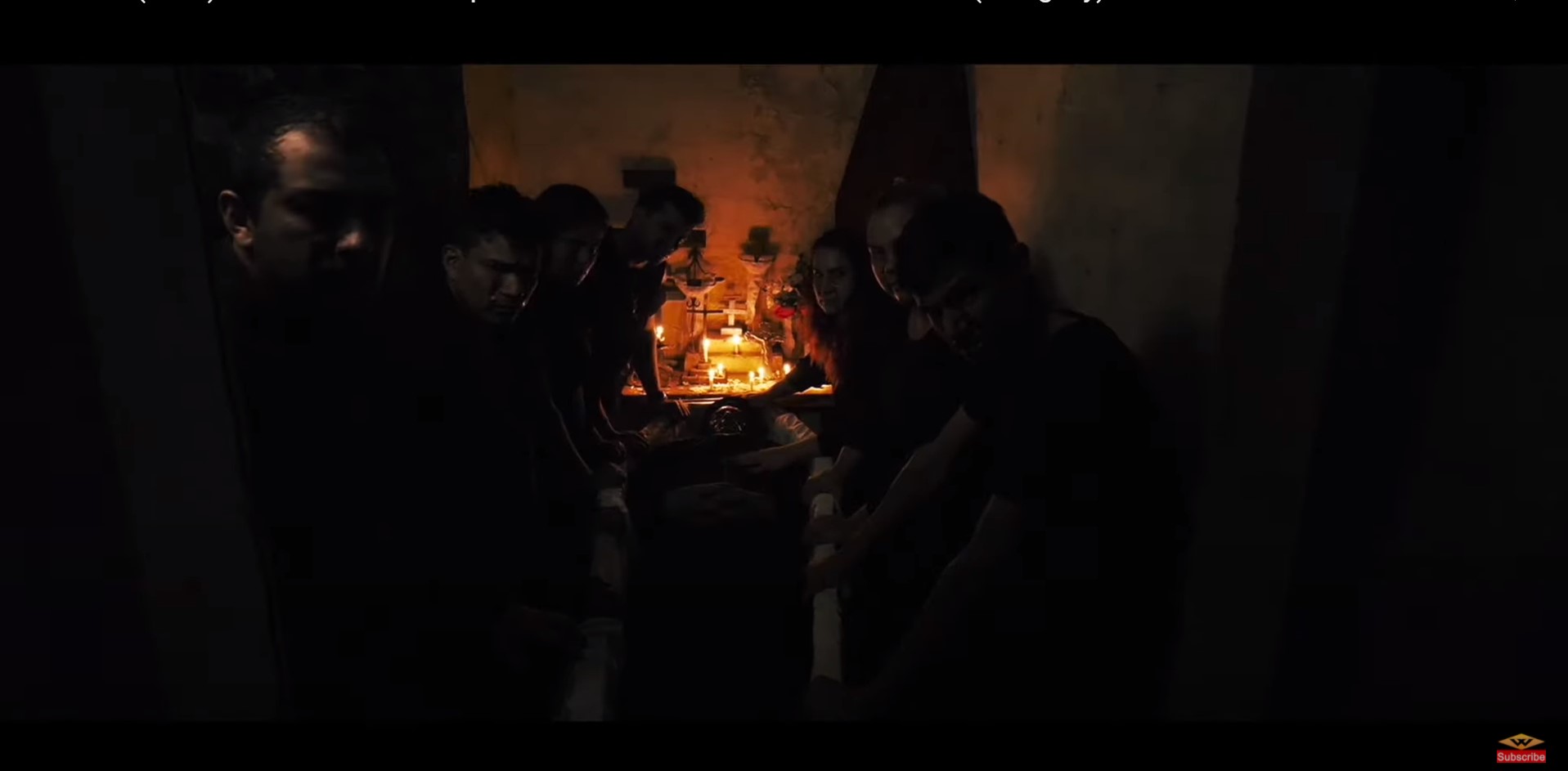
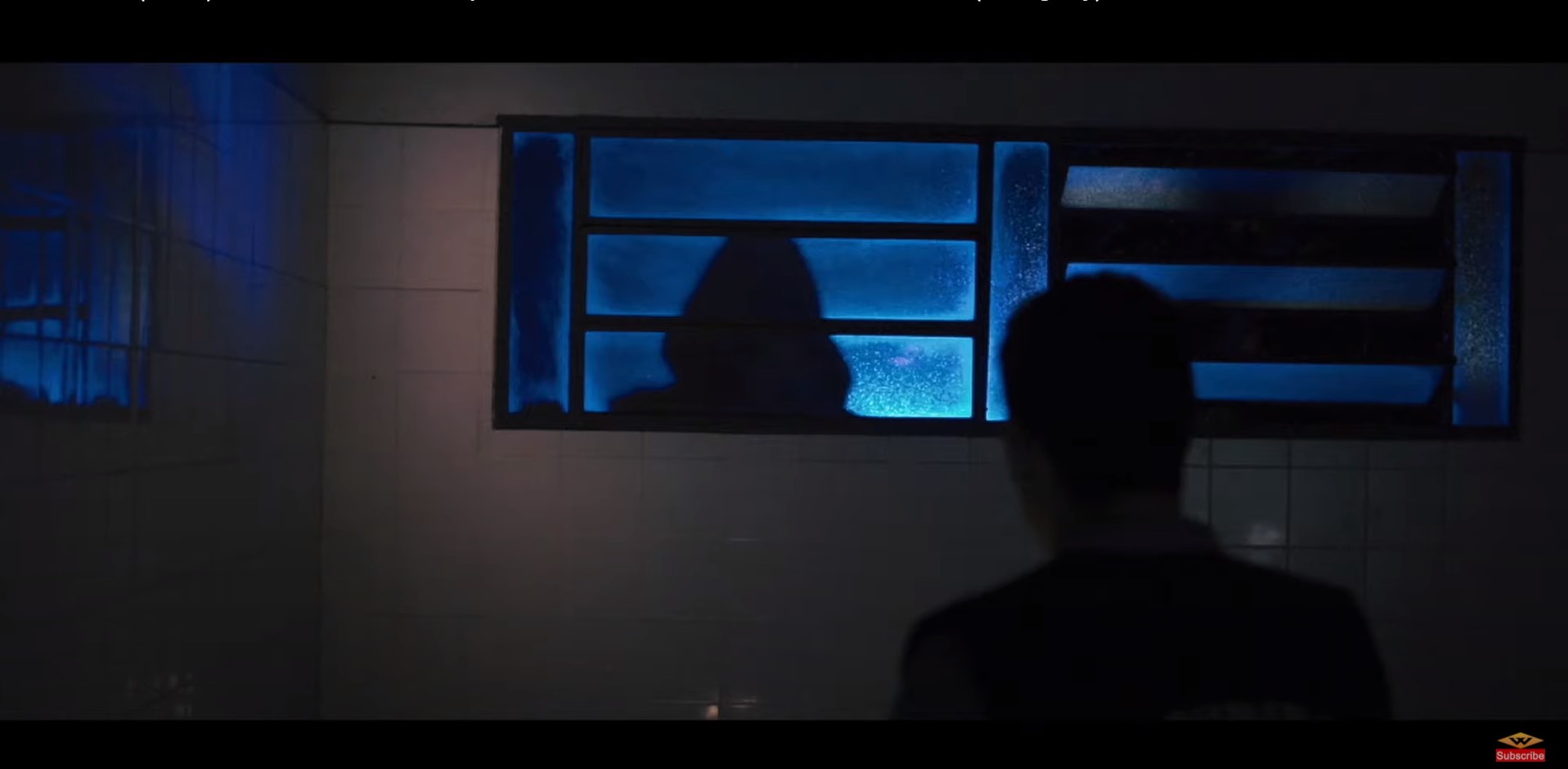
Light and spooky, “Morgue” is a lean, shivering supernatural story machine released onto digital and Blu-ray courtesy of Well Go USA Entertainment this past May.  The not rated, single-layered AVC encoded disc, 1080p Blu-ray is presented in a widescreen 16:9 aspect ratio, has a runtime of approx. 81 minutes, and has a region A playback. Director of photography, Blas Guerrero, discerns a softer touch that you can more or less notice around Diego’s face as the details are not as fine, but the deep blue and purples hued tints (and other lightly used color grades) and lighting make for elevated stellar direction toward the things that go bump in the morgue at night. Cardozo employs closed circuit cameras, extreme closeups, sped up playback, and a nifty deep focus of indiscernible corporeal silhouettes that is just creepy in itself. The Spanish and Guarani DTS-HD 5.1 Master Audio track has little to muster in the dialogue department with Diego having very little interaction with others, such as his girlfriend through a video call or the night guard he’s relieving, but the dialogue track does come through clearly. The captioning is synched well with no obvious errors aside for some translational preferences from Spanish to English. Catered to be a startling romp, “Morgue” is heavy on the ambient LFE effects that do a nice job filtering through and landing the desired whip-in scare and then quiet again, resetting for the next go around. In the background, there is a slight engine-esque hum throughout and I thought maybe it’s presence was just in the Morgue, the rumbling spans the almost the entire duration of the story and doesn’t seem to be emanating from the dialogue track. Bluntly, the Blu-ray release lacks bonus features with only a theatrical trailer along with preview trailers before the film. The physical release does have a cardboard slipcover but of the same images and stills as the snapcase. A good time can be had with “Morgue’s” karma emerged psychological torment of one man and the spooky energy swarmed in shadows and dodgy point of views that solidifies Cardozo’s Paraguayan thriller as a rival to most name brand counterparts, but because of the ending that kills the entire mood of “Morgue’s” misery lashing, that bad taste of an anticlimactic drop off finale cuts far deeper than expected.

“Morgue” Blu-ray is on sale now at Amazon.com!

Do You Know Why EVIL is Fun the Life of the Party? Because He’s a Fungi! “Gaia” reviewed! (Decal / Digital Screener)


Checking and repairing motion capturing surveillance cameras in one of the last untouched forests in the world, a park ranger becomes severely injured while tracking a downed drone.  She finds herself in the company of a nature survivalist, a father and son, living outside the means of the modern world and becoming acolytes to waking entity underneath the forest ground, sprouting up and assimilating the living organisms topside, including people, into spore-growth mutated creatures.  Despite the father and son’s devotion to the being, essentially integrating themselves seemingly uninfected by the airborne spores, they avoid the blind drones who hunt by sound and the survivalist know most of the tricks in the book to dodge their incessant wrath, but the ranger brings new dangers to their sanctuary forest home being an outside influence on the son who takes a keen fascination to her beauty as well as instill in him an interest beyond the edge of the wilderness.  Battling two fronts and keep his devotion to the ancient being, the father must do anything in his power to avoid the corruption of his son even if that means making a sacrificial pact with his God. 

If you dug unearthing Ben Wheatley’s “In the Earth” that released earlier this year, then travel from the United Kingdom to South Africa and definitely follow up with another subterranean deity at the crust of breaking through to our plane of existence with Jaco Bouwer’s nature versus man, out of body experience, thriller “Gaia.”  “Gaia,” from Greek mythology is one of the primordial deities of Earth, plays on themes of youth into adulthood, the parental struggles of children leaving home, and the dangers of a forgotten and neglected nature from a script from South American screenwriter Tertius Kapp, collaborating once again with Bouwer after their work in their respective roles on the crime horror series “Die Spreeus.”  Filmed in the Tsitsikamma forest of South Africa, “Gaia” is a production of the new Film Initiative Africa company in partnership with kykNet Films.

With only less than a handful of actors, four to be exact, the characters are quickly overshadowed and swallowed by the dense growth of an uncultivated forest.  Couple that with an insidious fungi that unhurriedly alters the exposed with toadstools and mushrooms shoots growing from the inside out onto their skin and face until they’re a part of the forest or a syncytial creature and you have an isolating setting of dichotomized terror between the beauty of nature’s miracle and it frighteningly growing right on your forehead. The story opens with park rangers Gabi (“Die Spreeus'” Monique Rockman) and her more playfully cautious partner Winston (Anthony Oseyeme, South African television’s “The Dead Places”) kayaking down river with Gabi using a drone to scout the forest ahead. Eventually, Gabi and Winston become separated because Gabi feels compelled to track down the downed drone alone and Winston bumbles the his watertight inappropriate walkie-talkie right into the river, making it useless and easily setting up obstacles to make reinstating their partnership extremely difficult in a forest that’s literally trying to eat them so to speak. This is where Gabi encounters the austere father and son living on dogma Gabi has yet to be schooled until the pundit father, Berend (“Blood Drive’s” Carel Nel), educates her on him and his son vocation, the forest deity, and, eventually, her own fate. Berend’s son Stefan (Alex van Dyk) is a child raised in the thicket, lamed by his father about the outside world because of his own insecurities. Nel and van Dyk are charismatically mysterious snaking themselves through the woods as one unit and ping well of each other in silent action as they collect spores and set primitive traps. Only when Gabi becomes an inadvertent wedge that lights a small flame of interest under Stefan, who’s at the edge of adulthood as a young man with hormones and a sense of wonder, does Nel and van Dyk begin to dissolve the father and son union that turns into a love triangle, of sorts, to which no parent will ever win when it comes to new and shiny objects and a sexual drive bigger than any spirit dwelling forest.

“Gaia’s” disturbing and omnipresent world imagery creates thought-provoking allegory of nature fighting back against the rapid infestation known as people.  As mankind creeps closer to the borders of naturally preserved habitats, singeing ancient ecosystems with deforestation and various grades of Earth withering pollution, the idea that a planet has a champion of defense, eager to rid the land of detrimental flesh and bone with a fungus cleanse, in an unseen mythological terrestrial being personified as this worshipped-by-few deity is great creative story telling. Paralleling the concept is a secondary of dynamics, the growth of life within the destruction of life. Stefan is nothing more than a boy without knowledge beyond the forest limits until he meets an resident of that outside world with the power to influence and we all know beautiful women have this mystifying power of young men. While Berend sees corruption, a tainting of purity that is his son, Gabi depicts more than just an aesthetic influencer and good-doer eager to save a boy from an unadorned existence, she is also the full-bodied, well-endowed representation of everything persuasive to impressionable minds. Bouwer works the characters interactions inside an imagery soup that bob with meat chunks, that gleam off the edges of rigid noodles, under a milky broth that looks so unnatural that only nature can be the very architect of it’s organic design. The hallucinations, the nightmares, the floating, hazy spores douse the senses, the psyche, with undiluted uneasiness and that’s Bouwer’s defining moment with a trip down a rabbit hole made with cautionary tale fibers too unreal and fantastical to forget.

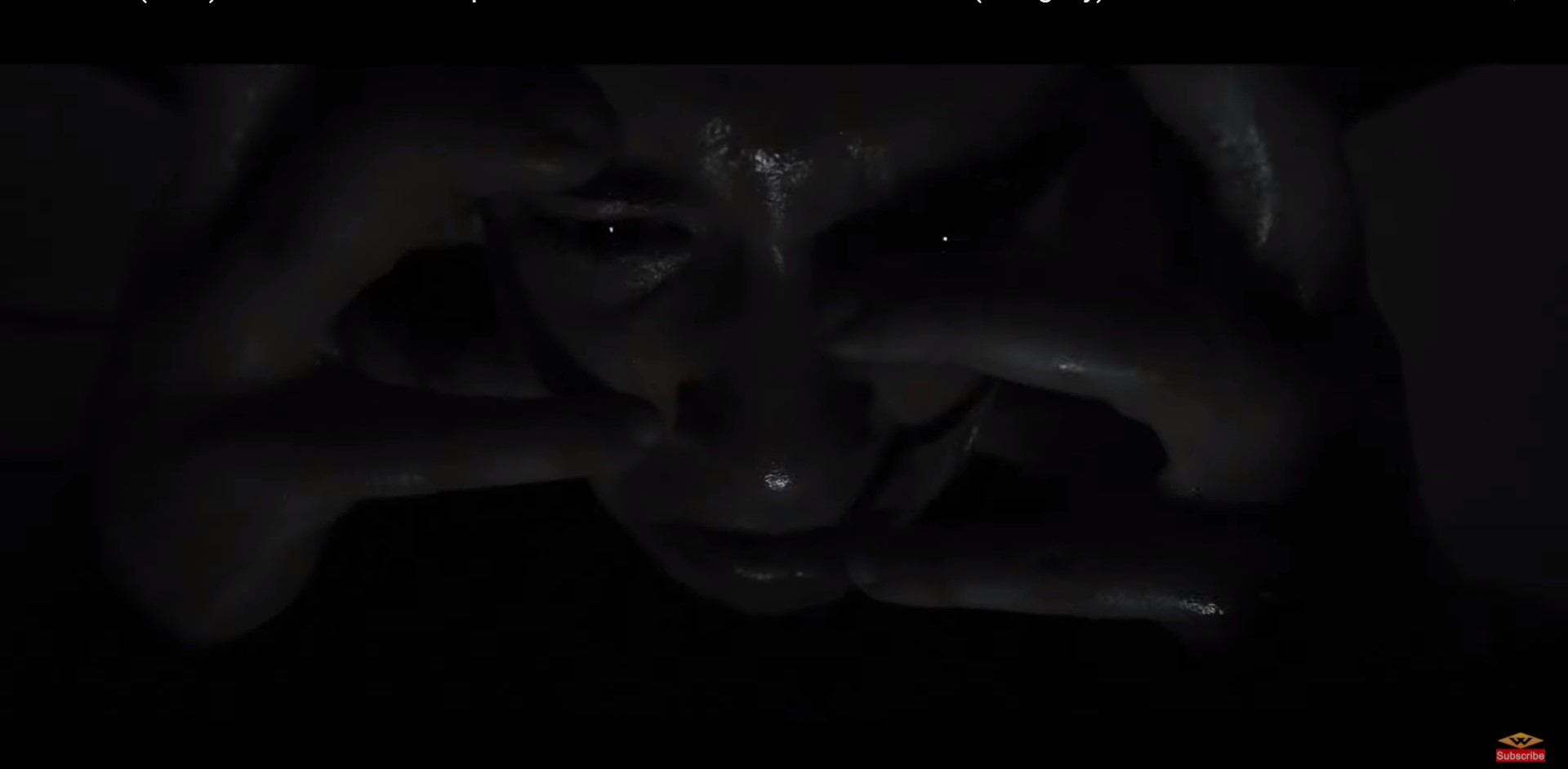
Part ecological horror, part posture on pollution, and part Biblical narrative with The Binding of Isaac, “Gaia’s” value is as immensely somber as it is scary. “Gaia” is planned to be unearthed to the public exclusively in theaters on June 18th and everywhere digitally one week later, June 25th, as the inaugural feature from the new distribution company, Decal. Jorrie van der Walt’s eye for contrast and distressing imagery is enriching to a soul hungry for the subtle and striking caliginous brink of apocalypses. Bordering pure performance art tinged with intense closeups, Walt easily interchanges the grand forest presence with tight personal trepidation as if nothing else in the world was as important as that exact moment, as you’ll see in the screenshots. The digital effects coupled with the makeup work tilts more to a less textured desire, but integrates well enough into the madness of phantasmagoria. “Gaia” is beautifully shot, edited, acted, written, and directed as a pondering piece for the reality of Anthropocene principles rooted by elemental horror.

EVIL Will Scrape You Clean Right to the Bone in “Scavenger” reviewed! (MVDVisual – Cleopatra Entertainment / Blu-ray)

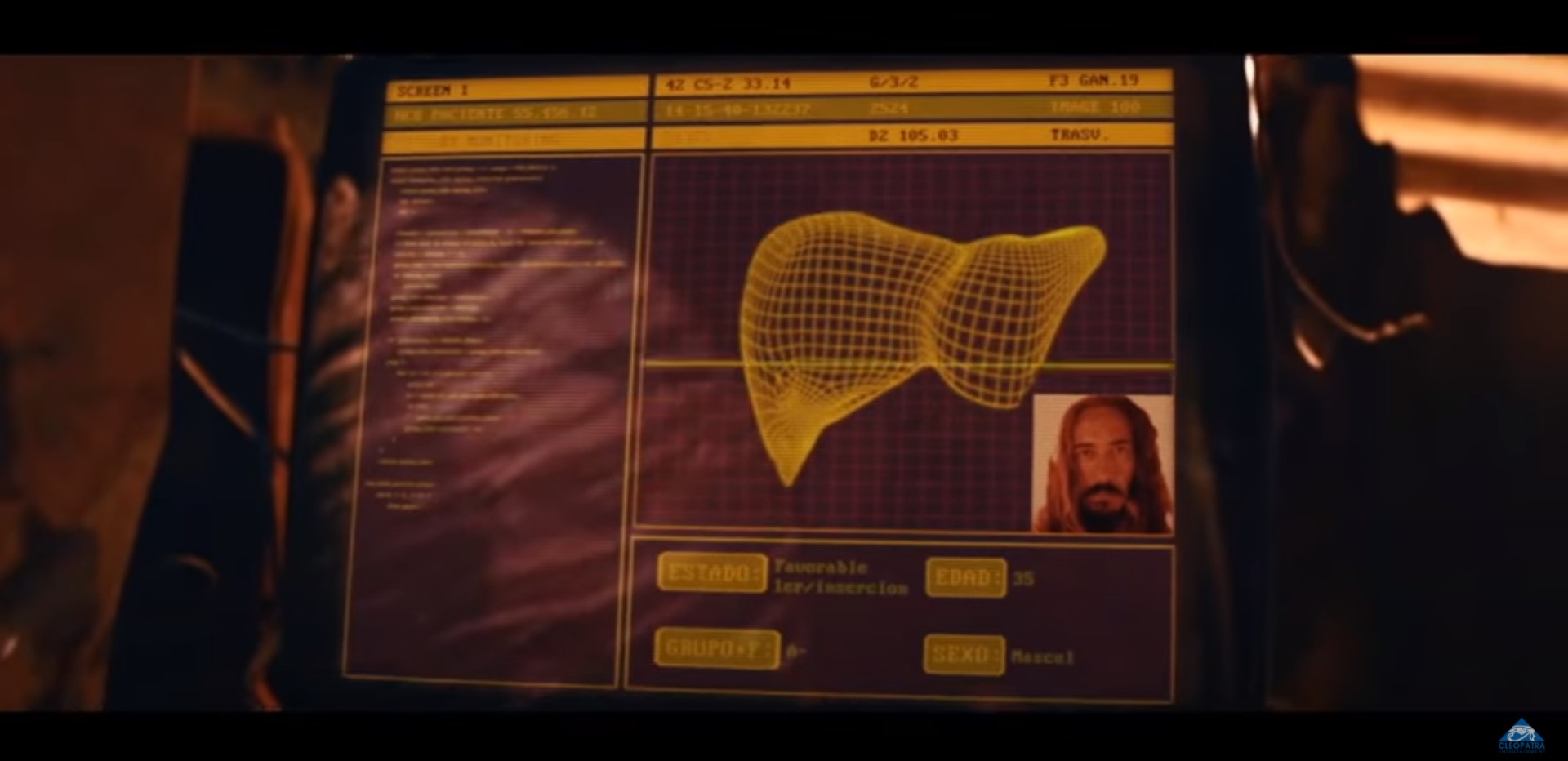
A ruthless post-apocalypse world consists of killing others for their vital organs and sell them on the black market to earn a living or to score the next high.  The latter is the life Tisha lives as a bounty hunter assassin sustaining through a bleak existence of the next job and another hit.  When a new job brings her ugly past to the present, no payment is necessary as she gladly assassinate a smutty bar owner and brutal cartel head.  Things don’t go as planned when Tisha winds up naked on one of grimy sex mats of her target’s whore house after encountering and being seduced by Luna, the boss’s best laid side piece stripper and confidant.  The assassin must fight tooth and nail to survive on her filthy course to truth-hurting vengeance.

A complete ball of filth and fury is how I would begin to describe Eric Fleitas and Luciana Garraza’s sordid wrapped “Scavenger,” hailing from Argentina with wild west undercurrents in a post-apocalypse wasteland that makes George Miller’s barren lands look like Disneyworld.   Titled originally as “Corroña” in española,  the filmmakers also pen the violent screenplay alongside a third writer in Shelia Fentana to produce their very first feature length credit together that clocks in at 73 minutes, and 73 minutes is plenty enough to be entranced and be gorged by the anarchist sleaze, galloping gore, fast cars, and loose whores.  The trio financially self-produce “Scavenger’s” journey to silver screen fruition while Ronin Pictures provides special effects work that can rival the best independent productions. 

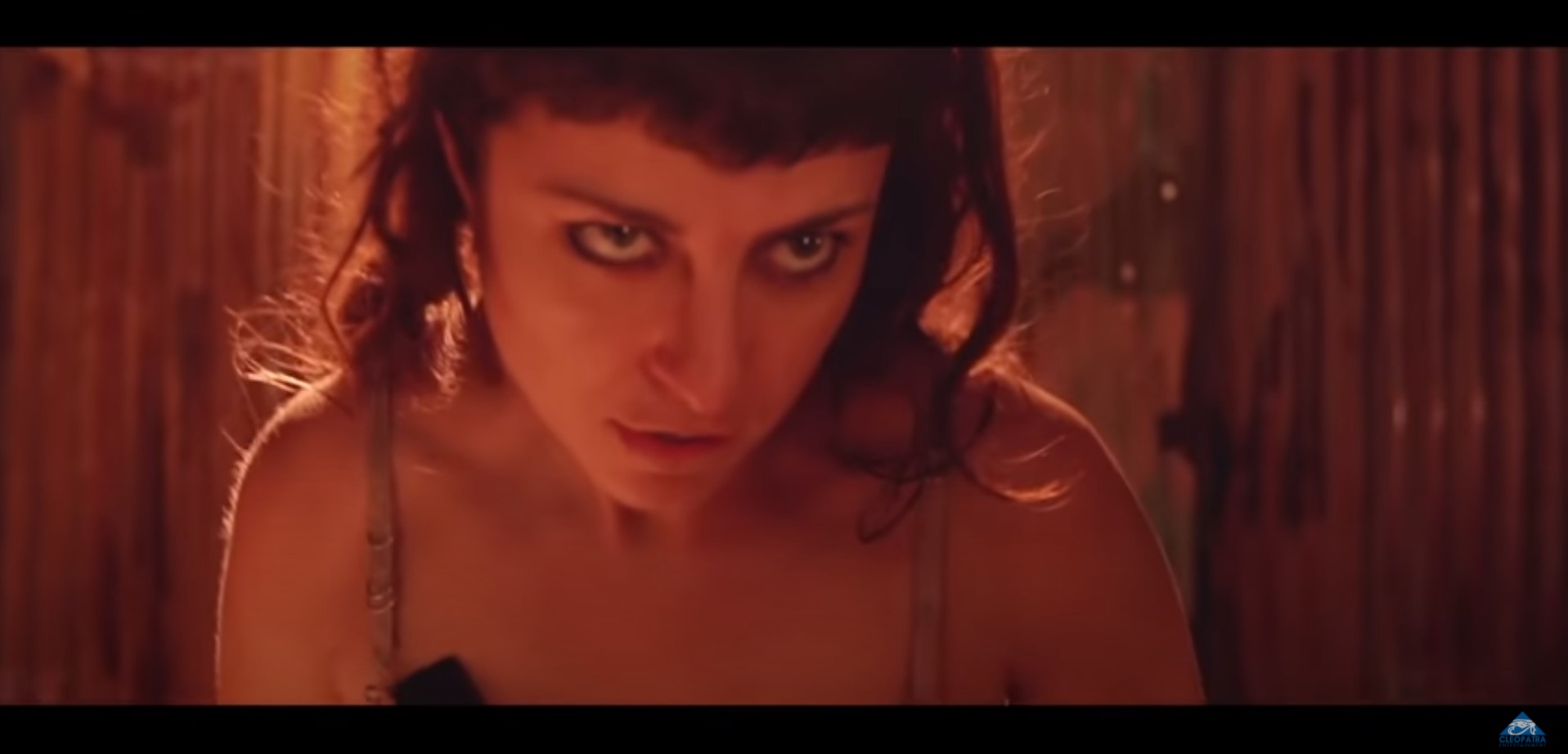
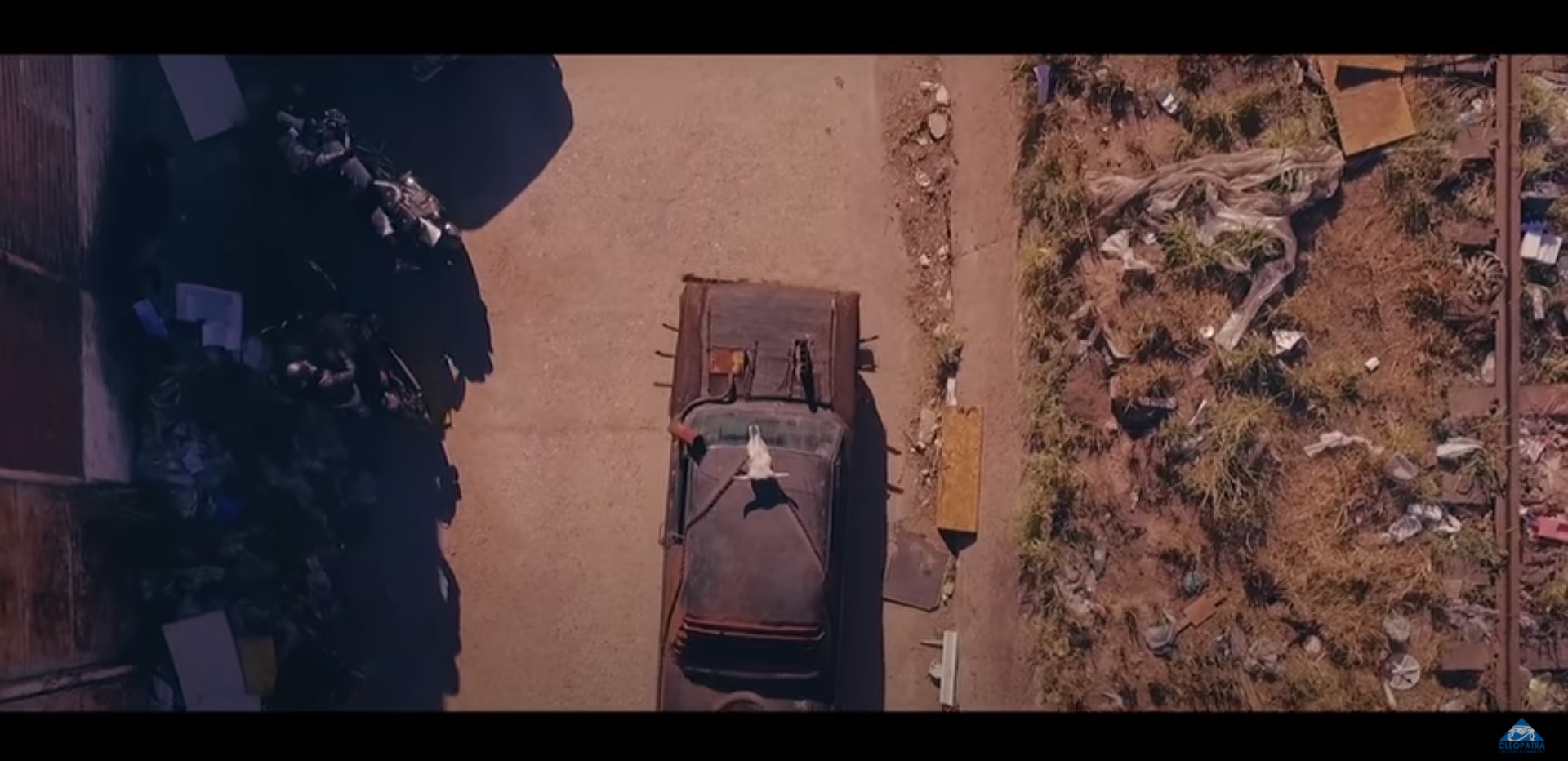
The role of Tisha is not a pleasant one, no role in where the protagonist being raped is pleasant to begin with, but to compound the character with a nasty drug habit, a gruesome vocation, traumatically scarred past, and be the objectifiable plaything for a bunch of society-fallen degenerates, Tisha’s fortitude had to be uncompromisable and her sensitivity dialed way down to zero in order to survive in her cutthroat world where not even your bodily organs are safe.  In steps Nayla Chumuarin, a fresh face Argentinian actress unknown to the majority of general audiences, ready to slip into a demanding role antithesis to Mel Gibson’s Max Rockatansky that’s only similar in a very few ways.  Geared in masculine attire, sporting a pixie cut, and gleaming with sweat and dirt from head to toe, Chumuarin offers up an intriguing anti-femme fatale in a more cold shouldered assassin vibe with a fast barb wired cladded car and who can handle herself around all types of antagonists, even those two times her size and are a disfigured mutant!  Tisha tracks down Roger, a brothel and bar owner who has ill-fatedly crossed paths with Tisha in a previous life.  Played by Gonzalo Tolosa, the mohawk-sporting Roger abides by his own set of rules unless they’re coming out of the sensual viperous mouth of Luna (Sofia Lanaro), Roger’s stripper girlfriend with a true sense of the femme fatale archetype.  Together, Roger and Luna call the shots and lust suck each other faces in the torment of Tisha who by the end of the film just wants to waste them both from the face of the post-apocalypse Earth.  Fleitas and Garraza purposefully and rightfully omit much of the backstories from most of the film and slide them in, crashing down like a house of falling cards, right on top of not only the characters but also the audience in a moment of realization and shocking truth from everything that has happened in the story up to that climatic end.  “Scavenger” rounds out the cast with Tisso Solis Vargas, Denis Gustavo Molina, Norberto Cesar Bernuez, Vanesa Alba, Rosa Isabel Guenya Macedo, and Gaston Podesta as the Mutant.

“Scavenger” is pure debauchery nonsense.  A gore loaded free for all.  The story is about as ugly as you would expect with the exploitation of carrion from those slowly succumbing to death in one form or another.  “Scavenger” is an entertainment juggernaut doused in corrosive material that will either disgust or amuse, depending on your temperament, with no middle ground to balance.  Characters are driven by unadulterated greed or rage, even the heroine of vengeance who just a few scenes prior stabbed a man in the back to harvest his organs, without one morally redemptive character to relieve the incessant current shocking the mind’s nipples with searing voltage.  Fleitas and Garraza slather in a laissez-faire fashion the exploitation veneer of grindhouse muck to serrate the unsavory snaggleteeth even sharper, but there are points where too much of a good thing becomes bad to the film’s health.  As such is with the licking of the face motif.  Like Quentin Tarantino and his obsession with closeup shots on female’s feet, Fleitas and Garraza shoot a handful of scenes of sexually engaged males lapping the sweat and pheromone droplets from the faces of their carnal conquests in all types of scenarios from rape to consensual.  The saliva wet, grainy muscle just slides right across the soft flesh covered cheekbone in more scenes that I cared to count in what seems more like a filmmaker fetish than an object necessary to overboard the obscenities.  It’s a weird action to call out but happens more than just a couple of occasions and between different characters.  The pacing’s fine albeit a few nauseating slice and dice editing that doesn’t take away or hinder in abundance understanding the progression of Tisha’s journey, but definitely causes a bit of blurriness on the heroine’s perspective of whether what she’s experiencing is a nightmare, a flashback, or a bad trip from whatever narcotic she withdrawals from that once injected speeds her into a kill monger. 

If what I’ve gone over doesn’t entice you, I can tell you this much.  “Scavenger” is perhaps the best Cleopatra Entertainment film release I’ve seen up-to-date.  The subsidiary of the independent record label, Cleopatra Records, Inc, in collaboration with MVD Visual release the South American grindhouse-fest film on a 2-disc Blu-ray and Compact Disc set featuring the film’s soundtrack, including music from Rosetta Stone, The Meteors, The 69 Cats, Philippe Besombes, Damon Edge and more with a full artist list on the reverse side of the cover liner along with alternate cover art of the film.  Presented in a widescreen 16:9 ratio, don’t expect a high-definition output with a homage to grain and a warm high-key contrasts to augment the desert outward show under the eye of Sabastian Rodriguez.  Negative space is only used for intense shadows to cloak the lurking menace around every corner.  There’s a variety of shots, including some great wide shots and crane angles, that sell “Scavenger” beyond the frenzy of blood-soaked and furrowed brow closeups.  There are four audio options available:  a dubbed English 5.1 surround and a 2.0 stereo as well as the original Spanish dialogue track in a 5.1 surround mix and a 2.0 stereo.  Unfortunately, the Spanish tracks do not come with option English subtitles so if you don’t understand the language, you’ll need to sit through the always awful English dub; however, this particular dub track is not obviously horrendous.  With all the Cleopatra Entertainment titles, the soundtrack sticks out like a sore thumb to promote their investments with high quality sound but also in true Cleopatra Entertainment titles, the lack of bonus features continue with “Scavenger” with only a theatrical trailer and an image slideshow.  “Scavenger” is a particular breed of film where you just flip your mind’s decency switch to off and gladly watch the world burn in depravity to get your jollies off.

Own “Scavenger” on Blu-ray and Soundtrack CD combo Set!

Censorship is the Very Definition of EVIL! “Censor” reviewed! (Magnet Releasing / Digital Screener)


British film censor, Enid, views video nasty after video nasty day in and day out, certifying ratings based on the realism of the violence, and receiving public hellfire when a gruesome murder is vilifies her approval of a film.  After viewing one in particular that strikes a familiar nerve, one involving around the circumstances of her little sister’s disappearance from years ago, she digs deeper into the filmmaker’s background, piecing together a puzzle that her sister may still be alive.  With her parents given up hope declaring their youngest deceased and under mounds of criticism pressure from inside and outside of work, Enid’s lone rove through distasteful filmic horror and probing the crew involved sends the censor into a frantic frenzy between what’s real and what’s not. 

For the record, just so we’re clear between you and I, film censoring is a complete crock that limits artist expression and can negatively alter the tone of work far from the original message or effect.  I can see where censorship is necessary for the greater good when considering public television that aims to evade young eyes from extreme violence, gore, nudity, and harsh language while still appeasing adults with a semi-intelligible cut of the film, but to have the MPAA, or any censor board for that matter, do what they do in order to classify and certify a rating to meet a criteria is a slap in the face of personal responsibility.  Yes, some individuals need a rigorous structure to tell them what to do, but you know comical and asinine when there are three different cuts of a film in the U.S. market, not to forget to mention all the various versions around the globe to sate countries distinct regulations and requirements.  Luckily, Prano Bailey-Bond’s immersive reality checking horror, “Censor,” makes no assumptions on the matter and we can just enjoy the dark side of story based off the UK filmmaker’s 2015 short entitled “Nasty.”  The story, set in the 1980’s at the height of violent and gory VHS movies known as video nasties, is co-written by fellow “Nasty” writer Anthony Fletcher and is produced by the London based, female operated and story-driven Silver Salt Films as the company’s first feature credit and is financially supported by the Film4, Ffilm Cymru Wales, and BFI.

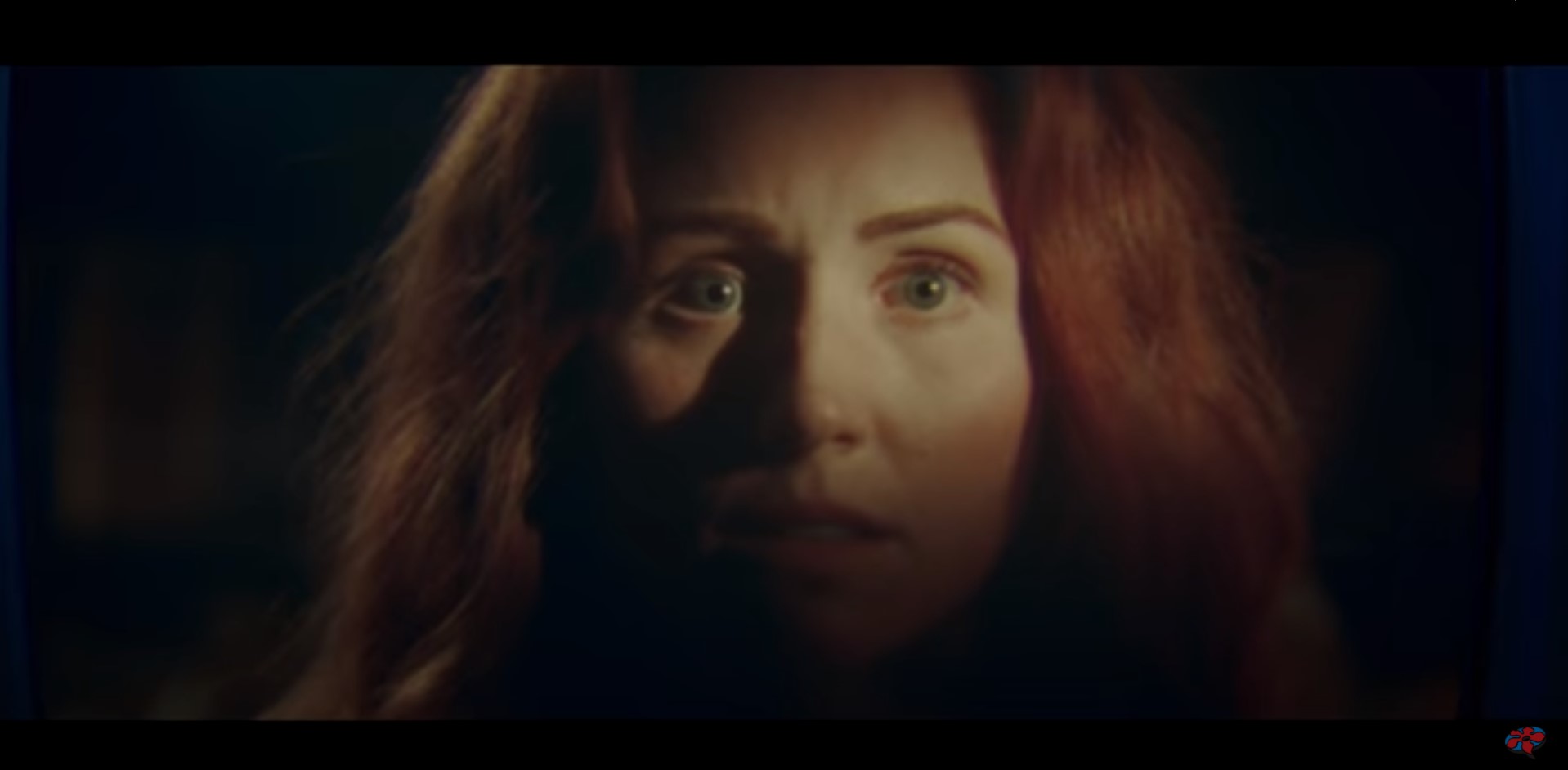
If not for Irish actress Niamh Algar in an virtuous cyclone encompassing lead of Enid, a stern censor agent, the dismal atmospherics whirling around Enid’s processing of possible new evidence in her sister’s vanishing wouldn’t be as timorously potent.  The “From the Dark” and “Raised by Wolves” actress embodies a strong stoic stance of not only a censor with a target on her back every time the public blames her for ill-fated news involving the extreme films she approves, but also as a woman in the workplace who is subjected to subtle objectifying by male coworkers, in which some are more privately outspoken than others, and male film producers with a diminutive eyesight of her professional demeanor by making unwanted advances in lieu offering their support to make their films depicting rape and murder of usually female victims more approachable and marketable to the censor board.  Algar perfectly poises Enid in her ticks, the abrasive fidgeting of her nails against each other or the slight rolling back of her shoulders that makes an awful, unnatural cracking sound, sharpen Enid’s complexion.  Even Enid’s hard gulping is felt in unison of the tension of a woman on a verge of sudden collapse.  Clearly the film’s one and only frontrunner as we dine off Enid’s sole perspective, Algar runs off with “Censor’s” gloomy tone by her performance of unwavering convictions blended with throbbing agitation in her character’s repressed explosion trajectory.  Supporting players do their part living in Enid’s unique vision with Sophia La Porta, Adrian Schiller, Clare Homan (“Afraid of the Dark”), Andrew Havill, Guillaume Delaunay (“Victor Frankenstein”), Richard Glover, Clare Perkins, Danny Lee Wyner, Vince Franklin, Nicholas Burns, and Michael Smiley (“The Nun”) as a topnotch sleazy extreme film producer rounding out the cast.

Performances all around are stellar and the idea is sound as I can see a video nasty censor of the 1980’s fall victim to the job because of an unclear and checkered past, but problems with pacing jet Enid from composed posture to immediate wreck in a blink of an eye without much of a fundamental development for unravelling being greatly depicted other than the jarring movie that sends her spiraling for answers.  This doesn’t hurt “Censor’s” main theme of the inconclusions of what really drives the murderous animalistic qualities in all of us regarding nature versus nurture.  The longstanding idea that video nasties promote influential violence and sordid behaviors has been the talk of controversy for decades and science, at least none of that I’ve read, hasn’t 100% proven that extreme films dictates the mind’s will other than those impressionable in the sponge-like children.  Bailey-Bond decides not take a stance in declaring a clear cut opinion, merging both assumptions together in a mesh of madness still leaving the theorists spinning their notions and evangelical nuts spewing their anti-liberal arts sermons.  What really sells “Censor” for me personally is the tell all climatic finale of Enid’s disturbing outcome in a warped contraview, flipping back and forth through the static of the back button during the times of higher numeral, unsubscribed pay-per-view channels where glimpses of picture pop into the frame for a split second.

“Censor” is nowhere near what’s consider a video nasty, but the Prano Bailey-Bond psychological thriller still has the grip of an inexorable depth for what’s to come, for violence, far from hitting the cutting room floor as the film heads to theaters June 11th and on demand one week later June 18th from Magnet Releasing. Shot in two aspect ratios, more so in a widescreen 2.39:1 aspect ratio than in the pillarbox 1:33:1 to reflect the video nasty format in the time period, Bailey-Bond and director of photography, Annika Summerson, continue to stay as true as possible to the Golden Age of 80’s horror by shooting in 35mm in a handful of various style to blend Enid’s reality with the fiction of lurid dreams and the daily grind of workplace hazards (which, to me, watching horror movies all day long sounds like a dream job! The censoring part, no so much). Runtime clocks in at 84 minutes with no wiggle room for bonus scenes during or after the credits. The Brits have always had a hell of a go with film censorship, weaponizing and vilifying for political gain, as films become the lamb for the slaughter for public outcry against social-economical woes, even arts bedeviled by the harsh censors of it’s own country, and “Censor” aims to be the carrier wave of that historical downspout of misguided judgement while also shredded the thin moral fabric of one woman’s reality into tiny bits of off the rocker guilt.