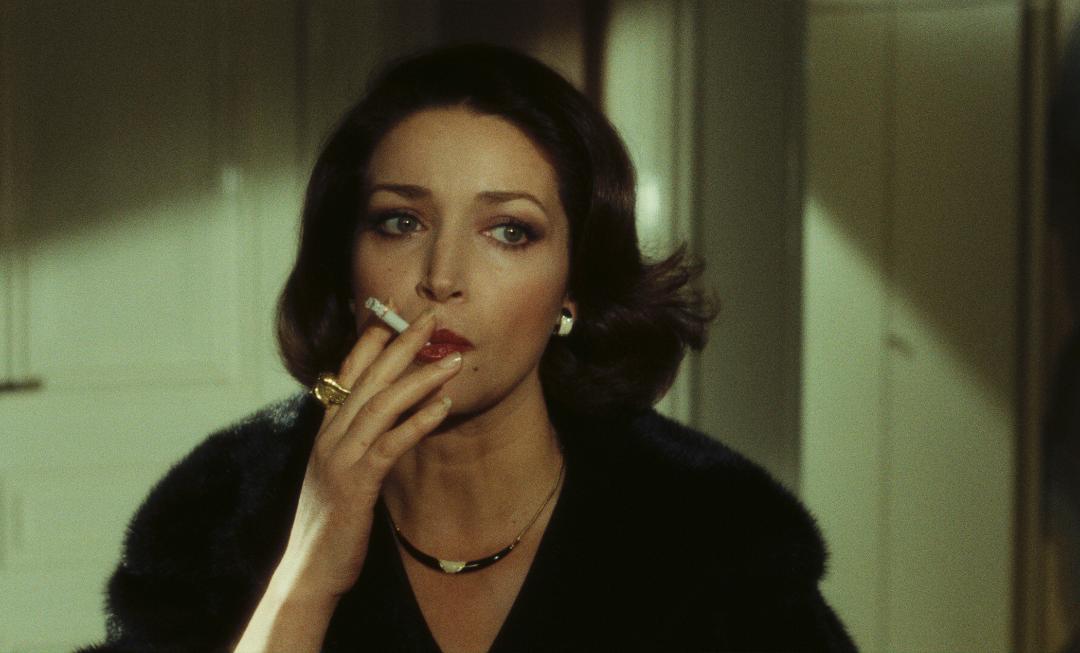
One Can’t Just Pray Away EVIL in “The Banishing” reviewed! (Shudder – Vertigo Releasing / Digital Screener)

Set in a backdrop of Great Britain on the very brink of world war against Nazi Germany in the late 1930s, a small English community has nearly lost it’s entire faith in the Catholic church after the last priest suddenly and mysteriously died.  When a young vicar is offered a generous stipend, the village parish, and a large estate by the region bishop to restore a congregational foothold, he brings with him his new wife and stepchild to make the house their home, but the house has a dark history that might have played a role in the previous vicar’s death and a lone, eccentric occultist urges the family to vacate the premises immediately before the house swallows them into grave danger at the haunted hands of sadistic monks, ghastly visions, and a tormented soul roaming the corridors. 

If the prim-and-proper social class structure of Julian Fellows’ “Downton Abbey” collided with the volatile and tormented spirits of James Wan’s “The Conjuring,” then Christopher Smith’s pre-wartime staged haunted house feature, “The Banishing,” would be the outcome.  The period piece horror marks the latest installment into the genre from the Bristol, English-born Smith who made a name for himself with 2004 dark subway corridor heartstopper, “Creep,” and went on to make cult favorites amongst genre fans with the workplace violence satire, “Severance,” and the medieval bubonic plague film, “Black Death” starring Sean Bean and Eddie Redmayne.  “The Banishing,” a term used as the practice within the supernatural ambit of dark magic to ward off negative spirits, is a UK feature co-written between David Beton, Ray Bogdanovich, and Dean Lines.  Maya Amsellem and Sharon Harel-Cohen serve as producers under the London-based WestEnd Films production banner with “The Banishing” marking their fifth completed feature film product and with the nearly worldwide distribution rights landing with AMC Network’s popular horror streaming service, Shudder, in partnership with Vertigo Releasing in the UK.
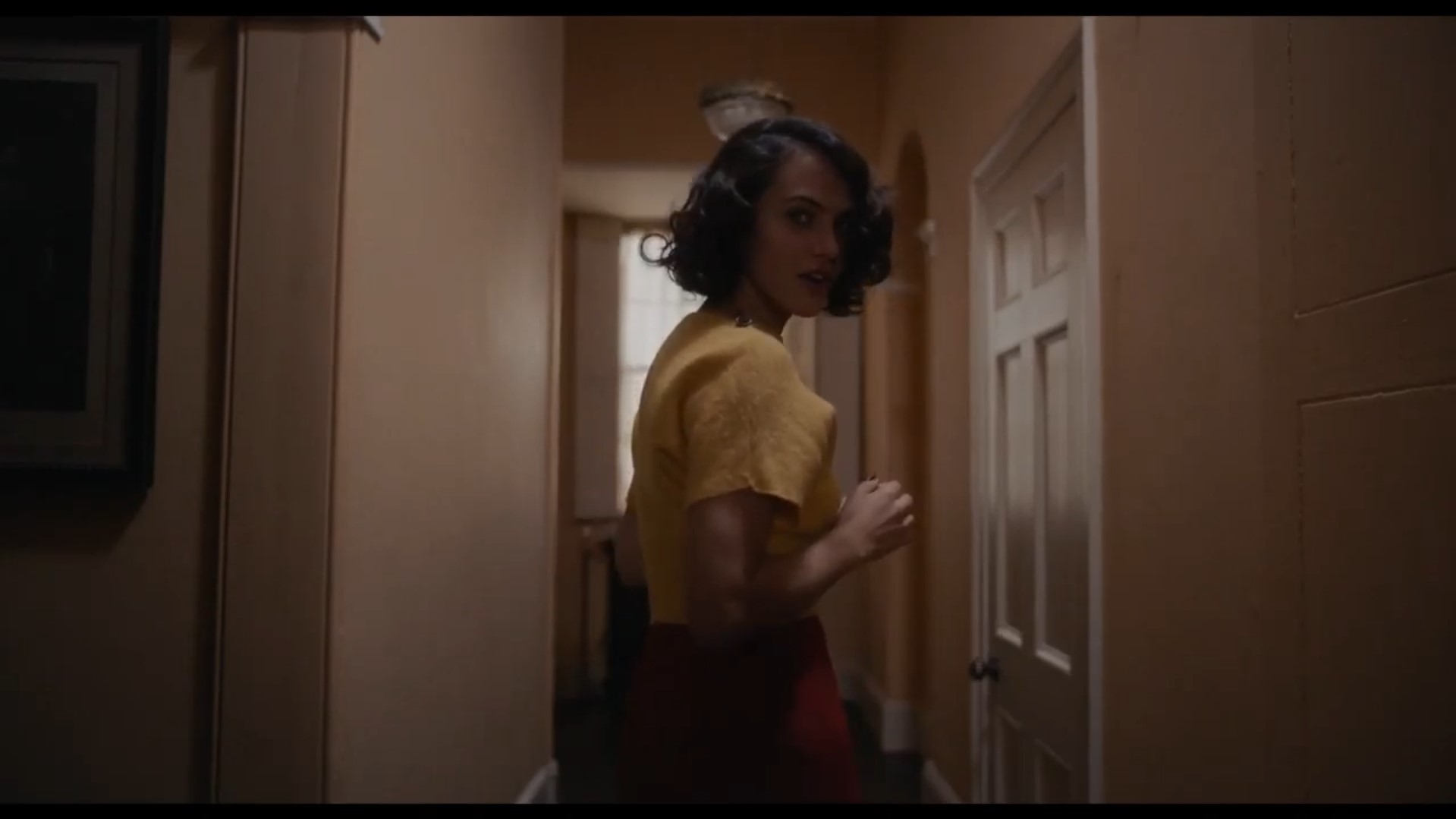
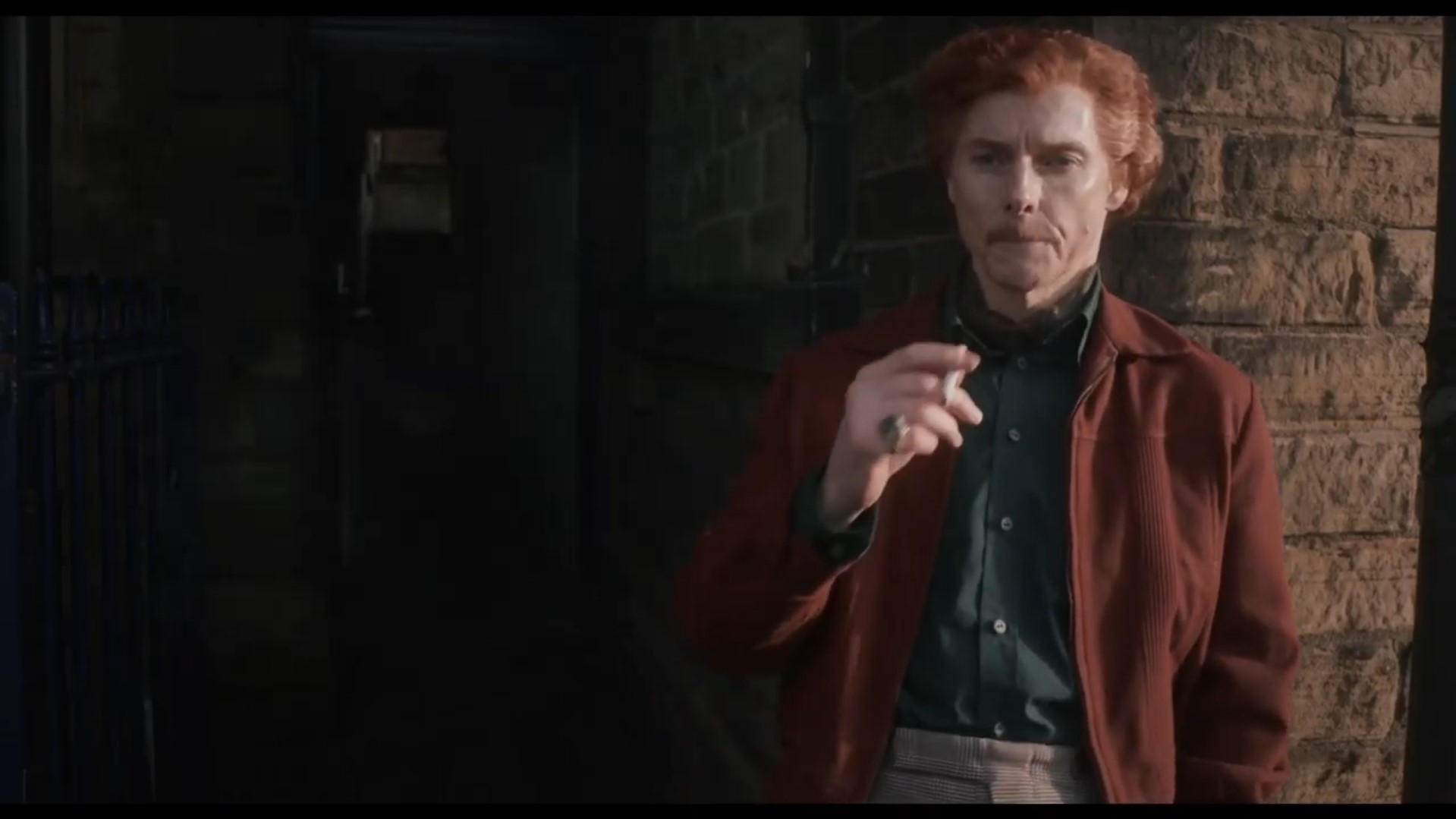
“The Banishing” revolves mainly around Marianne, the newly-wed vicar’s wife with a young girl along for the ride, played by Jessica Brown Findlay (“Downton Abbey,” “Victor Frankenstein”). Findlay endows Marianne with vitality as a woman who must meet the vicar’s standards of Godliness, but still be a strong mother to her child despite disreputable social standing. The priest Linus (Essex-born John Heffernan) lacks experience in the field of his cleric position, lending to question why the region bishop would appoint him to a muster a flock of faithful Christian followers during turbulent times. The husband and wife dynamic between Linus and Marianne is marred by dissonance backgrounds of a priest who doesn’t know to be with a woman and a woman who can’t escape her socially unflattering past. Heffernan and Findlay ignite as repellants of the same magnetic currents when the harder they try to extend their relationship, they push each other way, with Findlay giving a fervent performance. Speaking of performances, Sean Harris bares the most intriguing and rollicking local occultist. The “Mission Impossible: Fallout” actor parades around as Harry Price, a likable, straight-shooting outcast and a believer in the supernatural with extensive, and ghastly, historical knowledge on Linus and Marianne’s new home. As Price aims to extract the hapless from danger, he butts heads with a headstrong region bishop, a stern and solemn role secreted with distrust from John Lynch who has worked on a Christopher Smith film previously in “Black Death.” “The Terror” actor juxtaposes starkly against Harris as a character who dons a likeness to the clown prince of crime in costume than a dull agent man of the cloth…with secrets to uphold. “The Banishing” rounds out with a supporting cast in Adam Hugill, Jason Thorpe, Jean St. Clair, James Swanton, and Anya McKenna-Bruce as Marianne’s daughter, Adelaide.
Set convincingly in a quaint, 1930s English town, Christopher Smith transports the audience back in time to the predated anxious moments before World War II that would upheave turmoil across all across Europe, but though that fretted lingering of war is set as the backdrop for “The Banishing,” and is coiled around every man who served in the first Great War that brought up more than once, the root of the narrative ultimately becomes the house Linus and Marianne have come to call their home.  Haunted house films surmise the house as a built-in principal character because of either the way the architecture affects the mental or physical wellbeing of it’s flesh and bone counterparts or if the abode is actually possessed and set to harm the inhabitants in a personification of pure evil, as such with various films of this caliber (“House,” “The Haunting,” etc,). Yet, Linus and Marianne’s estate failed to become a part of the narrative limelight despite the immense grounds that compromised of a large greenhouse and a robust library complete with fireplace and the disconcerting labyrinth of a dungeon-esque basement full of barred enclosures and close quartered corridors.  Nearly every interior shot felt like a new section of the house hat kept extending upon, what would be assumed, a grand mansion that had a longer rap sheet by reputation in being a former religious torture chamber run by sadistic monks hellbent on whipping the sin out of the mentally tormented. Smith always had an eye for the unsettling visuals and sustains that feng shui by allowing time and space to be the inner horrors of a funhouse, but doesn’t evoke clean, unadulterated terror that continues to profusely bleed into the film’s climatic cause-and-effect unraveling. There is a lack of a transformative realization and a small hurtle of sedated possession to figure out that the main presence in the house, amongst the other more malevolent presences, wants something and the characters are spoon fed each and every morsel to get them up to speed. The final scene of the bishop meeting with the Nazi regime intended to leave the story open for supernatural possibilities, but felt like a more poignant and compelling crux leading into Nazi occultism, hinted by the eccentric resident occultist Sean Harris.
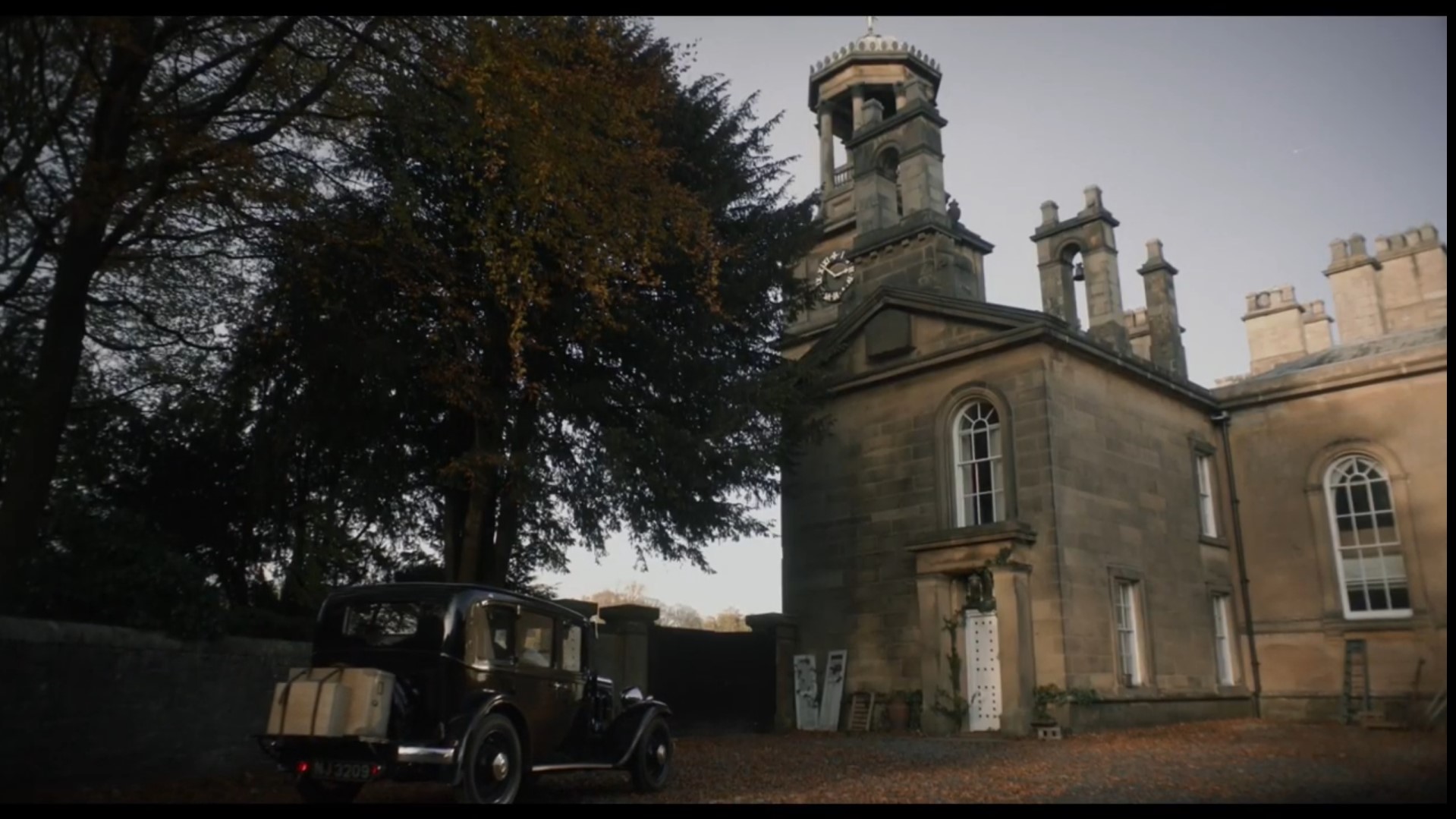
Morosely dramatic and haunting, “The Banishing” is an aggressive salvo of facing shame head-on, creeping into UK cinemas and digital platforms on March 26th courtesy of Shudder and Vertigo Releasing. Director of photography Sarah Cunningham has an remarkable ability to engulf the actors in the space of the shot, making them seem diminutive to the rooms that feel like a giant hand looming overhead, and with the bare, hard lighting, the cinematography is really where “The Banishing” shines as gothic cladding without a stodgy spot to speak visible. Cunningham adds all the hallmarks of a horror film with titled angles, brilliant reds, and tight shots on tense faces to garner a more anxiety that never actually pans out by the end. The organic electro duo TOYDRUM score the 97 minute film with a single note droning hums at various pitch levels that can really get inside your head. The “Prevenge” composers set up scenes with a ill-founded fears when nothing presently visible is intended to fright. There were no bonus scenes during or after the credits, but one scene to note is Sean Harris waltzing with an uncredited woman during the opening credits that seems out of place but speaks to the aberrated decorum of his character. “The Banishing” works tirelessly to discredit shame by confronting truth and while we’re being beat over the head by the message, the overlay of horror is lost despite some brilliant and engrossing performances from Findlay and Harris who usher us through to the imperfect conclusion.

All Hail the EVIL Slumbering One! “Sacrifice” reviewed! (101 Films / Digital Screener)

Years after being quickly whisked away to America as a small child from his remote Norwegian island birthplace, Isaac returns nearly 30-years later with his new, pregnant wife, Emma, after the death of his mother leaves the empty family home in his inheritance.  With their heart set on fixing up and selling the house before the birth of their child, Isaac and Emma learn that marketing the seaside and scenic estate comes with a tragic past when the local sheriff discloses the brutal murder of Isaac’s father inside the home.  The dreadful information and the bizarre locals with their customary traditions doesn’t alarm Isaac who, instead, feels a strong connection and is drawn to staying whereas Emma, plagued by terrifying nightmares ever since stepping onto the island, is eager to sell and return to American as soon as possible, fleeing a community that worships an aquatic deity beneath the water’s surface.   

Based off dark fantasy and science fiction writer Paul Kane’s short story, “Men of the Cloth,” found in the author’s “The Colour of Madness” collective works, “Sacrifice” is an alienating folklore horror bound by the influence of a Lovecraftian core under the direction of a filmmaking due in Andy Collier and Toor Mian.  As their sophomore film as collaborating directors, following their 2017 psychological cop horror “Charismata,” Collier and Mian tackle Kane’s short story head-on by changing only a few details, such as location, family structure, and the title from formally known as Kane’s “The Colour of Madness” to “Sacrifice”, but keep rooted the foremost principles of “Men of the Cloth’s” cultish discomfort that’s greatly inspired with the otherworldly sensation of an amiss atmosphere akin to Robin Hardy’s “The Wicker Man.”  Filmed around the idyllic and mountain enclosed shore town of Bjørk, Norway and in the town of Volda, Norway, the 2020 film seeks to plop strangers into a strange land as a production of the London-based companies, Loose Canon Films and Hydra Films RKM, in association with Dread.

Over two years ago was the last time we reviewed a Barbara Crampton movie with “Death House,” that included a plethoric cast of her all-star genre brethren with Kane Hodder, Bill Moseley, Dee Wallace, and others, and, now, Crampton makes her glorious return to the Lovecraftian turf that nostalgically brings most of us horror fans back to the New York-born actress’s “From Beyond” and “Re-Animator” days.  “Sacrifice’s” Cthulhu spirit finds Crampton playing a small town Norwegian sheriff, Renate Lygard, in which Crampton, under the training of a dialect coach, surprises us with a fair Norway accent as she provides a quasi-warm hospitality set of manners upon island outliers in Isaac (Ludovic Hughes) and Emma (Sophie Stevens) Pinkman. Hughes and Stevens nudge their way into a solid man-and-wife, but their dynamic density becomes crispy at times and pale from their initial arrival soon after rustling with the natives. The lack of vitality doesn’t stem from the wedge being driven between from the lure of Isaac being called by the natural phenomena of the Northern Lights, the drunken friendly benevolence of Gunnar (Lucas Loughran) and Ledvor (Jack Kristiansen), and the full frontal skinny dipping of Renate’s beautiful daughter, Astrid, an eye-opening film introduction from Johanna Adde Dahl; instead, the Pinkman’s bond held together about as tight as using kindergarten grade craft glue that bled into the performances as well that came off stiff and unnatural. Aside from Hughes and Stevens hailing from the United Kingdom and Crampton from the U.S., the remaining cast was curtailed to Norway nationals, as such with Loughran and Kristiansen, rounding out the cast with Erik Lundan, Dag Soerlie, and Ingeborg Mork Håskjold.

“Sacrifice’s” cult mania lays on a thick coating of grass roots that really set the tone for an foreboding outcome.  An idyllic Norway fishing village propped between the eclipsing mountain range and marine inlet intrinsically obscures an already unspoken secret that’s only been rendered on the faces and actions of the residents.  At the center of village’s idiosyncrasies are the two hapless protagonists venturing into unknown territory with only an inherited house in their back pocket and a vague sense of youthful recollection; this sets up for an obvious antagonism theme of locals with a sense of xenophobic nationalism, especially against two Americans.  The initial friction opens the flood gates for cultural customaries to be weaponized against Isaac, who wants to strongly embrace his heritage, and Emma, who can’t seem to grasp the village’s peculiar beliefs and even goes as far as being naïve of and mocking the village’s traditions and deity.  The tension is compounded by the ominous presence of the labeled slumbering one, sleeping beneath the glossy surface of the inlet waves, but conjuring up tangible and intense nightmares that plague the every island inhabitant, a mystery Emma can’t explain, won’t entertain, and ignores exploring that turns Emma floundering more into Isaac’s sudden disinterest in her albeit soon-to-be-parents.  “Sacrifice’s” climatic, tell all scene harbors more secrets regarding Isaac and Emma’s purpose on the island that are to be interpreted by the audience, but don’t connect back to any string along clues leading up to a poignant and sharply-shocking ending.  Instead, “Sacrifice” acutely wraps up not only the story but also the characters like a paper wrapped fish at the fish market ready for sale without any huff about where, why, and how that particular bug-eyed fish became the gutted victim of man’s delicacy.

“Sacrifice” shores folklore horror swelled with Lovecraftian roots and is docking digitally today, March 15th, in the UK courtesy of 101 Films. The film has a runtime of 87 minutes and is presented in a widescreen 2.35:1 aspect ratio, shot on a Sony CineAlta Venice camera. Co-director Andy Collier tackles his first credit director of photography gig with interesting shots looking up through all different angles and vessels that hold water. Whether boiling eggs, taking a bath, or in small cove, Collier, and Mian, put eyes on the bottom surface, promoting all varieties of water within it a lurking presence and the imagery is done extremely well with depth and space to pull off the illusion. A fair amount of soft lighting, moments of bright primary color glow, and the specs of well-placed lighting to barely illuminate a scene is broodingly worthwhile. Tom Linden’s original score is fiercely compliment as a folklore staple, harsh-chord intensity that lingers well after the boiling blood levels drop to a mere tentacle dwelling simmer. There were no extra features or bonus scenes included with the digital screener. While the build up didn’t pay off at the bloody end, the two-tone terror of “Sacrifice” wrecks the nerves and frays warm pleasantries with wicked wallowing, slumbering, nearby in the shallows.

In EVIL’s Chair and Ready for a Cut. “The Stylist” reviewed! (Arrow Films / Digital Screener)

Excellent at styling hair, but not so much at making friends, Claire lives a solitary life as she’s unable to personally spark connections, even with those who she interacts with on a daily basis.  As a hairstylist, she absorbs a plethora of private information provided willingly by her clients who see her as someone not significant enough to be troublesome or detrimental to hurt them, but, little do her clients know, Claire has a dark secret with obsessively overstepping into their lives and, sometimes, directly into their shoes as murder becomes a conduit for Claire to experience a slither of momentary solidarity and belonging happiness.   Brief in its euphoria, the elated feeling doesn’t last and Claire finds herself back into a vicious cycle beginning with being defeated, but when a regular client, Olivia, begs for wedding hair help, Olivia befriends the stylist who begins to sink deeper into a misinterpreted friendship with Olivia fabricated inside Claire’s disturbed mind. 

Whenever stepping onto the hair clippings of a barbershop, sit on the padded, pump-hydraulic chair, and be asked by a for certain fallible person how I want would like my haircut, my hands nervously clutch each other, the space between my eyebrows fold in and crunch, microscopic beads of sweat go down my hair raised back and the agitation in my mind grows louder than a blow dyer on a high setting.  Why do all these externally stemmed irritants happen to me at the seemingly communal and smile gracing barbershop?  Think about my situation, one driven by introverted behaviors and pessimism for the human race, this way:  your neck is choked tight with a hairdresser body-bag resembling cape, sharp, haircutting sheers clipping swiftly overhead, and the loud buzzing of a motor purring around your ears’ edge before they detailing the side of your face with tiny razors moving hundreds of miles per hour.  Let’s not also forget about the straight-razor across your neck to attack the five o’clock shadow!  No, thank you!  So, there was already an abundance of established anxiety heading into Jill Gevargizian’s written-and-directed hairdresser horror, “The Stylist,” that takes just a little bit more off than just what’s on top.  The “Dark Web” filmmaker reteams with co-writer Eric Havens to extend the profile of the quiet and quaint, Victorian chic hairdresser, Claire and her lonely killer inclinations based off their 2016 short film of the same title and add Los Angeles based copywriter and “Night of the Wolf’s” Eric Stolze into the salon of psychological horrors mix. “The Stylist” is a production of Gevargizian’s Sixx Tape Productions, that also includes Eric Havens and lead star Najarra Townsend, alongside co-productions Claw Productions, Method Media, and The Line Film Company.

Najarra Townsend reprises her role as Claire, the lonely hairstylist bedeviled by a lack of belonging and rapport with no family or friends. Claire spirals into internalized madness that unveils when trying to step inside the lives of others as her own. The “Wolf Mother” star becomes a granular speck of torment plagued severely by social awkwardness to the point of her need for perfecting the imaginary bond between her and Brea Grant’s character, Olivia, goes into destruction level transgressions that’s normal, living rent free, in Claire’s headspace. Grant, writer and director of one of our favorite films of 2020, “12 Hour Shift,” and in the recently released, critically acclaimed, Natasha Kermani thriller, “Lucky,” has to be a larger than life persona whose the center of attention, as soon-to-be-bride going through the throes of wedding planning, that can draw in the wide-eyed and impressionable Claire like a moth to a flame. Townsend’s a specific kind of talent to get inside Claire’s ennui state not once, but twice. The latter precisely nails down Claire’s outlying, exterior behavior, but also smooths out a mustard nuance veneer of vintage chic that becomes a part of the building blocks peculiarly exclusive to her quietly disruptive cause. Starkly contrasted against Claire, Grant relates to who we all see on the outside as Olivia, a shining glow of smiles and worries that most people can digest with ease on a daily bases and while her life, as chaotic as may seem with a wedding near on the horizon and questioning a deep down decision about marriage, is juxtaposed with such distinction that Gervargizian literally puts Claire and Olivia side-by-side in a split screen early in the film to expose one hiding her secrets and the other letting them all hang out. Sarah McGuire (“The House of Forbidden Secrets”), Millie Milan (“Clownado”), Davis DeRock and Laura Kirk round out the supporting cast.

Take a moment and breathe the very essence of women-driven horror that’s as stylish as it is deliciously deranged.  “The Stylist” echoes similar psychopathic traits of William Lustig’s “Manic” and displays self-careening elements soaked in barbicide and Gothicism.  The junior film of Jill Gevargizian narrates through the eyes of Claire’s unraveling humanity from the stylist’s quick fix of bloody hair removal to the potential for climbing out of that deep, dark hole of loneliness only to be suddenly sideswiped by the falters of manufactured delusions. “The Stylist” is wrapped in a sullen hairnet that never shows the jovial side of Claire’s pleasures as she’s embodying someone under their locks after calculatingly cutting more than just their hair; a perspective exclusively held within Claire’s head, leaving viewers entangled in her in seemingly normal beauty shell and her inner demented chaos. You feel sorry for her forlorn life, but creeped out by that same life’s byproduct. One aspect that “The Stylist” lacks, that can be off-putting for some, is the mold that made Claire. Miniscule slips of her upbringing becomes not enough to paint an exact portrait of Claire as a malevolent monster with sociable dysphoria and as the story builds to a climax and Claire tries to imitate her mother, who died in her mid 30’s when Claire was 17, the mimicry fairs to say that her mother also had similar problems that has innately passed and has coped a different way of dealing with mental illness by way of alcoholism, mentioned by Claire in a moment of courting a friendship with an eager bridezilla, Olivia.

What a fitting film to be discussed and celebrated on International Women’s Day 2021 in the Jill Gevargizian directed and Najarra Townsend lead “The Stylist” now released exclusively on Arrow Film’s UK VOD platform ahead of the physical Blu-ray package and digital HD releases come June 2021. Film film clocks in at a 105 minute runtime and is presented in a widescreen 2.39:1 aspect ratio. Behind the camera is Robert Patrick Stern whose composition of imagery is based mainly in natural lighting while dabbling in warm coloring such as reds, the occasional vibrant magenta, and a consistent yellow mustard, a favorite not only in Claire’s wardrobe but also tinged on the lens whenever a part of Claire’s localized disturbia. Stern’s clean and sleek picture palpably elevated John Pata’s editing of montages that were superimposed with transitions and the soul searing music of Nicholas Elert’s melancholic inducing piano-industrial score. There were no bonus features included nor were there any bonus scenes during or after the credits. “The Stylist” honors the past by reinventing the wheel in Jill Gevargizian’s clipping thriller with a hair-raising performance by Najarra Townsend as the maniacal hairdresser lonely next door.

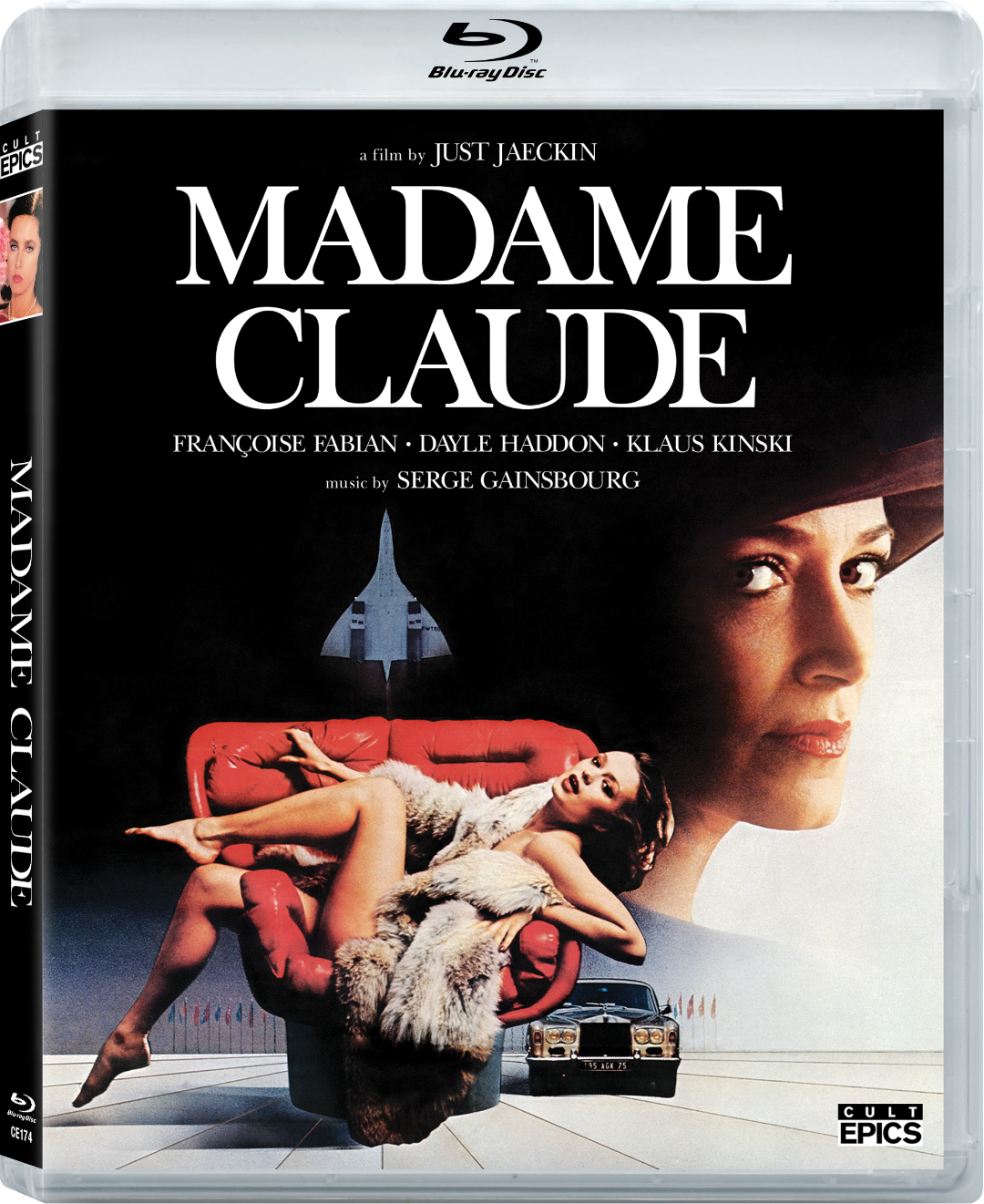
Classy Brothel Girls Bring Dirty EVIL Secrets to “Madame Claude” reviewed! (Cult Epics / Blu-ray)

A high end Paris brothel ran by the influential Madame Claude sends the most beautiful and sophistical women to wealthy and powerful dignitaries all over the world to satisfy their most sexual desires.  Her lucrative business becomes a governmental target seeking to collect back taxes on the illicit business.  However, the French government is the least of her worries when a playboy-aspiring rake and amateur photographer snaps photos of Madame Claude’s clients in compromising situations that can be ruinous to their status.  The CIA becomes involved when unscrupulous business dealings involving an American and Japanese companies connect to Madame Claude and her potentially persuasive young women after rumored photographs put the Madame Claude in the middle.  Two governments, big businesses, a jet setting brothel, wealthy socialites and a nosy photographer become involved in lies, secrets, and the potential for murder.

Part biography, part fiction, “Madame Claude,” also known as “The French Girl,” is the 1977 released erotic and political thriller based off the real Madame Claude, Fernande Grudet, as her life of prostitution management and scrutiny unfolded before the public eyes in the mid 1970’s.  Erotically and elegantly sexy with gorgeous women groomed into lust and ensnared into the lion’s den of exchanging powers, “Madame Claude” became the third film from the immensely successful erotic French director, Just Jaeckin, following 1974’s “Emmanuelle” and 1975’s “The Story of O.”  Jaeckin, pressured by his financiers to continue his success in the highly sought eroticism, returns to the randy genre, but this time with a story to his liking, one that is embroiled in the background of a bribery scandal involving aerospace company, Lockheed, at the heart of it. From a script by crime-action writer André G. Brunelin, based off the book of memories of Madame Claude by Jacques Quiorez, Jaeckin splices visual elements of each story together to form not only an arousing sexual lamination but also a cloak-and-dagger tenser of a film. Shot primarily in Paris, with minor shoots in the Bahamas and Washington, D.C., especially the scenes on the faux White House, “Madame Claude” is a production of Orphée Arts of Paris with Claire Duval on as executive producer.

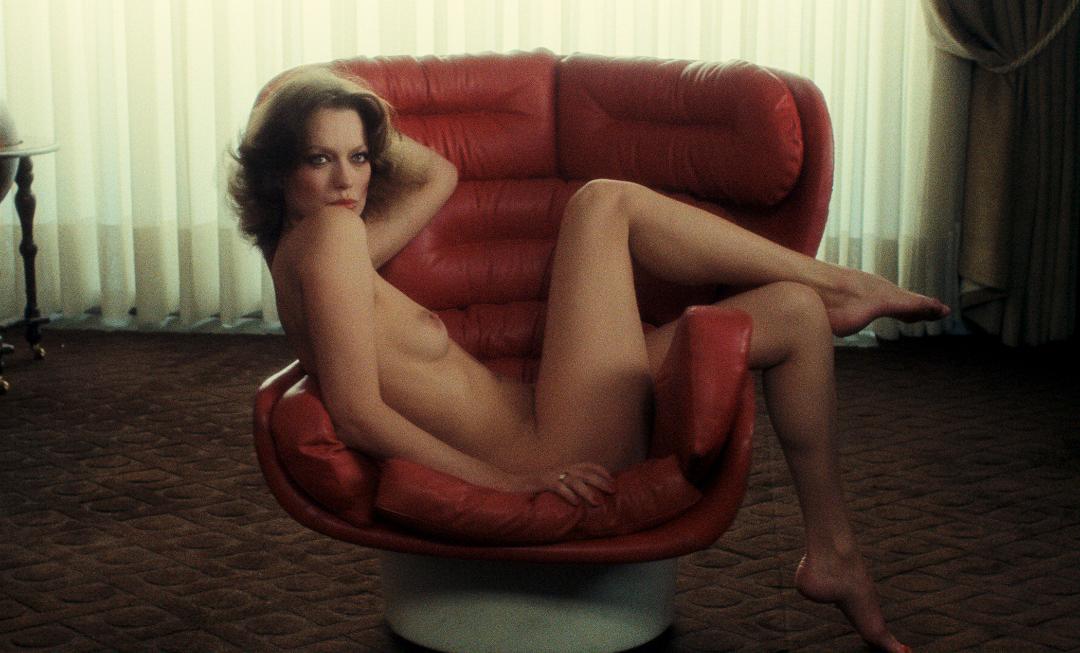
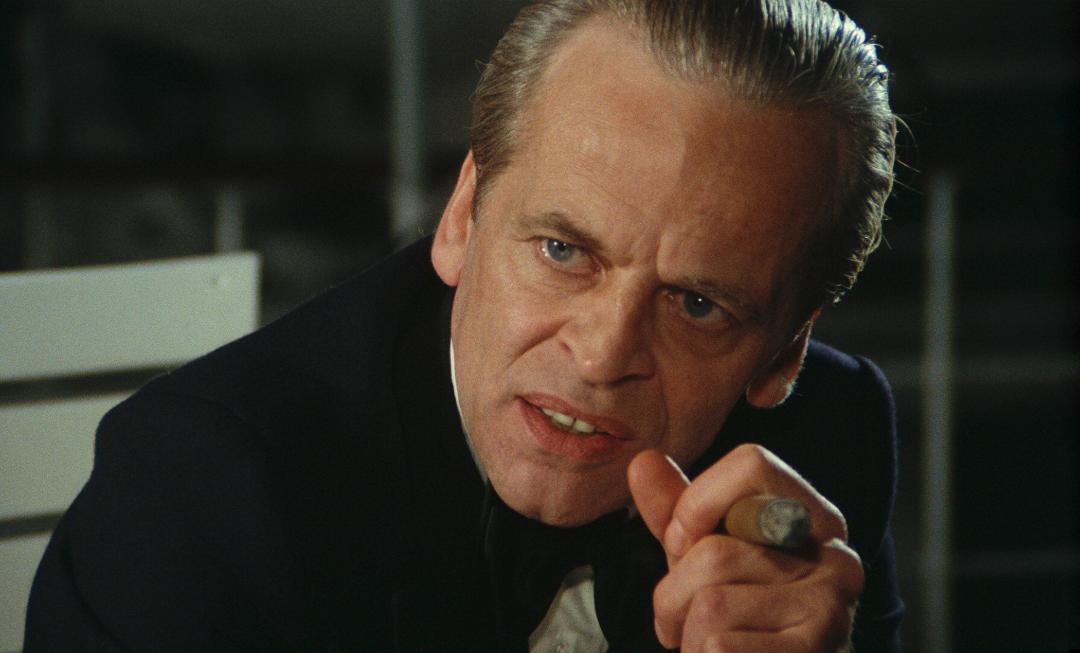
While the titular character is the obvious centerpiece, Jaeckin mingles the characters around each other in a game of espionage chess toward the endgame of checkmate. Keystone to everyone’s problems is Madame Claude, played by renowned French actress and early onscreen sex object, Françoise Fabian, who previously had roles in the paranormal pubescent horror, “Expulsion of the Devil,” a more comedy-friendly brothel film, “Holiday Hookers,” and among many other films predating 1977, but not until later in Fabian’s career did show rocket to success, playing older, more aligned, women that strongly championed feminism, such as portraying “Madame Claude” who used sex as a means to gain control and power of men, and pushed it to the brink of the era’s cinematic limits. “Horsehead’s’ Murray Head plays the photographer schmo, David Evans, making Madame Claude’s life complicated. An about town ladies man, Evans goes to each of Claude’s girls one-by-one and, for some reason or another, they invite the handsomely charming, but brutish, amateur porn photographer into their bedrooms, sleeping his way into blackmail scheme that will bring down the most powerful brothel head in all of Paris while also lining his pocket with not only money but power among the socialites who treat him like the village idiot. Head’s nails down the fast-and-loose aspect of Evan’s personality that treats his stratagem like a game he’s already won, but when the government agencies come knocking on doors, Head about faces Evan’s waggish incompetence to a frightened man looking around every corner for danger. It’s wonderful to see Head interact with Klaus Kinski (“Nosferatu the Vampire”) and Marc Michel as a ridiculed subordinate in an examination of social status as Kinski and Michel flaunt expensive taste and lavish orgies in lieu of decency, but it’s Murray Head, playing the fool with cemented proof that would put all them of into shame, as the aspirer to their life of luxuries. The beautiful Dayle Haddon (“Cyborg”), Vibeke Knudsen-Bergeron (“Spermula”), and Ylva Setterborg stun in just a handful of the very elegant, and very naked, women acting as Madame Claude’s international bound employees. Other cast of characters in “Madame Claude’s” game of lies and spies include Robert Webber (“Death Steps in the Dark”), Jean Gaven (“The Story of O”), François Perrot, André Falcon, and Maurice Renot.

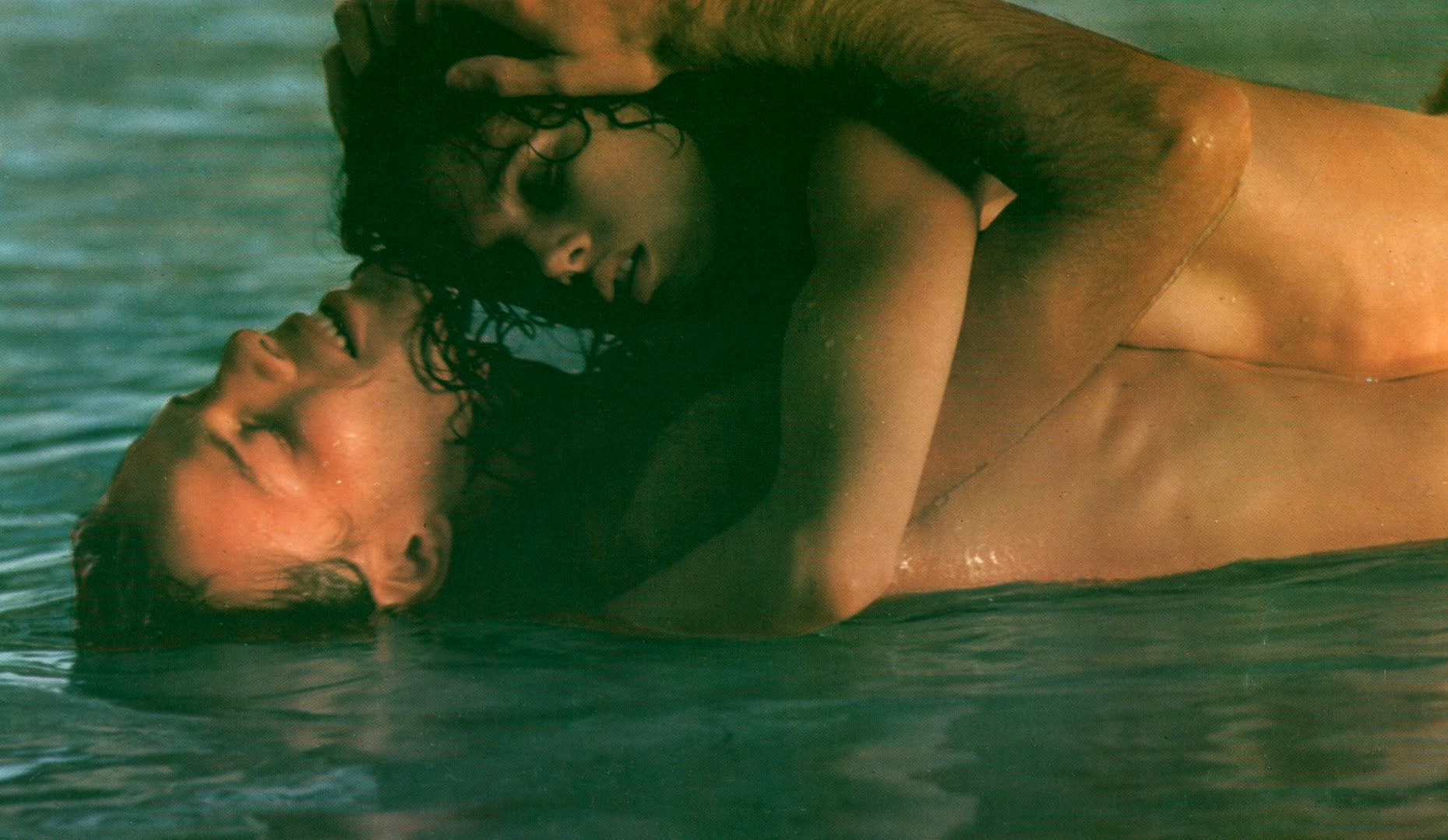
Following his films “Emmanuelle” and “The Story of O,” Jaeckin’s “Madame Claude” strays into an atypical kind of formulaic eroticism downplaying the sexual excursions and discoveries for a more typical crime drama affair. Jaeckin’s directorial abilities can take you on an exotic tour around the world and onto the fleshy planes of some of the most gorgeous and provocative women to ever grace the screen. Yet, “Madame Claude” trims substantially the skin with a more precise execution to be more of an oil lubricating the machine rather than the gear that actually operates the mechanism to entail sex as a misused tool for motivation and bribery. These scenes of fleeting eroticism outright shine Just Jaeckin’s proclivities with mirrored reflections and becoming lost in the entanglement of sexually enflamed bodies and these scenes outright shine Jaeckin’s intent on delivering a corkscrew crime drama with double-dealings, wiretapping, and counterintelligence gathering as what unfolds isn’t clearly delineated between Madame Claude, David Evans, the French and U.S. Governments and the Lockheed scandal that actually becomes sidetracked at times by the infiltrated sex-training of Madame Claude business as the brothel head has to train an alternative misfit new girl and send her to the Bahamas work trip shortly after a quick one-night-stand initiation with one of the Madame’s trusted former beaus. We wholeheartedly become more intrigued and fascinated with Madame Claude’s feminist principles, recruiting subjugated women to use their sexuality to dominate and become wealthy in the process. In more than one scene, Madame Claude flaunts self-admiration in transforming star-crossed girls into young women fortune bound with their promiscuous ways. Madame Claude’s murky backstory caresses her complexities of anti-man without detail delving into the turning point catalyst that made her become who she became to be, an affluent Madame, other than a seemingly emotionally and controllably invalidating romantic experience with a long time friend and business companion, Pierre (Maurice Renot).

Cult Epics sustains another forgotten classic into a celebrated Blu-ray release with a new 4K HD transfer of “Madame Claude” from the original 35mm negative, supervised by the original cinematographer, Robert Fraisse. Housed on a BD50, the region free release maintains the impeccable coloring under Fraisse’s soft glow with no cropping or undue enhances that tries to put out fire with gasoline and, aside from a discolored yellow-greenish, translucent stripe, perhaps a loose film roll, during the opening scene, the image quality is clean and pleasing in it’s natural 35mm grain. The English and French language audio tracks come with three options: LPCM 2.0 mono, DTS-HD Master Audio 2.0 mono, and a Dolby Digital 2.0 Stereo. The DTS-HD Master Audio had the highest marks, slightly topping Dolby Digital stereo with a little more gusto in the pipes. Audible dialogue is clean and forefront, but the engineered dubbing laid over Murray Head and, even, the self-dubbing of Dayle Haddon can be off-putting at times when actors’ voices seem to not be sharing the same vocal space with others on screen. French composer Serge Gainsbourg’s lounge, yé-yé score tuned into that erotic soufflé of light and airy pop music that can be often dreamy with singsongy female vocals, complimenting the softer, sexier side of Jaeckin’s film while also playing into period melodies of the 1970’s. Cult Epics always has down right with resurrecting obscure erotica for not only quality sake but also to arm the hell out of the releases with bonus material. Included with “Madame Claude” is an audio commentary by Jeremy Richey (author of the upcoming book entitled Sylvia Kristel: from Emmanuelle to Chabrol), a high definition, Nico B. produced interview with director Just Jaeckin from 2020, the vintage French theatrical trailer, a promotional photo gallery, and Cult Epics previews. Not the most sensual film shot by the renowned maestro of venereal visuals, Just Jaeckin explores his versatility by acclimatizing familiarity with new horizons surrounding brothel delights with shadow games and the new 4K Blu-ray from Cult Epics is the one, and only, way to experience it all in “Madame Claude.”

Cult Epic’s “Madame Claude” on Blu-ray. Available at Amazon – click the poster!


Two People Living in Different Times Linked By an EVIL Secret. “Dead Air” reviewed! (Freestyle Digital Media / Digital Screener)

As a single parent of two teenage girls, William stows away the painful memories of the death of wife some two years ago.  When rummaging through boxed away belongings, he stumbles upon an old ham radio and a diary that once was his late father’s, who tragically was killed during William’s youth.  Psychiatric sessions aim to resolute a traumatic event from the past William can’t seem to recall and has plagued him over the decades and well into adulthood, but all his problems converge when he befriends another amateur radio user, a woman, that simmers a progression of unraveling his past rooted by an unfathomable secret the woman holds that will collide William’s past and present to alter his future. 

Not to be confused with the 2009 same titled film of bio-terrorism turned zombie horde starring “The Devil’s Reject’s” Bill Moseley or mixed up with 2000’s “Frequency” where Dennis Quaid’s character phenomenally reconnects with his deceased firefighter father over an old ham radio, Kevin Hicks’ “Dead Air” also shears linear time by embracing supernatural elements over the air waves of an archaic means of communication and though flesh eating maniacs don’t ravage the world, another terrible humanoid race in the Nazi’s are brought to the proverbial table.  Nazis, traumatic past, jumbled paranormal radio transmissions, clandestine spies – Kevin Hicks directs a multifaceted suspense mystery thriller penned by wife, Vicki Hicks, marking yet another notch in their collaboration history that includes a strong history of horror-thriller credits from 2010, such as “Paranormal Proof,” “Behind the Door,” and last years “Doppel.”  The husband and wife combo produce the “Dead Air” under their homegrown production company, Chinimble Lore.

However, Kevin and Vicki Hicks do a little more than just be a presence behind the camera, they’re also in front of the camera, co-starring across each other as the principle leads who never come face-to-face as they interact solely by tuning into the radio frequency of the ham radio.  Their respective roles of William and Eva douse “Dead Air” with plenty of cover-your-base exposition in building a long distance friendship that turns sour when truths are revealed by supernatural circumstances.  Before the pinnacle reveal, a stitch in time ripe to be altered, Hicks has to be a widowed husband and father of two teenage girls while parallelly secretly dealing with an unidentified trauma from his past.  The trauma doesn’t peak through in Hicks’ performance as William goes about his day either emotionally comforting his temperament diverse daughters with the loss of their mother or always sitting in front of the ham radio eager to speak with a newfound chat buddy, the adversely taut Eva.  Vicki Hicks shelters in place as the paranoid agoraphobic, though not yet understanding what that term means just yet, as the cagey Eva and Hicks cements Eva’s covert dealings with suspicious eyes and a cryptic gait that tells us she’s chin deep into counter intelligence.  “Dead Air” focuses nearly exclusively on the William and Eva radio hour, but minor characters are sprinkled for support traction with Luca Iacovetti, Chris Xaver, Ryan C. Mitchell, and real life sisters playing sisters on screen and co-producer Mark Skodzinsky’s daughters, Madison Skodzinsky and Mackenzie Skodzinsky. 

As far as indie films go, Chinimble Lore is well versed in the expense saving concept providing “Dead Air” with limited locations of about three or four primary small and conventionally decorated indoor sets, low-key in the little-to-no high-dollar, high-concept action, and having the filmmakers step into the shoes of the principle characters of William and Eva. Don’t expect “Dead Air” to be knocking socks off with mind blowing choreographed sequences or any type of painstaking visual or practical special effects in a story concentrated script constructed to be a fable filled with second chances and righting the wrongs through unexplained phenomena; yet, when blindly vehement to correct the past, the unintended butterfly effect could also take away what’s precious to you. Vicki Hick’s script meets that cautious tale bar, but doesn’t exceed the darn thing as the mystery element, William’s insights into who Eva’s true self and calling and how he’s supposed to stop her despite living decades a part, to which the film could only express verbally instead of plastering a veneer to show, can be quickly solved in “Dead Air’s” blueprints of foreseeable plot points. One thing that teased the imagination and should have been explored further is William’s psychiatrist performing hypnotherapy to unearth his trauma, but then opens the Pandora’s box of well, why the hell didn’t the psychiatrist try this in the first place?!? William notes spending $40 an hour on therapy sessions and we see him sit in at least 3 times with dialogue extending that to a higher number. Either William’s psychiatrist is a hornswoggling swindler or a daft healthcare worker with poor practice management. Either way, team Hicks, between their repertoire of directing, screenwriting, and acting, can’t smooth out the film’s rough patches enough to be an original twisty thriller backdropped with an ethereal external force communicating from beyond the grave to save more than one soul, leaving “Dead Air” radio silent.

Freestyle Digital Media sends signals from the dead with Kevin Hicks’ “Dead Air” available now on Video-On-Demand across North American digital HD, satellite and cable VOD through platforms Including streaming services iTunes, Amazon Video, and Vudu and cable services Comcast, Spectrum, and Cox.  The 91 minute runtime could have been cut to a leaner 70 to 75 minutes to not only dilute the impact of a dialogue-saturated narrative but also trim a forced subplot of William’s cancer-struck wife that doesn’t quite enact the depth to William’s background that it was intended to do.  Presented in a widescreen 1.78:1 aspect ratio, cinematography by Kyle Carr is digitally clean with a blanketed combination of hard and soft lighting in a rather warm glowing color palette of yellow, red, and jade, but the camera work and shots are standard in technique, not offering much in the way of style since most of the shots hover on medium closeups of William and Eva chit-chatting over the radio.  The light rock tracks composed by Kevin Hicks and performed by the versatile music man Lonnie Parks are sprinkled in to engage a sense of passing time correlated with the storyline events, but the soundtrack’s genre tone sounds like a transistor radio out of place of a story built on a ham radio’s static and garbled messages and would have been more poignant with more of Parks’ mellow-brooding engineered score.  The digital screener was not accompanied with any bonus features and there were no bonus scenes during or after the credits.  Part of “Dead Air’s” demise is the fact that “Frequency” established an already familiar foundation over 20 years ago with nearly the same plot studded with star power and a large pocketed budget, but the story’s engaging enough with supernatural radio waves and the clandestine ties to Nazi spies to keep a progressive interest despite our good hunch on the climax and the finale. 

Rent or Own “Dead Air” digitally on Amazon Video by Clicking the Poster!