
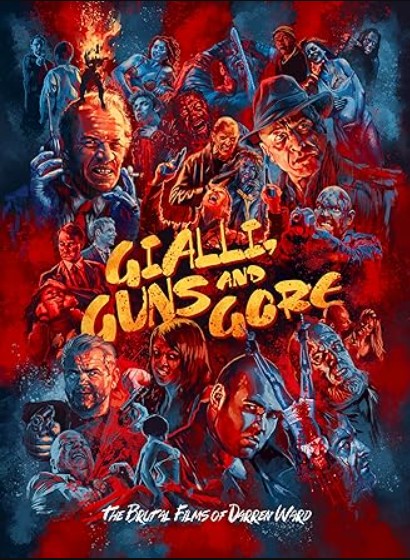
The Brutal Films of Darren Ward Are a Must See! Buy the Set Here!
Walker, a former SAS turned hitman mercenary, accepts a job by a white-collar narcotics kingpin to snuff out a rival organization for control over cocaine distribution territories only to be betrayed by his employee, targeted himself for elimination. Going into hiding to recover after narrowly escape with injuries, Walker’s best and only friend is caught, tortured, and slaughtered to draw him out. There’s nothing left for Walker to do other than to mercilessly wipe them off the face of the Earth. In another thrilling tale, low-level hoodlum Mitchell steals 100K from another low-level hoodlum holding the money for a mob boss. Planning to use the money to fund his daughter’s return from a comatose state, Mitchell must first outrun and outsmart the mob who are hunting him down, but nothing will get in the way of saving his little girl. Lastly, Walker returns to the fold having retired permanently from the mercenary life and is now living the married life with a child on the way. When a group of lowlife henchmen decide to joyride murder and posthumously rape his wife and leave him for dead, all Walker wants is thoughtless vengeance and he must go through an entire crime syndicate to get to those responsible for destroying all that he loves. Unfortunately, the underlings of a ruthless Russian mob boss, who is trying to tie up loose ends before the police and investigators come after him, are protected by a small arsenal.
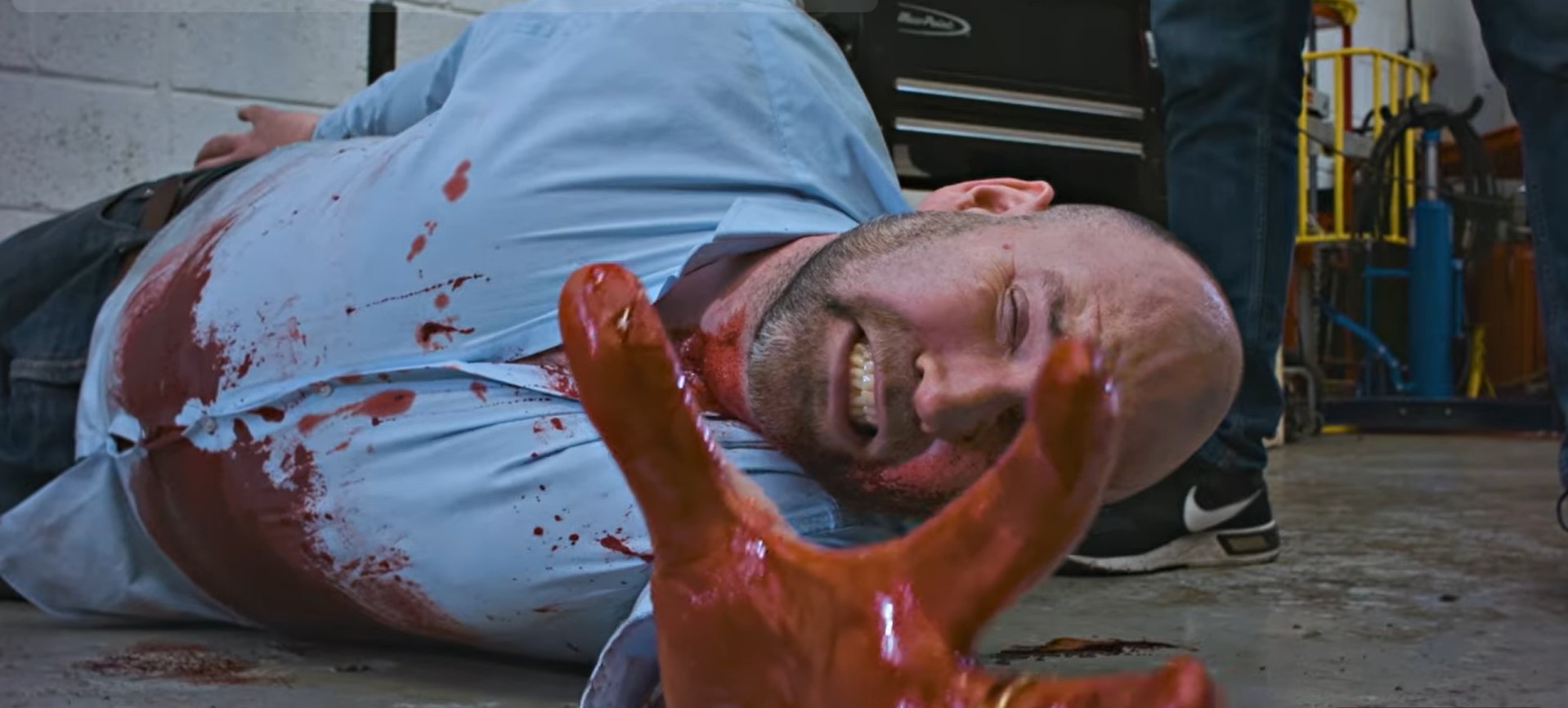
From 1997 to 2019, British filmmaker Darren Ward produced the Fury Trilogy, a 3-film series of violent crime thrillers that harked back to the days of the Italian poliziotteschi subgenre, a brutally violent series of crime thrillers released between 1960 and 1980 that saw themes of cruel hearted antagonists, a justifiable hero hellbent on revenge, and the up-close-and-personal violence and, often times, gore. “Sudden Fury” (1997), “A Day of Violence” (2010), and “Beyond Fury” (2019) are the titles and while not all three wholeheartedly connect in the series and in story, they share the cruel characteristics and the visceral animosity that has lurked in the Italian shadows for way too long. From Italy to the United Kingdom, Ward resurrects the short-lived classic exploitation subgenre having written-and-directed all three years over the course of 20 years, and maybe even before that as Ward wrote-and-directed the 1994 short film “Bitter Vengeance” that preluded the Fury Trilogy with a foundational base concept for subsequent feature films. Ward produces the films under his company Giallo Films.
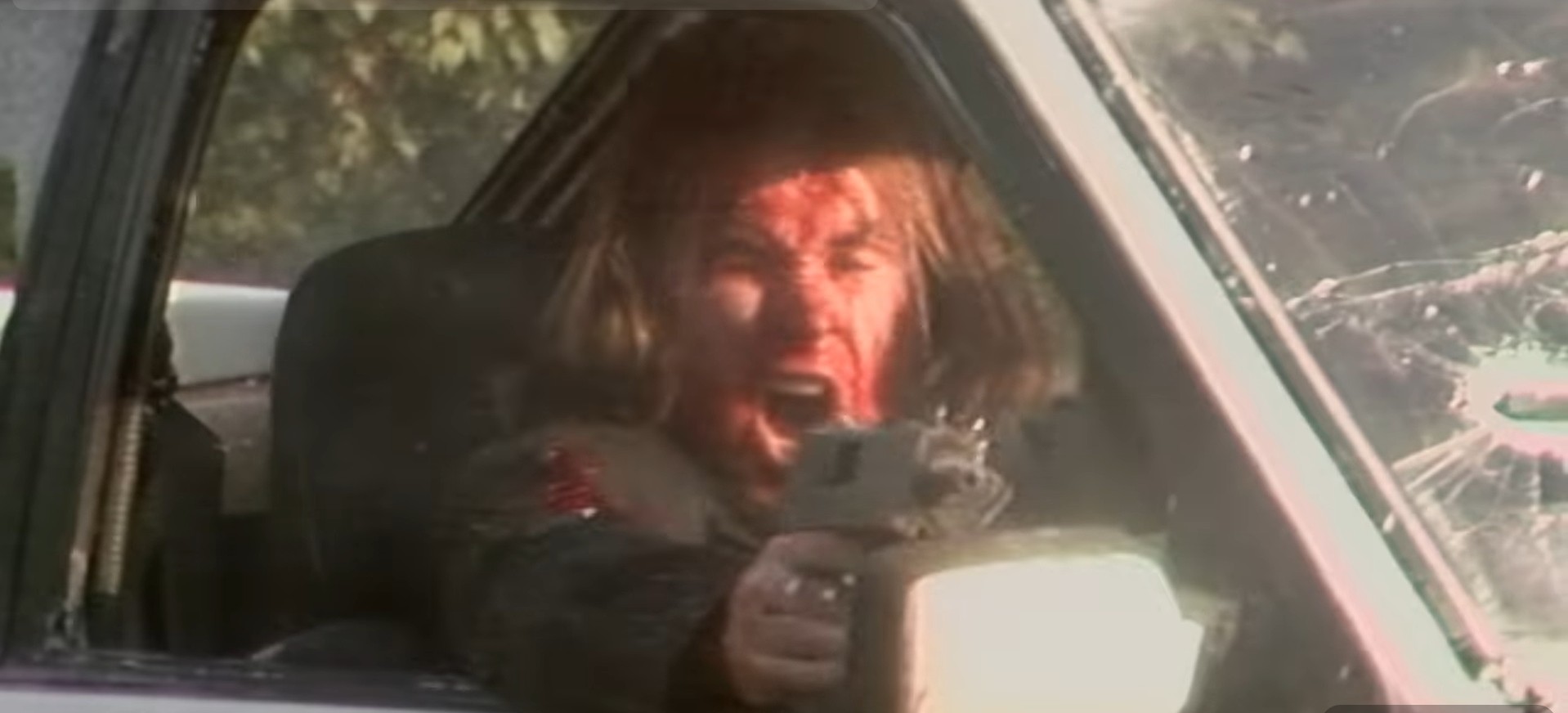
The 1997 “Sudden Fury” is a showcase of mid-90’s nostalgia propped up by vast, electric, and eccentric cast and characters that spin a web of complexity between two gangs, one hitman, and a whole lot of vengeful vendettas. Nick Rendell plays the sought after former SAS soldier turned mercenary hitman Walker with full zeal for the 80’s action star by carrying a reputation that proceeds the character. Rendell’s portrayal is often aloof as Walker stands in between two gangs and their lack of integrity as they squabble over the cocaine dominion, but when the last standing gang tries to hunt him down, killing his one and only friend in the process, Walker takes the fight to them guns blazing. Rendell also carries over his performance to the 2010 film, the unconnected “A Day of Violence,” but in different shoes as Mitchell, a father, husband, and hoodlum in desperation mode and doing whatever he can to live and breathe inside the context of mob land complexity for a large sum of money. Rendell goes form lone wolf to a man with dependent in a totally different side of character in Mitchell when compared to Walker when considering how the compassion attribute. Now, Walker returns for “Beyond Fury” but Nick Rendell does not return to the role as the 2019 film sees Nick Roberts filling the mercenary shoes. Also, this time around, Walker is given compassion, compassion for revenge! In his retirement, his family is murdered arbitrarily – as if ill-fated living a previous life of violence and death – and vows revenge at his own expense to harm taking on an entire organized criminal organization, ran by the unforgiving “City of the Living Dead” and “Cannibal Ferox” actor Giovanni Lombardo Radice. Radice is also one of the only other connective tissues between the last two films but in different roles with opposing significance with more prominence as the chief villain in “Beyond Fury” as well as Victor D. Thorn in various capacities in each three films. Other notable cast members from across all three films include David Warbeck (“The Beyond”) in “Sudden Fury” and Dani Thompson (“Axe to Grind”) with Andy Ranger, Paul Murphy, Christopher Fosh, Steve Humprhies, Tina Barnes, Helena Martin, Tina Barnes, Joanna Finata, Harold Gasnier, Gary Baxter, Dan van Husen, Glenn Salvage.
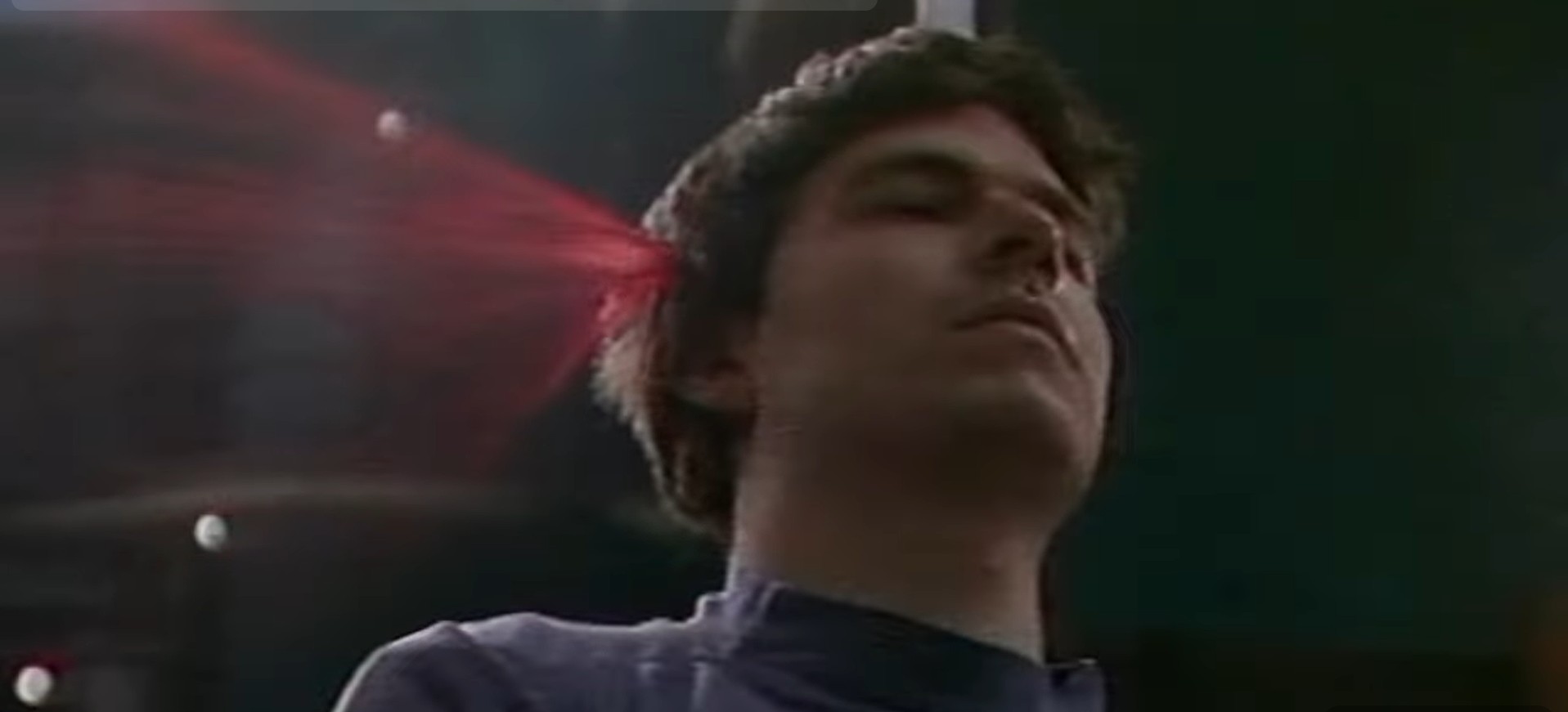
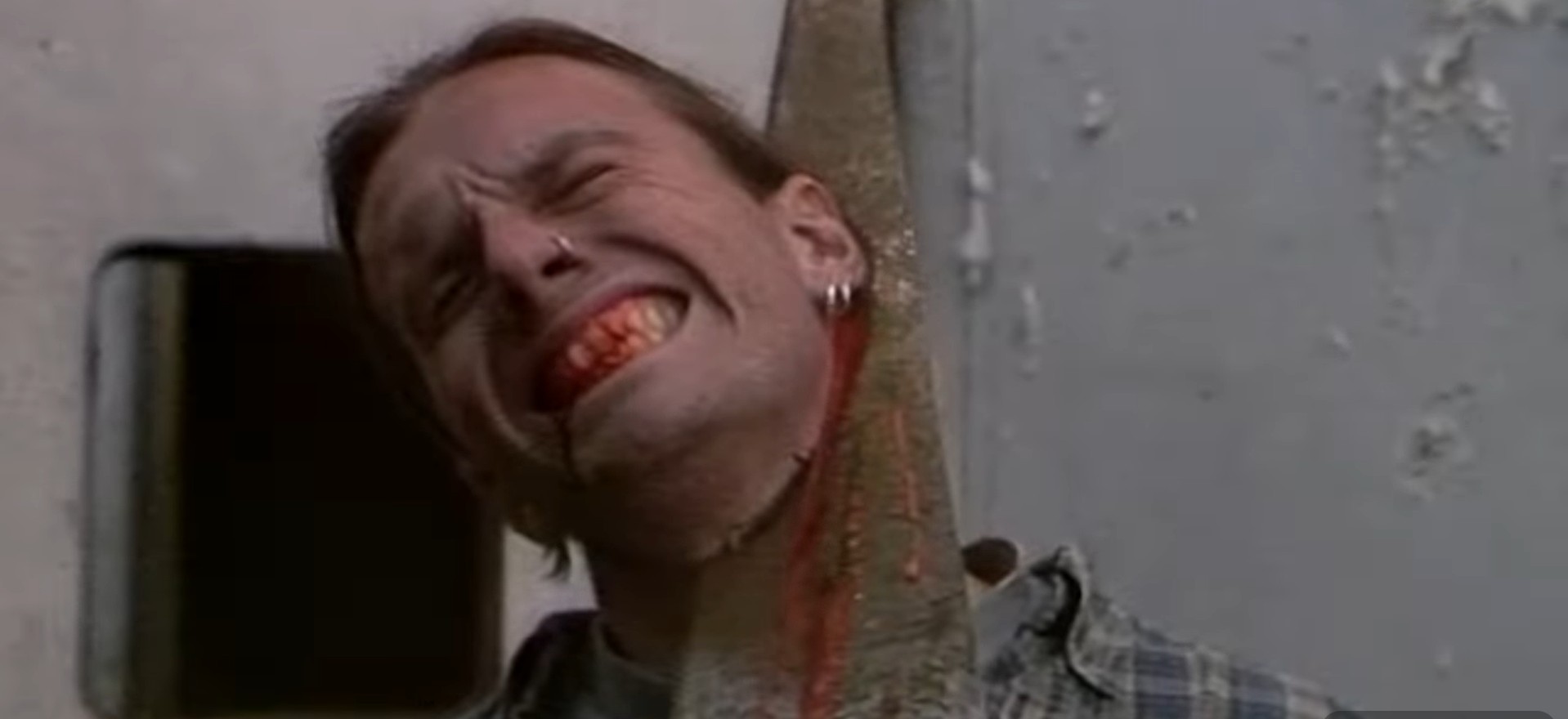
Darren Ward’s Fury Trilogy is roughly the same model copied over one another at roughly a decade and half apart, yet each individual storyline evokes a different impression as each has unique attributes. “Sudden Fury” surrounds itself in sociopathy, drug trade, and gang war. “A Day of Violence” has themes of devotion, parenthood, and blinding greed. “Beyond Fury” spores retribution, justice, and loyalty. Other than the reprisal of the Walker character in the first 1997 and last 2019 film, the real only aspects that connect the series together is the unflinching and visceral violence fueled one major motif in all of Ward’s movies, organized crime syndicates versus the single willed warrior. Ward has no qualms with showing violence front and center in the most graphic way possible and without it being overly gratuitous or at least blending the excessive blood and gore action into the moment that it hides in plain sight. The effects on all three films go hard under Alastair Vardy who did the SFX work on all three films. Vardy is a major effects artist as of today, having worked on such films as “World War Z,” “Kick-Ass 2,” and last years “28 Years Later” and that speaks volumes to his dedication toward director Darren Ward and his three films produced on a lesser budget with mostly genre and cult actors. Ward’s scripts are heavily dynamic and can become complex with betrayals, twists, and a fair amount of unpredictability in the grand schemes of either drug wars, money disputes, and damage control. “Sudden Fury” and “Beyond Fury” has an easy, 2-part character arc for Walker but there often feels like a missing piece to his character backstory, especially when his stories are over 20 years apart and Ward doesn’t profoundly piece those missing years together with much effort. Yet, through Ward’s camera cleverness and storytelling, there is plenty to like and easily digest through multiple camera angles of a scene, interesting shot setups, and the close and personal nature of strong violence.
UK distributor Treasured Films rolls out the bloody red carpet for Darren Ward’s Fury Trilogy with a brand new 3-Disc Blu-ray set entitled the “Gialli, Guns and Gore” set that is region free for all to enjoy the carnage. The limited-edition boxset comes with newly remastered and graded scans for its grand worldwide Blu-ray debut on “Sudden Fury” and UK Blu-ray debut for “A Day of Violence” and “Beyond Fury.” “Sudden Fury” is scanned from the original SOV material and into a 720HD, leaving a lot of room for unfortunate and unable improvement but this transfer is pretty damn good that retains that shot-on-video, interlacing aesthetic and muted colors. There are no evident issues of overly heated color tones or tracking lines from magnetic tape deterioration and presents the best possible image with soft details in a 1.33:1 aspect ratio, though the back cover states all features are in a widescreen. “A Day of Violence” and “Beyond Fury,” having been digitally filmed over 13-years later, are in a widescreen 1.78:1 aspect ratio with cleaner image resolution that looks neat a pin with granular details surrounding skin and textures, a slight slate color grading with hues being diffused and saturated in balance, and offers a focal depth to enhance quality. The English language audio format is an uncompressed DTS-HD Master Audio 2.0 that packs a wallop front and center. The Fury Trilogy has immense range of gunfire, fisticuffs, explosions, and car races that run the onomatopoeia length of an action bundle with clear dialogue that’s more vital in the last two films with isolating features and more muted in the first with more integration around surrounding elements and electronic interference from the implemented equipment. There’s not a ton of depth in either film that relies heavily on making an impact with the ultraviolence and caffeinated action in the front role of a dual channel that does have a decent separation and isolation of dialogue and action. English subtitles are available on all three releases. “Sudden Fury” special features include an audio commentary by Darren Ward and star Nick Rendell, a retrospective documentary Sudden Fury: 12 years On, a retrospective making-of interview with Darren Ward The Crime Trilogy: Part 1: Sudden Fury, deleted scenes and outtakes, a BTS special effects make-up reel, Ward’s 1994 precursing short films “Bitter Vengeance,” 1993’s “Blue Fear,” and 1992’s “Paura Il Diavolo,” an image gallery, and archived trailers. On “A Day of Violence,” a feature length documentary of Making-Of a Day of Violence, an interview with actor Giovanni Lombardo Radice, an audio commentary with Ward and star Nick Rendell, the second Darren ward retrospective documentary on the making-of The Crime Trilogy Part 2: A Day of Violence, The Crime Trilogy: The In-Between Years looks at Darren Ward’s short film “Nightmares” from 2004, deleted scenes and outtakes, the hardcore trailer, a no-so-hardcore soft trailer, a Soprano trailer, short film “Nightmares,” an audio commentary for ”Nightmares” with Ward, and an image gallery fill out the special features for the second feature. The third feature’s special features conclude with another audio commentary with Darren Ward and Nick Rendell, The Crime Trilogy Part 3: Beyond Fury retrospective documentary of the making-of the film, Chainsaw Fun featurette, the Gasworks Visual Effects reel, The Crime Trilogy props used in the film tour, the Ward 2025 short film “Passion,” an audio commentary for “Passion,” trailers, and an image gallery for that short film. While the encoded special features are impressive, the physical presence of the Treasured Films release is equally as eye-catching with a rigid slipbox containing frontal artwork by Uncle Frank Productions, three clear Blu-ray Amaray cases, each with new, reversible sleeve art for all three titles, and snug inside the slipbox with them is a 31-page booklet with color stills, release acknowledgements, and essay by Tom Lee Rutter – Furious: The Story of the John Woo of Southampton.. All films are UK certified 18 for strong bloody violence, gore, sexual violence, very strong language, and strong sex. The runs are as followed: “Sudden Fury” 103 minutes, “A Day of Violence” 116 minutes, and “Beyond Fury” 117 minutes.
Last Rites: The “Gialli, Guns, and Gore” set is Darren Ward’s unflinching frenetic violence now glorified in a beautifully curated Treasured Films package!


