Two Cops. Two Girls. One EVIL Crime Boss! “Rosa” reviewed! (88 Films / Limited Edition Blu-ray)

Grab the Limited Edition Blu-ray of “Rosa” from 88 Films!

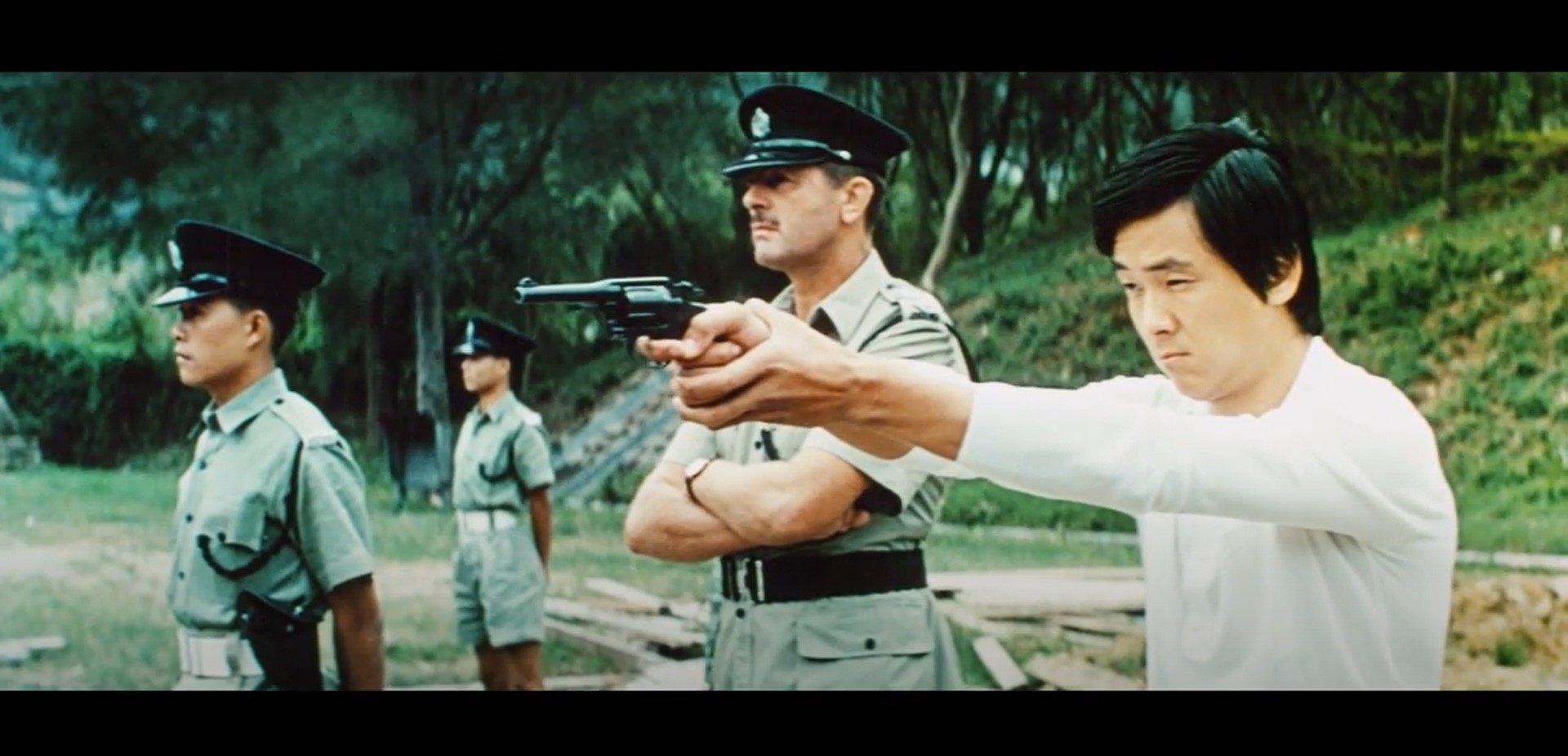
Little Monster and Lui Gung didn’t get along to begin with when Little Monster’s accident put Kung’s sister in the hospital for minor injuries but when the two rookie cops get on the bad side of their direct supervisor, Inspector Tin, they have no choice but to work together under his pleasure to see them suffer.  The two cops are assigned to the case of Li Wei-Feng, a smalltime crook who tries to black male mob boss Wong with incriminating photographs of a deal gone deadly.  They stay on top of and befriend Wei-Feng’s ex-girlfriend Rosa in hopes he’ll show up but the cops find themselves going on more double dates between Kung wooing the model Rosa and Little Monster courting Kung’s sister than actually doing any detective leg work.  Before they know it, they’re assisting Rosa out of her gambling debts with medium level bosses and on hot coals with Boss Wong’s formidable henchmen who will stop at nothing and will kill anyone in their way from obtaining the smoking gun film roll. 
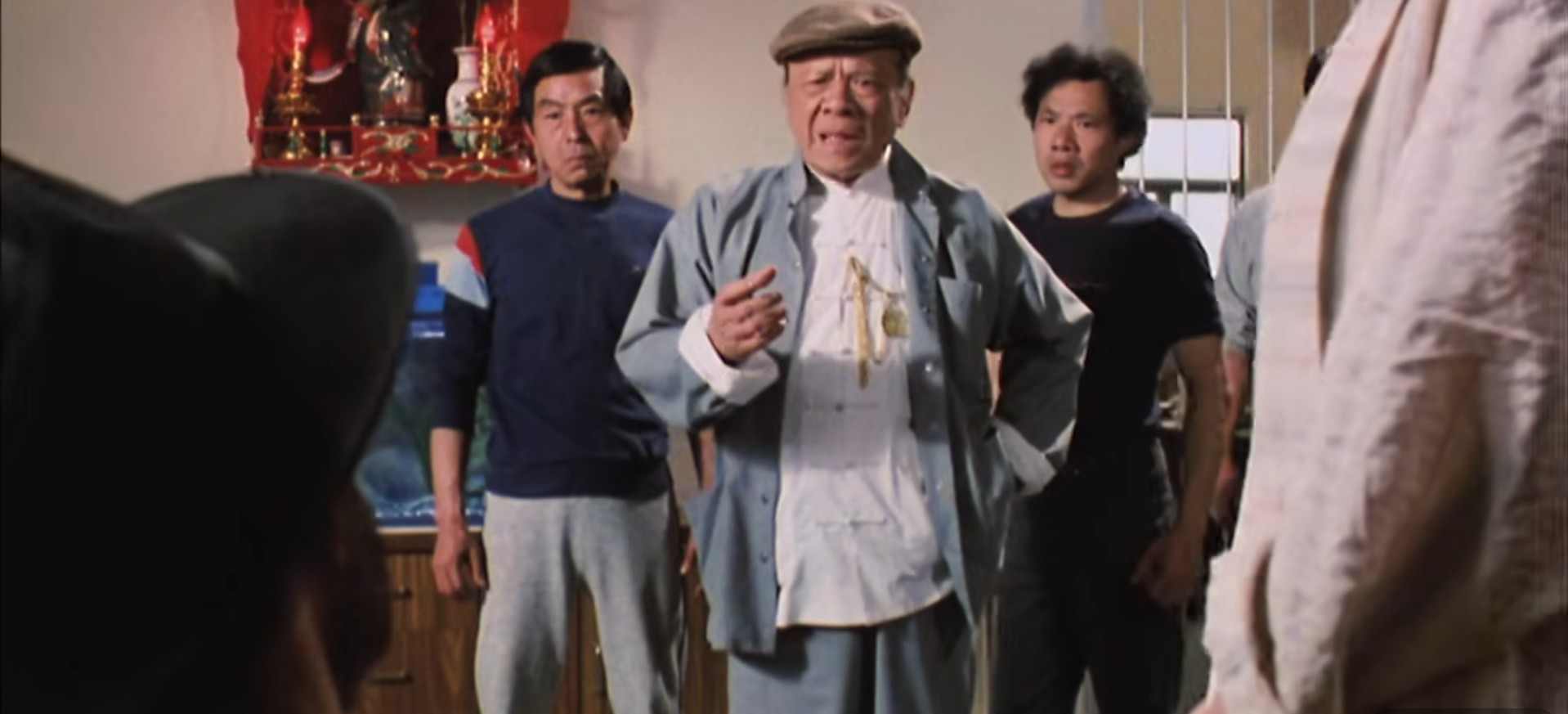
“Rosa” is the 1986, Tung Cho “Joe” Cheung directed buddy cop comedy-action film from Hong Kong,  Cheung has delivered a string of action comedies prior, such as with the a torn Kung Fu novice must jealous mend the rift between his two masters before a war ensues in “The Incredible Kung-Fu Master” in 1978 and the story of a veteran police officer who must work both sides of the law to manage his wife’s gambling addiction is paired with a rookie cop to take down transgresses in “Shadow Ninja,” release in 1980.  “Rosa” is another notch of comedic effort in Cheung’s belt but on a bigger scale with well-known actors, a large cast, incredible stunts, and fast martial arts choreography in a script penned by the “Chungking Express” director Wong Kar-Wai and “Hard Boiled” and “Mr. Vampire” writer Barry Wong.  Wong and Anthony Chow (“The Cat”) produce the film under the Golden Harvest Company and Bo Ho Film Company flags.
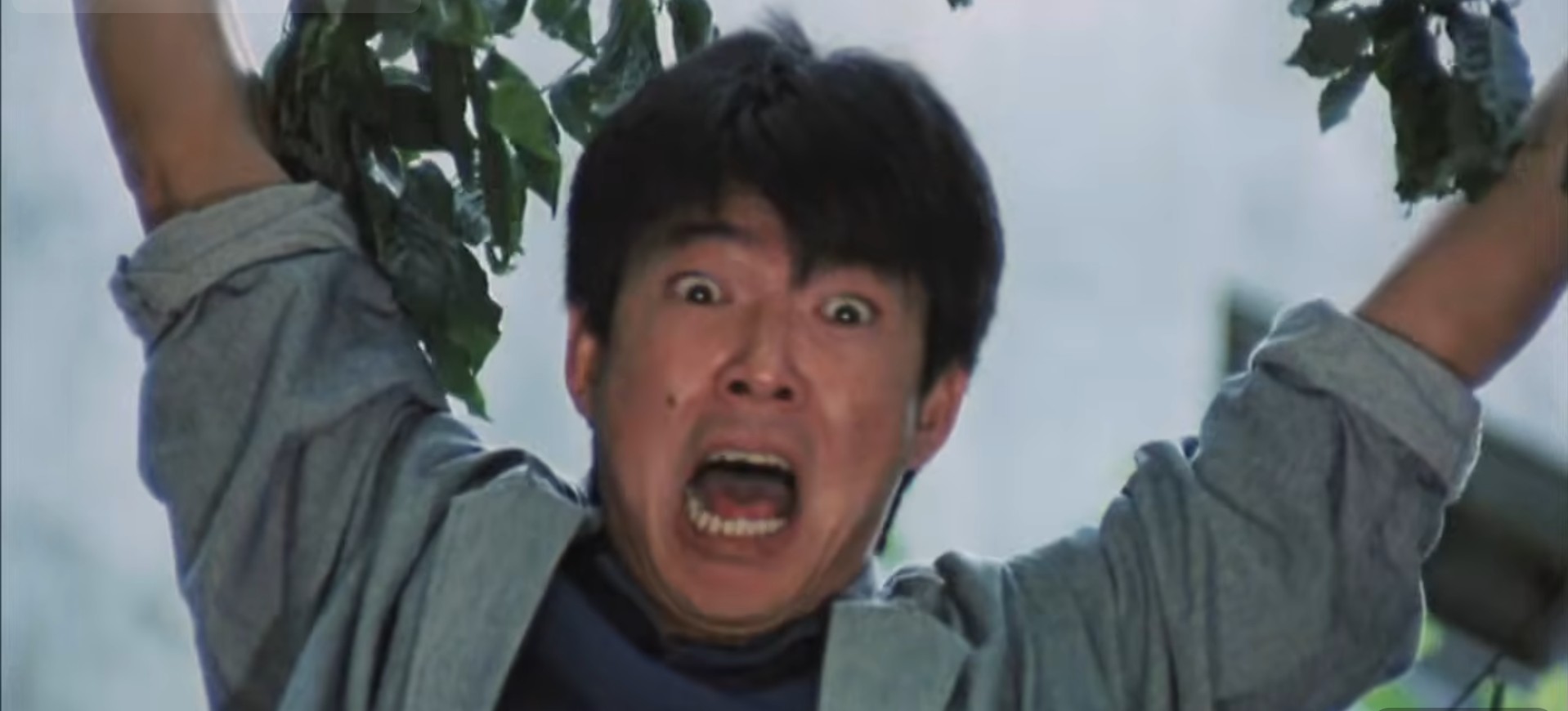
“Rosa” uses an ensemble cast more for comedic purposes rather than to instill dramatic action, beginning chief principal Biao Yuen, who we’ve recently reviewed in another new phenomenal physical 88 Films Blu-ray release in “Saga of the Phoenix” and has had roles in “Game of Death,” “Encounter of a Spooky Kind,” and “Picture of a Nymph,” as the endearingly named Little Monster, a go-lucky rookie cop with skilled martial arts moves.  Charming and confidence, Yuen plays the most sensible of protagonists without absorbing a lot of humiliation unlike his costar Lowell Lo who finds himself in a more subordinate role of Lui Gung underneath Little Monster’s suavity by having more overreactions, slapstick, and chasing with his tongue out a lost cause – that being Rosa.  “Inferno Thunderbolt’s” Hsiao-Fen Lu plays that titular role, a gambler addict and model with loan shark debt with ties to a small-time crook that incidentally involve her in a deadlier high-stakes blackmail with a power crime boss, but her importance is depreciated by Yuen and Lo’s buddying comedy and not the driving focus of the plot.  In all, the progression is a group effort rather than encamping around a centralized person.  With that being said, Kara Ying Hung Wai (“The Ghost Story”) often feels like an afterthought, a proverbial fourth wheel, as Gung’s sister Lui Lui whos’ gifted lines and a presence here and there but is mainly only Little Monster’s love interest in corporeal presence only.  Rounding out the good guys is the hapless Inspector Tin (Paul Chun, “To Hell With the Devil”), an arrogant supervisor who doesn’t want to get his hands dirty with police work and recruits Little Monster and Kung as punching bags for wrong him in their individualized opening, mishap run-ins with the inspector, another comedy outlet absorbing Rosa’s unintended entrenched Mob connection.  The Mob and other baddies fill out the cast with Billy Sau Yat Ching, James Tien, Charlie Cho, Fat Chung, Chen Chuan, and Dick Wei. 
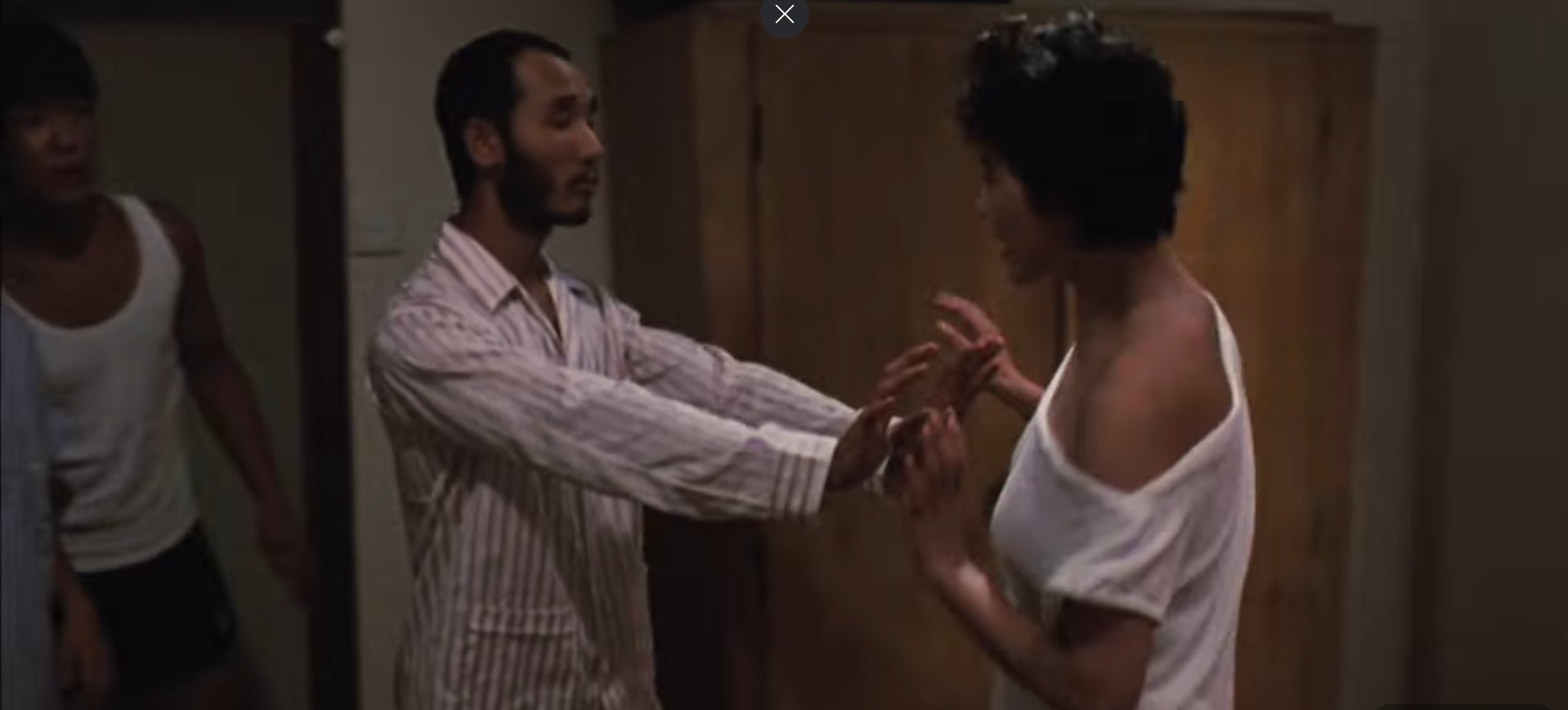
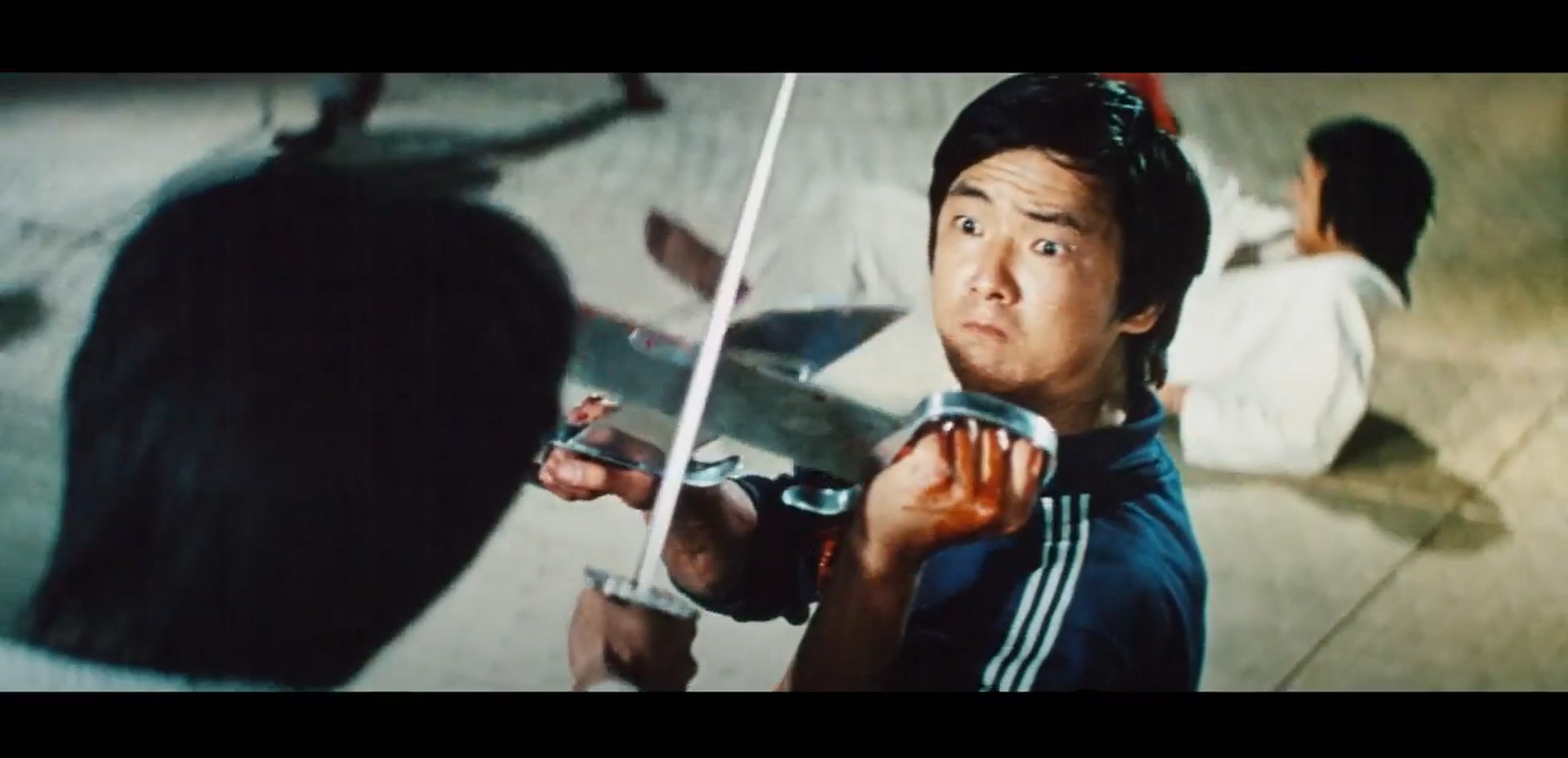
As far as “Rosa’s” action is concerned, it is topnotch quality between the wide-variety of stunts, the pinpoint choreography, and the excellently executed martial art fights that disproportionately leaves the narrative as a quintessential chop-socky police story.  I say disproportionately because the action is overly consumed by the comedy that, in itself, has struggles.  The humor physicality lands with precision with big hits taken in accidental error or are made within the context of choreographed fight scenes mostly stemmed by Lowell Lo and Paul Chun as they bumble their way through situations, but the dialogued jokes and other vocal gags are terribly corny that unfortunately dilute the overall mirth-murky pool that it becomes too often cringeworthy to swim in.  The light-hearted and sexualized humor is blended with an endless wooing and an outdo rivalry between the forced partnership that evolves into a fond friendship between Little Monster and Lui Gung, who is often referred to as Big Brother.  Lowell Lo embodies a larger slapstick piece of the pie with his distinguishable friendly face and doughy-eyed demeanor, contrasted against the athletic slender of Biao Yuen who outshines him on the conventional society determined good looks scale with an unassuming martial arts skillset to match.  All the serious and grim nature comes out of the Hong Kong’s criminal element with deadly assassins that use piano wire and large caliber handgun to lacerate jugulars and explode cars full of betrayed crooks.  The third act finale finally puts the pieces together and creates a harmonious brawl that blends action and comedy evenly, even integrating Lui Lui into the fold with an out of the blue ability to hold her own and fight just as fast and furious as Little Monster.  
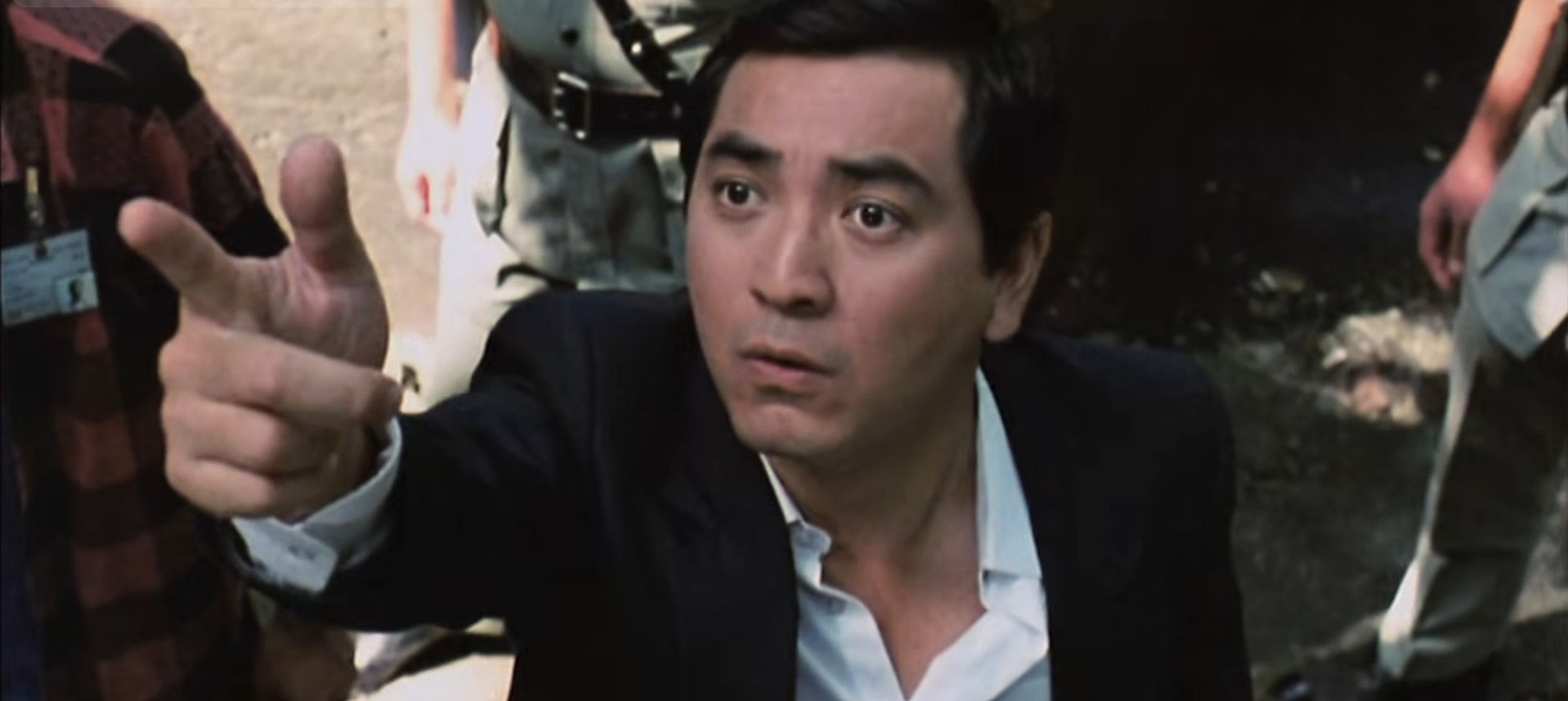
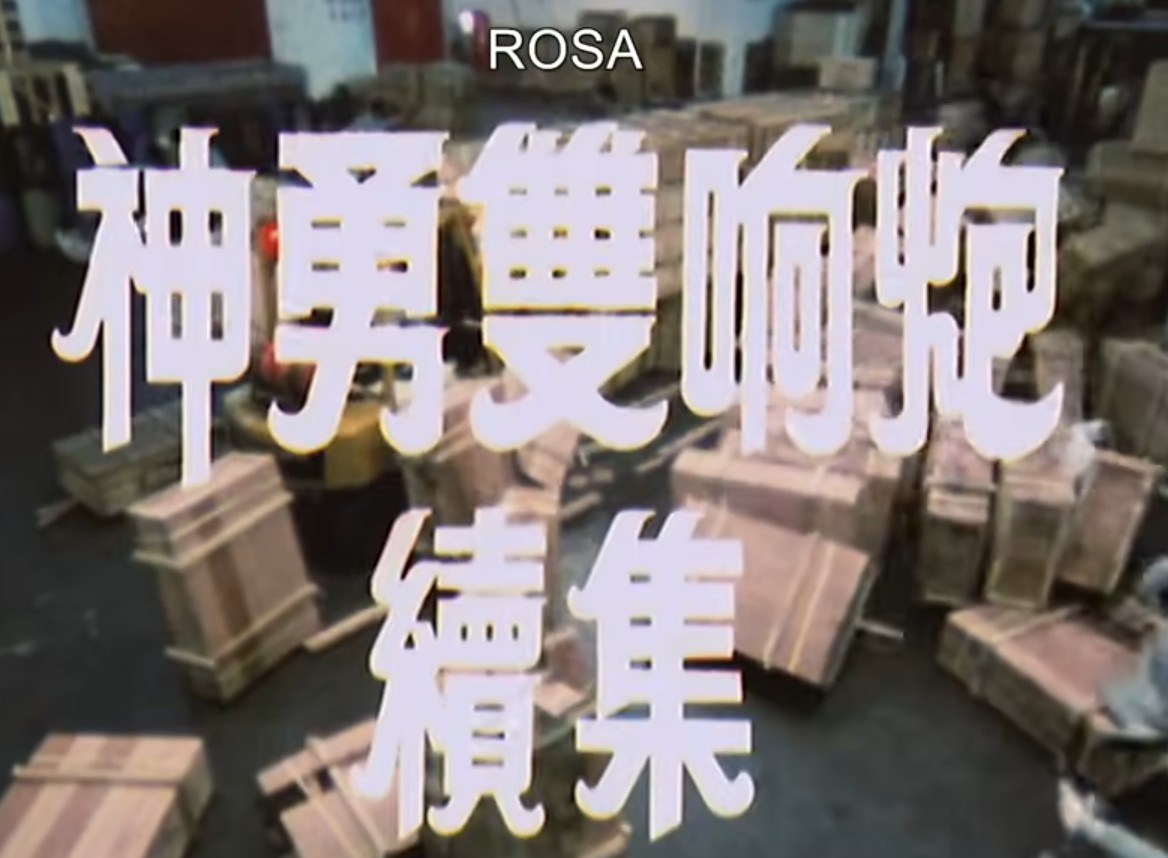
Another Golden Harvest distributed production garners attention once again on 88 Films, in association with Fortune Star Films, with a definitive Blu-ray set from the UK boutique label making their presence known here in the North American market.  The AVC encoded, 1080p high-definition transfer, onto a BD50 has remarkable presentational quality with a pristine print transferred onto a 2K scan from its original 35mm negative.  The immersive quality shows no sign of destabilizing the matrix, leaving audiences with the immense scope of a cleaner, natural image full of depth and range of saturated and diffused color.  Skin tones appear organic and nitty-gritty with the stubble, sweat, beauty marks, and the subtle contrasts of tones.   88 Films’ flexes their restoration efforts that extends the color palate to suitable measure and each scene, through its superb editing by chop-socky veteran Peter Cheung, segues into the next without missing a color resolution beat.  The film is also presented in original 1.85:1 widescreen aspect ratio.  There are two ADR mono tracks, Cantonese and English.  Cantonese is preferred with the better mouth-to-sound synchronization, but both deliver a really good decoded mono mix despite the singular direction of all the audio but with post-production sound, that can be manipulated to exact timing with the exact sound to create a better disbursed audio design.  There some crackling and hissing in the dialogue but very low-level interference that doesn’t hinder the prominence and really affect the clarity.  The newly translated UK English subtitles are available from Ken Zhang and synch fine with a steady pace and come without typos.  Encoded special features have a new audio commentary by Hong Kong Cinema experts Frank Djeng and F.J. DeSanto, a second new commentary from another Hong Kong Cinema expert David west, an interview with director Tung Cho “Joe” Cheung and assistant director Benz Kong, alternate English opening and closing credit titles, an image gallery, and the original trailer.  The limited-edition set comes with a rigid slipbox sheathed by an O-Ring slipcover with new artwork by Sean Longmore that plays into Rosa’s bosomy running ga. Inside the slipbox is a 40-page color booklet with stills and a pair of essays from Fraser Elliott and Paul Bramhell, a collectible postcard, and the clear Amaray case with the same primary Langmore art on the sleeve that can be reversed for the original Hong Kong poster art.  The booklet and slipbox have more original art as well that speaks the action and slapstick.  The not rated, region A and B encoded release has a runtime of 97 minutes.

Last Rites: Fun, exciting, and moderately droll, “Rosa” might hit-and-miss on the comedy, but what definitely hits is the martial arts action defined in a harmony of perfect scrappy chorography.

Grab the Limited Edition Blu-ray of “Rosa” from 88 Films!

One Man Takes on the EVIL Australian Crime Syndicate! “The Man from Hong Kong” reviewed! (Umbrella Entertainment / Blu-ray)

“The Man From Hong Kong” on the Ozploitation Classics Blu-ray from Umbrella Entertainment!

A newly formed Australian narcotics unit busts up a major drug deal that lands a crime syndicate pusher into the custody of the authorities.  The pusher, low on the totem pole of a larger drug organization, speaks no English and with the inexperience of the Australian unit, Hong Kong special branch inspector, Fang Sing-Leng, is requested for interrogation interpretation and be the escort of extradition back to the pusher’s native Hong Kong residence, but while in custody, the pusher is gunned down by an assassin.  Sing-Leng thrusts himself into Sydney’s criminal underworld the Hong Kong way, leaving a trail of destruction in his solo-takedown of formidable drug kingpin, Jack Wilton.

For film loving youngsters, would they know what cinema was like before green screens, motion capturing technology, and other computer imagery devices to create alien worlds and improbable fight sequences?  Would comprehending the idea that before the pre-implementation of these technological advances in film there was a just-do-it fortitude toward the physical and raw aspects of special effects and stunt work?  Those wee moviegoers’ heads would explode into itty-bitty chunks of brain matter by the very slight thought of a man jump kicking another man off a high-speed dirt bike without even one ounce of a tethered harness or helmet for safety.  Hazard upon dangerous hazard is what writer-director Brian Trenchard-Smith offers on the table from his debut martial arts film “The Man from Hong Kong,” the first martial arts film of its kind hailing out of Australia.  Trenchard-Smith’s working title “Yellow Peril” sought to sprinkle in between the high kicks and hyahs an amusingly intended, but greatly nearsighted, prejudice of the subtle racism in how Australian people viewed East Asia; however, Raymond Chow, the Hong Kong-side producer for this two-country co-production, ozploitation actioner, didn’t quite see the humor in “Yellow Peril” (and we don’t blame him).  Thus, “The Man from Hong Kong” title was born with some minor contentious distaste for its generic branding.  Trenchard-Smith’s The Movie Company Pty. Ltd (“Stunt Rock”) and Hong Kong’s Golden Harvest Company (“Sex and Zen”) served as co-productions, releasing the joint venture in 1975 with variable success across the globe.

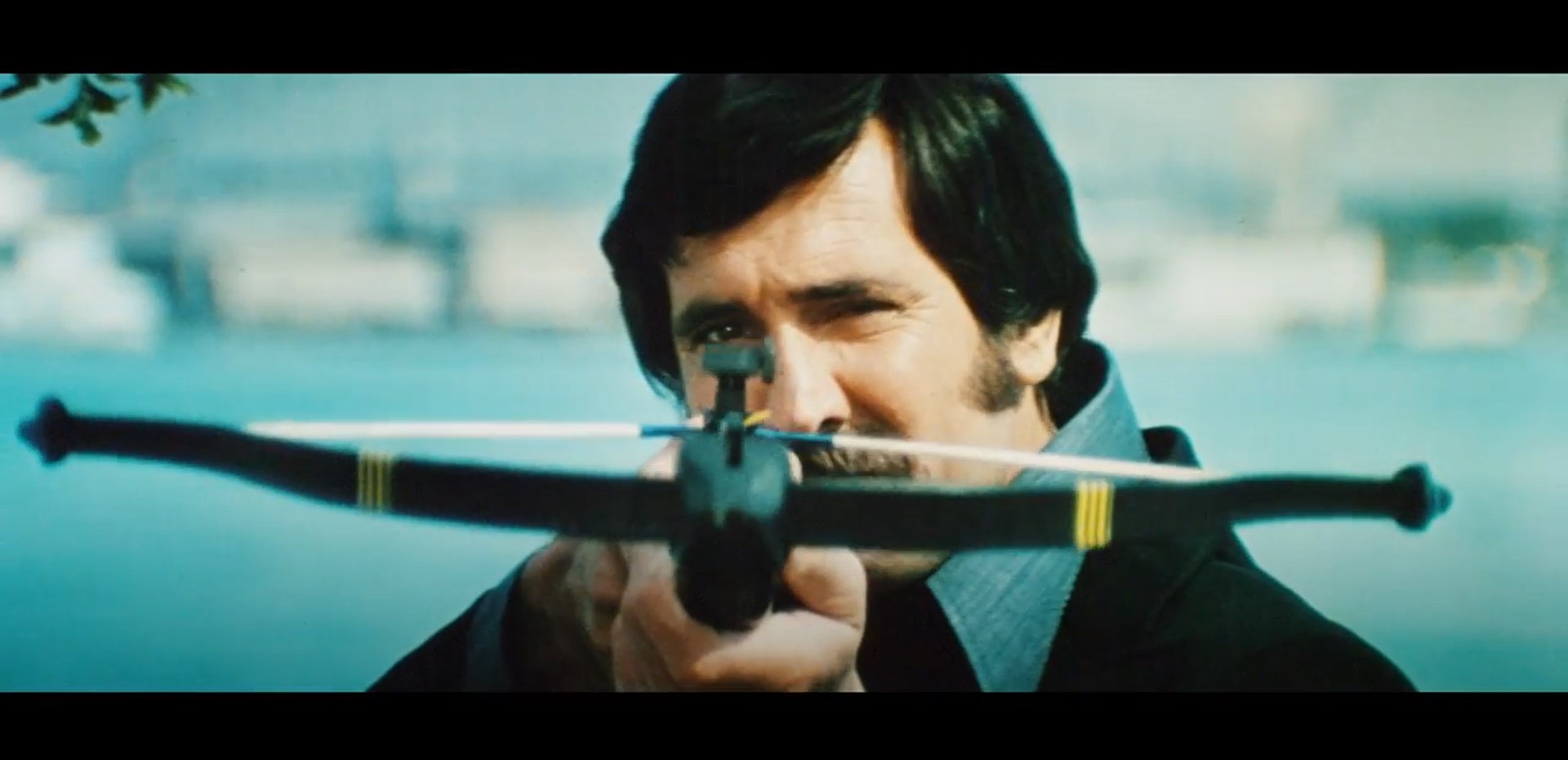
The first choice Brian Trenchard-Smith had in mind for the role of Fang Sing-Leng was mega-martial arts superstar Bruce Lee hot off the success of 1972’s “Fist of Fury,” 1972’s “The Way of the Dragon,” and 1973’s “Enter the Dragon.”  “The Man from Hong Kong” seemed to be a perfect segue into Lee’s next martial arts box-office hit that may have also reclaimed cinematic stardom for his soon-to-be co-star George Lazenby who fell into a blacklist slump after declining to reprise his 007 James Bond role from “Of his Majesty’s Secret Service.”  Unfortunately, and tragically, Bruce Lee suddenly died at the age of 32, leaving a void to fill not only Trenchard-Smith’s first film but also in the martial arts entertainment world.  In comes Jimmy Wang Yu, China’s former #1-turned-#2 after the quick rise of Bruce Lee.  The “One Armed Swordsman” series Wang Yu not only entrenches himself into the titular role at the behest of producer Raymond Chow as a suitable replacement, but Wang Yu also became Trenchard-Smith’s directorial counterpart of the Hong Kong shot scenes and the fight sequences, the latter being superbly thrilling by Wang Yu and his stunt team’s dedicated skillset to make the showmanship look authentic and bruising.  The extended chase through the streets of Sydney and into a no holds kitchen brawl with legendary stunt man Grant Page (“Stunt Rock”) is one of the best one-on-one rundown combat arrangements of its era.  Lazenby’s an effective villain with his towering height, broad build, and Tom Sellick mustache and has the ability to choreography not-so-half-assed kung fu, meeting and matching Wang Yu’s on screen moves without looking dopey or forced.   Australia’s film industry was so small at the time, there are number of recognizable actors mostly from the “Mad Max” series with the likes of Hugh Keays-Byrne (“Mad Max,” “Mad Max:  Fury Road”), Frank Thring (“Mad Max Beyond Thunderdome”), Roger Ward (“Mad Max”) in key or notable performance roles along with Bill Hunter (“Mad Dog Morgan”) and a pair of titular character love interests in Rebecca Gilling and Rosalind Speirs.

When judging a martial arts film, one critiques the hand-to-hand or melee weapon play contests, scrutinizing every punch thrown and kick taken, for complexity and believability.  If it looks real, it sure as hell feels real when conveyed from off the screen and to the audience.  Though “The Man from Hong Kong’s” scenes feel a little airy, pulling punches slightly too perceptibly, the choreography is quick and exhibits naturally enough through a variety of action and locations, including on top of Australia’s famous tourist attractions Ayers Rock for a wham-bam, drug sting and bust opening with a great-looking and thrilling car explosion shot that nearly takes the camera man’s head off with an unplanned, detonation jettison of a spinning car door toward the camera crew.  Those sorts of risky stunts are prevalent throughout that lends to “The Man from Hong Kong’s” enthralling physicality tone with Trenchard-Smith and his team’s wiliness to learn as they go in their death-defying acts.  The film is a tour de force of stunts, ranging from car chases, glider flights, skyscraper plunges, and an unforgettable kitchen skirmish with real melee weapons kneaded into its very fabric, with a Dirty Harry hero whose more of an anti-hero lawbreaker than the villains he’s up against by specializing in China’s miscreant brand of investigative police work. 

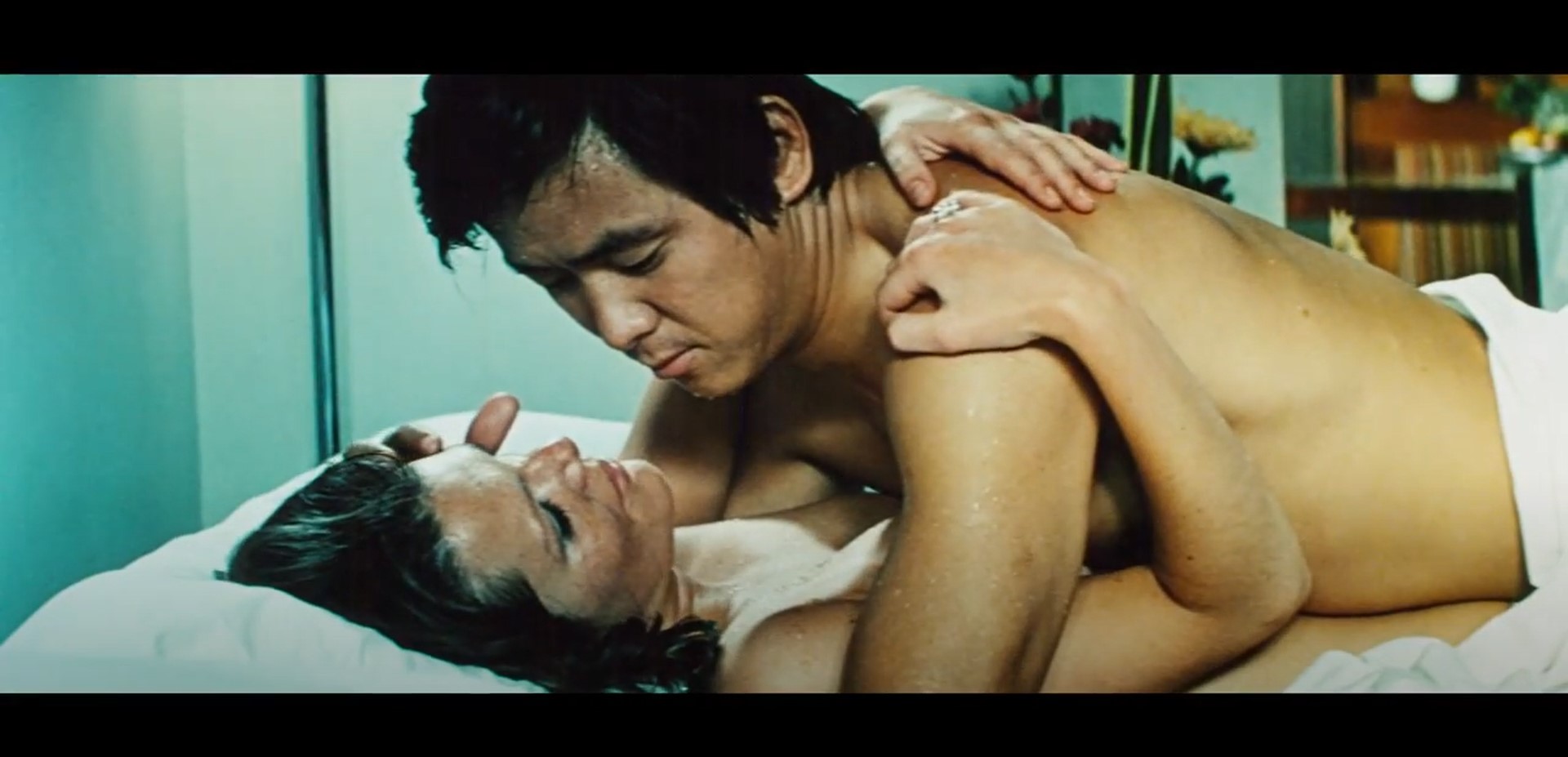
Perfectly suited as number 9 on the spine of the Umbrella Entertainment’s Ozploitation Classics banner is Brian Trenchard-Smith’s “The Man from Hong Kong,” now released on a region free, 2-disc AVC encoded Blu-ray.  Presented in a widescreen 2.35:1 aspect ratio with full 1080p, high-definition resolution, Umbrella has pulled out all the stops to release the best transfer to drool over.  Subtle vertical scratches here and there have no standing impact on viewing and the distinguished color palette is quite good and natural-looking for a film from nearly five decades ago.  There is a healthy amount of positive grain from the 35mm film stock, but the compression never comes into an issuance of sacrificing the quality, leaving darker scenes appearing bright and visible without the effect of enhancement or zealous contrasting.  My only substantiated gripe is with the subtitle cards that, in a way to not have to redo the English subtitles for the Mandarin dialect, the original frames were seemingly kept in and the image reverts back to a lesser quality degree.  Two audio options are available, an English-Mandarin language DTS-HD 5.1 Master Audio and a lossy DTS-HD dual channel.  Umbrella’s kbps output erratically fluctuations between 2400-3400 but even with the rollercoaster ups-and-downs, “The Man from Hong Kong” still had a robust action track and the dialogue came through discernibly clear.  Only goofy aspect about the audio is “Game of Death” and “Bloodsport’s” Roy Chiao’s English dubbing of Jimmy Yang Yu who obviously knew English or knew how to act like he knew English by watching his mouth articulate the native vernacular.  Umbrella also pulls out all the stops for the special features department in this limited to 3000 copies 2-disc set with the second disc a CD soundtrack arranged with Noel Quinlan funk-rock score and the main Billboard topping opening theme “Sky High” by the band Jigsaw.  Also included is a 2001 audio commentary from director Brain Trenchard-Smith, actor Hugh Keays-Byrne, and stunt director Grant Page, an all-new(ish) interview with Grant Page from 2008 entitled Real!Quick! pulled from Mark Hartley’s ozploitation documentary “Not Quite Hollywood,” extended interviews with the director, executive producer David Hannay, cast members George Lazenby, Roger Ward, and Rebecca Gilling, cinematographer Russell Boyd, 2nd unit cameraman John Seal, and first assistant director Hal McElroy from the same Hartley documentary, Trenchard-Smith’s 50-minute documentary “The Stuntmen,” a 75-minute “Kung Fu Killers” TV special directed by Trenchard-Smith and featuring Grant Page and George Lazenby, behind the scenes footage, opening night press conference footage, various and alternate  trailers and promos including a HD theatrical trailer, a cardboard slipcover with new illustrated design, and a reversible Blu-ray case cover art that also lists all 23-tracks on the CD.  The special features runtime outshines the 106-minute feature with a slew of interviews; however, much of the interviews really harp over-and-over upon George Lazenby’s set-on-fire coat mishap scene and Jimmy Wang Yu before the camera rolls catching and eating dragon flies ahead of a kissing scene with Rebecca Gilling.  “The Man from Hong Kong” isn’t notable because it’s Australia’s first martial arts film.  It isn’t notable for the attempt of resurgence of a former James Bond actor or because of its robbed promise of the late Bruce Lee.  What makes “The Man from Hong Kong” important to the film industry as a whole is its precursor value for being the example of a cast and crew to put life and limb on the line for the sake of motion picture art and be damn good at it.

“The Man From Hong Kong” on the Ozploitation Classics Blu-ray from Umbrella Entertainment!