An Odyssey through the Phantasmagoria EVIL. “Moon Garden” reviewed! (Oscilloscope Laboratories / Blu-ray)

Take a Stroll Through the “Moon Garden” on Blu-ray

Five-year-old Emma is caught in the middle of her beleaguered parent’s marital strife.  When Emma witnesses one particular heated and nasty argument between mom and dad, she flees to escape the anger only to slip and fall down the stairs, hitting her head that puts her into a comatose state.  She awakes lost, confused, and consumed in an industrialized gray zone, loomed over by strange land’s dark gloom and also curious wonderment that both frighten and amuses her.  As Emma looks from the inside out, seeing her parents come together from the struggles to cope and worriment surrounding her comatose body, the young girl is determined to make it back to her parents by trekking through the bizarre land, but a menacing, chattering being feeding off her fear and tears pursues her and she has to rely on the amiable ambivalence of unique strangers that inhabit this world to help her escape the nightmare and return home.
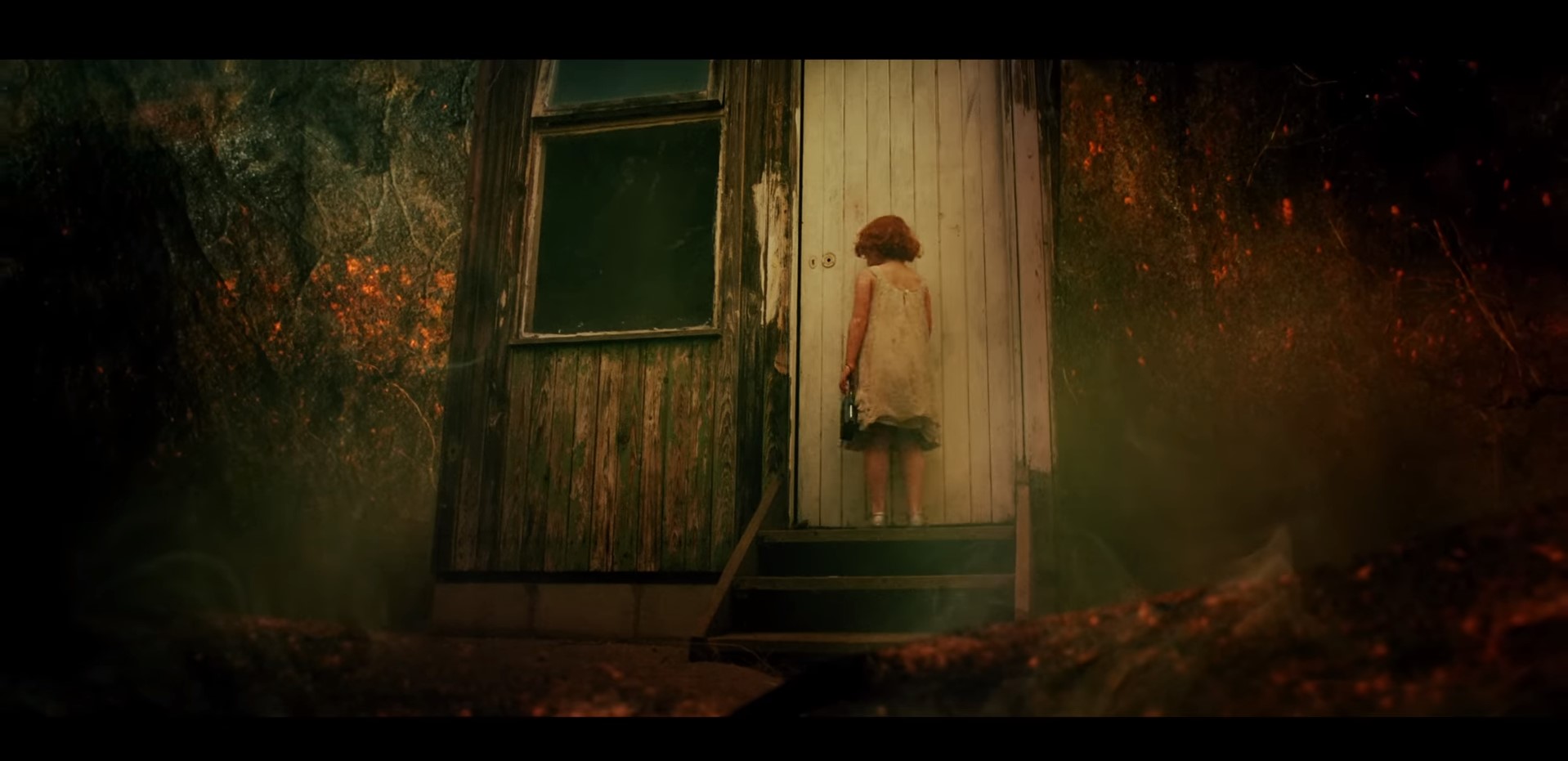
Cut with relatable bleak themes of family dysfunction, Ohio-born filmmaker Ryan Stevens Harris undertakes fantasy rarely seen in this day and age of computer visuals and special effects, probably not since “Labyrinth” or “The Never Ending Story” of the 1980s.  Stevens, chiefly an editor in the movie industry with credits ranging from indies like “What’s Eating Todd?” to big-budget blockbusters like Roland Emmerich’s “Moonfall,” writes and directs “Moon Garden,” a wayfaring grim fairytale with visual ferocity in a practical DIY-fashion and without major studio help.  The 2022 fantasy envelopes elements of difficult navigation surrounding nuclear family problems through the quivery, unguarded eyes and immense imagination of a very young child still developing those rationality and interpretation skills to make it all make sense.  Based off Harris’s proof-of-concept 13-minute short film “Every Dream is a Child with Teeth,” “Moon Garden” is a production of Harris’s Fire Trial Pictures and is self-produced alongside Fire Trail Picture’s co-founded John Michael Elfers and wife, Colleen.
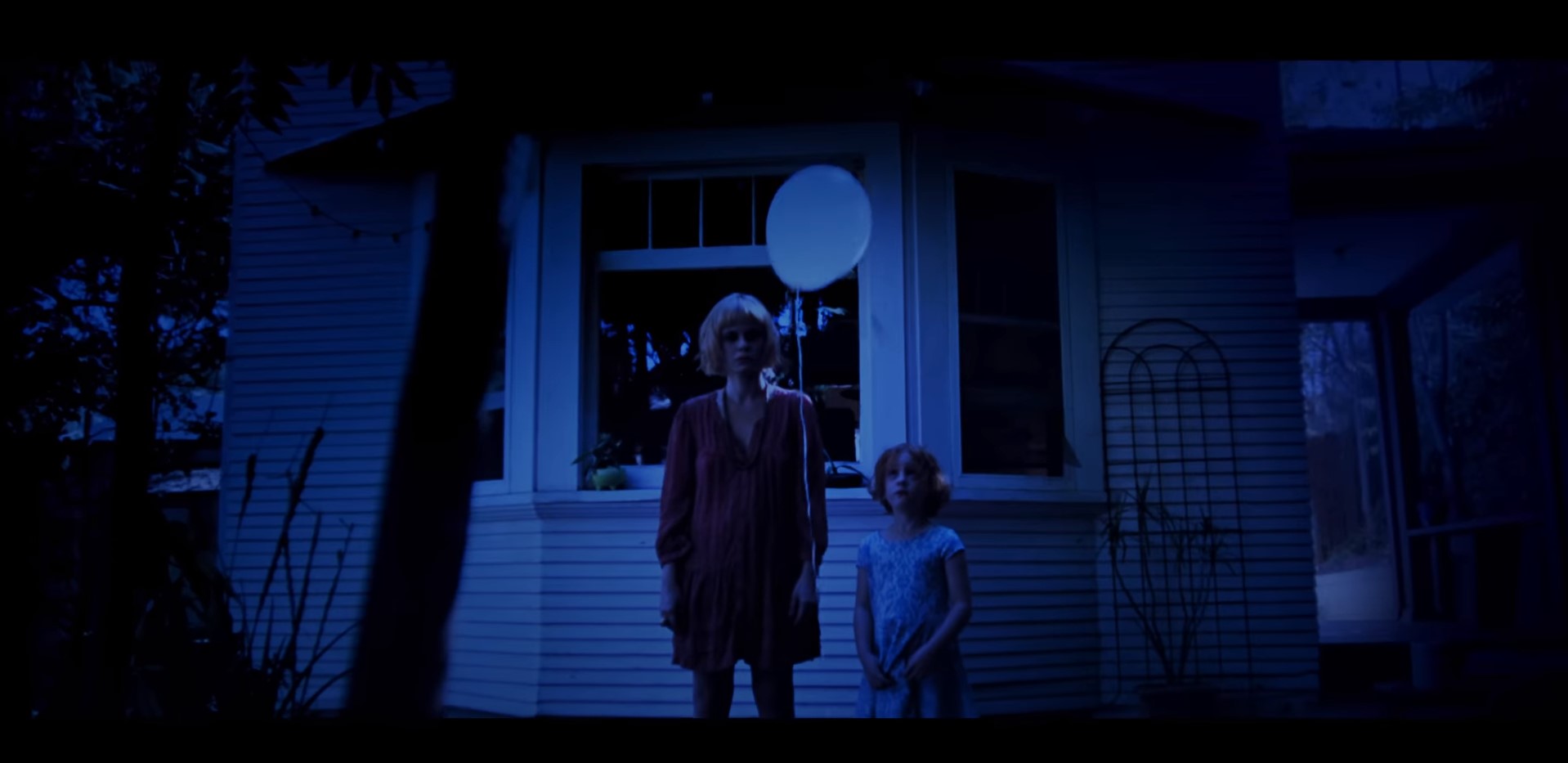
“Moon Garden” is truly a family affair with not just the husband-and-wife collaboration behind the camera but also the couple’s young daughter, Haven Lee Harris, at the forefront as the enchanted young Alice in Wonderland-esque wanderer named Emma.  Haven, who also starred in the “Every Dream is a Child with Teeth” short,” fully embraces Emma’s forming schism between her parents and being engulfed by an intimidating atmosphere that’s often bursting with melancholy and acrimony, a credit to the father-director who can turn the darkness to light by making behind-the-scenes an engagingly fun atmosphere for his impressionable, yet talented, daughter to thrive as an untrained actor in her debut performance.  As Emma travels through the eclectic settings of sewers and steam pipes, dilapidated houses, swampy overgrowth, and towering observatories, she comes across equally eclectic figment inhabitants that help her, a hammering string musician (Phillip E. Walker, “13 Mysteries”), a sullen groom (Timothy Lee DePriest, (“BnB HELL”), a budding mud witch (Angelica Ulloa, “Gnome Alone”), and a lonely Princess (Maria Olsen, “Vile”), but not all seek the wellbeing of Emma as a haunting levitating and sinister pursuer (Morgana Ignis, “Satanic Hispanics”), garbed in inspired militarism and a void where only sharp, chattering teeth makeup it’s face.  Each character is bred out of Emma’s emotional states brought to fruition by her extensive imagination, correlated by her playing with resembling toys before her accident.  Mom and dad are played by Augie Duke (“The Badger Game”) and Brionne Davis (“Mom and Dad”) for the first act and through flasbacks of the second and third.  The parents inadvertently inject sorrow into the heart of their daughter caught in the middle of the martial affliction.  Duke saturates leadenly into the mother’s depression with poignancy and potency, fueled by Davis’s uncompassionate workaholic for the father, and this sparks the tension that requires a forced happy family face around Emma whose brimming at the edge of her imagination for a better existence.  Filling in the cast gaps are Téa Mckay and Emily Meister. 
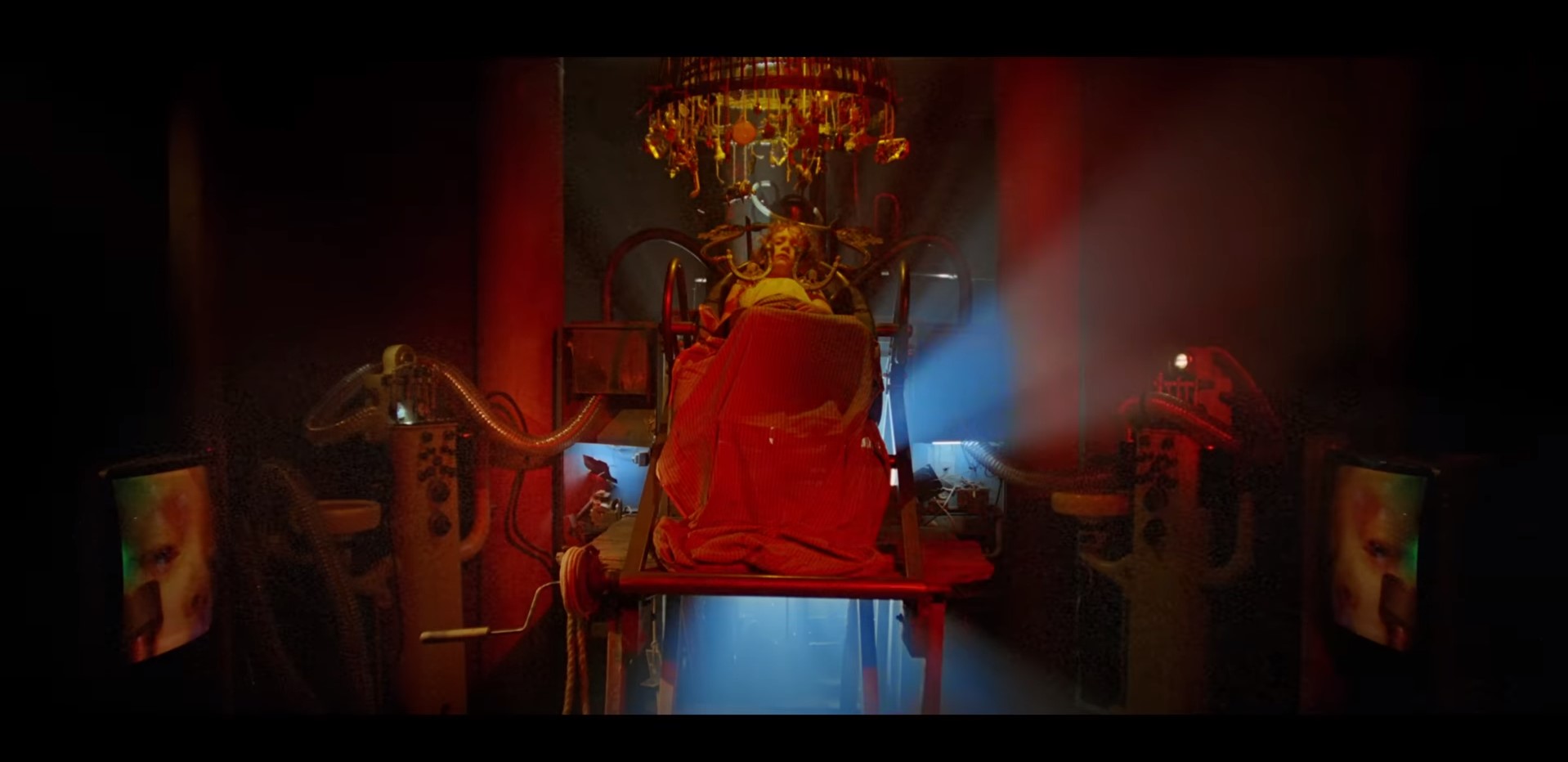
If Phil Tippett directed a movie from a script by Lewis Carroll, “Moon Garden” would be the outcome.  Pure imagination and creativity ignite a new world to travel down toward the rabbit hole, utilizing a series of practical techniques to show how grotesquely and beautifully grandiose this world can be erected and the odd characters can come alive all without breaking the bank.  With any abstract art, grasping concepts and correlating visual expressions can be difficult but with “Moon Garden” there’s a sense of celebration for movie magic.  Between detailed miniatures, visual compositing, manipulative time and camera techniques, practical special effects, etc., Ryan Stevens Harris promenades the audience through the different levels, stages, and exhibits of what is a carefully curated museum of ingenuous imagination, which sounds like something Willy Wonka would melody about, and does so while tapping into our own fears as not only having once been children ourselves with vivid imaginations looming in ever crevice of our minds but also in us lucky enough to be parents as Harris interposes clips of Emma peering in reverse through the looking glass, into reality, to see her parents reformulating a bond through the muck of grief, worry, and love for their child in what is a parents’ worst nightmare to experience.  “Moon Garden” can be intense and scary at times but certainly could be kid friendly and empowering for little tykes afraid to take on the daunting outside world or the inside of uncertainty. 
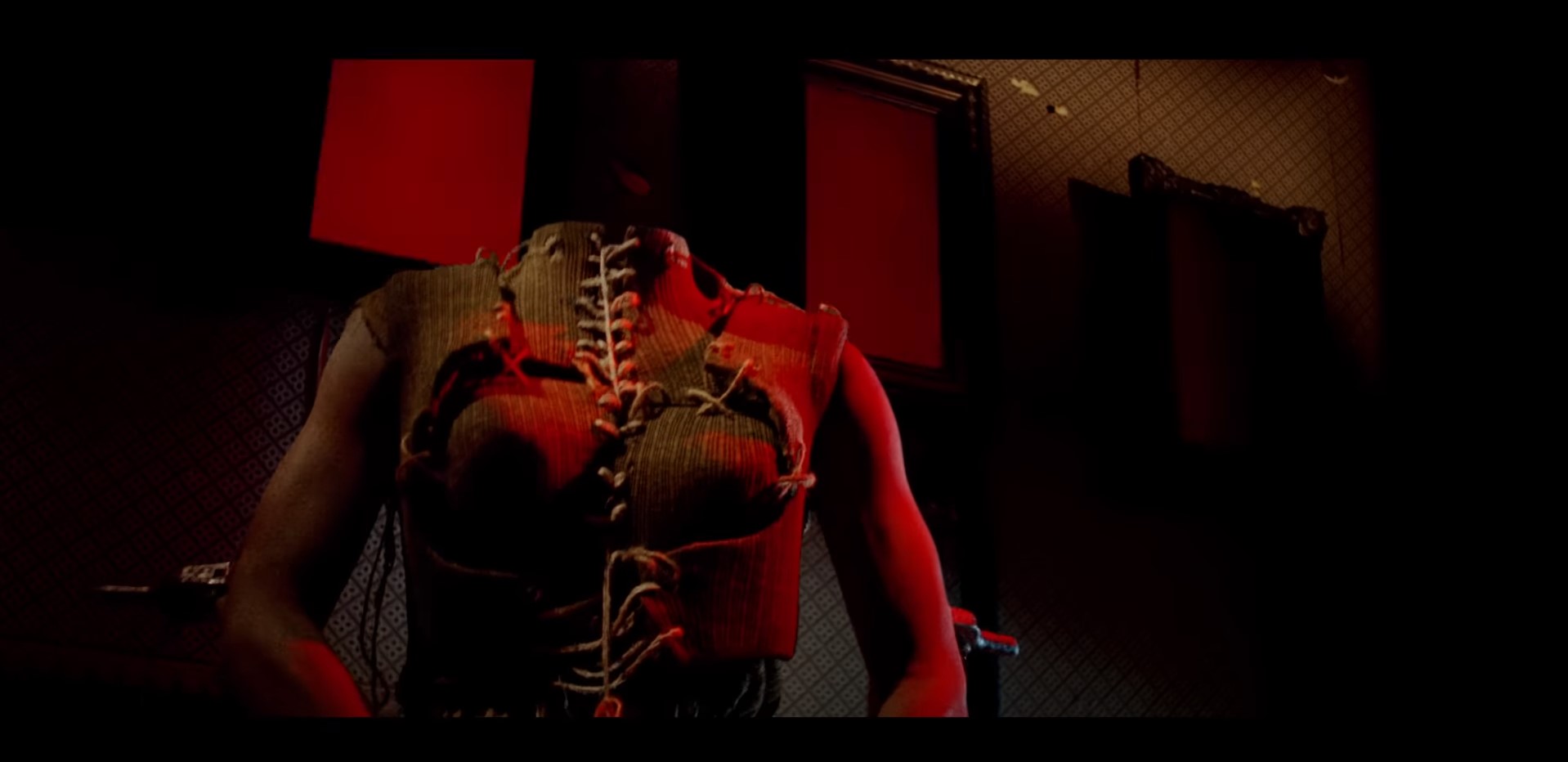
Our first venture into an Oscilloscope Laboratories release is anything but paramnesia. “Moon Garden” arrives onto an AVC encoded, high-definition 1080p, 50-gigabyte Blu-ray transferred and processed from the original 35mm print, as Fire Trial Films is a 35mm production company, and presented in a widescreen 2.39:1 aspect ratio. Having scored age-worn film stock, Harris achieves some unusually neat prints that saturate the colors differently than if the stock was in brand new, pristine condition. An ingrained darkness from the stock adds a pinch of otherworldly tincture that accentuate the already overwhelming serrated slumberland atmospherics coupled with a filmy layer of good-clean grain. Primary colors don’t often appear like primary due to the aged film stock but pop in distinct crush, nonetheless. Emma’s unconscious dimensional detour is full of pocket voids, shadowy symmetrical shapes, and dreamy in exact detail on all accounts without being empyrean or wistfully. The English language DTS-HD 5.1 master audio and the film’s original uncompressed stereo 2.0. The lossless surround sound mix options to deliver the identical audio measures in comparison the uncompressed audio while also slinking through the side and back channels for full-bodied immersion into Emma’s tribulating trek back home. Dialogue comes through exceedingly well-enough albeit the multi-faceted improved industrial soundtrack sneaks in staggering oversteps at times. Speaking of the soundtrack, an original score by composer Michael Deragon, the transitional tunes, melodies, discordances, and synths are just a taste of the eclectic, haunting sounds that navigate Emma’s journey and the elegant, melancholic, and even comforting lullabies by Augie Duke as the mother bring a sort of peace and tranquility that resets the intensity and fear of the child in peril. The chattering teeth, though comically inclined to an extent, are especially effective as a looming, omnipresent pursuant. Optional English subtitles are available. Special features on the Blu-ray include a making of “Moon Garden” featurette that lets director Ryan Stevens Harris be giddy-as-school boy proud to show off and explain the how-tos of his masterclass piece of creativity as well as to dote on his sweet daughter Haven, Harris’s 12-minute proof-of-concept short film “Every Dream is a Child with Teeth,” a single deleted scene, and the theatrical trailer. Oscilloscope’s Blu-ray comes in a clear Amaray case with a what looks almost to be an innominate water-colored cover art composition, with gothic overtures, of a few characters with the reverse side bathed in a blue landscape setting that Emma crosses which is shown in the film. The disc art is curiously plain with the Oscilloscope Laboratories logo and the title “Moon Garden” above it. The not rated Blu-ray comes region free and with a 93-minute runtime.

Last Rites: Ever since post-credits, The M Machine’s Moon Song and Promise of a Rose Garden has regained ground in my mind and it’s a very fitting pair of tracks not only for their keyword titles but also for its industrial beats and unconventional sonority structures similar to the cadence of the deep space wandering that is “Moon Garden” as visually the imagery confounds the senses and surrealism takes hold of us as this sweet and innocent little girl confronts alone a world much bigger than anything than we could ever imagine, and only she can pull herself through while the discordant parents can only be a unifying beacon of light and hope. Highly recommended.

Take a Stroll Through the “Moon Garden” on Blu-ray

EVIL Wants Your Brain Fluid! “Vile” reviewed! (MVD Visual / Blu-ray)

These “Vile” Atrocities are now on Blu-ray!

What was supposed to be a relaxing camping trip amongst friends has turned into a torturous nightmare when four friends wake up to find themselves in the company of five strangers in a basement and learn they’ve all been kidnapped for a purpose.  Behind the illicit arrangement is an illegal drug manufacture whose formula is produced from the byproduct of the brain’s fear and pain induced chemicals.  With a 22-hour clock counting down from the first act of violence, the puzzled lot must fill a 100% quota before time runs out in order to be set free from the reinforced house they awoke in and the only way to do that is by hurting each other to fill the vials connected to the backside of their heads.  Framing a plan, a vote proceeds a numerical order of voluntary participation of torture, each contributing a fraction of the pain percentage needed to survive and be free, but egos, fears, and secrets cost them more than a few moments of unbearable pain.   

Before becoming Paramount Network’s golden nugget for creating the more recent acclaimed American television drama with shows like “Yellowstone,” “1883,” “1923,” “Tulsa King,” and “Special Ops:  Lioness,” Taylor Sheridan had first directed a small-time horror movie over ten years ago in 2011.  The title “Vile,” a play on words used to not only describe the cruel atrocities done from one character to another but also alluding to vial containers used to fill up with fear and pain fluid, is the brainchild of scriptwriters Eric Beck and Rob Kowsaluk.  Certainly, a different tone compared to hardnosed westerners and high-profile casted thrillers, Sheridan filmmaking roots from “Vile” mold his next stage directions of cruel character dynamics.  Beck produces the feature with Noël K. Cohan (“Into the Void”), Tina Pavlides (“100,000 Zombie Heads”), and Kelly Andrea Rubin (“Skeeter”) with presumably father Larry Beck footing some of the funding under the LLC of Vile Entertainment in association with Bosque Ranch Productions and Signature Entertainment.

An ensemble cast thrusts strangers into the throes of do-or-die but amongst the cast of characters, a delicate introduction of a core four put forth the wheels in motion of the sick extraction technique all in the name of drugs and profit.  The preliminary meet-and-greet of Nick (Eric Beck), Tayler (April Matson, “Primrose Lane”), Tony (Akeem Smith, “Holla II”), and Kai (Elisha Skorman) sets up love interests, Tayler’s secret pregnancy, Kai’s drug problem, and a playfully semi-morbid game of would you rather that foreshadows another choice pick of torture later the group has to contend with when joined with the other five test subjects – a dark and cryptic Greg (Rob Kirkland), a subtly anxious Julian (Ian Bohen, “5 Souls”), a selfish hothead Tara (Maya Hazen, “Shrooms”), a young and frightened Lisa (Heidi Mueller) and a level-headed Sam (Greg Cipes, “Deep Dark Canyon”). The variety of character provides varying shades of distrust, betrayal, and hope as factions form and convictions are about-faced, jostling those steadfast at first and solidifying principals for those teetering on the edge.  As whole, the cast works well together to provide adequate and satisfying suspicion as well as selling a particular attitude despite a couple of red herrings that are hidden really well within the framework. As individuals, lots of the dialogue pertains to self-explanatory states of the obvious that stick out like a sore thumb of colloquial filler with a story set in one location with the same nine people for approx. an hour long. ”Vile’s” cast rounds out with McKenzie Westmore and the unmistakable Maria Olsen (“I Spit on Your Grave 2: Deja Vu”) in a procedure-nothing televised head. 

As much as I disfavor comparing one film to another outside of sequels, series, or franchises, “Vile’s” voice is lost as an individual. Seven years prior, James Wan and Leigh Whannell began what would become one of the biggest contemporary horror franchises with “Saw,” spanning sequels through two decades, and concluding, thus so far, with this past year’s “Saw X.” What does this have to do with “Vile?” ”Vile” follows much of the same formula Wan and Whannel concocted in the earlier 2000s with a very to-the-manual approach of “Saw’s” collaring of individuals, media announcing a timed-task, and the players of the game have to hurt themselves, or others, in order to be set free. Fundamentally different with “Vile” has more to do pure greed and profit at the expense of those unfortunate to be in the path of profiteers whereas “Saw” forces transgressors into rebirth through pain and suffering. ”Vile” is also not as explicitly graphic with much of the torturous violence done out of sight, off screen, or in a blink of an eye. Nevertheless, the intriguingly staid premise takes the human condition to the limit and steps across the line of no return of committing what is self-destructively necessary to survive. Beck and Kowsaluk tweak the formula by a narrow margin but the manner of how the narrative plays out distances “Vile” to almost unitary means. For example, “Saw” almost always had a dual storyline that eventually converges with a shocking twist-tie conclusion. ”Vile’s” straightforward with a singular storyline that isn’t dichotomized with a parallel storyline, a periodization storyline, or any other type of storyline to be a crutch for the other, leaving audiences in the undivided present that’s an around-the-clock time crunch to live or die by the hands of themselves or at the mercy of others, and with a palpable enough twist that you’ll kick yourself in the chin for not predicting it ahead of time. 

“Vile” comes to Blu-ray from MVD Visual on the company’s Marquee Collection label. The AVC encoded, 1080p High-Definition, BD25 has the film presented in a widescreen 1.78:1 aspect ratio. Limited to a two-tone grading of steely blues and canary yellows, picture quality range has spasmodic bursts of interiority to agreeable presentations. More of the pre-ensnarement night scenes appear granulated by macroblocking, degrading the image to pre-high definition pixelated rate. Bitrate decoding jumps sporadically from mid-teens to mid-30Mbps, most likely due to an unstable data compression transfer. Compression appears better, though not flawless, later in the runtime with tighter contouring and a finer detail on a grungy, dirty, dilapidated house where the main set takes footing. The English Dolby Digital 5.1 and the uncompressed LCPM 2.0 are the available audio options, both of which lack commodious conviction with a suppressed volume. While the dialogue renders sufficiently with discernibility and clarity, much of the eye-averting torture sound design, the milieu audio, and even the rock-hard rock soundtrack retains an undeliberate lo-fi quality. English subtitles are optionally available. Special features include two deleted scenes that expand on more of the earlier character interactions, a behind-the-scene moment of director Taylor Sheridan mopping the kitchen set and singing, and the feature trailer plus other MVD Marquee Collection trailers. Tangible features include a cardboard O-slipcover, first pressings only, vaunting the nastiness to come and, again, appropriates a “Saw” cover with that nastiness of an extracted, bloody tooth in a pair of vice grip, a nod to the “Saw III” poster/home video art. The Amary case has reversible cover art with the original “Vile” artwork on the inside. The unrated, 88-minute MVD Marquee Collection feature has a region free playback. If “Saw” is deluxe imperial crab, then “Vile” is the suitable imitation equivalent with a steady pace of group-wrenching contrition and contempt that forgoes the games for straight up blunt force trauma. 

These “Vile” Atrocities are now on Blu-ray!

Meir Zarchi Returns With Another Round of EVIL Exploitation! “I Spit On Your Grave Deja Vu” reviewed! (Ronin Flix / Blu-ray)

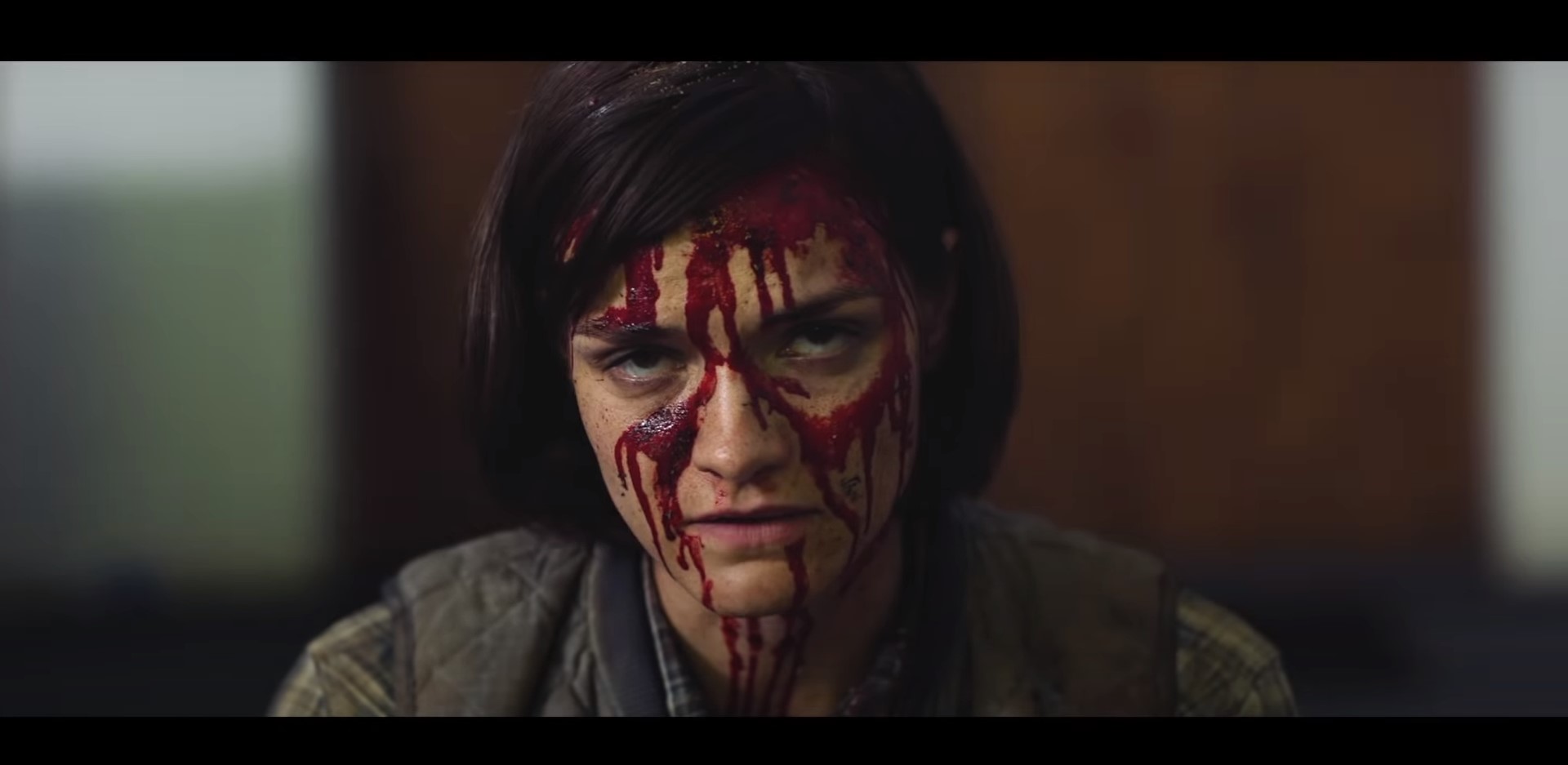
Forty long years have passed since the sexual assaulting atrocities of Johnny Stillman and his gang were committed on the young and beautiful Jennifer Hills.  Empowered by her horrific tale of survival with the release of a new tell all book of how she outwitted and took homicidal revenge on her rapists by luring them in with her sexual persuasions, Hills finds herself back in familiar terrorizing territory being kidnapped by Johnny’s devoutly vindictive widow and three living relatives of the gang that once ganged raped and brutally beat her, but she’s not alone.  Captive with her as collateral damage is her famous supermodel daughter, Christy.  Both are caught up in an eye-for-an-eye revenge plot where being lethal is the only means of survival and with a long history of resentment, rooted deep inside Johnny’s kin, fighting back will take every ounce of resilience and strength against a community of hellbent sociopaths. 

Circa 2005-2006 is around the time I first bared witness to Meir Zarchi’s 1978 controversial exploitation shocker, “I Spit on Your Grave.”  Popping in the DVD popped open my eyes to the world of graphic vengeance and the submission to primal, carnal whims inside the human-on-human violence context.  Before Zarchi’s film, which is also known as “Day of the Woman,” and even Wes Craven’s “The Last House on the Left,” this neophyte’s description and knowledge of horror was limited to the stymies of broadcast television that only aired edited and censored slashers like the “Friday the 13th” and “Halloween” series or supernatural presences of “A Nightmare on Elm Street” and “Poltergeist.”  Never has the likes of “I Spit on Your Grave” been a red pill option into the vast horror matrix for this then college kid who glazed over with the façade of sleeping through studies and worrying over trivial matters involving the opposite sex.  In a way, Zarchi was a kind of Morpheus to me when I started purchasing physical media that opened my eyes and my mind to the rape and revenge facet in horror hidden behind the commercial veil.  In 2010, a Zarchi produced reboot saw more light in the commerciality and spawned two sequels in its wake, but not until 2019 did Zarchi get back to writing and sit back in his director’s chair to helm an official, yet less commercial, sequel entitled “I Spit On Your Grave Déjà Vu” or “Day of the Woman Déjà vu” that was produced by his limited company banner, Déjà Vu LLC with son Terry Zarchi and Jan O’Connell producing.

The long-awaited sequel reteamed Zarchi with original lead actress, and also ex-wife, Camille Keaton, distant relative of the famed comedy and stunt actor, Buster Keaton.  Camille Keaton, who looks phenomenal in her 70s during production, steps back into the infamous Jennifer Mills role that made her a household name amongst grindhouse-horror community.  Though completely nude for most of the 1978 film, that part of her performance takes a step back for a new actress to pave a new path in the saga.  Obscure indie scream queen Jamie Bernadette (“Axeman,” “The Bunnyman Massacre”) is ceremoniously passed the torched as the new riches to ragdoll as the Jennifer Mill’s unhappy supermodel daughter, Christy, who becomes haplessly snagged into her mother’s unforgotten past.  Bernadette offers a variable beauty and a diverse poise that doesn’t make Christy a carbon copy of Jennifer Hills, but the actresses deliver the same apathetic venom of a woman scorn.  More of a carbon copy is the four backwoods bumpkins fuming over Jennifer Mills’ vindictive dissecting of their dead relatives.  The gang is spearheaded by Beck, played by Maria Olsen who, like Bernadette, has made a name for herself in low-budget horror having roles in films such as “To Jennifer,” “Starry Eyes,” and “Gore Orphanage.”  Olsen projects Becky as the gas station attendant from Hell, someone you don’t want to interact too long with as you’re pumping gas in the middle of nowhere, but Becky is not a woman of a few words who constantly has to remind us, to the blistering point of annoying, that she must avenge her late husband’s sinful murderess.  The rest of the gang didn’t impress much after that.  Jonathan Peacy has a chance to shine from out of the extra and bit part shadows as the crazed and hyperactive Kevin, brother of Stanley from the original film, and while Peacy channels his best Al Leong look, Kevin is ultimate a big detrimental goof with small dog syndrome than actual menace.    The last two aren’t any better with a lackluster act by Jeremy Ferdman as Andy’s cousin and “Tales of Frankenstein’s” Jim Tavaré’s rather befuddling downplay of Matthew’s mentally disordered father, Herman, who teeters back and forth between morals with a jumbled underlay of piety.  There are not many sane performances in a rather loose and unbridled Zarchi follow up with a cast that rounds out with Alexandra Kenworthy, Roy Allen III, and Holgie Forrester.

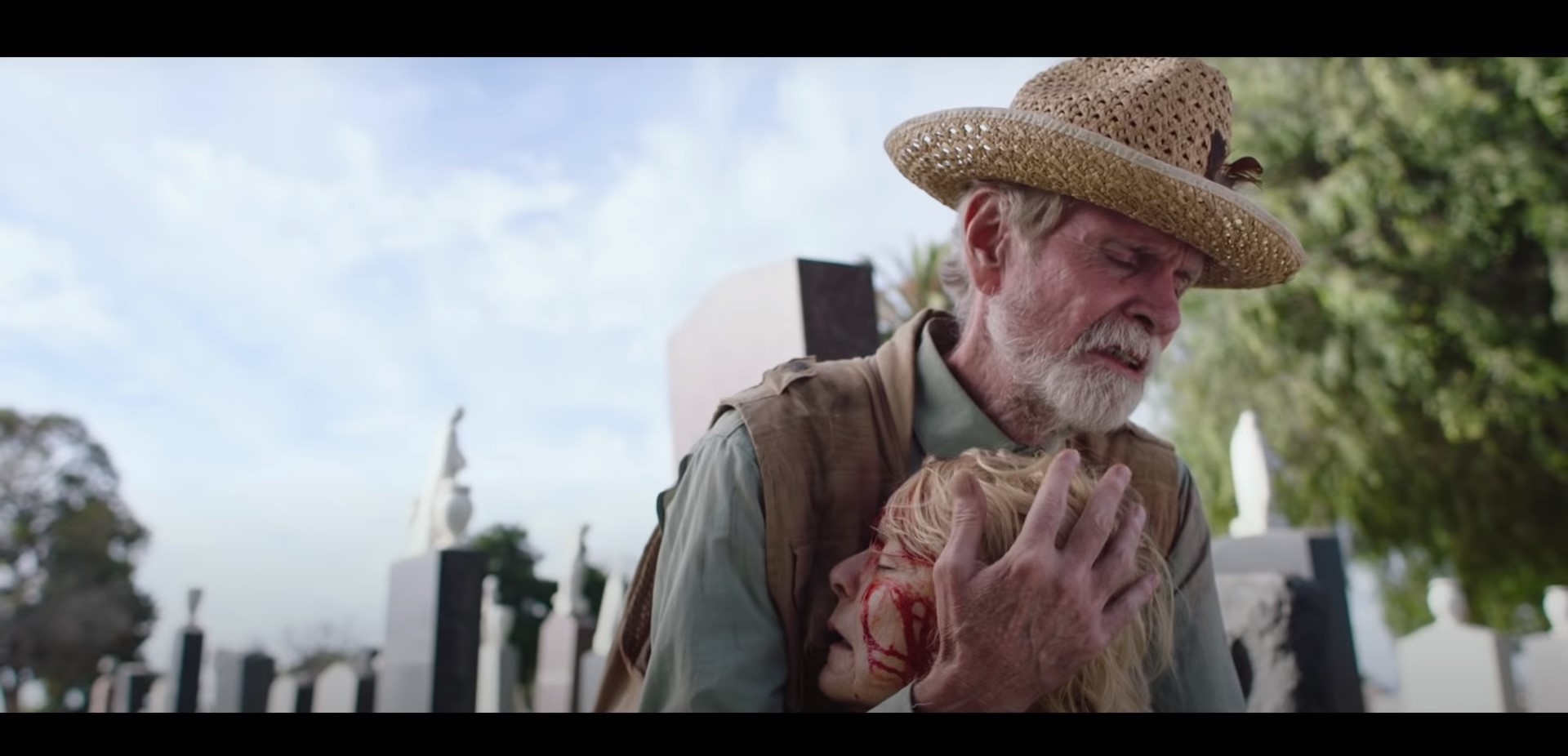
Performances aside, “I Spit on Your Grave Déjà vu” is also a cacophony of yelling as the script, from paper to pronunciation, reaches top of the lung levels with every bit of dialogue from every player in this tussle of who’s right and who’s wrong when it comes down to justifications of killing.  Zarchi’s sequel lacks the tact his first film achieves so delicately with Mills post-assault softer approach to lay waste her assailants.  “Déjà vu” satisfies its own revenge kicks with little subtly in trying to be outrageous, outlandish, and off its rocker as the confrontation between Christy and the gang becomes a rancorous grudge match.  What concerns me most about “Déjà vu” is the year in which this sequel takes place.  Between the 1978 original and the 2019 follow up, 40 years have passed, but the characters don’t fit any of Father Time’s natural aging characteristics on the surface.  Becky looks okay as an early to mid-60s woman despite Maria Olsen’s actual age being early 50s at the time of filming and release.  Herman is another one that sneaks into fathomable constructs as a character living a farmer’s life in the latter half of middle age, but I question whether Kevin and Scotty were even born yet.  The two youngsters barely seem to be out of their 30s and the same can be said for Christy where much more of her life is revealed as the story progresses.   If following the script logic, I would assume the story takes place in the 90s, but certain technologic advances, like modern day touchscreen phones, suggests no earlier than late 2000s.  As a whole, time and space don’t appear to exist on any reasonable plane for the film with characters able to bump into each at random intervals despite being a densely wooded and rural location and, for all you cinematographers out there, if your location is supposed to be rural, don’t shoot in at a cemetery with a massive grave footprint with a stream of cars speeding down a busy suburban street.  You instantly lose the illusion.  Zarchi’s intentions were clear to only echo the original while allowing for individuality with a brasher onslaught of right versus wrong, eye for an eye, and misguided righteousness for injustice, but the execution crumbles with excruciating results, never reaching the same poetic justice the first film accomplishes so graphically grafted. 

As far as rape and revenge exploitation is considered, “I Spit on Your Grave Déjà vu” gets about as down and dirty and ugly as they come.  Cult movie curator, Ronin Flix, delivers the Meir Zarchi sequel onto Blu-ray home video, presented in 1080p, full high definition, with a widescreen 2.39:1 aspect ratio.  A+ for natural lighting, skin tones, and overall appeal, Pedja Radenkovic’s cinematography is about as uninspiring as they come artistically, but, as a personal preference, the shots are more organic, raw, and less distracting from the content that’s much more abrasive and interesting.  A more natural framework also more time for Russell FX’s practical effects to be showcased without enhanced imagery.  As long as the details are there (they are), no damage is concerning (there wasn’t), and the framing made sense (for the most part), “Déjà vu” can be considered a win for Radenkovic.  The English language DTS-HD 5.1 Master Audio soundtrack for “Déjà vu” is a blessing and a curse.  Dialogue clarity is excellent and there’s a wide range to exploit, forgive the punned term, each channel with great balance, but remember what I said about all the character yelling?  Also, with the higher bitrate DTS, the quality is too good for some of the applied ambient effects like the exhaust sputtering of an old Ford pickup that sounds way too fake and way too close despite its positioning in the scene. The region A, not rated Blu-ray is stored on a BD50 due in part to the film’s massive 148 runtime and the inclusion of special features that include a new audio commentary with film critic and “The Last Drive-In” host Joe Bob Briggs, select cast interviews, the making of the film, behind the scenes footage from producer Terry Zarchi, and the theatrical trailer. Is “I Spit on Your Grave Deja Vu” the long-awaited sequel to Meir Zarchi’s first film? I’d say they’re two totally different exploitation entities cut from the same cloth with ties only in names and some flashbacks alone, but both films would make for a great double bill that starts with a harrowing, nothing-to-lose, woebegone toned, revenge thriller complimented with a lukewarm and unfocused follow up to help come down off the original’s gripping ultra-violence high.

Ronin Flix’s “I Spit on Your Grave Deja Vu” Blu-ray available at Amazon.com!

It’s EVIL That Can Truly Bring Love Back Together. “By Day’s End” reviewed! (Breaking Glass Pictures/DVD)


Down in the relationship dumps, Carly and Rina struggle with sustaining the love between them. Carly recently dropped out of medical school to pursue a videography career, Rina, whose a battling bulimic, can’t secure a job, and, together, the financial strain and their respective personal issues is pushing them apart as they indolently work toward a seemingly futile plan for the future in a rundown motel recently purchased by a college friend named Wyatt. As if things can’t get any worse, an infectious pandemic turns the diseased into flesh hungry zombies and has quickly engulfed their area shortly after devouring Europe before anyone knew what hit them. With all communications down and surrounded by the infected, Carly and Rina rely on each other for survival, armed with only a couple of handheld cameras and a knife, but one Rina becomes sick, how far will Carly go to save the love of her life.

Love and zombies. Never has there been a more catalytic experience when the fate of an undead ravaged Earth becomes the tinder box for rekindling affection of a broken relationship. That’s the surmised premise of Michael Souder’s director debut, a found footage horror entitled “By Day’s End,” released onto DVD by the Philadelphian home video distributor, Breaking Glass Pictures. The LGBTQ aware zombie horror is based on Souder’s short marketing preview entitled “Hunger” that involved a man and woman couple rather than two women and was set at a motel site with Souder acting as narrator in explaining his vision. While “Hunger’s” financials didn’t gain footing through crowdfunding, Sounder was able rework his vision that incorporates a different breed of zombie that can learn at a rapid pace, shot his film in 2015, and finally hitting the retail markets in 2020. Sci-Fi-fantasy writer, Justin Calen-Chenn, co-writes the script with Sounder and serves as co-producer with the director along with another co-producer, Alicia Marie Agramonte, in her first feature produced production. Joe Wasem serves as executive producer for this complicated love story in the midst of a zombie Armageddon.

The rocky romance between Carly and Rina land praise for Lyndsey Lantz (“Lore”) and Andrea Nelson (“I Spit On Your Grave: Déjà vu”) in being a convincing complex couple with tons of baggage including relationship singeing secrets from one another and an underlying passion that has grown a little stale from a future strained of financial collapse. The chemistry between the blonde haired Carly and the dark browned Rina sizzles with tension that steams like when hot water hits a freezing cold surface. Lantz provides Carly’s bubbly optimism of a woman in love that finds climbing Rina’s colossally icy barrier a frustrating feat despite an immense amount of devout love and loyalism for her partner. The one character that isn’t very convincing is the former military turned motel host Wyatt Fremont played by Joshua Keller Katz. Katz’s rigid performance falls into the stereotype category of a bad script read, overplaying Wyatt’s previous life with a smug thinning effect on the whole zombie chaos and Wyatt sticking out of place like a giant sore thumb. Rounding out the cast is Diana Castrillion (“Godforsake”), Umberto Celisano (“First House on the Hill”), Devlin Wilder (“Grizzled”) and die-hard horror fixtures Maria Olsen (“Starry Eyes”) and Bill Oberst Jr. (“3 From Hell”) with the latter providing his voice only.

Rina’s unceasing eating disorder has staked a claim as one of the spurs affecting Carly and Rina’s declining relationship and, yet, when another eating disorder where mankind craves the taste of each other, the once quarreling lovers reignite the warmth that was once their bond in an amusing parallel of events. Character analogies are not the only nice touches provided by Souder who tweaks the zombie, extending upon George Romero’s evolutionary concept of a learning and pliant zombie while also creating a big world apocalyptic problem with small world capabilities, with the undead playing possum – how very “Resident Evil.” The 74 minute runtime offers ideal pace to not linger in exposition, which some horror love stories tend to do, balancing the backstory and the instantaneous chaos into a smooth transition of events. The camera POV style renders the same objective with also a bit of tranquility that’s like a calm before the storm rather, as some ambience is muted by security cameras. The effect results a frightening, breath holding silence which is a nice, eerie touch of cinematography and uncluttered audio.

“By Day’s End” is the motel mayhem zombie movie you’ve been hungry for and comes to you on a DVD home video being released March 17 courteously from Breaking Glass Pictures. The DVD9, region 1 release is presented in a widescreen, 1.78:1 aspect ratio, that splices together handheld camera and security cam footage. The image quality respectively shares the diverse filming tactics used to interlace a story. Handheld footage features a bright, natural appeal whereas the security footage purposefully instills as ashen approach and softer, fuzzier details with the horizontal lines created by direct light The English language 2.0 stereo mix has clean and forefront dialogue; the creature gutturals cast a more over-the-top and tawdry vocal disappointment that wasn’t fear invoking. Ambient depth and range are sizable and balanced. Special features include a behind-the-scenes, a quaint blooper reel, and Souder’s short film “Hunger.” “By Day’s End” marks the first indie horror success story of a 2020 release with a delicately modeled blend of romance and horror and a surge of lasting captivation on both of those fronts.