The Gates Are Opening and The EVIL Wants to Squish Your Brains! “City of the Living Dead” reviewed! (Cauldron Films / 4K UHD – Blu-ray)

Cauldron Films’ “City of the Living Dead” on 4K and Blu-ray 3-disc Release!

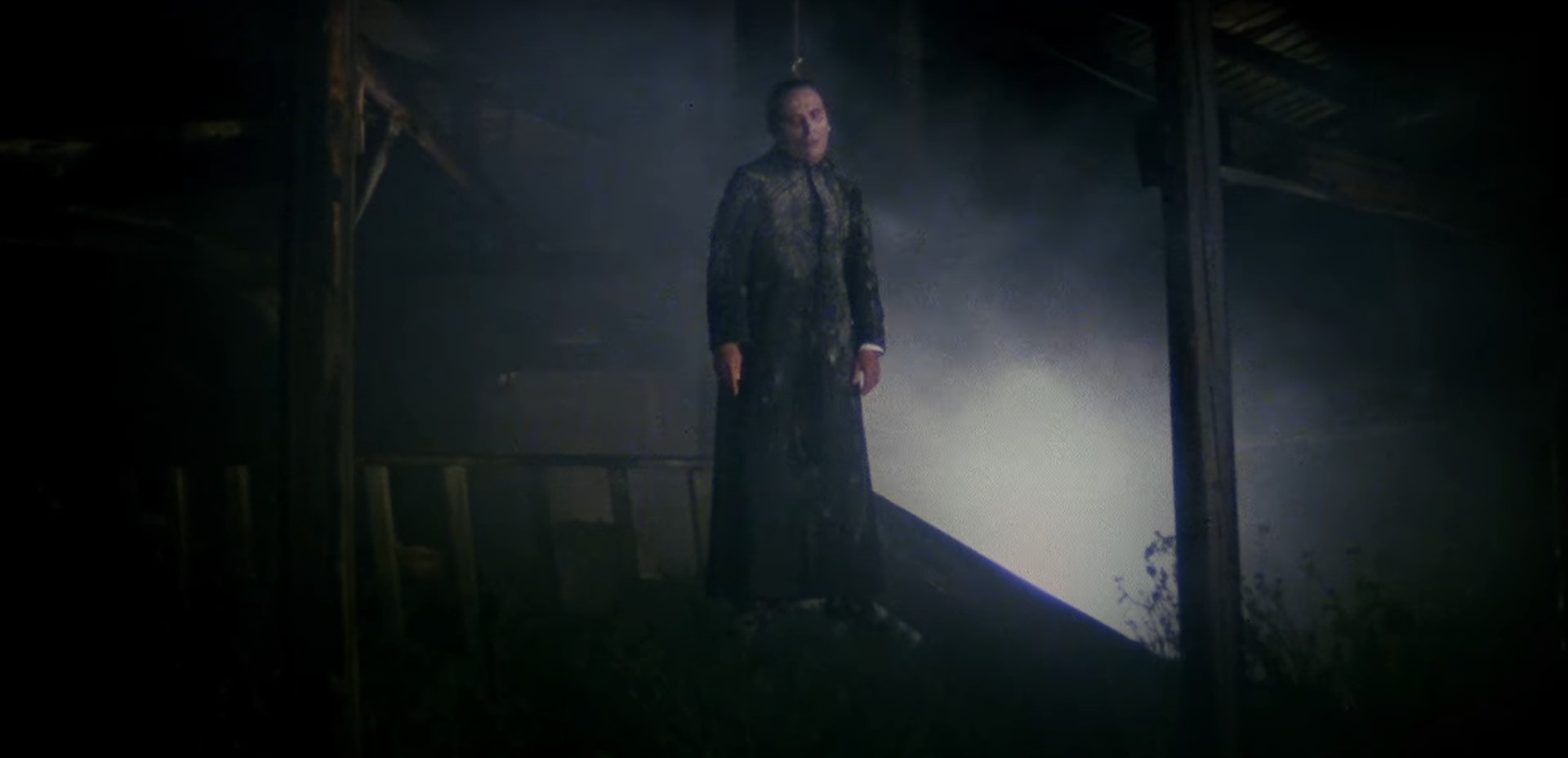
In the Dunwich, a priest commits suicide by hanging himself in the Church’s graveyard.  In the same instance, a psychic based in New York City holds a séance where she witnesses the beginning of the gates of hell opening.  The order sends the psychic into sheer fright that nearly kills her.  A reporter digging deep into the near death of the young woman also buried alive and befriends the psychic, following his nose for a good lead despite its absurd sounding hoodooism of death apocalypse in less than 72 hours.  The psychic and reporter travel to the hard-to-find Dunwich town where the residents have been mysteriously vanishing or discovered dead of curious causes.   Baffled by all the strange occurrences is the town psychiatrist who witnesses first hand the troubles that stir fear into those close to him.  When the psychiatrist teams up with psychic and reporter, they must venture to the very depths of crypt Hell to close the gates and stop the dead for rising before All Saints Day.
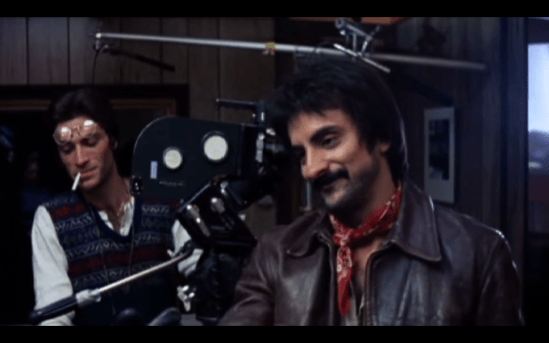
The Godfather of Gore Lucio Fulci undoubtedly lives up to his title, establishing himself as one of Italy’s more profound and substantial horror filmmakers before his death in 1996.  “City of the Living Dead” came at the height of Fulci’s success after his breakout into the American market with “Zombie” or “Zombi 2,” an unofficial sequel to George A. Romero’s superb “Dawn of the Dead.”  Yet, Fulci didn’t follow suit with “Dawn’s” social commentary and pale-faced flesh eaters; instead, the writer-director stemmed his undead creatures from black magic hoodooism set in the sunny and sandy Caribbean islands with just as much visceral violence as his inspiring mostly Pittsburgh-based counterpart.  Alternatively known as “The Gates of Hell,” the Italian production of “City of the Living Dead” remains set in the U.S., filmed in New York and the surrounding metropolitan northeast, as the first part of the Gates of Hell trilogy that coincided with “The Beyond” and “The House by the Cemetery,” both of which were released approx. a year later.  “City of the Living Dead” is a Dania Film, Medusa Distribuzione, and National Cinematografica production with Fulci producing as well as the American Robert E. Warner (“Return of the Swamp Thing”) as executive producer.
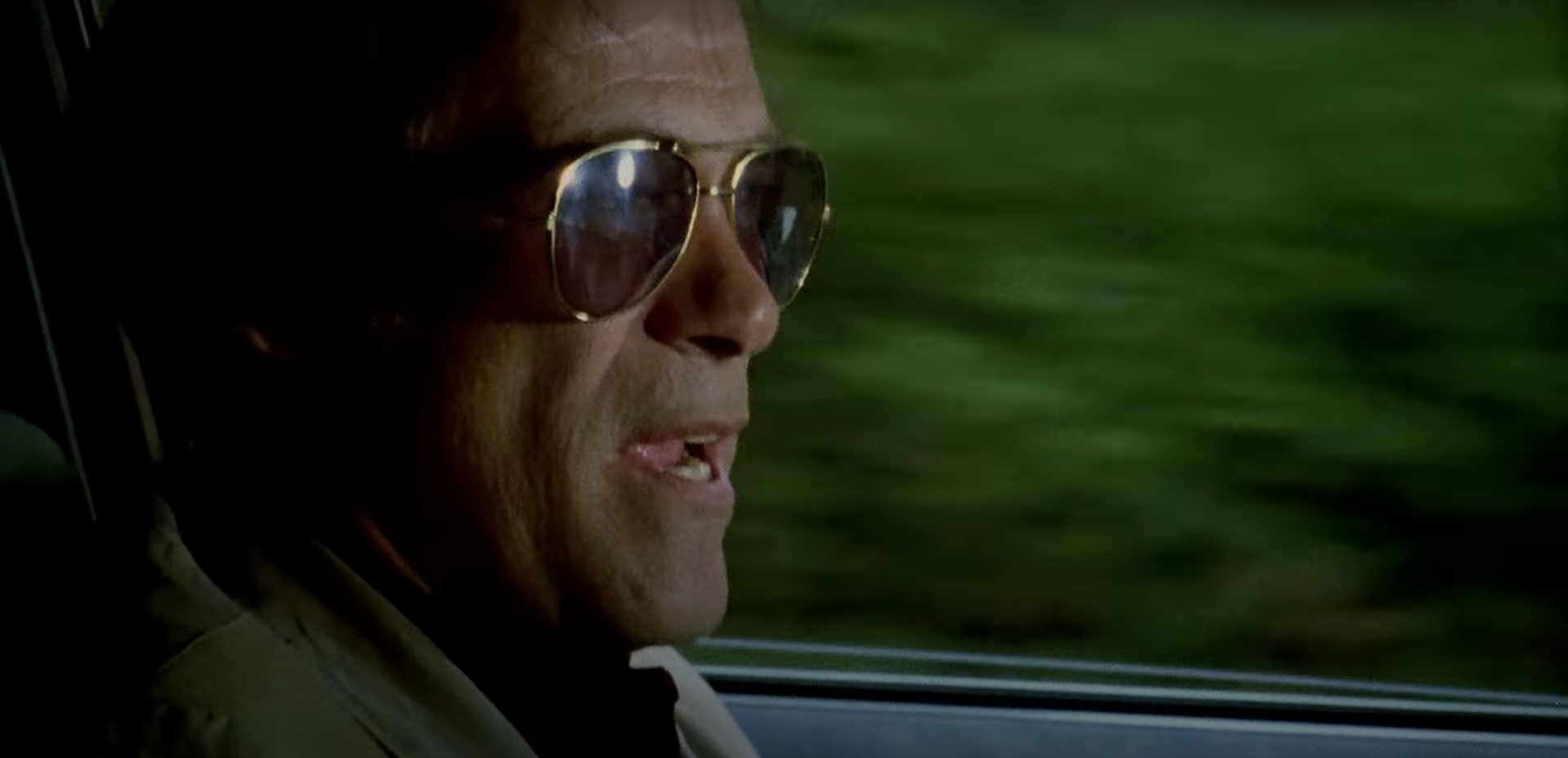
A medley of nationalities make up “City of the Living Dead’s” who either are or are playing American characters.  Comprised mostly of Italian actors Antonella Interlenghi (“Yeti: Giant of the 20th Century”) as one of the first doomed Dunwich victims, Michele Soavi (director of “The Church”) as a canoodler with his brains being squished, Daniela Doria (“New York Riper”) as the other canoodler having her innards become outers, Fabrizio Jovine (“The Psychic”) as the hung priest who started all this mess and as the harbinger of the living dead, and Carlo de Mejo (“Women’s Prison Massacre”) in the psychiatric lead.  There’s an abundancy of diverse Italian flavor that definitely grounds “City of the Living Dead” as an Italian production, but a minor chunk of the cast are Americans with co-principal Christopher George (“Graduation Day,” “Pieces”) as a rakish NYC reporter forcing his way into a minor lead turned major forthcoming day of reckoning and Robert Sampson (“Re-Animator”) in a minor law enforcement role that bears little significance.  Sprinkled in the cast is also the Swedish-born-turned-Italian actress Janet Argen (“Eaten Alive”) as the psychiatrist patient and UK actress Catriona MacColl rounding out the principal cohort as the psychic.  MacColl is the only actress to have a role in all three of Fulci’s Beyond the Gates films, playing different characters in each.  Between Christopher George’s skeptic playfulness, Janet Argen’s uncontrollable hysterics, and in the unmalleable wrought shock of fear, the sundry cast doesn’t hinder the performances that mesh well under the greater air of portent and the hours leading up to end of days.  Giovanni Lombardo Radice (“Cannibal Ferox”), Luca Venantini (“The Exterminators of the Year 3000”), Adelaide Aste, Venantino Venantini (“Cannibal Ferox”), Robert Spafford, James Edward Sampson (“StageFright”), Perry Pirkanen (“Cannibal Holocaust”), Michael Gaunt (“Forced Entry 2”), and filmmakers Robert E. Warner and Lucio Fulci costar.
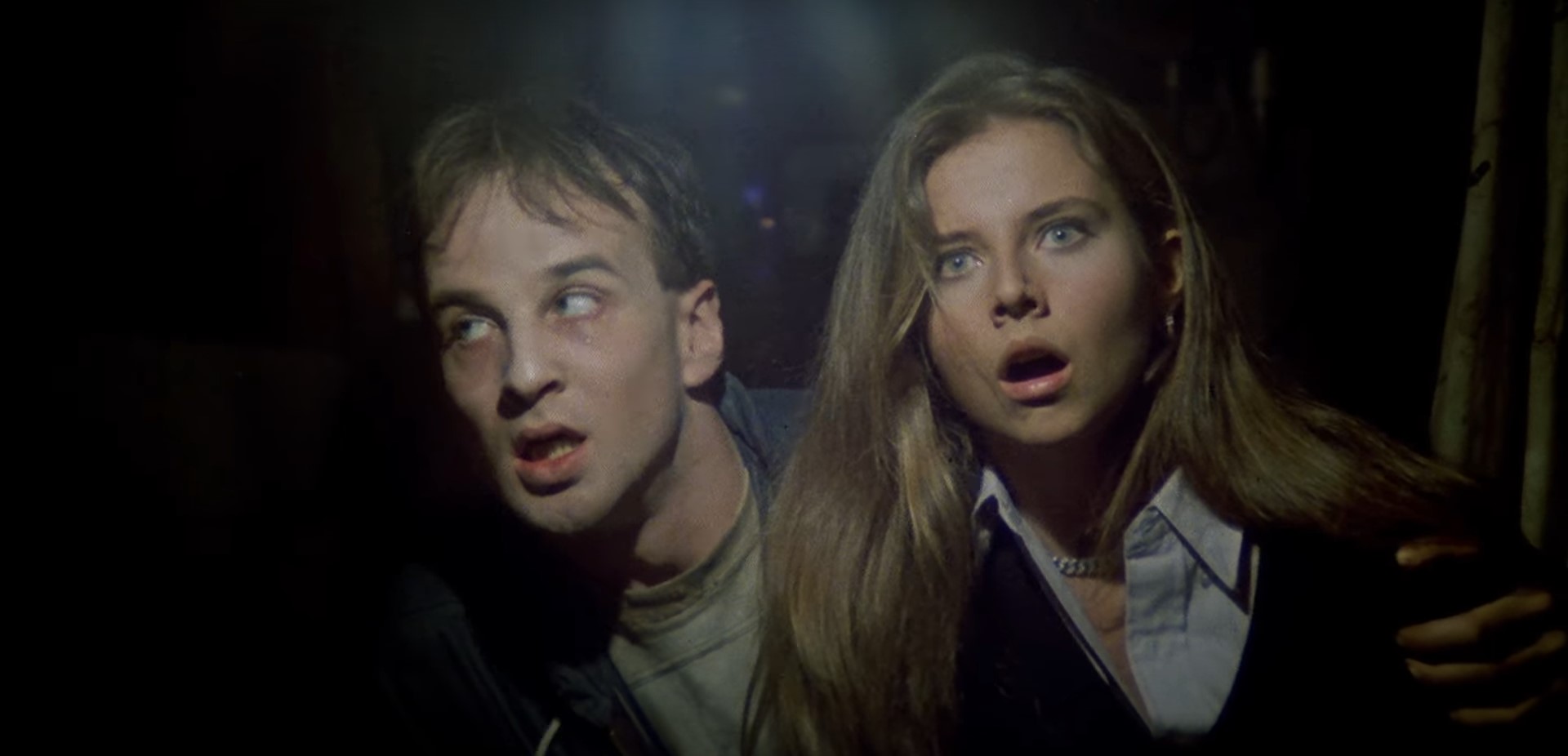
Through an unexplained mysticism and preformed stipulations on why the priest was the be all end all gatekeeper to the dead’s awakening on Earth other than Dunwich was original built upon the ruins of a witch-burning Salem, Massachusetts or why the day after the unmentioned Halloween season (likely because Italians do not celebrate Halloween with an abundance of candy and custome), All Saints Day, becomes the zero hour date when clearly the dead are already fatally impacting lives in the corporeal realm, Lucio Fulci masterful magician qualities diverts attention away from seemingly crucial elements of the plot toward a complete and total elemental atmosphere of fear, using eerie fog, whipping wind, and phantasmagoria imagery of the macabre to implant chthonic horror slowly rising above ground.  Makeup artist Franco Rufini recesses the sight sockets with deep, infraorbital darkening under the eyes in stark contrast with the pale shade skin, creating that classic yet effective zombified corpse casing in conjunction with special effects artists Gino de Rossi (“Burial Ground:  The Nights of Terror,” “Cannibal Ferox”) use of ground raw meat or whatever the gushy material used to construct the cerebrum contents that just squishes to a pulp between the fingers of the undead when they grab a fist full of hair, skin, and brains from behind an unlucky left living.  There’s quite nothing like a Lucio Fulci film where the ghouls knock on the door from the other side, threatening the land of the living, the world even, with a sound and steady ghoulish malevolence and death in a well-lit and framed Fulci-scope to hammer down defined purpose that drives a penetrating stake through the chest bone and into a chilled soul.
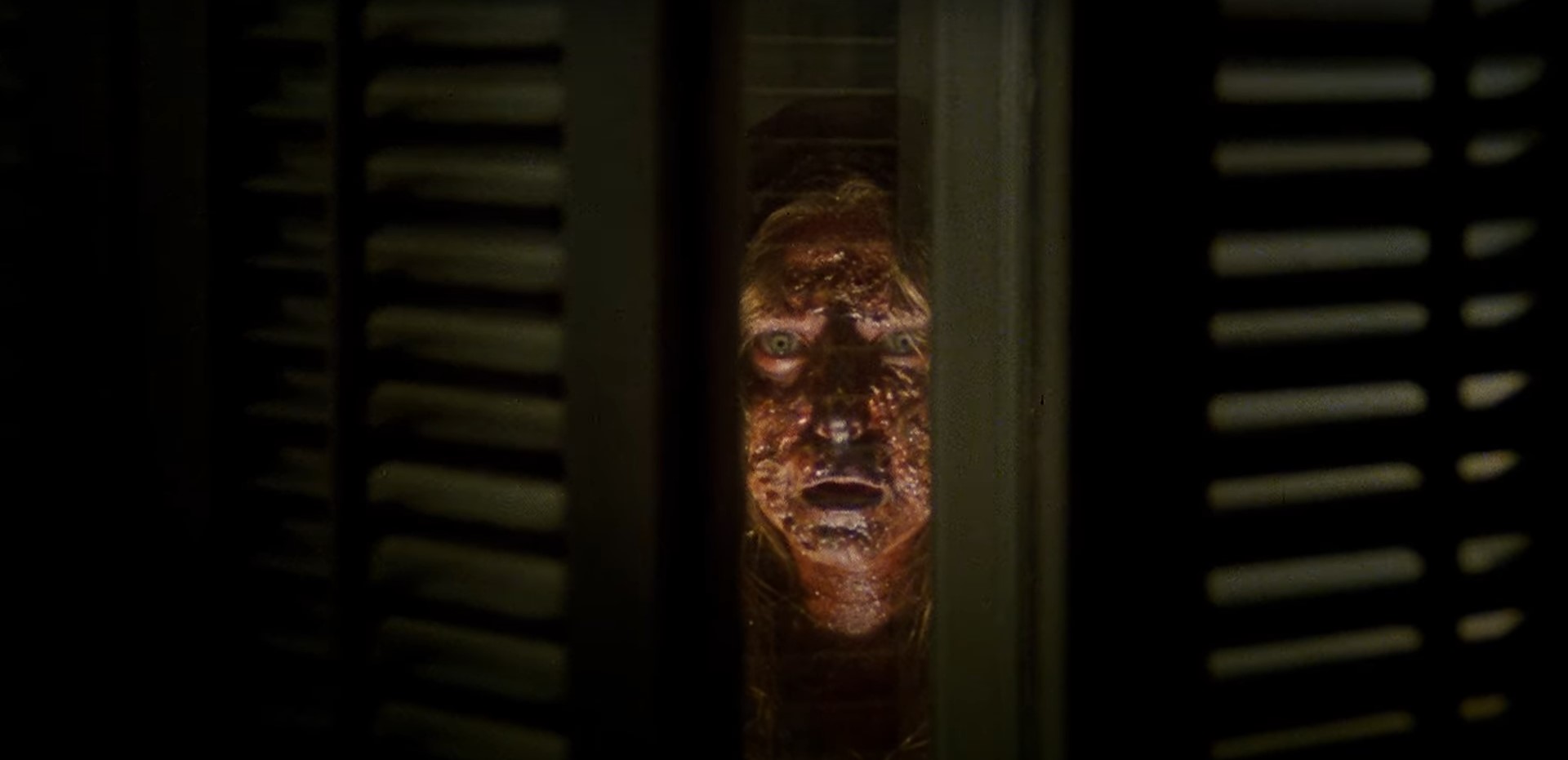
“City of the Living Dead” goes beyond the format gates and arrives onto a 3-disc 4K/Blu-ray release from Cauldron Films.  2160p Dolby Vision 4K and a 1080p AVC encoded high-definition options really put this Fulci classic back on the map, unlike the small, forsaken city of Dunwich. The 4K UHD is an HEVC encoded, 2160p Dolby Vision ultra high-definition resolution while the AVC encoded Blu-ray sports 1080p high-definition, presented in a widescreen 1.85:1 aspect ratio. Through the translucent mist of natural, good-looking grain, Cauldron Films have hyper-accentuated the atmospherics with a clean rendering of the innate cooler-to-warner photography grades of blue-to-yellow with creating a harsh contrast transition. The encoding never shows an ounce of detail distress to keep textured and palpable image of the darkened crypt or the thick fog exteriors that often would degrade decoding with omitted data. The Cauldron Films release retains and sustains bitrate that fastens the dark levels to a robust and effective pitch black. What’s neat about this release is the ability to toggle between the English DTS-HD 2.0 Mono and the Italian DTS-HD 2.0 mono, both post-recorded in standard with Italian productions. Both tracks are comprehensibly sound with a clear and clean dubbing with the only detailed differences being one in English language and the other in Italian and the title card switched out for the each. Between the two, range is exact on both with not a lot of superfluous ambient sound and both tracks offer a near blemish free experience in a robust context of atmosphere. Disc 1 and 2, 4K UHD and Blu-ray respectively, come with new audio commentaries, including with cult film critic Samm Deighan, author of Italian horror cinema Troy Howarth and film critic Nathaniel Thompson, as well as individual archival commentaries with actors Catriona MacColl and Giovanni Lombardo Radice. Disc 3 includes an interview with production Massimo Antonello Geleng, actor Giovanni Lombardo Radice, and on-stage Q&A with Venantino Venantini and Ruggero Deodata (“Cannibal Holocaust”), a Q&A with Catriona MacColl, a Q&A with composer Fabio Frizzi, interviews with special effects artist Gino de Rossi and principal actor Carlo de Mejo, A Trip Through Bonaventure Cemetary – an explorational and historical account on the main cemetery where the priest in the film hangs himself, trailers, an image gallery, and other archival interviews in a near feature-length collection of conversations with cast and crew reminiscing about Lucio Fulci during filming. The 4K UHD and third disc packed with special features are region free while the Blu-ray remains region A locked in licensed playback on the format. Both features have a runtime of 93 minutes and the release is unrated. Emerging from the gates of standard definition hell, Cauldron Films tempers Lucio Fulci’s “City of the Living Dead” to a foreboding crust, burgeoning with ominous clout the undead’s underscoring resurrection.

Cauldron Films’ “City of the Living Dead” on 4K and Blu-ray 3-disc Release!

EVIL Strikes at the Stroke of “Midnight” reviewed! (Blu-ray / Severin)

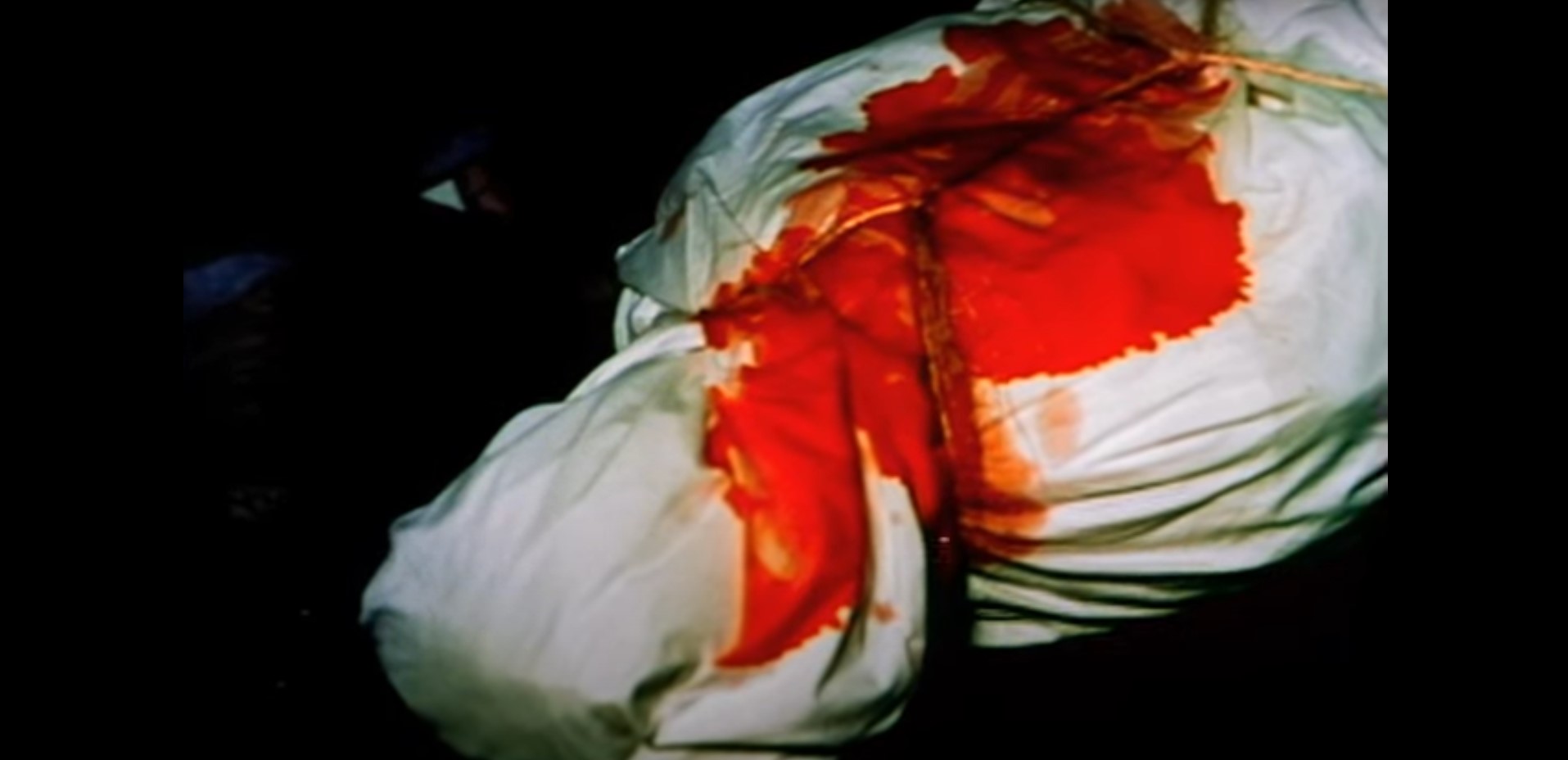
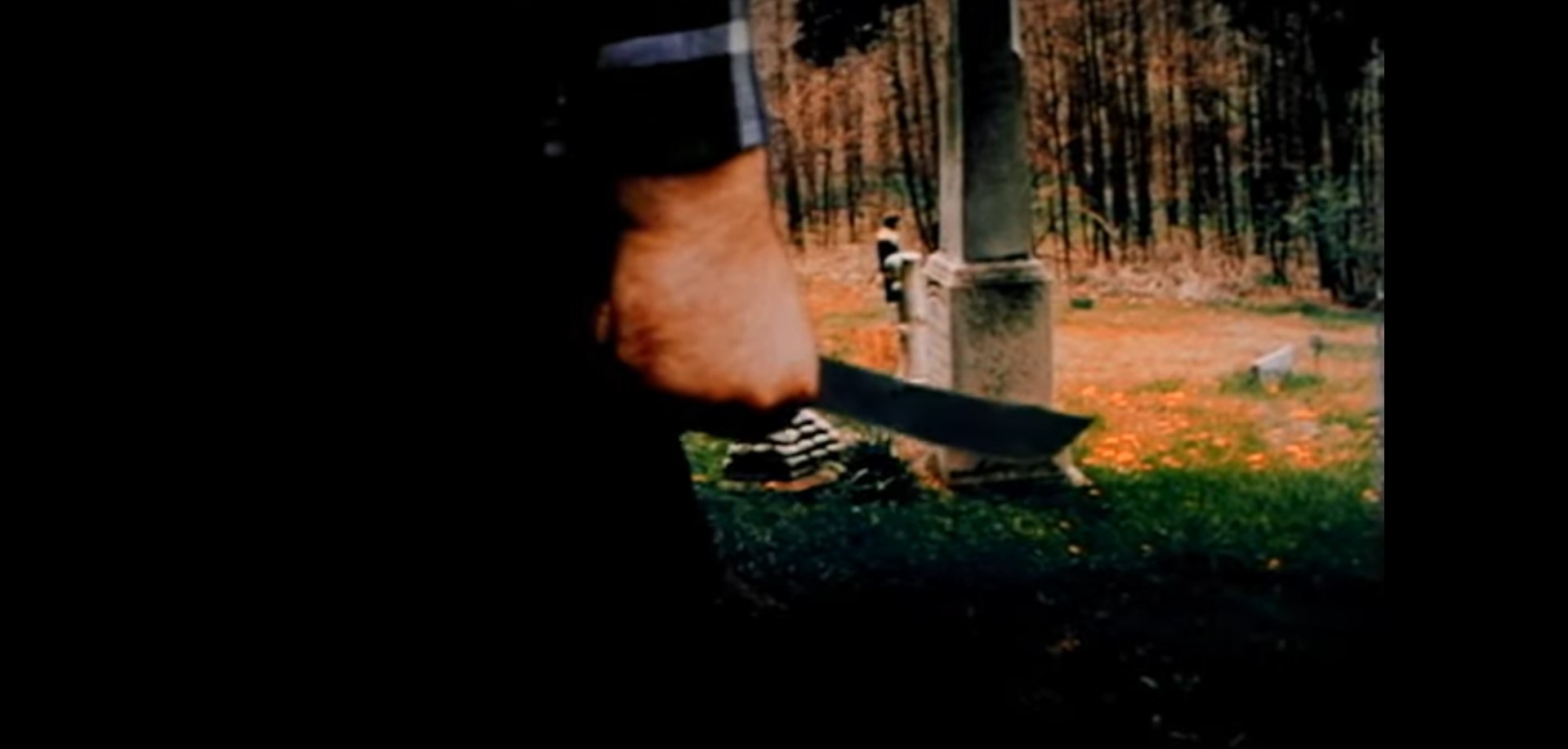
Teenager Nancy searches for forgiveness through reestablishing her faith in God after being dumped by her sexually active boyfriend.  When her alcoholic, police officer stepfather learns of the relationship’s abrupt ending, he moves in quickly to take advantage of Nancy while under the heavy influence of the bottle.  Escaping his grasp, she flles home and hitchhikes a ride with two men travelling South on a getaway from Pennsylvania to sunny Fort Lauderdale, but when facing trouble with small town local law enforcement after attempting to steal groceries, the three find themselves right in the middle of a Satanic cult’s sacrificial ritual that requires the killing of three women for eternal life, one a night at midnight for three days.  Held in a dog cage, Nancy anxiously awaits her turn at the bloodletting alter surrounded by the cloaked-cladded cult and their decomposing mother’s corpse  Praying to God to save her soul, little does Nancy know that her stepfather has tracked down her whereabouts, leading to a bloody showdown of one cop pitted against a family of satanic psychopaths. 

Based of his 1980 novel of the same title, “Midnight” is known to be John Russo’s heart-and-soul project that ended up suffering one mishap after another in the two years of its production and post-production until it’s final release in 1982.  Also known as “Backwoods Massacre,” the “Night of the Living Dead” co-writer Russo helms the low-budget occult slasher out from his usual stomping grounds in and around Pittsburgh, Pennsylvania.  “Midnight” showcases a story themed with a depraved sense of race intolerance for African Americans and all varieties of religious convictions to be innately false in an atheistic Russo viewpoint amongst a glorified surface level of enrapturing inhumane violence seasoned by brainwashing.  This West Pennsylvanian born and bred grindhouse exploitation found producers in  Sam Sherman and Daniel Q. Kennis of “Blazing Stewardesses” and “Blood of Ghastly Horror”) along with Donald Redinger under the now defunct Independent-International Picture Corp.

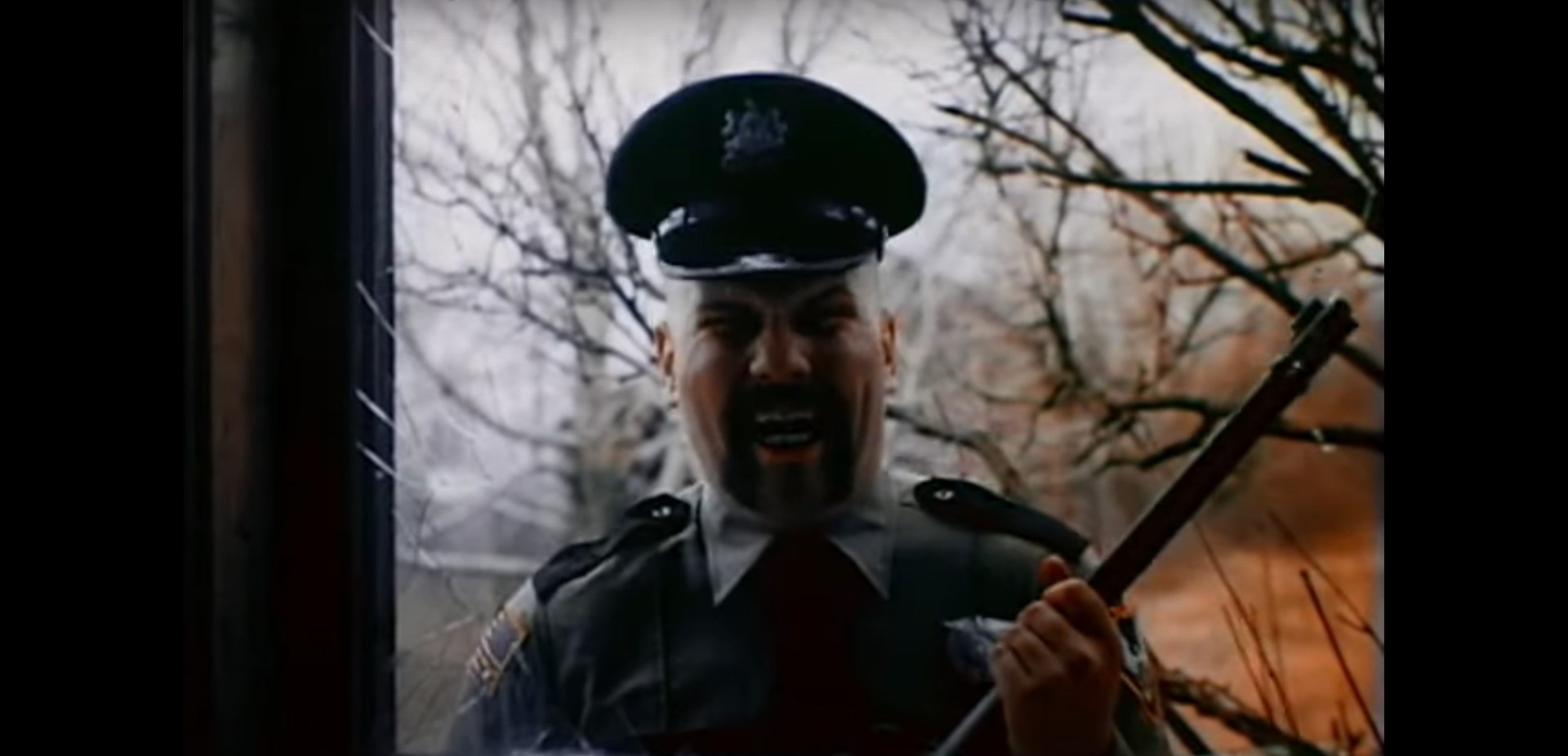
In a sea of smaller fish of Pittsburgh actors in “Midnight’s” casting tow is a larger and rougher around the gills grouper embodied by the singular Lawrence Tierney (“Reservoir Dogs,” “The Prowler”) in the Officer Bert Johnson role. Tierney’s no stranger to the horror genre, flaunting his thick New York tough guy accent that typically typecasts the veteran actor into authoritative roles. In being no exception, “Midnight” has Tierney playing a sleazy, alcoholic, police officer who winds up more-or-less unearthing sense in his old age and utilizing his skills for good to fully satisfy his character’s arc, but Tierney alone is wonderful to behold and easy to be disgusted by as he solicits his underage teenage stepdaughter with a perverted proposition. That stepdaughter, Nancy (Melanie Verlin), is the face of “Midnight’s” protagonist whose attempting to get back on track with God after a sinful bedroom relationship with an ex-boyfriend, but her plans are slighted by a brood of young Satanists keen on keeping their now long deceased mother’s irreligious convictions intact. David Marchick, George Romero regular Ted Amplas (“Day of the Dead” 1978, “Martin”), Robin Walsh, and the face of “Midnight” on many of the posters, Greg Besnack, size up as the Satanic terrible and merciless foursome. The cast fills out with Charles Johnson, John Hall, Bob Johnson, Lachele Carl, Jackie Nicoll, Doris Hackney, and Ellie Wyler.

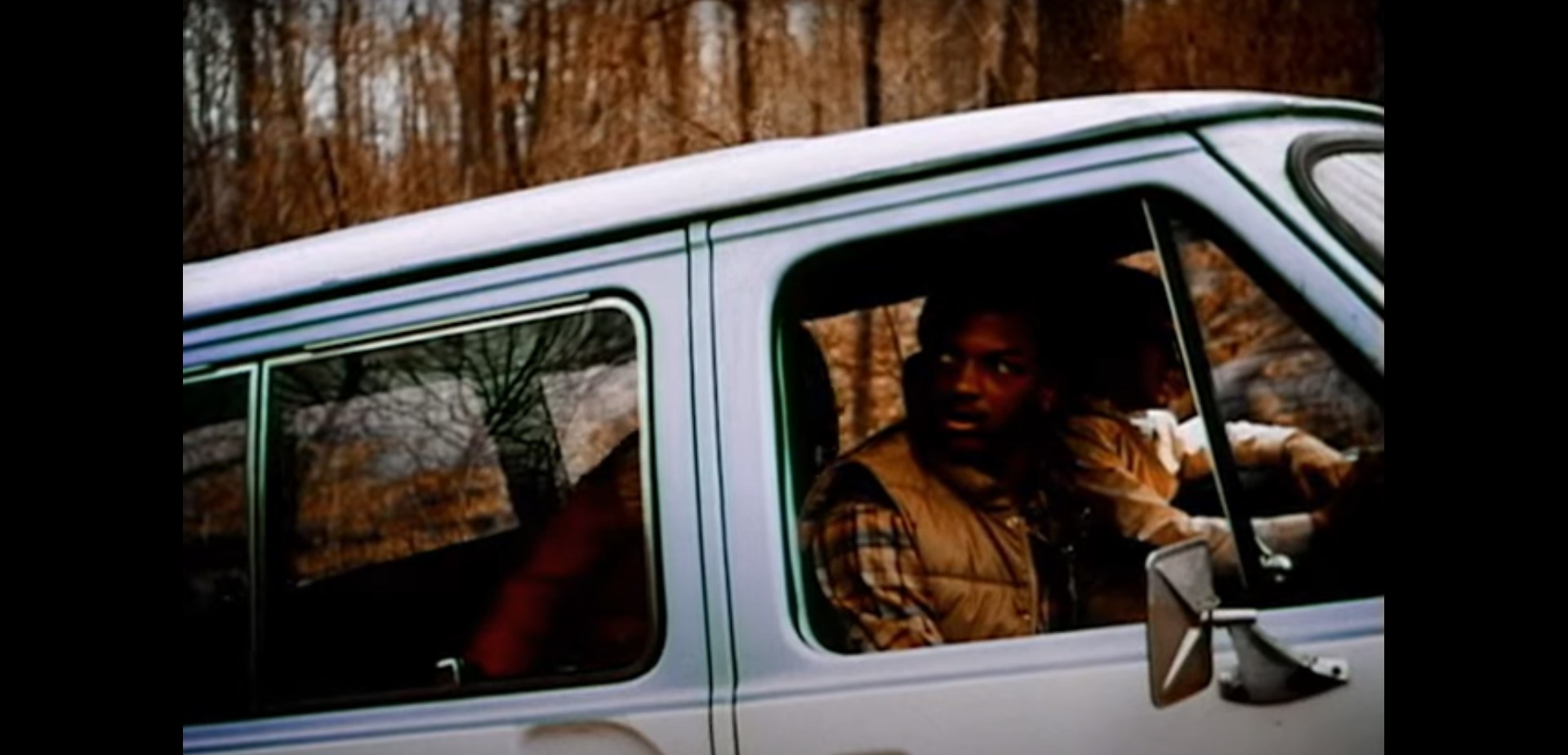
After the success of a collaborated run with George Romero on a handful of projects, John Russo ultimately branches off to do his own creative output after their production company, Latent Image, brought on newcomers’ and the shared ideas on the direction of their company didn’t sit well with Russo – an irk that Russo still harps upon to this day, according to the special features’ new interview from the latest Severin Film’s release.  Yet, I digress into the review of “Midnight” that has feral narrative with an irregular plotted blueprint of teenager exploitation, racial injustice, and backwoods barbarians.  Somehow, Russo’s able to juggle his jotted down on a budget scrambler with a threadbare satanic family baseline that unsettlingly feels snagged in a randomizing generator spitting out scenes to see if they cohesively connect into the next.  Nancy’s traversing into the thicket of terror story cuts into and undermines more of the sibling’s unholy ritual, which the title “Midnight” becomes an important piece to the ceremony, with a subplot of the teen running away from a handsy stepfather and into the Mystery Machine modeled van-driving hands of a pair of cavalier friends on a road trip and then find themselves in an endgame of rotten luck with bad company.  The whole lead up to the two groups running into each other is suddenly dropped like a bad habit, forgoing much of the racial tensions, the youthful subverts, and even the attempt at pedophilia when the main, overarching theme of cult mayhem and religion inadequacies come to the forefront.  “Midnight” inarguably a gargantuan piece of good ole American hicksville victimization with some underappreciated manic performances by John Amplas and Greg Besnak, but there’s difficulty in shaking “Midnight’s” stark story division that leaves much to be desired.

“Midnight” is the particular video nasty that’s surpassing all of it’s other formatted counterparts with a Severin Film’s 4K scanned Blu-ray of the full uncut negative.  The 1080p Full High Definition, region free BD50 is presented in a widescreen 1.85:1 aspect ratio with a respectable color correction, but the correction sees unstable moments regressing near the cuts revealing the lifeless yellow tinge of unmastered quality. A right amount of grain, a great amount of detail, and hardly any damage to the thought-lost uncut negative proves Severin found buried treasure of the John Russo shocker. Two audio options grace the release with an English language DTS-HD 5.1 surround and an English 2.0 Stereo. While the 5.1 offers a more robust audio option of funneling individual tracks through their respective channels, I wouldn’t necessarily say “Midnight” has an overwhelming yield for audiophiles. Soundtrack comes across just enough to know it’s there, the dialogue is clean and unimpeded, but what unfolds out of clarity is the wonky foley ambience that just render solemn scenes silly. Severin offers up a new interviews under “Midnight’s” mediocre cult status with director John Russo – Making Midnight – as top bill in a lengthy discussion about his long career, his acquaintances including George Romero, and, of course, his recollections about “Midnight.” Other interviews include producer Samuel Sherman – Producing Midnight, actor John Amplas – The Midnight Killer, and special makeup effects artist Tom Savini – Small Favors – who barely remembers working very little on this film by providing pre-fabricated headshots and sliced throat prosthetics. An isolated score selection with audio interview with Mike Mazzei, an alternate title card for “Backwoods Massacre,” the trailer, and radio spot round out the bonus content inside the blackout snapcase. Prolific as John Russo may be in horror literature, filmmaking, and in legendary regards with his work alongside Romero, “Midnight” reflects poorly on his cinematic vocation and while many problems plagued production and post-production, Russo somehow managed to root out a passable working cut of crazed satanic panic.

“MIDNIGHT” available on Blu-ray from Severin!

Take A Magical, Evil Ride on the “Caroushell” review!


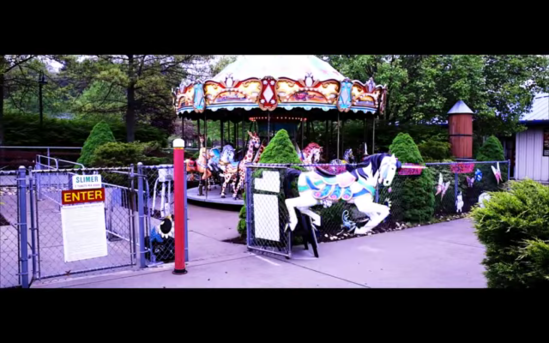
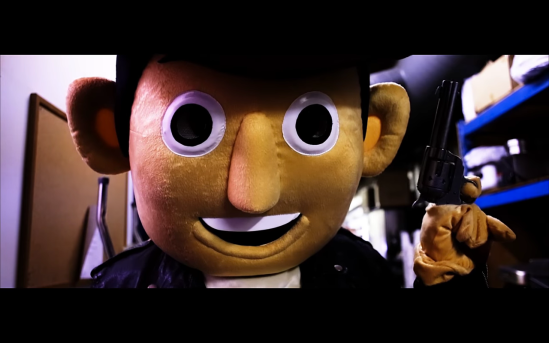
Extremely frustrated with the lack of respect from snot nose kids and the monotonous, round-the-loopy-loop that is his life existence, Duke, the carousel unicorn, has finally had enough the moment after a fat kid mounts him for a ride, smacks him like a giddy-up horse, and wiping his snot onto Duke’s glossy wooden eyeballs. The latter being the final straw that broke the unicorn’s back. Duke breaks free from the amusement park ride in search for a better quality of life when he happens to discover that killing makes him feel good, real good. With a newfound purpose, Duke vows to hunt down and end that fat brat, slaughtering anyone and everyone in his path of carnival-esque carnage that leads the unicorn not to water, but to a house party where the kid stuffs his chubby face full of cake and other goodies while his older sister and her friends order pizza and hit hard the alcohol as they discuss a love and hate for a popular kids show, My Tiny Unicorn. When Duke shows up at the front door, his statue-like presence is a big party hit amongst unicorn show fanatics who are unsuspecting of his murderous desires. The only person capable of stopping the mayhem is the amusement park mascot, a jovial warden cowboy named Cowboy Cool with his trusty, evil unicorn stopping six-shooter.

Step right up! Step right up! Behold and be amazed by the stupendous and the downright bonkers horror-comedy, “CarousHELL,” about a killer carousel unicorn from big top maestro, writer-director Steve Rudzinski. The “Everyone Must Die!” filmmaker helms a satirical slasher co-written by Aleen Isley in her first credited treatment. “CarousHELL,” a whimsical play on carousel and hell if you somehow couldn’t figure that out, inexplicably sprints with the inanimate killer concept that visually livens an old “Family Guy” wisecrack about the latest Stephen King novel being about a killer lamp! Instead of a bright bulb shining blood red and using the electrical cord as a noose, Rudzinski and Isley explore the macabre qualities of an inorganic unicorn by extending its cache of weapons beyond the obvious long, pointy horn to also being able to wield a machete without opposable thumbs, sharp shoot with a bow-and-arrow with hooves, and even have the capability to kill with ninja stars despite the sloping shoulder conformation. Impressive…

Rudzinski also co-stars as Joe, a diehard pizza delivery guy and passionate dog lover who is desperately trying to earn money for his ill-stricken four legged friend. Rudzinski, sustaining both roles as a director and a performer, solicitously molding Joe as an oblivious nice guy just looking to do his job and even though he’s a bit of an impatient spaz, Joe’s not the biggest spaz swimming in the character pool. Rudzinski could be considered the lead male in the one of many boisterous roles of “CarousHELL” who certainly manages to get the girl without having to lift an finger. That girl being the self-indulgent Laurie, big sister to the unicorn pissing off brother. With her face glued to her social media phone and being a spoiled brat herself, Laurie has little-to-no attachments to anything: she’s not tied down to one boy, weighs social media clicks heavily in life, and finds disrespect the choice of attitude even toward her pole–strapping stripper of a MILF mother. Pittsburgh, PA born Sé Marie (“Cryptids”) does bitchy well, finding a nice niche to nest in with this harebrained, but light-hearted slasher with bite. Joe and Laurie have excessive personalities, but nothing can top Preston who sets the field bar. The house party co-host starts off as a complete douchebag complete with popped collar and an unquenchable thirst for bare chests and the introduction of Chris Proud really makes a first impression in a truly unbearable, over-the-top role, but believe it or not, Preston is one of the few characters of the film to have what could be construed as an arch storyline. Preston, by the end, transforms into a likable character with penchant expertise for the My Tiny Unicorn universe (a spoof toward Hasboro’s “My Little Pony”) and is the only character to perceive the first hand danger from the infiltrating and evil unicorn from hell. Duke is hands down the best scribed character of the entire film. Voiced by veteran voice actor, Steve Rimpici, Duke can literally stand inanimate and still be a vital part of the story. The versatile Rimpici is like the movie trailer voiceover guy with an uncanny Duke Nukem-type voice who has movie credits including the Dustin Mills’ directed features, “The Puppet Monster Massacre” and “Easter Casket,” as well as stints in video games such as “Red Dead Redemption” and “Mafia III.” The cast rounds out with Sarah Brunner, P.J. Gaynard, Judy H.R. Kirby, Josh Miller (“Amityville” No Escape”), Teague Shaw, Haley Madison (“Haunted House on Sorority Row”), Cindy Fernandez-Nixon, Shawn Shelpman (“Red Christmas”), Corella Waring and Michael Mawhinney.

With a film like “CarousHELL,” killer special effects need to be a must as marketing an inanimate villain will be hard sell. Yeah, “CarousHELL” has catchy dialogue, witty enough banter, and gratuitous and non-gratuitous nudity. There’s even multi-positional sex with the unicorn. Thanks for that searing image Steve Rudzinski and Haley Madison! However, a slasher requires good kill moments and the special effects work by Cody Ruch meets the demand with a brutal that include a beautiful gored unicorn horn kill to the neck, a double impale followed by a goopy string entrails, and an Ronald Lacy melting scene with charring laser eyes! Even with a high body count and delectable moments of insanity at it’s peak, “CarousHELL” will undeniably find a general audience outside the scope of genre fans who will understand the context behind fashioning a unicorn slasher, those who are just easily entertained, and maybe a slither of fans of westerns.

MVDVisual and Wild Eye Releasing delivers the hell raising attraction, “CarousHELL,” onto DVD home video presented region free, unrated, and in widescreen format. The digitally shot video has a pleasing standard of quality. A few moments of brief aliasing but nothing to specifically note that matters. The dual-channel audio was the most disconcerting issue that’s affecting the release. More so with the exaggeration of performances with the screaming and the screeching, the feedback distortion is pesky and jarring. Dialogue is prevalent and forefront, but lacks range and depth and so the verbal tracks tend to blend together. The bonus features are a welcoming site with a commentary track, cast interviews that explain how the film came to fruition and that better explains what the “CarousHELL” they were thinking when creating this fun flick, a few deleted scenes that explain the disappearance of minor characters, bloopers, and Wild Eye Releasing trailers. Just like “JAWS” did with ocean, “CarousHELL” will cause hesitation when deliberating if riding a unicorn will endanger your mortality. “CarousHELL” is fun, campy, and a whole bunch of nonsense that has our full 100% support in the horror community.

Evil Gets Snuffed and Blued. Blu-ray That is! “Effects” review!


Special effects technician Dom joins a small cast on the scenic outskirts of Pittsburgh to work on a horror film with wealthy director Lacey Bickel at the helm. Filmmaker Bickel’s indifferent passion about obtaining the perfect shot for his movie puts Bickel at odds with the other cast and crew, rendering Lacey just another irregular and peculiar director attempting to show the general public his ultimate vision, but during one particularly odd behavioral moment, Dom was subjected to the exhibition of a presumably snuff film possibly directed by Bicket during a coke-filled round table discussion. Dom begins to suspect that the movie he’s laboring over isn’t the sole objective of Bickel’s, but stays quiet about his instincts and he forms a romantic relationship with Celeste, a gaffer whose worked with Bickel prior to, and the two resume their work on the film despite the being the oblivious subjects of a real snuff film.

In 1978, the Godfather of the modern zombie film, the late great George Romero, had an inner circle of friends conjure up their own funding for an idealistic, ahead of it’s time horror film entitled “Effects” with then newcomers and Pittsburgh natives Dusty Nelson at the helm, John Harrison producing and starring as the offbeat Lacey Bickel, and post-“Effects” “Day of the Dead” and “The Dark Half” editor, Pasquale Buba, as the other producer. Filming had wrapped with tons of positive public review potential to be the next big horror film of it’s time being produced out of Pittsburgh, but a major distribution complication had put the kibosh on any theatrical and home release run, leaving “Effects” to be shelved for nearly thirty years until 2007 when Synapse released the film on DVD. The snag resonates soundly with the group of filmmakers who are probably more than acquainted with their friend and colleague George Romero’s “Night of the Living” and the copyright problem. However, the American Genre Film Archive, or AGFA, began a kickstarter funding campaign to buy a 4K scanner to remaster cult and underground titles to Blu-ray and “Effects” became one of the first selected!

“Day of the Dead” star Joe Pilato stars as special effects technician Dom and Dom is a far cry from being his future role of the sadistic and stir crazy Captain Rhodes. Pilato brings a lot of peace and tranquility to his mild mannered, if not very gullible, character. Along side Pilato is another fellow “Dead” series star, Tom Savini, as portraying not his trade of a special effects tech, but as a producer of sorts in the film. Off camera, Savini handles the gruesome special effects with a straight blade and gunshot sequences. In character, Savini doesn’t stray too far from his character on “Dawn of the Dead,” donning the black leather jacket and sporting a cocky-jerk attitude. Producer John Harrison also has a role as the callus director Lacey Bickel who bosses around his two surface actors “Life of Brian” actor Bernard Mckenna and a “Dead” series dead head zombie in two of Romero’s films, a Mrs. Debra Gordon. McKenna delivers question mark after question mark of a performance that Matthew Lillard, perhaps, imitates the best in Wes Craven’s “Scream” whereas Gordon just provides a straightforward background performance with her scene with Lacey conversing over the idea of stress releasing sex being one of the more intense moments of the movie. Susan Chapek, Charles Hoyes, and Blay Bahnsen complete the cast.

Despite the modest budget, Nelson and his team construct monumental frightening moments. When Dom, Lacey, Lobo, and Barney converse around a mirror laced with coke, Lacey wants to show Dom a film after their sharing their opinions on what the general public will or will not pay to see. The actors’ faces and reactions as the snuff film rolls is on the brink of teeth clenching madness. The catalytic moment bombards questions internally into the group of presumably professional people and starts the separation between whose really in control of their fates. “Effects” is a movie within a movie and a deception within a deception where the characters have more than one role and pinpointing their specific purpose is difficult to land that Nelson’s film will have your head spinning with guesses. A fierce and boldly ambitious film from a scrappy Pittsburgh crew of talented filmmakers taking a risk with an intricate plotted thriller.

AGFA and MVDVisual present Dusty Nelson’s “Effects” for the first time on a region free Blu-ray. The 1980 thriller has been scanned and restored in 4K from the only existent copy of the 35mm negatives and delivered the original aspect ratio, an anamorphic widescreen 1.85:1. The image quality is better, but only slight above the Synapse DVD that sourced from 16mm negative and still maintains a healthy dose of noised induced and film grain and print damage. The color palette has a dullish grey-brown combination fairly noticeable to the naked eye. The English DTS-HD dual channel audio has hints of a hiss and faint crackle in more scene intense segments, but relatively clean and clear inside a limited range. Extras included are an updated version of Synapse’s retrospective documentary entitled “After Effects” that brings a stingy melancholy when seeing George Romero converse with his friends. There are also two short films by John Harrison, an archival commentary track, and liner notes by AGFA’s Joseph Ziemba. Plus, the AGFA Blu-ray has a snazzy illustrated cover, with reverse cover art, encasement. “Effects” glorifies snuff film with ample attention to detail and precision that only this Pittsburgh all-star team of filmmakers could produce on a limited budget and AGFA, alongside MVDVisual, amplify their efforts by a hundredfold with a remastered transfer withstanding straight razor home movies, a bombastic car explosion, and cloak and dagger guerilla filmmaking that’ll have you second guessing if the effects are only movie magic or not?

“Effects” on Blu-ray by AGFA and MVDVisual!