Never Trust a Script Written by an Egotistically EVIL “Scream Queen” reviewed! (Visual Vengeance / Blu-ray)

This Chainsaw’s Made for Cutting! “Scream Queen” on Blu-ray!

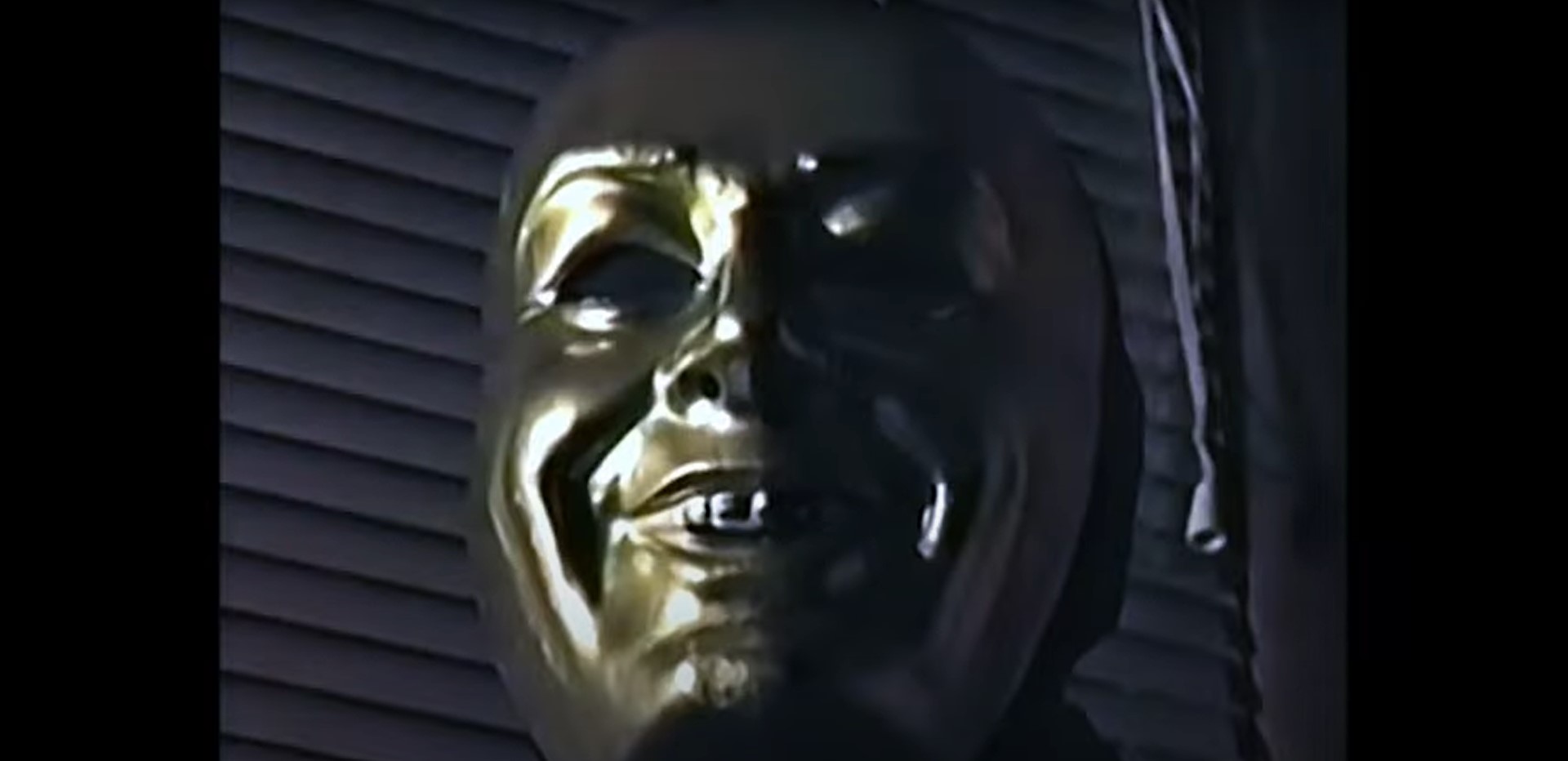
Malicia Tombs, an acclaimed horror actress known for B-movies and bad attitude, bursts into a wreckage of flames when her car sudden explodes after storming off the set of her new movie, “Scream Queen,” in which she wrote and starred as the titular character.  Part of the cast and crew were devastated by the accident that had cut their own career short while others were relieved the egotistical Tombs had perished despite publicly feigning grief over the loss of a genre fan-favorite.  Months later, the small cast and crew receive a mysterious invitation to gather at a creepy mansion butlered by Runyon.  When their host is unveiled as to be a very much alive Malicia Tombs, she offers them a lucrative sum of money to finish the film they’ve started but with a new script.  As the guests read through the new treatment, the cast and crew realize their present moments read just as their being played out in the script, even their deaths. 
If there was ever a single face deserving the representative distinction within an overpopulated categorized scream queen genus, Linnea Quigley would be that green-eyed, blonde-topped, beautiful face with an infectious smile.  Quigley worked with an array of filmmakers, ranging from some of the most renowned cult films of all times amidst reams of horror movies for nearly half a century (yes, we’re feeling old now) to the most independent of the independents films never having really receive the proper exhibition format or audience attention.  To what would be a delight to Quigley’s fanbase, one of those obscure features is Brad Sykes’ “Scream Queen,” a late 90’s filmed, 2002-released, SOV, U.S. slasher written-and-directed by the “Camp Blood” and low-budget filmmaker with Quigley in mind to play the scream queen character Malicia Tombs, now available, officially, on Blu-ray.  “Scream Queen” is the first major project for Brad Sykes in a collaborating effort in not only as a director but also as a co-producer alongside David Sterling of Sterling Entertainment.
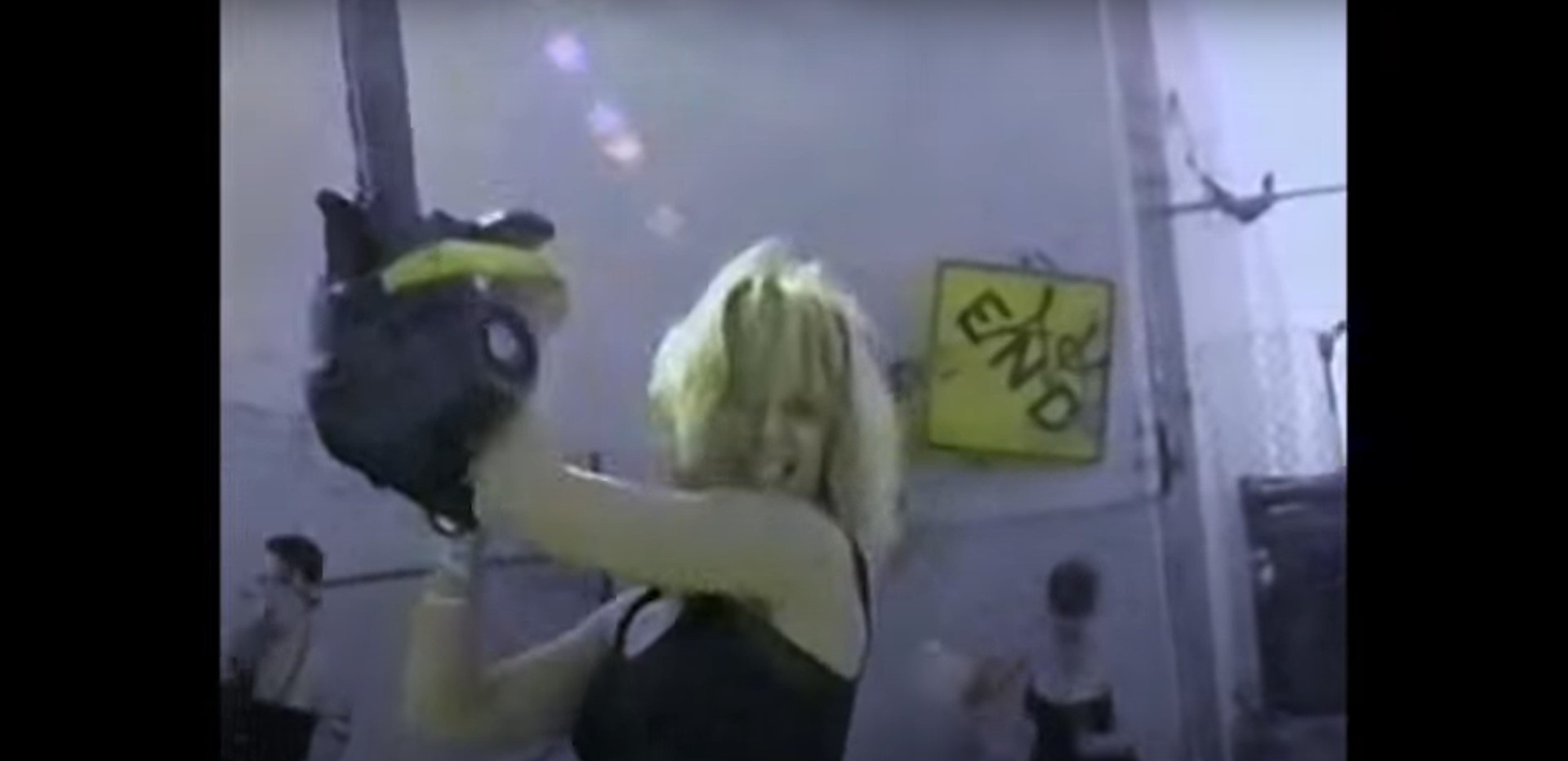
“The Return of the Living Dead” and “Night of the Demons” Quigley puts on another memorable and wickedly fiendish performance as the haughty genre scream queen Malicia Tombs who superiority has gone to her head as she embraces her designation to an exact mania, displayed early on when her character’s character attempts to choke-kill another actress despite the numbered scene not being a death scene and Malicia harps on wanting to continue with the resembling act of murder.  As much as Malicia Tombs embraces the killer instinct inside of her, Linnea Quigley very much embraces Malicia Tombs without having to take her top off and despite having less screen time than her costars.  While Quigley fades in and out of the linear story, the narrative progresses with livelihood hardships of the now out-of-work cast and crew who relied heavily on that small film to boost their acting and filmmaking careers.  That crop of characters falls short tipping into their expectations, aspirations, and even their relations to be just slasher fodder for the mysterious maniac roaming the house.  Jenni (Emilie Jo Tisdale,” Escape from Hell”) and Devon (Nova Sheppard) are inferred romantic roommates who sell clothes on the side of the street to make ends meet post failed film but don’t have surmountable direction to either be a full-fledged couple to sympathize or seem terribly concerned about opening their own clothing shop other than what would be a bad decision to reside at the mansion overnight.  Again, no sympathy there either.  The special effects goof Squib (Bryan Cooper churns chuckles relentlessly by relating more to his crafted effects dummy more than people, marking him conclusively comedy relief as well as fated for death that, like in life, no one takes him seriously when he shows up gruesomely mutilated.  The other principal actress across from Tombs is Christine (Nicole West, “Dimension in Fear”), a buxom blonde tired of secretary work succumbing to lead man flirtations in a dark and scary house where every shadowy corner is lodged with threat.  The pair fall into that horror character cliché of have sex, will die, quickly downgrading their pre-professional relationship into nothing more than dark house desire.  Director Eric Orloff (Jarrod Robbins, “Evil Sister 2”), a presumed spin on the Awful Dr. Orloff and perhaps hints at his motives, seems to be stuck in angsty avoidance and melancholy stemmed by what could have been with Scream Queen but that also peters to a gross negligence end of an arc waste.  Rounding out the cast are a couple of special bit parts played by prolific Full Moon Entertainment and overall horror movie screenwriter C. Courtney Joyner (“Puppet Masters III,” “From A Whisper to Scream”) as a televised homicide detective and Kurt Levee in a quasi-return of his character Runnion from “Evil Sister” but alternatively spelled “Runyon” in “Scream Queen.”  
Though obviously and definitely not the first to do this, “Scream Queen” humors metacinema measures built upon horror tropes and spherical plot points that redirects the story back upon itself for a killer effect.  The feature has no issues making and poking fun at itself within a campy context albeit the usually grave apprehensions of a true scary slasher movie that’s less campy of which a scream queen is born – think Jamie Lee Curtis in “Halloween” or Neve Campbell in “Scream.”  Bryan Cooper not only portrayed the foolish effects guy persona but also actually did a lot of the gore gags for the film, achieving very detailed inlaid gore prosthetics for a smalltime picture with an axe embedded into a chest and a mangled face to name a few.  The story itself feels a bit rough and ready as it slips into supernatural obscurity and, as aforementioned, character setups flounder to a stagnation, killing instantly the miniscule arcs that were structured prior to their mansion gathering in what becomes a slapdash of serial offing that wraps up the story post-haste without much cat-and-mouse tension.  With that said, “Scream Queen’s” unpolished plot had once mirrored its fallowed physical release until recently but now witnessing its birth out of twilight has been multitudinous worth the wait. 
Another of Linnea Quigley’s lost films has been resurrected from the format graveyard by Visual Vengeance with a new Blu-ray release of “Scream Queen.”  The Wild Eye Releasing sublabel release comes with an AVC encoded, high definition interlaced scanned and director approved 1080i transfer from the 480p tape elements on BD50 capacity and comes also with the qualitative joys of a standard definition shot on video experience.  SOV tape upconversion can never completely eradicate the imperfections associated with tape and we also know this going in courtesy of Visual Vengeance’s standard practice of a fair warning before the film, but the overall “Scream Queen” presentation passes as clear content despite some minor tracking blips, 1.33:1 aspect ratio, original lower resolution, and scan line visibility, which is smoothed out nicely by the 1080i conversion. Exteriors and brightly lit scenes take on more shape compared to darker and low-lit areas that become like a void in standard DEF, which also hits the natural grading into a washed-out drab.  The English Dolby Digital 2.0 stereo labors to maintain some form of auricular strength but often nearly goes dark to where certain Linnea Quigley monologues periodically go silent for a few seconds, so the dialogue isn’t entirely clear but when it is, it’s relatively clean. There’s no hardiness pop in the audio track, staying suppressed throughout, and having little-to-no range or depth to the compile contexture. Some electro-interference throughout but nothing to be bothered by considering the grade of the SOV. Optional English subtitles are available. Special features include a commentary with writer-director Brad Sykes, a new behind-the-scenes documentary Once Upon A Time Horrowood that’s mostly Brad Sykes going through the stages of making “Scream Queen” and his recollections of his first big time produced film, a new interview with star Linnea Quigley, a new interview with one of the three various editors Mark Polonia (director of “Splatter Farm”), an original full-length feature producer’s cut of “Scream Queen,” a behind-the-scenes image gallery, Linnea Quigley image gallery, snippets from the original script, original trailer, and other Visual Vengeance distribution trailers. Along with the hearty software special features, hardware physical features include a six-page trifold with behind-the-scenes color photos notes by Weng’s Chop Magazine’s Tony Strauss and beautifully illustrated with dripping blood, a chainsaw, and Linnea Quigley on the front cover, a folded up mini color poster of a scantily-leathered Linnea holding one of the film’s murderous weapons, retro stickers, and your very own Four Star Video plastic rental card. All of this great stuff is stuffed inside a clear Blu-ray Amary case with a pressed disc art of a bloody illustrated Linnea sawing some unknown guy’s face off. The same illustrated graces the front cover in an expanded form and under a different hue. If you don’t like it, which I would be hard-pressed if you don’t, the reverse side contains one of the original cover arts with, again, a scantily-leathered Linnea holding that murderous weapon. The entire package is sheathed inside a rigid O-slipcover with an extended view of that chainsaw scoring with a bloody spray the eyeball from some guy’s face. The 13th Visual Vengeance release comes region free, unrated, and has a runtime of 78-minutes. Lost vintage now found and digitally revived to give us even more Linnea Quigley than we knew we needed with a meta-film shows initiative and fit special effects but swerves off trajectory into a more-of-the-same pathway. 

This Chainsaw’s Made for Cutting! “Scream Queen” on Blu-ray!

EVIL Wants Your Brain Fluid! “Vile” reviewed! (MVD Visual / Blu-ray)

These “Vile” Atrocities are now on Blu-ray!

What was supposed to be a relaxing camping trip amongst friends has turned into a torturous nightmare when four friends wake up to find themselves in the company of five strangers in a basement and learn they’ve all been kidnapped for a purpose.  Behind the illicit arrangement is an illegal drug manufacture whose formula is produced from the byproduct of the brain’s fear and pain induced chemicals.  With a 22-hour clock counting down from the first act of violence, the puzzled lot must fill a 100% quota before time runs out in order to be set free from the reinforced house they awoke in and the only way to do that is by hurting each other to fill the vials connected to the backside of their heads.  Framing a plan, a vote proceeds a numerical order of voluntary participation of torture, each contributing a fraction of the pain percentage needed to survive and be free, but egos, fears, and secrets cost them more than a few moments of unbearable pain.   

Before becoming Paramount Network’s golden nugget for creating the more recent acclaimed American television drama with shows like “Yellowstone,” “1883,” “1923,” “Tulsa King,” and “Special Ops:  Lioness,” Taylor Sheridan had first directed a small-time horror movie over ten years ago in 2011.  The title “Vile,” a play on words used to not only describe the cruel atrocities done from one character to another but also alluding to vial containers used to fill up with fear and pain fluid, is the brainchild of scriptwriters Eric Beck and Rob Kowsaluk.  Certainly, a different tone compared to hardnosed westerners and high-profile casted thrillers, Sheridan filmmaking roots from “Vile” mold his next stage directions of cruel character dynamics.  Beck produces the feature with Noël K. Cohan (“Into the Void”), Tina Pavlides (“100,000 Zombie Heads”), and Kelly Andrea Rubin (“Skeeter”) with presumably father Larry Beck footing some of the funding under the LLC of Vile Entertainment in association with Bosque Ranch Productions and Signature Entertainment.

An ensemble cast thrusts strangers into the throes of do-or-die but amongst the cast of characters, a delicate introduction of a core four put forth the wheels in motion of the sick extraction technique all in the name of drugs and profit.  The preliminary meet-and-greet of Nick (Eric Beck), Tayler (April Matson, “Primrose Lane”), Tony (Akeem Smith, “Holla II”), and Kai (Elisha Skorman) sets up love interests, Tayler’s secret pregnancy, Kai’s drug problem, and a playfully semi-morbid game of would you rather that foreshadows another choice pick of torture later the group has to contend with when joined with the other five test subjects – a dark and cryptic Greg (Rob Kirkland), a subtly anxious Julian (Ian Bohen, “5 Souls”), a selfish hothead Tara (Maya Hazen, “Shrooms”), a young and frightened Lisa (Heidi Mueller) and a level-headed Sam (Greg Cipes, “Deep Dark Canyon”). The variety of character provides varying shades of distrust, betrayal, and hope as factions form and convictions are about-faced, jostling those steadfast at first and solidifying principals for those teetering on the edge.  As whole, the cast works well together to provide adequate and satisfying suspicion as well as selling a particular attitude despite a couple of red herrings that are hidden really well within the framework. As individuals, lots of the dialogue pertains to self-explanatory states of the obvious that stick out like a sore thumb of colloquial filler with a story set in one location with the same nine people for approx. an hour long. ”Vile’s” cast rounds out with McKenzie Westmore and the unmistakable Maria Olsen (“I Spit on Your Grave 2: Deja Vu”) in a procedure-nothing televised head. 

As much as I disfavor comparing one film to another outside of sequels, series, or franchises, “Vile’s” voice is lost as an individual. Seven years prior, James Wan and Leigh Whannell began what would become one of the biggest contemporary horror franchises with “Saw,” spanning sequels through two decades, and concluding, thus so far, with this past year’s “Saw X.” What does this have to do with “Vile?” ”Vile” follows much of the same formula Wan and Whannel concocted in the earlier 2000s with a very to-the-manual approach of “Saw’s” collaring of individuals, media announcing a timed-task, and the players of the game have to hurt themselves, or others, in order to be set free. Fundamentally different with “Vile” has more to do pure greed and profit at the expense of those unfortunate to be in the path of profiteers whereas “Saw” forces transgressors into rebirth through pain and suffering. ”Vile” is also not as explicitly graphic with much of the torturous violence done out of sight, off screen, or in a blink of an eye. Nevertheless, the intriguingly staid premise takes the human condition to the limit and steps across the line of no return of committing what is self-destructively necessary to survive. Beck and Kowsaluk tweak the formula by a narrow margin but the manner of how the narrative plays out distances “Vile” to almost unitary means. For example, “Saw” almost always had a dual storyline that eventually converges with a shocking twist-tie conclusion. ”Vile’s” straightforward with a singular storyline that isn’t dichotomized with a parallel storyline, a periodization storyline, or any other type of storyline to be a crutch for the other, leaving audiences in the undivided present that’s an around-the-clock time crunch to live or die by the hands of themselves or at the mercy of others, and with a palpable enough twist that you’ll kick yourself in the chin for not predicting it ahead of time. 

“Vile” comes to Blu-ray from MVD Visual on the company’s Marquee Collection label. The AVC encoded, 1080p High-Definition, BD25 has the film presented in a widescreen 1.78:1 aspect ratio. Limited to a two-tone grading of steely blues and canary yellows, picture quality range has spasmodic bursts of interiority to agreeable presentations. More of the pre-ensnarement night scenes appear granulated by macroblocking, degrading the image to pre-high definition pixelated rate. Bitrate decoding jumps sporadically from mid-teens to mid-30Mbps, most likely due to an unstable data compression transfer. Compression appears better, though not flawless, later in the runtime with tighter contouring and a finer detail on a grungy, dirty, dilapidated house where the main set takes footing. The English Dolby Digital 5.1 and the uncompressed LCPM 2.0 are the available audio options, both of which lack commodious conviction with a suppressed volume. While the dialogue renders sufficiently with discernibility and clarity, much of the eye-averting torture sound design, the milieu audio, and even the rock-hard rock soundtrack retains an undeliberate lo-fi quality. English subtitles are optionally available. Special features include two deleted scenes that expand on more of the earlier character interactions, a behind-the-scene moment of director Taylor Sheridan mopping the kitchen set and singing, and the feature trailer plus other MVD Marquee Collection trailers. Tangible features include a cardboard O-slipcover, first pressings only, vaunting the nastiness to come and, again, appropriates a “Saw” cover with that nastiness of an extracted, bloody tooth in a pair of vice grip, a nod to the “Saw III” poster/home video art. The Amary case has reversible cover art with the original “Vile” artwork on the inside. The unrated, 88-minute MVD Marquee Collection feature has a region free playback. If “Saw” is deluxe imperial crab, then “Vile” is the suitable imitation equivalent with a steady pace of group-wrenching contrition and contempt that forgoes the games for straight up blunt force trauma. 

These “Vile” Atrocities are now on Blu-ray!

Feminism Fights EVIL The Only Way Possible in “Broken Mirrors” reviewed! (Cult Epics / Blu-ray)

The Best Depiction of the Unpleasant Side of Brothels.  “Broken Mirrors” on Blu-ray.

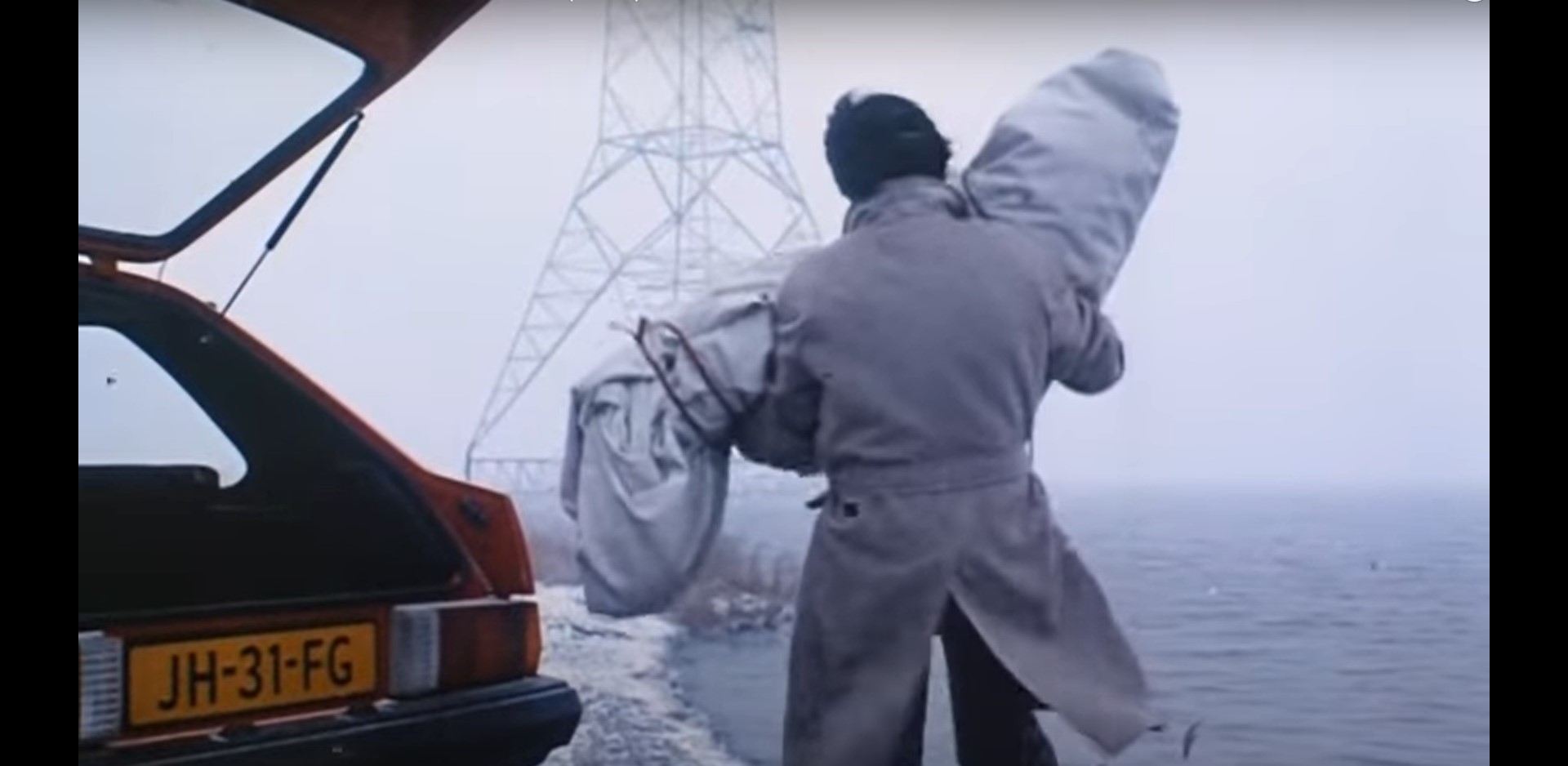
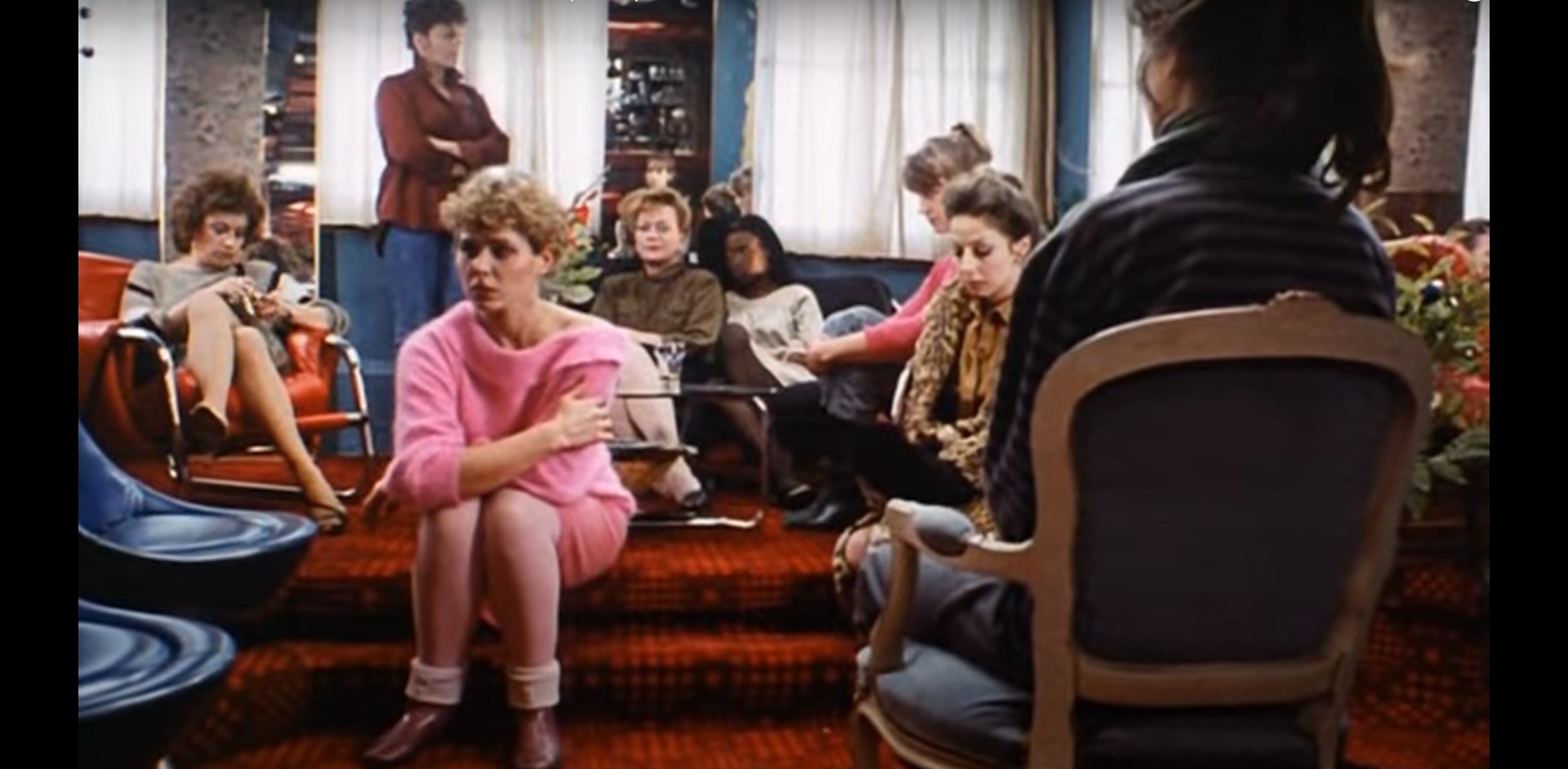
An Amsterdam brothel Happy House Club clings to the good girls that remain employed to pleasure the reprobate and insensitive johns that visit.  Dora, a virtual working girl lifer, brings in new blood, Diane, a young mother desperate in need of financial support because of her drug addicted husband.  Night after night, customers select through the ever-growing service list the club’s owner deems profitable while the women and the matron manager naively cope with a profession that’s quick, easy cash.  They create a process, a standard of procedure so to speak, that tries to make the work that much less degrading but with each client, a little piece of their humanity is chipped away.  Simultaneously, a methodical serial killer abducts the women he previously surveillances from off the street, chains them to a bed in a remote room, takes snapshots of them in confinement, and slowly starves them to death, which could last months.  The two stories are intertwined and connected by a gender dominance disease in which a slow resistance begins to build to an explosive head.

The unofficial sobriquet of the Queen of Feminism Marleen Gorris had made a name for herself as a staunch supporter of feminism and lesbianism with her controversial and provocative films.  Her acclaimed 1982 debut written-and-directed “A Question of Silence” show oppressed gender solidarity and mutiny against a systematically enslaved masculine society.  Continuing her crusade against the patriarchal grain, Gorris followed up “A Question of Silence” with another powerfully messaged, social commentary film that, again, places women emotions and safety under the unyielding thumb of men two years later with “Broken Mirrors.”  Natively known in the Netherlands as “Gebroken Spiegels,” the film marks the return of select cast from her inaugural feature, marshalling in a new narrative in the neo-feminism cinema under the returning production company Sigma Film Productions with producer Matthijs van Heijningen (“A Woman Like Eve,” “The Cool Lakes of Death.”).

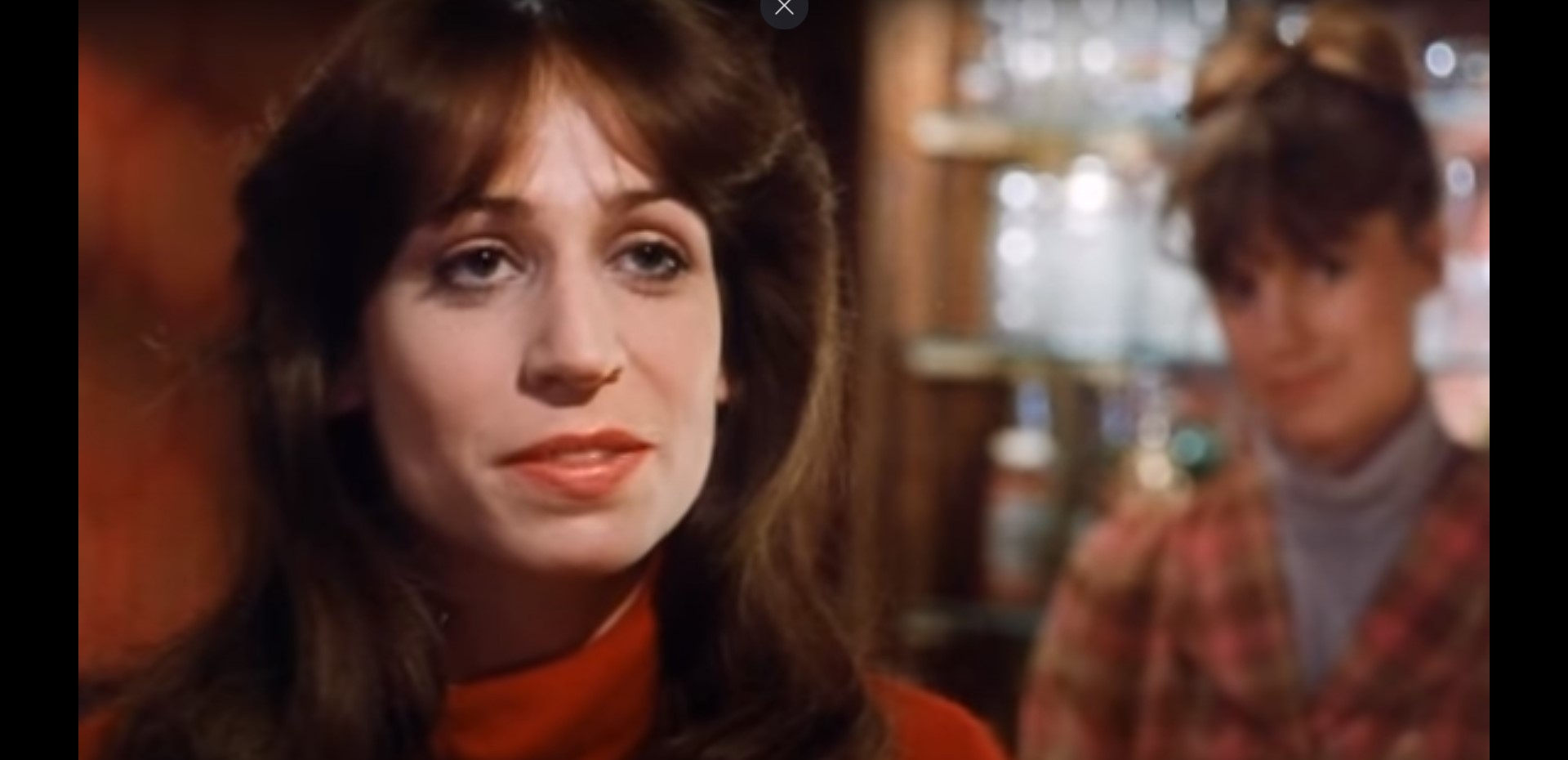
As mentioned, a pair of actresses have carried over from “A Question of Silence” to maintain a principal performance in “Broken Mirrors,” beginning with Henriëtte Tol who played the outwitting secretary in Gorri’s debut returns as a woman working in Amsterdam’s red-light district as a seasoned employee of the Happy House Club.  Tol ups the ferocity levels of her previous performance while still maintaining a gradually steady sex appeal.  Another returning actress who nearly didn’t have any dialogue in her previous role as a mother without a voice is Edda Barends now in a character that can’t stop screaming for her life as the latest abductee chained to a cruddy bed in a cruddy room with a coming-and-going, polaroid-enthused sociopath. In Barends starkly different rage against the man machine archetype, the actress finds herself discomposed in the face man she can’t understand but eventually recognizes his nasty need and withdraws it.  Both women excel beyond the unsavory current conditions and transfer the power that’s been dangling over their heads into themselves.  Newcomer Diane, played by Lineke Rijxman, becomes the key to initiate the unraveling of power of a man-owned brothel that subjugates women not as mere employees of a man-owned business but as nothing more than moneymaking ass-shakers and back-layers.  Rijxman puts in the work of having her character be resilient at work and at home as she juggles a wide variety of disgusting clients to please their whims while coming home to deal with a junkie husband’s mess.  As the story progresses and the women fall deeper under life’s heel, Dora and Diane spark what begins as a mutual friendship that slips gradually into sexual tension, giving them more assurances when they need it the most as the brothel parties become bigger and more intense.  The parallel story runs along the same oppressive path but in unconventional, unlawful, and inhuman way with the kidnap and starvation torture of a young mother.  Eddie Brugman is also a returning “A Question of Silence” actor who now finds himself in the shoes of Jean-Pierre, a mild-manner husband and by all rights societally normal seemingly man who visits the brothel for a quickie, easy money as Francine (Marijke Veugelers) would proclaim, but his dark hobby is to snatch unsuspecting women for his own perverse pleasure of watching and hearing them plea for their lives.  By the end of both stories, connected by Jean-Pierre and who finds himself at the end of the disappointing stick for his kicks, crafts more than one way to not give in and to stand up against male malarkey and nastiness.  The cast rounds out with Carla Hardy, Coby Stunnenberg, Anke van ‘t Hof, Elja Pelgrom, Hedda Oledzky, Arline Renfurm, Johan Leysen, Wim Wama, and Elsje de Wiljn.

Not only is “Broken Mirrors” another contentious and provocative incendiary story that wedges apart men and women, with the latter being victimized and justified in their actions, but Marleen Gorris also directs one hell of a boiling point intertwining between parallelisms that almost have no link to each other until the reveal.  Gorris doesn’t necessarily employ red herrings to keep audiences guessing but rather keep the killer obscure, as all that we are exposed to see is from behind the man, who doesn’t speak much either and if he does speak, his responses are to the point with as little descriptors and adjectives as possible.  Not only is the editing between simultaneous stories organic but also the other editing techniques that materialize the characters’ emotional decaying befit the mostly linear structure, such as with the student party montage at the brothel that does a roundtable of individualized scenarios between the women and their slimeball clients in an emotionally painful grin-and-bear it series that culminates to which one character best describes the ordeal as feeling like a human lavatory.  The feeling is very much mutual with viewers as well, like a used wet nap to scrub off a soul staining filth covering head to toe, as Gorris represents a thematic exactitude of fiercely dividing feminism that would define her career. A clear understanding of how brothels operate is greatly depicted with that flimsy layer of excitement and efficiency to mask the ugliness underneath.

“Broken Mirrors” arrives on a Blu-ray home video from Cult Epics and, once again, resurrects and restores a pièce de résistance of Netherland celluloid. The new 4K high-definition transfer from the original 35mm negative is presented in European widescreen 1.66:1 aspect ratio on an AVC encoded, 1080p, BD50. 35mm print looks none worse the wear over the course of father time with a mint print. Restored color graded has freshened up the natural print palette of the brothel story while the kidnapper’s tale sustains a grayscale to bisect the narrative and the delineation for both presents a palatable depth. The aplenty natural grain doesn’t swarm and takeover the higher pixelations to award us with a satisfying vintage image that now enriched without any smoothing enhancements nor any compression issues to note. The Danish language release comes with two audio tracks: A DTS-HD MA 2.0 Mono and a LPCM 2.0 Mono. “Broken Mirrors” fair well from both dual channel formats with the DTS-HD aggrandizing the Lodewijk de Boer razor synth score with intent that in itself is a character. Comparatively elsewhere, the two outputs offer little differences and sate with forefront dialogue, balanced in front an equally balanced ambient track. Optional error-free English subtitles are available with haste text to keep up with the fast-paced Dutch. Special features include an audio commentary by Leiden University film scholar Peter Verstraten, an archived 1984 interview with U.S. sex worker and activist Margo St. James with Cinema 3 host Adriaan van Dis, a promotional still gallery, and trailers. The Cult Epics Blu-ray comes in a clear, traditional snapper sporting the film’s most iconic and titular moment, displayed also on the disc art, while the reverse side of the cover depicts a still image of Carla Hardy. The region free Blu runs at a not rated 110 minutes. A good double bill against “A Question of Silence,” “Broken Mirrors” makes for a morosely on the trot sister feature in more ways than one to further a Marleen Gorris artfully aired agenda.

The Best Depiction of the Unpleasant Side of Brothels.  “Broken Mirrors” on Blu-ray.

Amongst the EVILs of Digital, Analog Rises from the Grave! “Night of the Zodiac” reviewed! (SRS Cinema / DVD)

A Mock VHS Retro on a Mock VHS Retro DVD!  “Night of the Zodiac” from SRS Cinema!

A bizarre and grotesque dream about the once notorious Zodiac killer inspires Richard Gantz to create a movie worthy of his idol’s praise.  With little income and having just lost his girlfriend and his job, Gantz is on the brink of being homeless and unable to materialize his dream into reality until he receives a mysterious, unexpected phone call.  The Zodiac killer got wind of his project and is offering support to finance and bestow guidance to Gantz’s film as long as the struggling, yet eager, filmmaker can crack Zodiac’s cipher and stomach the enigmatic task before him.  Gifted the Zodiac’s iconic mask and murder knife, Gantz sets out to record his first kills that pays homage to his aging idol but his mentor wants him to be creative with the new chapter worthy of the Zodiac name and gathering a whole new set of slaves for his paradisal afterlife.  When Gantz hits a barrier of inspiration, he solely becomes reliant on the Zodiac’s encouragement that has become few and a far in between. 

Susana Kapostasy is who I like to label a mad genius.  Many filmmakers have attempted to create antiquated formats of yore with watered down imitations, but for the Michigan-born videographer and editor-by-trade Kapostasy, what has been a challenge to most to faithfully recreate has simply become second nature for the video production enthusiast.  Scraping up any and all elderly video camcorders she could find, the “Metal Maniac” director wrote-and-directed her sophomore feature film “Night of the Zodiac,” pulling inspiration from one of the most notorious unsolved murder cases in America by the Zodiac Killer in San Francisco.  From the West Coast to the Midwest, “Night of the Zodiac” is filmed in and around the backdropped Detroit area for the Zodiac’s next round of sliced-up slaves – only in the creative, moviemaking sense, of course.  The 2022 film has the spitting image of a 1980s/1990s SOV with ghastly, gory effects, a killer hair metal soundtrack, and video characteristics that’ll have you trying to adjust the tracking setting on your DVD/Blu-ray player.  The Johnny Braineater Production is produced by star Philip Digby with Kapostasy serving as executive producer alongside co-cinematographer Apollo David Zimmerman.

Stepping into the shoes of the infamous serial killer to embark on a theoretical continuance of the real life mass murdering character is Philip Digby.  Channeling his best Jeffrey Dahmer vibe in looks alone with a crazed and obsessive personality suited for Charles Manson, Digby plays a hodgepodge of America’s most notorious killers, adding his own flare for film into the fold to make him a full-fledged psychopath, as he internally celebrates the moniker after his disparaging roommate/Landlord (Victor-Manuel Ruiz) labels him with an ear-to-ear grin and a nearly whoopie jump for joy.  Digby’s eccentric mania thrusts us beyond a threshold we didn’t even realized we had crossed from the very first opening dream sequences of a rotting, coffin-thronged corpse oozing maggots and putrid viscera and, believe it not, my opinion is this thrust doesn’t do justice to Gantz’s character because of the lack of foundation of setting up viewers with an inbred psychosis that puts into question, how did he survive this long without killing someone before?  Dreams are power but are they powerful enough to twist a seeming normal film lover into a frantic frenzy of vile fates and videotapes?  I think only Freddy Krueger can answer that.  Gantz goes around town slaughtering people in parks, in their driveways, and even makes one very bad magician (Derek Dibella) wish he requested to hire Gantz as a videographer for a promotional video disappear as Gantz strangles him to death.  “Night of the Zodiac” completes the cast with Logan O’Donnell, Mark Polonia (director of “Splatter Farm”), Tim Ritter (director of “Truth or Dare?”), and Benjamin Linn as the voice of the Zodiac.

From the video production veneer to the set decorations and locations to the characters themselves, “Night of the Zodiac” perfectly captures SOV horror in this modern day time capsule.  Not until the credits, when I see master craftsman of SOV horror filmming, Tim Ritter and Mark Polonia, appear in the cast credits did it dawn on me that what Susana Kapostasy had accomplished was a labor of love for the niche market, resurrected four decades later and revered by horror fans who were likely still in diapers or weren’t even born yet – maybe to go as far as not even a twinkle in their parents’ eyes.  Yet, there were clues to “Night of the Zodiac’s” contemporary construction, such as the opening title which had a clean, well-polished illustration and Kapostasy’s film is very self-aware by slathering horror in every recessed corner with mountainous stacks of VHS tapes, posters, and  and often, perhaps every other scene, displayed tribute to filmmakers, like Ritter and Polonia, who were still counterparts and establishing themselves as independent videotape artists during the 80s-90s.  This self-awareness harnesses more comedic relief than horror, accentuated by Gantz’s matter-of-fact imbalance, and the humor loosens the reins on “Night of the Zodiac’s” cold cruelty a tad but what the gore spools back in audiences by spilling lots of blood. 

SRS Cinema releases “Night of the Zodiac” onto DVD with a single layer encoding and presented in a throwback letterbox 1:33:1 aspect ratio.  Kapostasy uses a slew of equipment – Cannon XL2, Sony Video 8 AF, Panasonic AG 450, JVC GY X2BU, JVC GY X3, Panasonic AG 456, Panasonic AG 196, Sony CCD FX 330, and a Sony VO 4800 U-Matic S VTR – with some be more present-time cams run through U-matic VHS playback to degrade for SOV quality.  The intentional SOV has a variety of distinct looks with distinct quirks that flexes higher magenta levels in earlier scenes as well as tracking lines and aliasing artefacts.  Detail levels also vary but the overall VHS brands generally remain the same with soft, indistinguishable contours with also a surprising amount of depth and hue range.  The English Dolby Digital 2-channel (2.0) mix can sound boxy at times and come accompanied with a piercing, underlining interference.   Telephone conversations have no distortion depth so the other person on other line sounds present in the room.   The soundtrack from Anguish, Locust Point, and the brunt of it provided by Stoker is metal madness but does overshadow the dialogue when shredding through the scenes.  Dialogue is often clear, but again, no depth and echoey.  There are no subtitles available for this release.  Bonus Features include an audio commentary by director Susana Kapostasy, star Philip Digby, and costar Victor-Manuel Ruiz that goes over a lot of technical aspects of “Night of the Zodiac’s” look and how they obtained the gore and blood for the film, a Tim Ritter conversation about how he became involved with Kapostasy’s video enthusiasm and provided analog input, a blood cannon showcase that’s instructionally descriptive as well as you’ll see Kapostasy’s foot accidently go into the 5 gallon Homer bucket, a gore score Ouija board gag, recreating the Zodiac cipher, and the trailer.  SRS Cinema’s release dons a retro VHS design front cover with an exact and beautiful illustration of Gantz’s copycat Zodiac attire with a cropped version of the front cover on the disc art inside the traditional black snapper case.  “Night of the Zodiac” has a runtime of 86 minutes, is not rated, and has an all-region NTSC playback. Difficult to immerse oneself into a half-a-century old unsolved murder while sticking to glorifying merely the guts and gore, “Night of the Zodiac” stuns more qualitatively with video techniques thought archaic and obsolete but Susana Kapostasy steadfast proves otherwise in her undying love for the flawed, yet nostalgic format.

A Mock VHS Retro on a Mock VHS Retro DVD!  “Night of the Zodiac” from SRS Cinema!

Break a Promise with EVIL And Pay the Little-Big Price! “Unwelcome” reviewed! (Well Go USA Entertainment / Blu-ray)

Not the Leprechauns This Time.  It’d Be Goblins that “Unwelcome” You!  

Trying desperately to become pregnant for some time, Jamie and Maya celebrate the news of learning they’re expecting but their jovial rejoice is cut short when three thugs break into their city apartment home, nearly bringing an end to their lives and the baby.  When Jamie’s great aunt Maeve wills him a rural cottage in Ireland, the married couple jump at the chance to start afresh away from the urban chaos and the trauma in hopes for a peaceful life with their child.  The friendly village residents take in Jamie and Maya unconditionally but one stipulation is highly encouraged to be met if living at great aunt Maeve’s cottage:  they must leave out a blood offering for the little people, the Redcaps, of the forest butted up against their home.   Just happy to be out of the city, Jamie and Maya shrug off what they believe to be folkloric wives tales of old Ireland and on such short notice, they hire Mr. Whelan and his children, who come with an unfavorable village reputation, to do much-needed repairs around the house.  When dealings with the Whelan clan go violently sideways, Maya invokes superstitious belief to draw the Repcaps out of hiding and implore their murderous mischievousness for dire neighborly assistance. 

Welcome to the “Unwelcome!”  Pint-sized evil continues to be mondo popular around the world, especially in the Full Moon empire that’s built a kingdom off the backs of supernatural ankle biters.  However, “Unwelcome” is not a Charles Band production that’s rushed straight through to a fast-tracked, direct-to-video release of shoddy, schlocky proportions.  Instead, this release comes from overseas, the UK specifically, with some quality production footing that lands the 2023 released film into a limited theatrical run before hitting the home entertainment market.  Behind the film is Jon Wright, director of dark humored revenge against high school bullies in the “Tormented,” who directs and co-writes “Unwelcome’s” grim fairytale-like narrative of personal growth, inner fight, and underfoot goblins gone wild with Mark Stay, reuniting with Wright for the first time since their script collaboration on the 2014 automaton invasion epic, “Robot Overlords.”  Under the once working title of “The Little People,” “Unwelcome” is a production of the Yorkshire based Tempo Productions Limited, with cofounders by Jo Bamford and Piers Tempest as executive producer and producer, and the private equity investment group, Ingenious Media, with producer Peter Touche along with Warner Bros. and Well Go USA Entertainment distributing. 

“Unwelcome” has such unusual casting in a good way.  The entire Whelan clan consists of actors plucked from successful, multi-seasonal television shows that have essentially shaped their careers from their well-known, fan-adored roles, but the unintended adverse effect in such triumph stamina is being recognized only for that performance.  In my mind, Colm Meaney will forever be embedded in my hippocampus as Engineer Chief Miles O’Brien from “Star Trek:  Deep Space Nine.”  “Con Air,” “Under Siege,” and even as a British Airways pilot doomed for landing in “Die Hard 2,” Chief O’Brien, I mean Colm Meaney, is still in space tinkering with transporter buffers.  Here in “Unwelcome,” Meany is Daddy, aka Mr. Whelan, a rough around the edge contractor who beats his kids, let them get away with whatever they please, and has a real notoriety around town.  When I say kids, I mean grown adults stuck in Daddy’s hooligan wake and are played by more outstanding and familiar faces from Ireland, such as Hodor from “Game of Thrones,” Kristian Naim, Netflix’s “Derry Girls’s” Jamie-Lee O’Donnell, and the “1917” actor and upcoming principals of “Last Voyage of the Demeter,” Chris Walley, make up the trio of terribly laid construction workers who have really no business being around a hammer, a ladder, or anybody’s valuables.  That brings me to “Unwelcome’s” lead actors as the scarred couple who hires out Whelan’s band of delinquent spawns to do the handiwork repairs.  I realize Wright and Stay wrote Douglas Booth (“Pride, Prejudice, & Zombies”) to be an overly optimistic and fairly useless good guy with Jamie, but the insecurities are just ostentatiously oozing out of the husband without a clue.  Jamie’s arc also doesn’t quite flesh out by the end of the film as he’s blocked by the baby mama instincts of Maya, played by “Resident Evil:  Welcome to Raccoon City’s” Hannah John-Kamen, with an unspoken I’ll-do-it-my-damn-self attitude that sends the narrative into a knife-brandishing gob of Redcaps eager to do her bidding for an unfavorable exchange.  Maya sacrifices all for a good man with good intentions who can’t do diddlysquat to save her and, in the end, that doesn’t seem balanced for this ferocious fairytale. 

If there is one aspect, above all us, to note about “Unwelcome’s” shin kicking goblins as a takeaway is that the rambunctious and ravenous Redcaps are not computer generated, are not puppets, and are not even animatronics.  Actors and stuntmen fill those small shows with a little help of disproportionate movie magic, heeding to the ways of a lost art in miniaturizing actors, such as in “Willow” or “Honey, I Shrunk the Kids,” and touching up with some CGI on the tangible face molds for a layered composition that’s super fun to see come to life on screen.  Unfortunately, the Redcaps make a late appearance into a yarn unspooled with mostly the pent up pile of frustrations of Jamie and Maya as an unlucky couple without a chance of peace in the world.  Trouble finds them wherever they go in what’s essentially a trade for city thugs for unfriendly country versions of the same type of ill-mannered.  “Unwelcome” plays very much into it’s title that no place feels welcoming for a couple on the verge of the already daunting premise of parenthood life and everything appears now alien as the world is being upended by concessions for your child in what has turned terrifying in what was supposed to be a warm, welcoming of a new adventure.  That’s the sensation setup for the pair who trust dip into trusting superstitions and magical beings to be their guardians.  Folklore then takes over; its has, in fact, been welcomed to save the day no matter how maligned the backstories.  Wright and cinematographer Hamish Doyne-Ditmas do, in fact, construct an ocular stage crafted out of an ethereal red and yellow fire lit sky with an overall color theory toned to contrast as a mystical storybook set in what is usually flush with greenery around an Irish village, reminiscent of late 70s-early 80’s European horror sets built to detailed scale, built with vibrant backlighting, and yet built to feel distant, apprehensively off, and strange like another world, a Redcap ecosphere.  “Unwelcome’s” ending also pulls from that unabashed time to be creatively mad in an innately mad universe with an unexpected Redcap reason that doesn’t clarify so much their hunger for blood offers, which the diet includes raw store-bought meat and the frothy flesh of felonious individuals, but better explains their twisted promises and intentions for their knife-jabbing services rendered.

With Goblins, there’s always a price to pay but for the Blu-ray release of “Unwelcome,” the price is worth the admission.  The single-layered, AVC encoded, high-definition 1080p Well Go USA Entertainment release presents the film in a widescreen 1.78:1 aspect ratio.  Slightly squeeze onto a BD25, there’s some minor irregular compression patches that degrade solid darker colors and the image loses a bit of sharpness in the background – you can see an example when the Redcaps pop up out of the keep tower appearing more like moving globules than well-defined humanoids.  Goblin facial features and skin and clothes textures have tactile appeal during closeups with the same being said with the cast in their natural color tones.  Computer-generated facial movements have seamless pertinence to the surrounding action and the motion of the Goblin actors themselves with layering of frames looking clean to create their smallness around principal characters.  The English DTS-HD 5.1 Master Audio mix maintains a stout dialogue track but deploys no depth into recordings resulting in all the dialogue tracks to be at the forefront, even when characters are in the background in the scene.  The weird spatiality with the dialogue doesn’t translate over to ambient noise as those tracks are well designed into the scheme with levels of depth that add richness to the storybook atmospherics.  English SDH are optionally available.  Bonus features include a behind-the-scenes cast and crew interviews discussing their time forming the idea and working on the project, a making the Redcaps segment with special effects supervisor Shaune Harrison (“Nightbreed,” “Attack of the Adult Babies”) discussing the step-be-step process of bringing these little devils to life, including showcasing their head and body molds, and the theatrical trailer. The physical property comes in a standard Blu-ray snapper with latch with one-sided cover art of a knife-out Goblin starring up at the new mistress of the house.  Inside, a single-leaf advert of Well Go USA films and the disc pressed art with a blue-graded Goblin looking menacing makeup the inner contents. “Unwelcome” runs at 101 minutes, is rated R for strong violence and gore, pervasive language, some drug use, and sexual material. From an ironic perspective, “Unwelcome” uses the mythological mischievous of Goblins as a gas pedal accelerator to mature a pair of genteel gulls faced with a parlous reality and to be factotum in life in general told inside in the linings of a dark and gory fairytale universe.

Not the Leprechauns This Time.  It’d Be Goblins that “Unwelcome” You!