EVIL is Only in Your Nightmares. Or is it? “Retribution” reviewed! (Severin / Blu-ray)

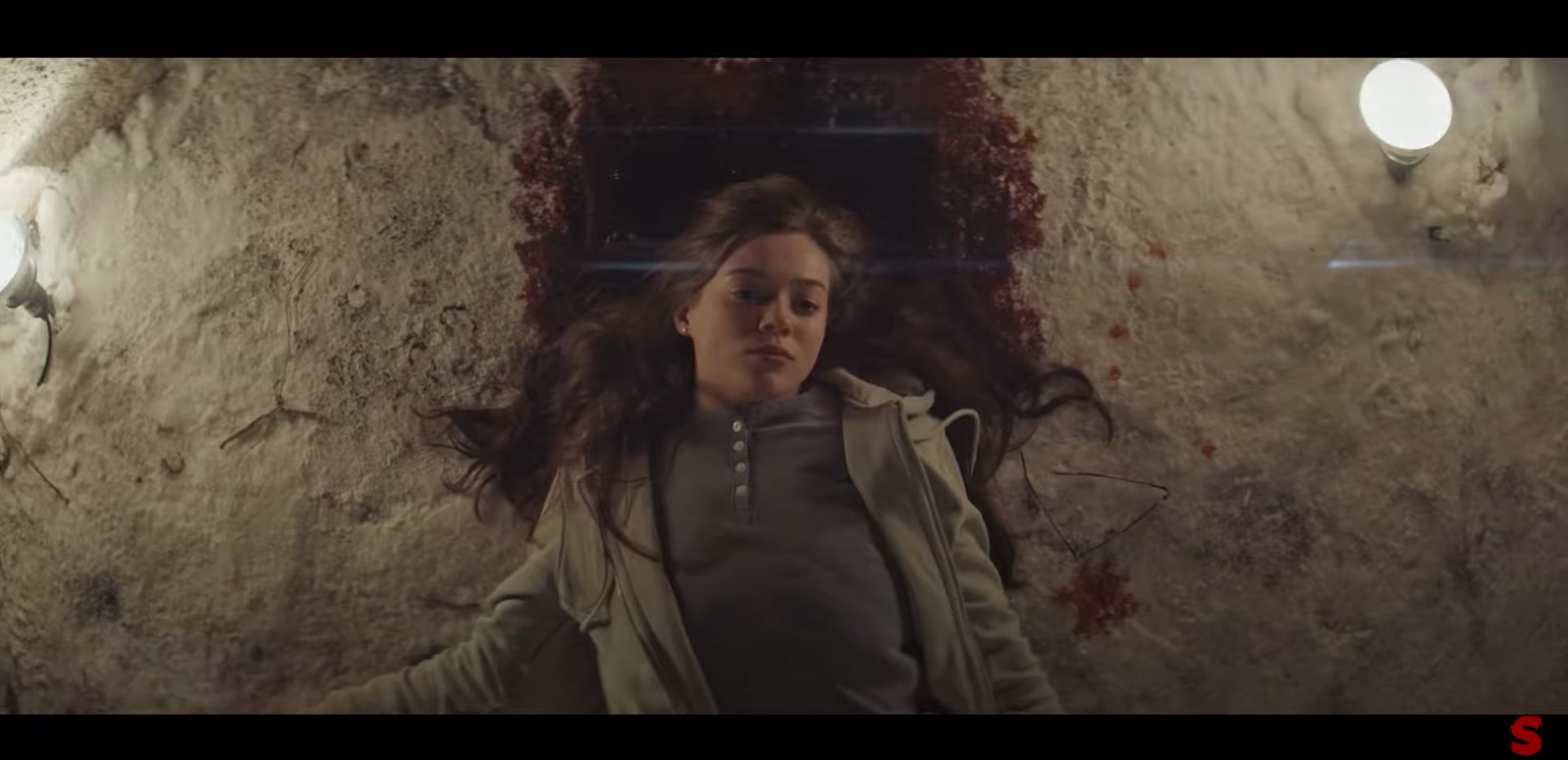
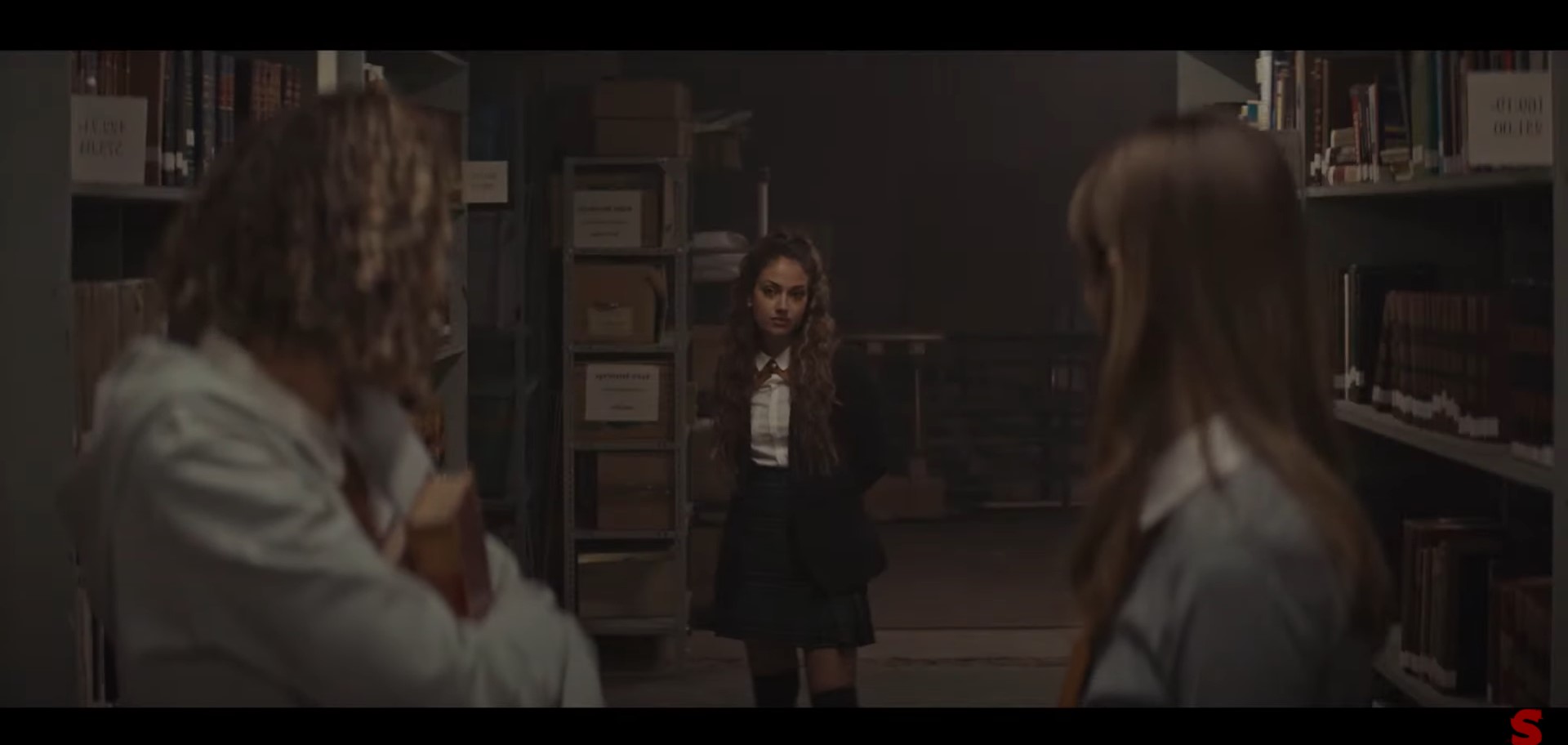
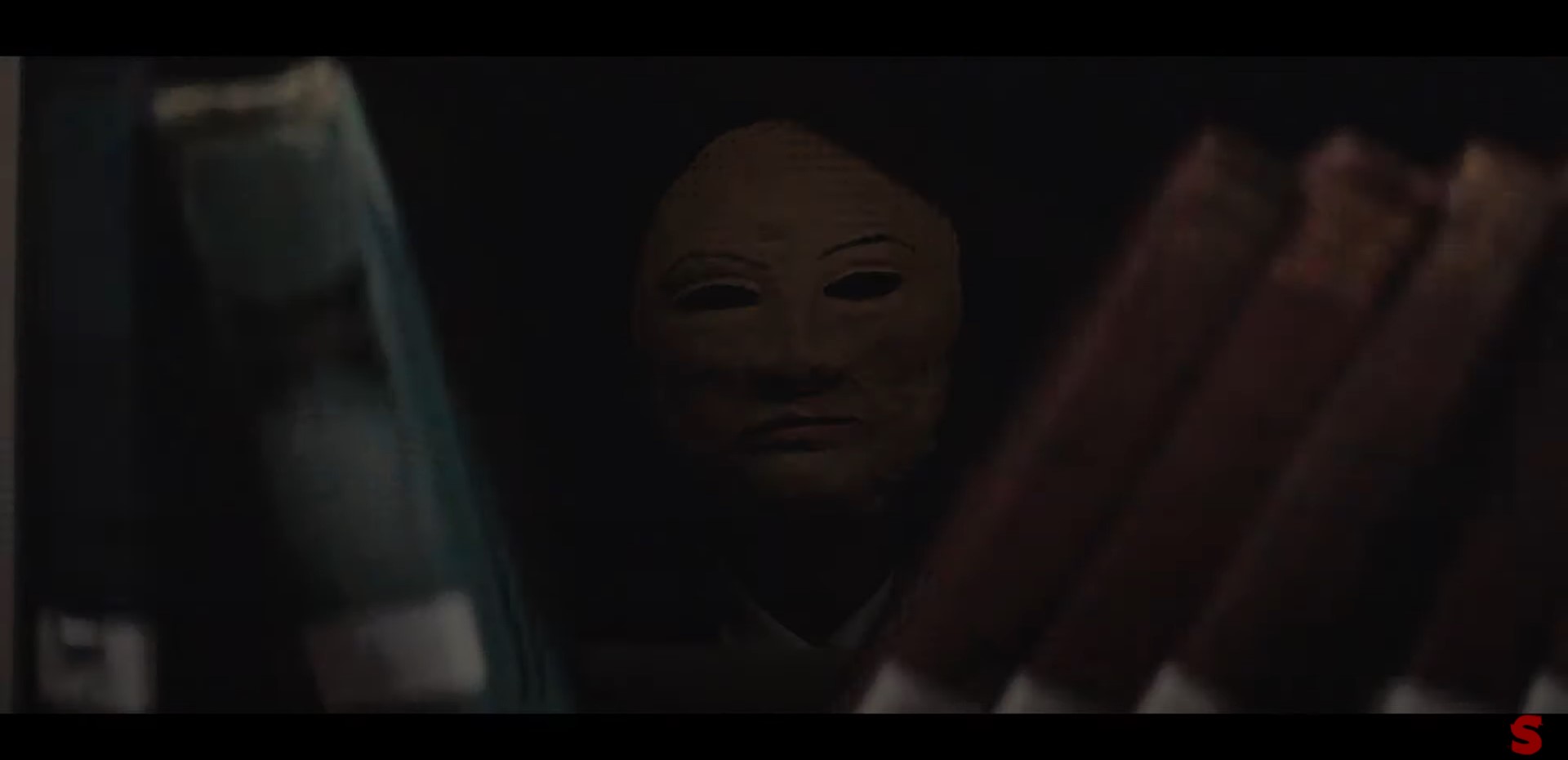
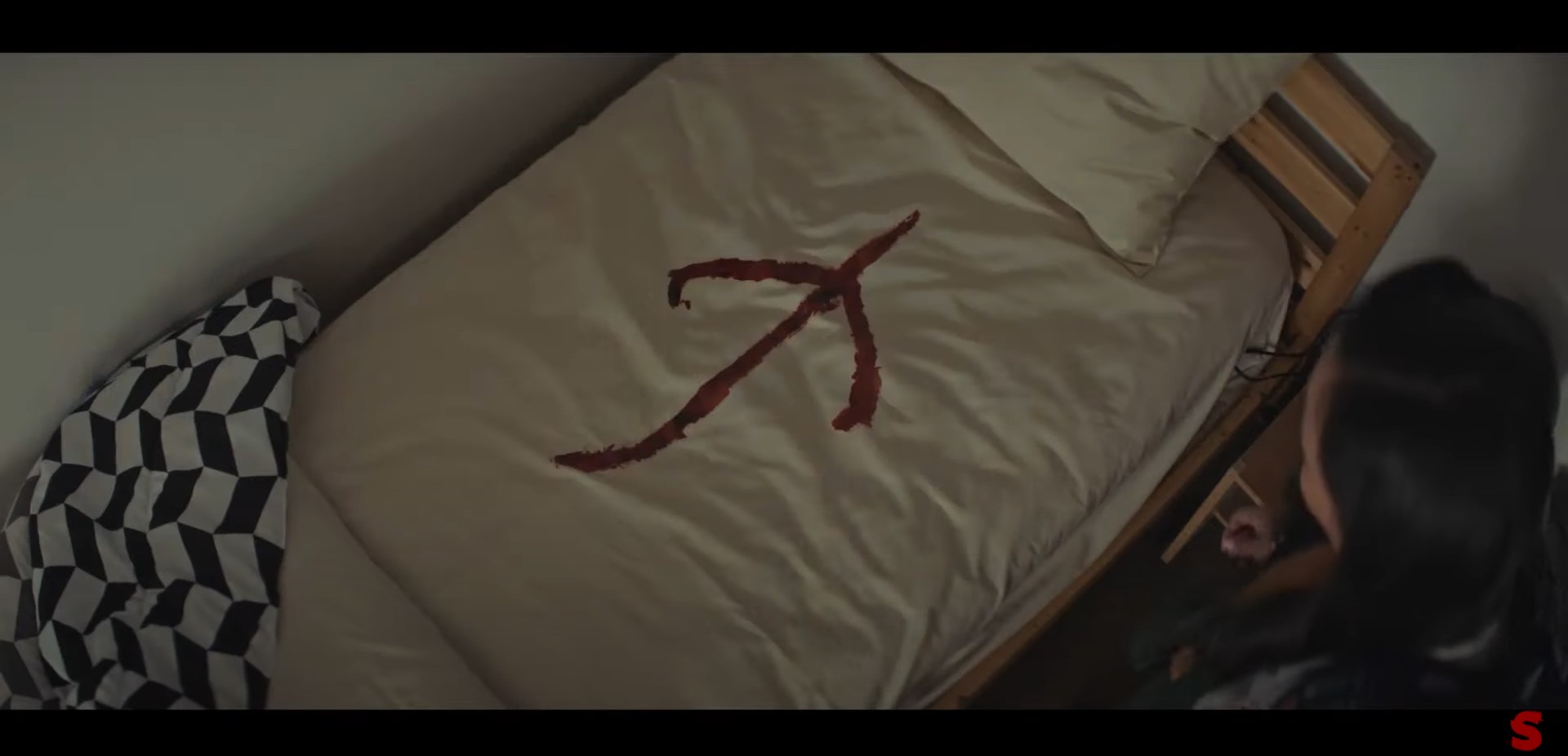
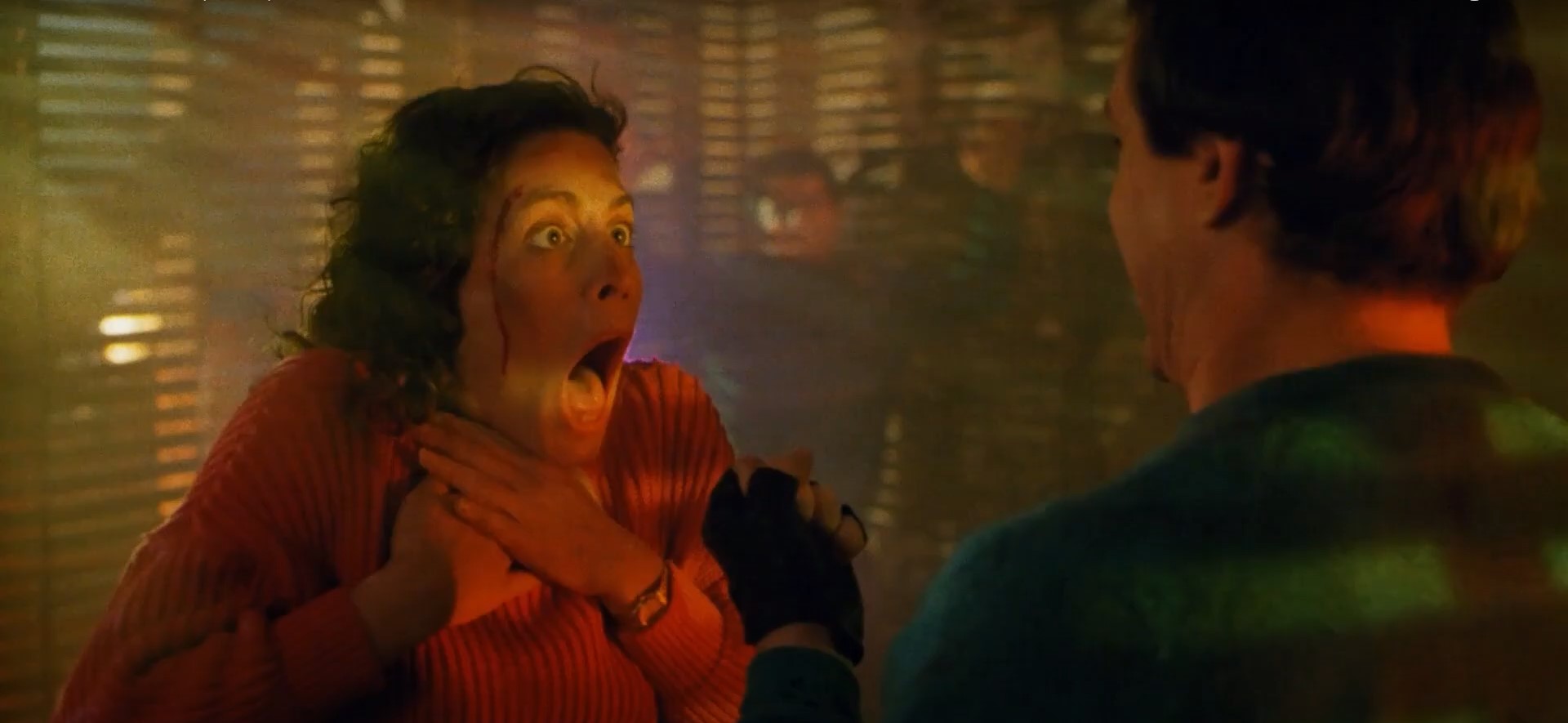
Severely depressed artist George Miller attempts suicide by jumping off from his apartment building.  During the exact same time, a low-end gangster is brutally killed by cruel loan sharks.  Being both born on Aril 1st and dying at the same time, the tortured spirit of the gangster possesses the meek artist’s body right before being resuscitated by EMTs.  After a long recovery filled with horrific nightmares, the affable artist returns to his apartment building where he’s welcomed by fellow tenants and an overly warm landlord.  Still plagued by nightmares that have seeped into his awake conscious state, George medicates himself to sleep but the nightmares continue as he sees himself using psychokinetic powers to kill random individuals with extreme malice.  The nightmares are so real he wakes up in a sweaty panic to find out that that exact person was killed the night before the very way it played in his dreams.  When George realizes the gangster has inhabited his body for revenge, he and his friends take measures to put an end to the vindictive carnage. 

Santa Maria.  Mother of God.  Help me!!!  That phrase, attached to the very last seconds before a gruesome death and announced blankly from fiery, dagger eyes, has forever been seared into the recessed corners of my eardrums as the death cry that echoes throughout Guy Magar’s 1987 gory and visceral possession identity crisis, “Retribution.”  Magar’s ultra-violent and super-chromatic film is the filmmaker’s grand inaugural entrance as a full-length director following up behind a string of director chaired television episodes, including episodes from “The A-Team,” “Blue Thunder,” and “The Powers of Matthew Star” that regularly contained quickly charged, action packed sequences.  The Egyptian-born director translates those intense moments of frenzied disturbance into his mean-spirited and unforgiving vindicator of a script cowritten with then first time screenwriter, Lee Wasserman.  Shot in Los Angeles, “Retribution” is a virtual tour of the city, using the streets of L.A. and real locations, such as the Don Hotel for George’s residence and the nearby House of Neon Art, as a lively, eclectic, and wallet-saving convenient giftwrap for the film’s Dr. Jekyll and Mr. Hyde complexion that feels totally normal compared to L.A.’s divergent glamour.  Magar and Wasserman produce the film with Renegade and Unicorn Motion Pictures serving as the production companies and presented by Taurus Entertainment, formerly connected with United Artists. 

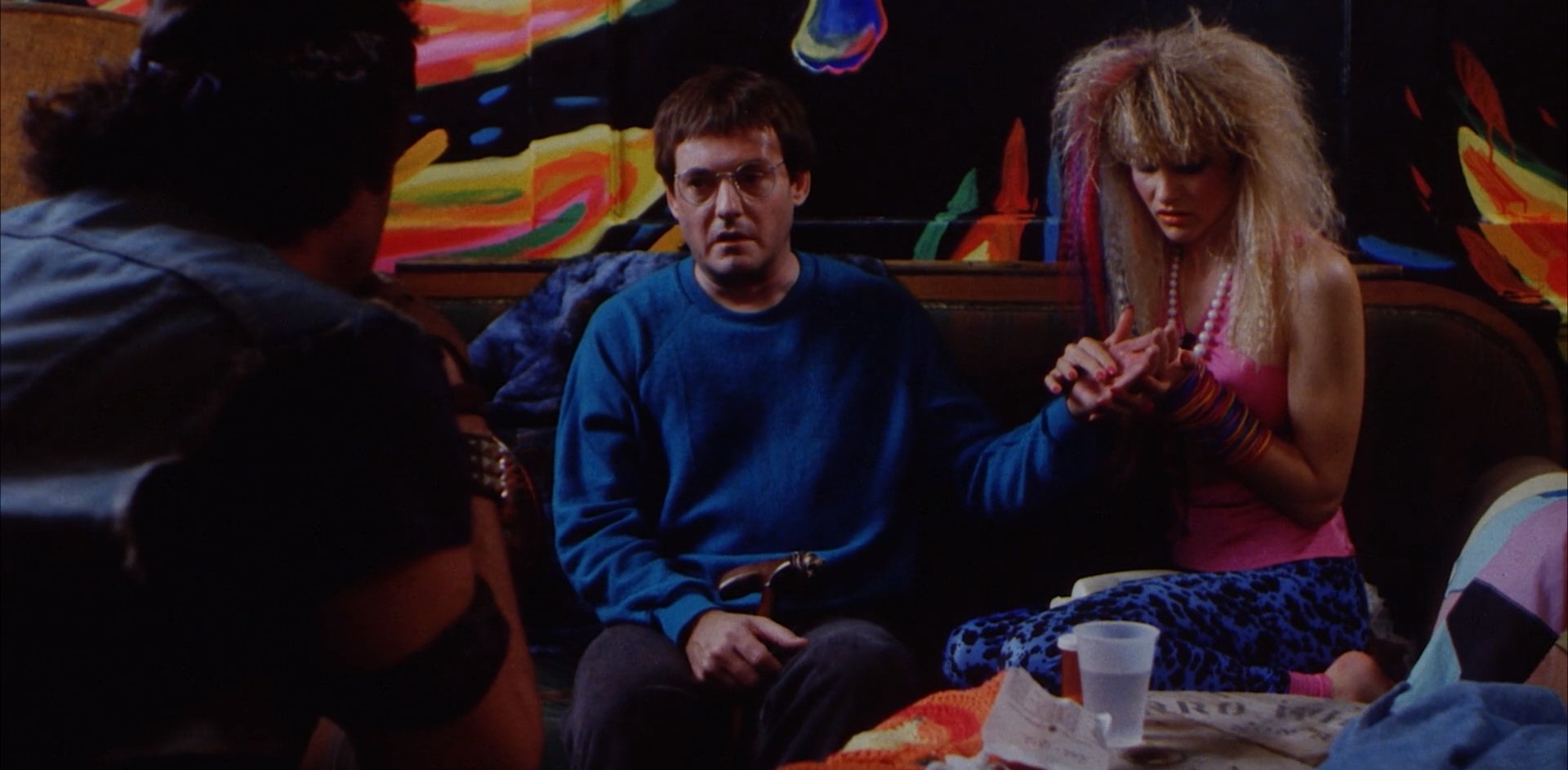
There are probably many actors that could been imagined for the role of George Miller, the suicidal artist plagued with visions of him committing murder, but it’s hard to imagine that venomous stare of complete satisfaction in madness spread across the face of anyone else other than Dennis Lipscomb.  No disrespect to the “Eyes of Fire” and “Wargames” actor but Lipscomb isn’t a chiseled-jawed and muscular leading man; in fact, Lipscomb is quite the opposite, but his range into mild-manner, all around nice guy George Miller into the lust for hatred and murderous revenge George Miller hangs on with complete chasmic permanence.  However, George’s love interest with the street working prostitute and fellow Don Hotel resident, Angel (Suzanne Snyder, “Return of the Living Dead II,” “Killer Klowns from Outer Space”), hardly ever seems natural in not only in the characters’ surreal age-yawning dalliance but also the chemistry looks and feels flat between Lipscomb and Snyder.  Magar and Wesserman neglect diving more into that bond between them but their enamored gleamy eyes for one another is apparent and strong without the context to back it up.  “The Dungeonmaster’s” Leslie Wing also is placed as a George Miller sympathetic advocate in her role as hospital psychologist Dr. Jennifer Curtis, but Dr. Curtis has more background to contend with in comparison to the suddenly conjured fondness from Angel as Curtis is a mental health professional caring for a suicidal patient from at his rock bottom worst to a complete positive turnaround in his mental transformation.  Curtis has more skin in the game with George’s supposed delusions of actually killing people in his nightmares as she defends not only George’s unique supernatural circumstances, but, in a way, herself as a licensed medical profession following HIPAA laws.  “Retribution” holds many dear and unforgettable characters that essentially captures the entire 1980’s spectrum of personalities and, even for a brief scene, the cast gives each role their all, including performances from Susan Peretz (“Dog Day Afternoon”), Clare Peck (“Teen Wolf”), Chris Caputo (“Ghost Warrior”), Danny Daniels (“Voodoo Blood Bath”), Ralph Manza (“Godzilla”), George Murdock (“The Sword and the Sorcerer”), Mike Muscat (“Hunter’s Blood”), and Hoyt Axton who doesn’t stray too far from his good intentions, but naïve, father role in “Gremlins” to being a detective tracking down suspect George Miller. 

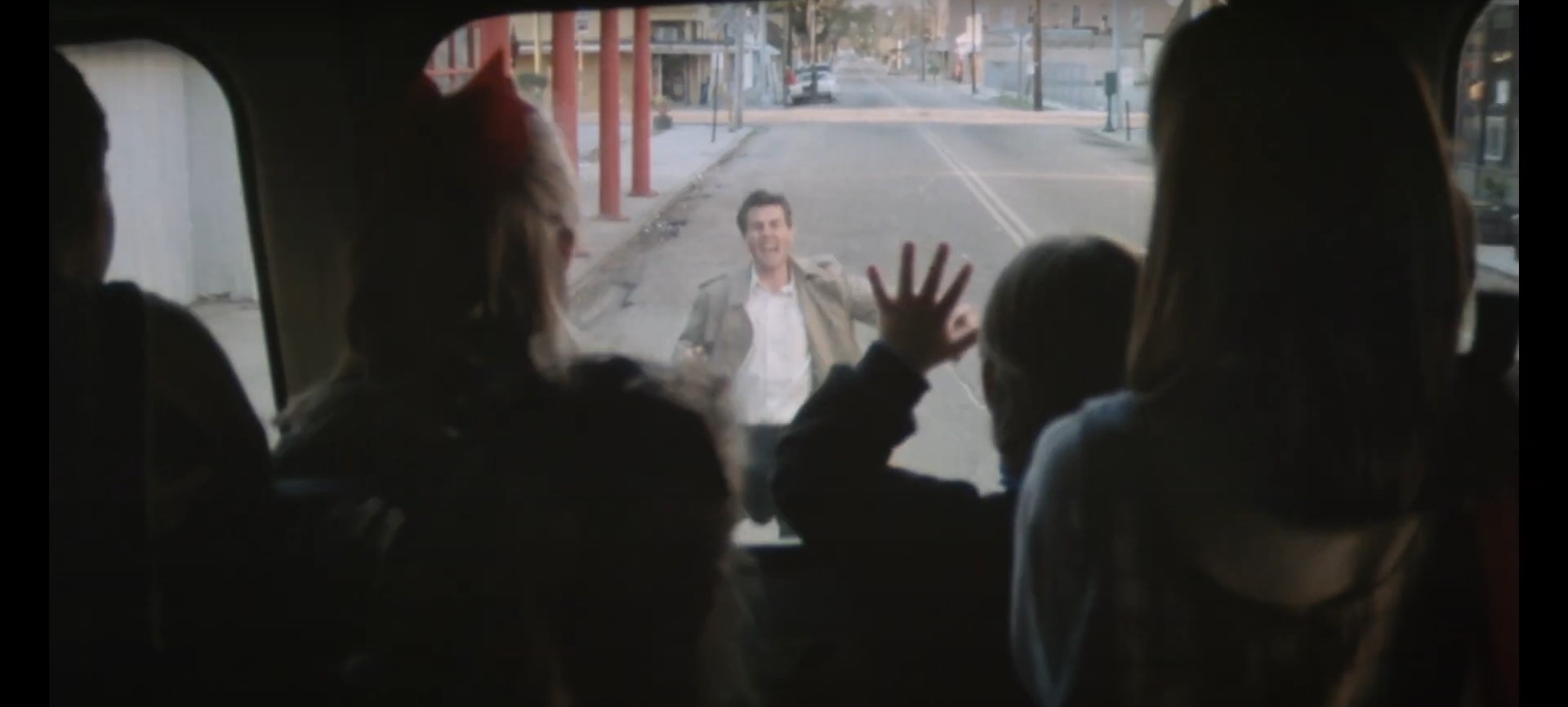
I’m in total awe of Guy Magar’s “Retribution.” That opening scene of the suicide attempt with Alan Howarth’s building tension score drops not a single piece of dialogue yet opens with a gripping life and death situation, musically synced to progress toward a harrowing climax, and every frame is dripping with vintage 80’s appeal. Magar definitely knew what strings to pull to get the blood pumping, to get you excited, and to drop an excellent mystery right in the lap, or the middle of the street in this case with George Miller’s body after it flops off the car it just smashed onto. From that point on, “Retribution” peddles forward following the recovery, recouping, and ruination of George Miller’s life at the unseen hands of an exploiting, malevolent spirit that seeks to track down the top-tiered gangsters that shot and burned him alive and exact his own brand of harsh psychokinetic justice. Does it matter how George and this gangster, both born on the same day and both nearly died at the same time, came to fuse transcendently together? Don’t worry. Magar didn’t think it was important either and he’s right! “Retribution” snags all the attention for the sole purpose of the ride and that ride being a beautiful, color-coded daymare. The one aspect that ultimately retracts the buzzing high, stemmed from most 80’s films, is the sluggish love interest subplot between George and Angel stutter stepping into an awkward phase of interactions that hard stops much of core plot and though the plot is neurotically nonsensical to begin with, George and Angel’s desires for each other are about as cringeworthy as they come. Stick with the gore by honing in on Miller’s subconscious alter ego of a gangster serving his killers their just desserts via Kevin Yagher (“Nightmare on Elm Street 2: Freddy’s Revenge”) and his highly effective special effects on a low end budget that, along with a brilliant showing of cinematography by Gary Thieltges, tips into the categorical likes of “The Evil Dead” or “The Exorcist.”

“Retribution” delivers a fervency unlike ever seen in one of the utmost, must-see, shamefully overlooked horrors films of the 80’s.  Now, with a deserved boost and in style, “Retribution” gets the royal restoration treatment with a jammed-packed and sleek 3-disc Blu-ray set from Severin Films and distributed by MVD Visual.  Disc one’s theatrical cut, clocking in at 107 minutes, comes from the recently discovered 35mm pre-print elements, shot on an Arriflex 35 BL3 per IMDB, and has been digitally scanned in 2K, presenting the region free film in 1080p Full High Definition inside the original widescreen 1:85:1 aspect ratio.  “Retribution’s” image pleasingly pops with fine delineating attention to the details that reach out to the point where they’re nearly tactile textures.  Every single setup of Robb Wilson King’s production designs are rich to begin with but are even figuratively injected with a smoother compression growth enhancing hormone, adding more layers of surface level details that personify and personalize the space.  Magar’s chromatically fluorescent vision is a literal tilt-a-whirl palette blast of phantasmagoria.  Disc tow is the extended Dutch video version that adds back in the extended seconds on the longer, gorier kill scenes.  The English language DTS-HD Master Audio 2.0 is the sole mix on the release and, honestly, sates the need with the dual channels.  You obviously don’t get the surround sound, which considering this release would have been ideal, but the stereo mix, as well as the dialogue track, is still full-bodied, identifiable, and spotless of blemishes.  John Carpenter understudy Alan Howarth scores his solo synth-laden story on tenterhooks with a tinge of a Miami Vice theme as well as setting tonal moods that add depth to character layers.  If you want the entire OST, you’re in luck!  The third disc is a compact disc of the entire soundtrack.  Special features includes over two hours of content with Severin exclusive looking back at the experiences with the late director Guy Magar and the ins-and-outs of making “Retribution” interviews with co-writer Les Wasserman Writing Wrongs, actress Leslie Wing Shock Therapy, actress Suzanne Snyder Angel’s Heart, actor Mike Muscat Santa Maria, Mother of God, Help Me!, soundtrack composer Alan Howarth Settling the Score, special effects artist John Eggett Visions of Vengeance, artist Barry Fahr The Art of Getting Even, production designer Robb Wilson King Living in Oblivion.  Other special features include Guy Magar’s student film “Bingo,” stills and poster galley, and the theatrical trailer all packaged under a cardboard slipcover and a reversible snap case cover. Severin Film’s “Retribution” release is a triumph, a proper regenerarcy of revenge cinema, with all the gory details being the star of the show.

Own this Amazing 3-Disc set of “Retribution” from Severin Films!

Tune In to EVIL’s Frequency. “99.9” reviewed! (Cult Epics / Blu-ray)

Lara, a paranormal radio show host, learns her close friend and former lover has been tragically killed in an accident at small village of Jimena.  Determined to find out what happened after a mysteriously mailed tape unveils disturbing images of her friend, Lara travels to Jimena to investigate the accident she believes was intentional.  Entangled amongst the village’s strange residents, suspicions are high on just about everyone who had contact with the deceased, but Lara is certain about one thing, at the center of her investigation is an abandoned house with a ghastly urban legend, afflicted by the entombment of murdered women and children souls and, one-by-one, the faces of the torture souls are manifestly etched out from within the walls onto the surface.  As Lara inches closer to the truth of her friend’s research of the phenomenon, the shocking truth will reveal a dark power trying to keep the house’s secrets contained.

Estranged lover.  Tortured souls.  Witchcraft.  Secret experiments.  Murder mystery.  Agustí Villaronga’s “99.9” depicts a loaded, shrouded ethereal thriller with a thin translucent layer of homosexuality draped over so delicately you almost don’t realize the Spanish filmmaker’s subtle exhibition of lifestyle exile.  The 1997 film, also known as “99.9:  The Frequency of Terror,” a subtitle moved from the main title to tagline status, is shot primarily in Madrid as well as certain exterior shots in La Vereda, Guadalajara to provide the intimate essence of a small village’s ever-watching glower.  Villaronga, along with cowriters Lourdes Iglesias and Jesús Regueira, stitch an argyle style narrative sweater of consistent checkered behavior inside an ostentatious presentation of simmering hostility toward foreigners and homosexuals, stirring an isolating heroine into a mixture of local animus and lingering occultism.   “The Black Moon” and “Ninth Gate” executive producer Antonio Cardenal solely funds “99.9” and with Impala and Origen Producciones Cinematograficas serving as co-productions. 

Bearing most of the story’s weight is lead actress María Barranco (“Witching and Bitching”) in an unfamiliar to her thriller role polar opposite of her profound previous work as a comedienne in the vocational genre.  Yet, Barranco grabs the role with undue hesitation or eager to professional please Villaronga with her character entering a spurning atmosphere seething with mistrust and ill-intent.  Playing a single mother enduring the unknown status of her estranged lover, also the father of her fatherless child, it isn’t until a package containing a VHS tape of mostly recorded static and a naked man, her estranged lover Victor (Gustavo Salmerón, “V/H/S Viral”), briefly seen fleeing for his life instills a strong uncompromising need to find the truth.  Barranco captures being rocked and shaken by Victor’s footage so much so that her tension and fear contagiously transmit to the viewer and that hardly lets up in a deluge of suspicious and dread curiousness compelling her to investigate the gruff and oddly civil villagers.  One of those village inhabitants, Juan Márquez, reeks of nervous energy that’s poured into his hunky local mechanic Mauri who becomes the mystery’s weakest link amongst the unbreakable locals, especially under the rigid impatience of Mauri’s girlfriend Julia (Ruth Gabriel), house owner Lázaro (Ángel de Andrés López, “Sexy Killer: You’ll Die for Her “), and the creepy committed bruha mother Dolores (Terele Pávez, “The Day of the Beast,” “Witching and Bitching”).  Pávez stamps her presence into “99.9’s” grim resolve that links Dolores to the souls trapped in the house with fanatical obsession.  The cast rounds out with Simón Andreu (“Flesh+Blood”), Pedro Mari Sánchez (“Creation of the Damned”), Maite Brik, and Paula Soldevila (“Immortal Sins”).

If I had to compare another film to “99.9’s” persistent bleak atmospherics and a singular principle quietly poking around to solve a cryptic scene-turner, a more widely known and recognizable title with a familiar cast, I would put up Villaronga’s film against Robert Zemeckis’s circa 2000 Harrison Ford and Michelle Pfeiffer thriller “What Lies Below.”  Both works are saturated with melancholy stuffing and are beautifully shot in their own stylistic right, but Villaronga adds an undercurrent of homosexual persecution as well as a xenophobic aspect that seeks to discourage, dismay, and disconcert nosy foreigners poking around in local business with a gray area of a big city versus little community vibe and scientific fact versus yokel superstition.  Yet, the script renders omission at more pivotal character junctures that go in-depth about backstory, such as the case with the forgotten Victor who, despite being a major plotpoint in the opening scene of the movie, is more a name thrown around as device to stir commotion amongst the locals.  Victor’s experiments in capturing the images and sounds of tortured souls aimlessly floating inside an ethereal plane in the electronic noise of television broadcast during his very much alive subjects’ REM sleep practically dissipates faster than a bottom burp with the window open and the breeze blowing. As loose as the script may be, Villaronga makes up for it with a tone of stern pall, a delicate theme of bigotry mitigated by the tortured souls and mischievous plot ingredients, and the timorous determination exuding from Maria Barranco’s portrayal.

“99.9” is Lara’s radio station frequency; a frequency in the story that nurtures and embraces the abnormal paranormal from callers night in, night out. Instead of sitting comfortably behind a mic and headphones, cozy in her sound proof studio, her frequency is a barrier that is flipped on it’s head as she becomes involved in like the stories of her callers. Speaking of flipping, in more of a “99.9” is Lara’s radio station frequency; a frequency in the story that nurtures and embraces the abnormal paranormal from callers night in, night out. Instead of sitting comfortably behind a mic and headphones, cozy in her sound proof studio, her frequency is a barrier that is flipped on it’s head as she becomes involved in like the stories of her callers. Speaking of flipping, in more of a layman, satanic sense, “99.9” inverted is also the sign of the beast. Either way, two solid possible metaphors for “99.9” give meaning to the tuning title that’s now available on a dual-layer Blu-ray and DVD combo from Cult Epics who present the film in the original European preferred widescreen 1.66:1 aspect ratio from a 2K scan of the original 35mm negative. Villaronga’s chromatic vision finds unadulterated success in the crisp, clean picture of the Cult Epics release with almost no damage from the original transfer. There’s a slight, and extremely brief, scratch noticeable in the first half of the film, but the amount of grain is perfection and no evidence of manipulation of enhancing. Details are insanely delicate on every tactile texture, even the skin. Aforesaid, Villaronga expresses in color, using a cool blue tints, which is actually toned down some with the transfer, and implementing different lighting techniques to reinforce Javier Aguirresarobe’s breathtaking scenic wide wide shot cinematography. The Spanish language DTS-HD Master Audio 5.1 on the Blu-ray packs a punch with balanced channels funneling not only clean, unobstructed dialogue, but also “Pan’s Labyrinth” composer, Javier Navarrete,’s brooding baritone, chordophone score. There are two other audio options for the DVD: a LPCM 2.0 Stereo and a Dolby Digital 2.0 Stereo. Optional English subtitles are available and do match up well with no faults. Special features include a new-ish interview with director Agusti Villaronga conducted by Cult Epic’s Nico B, the making of 99.9 that has archival interviews with the director, María Barranco, and other cast and crew, an isolated Javier Navarrete score, and Agusti Villaronga trailers. Both formats are region free and not rated with a runtime of 111 minutes. Back in the 90’s when Spanish supernatural thrillers peaked, “99.9” was right there with a captivating ghostly gossamer from Spain.

Own 99.9 on Blu-ray DVD Combine from Amazon.Com!

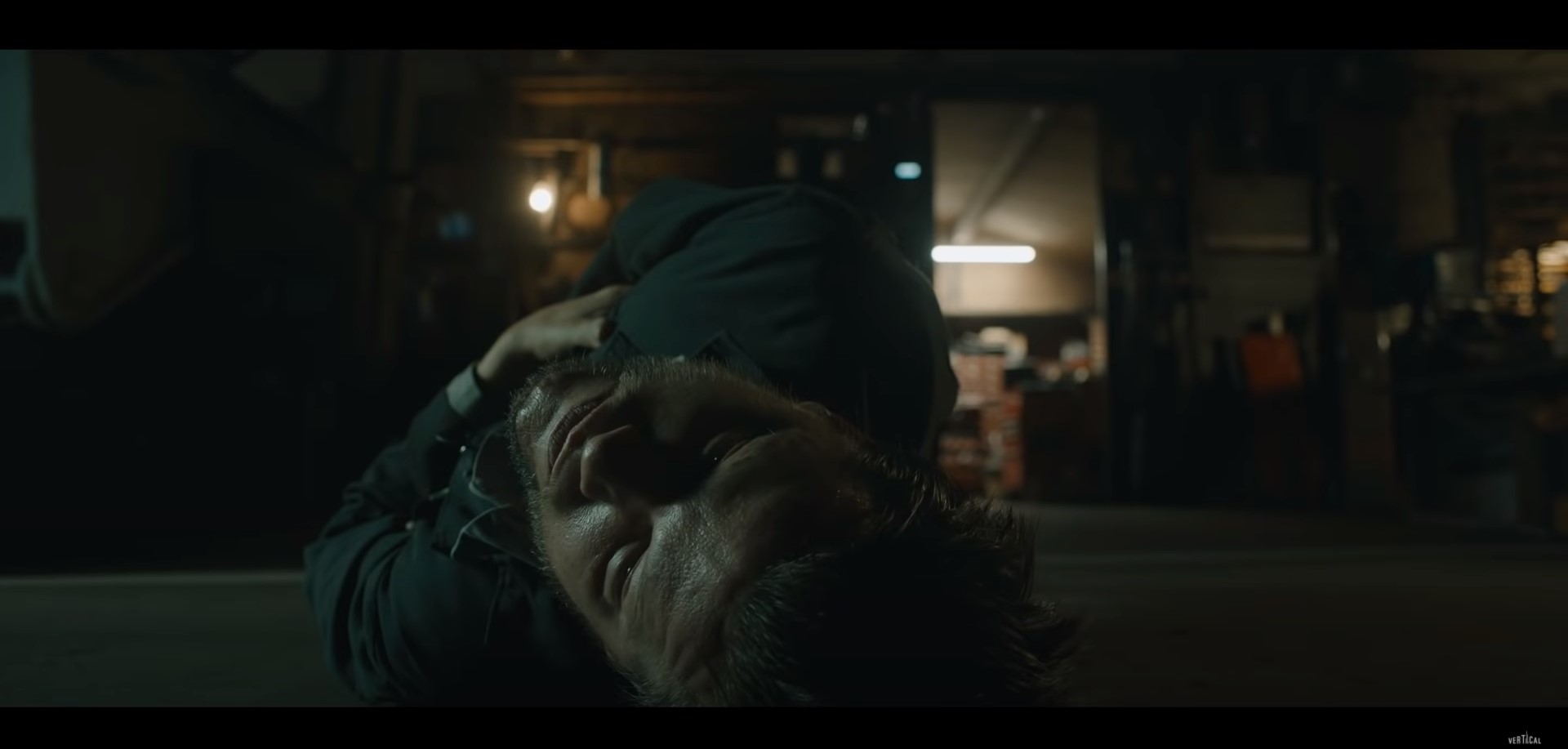
Tribes at War makes for Eternal EVIL. “The Secret of Sinchanee” reviewed! (Vertical Entertainment / Digital Screener)


Watch “The Secret of Sinchanee” on Amazon Prime Video

Deerfield, Massachusetts – 1995 – a young boy becomes the sole survivor after a drifter senselessly massacres his mother and sister during the Christmas holiday while his father was out of town.  25 years later, Will Stark, that once little surviving boy now haunted by his past, bothers not live outside expectations and to be left alone to a life of normalcy, even working at the same industrial towing company his father once worked managed, but when the untimely death of mentally unstable father, who battled dissociative identity disorder and depression, among other psychological problems stemmed by the tragic loss of a wife and daughter, leaves Will inheriting his childhood home, the same home where the gruesome murders took place, Will’s life becomes anything but mundane with a house pulsating with malevolent paranormal energy connected to the sacred land it’s built on.  Searching for an ancient talisman, unyielding entities exploit Will to stop at nothing and kill anyone to get back what is theirs lost 25 years ago.

Shot on location around the snowy banks of Deerfield, Massachusetts comes the Steven Grayhm written and directed “The Secret of Sinchanee with a folkloric backstory set in New England about a feud between an invulnerable indigenous people versus malicious pagan settlers stretching over time into present day with an ancient artifact as the centerpiece to possession and murder.  The “House of Dust” and “Crash Site” actor steps into his first feature directorial and writing project with a story that crosses paths the hereditary burden of lineage bred mental issues with the tribalistic supernatural forces, opening with text origins of the longstanding rival feud between the selfless mysticism and disease immune Sinchanee people and the black magic disciples of Atlantow who seek to snuff out the Sinchanee bloodline.  The 2021 American made film is the first product of the Steven Grayhm and Nate Boyer co-founded, military veteran empowering Team House Studios and presented by Truth Entertainment. 

Not only does Steven Grayhm write and direct “The Secret of Sinchanee,” the Canadian actor also helms the lead as Will Stark, the town-talked recluse troubled by his grisly past.  Quiet and unphased by the strange nightmares and powerful visions inside his father’s house, Stark gradually becomes an entranced pawn and Grayhm poses a lifeless, wandering shell of a man honestly enough but on paper, Stark never questions the housebound oddities or even shed a lick of emotion when his dog, his only companion, vanishes.  Grayhm just kind of sleepwalks through the performance which I’m sure was his intended purpose since, you know, he wrote and directed the film.  In a parallel plane, detectives and marital exes, Carrie Donovan (Tamara Austin, “The Walking Dead”) and Drew Carter (Nate Boyer), embroil themselves into a Deerfield homicide case despite their past differences and their shared preteen daughter (Laila Lockhart Kraner).  Though not playing a footballer or someone in the armed forces, Carter steps into law enforcement as Boston PD and though Massachusetts is not a big state, I’m not sure a Boston detective would travel 120 miles outside of the city to continuing investigating a Boston murder in the rural sticks of Deerfield.  The entire dynamic between the local Donovan and the big city Carter plays to unresolved subversive tune of Carter taking advantage of the moment in order to rekindle the spark with his ex-wife or, perhaps, just be close to this daughter.  Obviously some personal tension between them but rarely does that tension surface to endorse strife as Donovan is carried away the homicide case, taking her investigation to an unlawful next level by trespassing onto Stark’s land and inside his house to be spooked by the spirits’ distorted reflection of herself.  Somewhere in the trio of leads lie a more meaningful connection that’s more muddled by individual character, side story offshoots, leaving what’s most important to the film scattered profoundly thin to meet the bar.  What also doesn’t bode well for Grayhm’s debut is the late introduction of a key Sinchanee descendent, Solomon Goodblood, played by Rudy Reyes who starred alongside our horror community gal pal, Diana Prince, in “Beach Massacre at Kill Devil Hills,” who intercedes for his fading bloodline as a shaman against Atlantow. 

Speaking of Atlantow, there is hardly a sense or a tangibility to the sect God plaguing the Stark family going on for decades now and that sides more with the mental instability theme of a family with a history of mental illness coinciding the allusions of one’s own internalized battle with trauma, insomnia, and past down disorders to manifest tragedy into a shared psychosis of Atlantow’s sinister and manipulative craft.  Perceived heinous actions, such as modern day scalping or wielding a tomahawk, can be seen as someone possessed with incoherent malintent because that traumatized person’s survival’s guilt warps them so.  Unfortunately, the story’s jumble beyond one aortic premise and spreads the whole concept thin without hardly touching upon the Sinchanee and Atlantow quarrel as noted in the opening text that laid out the intentions of a contentious war between good versus evil.  In the film’s reality, “The Secret of Sinchanee” is about two cops stumbling into Atlantow’s business in trying to find a sacred artifact.  We’re not even granted the reason why this talisman, a decently sized arrowhead, is terribly significant to the dark forces of Atlantow aside from vocal desperation in the object’s return to sacred ground.  Is “The Secret of Sinchanee” more aligned with themes of desecration of sacred land?  The meddling of a once proud culture now lost?  Not much clarity among the variety of circumstances happening inside Grayhm’s runtime lengthy debut picture other than the surface level possession and the cops’ investigation that motivates them into the paranormal situation.

Under the executive producer team of Joe Newcomb (“Dallas Buyers Club”) and Jose Martinez Jr, “The Secret of Sinchanee” is now available on Digital HD and On Demand this month of October, released by Vertical Entertainment.  With a runtime just shy of two hours, 115 minutes, the film will be available on all major cable and digital platforms, including Apple TV, Amazon Prime Video, Vudu, Comcast, Cox, and Spectrum, as well as playing in select theaters. Though an indie picture, production value pinnacles the budget, shot cleanly by Logan Fulton using an ARRI Alexa camera to capture the serene snow covered wooded landscapes of typical rural New England while succumbing to remain steady in the clean-cut darkness and warmer hues when things go bump in the night. Definitely not much camera movement, but the still shots, mostly medium to closeup, are framed properly without an any abnormality, providing just enough evidences to keep viewers on edge, while sprinkling in a Dutch angle or two to encourage anxiety where due. No special features included with this digital screener nor were any bonus scenes present during or after the credits. “The Secret of Sinchanee” remains private under a lock and key guise of mental illness and consigned to oblivion of parentage without breaking through those cognizant barriers to fully grasp a ancient tribal hatred that spills beyond normal time and space.

EVIL Says Lights Out! “The Power” reviewed (Acorn Media International / Blu-ray)


East London, January 1974 – a young nurse starts her first day at a stringent hospital during a political war between the government and mining union workers.  Resulting form the conflict is a nightly shutdown of electricity across the entire country.  As the hospital falls into darkness, the young nurse is forced to work the nightshift at the behest of the hospital’s stern matron, ordering her care for the unresponsive in the intensive care unit that’s receiving a limited feed of generator power.  Afraid of the dark, the nurse finds herself short of pleasant company who are knowledgeable of her sordid past, making her feel more alone in an already isolating and gloomy environment.  When she feels an aggressive presence surrounding her, watching her every movement, and even possessing her for short periods of time, dark hospital secrets come to light and her past connects her to be the key to it all.

Partially based off the 1974 Three-Day Week measure implemented on January 1st to battle inflation and avoid an economic collapse in the UK, Corinna Faith’s things that go bump in the dark ghostly feature, “The Power,” pulls inspiration from the government versus trade union war political contest as a backdrop set for the Shudder exclusive release.  To briefly catch inform you, part of the plan was to have Britain’s private sector pay was capped and bonuses eliminated to cutoff high rate inflation, infuriating much of the coal mining industry who were responsible for a good percentage of fueling much of Britain’s energy at that time.  During the month of January 1974, nightly blackouts were issued for all commercial use to conserve coal stocks.  Inspired by this short-lived UK struggle, the 2021 English film became the sophomore written and directed project for Faith, but is chiefly her breakout film following the over a decade and half, father and son Irish drama, “Ashes,” released in 2005.  “The Power” has topical supremacy with a strong parallel of, as the title suggests, power and a delicate allegorical presence of women taking back control of their lives after being suppressed by wicked and disregarding men and their collaborators.  Conglomerating production companies are behind Corinna Faith’s “The Power,” including “Cargo’s” Head Gear Films and Kreo Films, the prolific British Film Institute, Stigma Films (“Double Date”), and Air Street Films.

Starring in her first lead role, Rose Williams plays the mild-mannered and meek young nurse, Val, with an enigmatic and subversive past that has seemingly caused some controversary at a private school.  Williams turns on the docile humility, laying on thick Val’s readiness to submit to any command without contest despite the young nurses visible cues of uneasiness and bumbling hesitation.  Val’s qualities purposefully pose her mindset molded by a system she has shunned her for an unspeakable act that’s skirted around persistently throughout the story.  Faith really puts emphasis on having Val feeling extremely isolated and alone in the old, dark hospital with antagonist characters who some are familiar with Val and others who are new faces to the young nurse, but still exude an uncomfortable impression, such as the strict matron nurse (Diveen Henry, “Black Mirror”) and bizarrely skeevy maintenance man Neville (Theo Barklem-Biggs, “Make Up”).  Even a familiar face in fellow nurse Babs (Emma Rigby, “Demons Never Die”) strives to make her not forget about her unpleasant past.  Only in foreigner child, a patient named Saba, an introductory performance by Shakira Rahman, Val discovers a kindred spirit of an equally alone and frightened prisoner of the hospital.  For the two sole apprehensive souls, I really couldn’t pinpoint the trembling fear in their eyes or understand how they’re not crippled by the immense inky blackness that seems to engulf everything and everyone with an enshrouding sinister presence.  Gbemisola Ikumelo, Charlie Carrick, Sarah Hoare, and Clara Read make up the remaining cast.

The electricity backout is merely more for harrowing effect, creating lifeless atmospheres of bleak corridors and dank basements that swallow securities with meticulous ease, but “The Power” is more than just a lights out, afraid of the dark, paranormal picture as Faith pens a parallel theme that fashions the title in double entendre stitches.  Audiences are not immediately privy to the backstory that disturbs Val to the core as she finds consternation in the dark’s unknown possibilities.  This we can clearly see in her scattered imaged nightmares and her reluctance to forcibly work the night shift with little-to-no illumination.  As the story unravels, Faith drops breadcrumb hints and misdirection indicators that not only reveal more into Val’s background but also the background of Saba’s and the presence that is targeting them both in playful manner as if an invisible “Jaws” shark was tugging and pulling in all different directions in the tightly confined hospital setting, leading up to what and whose power truly presides over them.  Dark becomes light in the water shedding moment that defines Val’s lightning rod purpose in being a ragdoll puppet for a ghost’s whims and while the story successfully builds up to that climatic moment with blank eye possessions and unconscious grim mischief told in reverse order, “The Power” ultimately tapers off with a finale that falls apart on the precipice of something significantly special for the voices of traumatized women everywhere in recovering the power over themselves.  Though abundant with tension-filled jump scare frights during the puzzling mystery, the horror element also suffers a misaligning derailment in the end with a happy-go-lucky procession of no longer being afraid of the dark, dropping the bulk of scares like a sack of unwanted potatoes no longer ripe for a tasty reward.

Still, “The Power” is a single-setting period horror with potent scares along with an even more compelling subtext significance. The region 2, PAL encoded, 83 minute feature is presented in a widescreen 2.35:1 aspect ratio on a single disc BD25 with a 15 rating for strong supernatural threat, violence, child sexual abuse, and sexual threat. Perfectly capturing the precise black levels, the Blu-ray renders a nice clean and detailed image, leaving the negative space viscerally agitating while waiting for something to pop out of the dark. The color is reduced, and slightly flat, to de-age the filmic look for a 1970’s bleaker of cold, sterile atmospherics. The Dolby Digital 5.1 surround sound mix is a chocked full of robust fidelity. The jump scare ambience and short flash of up-tempo works along with the rest of the solemn score. Where “The Power” lacks is with the dialogue and not within the confines of prominence; instead, capturing the dialect cleanly was challenge to undertake as most of the cast mumbles through most of the Liverpool-esque dialect and dialogue. Special features on the release include an audio commentary with director Corinna Faith and Rose Williams and a behind-the-scenes still gallery. A feminist noteworthy horror, “The Power” connotes powerful and uncomfortable contexts that’ll surely make you squirm far more violently than being alone in the ill-boding dark.

The EVIL Next Door Invites the Urban Decay. “Terrified” reviewed (Acorn Media International / Blu-ray)


A young boy is hit and killed by a bus.  A housewife is found hung in her bathroom.  A man has disappeared in his home.  Three incidences, three houses, three souls have one thing in common.  They’re neighbors.  The unusualness surrounding each tragedy grabs the attention of former forensics investigator Jano who’s own experience with the paranormal thrusts an unquenchable desire to examine the supernatural.  In a matter of coincidence, Dr. Mora Albreck, a vocational psychokinetic researcher, follows up on the disappearance of the man who called her countless times for help, but then just vanishes.  Accompanied by Dr. Albreck’s assistant, Dr. Rosentock, and Detective Funes, a weary, on-the-edge officer with a bad heart, the divide themselves to stay the night in each house and experience the paranormal phenomena calling from the beyond, but the entities calling just might terrify them. 

Hailing from Argentina comes the shivering, cross dimensional unknown from writer-director Demián Rugna’s 2017 properly titled, “Terrified.”  Originally known as “Aterrados,” the Buenos Aires filmmaker, who’s helmed hell bound thresholds previously with his introductory feature film, “The Last Gateway,” remains inside the grindhouse and horror bubble with another slit between realities thriller.  This particular bubble bursts with a whirlwind of nebulous outbreak of terror while providing microbe commentary about the potential dangers of Latin America’s water system and a perspective theme that speaks volumes on the issues of duality in what really happened and what the general public is told. Don’t trust your eyes! Nothing is what it seems! That’s the whole premise of “Terrified’s” knee-quivering appall, produced by Fernando Díaz under Machaco Films and the Instituto Nacional de Cine y Artes Audiovisuales (INCAA).

Rugna’s paces “Terrified’s” entropic buildout near the edge of an anthology, ghosting us the one reason for a neighbor’s supernatural experience for the next to eventually bring the heart of the cast together as a motley group of paranormal investigators. Starting with retired forensic specialist Jano who has a morbid curiosity for the unknown that fascinates him more than the abnormal mortifies him with fear. In his first feature length performance outside of television, Norberto Gonzalo understudies the very concept of the character Jano with objective eye for curiosity and knowledge much like any scientist. Jano is invited by Detective Funes, played by another television regular, Maximiliano Ghione, to the investigation of a recently deceased boy’s corpse having returned to his childhood home and is now a rigor mortis statue sitting upright at the dining room table. Though through exposition about their training and partnership over the years, Jano and Funes sit on the opposite sides of the fear spectrum with Funes’s engendered nervousness to the whole uncanny event and mentioning his bad ticker which comes into play later on in the story. Opposite side of the street, in walks into frame Elvira Onetto, an appropriate name for the film at hand. The “Jennifer’s Shadow” actress is Dr. Mora Albreck, renowned paranormal psychologist checking in on a manic patient who recently disappeared. Rugna really appreciates the mindset of the kindred spirits in Jane and Dr. Albreck with their sense of childlike giddiness toward the whole matter while those around them – like Funes or the boy’s mother – shiver with fear or break psychologically. While Jano and Dr. Albreck naturally work their way into the story, Dr. Rosentock is left with being the odd eccentric out. While just as enthusiastic about the phenomena that’s swallowed souls around the neighbor, Rosentock just appears as Dr. Albreck’s assistant who has traveled from a great distance to study…something like what’s happening…so is said in the film. Played by George L. Lewis in his only credited role, Rosentock is as much as self-assured, unafraid, and matter-of-fact as he is a caricature of old Hammer Horror style scientists when dealing with otherworldly entities, imposing a need for a little weight to his story, but, unfortunately, his participation lives and breathes only as participate to Albreck’s project. There are many fine performances around with the ebb and flow of minor characters, played by a talented cast that includes Julieta Vallina, Demián Salomón, Agustín Rittano, and Natalia Señorales.

“Terrified” is one of those movies where the silence and the stillness can have a higher affect on the spine-prickles.  Rugna’s gold standard patience establishes a tense tone without the supplementary tumultuous, ear-splitting chaos that usually grinds teeth and curls toes as the sediment of panic begins to settle at the pit of the stomach.  Marcus Berta and Lionel Cornistein’s blend of practical and visual effect are near seamless, but ultimately land the one-two knockout punch of anxiety-riddled scares with tall, crumpled monsters skulking under the bed shadows, glowing eyes peering through wall cracks, and a the stiffly rotten decomposing boy popping into frame in a split second.  Cornistein’s composite designs are not too shabby for the editor and visual effects artist’s first feature rodeo let alone generated a complex olio of otherworld oddities.  In regards to “Terrified’s” themes, in my travels to Central and South America, I’ve been advised to be cautious in drinking the tap water that’s filtered differently compared to the U.S., leaving local microorganisms to swim in the guts of those unaccustomed to them, and Rugna points in that direction by consistently focusing on the water taps, drains, showers, the action of drinking water, and, also, literally spelling it out for us by Dr. Albreck to not drink the water in these spirit plagued houses due to microbes traversing from beyond through the water system.  Dual perspectives becomes important as well.  After the gruesome discovery of the boy corpse sitting at the dining table, Funes needs a rational explanation to report in contrast to the unexplained grisliness, something that makes sense and wouldn’t frighten the daylights out of him, his colleagues, or the general public.  Coincidingly, Rugna creatures also exist on two different planes, sliding between the panes, and not always visible; this is another verbally illustrated facet that unsuitably reaffirms the theme.

“Terrified” scales the expansion of dimensions with bottomless creepiness and shock value, rifting from Shudder’s streaming service and right onto a UK Blu-ray home disc distributed by Acorn Media International.  The region 2, PAL encoded, BD25 disc houses a presentation displayed in a widescreen, 2.35:1 aspect ratio, with a 15 rating for strong horror, bloody images, and language. The 1080p, HD resolution is an indifference concern with the already blemish free digitally shot film, but director of photography, Mariano Suárez, heeds every shot taking Rugna’s perspective theme to heart with lowlight and obscurities as fear-fodder. The Dolby Digital 5.1 surround sound mix flexes a full-bodied, channel defining muscle with clear, prominent dialogue, a diabolical range in sound design, good depth, and an off-key canorous soundtrack because every horror fan eats up an inharmonious and creep tunes. Unfortunately, much like the “Belzebuth” release, “Terrified” comes with no special features other than a menu with the animated trailer of the film. “Terrified” is the chef’s kiss of Latin American horror, an epitome of jaw-clenching terror that’ll have you sleeping with the lights on tonight.

Buy “Terrified” on Blu-ray (Region 2) from Acorn Media International!