Starve EVIL With Unseen Faith. “A Banquet” reviewed! (Second Sight / Blu-ray)

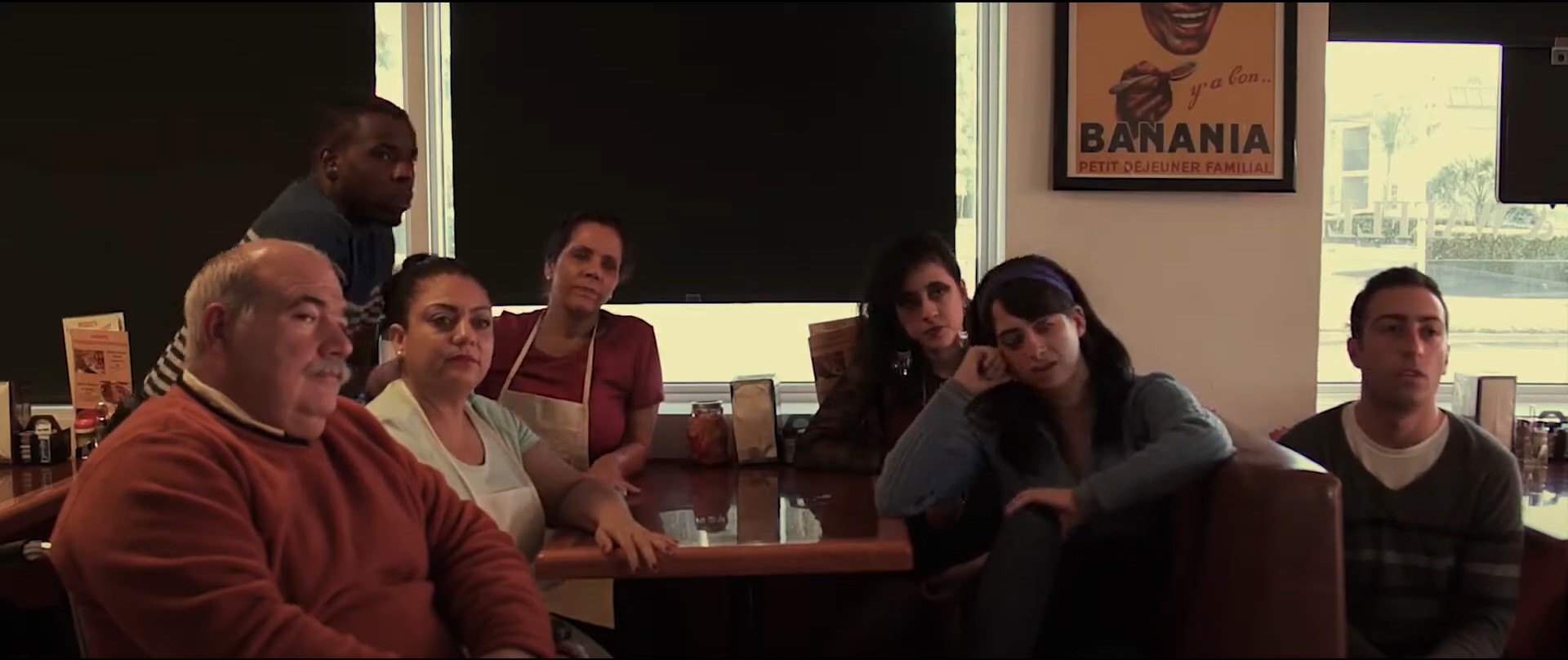
After the long-term care of her terminally ill suffering husband, he suddenly commits suicide right in front of her and right in front of their oldest daughter who just came home.  Holly must now pull it together for her two teenage daughters, Betsey and Isabelle.  Drowning in debt to maintain a wealth front of normalcy, Holly puts on the facade to juggle life’s adversities to order to keep the family above water, but when Betsey is overcome by an apocalyptic vision that intermittently possesses her behavior, Holly’s unsure of how to cope as any threats of committing Betsey for treatment is rebutted by talks of suicide.   Betsey goes into deep trances, deep sleeps, and won’t eat despite not losing any weight and as imaginations run wild of what’s driving her unusual behavior, Holly must contend to survive and triumph not only in her daughter’s wellbeing but in all of the seemingly insurmountable problems threatening to tumble down and crush her spirit.

If you’re a fan of elevated horror then Ruth Paxton’s debut dysfunctional family drama horror, “A Banquet,” will tickle your thinking pickle.  While some would argue there is no need for elevated horror in the genre, sometimes exercising the old thinker can be immensely stimulating as well as scary in the same breath.  The 2021 psychological thriller-horror hailing from the United Kingdom was one of the first productions shot in the thick of government issued pandemic lockdowns that tossed the moviemaking job market into a frenzy, scary void of uncertainly and, what seemed like, an eternal limbo, similar to what “A Banquet” offers in its multifarious themes and interpretations that involve faith and religion, family hierarchy, and postural image.  With many departmental crews and cast out of a job and unable to find work during forced lockdowns, “A Banquet” became a beacon of hope and a chance to indulge a passion no matter how little it paid.  “A Banquet” is penned by Justin Bull (“Merge”) and was secured by first time producer Leonora Darby with Nik Bower (“Replicas”), James Harris (47 Meters Down”), Mark Lane “Cockneys vs Zombies”), and Laure Vaysse (“A Dark Place”) co-producing the conglomerated production from HanWay Films, Riverstone Pictures, Tea Shop Productions, and Reliance Entertainment Productions 8 LTD.

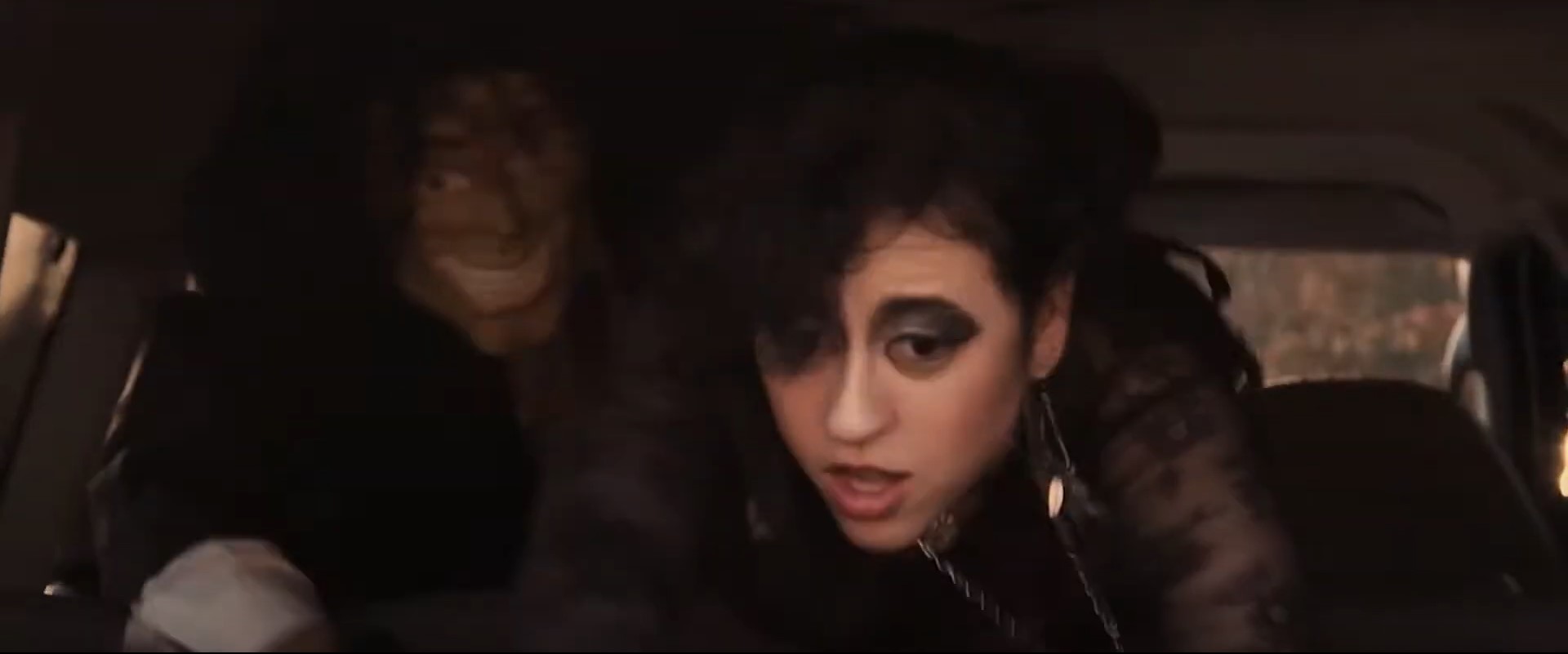
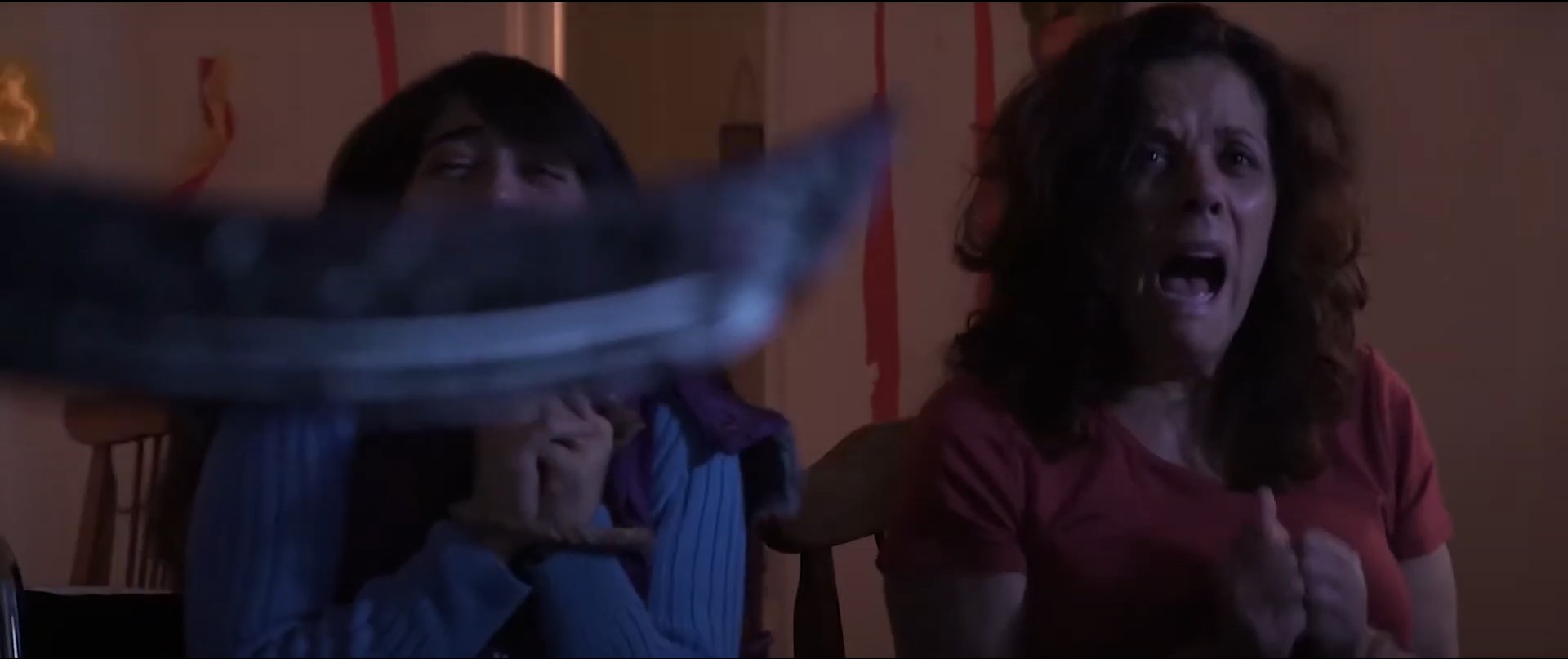
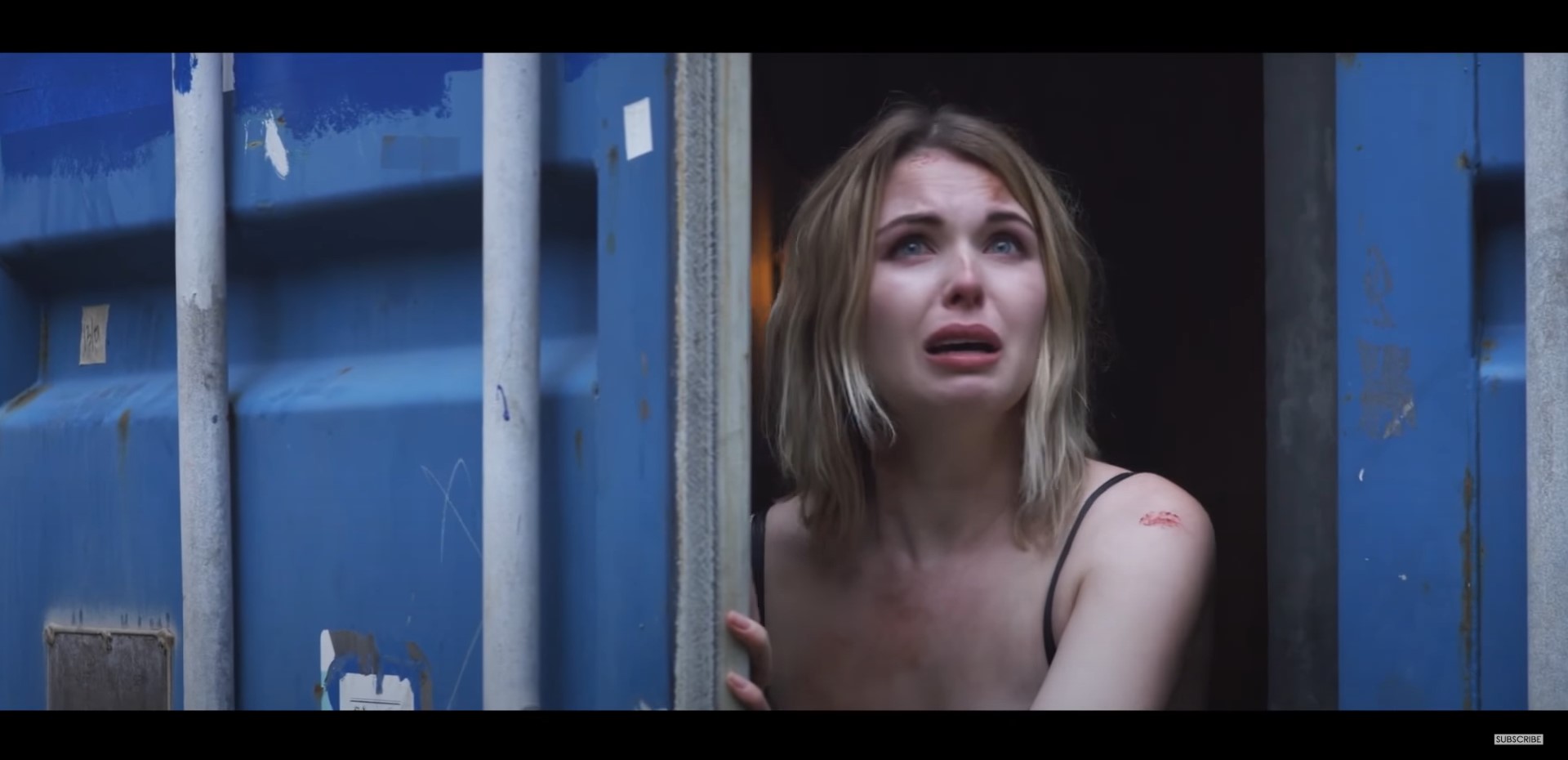
“A Banquet” surrounds around a nuclear family minus the patriarch who immediately removed from the picture within the first five-minute opener in a powerful scene of weary difficulty, distressing pain, and a harsh untethering of a burden that begins the inklings of the uncanny to come. Enter mother Holly (Sienne Guillory, Paul W.S. Anderson’s “Resident Evil” franchise) and her two daughters, Betsey (Jessica Alexander) and Isabelle (Ruby Stokes), into the frame weeks, maybe months later, and resided to the loss. Playing the center of concern is the raven-haired Jessica Alexander in what is one of her first feature film performances and it’s a doozy.  As Betsey, a mild-manner older teenage girl at the forefront of adulthood, Alexander earns the chance to showcase herself in a variety of ways with a role that transcends from a docile daughter to a variable vessel of unknown origin that’s haunting and unpredictable as you can never tell what’s taken control over Betsey is naturally good or evil.  Alexander even gets to dip her toes into, or rather dig her fingers into, gross and horrifying practical effects with brilliant results.  Opposite Alexander in the role of the mother, Holly, is Sienna Guillory, a beguiling veteran actress now in the throes of maintaining the routine and keeping appearances aggregated up to snuff.  Guillory exudes a bottled-up pressure that’s so immense it can be translate right off the screen and into the viewer.  There’s plenty of tension in the story but most of it is concentrated right on Guillory’s embodiment of a mother treading desperately in deep waters.  A maelstrom of frustration, fear, loathing, and neglect eviscerate Holly open to shoulder her family’s bleeding and she claws frantically, with poise, to cauterize the fissure.  Isabelle is a fascinating and almost unintentionally forgotten character that is meant to evoke that effect as the neglected younger sister.  While we’re constantly orbiting Holly and Betsey’s, we lose track of Ruby Stokes’s Isabelle yet the upcoming star for Netflix’s “Lockwood and Co.” Stokes paints a potent psychological picture of Isabelle being on the backburner.  Raw and tragic, Stokes subtly pushes Isabelle, who initially is the more cavalier and disobedient of the two sisters, to strive for attention in her own way whether be that longing glance into the stands when her mother isn’t paying her mind during figuring skating instruction or wanting to reluctantly engage in alcohol and sex just to outlet that notice me energy elsewhere.  Concluding this bloodline of women is the more draconian matriarch, Grandmother June, with an uncompromising and plain-spoken fascia erected by Lindsay Duncan (“Body Parts”).  Duncan’s fine snide performance compounds the pressure on Holly and is a cold bucket of ice water to her granddaughters when speaking her mind, telling them simply stop pretending, and remind them of their mother’s own historical mental problems in a matter-of-fact tone.  Between the four, there’s individualistic dominance over each of their domain without an ounce of withdraw or relief until the bitter end and that dreadful dynamic sets the tone for the “A Banquet” austere veneer and tone.

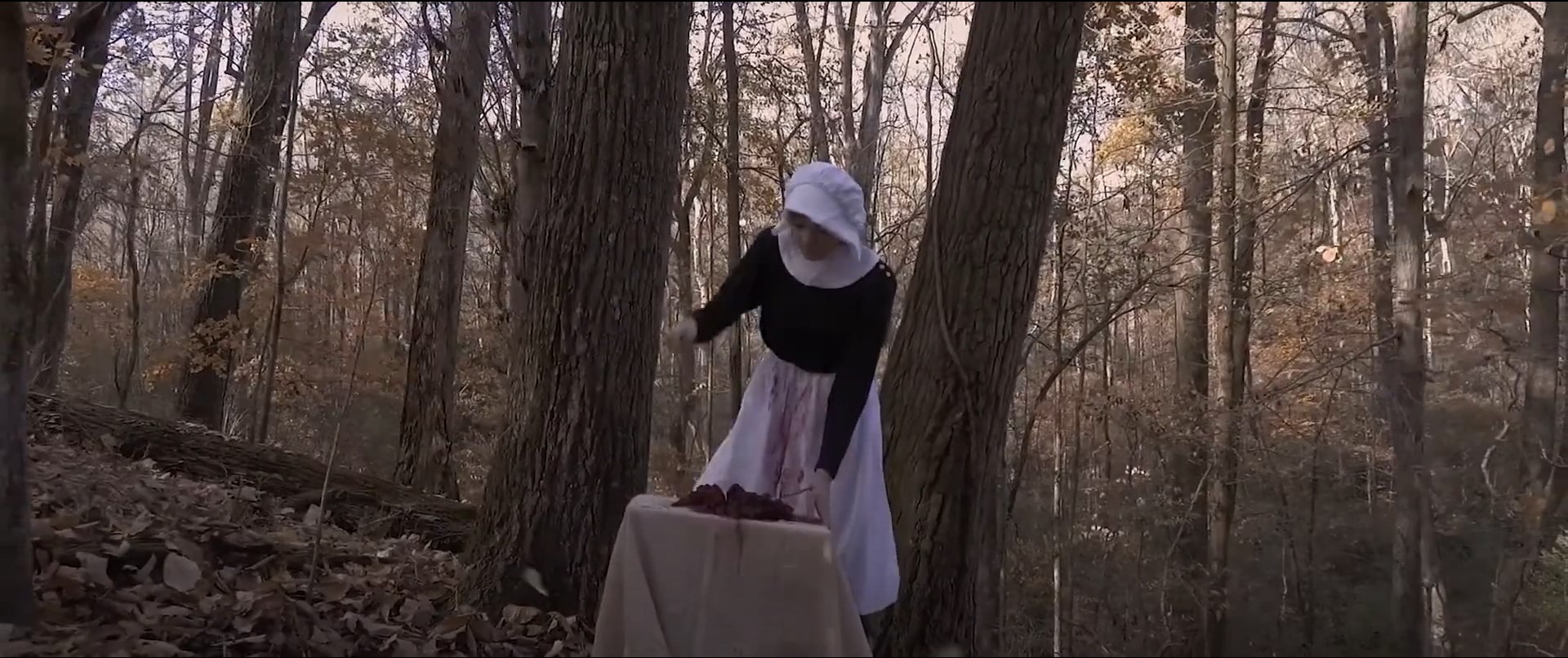
“A Banquet” is a lot to unbox and chew on in this women-driven created film.  Open for a many number of interpretations, based on one own’s spiritual outlook or personal opinions, Ruth Paxton tees up a broader theme of centrical growth of stepping outside another’s shadow.  The message can be applied to Holly and her two daughters as each one of them attempts to move forward or past a routine of some form of contempt.  Isabelle is trying to get out of her sister’s shadow, Holly bristles against her overbearing mother, and Betsey is being supernaturally guided through a symbolically painful transition of growing up into an adult as if the process came naturally. Blunt defiant moments shine Betsey’s overall separation from mother’s control, such as threatening to kill herself if her mother institutionalizes her or in during the number of elaborately prepped dinners that Holly slave over are just pushed aside and untouched by Betsey. Those dinners, in themselves, are a sign of privileged with fine dining right at their fingertips with no sign of hot dogs or sloppy joes in sight. Holly strives to maintain that sense of luxury, which is another form of control but, in this case, is Holly’s mother June whose elitist fundamentals enslave Holly to live up to the hype. Systematically, each member of the family, working up the ladder from youngest to oldest, breaks the inherent status quo. What Betsey undergoes is mystically charged after she emerges from the woods a changed woman and what might seem like a possession of sorts, we don’t exactly know if the extent of what inhabits her is wicked or actually good as the pendulum sways constantly between being enlightened and being cursed. There’s plenty of allusions toward a religious experience with encouragement of faith and rapture talk that not only spooks Holly but also makes her the primary subject of Betsey’s claim to save. When the time does come, and Betsey passes through a substitutionary atonement, the end scene shows Holly being embraced by a candescent light that illuminates from within her. Is it being saved or is it something else? Ruth Paxton smashes her first feature with an elevated deconstruction of a family obliviously rotting at the core and attacks the film with dispirited ambiance sewn to dread.

Feast your eyes on the new limited-edition Blu-ray set of Ruth Paxton’s “A Banquet” from Second Sight films. The region B, PAL encoded UK boxset presents the film in 1080p widescreen 2.39:1 aspect ratio with a frame rate of 23-24 fps. David Liddel’s deep and encroaching cinematography of somber is highly effective in dulling out any kind of hope that might try to sneak in and with Liddel’s close-to-mid shots of macro-sized foods of all fresh and decaying varieties and in the middle of the more volatile struggles between mother and daughter opens up “A Banquet” to a plethora scene being uncomfortable moments. Details are sharp and colors are about as rich as Liddel can make them inside a grey-covered world. The English language set comes with two audio options: a DTS-HD 5.1 and a LPCM 2.0 stereo. DTS is clearly more robust through the various channels with a well-balanced mix. Other than a few outlier moments in the forest that disperse the dialogue in a naggingly boxy echo that doesn’t fit the environment, dialogue is discerningly clean and clear of obstructions and damage, as if there would be any on a digital record. Optional English subtitles are also available. Bonus material includes an interview with director Ruth Paxton Deformity of the Flesh on creating her first film during the height of the pandemic, an interview with star Jessica Alexander Improvised Exorcism in which she discusses her experience soup-to-nuts from hiring to completion, an interview with producer Leonora Darby Producing a Feast who notes about the difficulties of being a first-time producer in pandemic time, an interview with cinematographer David Liddel Dark Edges on how he creates “A Banquet’s” gloomy aura and creative shooting angles, the Q&A from Glasgow Film Festival with Paxton, Alexander, and Sienna Guillory, and a making of featurette. The limited-edition physical boxset is a sturdy vessel of beauty with a rigid slipcase with new artwork by Jen Davies, a 56-page soft cover picture and essay book with thoughtful examinations by novelist Alexandra Heller-Nicholas (“1000 Women in Horror”), film critic and writer Jennie Kermode, and Heather Wixsn, the managing editor of the Daily Dead. The contents round out with 6 collectable art cards. The film has a runtime of 97 minutes and is certified 15 for strong threat, language, suicide, self-harm, and drug misuse. “A Banquet” is lavishly cataclysmic as a divinely damning dish of a broken, dysfunctional family made to order by first time director Ruth Paxton with more to say.

Four Kids to Stop EVIL From Wiping Out The Rest of Mankind. “The Walking Dead: World Beyond” final Season reviewed! (Acorn Media International / Blu-ray)

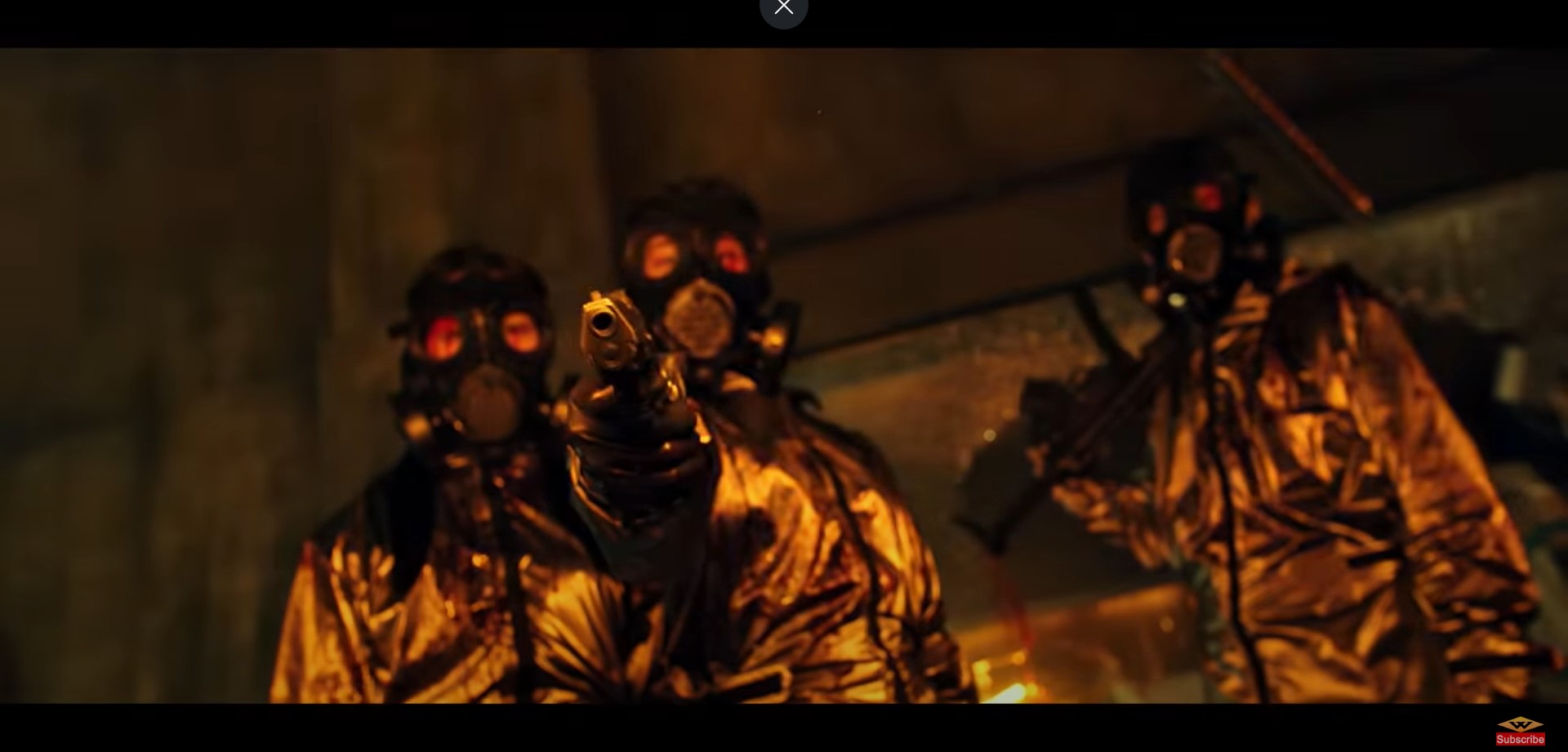
The last time we saw the four Colony Campus travelers trekking across country, Hope and Huck were helicoptering back to the Civic Republic Military, Iris and Felix find Will to learn their home has been wiped out, Silas sacrifices himself up to the CRM for his friends to get away, and Elton discovers Percy alive but severely injured after uncovering Huck’s deceit.  Separated and deeply rooted into their own difficulties and dilemmas, the long-term goal is to survive and find each other again while unearthing clarity around the CRM’s true top-secret military operations – wiping out neighboring alliance colonies with lethal gas.  Hope reunites with her father to assist in how to quickly eradicate the dead but the advancement in their works comes across CRM immoral hurdles that force the group into radical action against the most powerful and well-organized military faction known to what remains of mankind. 

“The Walking Dead” spinoff series, “World Beyond,” comes to a close on the two-season arc that aims to die up bits and pieces of connective elements into the ever-expanding universe that is “The Walking Dead.” Showrunners Scott Gimple and Matthew Negrete return to season two with a drive to give fans a broader sense of the enigmatic Civic Republic Military (aka CRM), to supplement a main series character’s hand in the fate of the human race, and to take continue to reach across the domestic planes to show that there’s more than just Georgia-Virginia heat and TexMex dead and drama. Gimple and Negrete’s “World Beyond” is the little brother of the series two predecessors but offers same amount of drama under a blanket of undead gore. Friendships will be tested, moralities will be checked, and the dead will still walk in this ancillary limited series that runs from 2020 to 2021, totaling 20 episodes. David Alpert, Brian Bockrath, Maya Goldsmith, Gale Anne Hurd, Ben Sokolowski, and also across the TWD universe and graphic novelist co-creator Robert Kirkman return to season two as executive producers under the presentation of American Movie Classics (AMC) with Idiot Box, Circle of Confusion, Skybound Entertainment, and Valhalla Entertainment serving as production studios.

Season one regulars Aliyah Royale, Alexa Mansour, Hal Crumpston, Nicholas Cantu, Nico Tortorella, and Annet Mahendru return to see their characters through the waves of the flesh-biting undead and the unbridled, unchecked power trips to the bitter end. Performances from season one into season two two retain individual natural orders of progression within the slogging imbroglio surrounding one ultimate thematic goal – to survive without sacrifice. From the regular cast, Aliyah Royale, Alexa Mansour, and Nico Tortortella step up in the rapid-fire series of blistering complexions based on the known and unknown facts of the environments or colonies that influence them. Tortorella actually showcases some of his fighting choreography unlike what we’ve experienced in the first season, making his Felix character that much more bad ass. Hal Crumpston, Nicholas Cantu, and Annet Mahendru don’t necessarily provide inedible takes of their equally thrust in turmoil characters but also don’t take their themselves to the next level. I still find Huck, played by Mahendru, to be average in a key role of double-edged duplicity. Plus, that forced deep Southern accent doesn’t do Huck justice, forged to contend with her military trained and tough cozenage. Crumpton remains flatlined with Silas’ two-toned solo-pot of emotions and Nicholas Cantu, who I consider the philosophical voice of reason for the group, isn’t provided enough screen time substance in season two to make an impact as his personal tribulations, such as learning Hope killed his mother during day one of zombie fallout, are dropped with barely a mention. New series regulars come aboard stemmed from their provisional season one stints. Joe Holt becomes more involved as Iris and Hope’s scientist father, Ted Sutherland reoccurs as Percy being found injured and is nursed back to health to seek revenge on Huck as well as become Iris’s love interest, Jelani Alladin returns with a fulltime status as Felix’s partner and has more of security role pivotal to the rebellious efforts against the CRM, and Julia Ormond returns as Huck’s mother and as Lt. Colonel Kubleck aimed to do what must be done in order to achieve mankind’s longevity. The new regulars, with the addition of new newcomer Maxmillian Osinski, breathe new life and new complexities of a narrative’s David and Goliath’s approach with added poignant distress as well as subdued hope. The cast rounds out with Natalie Gold, Anna Khaja, Will Meyers, Madelyn Kientz, Robert Palmer Watkins, Gissette Valentin, and “The Walking Dead” crossover Pollyanne McIntosh as Jadis filling in as a CRM head honcho with a new and approved queerish haircut.

The second season promises a whole new set of perils through the world of the undead and, to be more specific, “World Beyond” pivots the focus from the dead to the cruelty of man, keeping up with the “TWD” universe’s majority themes of staggering scruples and survival barbarity.  “World Beyond” trades decaying dentures for military might as Hope, Iris, Elton, Silas, Felix and Huck exhaust their trek to a divisive end after season one’s from West to East’s coming-of-age, growing-in-ghouls expedition that leads them to step outside their comfort zones and into the real world from the safety of the Campus Colony.  We learn early in season one that going back home is not an option as the Campus Colony has been wiped off the map by the CRM, but that hidden truth runs deep into the new season’s storyline and becomes this paradox notion that causes division amongst the principal characters.  Much of the belief the CRM committed genocide is founded on gut-feelings and hunches, as Iris continues to arduously state and even going as far as killing one of the CRM soldiers without proof of ice-cold facts of CRM’s hand in murdering the close-knit survivalist friends back at the Campus Colony.  On the subject of killing, one of the initial gripes by “World Beyond” was that the first season was gory-lite and lacked a concerning amount of undead rapaciousness for flesh.  The same can be said for the second season that saw little bite from the zombie contingent and, instead, focused more of the dynamics of conflicting groups trying to get the upper hand on each other, but also mirroring the layout of season one, gore and that inherent blood-n-guts cornerstone that, as we all know, makes audiences return show-after-show, season-after season to the “TWD” behemoth.  The latter episodes feature a crimson blood-splattering display of head shots, throat rips, and eviscerations that can sate fans toward forgiveness on being reserved in grisly gaudiness.

If you can’t get enough “The Walking Dead” or “Fear of the Walking Dead” then “The Walking Dead: World Beyond” can help fill that void with a short-lived arc in other parts of the dead-riddled planet and the final season comes to Blu-ray home video with a 3-disc, 10-episode set from Acorn Media International. The PAL encoded UK set is presented in an unmatted 1.78:1 aspect ratio which comes standard for U.S. television programming. Picture image comes from the HD AMC premiere and the noticeable dull details and banding in the digital compression codec. The quality won’t cause eyestrains or be a breaking eyesore as many viewers will notice little difference between television and the Blu-ray data output. The English Dolby Digital 5.1 surround mix has no flaws in the digital recording that provides a high bit clarity on each isolating channel and funneling them into one well-blended mix. Range and depth are on point and come through in a tumultuous world of gunfire and that recognizable growling dead. Optional English subtitles are available. With a runtime of 439 minutes and certified 15 or over, “World Beyond” has plenty of content and violence to salivate over but just in case you crave more, bonus features include the Comic-Con@Home 2021 Panel hosted by “Talking Dead’s” Chris Hardwick and includes showrunners Scott Gimple and Matthew Negrette as well as cast members Aliyah Royale, Alexa Monsour, Annet Mahendru, Jelani Alladin, Joe Holt, Hal Crumpston, Nico Tortorella, and Nicolas Cantu in the Hollywood Square-like Zoom panel. “World Beyond” scratches “The Walking Dead” itch for more with a Martial Law look and lockdown theme of military oppression over what remains of the civilian population, an aspect we haven’t seen extensively before in the franchise and slips into the timeline as a needed gap-fill, stretching over a new place and new set of people.

The Devil Is Never Pretentious with His EVIL! “Satan’s Little Helper” reviewed! (Synapse Films / Blu-ray)

Bluray is Currently Cheaper than DVD!  Grab “Satan’s Little Helper” Fast!

Obsessed with his new video game Satan’s Little Helper, where a little boy helps the Satan dispense murderous bloody mayhem, naïve Dougie, sporting his own hot red Satan costume and mask, swears he’ll have a chance to meet Satan himself during Halloween.  Who Dougie believes he stumbles upon is the master of darkness but, in reality, the overactive and imaginative adolescent has discovered a deranged, untalkative serial killer in a Satan costume going house-to-house setting up realistic looking gruesome displays as Halloween lawn decorations.  Feeling slighted when his college-age sister comes home to Bell Island with a new boyfriend unexpectedly, an upset Dougie wants Satan to kill the boyfriend, but the killer insidiously uses the boy as a pawn and works his way into Dougie’s family home and everyone thinks it’s the new boyfriend masked as Satan to impress and please the difficult child.  Set in motion is a flight of wickedness throughout the night on the island town that’s unprepared for the chaos yet to come. 

Jeff Lieberman is already something of a cult horror director amongst fans. Having written-and-directed obscure classics “Just Before Dawn,” “Blue Sunshine,” and “Squirm” within 5 years between 1976 and 1981, Lieberman took horror by varietal storm by dipping his toes into different subgenres and doing moderately well at it., establishing a legacy with re-releases of his films into the new millennia. Though quiet for many years in the realm of horror, Lieberman makes a return with 2004’s “Satan Little Helper,” a killer horror-comedy filled with an innate fear of the unknown with what or who is truly behind that devilish mask. Lieberman wrote and directed the feature with a dark and morbid stamp perfect for the Halloween season. If you’re looking for a good Halloween movie, “Satan’s Little Helper” should be on your short list. Set on the fictional location of Bell Island, which is actually Long Island, New York, “Satan’s Little Helper” is a production of Intrinsic Value Films (“The Last Thing Mary Saw”) and the limited liability company under the alteration of the film’s title with Satan’s Little Company and is self-produced by Lieberman as well as Mickey McDonough, Isen Robbins, and Aimee Schoof with Carl Tostevin serving as executive producer. Screen Media Films waived the theatrical rights route by releasing the insta-cult film directly onto the video market.

Gracing prominently most physical releases with a sinister grin is a dialogue-less and faceless principal character, who with every centimeter of his latex teeth and showing a lackadaisical posture as he turns Bell Island upside down as his own massacring playground, is obviously the serial killer, played by Joshua Annex. Annex spin on Satan Man reaps the story’s benefits by creating a mischievous antagonist to the likes we’ve never seen on screen before despite being playing the murderer behind the mask trope. Annex might be playing Satan but the actor is not playing the titular character, or is her? The double entendre can be interpreted in two ways: the masked killer is actually Satan’s helper on Earth or Dougie, the annoyingly naive brat with an unhealthy infatuation with the Lord of Darkness. Played by a then adolescent Alexander Brickel in his debut performance, Dougie’s only kicks the hornet’s nest even more for not only the residents of Bell Island, but also for his family as the young loutish lad invites the killer his family abode under false pretenses and never revels the truth until it’s too late. Brickel is intense in an aggravating Dennis the Menace kind of way, but the act works all too well with the flanking character players who need to feed off of Dougie’s hellion deposition that all stems from wanting to marry his sister. Is there some kind of symbolism or metaphor there? Speaking of the sister, Katheryn Winnick (“Hellraiser: Hellworld,” “Polar”) levels the eccentricity with normal reactionaries as the sister Jenna. Counterbalancing to make sure her normalcies don’t overstay their welcome is the great Amanda Plummer (“Pulp Fiction,” “The Prophecy”) with sublimely odd mother that only Amanda Plummer could pull off and make it feel right. Stephen Gramham, Wass Stevens, Melisa McGregor, and Dan Ziskie round out the cast.

Perfect for the season, perfect as a cult film, perfect to just be for everyday viewing, “Satan’s Little Helper” has been kept in the shadows far too long and needs to be risen from the netherworld for all to bear witness the unsystematic carnage from someone who just wants to see the world burned. The Lieberman film intoxicates with spontaneity as you never know what to expect or happen next. The script is simple, yet smartly contrived to work as a haphazard horror with a foundation foe with no limits, no boundaries, and no motivation. There’s a relief that there’s no supernatural or actual Satanic force driving the plot and, instead, unravels in a prevailing fashion with an accepted and logical fear that the person behind the mask is not always the person you believe wearing it. While Lieberman’s script does a nice job fleshing out a feature length film where the doesn’t have one single word of dialogue, there are moments when suspicions amongst the family would have or should have come a lot sooner and that stretches the reality some, making act two gummy around the midsection when the serial killer is playing the part of Jenna’s boyfriend. Lieberman caveats Jenn and her boyfriend, Alex, as a pair of studious actors and Alex is just immersed in his role as Satan to please Dougie and while that seems very plausible, how long the act maintained its course did not. Eventually, Lieberman became wise to the Satan costume’s stagnancy and moved the character along into another facade of choice that then goes into a guess who game of deception. An aspect of the killer’s intelligence that makes the character uber-clever and that much more deadly.

“Satan’s Little Helper” is one of Synapse Film’s more contemporary releases that doesn’t require a hefty image upgrade but the new 1080p high-definition upgrade and a supplemental bonus features make this new Blu-ray release very attractive. Presented in a widescreen 1.78:1 aspect ratio, the AVC encoded Blu-ray craves out a resolute image as expected since the modern film is digitally recorded and hasn’t been affected by the wear-and-tear of age and neglect. Perhaps not as glossy as an expensive Hollywood type production with a late 90’s-early 2000s glaze, gel, or filter, “Satan’s Little Helper” keeps a more than adequate showing of details and a medley of colors amongst is more natural cinematography with a handful of night scenes shot in a day under a dark filter. Only one scene of concern stands out on the ferry pier and in what’s supposed to be a close up of Dougie’s dumbfounded face when meeting Jenna’s boyfriend for the first time has somehow turned into a blown up shot that stretches the image fuzzy and masking the delineation. The English language DTS-HD master audio shows no signs of issues with a flawless and lossless sound design. The clean and clear dialogue raises the bar on Dougie’s testy tantrums and cleans out with the ambient effects toward the killer’s actions to compensate for his lack of chit-chat. Optional English subtitles are offered on this release. Bonus features include a commentary with director Jeff Lieberman, an archival behind-the-scenes featurette, The Devil in the Details making-of featurette that goes into cast and crew interviews with Lieberman, Alexander Brickel (now older and with longer hair), director of photography Dejan Georgevich, and special effects artist Anthony Pepe, a tour of the filming locations guided by Lieberman in Mister Satan’s Neighborhood, and the promotional trailer. The physical release comes in the nifty blackout Blu-ray case with a Synapse catalogue insert in case you want to buy their releases via mailed order form. Synapse Film’s “Satan’s Little Helper” new Blu-ray comes home at the most opportune time during this 2022 Halloween season and is sure to be viewed as a delightful deluge of dark comedy carnage and destruction, some of the best attributes of any good horror film.

Bluray is Currently Cheaper than DVD!  Grab “Satan’s Little Helper” Fast!

Problems Arise When Your Brother is an EVIL Mutant Octopus! “The Kindred” reviewed! (Synapse Films / Blu-ray)

“The Kindred” on Blu-ray at Amazon.com!

Before the passing of his brilliant molecular scientist mother, scientist John Hollins fulfills his mother’s adamant dying wish to destroy her life’s long work at their old seashore home. She also spills out that he must put a stop to his unbeknownst to him brother named Anthony. John, who followed his mother’s footsteps by becoming a lead geneticist, devotes the efforts of his team to assist in the removal and destruction of the data but the extent of her work was severely underestimated. Digging through journals upon journals and computer data to find any mention of a long-lost brother, John delays the rescinding proceeding. That is until a member of his team is attacked by an unknown creature and that his brother might not be actually human. On top of it all, John’s lab supervisor, Dr. Phillip Lloyd, is hellbent on obtaining his mother’s covert creation and embeds a spy on John’s team to locate it by whatever means necessary. The simple deathbed request has become a monstrously frightening ordeal that will pit brother versus brother and place everyone’s lives in mortal danger with a tentacled creature set loose.

As Vin Diesel once said in 9 “Fast and the Furious” movies, family is everything. “The Kindred,” however, is not a Vin Diesel movie, does not have supercharged, illegal street race cars or even any high-octane action, and definitely pinpoints family to be more of a burden-riddled, hazard to your health kind of deal when the little brother you never knew existed turns out to be a hybrid surf-and-turf creature with a thirst for blood. That’s the barebone synopsis of “The Kindred”, a U.S. bred sci-fiction-horror from the directors of “The Dorm That Dripped Blood” and “The Power” Stephen Carpenter and Jeffrey Obrow. The 1987 creature feature is penned by the two filmmakers alongside John Penney (“Return of the Living Dead III”), Earl Ghaffari, and “The Exorcist” screenwriter, Joseph Stefano to give the script a little extra supernaturally special to make it stand out. The indie film is a production under the limited partnership of producers Jeffrey Obrow, Stacey Giachino, and executive producer Joel Freeman (“Love at First Bite”) and was theatrically distributed by the now defunct F/M Entertainment.

As a geneticist, “Manhunter’s” David Allen Brooks gives a fairly convincing performance as a strong jawed, blonde haired, and tall statured scientist wearing the now hackneyed glasses to make him appear nerdy and scientific. Honestly, the L.A.- born actor could have gone without the glasses and would have made no difference in the geneticist maven that is John Hollins but on screen, it’s a good look for the part. Yet, all the scientific studies in the world couldn’t prepare what’s to come for the level-headed researcher: a long weekend at the seashore house with direct report whizz-kids and a British acolyte of his mother’s with the blatant hots for him despite his longtime girlfriend (Talia Balsam, “Crawlspace”) tagging along to help with the cleanout. Romantic tensions flare, jealousy ensues, and personalities clash as a house full of emotional cannonballs are being launched in every direction, blinding them to the real threat at hand – a genetically spliced mistake roaming the grounds and full of bloodlust. In its rampaging path are a varied of vaguely hormonal and youthful scientist and administrative blend with a hilarious Peter Frechette (“The Unholy”), the nice guy in Timothy Gibbs (“Witchboard 2”), the Betty Childs from “Revenge of the Nerds'” with Julia Montgomery in a stepdown supporting role, Bunky Jones (“Hide and Go Shriek”), and the dubious dame of Amanda Pays (“Leviathan”) in her best Kelly LeBrock impression. The cast rounds out with a couple of veterans in Kim Hunter (“Dark August”) as mother Hollins and in an almost unrecognizable in appearance but unmistakable in performance from Rod Steiger (“Modern Vampires”) with hair (likely a wig).

“The Kindred’s” promising 80’s creature feature showstopper is marvelously slimy, grotesquely anthropomorphic, and stunningly conceived and manipulated creature effects by a team under Michael John McCracken’s supervision. The palpable, practical special effects works for “The Kindred’s” era that offers technology limited f/x options, but for this type of subgenre to be constructed in the late 80s, “The Kindred” takes advantage of the wide birth of possibilities from makeup to creature mechanics to pyrotechnics, and to be made would have less memorable as just been another bargain-basement botch job of trying to skirt around the cost at the monster’s expense. Plenty of love is poured into showcasing the monster movie madness that includes a watermelon sinking its barbarous tentacles under human skin and an open floorboard cavity into the creature’s watery pit where the hybrid emerges and slinks back into the abyss. While the practical effects menagerie is a gawker’s paradise, I find the story is only a firecracker’s worth of entertainment in comparison to the Yonshakudama-sized starburst that is McCracken’s Kraken-like monster. Rod Steiger plays the obvious mad scientist, experimenting on the recently traumatized who’ve suffered head wounds, with the nefarious creation of mindless, mutants who are held in the basement of his lab because, well, to be a reminder of his failures? How a dying molecular scientist’s genetic splicing-gone-wrong and Rod Steiger’s version of playing God with the “People Under the Stairs” intertwines is either above my intelligence or doesn’t have one ligament of connective tissue to bind them together. Dr. Lloyd often feels like a very separate story, not dovetailed to the slippery and octopus-shaped antagonist John Hollins and his team face. The only smidgen of connection between the two conflicting plot titans is Melissa Leftridge who’s blackmailed by Dr. Lloyd to retrieve a specimen or die from the same exposure that’s mutated the creature under the seashore house. What befalls Leftridge, in itself, is another substory left shamefully abridged given the spectacle transformation of human-to-fish that randomly flares into the fold.

With an all new 4K high-definition remaster of the unrated print, Synapse Films doesn’t hold back their Blu-ray release of “The Kindred” that’s presented in 1080p, open matte 1.78:1 widescreen aspect ratio.  The AVC encoded picture quality caters to the upscale class from a nearly mint transfer print.  The color is vivid, and details come through nicely with every bit of goo and glop spewed from the creature.  Any kind of issues with compression are either minor or non-existent in the 93-minute runtime and this is typical high-level execution as on many of Synapse’s upgraded and first-time ever on HD released products.  The English language DTS-HD 5.1 master audio surround sound cuts a vigorous soundtrack with ample range.  Depth is not really tested since most of the action is in the foreground but never does the action top the dialogue that remains free from obstruction and imperfections.  Optionally, the release offers the original theatrical 2.0 mono soundtrack as well as English SDH subtitles.  Ample bonus features on the unrated release include a commentary with directors Jeffrey Obrow and Stephen Carpenter that’s moderated by horror journalist Steve Barton, a near full length making-of featurette with directors and writers John Penney and Early Ghaffair in Inhuman Experiments that digs into genesis and principal photography, never-before-seen on-set compilation footage of Michael McCraken’s creature effects, a still gallery and storyboard concepts, TV and promotional spots/trailers, and the original theatrical trailer.  The physical release comes with a blackout Blu-ray snap case with a Synapse catalogue insert.   For a middle of the road creature feature, Synapse knocks the release out of the park, elevating by particularizing the details with care that makes the pint-sized “The Kindred” feel monolithically 100 feet tall.

“The Kindred” on Blu-ray at Amazon.com!

This Bundle of EVIL has a Dirty Diaper! “Baby Oopsie” reviewed! (Full Moon / Blu-ray)

“Baby Oopsie”  The Baddest Baby in Town on Blu-ray!
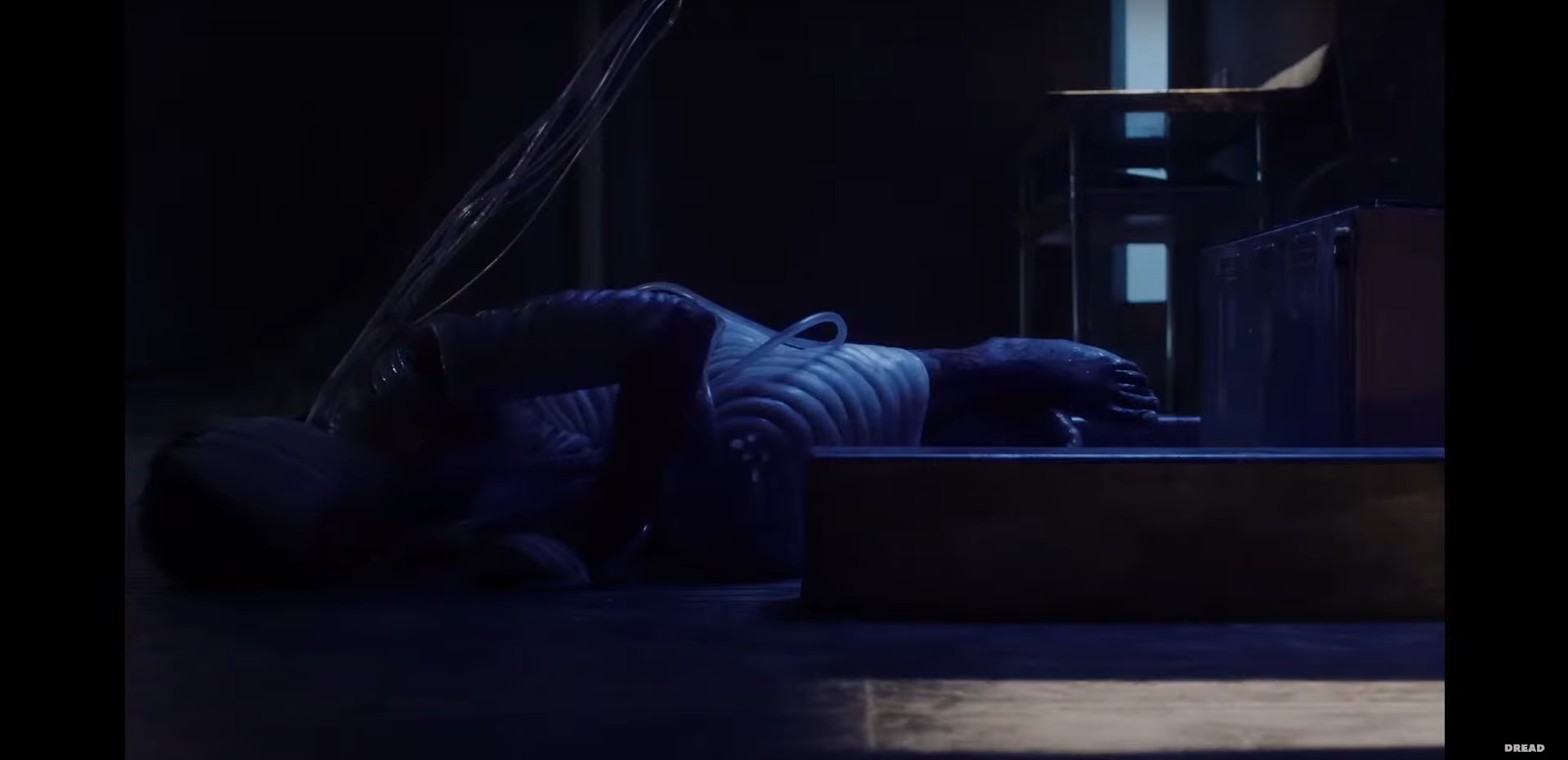
Who would have thought that playing with dolls could be deadly.  Sybil Pittman certainly didn’t think so as she hosts her internet streaming doll vlog showcasing her collection of pint sizes doll babies most of which Sybil has restored back to life…literally.  When a mysterious package arrives with the battered and stitched together head of Baby Oopsie, a severely bullied and neglected Sybil locks herself in the basement to work tirelessly on repairing Baby Oopsie’s head and mechanical body that includes, unbeknownst to Sybil, one special gear under a satanic spell to for collecting souls.   Baby Oopsie, the once pride and joy of Sybil’s restorations, has been resurrected from the toy junkyard and aims to claim the lives of Sybil’s tormentors to sustain it’s own diabolic animation.  When all of Sybil’s adversaries are eliminated, Baby Oopsie still requires lives to live and turns on Sybil’s friends and Sybil herself that becomes a battle to the death.

Full Moon knows how to run and market a good product that can last a lifetime and they continue to stroll through their finely tuned niche of deranged doll other pint-sized psychos to this very day with brand new produced features hitting the physical and streaming retain shelves in 2022.  Following the success of “Don’t Let Her In,” one of those new features aforementioned, is the return of the evilest rug rat known to infant kind, Baby Oopsie, from the “Demonic Toys” universe.  William Butler, who I fondly remember playing sweet country boy Tom being blown up and having his corpse feasted on in Tom Savini’s “Night of the Living Dead” remake, continues his long-standing tenure with Charles Band and Full Moon that began in 1986, under the Charles Band Empire Pictures company production and Stuart Gordon directed “From Beyond,” with a new written-and-directed feature “Baby Oopsie,” a concentrated, standalone spinoff of “Demonic Toys.”  This isn’t Butler’s first go-around with the go-go-ga-ga-gut your guts dolly as the filmmaker helmed “Demonic Toys 2:  Personal Demons” in 2010.  Charles Band and Butler produce the film with regular Full Moon executive producer Nick Blaskowski under the Full Moon Features in association with Candy Bar Productions.

Viral sensation the McRib Queen versus demonic toy Baby Oopsie. Stand up and character comedienne, Libbie Higgins, debuts in her first feature headlining role as Sybil Pittman, the repressed and intimidated vlogging doll queen living in abusive hell with tyrannical stepmother after the death of her beloved father. Higgins, who has an Onlyfans page for only $8 a month for all you obsessed fans out there, adorns a wig, glasses, and meme cat sweaters to get into the head of Pittman’s secluded world and where outsiders browbeat her into a reserved submission and wishful thinking only provides little comfort returning the hurt played out internal sadistic fantasies. For her breakout role, Higgins transcends her comedienne persona and into an anxiety-riddled outcast wretched by life’s punches and horror-struck by a doll that walks, talks, and kills like a macho-sadist. Before going head-to-head with the berserk Baby Oopsie (voiced by newcomer Jill Barlett), Sybil is caught between the devil and a saint with her brash, overbearing, stepmother played by Lynne Acton McPherson (“Improbus”) and the attentive and caring subletter played by Marilyn Bass, who tries very hard to be Full Moon sexy and skin-revealing without showing the camera too much. Her “best friend” Ray-Ray tips the scales toward believing in Sybil’s beauty and craft, befriending the doll queen despite her large radius of shunning those want to get closer to her, such as the mailman or the gardener, because of the depressive self-pity. Yet, Ray-Ray brings to the light and so does the actor who portrays the upbeat Hey Hunny sassy-mouth in TikTok and Youtuber influencer Justin Armistead. Armistead is magnetically chipper onscreen compared to Higgins story-obliged monotone placidness that balances out quite nicely the duo’s vanilla and peanut-butter-marshmallow swirl relationship. “Baby Oopsie” is full of character and characters, rounding out it’s smorgasbord of victims and supports with Diane Frankenhausen, Shamecka Nelson, Joseph Huebner, Michael O’Grady, Michael Carrino, Christopher J. Meigs, Tim Dorsey, and Josephine Bullock.

Set and filmed in Cleveland, Ohio at the proclaimed Full Moon estate, a 60’s-70’s anachronous house with many rooms becomes the playground setting for “Baby Oopsie,” the cast, and the crew. The location that reflects an era no longer modern, a dated obsoletism, to match Baby Oopsie’s classic and ideal bald-bald in a night gown form. However, normal Baby Oopsie also comes with that grotesque, malformed face that only a doll obsessed mother could love and would cause the toughest of horror fans to fear in their pants in on glance at the augmented representation of a human infant. It’s the creepy old doll look you definitely don’t want to see sitting in a dark corner blankly staring at you.  Of course, the special effects are not the classic Full Moon stop motion you see with the “Puppet Master” flicks as “Baby Oopsie” deals in tangibility with a bait and switch editing between the number of diverse molded Oopsie dolls created by special effects supervisor Greg Lightner (“Corona Zombies,” “Don’t Let Her In”) that include an open mouth and sneering face or a set of glowing eyes to provide a sense of evil.  Oopsie fits right into Sybil’s down on her luck story that is nicely compact and complete for an indie horror quietly but surely touches upon Sybil’s life in various key scenes, such as the gardener who hangs around because her father was much beloved or how much Sybil is despised at work between the dragooning, nitpicking, and strict boss and the snickering colleagues that look down at her.  Butler’s sweet-and-salty route delegates a fine line between her friends and foes that make the stakes clear when Oopsie decides impulsively to go off the bad-guy only rails. “Baby Oopsie” is far from cute and cuddly. “Baby Oopsie” is closer to being ugly and uncouth as the prime and pinnacle sequel of anthropomorphic toy horror in today’s Full Moon toy chest of films.

Spinoffs have become the new favorite amongst audiences, “Baby Oopsie” even pays a sideswiping jab to “Annabelle” of the “Conjuring” universe, and while we see a lot of spinoffs in television, the concepts and ideas are beginning to spill more frequently for filmgoing fans and, as such, “Baby Oopsie” is reborn onto her (or is it him? or it?) own Blu-ray home video from Full Moon Features. The region free, high-definition release, presented in a widescreen 1.78:1 aspect ratio, is the epitome of digital recording without much of a single critique or compression issue. Inundated with a more realism than stylism presence in front of the camera with the exception of a few edited in art renditions of satanic imagery, Butler and cinematographer Josh Apple apply a clean, high-resolution coating that undeniably very familiar to Full Moon’s repertoire. What’s also a motif straight out of Full Moon’s bag of goodies in the carnivalesque score. The Dolby Digital 5.1 surround soundtrack raises the volume on the Fred Rapoport and Rick Butler above a superseding level that swallows the English dialogue at times. You really want to absorb Jill Barlett’s vulgarities as Baby Oopsie but need to fight the soundtrack to do so during key moments when Oopsie’s profanity-laden Tourette like behavior kicks in. The release also comes with a second audio option with a Dolby digital 2.0 stereo. Bonus features include a behind-the-scenes featurette with cast and crew interviews on their experience making the film and poking fun at each other at times in a well-edited jest, a Videozone featurette that’s essentially a mini panel with producer Charles Band, director William Butler, and stars Libbie Higgins, Marilyn Bass, and Lynne Acton McPherson taking a break in the midst of filming to talk about their characters, to talk about the film itself, and for Band to plug his streaming service and new projects, there’s a mini-featurette All Dolled Up! that has Libbie Higgins in character, Justin Armistead self-recording in his bathroom, like on TikTok, and Baby Oopsie announce the winner and runner-up’s of a contest to win a Full Moon prize package. Bonus content rounds out with Full Moon trailers. The Blu-ray comes unrated, and feature has a runtime of 78 minutes. “Baby Oopsie” is not the addendum to the profane book of “Demonic Toys” but rather an extenuating chapter that opens the door for all the misfit and maniacal toys to one day have their own independent rampaging furtherance that are likely already drafted, budged, and ready to shoot at a moment’s notice.

“Baby Oopsie”  The Baddest Baby in Town on Blu-ray!