Surrounded by Aquatic EVIL, No One Can Escape “The Island of the Fishmen!” reviewed! (Full Moon / Blu-ray)

Check out the scantily-cladded woman encroached upon on “The Island of the Fishmen” Blu-ray!

A French prisoner ship sinks to the bottom of the Caribbean leaving only a handful of prisoners and the Left Lieutenant Claude de Ross, the ship’s doctor, stranded on a lifeboat for weeks until they a mysterious force drives them through the fog and crash them on the rocks of a seemingly deserted volcanic island. Only a few prisoners and the doctor manage to survive the wreckage, stumbling upon a ritualistic area of empty graves and abandoned artifacts of an island society. This is where the haggard and hungry men meet the beautiful Amanda Marvin on horseback and follow her through the island jungle to a clearing where the edifice of Edmond Rackham sits imposing on them. Having left his home country, Rackham settled upon this uncharted island, garnering local Caribbean inhabitants as servants, and being a greedy treasure hunter who might have just discovered the lost city of Atlantis. There’s only one problem, the city is surrounded by aggressive fishmen kept at bay by Amanda’s famed disgraced biologist father who has fallen severely ill, charting a course for the good doctor, Lt. Claude de Ross, to be unharmed in order to care for perhaps the only person who knows how to manage the wrath of the fishmen.

A swimmingly aquatic creature feature with an all-around gratifying men in costume pastiche, familiar to the style of “The Creature from the Black Lagoon,” in Sergio Martino action-adventure horror “The Island of the Fishman.” Also know under the revamped shots of “Screamers” aka “Something Waits in the Dark,” here we have the original film in all it’s natural glory from the director of “Your Vice Is a Locked Room and Only I Have the Key” and “Torso” director Martino from a script by Martino, Sergio Donati (“Orca”), “Slave of the Cannibal God’s” Cesare Frugoni who workshopped with Sergio Martino’s older brother, Luciano Martino, (“So Sweet… So Perverse”) on the original story. Some would also say that “The Island of the Fishmen” is also a crossbreed between H.G. Wells’ “The Island of Dr. Moreau,” H.P. Lovecraft’s “The Shadow Over Innsmouth,” and, aforementioned, “The Creature from the Black Lagoon.” The 1979 Italian production stars an international cast shooting along various locations in Italy and is produced by Luciano Martino under Dania Films and Medusa Distribution.

American, United Kingdom, and, of course, Italian come together to form “The Island of the Fishmen” cast that doesn’t stray too far away from their individual innate dialects. The most pompous is he Essex-born Richard Johnson’s sadistic and fortune hungry Edmond Rackham with a caricature of a voice that isn’t like anything in his performance in Lucio Fulci’s “Zombie.” As Rackham, the inflections reminisce of a British Humphrey Bogart mixed with a one Dick Dasterdly and so Johnson comes off a bit cartoony and overly dramatic compared to the film’s panache malnourished yet earnest hero in Italian actor Claudio Cassinelli (“Murder Rock,” “The Scorpion With Two Tails”) as Left Lieutenant Claude de Ross, a ship’s doctor who suddenly becomes the medical caretaker and leading guard over a lifeboat full of hardened prisoners, some who have blood on their hands. Franco Javarone and Roberto Posse play a pair of surviving convicts, especially two at odds on how they should treat their next in rank penal officer. Though being thrust into the oversight position, the Lieutenant doesn’t have to worry about his prisoners for too long as the island’s baleful environment with jungle death traps, poisonous water, voodoo priestess, a sadistic lord of estate, and mutant fish people swimming in circles around the island’s parameter and through the cut through waterways sees to their wellbeing. “Island of the Fishmen” does have a few predominant male figures of different caliber but there are also a pair of women inhabiting the island who, too, have counteracting roles. Bond girl Barabara Bach (“The Spy Who Loved Me”) became plagued by the ocean’s frightening fishmen only two years later as the captive dame of Edmond Rackham who holds her hostage as he pushes her father (Joseph Cotton, “The Survivor”) to continue with his mind control potion over the fishmen. Then, there’s Shakira. No, not the Brazilian singer-song writer with the hypnotizing booty shaker. This Shakira is a voodoo priestess, played by Jamaican actress Beryl Cunningham (“Dorian Gray”), who works for Rackham but ultimately envisions foreboding doom on the volcanic island. Giuseppe Castellano and Franco Mazzieri round out the cast.

A whole lot is going on in this film that from the surface seems, surfacing meaning the home video covers and posters, to focus chiefly on the hostile half-fish half-man creatures that bubble to surface, check out top side for any unwanted visitors, and quickly dispatch them before disappearing under the glassy waters of the Caribbean. I adore the design of the rather stiff but crudely convincing creature suits with buggy fisheyes, razor piranha like teeth, and cladded entirely green and scaley in a design by Massimo Antonello Geleng who by vocation was more a production designer with credits including this film along with “Cannibal Holocaust,” “City of the Living Dead,” “The Church,” and “Dellamorte Dellamore” to name a few. Yet, the fishmen were not a sole source of danger on an island that had a deadly schemer in Edmond Rackham, the motif of voodoo and jungle trap throughout, a volcano ready to erupt and engulf the island with lava, and the lost city of Atlantis as the grand epic finale that pivots this story on an acute elbow left that shows a mighty ambitious story on an Italian slim budget. To put it frank, Sergio Martino was able to put all the elements together into a cohesive, coherent plot with action, horror, exploitation, and mad science fiction albeit the story’s wild and diverging concepts.

Though many U.S. audiences know this film as Roger Corman’s highly altered, New World Pictures presented cut retitled as “Screamers,” Full Moon features releases the original oeuvre of Sergio Martino with a remastered Blu-ray release from the original 35mm negative. The 99-minute film is presented in a widescreen 2.35:1 aspect ratio that captures in perfect matte composition and frame the locational miniatures, such as the manor house or the underwater Atlantis temples, in a compression that doesn’t make the structures obvious fakes. Slightly tinged yellow, the overall color palette is renders out well enough to suit the release with a pristine transfer seeing no signs of real significant damage. The English language tracks come in two formats – a PCM 2.0 and a Dolby Digital 5.1 surround sound. The English-speaking actors have their original tracks intact while the Italian cast have their original dialogue re-dubbed in English for posterity on new releases such as this one. Dialogue, nor any of the corresponding audio tracks, show any signs of fidelity issues or damage, but do feel muffled, even on the 5.1 as if the sound was boost stifled and left with some of the channels lacking vigor. Aside from Full Moon trailers, the R-rated film rides solo on this hi-def release. “Island of the Fishmen” is a small film fighting hard to swim upstream and really does a number on many different levels regarding where the audiences should focus their attention on, but I can see why Roger Corman wanted to give Martino’s film a second run after a commercial flop with a new, gory scenes edited right into the heart of “Island of the Fishmen’s” flexible, cartilaginous bones. Despite Corman’s efforts, Sergio Martino’s unmolested, original reeling reel is the one and only catch of the day for this purist.

Check out the scantily-cladded woman encroached upon on “The Island of the Fishmen” Blu-ray!

Southern Hospitality is all EVIL Cloaks and Daggers! “The Long Night” reviewed! (Well Go USA / Blu-ray)

“The Long Night” now available on Blu-ray home video!

After spending years in foster care as a child, the now adult Grace tries to track down any information or background about her biological parents with the help of affluent boyfriend Jack.  The New York City couple travel into the rural, deep south on a seemingly solid lead about her folks.  As Grace and Jack drive up to their contact’s isolated and grand manor estate, their contact with the information doesn’t greet them upon their arrival and as they search the house, they find it as empty and still as the wide open land around them.  When darkness falls, cloaked members of a demon worshipping cult surround the estate, using their telekinetic and telepathy powers to infiltrate and corral Grace toward being a host for the prophesized return of 400 year slumbering and powerful demon the night of the equinox.  The couple battle the subservient minions inside and outside the manor as the night progresses into terrifying visions of Grace’s predestined lineage and the hope of surviving the night is quickly dwindling.

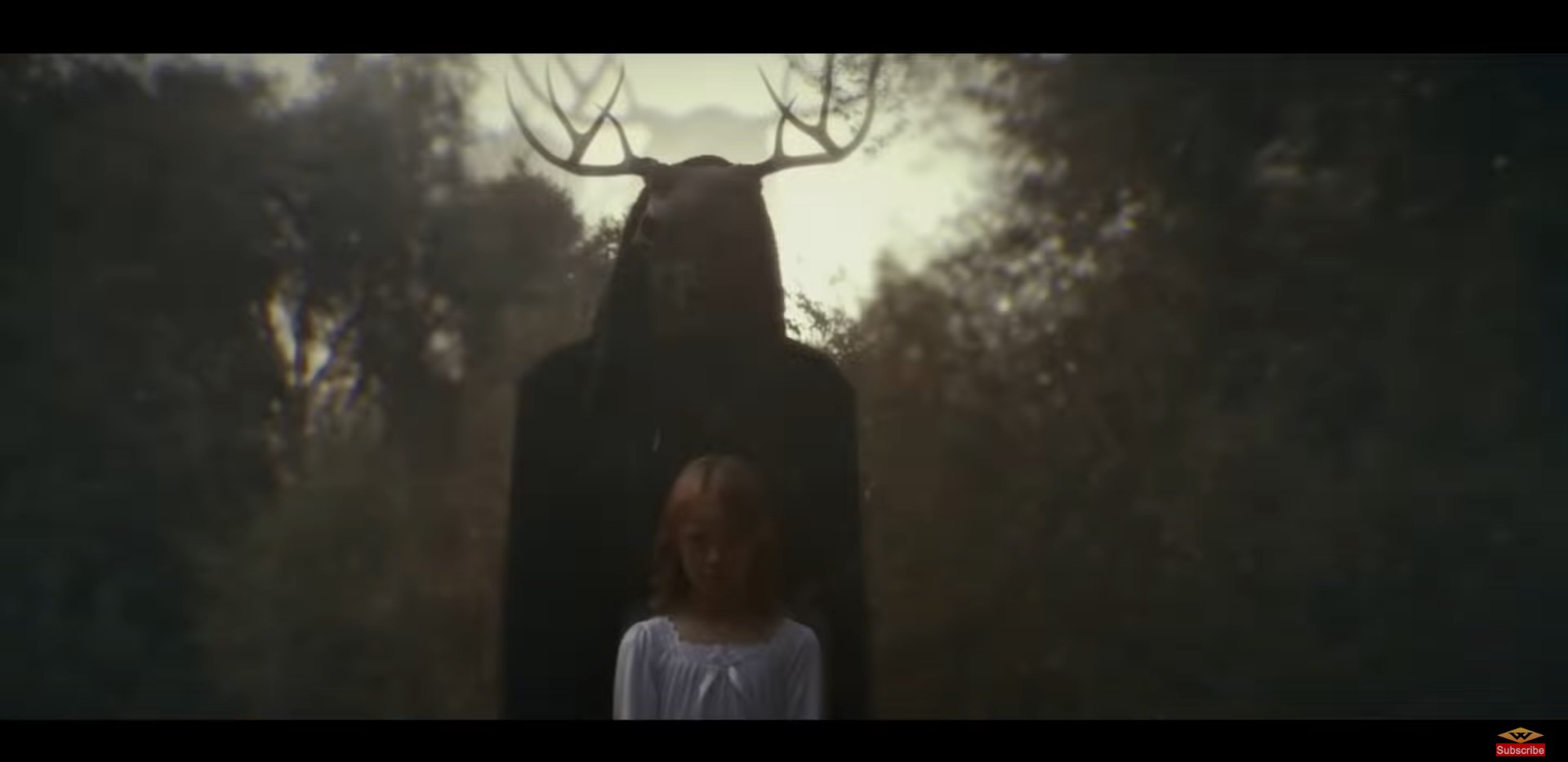
A longstanding demonic cult with supernatural psychotronic abilities besieging two city slickers armed with broken cell phones and a fireplace poker feels like the mismatch from Hell.  Somehow, “The Curse of El Charro” director, Rich Ragsdale, was able to stick the landing with loads of dourly, yet intensely powerful, cinematography crafted from a Mark Young (“Tooth and Nail”) and Robert Sheppe script based off the Native American mythology of the Horned Serpent, Utkena.  Keeping with the mythos’ descriptors involving snakes and horns or antlers, Ragsdale utilizes his usual bread and butter music video talents to fashion psychedelic imagery out of an extremely committed cult mercilessly stopping at nothing in resurrecting their preeminent master who will cleanse the world of corrupted humanity to start the world afresh…or so they believe.  Shot on site at a deep-rooted and isolated plantation house and property in Charleston, South Carolina, “The Long Night,” also known as “The Coven, is a production of Sprockefeller Pictures (“Fatman”) and Warm Winter in association with Adirondack Media Group, El Ride Productions, and Hillin Entertainment.

Super stoked that “The Lurker” and Rob Zombie’s “Halloween” remake star Scout Taylor-Compton is playing an age-appropriate role and not another high schooler, the actress plays the soul and parent searching Grace who has a strong desire to track down her parents, which never comes to the forefront why Grace was placed in foster care to begin with. Compton is completely competent assuming a role that requires her physicality as well as her emotional range in fear through resistance against a group of mostly unknown cast of characters that mostly keep their hoods and masks on for the entire engirdling of the manor house. Compton can also exude being a badass at times, but the script shamefully holds the character back that never allows Grace to become a true opposition to their exalting will toward their demon god. Nolan Gerard Funk (“Truth or Dare”) might ooze that trope persona of a dude-bro bred out of spoiled opulence as Grace’s boyfriend Jack. Despite his unappealing swaggering veneer, Jack reaches for depth more than any other character in the film and Funk pins it pretty well. Jack loves Grace but can’t face his Hamptons residing parents’ derision of a woman, of any woman in fact, who will never be good enough for their son and that creates some nice early on tension that fizzles out to being actually nothing of real importance to the couple. Yet, Jack continues to be the one with more common sense, receiving pre-plot point hump bad vibes since arriving at the manor and also making some of the better decisions when the bottom drops out and snake-charming demonists come calling for his main squeeze to squeeze out the resurrection of an unholy being. Funk adds bits of comedic charm throughout like someone who watched too many horror movies and tries to reenact scenes that could be beneficial to their survival in theory but hopelessly fails in a humorous way. A real waste of a raw cinematic talent is in Jeff Fahey (“Body Parts”) who plays the brother of the missing manor owner. Fahey feels very much used for solely his veteran star power, a recognizable face, just to be nearly instantaneously forgotten at the same time and by the climatic ending, you might not even remember Fahey being a part of the story. “The Long Night” rounds out with Deborah Kara Unger (“Silent Hill”) and Kevin Ragsdale (“Little Dead Rotting Hood”).

“The Long Night” is a delicate incubus uncoiling its snake-biting venom of inexorable fate. Rich Ragsdale hyper stylizes flashbacks and often mundane moments to conspicuously denote unimaginable and resistant-futile power over a pair of out of their league NYC outlanders. Speaking of which from within the script, there is a sting of contrast between North and South, as if the Civil War was still relevant, ever since the first moment Jack and Grace hit the screen with their travel plans. Jack passively continues to harp upon his dislike of South and even looks to Grace to make sense of a demon cult outside on the front and back lawn, hoping that her Southern roots can explain the provincial nonsense raising torches and speaking in tongues that’s blocking any and all exits. Even Grace, a character originating from the South, believes that the makeshift totems surrounding the property are resurrected to ward off evil. As a Southern, I never heard of such a thing. The concept for a Lazarus possession out of the depths of dimensional binding sounds like a winner in my book, but Ragsdale can’t quite smooth out the edge to effectively and properly give the cult and Grace a banging finale of supercharged hellfire that sees our heroine fight to the bitter end. Instead, the entire third act and ending feels like a sidestep because not a single better thought came to the writers’ imaginations. Cool visuals, good special effects, but a banal trail off ultimately hurts “The Long Night’s” longevity.

Well Go USA Entertainment delivers the Shudder exclusive, “The Long Night,” onto Blu-ray home video with a region A, AVC encoded, high definition 1080p release. Presented in 16X9 widescreen, some scenes look compressed or rounded suggesting an anamorphic picture, but the overall digital codec outcome is really strong elevated by the creepy folkloric and the pernicious dream atmospherics of “Escape Room’s” Pierluigi Malavasi who can masterfully casts the light as well as he shields it in a menacing silhouette. Some of the nightmares or hallucinations see more of compression flaws in the mist, smoke, or gel lighting with faint posterization. The English language 5.1 DTS-HD master audio balances a vigorous surround sound output, catching and releasing all the appropriate channels with a range of environmental ambient noise and the scuffle between violent contact, denoting a strong amplitude with depth between foreground and background. Dialogue comes out nice and clear with a vitality that’s reverberates in the ear channels whenever a momentous moment sparks an outburst of rage and dominion. Special features include a behind-the-scenes featurettes that look at the raw footage of the birthing flashback scene, the overall aesthetic tone of the film, and the resonating tribal score. Also included is a Rich Ragsdale commentary track, the theatrical trailer, and Ragsdale’s 2019 short film “The Loop,” a meta-horror surrounding a scary VHS tape and two young brothers. While “The Long Night” has flaws with unfinished plot details that will leave a lingering unsatisfied aftertaste, entrenched within the narrative is a contemporary premise revolving around dark fate and that gut feeling toward belonging to something bigger that unfortunately turns out to be murderous summonsing of a demon scratching at the door wanting to be let out in the world. An unforgettable long night of terror.

“The Long Night” now available on Blu-ray home video!

EVIL is in the Eye of the Beholder! “Mansion of the Doomed” reviewed! (Full Moon / Blu-ray)

“Mansion of the Doomed” on Blu-ray.  Hold Onto Your Eyeballs!

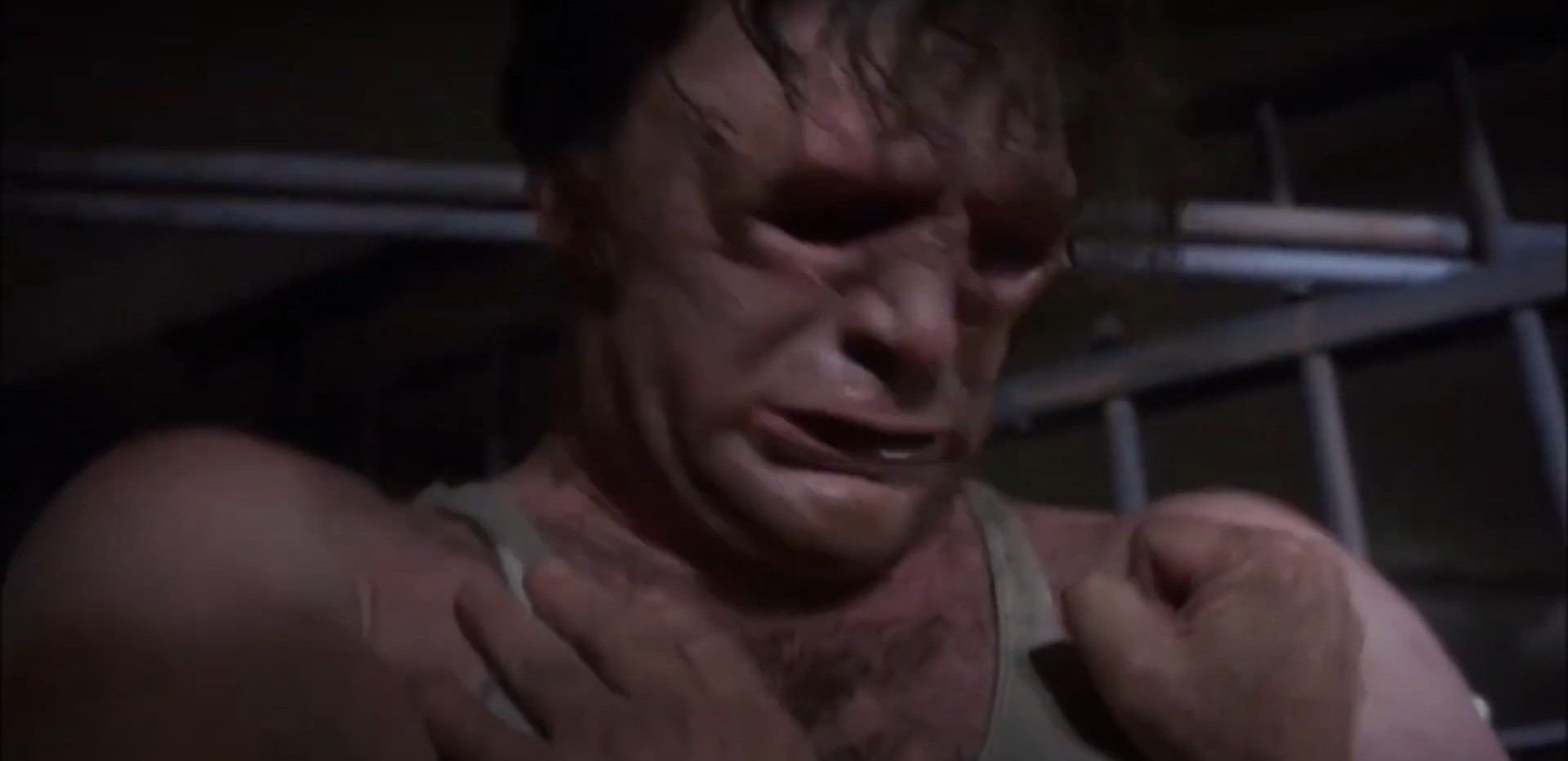
In a stroke of irony, renowned optometrist surgeon Dr. Leonard Chaney had a car accident that accidently causes his young adult daughter permanent blindness.  Obsessed by guilt and determined for her to see again, Chaney moves toward a not only radical procedure but also unethical one of a full eye transplant.  The catch for this type of surgery to be successful is the eye has to be extracted from a living patient.  Unwilling to wait for a donor, Chaney employs every deceptive tactic to lure unwillingly healthy and beautiful globular organ donors into his dark basement where he drugs them unconscious, surgically plucks out their entire eyes, and leaves them locked in a cellar cage, blind and crudely healed with scar tissue but still alive.  With each failed attempt at restoring her eyesight, the reminders of his experiments linger down below, screaming in pain, and pleading for their lives.  Soon, those pleas will ultimately catch up to him. 

Before his fascination with mini-sized maniacs of killer animated toys and malicious experimental oddities, Charles Band used to produce other types of original horror and the “Mansion of the Doomed” was one of them.  The 1976 Frank Ray Perilli (“Dracula’s Dog,” “Alligator”) written and the “Dead & Buried” and “Halloween 4: The Return of Michael Myers” actor Michael Pataki directed mad surgeon “Mansion of the Doomed” was the first feature film Charles Band officially stamped his actual name onto along with father and western screenwriter, Albert Band, as financial executive producer.  While “Mansion of the Doom” is known by various other titles around the world – “Massacre Mansion,” “Eyes,” “Eyes of Dr. Chaney,” “House of Blood,” “Eyes of the Living Dead,” and “The Terror of Dr. Chaney” – the one aspect that the film is firm in is its Hancock Park and estate shooting location in Los Angeles as one of the very first features to come out of Charles Band Productions company.

Lance Henriksen.  You know name, right?  Sounds familiar, yes?  The “Aliens” and “Pumpkinhead” actor, hot off the success of “Dog Day Afternoon” with Al Pacino, begins his tour de force of horror and dark science fiction with the Pataki mad doctor eye opener.  Dr. Chaney uses his misguided experimental expertise first on Dr. Dan Bryan, played by Henriksen, after Dr. Bryan’s recent romantic relationship breakoff with the recently blind daughter of Dr. Chaney, Nancy (Trish Stewart).  Before he became the narrating voice in TV’s “Knight Rider,” the veteran actor Richard Basehart, who also had a role in the 1977 “The Island of Dr. Moreau,” became his own inhumane medical malpractice physician in Dr. Chaney.  Though Basehart makes for the epitome of a professional doctor, his performance was the weakest link in the cast’s locks that didn’t exhibit the stress and desperation of a man continuously exploiting and disfiguring people for his own personal guilt release.  The guilt was not compounding as much as the story wanted to suggest, but we feel more empathetic to Dr. Chaney’s longtime assistant in Gloria Grahame (“Blood and Lace,” “Mama’s Dirty Girls”) who we can see her character dissolve with each abducted patient and affected to the core by their sightless screams.  “Mansion of the Doomed” rounds out the cast with Al Ferrera (“Dracula’s Dog”), Marilyn Joi (“Black Samurai”), Donna Andersen, JoJo D’Amore (“Dracula’s Dog”), and Katherine Stewart.

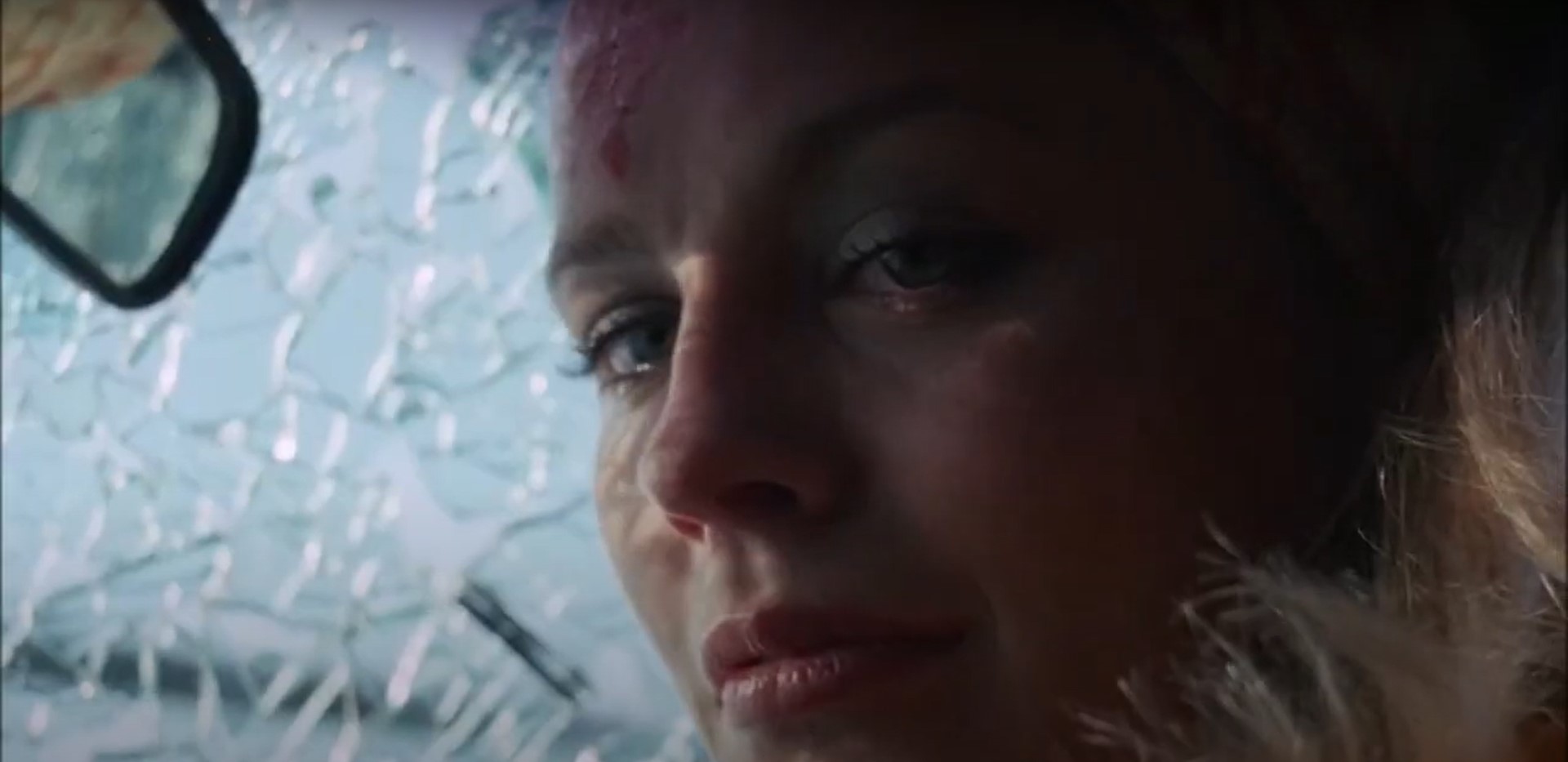
Michael Pataki’s “Mansion of the Doomed” is an eye-peeling shocker that’s dark and grim to the core and has an eye for cynicism. I could keep the eye puns going but that would be too easy to pluck out. Perilli’s story is rather plainly spoken with not a lot of fluff diving into medical or procedural jargon to bore you down into a loss of interest. Instead, the good doctor character goes right to work getting his hands elbows deep into the eye sockets of his victims and that’s how this particular exploitation perfectly crafted the balance by tabling the under stimulating medicalese with caged disfigured patients left to live in agony. Where Pataki and Perilli faltered some is in the preface by skimming the surface of the Dr. Chaney caused accident that rendered Nancy blind when she face-planted right into the doctor’s windshield as he swerves to not runover a mutt. In driver’s ed, you’re supposed to hit the small animal that runs in front of you in order for these kinds of accidents don’t happen! Told in the inner thought of a flashback, the force between the two immovable objects shatters the glass but leaves Nancy unscathed physically yet, somehow, she loses her sight in both of her eyes and while Dr. Chaney is unable to best the blindness with everything the surgical optometrist throws at it, perhaps that’s the unsolvable mystery that beleaguers abashedly an expert at the summit of their excellence. ‘Mansion of the Doomed” is not a feel-good film as not one single character has a positive outcome and having lost more than just their sight but also, to name a couple, their humanity and their hope.

Uncut, restored, and remastered onto a new Blu-ray release, Full Moon Features re-release “Mansion of the Doomed” onto 1080p, full high definition, from the original 35mm negative. Source material held up over father time with a pristine 85-minute uncut transfer to retouch in a pop of color and refine the details in a softer, more airy-soft image, presented in a widescreen 1.85:1 aspect ratio. Full Moon offers two audio options available with an English Dolby Digital 5.1 surround sound and a Dolby Digital 2.0 PCM. Though slightly staticky in the ambient and dialogue tracks, the balance works and is full-bodied around more essential scenes of surgery and the cries of anguish. Dialogue doesn’t sound overly boxy or hissy and the cult composer Robert O. Ragland’s (“Deep Space,” “Q”) classic orchestra score come across with a powerful range that speaks the scene without exposition. The region free Blu-ray has no extra features, leaving this release as a bare bone, feature only. “Mansion of the Doomed’s” harrowing ending induces stupefying blank stare and feels like a brick just walloped you in the face knowing that every pawn in this story loses at the hands of man disillusioned in playing God.

“Mansion of the Doomed” on Blu-ray.  Hold Onto Your Eyeballs!

Nature is Healing. The EVILs of Industry are Destructive. “The Great Movement” reviewed! (Sovreign Films / Digital Screener)


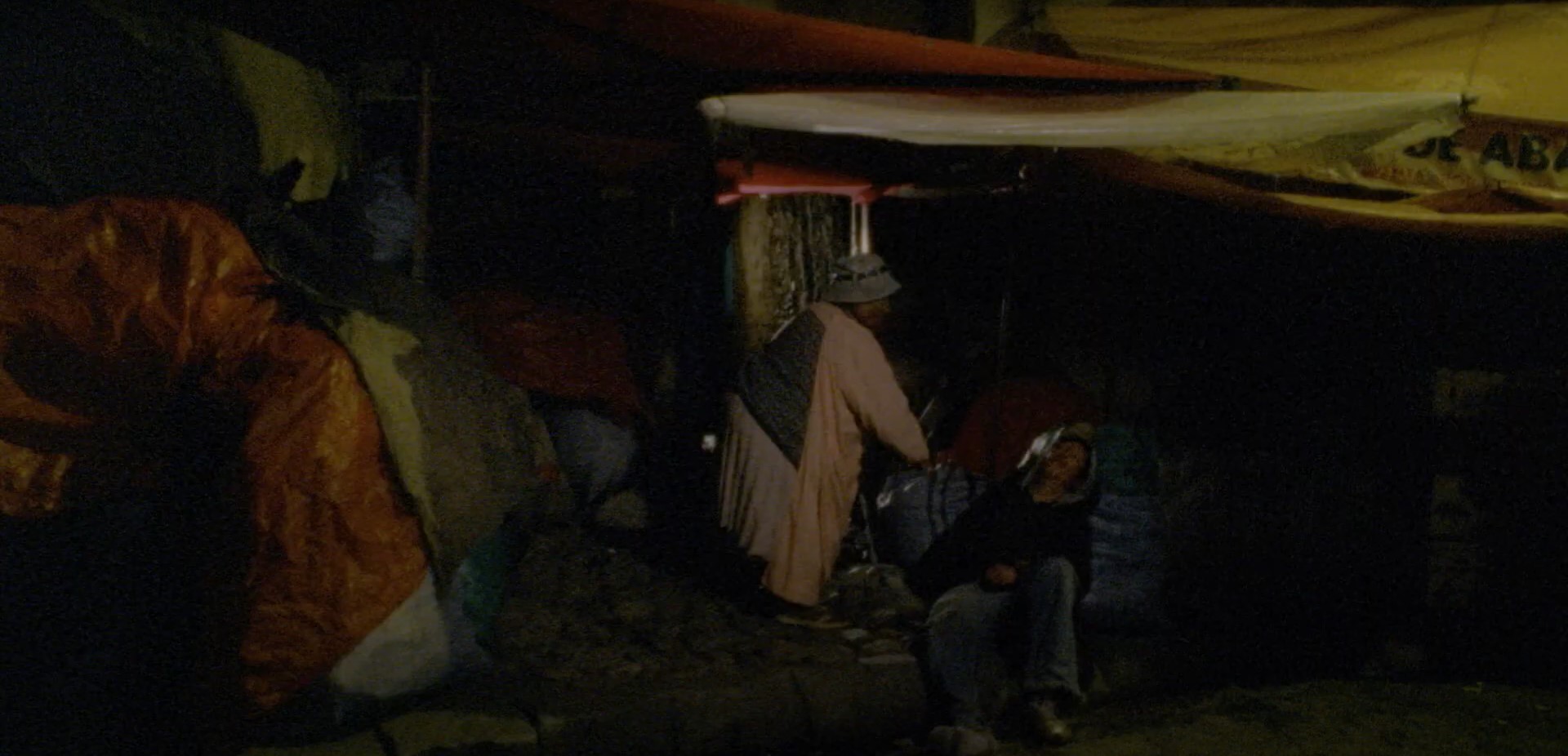
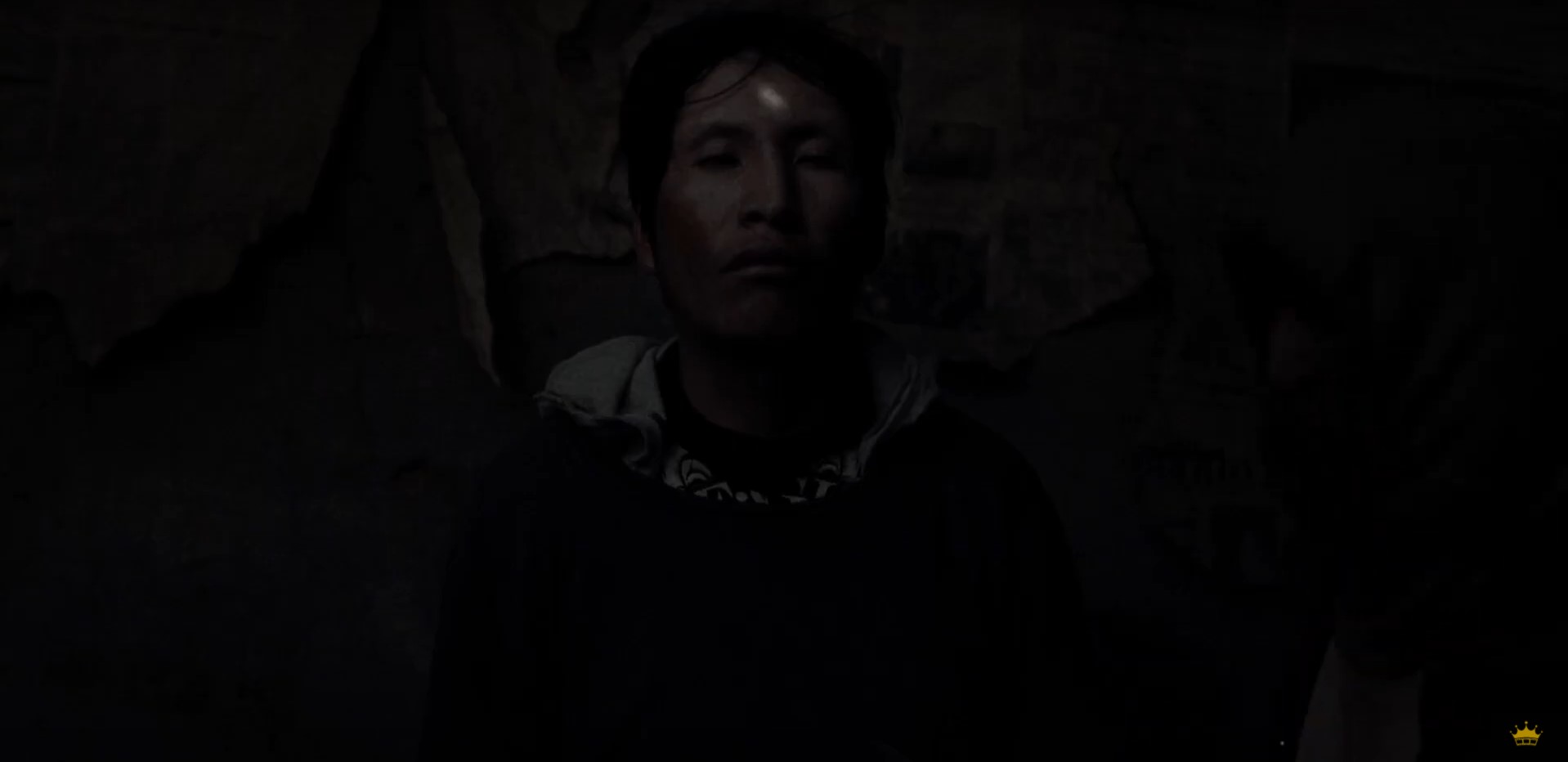
A group of out of work Huanuni miners march into the capital of La Paz to protest forced labor shortages.  Young miners Gallo, Gato, and Elder roam around La Paz to rummage up piecemeal work to live.  When they find work as commodity runners at an outside market, the job is labor intensive, pays very little, and they must sleep outside with other runners and vendors with essentially everything they own on their back.  The job takes a toll on Elder who is suffering a strange illness that cases fever, coughing, shortness of breath, and fatigue that hurts his pockets when he can’t run product in a timely manner.  Elder comes under the wing of a mysterious earthy, old woman who thinks Elder is her godson and she enlists the holistic medicine of a clairvoyant herbalist, living off the mountainous land just outside the city, to extract the unnatural elements that plague him.

Every so often, diving into a dramatic piece of filmic art, with hints of nightmarish surrealism to satisfy the horror element (or, in this case, the EVIL), is worth cracking into and peering into dependent the writher’s personal taste and the influencing environment surrounding.  In this instance, Kiro Russo’s “The Great Movement” spoke to the interests of this reviewer for not only the urban growth is death, nature is life social commentary but also my intimate connection to Bolivia because of my second-generation wife whose mother was born and raised in the South American country before migrating to the U.S.  “The Great Movement,” aka “El Gran Movimiento,” is the first native Bolivian film I’ve ever seen and that, too, sparked a curiosity in the Bolivian film industry that was virtually thought of as nonexistent.  Russo writes-and-directs the film produced by an international conglomerate of production companies with Altamar Films (“Killing the Dead”), Bord Cadre Films (“The Untamed”) and the La Paz based Socavón Cine as well as Sovereign Films who also distributes the film.

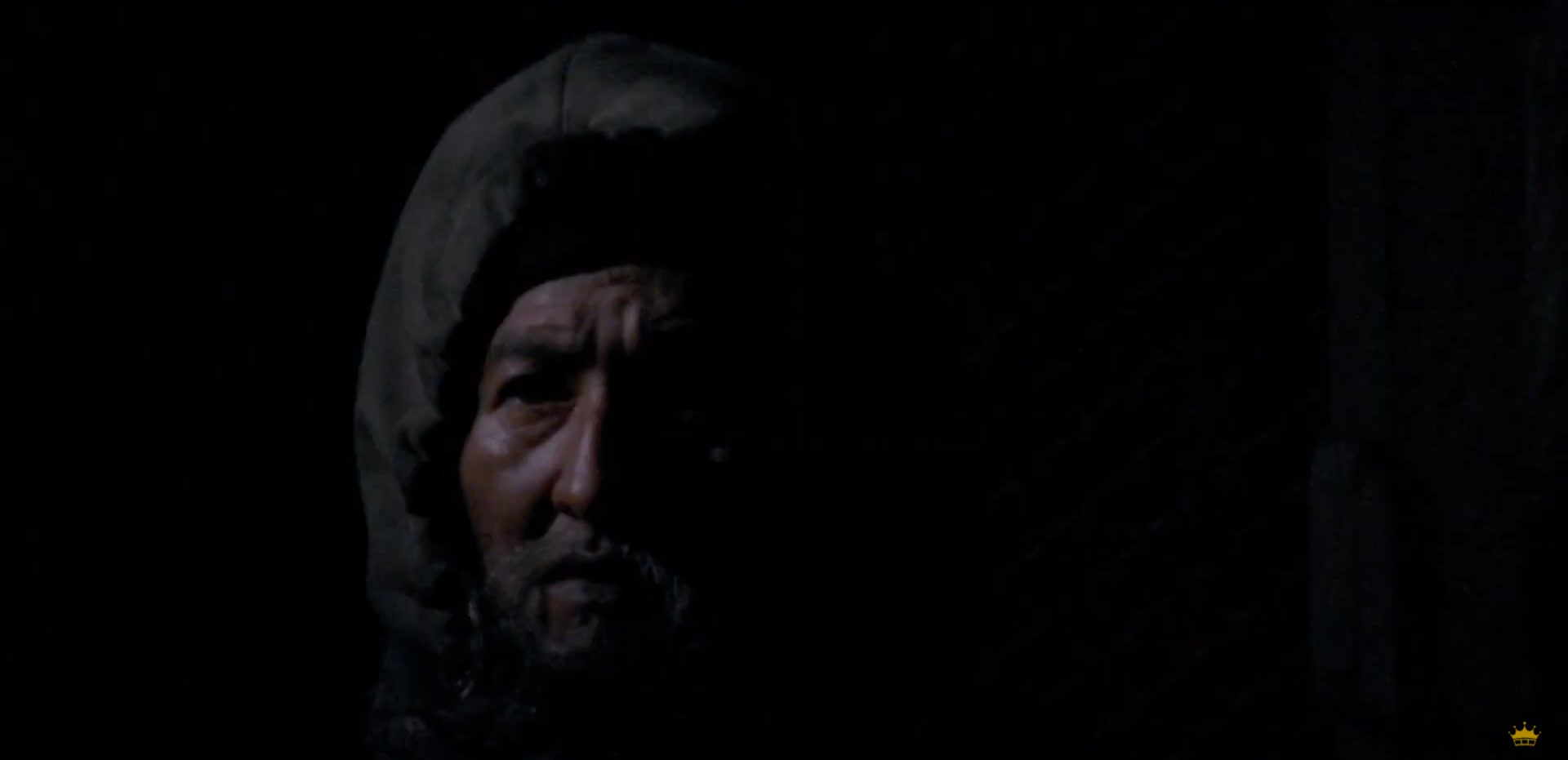
“The Great Movement” is a continuation of Elder Mamani’s story in this follow-up film from Russo’s 2016 “Dark Skull” where Elder’s moves in with his grandmother after his father’s death.  Living in a mining town, Elder pickups a miner job which leads to unearthed secrets about his father.  Julio César Ticona reprises his role as Elder, marching from the mines to the capital in protest for work only to be stricken by an illness insinuated from his dirty work at the mines.  Only a little of the previous “Dark Skull” story works itself way into the next chapter revolving around Elder’s suffering from various forms of urban reaping toxicity and also a clairvoyant old man living off the adjacent wilderness.  Max Bautista Uchasara, in his performance debut or at least as stated on IMDB, plays…well…Max, the well-loved, if not hard-loved, and dirty-cladded mystic that sees visions of La Paz in ruins.  Elder and Max cross paths because of Elder’s unexplainable sickness, without hardly a word spoken between them, to eradicate his illness and heal the young man’s failing body.  The connection between them is an old urbanite woman Mama Pancha (Francisa Arce de Aro) who thinks Elder is her godson but Elder, taking advantage of her kindness and generosity, doesn’t know this random person and, in the grand scheme of mysticism, Mama Pancha, which translates loosely to Mother Earth, is a symbolic representation of a forgiving planet lending a hand to an ore reaping miner by introducing a natural healer.  “The Great Movement” rounds out with a cast in Gustavo Milán Ticona, Israel Hurtado, Armando Ochoa, and Richard Aguilera. 

Through Russo’s use of cityscape and natural soundscape compositions, the sound design injects a creeping presence, enveloping the characters either insidiously or soothingly in their respective surroundings. The overwhelming arsenal of concrete jungle noise pollution becomes the harsh soundtrack that contributes to Elder’s environmentally unfriendly downfall. Every car horn, every construction machinery, every hustle and bustle of foot traffic is a spike through the head as Russo wants to make sure you can feel the audible image. In contrast, Max experiences virtually little noise, aside from streams, wind, and the rustle of greenery, in his detachment from clustered society when roaming the mountainous wilderness. Max’s elder ways grant him inexplicable aptitude that allows him to essentially speak to nature, live amongst the trees, and use the land for beneficial properties without waste and destruction. This encourages Pancha Mama, aka Mother Earth impression, to ask Max to heal her godson, aka an Earth child. This is Kiro Russo’s linchpin theme for “The Great Movement” that showcases a distinct dissonance between urbanization and nature. Being a nationality outsider going into Bolivia, that distinction is immensely obvious seeing firsthand the lack of organization, resources, and care for the city I travelled to that has been turned into a comprehensively polluted, dry dust-riddled, population on top of a population where one has trouble simply inhaling a breath of fresh air and struggling with the annoyance of a bloody nose. Now, I’m not singling out or epitomizing this one area of Bolivia I journeyed to as the worst of the worst, much of the same can be said about New York City sans the dust, but once you escape the city limits and step into Bolivia’s lush jungle, the air is noticeably cleaner with an almost healing effect on the body – no more bloody nose! My experiences greatly make visible and nail in Russo’s message as we accompany Elder through his deterioration, hearing about inhaling dust as a miner, drinking nothing but strong alcohol, and being worked literally to death with backbreaking labor. Modern medicine can’t locate or explain his symptoms, diagnosing Elder with psychological manifestation of physical problems. Russo’s “The Great Movement” is powerful and invokes soul-searching about reconnecting and healing with Mother Nature.

An insomniac nightmare that’s haunting in Russo’s solemn vision and full of delirium, “The Great Movement” is an arduous detox from the overdevelopment’s intoxicating prospect. Sovreign Films will release Kiro Russo’s 85-minute disenchanting and revival tale in UK cinemas on April 15th, 2022. With the limitations of a digital screener, I am unable to entirely comment on the audio and video quality, but the film is shot in the faint speckle of super 16mm and is presented in a widescreen 1.85:1 aspect ratio to get the full spectrum of the cinematographer Pablo Paniagua shot Bolivia from the market busy streets to the monolithic stone and mountain structures on delineated outskirts of the capital. Paniagua employs the vibrancy of daylight and the scarcity of night light for tenebrous effect already poorly rendered by the 16mm grain. Miguel Llanques’s score is often overshadowed by the conspicuous soundscape, but the impromptu synth-flash mob dream sequence broke up the feverish trajectory at midpoint with catchy beat and dance seemingly out of nowhere. There are no bonus scenes during or after the credits. “The Great Movement” is just as raw with the foreboding circumstances in the rest the world civilization as it is with Bolivia in Kiro Russo’s film that shepherds the overlooked denizens in need for growth back to a natural world of healing.

Out With the Old EVIL. In With the New! “Modern Vampires” reviewed! (Ronin Flix / Blu-ray)

“Modern Vampires” available for purchase on Blu-ray at Amazon.com

Blacklisted for not killing the vampire nemesis Dr. Van Helsing, Dallas is shunned by most of the underground Los Angeles vampire scene now presided over by Count Dracula himself, but as he returns to the city after decades of being gone and gathers with old – very old – dear friends, Dracula threatens him with being burned alive if he overstays his begrudged welcome.  When a newly turned rogue vampire under the pretense of a corner prostitute starts ripping the throats out of unsuspecting Johns, Count Dracula doesn’t want the potential public attention drawn on his species.  Taking a shine to this mysterious woman’s insubordinate nature, Dallas finds her, cleans her up, and introduces her to his inclusive friends, but little do any of the bloodsuckers know is that the Van Helsing is in town and has recruited local Crips to be the holy servants of God in wasting away the vampiric filth that plagues humanity.

Here I thought Casper Van Dien’s only good film was 1997’s galactic war with the extraterrestrial bug species in “Starship Troopers!”  Nope, one year later, Dien follows up his iconic global militant-nationalism and gory-filled sci-fi blockbuster with the little-known American comedy-horror “Modern Vampires.”  Better known around the world as “The Revenant” to not confused American audiences with a highly ingrained British term, “Modern Vampires” is directed by a principal one-half of the 80’s American new wave band Oingo Boingo in Richard Elfman.  The other half of that duo is Richard’s brother, who we all know and love in his unmistakable musical scores of “Batman” ’89 and “Edward Scissorhands,” Danny Elfman who also scores the opening theme to “Modern Vampires” with recognizable and trademark notes from those previously stated Tim Burton pictures.  The script was also penned by a fellow Oingo Boingo original member and the Kiefer Sutherland and Reese Witherspoon “Freeway” film, and its sequel, screenwriter Matthew Bright.  Bright and Richard Elfman had previously collaborated on the comedy-musical “Forbidden Zone” surrounding sixth dimensions and damsels in distress as well as the Charles Band produced “Shrunken Heads.”  “Modern Vampires” is produced by Elfman, Brad Wyman (“Barb Wire”), and Chris Hanley (“American Psycho”) under the Storm Entertainment and Muse/Wyman productions.

Ladies, if you thought you’ve seen the last of Casper Van Dien’s backside in “Starship Troopers,” then worry not! As the hunky, cigar-smoking, former World War II pilot Dallas, Van Dien, once again, shows off his hind parts in a steamy sex scene one top of Dallas’s car with costar Natasha Gregson Wagner (“Vampires: Los Muertos,” “Urban Legend”). As the indifferent vampire Nico under the pretense of a prostitute who seduces men into vulnerability before gashing open their necks, Wagner adds a bloodthirsty ferocity to her uncouth, undead character’s tremendous and tragic depth surrounding a trailer park trash childhood of sexual abuse and a grandstand mother. As a pair, Dallas and Nico are essentially made for each other or, rather, Dallas turned Nico because under all that pretty boy veneer, Dallas still has a beating heart for compassion and friendship as noted with Dr. Frederick Van Helsing’s crippled son, Hans, and the choice made between the two young men before the whole debacle of nixing to the fearless and relentless vampire killer of all time. Rob Stieger plays that character beautifully manically. “The Amityville Horror” and “End of Days” actor graces the production with seasoned vitality while also trying something new himself, a slightly fascist German vampire hunter who hires L.A. gangsters to help him do his dirty work and has to be the butt of the joke at times at the hands of Count Dracula (“Striking Distance”) as well as Dallas. Stieger does his scenes with great earnest yet great fun that puts the legendary actor into a new perspective. “Modern Vampires'” star-studded cast doesn’t end there was Dallas’s friends include performances from Kim Cattrall (“Big Trouble in Little China”), comedian Greg Furgeson, Natasha Lyonne (“Slums of Beverely Hills”), and the legendary Udo Kier (Andy Warhol’s “Dracula”) as well as a cast round out with Natalya Andreychenko, Gabriel Casseus, Peter Lucas, Victor Togunde, Cedric Terrell, Flex Alexander, and Conchata Ferrell.

Gory, sexy, and overflowing with politically incorrect humor, Richard Elfman’s “Modern Vampires” more than likely would not be a film made today, but definitely suits the 90’s scene.  There are stereotypes and jokes radically exaggerated for comical effect and land with such insouciant ease that the entire production felt at peace with the humor, emitting “Modern Vampires” as an enjoyable, blood-soaked, outrageous vampire comedy unearthed from over 20-years ago and landing onto a new Blu-ray release where the Elfman film deserved an upgraded treatment.  Los Angeles in ’98 didn’t look extremely different than what’s depicted in the film – late night clubs with half-naked patrons doing all sorts of weird and bloodletting fetishes, leeching prostitution on the delinquency riddled streets, and unsavory, unwilling gang bangs but, in “Modern Vampires’ case, the one tied to the bed is a female vamp fully-transformed into a human-sized bat and those who have sex with her, turn into a vampire themselves.  See the humor and symbolism in that?  Almost as if having unprotected sex with a creature of night is akin to contracting a sexually transmitted disease.  Despite the waggishness, “Modern Vampires” holds other staid themes as well with an arteria one being reflective in the title.  The genesis of the species emerged from Count Dracula who had moved from his old Germanic country to the hip and upcoming L.A. area. With each generation of vampire, the loyalty gap becomes wider until the turned from the 20th century are fully unmanageable by the Count’s supreme power. Nico, the youngest turned is in her vampiric infancy often noted throughout the film, can’t be contained and won’t be told what to do, much like teenagers butting heads with their parents on every little subject. Traditions are broken, heads are severed, bodies are burned, and the “Modern Vampires” is a wildly funny and gruesomely gnarly.

“Modern Vampires” is now the vintage vampires that hit the silver screen some 24 years ago and is now basking with the great 90’s flair of special effects, clothes, and hair on a new Blu-ray release from Ronin Flix in association with Quiver Distribution (“To Your Last Death”). Newly scanned in 2K of the Richard Elfman’s personal film print, the picture retains an unsullied quality with impeccable detail delineation for a story that’s mainly set/shot at night. There’s quite an overlay of purple flush that I’m fairly positive is not intended that pulls away, at times, from clearcut contrasting and blend the objects in the scene together. The film is presented in full high definition1080p in a widescreen aspect ratio of 1.85:1 with an English language DTS-HD master audio 2.0 stereo that retains the amplitude of every categorical track. Dialogue track provides a clean depth and clarity that doesn’t swerve into boxy territory like many indie productions do. Ambient and foley range is quite limited for a bunch of different locational shots and in a crowded location full of extras but the extent of the quality is good enough. The 91-minute film comes not rated and has an exclusive extra with an introduction by director Richard Elfman plus archival features, such as audio commentary with Richard Elfman and star Casper Van Dien, a behind-the-scenes featurette with on set mini-interviews with the cast and crew. and the theatrical trailer. “Modern Vampires” might now be long in the tooth (get it?) but has the classic campy escapades of an unpretentious good time and, that my friends, is timeless.

“Modern Vampires” available for purchase on Blu-ray at Amazon.com