
“Cutter’s Way” 4K UHD and Blu-ray Now Availble!
Cruising through life and women without much purpose, Richard Bone finds himself the prime suspect of a young woman’s murder. Realizing he may have witnessed and seen the killer deposing of the body in a back alley where his car broke down on a raining night, he confides in his longtime best friend Alex Cutter, a crazed and paranoid disabled Vietnam veteran with a drinking problem. Alex sinks his teeth into the case to exonerate his friend’s good name when Richard possibly recognizes the killer, a powerful oil tycoon revered by society and an employer to many and won’t let up on proving to Richard his suspected guilt by pieces the clues together. Richard’s amuses Alex’s obsession, stemmed possibly from his trauma delusions, alcoholism, or his passive aggressiveness toward Richard’s infatuation with his wife Mo, but when Alex’s evidence becomes more and more convincing, Richard can no longer ignore his lunatic friend’s fixation as just a waste of time and conjecture.
Based off the novel “Cutter and Bone” by novelist Newton Thornburg, the 1981 comedic-whodunit-drama “Cutter’s Way” is an unorthodox buddy gumshoe mystery with themes of the pitiful and nearly forgotten veterans of Vietnam War, the magnate power of whitewash and concealment, and to have purpose in life before life is taken away from you. The late Ivan Passer, director of crime dramas “Law and Disorder” and “Crime and Passion,” focuses paper-to-screen transgressional energy to the pen-to-paper script by Jeffrey Alan Fiskin in the screenwriter’s sophomore feature film following the 70’s biker-exploitation and revenge caper “Angel Unchained.” “Revenge’s” Fiskin tones down the ruffian violence, trading it for another type of irrational behavior in the form of the half-bodied war veteran drowning what’s left of himself at the bottom of a bottle while his best friend, a full-bodied, red-blooded, ladies man, ironically enough wants the one unavailable woman the vet married and could keep in his possession despite her own form alcoholism and depression. Once titled “Cutter and Bone,” changed to “Cutter’s Way” to appear less like a medical horror production, the film is produced by Paul R. Gurian (“The Seventh Sign”) under his namesake production company, Gurian Entertainment, shot in Santa Barbara, California.
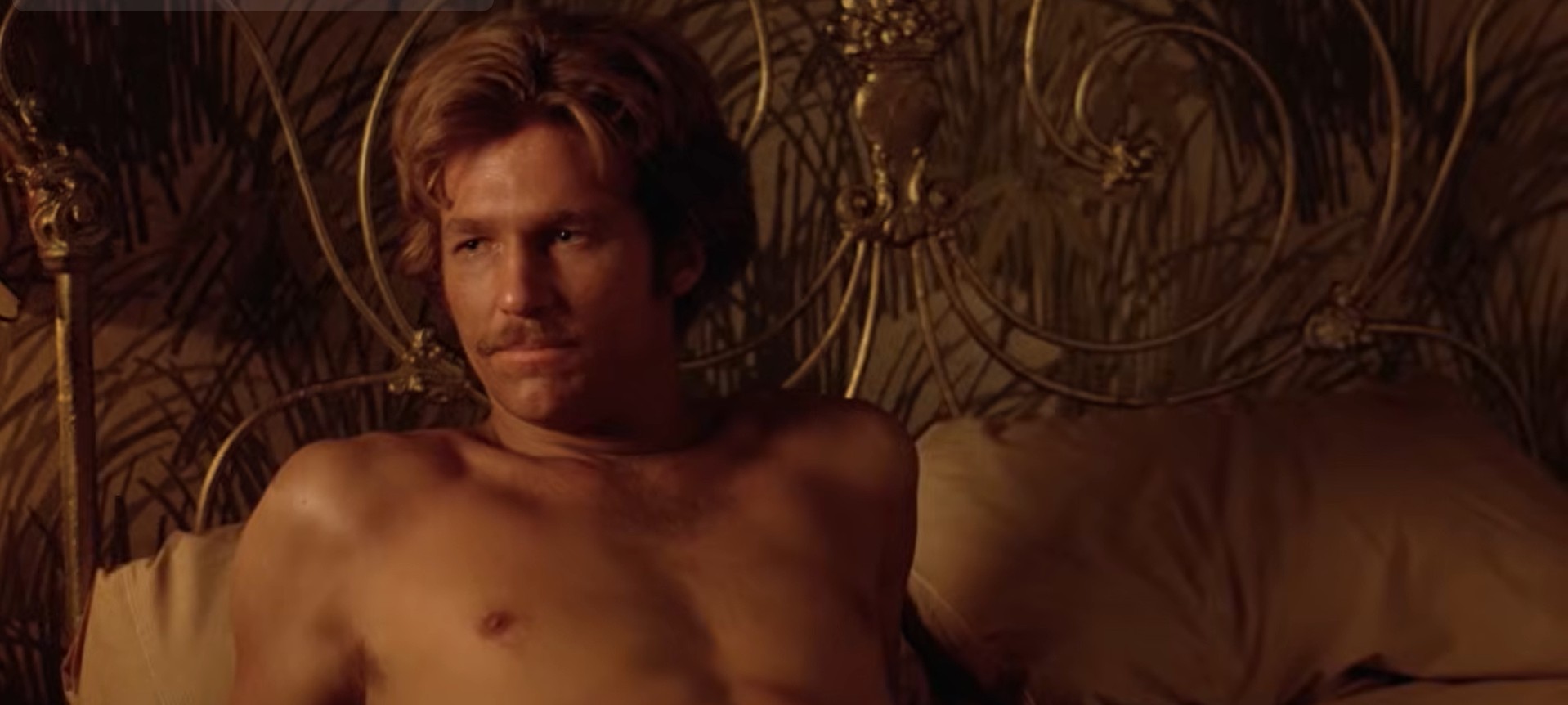
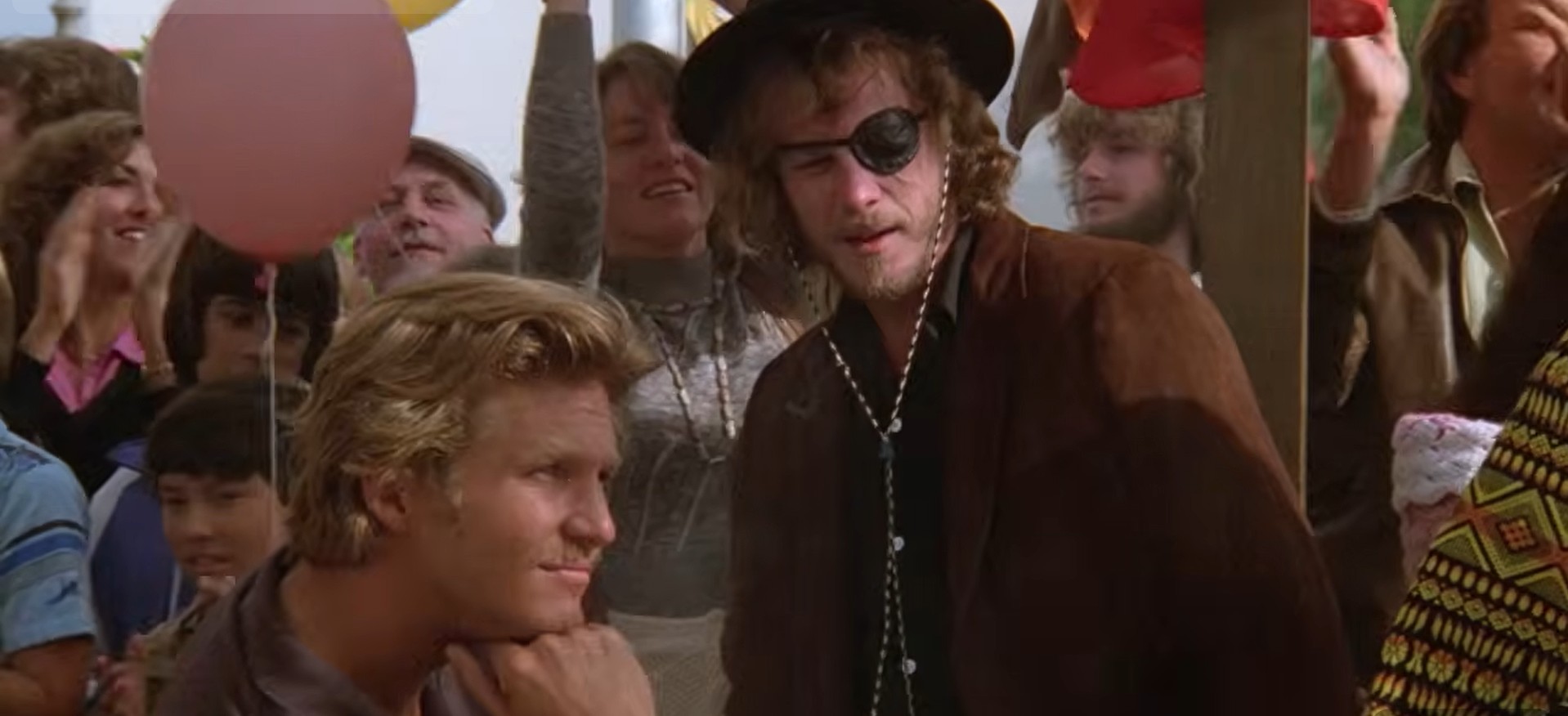
“Big Lebowski’s” Jeff Bridges has the story’s focal point being Richard Bone, the happenstance victim becoming a murder suspect while trying to coast through life by walking away from hard problems and not taking the steps to advance. The Bridges of 1981 is certainly a different breed than of grizzlier Bridges of more than four decades later, and even nearly two decades later around “Big Lebowski’s release, with a slender cut and tall physique, baby-smooth shaved skin, and a head full of dirty blonde hair that certainly makes him the ladies’ man as shown in the opening scene of him dressing himself after a bedroom romp with a slightly older woman. Bridges embodies both Bone’s lackadaisical commit to himself, his friends, to woman he loves, and even to the conspiracy surrounding the real suspect concocted and presented by his friend, Alex Cutter, but when the tone starts to shift more toward the evidence of a coverup and all the dots begin to connect to Cutter’s alcoholic rantings and ravings that could be construed as convincing conjecture, you see the Bone begin to care more than he’s ever allowed himself to. Bridges’ Bone is actually not the most interesting, complex character as that accolade goes to John Heard as Alex Cutter. The “Home Alone” actor deserved to be praised for his performance as the untamable and wildly convincing Veteran horribly disfigured by his service in Vietnam that fuels his drinking problem, causing a seemingly impenetrable yet sociable wall between him and his wife, and always seems to put tolerable Bone in the middle of his trouble, such as his use of the derogatory N-word in a joke at a bar where we first meet his uncouth, drunken, yet surprisingly together state. Heard’s intensity has range and emotional standing in the character’s cocky hop-a-log swagger that gives the big ability middle finger to his disability that doesn’t stop his motivational obsessions. Caught in the middle is Mo, played by Lisa Eichorn who would later costar with Jeff Bridges over 20-years later in the mystery-thriller “The Vanishing” alongside Kiefer Sutherland and Sandra Bullock. Also an alcoholic in a less look-at-me kind of way, Mo has the heart of both Bone and Cutter as Bone walked away from their romance years earlier and she marries pre-war Alex, but Bone and Mo’s spark lingers, teases, and eventually comes to fruition as the damn breaks with Cutter’s behavior that leaves Mo isolated and lonely in a pit of depression. One character that has girth in the first two acts is the murder victim’s sister Valerie from the girl who yelled SHARK! In “Jaws 2” in Ann Dusenberry and while Dusenberry has a sizable part as part of Cutter’s investigating team, almost like an instigator to his whims, Valerie ultimately disappears in near the tale end of act two and completely from act three, making this one of the biggest mysteries alongside the possible murder suspect itself. “Cutter’s Way” rounds out the cast with Stephen Elliott (“Death Wish”), Arthur Rosenberg (“Cujo”), Nina van Pallandt (“The Sword and the Sorcerer”), and Patricia Donahue (“Paper Tiger”).
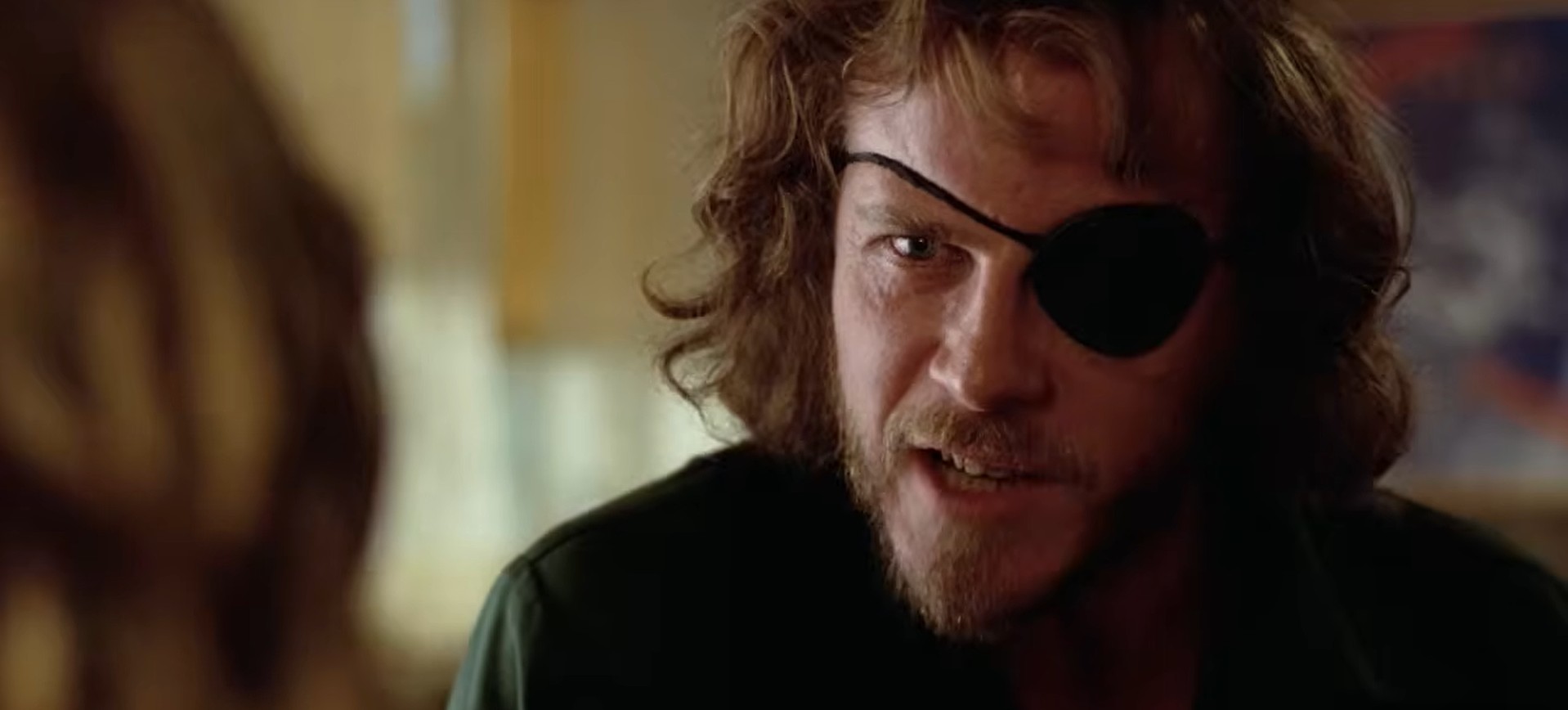
“Cutter’s Way’s” powerhouse duo of Jeff Bridges and John Heard couldn’t be more perfect with two contrasting walks of life that somehow fit and work, drawn together like strong magnets despite their odd shaped and conflicting personas. At some points during Cutter’s insane theories and aggressive, uncivilized touting, you would think a calm demeanor and conservatively rational Bone would distant himself from Cutter, or even try to stop his stare-induced antics but Cutter’s shenanigans fuel something in Bone that makes this relationship hobble along without any sign of slowing down and that likely is largely in part to Mo being the connective tissue. There’s perhaps some guilt residing in Bone who escaped the draft whereas Cutter did not, resulting in losing eye, limp, and leg for a country he obviously has contempt for by going against societal norms. Cutter convincingly lays the framework of suspicion against the big time oil tycoon with intrinsic connections to not only society by to Bone and Cutter’s friends that makes their meaningless existence in comparison to the oil man’s own feels diminutive and impossible to rise up and action against with the evidence toward a police department that already has Bone in their sights because his car was nearby. However, the investigation follow-up, as well as the acute disappearance of the victim’s sister Valerie, stamp the story with difficulties of resolve and being a well-rounded narrative. These poofs of key parts differ from the death of main character that goes without explanation, or rather has too many explanations that mold in speculation, that adds to story’s deep misgivings of who was there that dark and stormy night of the murder and culminating to a dramatic finish that impresses a linger skepticism and perhaps even a little bit of cynicism between all left involved.
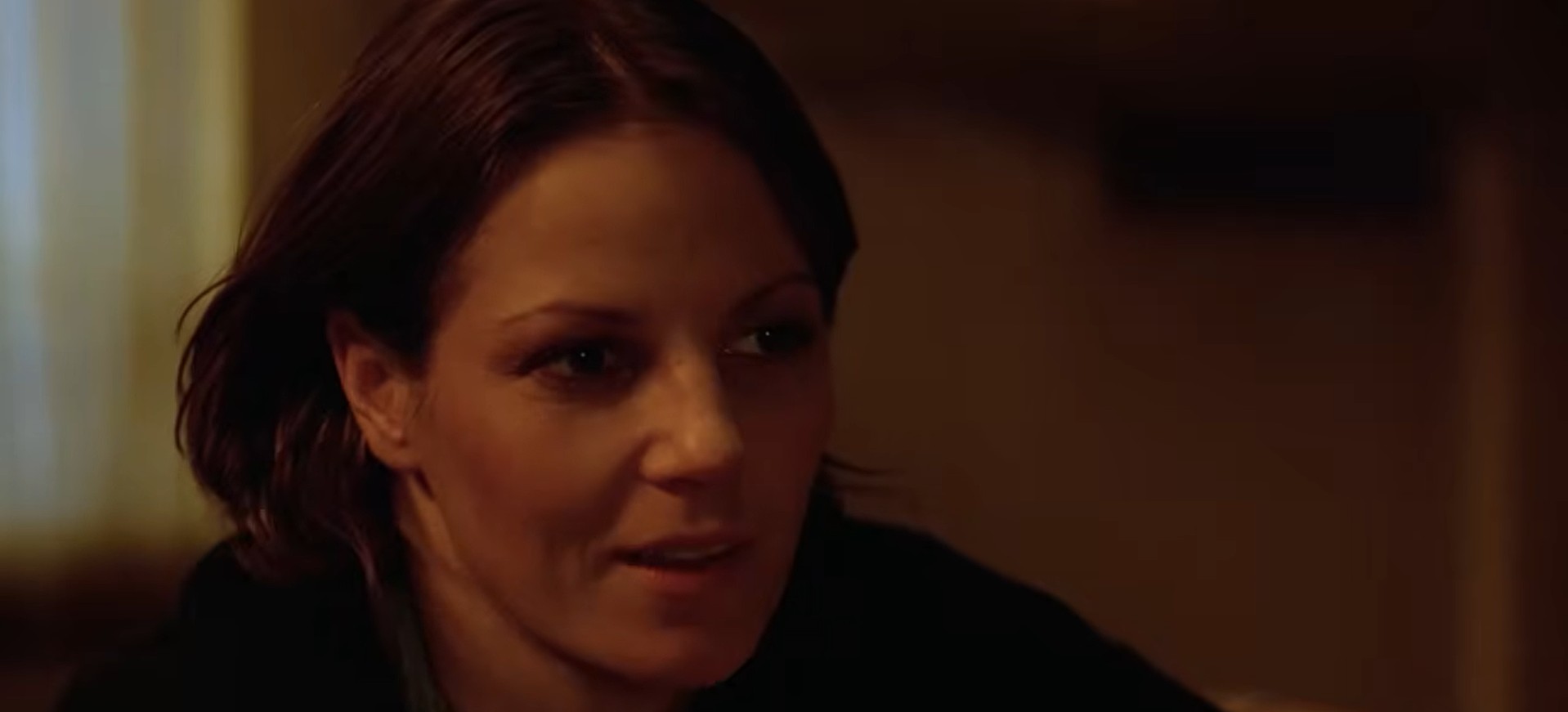
“Cutter’s Way” has sorely fell under the radar amongst aficionados of cult classics and UK distributor Radiance Films is looking to expand the Ivan Passer directed adaptation to a broader audience of not only to fans of Jeff Bridges and John Heard but to the fans of thought provoking and open-ended features that get the rusted mind gears turning once again for storytelling and not glaze over with immense computer generated special effects. Radiance Film’s new restored limited edition 4K UHD and Standard Blu-ray set is pretty deluxe with a 4K restoration presented in HDR/DolbyVision. The 4K is HVEC encoded with 2160p on a BD100 and the Blu-ray is AVC encoded at 1080p on a BD50. The ample space allows the restoration to fly without constraint with a vibrant and nicely diffused picture through the dynamic coloring with a slight contrast on its essential organic grading that dips into a bluish tone and low light noir here and there when the moment calls for it. Impressive detail measurement along the texturing as John Heard looks every bit as grizzly as his character entails with a course, unkept beard, long straggly hair, and ill-fitting military-esque attire whereas Bridges has primary color pristine and neat lines about him. The Panavision spherical lens used creates a natural concise look, often flat but not unnatural, as it doesn’t try to squeeze the framing. There were no damage spots to note on a well looked after 35mm print. The English DTS-HD Master Audio mono track is too flat with frontal space only for the enriched dialogue of the script between mostly Bone and Cutter. The suitability of track doesn’t change despite a lesser vigorous mix that has competent job performance and is adequate to the type of contemporary noir. Jack Nitzsche’s soundtrack too makes the film more alluring with a blend of Latino influences and an oxymoronic harmonic dissonance of a musical saw and harmonica that plays into the noir undertones. English subtitles are optionally available. On the 4K special features coverage there is an introduction by Jeff Bridges and three audio commentaries with novelist Matthew Specktor, assistant director Larry Franco and Production Manager Barrie Osborne, and an archived conversation between film writer Julie Kirgo and late producer Nick Redman. There’s an isolated soundtrack from Jack Nitzsche formatted in a DTS-HD Master Audio 2.0 compared to the feature’s mono track. The Blu-ray houses a little more bonus content with all of the above on the UHD and continues with an analyst featurette Piety, Patriotism, and Violence: The Legacy of Cutter and Bone by film writers Megan Abbott, Jordan Harper, and George Pelecanos, an Ivan Passer interview from 2015, a Lisa Eichorn interview from the Fun City release, an interview with producer Paul Gurian from the Australian Imprint release, an audio only interview with former United Artist exec Ira Deutchman, Cut to the Bone: Inside the Score is a featurette that interviews music editor Curt Sobel, Bertrand Tavernier is a Sidonis Calysta’s interview of admiration from the French film director, a still gallery, the trailer, and an alternative title sequence with the original “Cutter and Bone” title sequence. Radiance Film’s physical presence is substance with this limited-edition release held all together in a rigid slipbox with new commissioned artwork by Time Tomorrow on both sides and comes with an obi strip with credit and technical information. Inside is a clear Scanova Blu-ray case with reversible artwork with the primary art a split still image, one image for either side from the feature, with the reverse containing new artwork as well. The overlapping stored discs are pressed with a blood red tint. A 78-page mini book is inserted alongside the Scanova with cast and crew acknowledgements, transfer notes and release credits, and essays from Nick Pinkerton, Christina Newland, and Travis Roberts with an Ivan Passer Q&A by Jerry Roberts. The book also contains color images as well as composition artwork on the bookends. The region A locked release doesn’t have a rating listed, assuming not rated, and has a 109 minute runtime.
Last Rites: Jeff Bridges and John Heard are the dysfunctional detective duo you never thought you needed. “Cutter’s Way” is a cathartic comedy and crime thriller refreshed and renewed for ultra-high definition from the fan’s favorite boutique labels, Radiance Films.


