A Stop-Motion EVILscape of Totalitarian Hell! “Mad God” reviewed! (Acorn Media International / Blu-ray)

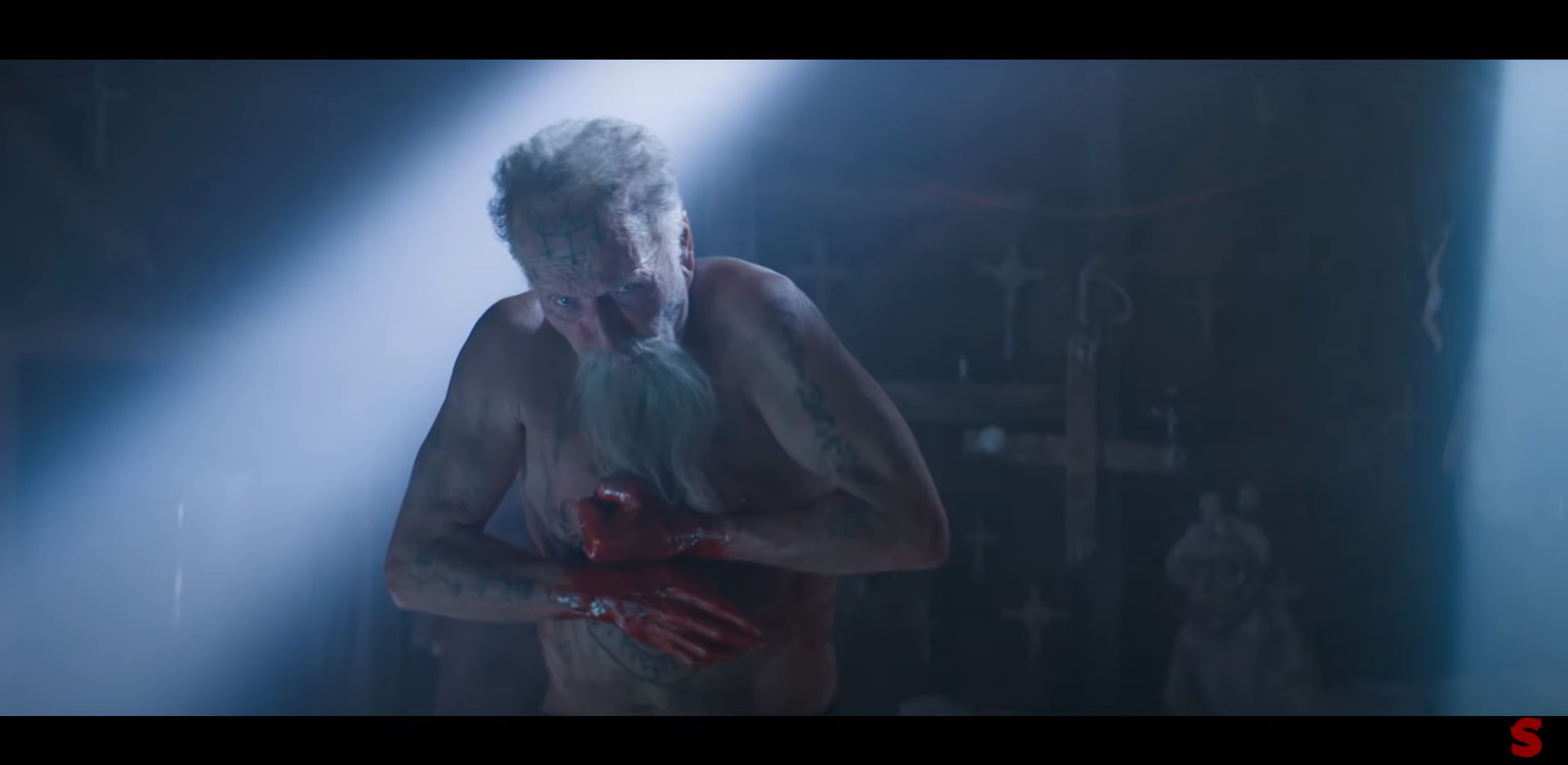
Descending from above into the depths of grotesque terror and suffering, The Assassin steps out of the drop pod with a gas mask, industrial armor, a suitcase, and a crumbling map.  Bearing witness to the surrounding horrors – cruel experimentations, enslaved beasts, tortured manufactured slave laborers, dog-eat-dog atrocities – The Assassin sallies forth, descending deeper into the primordial pit.  The missioned at hand is to set an explosive charge that will eradicate out the ruinous, oppressive filth that aims to corrupt the everything, but there the darkness won’t be so easily wiped away and The Assassin must stay in the shadows and out of sight or else become a tortured fixture in the fray. 
“Mad God?”  More like mad genius!  Phil Tippett’s 34-year, stop-motion, pet-project “Mad God” is the purest Hell I’ve ever seen.  Tippet, famed stop-motion and puppeteer effects artist responsible for the iconic visual effects and stop motion work in fan films such as the original “Star Wars” saga and the “Robocop” franchise as well as cult favorites “Howard the Duck,” “Piranha” and “House II:  The Second Story,” started “Mad God” in 1987 that become more of an ambitious project than originally thought and once the 1993 saw a computer generated effects revolution with a little prehistoric dino-disaster film called “Jurassic Park”, a film Tippett also did work on as dinosaur movement consulting supervisor because of his expertise on the short “Prehistoric Beasts,” the gifted animator had shelved “Mad God” for about 20 years with the though a newer, shiner, computer-driven animation would be the next best thing studios would ardently desire. This two-decade span gave Tippett time to outline objectives and really expand upon ideas of how “Mad God” should look and feel when conveyed. Tippett co-produces the film with Jack Morrissey under Tippett Studios and presented by IFC Midnight and AMC’s Shudder.
Just because “Mad God” is dialogue-less doesn’t make the “Mad God” voiceless. All around, in every scene, is a disturbing commentary or an unhinged metaphor bred mostly out of the animatable inanimate, but there are some live action performances weaved into the mad tapestry of monstrous titans and despot of cruelty. The most clearly discernible face of the lot comes from a director, “Repo Man” and “Sid and Nancy” director Alex Cox to be more exact. Cox plays the long nailed and regime-driven “Last Man,” representing divine leadership of a modest, dieselpunk heaven above a more organic and grotesque hell-type world. Only on screen for perhaps a total of 5-to-10 minutes, Cox grunts and gestures with precision articulation to give off a fair and just ruler impression. Niketa Roman plays the next real person to have some substantial screen time. Less of an actress and more of an animator by trade, with credits including “Blade II,” “Jurassic World,” and “Star Wars: Episode IX – The Rise of Skywalker,” Roman finds an expressive talent in her striking, heavily made-up eyes overtop a surgical mask and gown when whisking away one of the Assassin’s souls to be studied and experimented on by a broodingly ethereal entity. Other micro-performances include minor roles of tortured monkeys, various iron-cladded Assassins, witches, and gnomes from Satish Ratakonda, Harper Gibbons, Arnie Hain, David Laur, Chris Morley, Anthony Ruivivar, Tucker Gibbons, Tom Gibbons, Hans Brekke, and Jake Freytag.
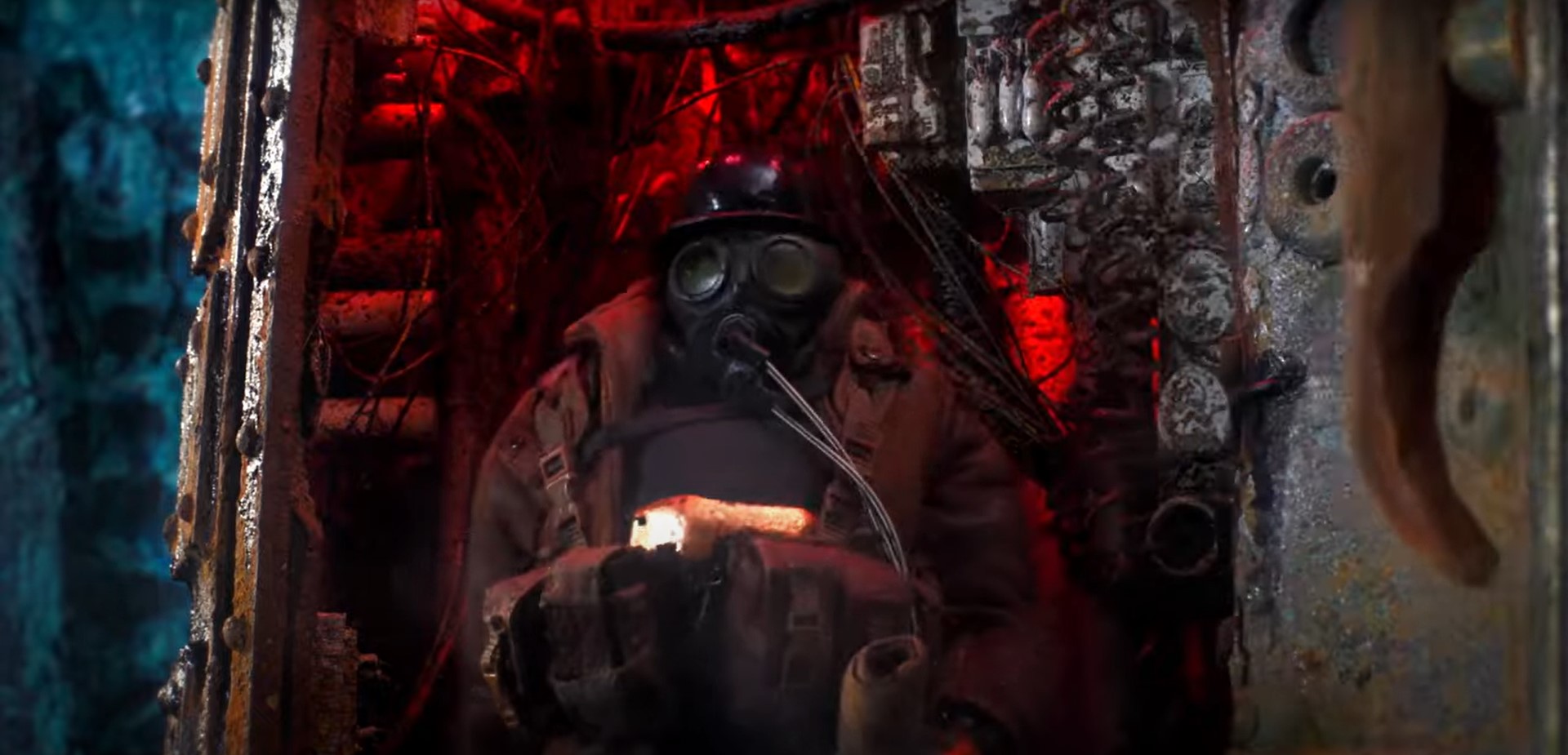
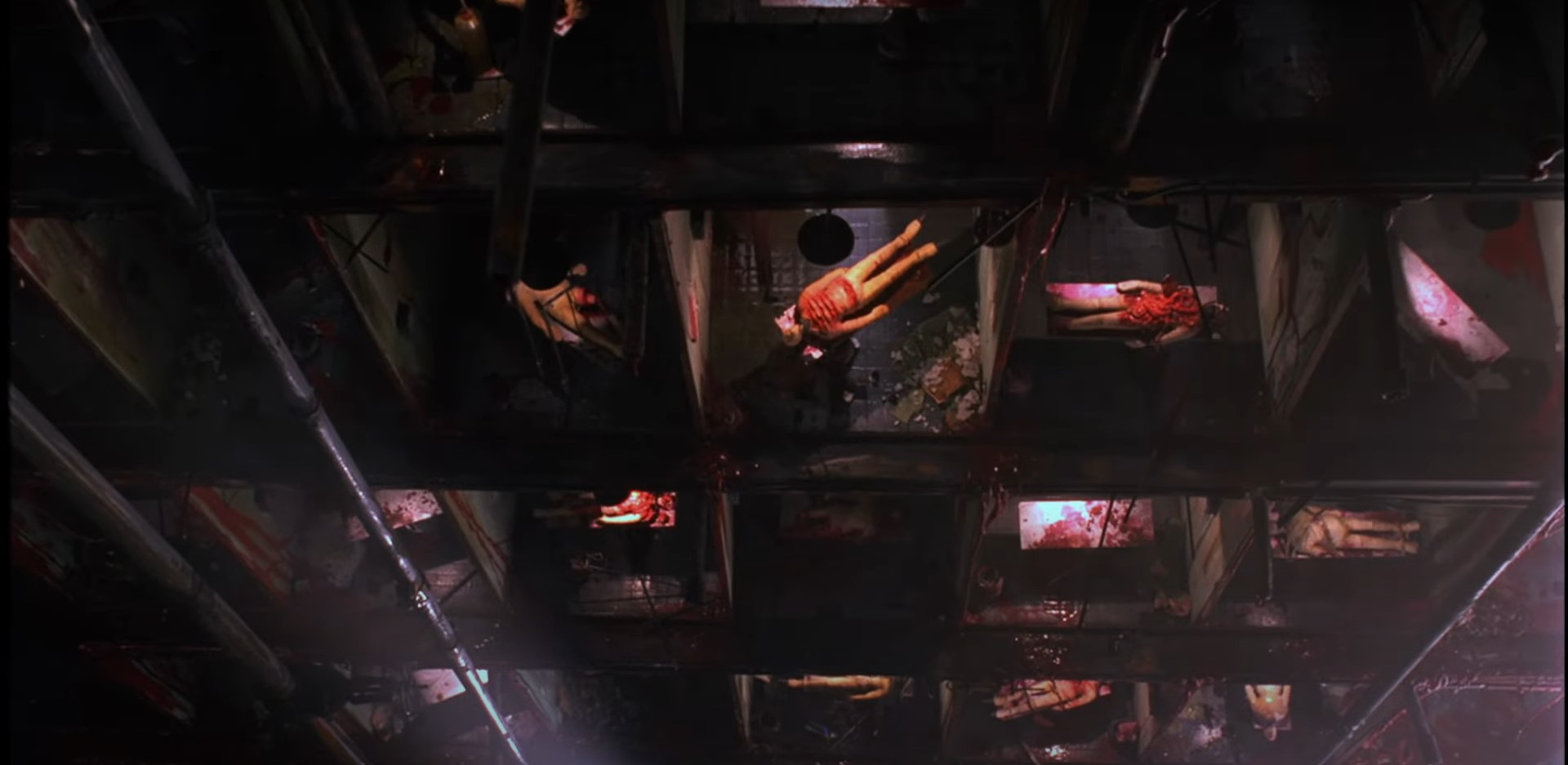
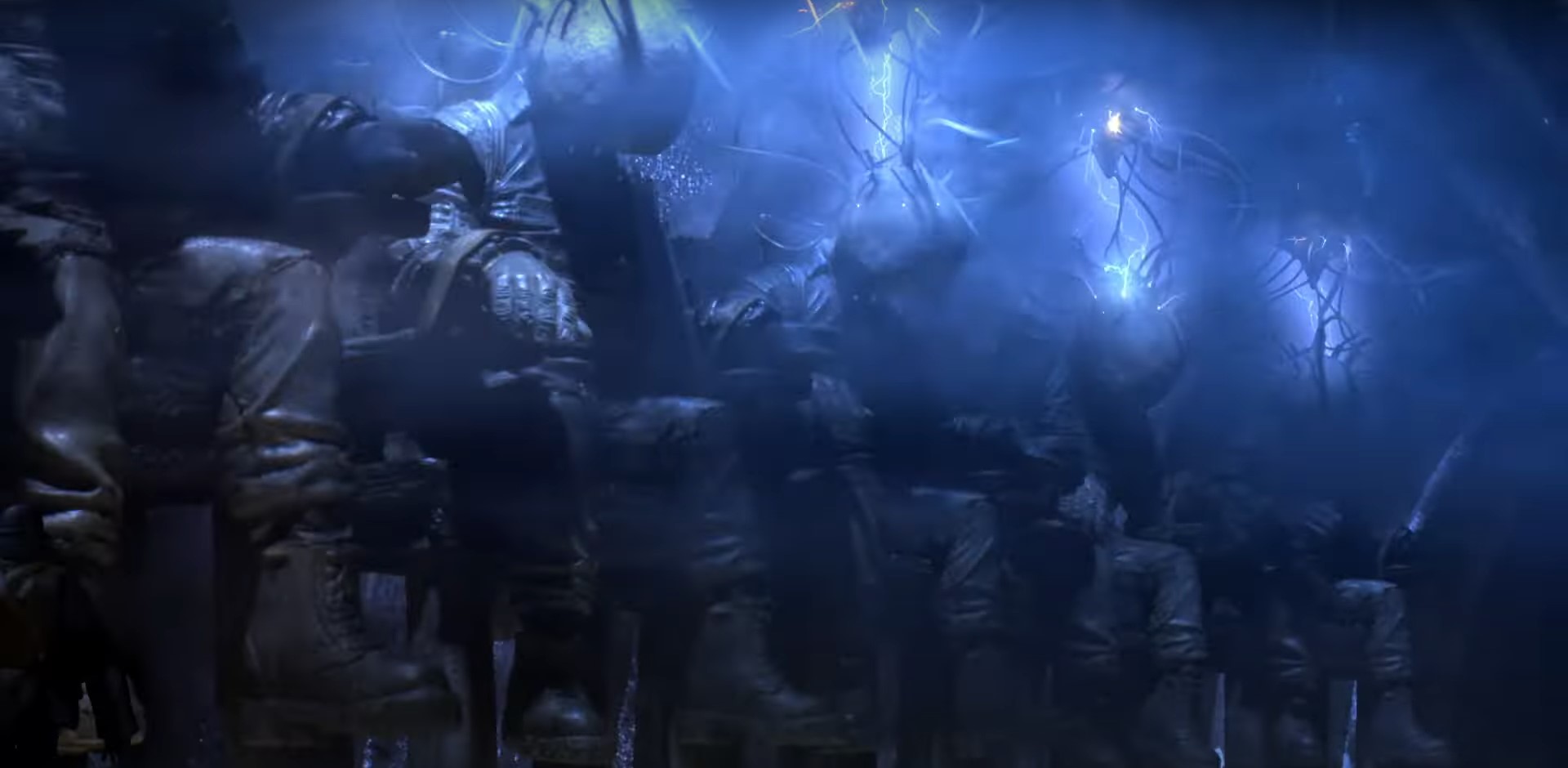
“Mad God’s” possibilities and interpretations are endless. Phil Tippett pulls from a motley of inspiration that includes, but is not limited to the fantastical, sometimes hellish, paintings of Hieronymus Bosch, the wacky, often gonzo animation of Tex Avery, the stop-motion titans of Nathan Juran’s “The 7 Voyages of Sinbad, and Dante’s Inferno. The mind is a deranged and wonderful creator of the macabre and of the aberrant and as a receiving device, the mind can also, if opened up enough, accept such visceral visuals of bowel fluids being jettisoned out by electric shock and into the mouth of an organic machine that manufactures fibrous, lumbering humanoids for slave labor. Like lemmings in a way, these exploited shadows of human beings will succumb under their own demise or at the gnarled and unforgiving hands of their master’s gargoyleish work-whippers. “Mad God’s” eye for detail is greatly disturbing to see cities in monolithic cities and cultures in ruins, the composite depth between foreground and background action in one scene reminds me a lot of older works like “The Neverending Story” or “Clash of the Titans” that create a vast scale with smaller objects, and the playful irony of a nightmare netherworld being commanded over by a baby’s babble doesn’t nearly seem to a stretch from the truth. As the multiple Assassins trek through the chaos and the insanity, an overwhelming sense of life is meaningless scores the landscape as there isn’t an ounce of compassion or empathy to be had or displayed for any of the malformed creatures and wretched humans. A laborer is crushed by a stone – no biggie. A cute and cuddle animal is attacked and whisked away for food storage – all in the day of cruelty. A man is stripped of his armored gear, injected with a mysterious substance, and prepped for exploratory surgery – all for show in front of a live clapping and cheering audience. The only compassion I can make sense is the Assassin’s mission to blow up this God-forsaken world of eternal suffering to restart the heart. Madness grinds bones, fillets spirits, and crushes souls in Phil Tippet’s Godless underworld and can haunt you even while you’re awake.
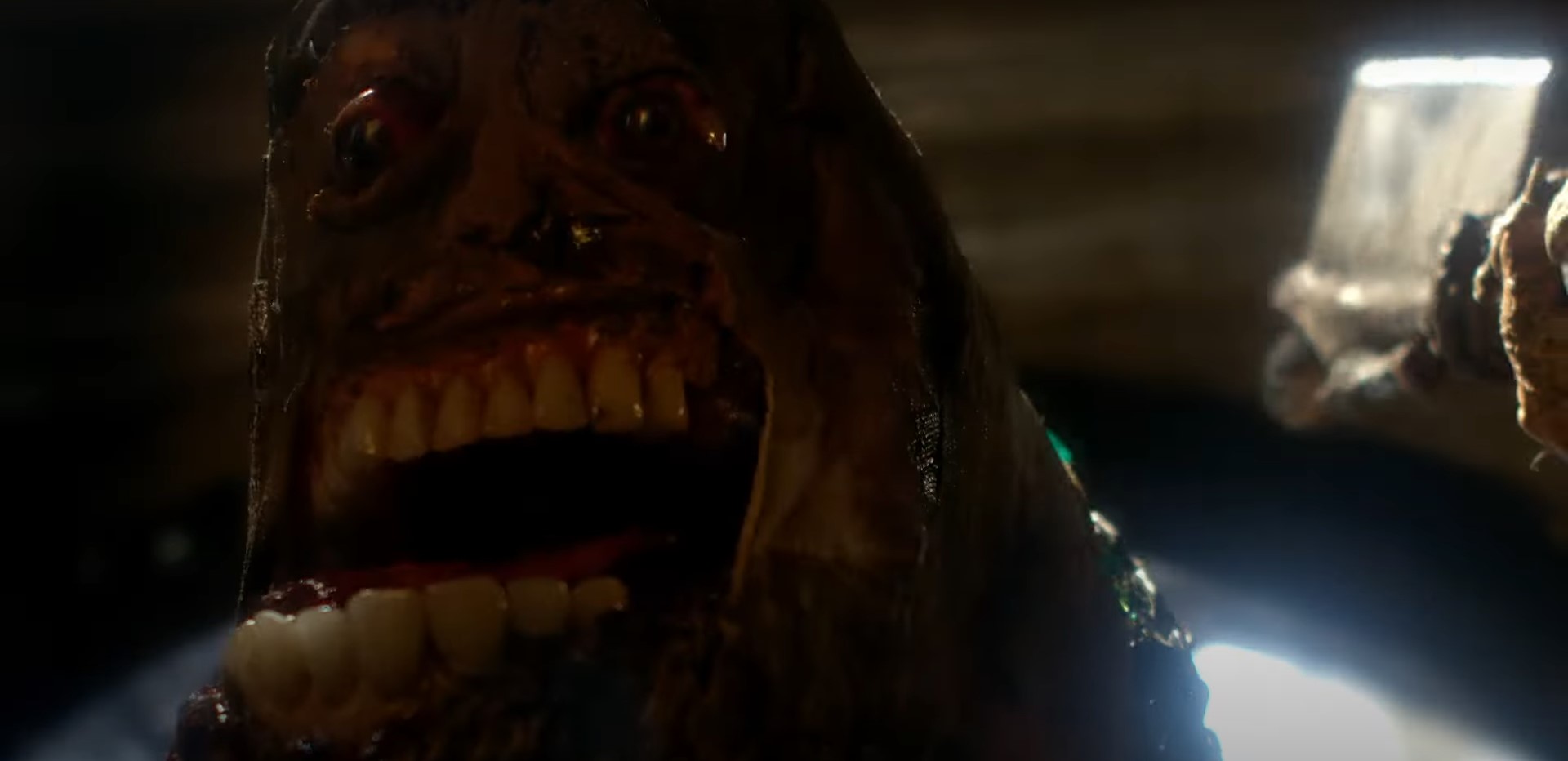
A surreal stop-motion wonder and excruciation, “Mad God” brings all the horrors of the subconscious mind to the surface with a high-definition, 1080p Blu-ray. The region 2, PAL encoded release from UK distributor Acorn Media International presents Tippet’s tour de force in a widescreen 1.78:1 aspect ratio and the image is purposefully varied to exhibit different strokes of craft as students would assist Tippet with contrastive topographies to carve out an apocalypse-riddled world that’s in a state of a violet retrogression. Tippet and Tippet Studio visual effects artist, Chris Morley, pivot to “Mad God’s” cinematography appearance with brooding, darker tones that illuminate and are erratically sparked with warm neon glows or brilliant voltage streaming through highly conductive bodies. Some earlier scenes from the late 80’s have natural grain from the 35mm stock and then later, more recent scenes have a cleaner, sleeker look with the digital recording. The Dolby Digital 5.1 surround sound mix has an all-embracing range, mostly with sudden and alarming blazons of guttural roars, unnerving baby babble, elongated zaps and shocks, and the indistinct yips and yaps of a mad world, that sustains on a line of being lesser than crisp, which might be contributed to the inexact capture of depth as sometimes all sounds casts like from inside the reverberations of a fishbowl. Descriptive SDH subtitles are available. Bonus features include audio commentary with Phil Tippett and “Pan’s Labyrinth’s” Guillermo del Toro, cast & crew commentary, an interview with Phil Tippett, “Mad God’s” various painter, cartoonist, animator, and psychology inspirations, the making-of “Mad God,” Maya Tippett’s Worse than the Demon – Phil Tippet’s daughter’s 12-minute thesis documentary of her father’s 34-year passion project journey, Academy of Art & “Mad God,” a behind-the-scenes montage, and a behind-the-scenes photo gallery. “Mad God” has a runtime of 84 minutes and is UK certified 18 for strong violence and gore. A motion picture diorama of Phil Tippett’s neoteric psyche, “Mad God” is wrath wrapped in heart and soul, two descriptors not topmost on the surface but are meticulously integrated into every frame of pain, suffering, and despair.

A Cop, a Paranormal Investigator, and a Priest Walk Into an EVIL Extermination Plan! “Belzebuth” reviewed!


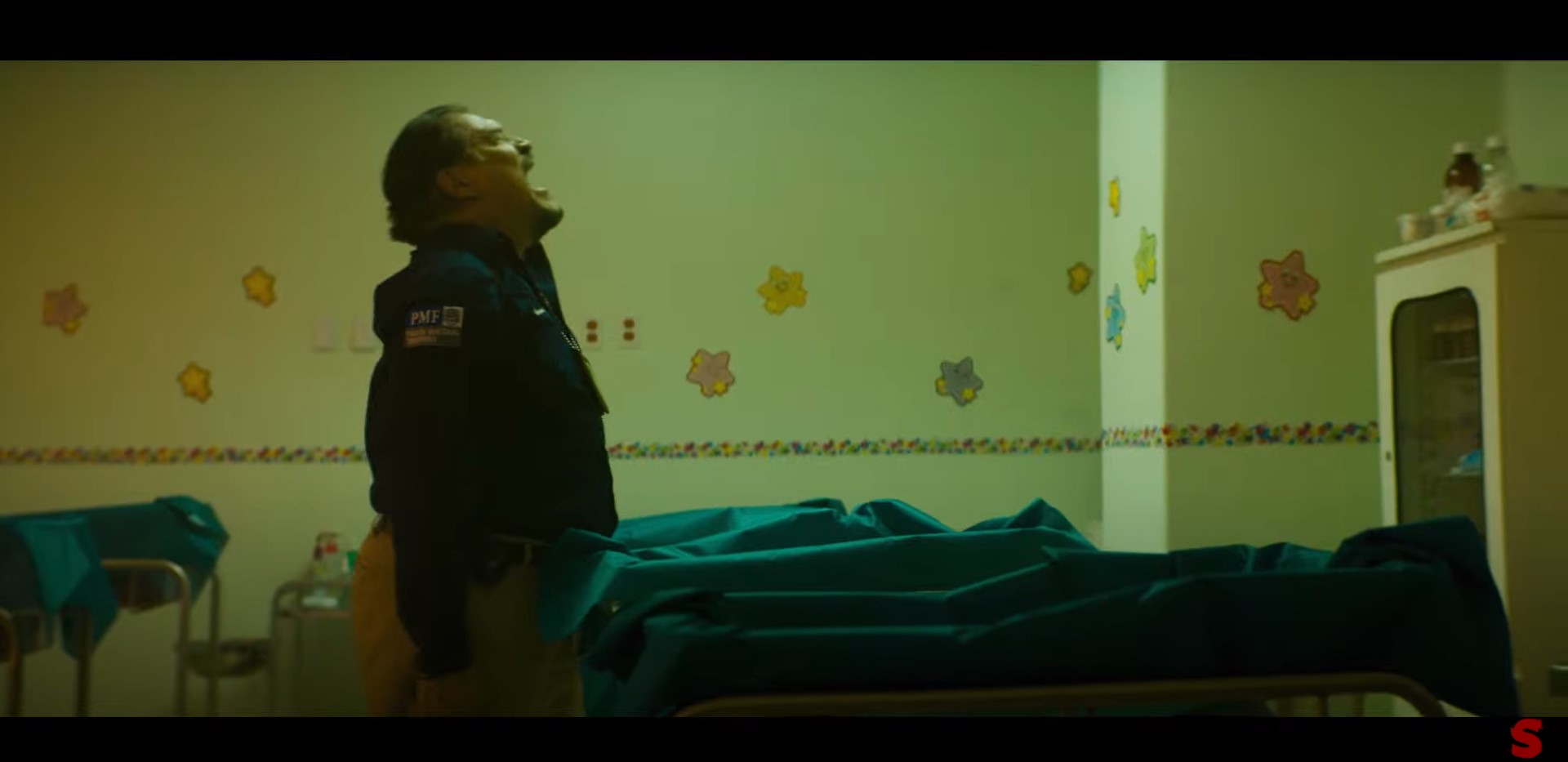
The joy of a new baby is cut short for Detective Ritter who bares the tragedy of his little boy viciously killed in a massacre of nursey infants by a psychotic nurse before taking her own life.  Five years later, and losing not only his child but also his wife to severe depression, a disheveled Ritter is called in to investigate a mass murder involving a 12 year old boy slaughtering young children in a preschool classroom.  To him, the two events don’t spark similarities, but to a paranormal investigating Catholic priest, Ritter’s tragedy and the events in the classroom are linked by the unorthodox priest’s examination.  All the evidence points to an excommunicated Catholic priest practicing demonology that sends the two men down a path of unholy darkness in a series of murderous catastrophes influenced by the rebirth of the Messiah.

When the first scenes from “Belzebuth” open with a maternity ward nurse stabbing with vigorous force every single infant child in their crib with a scalpel, you know nothing wholesome is sacred and everyone is fair game in what is to be a grim story of infinite barbarity and darkness.  “Belzebuth” falls in the line of fire of Mexico City born writer-director Emilio Portes with an augmented, dark humored social commentary loaded with evil entities and grimace-laden gore.  The “Meet the Head of Juan Pérez” filmmaker cowrites “Belzebuth’s” irrational rational for the unfortunate real world trend of mass murders and touches upon, sensationally, the evolution of Catholicism extremities to battle evil in the world with first time feature length film screenwriter Luis Carlos Fuentes.   The Mexico/American film is produced by Rodrigo Herranz, Michelle Couttolenc, and Jaime Basksht, with Ana Hernandez as executive producer and Pastorela Peliculas in cooperation with patriotic promotion from the Instituto Mexicano de Cinematografia, aka IMCINE, serving as the production companies.

If you Google Mexican actors, the power of artificial intelligence and ignorant manual input couldn’t separate Mexico form any other Latin American country as the powerhouse search engine provided me results like Danny Trejo, John Leguizamo, Jennifer Lopez, Javier Bardem, and Penélope Cruz.  Now, while I respect each and every one of these performers who provide a variety of lush character and emotional erudition to each of their roles, not one of them is born in Mexico.  Some that listed do not even share the same heritage.  But do you know what the most astonishing, most outrageous, and most shameful aspect of my search was this?  The Tepic, Nayarit, Mexico born Joaquín Cosio was not among the top 50 results.  From captivating television with Guillermo del Toro small screen adaptation of vampiric apocalypse of “The Strain” and the intense drug-fueled drama of “Narcos: Mexico” to his Hollywood presence in the star-studded, James Gunn directed “Suicide Squad” to his humbler beginnings that includes Bond, James Bond, in “Quantum of Solace,” Cosio’s a strong and versatile candidate for intense thrillers and “Belzebuth” is right in the actor’s wheelhouse as a downhearted Detective Rigger with a short fuse.  As a supernatural skeptic, Ritter’s forced into confronting his past demons with the demons of the present by tracking down rogue priest Vasilio Canetti (Tobin Bell, “Saw” franchise) with the help of Father Ivan Franco (Tate Ellington, “Sinister 2”) of the Paranormal Forensic Department, which sounds kind of silly because Franco’s squad is an extension of the Church.  Bell brings his delightful deadpan bedside manner as the excommunicated priest in guerilla warfare with a determined, demonic evil trying to massacre as many children as possible to find the reincarnated Messiah in what would be the Third Coming as the Second had come and failed during the Crusades.  Bell is the yin to Cosio’s yang until circumstances rear-end last ditch efforts and all Hell breaks loose in a drug smugglers’ tunnel.  Aida López, José Sefami, Yunuen Pardo, and Liam Villa round out the cast.

If possession-fueled carnage and the antiheroic archetype weaponizing demonology for good tickles all the right places, “Belzebuth” can be the feather tickler of dreams.  Fans of Clive Barker’s “Lord of Illusions,” Peter Hyams’ “End of Days,” and the graphic novel “Constantine” can indulge into Portes’ explicit nihilism and lack of public conviction in religion in the director’s allegoric telling of something really big and really satanical happening right under people’s noses while a small motely crew of conversant peons try to stop a wall of Deviltry.  Portes also consistently touches upon Mexico’s unsystematic corruption, even among Ritter and other protect and serve officers, and the once firm-handed political system of the Institute Revolutionary Party (PRI) as potential cause for all the suffering enacted demon-rooted abscessations.  The mentioning of drug cartels pop up frequently, too, symbolizing the seemingly random acts of violence are just never just random acts, but an perpetrated hit on a human target much like the cartels’ unsavory methods to either take out competition, eliminate obstacles, or to silence whistleblowers.  Portes does a phenomenal job using his film as an allegory in making a political statement but lacks balance in favoring gore over profile with some characters who rather feel written in just for the sake of a broader English audience.  Father Ivan Franco is such character with interesting combinational vocations as a paranormal investigator and a holy man of the cloth.  Yet Franco, who wields a gun and has supercool video and audio recording specs, spearheads a larger suborganization shielded away from the public eye and, unfortunately, the viewer eye that never feels like a cog in the entire “Belzebuth” machine.  Franco and his team of spook-sleuths, who, by the way, vanish completely from his side early into the investigation, supposedly follow and investigate peculiar tragedies connected to misaligned presences leaving spiritual residue on the real world plane, but how his team comes about connecting the dots exclusively to just the first two tragedies, five years separated, is a bit of stretch and a letdown in fabricated continuity and weight behind Franco’s existence to be involved.  Pockets of plot holes pop up here and there on other facets but generally speaking, “Belzebuth” works black magically as a spiritually and culturally vivisecting detective thriller.

The Shudder original 2017 release, “Belzebuth,” scares up onto an UK Blu-ray release from Acorn Media International. The region 2, PAL encoded, single layer BD25 presents the film in a widescreen, 2.35:1 aspect ratio, with a runtime of 109 minutes.  Ramon Orozco’s cinematography flashes with a gorgeous red and blue color palate that fits the iniquitous tone and adds an ethereal, hazy backlighting to only enhance the tone to more sinister levels.  Acorn’s Blu-ray sharpens Orozco’s already byzantine schemes that enriches the details in the skin as well as a the sacred relic artifact-cladded locations that become claustrophobic and entombing.  Even Juan Martínez Espín visual special effects casts a solid effort of barely a smooth surface computer generated phoniness, especially in one crucifying scene of psychological torment.  You’ll know it when you see it.  “Belzebuth’s” powerful Dolby Surround 7.1 audio track is an assault on the eardrums of the best kind with a husky, industrial melodic soundtrack and hefty sound design with accompanying diverse range and proper depth that could be described as literally placing every creak, stab, and cackling laugh sound right into the darkest corners of your ears.    An unfortunate surprise about the Acorn release is that there are no special features aside from the animated menu that is essentially chaotic “Belzebuth’s” trailer plastered with menu options.  Possession films tend to stale at a dime of dozen, but Emilio Portes’s freshly terrifying “Belzebuth” entertains and scares to the very last morsel.

EVIL Can Never Replace Love in “After Midnight” reviewed! (Umbrella Entertainment / DVD)


Well known country boy Hank has everything he could ever need in the small, rural Florida town: having an establish family lineage, being the owner of a local bar hotspot, and obtaining the love of the beautiful Abby. Their gleaming happiness suddenly goes dim when Abby abruptly takes off, leaving a note with little information of her whereabouts or her plans. Fraught in her absence, Hank drinks himself into a stupor most nights of romantic nostalgia while also fending off his rustic home from a beast out of the surrounding woods that continuously scratches at his front door nightly. Hank’s friends believe he’s suffering a mild mental break as night-after-night, the snarling beast evades Hank every effort to capture and kill it.

“After Midnight” is a sheering melodious and delicately programed romance-horror from “The Battery” writer-director Jeremy Gardner allotting co-directorial duties again with continuous collaboration beside Christian Stella. As Gardner’s third film in the director’s chair, second inside the realm of horror, “After Midnight” brandishes more a sappy love story that sings the tune of a love lost warrior where the relationship woes lie within the deepest, darkest corners of himself rather than being a frontline horror sprinkled lightly with dusted coating of amorous renewal. “After Midnight” is a topsy-turvy monster movie not for an insouciant genre fan who rather skim the surface for blood on the topsoil than dig feverously for the originating root. If you’re also a fan of the mysteriously acclaimed, H.P. Lovecraft-inspired “The Endless,” the filmmakers behind that film – David Lawson, Aaron Moorhead, and Justin Benson – produce “After Midnight” under their Rustic Films label in association with Vested Interest, Cranked Up Films, and Kavya Films, casting that querying memento clinging like a foreboding, nagging scratch needing to be itched.

Not only is Gardner the director, he also stars as Hank, enduring the multi-hat involvement in his films in thematic fashion from his previous films, spearheading the roles in “The Battery” and “Tex Montana Will Survive!,” and Gardner has also branched out beyond his work, having roles in the visceral Joe Begos’ films “Bliss” and “The Mind’s Eye.” Gardner sports his common wear of a U-shaped V-neck t-shirt and bushy beard overtop his large frame and wields a sharp tongue, whiplashing small witticisms as he charms his serenading rustic charisma upon Brea Grant as Abby. The “Dead Night” actress enacts every man’s inherent fear of being lost without their better half when Abby hightails from Hank’s steadfast stance on life. Grant provides a flood of emotional drought through a series of Hanks’ melancholy, good times flashbacks that provide backstory fuel to Hanks’ quickly withering grounded state. Gardner and Grant’s chemistry eerily dons the routine life span of young love and weary complacency without so much showing the beat work argumentative discussions and differences of a diminishing relationship; their natural banter never derails even amongst a bedeviling beast with nightly visitations on a drained Hanks’ doorstep. “After Midnight” fleshes out with a cast of superb supporting roles with nearly Henry Zebrowski (“Cut Shoot Kill”) stealing the show as a half-wit yokel, Justin Benson (“The Endless”), Ashley Song, Nicola Masciotra, Taylor Zaudtke, and creature performer Keith Arbuthnot as the man in the monster suit.

Speaking of the monster suit, the unknown origin creature is very Guillermo del Toro-esque with a quasi-rubbery look, but still renders terribly real with the puppetry facial expressions and Keith Arbuthnot contorting his body to exuberate natural movements. However, don’t look to be thrilled by a ferocious beast as the constant the source of contention. It’s more of an afterthought, a pleasant afterthought, filling Hank’s Abby void or is it? It’s a question you’ll be contemplating when the credits role when a monkey wrench finale disrupts your premediated blue print scheme of a reason for the creature’s existence. Romance and melancholy cross paths in an overwhelming heap of love sickness, guilt, disappointment, and jealousy in a well thought out, smart dialogued version of a self-growth narrative.

There always seems to a malevolent monster behind the scenes, perpetrating the demise of a flourishing relationship exemplified by a beautifully wicked allegory in “After Midnight” distributed onto DVD home video by Umbrella Entertainment. The transfer is presented in the original widescreen, 2.35:1 aspect ratio, on a region 4, 83 minute runtime disc. The presentation is virtually flawless with palatable natural coloring, gleaming southern-sweat coated, natural looking skin tones, and overall details with Hank, and Hank’s house, looking specifically grimy and unkempt. Greenery is of a brown lush backdropped inside what could be anywhere small town America. The English language 5.1 Dolby Digital surround sound audio renders a nice range and depth with the monster’s muffled scratching and growling outside the door, the shotgun blasts are powerfully exalting, and the dialogue clearly couriers through all relationship qualms and Hanks droll dialogue. As of many Umbrella Entertainment standard feature releases, there are no bonus features nor a static menu. “After Midnight” is a contagious love story for not it’s mushy, heartfelt, weepie doting into the tears of self-pity, but for that lingering presence of sinister cynicism the monster epitomizes, a stark terror scratching every night under the skin until the unbearable hole in our hearts is finally sated by love’s return.

“After Midnight” available on DVD at Amazon

A Child’s Dreams Can Conjure Evil! “Before I Wake” review!

screen-shot-2017-01-07-at-3-14-59-pm
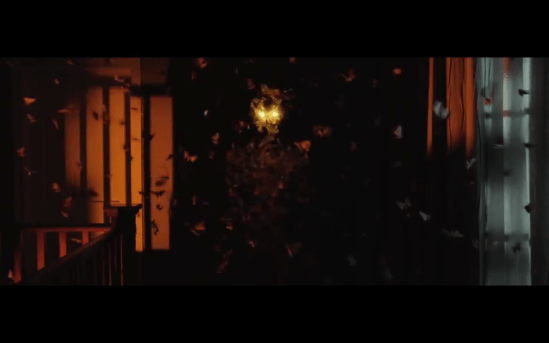
Grieving parents, Jessie and Mark, aim to heal the deep wounds of the tragic and accidental death of their young son by fostering an orphan boy named Cody. After the mysterious death of Cody’s mother and having been through two concerning foster parents prior to Jessie and Mark, Cody strives to be the most sweet and loving child to his new and pleasant foster parents, but Cody has a dark secret that keeps him up at night. When Cody falls into a dream state, his subconscious imagination manifests his awe-inspiring dreams and even his worst nightmares that become deadly with the presence of the malicious Cranker Man, a dream shadow who can pluck anyone into disappearance that happens to be near the slumbering boy.
screen-shot-2017-01-07-at-3-14-23-pm
“Before I Wake” director Mike Flanagan labors over all that is supernatural, churning out more than his fair share of specter-centered storied films including “Absentia,” “Occulus,” and the more favorable sequel to “Ouija,” entitled simply enough “Ouija: Origin of Evil,” that was produced alongside “Before I Wake” in 2016. Flanagan’s knack for suspenseful tall-tale horror doesn’t pigeonhole the Salem, Massachusetts born director into producing the same terrorizing story over-and-over and while “Before I Wake” has undoubtedly a few heart-pounding horror elements, fantasy more than so strong arms the genre into a branding submission. If I may be so bold by comparing “Before I Wake” to Guillermo del Toro’s “Pan Labyrinth” might be committing, perhaps, blogger career suicide, but the draw to resemblances can’t go ignored with what “Before I Wake’s” Cody creates from his overly stimulated dreams is much more familiar to what “Pan Labyrinth’s” Olivia character imagines when she escapes the horrors of a war bred sadistic maniac, if even only in a diluted version of events.
screen-shot-2017-01-07-at-3-14-52-pm
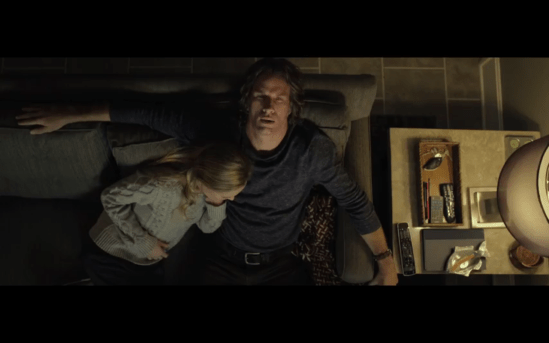
“Superman Returns” actress Kate Bosworth headlines with co-star Thomas Jane (“The Mist,” “Deep Blue Sea”) as the unwitting foster parents who are forcing themselves back into the parenting game. I specifically was not coming to terms with Bosworth’s performance as Jessie; her facial expressions and body language, along with her tone and line deliveries, were too lifeless with rigidity and repetitiveness. So much so that I compared Bosworth to Suzanne Cryer’s impassive Laurie Beam character from HBO’s “Silicon Valley.” Unless the inexplicable amount of grieving has voided her of all emotion, like the Borg drone from “Star Trek: The Next Generation,” the role of Jessie is written with a variety of mood driven circumstances that start with her insomnia, to her willingness to not leave their home, to being carelessly exploitive with Cody. Being a fan of Thomas Jane since 2004’s “The Punisher,” I might be a bit biased, but Jane had more range with the ability to switch back-and-forth between mixed attitudes and sentiments, making the dynamic between Jane and Bosworth clunky and awkward. To round off the trio of main actors, you might recognize the pint sized actor playing Cody as Jacob Tremblay from the 2015 Oscar Winning Brie Larson film “Room” portraying an innocently pitiful dreamer with an unquenchable thirst to be loved.
screen-shot-2017-01-07-at-3-14-56-pm
The Flanagan and Jeff Howard co-authored storybook script, intentionally or not, borrows heavily from psychoanalyst Sigmund Frued’s dream interpretation theory that wishful fulfillments are more common in children. Previous day activity, or day residue, has influential properties on a child’s dream, much like with Cody in this story, and Cody’s dreams are written to be an exaggerated fruition, fulfilling his desires and illuminating his emotions to the brightest or the darkest extent. Like many other films that involve the misunderstanding of children, adults Jessie and Mark blindly understand all the possibilities of Cody’s uncontrollable gift, exploiting Cody’s powers for their own greed. I did find that I love Jane’s Mark character as he tries to show Jessie the errors of her reasoning as he’s a bit of a kid himself, living vicariously through Cody with the video games and with the pizzas as if husbands, or men in general, are actually children at heart. Cody’s gift becomes a power struggle with Mark caught in the middle and the consequences of this struggle result in being the catalyst to unify Jessie and Cody as a strong bond between Mother and Son. Men totally receive the shaft in this picture where both dominant adult male figures are reduced to a forgotten or humbling state, left behind because mother knows best when it was really mother who dismantles the situation.
screen-shot-2017-01-07-at-3-14-57-pm
“Before I Wake” is a boogeyman fable of sleepless nights that independent Canadian distributor Mongrel Media presents on Blu-ray for the first time anywhere in North America on a home entertainment platform come January 10th. The film has been in a distribution limbo since U.S. theatrical distributor Relatively Media filed for bankruptcy, but, luckily for fans of the supernatural genre, Mongrel Media obtained home video rights. I was provided an online screener link, forcing my hand to not comment on the specs of the Blu-ray audio or image quality nor touch upon the bonus material, but what I can state is that the spin on the dream killer won’t stop here with “Before I wake.” Dreams, like conceptions of outer space, are vast with unlimited, unconstrained content that surrealist director Mike Flanagan has only partially tapped into by exploring the dangerously innocent perceptions fabricated from a child’s abstract mind.