A Gang’s EVIL Ransom Elicits the Wrath of “Zero Woman: Red Handcuffs” reviewed! (Neon Eagle Video / Blu-ray)

“Zero Woman: Red Handcuffs” is Number One on Our Must Have Lists!

When undercover officer Rei lets her overwhelming emotions kill a suspect on an assignment, her displeased colleagues lock her into a cell, unable to decide her fate with fear of public outcry of police brutality that would blemish the department and force leadership regsinations.  When a prime minister candidate’s daughter is kidnapped by a ruthless gang of rapists and murderers and brought to a cathouse for sale, the brothel madam believes the young woman is better exploited by issuing a large ransom for her safe return.  Unwilling to face public scandal, the politician and a rigid yet loyal investigator of the clandestine Zero Division rig up a covert plan to eliminate every person involved with the kidnapping by offering a murderous deal to Rei in exchange for her freedom.  Rei’s able to infiltrate the gang’s inner circle only to see the plan devolve into chaos and blood between the gang and corrupt authorities.   

Japan doesn’t make films like “Zero Woman:  Red Handcuffs” anymore!  The violent Toei company pinkusploitation production, released in 1974, played a major role in unifying the sexual appetites of Japan’s pink pornos with the rough-and-tumble violence of exploitation action films.  The rising of Nikkatsu Roman Pornos forced the hand of the Toei Company to expand their portfolio, creating such as combinational conquest over salivating grindhouse cinema patrons that the radical subgenre deserved a new sublet coinage labeled pinky violence.  Toei company man Yukio Noda, a staple yakuza filmmaker for the company, helms the visuals translated from a script penned by “Female Prisoner #701:  Scorpion” writers Fumio Kônami and Hirô Matsuda.  Loosely based off the manga written by Tooru Shinohara (who also penned the manga of “Female Prison Scorpion series”), “Zero Woman: Red Handcuffs” stitches its own blood soaked and sexually provocative clothing that would later continue “Zero Woman’s” adventures throughout the years with more films.

Cladded in a chic long red coat, black boats strapped up just below the knee, and wielding an extra-long connector chain pair of red handcuffs, Rei is the anti-heroine of our manga fantasies.  Miki Sugimoto works deep into that fantasy vision as Rei, Division Zero’s lady cop who will do anything and everything, clothed or undressed, to get the job done, even with extreme prejudice.  A frequent delinquent girl portrayer for Toei Company’s gritty bad girl gang pink pictures (try saying that five times fast), Sugimoto’s filmography include the “Girl Boss” series, “Terrifying Girls’ High School:  Women’s Violent Classroom, and “Criminal Woman:  Killing Melody,” and so Sugimoto already had established this foundational layer for Rei as a fortitude of badassery and now tacking on another layer of a moral high ground, justified only by seeing her word through to the end.  Rei is up against a gang of five – four street thugs led by the recent prison released Nagumo (Eiji Go,” The Executioner”) and one lesbian brothel madam (Yôko Mihara, “Sex & Fury”) – as she agrees to a back-against-the-wall deal and slyly subverts the gang by helping Nagumo during a faux ransom sting operation.  Along with Sugimoto’s stoicism, the Toei porn actress retains her promiscuous allure, one where she doesn’t have to do anything to be seductive but just be herself, working not only toward the favor of her character, who continuously is taken advantage of sexually without shame, but also keeping the integrity of the Toei élan for Japanese sleaze.  “Harakiri’s” Tetsurô “Tiger” Tanba resides to the general’s overlooking hill as the prime minister candidate who sends his battlefield colonel in Hideo Murota (“Rape and Death of a Housewife”) to be the Zero Woman’s handler.  Their scheme quickly devolves as their plan evolve when the operation goes slower than expected and the gang’s leader Nagumo begins feel the pressure of paranoia and starts to unhinge, especially around his ruffian acolytes played by Seiji Endô, Rokkô Toura, Iwao Dan, Kôji Fujiyama, and Ichirô Araki as Saburo the mysteriously quiet, aviator-waring knifeman who in himself is an interesting character.  Cast fills in with the Japanese speaking Westerner Ralph Jesser in a wild opening sequence that results in a gunshot to the groin!  

Like most pinky films, “Zero Woman:  Red Handcuff’s” incorporates an X-rated sexual violence but unlike most pinky films, the pinky violence subgenre omits the softer side of sensuality, creating more of a nihilistic viewpoint toward sex of taking what you want, when you want it, and aggressively at that.  Yukio Noda picture contains hostile lesbianism, gang rape, and pressurized perversions that take control thematically in pinky violence.  The corrosive context that has a guilty pleasure pull in most patriarchal dominated cultures and fleapit cinemagoers goes hand-in-hand with the over-the-top violence conjoined at the hip of cause-and-effect.  Usually, the narrative goes an ugly rape equals hard-fought revenge; in Noda’s film, the cause is the kidnapping, and subsequent deflowering of a power politician’s little girl leas to the Zero Woman effect of silencing with corporal punishment that circumvents the law.  Stylish like a spaghetti western and brutally violent, “Zero Woman:  Red Handcuffs” is a meanspirited, out-for-blood, femme fatale engendered on the verge of the pinkusploitation genesis.

Neon Eagle Video, a collaborative boutique label effort between Cauldron Films and Mondo Macabro’s Jared Auner, releases “Zero Woman: Red Handcuffs” onto a new Blu-ray, restored in 4K from the 35mm print. The transfer is AVC encoded, 1080p high-definition, onto a BD50 and shown in the widescreen aspect ratio of 2.35:1. A relatively clean 50-year-old print hardly displays any age wear, if any at all. Scarcely marred by blue vertical emulsion scratches in only a single scene, the print retains and is stored with care to diffuse the range of color and to effectuate as much detail as possible in textures and skin while without taking away from Noda’s underbelly surrealism. The lower contrast infuses a pulpy layer to create softer shadows, but contouring manages to stick an outline thanks to key Rembrandt lighting precision, akin to Hammer Horror with a splash of Kensington gore. The uncompressed Japanese DTS-HD MA 2.0 mono peaks with the best possible optical audio. While not much in the way of depth creation, there’s plenty of range in the Foley, even if it’s artificially abstract and illogical compared to shotgun microphone captured audio. The ADR synch is one of the best inlaid post-recordings with visuals that renders hardly any feedback or unnatural noises on the audio layer. English subtitles are burned into the only available Japanese language picture on the release. Special features include a feature length audio commentary by author and producer for Vinegar Syndrome Samm Deighan, Sex + Violence = Pink Violence TokyoScope author Patrick Macias analyzes “Zero Woman: Red Handcuffs,” and an image gallery. Graphic designer Justin Coffee produces a new, rich-in-red, and taletelling composite illustration of what kind of film to expect on the front cover art of the clear Amaray Blu-ray. The reverse cover houses another illustration, one pulled from the feature’s original poster line. The BD is pressed with more Coffee fiery and red-laced artwork. This particular copy reviewed is not the limited edition set with accompanying slipcover and neither copy contains insert material. The region A playback release comes unrated and has a runtime of 88 minutes.

Last Rites: “Zero Woman: Red Handcuffs” is a fine introductory film into the world of Pinky Violence, a starting line for those perverse-thirsty for the unification of sex and violence in Japanese cinema. Neon Eagle Video delivers excellences with their restored print, second to none in its picture and audio quality that will provide a sterling experience.
“Zero Woman: Red Handcuffs” is Number One on Our Must Have Lists!

To Be an Intolerant Human Is to Be EVIL! “Lion-Girl” reviewed! (Cleopatra Entertainment / Blu-ray)

Here is “Lion-Girl.” Hear Her Roar on Blu-ray!

In the year 2045, a rain of meteorites harbingers the possible destruction of the human race as the space rocks contain harmful, radioactive rays that either kill a human within seconds or doesn’t kill them at all but transformers them into bloodletting, mutated beasts with superhuman abilities known as Anoroc.  While the rest of the world collapses, only Tokyo remains as the last human stronghold governed by a fascist dictator Nobuhide Fujinaga and his band of ruthless, police state Shogun led by despotic Kaisei Kishi.  Fujinaga and Kishi’s prejudices extend decades later when children in utero are exposed to Anoroc rays that keep their human appearances and behaviors only to have gained the psychokinetic energy powers.  These evolved man and Anoroc are labeled Man-Anoroc and are sought out for extermination but one defender of the weak and less fortunate, known as Lion-Girl, takes a stand against the forces of evil and bigotry, making Lion-Girl Earth’s last and only hope.

Inspired by the prolific manga works of Gô Nagai (“Cutie Honey,” “Devilman”) and Nagai providing the conceptual illustrations, the Japanese filmmaker behind the pulse-pounding pistol-whipper  “Gun Woman,” starring cult erotic-actress Asami, and the Italian yellow picture, or giallo, influenced “Maniac Driver” turns his eclectic, electric style to reproduce his love for manga and the classic Japanese superhero canon with a new heroine in “Lion Girl.”  Kurando Mitsutake endears to his audiences through passion for cutting-edge manga’s commanding nudity, a hero’s odyssey in a dystopian future, and a comic’s style depicting graphically good versus evil.   The COVID era stymied production costs due to supply issues, affecting various departments such as special effects and even the cast with relative unknown faces, but Mitsutake pushes forward with the Japanese Toei Video Company (“Battle Royale”) co-production with America’s Flag Productions and Nagai’s Dynamic Planning.  Masayuki Yamada, Gaku Kawasaki (“The Parasite Doctor Suzune”), and Mami Akari (“Maniac Driver”) produce the film.

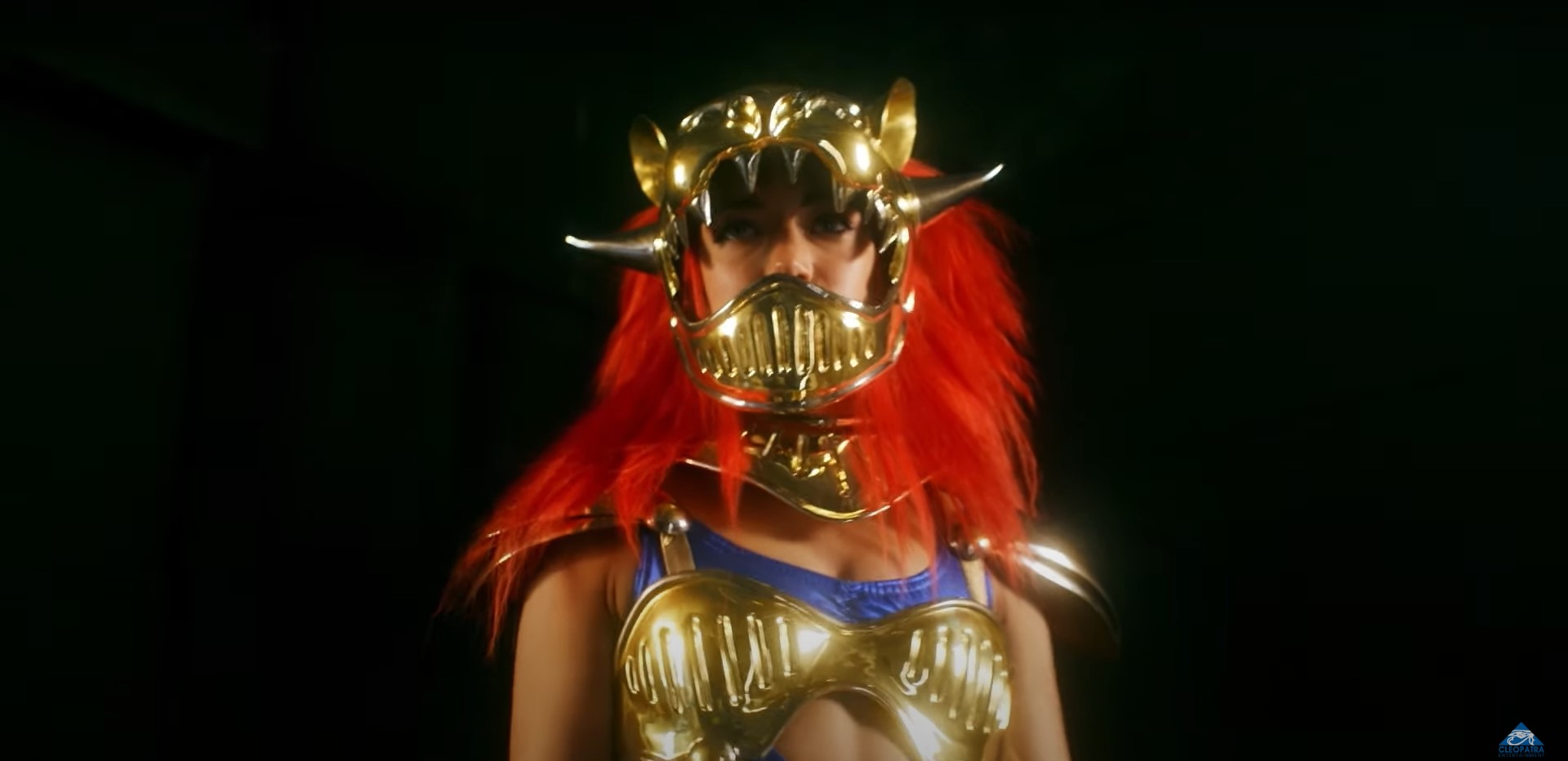
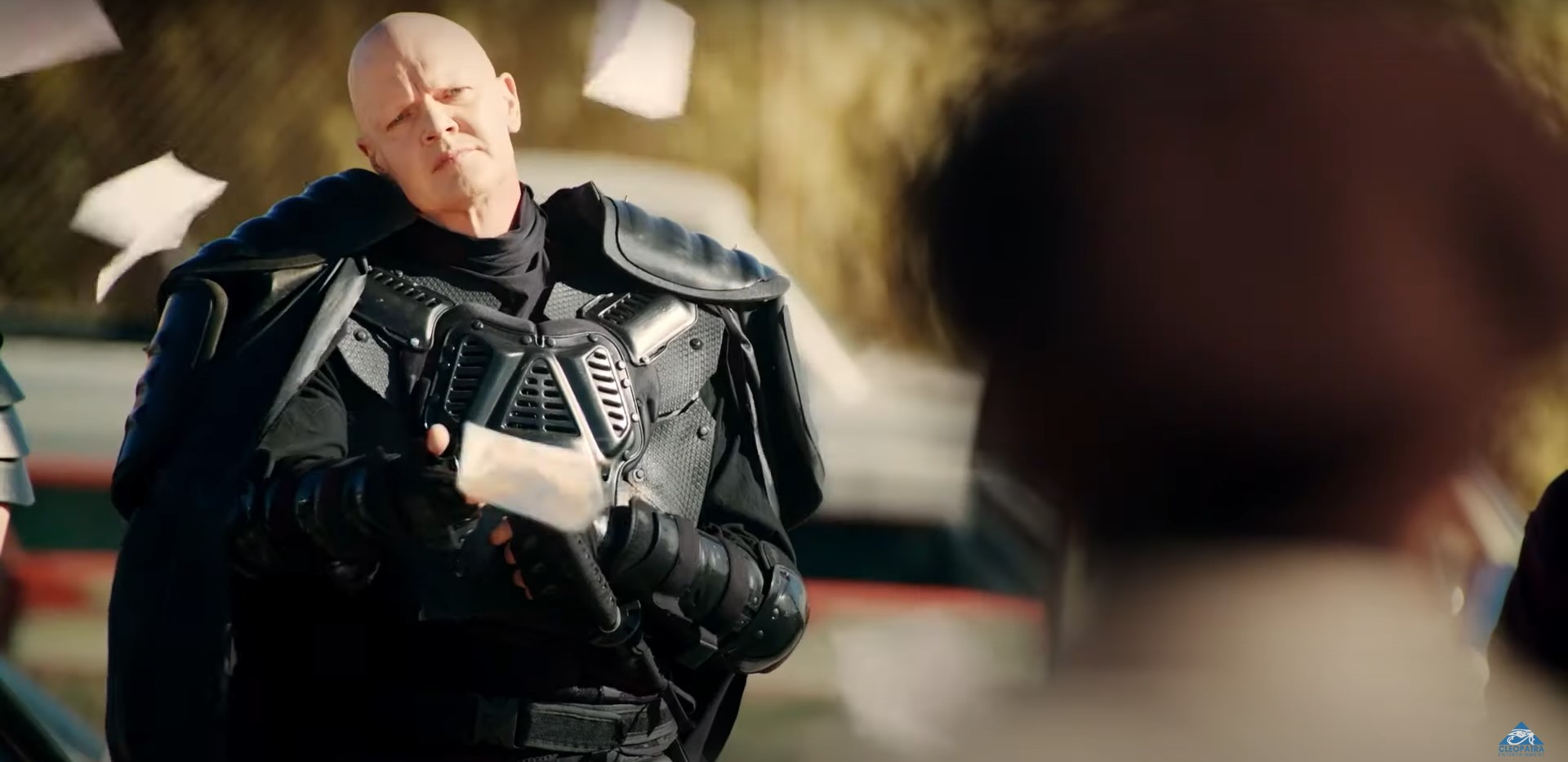
As stated, “Lion-Girl” is filled with unrecognizable faces save for one, an actor who is usually behind the masks, such as in “The Hills Have Eyes 2” ’07,” “Predators,” and even donning the iconic hockey mask for the 2009 reboot of “Friday the 13th” as Jason Voorhees.  Derek Mears headlines being the film’s core villain, shogun Kaisei Kishi, the remorseless, power-hungry right-hand man of the Fujinaga state, as Mears’ towering 6’5” stature and unique facial features pit him against a then 22-year-old newcomer Tori Griffith in a highly visibly protagonist role requiring fully onboard nudity and choreographed physical altercations.  Griffith pulls off both requirements going through the tokusatsu, hoodoo cliffside and other desert terrain, geometries of motion that fortunately conceal a more softened performance when compared to Mears’ who actually puts a fair amount of attitude into the shogun role.  As the Lion-Girl’s sworn protector, as well as one-eyed uncle, Damian Toofeek Raven (“Komodo vs. Cobra”) resembles the sempai fostering and mentoring a younger, stronger apprentice to one day save the world.  Raven, like most of the film’s cross-cultural influences, is able to ride the line as force into an honorable fatherhood with Ken Shishikura but the character poorly exorcises compassion of a father substitute until the very end when the right moment in the script calls for it.  One flaw in “Lion-Girl’s” casting stitch is the feature could have been meatier as keystone supporting characters come and go so quickly that it could rival the likes of “Mortal Kombat 2:  Annihilation.”  Thus, rapid firing subordinate roles just to progress the story creates more questions than answers and creates more plot holes than necessary.   Nobuhide Fujinaga (Tomoki Kimura, “A Beast in Love”) leads as the iron fist of bigotry in a tyrannically society but barely has presence other than on television announcements, a pair of Kishi entourage lackeys (David Sakurai, “Karate Kill,” and Jenny Brezinski, “From Jennifer”) get lifted up by the dialogue and some action but have the rug cut out from under them from really being developed and explored, and even principal character Marion Nagata (Joey Iwanaga, “Tokyo Vampire Hotel”), the gunslinging coyote, has zero foundational building blocks being a love interest for Lion-Girl yet crowns as such at the story’s climatic showdown.  “Lion-Girl” is saturated with supporting cast and stock characters with round out by Marianne Bourg, Matt Standley, Shelby Lee Parks, Hideotoshi Imura, Holgie Forrester, Katarina Severen, Stefanie Estes, and Wes Armstrong.

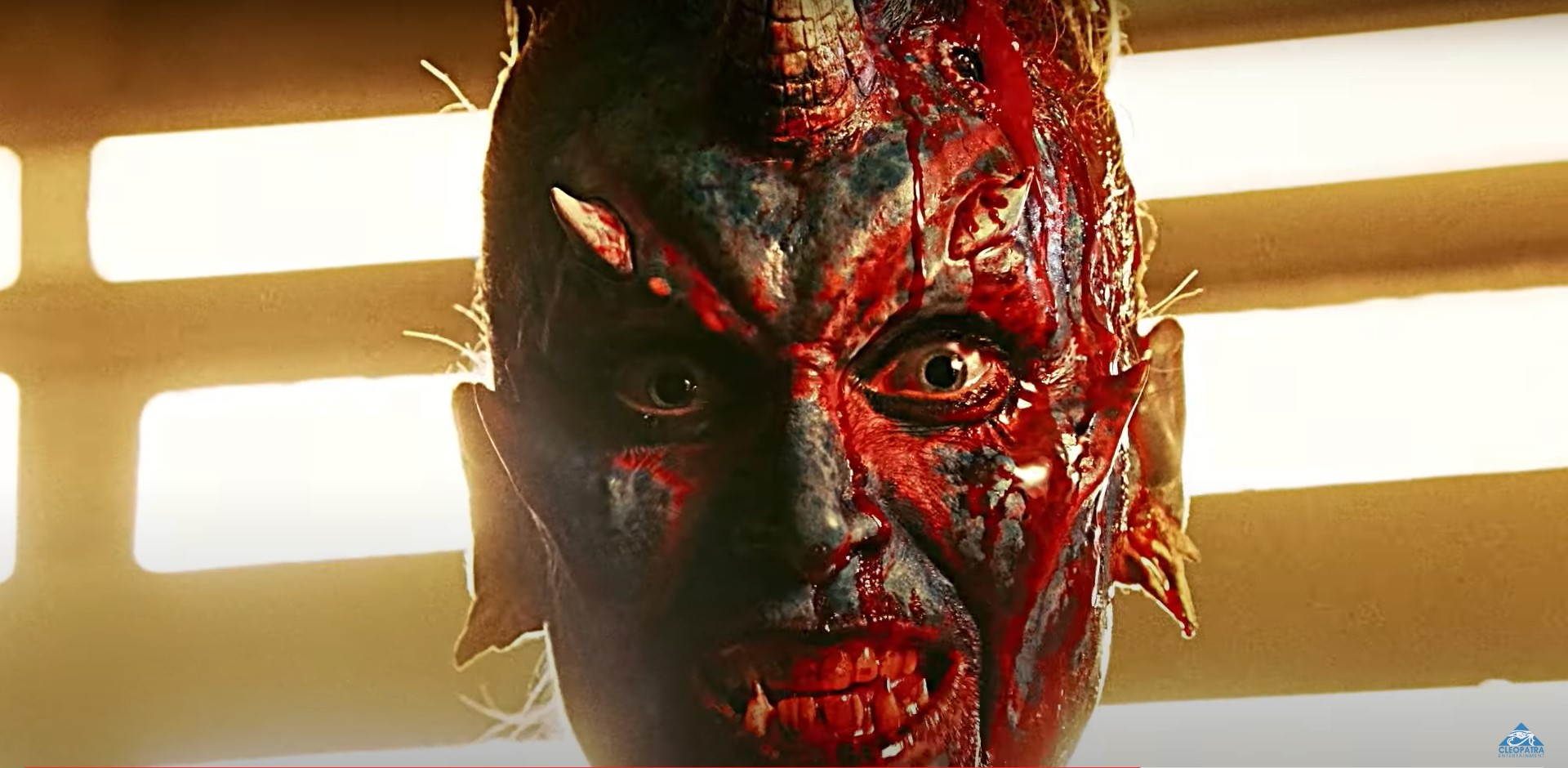
“Lion-Girl” roars as a wild, untamed animal, mangy in its worst moments but also majestic at the same time.  This paradoxical cultural expression befits the co-superpowers production, blending Japanese and American flavors and faults into one oversized bag of live-action manga.  With a derision mostly toward western affairs, such as the media circus surrounding the xenophobic administration’s handling of the corona virus, to which the filmic beasts known as Anaroc is corona spelled backwards, the haughty, bullying state doesn’t stray far from Kurando Mitsutake’s pen-to-paper handiwork as he also invokes Gô Nagai’s freedom sense of nudity and violence aimed to shake up with acculturation in high level eroticism that’s not seen as sleazy or objectifying but rather empowering and artistic.  What Mitsutake does really well and what’s also to the film’s misstep for today’s audiences is the complete blitzkrieg of background setup that’s bombastically overwhelming with incident backstory, dystopian factions, and the new terminologies in a single, longwinded breath, culminating to an early point in the film with a fight between Lion-Girl and an Anaroc beast where mutated breasts are essentially turned into a flamethrower and psychokinetic battles are commissioned in headspace.  That’s the kind of psychotronic tone that bears the cult seal of approval, or in this film, the lion’s share of cult approval. 

Cleopatra Entertainment, the filmic subsidiary company of Cleopatra Records, scores big with Kurando Mitsutake retro-fitted superhero “Lion-Girl” on Blu-ray.  The AVC encoded, high-definition 1080p, single-layered BD25 is literally stuffed to the brim, presented in a 1.78:1 widescreen aspect ratio.  Compression bitrate swings the pendulum, decoding between low 30s and high teens resulting in smoothed over details.  To the film’s advantage, the abated details play into the old-style Japanese action flicks of yore, creating a pseudo-illusion of a flatten color palette and lower resolution last seen on tube televisions.  Okay, might not be to that extent as therein lies decently popping color scheme and rough contouring and lighting in more scarce settings to make the scenes less complex and rely on more smoke and mirrors to stretch the interior-exterior location budget.  The lossy English language Dolby Digital 5.1 surround track is accompanied with also a Dolby Digital 2.0 stereo.  While nothing to negatively harp on in regard to “Lion-Girl’s” sound design and soundtrack as a whole, there’s plenty to like about the wide-ranged, heavy rock-riffing audio with unequivocal balance between the sounds and channeling albeit a lesser fidelity.  Peppered with Japanese words, the dialogue is forefront and clear that red-carpet the numerous monologues with all-day importance.  The release does not come with any subtitle option.  Bonus content includes a director’s commentary track, a conversation between Kurando Mitsutake and manage artist Gô Nagai as they discuss nudity, working in America, genesis for “Lion-Girl,” and their COVID era collaborations, the making-of “Lion-Girl,” “The Hollywood premier screen with cast and director Q&A, a picture slideshow, and the theatrical trailer.  Cleopatra’s release caters to a conventional standard retail market with a commonplace Amaray and disc release and nothing more.  The front cover design is not terribly appeasing with a crowded image composite bathed in an eye-deafening and searing red.  Disc represents the same front cover image and there is no insert inside the Amaray casing.  The region free release is unrated and has an impressively entertaining runtime of a 121-minutes.  Marketed to be a different kind of superhero movie, “Lion-Girl” is certainly more than that, portrayed by Kurando Mitsutake as a love song toward the pulp exposure of his childhood and the film really glows passionately like an Anaroc with supernatural powers ready to strike with nostalgia at the heart of Japanese pop culture.

Here is “Lion-Girl.” Hear Her Roar on Blu-ray!

EVIL Cabbie Takes Beautiful Women for the Ride of their Lives. “Maniac Driver” reviewed! (ReelGore Releasing / Blu-ray)

Hail down the “Maniac Driver” on Blu-ray!

Taking a taxi should be a reliably safe to get from point A to point B and once you settle the serviceable transaction with payment, you can forget you ever saw that taxi driver again.  But what if that taxi driver follows you home, obsesses over you, and has psychotic plans to take your life as well as his own?  One Tokyo cabbie has those very inclinations toward the beautiful women.  These women intoxicate his severe guilt over a past personal tragedy involving the merciless murder of his wife.  He scours his passenger pool for the perfect beauty to be his closing opus, a gift to society that dealt him the same hand and will take her life as a maniacal masked killer with a blade before he turns the blade on his own neck. 

From the director of “Gun Woman” and “Karate Kill” comes the latest gore-soaked, nudity-laden, psychotronic grindhouse picture from Tokyo filmmaker Kurando Mitsutake.  Labeled as a Japanese giallo film, the writer-director Mitsutake pulls inspiration from one of most influential and prolific Italian giallo filmmakers ever, the late Lucio Fulci, and stylizes his idolizing film with his own proclivity for flair.  The 2020 released film is a thirst trap of the subgenre upon reading the heavily enticing description and its basic but effective cover art of a leather glove and jacket cladded masked maniac holding tightly onto a half-naked woman, almost in an embracing manner rather than a malice one.  Sex and blood sell and “Maniac Driver” doesn’t disappoint but what about the story?  What drives the killer from one woman to the next and does it all make sense?  “Maniac Driver’s” title suggests not, and I believe Kurando Mitsutake felt the same way when writing the script, produced by “After Life” and “Paster Shepherd” producer Mami Akari under the Akari Pictures banner.

Titling the story around the maniac driver binds the film solely to the cab driver, much in the same way William Lustig’s “Maniac” focuses on Joe Spinell’s spiraling madness and scalping mutilations, and we’re pretty much left with the driver’s innermost thoughts, about his process, about his reasons, and about his plans.  Essentially, the maniac driver drives the narrative with a contemplative fare.  Tomoki Kimura has surpassed the challenge with a pendulum crazed performance sought to not only express his derangement but can also infect the viewers with the character’s warped mind.  Kimura keeps his expression stoic and sour in a role that barely requires him to speak as we mostly hear prosy, abstract, and murderous inner thoughts.  In regard to the women the driver stalks and involves himself sleazily with, Kurando Mitsutake goes the JAV actress route and is familiar with as having the alluring Asami star pretty much naked through the entirety of “Gun Woman.”  With adult actresses, Mitsutake receives uninhibited support for the victimized characters the maniac driver fantasizes over and kills as well as Mitsutake’s satirical whims in exploiting the subgenre’s penchant for gratuitous flesh.  Adult starlets from softcore actress Saryû Usui (“Sex Detective Hatenashi”) to the hardcore Ai Sayama (“Date with a Busty Nymph”), Ayumi Kimito (“Love Kimomen”), and SOD (Soft on Demand) Create’s Iori Kogawa (“One Wife + 10 Husbands) add a little titillation with gratuitous exposure, bondage, and fornication to the max. 

“Maniac Driver” paves its own neo-giallo path that swerves away from the traditional calling cards. Instead of a typical Italian murder-mystery, Mitsutake intentionally divulges the killer cab driver with a delusional hunger and fate. All the other hallmarks of a giallo killer are there in a Fulci tribute form with leathery glove hands, a gleaming blade, a masked face, and a killer who makes a duck-like sound that’s far more menacing than comical. “Maniac Driver” also pulls from other inspirations, such as Lustig’s “Maniac” as well as Martin Scorcese’s “Taxi Driver” with Tomoki Kimura channel his best Robert De Niro impression with the iconic You Talkin’ To Me line. Behind the whole ghastly facade and polychromatic style, entrenched is a theme of survival’s guilt that leads the cab driver to the point of no return. Severely injured and helpless to save his wife from a crazed killer, he’s wrought with putting forth into the world exactly what was taken from him in the same fashion, but how the deeper we spiral with and into his derangement, piecing together his mental episodical puzzle might not be so easily pegged. Mitsutake’s seemingly straight forward narrative is a blindsiding blade to the throat when looking in the opposite direction, expecting a different outcome, and when the principal character is kept to his innermost thoughts, viewers are treated with only the maniac’s disenchantment of life. The curveball is more than welcome despite all evidence being in plain view, but with the bizarre fiendishness, schizo-universe, and the T&A, to see clear through it all is impossible, especially when Mitsutake really goes off the rails with the maniac driver’s fantasies that mesh seamlessly with reality. Scenes with Iora Kogawa and Tomoki Kimura are intolerably hazy as the actors engage coquettishly as an exquisite, kimono dressed female passenger and a public transportation service man peering his eyes through the review mirror and this leads to an explicit one-on-one encounter that includes some bondage as well as a Iaido showdown with swords drawn. Through Mitsutake’s various closeups and depth-shots, sprinkled with tight up shots to emphasize body parts and to create an oppressive world, “Maniac Driver” ebbs and flows that sort of satirical, aggrandized chaos to make light of the oversexualization, as skirts hike up while running and exposed chest flop out underneath tightly bound tops, and the sheer madness of a broken mortal man. “Maniac Driver” is an uber giallo of sleaze and psychosis, a steady ride of burning yearning, and is gory where it counts.

To be honest with you, I thought I’d never see a ReelGore Releasing again. When speaking with Cult Epics founder Nico B., who launched the label with producer Steve Aquilina (“Violent Shit: The Movie”) in 2016, I had asked the popular curator of cult cinema whether he would continue with banner that sought to specialize in the release of extreme, violent horror after the releases of the ItsBlogginEvil generally well received “The Orphan Killer” and “The Curse of Doctor Wolfenstein?” The answer I received was a flat out no from Nico B. because, simply, the label didn’t generate enough profit. Well, lo and behold, ReelGore Releasing has been resurrected and the blood is flowing once again with a pair of new titles with “Manic Driver” being one of them. Though Nico B. has confirmed no involvement with the releases, it’s still great to see the label back in action again. “Maniac Driver” is released on a ReelGore Releasing AVC encoded Blu-ray, a BD25, and presents the Mitsutake film in 1080p, high definition and a 2.35:1widescreen aspect ratio. Despite heavily saturating to a blur scenes with brilliant, primary coloring, familiar to the giallo subgenre, the overall details are quite pleasant and palpable. Mitsutake utilizes different lighting and shadowing techniques to create different atmospherics but never seems to inherently kill the textures as they maintain a sharp, tactile presence. The Japanese DTS-HD 5.1 audio track, with forced English subtitles, is vibrant with an 80’s inspired blend of synth and riff-rock. Japanese dialogue is strong, clear, and innately clean with the digital recording, balanced by an error free and aptly timed English subtitles. “Maniac Driver” has a robust, yet sometimes overelaborated, sound design that outputs nicely through the side channels. The killer’s leather glove sounds can be overkill with every scene being loused with the individual stretches of the fabric while the energy-thumping engine combined affixed shots around the tire and grill is a powerful effect of the cab driver’s routine hunting method. The release also comes with French and Spanish subtitles. Bonus features include a making of featurette with interviews with the cast and crew, an audio commentary with director Kurando Mitsutake, photo slideshow, and the trailer. There are no stinger scenes during or after the credits. The physical appearance sheaths the 25GB disc inside a sleek red Blu-ray snapper case with reversible cover art that has two alternate posters on the inside. The film is not rated, region free, and has a run time of just under 75 minutes. “Maniac Driver” is no passenger in the giallo subgenre; the Kurando Mitsutake might be a bundle of homages and inspirations but takes the wheel of the Japanese sexploitive-giallo gas guzzler with deranged brutality.

Hail down the “Maniac Driver” on Blu-ray!

EVIL Spirits and Japanese Internment Camps in “The Terror: Infamy” reviewed! (Acorn Media International / Blu-ray)

Chester Nakayama floats through life living with his immigrant parents on Terminal Island in San Pedro, California during World War II. A photographer hobbyist who helps on his father’s fishing boat and studies at a university, Chester doesn’t have steady employment and has recently learned his girlfriend, Luz, is pregnant with his baby. But those are not the height of Chester problems, or his family’s, when the country of Japan declares war on the United States by bombing Pearl Harbor and mysterious deaths surrounding the Nakayama family point to ancient Japanese beliefs of a Yūrei, or a ghost, clinging to a grudge. As the years past, Japanese American citizens are move from one internment camp to the next with no end in sight being projected as potential spies for the country of the rising sun and for Chester, Luz, and his family and friends, the Yūrei’s scheme endangers Chester’s life and legacy.

Following the success of the Ridley Scott (“Alien”) produced AMC horror television series, “The Terror,” the second season aims to build a new path of dread with a storyline plucked from the late 1900’s of two stranded artic explorer British ships trying to navigate a Northwest passage and now placed in a whole new and different, massive turbulent story and setting laid out in the early-to-mid 20th century during World War II America with Japanese Internment camps.  The second season comes with a partially new title, “The Terror:  Infamy” along with a new cast and new crew as well.  The subtitle’s double entendre refers to the then era United States 32nd President Franklin D. Roosevelt’s Day of Infamy speech given to the public after the assault on Pearl Harbor and also refers to another American infamous time of the mistreatment of the country’s own citizens, the Japanese Americans, placed into internment camps and constantly scrutinized as potential Japan spies.  “Infamy” showrunners Guymon Casady, David Kajganic, Scott Lambert, Alexandra Michan, Jonathan Sheehan, and David W. Zucker, along with Ridley Scott, return to the AMC, Entertainment 360, EMJAG Productions, and Scott Free Productions series.

At the tip of the ensemble cast spear, most consisting of Japanese heritage actors and actresses, is Derek Mio as the Yūrei plagued Chester Nakayama.  Perhaps the biggest role for the Mio, the role transcends Chester from a stagnant part-time fisherman on the dead-end Terminal Island settlement of San Pedro, California to a responsible man of action that sees Chester fight for his family, his wife, his children, and even fight for his country despite the maltreatment in order to course his loved ways safely through a plethora of evil.  While the character grows in an arc of accepting responsibility as a son, husband, and father, Mio never expresses the range of a story of his magnitude that takes him across various domestic terrains and on the other side of the conflict-engulfed world as he’s afflicted by a malevolent spirit.  Constantly confident and seemingly unafraid, Chester just simply endures the hardships along “The Terror’s” bombardment of grim reality.  Comparatively, the younger Japanese American generation are culturally more expressive next to the immigrated older generations in Chester’s father (Shingo Usami) and eldest family friend Nobuhiro Yamato (“Star Trek’s George Takei”) who we witness keep mostly in line with their stoic composures.  Takei, born in 1937, and his family were actually forced into living in converted horse stables and official internment camps across the country during the War and that gives the series a morsel of 100 times it’s weight in authenticity with firsthand experience. Along with the deep sympathies and an infinite amount of shame for the wrongfully imprisoned citizens of war, there’s also immense compassion for Chester’s wife, Luz, played by Chrstina Rodlo (“No One Gets Out Alive”). Rodlo runs the gambit of emotions that convey happiness with her time with Chester, to despondent loss, and to fear while on the run from the American government as well as an evil spirit who threatens her child. Just like the first season of “The Terror,” character staying power is often short lived as the horror and, well, the terror catches up to them in one way or another, but we see fine performances from Miki Ishikawa (“I Don’t Want To Drink Your Blood Anymore”), Naoko Mori (“Life”), Alex Shimizu, Lee Shorten, Hira Ambrosino, and Kiki Sukezane as the incessantly stubborn Yūrei and C. Thomas Howell (“The Hitcher”) with another flimsy performance as a hardnose major serving as head of an internment camp.

Subtly contrasting two very different kinds of horror between the yore of the fantastical Kaiden ghost stories coming to fruition with the Yūrei and the very non-fictional blight on American history that was falsely imprisoning American citizens with Japanese roots no matter what age. Both unsettling constructs are unequivocally provided equal weight in dread much like with season one that showcased the dog-eat-dog desperation of man isolated and trapped in extreme terrain with the supernatural forces of nature with a monstrous, polar bear like creature hunting them down one-by-one. Though the same dance, but a different song, season two has a very welcoming different take of blending of yore with lore that separates itself into a new entity, a new engagement, and a new facet of terror very befitting to the anthological series. Eventually, “Infamy” starts to lose steam when the Yūrei side of the story insidiously infringes fully into the fold when Chester and Luz have fled the internment camps and are living in nowheresville New Mexico. The camps fade away from the story and also from our consideration with only bits and pieces to chew on just to check in on principal characters and has a resolution that’s about as cheated as the Japanese Americans survivors given $25 by the American government to start a new life. Yet, “The Terror: Infamy” is poignant and informative, a better picture of what really happened on the American home front better any textbook could ever properly depict, and exposes the mainstream into the Kaiden-verse of Japanese culture.

The 2-disc, 10-episode Blu-ray set comes from UK distributor, Acorn Media International, with each episode with a runtime on an average of 40 to 45 minutes long and a total runtime of 419 minutes. The region 2, PAL encoded release is presented in a standardized for television widescreen format of 16X9 and the Acorn release doesn’t present a flawless picture with noticeable issues with severe cases of banding and compression artefacts around the darker portions of the scene and trust me, “Infamy” is plenty dim and leaden between John Conroy and Barry Donlevy’s cinematography unlike the previous season’s artic white landscape that brightens much of the frame. The Dolby Digital soundtrack produces a better product with satisfactory quality in all categories of score, ambient noise, and dialogue and is accompanied by well-synced and timed English subtitles. Bonus features include a look at the series part 1 (for disc 1) and part 2 (for disc 2) and the biographical and inside the head look at the characters through the eyes of their portrayers. “Infamy” is UK certified 15 as it contains the AMC edginess of bloody graphic content as well as some offensive language. “The Terror” series as a whole has remarkable historical insight commingled with soul-stirring, skin-crawling old wives’ tales. “Infamy” may not supersede its predecessor but is still one hell of an engaging and unique story that salivates us into wanting a third season.

EVIL Won’t Let You Just Kill Yourself Even If You Wanted To! “Violator” reviewed! (WildEye Releasing / DVD)

“Violator” on DVD from Wild Eye Releasing and MVD Visual!

Desperate to track down her sister Naomi who becomes involved in an online social media forum about mass suicide, a woman’s investigation leads her on a train ride to a small village on the outskirts of the city.  There she meets Red Sheep, an internet handle for the mass suicide form greeter for those individuals seeking to give up their life willingly.  Returning her to the abandoned house where congregated patrons of their own demise wait for forum members from all over to gather before stepping into the afterlife, but the beneath the surface of simply drinking the Kool-Aid together is a wretched plan of death and self-inflicted suicide is not in the ill-fated stars for the group now sequestered in an isolated town. 

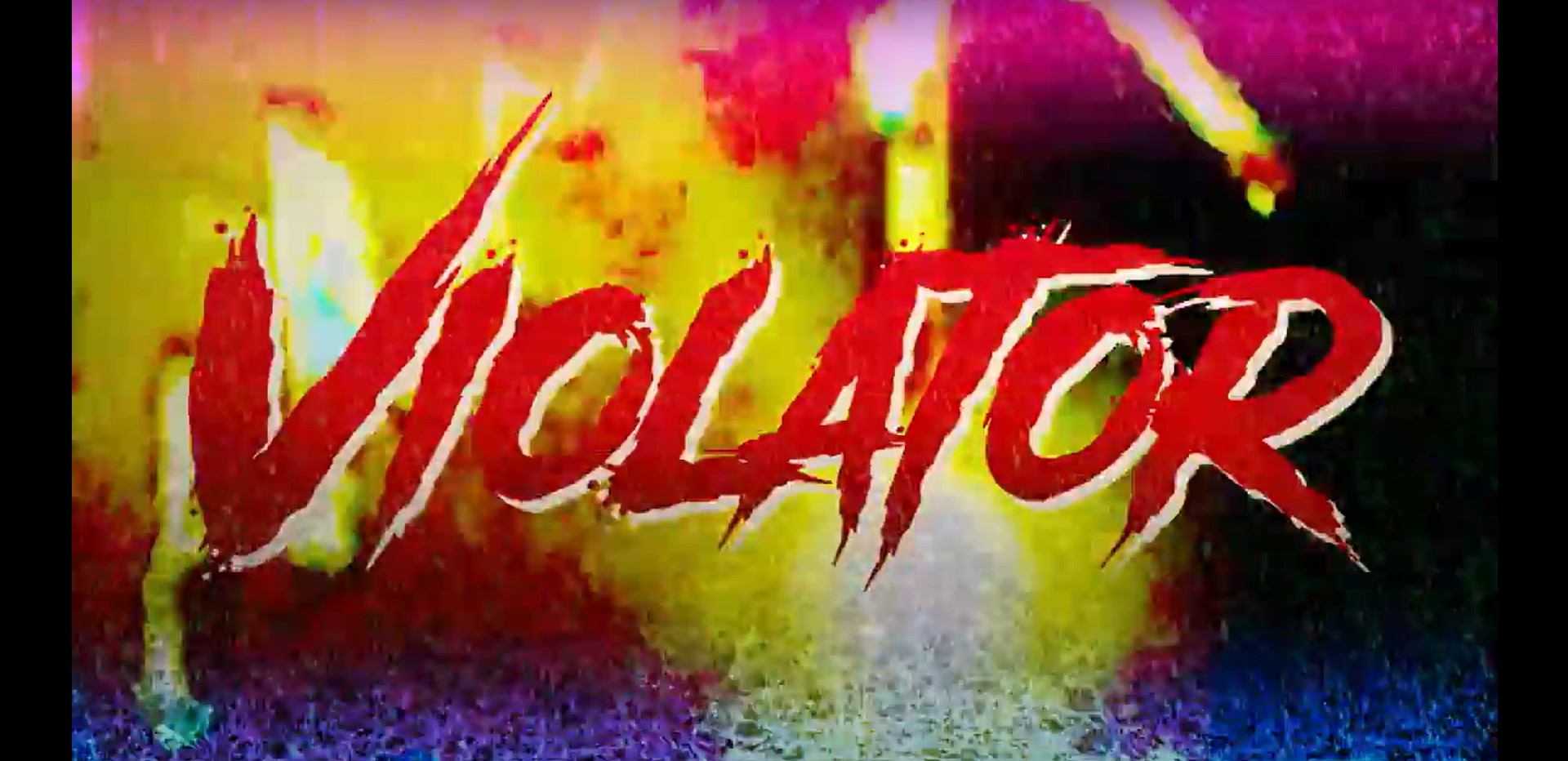
When the film is titled “Violator” and the very first images on the screen are flashing title cards, warning of violence and depravity from what you’re about to see, then a graphic intensity bar has been firmly set with the expectation that disturbing content is afoot.  The Japanese 2018 released horror-comedy comes from the cyborg-splattering mind of “Meatball Machine” writer-director Jun’ichi Yamamoto and is a continued part of the tokusatsu horror genre peppered with familiar Japanese motifs of mass suicide, samurai sword, oral fixations, and all with a pinch of Kabuki!  Yamamoto is no stranger to the Kabuki culture as he works in a callback scene and line from his 2008 actioner “Kabuking Z:  The Movie” into “Violator’s” evil eviscerating and executing entrapment.      

I wouldn’t call “Violator” aces in acting, but I’m not speaking to the general known fact that Japanese portrayals are often over-the-top exaggerated, and I’m referencing more toward the lack of selling the bizarre by any means possible.  The cast more than often feels like a rehearsal and robotic to the point where picking out cues can be almost a game.  Most of the cast are once overs or have a select history in the indie-tokusatsu market.  The biggest name in the film also has the shortest screen time with Nikkatsu Roman Pink film actor Shinji Kubo as the leader of the pact who lures lost souls to the abandoned house of doom.  Kubo doesn’t make or break “Violator,” but his character is pivotal in turn of events that alters the course of a few particular principals. Mai Arai plays the worried sick and searching woman tracking down her sister Naomi (Sora Kurumi) before she makes a grave suicidal mistake. Along the way, Arai’s character bumps into a mixed company of varying personalities revolving around their own death – one early 20-something young’un treats her suicide like the next cool thing, another ostentatiously can’t commit, and while another couldn’t be bothered by anything else surrounding her and plays it cool. The small village inhabitants are just as diversified and as quirky as the emotionally haphazard suicidals but with special, supernatural abilities to absolutely mess with their minds until satisfying their morbid, high-on-death munchies. Shinichi Fukazawa (“Bloody Muscle Body Builder In Hell”), Shun Kitagawa (“Prisoners of Ghostland”), Kanae Suzuki, Anna Tachibana (“Corpse Prison”), Ichiban Ujigami, and Rei Yatsuka round out “Violator’s” cast.

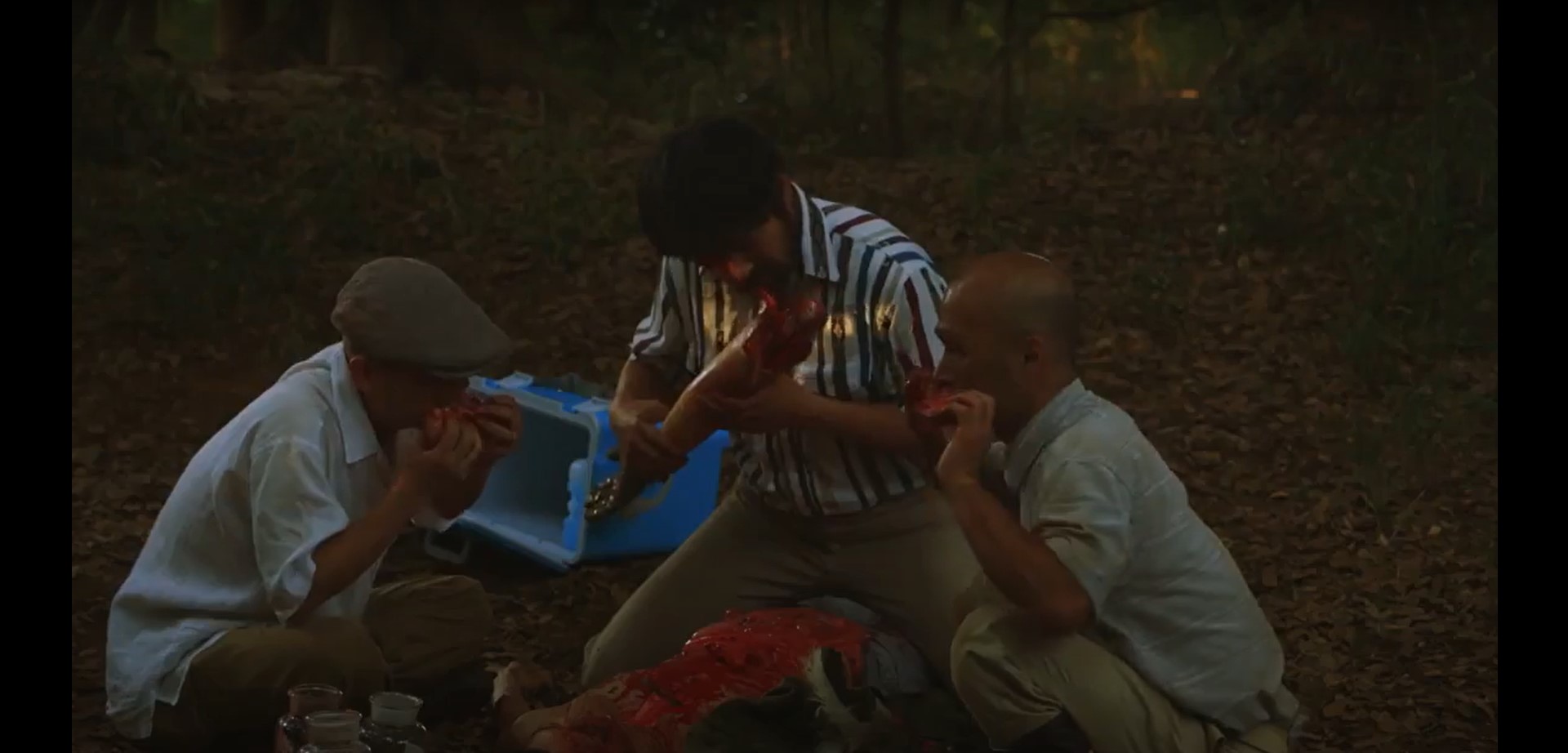
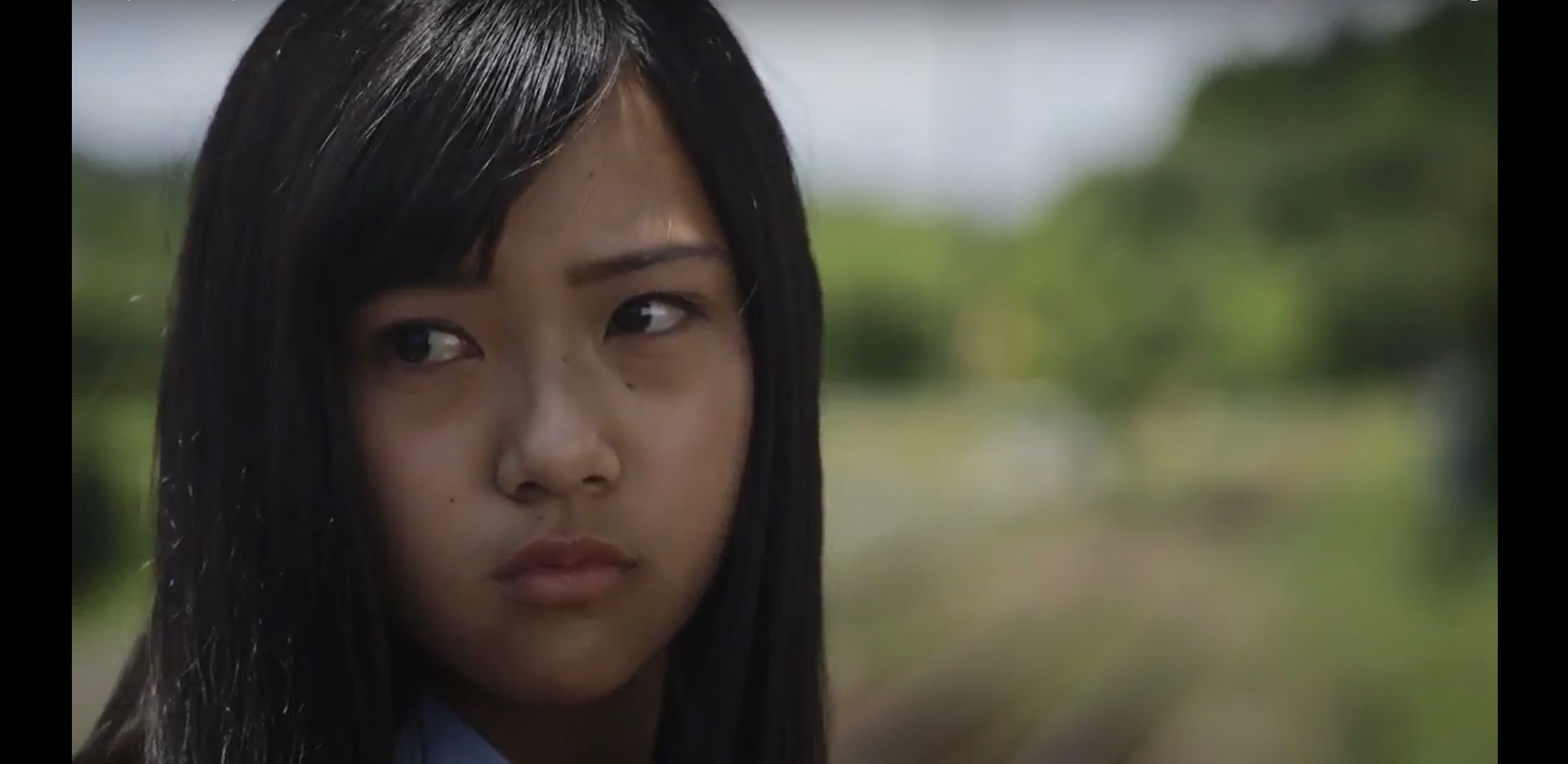
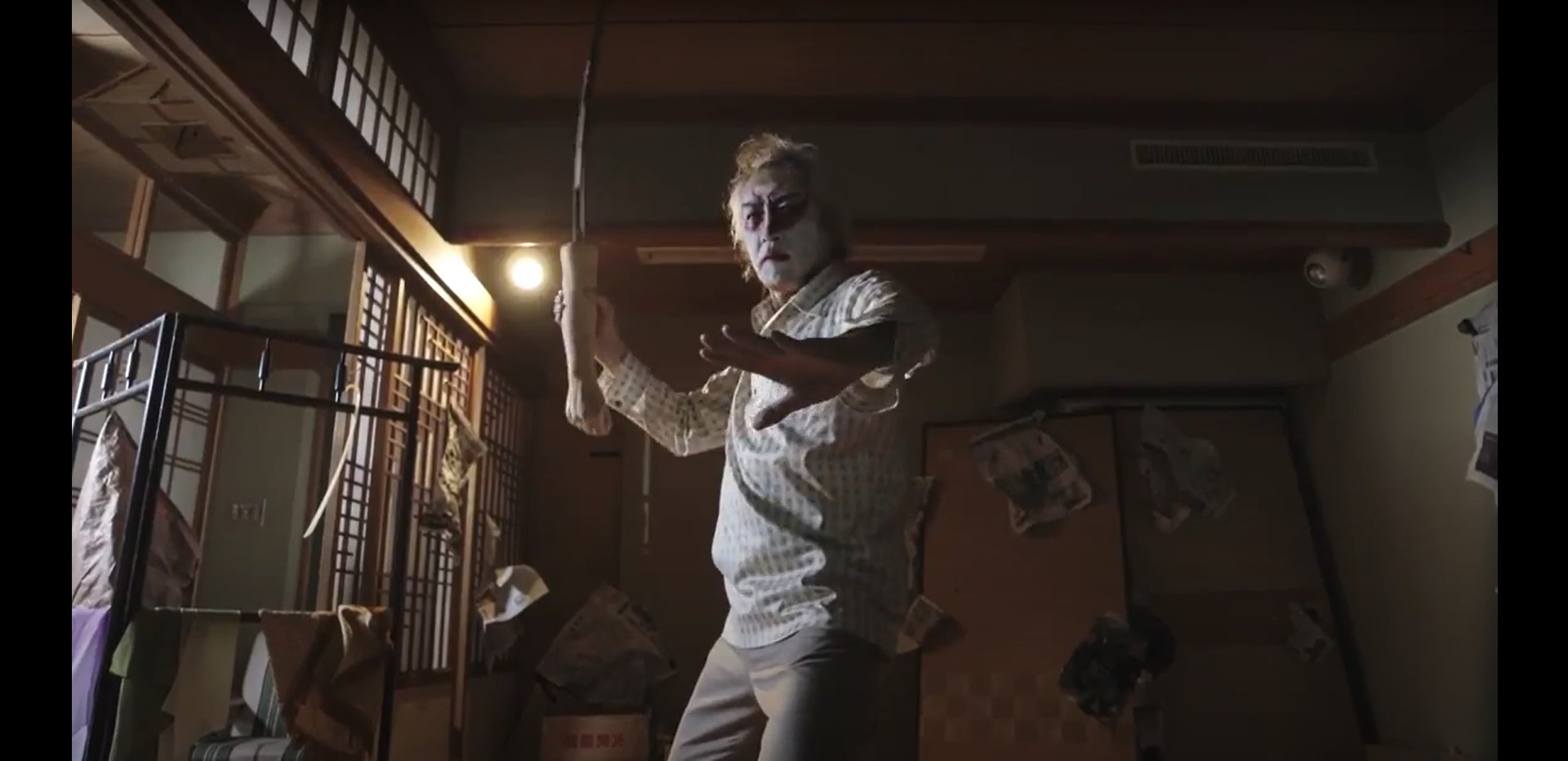
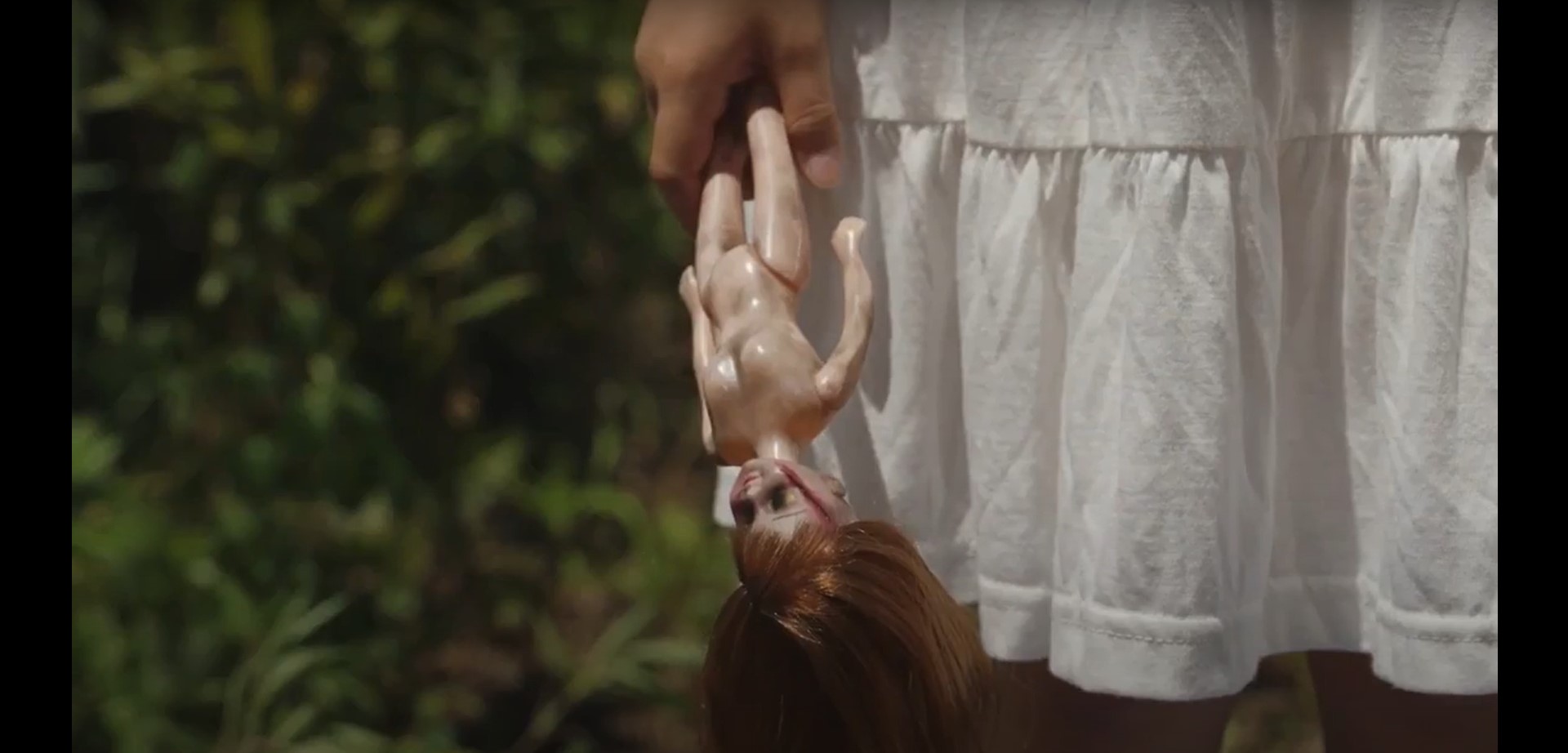
With a provocative title and a stern, flashing warning for taboo content, “Violator” starts off slow and continues so until about 3/4s into the film. Yamamoto glides not the sliced underbelly with murderous rage and profane callous through sexually and wicked means. No, Yamamoto builds each individual character, giving the what’s usually throw-away victims the time of day with a prolonged preface before their death that sets in who they are, what mindset they’re in, and, instead of just being collateral damage, what catalytic action becomes their ultimate undoing. By providing singular personalities, Yamamoto instills a breadth of subconscious care amongst the audiences that unintentionally react with the pangs of sympathy for the less naive during their demise to a straight up I’m glad they’re dead death because of their horrible unprincipled being and them dead makes the world a better place. Eventually, Yamamoto turns the keys to rev up the havoc as the death pact suicide squad disband into distinct, slasher-esque junctures to make good on the promise of building the character to give them a proper cutthroat curtain call and it’s about this time “Violator’s” pre-film turpitude caution actually applies with strange ritualistic kabuki decapitation, a virginal last-gasp cunnilingus before a protruding vaginal spear pierces through the skull, and a toy doll becomes a literal eye-opener for a suicide documentarian. Idiosyncratic in their own right, the kills are a violent spectacle that make “Violator” memorable enough to not forget it, but there’s far worse inflammatory material out there in the world of cinema that “Violator’s” handful of okay kills doesn’t exactly set off our internal omigod alarms.

“Violator” is the kind of off market brand and violence-laden film that fits like a glove with indie distributor, Wild Eye Releasing, in association with Tomcat Films (“The Amazing Bulk,” “Mansion of Blood”) and is perhaps one of the best releases out from the shlock usually produced from the latter company. With a muted colored and basic arranged DVD cover mockup that evokes every suspicion of an unauthorized release, I couldn’t love this cover any more than I already do with the promising depiction of a hysterical bloodbath and the singular moments represented in the collage of carnage and madness don’t stray away from the truth. The not rated DVD is presented in a widescreen 1.78:1 aspect ratio with a runtime of 72 minutes. DVD image quality is not terrible with a rate of decompression hovering around 6-7 Mbps, but still a little fuzzy in particular scenes with more than one character present and a in low-lit show production, that can hinder the viewing. The Japanese language PCM stereo track has no real flaw to speak of with a good synchronous English subtitle track and no detectable compression issues other than the lack of surround sound audio strength. The metal soundtrack also didn’t align, or rather clashed, with the mise-en-scene, added for just the sake of adding to make the story edgier. Bonus features include only a scene selection and trailers on a variable menu. Coy and different, “Violator” thinks outside the box with a simple supernatural revenge narrative that penetrates slowly at first but then really rams in the sudden disarray without a precautionary moment to lube up first.

“Violator” on DVD from Wild Eye Releasing and MVD Visual!