Amusing Little EVIL Enjoying the Carnival Rides! “Ghoulies II” reviewed! (MVD Visual / Blu-ray)

Next Time You Sit On the Can, Check the Bowl First!  “Ghoulies II” on Blu-ray!

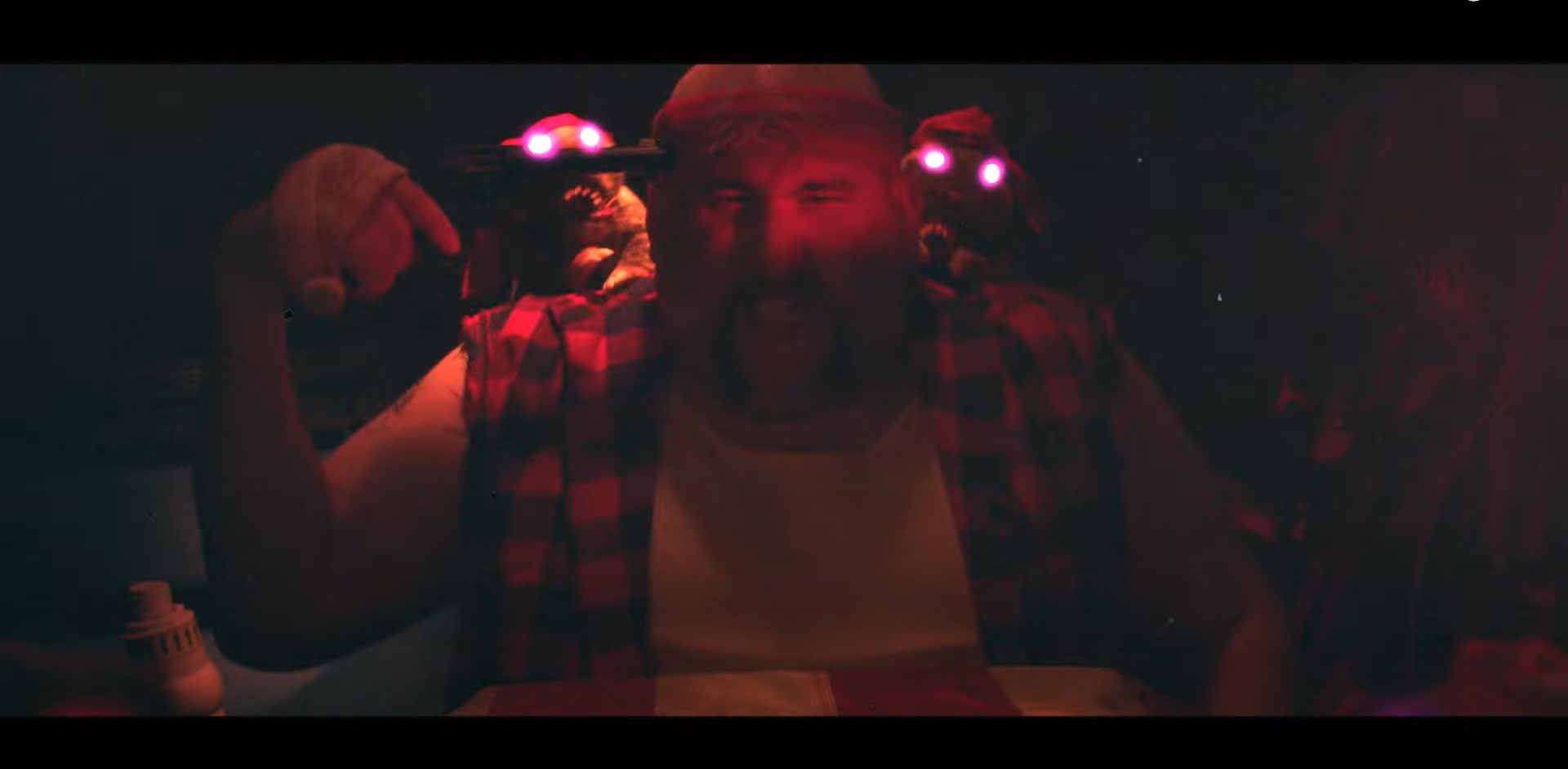
The travelling Hardin Family carnival has been on a steady decline through the years.  The Hardin Holdings group, aka Mr. Hardin, dispatches his young senior accountant and son, Philip Hardin, as authoritative proxy to ensure sustainable profit.  One of the longstanding attractions, Satan’s Den, lies headfirst on the chopping block with a dismal profit rate.  Determined to recover and avoid being permanently shut down, Larry, his drunk uncle Ned, and actor Sir Nigel Penneyweight won’t give up so easily despite needing a miracle.  That miracle comes in the form of the Ghoulies who hitch a ride on Satan’s Den’s trailer while escaping persecution.   The pintsized demons bring the slowly withering Satan’s Den back to lucrative life but at the deadly cost of the patrons and carneys who fall victim to the Ghoulies impish behavior.  Larry vows to rid the amusement on their infestation after uncle Ned perishes at the demons’ tiny hands but Philip has glimmering money signs in his eyes. 
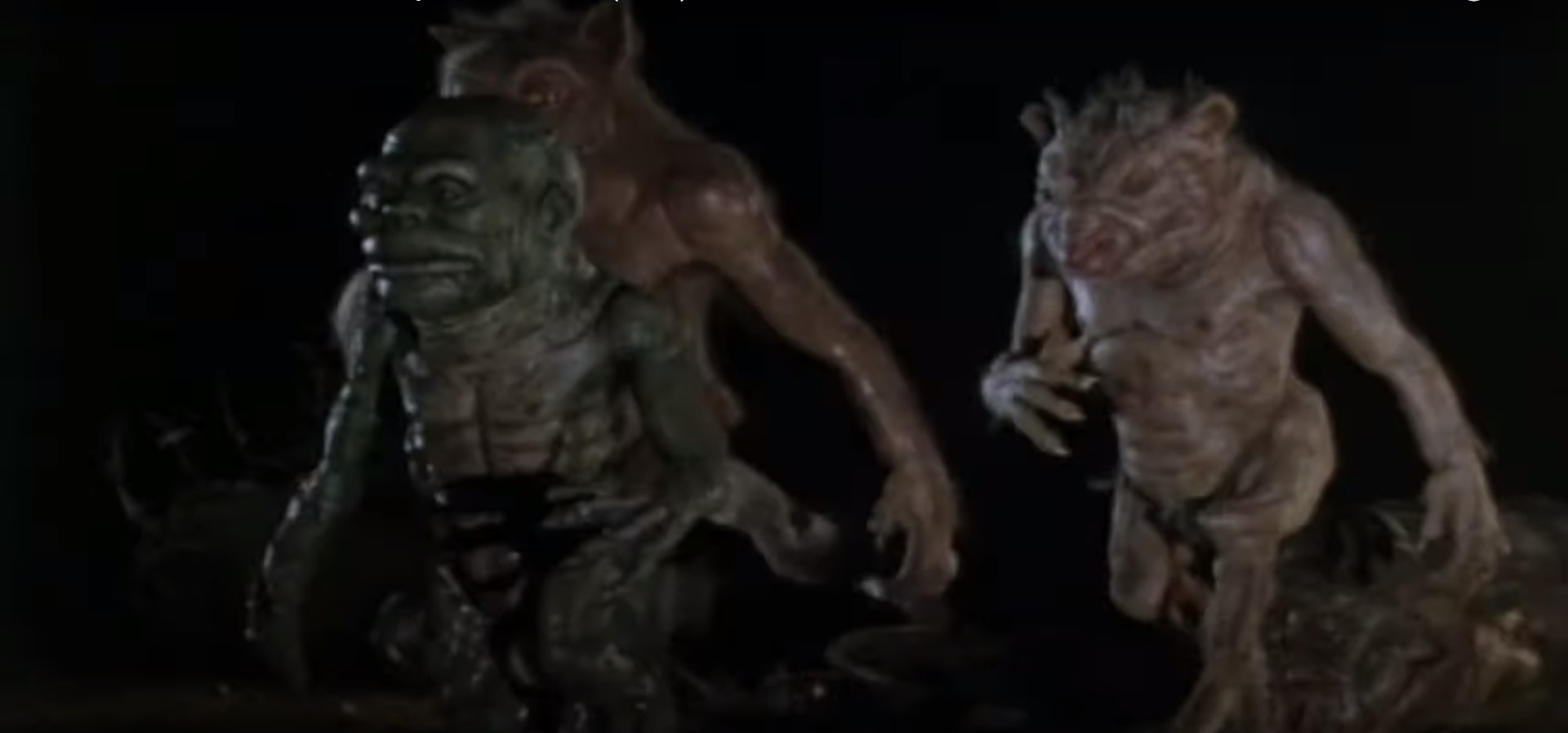
They’re back!  The Ghoulies return as masterless nomads after a failed attempt of abduction by a devout crusader aiming to destroy the pagan evocations and wreak mischievous havoc on a two-bit amusement park suffering from low attendance.  The late Albert Band, father of Full Moon’s Charlie Band and director of “Dracula’s Dog” and “I Bury the Living,” took over the reins from first film director Luca Bercovici and helmed “Ghoules II,” a vastly different kind Ghoulies tale of terrorizing totality based off the Charlie Dolan story and a polished script from “Re-Animator’s” and “From Beyond’s” Dennis Paoli.  Filmed entirely in Rome, and mostly in a soundstage, where Empire Pictures headquarters were located, the 1987 sequel was the last Ghoulies venture from executive producer Band and his Empire Productions empire before Vestron oversaw the subsequent sequels.  Albert Band produced the feature with Frank Hildebrand (“Once Bitten,” “Project Metalbeast”) serving as associate producer. 
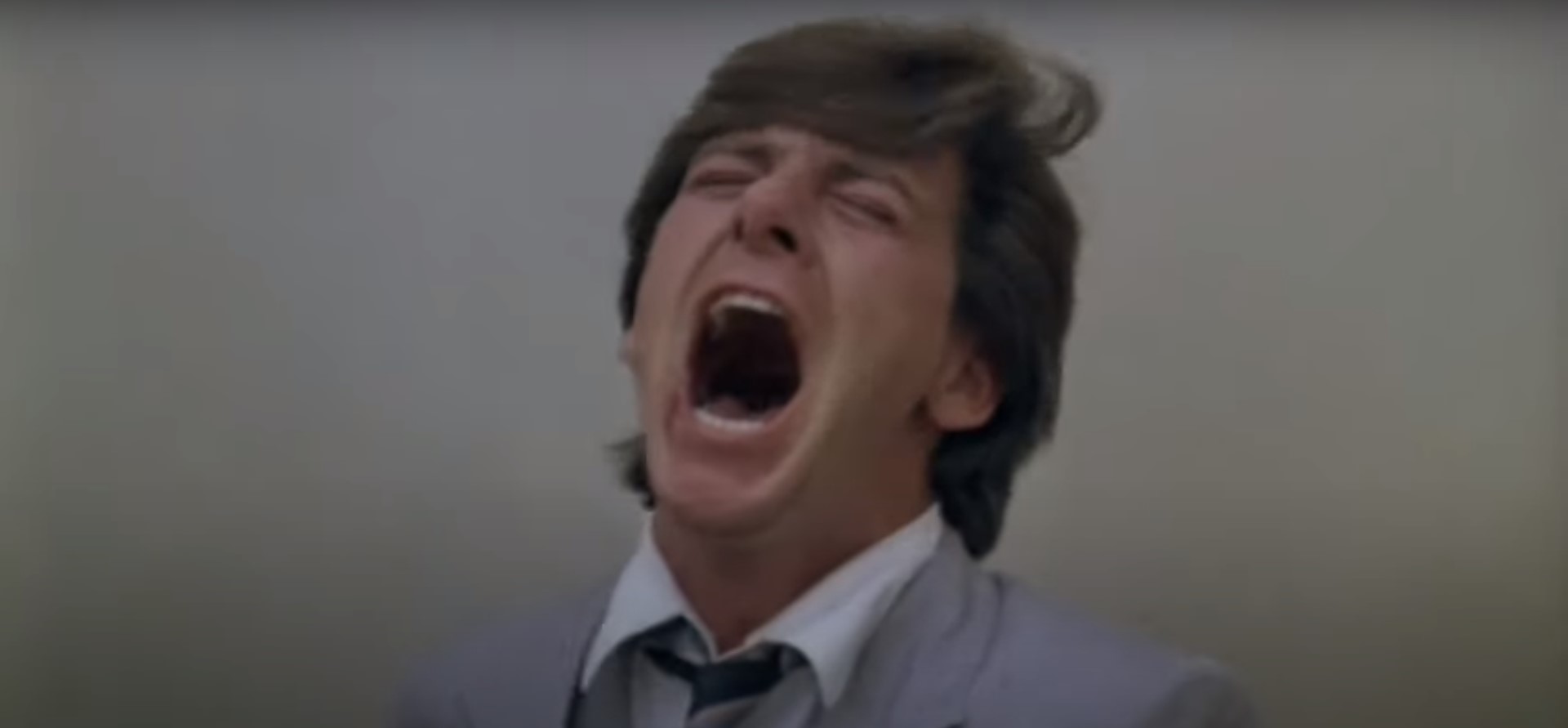
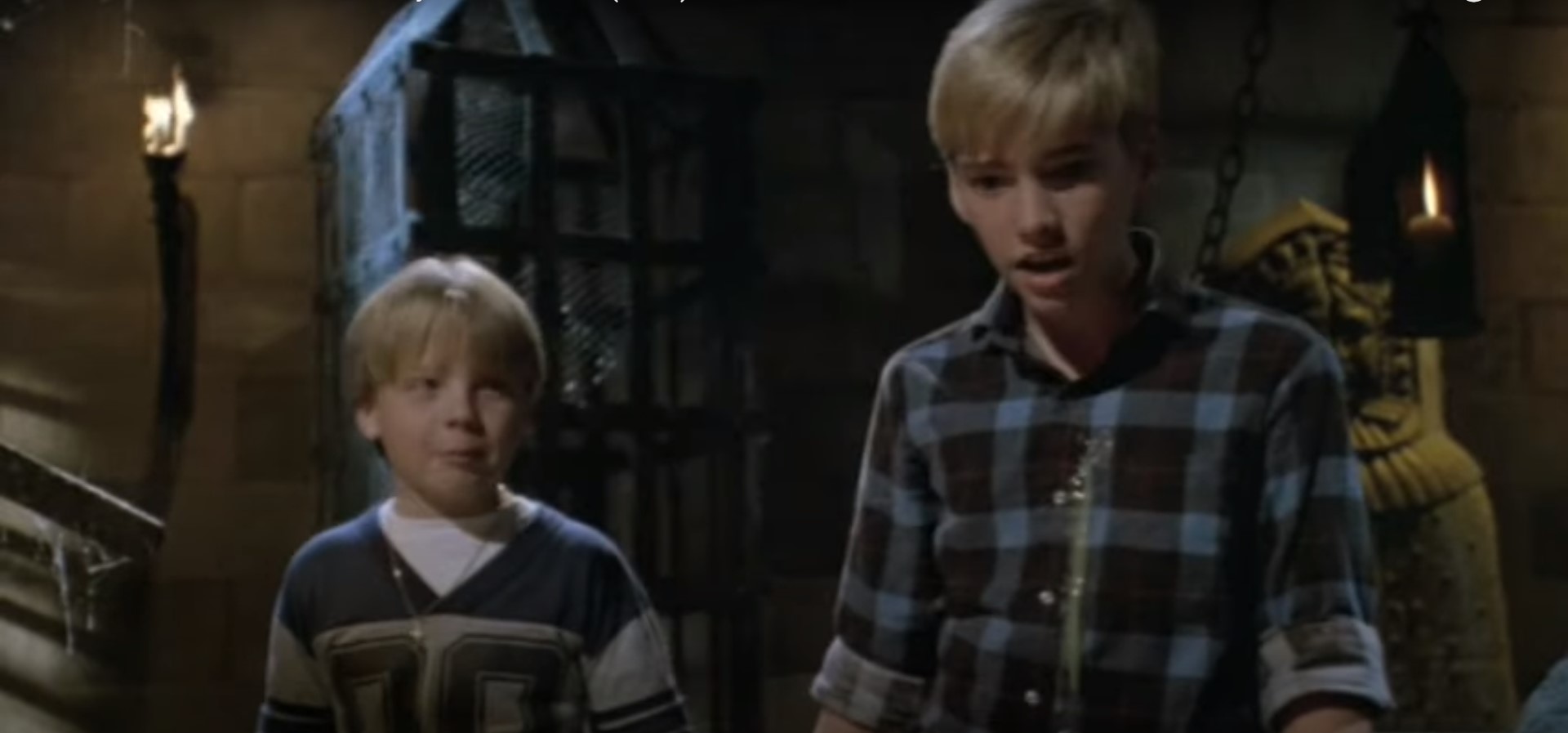
With the contestable exception of the five prosthetic creatures receiving a dust off and sprucing up paint job, none of the lively characters from the first film return for the sequel in what becomes a principal clean slate.  The story starts off with who appears to be a man of God fleeing on foot with a bag over his shoulder from three cloaked cult acolytes.  There’s never a reference to this escaping man (Anthony Dawson) or the shrouded cultists in torch-in-hand tow but does arouse a bit of enigmatic energy around the Ghoulies misadventures through the human plane and happening upon the likes of two opposite side of the spectrum carneys who are also related between the long-in-the-tooth and drunk Ned by the loveable character actor in Royal Dano (“Killer Klowns from Outer Space,” “Spaced Invaders”) and his big top tenderfoot nephew Larry played by Damon Martin.  Ned’s alcoholism combined with stress over possibly losing Satan’s Den makes causes him complexity within his closest confidants for when he happens upon the Ghoulies after citing an incantation, he’s also in a drunken stupor, and so he words of exciting, or maybe even warning, fall on deaf ears as intoxicated imaginations that result in a pity for his dependency.  As Larry and the Shakespearean line spewing Sir Nigel Pennyweight (Phil Fondacaro, “Willow”) continue with setting up the ragamuffin that is the antiquated Satan’s Den, they let Neg wander despite suspecting his delusions of demons due to the pressures of one carnival hotshot Phil Hardin (J. Downing, “Robot Wars”) who has come to town to clean up his family’s carnival act with threatens of shutdowns and layoffs.  Hardin’s your typical weight-throwing antagonist with a pompous attitude and wandering eye for the most gorgeous girl under the tent, in this case it’s with Larry’s love interest Nicole (Kerry Remsen, “Pumpkinhead”), a once great high-wire performer turned belly dancer for the departmental freakshow act.  Nichole’s hidden talents, buried deep beneath past personal pain, will undoubted be utilized for climatic gain as all chaos breaks loose on carnival grounds with the Ghoulies break free of Satan’s Den menagerie of cardboard and latex-crafted horrors.  “Ghoulies II” rounds out the cast with Jon Pennell, Sasha Jenson, Donnie Jeffcoat, Donald Hodson, Dale Wyatt, Romano Puppo, Ames Morton, Michael Deak, and Full Moon actor-turned-director William Butler (“Night of the Living Dead” ’90, “Baby Oopsie”).
Along with a new set of human characters, “Ghoulies II” also freshens up the trajectory by focusing less on the black magic that saturated the plot of the first film and relying more on the gremlin-like playfulness of the Ghoulies themselves, rightfully giving way into the very creatures of the title. There’s some magic involved but only to the extent that doesn’t have the Ghoulies rely on a master to evocate them from the Netherworld or for the dark powers to be used to perpetuate wickedness upon others.  Instead, the ghoulies are depicted utilizing their skillsets, such as flying, oral expelling sticky-gunk, super-strength, and chomping, which obviously lead to more of a micro-level apocalypse of carnage; however, the print obtained for the MVD Blu-ray release is the edited down version for theatrical circulation so some, not a lot mind you, of the gory bits have been taken out and this makes the storyline stutter with misplaced time with rough segues and an imbalance of edits that aren’t as smooth.  From what I’ve seen, the minuscule timed deleted scenes are not much more violent or gory but add just that tad more context to the next scene instead of our brains working to connect the dots on what should be a brain shutoff, entertaining creature feature.  Yet, you can’t deny the sequel’s appeal that has turned to center around the little demons assiduously but managing to keep the same, steady pace of ferity and gothic skim of mise-en-scene from the first.  Puppetry is retained for that palpable product while also introducing stop-motion, a visual effect that has served Empire/Full Moon well throughout the years and is only used sparingly to wet the limitless capabilities of our miniature monsters to roam free in open spaces. 
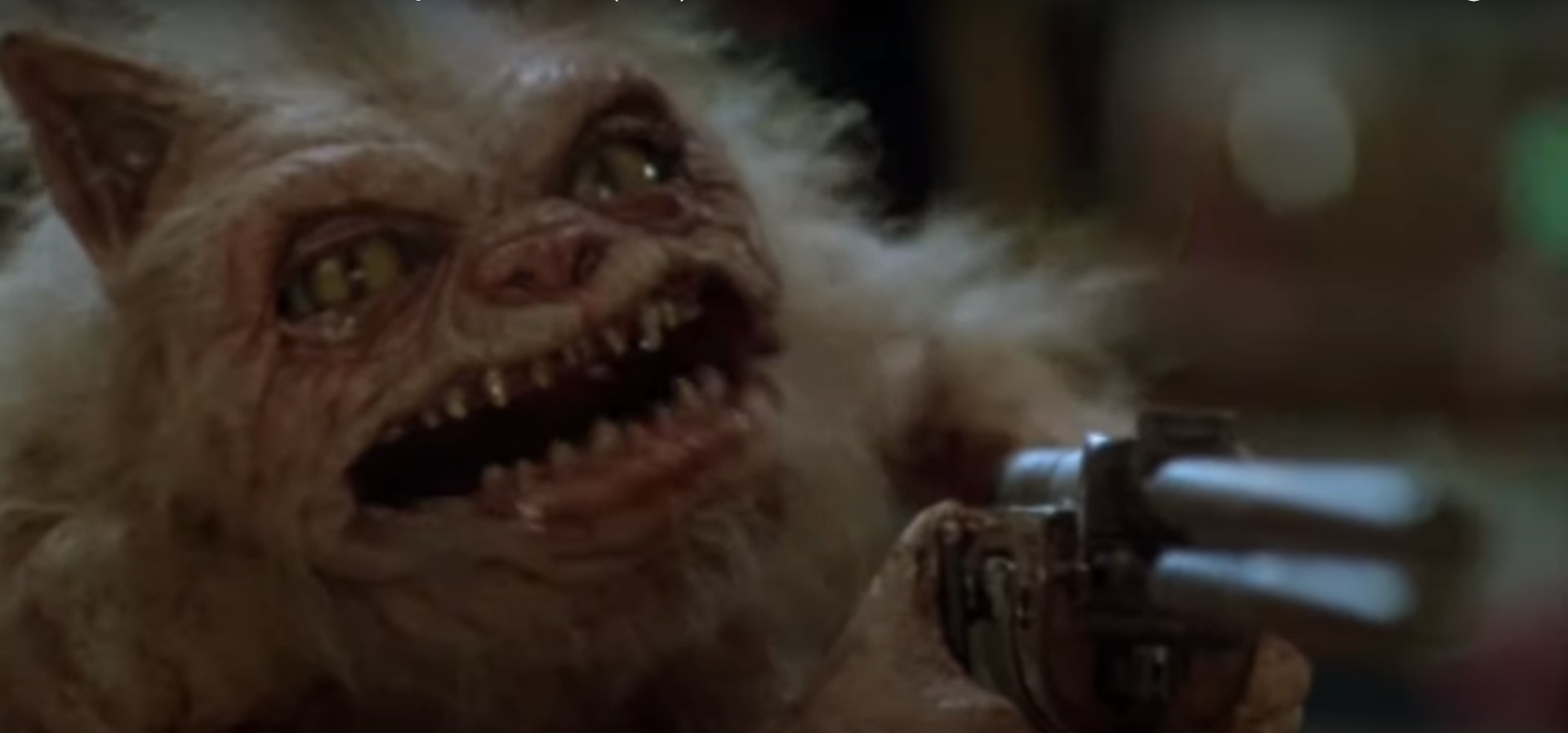
“Ghoulies” return with the sequel to MVD’s Rewind Collection as Blu-ray release number 53 on the spine. The AVC encoded, high-definition, 1080p Blu-ray is presented in a widescreen 1.85:1 aspect ratio. A virtual carbon copy of the first film in regard to a well-preserved print, the sequel isn’t noted in having a 4K restoration scan like the antecessor release number 52 but the 2K scan offers an abundancy of positive picture rendering with a seamless color grading that isolates distinction and range as well as a tangible details, especially on characters and the ghoulies alike who are often gleaming and show off every nook and cranny ridge on their dark, hairy bodies. Aforementioned, this print is the theatrical cut, missing some gruesome elements for the sake of a broader audience, and while most of the print is near flawless, there is one dunk tank scene that’s cropped and noticeably marred with horizon creases in the brief airtime. The English LPCM uncompressed 2.0 stereo mix caters to every audible necessity of the “Ghoulies” soundtrack, ambience, Foley, and dialogue. The latter is clean and clear with prominence over the rest of the layers though I wouldn’t label it flawless with some echoey segments, almost a doubling effect, that might be due to the soundstage vibrations at Empire. Ambient track provides a wide range with exact depth with the example being inside Satan’s Den of horrors where doors creak, motorized bats fly overhead, and other models of haunted house spookery, along with an underlining carnivalesque soundtrack by Fuzzbee Morse (“Dolls”), is the epitome of a great sound design suffused together. English, French, and Spanish subtitles are optionally available on this release. Special features include an introduction by screenwriter Dennis Paoli, which is also available as a standalone at the play feature option, More Toilets, More Terror: A Making of Ghoulies 2 is a retrospective lookback with select cast and crew, an interview with Dennis Paoli Under a Magic Moon, the gruesome deleted scenes, a photo gallery, and theatrical trailer. Physical attributes include a VHS retro-esque mockup of the original poster art on a cardboard O-slipcover, fitting for the sub-bannering Rewind Collection. The same image graces the front cover of the clear Blu-ray Amary case, but the cover art is also reversible with one of the film’s most memorable smoochy-kiss moments plus title above. The disc is art pressed similar as the first film, a laser disc veneer on the Blu-ray top. Opposite side is the folded poster insert of the slipcover front image. The region A playback release has a runtime of 90 minutes and is rated PG-13. “Ghoulies II” retains that same diabolical energy as the first film but channels it very differently into the very titular creatures that puts them at the forefront instead of being just an afterthought in a sequel that celebrates their uncontrollable knavery and loving every second of it.

Next Time You Sit On the Can, Check the Bowl First!  “Ghoulies II” on Blu-ray!

This is Not Taylor Swift’s “EVIL” Hit Song. “Cruel Summer” reviewed! (Scream Team Releasing / Blu-ray)

“Cruel Summer” on Blu-ray Home Video!

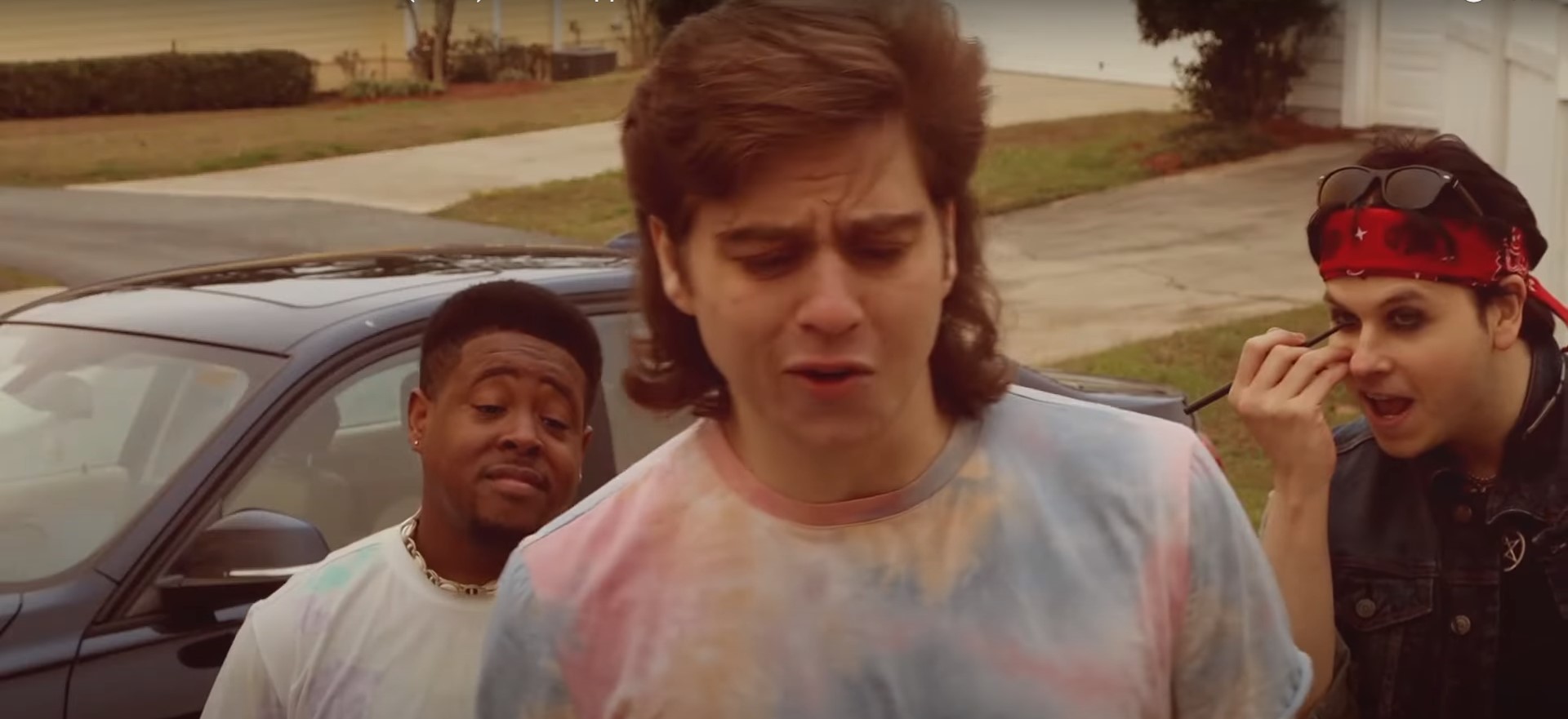
Heather and Felissa have planned the perfect weekend party for summer kickoff.  The custom invitations are set for their friends to cordially request their attendance for an 80’s themed murder mystery at Heather’s aunt and uncle’s cabin home.  Upon their arrival, the stock up on booze and groceries, fake knives and masks are in hand, and the game is about to begin, but little do they know, the surprises and terror in store for them are not manufactured by the rules of a party game.  A masked serial killer is heading straight for their night of fun and games, killing anyone who steps in his path, including other tourists, locals, and even the law enforcement called in to check on the party noise levels.  When friends suddenly disappear throughout the night, that strange feeling of derealization takes over and worry sets in that something other than being passed out from partying too hard has happened to them and that same fate will soon happen to them. 

Let’s face it.  All horror nowadays is rooted by the inspiration from horror long ago.   Originality has all but faded from the conceptual ideas, script pages, and in what the camera records.  Independent horror filmmaking is basically devotion digitized and the easily accessible equipment has turned every kid, who grew up watching Todd Browning, George A. Romero, and Dario Argento, into splintered, hackneyed versions of their favorite directors.  Most indies either follow similar formulaic narratives and styles or cast and cameo acting icons to draw upon homage or headlined sales, but for Scott Tepperman’s 2021 Indiegogo-funded slasher “Cruel Summer” there lies little effort in either department despite the film’s throwback claim.  The “Nightblade” and “Hell’s Bells” director based in Tallahassee, FL is not opaque with the 80’s obsession he integrates into his COVID production under his cofounded Los Bastardz Productions with Jim O’Rear.

If looking up “Cruel Summer” on IMDB.com or any other online movie database that lists the cast and the associated character names, a trend might pop out at you but might not be evident at first.  Since I personally try to avoid looking up or researching films or watch trailers to sideline any kind of preconceived biases, I began to pick up halfway through the runtime the correlation between all the character names in that they’re nods to renowned horror actors and directors.  Some examples include Ashlyn McCain playing principal lead Heather (as in “A Nightmare on Elm Street’s” Heather Langenkamp), Bridget Linda Froemming plays Felissa (as in “Sleepaway Camp’s” Felissa Rose), Harold McLeod II plays Tobin (as in “Saw’s” Tobin Bell), Will Horton plays Vincent (as in “House on Haunted Hill’s” Vincent Price), and Scott Tepperman plays Gunnar (as in “Texas Chainsaw Massacre’s” Gunnar Hansen.  There’s also references to Barbara Crampton (“Re-Animator”), Doug Bradley (“Hellraiser”), Robert Englund (“A Nightmare on Elm Street”), Tony Todd (“Candyman”), Linnea Quigley (“Night of the Demons”), Katheryn Bigelow (director of “Near Dark”), and William Lustig (director of “Maniac”).  While not an entirely novel idea to use genre names as characters, what’s wholly impressive is this scale of use but the characters themselves more-or-less dawdle without progressing the story or adding much substance.  Once the friends arrive at the house, not much else happens between them and no individual or group character arcs take shape and flesh out, leaving just potential fresh kills for a family of whack jobs with a loose tragic and traumatizing backstory with an incongruitous twist in family relations.  “Cruel Summer’s” cast rounds out with Jimmy Maguire (“Hell’s Bells), Paul Van Scott (“Shark Waters”), Jim O’Rear, H. (Hannah) Marie, R.J. Cecott (“House of Whores”), Keith Bachelor Jr. (“Survival of the Apocalypse”), Kim Casciotti (“I Dared You! Truth or Dare Part 5”), Ashley Casciotti, Abby Graves, and Aria Renee Kenney.

Not to be confused with the popular titular track by the teen enthralling, mega popstar Taylor Swift or the teenage angsty and melodramatic, anthological seasoned series of the same title that once starred Kevin Smith’s daughter Harley Quinn Smith, “Cruel Summer” has loose ties to the other two media consumptions with a rudimentary display of teenage complications that turns full blown slasher in a matter of minutes, ranking the indie horror as bottom shelf goods.  Cruelty lies within the character treatment in an unsatisfactory means to character’s life and/or their demise among a slew of plot holes galore, such as where are Heather’s talked about Aunt and Uncle who own the house?  Why are the killers suddenly interested in the house and the current occupants if they’ve been living next door or in the area all this time?  Is it just happenstance that the killers have imbedded kin in the group of friends travelling to this very house?  My head spins with questions that don’t play out with answers in what is truly a cruel movie that really doesn’t display the ostensible season of Summer with characters in unseasonal jackets, sweats, and flannel and staying in-doors to play in-door games.  Returning to what seems to be an epicenter of importance, the house feels keystone to the merciless slaughter, yet in the same breath, the explanation of executions doesn’t make much sense in the grand scheme of insanity cases, pulling the lynchpin on the narrative structure to have the story collapse on itself by relying on a cock and bull outcome in a slack climax.   

Scream Team Releasing, a distributor who I’ve praised the positive reviewed releases of “Dude Bro Massacre III” and “Rave,” is also home to “Cruel Summer” on Blu-ray home video.  The AVC encoded, high-definition, 1080p resolution BD50 maintains detail composure fairly well with a decoding bitrate average of 30Mbps albeit some fluctuation in the bitrate between exterior lit night scenes and the interior lit scenes.  “Cruel Summer” is more reliant on natural lighting where possible without hyper stylizing with color grading and misfitting CGI blood, resulting in a natural veneer that looks uninspired but adequate for the budget.  There is some minor splotching/banding in darker spots that is the extent of compression issues. The English language Dolby Digital stereo 2.0 mix has difficulty with sealing the rough-and-ready sound design when splicing multiple takes. Dialogue renders over nicely enough but the filtering out of extra elements, such as wind and echoes, that sneak into the recording and though a little background adds a bit of verisimilitude, there’s just too much start and stop audio files and there too intertwined within a varying levels of volume amplitude and varying levels of depth delineation, sometimes muffled or stifled to a softer mix. There are no subtitles available on this release. Bonus features include A Not-So-Cruel Summer featurette with cast and crew interviews, a glimpse behind-the-scenes that goes around scene setups and getting some background on what they’re doing at that time, an audio commentary with director Scott Tepperman going deep into every scene and their backstory with opinions on his cast but eventually Tepperman cuts out near the unveiling climax and he’s just silently watching the film with some snickering or sinus clearings to keep us aware he’s still there, Scott Tepperman, Jim O’Rear, and some of the cast’s Indiegogo crowdfunding campaign fundraiser spiel for a new kind of 80’s slasher, another Indiegogo proof of concept video and pitch, the cast and crew divulge their favorite slasher flick, the grindhouse trailer, and the trailer. The Scream Team Releasing is not rated, runs at a slim 78-minutes, and has region free playback. Don’t sweat over “Cruel Summer” in what is a lukewarm, low-budget slasher with little-to-no curb appeal and the only thing going for the Scott Tepperman feature is the filmmaker’s enthusiasm for 80’s horror which has seemingly been misplaced from the 80’s inspired film itself.

“Cruel Summer” on Blu-ray Home Video!

Congratulations! You Won an All-Inclusive EVIL Trip to “Terror at Red Wolf Inn” reviewed! (Cheezy Movies / DVD)

Come for the Dinner, Stay to be Eaten at the Red Wolf Inn on a Cheezy Movies’ DVD!

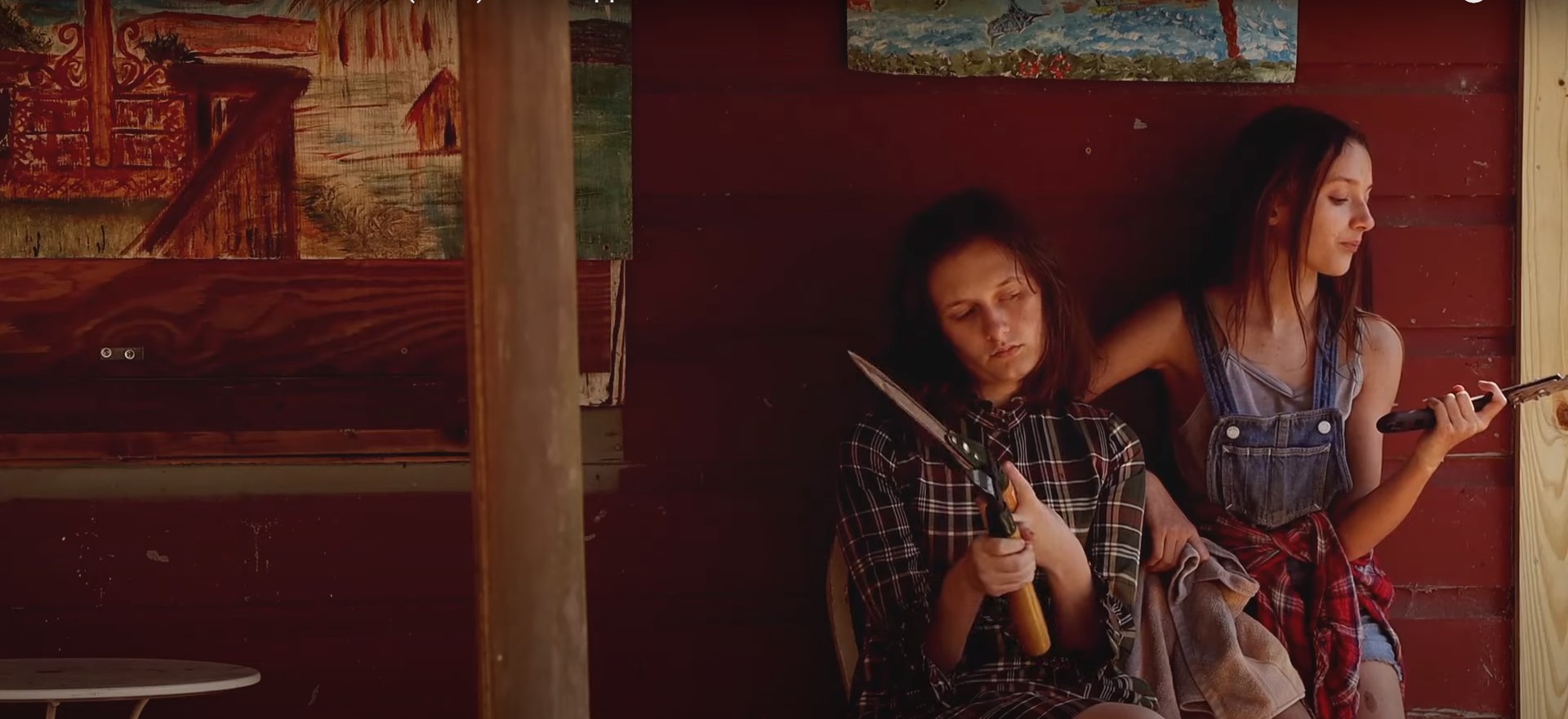
When riffling through her mail, Regina McKee opens a letter informing her she has won a marvelous prize, an all-expenses paid vacation at the quaint resort of Red Wolf Inn.  The young college student is escorted on a charter plane to a quiet town where the historic 1891 resort house resides and to greet her re hosts Evelyn and Henry Smith along with their grandson Baby John Smith.  Occupied with two other guests, Regina finds the old house luxuriously relaxing, her hosts cordially jovial, and the food as about as fantastically delicious as it is seeming endless when the Smiths introduce course-after-course of beautifully cut fillets and delectable desserts.  The Smiths don’t like to skip a meal.  When the other guests’ planned departure feels abrupt without them saying goodbye, Regina begins to suspect something isn’t quite right with The Smiths, something hidden behind the doors of the walk in refrigerator and is being incorporated into all those fatteningly delicious meals. 

Before Papa Jupitar and his children terrorize and cannibalize the Carter family on their way to Los Angeles through the rural, desert roads of Nevada in 1977 and even before a group of young friends stumble upon a demented family abiding by the slaughterhouse rules of people in the backwaters of Texas in 1974, there was the elderly couple and resort owners named The Smiths who entertained young women for dinner to wet their appetites by plumping those same young women into dinner in 1972.  The Late director Bud Townsend, who helmed a limited filmography in his short feature film tenure between 1970 and 1985 with such titles as “Nightmare in Wax” and “Alice in Wonderland:  An X-Rated Musical Fantasy,” took the only credited Allen Actor script and fashioned it into a dissembling macabre for the silverscreen.  Also known as “Secrets Beyond the Door,” “Club Dead,” “Terror on the Menu,” and “Terror House,” which the latter was likely the version experienced for this review due in part to cuts made, “Terror of Red Wolf Inn” is a production of Far West Films and Red Wolf Productions LLC with “Count Yorga, Vampire’s” Michael Macready producing and Allen Actor and Herb Ellis associate producing.

Would you ever answer the letter to a strange solicitation about winning an all-expenses paid vacation in a sleepy little town?  No, neither would I, but that’s what the heroine principal Regina McKee (Linda Gillen, “Black Rain”) did on a whirlwind, excited whim during a time when scammers had only the United States Post Office to importune their tricks upon the gullible.  The 1970s are obviously not as clued in or as technological savvy as the modern times of today with caller Ids, tall tell signs robo-recordings, and all the news stories and documentaries about telemarking boiler rooms; instead, we’re transported back in time where the gift of deceit can be achieved too terribly easy.  Linda Gillen, a freckled face, auburn-haired actress looks like the girl next door with a realness about her modest appearance as a leading lady and when compared to the likes and looks of Mary Jackson (“The Exorcist III,” “Skinned Alive”) and Arthur Space (“Mansion of the Doomed,” “The Swarm”), as innkeepers Evelyn and Henry Smith, the elderly couple reel in that realness even further by being not overly ruthless in their confidence game of cooking with cannibalism and instead bring warmth and hospitality that results in a slow burning dread that can be just as terrifying as an open cookbook cannibal.  The one character I struggle with is Baby John Smith played by John Neilson (“Honky”) and is method toward an unhinged grandson Regina recklessly falls for in record time of knowing him.  Baby John Smith very much plays into his moniker with childlike tantrums and glistening eye wonderment under a tall and chiseled frame of a man, but his infatuation with Regina, that ultimately plays deeper into the story and to foul up his family’s usual dinner plans, feels ingeniously forced as a device just deployed without justification as there is nothing inherently special about Regina compared to the two other lovely guests with more interesting backgrounds and appearances in characters played by Janet Wood (“Ice Cream Man”) and Margaret Avery (“Night Trap”). 

Allen Actor’s script is overall just plain ludicrous.  Who in their right mind would jet off to an unknown small town for a vacation getaway they won out of the blue from a resort that somehow, someway received their name and address?  Was it just a name randomly picked by pointing to that person in the national phonebook?  Who knows because the exact why and how doesn’t see light within the framework that has Regina be the crab who doesn’t know they’re boiling in a pot of hot water until it’s too late.  There are also two good-looking female guests who are also invited for a 2-week staycation until a party and celebration are given by the host for what is ultimately their guest’s last meal to become a meal for the remaining, unsuspecting guests and the devious entertainers.  Aside from a questionable story setup, I found “Terror at Red Wolf Inn” to be well-made and acted.  Townsend obviously knew what he wanted and how to do along with cinematographer John McNichol (“Private Duty Nurses”) to effectively turn around a fly-by-the-seams script into something far more polished on the surface and that adds that layer of suspense when our heroine discovers the truth about her hosts and her newfound love interest.  There’s also an interesting angle of letting Regine free range the house and grounds after the unveiling of anthropophagy because the whole town is essentially in own the caper or the town’s just  one big family, the character pilot who dropped off Regina and the police offer who turns out to be Baby John Smith’s brother or cousin.  Not a lot of detail explores this angle but enough is said and done to know that Regina is trapped without being shackled to her room in a pretty surreal and scary variable of the Inn’s history.

The USA thriller has many titles, been released on many formats, and now Cheezy Movies and Trionic Entertainment presents “Terror at Red Wolf Inn” on a standard definition DVD.  The 480p transfer print is an anemically graded rip from the VHS, digitized to DVD with all the excessive noise, speckled dropouts, mistracking, and blocking included and on top of the original 35 mm print that had typically celluloid grain and, perhaps, its own age and wear issues by the time this print made it to tape.  The print used for VHS appears visibly clean if removing the VHS defects but with the lower resolution, the Cheezy Movies DVD looks pale and dark with very little detail in what is basically slapping together a DVD without any augmentation and restoration to the print.  This is very conventional for this distributor so no I’m not surprised.  The English language mono mix has an enervated strength being ripped from the VHS audio track. Dialogue meets bare standard being out-front and intelligible and can be rambunctious at times with the unpropitious parties for every guest sendoff but doesn’t have space or depth around them under the brittle unbridled bitrate that offers crackling and some hissing throughout. There are no subtitles available with this release. With most of Cheezy Movies’ catalogue, only within the static menu is a chapter selection in its near-nude dressing. The region free release comes with a, supposed cut, R-rated print and has a runtime of 90 minutes. Behind the exemplar 1970’s color graded and arranged poster art for the front cover, one of Evelyn and Henry Smith looking stern over a girl laid out in bikini, inside the standard Amaray DVD case is a disc printed with the same artwork, but title and tagline cropped with just the elderly Smiths and the bikini-bottomed gal. There is not an insert included. “Terror at Red Wolf Inn” is the precursor to a family of cannibal crazies subgenre that has, for the better part of its existence, exploded rather than imploded all due in part to Bud Townsend and his modest directorial.

Come for the Dinner, Stay to be Eaten at the Red Wolf Inn on a Cheezy Movies’ DVD!

Furry EVIL Bogies Go for the Flag! “Caddy Hack” reviewed! (Wild Eye Releasing / Blu-ray)

Special Edition Hole-in-One “Caddy Hack” On Blu-ray!

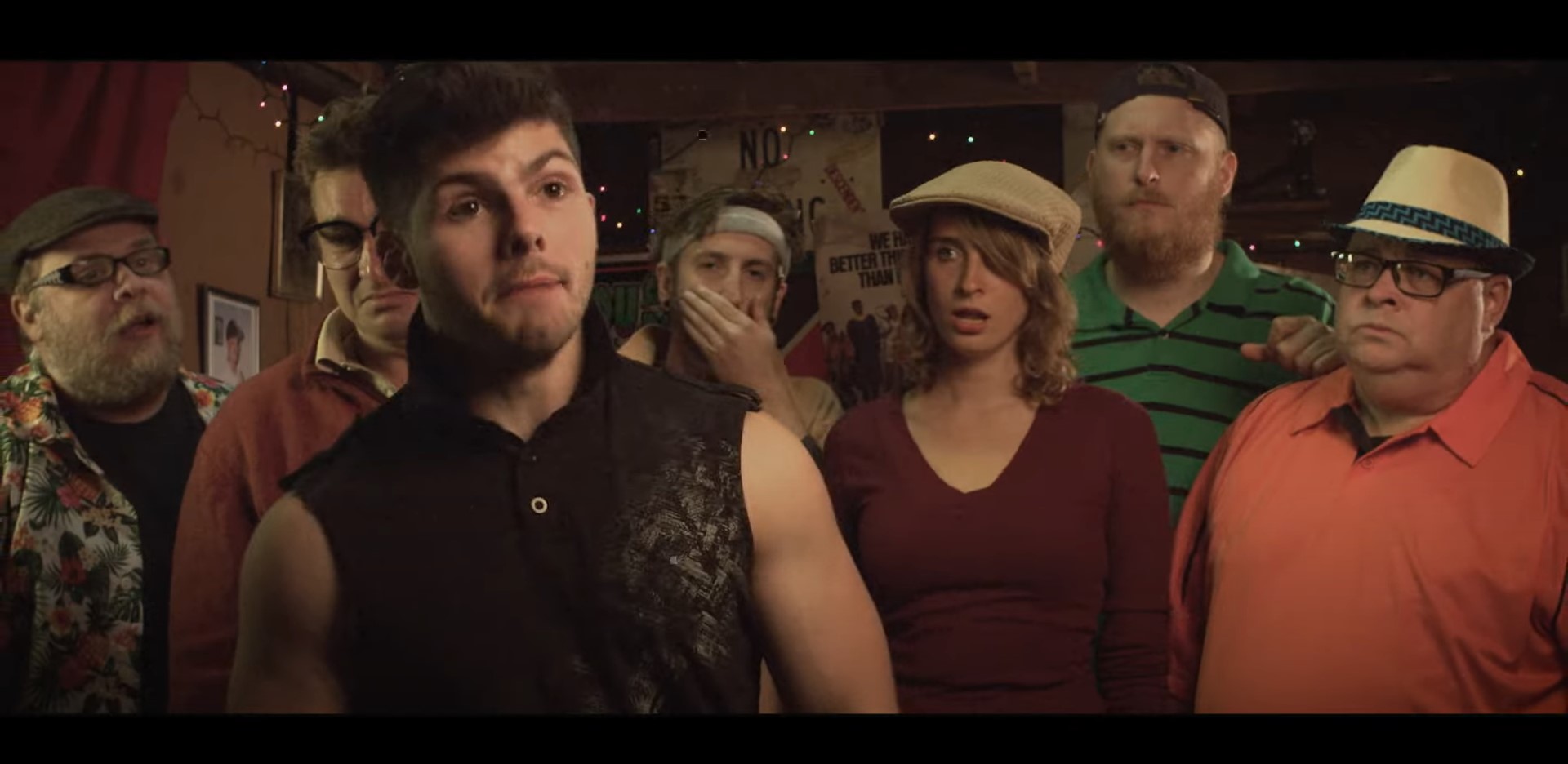
At the Old Glory Holes Golf Course, owner Wells Landon runs a tight ship under his garish wig before the weekend’s big money member’s tournament.  Hambone, Landon’s dimwitted and loyal groundskeeper, maintains the greens aesthetic tiptop shape with the help of his home brewed fertilizer, but the enriching fertilizer does more than just keep weeds from sprouting and keep the grass greener than Gumby, it also mutates the terrain terrorizing Gopher population into glowing-eyed, hairbrained killing machines offing the snobbish members, the party-hard caddies, and the course’s pretentious upper management in gruesome detail on all 18 holes.  Book nerd and greenhorn caddy Googie and his newly appointed and strict caddy manager Becky rally the caddy troops against a horde of impish, bloodthirsty rodents hellbent on shanking the golf course with more than just lumpy greens and unsightly mounds.  An all-out war between man and mammal tees off toward a fairway of carnage! 

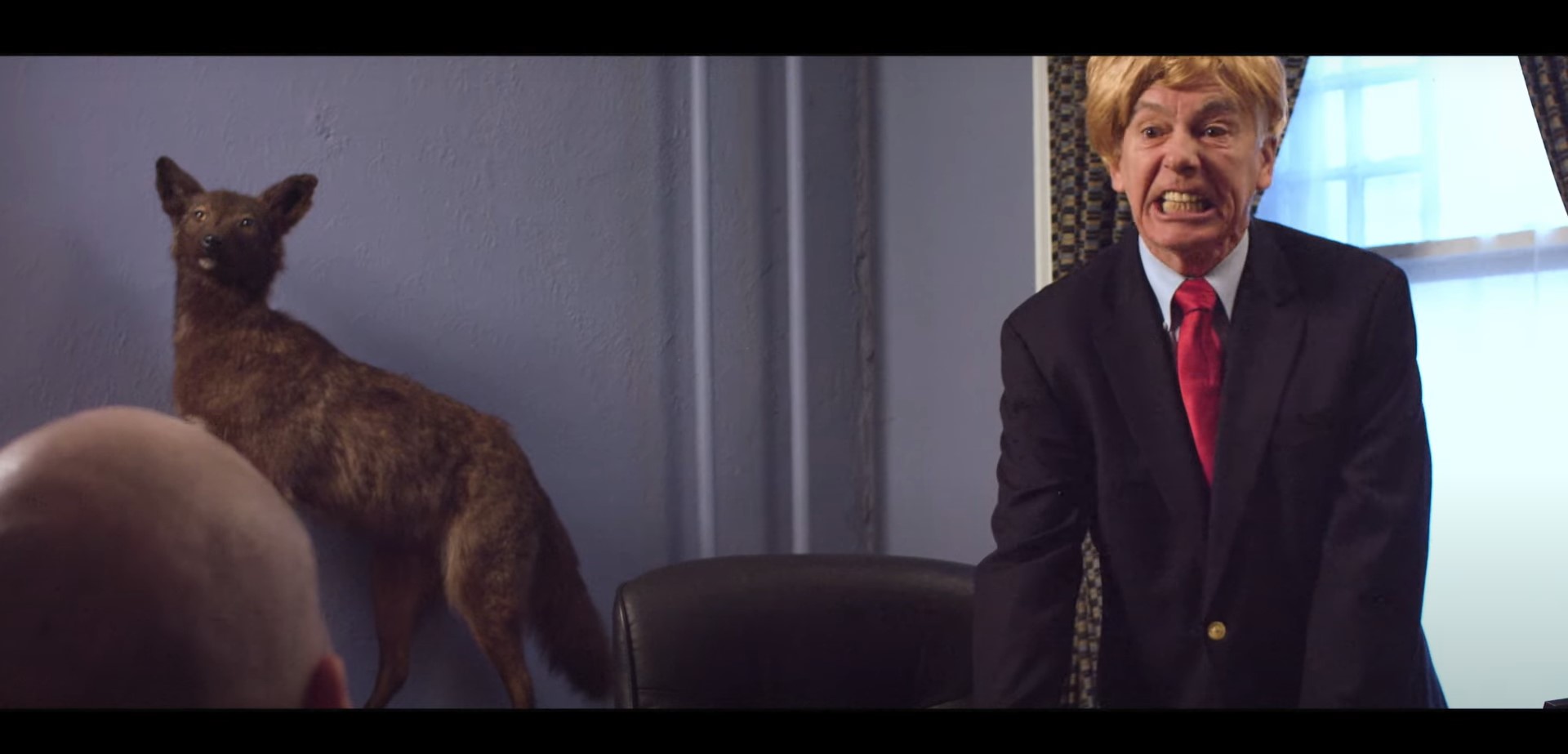
A comedy-horror satire based off the satirical sports-comedy “Caddyshack,” Anthony Catanese’s written-and-directed “Caddy Hack” (see what he did there?) continues the feud that started with Bill Murray’s groundskeeper character, Carl Spackler but instead of one pesky Gopher wreaking havoc, a multitude of furry, landscaping vandalizers rise from their subterranean burrows to take the offense battle against man.  The “Sadomanic,” “Hi-Death,” and music video director, of such bands as Doc Rotten and UgLi, helms the 2023 with great flair for the farcical and satire that not only madcap of mayhem but also rib-jabs an arrogant elitist wearing a bad hairpiece and expresses the building of a wall and having the gophers pay for it, if they could.  We all know that person and he shall not be named here for the sake of this review’s integrity.  “Caddy Hack” is filmed in Morrisville, PA and part of New Jersey (we get some really good Jersian accents here) and is produced by Catanese, Sara Casey, Jim Gordon, Joseph Kuzemka, and Scott Miller under Gordon’s Content Trenton and Catanese’s D.I.Why? Films along with Wild Eye Releasing’s Rob Hauschild as executive producer.

Not only is “Caddy Hack” a ridiculous horror-comedy of binging buffoonery, its also a story about unlikely romance between near middle-aged caddy of golf nerditude and a browbeating, yet ravishing, woman eager to be taken seriously no matter her qualifications.  Jake Foy and Chrissy Cavallo respectively play the likeable oil and water who commingle unexpectedly when Cavallo’s rigidity as the unqualified caddy manage takes a shine to Foy’s caddy-passionate and meek-lined Googie.  Foy and Cavallo, along with Jim Gordon (“Hi-Death”) as the unscrupulous, neon colored toupee-wearing course owner Wells Landon and Nick Twist (“Sadomaniac’) as the dimwitted groundskeeper who huffs his own fertilizer and has anachronistic Vietnam PTSD for his age, keep “Caddy Hack” from going into sandpits and water hazards with their on-point caricature performances of the assorted kind that pair well with this type of comedy-horror.  Ancillary moments with Googie’s boys-club, caddy cohort and an awkwardly horned-up Dolores Umbridge type secretary to Wells Landon pepper the cast with enough perpetual zaniness that the madcap madness never loses momentum but they pale terribly in comparison to the core four personalities to the point that “Caddy Hack” is downgraded a little in its laugh-out-loud lunacy with the dilution of many side-characters who don’t get the time of day and are overshadowed by the schlocky puffballs that are the gophers gone wild.  “Caddy Hack” tees up the remaining cast with John Evans, Joe Bierdron, Travis Frank, Cole Funke, Vincent Lockett, Scott Miller, Matt Reversz, Kirk Ponton, Mike Paquin, David Olsen Jr. and Ilene Sullivan (“Center City 2”) as Wells Landon’s pernicious, brown-nosing, admiring secretary. 

Some semblances of the 1980, Harold Ramis-directed and Chevy Chase, Rodney Dangerfield, and Bill Murray-starring gold-themed side-splitter barely lays up with Catanese’s comedy-horror spoof and homage.  There’s a catchy, 80’s-esque enough, opening credit song overtop areal views of a golf course with spliced in golf concatenations.  There’s also a dopey groundskeeper in warmonger mode against not one but a whole platoon of gophers.  That’s about where “Caddy Hack” draws the line in the sand, likely for legal reasons, in keeping tune with “Caddyshack” and from there on out, Anthony Catanese goes balls to the wall with his unapologetic creature-feature held in party mode that drops jabs of anti-Trump drollery.  The hand puppet, bloodthirsty gophers add to “Caddy Hack’s” shameless charm in a good way by layer compositing only a very little with VFX glowing eyes to give the burrowing rodents an evident behavior aberration.  Because they’re hand puppets, the gophers are very limited in frame and in action but that doesn’t hinder their mischief-maker flow and the angles, and composites, of which they’re filmed and constructed warrants credit in it hark back to the iconic “Caddyshack” dancing gopher and to make the scene somewhat tolerably evil.

Go for this gobbling and gobsmacking gopher horror “Caddy Hack” now on a special edition Blu-ray from Wild Eye Releasing. Presented on an AVC encoded, 1080p high-definition, BD50, in a widescreen 1.85:1 aspect ratio, “Caddy Hack” caters to the standard, low-budget independent mustering with a severe contrast in details and delineation between daytime and nighttime scenes. Generally, details thrive in well-lit exteriors with some softness due in part to the innate raw footage. The ungraded final product really shows its colors, or lack thereof, at night with a washed overlay and a noticeable of digital artefacts. There are some scenes that look cropped and blown-up for closeup purposes, degrading the image resolution a bit. The English LCPM stereo 2.0 has uncompressed, uninhibited thrust that’s decently shaped and arranged in sound design and layered. Dialogue can be detached at times but still in the forefront of the action with the occasional takeover by the cute or ferocious gopher grunts. Plenty of range diversity with no depth to add space leaving competing audio tracks to fight next in line behind dialogue, including fart gags which is becoming tiresome trope across indie comedy-horror in my opinion. There are no subtitles available with this release. The special edition release comes with an abundance of special features, including an audio commentary track with director Anthony Catanese and producer Sara Casey, Balls Deep karaoke pulled from the film’s main song on the soundtrack, a Brew Break drinking game, an Old Glory Holes commercial with Wells Landon, outtakes and behind-the-scenes footage, and the caddy rap track. The Blu-ray comes with exclusive physical lineaments too with a cardboard slipcase with an unacknowledged illustrated composite art, a clear traditional Blu-ray case with snapper that holds reversible cover art – a front cover that’s mixed composition between evil gophers and a happy foursome and the reverse side has an evil gopher laughing manically in a still frame, an Old Glory Holes VIP Card, and a folded mini poster of the slipcase cover art. The region free has a runtime of 75 minutes and is not rated. “Caddy Hack” chips divot-after-divot of missed fairways only to find a love for the game that is independent horror with a wildly and weaselly whackadoo of film about fur-lined pocket cheek gophers chewing on the golfers’ balls.

Special Edition Hole-in-One “Caddy Hack” On Blu-ray!

Crooked EVIL’s Fixation for Chocolate and a Childlike Girl Will be its Sole Destruction. “The Dead Mother” reviewed! (Radiance Films / Blu-ray)

“The Dead Mother” Lives on a 2-Disc, LE Blu-ray/CD Set from Radiance Films!

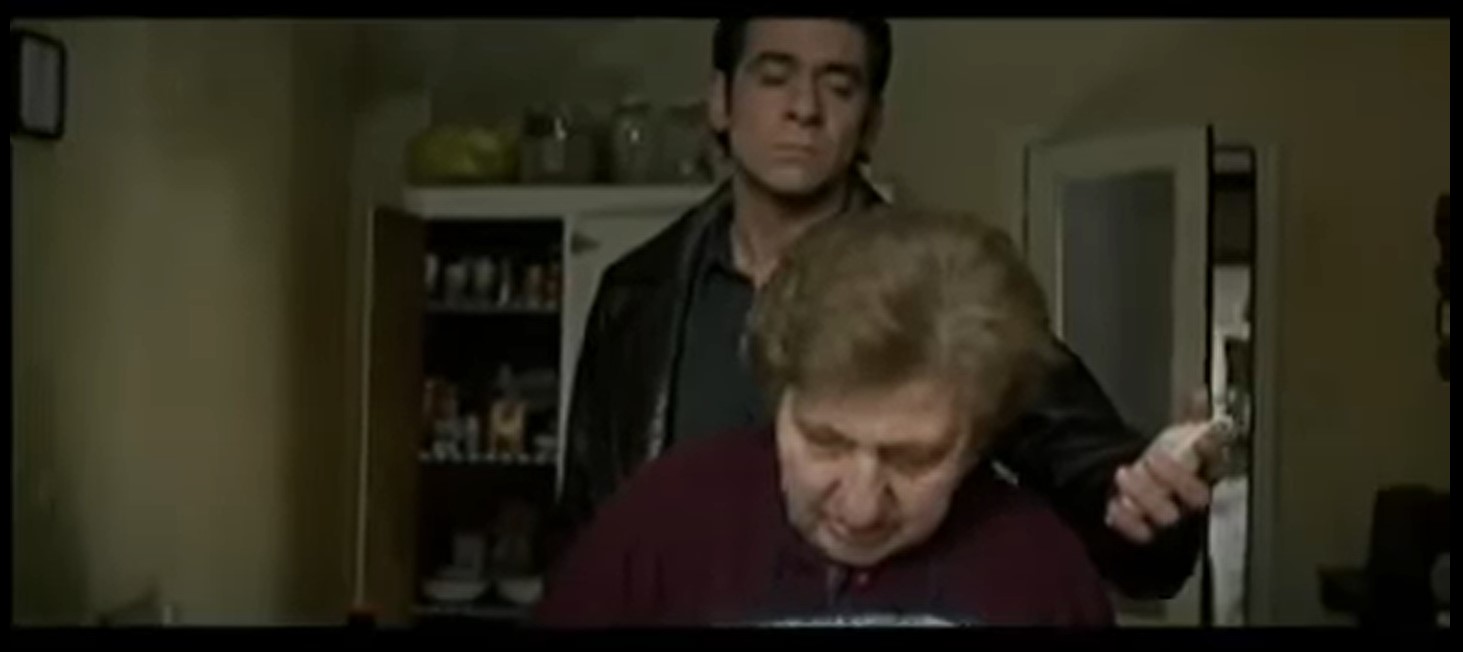
A botched burglary of an art restorer’s home leaves the art conservationist dead and her daughter wounded by a shotgun blast at the hands of apathetic criminal Ismael Lopez.  Years later, the daughter, Leire, has grown into being a young and beautiful simpleton at a mentally disabled clinic where the mute girl often recesses to a caretaker’s city home off clinic grounds.  By coincidence, the lifelong crook Ismael catches sight of her on the street and becomes obsessed with her witness of his past transgressions.  Conferring with his love-hate girlfriend and felonious partner Maite, the two decide to kidnap her while she’s off clinic campus and put her up for ransom after Ismael couldn’t bring himself to initially kill her but an increasing preoccupation for the chocolate-fond and childlike Leire within a stoic Ismael places an insidious jealously and enigmatic strain between him and Maite that tests that already turmoiled codependency of affection and survival.

Emotionally recrudescent with multiple intrinsic layers of tough guilt, incontrollable desire, and maybe even a pinch of forbearing responsibility that can be labeled cossetting at times, “The Dead Mother” is a beautiful film with unsettling undertones from Spanish filmmaker Juanma Bajo Ulloa.  The “Baby” director cowrite the “The Dead Mother” alongside younger brother Eduardo Bajo Ulloa, their second collaboration after hit success with the duo’s crime thriller “Butterfly Wings” two years prior in 1991.  The Spanish film is shot primarily in Vitoria, Spain with the backdrop of a near classic medieval architecture of urban city with old wooden interiors, high ceilers, and gothic qualities, providing a relative old world air to a tale of petty ideals and madness that disintegrates by the mere site of pure, ingenuous goodness. Under the private and state run production companies Ministry of Culture and Gasteizko Zinema, “The Dead Mother,” or “La Madre Muerta,” is produced by Fernando Bauluz.

To obtain the intensity, the coldness, the unpredictable, the pitch-black humor, and the soft touch, Juanma Bajo Ulloa doesn’t hire a vocational dramatic.  Instead, the filmmaker chances actor just getting his feet wet the Spanish cinema with Karra Elejalde whose assortment of comedy and drama in his first years seasons him for the role of the reprobate Ismael Lopez, a coldhearted killer with a short fuse for anyone who defies or belittles him and, on the opposite side, can be pensive about his past and next steps in a haphazard way. Opposite Ismael is a devout partner/lover, equal in ruthless potential, yet happy, in her own way, to play house wife in their ramshackle, fly-by-night home.  Played by the Portuguese-born, Belgium-raised singer Lio, her stage name in lieu of Vanda Maria Ribeiro Furtado Tavares de Vasconcelos, the pop star, who still to this day floats between acting and singing, rivals Elejalde’s dark-and-light intensity within her own character’s amorous feelings for the petty crook and murder and would do anything to keep him, even if that means destroying what he adores.  And what does Ismael adore?  Ismael’s new fascination is with Leire, the once little girl who attempted to murder now all grown up, developmentally disabled, and beautiful.  While I can’t fault in any of “The Dead Mother’s” cast performances, I could not imagine Leire being portrayed by anyone other than Ana Álvarez (“Geisha”).  Exuding innocence in her eyes amongst a full-body vacuity, Lio might be the professional singer but it’s Álvarez who hits every note of amentia that constantly has us questioning how much of her facility is there, conscious of the bizarre love-triangle or the homicidal-involving abduction.  In the same breadth, a muted Álvarez talks with her eyes, her expressions, and her body language that subtly fidgets or does other under-the-radar subnormal behaviors to convey an unequivocal virtue starkly in contrast amongst her callous captors who enjoy playing house or even try to make her smile or laugh with jokes and play.  Eventually, the dynamic dissolves, like many love triangles do, between an advantageous perversion and deadly ultimatums that will result unfavorably for most.  “The Dead Mother” rounds out the cast with Silvia Marsó, Elena Irureta, Ramón Barea, and Gregoria Mangas.

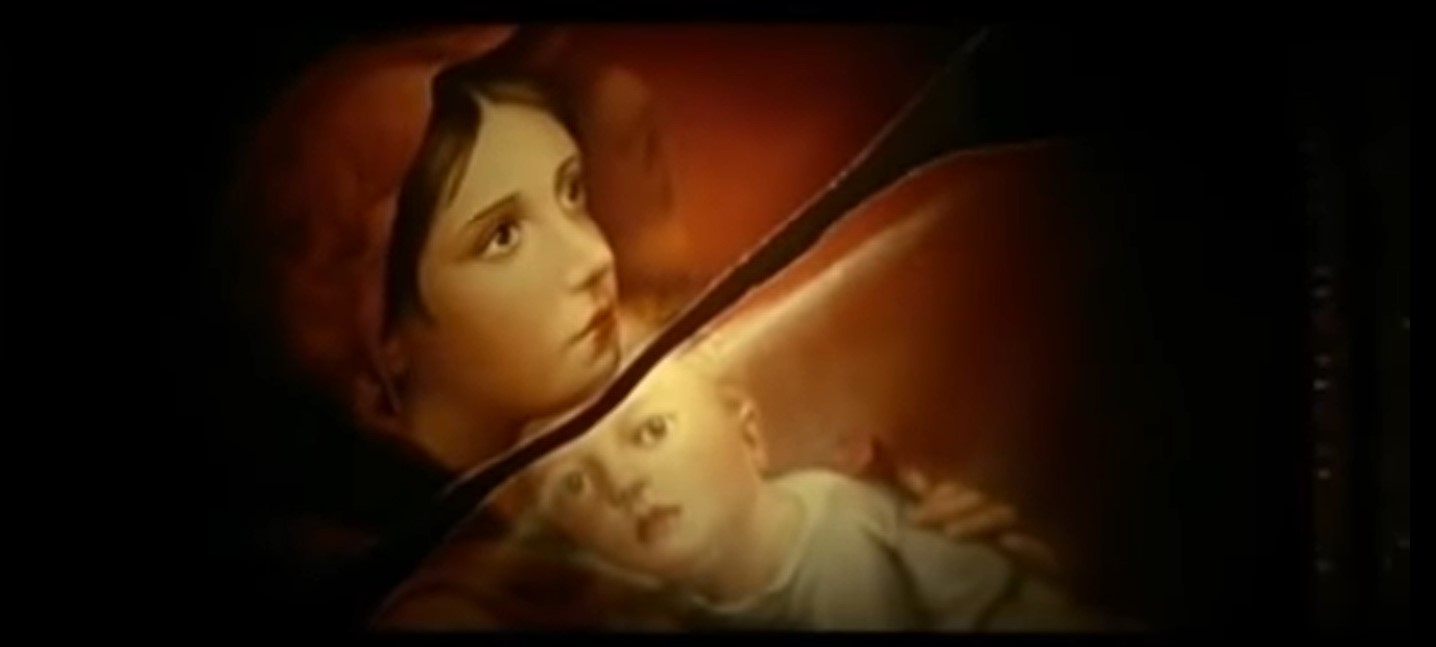
Ismael’s fixation toward Leire is so tremendously opaque without much exertion it’s difficult to understand the criminal’s ultimate motives, leaving audiences with a shrouded aftertaste of open interpretation.  Perhaps guilty from killing his mother all those years ago and nearly killing her, a wash of responsibility for her now placid and childish existence courses through him, driving him to do the bare necessity in taking care of her.  Another facet to Ismael’s curious interest is Leire’s inherent beauty despite her absent situational awareness.  His attempts to make the young woman’s empty expression become joyous with a smile fails, as if that blank-faced barrier keeps him from moving forward with something akin to being romantically involved.  In a couple of brief, uncomfortable viewing stints, Ismael gropes with the second time being passionately fondled by Maite in attempt to win over affection in what Maite believes is a duel between Leire for his attention.  Leire can be interpreted as a burden that has passed from the mother, hence the title, to Ismael, an assuming responsibility pseudo-father figure.  When Ismael kills Leire’s mother during the bungled burglary, a hint of a smile extends upon her face before the blood drips down her eyes in a fantastic POV shot by cinematographer Javier Aguirresarobe.  Supporting this theory is the Renaissance painting of mother and child with a tear in the canvas between them, a painting that Ismael lingers over for a few seconds while rummaging through the art restorer’s home.  The ambiguous nature of “The Dead Mother” only succeeds because of the confident performances and Juanma Bajo Ulloa’s august eye for the impeccable shots he wants and achieves. 

“The Dead Mother” arrives onto a limited-edition Blu-ray, to the tune of 3000 copies, from Radiance Films U.S. line.  The new 4K scanned transfer, restored from the 35mm negative and stored on an AVC encoded, high-definition 1080p, BD50, is presented in a widescreen 2.35:1 Cinemascope aspect ratio.  Juanma Bajo Ulloa oversaw the pristine cleaning of film strip defects and the new, frame-by-frame color grading at the Cherry Towers lab in Madrid, Spain.  The excellent work by the restoration company and Ulloa’s supervision of the process resulted in a naturally clean edged and detailed saturated transfer to rejuvenate the image with a fresh look.  The overcasting shadows and slate aesthetics with brilliantly hued low-key lighting suggest an immense lugubrious tone throughout, accentuated by the antediluvian structures. The Spanish language uncompressed 2.0 stereo audio absorbs what’s absent, which isn’t much, with an uninhibited, original fidelity of the dialogue, surrounding milieu, and the bordering whimsical string soundtrack by Bingen Mendizábal. There are no hints of hissing, cracking, popping, or fragmented damage of the audio track that persists on being punchy with every Ismael scuffle down to the very rustling of the chocolate wrapper in Leire’s chocolate-stained hands. While range is plentiful and natural, depth is not as utilized unless absolutely necessary, such as with the oncoming horns of the diesel trains in the trainyard or Ismael whistling between the pews of a decrepit church shot from the chorus balcony. English subtitles are available and optional. Special features on this limited-edition set include a Spanish audio commentary by the director with burned in English subtitles, The Story of the Dead Mother an archive behind-the-scenes featurette of retrospective interviews from 2008 and some raw footage of takes that’s, again, in the Spanish language with English subtitles, Bajo Ulloa’s short film “Victor’s Kingdom” aka “El Reino de Victor” from 1989 and now restored in a 4K scan, the film’s trailer, and photo gallery. Physical attributes impress within the clear, slightly thicker amary Blu-ray case that’s been conventional distribution use with Radiance Films in its near retro, austere facade. Sheathing a reversible cover of the original media artwork inside, the outside cover continues to remind me of its Arthur Fleck appeal with a doleful Ismael Lopez in his very best clown make up. Both discs, the Blu-ray and the CD soundtrack, are overlapped and locked in place pressed their respective black and creme coloring scheme. On the insert side contains a 35-page color booklet filled to the brim with captured film images, promotional images, and cast-and-crew posed pictures along with the CD track listing, cast and crew breakdown, and expressionism written pieces and essays by Eduardo Bajo Ulloa, Juanma Bajo Ulloa, Nacho Vigalondo, and Xavier Aldana Reyes. The unrated feature has a runtime of 111 minutes and his region free for all you worldly, cultured lovers of cinema out there. The mother might be dead but Juanma Bajo Ulloa’s converging of cynical odd behavior with the breakdown of status quo by a wicked curveball makes for a darkly cherub of Spanish filmmaking worth coddling in Radiance’s exceptional release.

“The Dead Mother” Lives on a 2-Disc, LE Blu-ray/CD Set from Radiance Films!