

Good for Mankind is also EVIL for Greed! “Mandroid” reviewed! (Full Moon Features / Blu-ray)

“Mandroid” Blu-ray Now Available!

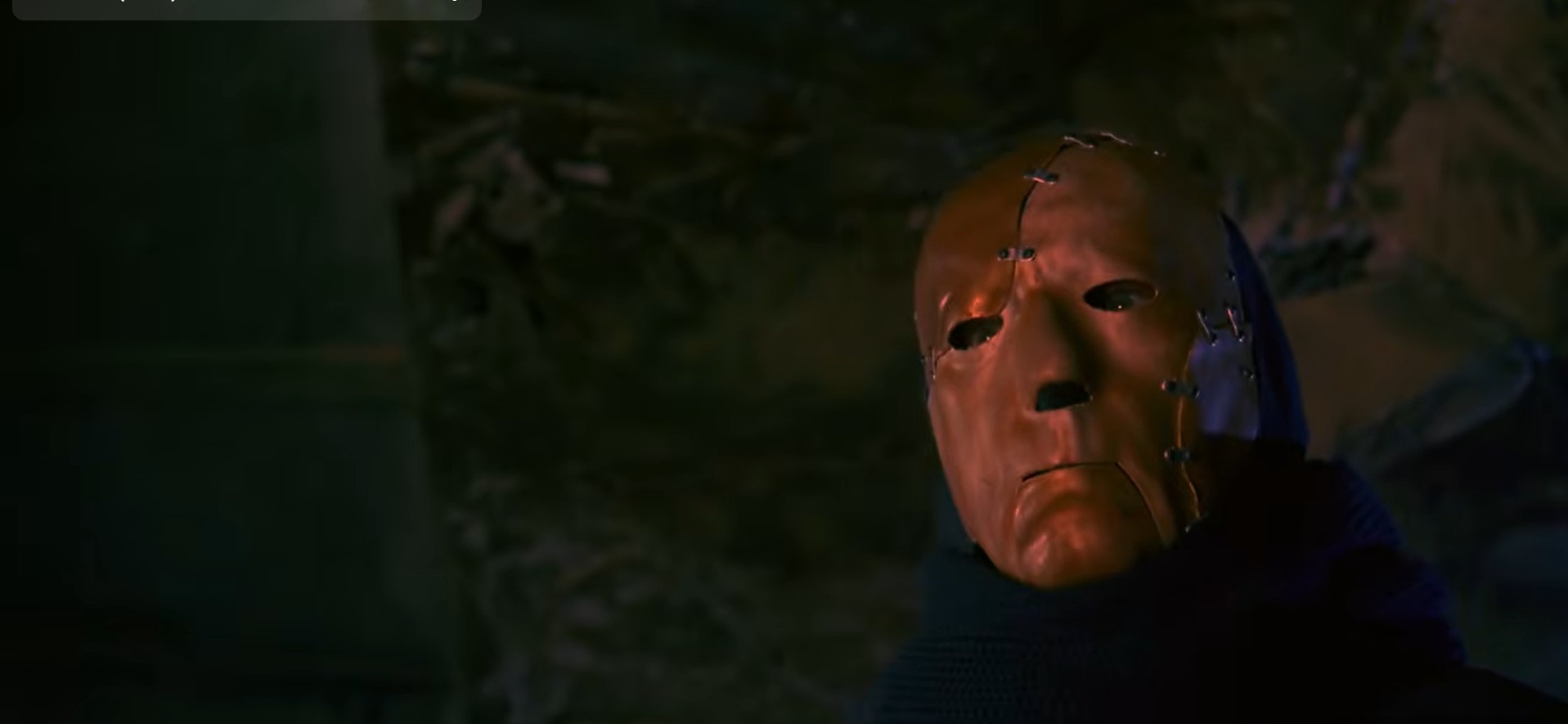
Scientists Dr. Karl Zimmer and his colleague Ivan Drago work in Russia to invent and perfect a humanoid android that uses the converted energy, labeled as SuperCon, from a unique fungus, that has endless potential and possibilities, to power it while controlling the android through a cerebral VR dashboard.  While Zimmer has plans to help humanity with the SuperCon project, Drago has other greedy plans to sell to the highest bidder, in this case the U.S. Government for military grade weaponization.  When Drago steals the mechanized android, he doesn’t have the SuperCon formula to fully complete the sale.  A CIA operative, Zimmer and his daughter, and a U.S scientist sent to validate the SuperCon and android for US. Government use work together to stop Drago who has gone mad with greed and disfigured by the highly radioactive converted energy as nothing will stop him from obtaining the full mandroid package he helped to create. 
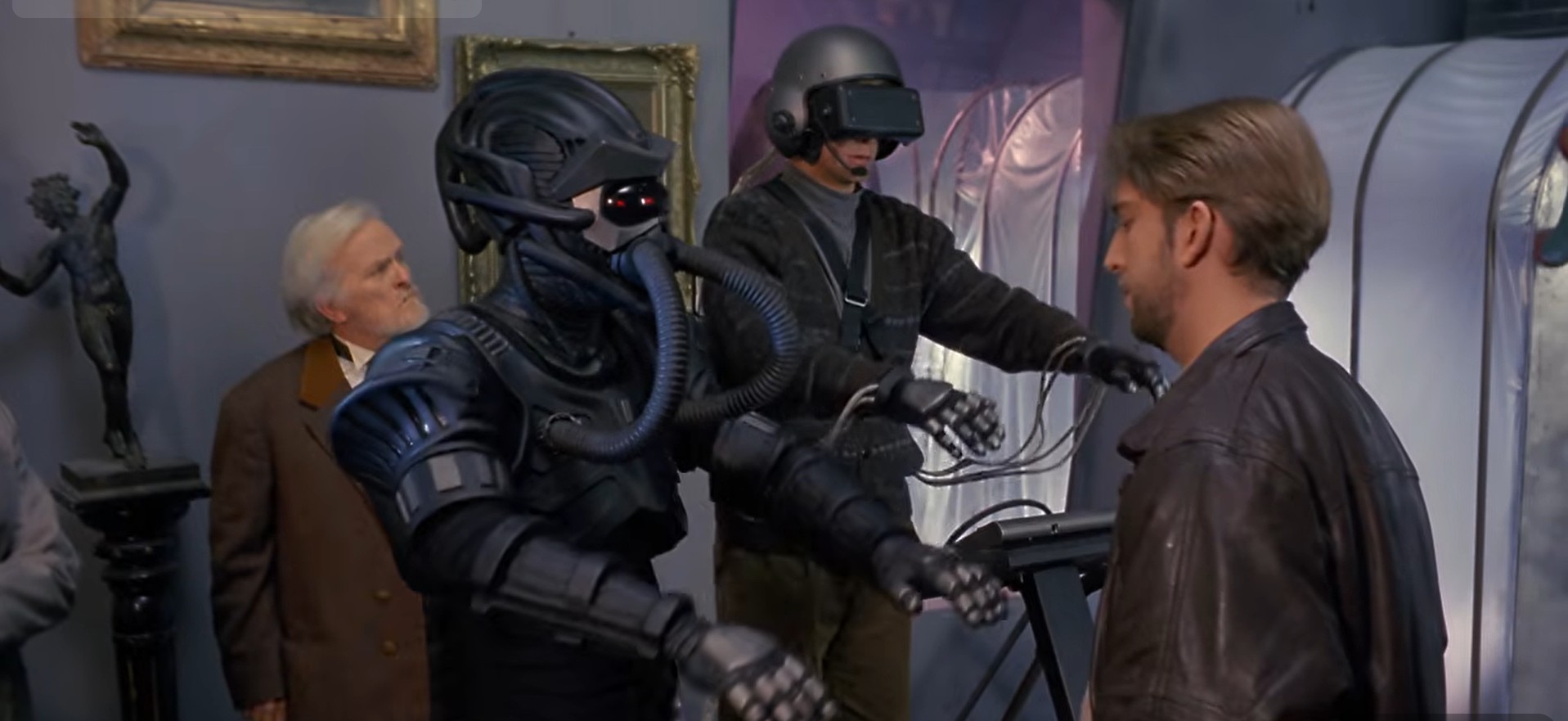
A Full Moon produced science fiction that really tones down the campiness to the point where the film doesn’t feel like a typical Charles Band production.  “Mandroid” is the 1993 mecha action-thriller from Swedish director Jack Ersgård (“The Visitors,) and penned by the Charles Band payrolled screenwriters Jack Cannon (“Robot Wars,” “Seedpeople”) and C. Courtney Joyner (“Trancers III,” “Puppet Master III:  Toulon’s Revenge”) under a pair of pennames, Jackson Barr and Earl Keaton.  “Madroid” would be the first of a two-film arc that uses secondary story elements of the “Mandroid” narrative to setup a parallel sequel or companion pieces entitled “Invisible:  The Chronicles of Benjamin Knight” that’s also directed by Ersgard and written by Joyner, creating a perfect double bill for Full Moon.  Charles Band has sole executive producer credit alongside the Romanian producers, a husband and wife team of Vlad and Oana Paunescu, at their studio and production umbrella of Castel Film, located in Romania and a frequent collaborator with the presenting Full Moon company credited with “Subspecies II and III” and “Trancers 4 and 5” to name a few titles.
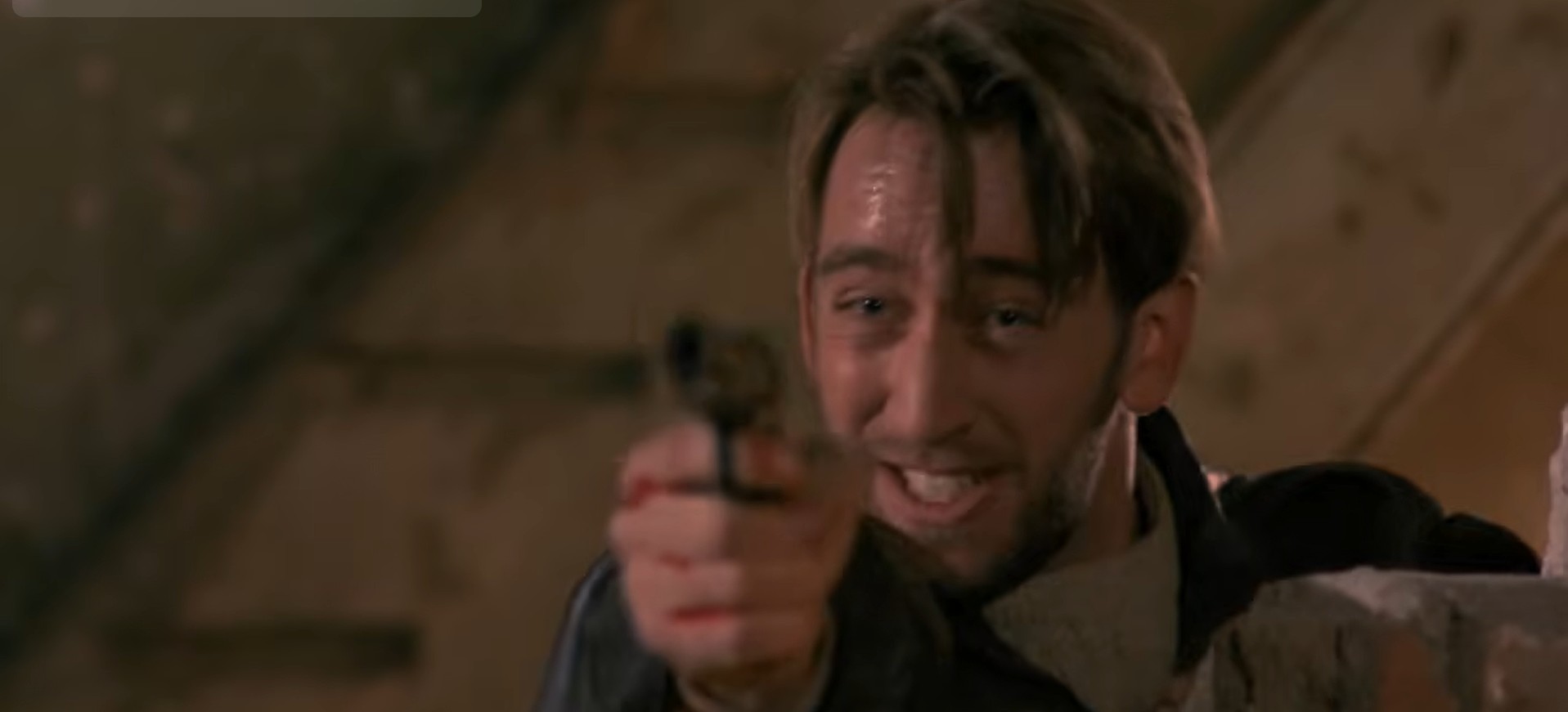
“Mandroid” acting favors more of the no-nonsense and serious tone for as science-fiction VR-controlled super android thriller set in Russia.  Brian Cousins is credited as the lead playing Wade, an American scientist hired by the U.S. Government to validate the SuperCon project under Dr. Zimmer and Drago but I find Cousins’ character lacks the charisma and the screen time to be unrivaled, sharing, or better thought as being oppugn, the feature prominence with the villain Drago who overshadows him considerably with the wonderfully USSR-trite performance by the late “Werewolf in a Girls’ Dormitory” and “The Entity” actor Curt Lowens.  Lowens brings to Drago the quintessential bad guy charm with the quintessential bad guy scarred looks as he exploits opportunities for personal gain and even using fear to evoke a homeless, Soviet-enthusiast mute (Ion Haiduc, “Bloodstone:  Subspecies II”) to be his henchman.  Their flaws inherently make them villains against a team of scientist, consisting of Wade and Dr. Zimmer (Robert Symonds, “The Exorcist”), his daughter Zanna (Jane Caldwell), and assistant Benjamin (Michael Della Femina, “Invisible:  The Chronicles of Benjamin Knight”) working together to achieve greatness for mankind, the benevolent and noble act.  The last principal piece of the puzzle is CIA agent Joe who’s not very tech savvy and may have more dubious reasons for his representation of the U.S. Government.  Cladded in a leather/faux leather jacket and tan slacks, as well as sporting a rugged 5 o’clock shadow, director Jack Ersgård’s brother, Patrik Ersgård (“The Visitor”), does not look like your conventional CIA agent to add a layer of unresolved mystery around him and to make him dangerous to either side of the good vs evil spectrum, but one thing is for certain about Ersgård character is his cunningness and courage.   Costel Constantin, Mircea Albusecu, and Adrian Pintea provide the Romania support cast to flesh out “Mandroid’s” merciless cold attire.
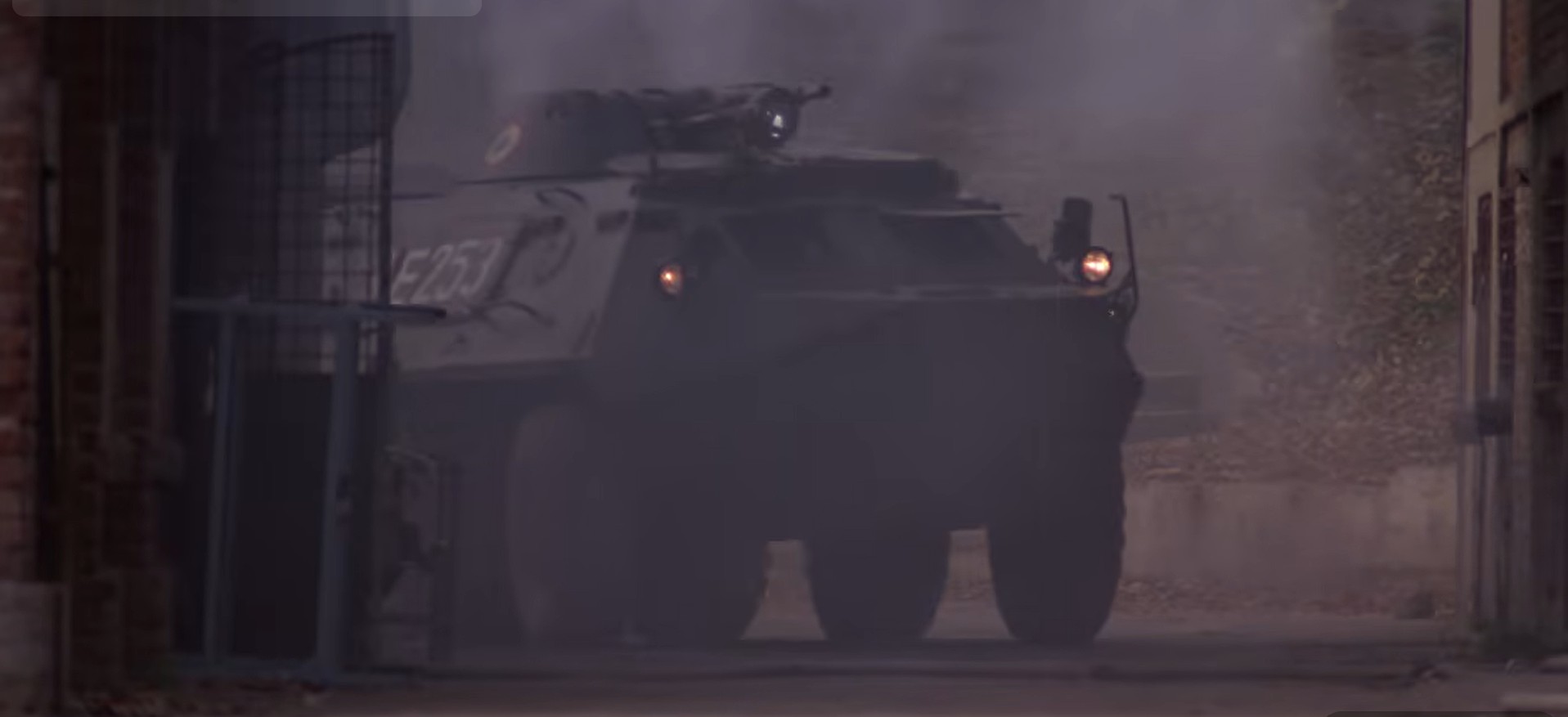
Less carnivalesque, less campy, and light on the pint-sized killers than most Full Moon productions, “Mandroid” has the seriousness of an early Stuard Gordon x Full Moon collaboration, aesthetically backed with darker tones, infused practical bloody imagery with some compositional VFX, and delivered signed and sealed by distinct and solid performances.  The SuperCon plot device is early days  man-in-a-suit backed by radioactive mushrooms that sound trippy when described out loud but Jack Ersgård subverts the idea’s potential faults and creates an atmosphere of intensity that sees large explosions, plenty of period costuming (Cold War era reminiscent) and is even able to secure SWAT armored vehicles and plenty of interesting, dilapidated locations that, from at least the U.S. perspective, feel like Mother Russia.  Whether a progressive highlight or an expectational fault, depending on the kind of person you ask, “Mandroid” does not contain nudity that can be savored from most of Full Moon’s catalogue; sorry readers but super blonde Jane Caldwell is not only the sole woman in the story but she’s very much clothed all the way through without a smidgen of sexy promiscuity.  The whole quasi-biological, man-and-machine affair represents the actual entertaining and creative storytelling side of Band’s company that has veteran actors mixing it up with up-and-comers to square dance around a radiative weapon of mass destruction tale. 
Full Moon Features remasters “Mandroid” from the original 35mm negative, scanned 2K with a high-definition, 1080p resolution, onto an AVC encoded BD25.  The end result is nothing far from an excellence reproduction that cleans up and clears out the inherent nuisances with standard definition DVD and VHS tape.  There’s a bit of a polished look upgrade that enhances great richness to shadows yet still picks up finer detail points that would have been missed through a lower resolution.  The overall detail is soft because of the nature of the lighting aesthetic that casts a soft glow of ethereal in a cold war era scenario while still maintaining an austere and raw sense of soviet times except with a red flare, “Mandroid” graded with blue.  “Mandroid” Blu-ray is presented in a widescreen 1.78:1 aspect ratio.  There are two English audio options available:  Dolby 2.0 Stereo and a Dolby Digital 5.1.  The lossy format is typical compression used by Full Moon and while it offers an adequate soundtrack, it does not boost up reproducing fidelity deserving for “Mandroid” explosive and highly active narrative with plenty of sound effects.  Dialogue is favored nicely and balanced with the action along with the atypical for Full Moon non-carnivalesque score by David Arkenstone (“Murdercycle”).  No compression or original audio track issues with little-to-no interference on the inlaid dialogue.  Special features include the original videozone advert, the original feature trailer, and other Full Moon original releases.  The standard Amaray Blu-ray case contains the original artwork and spined at number 88.  Full Moon’s “Mandroid” is rated R, has a runtime of 80 minutes, and is region free.

Last Rite: “Mandroid” is proof that Full Moon wasn’t always skirting by as they are today with cast, talent, and budget. For fans of Full Moon of yore, “Mandroid” is a serious title to be taken seriously, especially with a new Blu-ray release!
“Mandroid” Blu-ray Now Available!

Classic Sequel Gets a Lenticularly EVIL! “Halloween II” reviewed! (Via Vision / Limited Edition Blu-ray)

“Halloween II” Limited Edition Blu-ray + 6 Photo Lobby Cards! Order here!

The horrific Halloween night massacre in Haddonfield where a masked escaped mental patient named Michael Myers murdered the close friends of Laurie Strode has not yet ended.  Hurt and in shock after narrowly escape Michael’s relentless pursuit, Laurie is rushed to Haddonfield Memorial Hospital to receive treatment from a skeleton shift while Dr. Loomis, who shot Michael six times, continues his hunt for the hard-to-catch, hard-to-kill killer.  Frantic about the evil inside his former patient, Dr. Loomis will not stop at nothing to track him down with police assistant and try to puzzle together just why Michael had returned to his hometown in the first place.  As Laurie recovers from her injuries and copes with her friends’ deaths, The Shape arrives at the hospital, continuing his emotionless killing spree of hospital staff in order to get to Laurie, and with nowhere to run, Laurie’s only hope is in the hands of a determined Dr. Loomis. 

Picking up where the highly successful independent horror, John Carpenter’s “Halloween,” that changed the slasher genre to what we know it as today, “Halloween II” provides more illumination on The Shape, Laurie, and shuts the door on the significant open-ended and fear-inducing mystery at the finale of Carpenter’s masterpiece.   The 1981 sequel, released three years after the first film, was not helmed by Carpenter whose success skyrocketed post-“Halloween.”  Instead, Carpenter and creative producer Debra Hill agreed to the executive producer title with some creative control in penning the script that would be a what-happens-immediately-next continuation with newcomer Rick Rosenthal sitting in the director’s chair.  The director who would helm later the follow year’s “Bad Boys” with Sean Penn had a goal to retain the same Carpenter stylistic choices to make the sequel seemingly seamless.  Alongside Carpenter and Hill in the melting pot of producers, the more narratively opinionated Moustapha Akkad and Dino De Laurentiis served as executive producers along with Joseph Wolf (“A Nightmare on Elm Street”) and Irwin Yablans (“Tourist Trap”) in what became a coproduction between Universal Studios and Dino De Laurentiis’s production company.

“Halloween” converted the then unknown Jamie Lee Curtis into a couple of things.  She instantly became a household name that at the same time also made Laurie Strode a household icon.  Curtis also became what was a relatively new coined term at the time of a scream queen, propelling her career in the horror genre with “Halloween” subsequent films such as “The Fog,” “Prom Night,” “Terror Train” and, of course, the more recent titular television series “Scream Queens” and the contemporary “Halloween” sequels.  What also emerged post Lee’s performance is the actress was eager for the role and effortless to work with making the 23-year-old daughter of Janet Leigh and Tony Curtis a treat to work with, malleable toward her role, and enthusiastic about returning as Laurie Strode for the sequel.  Curtis falls right back into the role as if filming didn’t stop rolling with Strode in a confounding state of shock and injury from her the relatively short scuffle with Michael Myers until Dr. Loomis intervenes with six gunshots into The Shape at the key and climatic moment, saving Strode from being strangled.  The difference in the sequel is Curtis’s instilled knowledge for her frightened character.  It’s that kind of touch that doesn’t hesitate to react to a force of evil.  Returning as Dr. Loomis, and again as if he never stopped performing as the paranoid and fervent good psychiatric doctor, is the iconic and late Donald Pleasence tracking down his former patient with trench coat sagacity, an understanding that no one else shares except for maybe Myers’ ultimate prey, Laurie Strode.  A new cast of relegated kill fodder magnifies part two’s grislier death count with Lance Guest (“Jaws: The Revenge”), Pamela Susan Shoop (“The One Man Jury”), Leo Rossi (“Maniac Cop 2”), Tawny Moyer (“Looker”), Ana Alicia (“Romero”), Gloria Gifford (“Virgin Paradise’), Hunter Von Leer (“Trancers III”), Cliff Emmich (“Hellhole”), Ford Rainey (“The Cellar”), and Dick Warlock putting on the mask as The Shape with Charles Cyphers and Nancy Stephens returning in their respective roles as Sheriff Brackett and Marion Chambers.

What new can be said about “Halloween II” that hasn’t been already said?  Dichotomously, “Halloween” and its sequel share a single narrative that emanates the same stylistic tone; however, both films couldn’t be more different in their surface level and underlying intentions and that gnaws raggedly on the connective tissue that binds them.  Carpenter’s original embraces the mystery enshrouding Michael Myers motivations with a merciless, yet nearly bloodless, killing spree of horny hopped-up teenagers who wiggle themselves out of responsibility for a little trick-or-treat fun under the sheets or for just being alone in their house.  Myers unneeded and unheeded explanation formed The Shape as evil personified, an incarnate force compelled to return home where the light switch was flipped to an expressionless compassion for human life.  Rosenthal’s part two subverted the unknown by providing Michael reason and that reason being Laurie Strode, anyone else who gets in his way, could foil his plans, or are just in the vicinity of the hunt are eliminated with extreme prejudice, and that leads into the ramped-up gore with large pools of blood and other gratuitous displays of damage to unsuspecting soon-to-be stiffs.  Despite the different strokes, the sequel is not bad by a longshot.  In fact, “Halloween II” is just an extension spiraling in intensity and terror, a product of its time when everyone and their brother had directed gore-ladened slashers during the steep beginnings of the slasher renaissance. 

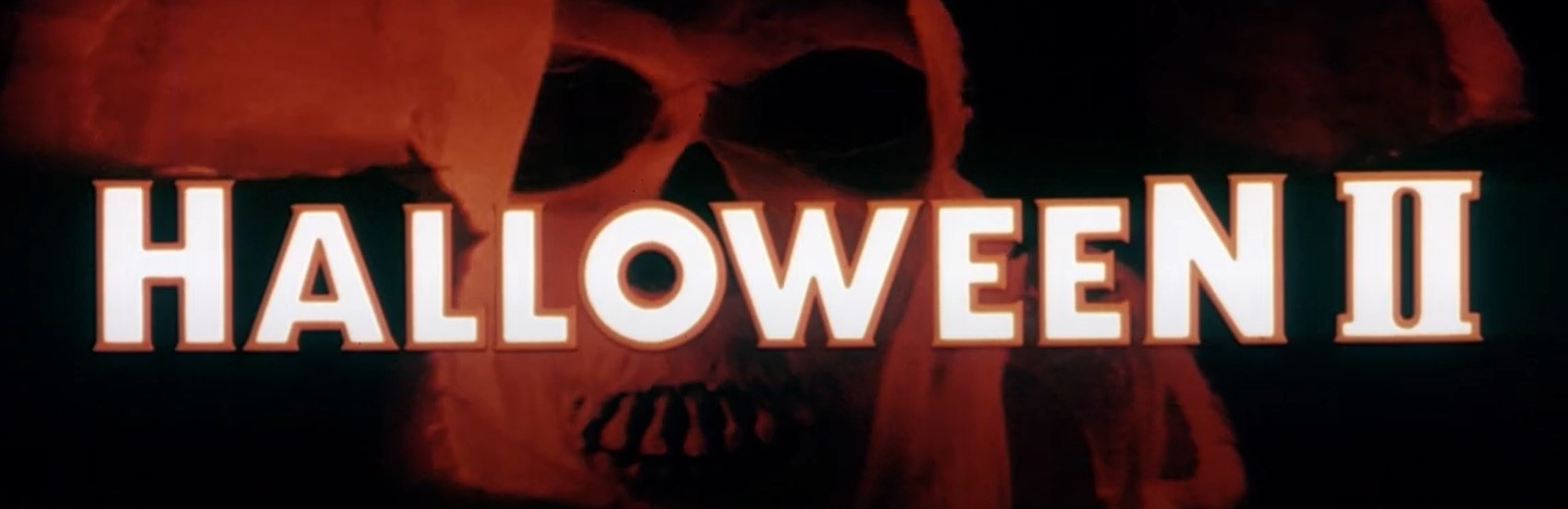
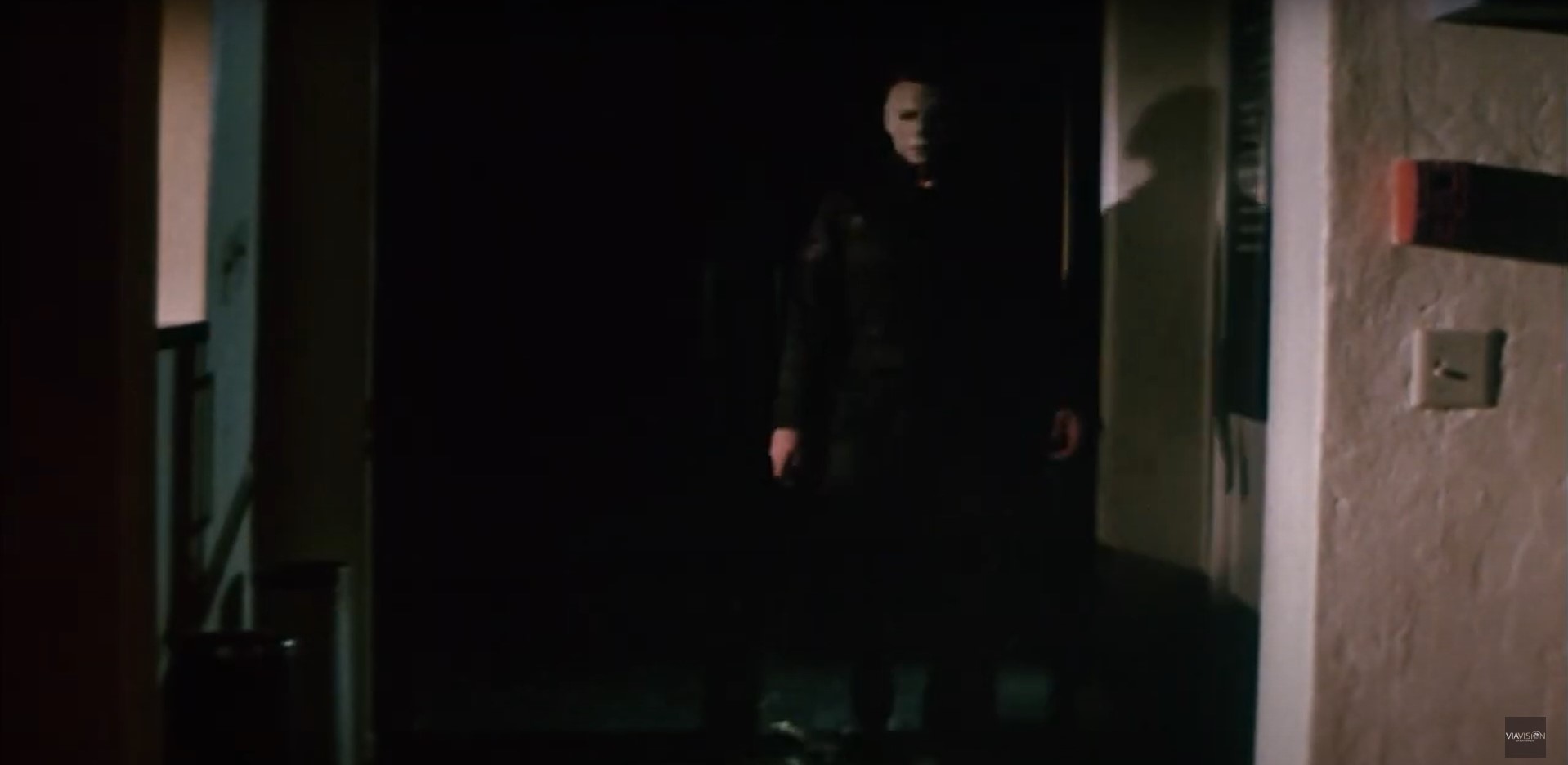
Though a many number of “Halloween II” video media exists between the current formats, the collaboration of Via Vision and Lionsgate release from Australia is beyond reproach for any kind of transfer print woes, lackluster bonus features, and drab packaging.  The limited edition and numbered 2-Dsic Blu-ray set is a physical media thing of beauty with an AVC encoded, full high-definition 1080p, BD50 on both discs.  Disc one houses the theatrical cut of film, presented in a widescreen 2.35:1 aspect ratio, from pristine print, likely the original negative licensed through Universal Pictures for this very release, with the Via Vision caveat of every effort has been made to produce the highest quality on the back cover.  Not a single reason comes to mind on that statement being false as the Dean Cundey’s cinematography retains an undiluted facsimile of the original “Halloween,” represented here with phenomenally suitable contrast that can presumably hide Micheal Myers in every shadow and create the apprehension in every darkly lit scene with minimal key lighting in various, sometimes neon, shades of red, yellow, and white.  The 35mm film grain has a pleasant consistency of a low-to-medium low visual viscosity that never reaches levels of blotting out picture quality, presenting no issues with zoomed in images or any other touchup enhancements to note for that matter.  Perceptible details sanction The Shape’s tactile and weathered look of a rough night in Haddonfield.  Colorfully warranted scenes, such as the Nurse Alves on a gurney in the middle of a pool of her blood, are robust to display the carnage whereas other, more minimalistic approaches detail just enough for the imagination to take over.  Disc two contains the standard-definition, upscaled to 1080p, television cut of the film, presented in a made-for-TV 1.33:1 aspect ratio, that omits some of the gorier moments, suitable for broadcast viewers.  Audio options include two lossless English language selections with a DTS-HD Master Audio 5.1 and a DTS-HD Master Audio 2.0.  The audio codec distributes punchier ambiences of Myers’s rhythmic breathing through the mask, the jarring alert of a hospital room buzzer, and the impactful moments of Myers slamming his fist-loaded weapon into the skull, back, and….a pillow with the cringe-worthy associated crunch and thud.  No impediments on the dialogue track that’s free of crackling, hissing, and popping and is consistently prominent and mixed well within more chaotic, milieu-mania scenes, such as with the finale with hissing air tanks and scalpel swoops.  Optional English subtitles are available.  Special features are consolidated to the theatrical cut disc only with Shout Factory’s inaugurated 2012 documentaries – The Nightmare Isn’t Over:  The Making of Halloween II and Horror’s Hallowed Grounds:  The Locations of Halloween II – featuring cast and crew interviews with director Dean Cundey, Tommy Lee Wallace, Dick warlock, Leo Rossi, and more as well as visiting locations in a modern time with host Sean Clark, and two commentaries featuring director Rick Rosenthal and Leo Rossi in one and stunt man/The Shape Dick Warlock in the other.  There’s a brand new 2024 commentary with author Dustin McNeill, co-author of Taking Shape:  Developing Halloween from Script to Scream.  The encoded features round out with the alternate ending with more explanation on the fate of a certain left ambiguous character, deleted scenes, a theatrical trailer, TV and radio spots, and a still gallery.  What makes the Via Vision a limited, numbered set is the neat package and physical goodies inside.  The rigid lenticular cardboard sleeve of the skull pumpkin has eyes that follow you at every angle.  Inside is a slightly thicker Blu-ray Amaray casing with reversible cover art displaying notable stills from the feature.  The extra disc, disc 1 likely, is in a clear push-lock, page-turner disc holder.  Six photo lobby cards featuring stills from the movie come alongside the Blu-ray.  Via Vision’s release has a region B playback encoding, a runtime of 93 minutes on both cuts, and rated R.

Last Rites: Michael Myers has been slashing away in the cinema for nearly half a century and “Halloween II” has been a staple entry that, to this day, is a memorable fan-favorite in the grand scheme of most of the franchise’s sequels. Via Vision’s limited edition, lenticular Blu-ray packaging just sweetens the deal with a crystal clear and top-tier quality release worthy in any physical media collection.

“Halloween II” Limited Edition Blu-ray + 6 Photo Lobby Cards! Order here!