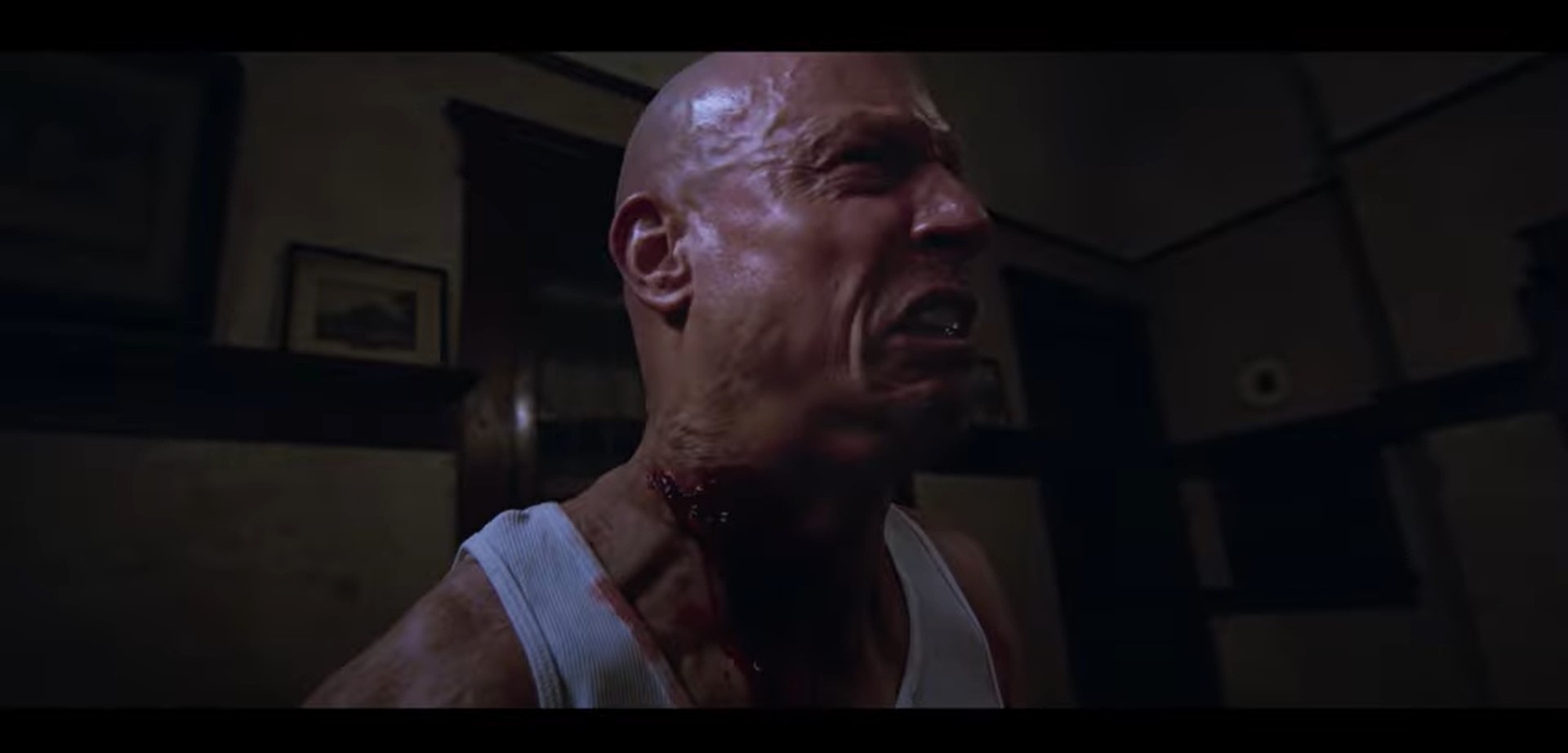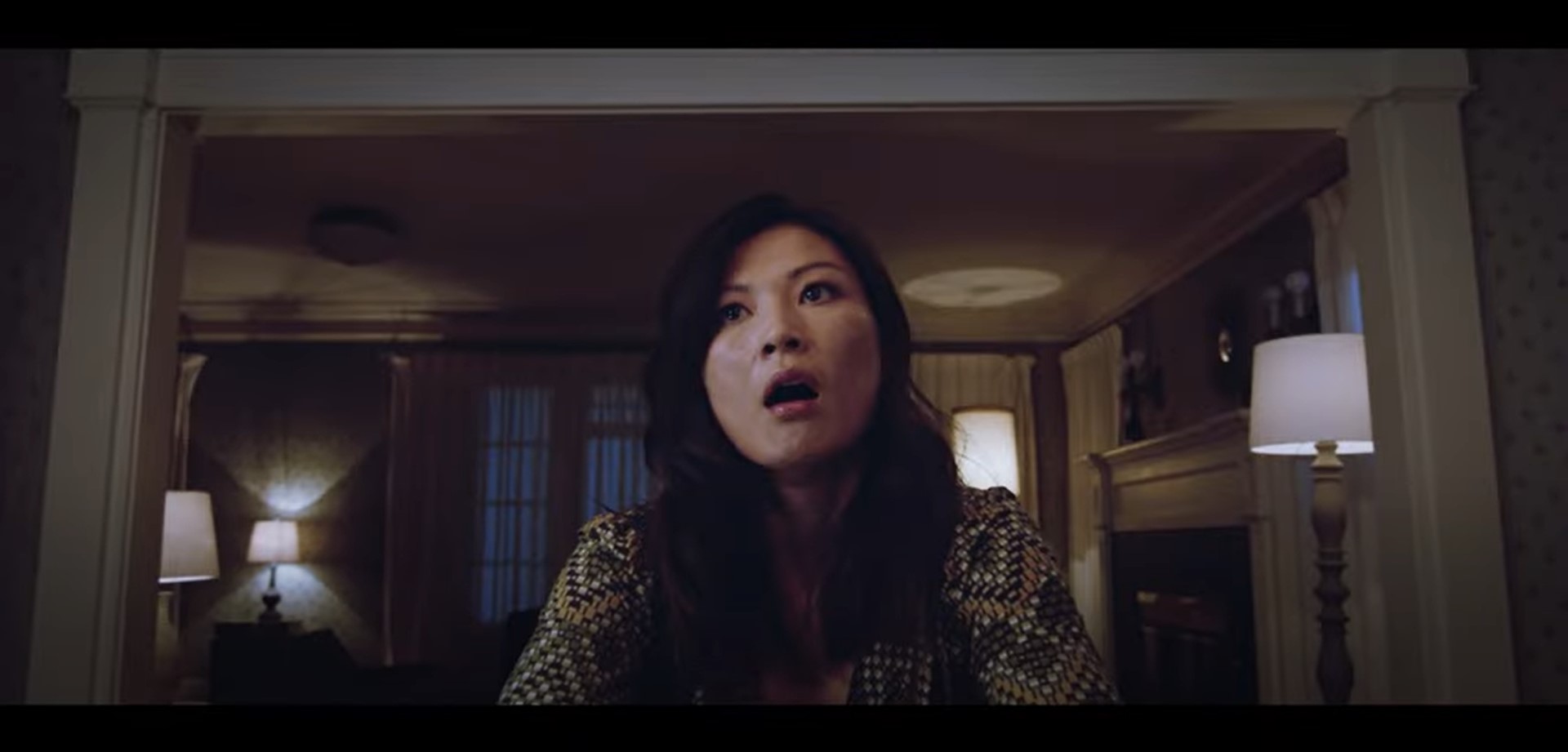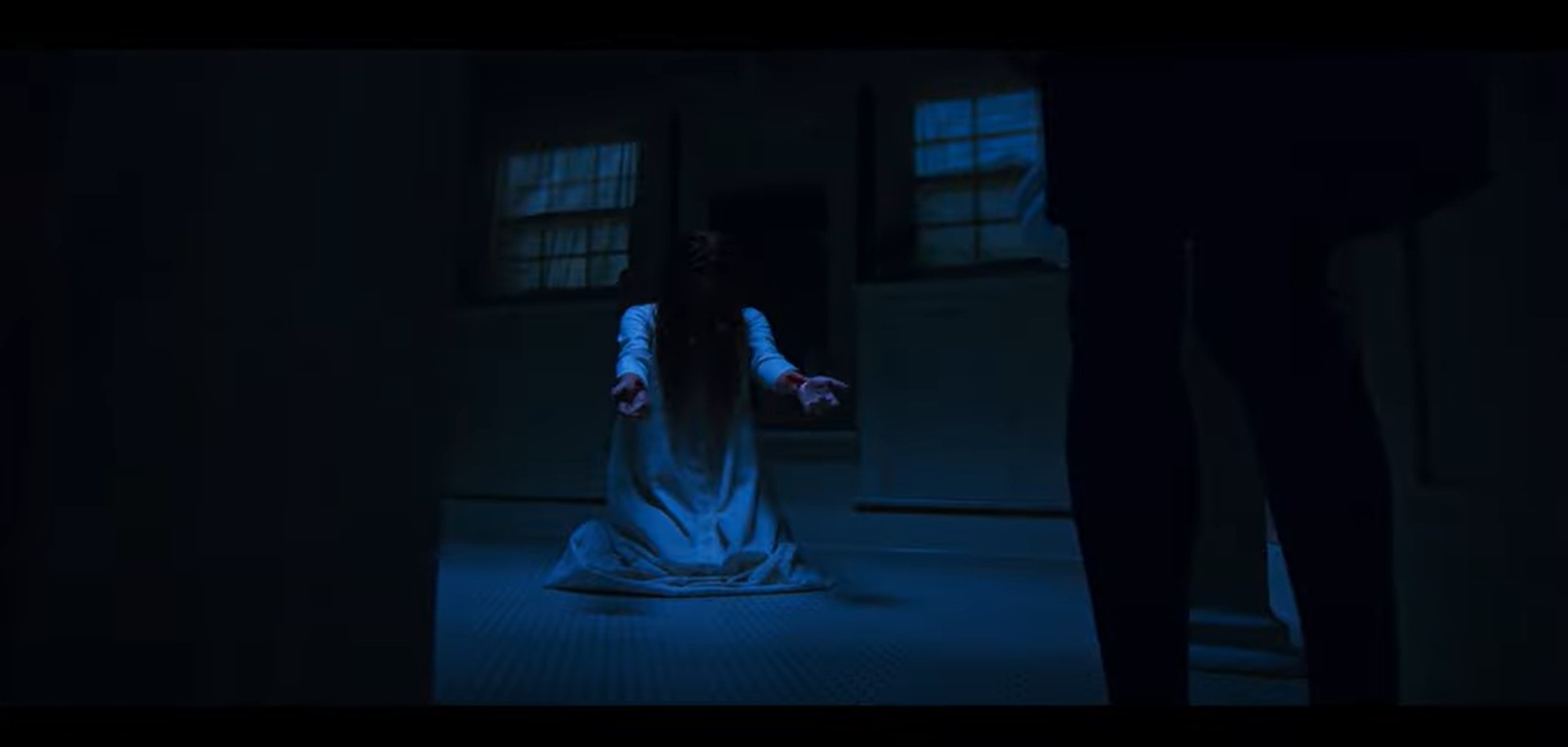
Another Cabin of EVIL in the Woods. “Exposure” reviewed! (Scream Team Releasing / Blu-ray)


Get exposed ot “Exposure” on Blu-ray at Amazon.com!

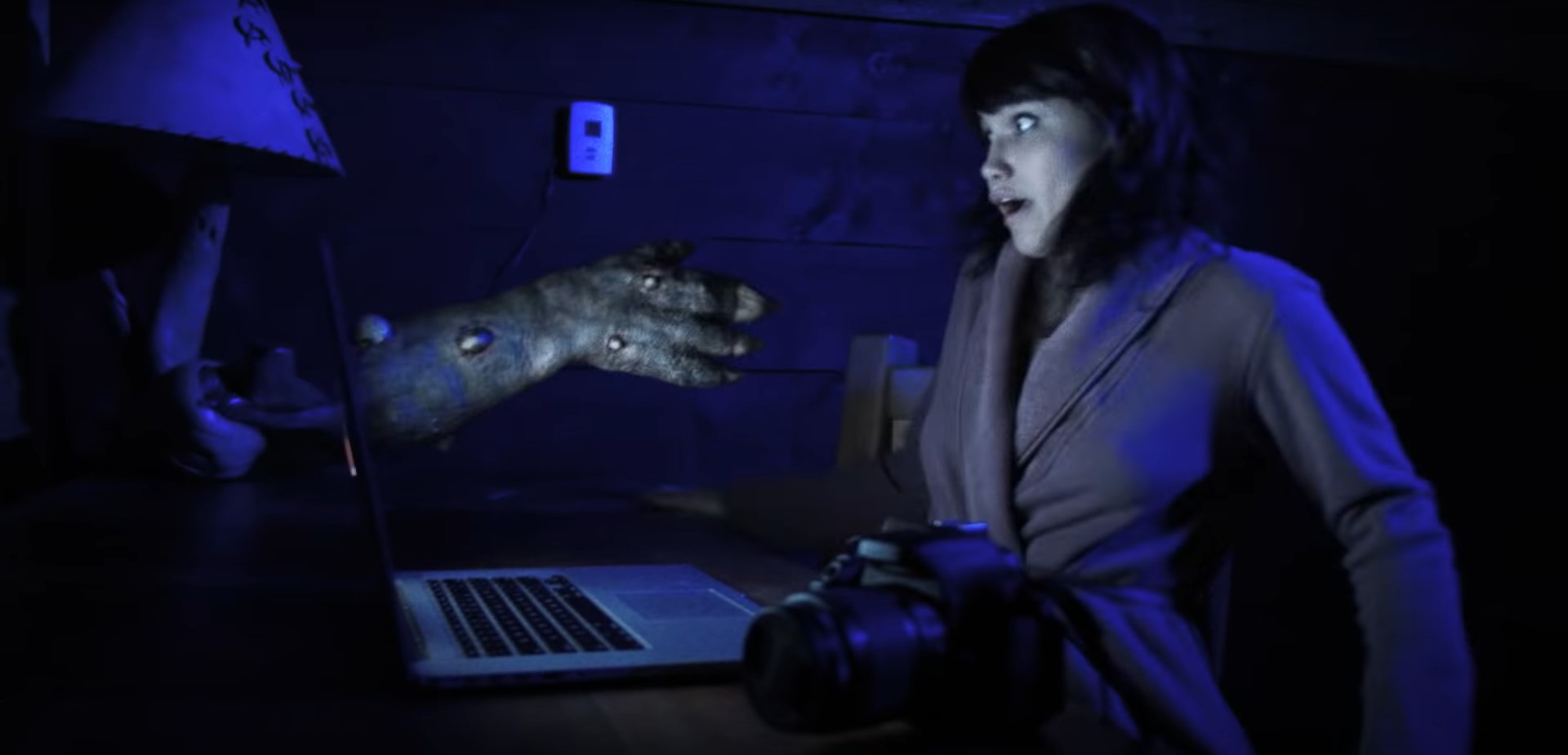
A rough patch in an abusive relationship opens up an opportunity for Myra and Owen to reconnect on a retreat at Owen’s family mountain cabin.  With wilderness for miles around, not a soul can disturb their serene getaway in retrieval what is lost in their relationship.  What they find is a biotic evil that has cursed Owen’s family once before and has returned to build a divide between the struggling lovers as a single, break-the-skin nip can transform anyone into a beastly monster.  Myra and Owen’s love for one another is put to the test when the monster blood insidiously begins to take over, leaving nearly nothing recognizable left behind the eyes. 

A complete monster movie bred out of the indie spirit with a callback to prosthetic practical effects that evokes a mental and emotion psychological theme around the durability of a relationship after being compromised by internal abuse and, possible, heredity mental health.  That’s the deep dive, suppositional story surrounding Austin Snell’s 2018 sophomoric feature film “Exposure” with a script penned by Snell and first-time screenwriter Jake Jackson.  “Exposure” is filmed in the wooded mountains of scenic Leadville, Colorado just outside the city limits of the quaint, stuck-in-time downtown where annual skijoring is a popular attraction right in the heart of town on mainstream.   Snell and Jackson produce the film alongside Clayton Ashley, who has worked as a gaffer on Snell’s debut feature “Erasure,” under their Kansas based LLC production company, Sunrunner Films.  

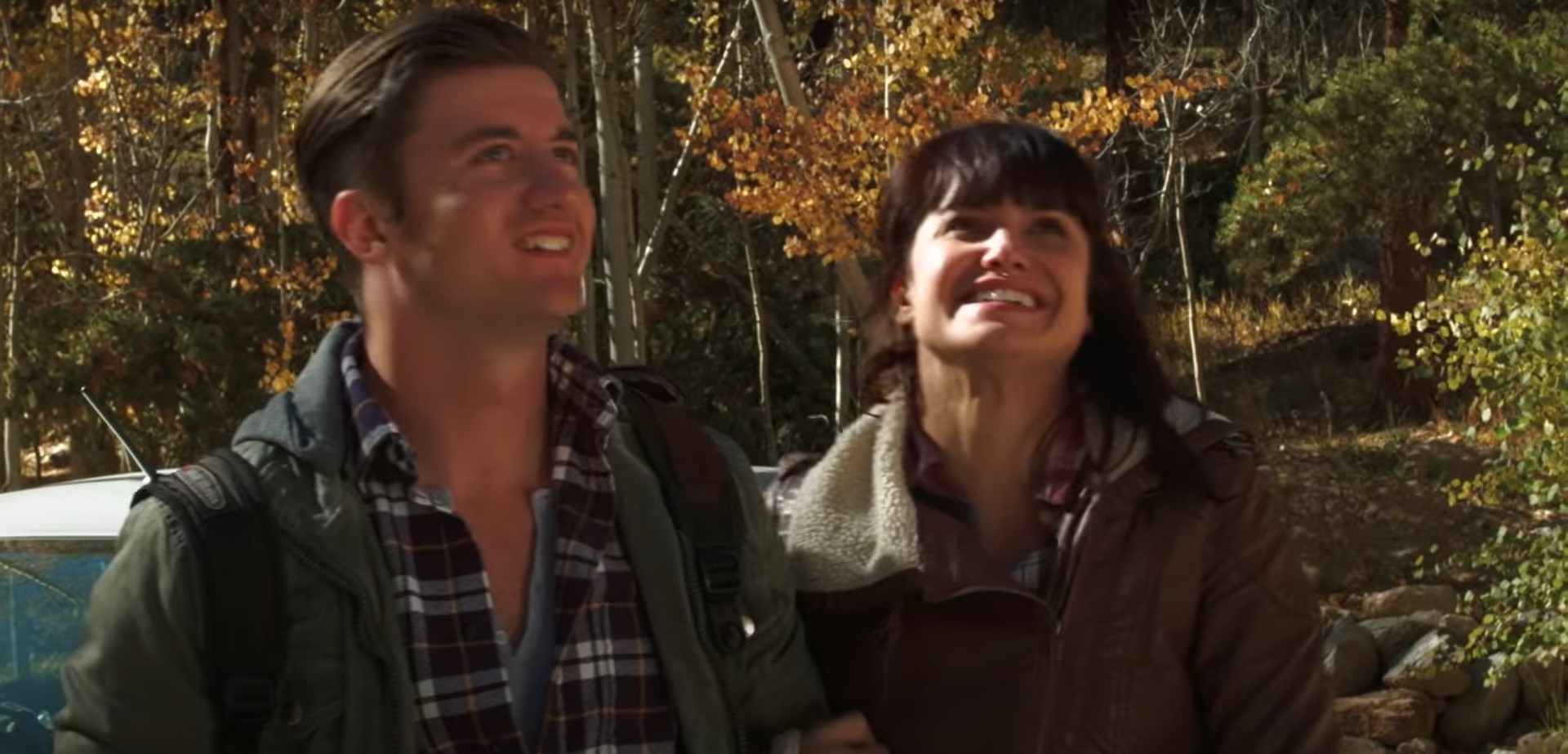
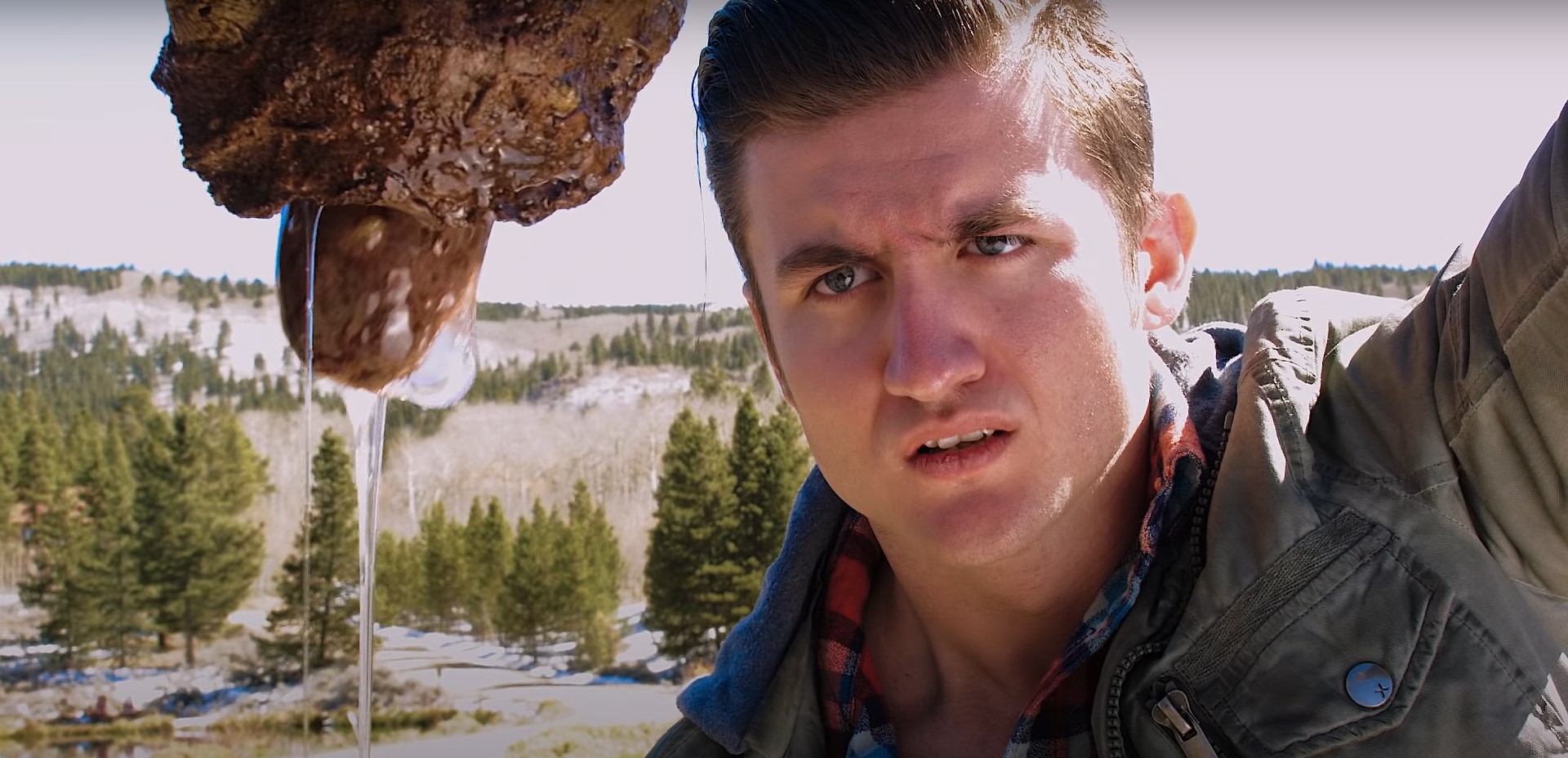
You can bet your lift ticket that the cast of “Exposure” is not strapping on skies and gripping to a rope for their dear life as a horse pulls the skier through the streets of downtown to go over manmade slopes and obstacles.  I wouldn’t think Snell would want to risk his four-person cast to such revelry actions that could result in injury.  Instead, a quiet, cabin-in-the-woods shoot leaves the actors to focus on the story at hand where a ingrained woodland evil infects and destroys an already bridle relationship between young couple Myra (Carmen Anello, “Zombie Beauty Pageant” and “I Am Lisa”) and James (Owen Lawless, “Hell Town”).  Anello and Lawless make a cute couple with some baggage hanging over their heads that is mostly implied rather than fully divulged and they sell well what their characters are struggling with, which is mainly trust.  Afraid of Owen’s temper, Myra is reluctant about moving forward in their relationship whereas Owen’s trust lies with Myra separating herself from an affair with a doting fling with a penchant for sending her sweet nothing texts she tries desperately to ignore.  I honestly don’t feel the immense love and hate tension in the room between Anello and Lawless who are more like best friends with an occassional spat than lovers going through a severe rough patch.  The more show of passion between them clings to the insincerity but that’s the high note for the connection between them.  Lynn Lowery (“I Drink Your Blood,” “The Crazies”) has a small role in flashbacks as Owen’s grandmother and Bruce Smith as the grandfather.

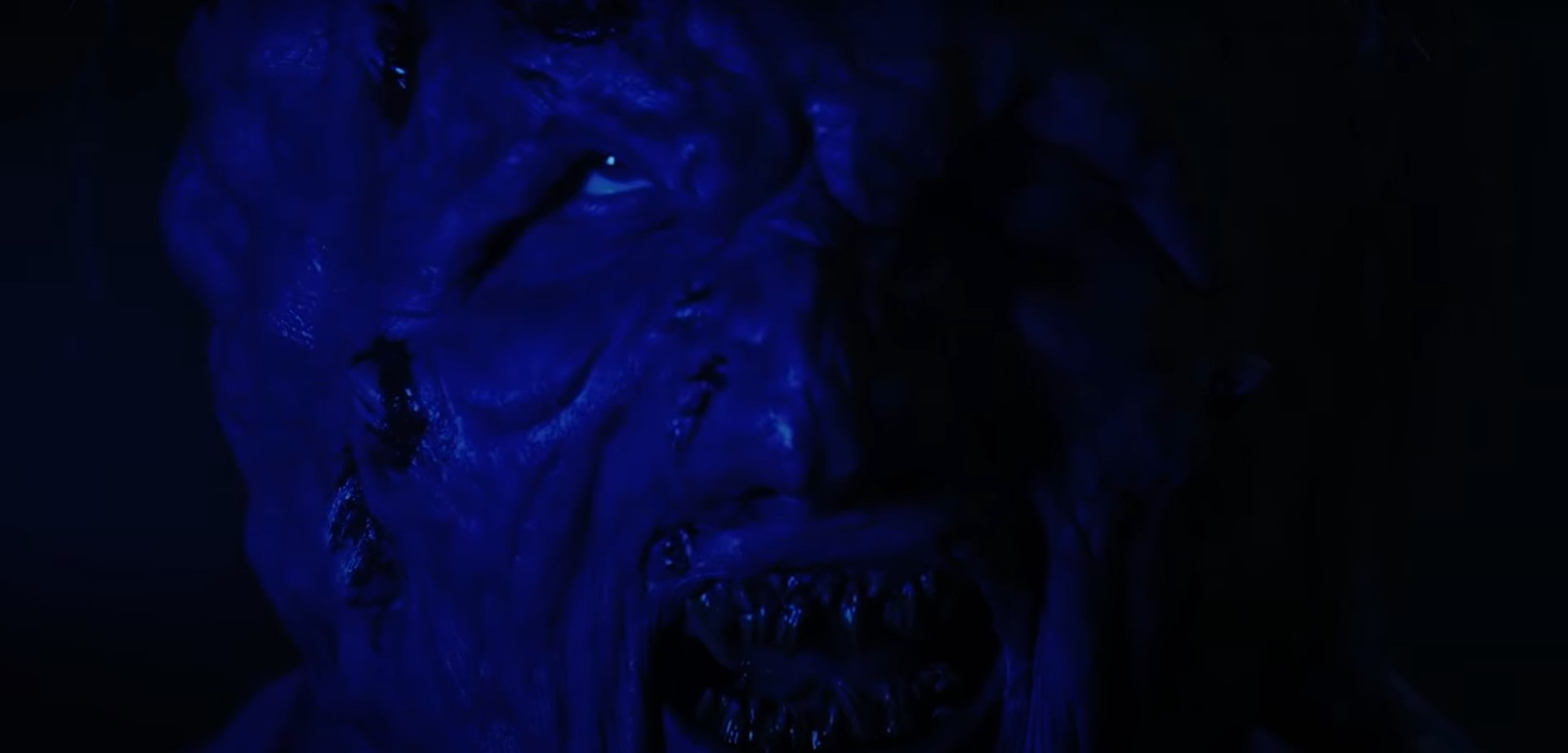
If you have already viewed Austin Snell’s “Exposure” then you likely know that the title is entangled in a double meaning. Perhaps even a triple meaning. Mountainous woods surrounded by frigid air with little-to-no help in sight leads to the vulnerability against the natural elements. In this case, the evil is the element, an unnatural one, that has laid claim to the area and sought the generational organic matter of Owen and Myra for its vile purposes – to spread its wickedness through the veins and mutate its victim into a hideous, baleful beast with a mind to match. The third meaning is more metaphorical as the term exposure can also be defined as the revelation of a typically bad thing that wasn’t clear before. In the film, Owen and Myra are going through a tough period in their romance with one of the inimical causes is Owen’s explosive and hurtful anger. Slithers of his masked morose behavior bubble to the surface in a motif view of just why they need to sort out the turbulent present in order for their possible future to resemble their merry past. The flashback story about Owen’s grandparents shed some light that what Owen may be going through is inborn, hereditary, and unchangeable; Owen’s reason and love mutates toward a gradual descent into monstrous behavior and that’s what the evil symbolically represents. Snell just happens to spin genuine relationship woes into an emblematic story with campy practical creature feature prosthetics and makeup. What most will dislike about “Exposure” is Snell’s true indie, natural approach to the special features that relies heavy on the cheesy, rubbery prosthetics and tangible tube and rod special effects without a lick of visual imagery for a smoothed over appearance. I applaud Snell for his raw, if not antiquated, choice that nods the throwbacks in the absence of contemporary conveniences.

For the first time on home video, “Exposure” makes a Blu-ray debut courtesy of Scream Team Releasing and distributed by MVD Visual. The not rated, NTSC region free, AVC encoded Blu-ray is presented in a widescreen 16X9 (1.78:1) aspect ratio. The 1080p, high-definition resolution looks pretty good and detailed, despite the heavy blue tint and gels, with negligible compression issues, especially with the heavy use of fog machine and a number of night scenes that don’t display noticeable banding or fuzzy/blotchy pixelation. The English language PCM 2.0 stereo audio provides a lossy amplitude that’s definitively detrimental to “Exposure’s” teetering success with audiences and the tracks don’t punch like that should for an atmospheric creature feature. The dialogue also sounds a bit boxy and artificial at times but, nonetheless, the dialogue track is still clear and discernible. Special features include cast and crew audio commentaries, a quick glimpse featurette into the behind-the-scenes of the special features, production stills, theatrical trailer, and retro VHS trailer. The physical Blu-snap case comes with reversible cover art, which, if you ask me, the secondary cover is the best with the illustrated, shadowy monster looming over a brightly lit heroine carrying a flashlight and a small axe. “Exposure’s” tribute veneer to the 80’s creature feature is spectacular without a doubt but lacks the energy to fully come to terms with its theme that’s become caught in the throes of a throwback rather than in the throes of relationship reconciling.

Get exposed ot “Exposure” on Blu-ray at Amazon.com!

EVIL Spirits and Japanese Internment Camps in “The Terror: Infamy” reviewed! (Acorn Media International / Blu-ray)

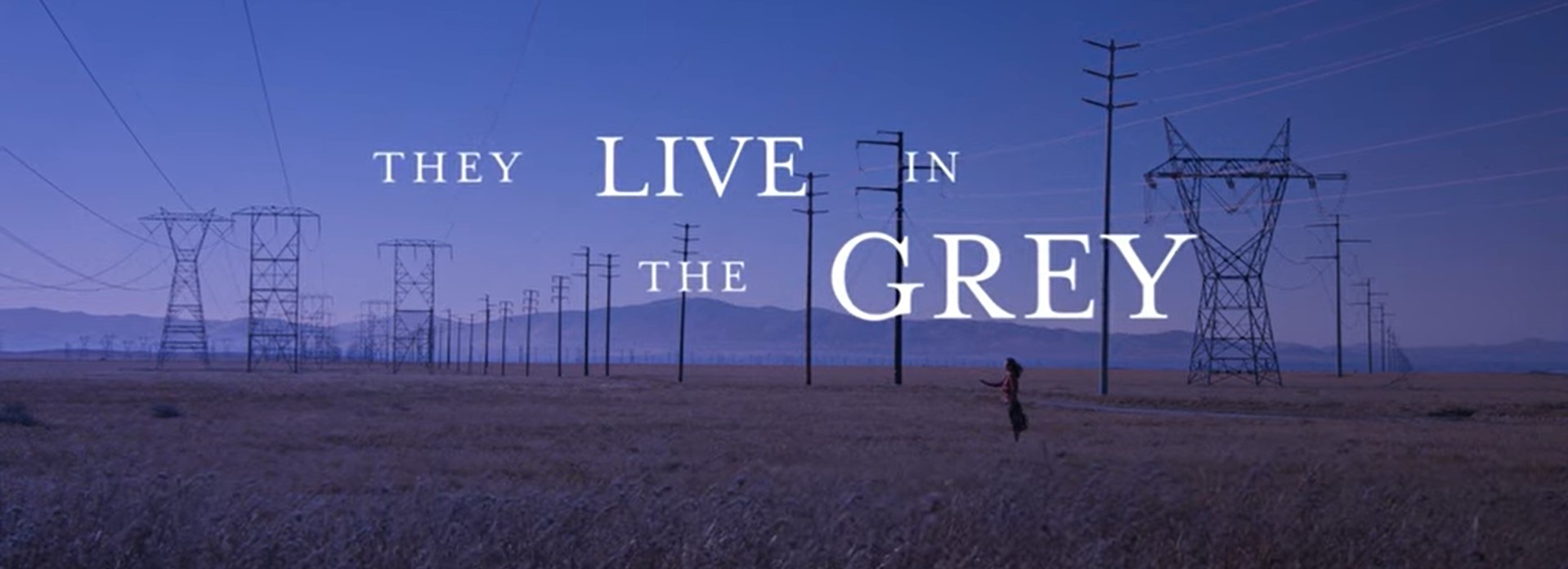
Chester Nakayama floats through life living with his immigrant parents on Terminal Island in San Pedro, California during World War II. A photographer hobbyist who helps on his father’s fishing boat and studies at a university, Chester doesn’t have steady employment and has recently learned his girlfriend, Luz, is pregnant with his baby. But those are not the height of Chester problems, or his family’s, when the country of Japan declares war on the United States by bombing Pearl Harbor and mysterious deaths surrounding the Nakayama family point to ancient Japanese beliefs of a Yūrei, or a ghost, clinging to a grudge. As the years past, Japanese American citizens are move from one internment camp to the next with no end in sight being projected as potential spies for the country of the rising sun and for Chester, Luz, and his family and friends, the Yūrei’s scheme endangers Chester’s life and legacy.

Following the success of the Ridley Scott (“Alien”) produced AMC horror television series, “The Terror,” the second season aims to build a new path of dread with a storyline plucked from the late 1900’s of two stranded artic explorer British ships trying to navigate a Northwest passage and now placed in a whole new and different, massive turbulent story and setting laid out in the early-to-mid 20th century during World War II America with Japanese Internment camps.  The second season comes with a partially new title, “The Terror:  Infamy” along with a new cast and new crew as well.  The subtitle’s double entendre refers to the then era United States 32nd President Franklin D. Roosevelt’s Day of Infamy speech given to the public after the assault on Pearl Harbor and also refers to another American infamous time of the mistreatment of the country’s own citizens, the Japanese Americans, placed into internment camps and constantly scrutinized as potential Japan spies.  “Infamy” showrunners Guymon Casady, David Kajganic, Scott Lambert, Alexandra Michan, Jonathan Sheehan, and David W. Zucker, along with Ridley Scott, return to the AMC, Entertainment 360, EMJAG Productions, and Scott Free Productions series.

At the tip of the ensemble cast spear, most consisting of Japanese heritage actors and actresses, is Derek Mio as the Yūrei plagued Chester Nakayama.  Perhaps the biggest role for the Mio, the role transcends Chester from a stagnant part-time fisherman on the dead-end Terminal Island settlement of San Pedro, California to a responsible man of action that sees Chester fight for his family, his wife, his children, and even fight for his country despite the maltreatment in order to course his loved ways safely through a plethora of evil.  While the character grows in an arc of accepting responsibility as a son, husband, and father, Mio never expresses the range of a story of his magnitude that takes him across various domestic terrains and on the other side of the conflict-engulfed world as he’s afflicted by a malevolent spirit.  Constantly confident and seemingly unafraid, Chester just simply endures the hardships along “The Terror’s” bombardment of grim reality.  Comparatively, the younger Japanese American generation are culturally more expressive next to the immigrated older generations in Chester’s father (Shingo Usami) and eldest family friend Nobuhiro Yamato (“Star Trek’s George Takei”) who we witness keep mostly in line with their stoic composures.  Takei, born in 1937, and his family were actually forced into living in converted horse stables and official internment camps across the country during the War and that gives the series a morsel of 100 times it’s weight in authenticity with firsthand experience. Along with the deep sympathies and an infinite amount of shame for the wrongfully imprisoned citizens of war, there’s also immense compassion for Chester’s wife, Luz, played by Chrstina Rodlo (“No One Gets Out Alive”). Rodlo runs the gambit of emotions that convey happiness with her time with Chester, to despondent loss, and to fear while on the run from the American government as well as an evil spirit who threatens her child. Just like the first season of “The Terror,” character staying power is often short lived as the horror and, well, the terror catches up to them in one way or another, but we see fine performances from Miki Ishikawa (“I Don’t Want To Drink Your Blood Anymore”), Naoko Mori (“Life”), Alex Shimizu, Lee Shorten, Hira Ambrosino, and Kiki Sukezane as the incessantly stubborn Yūrei and C. Thomas Howell (“The Hitcher”) with another flimsy performance as a hardnose major serving as head of an internment camp.

Subtly contrasting two very different kinds of horror between the yore of the fantastical Kaiden ghost stories coming to fruition with the Yūrei and the very non-fictional blight on American history that was falsely imprisoning American citizens with Japanese roots no matter what age. Both unsettling constructs are unequivocally provided equal weight in dread much like with season one that showcased the dog-eat-dog desperation of man isolated and trapped in extreme terrain with the supernatural forces of nature with a monstrous, polar bear like creature hunting them down one-by-one. Though the same dance, but a different song, season two has a very welcoming different take of blending of yore with lore that separates itself into a new entity, a new engagement, and a new facet of terror very befitting to the anthological series. Eventually, “Infamy” starts to lose steam when the Yūrei side of the story insidiously infringes fully into the fold when Chester and Luz have fled the internment camps and are living in nowheresville New Mexico. The camps fade away from the story and also from our consideration with only bits and pieces to chew on just to check in on principal characters and has a resolution that’s about as cheated as the Japanese Americans survivors given $25 by the American government to start a new life. Yet, “The Terror: Infamy” is poignant and informative, a better picture of what really happened on the American home front better any textbook could ever properly depict, and exposes the mainstream into the Kaiden-verse of Japanese culture.

The 2-disc, 10-episode Blu-ray set comes from UK distributor, Acorn Media International, with each episode with a runtime on an average of 40 to 45 minutes long and a total runtime of 419 minutes. The region 2, PAL encoded release is presented in a standardized for television widescreen format of 16X9 and the Acorn release doesn’t present a flawless picture with noticeable issues with severe cases of banding and compression artefacts around the darker portions of the scene and trust me, “Infamy” is plenty dim and leaden between John Conroy and Barry Donlevy’s cinematography unlike the previous season’s artic white landscape that brightens much of the frame. The Dolby Digital soundtrack produces a better product with satisfactory quality in all categories of score, ambient noise, and dialogue and is accompanied by well-synced and timed English subtitles. Bonus features include a look at the series part 1 (for disc 1) and part 2 (for disc 2) and the biographical and inside the head look at the characters through the eyes of their portrayers. “Infamy” is UK certified 15 as it contains the AMC edginess of bloody graphic content as well as some offensive language. “The Terror” series as a whole has remarkable historical insight commingled with soul-stirring, skin-crawling old wives’ tales. “Infamy” may not supersede its predecessor but is still one hell of an engaging and unique story that salivates us into wanting a third season.

A 10-Year-Old Girl Pieces Together an EVIL Tragedy. “Martyrs Lane” reviewed! (DVD / Acorn Media International)

Purchase ACORN Release of “Martyrs Lane” on DVD

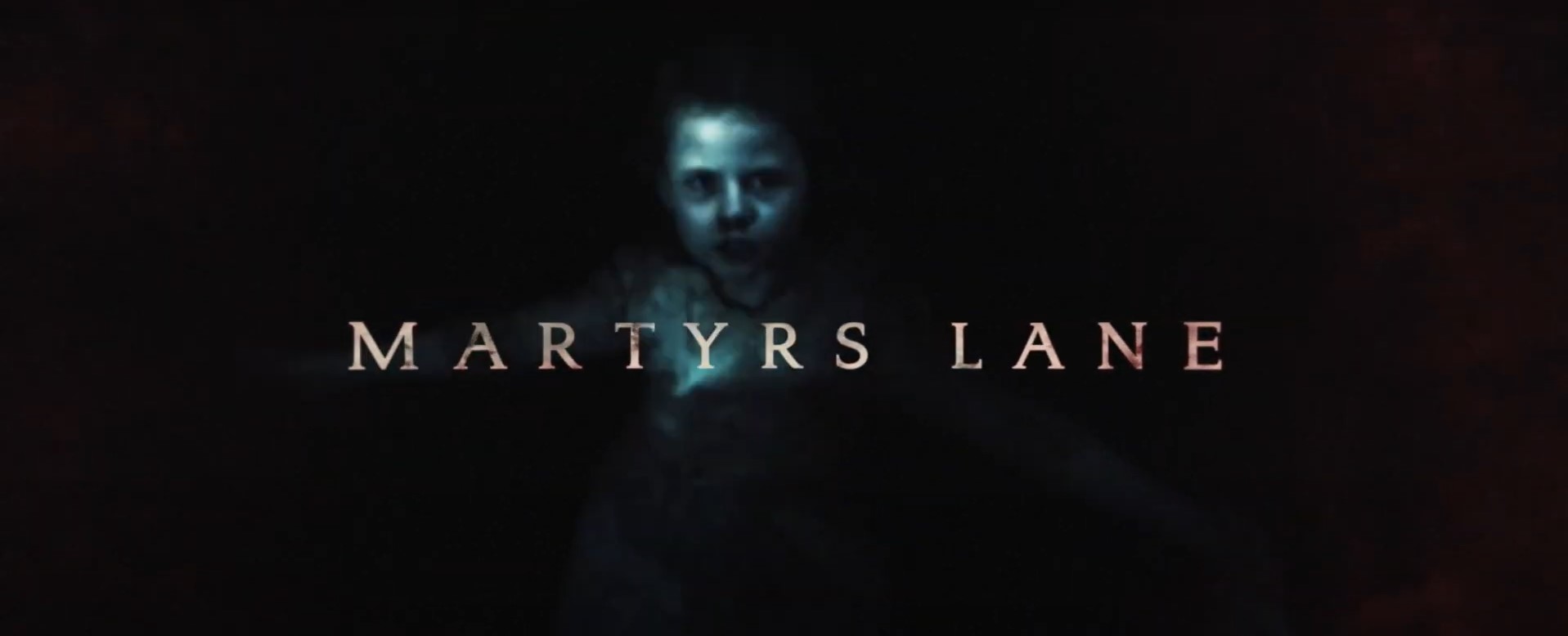
10-year-old Leah is a curious, quiet child, living in a vicarage household.  Her nightly nightmares surrounding her mother’s necklace locket and her mother’s stern conduct along with her constant obsession with her necklace locket leads Leah into an interest in the ornament’s contents.  Inside is a lock of hair and Leah takes it and loses a day later, sending her mother into a tailspin of anxiety.  That same night, a little girl knocks on Leah’s window and provides Leah momentary comfort and friendship until every visit after that, the little girl grows sicker and more ominously enigmatic in her play, providing clues and the whereabouts of thought-lost items that will open up the truth about the mystery girl’s identity as well as her family’s dark secret.

“Martyrs Lane” is a thoughtful and empathetic drama with supernatural delicacies surrounding complexities in loss and grief of bottled-up family secrets.  The British film is the third feature film, second in horror, for actress-writer-director Ruth Platt (“The Lesson”) who has commented that “Martyrs Lane” is a plucking of aggregated events from her own childhood woven into the very fabric of the story. Platt’s 2021 release is a fined tune extension upon her 2019 short of the same title that recasts the core principal roles from original actresses Indica Watson, Phoebe Lloyd, and the live action adaptation of “Beauty and The Beast’s” Hattie Morahan and turned the short into a 96 minute closed book feature about a scrutinized and consuming locket and a slowly decaying little girl playing two truths, one lie with the main character during bedtime hours who then has to unravel the mystery behind it all. Ipso Facto Productions’ Christine Alderson, who also produced “Valhalla Rising,” “Alpha Alert,” and even Platt’s original short film, produces “Martyrs Lane” alongside Katie Hodgkin and partly funded by the British Film Institute (BFI) in association with Sharp Films, Lypsync, and LevelK.

Recasting the short’s linchpin framework actresses took an audition to bring to light exactly the kind of talent Platt needed to express the different levels of somber ambivalence toward a family obviously struggling to deal with something more than just the day-to-day tasks. Kiere Thompson took over for Indica Watson as Leah in her feature performance debut and Thompson smashes a complex role and gains high marks on the voyeur scorecard as the youngest child who watches as her mother ebbs and flows in various states of anxiety while serving a milder, yet vastly different, dish of dynamics with the levity being around her vicar father and to be always primed to deal with her tormenting much older sister Bex (Hannah Rae). The best chemistry is between Thompson and age-appropriate counterpart Sienna Sayer, taking over Phoebe Lloyd’s role from the short as the strange visiting little girl. You can see two youngsters’ genuine play and natural innocence come through their smiling faces, wide eyes, and contagious giggles and when the winch of fear washes over them, called for by the story’s puzzling rising of events, mirthless moments are quickly produced, snapping us back into Platt’s eerie cold quandary. Hattie Morahan is replaced by Denise Gough as the mother Sarah and though her performance is fine, there just wasn’t enough of the mother’s side of the story to evoke a sense of empathy or sympathy and ultimately just falls into right into apathy even though Sarah is a pivotal piece to the theme. Catherine Terris, Charlie Rix, Donna Banya, Anastasia Hille, and Steven Cree as the vicar and Leah’s father rounds out the cast.

A blend between “Let the Right One In” and “The Babadook” but with less blood and less malevolent atmospherics, “Martyrs Lane” offers an imposing exhumation of a secret told in a way that doesn’t carry the sensation of something being hidden from Leah or even the audience in general.  Instead, Platt invests into the thematic subtleties with the bigger picture on the supernatural element of a strange, orphaned girl who knocks on the outside of Leah’s second story window, wearing dress up angel wings and is slowly deteriorating health wise with each passing night.  Yet, despite her appearance and reluctance at times, Leah’s peculiarly drawn to opening her window, letting her in, and even play childish games with her and tell jokes but soon those games become clues, near riddle-like, for Leah to push the envelope that link her mother, the locket, and this strange girl together.  Platt tacks on a silent and tenebrous after-hours backdrop during Leah’s sleepless nights and the stillness is greatly encroaching upon into the terror senses that you find yourself holding your breath and jumping at the breakneck editing aimed to momentarily scare you until a sigh of relief for when it’s over.  “Martyrs Lane” is externally melancholic and mood driven from outside Leah’s perspective as she, herself, internalizes and absorbs the emotions of others, studies them, and puts the pieces together to unravel the truth.

Ruth Platt’s “Martyrs Lane” is a wistful, and often eerie, entry into the creepy child subgenre. UK distributor, Acorn Media International, releases the Shudder exclusive-streaming film onto a PAL encoded region 2 DVD.  Presented in a widescreen 1.85:1 aspect ratio, there’s virtually no issues with the compression as even the night sequences retain the thick and obscuring black levels with almost unnoticeable banding, and it’s a clean dark too with balanced contrast to really home in on and define the shadows.  Details and textures are good for Platt’s dreamy-presented cinematic approach of slight overexposure and blur are more a stylistic attribute than an issue with the imagery.  I liked the tactile details in the loose strands of hair around Leah and the mystery girl that plays on their differences, and sometimes similarities, really well.  The English Dolby Digital 5.1 surround sound retains no significant issues.  Dialogue track perceives slightly muted or distant in some scenes and clarity, though free from audio blemishes, can be straining.  English subtitles are available.   Bonus features include a behind-the-scenes with snippets of interviews from Ruth Platt and the cast, an interview with Ruth Platt (which contains the same segments pulled for the behind-the-scenes), and a behind-the-scenes photo gallery.  The Acorn DVD is certified 15 for strong supernatural threat and injury detail.  In the end, “Martyrs Lane” is a dead-end road to melancholy, a family-affecting affair that peripherally chronicles not only one person’s struggle to maintain a slither of normalcy but also profoundly hits innocent youth who know nothing of the skeletons kept in the closet.

Purchase ACORN Release of “Martyrs Lane” on DVD

Mama’s EVIL Little Boy. “Mother” reviewed! (SRS Cinema / DVD)

A boy’s best friend…is his “Mother.”  DVD at Amazon.com

In the deep pocket of rural America, a son is born in a country home and over the years, the baby of the house lives a cossetted life by his mother.  Warped by her mollycoddling ways and unaffected by the death of his father, the now young man apathetically bends to his mother will whether she’s conscious of it or not.  He responds in unkind to overprotect his mother when an envious older brother derides their special son and mother bond and is murdered in cold bold.  As more years pass and his mother succumbs to her health deterioration, the son, now the last of his family, remains in solitary at the family home and the absence of his beloved mother haunts him as he processes his unnurtured and unhealthy sexuality onto the unwilling living and the unresponsive dead. 

In 2003, the NY-based indie horror filmmaker Michael P. DiPaolo gave us “Daddy,” an undead rape-revenge zombie-thriller that brought the corpse of an abusive father back from the grave to exact a fate far worse than death on his daughter and her friends who put an end to drunken state defiling of his little girl.   Three years later, DiPaolo releases to us “Mother.”  However, don’t expect this to a companion film connected to “Daddy.”  Instead, “Mother” is a whole new story with a whole new stylistic approach, including zero dialogue in a black and white frame – much like a silent movie but with more Foley and no corresponding continuous piano tunes. Ed Gein became the core inspiration for DiPaolo who retells the Plainfield, Wisconsin described Ghoul‘s horrifying deeds of exhuming corpses, creating trophies out of the remains, and even the slaying of two women, a tavern owner and a general hardware store clerk. DiPaolo self-produces the film under this Black Cat Cinema productions along with associate producer Zachary Balog and shoots the film most of the homestead around Cropseyville, New York, near Albany, and the surrounding area.

Comes no surprise that the actor who once portrayed the former Republican Vice President, Dick Chaney, for Damon Packard’s Fatal Pulse also plays the details likes of one of America’s most notorious murderers. The Buffalo, New York born John Karyus, who had a minor role in “Daddy,” reteams with DiPaolo to present a dialogue-less version of the life and death of Ed Gein by stepping into virtually his skin – that’s an Ed Gein joke in case you were paying attention. Karyus and DiPaolo don’t hold anything back in the peculiar biopic that dives deep into dismemberment madness, fascination killings, and the loss of motherly love. Half of the praise should be awarded to Nina Sobell as the son’s mother. Sobell not only plays mommy dearest but also the hardware store clerk and the tavern owner in an unrecognizable fashion. The up-in-age actress’s comfort level was high enough even for a nude scene in which Karyus has to dress her approaching older age and invalid body. Karyus might be on centerstage as the star of the show, but Sobell’s in the backstage manipulating the pullies, curtains, and supporting Karyus with different angles that give way to the avenues of an aggressor’s cloistered milieu. Other minor characters quickly come and go amongst the silence feature with costars in Jason McCrea as the bigger brother, Phil Sawyer Jr. as the best friend, Adam Zaretsky as the father, and Svetlana as the exhumed corpses brutally hacked away for her bone-afied trophies.

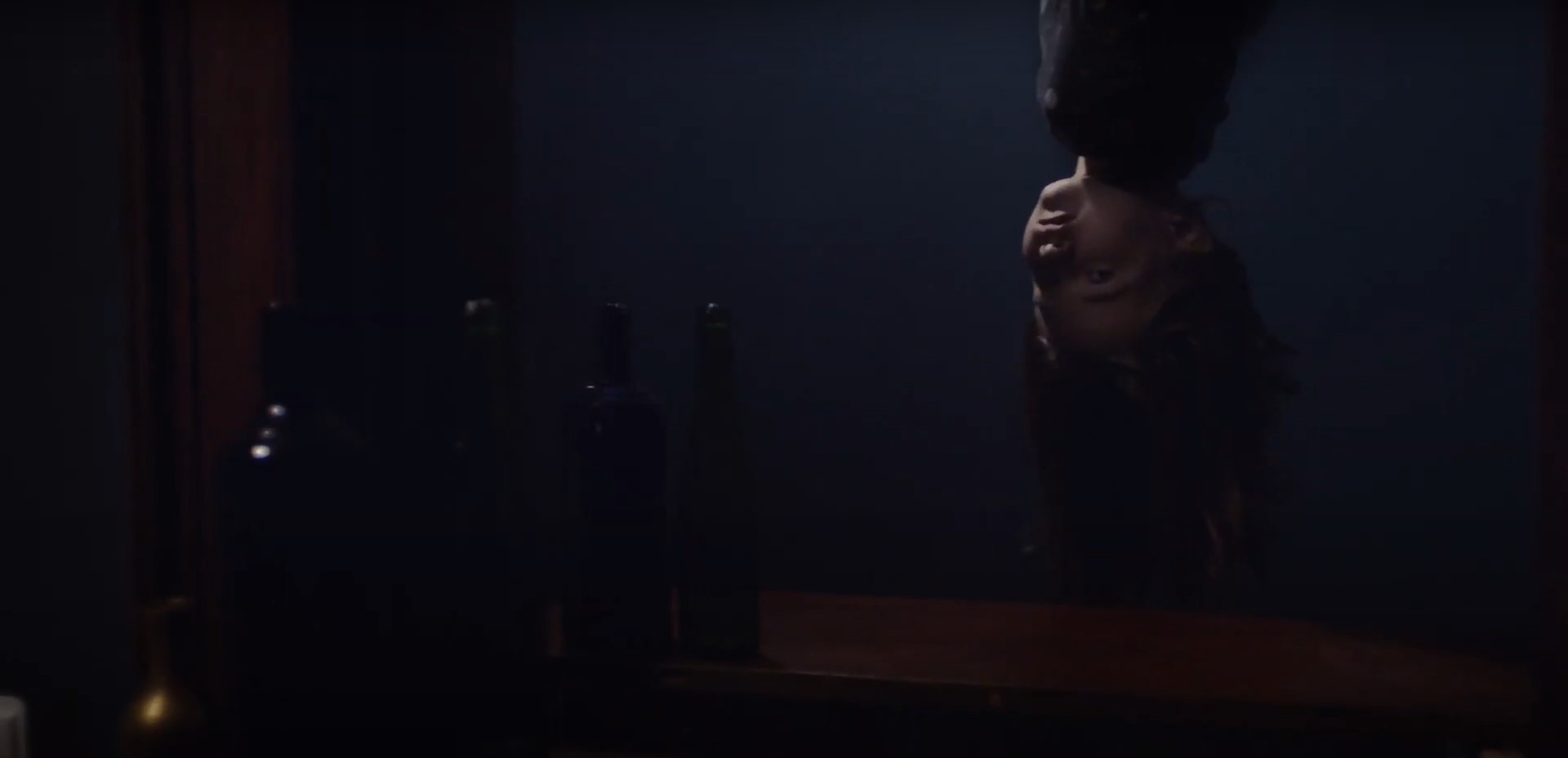
The distorted mind of Ed Gein must have been a surreal inverted world. I think Michael DiPaolo encapsulates a similar essence of the upside-down perspective seen through the eyes of a killer with what can be said to be his woven auteur’s arthouse tapestry. You would think no dialogue would drag the film through the monotonous much and show signs of repetitive tiresome, especially dressed in a colorless monochrome but the crafty cinematography and grisly gestures never waver interests as we’re along for the fall of man beheld as not only mother’s baby boy but also as her ardent admirer. Her presence was a tattered thin tether that kept him secure to reality and once she checked out, the abnormal fascinations that always laid dormant now flourishing with full force like an unchecked weed in an immaculate garden of prize-winning roses. The son goes from a chaperoned teetering-maligned individual to full-fledged grave robber and skin suit tailor, raping and ripping the flesh from dead bodies over the course of years, denoting just how psychologically paramount a mother’s care is for a boy in the balance of good and evil. DiPaolo more-or-less hits every note in the book in regard to Ed Gein’s past, tweaking a few historical moments for dramatization or budgetary limits, while still maintaining a professional code of conduct despite constructing the film on the cheap. DiPaolo definitely knows and understands what he’s doing and how to work the system as clearly seen between the tone and expression differences of 2003’s “Daddy” to 2006’s “Mother.”

First, there’s was the back form the dead “Daddy.” Now, there’s the spoiling to sociopathic “Mother.” A match made in Hell and both available on a region free home video DVD from SRS Cinema. The “Mother” release is presented in black and white on SOV 1.33:1 aspect ratio, reconstructed in an impressive 6-7 megabytes per second due partly because there is nothing to decode from a RGB color signal. Contrasting is good as you can greatly appreciate the spectrum between light and dark patches. Sporting no dialogue, the LPCM 2.0 stereo features slightly exaggerated Foley and a dissonant vocal score, some in the Russian language nonetheless, from the Moscow born, New York residing folk instrumental artist LJova (Lev Zhurbin). There’s clarity over ambiguity to the action-destined soundbites being conveyed even if a bit over-the-top as if to compensate for the no dialogue. The 76-minute film is coupled with a DiPaolo short film “Brutal Ardor” about a woman trapped inside her small apartment and an immense amount of despair living with a sexually overbearing and jealous husband. Also included in the bonus material is a making of featurette voiced over by DiPaolo as he goes through his creative process and techniques (and is also somewhat of a comedy track), a director’s commentary, the feature trailer, Michael DiPaolo film trailers, and other SRS trailers. Perfect for a double bill with DiPaolo’s “Daddy,” “Mother” is a cynical and desolation ark of biblical proportions adapted from a horrid torrent of truth.

A boy’s best friend…is his “Mother.”  DVD at Amazon.com

A Grand Tour of EVIL Only Costs Your Life. “The Curse of Dracula” reviewed! (MVDVisual / DVD)


Own the Curse….The Curse of Dracula on DVD at Amazon.com

Con-artist brothers Bojan and Marjan whip up a quick-cash scheme by price gouging tourists to roam the Slovenian grounds of the infamous Valburga castle, a restricted and vacant manor estate that was once owned by a ruthless inhabited, known by the people as the Baron of Blood, believed to be a cousin of the vampiric legend Count Dracula.  The lore itself would bring in lucrative customers and lucrative cash would be easily raked in or at least the brothers thought so until the types of tourists attracted to visiting Valburga castle are anything but easy targets with a pair of German alcoholic partiers looking for a good time, a sleazy Russian porn director scouting locations to shoot his two beautiful starlets, than demonists, goths in search to become vampires themselves, and Swedish demonists on the hunt for ultimate power.  Biting off more than they can chew with their new venture, Bojan and Marjan must also contend being trapped with an industrial-sized circular saw wielding maniac roaming the mazelike passageways of the castle. 

Let us preface this review with the “The Curse of Dracula” almost entirely has little to do with Count Dracula.  The original film title, “The Curse of Valburga” was altered to “The Curse of Dracula” in an appeal to a broader, Western audience who may not have a clue what or where Valburga is on a map and for those who do not know, Valburga is a quaint little settlement area in Slovenia, the birthplace of the 2019 film and the birth home of “Killbillies” writer-director Tomaz Gorkic.  Gorkic plays the Americanized game of Seven Degrees of Kevin Bacon with a story that links Count Dracula to a mysterious Baron of Blood who once resided and laid down massacring roots in Valburga, but instead of a grave tone surrounding one aristocrat’s austere penchant for sadism, “The Curse of Dracula” plays out a dark horror-comedy with a cynical sense of humor and a punk-attired killer.  Gorkic coproduces the film with fellow “Killbillies” producer Nejc Saje for 666 Productions in association with Strup Production, MB Grip, NuFrame, Supermarket Production, and Sonolab.

The opening driver of the story is setup like a buddy comedy revolving around two brothers Marjan and Brojan (Jurij Drevensek and Mark Mandic) joined by business associate Ferdo (Ziga Fodransperg) who has the keys to their castle con and when I say keys the toe castle, I mean it literally as the owner of the security company that services over the grounds.  Sifting through their snarky teasing, you get the senses the three are close despite their tough guy act and jabs at one another who leveling onto Marjan price gouging unrestricted tourism plan.  While Marjan and Brojan are seemingly being carved out as principal characters, that feeling quickly diminishes upon the arrival of the tourist group that includes Sven (Niklas Kvarforth), a Swedish neo-necromancer clandestinely on the scour for the eye of the baron – yet, we’re never told what the eye of the baron is or specifically why Sven is searching for it other than it can summon demons, connecting back to the prologue scenes of staticky, post-industrial score with him conducting satanic-like ritualistic hand movements and unheard chanting verbiage. Then, you have the Russian porn director Vasily (Luka Cimpric) with his two floozies, Dasha (Zala Djuric) and Anastasya (Sasa Pavlin Stosic) trying to make sexy-time promo happen on the Baron’s rundown manor. However, a favorite out of the bunch are the German man (Jonas Znidarsic) and wife (Tanja Ribic) who just keep pulling beer from the wife’s tiny purse – a good gag by the way – and treat the whole contention and violence as one big party. Despite all their idiosyncrasies and motives, not a single one of them are redeemable from out of their petty and conceited intentions. “The Curse of Dracula” rounds out with Katarina Stegnar, Gregor Skocir, Odina Kerec, Matevz Loboda, Neza Blazic, and Anton Antolek as a one-of-a-kind subjugator of souls with his wild circular saw blade slingshot and Nazi helmet.

Now, the title already irks me. Insinuating or, better yet, incepting an idea that hapless tourists will be become victims of Dracula’s curse was a terribly misleading campaign strategy to get the Dracula, or just simply the vampiric, fanbase to hop aboard a quick cash in on the Lord of Darkness. However, “The Curse of Valburga” is an apt title for a slasher-survival tale around the sawblade killer who hunts trespassers for his crypt-dwelling clan in the cellar. Gorkic never fleshes out the enjoyable turn of events with the mysterious group that causes all of the tourists’ troubles in full disquisition and tries to sneakily skimp by with just a rudimentary, flyby explanation that doesn’t clearly paint the picture or really denote a reason. One thing Gorkic didn’t convey confidently was the appearance of the chief who wore a MM35 or MM40 style German helmet on top of a metal and chainmail masked face and sported a cutoff sleeve shirt while flinging giant-saws from a handheld slingshot rifle. I wanted to know that guy’s backstory! Yet, each character is cut short and never massaged with arc to care about and, frankly, wanted them all to feel the serration of the saw from how terribly poor they’re written. It’s as if the characters were farmed to be massacred, having no sense of purpose to live or garner audience sympathy to overcome the struggle, and just like the characters, the story is also equally deprived of a proper concluding finale that leaves us hanging, waiting for that satisfying high-five. The script written by Gorkic might be poor in arc development, but I will say the Slovenian filmmaker does have a small taste for comedy as there are moments that will have you chuckling, especially the phone call between Sven and Gregor Skocir in what’s llike a classic Abbott and Costello dialogue gag.

If you’ve never seen Slovenian horror, then I suggest checking out the bloody chuckles of Tomas Gorkic’s “The Curse of Dracula” now available on DVD distributed by MVDVisaul in collaboration with Jinga and Danse Macabre. The poorly designed DVD cover of a wide-eyed, gaping mouth vampire with fangs drawn superimposed behind a cracked open upright coffin with dirty/bloody hands stretched straight out overtop and bats positioned adjacent to the coffin on both sides doesn’t do this story an ounce of actual justice, but the DVD is presented in a widescreen 16X9 aspect ratio with a solid 5 to 6 Mbps of data transmission, rendering the picture fair for DVD image quality. Some of the details in the background and even on the characters are not as finely crisp but the picture maintains an above adequate quality. The English, Slovenian, Swedish, Russian, and German Dolby Digital 5.1 surround sound is nicely robust but offers the same quality as there Stereo 2.0 when toggling back and forth between the two audio options and never distinguishing the difference between the two. Dialogue is clear albeit the broken English and thick accents when characters are speaking English. There are option English subtitles; however, they do contain a handful of errors and are text size is a bit small so if you have a 42″ or smaller TV, you may need to squint. The release is region free, has a runtime of 82 minutes, is unrated, and does not contain any special features or bonus scenes during or after credits. “The Curse of Dracula” is a slaughter-horse of a different color with a fascinating villain and a blindsiding coven of flesh-craving basement dwellers that pivot the narrative in a wild direction but the story lacks comprehension that results dissatisfaction.

Own the Curse….The Curse of Dracula on DVD at Amazon.com