Don’t Mind the Glowing, Ominous Hole in the Wall. That’s Just a Gateway to Evil. “Beyond Darkness” reviewed! (Severin / Blu-ray)

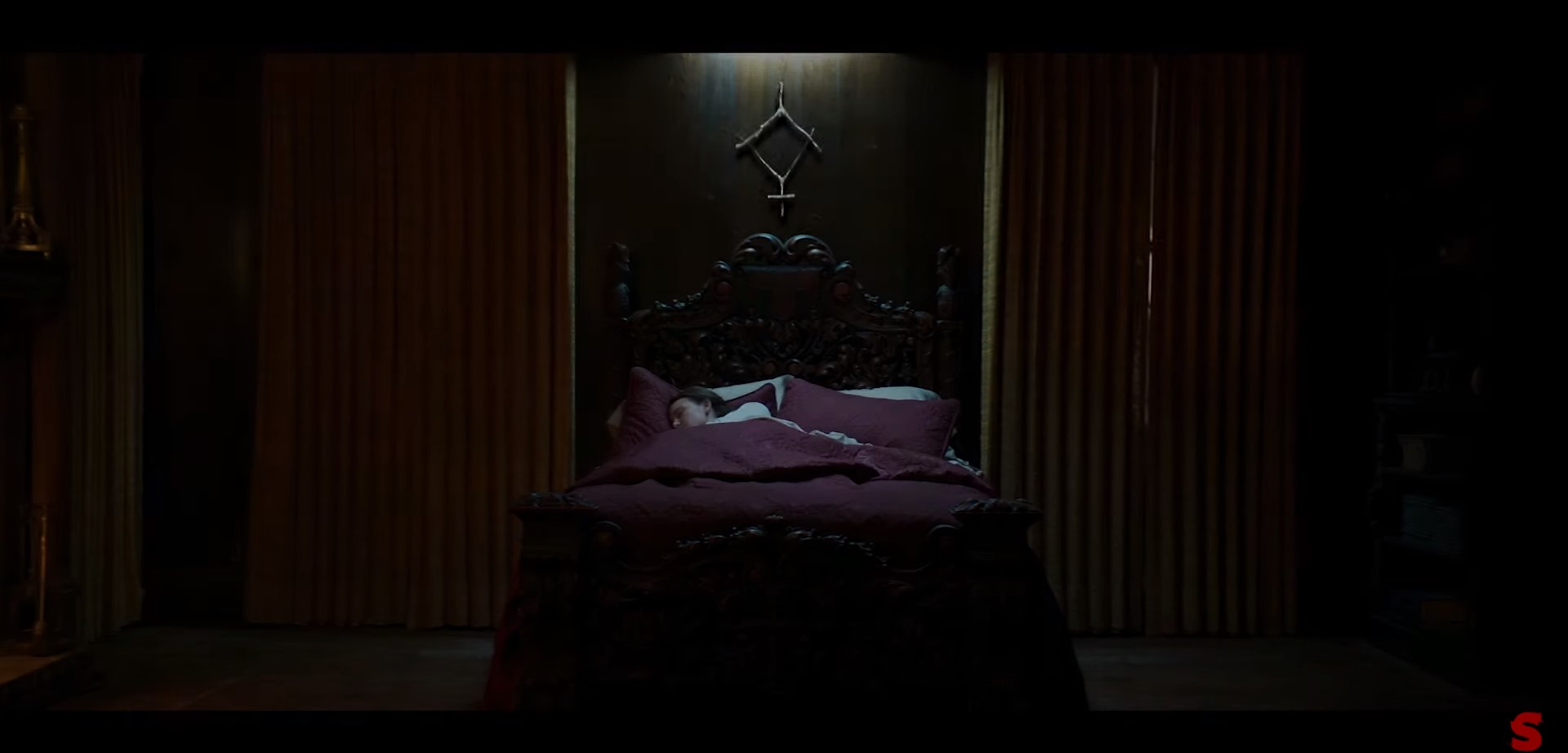
A witch acolyte of Ameth, an underworld demon, is executed on multiple counts of child murder.  The priest who oversaw the witch’s last rites came in with a doubtful heart and upon researching Ameth through an unholy book, disavowed his own religion only to fall into a near drunken stupor of atheism.  Months later, a new priest and his family move into a home arranged by the archdiocese, but soon after settling into the old house, a series of disturbances point to a closed in wall behind a door that’s uncovered to be a gateway to another plane of existence; an existence where the child killing witch is granted access to seek the souls of the priest’s young children.  Fighting with his own struggles of faith, the ex-Jesuit assists the priest and his family in an attempt to cast out evil once and for all. 

Perhaps common knowledge amongst diehard horror fans, but not so much among the casual curiosities of an oblique coursed moviegoer is the fact that “Beyond Darkness” and Sam Raimi’s “The Evil Dead” share a cinematic series connection.  Well, not one in any official capacity one at least.  Drained from the same bloody vain that unofficially corrals Lucio Fulci’s “Zombi 2” as a sequel to George Romero’s “Day of the Dead,” retitled in Italy as “Zombi,” the American-made, Italian-orchestrated “Beyond Darkness” too fell upon the slew of Italian title changes sword with a rechristening into the “La Casa” series.  With the success of “The Evil Dead” in the U.S., Raimi’s video nasty was renamed to “La Case” and “Beyond Darkness” became the fifth “sequel” in the series as “La Casa 5.”  Since Italy has no copywrite laws, a light breeze can easily change any filmic title.  Even the director, Clyde Anderson, dons a false pretense as the Americanized alter ego of Italian director Claudio Fragasso.  The “Scalps” and “Troll 2” Fragasso pens “Beyond Darkness” with longtime script confederate Rossella Drudi, under the Sarah Asproon pseudonym.  “Beyond Darkness” is shot in the deep American South of Louisiana under the Joe D’Amato (aka Aristide Massaccesi) founded Filmirage (“Anthropophagus: The Grim Reaper,” “Deep Blood”), produced by D’Amato, as the Filmirage Production Group.

While behind the camera is mostly an Italian production team, in front of the camera is a cast of American and English actors with an opening Louisiana penitentiary pre-execution theology debate between Bette the witch, played by Mary Coulson, and Father George, a priest having a crisis of faith, played by one of D’Amato’s regulars in English actor David Brandon (“StageFright,” “The Emperor Caligula:  The Untold Story”).  Coulson’s role may be punitively small as the “Beyond Darkness’” lead witch and predominant face of the core evil, but the actress puts all into the Bette character comprised of a maniacal laugh and a lots of very European skin-tag makeup effects whereas the classically trained David Brandon has an array of lively emotions and facial expressions sized to fit Father George’s clerical shirt and white tab collar when he’s not sloshed with doubt.  Both characters interweave into the life of a new-to-the-area priest, his wife, and two kids who move into an old house, built on unholy ground, to start his new chapter in priesthood.  Days later, as the kids become instantly okay with a giant black swam rocking horse in the middle of their bedroom, the family is terrorized by flying kitchenware, flooded with a bayou mist, and frightened by figures in black, tattered shrouds seeking to steal their children’s souls.  Christopher Reeve’s lookalike Gene LeBrock (“Night of the Beast”) fails at double father duty in his poorly lit excuse of a worried father with his children being lured to the realm of the spirit side and as a grounded in faith Father combating the forces of evil without a solid sense of what to do.  Both parents are equally written off as incompetents who continue to stay in the house despite on the continuous threat of Baba Yaga wannabes knocking at every door in the house.  As the mother, Barbara Bingham felt as if she had a little more skin the game.  Perhaps having just come off the legacy success of a “Friday the 13th” sequel (“Jason Takes Manhatten”) she felt the responsibility of maintaining a more diligent approach toward being a mother coursing through occult’s dire straits.   Michael Paul Stephenson (“Trolls 2) and Theresa Walker excel much better in their roles as the two kids, Martin and Carole, who’ve become the centerpiece of Bette’s maliceful desires. 

“Beyond Darkness” will come across as very familiar amongst both horror fans and fans of movies in general with a story pulling inspiration from films like William Friedkin’s “The Exorcist” and Tobe Hooper’s “Poltergeist.”  Fragasso picks and chooses a blanket of trope elements to rework with great malleably in order to not be a total copy.  However, for those who know anything about low-budget Italian horror, Fragasso’s rousing similarities to major and independent hits should come as no surprise.  Notoriously renowned schlock horror directors Joe D’Amato and Bruno Mattei, amongst a sea of others, use to fabricate out of fame at every opportunity by gobbling up successful films, chewing them up, and spitting out their Italian produced counterparts without a second thought just to cash in on just a fraction of the original narrative’s success.  The way I see it, the method was (and still is) an honorable form of flattery. Yet, flattery doesn’t cure sloppiness and “Beyond Darkness” is about as sloppy as sloppy joes. Plot hole after plot hole stack up on Fragasso’s inability to amalgamate elements in an entirely coherent way. There are underwhelming revelations to anticipating character build ups that fizzle; such as a thick-tension mystery behind the local archdiocese and their involvement to place a good Christian family in a house built on evil land or what precisely convinced Father George of Ameth’s power to sink him into an alcoholic pit of despair? I already mentioned Martin and Carole’s inept parents on not fleeing the house at first sign of poltergeist activity or any activity since then so don’t get me started. The story needs some fine tuning but not after is amiss. The acting is not entirely a humdrum of monotony, Carlo M. Cordio’s eclectic synthesizer riff and haunting keynotes score is on another level akin to a composition pulled right out of a survival horror video game, and Larry J. Fraser, another one of Joe D’Amato’s pseudonyms, has an honesty about his scenes unlike we’ve ever seen before in a D’Amato production as the cinematographer captures the fog luminously and effervescently surrounding and chasing the family from out to in.
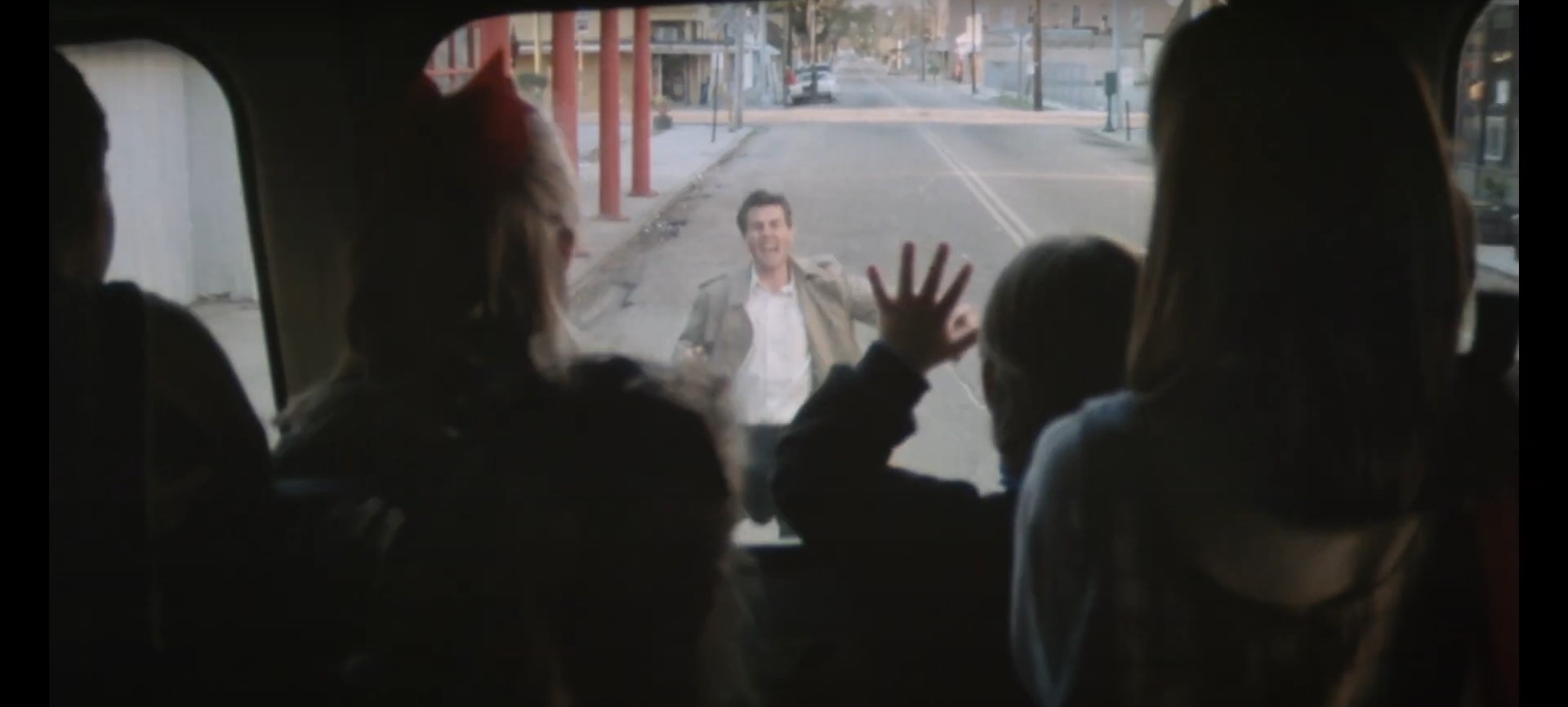
“Beyond Darkness” is no “The Evil Dead” but is a solid demon and ghost dog and pony show from 1990. Now, the Claudio Fragasso (or is it, Clyde Anderson?) classic is heading straight to your level room television set with a new 2-disc Blu-ray. The hardcoded Region A is presented in widescreen 1.66:1 aspect ratio in a full high definition and 1080p resolution. With only a possible color touch up here or there, I would venture to say the transfer used is the most pristine copy with hardly any damage or any age deterioration. The grain looks amply checked and no cropping or edge enhancing at work in an attempt to correct any issues, if any ever existed. Severin offers two audio options: an English language DTS-HD master audio 2.0 and an Italian dub of the same spec. With dual channels, there retains an always room for growth inkling and with the film’s broad range in sounds, a difficult to swallow lossy audio pill plays the aftertaste tune of, man, this could have been way better. Yet, the track is solid enough, if not more so, with virtually zilch damage. Dialogue comes across clean and clear, but there tails some minor hissing. Like with many Severin releases, new interviews are the star of the special feature show with one-side, talking head interviews with writer-director Claudio Fragrasso Beyond Possession, co-writer Rossella Drudi The Devil in Mrs. Drudi, and actor David Brandon Sign of the Cross. Though the theatrical trailer rounds out the first disc special features, Severin also includes Carlo M. Cordio’s superb soundtrack as disc number two along with a two-page booklet with an introduction to the ingredients of a horror score and to Cordio himself as well as a listing of all 17 tracks. “Beyond Darkness” is Claudio Fragrasso’s unbridled mutt, a motley of motion picture royalties rolled up into an adulating and piggybacking horror beyond comparison.

“Beyond Darkness” 2-disc Special Edition Blu-ray Available on Amazon

When Marriage Sours, EVIL From Within Manifests. “Possession” reviewed (Umbrella Entertainment / Blu-ray)

After his return from a lengthy time abroad, Mark finds himself in a contentious and spiteful relationship with his skittish wife Anna unveils her infidelity.  Unable to pry any kind of information from her before her sudden disappearance, Mark results to all the stages of grief and heartache:  denial, isolation, anger, bargaining, depression and, finally, acceptance.   Anna comes-and-goes from Mark and their son’s life, but their spats continue, increasing in anger and violence which each encounter.  Mark hires private investigators to track down Anna’s whereabouts.  He evens confronts her flamboyant and Zen-mastering lover.  But when Mark comes face-to-face with Anna’s sinister secret, a sub rosa affair unlike anything Mark has ever seen, he will go to unimaginable lengths to protect the wife he obsessively loves. 

Polish filmmaker Andrzej Zulawski’s “Possession” spans over a number of parallels that, in abstract theory, reflect social political matters of a post-war, Berlin wall divided Germany and the personal matters of Zulawski as a mirror of his ugly and bitter divorce from actress Malgorzata Braunek.  The 1981, Berlin shot, inimitable horror is a speeding melodramatic bullet train racing down a tracklayer of surreal rails and planks, ripping toward destruction with two turbulent people who about to slam, engine first, into an unforeseen mountain façade of towering despondency. That unforeseen mountain takes form from the tug-a-war of within, materializing duplicity, in every sense of the word, unnaturally. Frederic Tuten cowrote the emotionally florid and easily post-grad thesis dissecting film with Zulawski that was French mounted by Gaumont Film Company under producer Marie-Laure Reyre. Two other French companies, Oliane Productions and Soma Films, co-produced.

Watching Mark (“Jurassic Park” and “Event Horizon’s” Sam Neill), and Anna (“The Tenant” and “Diabolique’s” Isabelle Adjani) go at each other’s throat in a vicious cycle of matrimony madness can be in itself, maddening. Neill and Adjani radiate such loathing and desperation that’s seeing the two interact could possibly ignite World War III right there in the heart of Germany. What makes the contentious and hyperventilating scenes more interesting and alluring are the actors’ stage-like, full of hyperbolic melodrama, performances that somehow don’t quite register as the feisty interactions playout in what can only be concluded being pinpoint precision. Even Heinrich (“A Young Emmanuelle’s” Heinz Bennent”) is blatantly over-the-top with erratically wild movements of his body during scenes of emotional and physical struggle. Zulawski and “Possession” embraces the international cast with individual methodology on acting from Britain, France, Germany, and with even Zulawski who’s Polish and though you know the film is set in a divided Berlin between East and West Germany, there’s never this sense that “Possession” is strictly locked down to be anything but German. Aside from the Berlin Wall and some signage, maybe even the architecture, the multinational cast thins out the inklings of thinking, “oh yeah, this is filed in Germany!” “Possession” cast concludes with Margit Carstensen, Shaun Lawton, Johanna Hofner, Michael Hogben and Carl Duering.

Being that this was my second sit down with Andrzej Zulaski’s “Possession,” the first being Second Sight Films’ DVD release over 10 years ago, you begin to fathom the pattern of surrealism Zulaski aims to bombard viewers with through incessant bickering and an unspoken love-and-hate undertone. The doppelganger theory that’s attached itself to “Possession” from over the years warrants merit because those in a relationship on the precipice of implosion always wish the other person to be a better version of themselves, of who they want them to be, or of who they fell in love with in the first place. One can’t go deep into the doppelganger theory without totally exposing all of “Possession’s” secrets, surreal or not, and that infestation of preference takes shape for Zulaski as, ironically enough, a shapeless creature. The desire is tremendously powerful for Anna she can’t avoid being away from it for long stretches of a time, popping in to her and Mark’s old apartment for just enough time to have Mark stir the pot with his own manifested infernal creature, himself. Anna, an extremely passive woman, rarely confronts Mark about her infidelity and is always Mark who has to extract that information with every tooth and nail. “Possession” will forever be hailed a film that can analyzed over and over again without ever finding a concrete interpretation and, you know what, we can live with that.

As I said, last time “Possession” was visited by these aging eyes was over a decade ago on a UK DVD. Now, I had the fortunate opportunity to sit down with a new Blu-ray release from Australia. Umbrella Entertainment, in conjunction with The Film Institute (TFI) Films Production, releases a single disc, full 1080p Blu-ray, registered as their volume #11 on the spine, as part of the banner’s Beyond Genres collection. Presented in European widescreen 1.66:1 aspect ratio, this “Possession” release has a giant leap of negative exposure in comparison to Second Sight’s DVD, retreating away from a more natural and textural palpable transfer, full of detail and good amount of grain, to a blue-tinged headscratcher with a higher contrast that renders details and shadows nearly wiped out. The transfer is also conveyed with slight damage seen in approx. minute 14 with a vertical scratch and some image destabilization that makes discernability dematerialize right before your eyes near minute 44 and 57. The English language DTS-HD 2.0 master audio renders better with cleaner tracks seeing little-to-none hissing or static. The dialogue’s apparent and unobstructed thought slightly isolating without much depth. Despite some limited capacity with the dual channels, “Possession’s” more adrenalized scenes/ranges – i.e., speeding car flip, shoot outs, apartment explosion – sound effective and robust. Special features include an archival audio commentary with director Andrzej Zulawski and co-writer Frederic Tuten, an archival interview with the late Zulawski The Other Side of the Wall: The Making of Possession from 2011, a U.S. Cut of the film with a following featurette Repossessed, a location featurette A Divided City, the musical compositions in an interview with composer Andrej Korzynski The Sounds of Possession, an interview with producer Christian Ferry Our Friend in the West, a poster analysis, and the international and U.S. theatrical trailer. What’s presented by Umbrella is the fully uncut 123-minute version in a region B-code format though, weirdly enough, rated 18. Another weird note about the release is the back cover credits are displayed in French on the cardboard slipcover housing the reversible DVD artwork featuring a new illustrated snapcase cover art by Simon Sherry. I’m a clear fan of “Possession’s” clear ambiguity despite being not sure positive about the new Blu-ray release. Zulawski’s tale of corrosive dissolving of wedlock definitely fits the Beyond Genres banner and is a fine edition to Umbrella’s celebratory bank of classic horror.


Possess Your Own Copy of Umbrella Entertainment’s Blu-ray Release of “Possession” Today!

Being Dismissed is EVIL That’s Hard to Choke Down. “Swallow” reviewed! (Second Sight Films / BD-R Screener)

Newly pregnant housewife, Hunter, putters around the house while her workaholic husband enjoys the fruits of success and friendship with colleagues.  When she’s not cleaning the house or preparing a meal for herself, Hunter stares into the oblivion of her isolating environment.  The country girl who really had nothing to her name has fortunately found an opportunity to never be worried about financial insecurities and with every material thing a person could want in their right at her fingertips.  All Hunter has to sacrifice is her control.  Feeling lonely, powerless, and trapped, Hunter discovers swallowing inedible, dangerous objects gives her great joy and something she can control.  As she goes deeper into this obsession and her perfect world begins to crumble, she’s confronted with reexamining her dark past that stems her unusual eating habit.

Sometimes it’s our strange quirks, our self-destruction behaviors, and our subconscious need to be noticed, or in control, or out of the pockets of others that can deliver horrid outcomes that, ironically enough, can be also our incognito liberator.  As such displayed in Carlo Mirabella-Davis’ written and directed introductory feature film, a blend of family melodrama and interior body horror, with “Swallow.”  The 2019 released psychological thriller is difficult to digest, literally, as the protagonist struggles coping with external control issues in a seemingly perfect life, a life that has never quite felt like her own, while also encouraging an alarming new physiological appetite for what is known in the eating disorder circles as Pica.  Set in upstate New York, shot around the idyllic Hudson Valley area, “Swallow” is produced by the award-winning “Nomadland’s” Mollye Asher and “Black Box’s” Mynette Louie, who have a long history in investing into bold and interesting emotional depth tales, and is a production of the France based companies, Charades and Logical Pictures.

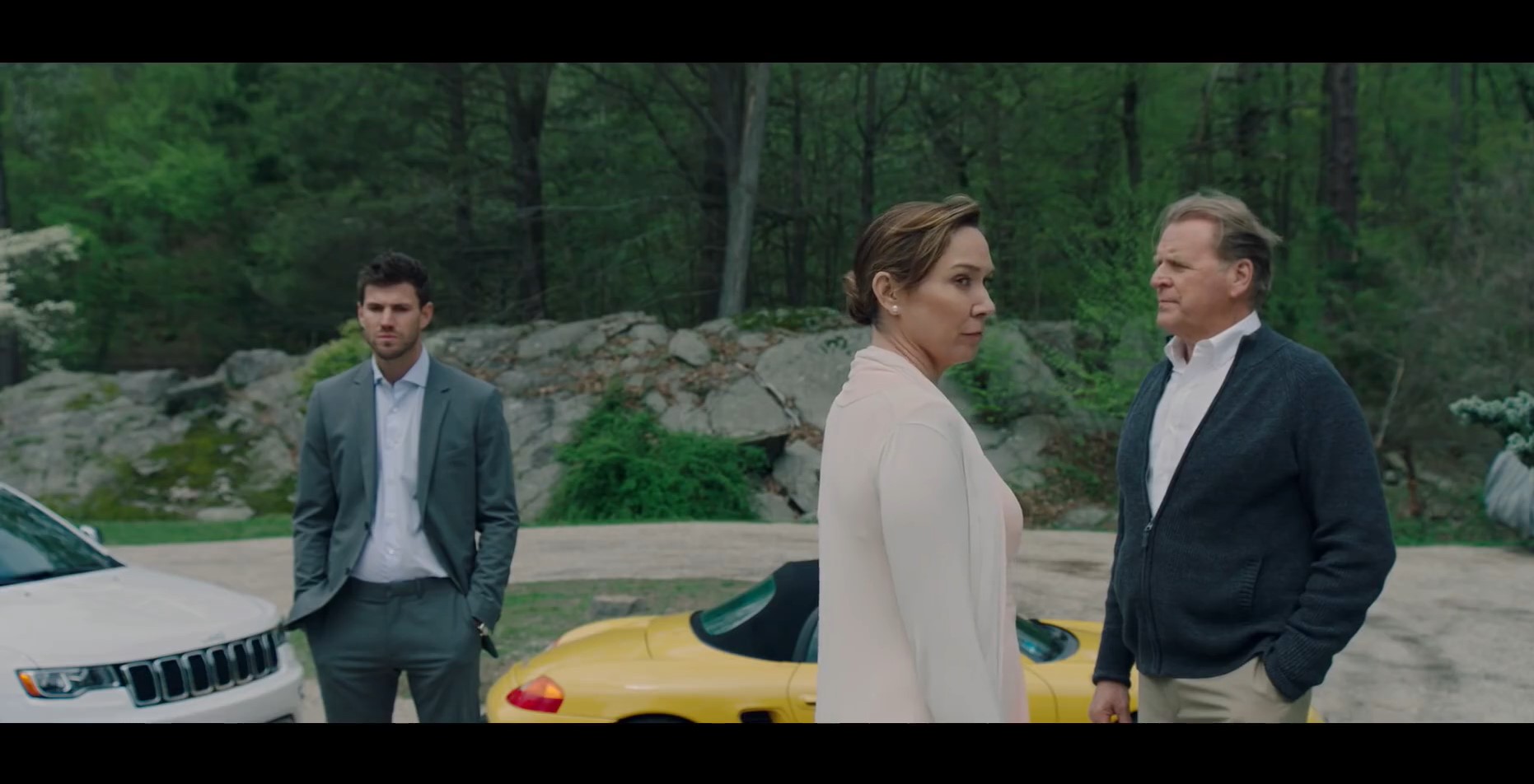
Undertaking the daunting task of Pica emulating is Haley Bennett.  “The Haunting of Molly Hartley” and “Hardcore Henry” actress tethers a line to the core basis of her character Hunter who has to gradually chip away portions of her blank exterior of a person subconsciously suffering from similar symptoms of Stockholm Syndrome.  Hunter very much believes in the social saturation of wifely duties at an attempt to please her bread-winning husband Ritchie (Austin Stowell, “Colossal”), constantly gathering reassurances and happiness from him.  I also like the play on words with the husband name Ritchie that speaks to his haughty behavior.  Bennett, in great detail, captures Hunter’s disfigured, uncertain happiness and wholehearted attempts to join the ranks of a proud housewife, an area mirrored by silent authority from her mother-in-law Katherine (Elizabeth Marvel, “All the Little Things We Kill”).  As soon as Hunter swallows that very first foreign object, Bennett derives true delight from the bizarre action.  From then on, blistering is away is being a slave to Ritchie’s wealthy ties as that little object, that spherical inkling of hope, gets the marble rolling down the gullet of taking back what’s hers, her life.  Bennett and Stowell finesse their characters’ relationship with a teetertotter of genuine sympathy and ingenuine gratification in what’s a blurry line of compassion or a total fake façade for the allusion of appearances.  The weakest character, for me, is Luay, the Syrian expat who fled the turmoil of homeland war and has become something of a caretaker to Hunter.  Played by Laith Nakli, Luay’s sympathy for Hunter runs deeper than her psychological disorder, and Nakli can dish out awkward, slow burn compassion with the best of them, but that connection between Luay and Hunter misses the timely mark with a blank and acute switching of allegiances gone unspoken and with inaction.  Luna Lauren Velez (“Dexter”), David Rasche (“Cobra”), Babak Tafti, Nichole Kang (“Ten Minutes to Midnight”), Zabryna Guevara, and “American Horror Story’s” Denis O’Hare rounds out the cast.

Hunter’s fixation can be compared to the likes of any other vice and soul-swallowing addiction – gambling , drugs, sex – but the very fact that it’s Pica, and on a certain level of the OCD spectrum, makes Mirabella-Davis’ script somewhat of a curious oddity as the filmmaker builds a story around a dysfunctional family and one’s own personal grasp on destiny.  Though set in modern times, “Swallow” very much has a 1950s-1960s vibe with the dynamic of the working husband and the wife stays home to spruce up the house; there’s even a particular scene of Hunter vacuuming in a 50’s-ish tea length swing dress.  Despite the story’s curious and odd nature and the stuck in time antiquated gender inequality veneer, Mirabella-Davis utilizes these aspects to shape and shed light on the more diabolical of inner detriments with Hunter’s lack of confidence and autonomy stemmed from a difficult to swallow past and a financially affluent relationship that actually disallows personal freedom.  “Swallow” is oppressive in ways as Ritchie and his family and friends attempt to squeeze every ounce of value out of Hunter with value being the unborn child amongst other things.   The psychology of “Swallow” melds past and present together to form Hunter’s dangerous method of taking over the reigns of a life she never steered and Mirabella-Davis crafts an exquisite niche thriller to encourage us to gobble up.

Second Sight Films, a label known for it’s substantial and lavish re-releases, snacks on another high profile film with their profound limited edition Blu-ray of Carlo Mirabella-Davis’ “Swallow.” The single disc, PAL encoded, region B BD-25 is presented in the original aspect ratio of a widescreen 2.39:1 aspect ratio. Since a BD-R was provided for review purposes, I am unable to comment on the true characteristics and qualities of the audio and video, but do note Katelin Arizmendi’s stunning cinematography that’s full of palpable texture to every minute piece of inedible edibles Hunter puts down her throat and the gorgeous long shots of Hunter being engulfed by the depth with the isolating forest setting that looks to be lurking in the background. The limited edition release hit shelves this past Tuesday, the 22nd, and has a ton of features to check out, including a new audio commentary by director Mirabella-Davis and producers Moilye Asher and Mynette Louie, A Personal Story exclusive interview with the director that’s seriously in-depth and passionate about his work on “Swallow,” Something Bubbling Underneath exclusive interview with producer Moilye Asher, The Process exclusive interview with editor Joe Murphy, Metal and Glass exclusive interview with composer Nathan Halpern, Alexandra Heller-Nicholas’s take on “Swallow” A Room of One’s Own, Mirabella-Davis’ short film “Knife Party,” and a rigid slipcase with new artwork by Haley Turnbull along with a soft cover booklet with an introduction by the director and containing essays by Anne Billson, Jordan Crucchiola, and Ella Kemp. Lastly, at the tail of the special features are 6 beautiful collectors’ art cards. “Swallow” is rated UK 18 and runs for 94 minutes. Bennett wins the prize for making “Swallow” a throat-clearing success and bravo to Mirabella-Davis for being brave enough with an unusual story set around an uncommon eating disorder and directing the hell out of it.

Limited Edition Blu-ray from Second Sight Films Available at Amazon.com

EVIL Strikes at the Stroke of “Midnight” reviewed! (Blu-ray / Severin)

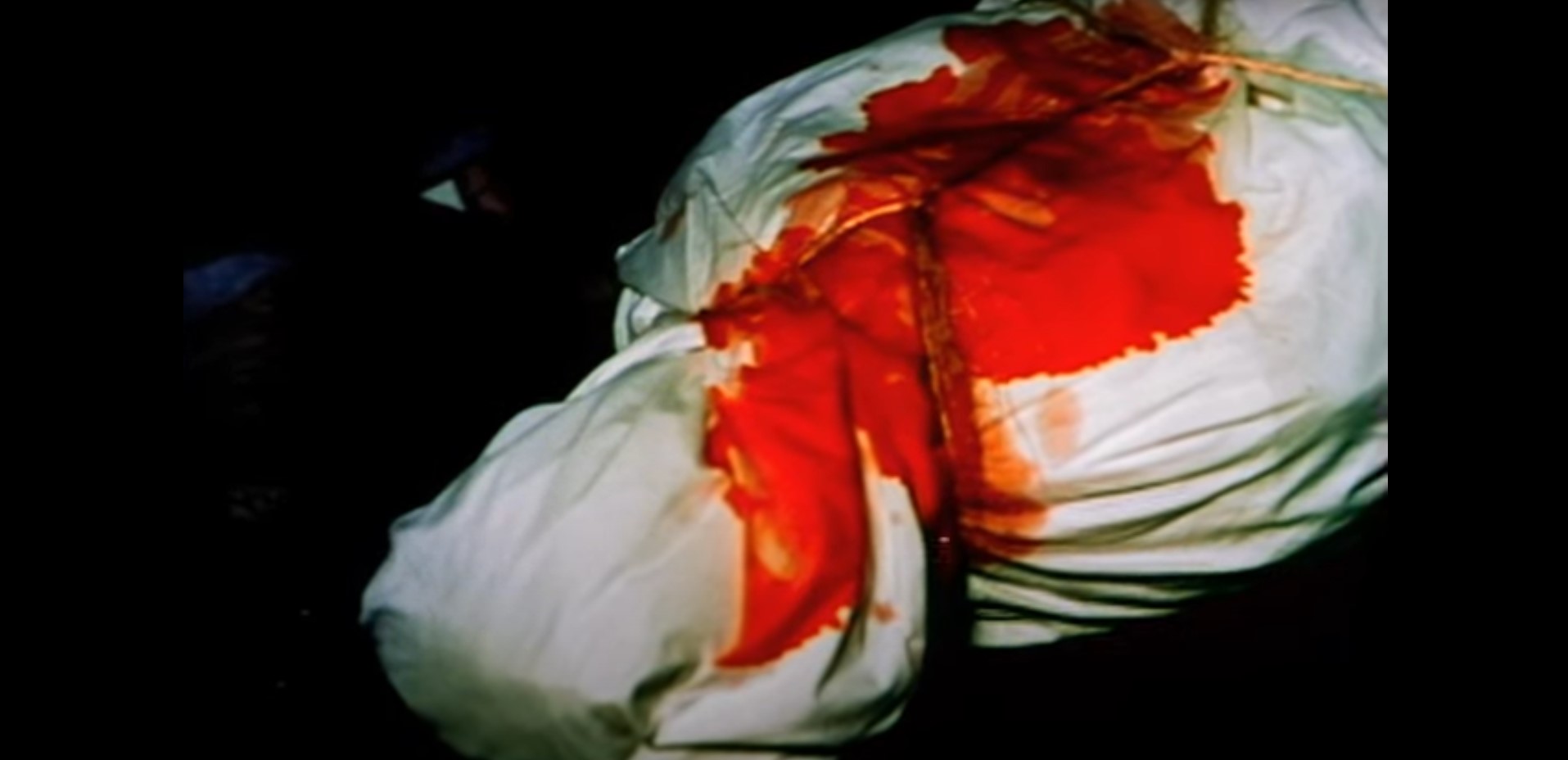
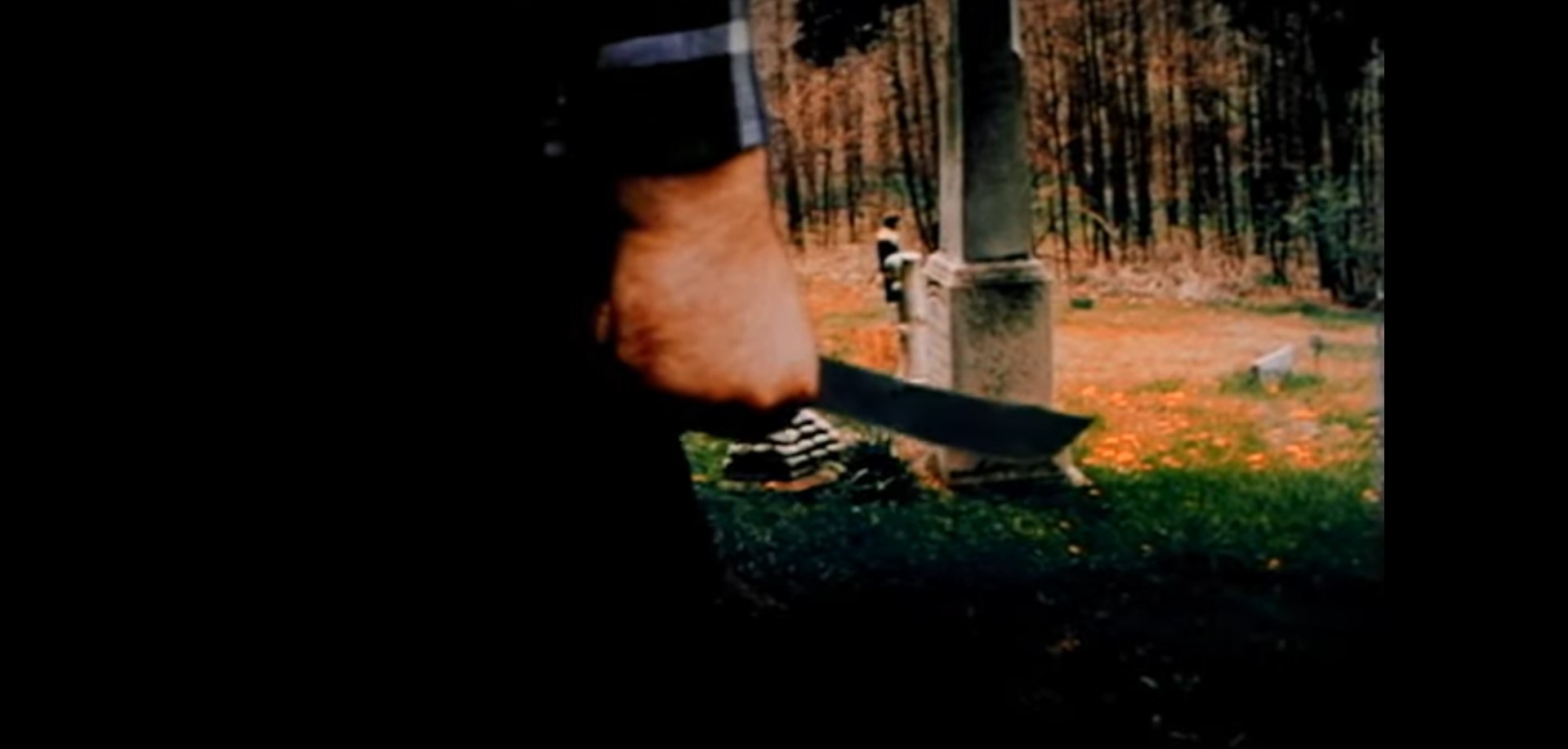
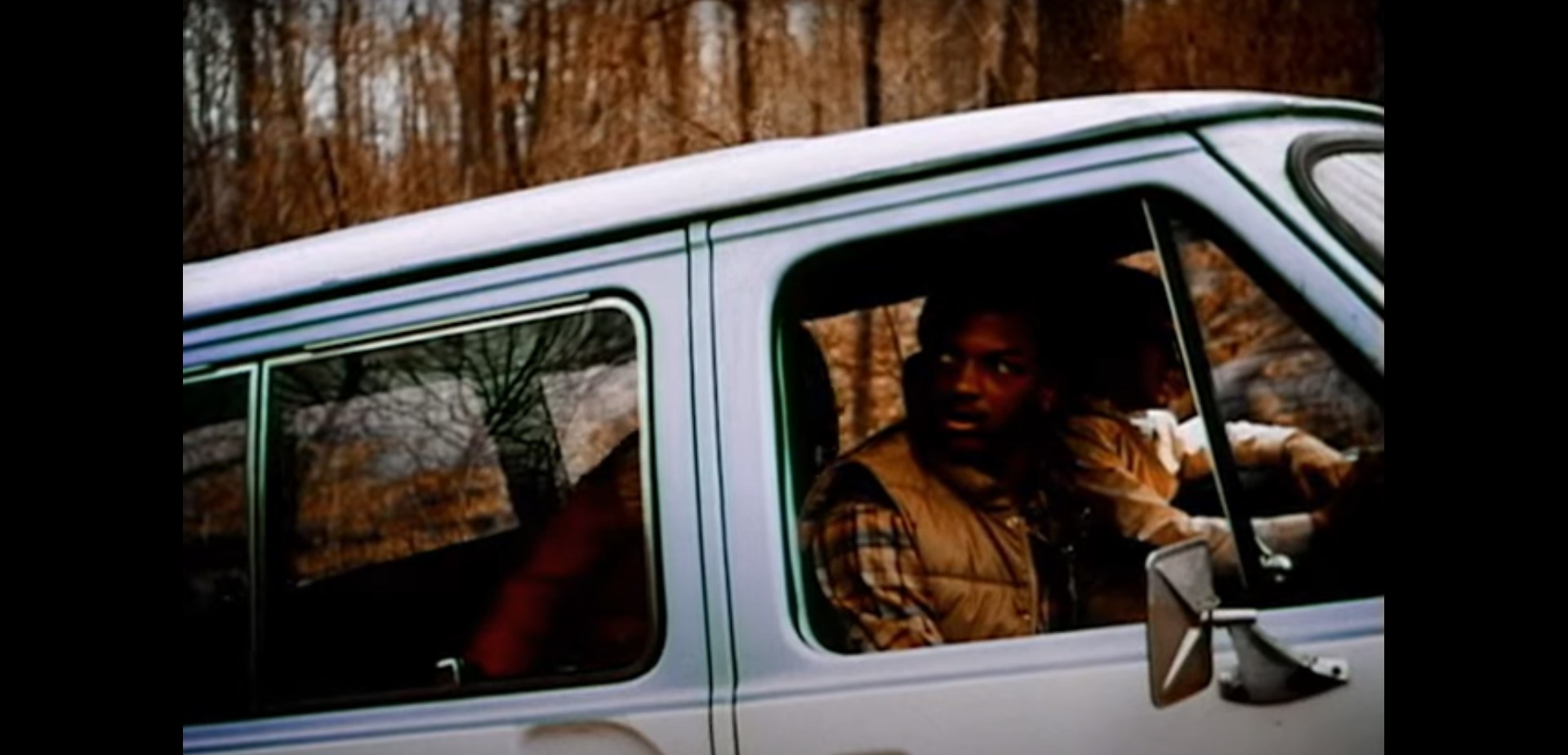
Teenager Nancy searches for forgiveness through reestablishing her faith in God after being dumped by her sexually active boyfriend.  When her alcoholic, police officer stepfather learns of the relationship’s abrupt ending, he moves in quickly to take advantage of Nancy while under the heavy influence of the bottle.  Escaping his grasp, she flles home and hitchhikes a ride with two men travelling South on a getaway from Pennsylvania to sunny Fort Lauderdale, but when facing trouble with small town local law enforcement after attempting to steal groceries, the three find themselves right in the middle of a Satanic cult’s sacrificial ritual that requires the killing of three women for eternal life, one a night at midnight for three days.  Held in a dog cage, Nancy anxiously awaits her turn at the bloodletting alter surrounded by the cloaked-cladded cult and their decomposing mother’s corpse  Praying to God to save her soul, little does Nancy know that her stepfather has tracked down her whereabouts, leading to a bloody showdown of one cop pitted against a family of satanic psychopaths. 

Based of his 1980 novel of the same title, “Midnight” is known to be John Russo’s heart-and-soul project that ended up suffering one mishap after another in the two years of its production and post-production until it’s final release in 1982.  Also known as “Backwoods Massacre,” the “Night of the Living Dead” co-writer Russo helms the low-budget occult slasher out from his usual stomping grounds in and around Pittsburgh, Pennsylvania.  “Midnight” showcases a story themed with a depraved sense of race intolerance for African Americans and all varieties of religious convictions to be innately false in an atheistic Russo viewpoint amongst a glorified surface level of enrapturing inhumane violence seasoned by brainwashing.  This West Pennsylvanian born and bred grindhouse exploitation found producers in  Sam Sherman and Daniel Q. Kennis of “Blazing Stewardesses” and “Blood of Ghastly Horror”) along with Donald Redinger under the now defunct Independent-International Picture Corp.

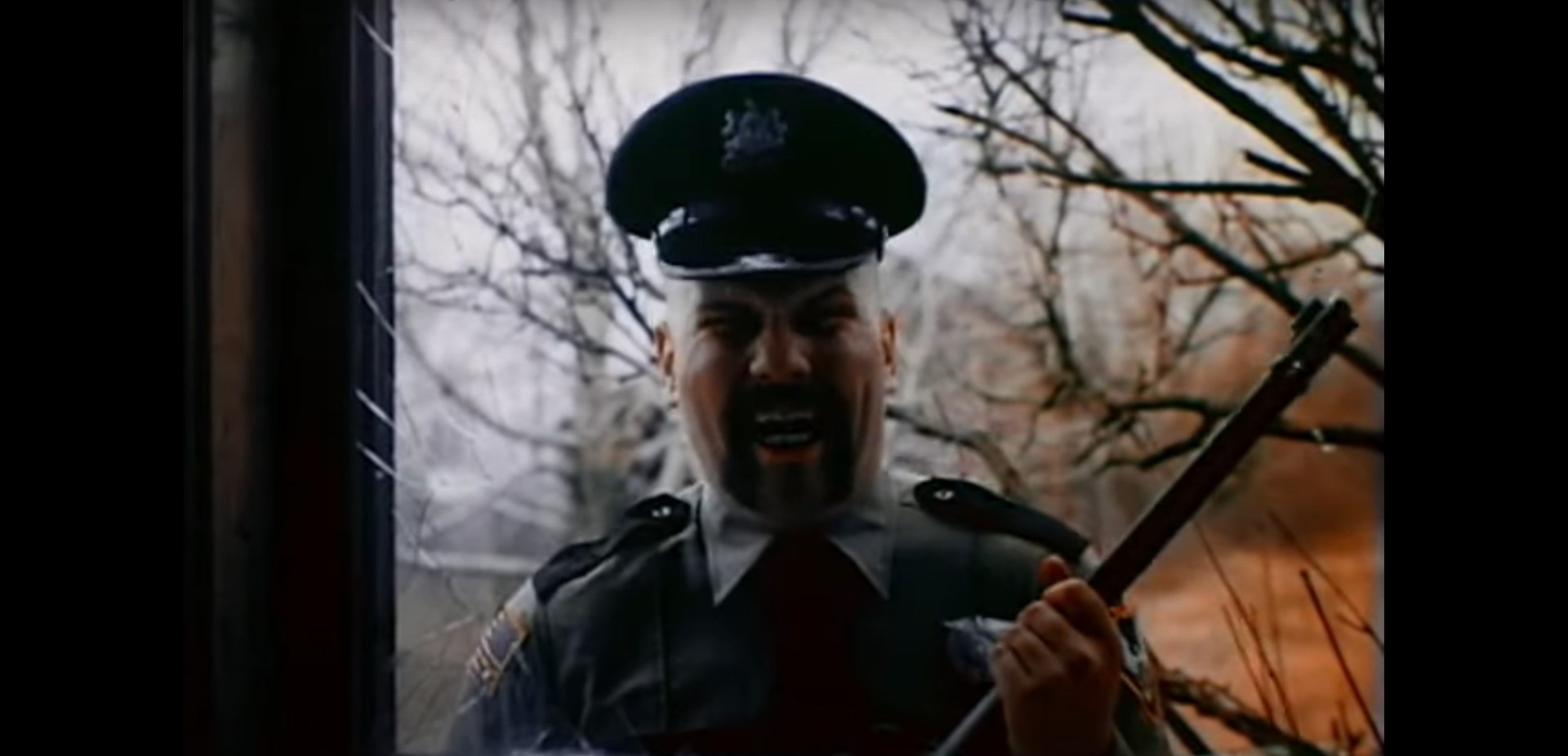
In a sea of smaller fish of Pittsburgh actors in “Midnight’s” casting tow is a larger and rougher around the gills grouper embodied by the singular Lawrence Tierney (“Reservoir Dogs,” “The Prowler”) in the Officer Bert Johnson role. Tierney’s no stranger to the horror genre, flaunting his thick New York tough guy accent that typically typecasts the veteran actor into authoritative roles. In being no exception, “Midnight” has Tierney playing a sleazy, alcoholic, police officer who winds up more-or-less unearthing sense in his old age and utilizing his skills for good to fully satisfy his character’s arc, but Tierney alone is wonderful to behold and easy to be disgusted by as he solicits his underage teenage stepdaughter with a perverted proposition. That stepdaughter, Nancy (Melanie Verlin), is the face of “Midnight’s” protagonist whose attempting to get back on track with God after a sinful bedroom relationship with an ex-boyfriend, but her plans are slighted by a brood of young Satanists keen on keeping their now long deceased mother’s irreligious convictions intact. David Marchick, George Romero regular Ted Amplas (“Day of the Dead” 1978, “Martin”), Robin Walsh, and the face of “Midnight” on many of the posters, Greg Besnack, size up as the Satanic terrible and merciless foursome. The cast fills out with Charles Johnson, John Hall, Bob Johnson, Lachele Carl, Jackie Nicoll, Doris Hackney, and Ellie Wyler.

After the success of a collaborated run with George Romero on a handful of projects, John Russo ultimately branches off to do his own creative output after their production company, Latent Image, brought on newcomers’ and the shared ideas on the direction of their company didn’t sit well with Russo – an irk that Russo still harps upon to this day, according to the special features’ new interview from the latest Severin Film’s release.  Yet, I digress into the review of “Midnight” that has feral narrative with an irregular plotted blueprint of teenager exploitation, racial injustice, and backwoods barbarians.  Somehow, Russo’s able to juggle his jotted down on a budget scrambler with a threadbare satanic family baseline that unsettlingly feels snagged in a randomizing generator spitting out scenes to see if they cohesively connect into the next.  Nancy’s traversing into the thicket of terror story cuts into and undermines more of the sibling’s unholy ritual, which the title “Midnight” becomes an important piece to the ceremony, with a subplot of the teen running away from a handsy stepfather and into the Mystery Machine modeled van-driving hands of a pair of cavalier friends on a road trip and then find themselves in an endgame of rotten luck with bad company.  The whole lead up to the two groups running into each other is suddenly dropped like a bad habit, forgoing much of the racial tensions, the youthful subverts, and even the attempt at pedophilia when the main, overarching theme of cult mayhem and religion inadequacies come to the forefront.  “Midnight” inarguably a gargantuan piece of good ole American hicksville victimization with some underappreciated manic performances by John Amplas and Greg Besnak, but there’s difficulty in shaking “Midnight’s” stark story division that leaves much to be desired.

“Midnight” is the particular video nasty that’s surpassing all of it’s other formatted counterparts with a Severin Film’s 4K scanned Blu-ray of the full uncut negative.  The 1080p Full High Definition, region free BD50 is presented in a widescreen 1.85:1 aspect ratio with a respectable color correction, but the correction sees unstable moments regressing near the cuts revealing the lifeless yellow tinge of unmastered quality. A right amount of grain, a great amount of detail, and hardly any damage to the thought-lost uncut negative proves Severin found buried treasure of the John Russo shocker. Two audio options grace the release with an English language DTS-HD 5.1 surround and an English 2.0 Stereo. While the 5.1 offers a more robust audio option of funneling individual tracks through their respective channels, I wouldn’t necessarily say “Midnight” has an overwhelming yield for audiophiles. Soundtrack comes across just enough to know it’s there, the dialogue is clean and unimpeded, but what unfolds out of clarity is the wonky foley ambience that just render solemn scenes silly. Severin offers up a new interviews under “Midnight’s” mediocre cult status with director John Russo – Making Midnight – as top bill in a lengthy discussion about his long career, his acquaintances including George Romero, and, of course, his recollections about “Midnight.” Other interviews include producer Samuel Sherman – Producing Midnight, actor John Amplas – The Midnight Killer, and special makeup effects artist Tom Savini – Small Favors – who barely remembers working very little on this film by providing pre-fabricated headshots and sliced throat prosthetics. An isolated score selection with audio interview with Mike Mazzei, an alternate title card for “Backwoods Massacre,” the trailer, and radio spot round out the bonus content inside the blackout snapcase. Prolific as John Russo may be in horror literature, filmmaking, and in legendary regards with his work alongside Romero, “Midnight” reflects poorly on his cinematic vocation and while many problems plagued production and post-production, Russo somehow managed to root out a passable working cut of crazed satanic panic.

“MIDNIGHT” available on Blu-ray from Severin!

Daughters Don’t Cause This Much EVIL! “Son” reviewed! (Acorn Media International / Blu-ray)


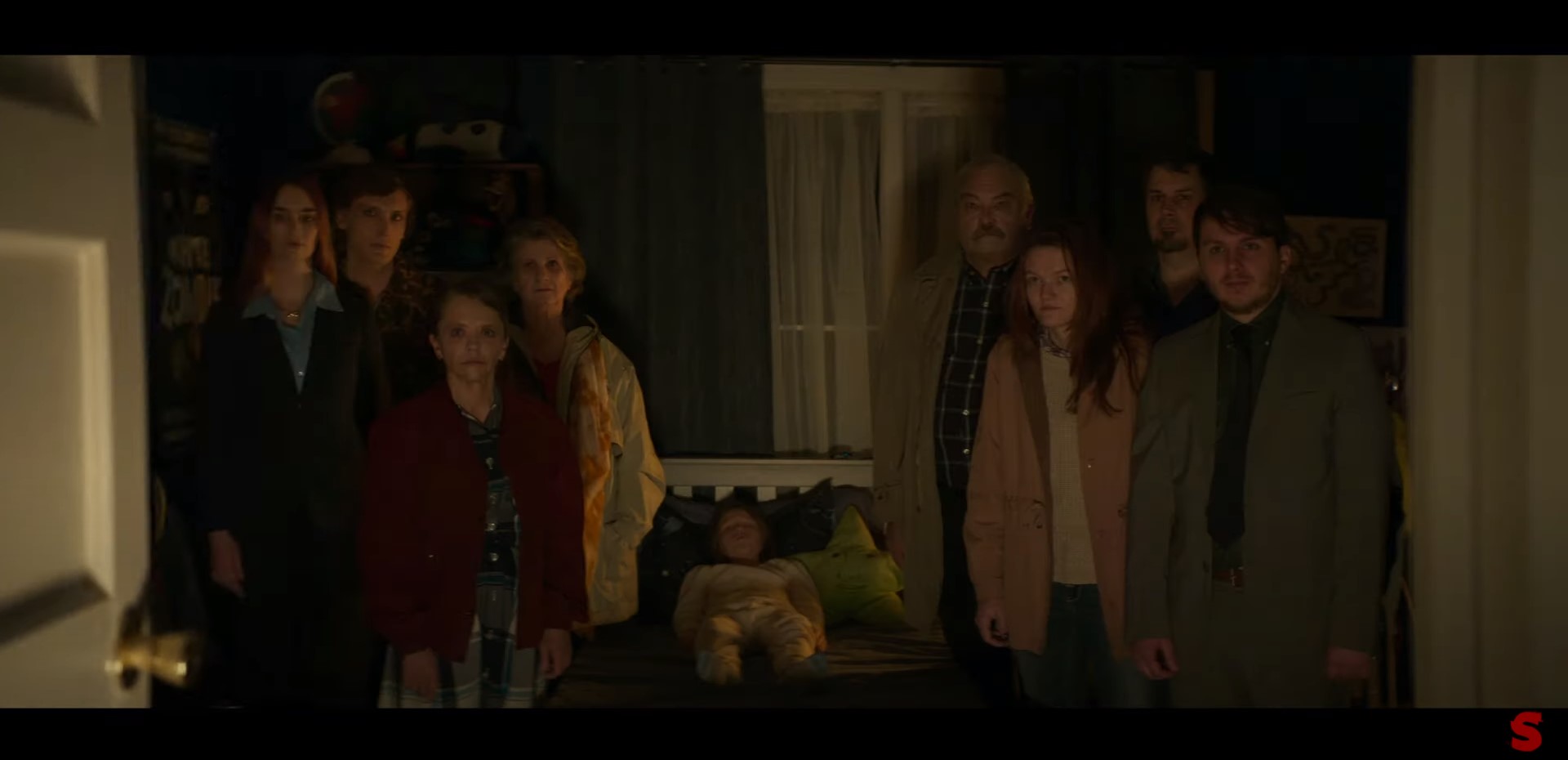
After escaping the imprisonment of an abusive ordeal with her father’s cult, the next eight years have been easy for Laurel living with the joy of her son who was born as a result of her abuse.  When her son contracts a mystery ailment that causes open sore rashes and bloody vomit, the doctors are baffled when the surely fatal, undetermined disease makes a rapid retreat and the boy recovers seemingly miraculously.  Days later, the boy again falls more ill and, this time, Laura suspects her previous life in the cult to be behind his suffering.  With clandestine acolytes making the presence known, Laura flees with her son as the two motel jump across the Midwest with no only two detectives on her tail but also the cult looking to reclaim her son with a terrifying and gruesome new gift. 

Back into the creepy kid subgenre field we go with another multiplex single mother and son relationship American-thriller, simply titled “Son,” from Irish-American writer and director of “The Canal,” Ivan Kavanagh.  Spun from the yarn of familiarities that are stitched together with the overprotective mother trope battling the forces of beleaguering evil reigning down on her child, as seen in such films with Jacob Chase’s “Come Play” and Jennifer Kent’s “The Babadook,” Kavanagh deviates from the abstract lines of the mental illness undercurrent that reshapes and plagues centric characters into horrific, supernatural episodes of isolation, grief, and loneliness personified by often terrorizing entities lurking in the dark.  “Son” is an American production formed by intercontinental production companies with the UK’s Elastic Films (“Cub,” “What We Become”) spearheaded by producer Louis Tisné, Dublin based Park Films co-operated by Kavanagh along with AnneMarie Naughton and Ana Habajec, and René Bastian and Linda Moran’s Belladonna Productions (“Funny Games,” “Stake Land”). “Son” is an exclusive release of Shudder and RLJE International.

Added to the long history of assorted turmoiled single mothers versus the things that go bump in the night is currently a big name in horror at the moment with being principally casted in the latest three recognized sequels of the “Halloween” franchise.  Andi Matichak steps into the wretched past but ever so optimistic shoes of Kindergarten teacher Laura whose introduced in a prologue of heavy rain and the blood pumping cacophony of an intense chase.  Pregnant and haggardly dirty and barefooted, Laura is being followed by menacing, unknown men before she pulls off to safety just in time to give birth to a child she verbally proclaims no desire for but reluctantly accepts as her own after a bloody, front seat natural delivery, a moment that not only conveys Laura’s compassion but also her strength. Fast forward, Laura and son David (Luke David Blumm, “The King of Staten Island”) living daily normal lives with school, neighbors, and the ins and outs of parenting.  Blumm gives a good run on distress and duress as the titular character that has contracted an illness rapidly reconstructing his mortal soul.  “Killer Joe” and “The Autopsy of Jane Doe’s” Emil Hirsch enacts a sympathetic detective taking an interest in Laura’s case, but Hirsch is mostly silent and stiff, almost like he’s part of the background furniture, for the entirety of the character arc, bringing down, as a counteractive device, much of “Son’s” speedball narrative.  Rounding out “Son’s” cast is Blaine Maye, Cranston Johnson, Kristine Nielsen, Erin Bradley Danger, Adam Stephenson, and David Kallaway.

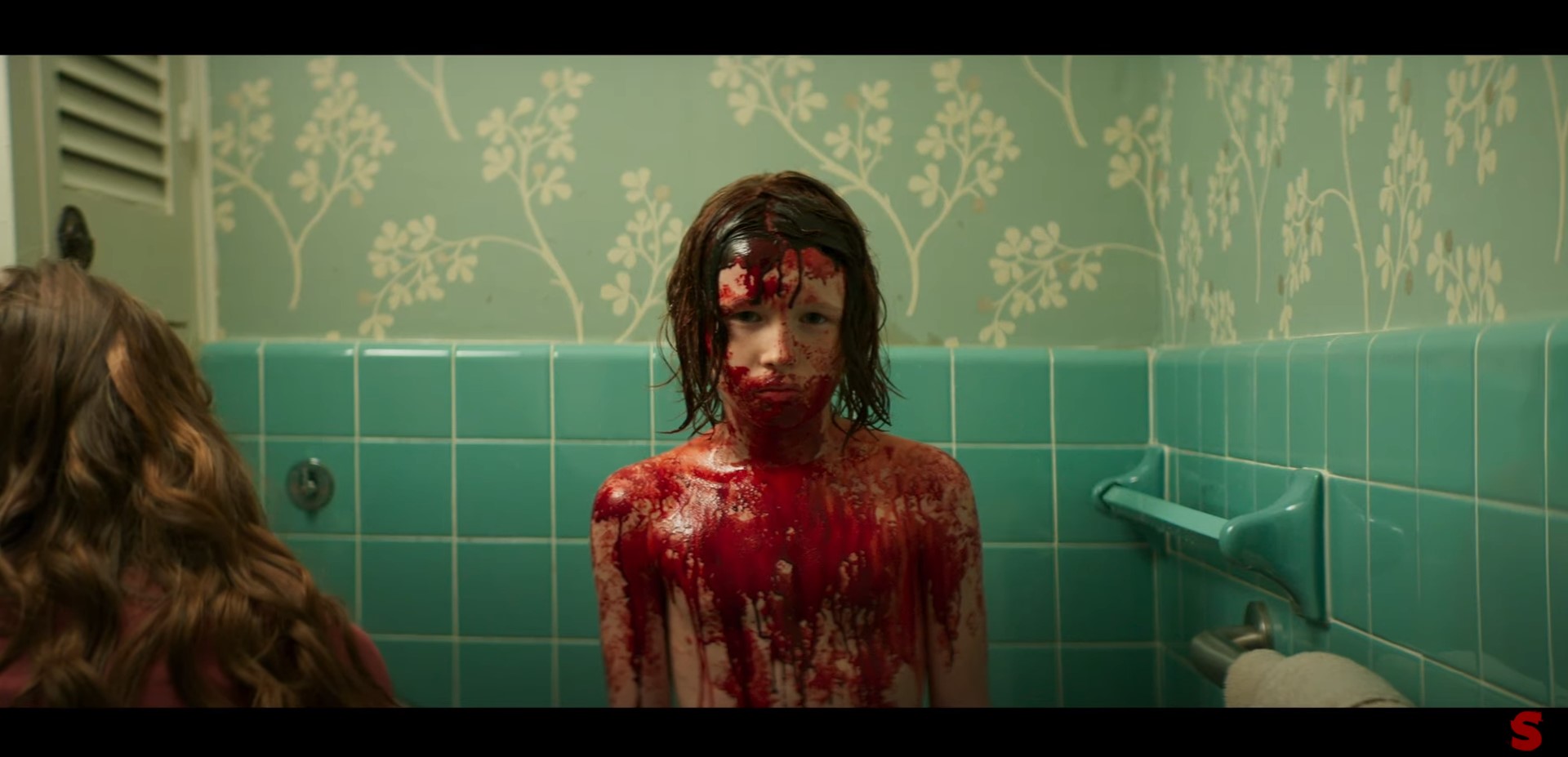
“Son” is surprisingly gory involving intestinal viscera and severed body parts with child actor Luke David Blumm at the center of all the carnage and the story is heartbreakingly sober when a mother, a rape victim, has to make the ultimate sacrifice for the greater good.  Kavanagh subtly massages the thematic quandary of how a rape resulted child can be a perspective schism.  On one hand, the born without sin child stems the mother’s womb, ready to be loved and cared for by instinct to protect our own, whereas the other side, of that coin, more ingrained into the human psyche than we like to admit, is the child is a constant reminder of the past, a figurative reincarnation of a hurtful monster who the victim has to lay eyes on every day for the rest of their life.  Kavanagh instills into Laura that blurred line of trauma while imprisoned by the cult and she couldn’t clearly recollect whether her father or someone, or something, else is David’s biological father.  However, Kavanagh’s script houses too many illogical potholes to warrant foolproof approval, some more egregious than others.  For example, at one point Laura removes her severely ill son from the hospital without authorization because she believes cult members are after him to at which then she arrives back home to gather clothes and supplies to skedaddle out of town.  Yet, there were no police officers or cult members in route or staged at the home which should have been the first place anyone looking for Laura, as Emil Hirsch’s character states over the phone to Laura, would be staked out.  Secondly, the local detectives are able to cross state lines into Mississippi, Kansas, and Alabama without so much as batting an eye lash, presumably stepping over local authority.  Lastly, If evidence of a cult, especially a pedophile cult as one of the detectives suggests, is rearing its ugly head again and coming after a previous victim and her son, the federal government would be much more involved than local PD.  “Son” holds fast in keeping it’s cast close to the chest albeit some severe logical issues.  With that being said, Kavanagh knows how invoke dread and horror with his bleak narrative and stylistic techniques.  Good at horror, poor at story is what Ivan Kavanagh’s “Son” boils down to, leaving behind a lingering middle of the road afterthought in it’s wanton wake.

“Son’s” the past catches up with us all story perpetually never becomes tiresome, hitting every stage precisely with intention and full of scares to garner big, soul-freezing reactions. The iciness of “Son” will leave goosebumps, raise hairs, and shiver spines and you can watch it all now on a UK Blu-ray from Acorn Media International. Presented fully hi-def in a widescreen 2.39:1 aspect ratio, the region 2 Blu-ray is PAL encoded and has a runtime of 98 minutes with UK rating for strong gore, violence, language, sexual threat, and child abuse references. When looking over the picture quality, there’s not much to note other than some scenes appear softer than others in a more a director’s style approach to the content of the scene. Much of the blood is inky black with a nice mirror glaze shine, as Paul Hollywood would say, inside from the solemn color-toned to the natural lighting of daytime scenes. The English language Dolby Digital 5.1 surround mix has a robust and fiery soundtrack in Aza Hand’s quite aggressive sophomore composing score. Dialogue is clean and clear without any break in the chain or obstruction as the audio tracks are balanced appropriately through all five channels. Special features include a spliced together snippets from interviews with the cast and crew along with deleted scenes more directly involved exploring Laura’s cult-captive background. To say you would do anything for your child is a complete understatement in Ivan Kavanagh’s “Son,” a top shelf singer full of venom , but as a whole, better stories are out there.