Prostitution Might Be the Oldest Profession but Killing People on Camera is the Evilest! “Snuff Tape Massacre” reviewed! (SRS Cinema / DVD)


Pick Up This Nightmare Fuel of “Snuff Tape Massacre” on DVD at Amazon!

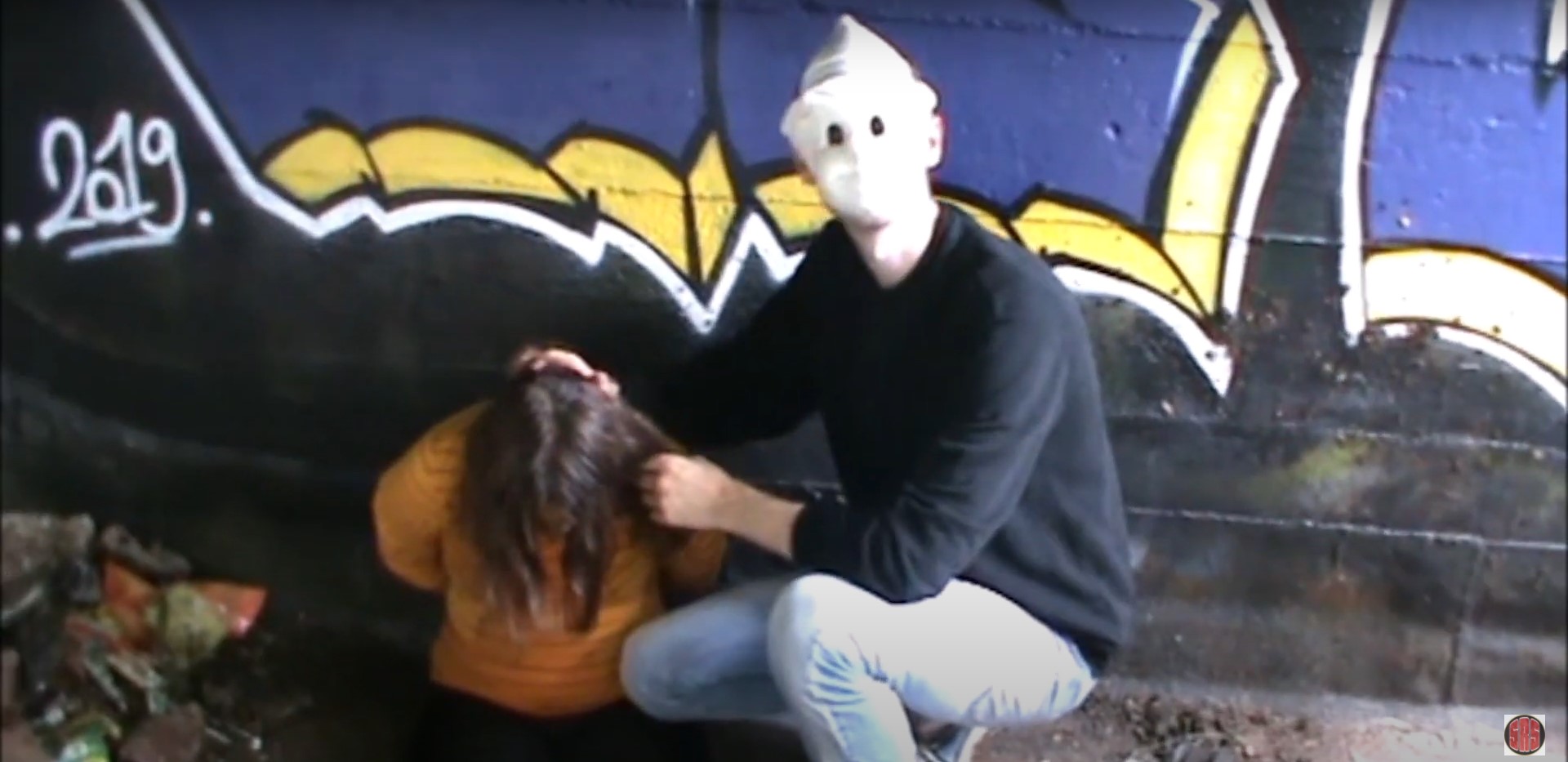
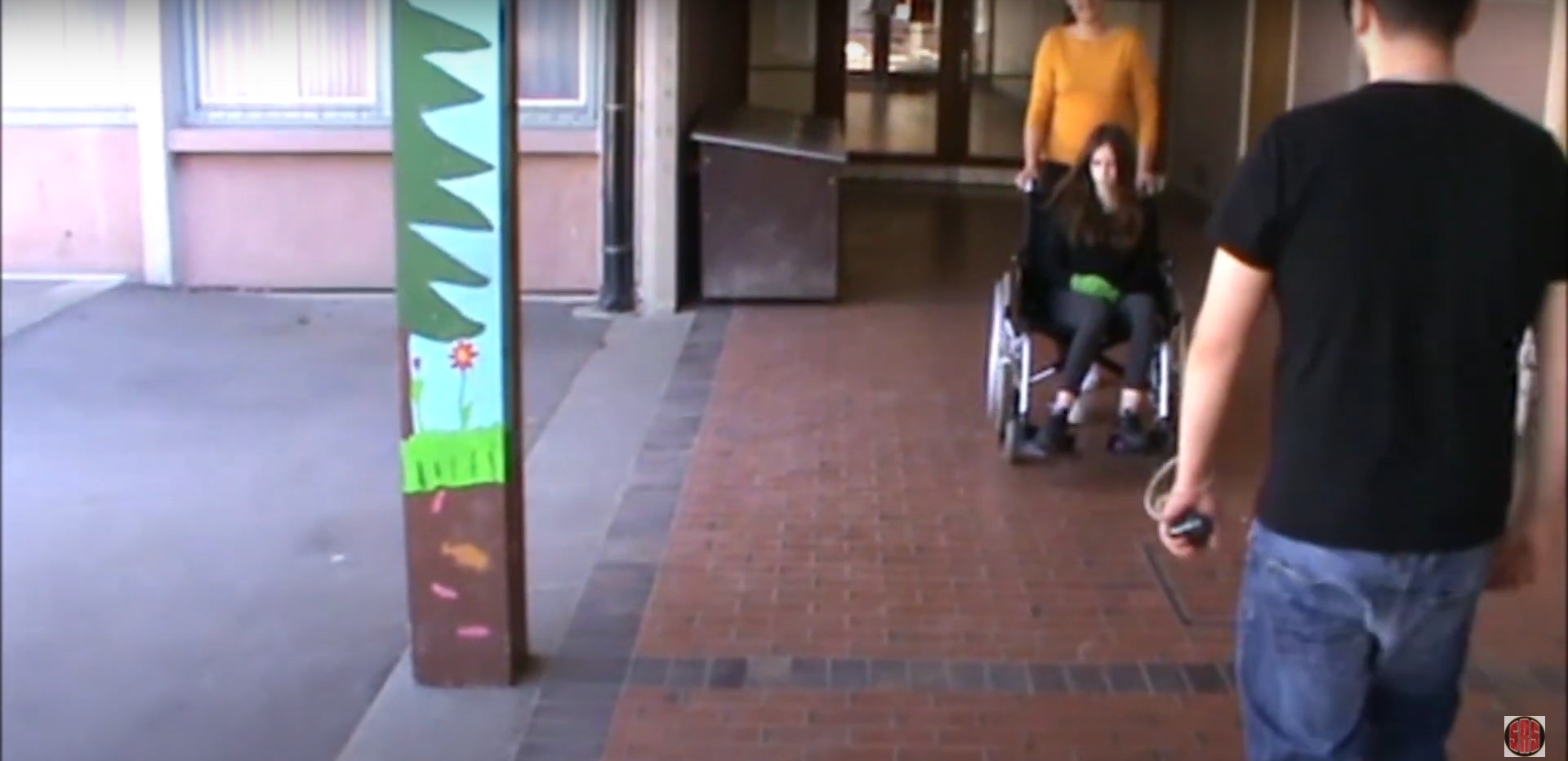
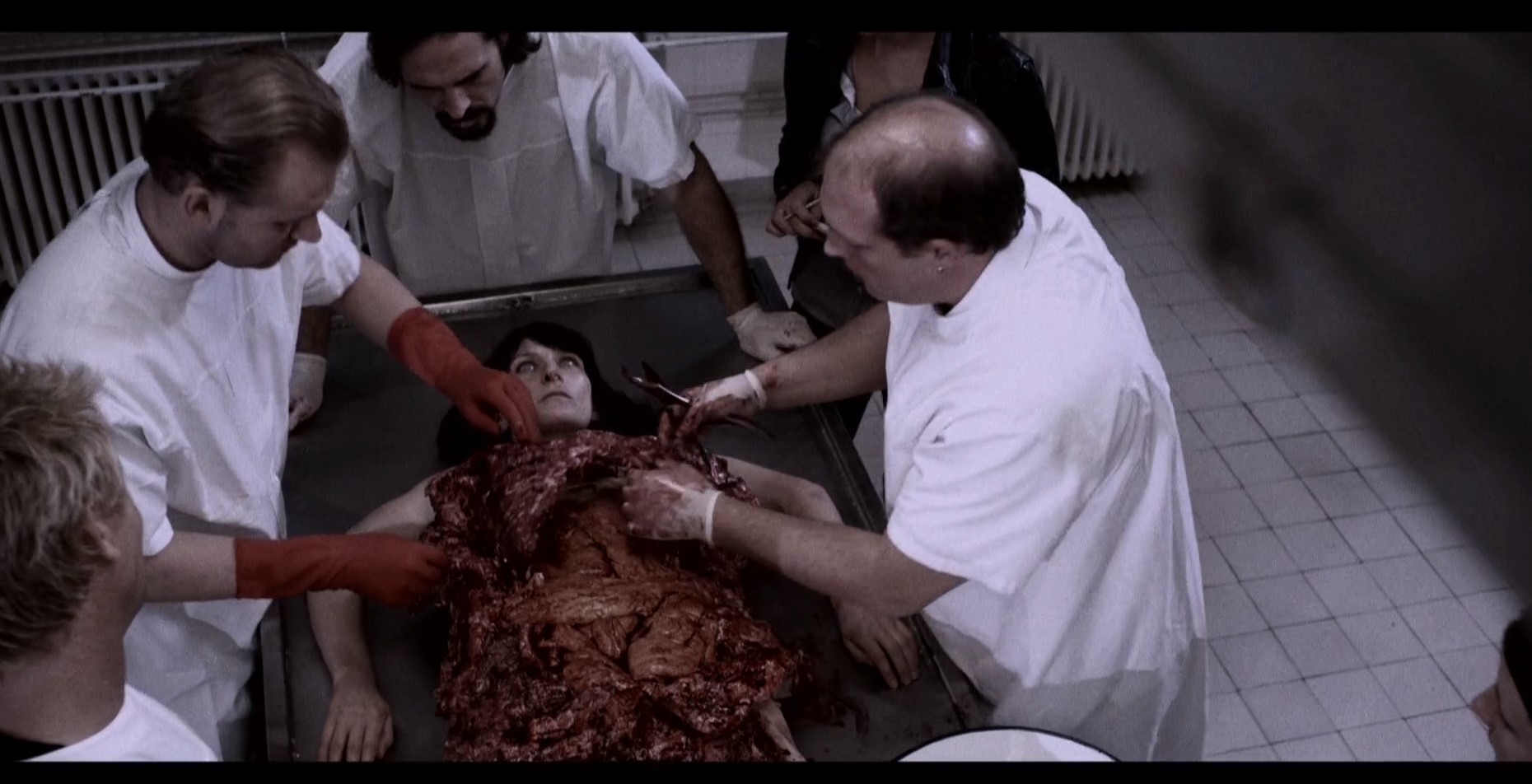
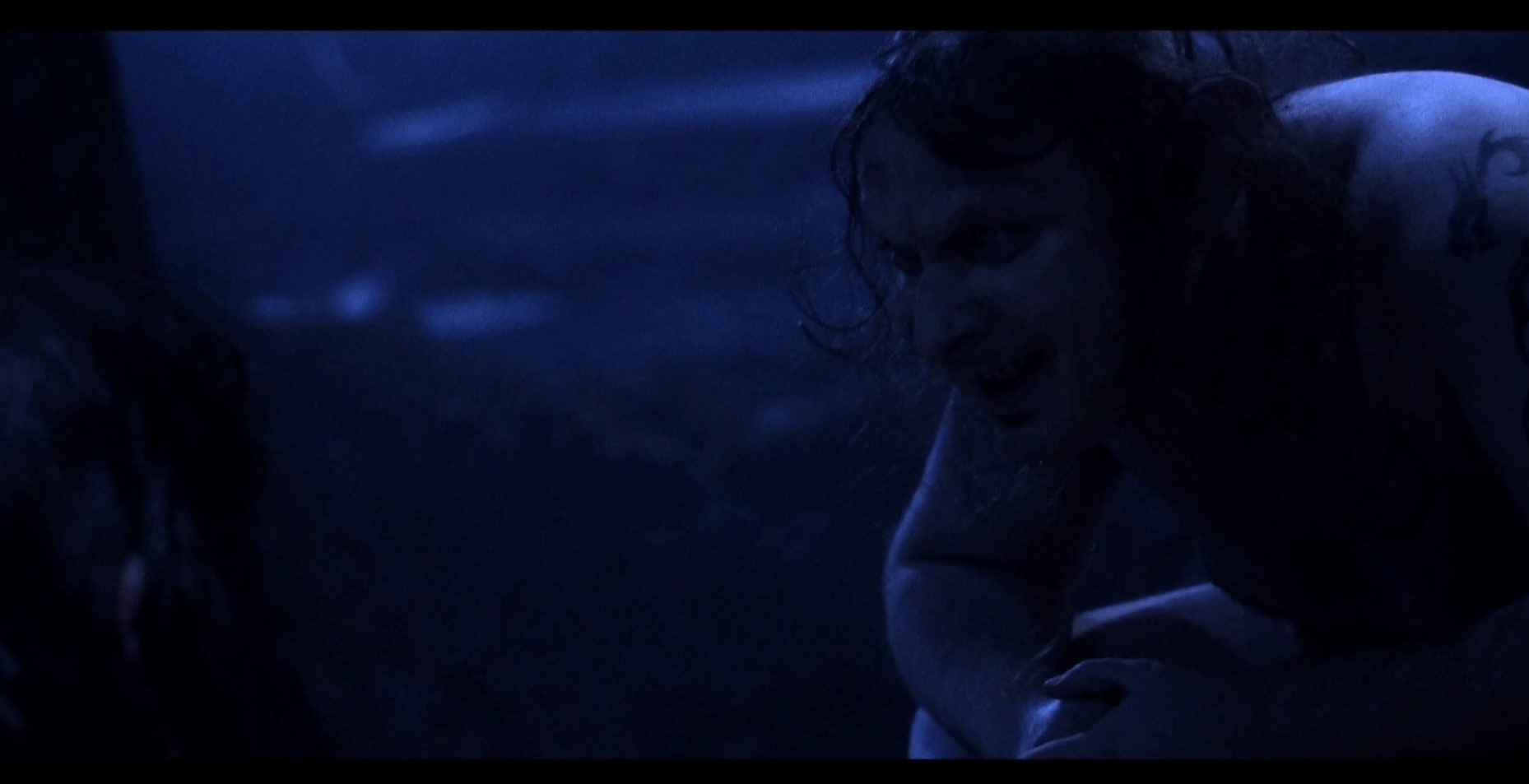
Two killers are employed to do what they do best, to make a snuff tape.  Brokering the deal is Brand, a middleman serving on the behalf of a unknown client and relaying the job’s details to his contracted filmmakers.  The casted stars of their next production is a young pregnant woman who works at the home for the disabled and one of the residents, a 15-year-old deaf-mute girl who can’t utter a single sound due to her extreme incapacitated condition.  Pretending to be making a documentary about the disabled, the two killers were able to gain the women’s trust, easily drug them, and move them to a secluded location where the sadistic torture and affectionless murder show begins.

Straight torture and gore with no cinematic style or undertone depth is not every moviegoers preferred cup of tea.  For this gore hound, I can take it or leave it but would enjoy the darkest recesses of human sadisms and fantasies more if something was more germane to the reason for gore, but as far as Juval Marlon’s “Snuff Tape Massacre” is concerned, what you receive is a single perspective propelled by unsympathetic maliciousness, nihilism, and a taste for that metallic sweetness of blood.  The Germans are fairly well known for their insensitive, uncouth, and extreme films from the likes of directors Olaf Ittanbach and Jörg Buttgereit.  Does Juval Marlon have the blood and guts to be on the same level?  His written and directed 60-minute independent feature, also known as “Stermgewehr,” (“rifle” in German), aims to be a gruesome shocker under Marlon’s own befitting Beheading Films banner.

Obviously, none of the following names will be a part of a familiar, household cast fixture.  These types of gorging gore films usually have a small and conversant with each other cast of at approximately a hand full of willing actors and actresses to possibly mar, or better yet castrate, their acting aspirations with needless disturbing content that’s ironically overstated as well as understated.  “Snuff Tape Massacre” has a total of five members in the cast and out of the five members, only one uses a first and last name. The others go essentially dark with their real or full names anonymous to the world because who would ever in their right mind want to be associated with a movie about a snuff film? Thomas Goersch is the only full name credited and the only actor who a respectable credit list. However, Goersch has had many publicly and critically panned low-rent features with “The Curse of the White Woman,” “Bloody Shadows,” and “Poltergeister Experiment” being just some of his most recent samples that fallen into the depths of unsalvageable dumpster fires (and this has perked my darkly morbid and unusual curiosity in bad, bad movies!). As businessman Brand, Goersch never gets his hands dirty, leaving the role and his name unscathed and to leave all death-dealings to his hired hands in a pair of automaton teenage terminators including the head Snuff Filmer (Navarro) and his unnamed companion on the trail of blood. At least Goersch has a bit of Bill Zebub underground star power in Germany, Navarro exists only in this film as the one of the two mostly shaded and masked killers who kidnap actresses Tanja and Maria V. to exploit. The ruse surrounding the kidnapping leaves what ever little effort there was to be, to make the ordeal more engaging and exciting, was left back on Brand’s phone call as the Snuff Filmer’s plan to be pseudo-interviewers for a documentary goes off without a hitch. Maria V. does find as an interviewee of a second-year social worker enthusiastic about helping but her fellow co-kidnappee in binds Tanja literally serves as a second body to humiliate, torture, and execute by two desensitized individuals that isn’t a far stretch from their rigid performances as high and tight killers.

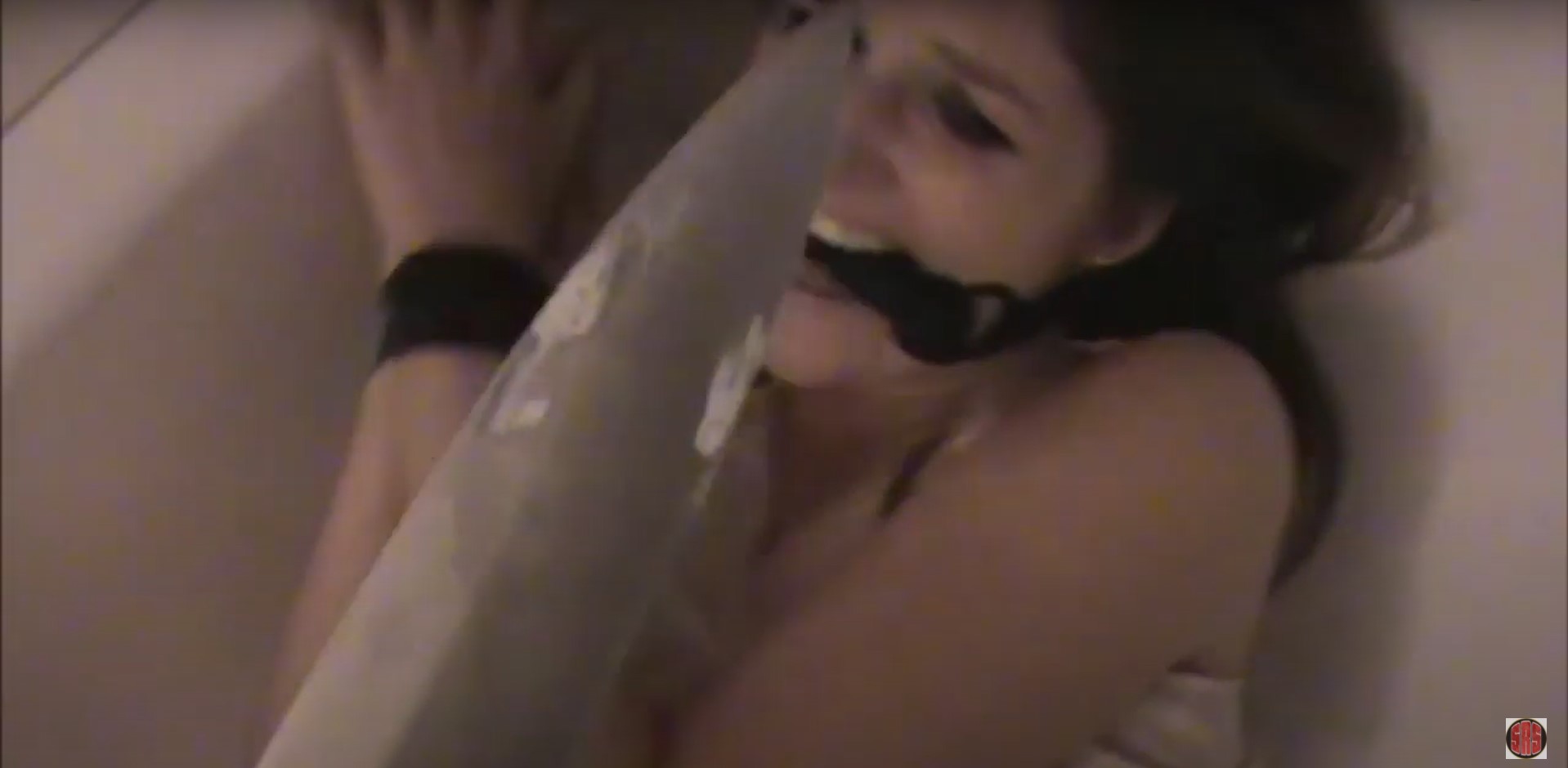
The crux of the problem with “Snuff Tape Massacre” is that the movie is just too long. Right now, you’re sitting there, reading this, cross-eyed by confusion, and thinking to yourself, “Steven, didn’t you say this was a 60-minute movie?” The answer is, yes, I did say that, but Marlon’s previous work, of similar extreme fetishisms, have been short films and “Snuff Tape Massacre” feels very much like a short film that’s been mishappened by a rack, stretched beyond its limits to where the possibility of being recognized for what it is, an orthodox gore and shocker, no longer factors into the equation. Scenes run too long and are over kneaded to the point of losing its impactful rise. For instance, when the young 15-year-old mute-deaf girl is being threatened by the Snuff Filmer’s automatic rifle barrel as he stuffs it into her mouth in an unspoken, simulated act of fellatio, the scene drags on for minutes upon minutes. As aforementioned, “Stermgewehr” in Germain is rifle and so these scenes should have some significance importance but overall feels juvenile and executed with poor time management. Marlon obviously doesn’t have two Nickels to rub together to fund this film, using old compact, pocket-sized digital cameras to record the varying levels of video and audio quality, but the one thing us gore hunds can appreciate is the gore. We can certainly tell a fake leg, arm, and even penis when one comes on screen and “Snuff Tape Massacre” is not exempt from using more-so than obvious inner details with no arterial or vascular details whenever a leg or arm is chopped (or even sawed) off with a dull hatchet, but what can be admired is the seamless look of the leg and the arm to the actresses. We’re not talking about a mannequin’s appendages or a plastique digits here when the dragged-on interview has finally wrapped, and the real raw material begins with decent prosthetics and blood pumping mechanisms that squirt blood longer and for the duration. The most effective effect is dick-hole jab stuck on repeat until the snuffer hits what we all presume is the back off the prosthetic piece but in the back of our mind, we’re really thinking bone. It’s a crotch-grabbing, leg-crossing, dick mangling moment no guy will ever forget.

SRS Cinema is well-known for bringing schlocky shockers to the table under the guise of really fantastic and detailed artwork for the banner’s DVD covers. “Snuff Tape Massacre” is no exception here as Juval Marlon’s film is juicy enough to make the company’s Nightmare Fuel line with an unrated and extreme release presented in widescreen 1.85:1 (16:9) aspect ratio in a lower resolution of 720 pixels (due to the compact digital cameras). Though unable to tell what cameras are being utilized, there are two different cameras are being used based on the vast difference in picture compressions with one looking stronger and more detailed than the other. The onboard microphone for the English language dual channel stereo mix is a lossy MPEG audio format that really takes a hit with the inconsistent background noise and electronic interference with a straight hum throughout when Marlon’s industrial sampler score is not substituted for sole audio dominance. Like many other SRS titles, the only special features included are SRS trailers for their catalogue unless you count the aforesaid artwork design of an illustrated half-naked bathtub victim with eyes of kitchen knife-stricken terror as part of the special features package – see below. “Snuff Take Massacre” is considerably low for a repeat viewing, but there are enough scenes that will undoubtedly make you recoil and squirm and that, my gory compadres, is worth the sole price of admission.

Pick Up This Nightmare Fuel of “Snuff Tape Massacre” on DVD at Amazon!


Chainsaws, Tanks, Booger Flicking! So Much Bloody EVIL! “Premutos: The Fallen Angel” reviewed! (Unearthed Films / Blu-ray)


Grab “Premutos:  The Fallen Angel” on 2-Disc Blu-ray at Amazon.com!

Before the fall of the angel Lucifer, Premutos was the very first angel to fall from heaven.  More wicked and desirous for power, Premutos resurrects legions of the undead to conquer mankind on Earth and throughout the centuries, the ruthless former angel of Hell casts his conduit son to build his army of the dead, but has failed again and again to squash the spirit of man into servitude submission, discarding Premutos back to the depths of Hell to try again at another time.  This time being present day Germany when a young man discovers a book that chooses him to be the emissary of death, paving the way for the rebirth of Premutos, but an arms and ammunition’s enthusiast and his party guests must fight to survive and kill every last zombie and underworld creature thrown at them.

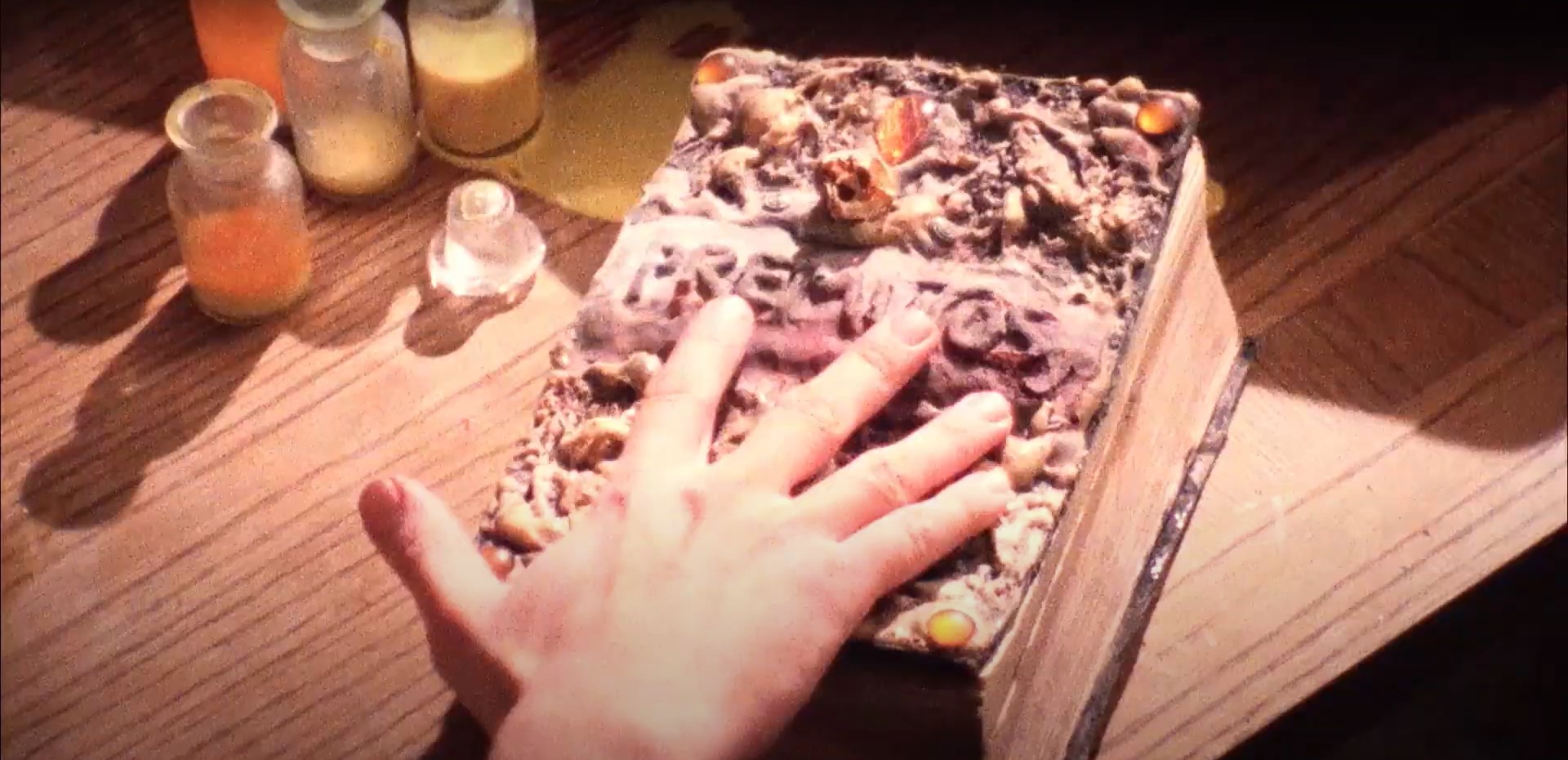
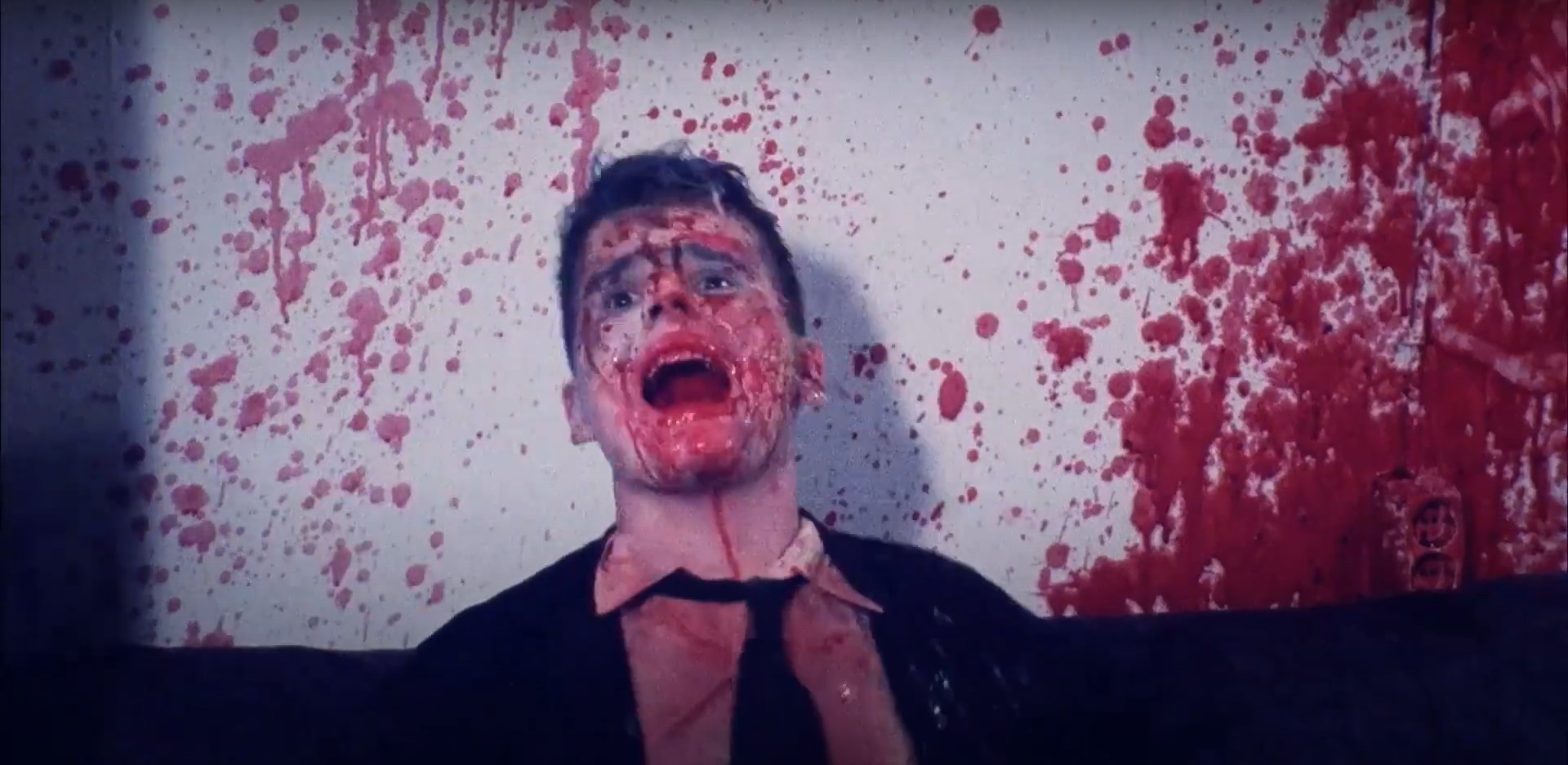
After having reviewed his 2010 existential horror “No Reason,” a need to dive into and experience more the splattering Armageddon of Olaf Ittenbach’s gore shows has been gnawing on my fairly acutely demented subconscious and this past week, I was fortunate enough to receive a newly released extended director’s cut of the director’s late nineties, pseudo creed, blood berserker “Premutos:  The Fallen Angel” and get my corneas dirtied by its unholy high body count.  Doom-estically translated from “Premutos – Der gefallene Engel” and more commonly known in the States as “Premutos:  Lord of the Living Dead,” relies very little on the unrefined visual special effects that were going through a massive evolution with computer advancements pre the turn of the millennium.  “Premutos” is a big practical effects enchilada with exploding bodies, gallons upon gallons of blood, and there’s even a real tank painting the walls and everything surrounding the walls red with a detonation of blood and gut splatter!  Kaboom!  Ittenbach mind-to-movie visualization goes from zero to 1,000 in a blink of a plucked-out eye and nothing stops the filmmaker from his warped creativity and comedy that can take the more puritanical few back a few steps and cause a ruckus of disgust.  “Premutos” is produced by Ittenbach, stars Anke Fabré and André Stryi, and cinematographer Michael Müller with IMAS Filmproduktion serving as principal the production company.

“Premutos” begins with an epic epilogue, historizing the horrific mythos alongside equally horrifying visual components of Premuto’s death and destruction attempts to conquer man.  When the history lesson ends a transition begins with Olaf Ittenbach himself as a bumbling mama’s boy Matthias coming across the ancient resurrection incantations of Premutos his gun nut father Walter (Christopher Stacey) unearths in his backyard.  Ittenbach plays a wonderful pitiful thumb sucker in contrast to Stacey, who doesn’t look that much older to Ittenbach, as a rugged, hardnose, hard=working ammosexual.  Before we can bask in what could have been a good diatribe, Matthias goes through a painfully metamorphosis of wrapping barbed wire and impaling steel rods to become Premuto’s death commencing son.  Corpses exhume themselves and attack the living to form an army of the fleshing eating undead and descend upon Walter’s birthday party and his wide-ranging personalities in attendance with the snobbish and loud Tanja (Ella Wellmann), Walter’s oblivious wife Rosina (Heike Münstermann), the drunkard Christian (Fidelis Atuma), Hugo’s ex-love Edith (Anke Fabré), and Edith’s ex-love Hugo (André Stryi) who has gone into a meek shell as he marries Tanya to fill the gap in his heart Edith had left.  The whole dynamic is an ostentatious display of vulgarity, a hyper overextension of behaviors that clash in one room before clashing with another over and beyond presences, beyond being the key word in being those beyond our plane of existence.  A blood gushing fight for survival ensues as the partygoers become trapped and only Walter’s arsenal of weapons can blow away the undead into slimy bits of smithereens. 

The closest movie Ittenbach’s “Premutos” reminds me of, with all the zany and quirky hijinks, insanely high body count, a geyser explosion of pouring down blood, and all the unbelievably bilious hoopla yet, all that nonsensical napalm draws you in like a moth to the sweet-smelling flame, is Peter Jackson’s “Dead Alive” aka “Braindead.” “Premutos” has that exact same tactless tone and a soaking bloodbath quality with a major stark difference in the comedy style as Ittenbach leans more to a cruder-crass approach with setups involving boogers, penis injuries, and BDSM gags. Somewhere in there I want to say that’s typical German flare, to shock and disgust audiences with eye-adverting and head-turning taboos. The rest of Ittenbach’s is an up-and-down rollercoaster of highs and lows that begins with an expositional illustration, highly detailed and greatly edited, to showcase Premutos’ barbaric backstory up until the title card “Premutos” to where we’re dumped into half-assed cosplay battles still rendering excellent practical effect kills. Ittenbach is supposed to play a man, or rather a man-child, who is the reincarnated wicked herald who begins the end of days for his dark master, Pemutos., but the way Ittenbach structures the aforesaid concept falls upon more experimental means than literal ones and Matthias randomly succumbs to flashbacks of a former life in what looks like medieval times or maybe even early 20th century Europe – hard to tell – where he’s persecuted without reasonable justification until he turns into a large snaggle tooth and demonic monster in his visions. The latter half is where all the action is at with a horde of zombies laying sieged to a ragtag bunch of Germans drinking beer and ridiculing each other. Somewhere in there is also the rekindle of a former love life between Hugo and Edith who have to first regain their lost backbone in a rampage of mowing down the dead by any means possible before the two love-struck lovers rekindle a long-thought-lost relationship. That struggle is Ittenbach’s, about as elegant as he knows how to be, show of an obstacle between the power of love, to put the world facing the destruction of slavery in their path to deliver a blood, sweat, and tears of flesh robust connection of attraction between them that can’t be stopped.

ItsBlogginEvil says check it out, the extended director’s cut of “Premutos: The Fallen Angel” on a 2-disc Blu-ray released by Unearthed Films and distributed from MVD Visual. Coming in at number 6 on the Unearthed Classics banner, “Premutos” is neatly packed and presented in a widescreen 1.78:1 aspect ratio on a region A BD50. Full high definition and 1080p specs apply to the now 24-year-old feature shot on an Arriflex with 16mm stock and the results are immaculate from a pristine transfer. Palpable, yet palatable, amount of grain over top a sustainable image that sees almost zero artefact issues and the tactile textures are greatly fine in the details. Hues don’t exactly pop but display more naturally up until Ittenbach’s gothic and surreal side envelopes him into the swirling of smoke and backlighting to create otherworldly glows and Cenobite-like torments. The release comes with two audio options: a German DTS-HD 5.1 surround sound and a German 2.0 PCM. The 5.1 has excellent fidelity and outputs a work into all channels as the background chattering, especially in the bar scene, gives off the sensation that people are talking behind you. That signal flows every explosion and weapon discharge with strength and prevalence throughout. Dialogue is also strong and prevalent despite much of the gibberish that comes out of the characters’ mouths. English subtitles are available and sync well with accuracy intact but can be fleeting at times and hard to keep up with. The second disc is a compact disc of A.G. Striedl soundtrack which I found to be the most disappointing and lossy aspect in listening to lo-fi grunge and hard rock that provides no boost to chaos on screen. Other special features included on the Blu-ray alone are the original cut of the film with an English dub and original German language, the extended making of “Premutos,” the early years of Olaf Ittenbach, a photo gallery, and trailers all stowed inside a new cardboard slipcover. “Premutos” may be soaking in its meaningless, hellish narrative but it’s an unforgettable slaughter-ride through body, blood, and bone, a genuine practical effects wet dream made into gruesome reality and keeps surprising you at every frame.

Grab “Premutos:  The Fallen Angel” on 2-Disc Blu-ray at Amazon.com!

EVIL’s Always Listening in “A New World Order” reviewed! (Reel 2 Reel Films / DVD)


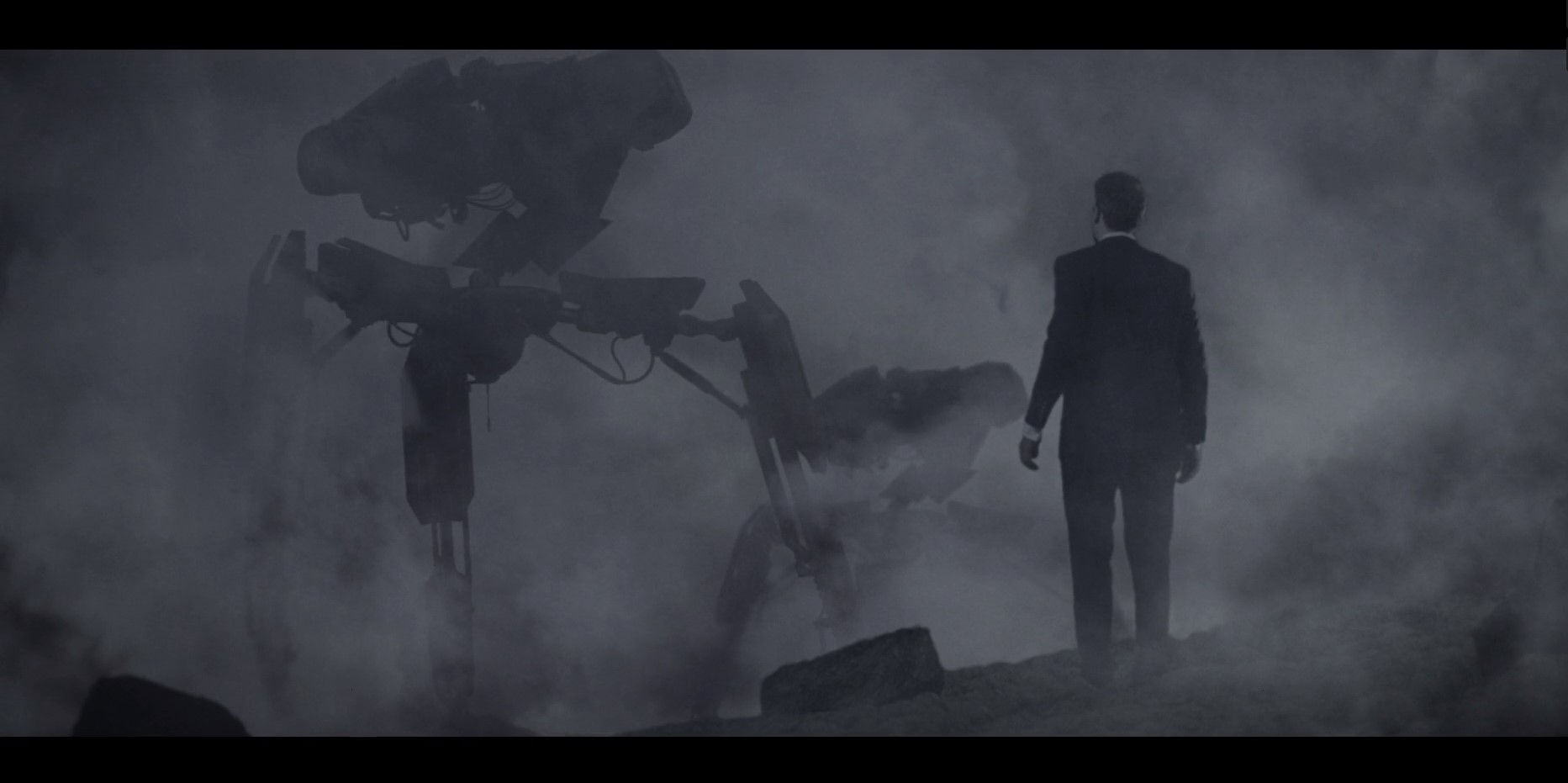
A.I. terminates their dependency from its creators and war has ravaged mankind as armed to the teeth, towering tripod machines and maneuverable mechanical air vessels are locked onto a search and destroy mode, targeting all human life.  To avoid and evade detection, survivors must keep quiet as the machines hunt by sound and use the limited technology available to protect themselves.  That’s how one military combat soldier has been surviving after deserting his overran and decimated post before bumping into enraged civilian resistance fighter who’s determined to strike back with a fatal blow in a heavy causality and seemingly unwinnable war against the merciless machines.  When the civilian determines a way to stop the machines with a salvaged nuclear device, the deserter must decide whether to keep meagerly living in the shadows or sacrifice everything for humanity.

“The Terminator” meets “A Quiet Place” meets “War of the Worlds” in this German produced independent science-fiction battlefront thriller, “A New World Order,” as the Berlin born Daniel Raboldt ‘s first feature length directorial.  Raboldt pens an action heavy story with only two lines of dialogue alongside fellow short film partner, Thomas Franzen, following their developments of satirical and puppeteer-propped comedies of the web series “Tubeheads” and their short film “Furple Reign,” with Raboldt having been in the writer-director chair for both and Franzen as part of the crew on both projects with a role in the art department and constructing cinematographically shots as DoP.  Alternatively known more worldwide by the original title, “A Living Dog,” as I assume in the idiomatic expression of a dog’s life of sorrow and hunger, the Finland shot “A New World Order” is a production of Raboldt and Franzen’s Nocturnus Film that was funded by a Kickstarter campaign which raised over €12,085 by patrons from its €10,000 goal.

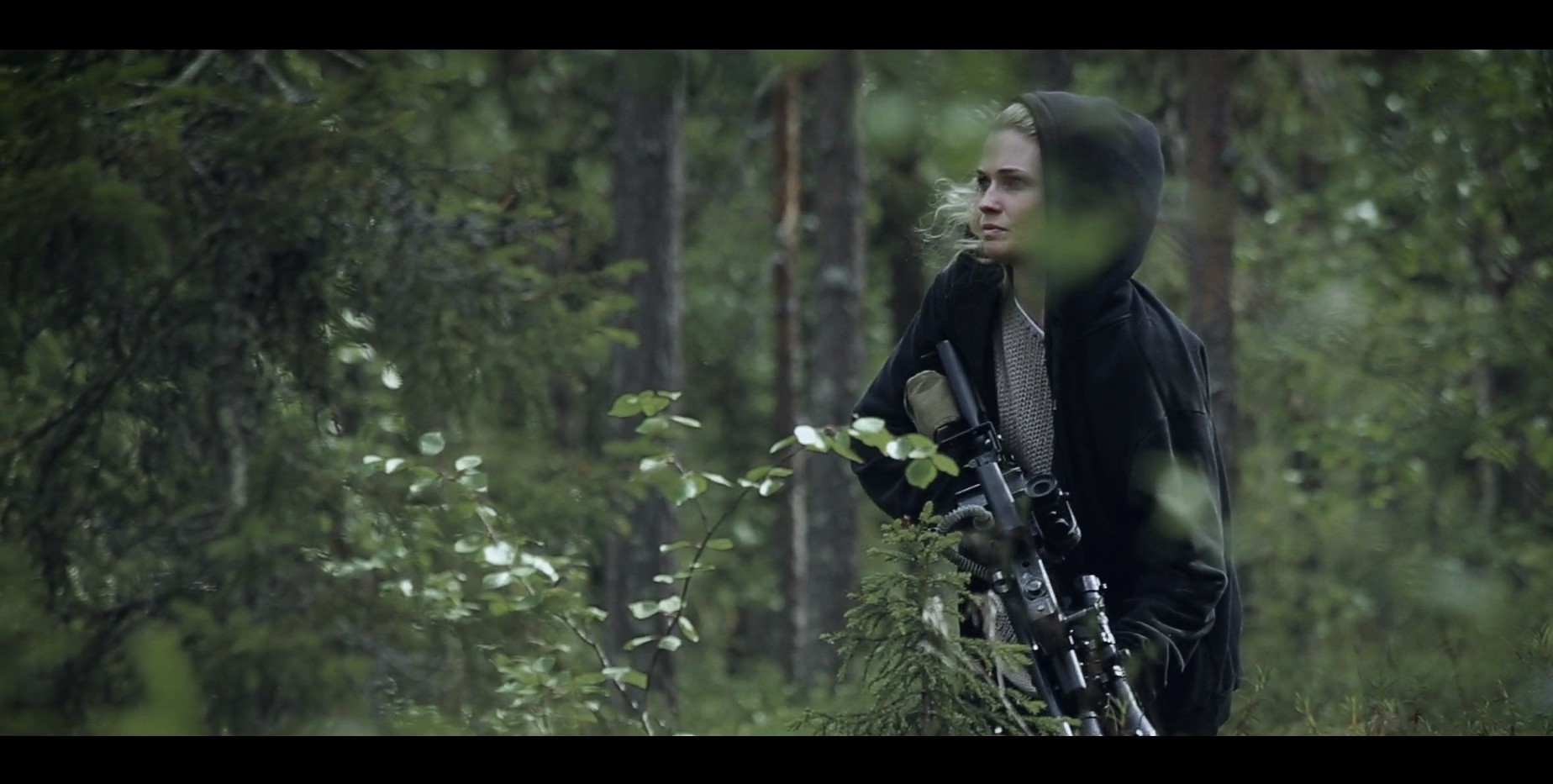
With just over €12,000, pocket change like that can’t afford you megastars Tom Cruise or Emily Blunt, but can buy superb unknowns with heart in their lead roles.  Such as the case with Stefan Ebel and Siri Nase as Tomazs and Lilja, two unlike survivors of machine dominated cataclysm with distinct positions on where they stand in their war-torn world.  There’s no short change in performances that warrant Ebel and Nase to feign the presence of large and looming cybernetic tripods that vaporize humans to dust upon sound.  “A New World Order” seems gimmicky with the absence of dialogue, but I think it’s more tricky to act against a computer generated special effect, much like Emily Blunt and John Krasinski’s inventive terror playing against actors or stuntmen in motion capturing suits.  Raboldt and his team more than likely did not have access to or have funds for motion capturing suits.  Instead, the actors engaged imagination, creativity, and relied on their experience and training, such stage crafting from Theater der Keller in Cologne where Siri Nase performed from 2007 to 2011.  Ebel makes his on screen debut by diving into the complexed Tomasz, a deserter just trying to survive over top anything else, and Tomasz comes across pitched perfectly desperate and paranoid while being borderline selfish with a sheathed good nature heart lying in wait.  Aside from bit roles of human refugees and characters in flashbacks, the two leads embody the entire cast list.  

“A New World Order” derives and parallels from a variety of iconic Sci-Fi cinematic inspirations, but at the core, Raboldt courses a theme of repelling human behavioral reactions toward a major calamitic event and threat through the current wartime arterial capillaries, unclogging the blockage between Tomasz’s tail between his leg survival approach and Lilja’s reckless desperation to destroy the machines on her own to form a unity of calculated patience to not only stab revenge into the soulless machines, but also maybe, just maybe, live through obliteration.  Yet, Raboldt misses the mark slightly by having too late the characters circle back and fix what’s broken with themselves, leaving mere morsels to mend before one character’s arc ends before it can even fully begin.  There’s also the no dialogue gimmick/aspect/touch, whatever is your opinion to label it, that fails to naturally flourish because unlike “A Quiet Place” where “A New World Order” only indulges the more character-driven drama, the fiery back and forth dogfight delivers empty promises due to budget constraints, resembling more along the lines of Gareth Edwards’ “Monsters” in its distant tone with a delimited appearance, but with a film that has nearly no dialogue, the action should be guaranteed in your face, heart-racing, and on the edge of your seat to compensate. “A New World Order” whittles down the hero concept, peeling off the rotten layers that make us weak and defenseless alone, to unearth the perfect kill switch on the machines to save Earth for humanity.

Don’t speak if you want to live in “A New World Order” now on DVD home video from Reel 2 Reel Films (R2R) in the UK. The Region 2, PAL encoded, DVD5 presents the film in an anamorphic widescreen 2:40:1 aspect ratio under a 15 rating for strong violence and bloody images. The violence is more the lasers vaporizing people to smoke in Thomas Franzen’s landscape assemblage of Finland foliage that becomes the base layer to Raboldt and his visual effects crew CGI monstrosities and rotoscoping composites that make “A New World Order” feel like a science fiction graphic novel. Blacks are starkly deep, but there’s no awestriking visual pops to really juxtapose with in a bleak color reduction to reflect bleak war. Details are not spectacular in this 720p format, but do the job in reality rather than in a rotoscope flashback. The English Language Dolby Digital stereo AC3, surround sound 5.1 mix, can kick hard when lulls in the character stories are because the kill bots has made audible contact and “A New World Order” is a LFE machine, pun intended, as the nuts and bolts hunters blare in vast quantities their resonating automaton bellow. Since this is a DVD5 with a feature running at 94 minutes, there is no room for special features to speak to, leaving just the antistatic menu and a white snapper case. “A New World Order” is a big concept on a little budget, but for director Daniel Raboldt, a new world spawns a man versus machine campaign from inspirational passions and ideas into understanding which innate reaction is an internal struggle to embrace with all that you have or to die by with little you have left.

EVIL Has Layers. Colorful, Beautiful, Red Dripping Layers. “No Reason” reviewed! (Unearthed Films / Digital Screener)

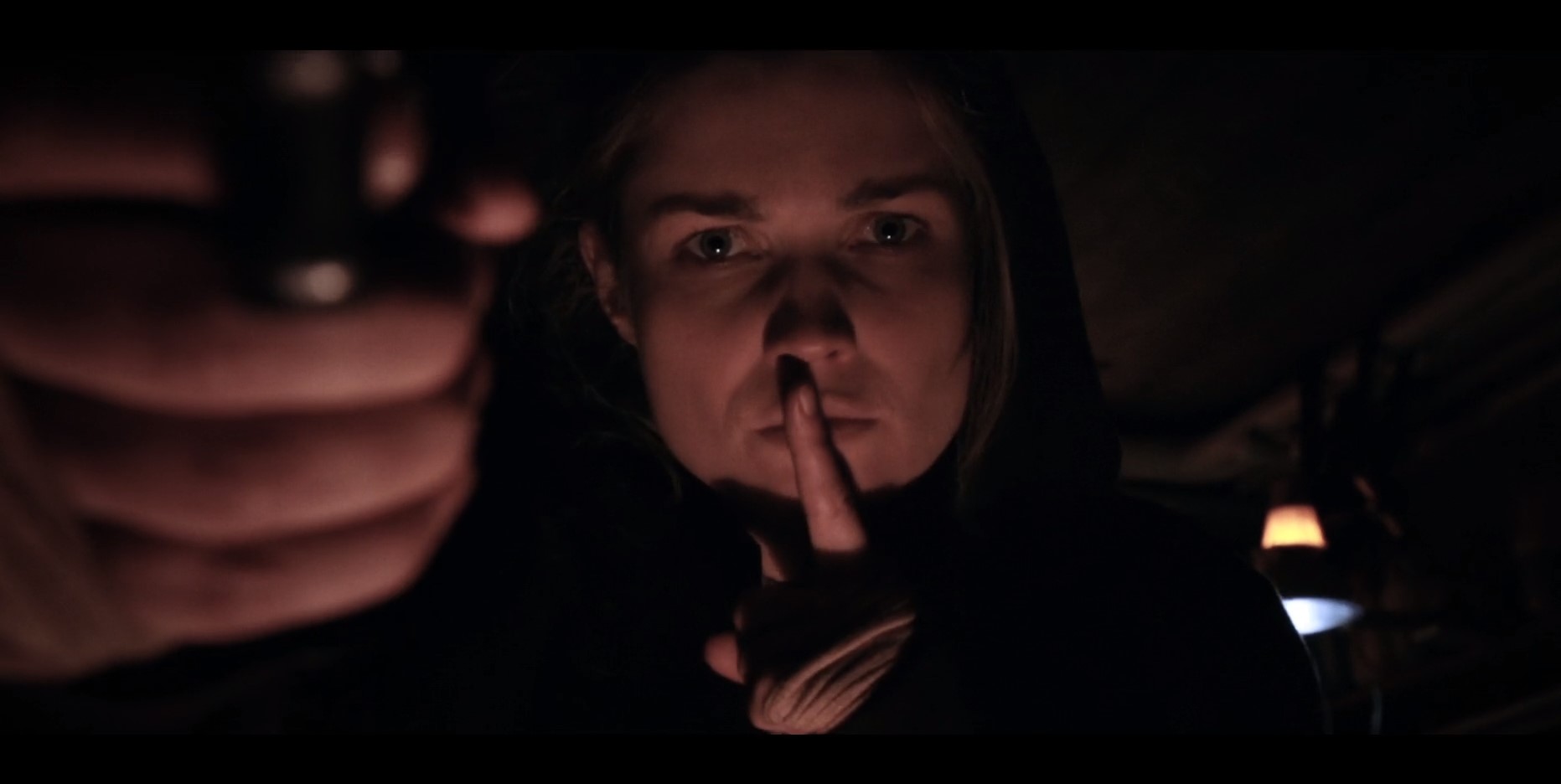
On the verge of moving from her quaint apartment, Jennifer begins her morning caring for her son, Nico.  Throughout the morning, her complex neighbors come knocking at her doorstep with unusual behaviors, even so with the mailman who apathetically leaves her bathroom a mess after requesting an urgent need to use the toilet.  After leaving Nico with an elderly woman in an adjacent unit to do some light shopping, Jennifer comes home her son and neighbor not answering the door and figures they went out for a while.  As time passes and her anxiety builds, Jennifer decides to soak in a relaxing bath but when she falls asleep, she awakes amongst a pile of dismembered bodies, subjected to ultra-violent video recordings of the neighbors who she saw earlier, and a masked maestro of anguish to help Jennifer regain life purity through pain.  Through the layers of suffering, the ugliness Jennifer has to endure to survive and find her son might be an awakening she will forever regret. 

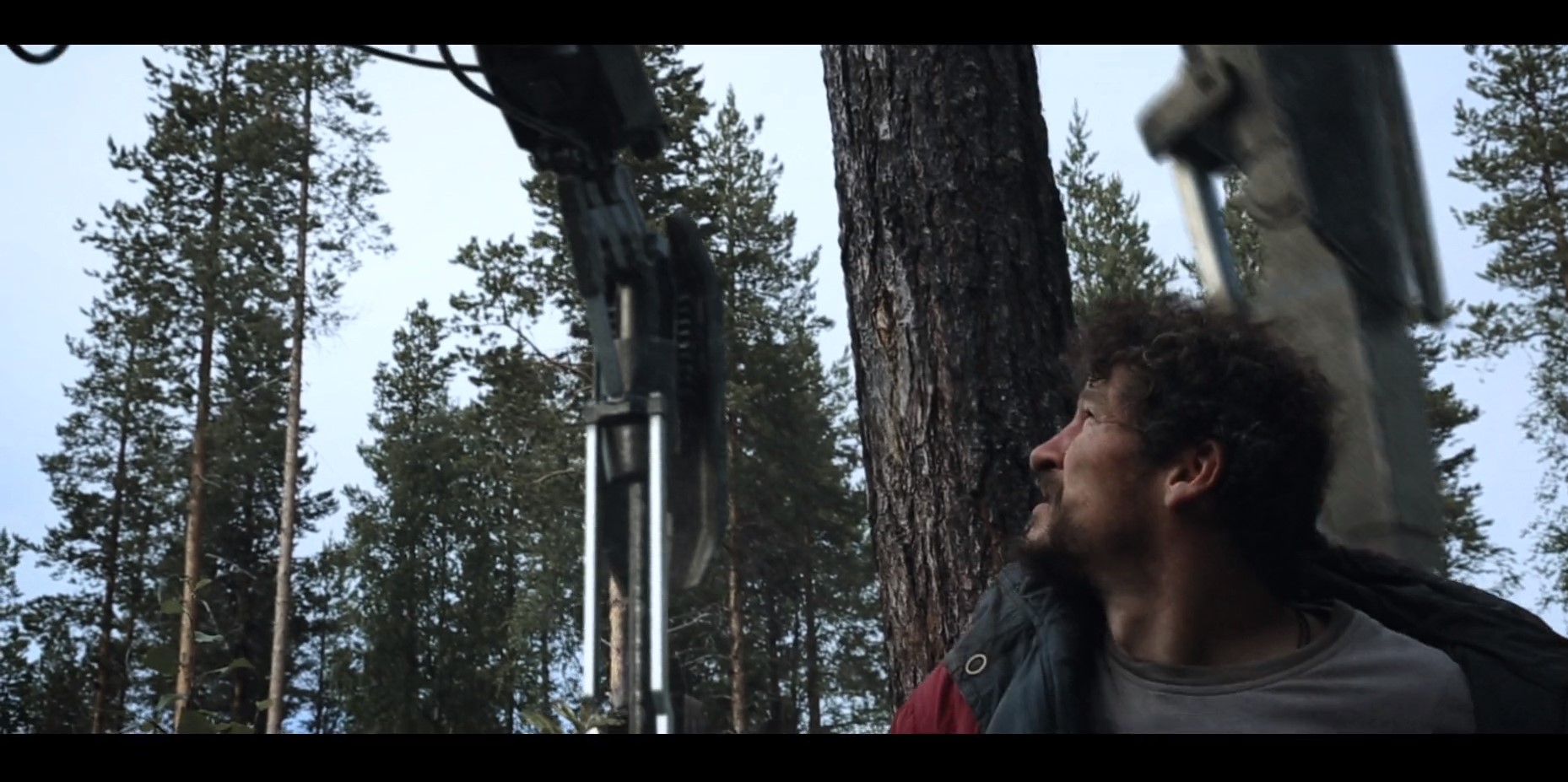
From the violence saturated mind of German auteur Olaf Ittenbach comes a battle of conscious, a gore waterlogged vision, in his 2010 blood-shedding shocker, “No Reason.”  Now, I may be over a decade late to the party on this title, but Unearthed Films has brought a newly remastered, fully uncut Blu-ray to physical and virtual retail shelves, reviving the “Legion of the Dead” and “The Burning Moon” filmmaker’s title from the North American grave as the Intergroove Media DVD has been out of print for a long time, and kicking my ass into high gear with diving into the surreal expressionism, splayed into every nook and cranny, of deviated behaviors and splintered thoughts.  “No Reason” is a production of Ittenbach’s IMAS Filmproduktion studios and co-produced by German SOV splatter film connoisseurs, Michael Nezik and Ingo Trendelbernd.

Like Alice traversing a macabre-cladded hell on Earth wonderland is Irene Holzfurtner as the confused lost soul Jennifer  More or less fully naked and bloodied half the story, crossing through portals of layered perdition in order to find her son and saving grace, Holzfurtner has insurmountable perplexity hung across her character’s face in the midst of being plopped into bedlam, taking the character on a journey pain, torment, and enlightenment bare ass naked and covered in blood in a metaphorical rebirth.  Overseeing Jennifer’s trial and tribulations into being brought back reborn as it were is a sadist donning a crude Cthulhu mask and strapped tightly into a medieval BDSM attire who speaks in riddles and verse to sermonize his cathartic guidance.  Markus Hettich towers a monolithic man of pain and pleather, calmly exercising his shrouded authority a healthy amount of sadism, masochism, and sadomasochism in order to undress the falsehood of Jennifer’s split spirit.  Hettich pins an ideal Devil-like antagonist, rupturing through the connective tissues of the psyche with a lingering omnipresence that delivers shivers down the spine.  Mathias Engel, Alexander Gamnitzer, Andreas Pape, Annika Strauss, Ralph Willmann, and Hildegard Kocian make up the supporting cast who are most cooperative being exploited by the violence and nudity that accompany their ill-fated roles of humiliation, torture, and inevitable gruesome death.

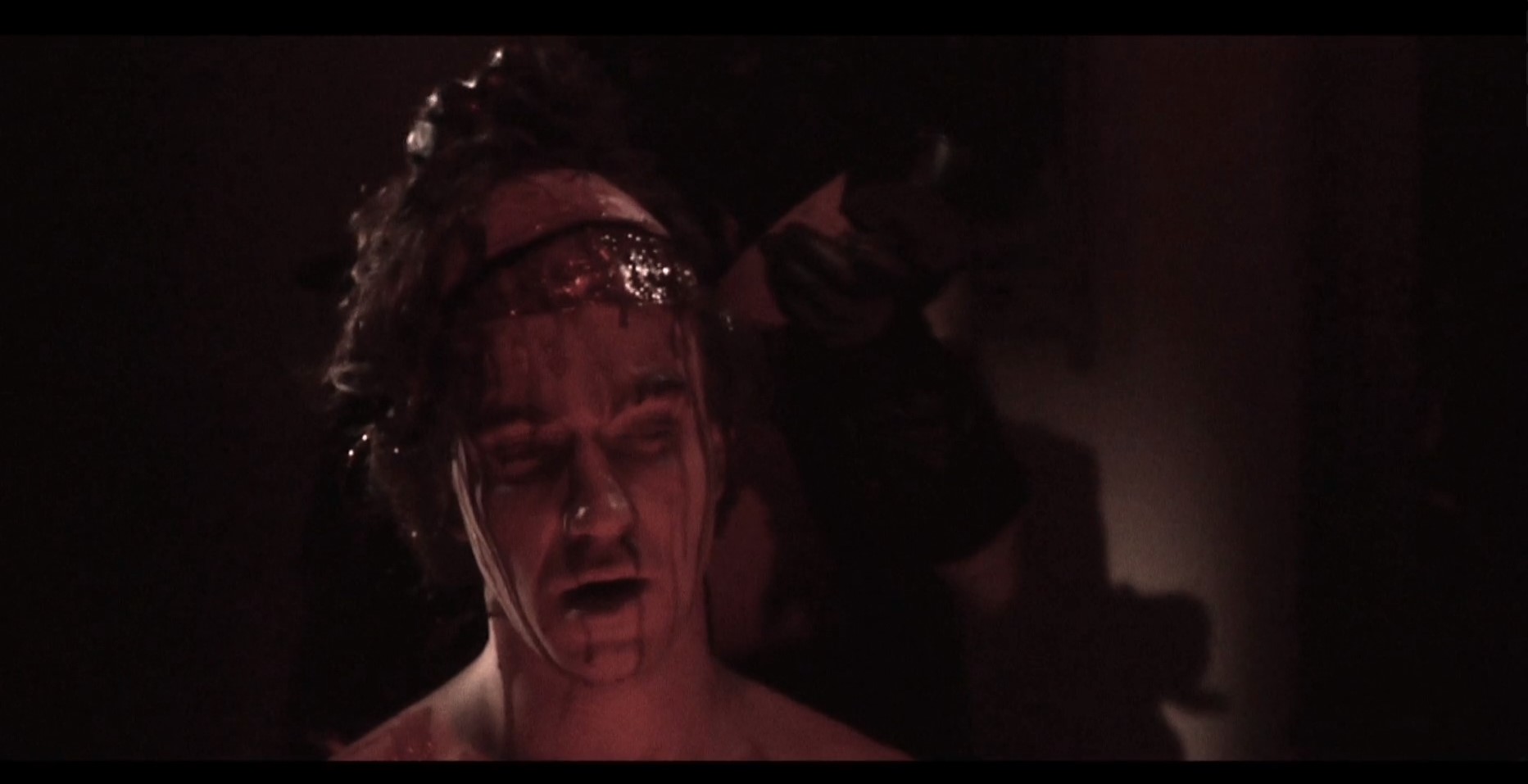
Ittenbach obviously brings the gore but the controversial director, who has sparked backlash for glorifying violence, brings a beaming arthouse allure to his “No Reason’s” gargantuan bloodletting.  Layered with multi-colored conjectures point to the unhinged state of a mind, Jennifer endures unspeakable anguish in layers encoded with red, green, and blue, each specifically engineered by the masked man to trigger a response when testing Jennifer’s will; a will to what end is something you’ll need to watch the film to understand.  What I can tell you is that each color stage bares a horrific theme – red is simply the spilling of innocent blood, green is feminine dominance symbolized by BDS&M (a running motif throughout) where uninhibited women urinate on men (explicitly shown), castrate by oral sex, and divulge themselves with lots of male body disfiguration through whips, chains, and other large dominatrix toys, and blue is filled with mutants who are just as ugly on the inside as they are on the out.  Completing each stage costs Jennifer bodily harm as a reparation for staying on the path of enlightenment, the white layer.  With a little money behind the project, Ittenbach’s able to accomplish some fantastically brutal scenes with fleshy prosthetics and I, personally found the intro credits to be insanely power in it’s composition despite the simplicity of it.  Where “No Reason” buckles is the crux of Ittenbach’s artistry with the parable that borders nonsensical guff.  I’m not going to lie, “No Reason” is difficult to follow from the pre-opening credit epilogue home movie montage of Jennifer and her parents frolicking on the grass, praising Jennifer’s smarts at such a young age, to the post-opening credit opening of a naked and bloody Jennifer holding a detective hostage, to the surreal cerebral journey through a timeless purgatory horror house Jennifer finds herself trapped, the segues, if any, often feel omitted and we’re left to assume the rest. 

The brisk 76 minute runtime perfectly balances the right amount of abstract story and gore and, now, “No Reason” has a better reason for your attention with Unearthed Films’ new scan of an uncut Blu-ray release! The May release is presented in a high definition, 1080p, widescreen 1.76:1 aspect ratio. I can’t comment too much on the audio and visuals as a digital screener was only provided, which means there were no extras accompanied with the screener as well. “No Reason” is the first collaboration between Ittenbach and director of photography, Axel Rubbel. The pair went on to work on Ittenbach’s “Savage Love” two years later, but Rubbel has more of an imprint with Ittenbach’s candy-coated eye-popper gorefest with a kaleidoscope of blushes a tinged aberrant from the normal blacks, reds, and browns that blotted onto gore and shock films. The release will include two German language audio track options, a 5.1 surround sound and a stereo 2.0. Both should include English subtitles and, if the Blu-ray is anything like the digital screener, the subtitles are synched well with the dialogue and, from what I can tell, are grammatically error free. My abnormal brain can choke down the free-for-all soul-damaging ultra-violence and gore charcuterie board and Olaf Ittenbach’s “No Reason” fits that bill with a wide berth of exhibited atrocities while also coming up for air by attaching a misdirection substance behind the graphically lurid details of skin ripping from the muscular tissue and flesh lacerated to shreds by a cat-o-nine tails to ease us into the tumultuous mind of a psycho’s path.

“No Reason” available on Uncut Blu-ray!

EVIL Slums In The Company of Others. “Hausen” reviewed! (Sky Atlantic / Eps. 1-4 / Digital Screeners)

Jaschek moves into a property supervisor position of a slum housing complex with his 16-year-old son, Juri, after the tragic fiery death of his wife. Trying to rebuild and rebound on what’s left of his and his son’s life and waiting for the insurance money to pay out, Jascheck tends to the decrepit building maintenance and, over time, meeting the cold, strung out, and peculiar tenants while Juri attends school and becomes interested with the building’s discretionary drug pushing youths. When a young couple’s baby goes missing, the mysterious disappearance motivates Juri into an investigation, leading his curiosity to discover that the building itself, and the insidious sludge that oozes nearly from every crevice, feeds on the suffering and pain of the inhabitants.

When a black, wet stain on the wall embodies a biological presence of asexual spores and elicits the instinctual first thought of alarm sounding bells ringing to back away in your mind, this is how Till Kleinert and Anna Stoeva injects fear and biotic crud with their new horror television series, “Hausen.” It’s Bloggin’ Evil got to sample the first four episodes of the German 8-episode series that showcases director Thomas Stuber’s dank complexion of anthropomorphized leeching of the lower class, filmed partially inside an East Germany, 20 plus year abandoned hospital, once known as the GDR Hospital, located in Berlin. Kleinert is the writer and director of 2014’s “Der Samurai,” pulling from his film the lingering disembodied or dreamlike and integrating that surrealism imagery for the new series, and collaborates with first time writer, long time producer Anna Stoeva, one half of the boutique film production company, Tanuki Films. “Hausen” is a production of the Berlin-based company Lago Film, who co-coordinated the production on David Cronenberg’s “A Dangerous Method,” under department head, producer Marco Mehlitz.

“Hausen” primarily focuses around a reestablishing father and son, Jaschek and Juri, after a tragic house fire that claimed the life of Juri’s mother. The series starts off with the two driving up to the housing complex and breaking themselves right away into a runaway rundown building that needs more than just a sprucing up. “Transporter: The Series'” Charly Hübner plays the handy father, Jaschek, with non-expressive can-do attitude that becomes a block of interrelation between him and his son Juri in another unreadable performance from Tristan Göbel of Lago Film’s “Goodbye Berlin. That inexpression is the intentional tone of “Hausen’s” entire cast of tenant characters who float through a barely-living existence, most living grubbily, few living in humble comfort, but all being exploited by the organic narcotic that’s living, breathing, and striving from the inhabitant suffering. Hübner and Göbel impassively shepherd along the story along that introduces new characters into new episodes that digs deeper into the complex’s black, oozy, heart symbiotically connected to a caretaker known as Kater, the very first character Juri and Jaschek meet upon arriving at the building for the first time. The autodidact Alexander Scheer touts an unkempt, dirtied, and made to look like a complete hobo in Kater who, unlike his onscreen cohorts, vitalizes the screen with wild-eye expressions and an unsurmountable jocularity and puckish wit. The series rounds out with stars Lilith Stangenberg (“Bloodsuckers – A Marxist Vampire Comedy”), Stefan Haschke (“Krabat and the Legend of the Satanic Mill”), Daniel Sträßer, and Andrea Guo.

“Hausen’s” intended aloof pulse courses consistently throughout, at least in the first four episodes, that piece together and induce layers of grayscale personalities that have been cross affected by the building’s malevolent life force and the subjugating delinquent class that feel no need to make their surroundings better as their stuck in a vicious cycle rut of drugs and despondency. “Hausen” allegorically uses horror to intensify the already tragic aspects of corrupted ethical life choices people make when drugs are prioritized as more important than others and even their own lives. The first episode features a young couple with an infant and as they attempt to stay clean and withhold what little money saved for a new and better apartment, the building reacts by taking measures in the form of tormenting the husband’s brittle sobriety as he’s caring for the baby alone. He passes out and wakes to find the familiar narcotic he can’t seem to escape on his person. The scene mirrors good intentions of abusers who fall into withdraw with the withdraws being symbolically displayed as the building’s evil doings to keep the pain profit flowing. Overall, “Hausen” drips with underbelly exploitation that doesn’t stop with just the adverse, malignant housing as it spreads into Juri and Jaschek’s tense relationship and into the ounce of good left inside them, fleshed out in scenes that become a crossroad of choices where choice A) is to do the worst thing possible to compromise the smidgen of hope left or choice B) to reserve themselves into taking the harder, but good moral standing, road and work at rekindling a tattered bond that would go against everything the “Hausen” has thrown at them.

A skyscraper of bleak and austere horror, “Hausen” houses a slick secretion of mystery in every crevice. The Sky Germany produced horrifying mystery-thriller is now out in the UK on Sky Germany’s sister-programming, Sky Atlantic. A statically lit doom and gloom scenes never venture away from the tinted battleship gray and blue color scheme that goes hand-and-hand with a cleaned up GDR hospital shots from cinematographer, Peter Matjasko, that’s reminiscent of David Fincher films = think “Alien 3” but with way less yellows. The black sludge is a satisfying unnatural pigment of midnight black that contrasts nicely against said tinted lens coloring, providing a catheter of continuously streaming tenebrosity. We’ll have to wait and see how Juri, Jaschek, and the rest of the tenants fair in the last four episodes that shafted us with a plummeting cliffhanger midway through and, hopefully, ItsBlogginEvil.com can provide more coverage on the unnerving new television series that will put a stain your soul.