Not All Zombies are EVIL. Some Zombies Save Lives. “The Loneliest Boy in the World” reviewed (Well Go USA Entertainment/ Blu-ray)

“The Loneliest Boy in the World” on Sale Now at Amazon.com!

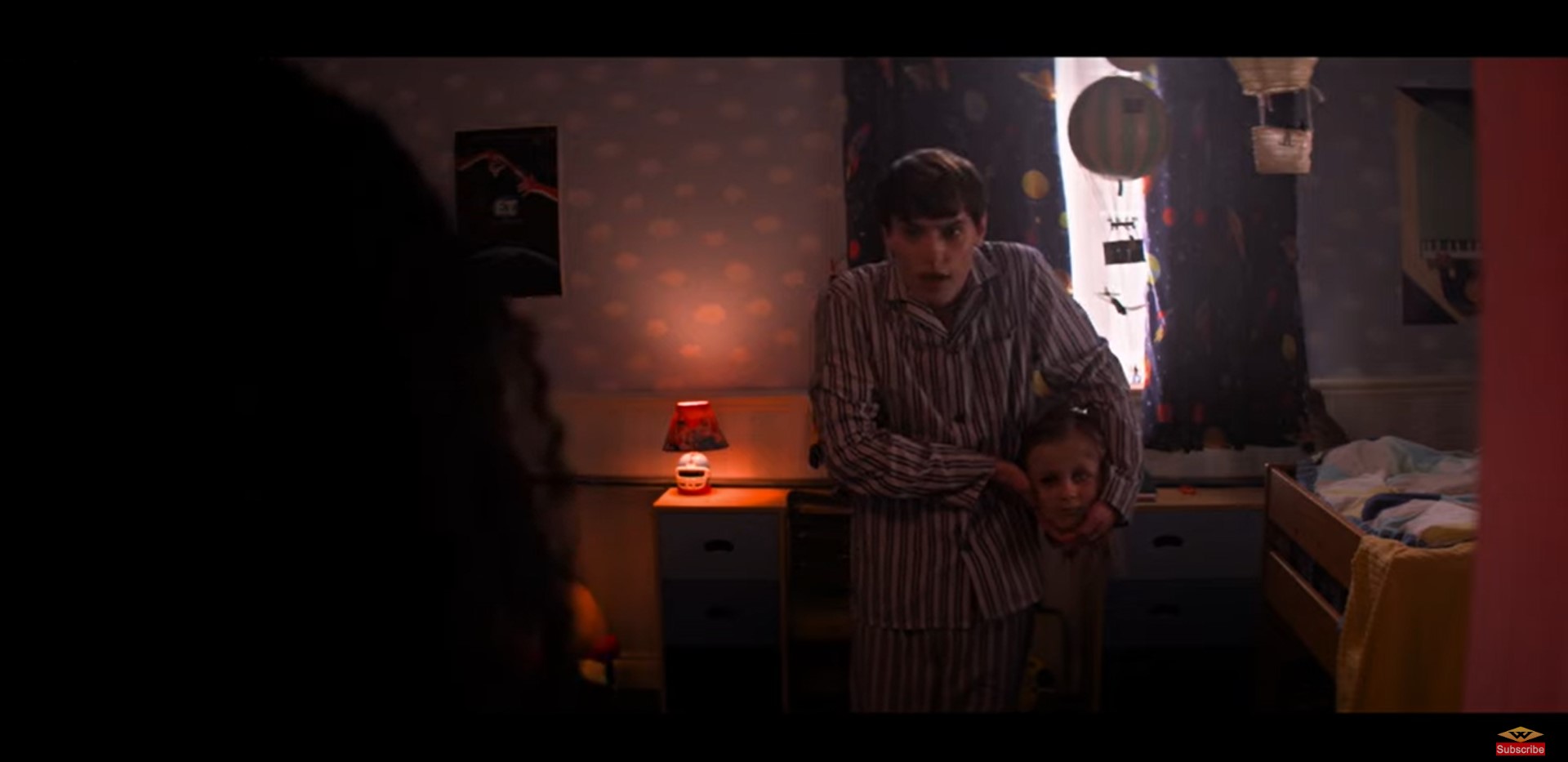
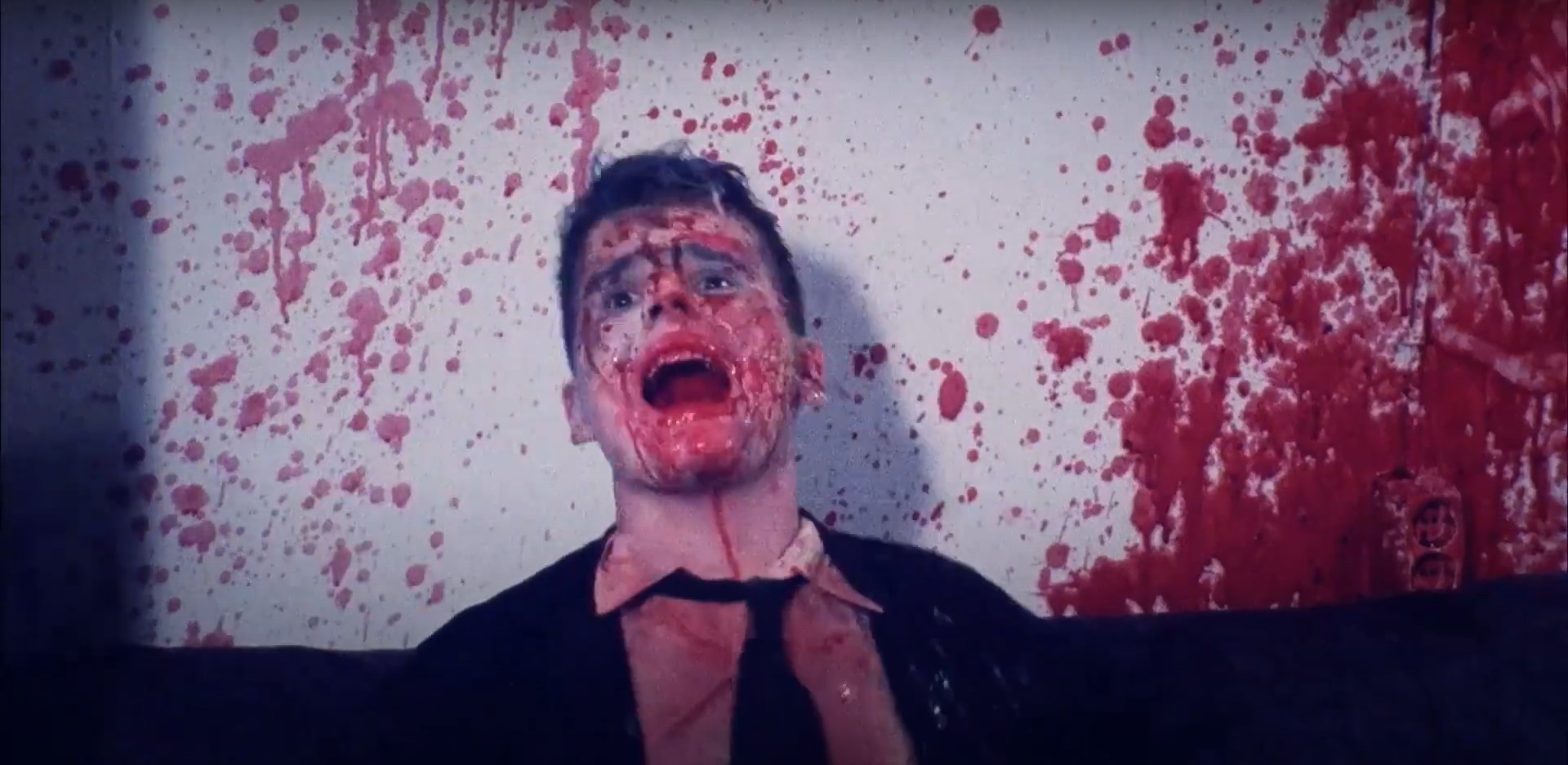
The unexpected tragic death of Oliver’s mother, involving a pool, a television, and a garden gnome, places the now aged-out and deinstitutionalized Oliver into a difficult position. The sheltered, socially awkward young man, living by himself in his mother’s home and still makes like his mother is still with him, is given a last chance ultimatum from his supportive social worker and a pessimistic psychologist to make friends, to lead a normal life, and to sustain impendence or else he’ll have to return to being institutionalized as an adult. Local contemporaries single out Oliver for being weird, unusual, and a loner to the point that his childlike and naive mind turns him desperate enough for a friend to dig up corpses, those who used to be well-liked in the community, but when one morning the exhumed bodies come to life as a nuclear family that eats, breathes, and is sort of living. Though rotting from the outside, the undead family encourage and advise Oliver through his toughest life challenge yet – to be normal.

Described as a modern fairytale with zombies, “The Loneliest Boy in the World” is a satirical comedy horror about the rite of passage into adulthood from the screenwriting team of John Landis’ “Burke & Hare” writer Piers Ashworth, producer of “Director’s Cut” Brad Wyman, and “Maximum Overdrive” star and “Rated X” director Emilio Estevez. Director Martin Owen (“L.A. Slasher”, “Let’s Be Evil”) helms the late 80’s deco piece with a Halloween backdrop, fitting for any undead family to suddenly animate into an eclectic and eccentric fashion that encircles what it means to understand family values in a very trendy niche specific of the late 80’s style. The feature is produced by Piers Ashworth, Ryan Hamilton (“Possessor”), Matt Williams (“Let’s Be Evil”), Pat Wintersgill (“Amulet”) and a conglomeration of executive producers including Emilio Estevez and is a production of the London, UK-based Lip Sync in association with Future Artists Entertainment and presented by Great Point Media and Well Go Entertainment.

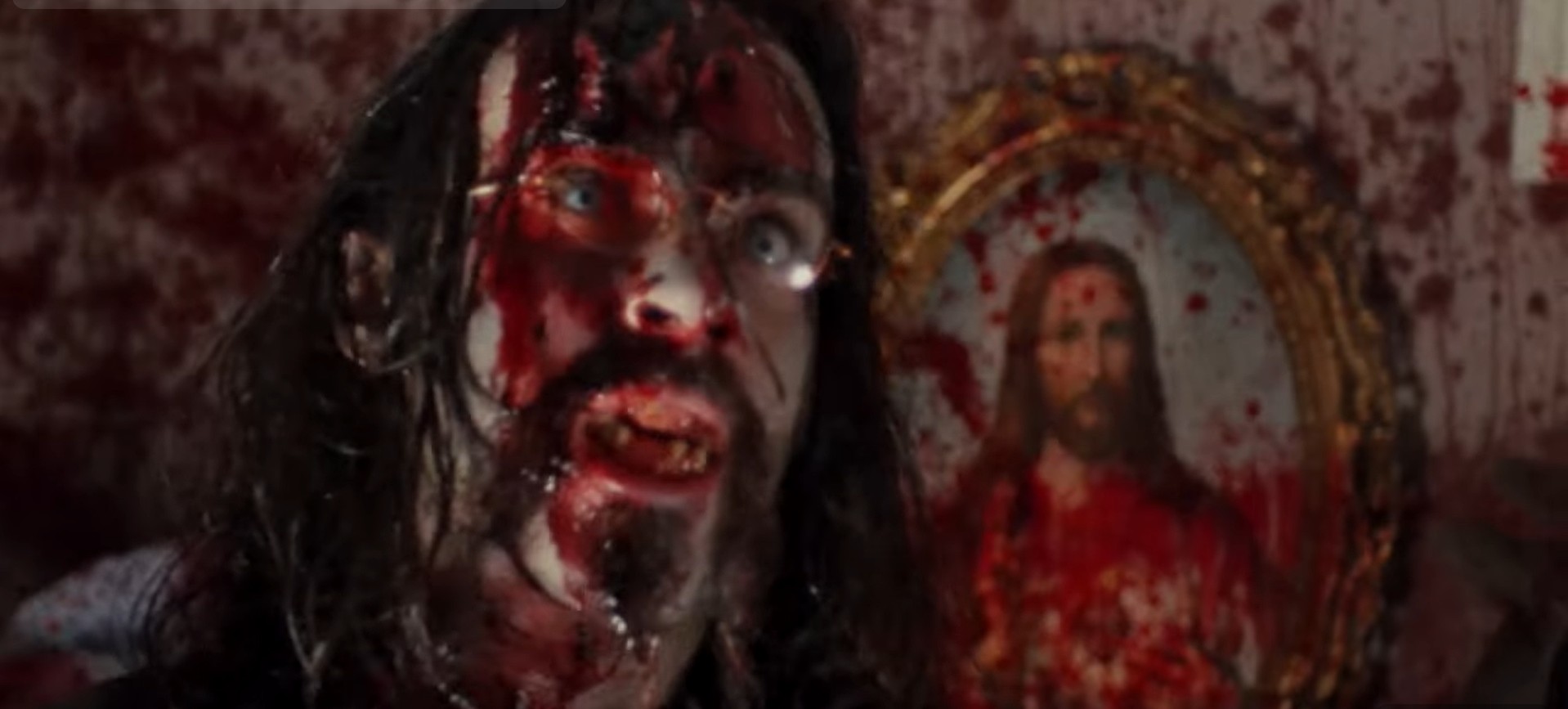
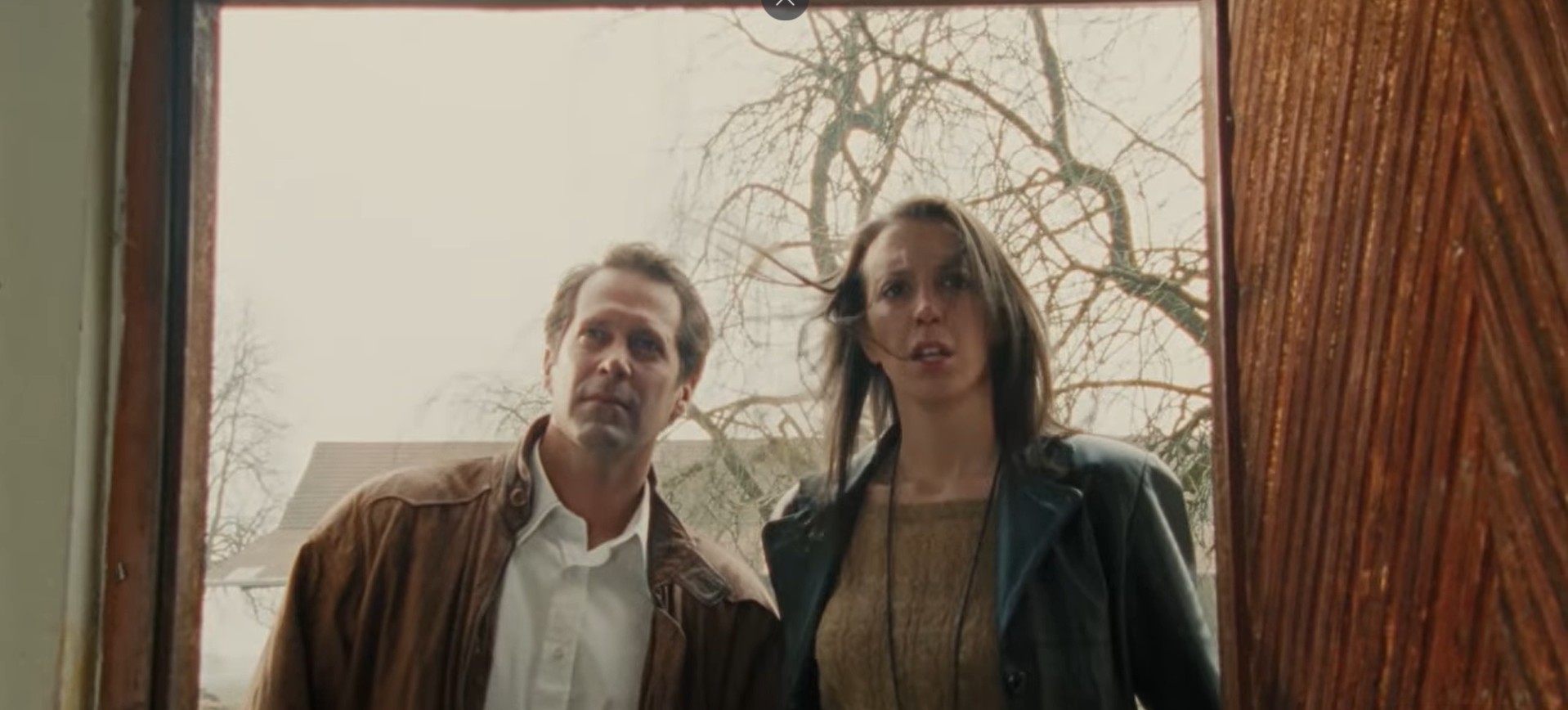
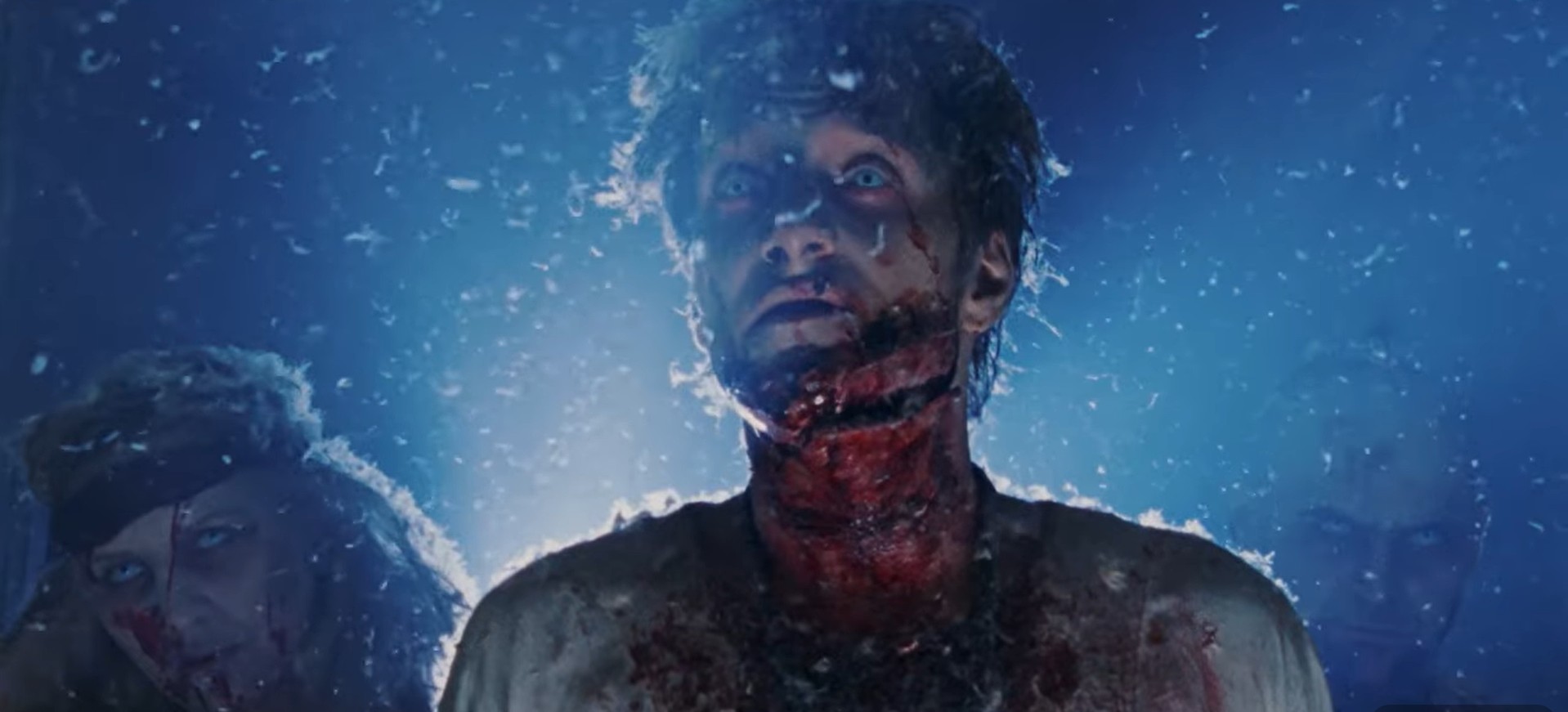
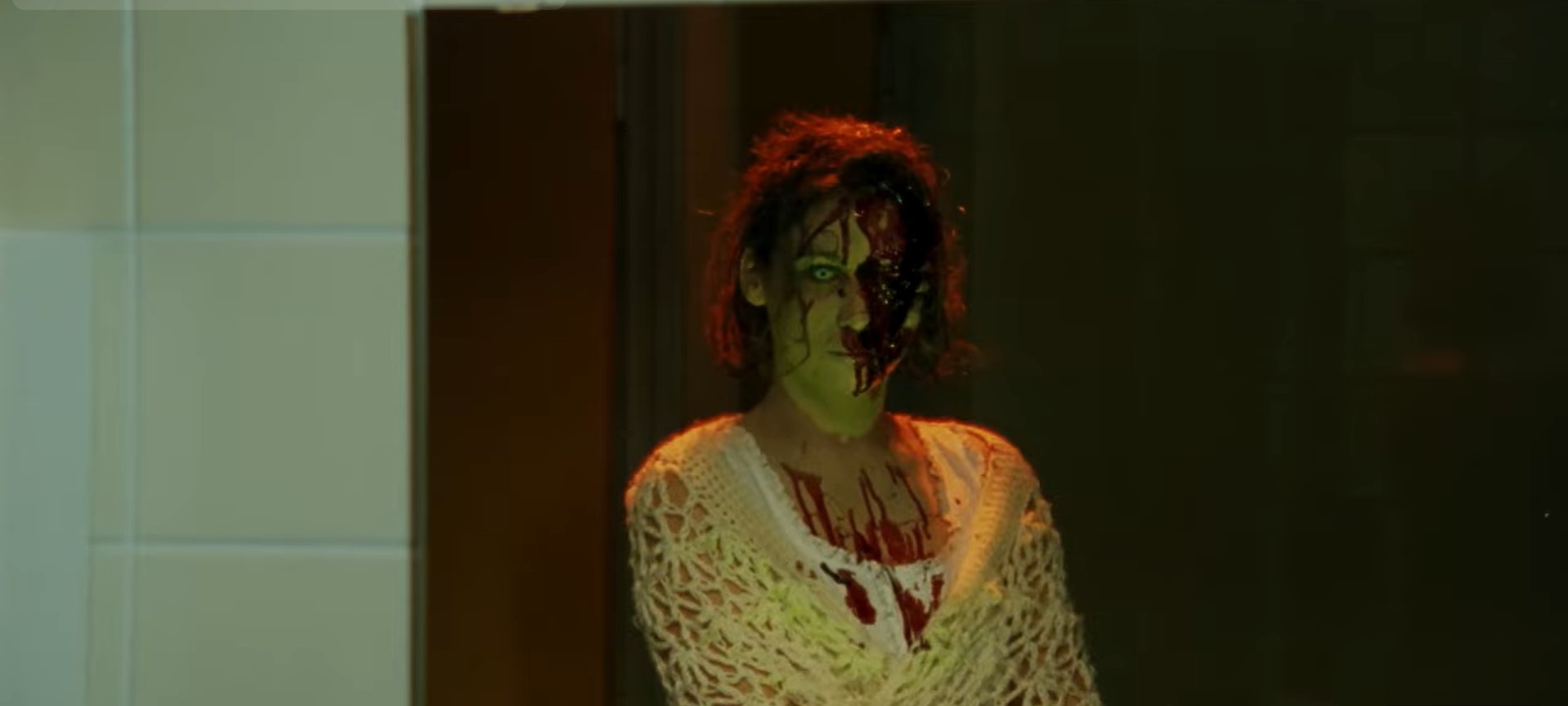
Max Harwood gives a peculiar performance as a soft-spoken, sheltered-to-a-fault mother’s boy, Oliver, with a delusional depiction of reality. Though Harwood’s performance pairs well enough with Martin Owen’s rocky shore small town of equally asymmetrical corporeality, the titular Oliver comes off derivative of done before loners and Harwood provides little range to fully arc with the character’s transition from a naive young adult on the fringe of losing everything to the compendious hero of his own story by unearthing not only dead bodies that come to life but learning from their advice, truth, and experience to flesh out his own path of courage and confidence. A part of the LGBTQ community, Harwood is joined by fellow community comrade Tallulah Haddon in a strange turn of casting as Oliver’s love interest, Chloe. Queers play straight in the innate course of acting that, as of late, has often been called out for its hypocrisy of an actor portraying something their actually not. The “Black Mirror: Bandersnatch” Haddon is an outsider to Oliver’s surroundings as isn’t influenced by those who have labeled Oliver weird or strange. Instead, Oliver and Chloe spark interest out of hate for being different, a relatable scenario for someone in the gay community. Oliver’s undead family is undoubtedly the best lot with a wide range of happy homemaker personalities and a decaying best friend that supports Oliver’s wings to fly from the next. Susan Wokoma is the stay-at-home mother with a knack for reading the room while her skin peels off and falls to the floor. Ben Miller is the red-blooded Frank that displays glimpses of being a renaissance man at times and Miller plays the beer drinking, jack-of-all-trades father figure aptly. “Harry Potter and the Half Blood Prince’s” Hero Fiennes Tiffin comes on the scene cool and suave in a skin that’s literally drooping off his bones and his eyes have disintegrated from his sockets; Tiffin’s charming, lively, and a source of verbal wit that would be missing from the film. Lastly, Zenobia Williams rounds out the family as Mel, the little sister who is frankly underused and is quiet and subservient to being nice to her living older brother. “The Loneliest Boy in the World’s” cast rounds out with Jacob Sartorious, Hammed Animashaun, Alex Murphy, Sam Coleman, Mitchell Zhangazha, and “The Curse of Buckout Road’s” Evan Ross and “Alone at Night’s” Ashley Benson as the two sole American actors in a contending professionals betting on Oliver’s outcome in friend making.

The casting is interesting as a melting pot of nationalities and cultures intertwined into an alternate reality where the dead can be willed alive. Again, “The Loneliest Boy in the World” is marketed as a modern fairytale and it’s comparable to the likes of if Andrew Currie’s 2006 “Fido,” where in a managed post-apocalyptic world the zombies are kept on as servants for the living in a 1950’s backdrop, was under the Peter Jackson landscape lens of hilltops, seasides, and graveyards. The obvious farce in the late 1980’s pattern aims to set the bar for a number of themes, including growing up into adulthood, to bring back traditional family values in order to push out and correct absent parent trauma, and to embrace the family as nurturing guidance. Oliver’s struggles are frugally displayed but that doesn’t mean the first act misses the mark on plotting the dots of his lonesomeness with being the target of bully teasing, the subject of an insensitive bet of established adults, and being in a position of having no living family or friends to slake his dependence. The one thing to note about Oliver’s sudden lifeline cut is that he doesn’t appear to bothered or frantic about the death of his mother or the prospect of being alone and possibly end up institutionalized. Instead, the unsocialized introvert falls into a semi-chimera state where he’s still tethered to his mother as he watches her favorite television shows and recalls their play-by-play during his graveside visits with mom. The whole concept of death is seemingly foreign to Oliver as he never calls the demise of his mother her death but rather an accident and he finds exhuming recently dead corpses to be his friends normal though he obviously knows it’s illegal and unacceptable normal behavior as he quickly hides or disguises the pre-animated bodies when visitors show up at his doorstep. There’s never an explanation why the dead come to life, but one thing is for sure is that the expired exhumed did a Frosty the Snowman just for the sake of Oliver’s desperation for companionship and, perhaps, that’s the entire reason why. The need for family was granted to the nice, dissociated boy in a lightning bolt of unexplainable supernatural serendipity to right all the bad things that are happening and will happen to him. Zombies are typically resurrected to take life and eat away at the living while Oliver’s zombies are atypical, restoring life and providing hope in an optimistic paradoxical universe.

Dark and quirky, “The Loneliness Boy in the World” is heartwarming with cold bodies. Well Go USA Entertainment releases the AVC Encoded, 1080p high-definition Blu-ray with a widescreen 1.78:1 aspect ratio. The presentation is quite colorful with a vast palette of foundational primary colors sprinkled with retro-vision, such as tape camcorder view, that splits the difference in extracting the vivid pink-laden house interior as well as the spot colors on the characters with stark contrast against the lush greenery background or the rocky, wave crashing shoreline. Night sequences are often blue tinted but not overly saturating. I didn’t note any issues with compression as blacks are generally deep without splotchiness or banding. Details are mostly fine with intricacies more expressive on the decomposing bodies that give off great muscle, skin, and organ decay. The Blu-ray comes with a single audio option, an English DTS-HD 5.1 Master Audio track. Dialogue never has to outbattle the ambient tracks or The Invisible Men pop score. The ambient range really comes through the auxiliary channels well with the central element focusing on the dialogue. English subtitles are optional. Bonus features include a short behind-the-scenes with more fluff from the cast who seemingly can’t get enough of this project and the theatrical trailer is also included. The physical release comes in a standard Blu-ray snapper with an illustrated mesh artwork of essentially every character in the film, even the dead Dachshund. “The Loneliest Boy in the World” has a runtime of 90 minutes, is regionally hard coded A, and is rated R for language and violent content. Enjoyable yet explainable, “The Loneliest Boy in the World” is more defined by its cadaverous twist of fate than the theme it attempts to convey; nonetheless, the Martin Owen film has heart, soul, and the living dead.

“The Loneliest Boy in the World” on Sale Now at Amazon.com!

The End of Days Runs on EVIL Fuel! “Wyrmwood: Apocalypse” reviewed! (101 Films / Blu-ray)

“Wyrmwood:  Apocalypse” – Z-Nation on Steroids!  Available at Amazon.

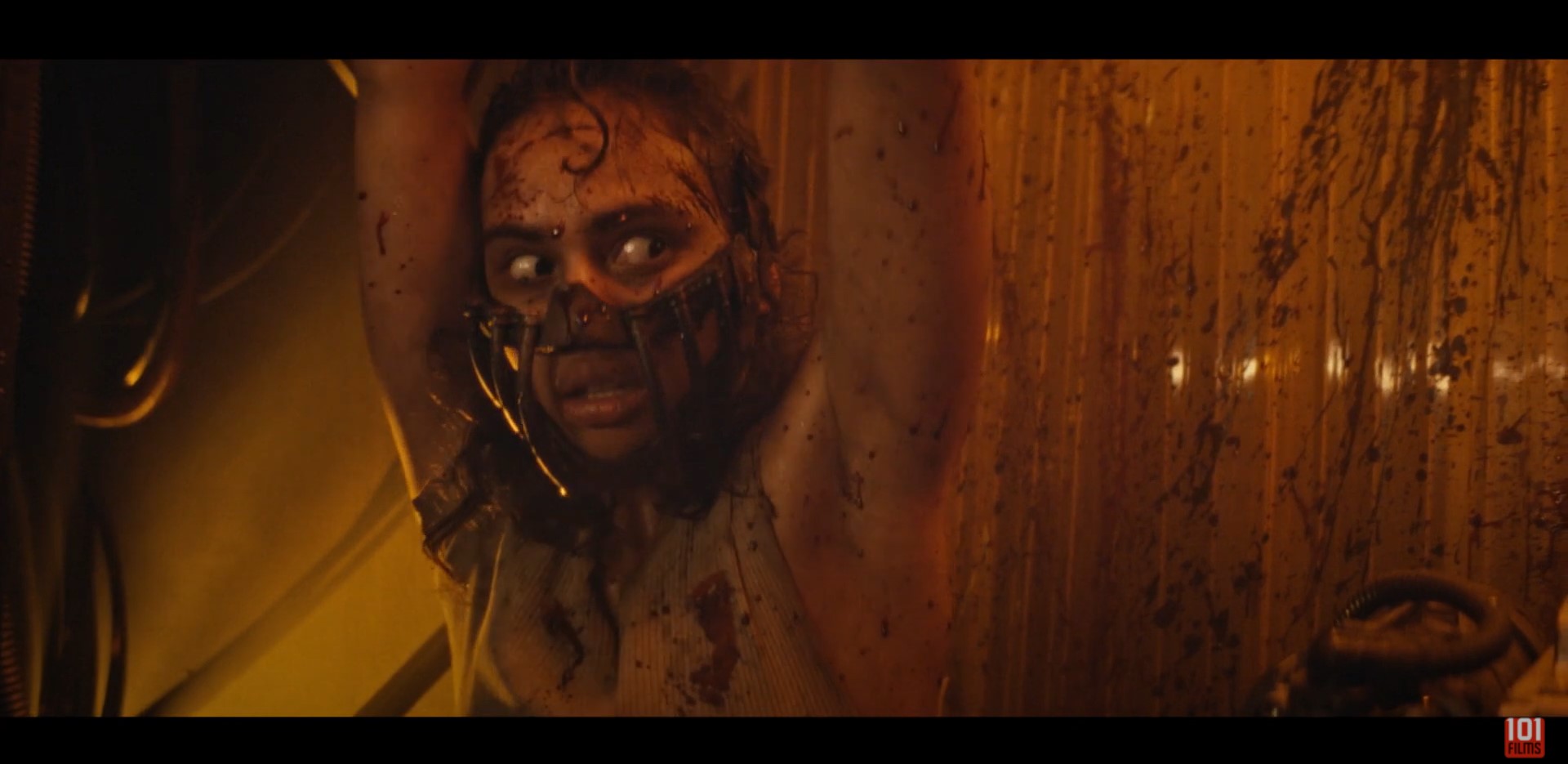
In a zombie apocalypse wasteland, the gaseous belching undead are used as the primary energy source, but the sight for a cure is still the goal for survival.  At least that is for boots-on-the-ground foot solder Rhys who lives in an isolated camp surrounded by the dead and ventures out to retrieve uninfected humans to bring them to the bunker-dwelling Surgeon General in hopes in discovering a cure.  After snagging a hybrid female named Grace who can control her turning by drinking single vial of blood, Rhys quickly learns that the Surgeon General and his armed entourage are experimenting to death the people he’s delivering to the bunker for their own selfish objectives.  Teamed up with Grace’s people – Grace’s sister Maxi, Barry, and Barry’s sister Brooke who is also a hybrid – Rhys is determined to no longer retrieve people but rather retrieve his soul from a group of well-armed maniacs while trying to not get eaten by the zombie hordes.

For someone like me, a film reviewer, whose fairly anal about watching a series, franchises, sequels, etc., in sequential order, I am stepping outside my comfort zone and out of my own convictions and into unknown territory by watching “Wyrmwood:  Apocalypse,” the direct sequel to Kiah and Tristan Roache-Turner’s 2014 Australian bloody zombie comedy-romp, “Wyrmwood” aka “Wyrmwood:  Road of the Dead”, before the first film.  While typically a no-no in my book, and very much likely in the rest of the filmic community, I like to live dangerously.  Any who, Kiah Roache-Turner sits once again in the director chair with the direct, follow-up sequel that picks up immediately where the other film left off or, I at least think so.  In reading the ending to the 2014 film, I see no mention of a couple of characters that are present at the beginning of “Apocalypse” and so I’ll be interested to watch “Road of the Dead” to see for myself how both films tie together.  The script is penned by Kiah and brother Tristan after fan support of the first film urged the filmmakers to do a sequel to their brainchild inspired by the blood-soaked and vaudeville slapstick horror of New Zealand and Australia – such as Peter Jackon’s “Dead Alive” aka “Braindead” and the Spierig brother’s “Undead.”   “Wyrmwood:  Apocalypse” is a Bronte Pictures production (“Out of the Shadows”) in association with Roache-Turner’s Guerilla Films and backed by the executive producer team of Todd Brown, Tim Nagle, Rhys William Nicolson, Sam Gain-Emery, Clement Dunn, and Maxime Cottray.

To make matters more confusing for someone like myself who hasn’t seen the first film, Tasia Zalar and Shantae Barnes-Cowan, nor their badass sisterhood characters Grace and Maxi, are listed in the cast of the first film nor are they in the short-lived teaser episodic series from 2017, causing a bit of disconnect for a nobody like myself who knows absolutely nothing of Wyrmwood universe when beginning the Roache-Turner series will the latest production. The “Uninhabited” Zalar and the “Frostbite” Barnes-Cowan quickly establish themselves as survivors devoted to each other by blood as their introduced rather quickly, harshly, and without background in the company of returning actors Jay Gallagher as Barry, described in the first film as a talented mechanic, and Bianca Bradley as the zombie hybrid Brooke who can control the regular horde of gas-chucking dead heads. Of course, being that a direct sequel, at least that’s how the Roache-Turner plays it, follows up 8-years later, some of the characters don’t quite look the same as when we first left them. For instance, Barry’s a little rounder and beefier and Brooke is, well, blonder. However, the bond between brother-sister is still strong and is even reinforced by Grace and Maxi’s relationship that blood trumps all. Another actor returns for the sequel but not toward the same character as Luke McKenzie adds to the theme of family by playing the avenge-longing brother of the first film’s antagonist known only as The Captain. Rhys (McKenzie) has more of a pure heart in contrast to his brother, or so we’re informed by returning characters, and becomes the unintended principal character amongst an ensemble cast by being the retriever, the deceived, and the reclaimer of his soul when he discovers the paramilitary survivors – The Doctor (Goran D. Kleut, “Alien: Convent”), The Colonel (Jake Ryan, “Out of the Shadows”), and the Surgeon General (Nicholas Boshier_) – are experimenting and killing captives for their own survival and grinding their corpses to make into anti-viral pills. There’s nothing bland about the Roache-Turner brothers’ character diversity and charisma as they each stick to a persona throughout the unfolding that quickly established who-is-who in the bad and good category.

“Wyrmwood: Apocalypse” is dieselpunk coated dead and delirium. With a definite George Miller approach and a zany-zombie gift of gore and gags, I can see where fans of the zombie genre can feel freer and more relaxed outside the confines of the somber-and-serious toned oeuvre of zombie films of the last two decades that has literally been beaten like a dead horse with a stick at every angle. The gonzo-gearhead carpet definitely matches the drapes in an outlandish universe where zombies are the Duracell and Diehard batteries of the future and while the story engrains a kindred theme and blood splatter fun, one element still guts me more than the multiple eviscerated entrails in the movie. Being a zombie movie of the flesh-eating kind, one would hope scenes of flesh-eating would be apparently present. Unfortunately, “Apocalypse” has zilch on zombie feasts. Though close in one scene where a big toe might be become an appetizer, in the end, there isn’t one bite of rotting teeth be pressed and puncturing flesh or viscera. What “Apocalypse” offers quite the opposite in where the dead are the exploited, utilized as a fuel source by feeding them beef and harnessing their oral gasses to drive vehicles and run high-powered miniguns or be under-the-influence of control by telepathic hybrids to do their bidding, aka suicide bombers or take the hits so the living can stroll in without garner so much as a scratch in a skirmish.

The final conclusion about “Wyrmwood: Apocalypse” is this, watch “Road of the Dead” first. Then, enjoy the rip-roaring and violent horror-action zomedy now available on an UK Blu-ray from 101 Films. The hard region B locked, AVC encoded Blu-ray is presented in 1080p, high definition, with an aspect ratio of 2.35:1. “Apocalypse” has the look of the early comic-book era style of pre-“300” Zack Snyder that hovers around the practical properties of “Tank Girl” in what’s fashioned together by the director of photography, and co-producer, Tim Nagle to appeal to a tactile of cold and grimy steel, sweet, and blood. The film uses very little visual effects which is mostly on the blood splatter, and you can tell the splatter is a bit off in having a waxy look to it. The decoding runs efficiently well to provide a clean picture through an edit heavy story. The English language audio mixes come in two options: a Dolby stereo PCM and a DTS-HD 5.1 surround sound. While there’s nothing wrong with the stereo PCM track that offers a clean and lossless recording, the 5.1 audio mix is a robust beast that channels every engine roar and isolates a zombie belch to be more inclusive for a viewer. If you’re in the mood for a longer sitting and bonus content, perhaps this 101 Films release is not for you as the runtime hits just above an hour at approx. 70 minutes long and just contains the feature and a scene selection. However, there is reversible front cover art. Easily, continuing the journey by working backwards in the Wyrmwood universe is worth the time as “Wyrmwood: Apocalypse” catapults the zombie into a new and unexplored rancid category of reverse exploitation in parallel with carnage, mayhem, and all of the anarchical above.

“Wyrmwood:  Apocalypse” – Z-Nation on Steroids!  Available at Amazon.

Chainsaws, Tanks, Booger Flicking! So Much Bloody EVIL! “Premutos: The Fallen Angel” reviewed! (Unearthed Films / Blu-ray)


Grab “Premutos:  The Fallen Angel” on 2-Disc Blu-ray at Amazon.com!

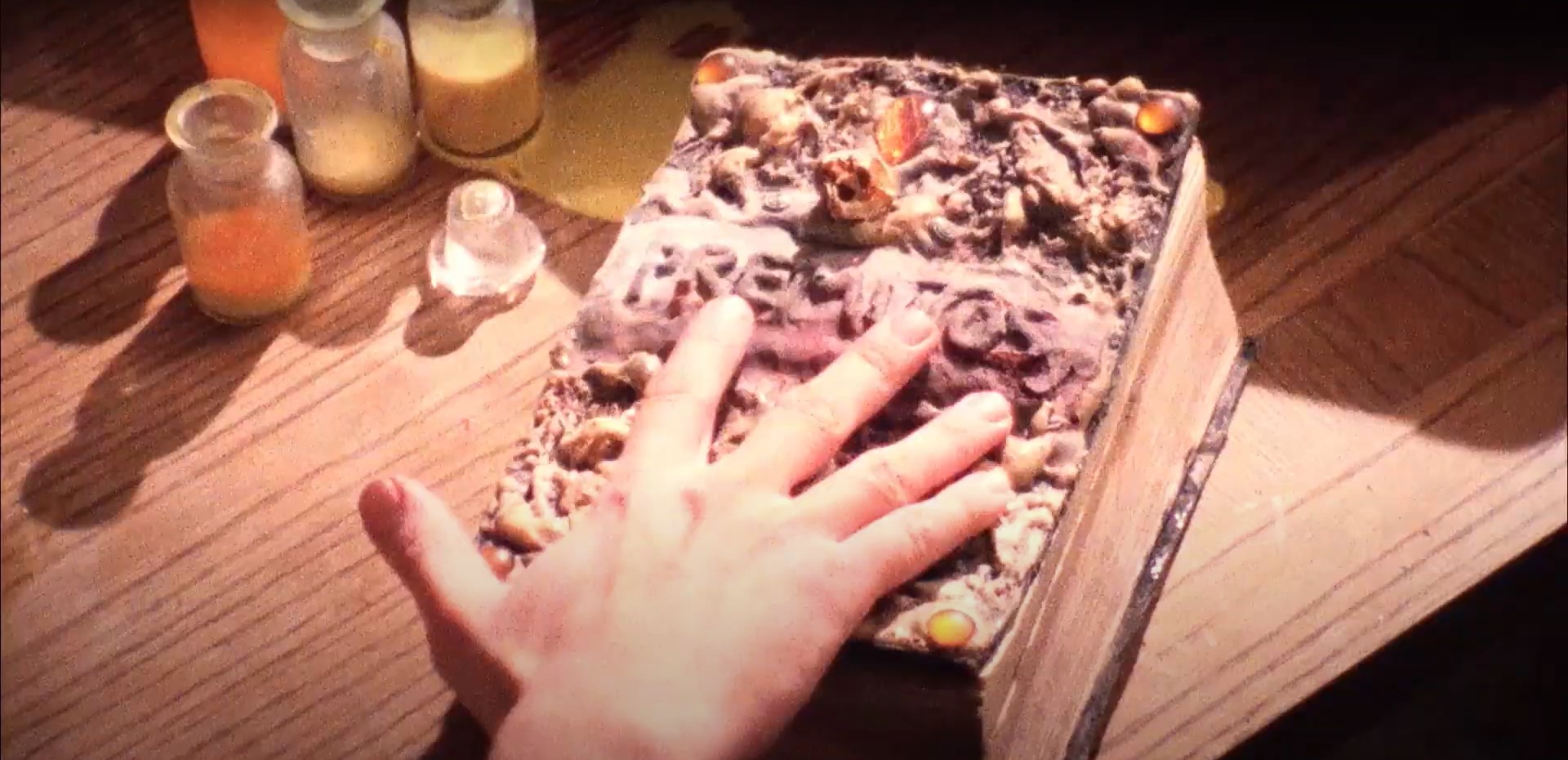
Before the fall of the angel Lucifer, Premutos was the very first angel to fall from heaven.  More wicked and desirous for power, Premutos resurrects legions of the undead to conquer mankind on Earth and throughout the centuries, the ruthless former angel of Hell casts his conduit son to build his army of the dead, but has failed again and again to squash the spirit of man into servitude submission, discarding Premutos back to the depths of Hell to try again at another time.  This time being present day Germany when a young man discovers a book that chooses him to be the emissary of death, paving the way for the rebirth of Premutos, but an arms and ammunition’s enthusiast and his party guests must fight to survive and kill every last zombie and underworld creature thrown at them.

After having reviewed his 2010 existential horror “No Reason,” a need to dive into and experience more the splattering Armageddon of Olaf Ittenbach’s gore shows has been gnawing on my fairly acutely demented subconscious and this past week, I was fortunate enough to receive a newly released extended director’s cut of the director’s late nineties, pseudo creed, blood berserker “Premutos:  The Fallen Angel” and get my corneas dirtied by its unholy high body count.  Doom-estically translated from “Premutos – Der gefallene Engel” and more commonly known in the States as “Premutos:  Lord of the Living Dead,” relies very little on the unrefined visual special effects that were going through a massive evolution with computer advancements pre the turn of the millennium.  “Premutos” is a big practical effects enchilada with exploding bodies, gallons upon gallons of blood, and there’s even a real tank painting the walls and everything surrounding the walls red with a detonation of blood and gut splatter!  Kaboom!  Ittenbach mind-to-movie visualization goes from zero to 1,000 in a blink of a plucked-out eye and nothing stops the filmmaker from his warped creativity and comedy that can take the more puritanical few back a few steps and cause a ruckus of disgust.  “Premutos” is produced by Ittenbach, stars Anke Fabré and André Stryi, and cinematographer Michael Müller with IMAS Filmproduktion serving as principal the production company.

“Premutos” begins with an epic epilogue, historizing the horrific mythos alongside equally horrifying visual components of Premuto’s death and destruction attempts to conquer man.  When the history lesson ends a transition begins with Olaf Ittenbach himself as a bumbling mama’s boy Matthias coming across the ancient resurrection incantations of Premutos his gun nut father Walter (Christopher Stacey) unearths in his backyard.  Ittenbach plays a wonderful pitiful thumb sucker in contrast to Stacey, who doesn’t look that much older to Ittenbach, as a rugged, hardnose, hard=working ammosexual.  Before we can bask in what could have been a good diatribe, Matthias goes through a painfully metamorphosis of wrapping barbed wire and impaling steel rods to become Premuto’s death commencing son.  Corpses exhume themselves and attack the living to form an army of the fleshing eating undead and descend upon Walter’s birthday party and his wide-ranging personalities in attendance with the snobbish and loud Tanja (Ella Wellmann), Walter’s oblivious wife Rosina (Heike Münstermann), the drunkard Christian (Fidelis Atuma), Hugo’s ex-love Edith (Anke Fabré), and Edith’s ex-love Hugo (André Stryi) who has gone into a meek shell as he marries Tanya to fill the gap in his heart Edith had left.  The whole dynamic is an ostentatious display of vulgarity, a hyper overextension of behaviors that clash in one room before clashing with another over and beyond presences, beyond being the key word in being those beyond our plane of existence.  A blood gushing fight for survival ensues as the partygoers become trapped and only Walter’s arsenal of weapons can blow away the undead into slimy bits of smithereens. 

The closest movie Ittenbach’s “Premutos” reminds me of, with all the zany and quirky hijinks, insanely high body count, a geyser explosion of pouring down blood, and all the unbelievably bilious hoopla yet, all that nonsensical napalm draws you in like a moth to the sweet-smelling flame, is Peter Jackson’s “Dead Alive” aka “Braindead.” “Premutos” has that exact same tactless tone and a soaking bloodbath quality with a major stark difference in the comedy style as Ittenbach leans more to a cruder-crass approach with setups involving boogers, penis injuries, and BDSM gags. Somewhere in there I want to say that’s typical German flare, to shock and disgust audiences with eye-adverting and head-turning taboos. The rest of Ittenbach’s is an up-and-down rollercoaster of highs and lows that begins with an expositional illustration, highly detailed and greatly edited, to showcase Premutos’ barbaric backstory up until the title card “Premutos” to where we’re dumped into half-assed cosplay battles still rendering excellent practical effect kills. Ittenbach is supposed to play a man, or rather a man-child, who is the reincarnated wicked herald who begins the end of days for his dark master, Pemutos., but the way Ittenbach structures the aforesaid concept falls upon more experimental means than literal ones and Matthias randomly succumbs to flashbacks of a former life in what looks like medieval times or maybe even early 20th century Europe – hard to tell – where he’s persecuted without reasonable justification until he turns into a large snaggle tooth and demonic monster in his visions. The latter half is where all the action is at with a horde of zombies laying sieged to a ragtag bunch of Germans drinking beer and ridiculing each other. Somewhere in there is also the rekindle of a former love life between Hugo and Edith who have to first regain their lost backbone in a rampage of mowing down the dead by any means possible before the two love-struck lovers rekindle a long-thought-lost relationship. That struggle is Ittenbach’s, about as elegant as he knows how to be, show of an obstacle between the power of love, to put the world facing the destruction of slavery in their path to deliver a blood, sweat, and tears of flesh robust connection of attraction between them that can’t be stopped.

ItsBlogginEvil says check it out, the extended director’s cut of “Premutos: The Fallen Angel” on a 2-disc Blu-ray released by Unearthed Films and distributed from MVD Visual. Coming in at number 6 on the Unearthed Classics banner, “Premutos” is neatly packed and presented in a widescreen 1.78:1 aspect ratio on a region A BD50. Full high definition and 1080p specs apply to the now 24-year-old feature shot on an Arriflex with 16mm stock and the results are immaculate from a pristine transfer. Palpable, yet palatable, amount of grain over top a sustainable image that sees almost zero artefact issues and the tactile textures are greatly fine in the details. Hues don’t exactly pop but display more naturally up until Ittenbach’s gothic and surreal side envelopes him into the swirling of smoke and backlighting to create otherworldly glows and Cenobite-like torments. The release comes with two audio options: a German DTS-HD 5.1 surround sound and a German 2.0 PCM. The 5.1 has excellent fidelity and outputs a work into all channels as the background chattering, especially in the bar scene, gives off the sensation that people are talking behind you. That signal flows every explosion and weapon discharge with strength and prevalence throughout. Dialogue is also strong and prevalent despite much of the gibberish that comes out of the characters’ mouths. English subtitles are available and sync well with accuracy intact but can be fleeting at times and hard to keep up with. The second disc is a compact disc of A.G. Striedl soundtrack which I found to be the most disappointing and lossy aspect in listening to lo-fi grunge and hard rock that provides no boost to chaos on screen. Other special features included on the Blu-ray alone are the original cut of the film with an English dub and original German language, the extended making of “Premutos,” the early years of Olaf Ittenbach, a photo gallery, and trailers all stowed inside a new cardboard slipcover. “Premutos” may be soaking in its meaningless, hellish narrative but it’s an unforgettable slaughter-ride through body, blood, and bone, a genuine practical effects wet dream made into gruesome reality and keeps surprising you at every frame.

Grab “Premutos:  The Fallen Angel” on 2-Disc Blu-ray at Amazon.com!

There’s Not a Big Enough Pipe Cleaner to Exorcise this EVIL! “Drainiac” reviewed!


Julie, troubled by her mother’s suicide one year ago, is forced by her deadbeat dad to accompanying him in cleaning up an old house he purchased for renovation and resale. As he takes off to attend to “important business” at the local watering hole, Julie is stuck alone with the mop and bucket inside a mysterious, rundown house she’s suspicious of being haunted after strange occurrences and horrifying visions transpire during her isolation. Lurking beneath the house and seeping through inside the rusted pipes, a figureless water demon’s presence persists with malicious intentions and things become worse when Julie’s friends check in on her. Drowning in the supernatural seepage amplified by Julie’s trauma, they become trapped on the property that won’t allow them to escape, draining them of hope against a bodiless, hell-bent entity until a certifiable exorcist shows up at the door arrogantly confident of ridding the flood of evil from this house for good.

Back in the year 2000, Brett Piper’s written and directed volatile ghost house feature, “Drainiac,” saw the light of day for the first time on DVD home video. Unfortunately, through the dismal proceedings of post-production funding and a less than enthusiastic distribution company, that version of the film is undercooked and unfinished in the artistic eyes of Piper who worked with a slim budget of $10,000, making every detail crucial and required to flavor the dull taste of anemic financial support. Luckily for the “Queen Crab” director, his collaborations with Shock-O-Rama Cinema, a sublabel to the indie film doting POPCinema, gave the 20+ year indie filmmaker access to digitally remaster to ultimately finish “Drainiac,” leaving the issues with the previous version water under the bridge, water related pun intended. “Drainiac,” believe it or not, has extraordinary relate-ability to today Americans who are frightened from the mistrust of confidence in their local water treatment systems and drainage pipes for the fear of lead poison and other harmful contaminants, which, in these affected citizen’s circumstances, is a “Drainiac” monster of sorts, hidden from sight with an uncertainty of product quality that drips from their faucets and into the bathtubs their kids play in and into their water drinking glasses.

Another amazing aspect of “Drainiac” is the fresh-face, young cast in their humble beginnings that flourished into solid careers and feels absolutely energetic and stimulating to know their roots reach far back to a cellular grindhouse organism becoming their vocation life. Georgia Hatzis debuts as the beleaguered Julie, a resilient survivor of her mother’s suicide with an oil and water dynamic with her estranged live-in father. Maintaining Julie’s sanity while still fronting a stable façade couldn’t be easy, but Hatzis builds upon Julie’s strength and owning the character’s self-doubt. Hatzi extended her career into television, but Julie is her most memorably performance, especially braving bathing full front to be attacked by a drain’s quasi tentacle erotica sequence. Perhaps the most recognizable face in the film co-starring in the film in her mid-teens, Alexandra Boylan is conscripted to be Julie’s best friend, Lisa. Boylan, who went on to have roles in “The Hitchhiker” remake and the invasive thriller “Home Sweet Home” as well as branching out into life behind the camera as a producer and writer, plays consistently a rationally steady bestie that grounds Julie when needed and is the firm leader of their group of friends that also includes a shaky and nearly spineless Jake (Ethan Krasnoo) and a shallow beauty Tayna (Samara Doucette). As the black sheep in the group, perhaps not even a friend at all, was Wade, a hog riding, wisecracking jerk who didn’t have sense of personal space, especially when the rapey urge washes over him. Wade is an abhorrent human being that came to life due in part of Robert Gorden’s performance. Soon to be seen in the television comedy entitled “My Wife Divorced Me Because I’m a Zombie” that is taglined “The Walking Dead Meets Modern Family,” Gorden will make you hate his guts and despise his obnoxious 90’s haircut and wardrobe and the overall package is enjoyably cathartic to have him pitted against a conventional set of friends. Other colorful talent includes roles by Philip Barbour as an exorcist who reassembles the fisherman Gordon from the frozen fish stick packaging, Steven Bornstein as the despicable dad of the year, Todd Poudrier as a melting derelict, “Sgt. Kabukiman N.Y.P.D.’s” Andrew Osbourne as the melting derelict’s friend, and Elizabeth Hurley! No, not the Austin Powers’ Elizabeth Hurley, but an Elizabeth Hurley nonetheless!

“Drainiac” is Brett Piper’s finest work. Copiously laced with assorted practical effects now completed with a coloring touch up and enhancement by Penn State grad colorist Dave Northrop, “Drainiac” is now has a definitive package that includes Piper hyper-psychedelic matte effects, creepily good stop motion clay creatures, and an abundance of well-crafted gag effects to give the drain presence a slimy drain-protuberance without exposing a tangible thing in the pipes. “Drainiac,” in every category, has a vibrant late 80’s, early 90’s epoch authority even though clearly set and stated at the turn of the century and this is partially because of how the film was shot in 16mm, giving the feature a grindhouse texture. Along with the turn of the century, CGI becomes a huge factor no matter the budget of the film as long as portioned appropriately, but Piper sticks with a practical craft which, in a sense, is a large piece of his filmmaking passion and so “Drainiac’s” is the essence of Brett Piper.

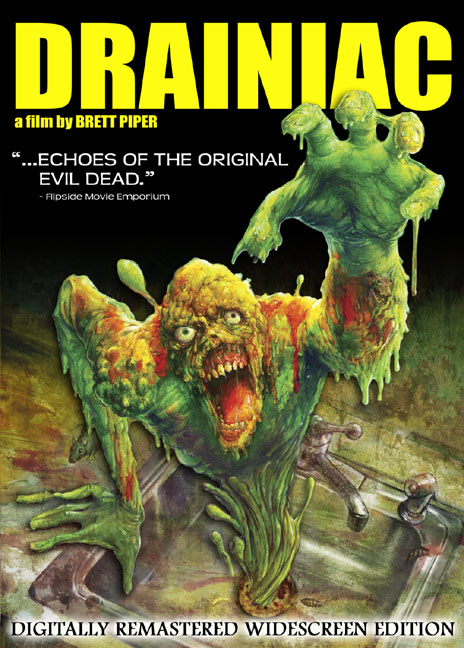
Courtesy of POPCinema’s Shock-O-Rama Cinema horror banner comes Brett Piper’s “Drainiac” onto a special edition with a 24 progressive segmented frame, high definition DVD from the original camera negative and presented in a widescreen, 1.78:1 aspect ratio. Having never experienced the original, unfinished cut of the previous release, watching this present cut will forever be seared into my soul as the best possible rendition in the past, present, and future. The 16mm film stock quality has a lot of natural grain upon a semi-washed look over a gradient-lenient color range sanctioned around the natural lighting that then explodes into a varying vividness of hues when the FX-enhanced scenes spark an immense saturation of color schemes…in a good way. No sign of damage to the original print nor any other signs regarding frame or edge enhancing and cropping. The English language 2.o stereo track, with a re-edited mix as part of the remastered package, is free of distortions, prominent dialogue, and a classic chilling piano soundtrack that pays homage to notable horror films before it’s time. The only issue to mention is some synchronization with the dialogue track and the picture seem to be off early on in the presentation where actors move their mouths to vocalize the lines, but nothing comes out. Special features are a little anemic considering the painstaking involvement and time gap in remastering “Drainiac,” but they include an audio commentary by writer-director Brett Piper and a read worthy tidbit of an inner-lining booklet written by commentary moderator, Greg Conley. THe DVD cover art is very snazzy (or snotty-like) similar to of another POPCinema release, Greg Lamberson’s “Slime City.” Reminiscent of “Evil Dead” or even some inklings of early Peter Jackson, Brett Piper has a knack for proving low-budget horror’s misconceptions are nothing more than that, misconceptions, by keenly tinkering to perfection a story that’s made is seemingly funded from a pot of unlimited gold from nifty, traditional effects and a narrative that works wonders on the imagination, keeping you glued to guessing from start to finish.

Special Edition “Drainiac” available on DVD! Click the DVD cover!

How About Some New Zealand Evil! “I Survived A Zombie Holocaust” review

Screen shot 2016-04-08 at 2.49.45 PM
Aspiring screenplay writer Wesley Pennington obtains the position of a runner for a low-budget zombie film. Being at the bottom rung, Wesley is commanded to do everything without hesitation or question no matter how big or small the task. With the production already plagued with a slew of problems, the film’s cast and crew come under attack from real life zombies that swarm the forest location. Wesley, along with a handful of lucky survivors, rely on their zombie film knowledge to flee from the flesh feasting fiends, living in their very own zombie apocalypse movie.
Screen shot 2016-04-08 at 2.44.24 PM
Rare is it to come across New Zealand horror now-a-days and when the opportunity presents itself, one must jump at a viewing with great enthusiasm. New Zealand horror has been known to be eccentric and fun, while also being gory and smartly scripted. From the early prevalent work of Peter Jackson (“Brain Dead,” “Bad Taste”) to lesser known cult favorites (“The Locals,” “Black Sheep”), the tiny New Zealand horror catalogue has made an everlasting mark in a heavily saturated American and European market. Guy Pigden’s written and directed 2014 horror-comedy “I Survived a Zombie Holocaust” takes it’s place rightfully so next to niche brethren, elucidating that horror and comedy in an extremely over saturated genre can and will still be an effective and entertaining movie.
Screen shot 2016-04-08 at 2.43.13 PM
Simply taking the premise of a horror movie being overwritten by another horror movie and using it’s tropes to poke at itself, while also jabbing at the film industry’s detached reality that ultimately devours itself, conquers being just another run-of-the-mill zombie comedy. Pidgen sharply appoints an ensemble cast to go along with the wanton story, working side by side again with Harley Neville in the socially awkward Wesley Pennington role. The rest of the main characters are purposefully stereotypical, fine tuned by Jocelyn Christian, Ben Baker, Reanin Johannink, Mike Edward, Andrew Laing, and Simon Ward. The character comedy mimics Peter Jackson’s “Brain Dead” with developing persona’s through various types of characters such as Wesley’s nerdy-awkwardness, Reanin as the prissy spoiled actress in Jessica, Mike Edward as an egotistical and closeted gay body builder actor in Adam, and the overbearing, frustrated, and desperate SMP played insanely intense by Andrew Laing.
Screen shot 2016-04-08 at 2.49.12 PM
The gore is very similar to Jackson’s early nineties splatterfest film. Lead special effects supervisor Timothy Munro had worked under the modern era thumb of Peter Jackson, including box office blockbusters films like 2005’s “King Kong” and 2012’s “The Hobbit: An Unexpected Journey.” Did this influence the effects team to explore the gore written in the screenplay pages in “I Survived a Zombie Holocaust?” I would say so. We’re talking about splitting heads in half, viscera spilling out from the waist side, limb detachments, and more sanguinary bits and pieces. The gore is sound and not as exploitive, as maybe “Brain Dead” comes across, smoothing out and around a well-balanced zombie comedy.
Screen shot 2016-04-08 at 2.48.41 PM
“I Survived a Zombie Holocaust” has faint issues of pacing that slow down between scenes, toning down a smidgen of my praise for Pidgen’s film. But the 38 Production’s freshman film goes above and beyond of being just another likable zombie comedy. The jest upon the horror community is well played and well received while also being a gory homage to an established horror community in New Zealand. “I Survived A Zombie Holocaust” has been released in the UK courtesy of distributor Matchbox films. However, I can’t comment technically on the audio and video quality due to the screener being a streaming link and nor can I comment on the extras as there are none. What I can comment on is that “I Survived a Zombie Holocaust” makes a killer first impression in the new era of Kiwi horror and will be at the top of the list for one of my favorite at home feature releases of the year!