EVIL Has a Sweet Tooth for Children! “The Devil’s Candy” reviewed! (Second Sight Films / 4K UHD and Blu-ray)

“The Devil’s Candy” 4K UHD and Blu-ray Is Now Available from Second Sight Films!

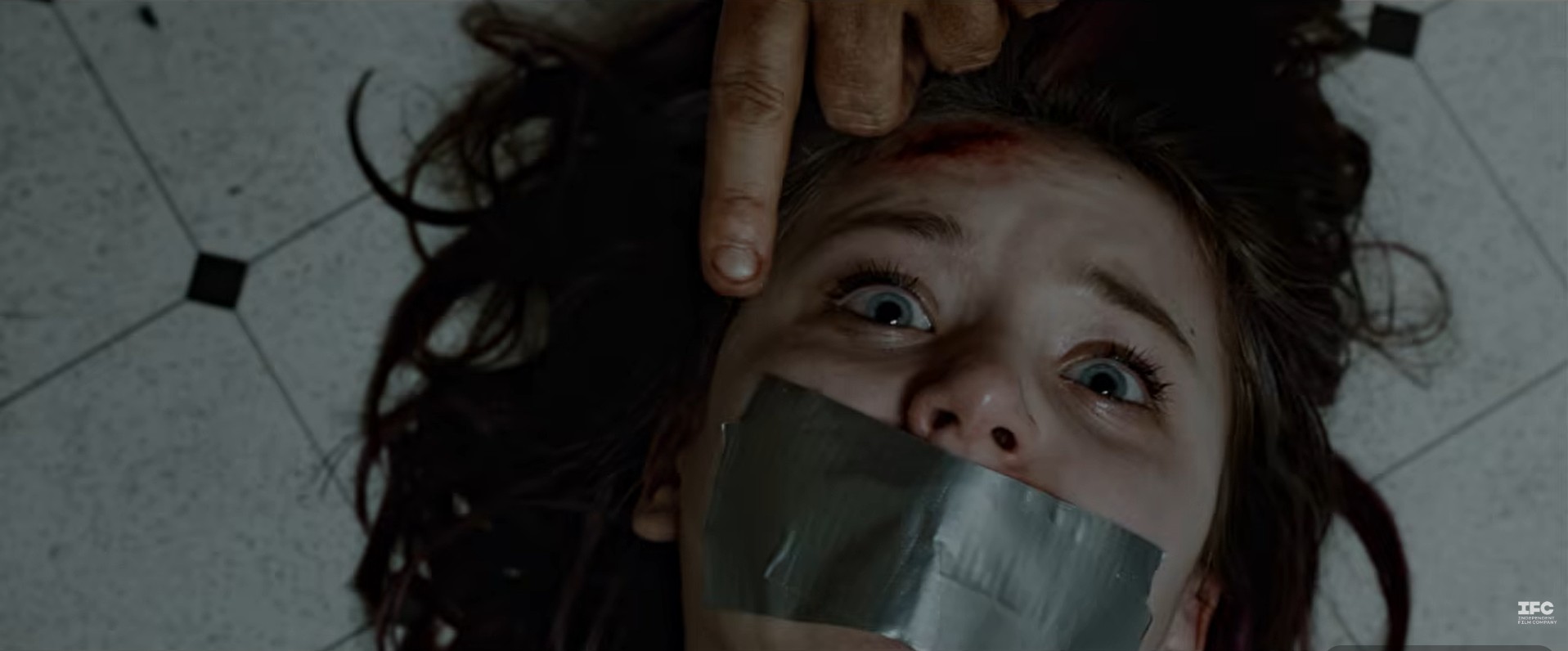
A financially struggling, heavy metal inspired painter buys a bargain country house with an adjacent studio to work toward commissions and to home his wife and daughter in a bigger, lighter space.  When an unstable man with a child-like intellect disability arrives at their doorstep, wanting to come home to play his electric axe guitar to drown out the Satanic chants he continues to hear, he becomes the beginning of the family’s nightmare in their new home.  The man is a child serial killer, an unwilling agent of the Devil, who believes children are the Devil’s candy and when he can’t muffle out the continuous chanting in his ear, he must obey the commands to supply his master with more hacked up adolescence.  A couple of near miss encounters with the painter’s young daughter put the family on edge and into police witness protection but that won’t stop him from coming for her.
Sean Byrne, the Australian filmmaker who debuted with the insane prom queen killer in “The Loved Ones” and who turned Jai Courtney into a shark-obsessed serial killer in “Dangerous Animals,” directed “The Devil’s Candy” in between those two productions and is his only solely U.S. produced film to date.  The 2015 film that mirrors the Satanic Panic era with its heavy metal and its unspecified yet strongly suggested 1980’s motif is written by Byrnes to symbolize the contentious efforts to divide family bonds in the best and worst of times with the killer representing the invasive and dangerous wedge when the painting father suddenly develops a muse for his work, losing track of time while working and neglecting his family responsibilities.  “The Devils Candy” is produced by Jess Wu and Keith Calder (“You’re Next,” “The Guest”), Chris Harding (“You’re Next,” “The Guest”), and Roxanne Benjamin (“Southbound”) under HanWay Films and in association with Snoot Entertainment.
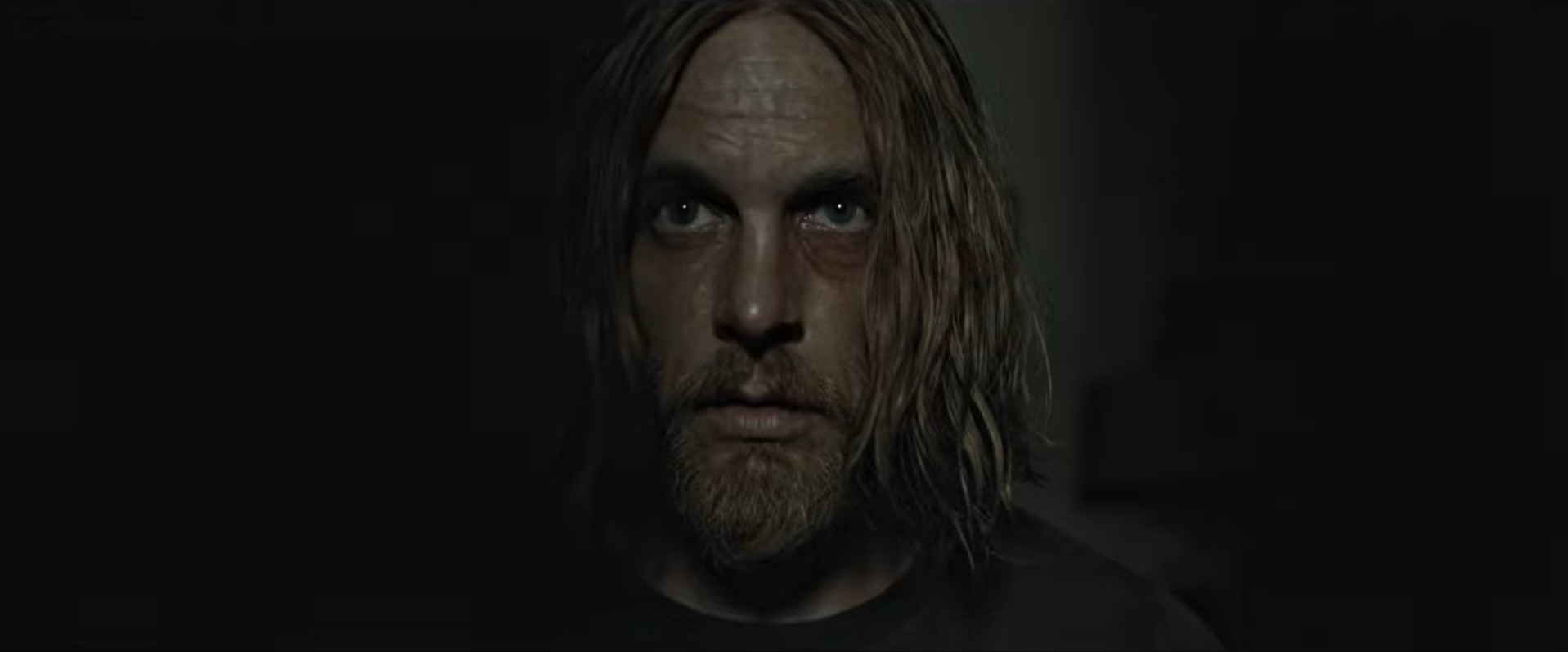
Ethan Embry is an interesting casting choice to be play principal father Jesse, a father-painter with a heavy metal music edge who becomes possessed to paint disturbing images of upside crosses and children burning.  Embry, who has the softest, puppy-dog eyes in the industry, fits remarkably as the likeable Jesse, sporting a long hair wig overtop his scruffy facial hair and athletic and muscular toned body that becomes a character in itself to display his intensity as a normal painter and more so as a possessed painter but never leaning toward being malevolent under the influence of possession, just a bad dad to daughter Zooey (Kiara Glasco, “Maps to the Stars”) that jeopardizes their close bond.  I found it curious that Shiri Appleby, “The Killing Floor”) is mostly out of the narrative picture as wife Astrid.  There are a couple of heart-ot-heart scenes between her and husband Jesse but from the most part, Astrid is absent working across town and leaving much of the family relationship strain in the hands of Zooey and Jesse without Astrid weighing on Jesse’s lapse in judgements:  forgetting to pickup Zooey from school, leaving the door open late at night while painting, etc.  Astrid is written with too much understanding and not enough mother bear ferocity.  My personal favorite supporting actor, who has been around for decades and here has a bigger antagonist role, is Pruitt Taylor Vince finding and exhibiting his inner calling to kill children.  “The Identity” and “Mississippi Burning” actor with noticeable nystagmus that moves his eyes involuntarily, mostly side to side, has in his firm grip one of the more subtle yet disturbing characters with layers, struggling with the Devil’s speak commanding his ear and becoming violent went his attempts to subside the viperous, chanting tongue hit roadblocks.  “The Devil’s Candy” rounds out the supporting pars with Tony Amendola (“The Curse of La Llorona”), Leland Orser (“Alien Resurrection”), Craig Nigh (“Terror Birds”), Oryan Landa (“Hollow Scream”), Jamie Tisdale (“From Dusk till Dawn:  The Series”), Mylinda Royer, Marco Perella, and Sheila Bailey Lucas.
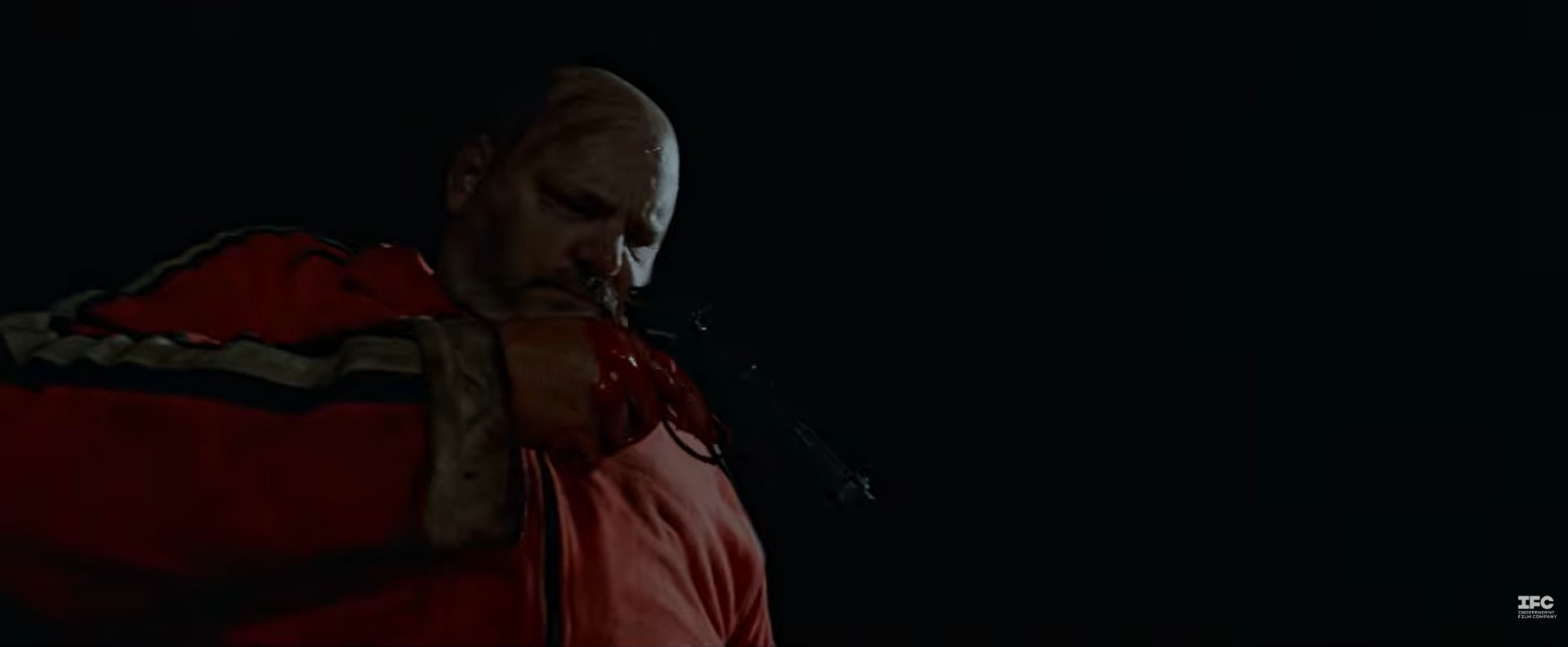
Satan and heavy metal are nearly synonymous in the horror assemblage – Charles Martin Smith’s 1986 “Trick or Treat,” John Fasano’s 1987 “Rock ‘n’ Roll Nightmare,” Jason Howden’s “Deathgasm,” and even “Bill & Ted’s Bogus Journey” blends Hell with Rock ‘n’ Roll! – and all give a villainy credit to the God antithesis known as the Satan.  “The Devil’s Candy” is a poster child for the Metal and Satan genre, as part of the dubbed “Metalsploition” or “Rocksploitation.”  Yet, the Sean Byrne film plays a different kind of setlist, one that doesn’t slap Satanic right into your face but rather plays to the tune of possible mental illness with a subtle flavor of supernatural forces at work, behind the veil of derangement and delusion.  Hell and brimstone, corporeal demons, or any kind of the depths emerging from the fiery pits of the underworld are greatly and purposefully omitted from “The Devil’s Candy” and that is a welcome change from the aforesaid films, grounding this terrifying exchange more onto the fabric reality, as seen in news reports of child kidnapping and murder.  This instability doesn’t only apply to the Pruitt Taylor Vince’s Devil whispered, child-killing character but also applies to Embry’s Jesse, a family man with a metal edge who flirts with temptation, tempted to the darker side of metal, by being influenced with a malevolent muse to draw disturbing images and skirting responsibility that threatens the stability of his family, causing trust severing discord.  He also toys getting in bed with an artist curator who thrives and lusts after dark, provocative, profane art, with his gallery name being Belial – another name used for Satan in other cultural and religious beliefs.  Jesse must resist fame, fortune, and the guile techniques of Satan on Earth, another pointblank theme mentioned in the movie with a televangelist and return to his roots of connecting with his daughter and wife instead of selling his soul, or selling out, to the Devil. 
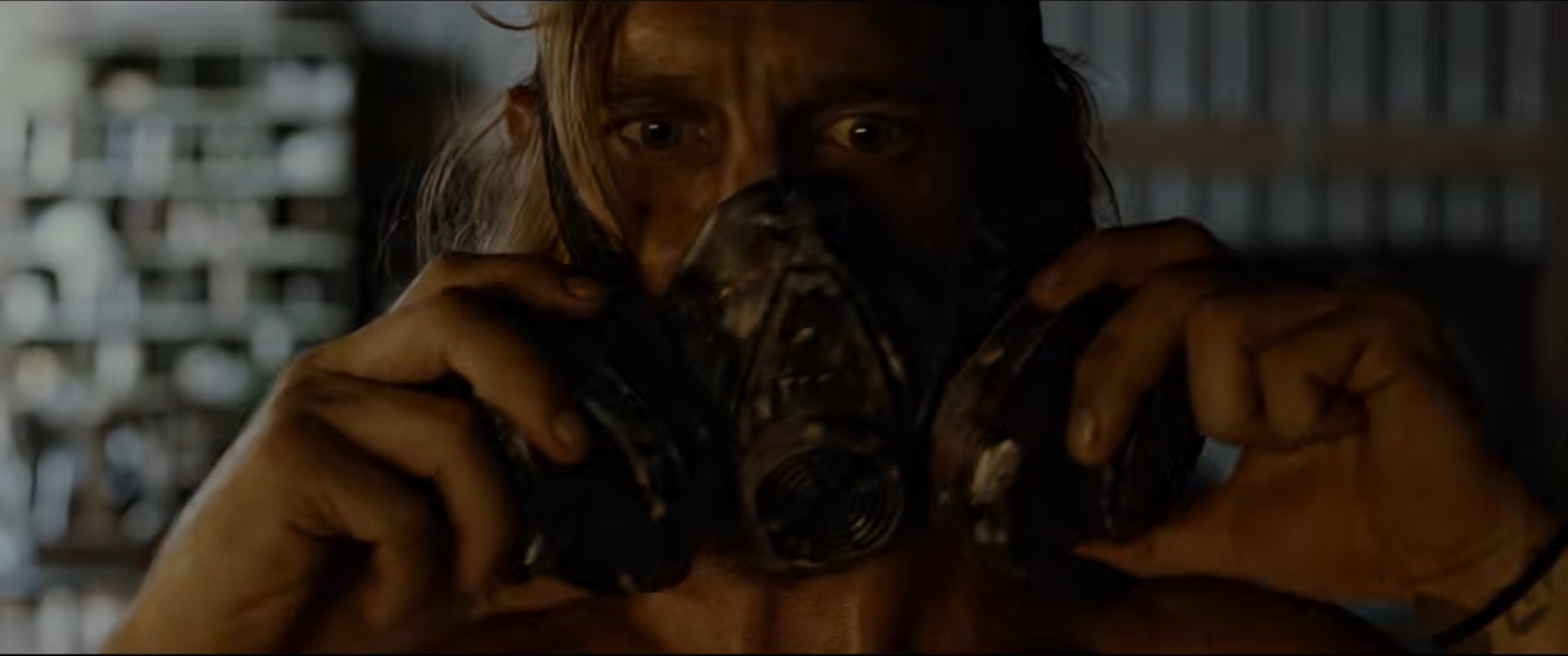
Second Sight Film’s dual format, 2-disc, 4K UHD and Blu-ray set of “The Devil’s Candy” is a tremendous gift to the physical media world.  The HVEC encoded, 2160p resolution, BD100 and the AVC encoded, 1080p resolution, BD50 are strikingly peak picture quality for their respective formats.  The limited edition contains a new, producer-approved 4K restoration of the original digital print and, while there’s likely not a massive different between the digital master and the restoration, Second Sight’s imaging for the release is superb, nonetheless.  Hovering a settled moody and low-key tone, creating an abundance of shadows and underexposure, Simon Chapman’s cinematographer creates the necessary anxiety that nowhere is safe away from a maniac driven by the dark Lord.  There’s beauty in the hard contrast with a cooler tone in more lit areas with details coming through greatly in these scenes that warrant them.  Skin tones and fabric textures have organic tactile and reflective presence.  Both formats are presented in a widescreen 2.40:1 aspect ratio that gives it a tighter yet lengthier exhibition for the high-def resolution.  The English audio on the both discs is an encoded lossless DTS-HD 5.1 Master Audio and it rocks!  Metal is master for the metalsploitation picture with great emphasis on the low-tone and harsh electric guitar strumming while a heavy rock soundtrack, consisting of metal band tracks from Metallica, Goya, Slayer, Pantera, and Machine Head to name a few, is infused with the satanism scenario and Jesse and Zooey’s metalhead lifestyle.  Dialogue is clean and clear with prominence above the layers where appropriate, never conflicting with the metal rock.  Range and depth play a factor with off-screen action told through key non-diegetic sounds that can almost paint a picture in your head, and this also goes toe-to-toe with the non-diegetic chanting inside the mind/ear of our principal characters because of its omnipresence, which seemingly engulfs the entire space in frame and then some.  Optional English subtitles are available.  All the special features are encoded on both discs, which is quite unusual for a UHD to have the full list of extras and perhaps suggests a more efficient HVEC compression.  These extras include an audio commentary with director Sean Byrne, Into the Fire a new intro interview by director Sean Byrne, new interviews with actor Ethan Embry Those Fragile Things, director of photography Simon Chapman Devil in the Details, editor Andy Canny The Cutting Room, production designer Thomas S. Hammock A Big Step Forward, and Sean Byrne’s short films: “Advantage Satan” and “Work?”  Like other limited edition sets from Second Sight Films, “The Devil’s Candy” receives a rigid slipbox with warm illustrated art by graphic artist Huan Do that extends beyond the slip box onto the bi-fold UHD and Blu-ray tall jewel case, a front and center lobby card of six with the rest being images from the film, and the book, a 120-page read of new essays from Aton Bitel, Reyna Cervantes, Becca Johnson, Joe Lipsett, Mary Beth McAndrews, and Zoe Rose Smith.  The book also includes production artwork of potential paints, cast and crew credits, and physical media acknowledgements.  This is a heavy (metal) set!  The UK certified 15 release for strong threat, violence, and language has a region free UHD and a region locked B standard Blu-ray with a runtime on both discs clocking in at 79 minutes.

Last Rites: “The Devil’s Candy” is a hard-rocking, hard-hitting thriller on the cusp of Satanic Panic but submerged fully in dangerous mental illness surrounding the welfare of children.

“The Devil’s Candy” 4K UHD and Blu-ray Is Now Available from Second Sight Films!

The Body Must Go Through an EVILution to Survive! “Crimes of the Future” reviewed! (Second Sight / 4K-Blu-ray)

“Crimes of the Future” 4K UHD/Blu-ray Set is the New Sex!  

Physical pain no longer resides in the human body, infection has all but been inexplicably eradicated, and new organs spontaneously appear, mutating their bodies and humanity into grotesque performance artist and back alley surgical pleasure seekers.  Saul Tenser and his partner Caprice showcase the new organ oddities with surgical art of removing the organ in front of sensually aroused and curiously stimulated spectators.  When an admirer offers an idea for a show, an autopsy of his recently deceased son he promises will be full of surprises, the artists dig into what could be a spectacular operational observation for shocking advant-garde art, but the deeper they dig the more than realize their own bodies might be evolving to a synthetic-laden environment and there are those working in favor and against what it means to be considered human in the New Vice Unit, at the National Organ Registration Office, and clandestinely, behind-the-scenes of the corporation Lifeform. 

David Cronenberg is known for pushing provocation in style and in substance.  His latest dystopian picture “Crimes of the Future” continues the provoking, controversial trend in his verve of body horror that has collectively corroborated Cronenberg as the face of the biologically integrating subgenre.  Cronenberg writes and directs the quasi remake of his 1970 feature of the same title with modern day effects as well as providing new reconstructive surgery on the story surrounding the man who grows new organs just to have them cut out shortly after.  Cronenberg tackles themes of human physiological evolution in a plastic consumed and destroyed environment and the evolution of performance art as it relates to sex or stimulation while also dipping his toes into the darker side of control with organization entities that either become an obstacle or a complete antagonist of corruption within a commercial corporation sense or a threadbare government agency that attempts to control and police a person’s own body and life.  Shot entirely in Athens, Greece under local production company Argonauts Productions, as one of man of the companies backing the 2022 feature, “Crimes of the Future is also funded by the capital investment company Ingenious Media (“Guns Akimbo”) and the Canadian governmentally funded Téléfilm Canada (“Ginger Snaps”) with Serendipity Point Films, Crave, and Rocket Science to name a select few in the co-productions.

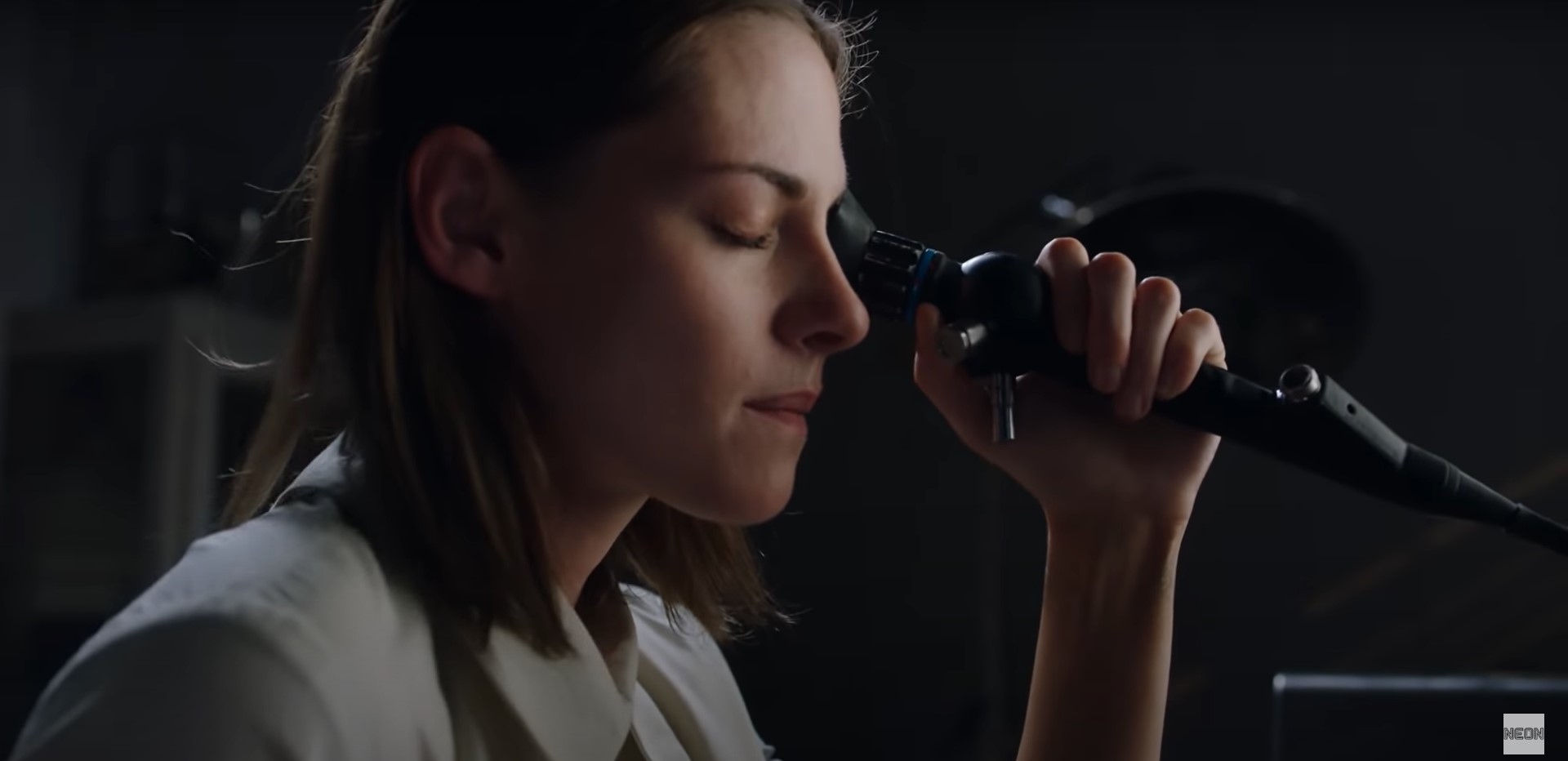
Marking his fourth collaboration with the director, Viggo Mortensen (“Eastern Promises,” “A Dangerous Method”) handles the fame of Saul Tenser, the subject of performance art with a knack for spontaneously growing new organs, or tumors, nearly at will and having them removed during surgical exposition at the hands of his intimate partner Caprice, quizzically seduced by the performance from “Blue is the Warmest Colour” and “Spectre’s” Léa Seydoux. Mortensen plays into Tenser’s will to remain what the institutes define has human only to become conflicted with the investigation into the prospect of rib-splitting a deceased young boy that sends Tenser into what-if territory. Scott Speedman (“The Strangers”) is the cause-driven father of the expired boy and Speedman sustains the character with his usual calm, soft-spoken demeanor which didn’t quite feel passionate enough for a neo-rebel against a society against what he stands for, what he is, and what he thinks everyone should relinquish to – to let the organs grow and flourish. Instead, the New Vice Unit Agent (Welket Bungué), the National Organ Registry’s bureaucrats, the excitable Whippet (Don McKellar, “eXistenZ”) and odd yet attractive Timlin (Kristen Stewart, ‘Underwater”), and an unscrupulous corporation looking to stop the spread of evolution insurgence for capital sustainability. Full of complex characters and neoteric performances, “Crimes of the Future” leaves a lasting impression, makes you stop and think, and indulges in the possibilities of the future with the help of a supporting cast that rounds out with Nadia Litz, Tanaya Beatty, Lihi Kornowski, and Yorgos Pirpassopoulos.

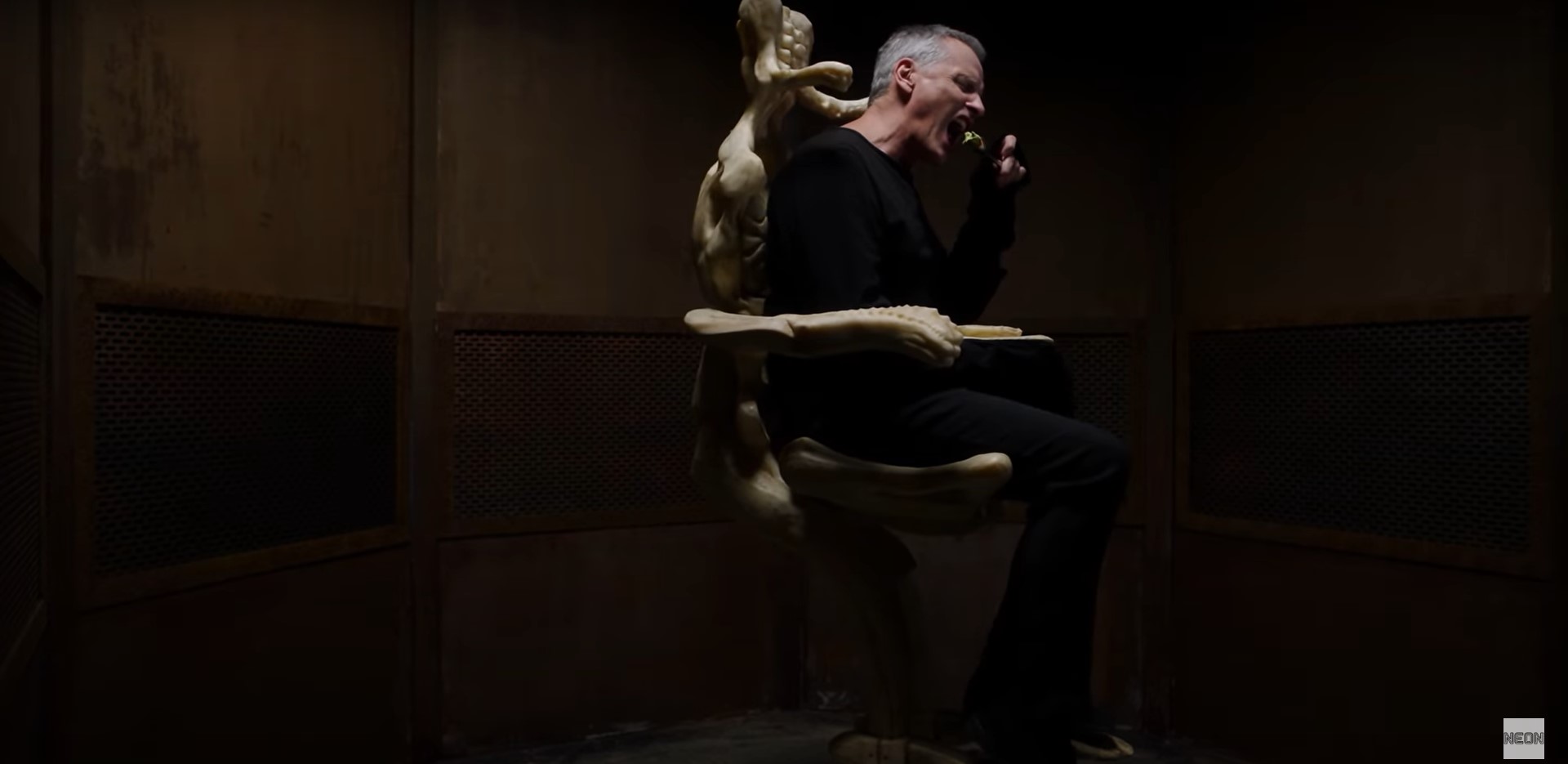
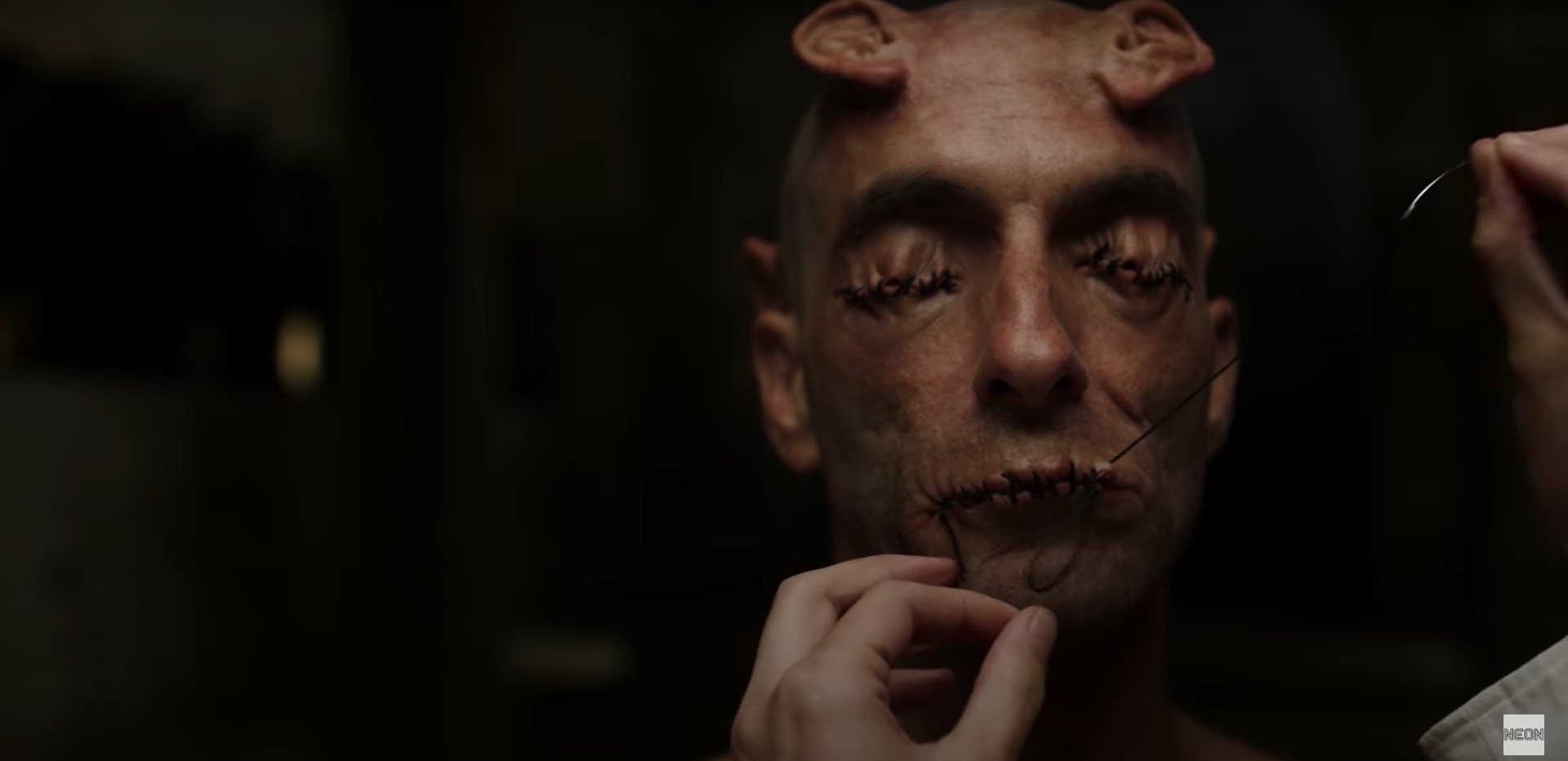
My official opinion about Cronenberg’s “Crimes of the Future” is that many viewers won’t see the multifaceted sides of what the writer-director is trying to convey.  What will be seen is the grunting organic bed that tilts back-and-forth, the fleshy and clunky moving digestive assistance chair that also has low guttural sounds, a dancing man sewn with many human ears, people being sliced open and enjoying it, and a dystopian future where suffering is not a main element.  People will see surface level abnormalities and gore and not understand the layers of a hard-pressed evolution in stagnation by unknown fear and extreme prejudice that runs rampant throughout Cronenberg’s underlying implication of an adaptation and updated normalcy inside a synthetic world.  “Crimes of the Future” is grotesquely beautiful in the depiction of not only how human culture and arts have morbidly progressed by the elimination of pain and by the advancement of technology only to be harshly juxtaposed against the grimy, gritty, and dilapidated habitation where infection feels high risk and imminent, but also in the corruptibility of the human condition that isn’t a naturally biological one like growing spontaneous organs.  Instead, the two bureaucrats of the National Organ Registry are supposed to be hardliners, rule followers, and thorough with their newfangled profession in the everchanging, unexplored future of the human physiology but are seduced by the intimacy of surgery, comparing it to sex with a high addiction rate.  The two agents are constantly breaking government policies and rules in order to be close to the dazzling aciurgy considered artful and alluring like a beauty pageant for the celebration of one’s innards.  Cronenberg also adds the caveat of corporate greed into the folds and flaps of “Crimes of the Future’s” dash of commercial retail that can be fleeting if not paying attention.  The threat of evolution aims to put body mechanism-correcting bed and chairs out of business and so a concealed aim to lobotomize that particular information permanently creeps up onto the narrative in some of the more frightening and gruesome scenes of smothering the risk it can spread like theater fire panic.  “Crimes of the Future” is an eye opening epiphany of everlasting ecological entrapment and the only way to survive is becoming accustomed to the taste of waste in order to be free of it.

If “Crimes of the Future” isn’t already remarkable enough in the wake of David Cronenberg returning to the body horror heir class, Second Sight stuns us with an impressive collector’s set from the UK. The 2-disc 4K UHD and Blu-ray set exhibits the film in a widescreen 1.85:1 with both formats decoding at an average bitrate of 23Mbps. The 4K UHD Dolby Vision comes in a HDR10 2160p while the High-Definition Blu-ray comes in a 1080p. Douglas Koch’s umbrageous urban bathed in greens and yellows and all the colors in between starkly hard lighting against softer details on the visual effects. Most details are lost in the tenebrous and decaying background of age worn and spartan warehouses with little-to-no wide longshots other than the opening of an overturned cruise ship in one of the very few daylight scenes, but the extreme contouring lucidly delineates the shapes around people and objects. Both formats include an English DTS-HD 5.1 Master Audio, providing a coherent and even robust dialogue through much of the Mortensen’s Tenser throaty rasp, Stewart’s Timlin robotic inflections, and Speedman’s Lang soft and breathy speech. “Crimes of the Future” is not volatile and full of action in what’s more a slow noir progression, focusing in on intimacy of dialogue, the proximate ambience, and Howard Shore’s (“Lord of the Rings”) neo-space opera and synth score. English subtitles are available for the hearing impaired. Second Sight puts heart and soul into every release when not only considering A/V but also special features and limited-edition contents. Special features include multiple succinct Second Sight produced interviews with director David Cronenberg and stars Viggo Mortensen, Léa Seydoux, and Kristen Stewart regarding “Crimes of the Future’s” broad vision. An extended interview with Don McKellar dives into his relationship with David Cronenberg from over the years plus his role as the National Organ Registry agent, plus additional crew interviews with producer Robert Lantos, cinematographer Douglas Koch, and editor Christopher Donaldson. Famed film journalist Leigh Singer provides a video essay New Flesh, Future Crimes: The Body and David Cronenberg, a making of featurette, production design materials that go deep into the austere and spartan look of Greece-turned-dystopian future, and a short film “The Death of David Cronenberg by Cronenberg and his daughter, Caitlyn. The physical features are a whole other beast within a rigid slipcase with new artwork by Marko Maney of a pitchy Saul Tenser relaxed in his orchid bed with tentacles while the back reads in stacked words, Body is Reality, glowing inside an old tube television. Both discs are held in an insert jewel amary case with its own Maney artwork of extracted organs in the same color scheme as the slipcase. Alongside the casing, there are 6 collectible art carts, a 120-page color book with production designs, location setups, and new essays by Reyna Cervantes, Tim Coleman, Joel Harley, Rich Johnson, Mikel J. Koven, Phil Nobile Jr., Ian Schultz, and Hannah Strong. “Crimes of the Future” is certified 18 for strong gory images and sex reference and runs 107 minutes on both formats with the Blu-ray locked in B region while the 4K UHD is listed as region free. Plausibly absurd, “Crimes of the Future” imparts far-fetched and dark humored science fiction, but if plants and animals biologically adapt to new or changing environments in order to survive, director David Cronenberg sees the future and renders a concept that, on a second sight thought, may be existentially key.

“Crimes of the Future” 4K UHD/Blu-ray Set is the New Sex!