EVIL Bottled Up is EVIL That’s Life Ruining. “Repossession” reviewed! (Gravitas Ventures / Digital Screener)

“Repossession” Available on Amazon Prime Video!

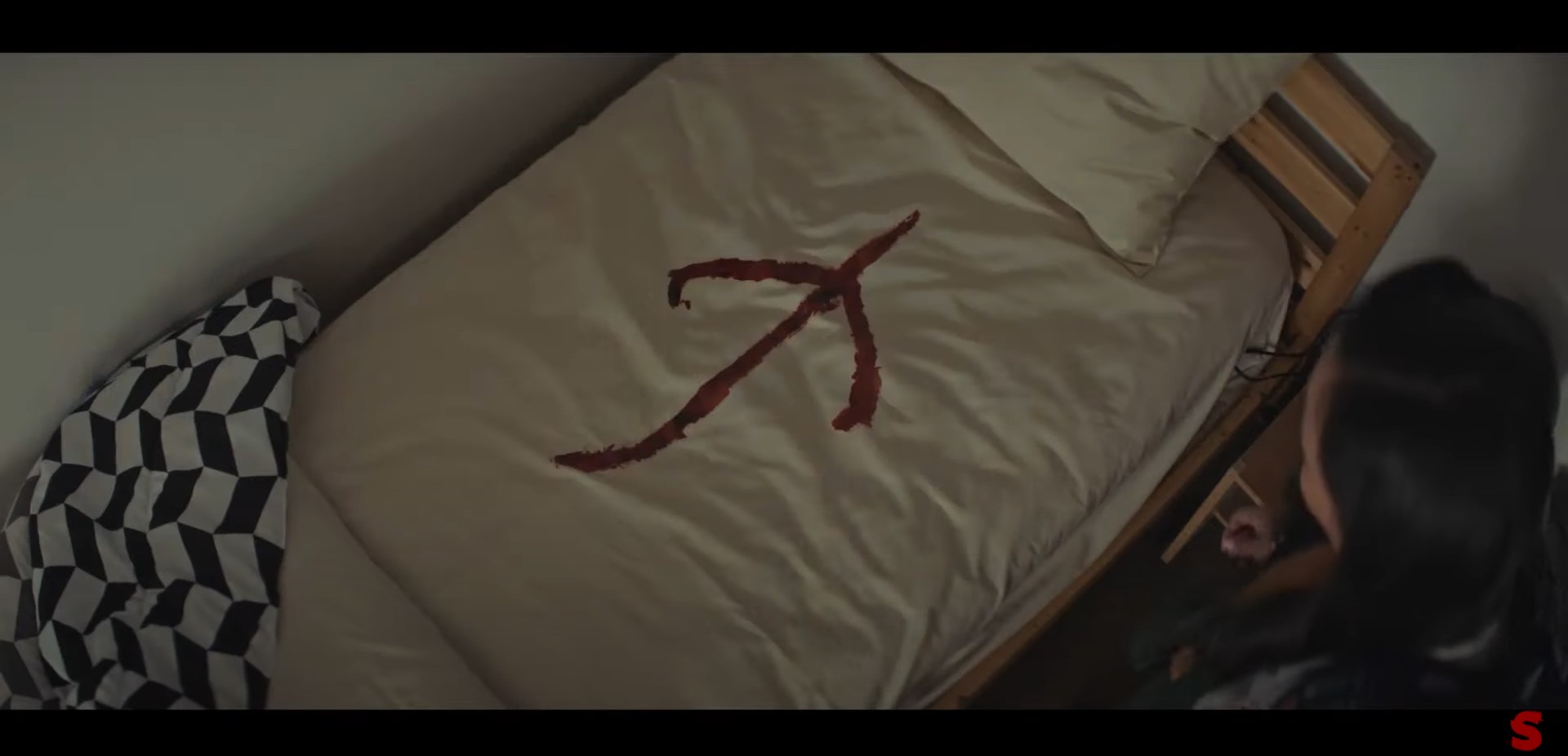
Jim Tan is a middle-aged engineer earning more than decent living for his luxurious lifestyle with a high-rise condo with private swimming pool, his daughter’s university tuition, and an insanely expensive car. When he is suddenly forced to leave his job after decades of service, Jim’s inability to face the truth and retain his pride results in not telling his family upfront. As his bank account dwindles but his family’s lavish spending continues, Jim’s drastic measures of gambling what he has left in the stock market trading goes against his best friend’s advice as he also submits to a meager income as a transportation driver, but as Jim sinks deeper into the red, the secret he keeps from his family eats more and more at psyche and his traumatic past, full of more secrets, leave the door open for a pernicious dark figure to infringe upon his crumbling reality.

Filmed and set in the multicultural, larger-than-life city of Singapore, “Repossession” is a transfixing cautionary tale of the grim side of pride, society’s devaluation of experience, and the return of past demons. Written and directed by the predominantly television producer, writer, and director, Goh Ming Siu, and Scott C. Hillyard, the 2019 thriller about the ugly failings of falling personal stature grace is the first feature length venture from Siu, a Northwestern University’s Communication’s graduate, and Hillyard, a Mass Media Management grad of Nanyang Polytechnic School of Business Management, that showcases not only his drive to create a structurally sound narrative, but also a vision of one man’s minimalistic mental terror backdropped inside a vibrant, heavily urban surrounding where madness can be lost and confused with the day-to-day hustle and bustle. Siu and Hillyard have tapped a handful of short comedy films over his career with “Repossession” being the directors’ first attempt at a fright film, even if it’s only a diluting portion of the considerable drama elements and is a production under their private limited company Monkey & Boar, operating out of Singapore.

“Repossession” revolves around the fall of a prideful patriarch performed by Gerald Chew (“The Tattooist”). Chew, who previously acted in one episode of Siu’s comedy series, “First Class,” has to enact a man torn from the breast of affluent society and forgo the weening process of learning how to manage life’s obstacles without a steady, lucrative income. As the corporate terminated Jim Tan, a middle-aged man forced back into the current job market after 20+ years at the same company, Chew reaches into our darkest corners for anxiety and panic when everything in Tan’s life that has felt secure and sustainable is now on the precipice of tumbling down into a heap of loss. Instead of coming forth with his mare’s nest of occupational troubles, Tan hides it away, keeps it a secret, and tries to maintain status quo from his wife, daughter, and friends, but the daily life of was once sustainable yesterday is not sustainable today and Chew does the immaculate reformulation of proud man who never needed to worry to now a man whose pride is getting in the way of his acceptance and progression. To add an extra little something to the narrative, Tan’s backstory creeps into the fold one flashback at a time to underline the bubbling trauma now aggravated by his newfound sense of desperation that leads him down a concealed path of disturbing distraught. The mostly all-Asian cast rounds out with principle actors in “Just Follow Law’s” Amy Cheng as Jim Tan’s wife Linda, Rachel Wan as his daughter, Jennifer Ebron as the condo-keeper, and Sivakumar Palakrishnan, as his confidant and common-sense life adviser he never thoughtfully considers, along with bit roles from Daniel Jenkins and Grace Chong.

Demonized as an inky black and towering dark figure with long, sharp hands is Jim Tan’s bottled-up trauma ready to pop like a screw loose on an airplane engine that’s flying 10,000 feet above a populated city. A catastrophe of psychological collapsing looms constantly around every corner when the figure first makes its presence known and only Jim experiences its menacing presence. Viewers won’t know if the glomming figure is a figment of Jim’s mounting pressure or a haunting dose of realism from his past. The otherworldly shadow is just that, a tenebrous shadow of Jim’s foreboding hesitancy in coming clean, and, just like most secrets some of which can be monstrous, harmful, and wicked, Jim’s withholding cleans house with his relationships, hurting everyone in his path from friends to family from his past and to his present. Siu and Hillyard offer a slow chug displeasure cruise of one man’s course through dormant madness, triggered after years of comfort and security, in repossessing a lifelong psychological issue thought long suppressed. The wordplay is clever in design with the character’s default on payments as well as defaulting on his own life and, thus, everything he ever owns falls onto the grounds repo-horror. What can be considered asymmetrical in Siu and Hillyard’s film is the concerting connection of the dots, through Jim’s sometimes off-topic flashbacks and startling visions of the dark figure, that lead up to, what I consider to be, one of the best simply shot and powerful climatic endings experienced to render a pitfall of rueful heartache with a gory final moment.

On December 21, “Repossession” came a-knockin’ on the North American market’s digital door with a multi-platform release from Gravitas Ventures in association with Kamikaze Dogfight. The film has a runtime of approx. 96 minutes and bares a not rated certification. Since “Repossession” is a digital release, the audio and video quality critiques will not be covered. However, I was impressed with cinematographer Chow Woon Seong’s wide lens celebration of Singapore by capture various sentimental landmarks in the area and establishing a contrasting space between the actors and the stunning visuals screen monolithic and serene, creating a conflicting blend between ominous and wonder that also translates into the film’s industrial-lite soundtrack by composer Teo Wei Yong with a brooding mechanical perfunctory to match Jim Tan’s hardly lifting a finger effort. There are no special features or bonus scenes included with the digital release. Powerfully relatable, the human condition for survival, despite the trivial circumstances surrounding one’s dignity, can turn deadly in the blink of an empty bank account.

“Repossession” Available on Amazon Prime Video!

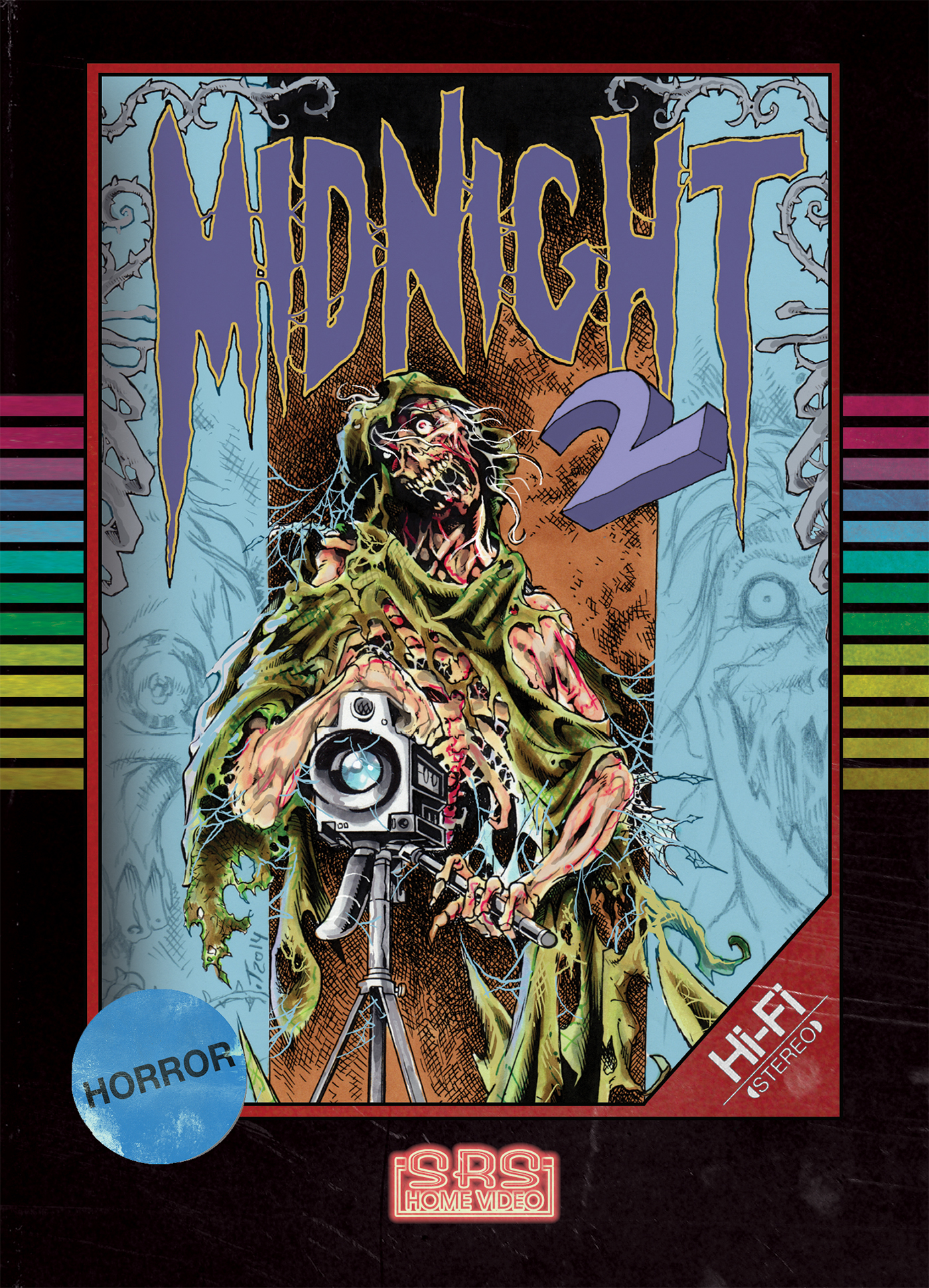
EVIL Ditches Satan, Picks Up a Camcorder. “Midnight 2: Sex, Death, and Videotape” reviewed! (SRS Cinema / DVD)

“Midnight 2:  Sex, Death, and Videotape” now available on DVD!

The sole survivor of the murderous, devil-worshipping cult family, Abraham Barnes, continues to kill under a new outward show as amateur videophile recording everything and everyone to gain their trust.   Instead of harboring his mother’s dark intentions of eternal life, Abraham simply thirsts for killing, documenting his premeditated methods using a camcorder.  When his latest victim goes missing, her friend initiates an investigation with a police detective, but Abraham is always recording, always one step ahead of them both, always on the hunt.  With the trap set and the play button pressed, the blood-lusting survivor of the maniacal, serial killing Barnes family preserves a lineage legacy of death. 

Screenshot from AGFA

Ten years after releasing his moderately successful All-American shocker, “Midnight,” John Russo returns with the Barnes family.  Well, at least one of them in the 1993 release of “Midnight 2:  Sex, Death, and Videotape.”  Also known as simply just “Midnight 2,” the secondary title references the widely popular 1989 Steven Soderbergh film of sexual testimonial video-tales in “Sex, Lies, and Videotape,” starring James Spader and Andie MacDowell.  The sequel gives way to a new motive and theme that’s very different from the satanic panic aspect of the original.  “Midnight 2” enters the mind of a serial murderer with every calculated and cold thought and whim that crosses the killer’s mind laid out in detail to paint a compulsive picture. Behind the scenes, conjuring up resources to make the sequel exist as it stands today, is “Dead Next Door” and “Robot Ninja’s” J.R. Bookwalter, the head-honcho in production and distribution of his own created company banner, Tempe Entertainment. Bookwalter, who also wears the director of photography and editor hat on this film amongst others, produces the Russo sequel that was shot on location in Bookwalter’s home city of Akron, Ohio.

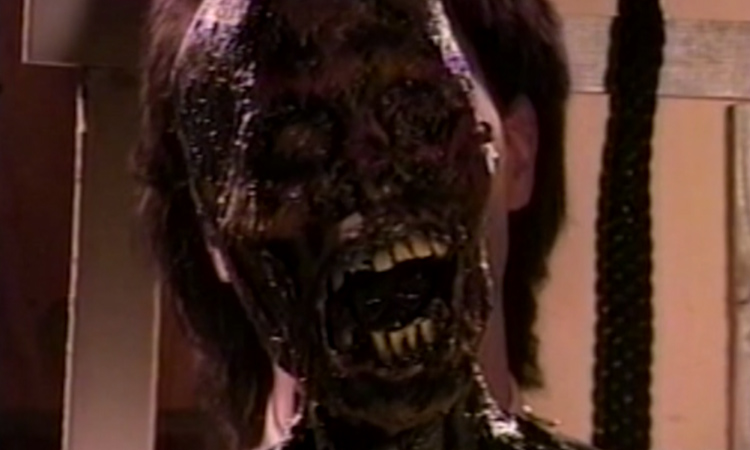
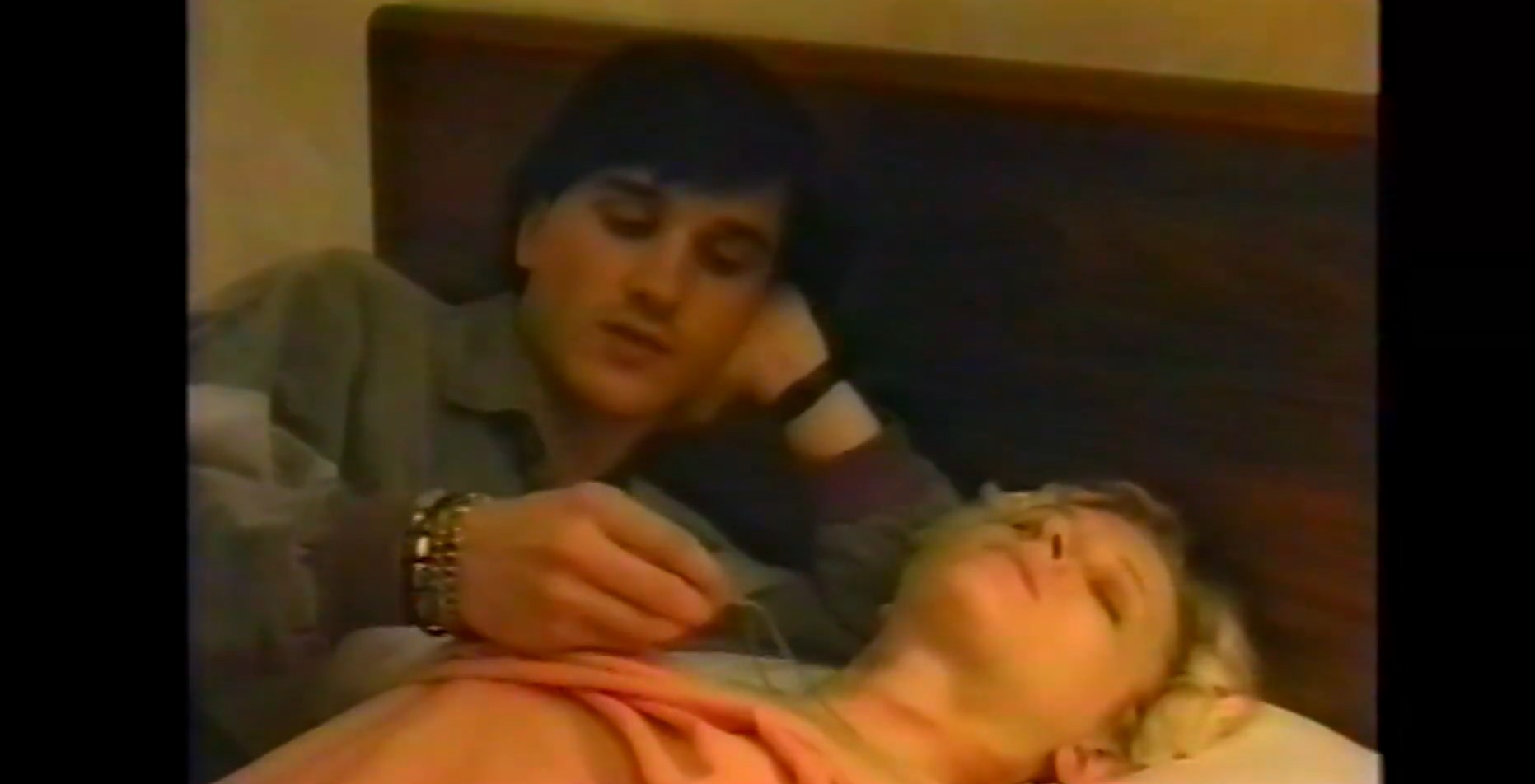
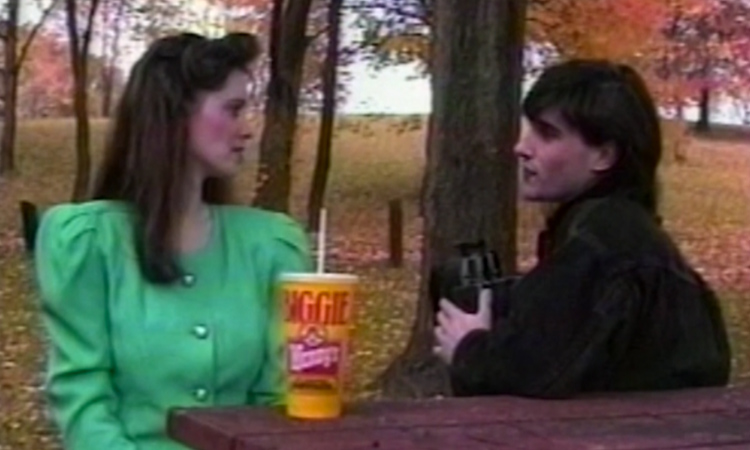
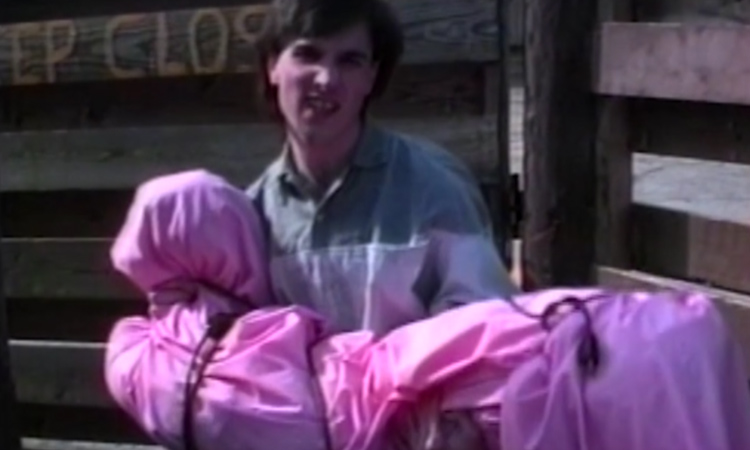
If you’re expecting or anticipating seeing John Amplas (“Martin,” “Day of the Dead”) return to the Abraham role 10 years later, be prepared to be severely let down as Amplas does not return for “Midnight 2.” Instead, profound schlock horror screenwriter and composer, Matthew Jason Walsh, brings a whole new peculiarity to Abraham Barnes and I’m not just talking about his face or mannerisms. Walsh, who penned such David DeCoteau C-list gems as “Witchouse,” “Young Blood, Fresh Meat,” and “The Killer Eye,” goes face-to-face with the camera in a hybrid performance as lead actor and lead narrator of his own exposition into his own executions. Being a sociopath is never fleeting from Walsh who can sink into the sardonicism of the Abraham character naturally as one of the two only traits to carryover from the original film with the other being a killer. Aside from a boat load of archival footage and a verbal recap of nearly the entire first film, the whole Devil-worshipping aspect of the Barness family is dropped in favor of a more undisclosed truth in the hidden agenda of a person who thrives off the hunt and the kill. Abraham goes through verbatim his daily, stalking routine in a publicized manner of videorecording everything and everyone to capture as much detail as possible as well as capture their last moments. Russo does throw in escape clause caveat for Abraham in that if he meets the right girl, the love for her will be strong enough to break him away from killing and possibly start a family and while Russo plays into that tangent a little with Jane (“Killer Nerd’s” Lori Scarlett), nothing much more materializes significantly as a romantic conflict that circles back to that subtheme. Russo ultimately gives in to a more cat-and-mouse game with Jane’s worried friend Rebecca (“Chickboxer’s” Jo Norcia) and the detective who rather slip into Rebecca’s pants than actually solve the case in a stiffer than roadkill performance by Chuck Pierce Jr. (“The Legend of Boggy Creek”).

Screencap from AGFA

I wonder how much ‘Midnight 2″ is actually from the mind of John Russo or if it’s more of the J.R. Bookwalter show in calling the shots from the producer’s director’s chair as the film feels very much like Bookwalter’s usual fare, a SOV, DIY, home brew production of local Ohioan talent. “Midnight 2” also goes from the backwoods suburbia of Pittsburgh to the concrete structures of Akron, leaving behind any remnants of Abraham’s satanic past in the ground along with his dead siblings, but the sequel very dutifully leans into us with a heavy archival footage recap with Walsh narrating the entire damn thing. I kid you not, the recap is approx. a third of the runtime and so essentially, “Midnight 2” is a two for one straight-to-video special. Granted, the archival footage remains in its untouched up state so don’t expect the Severin grade video quality. In one way “Midnight 2” is discerned to be more of a Russo film is the very hesitancy of graphic, blood-shedding violence. Bookwalter’s a bit of gorehound in making some gruesome grisliness out of the singles from a Podunk stripper’s Kmart thong. There’s none of that imaginative ingenuity here with a surprising severe lack of that adored shot-on-video nastiness common of its era, especially from the likes of John Russo in filing a rated 13 release according to the DVD back cover, enervating “Midnight 2” as a inferior sequel that tries on a new pair of shoes but ends up limping with a lame gait.

Screencap from AGFA

Russo might always be remembered for his contribution to the start of the “Living Dead” franchise. The cult legendary filmmaker surely found modest success with his first directorial run with “Midnight.” Yet, “Midnight 2” will have a tough time keeping out of the celebrated shadows of Russo’s credits, but the indie, underground horror label SRS Cinema pulls back the shrouding curtain with a newly released, MVD Visual distributed DVD featuring two cuts of the film. Fitted with a retro look and ghastly illustrated cover art, a superb upgrade from the VHS cover, the region free DVD is presented shot-on-video in a 4:3 aspect ratio on both cuts. Essentially, both cuts are the same with reworked scenes and narration with the except of the 90-minute rough cut having extended archival footage of the first film. The main version runs slimmer at 72-minutes. The lossy image quality abides within both versions with a flat color palette that, at times, had a singularity about its choice of unflattering hue, compression macroblocks consistently flare up, and dimly discernable innate tracking lines with video recording destabilize the image. The anemic English Language single channel mono mix is a bottom of the barrel budget sound design and that was to be expected. Dialogue does come over clear enough but lacks vigor and crispness as there is just too much electrical interference shushing in the background. Depth’s a bit awkward too with the actors conversing in the background but have foreground decibel levels. Aside from the two cuts of the feature, the only other bonus content is the theatrical trailer and other SRS home video trailers. “Midnight 2” works as a standalone in a different shot-on-video horror light but is crammed with unnecessary recapping on a story built around the destined, convoluted conjecture of a homicidal narcissist and his videotape addiction.

“Midnight 2:  Sex, Death, and Videotape” now available on DVD!

Dinner Parties and the Special Guest is EVIL. “Climate of the Hunter” reviewed! (Dark Star Pictures / Blu-ray)

MIckey Reece’s “Climate of the Hunter” Now Available on Amazon.com

Sisters Alma and Elizabeth meetup at their childhood cabin for a quick getaway.  Their individual neurosis induces the incessant minor league friction between them but never causing any real strain until an old friend, returning from abroad, arrives at his neighboring cabin alone.  With his wife suddenly committed to a mental institute, the well cultured and practically single Wesley finds himself in the company of the desirous Alma and Elizabeth every night for dinner as they vie for his attention and affection.  When Alma crosses paths with Wesley’s strange and curious vibes, they compound upon her baseline suspicion of Wesley possibly being a vampire.  Elizabeth finds herself the victor of Wesley’s adoring warmth, leaving Alma to ramp up her scrutiny into their longtime acquaintance before her sister falls victim to his deadly charm.

Arthouse meets grindhouse in this Mickey Reece written and directed mystery thriller “Climate of the Hunter.”  Co-written alongside frequent collaborating screenwriter John Selvidge, the 2019 take on subtle vampiric ambiguity is punctured, tapped, and drained from the same blood rich veins as Robert Bierman’s “Vampire’s Kiss,” starring Nicholas Cage, and George Romero’s “Martin,” but instead of a protagonist believing in the transference into a bloodsucking creature of the night, “Climate of the Hunter” steps back furthering by approaching with a more elusive and Lynchian-like 3rd party perspective as the story focuses prominently the sisters’ thoughts and actions while Wesley does what Wesley does without self-doubt or obvious distinction.  Shot during the winter months of the diffusely populated woodland area of Welling, Oklahoma, “Climate of the Hunter” is the sole released presentation of Mikey Bill Films and the more seasoned VisionChaos Productions (“The Field Guide to Evil”) under executive producers Uwe R. Feuersenger and Sasha Drews in collaboration with production companies of Adam Hendricks and Greg Gilreath’s Divide/Conquer and Jacob Snovel’s Perm Machine Productions.

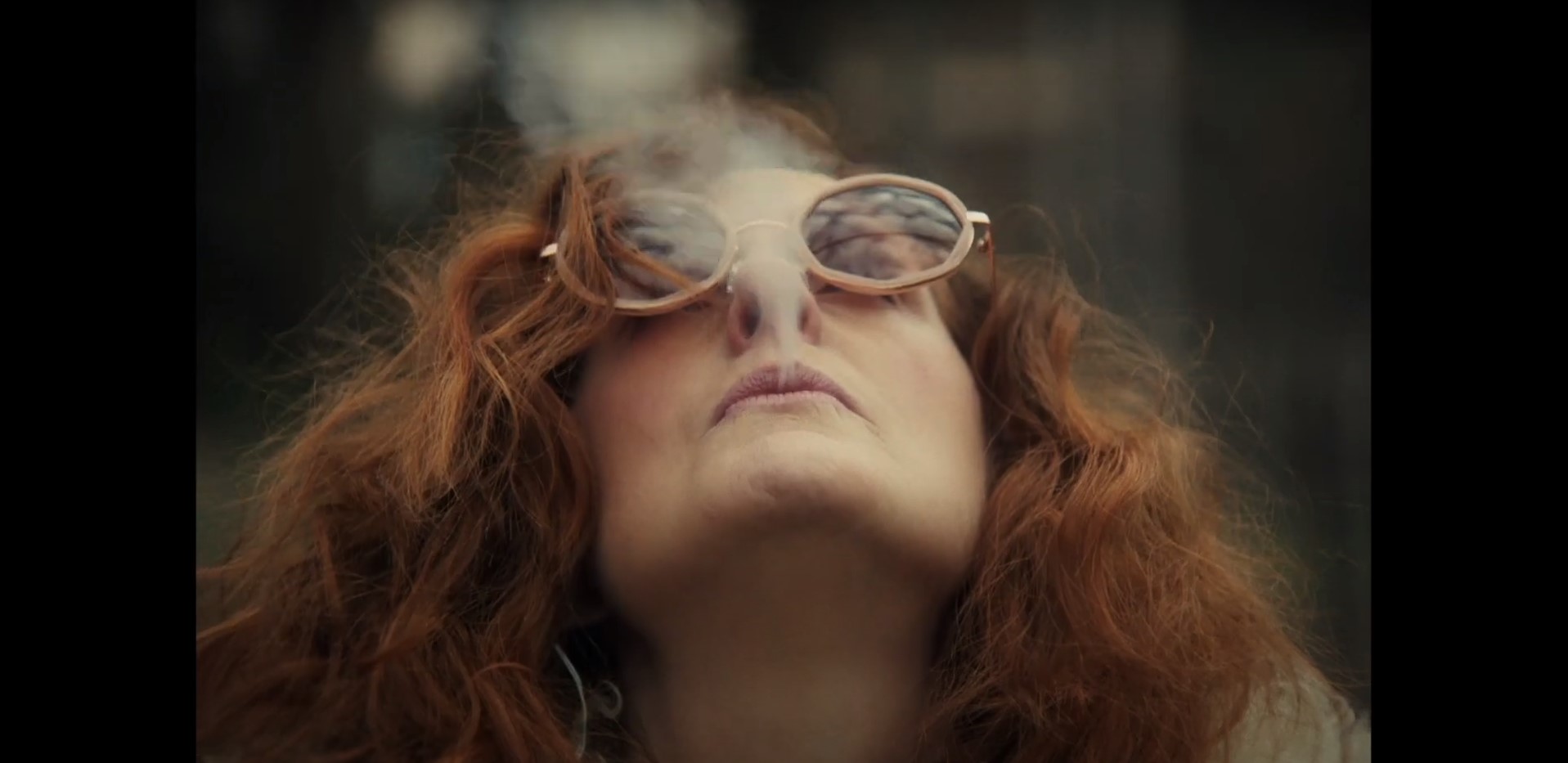
Diving into his best performance as an enigmatic rake with unpronounced intentions is “Minari” actor Ben Hall, who recently costarred as a crises of faith priest in Mickey Reece’s latest release, the comedy-horror drama, “Agnes.”   As the sophisticated wordsmith neighbor, Wesley commands every ounce of oxygen all in thanks to Hall’s elegant pacing of Wesley’s uttered mannerisms and inflections.  Hall is joined by fellow “Agnes” costar Mary Buss as the pining Elizabeth.  Elizabeth practically resents Alma’s seemingly historical persistent hold over Wesley’s affections and Buss bitterness, whether because of Wesley or because of Alma’s uncharacteristic behavior as of late, oozes into the stagnant folds of their relationship.  If you haven’t figured it out by now, “Climate of the Hunter” has an Oklahoma-centric and Mickey Reece’s staple go-to cast, which brings us to the other sister Alma played by Ginger Gilmartin who fits into that aforementioned niche category.  Alma is running from something that goes essentially unsaid that leads her to hide out in the family cabin and Gilmartin, as best as she can, shepherd’s that motivation without the better part of context.  Alma’s also dresses like a crazy cat lady, except she owns a dog, and so reading Alma’s state can be taxing to nail down in an arthouse film where nailing down anything in arthouse cinema is inherently taxing in itself.  The small cast rounds out intermittently with smaller roles that build upon Wesley’s vague nature beginning with a local friend to the sisters named BJ Beavers (producer Jacob Ryan Snovel).  Witnessing Wesley’s strange behavior but oblivious from his own strangeness, BJ becomes a confidant and a collaborator with Alma in revealing Wesley as a vampire.  Sheridan McMichael grows resentful toward his father as Wesley’s spiteful son Percy, Danielle Evon Ploeger seeks incompliancy from her mother Alma as her daughter Rose, and, in the more curious role, is Laurie Cummings (“It Lives Inside,” “Army of Frankensteins”) as Wesley mentally incapacitated wife who somehow manages to lose her wheelchair as it drops from the sky.  You’ll know what I’m talking about when you see it!

Having watched “Agnes” before diving into “Climate of the Hunter,” I mentally prepared myself for a breathy, long-winded, talking head film.   That readied mindset 100% gave me more clarity into Mickey Reece’s shadow narrative.  “Climate of the Hunter” is an uncharacteristic slow burn for the idiosyncratic grindhouse veneer.  With a 4:3 aspect ratio and a color reduction into a warm hue palette that glows, Reece insists on a design that usually offers loads of cheap thrills in action, sleaze, and gore, but the director’s story is toned down, subtle, and very much ear candy as opposed to a rush of visual adrenaline.  Instead, lucrative character building fizzes with tension as elements of the past and present unravel who’s who and what’s what before the climatic finale that suggests nothing was what it seemed to be.  Though prepped for profound exposition, the dialogue can still be boggling with a composition of Wesley’s personal anecdotes and philosophical quips and quotes.  As stated, Ben Hall is amazingly poised in this film, the unflinching star, rolling easily with Wesley’s gift of gab, persuasive magnetism, and maintaining an oblivious eye to an undercurrent of potential classical madness in Alma.  Between her recreational use of drugs and an ugly divorce, Alma has retreated into herself as well as her isolating cabin and when the spotlight isn’t on her, is her perception of Wesley really fantastical or is there actually something broken within her.  Reece explores a related theme of loneliness around the table with each principle character and how differently being lonely is digested and secreted through the pores of desperation.  Once aspect of Reece’s film that will puzzle viewers, and did puzzle me, is the narrated introduction of the food whenever there is a tabled conversation.  Since there already Portuguese titled chapters segmenting the story, a bit of a harp back to Wesley’s travels abroad, announcing what the character are dinning on seemed virtually unnecessary other than the idea that food brings people together in which it then fits the narrative of loneliness. 

“Climate of the Hunter” is quintessential Mickey Reece melodrama tinged with droplets of horror and subtle dark comedy.  Dark Star Pictures releases the film onto region free, dual layer Blu-ray home video in full 1080p High Definition.  Reece and director of photography Samuel Calvin aim for a vintage but not superannuated look for “Climate of the Hunter,” in which follows suit with the story set circa 1970s, with a 4:3 image on a pillarbox 16X9 display, relying also heavily on a softer lens to produce a dreamlike and luminescent effect but not overdoing it.    The release comes with two audio options – an English language 5.1 DTS-HD Master Audio and, if one wants to fully immerse themselves in the era, a stereo 2.0.  Dialogue is crisp and clean as it is refined as expected. Levels are balanced, range and depth are acceptable, but with this sort of wordy production, switching between the 5.1 and the 2.0 only discern subtle differences. Optional English SDH subtitles are available. The not rated, 82-minute-long film has special features that include another full-length Mickey Reece entitled “Strike, Dear Mistress, and Cure His Heart” as well as a short film “Belle Ile,” deleted scenes, production designer Kaitlyn Shelby’s preparations of the food presented in the film Recipes from the Kitchen of Alma Summers, and production stills and behind-the-scenes gallery. “Climate of the Hunter” deserves at least a once over and, in my opinion, a second viewing to become fully submersed in Mickey Reece’s dialogue rich and nebulous style.

MIckey Reece’s “Climate of the Hunter” Now Available on Amazon.com

Do EVIL, Get Dead! “A Day of Judgment” reviewed! (Severin Films / Blu-ray)


1930s rural America – the dejected town priest resigns his congregational duties after failing the local townsfolk who have all but returned to the Church and reclaim their faith in the savior lord Jesus Christ and God.  On his exit of the town’s border, the priest crosses paths with a shadowy figure riding an austere wagon and holding a scythe.  A town full of heartless schemers, adulterers, swindlers, and murders have their unforgiving stories told that leave their fellow townsfolk, their friends, and even their families left suffering in their wake.  The shadowy figure tracks each sinning stray down to face retributing judgment.  The righteous and terrible punishments send the unsavable souls to an eternal existence in Hell.

The Grim Reaper cometh. Screen cap courtesy of Severin.

What was once considered to be a Christian-centric educational project had turned into a Christian-centric damnation of horrors in the quasi-anthology “The Day of Judgment,” where the sinners of sin town deviate from the Godfearing path and into a vat of immorality and ungodly aberration.  “The Day of Judgment,” occasionally under the U.S. bootleg title of “Stormbringer,” is the one and only directorial from C.D.H Reynolds (aka Charles Reynolds), an academic educator turned briefly to film working under the legendary, North Carolina based Earl Owensby Studios that produced the 1981 released film.  The script is penned by Owensby Studios’ regular writer, Thom McIntyre, who inked the film between a pair of genre credits, including the incarcerated grindhouse actioner “Seabo,” also known as “Buckstone County Prison” a few years earlier and a snippy flick of a pack killer Rottweilers terrorizing a mountain resort in “Dogs of Hell” a couple of years later.   Owensby, obviously in regard to his own studio work, took part as the fire and brimstone tale’s producer along with associate producer and longtime “Power Ranger” director Worth Keeter curating the final touches as the creative architect of the script’s grimmest portions or more line as the assistant director of adding the bleaker, bloodier fates of the sinners.

William T. Hicks. Screen cap courtesy of Severin.

“A Day of Judgment” has a non-linear anthology-like structure that swings back and forth between different character scenarios of wickedness.  You may meet one character at the very beginning of the story and don’t meet them again, until you’re already through having sent a good chunk, if not all, of the sinners to Hell in a handbasket.  But McIntyre hones in well on setting up nicely each character’s backstory, those who the priest crosses paths with as he exits the town and delivering their ultimate demise (with an assistant from Worth Keeter’s gloomier approach).  The director himself Charles Reynolds plays the crestfallen Reverend Cage in a classic expository preacher riding out of town and crossing paths with soon-to-be-troublesome townies in William T. Hicks (“Death Screams”) as a greedy and heartless bank owner, Careyanne Sutton and Larry Sprinkle (“Trick or Treat”) as man slaughtering, pretense adulterers. Toby Wallace as the hometown disparaging mechanic scheming to steal the family business out from his parents noses to sell, Helene Tryon (“Dogs of Hell”) as the frettingly kook and paranoid old lady poisoning the local children’s pet goat, and Brownlee Davis (“Wolfman” ’79) as the delusional and disgruntled former employee of his best friend looking for a finality in revenge.  “A Day of Judgment” had this weirdly transitional acting style for an 80’s released horror that resembled the Golden Age of cinema through the 1950s and 1960s where everything is loud and pronounced without much reflection, pause, or change in tone.  Though the style sticks out like a sore thumb, perhaps Reynolds made a shallow attempt to recapture the 1930s as which the narrative period is set.  The acting isn’t terrible but is more staged and reactionary to the course of events.  The cast rounds out with Carlton Bortell, Richard Dedmon, Inga Dennis, Denise Myers, Jerry Rushing, Harris Bloodworth and Fred Roland.

C.D.H. Reynolds as Reverend Cage. Screen cap courtesy of Severin.

Earl Owensby produced films were not known to be big box office hits as they coursed the grindhouse, drive-in theater circuits with relatively unknown talent nearly strict to the back pockets of the Owensby Studios and still meeting profitable margins on low budgets.  “The Day of Judgment,” which doesn’t feel like a grindhouse film, carried meager success by way of production design and wardrobes alone.  Give credit where credit is due with an Owensby film that can dole out a variety of era appropriate automotive roadsters and specific period garments for the illusion.  Some sets are dressed scarcer than others with lots of blank spaces and sparse knickknacks to build upon the 1930’s décor but the overall impression is quite effective, transporting one out of the 80’s and into the depression era the narrative frequently suggests.  I also favored the non-linear anthology of individual hell bound circumstances as that structure rendered “A Day of Judgment” as a whole rather than a pie sliced into six-even segments with a common core connection that, at times with other films, individual stories can feel untethered to the main theme.  In today’s times, “A Day of Judgment” is severely antiquated but the more “bleaker” character demises often landed with underripe special effects and a fair amount of cheesiness that’s a Loony-Toons illustrated representation of Hell that looks more like Wile E. Coyote’s Southwest American desert home.  I was anxiously awaiting the beep-beep of Roadrunner, speeding across the screen, and the drop an ACME anvil on top of the sinners’ melons. 

Helene Tryon being dragged to Hell. Screen cap courtesy of Severin.

The overall message in “A Day of Judgment” is clear that sin and crime doesn’t pay, and the wrath of God’s retribution will come down hard in the form of a scythe.  Severin Films presents up a new Blu-ray, scanned in 2K of the original interpositive print now in full 1080p HD resolution of the widescreen 1.85:1 aspect ratio. Preserved pristine and having virtually no wear from age, “A Day of Judgment” is an amazing picture to behold for its first Blu-ray release with heightened resolution that extricates more details than possible than any other release can provide, especially when those other releases are the official VHS and DVD bootlegs. Here the color grading excellently pops with deeper hues of prime colors to provide more life into the death that’s onscreen. One thing to note about the release is the immense phosphorescence glow around whites and other lighter colors that can be eye-catchingly distracting when a piece of white paper becomes the main focus due to a conspicuous radiance. Other than that, the picture is clean, the grain is healthy, and no obvious signs of alterations to enhance the visual spectrum. The English language mono audio track, though emitting crystal clarity without any audio blemishes, is not terribly clear on whether Severin went with Dolby Digital or the DTS-HD. Other listings on the web offer up “A Day of Judgment” with a dual channel DTS-HD Master Audio while the back cover displays the Dolby Digital logo with a detached written description as a mono track, which coincides with Severin’s official site. With the film’s outmoded ingrained technology, Dolby Digital would be, to me, the obvious format that produces higher quality sound using a lower bitrate. Special features include a pair of new Severin exclusive interviews with British author Stephen Thrower of “Nightmare USA” in The Atheist’s Sins and snippet interviews from Worth Keeter and Thom McIntyre in Tales of Judgment. Final spec notes on the Blu-ray are a region free coding and has a runtime of 97 minutes. Stuck in stasis of prim and conservatism, “A Day of Judgment” has become this oddball labeled slasher of the 80s era that aimed to explore new and unusual stories and techniques on every avenue, but still leaves this impression of Bible-thumping Christian values that serve as a stern warning for all ye sinners!

“A Day of Judgment” on Blu-ray and DVD from Severin Films.  Click Here to Purchase at Amazon.com

EVILs Make Difficulties in Finding God. “Agnes” reviewed! (Magnet Releasing / Digital Screener)

Blemished man of the cloth, Father Donaghue, and a neophyte are summoned to perform the holy rite of exorcism on a possibly possessed nun, Sister Agnes.  Disadvantaged and forced by his own scandal, Father Donaghue is ordered by the local Bishop to oversee the matter before they ship him overseas to avoid further disgrace upon the Church, but the skeptical priest, who has performed many exorcisms in the past, has never once believed he was casting out a demon but, rather, relieving a guilty, tormented soul seeking divine forgiveness.  When the priests confront Sister Agnes, the situation is violent, wily, and unlike any possession Father Donaghue has ever seen before.  The incident casts doubt over Sister Agnes’s friend and fellow nun, Sister Mary, who leaves the convent to try and live on her own and find God in the real world her own way, but a little bit of Sister Agnes has seemingly rubbed off onto her. 

You gotta have faith, sang once by pop-rocker and songwriter George Michael (and Fred Durst, if want to go that route) and though Mickey Reece’s “Agnes” doesn’t necessarily croon a rebuttal, the Oklahoma City born filmmaker surely splits hairs with a formidable blockade that advocates the crisis of faith cinematic model with layered horror.  The “Climate of the Hunter” writer-director’s latest quasi-horror-comedy and full-throttle religious drama questions the validities of finding God on a personal level with a divergently cut screenplay co-written with frequent script partner John Selvidge, whose current post-production penned time-warping horror entitled “Wait!” coming next year.   “Agnes” is filmed in the heartland of America inside Reece’s home state of central Oklahoma and is a reteaming of Mickey Reece and producer Jacob Snovel of Perm Machine with Greg Gilreath and Adam Hendricks’ Divide/Conquer (“Black Christmas” 2019 remake, “Freaky”) as the production companies and is first feature presentation for Molly C. Quinn, Matthew M. Welty, and Elan Gale’s QWGmire Productions.

One-third of the head of QWGmire is also the “Agnes” leading lady as Molly C. Quinn, who doesn’t play the titular character, plays Mary, a nun and friend of the possessed plagued Agnes (Hayley McFarland, “The Conjuring”) with a tragic background that ambiguously parallels a similar path to the mother of Jesus, also named Mary for all you non-Christians out there.  Mary is tender, quiet, and self-effacing but determined to pave her own way without the means of charity, especially those of the unsavory-favor nature, and consulting God for answers.  Quinn is perfect to shoulder Mary’s innocent disposition and does carry her naïve meekness throughout up until Mary’s gradual decline toward her faith that turns the sweet and innocent young woman into a pragmatic doubter, spurred by Agnes’ sudden otherworldly turn from devout to impiety that becomes more than what meets the eye.  However, in kicking off Reece’s film, one would have thought the exorcism of Agnes would emphasize more heavily on Father Donaghu (Ben Hall, “Minari”) and soon-to-be priest Benjamin (Jake Hororwitz, “Castle Freak” remake), but despite the involved build up of Father Donahu’s sordid past that conflicts with the Church and his struggles with the exorcism, Reece and Selvidge ultimately do, in what feels like, a pulling of the plug on a storyline that followings in the footsteps of “The Exorcist.”  That is, in my opinion, the downfall of “Agnes’” story in elimination of really interesting character arcs right in their girthy throes, leaving audiences hanging on Father Donaghu, grocer owner/low-end gangster Curly (Chris Sullivan, “This is Us” and “I Trapped the Devil”), ostentatiously swaggering Father Black (Chris Browning, “Let Me In”) and even the titular character Agnes fails to flesh out fully.  Rachel True (“The Craft”), Zandy Hartig, Bruce Davis, Chris Freihofer, Ginger Gilmartin, Mary Buss, and “Guardians of the Galaxy” and “Suicide Squad’s” Sean Gunn as a standup comedian and Mary’s love interest.

“Agnes” loosely follows a couple of Catholic patroness saints in Agnes and Mary derided in a contrary sense.  Agnes, the virgin martyr in Catholic veneration, opposes the Church in the film with flashbacks of her embracing an indulgent life along with her sexual insults that’s uncouth for the patroness saint of pure little girls.  Mary’s a little more recognizable with a previous, ambiguous account of her child’s death (aka Jesus Christ?).  Plus, there’s the religious imagery, amongst others in the film, of Mary with bleeding eyes as an analogous to the weeping statues. Reece blatantly shows most men and women of the cloth to be unorthodox Orthodox Catholics from Father Donaghu’s troubling allegations to the mocking head priests. Mother Superior throws around her superiority amongst the convent nuns and even the Bishop, who doesn’t ever say a word in his brief scene, appears smug and high and mighty with his stature, letting his assistant communicate (and excommunicate) all the ugly business. Only a non-priest, training to be ordained, in Benjamin is the only innocent, infallible Christian who captures the humble essence of God and the only one who can capable in rejuvenating Mary’s faith. “Agnes” is all about doubting faith whether be by demonic possession, the loss of a child, all forms of corruption, and more, but Mary keeps striving, struggling, and searching for that spiritual lifeline amongst seedy and unscrupulous faithless charlatans slowly poisoning her to be the same. However, the “Agnes” story divides too sharply leaving the acute crisis of faith to be nearly lost in translation and is practically a wandering spectrum of identity that’s roughly craft glued together by Reece.

Some may see the film’s poster and excitedly expect Nunsploitation but the reality of “Agnes” digs at the hypocrisy of people and the endless search for faith. What it’s not is the sexual exploitation or sadomasochism of chaste nuns. Give Mickey Reece’s horror-comedy drama “Agnes” a faithful shot come it’s December 10th theatrical release from Magnet Releasing, a subsidiary of Magnolia Pictures. “Agnes” has a runtime of 93 minutes and presented in a 2.55:1 aspect ratio. Typical of any Mickey Reece film, his melodramatic horror-comedy fits into his oeuvre of talking head cinema so leave expectations of brooding and atmospheric milieus at the door for more realistic, down-to-Earth scenes, which is a bit surprising since the cinematographer behind “Hellraiser: Judgement” and “Children of the Corn: Runaway,” Samuel Calvin, has an eye for unhallowed aesthetics. Calvin does produce some perfectly poised shots with the flock of nuns and the ever slightly deviant angle to sharpen a scene. No bonus features were included with the digital screener nor were there any bonus scenes during or after the credits. “Agnes” floats on a haphazard timeline of dark, melodrama comedy for a desperate need of faith against the immense heartache, the crudely selfish, and the absence of morality all of which incessantly imposes upon the good to assimilate.