Bring Those EVILLY Responsible to US! “Garden of Love” reviewed! (Unearthed Films / Collector’s Limited Edition Blu-ray)

“Garden of Love” on Blu-ray from Unearthed Films!

Rebecca Verlaine is the sole surviving child of a brutal massacre of her family and fellow amity commune by masked killer.  Years later, attending university and in a relationship with a professor named David, Rebecca has not been affected by the tragedy because of her post-traumatic amnesia induced response, a protective reaction by her mind.  When Rebecca begins to see grotesque images and corpses talk to her through the television, to the point of being frozen in fear, her adopted Uncle and Aunt, acting in the role of her real parents, along with David divulge the horrible truth about her father’s slaying.  Unable to shake the feeling she must visit the site of the massacre; Rebecca is escorted by police to the building where the ghosts of the television physically manifest and will slaughter all those Rebecca brings to them in retribution of their unpleasant death.  Rebecca must somehow unearth and bring to post-humorous justice their killer, but little does she know those responsible are already closely intertwined into her life.   

Director and special effects artist Olaf Ittenbach is one of the few kings of independent splatter horror between mid-1990s to present.  The German-born, “Premutos:  The Fallen Angel” and “Dard Divorce” filmmaker has accumulated gorehounds over last two and half decades with outrageous gore effects to the likes of early days Sam Raimi and Peter Jackson and subtle comedic gags inside the ghastliness of bodies being literally ripped to shreds.  The 2003 released “Garden of Love,” aka “The Haunting of Rebecca Verlaine,” is a pure example of Ittenbach never letting loose the reins of cathartic, blood-soaked chaos with a simple tale of supernatural revenge.  Ittenbach cowrites the script with Thomas Reitmair, the third writer-director collaboration behind “Riverplay” and “Beyond the Limits,” and the director has total control over his production by serving as the executive producer financier under his studio company IMAS Filmproduktion in association with Benfeghoul Goldberg Filmproduktion and producers Yazid Benfeghoul (“Sky Sharks”) and Ricky Golderg (“Beyond the Limits”). 

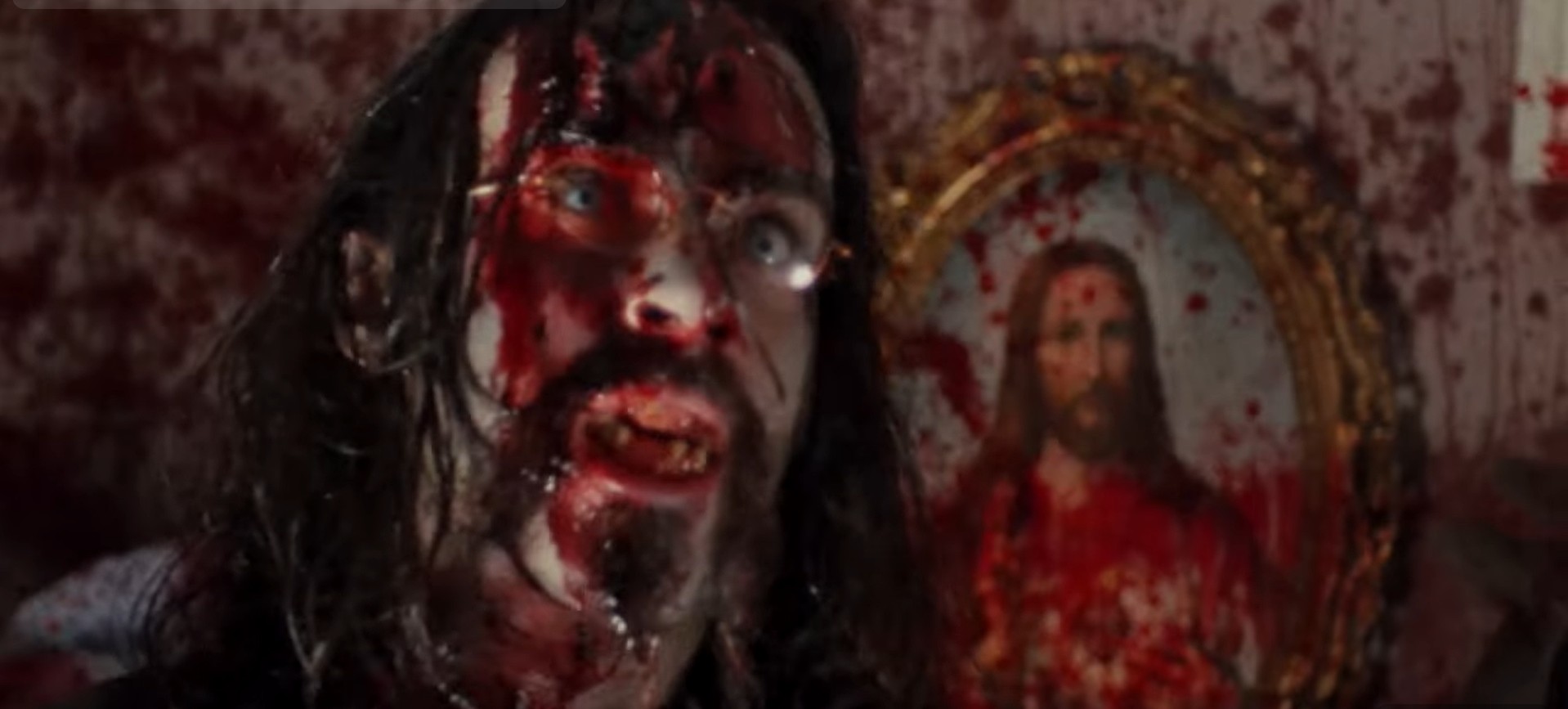
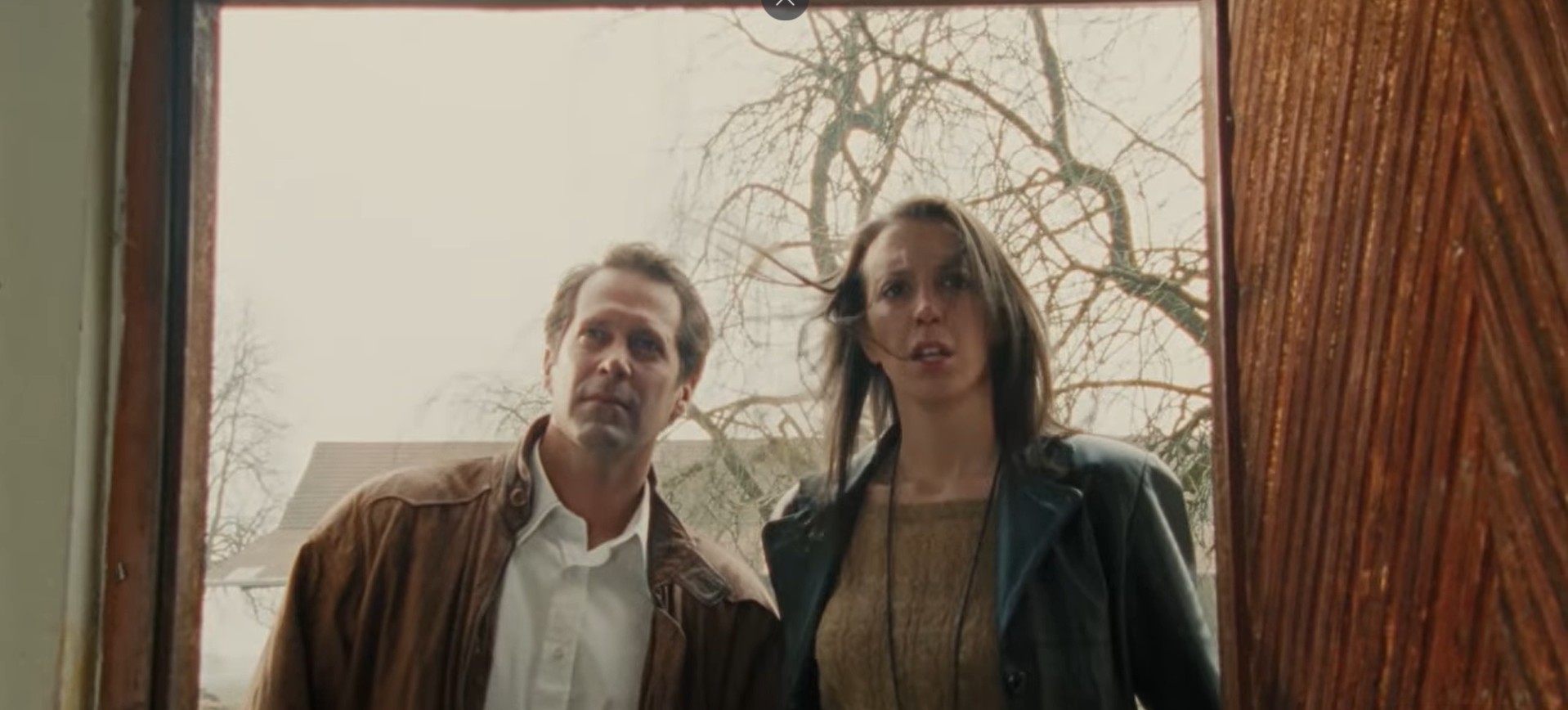
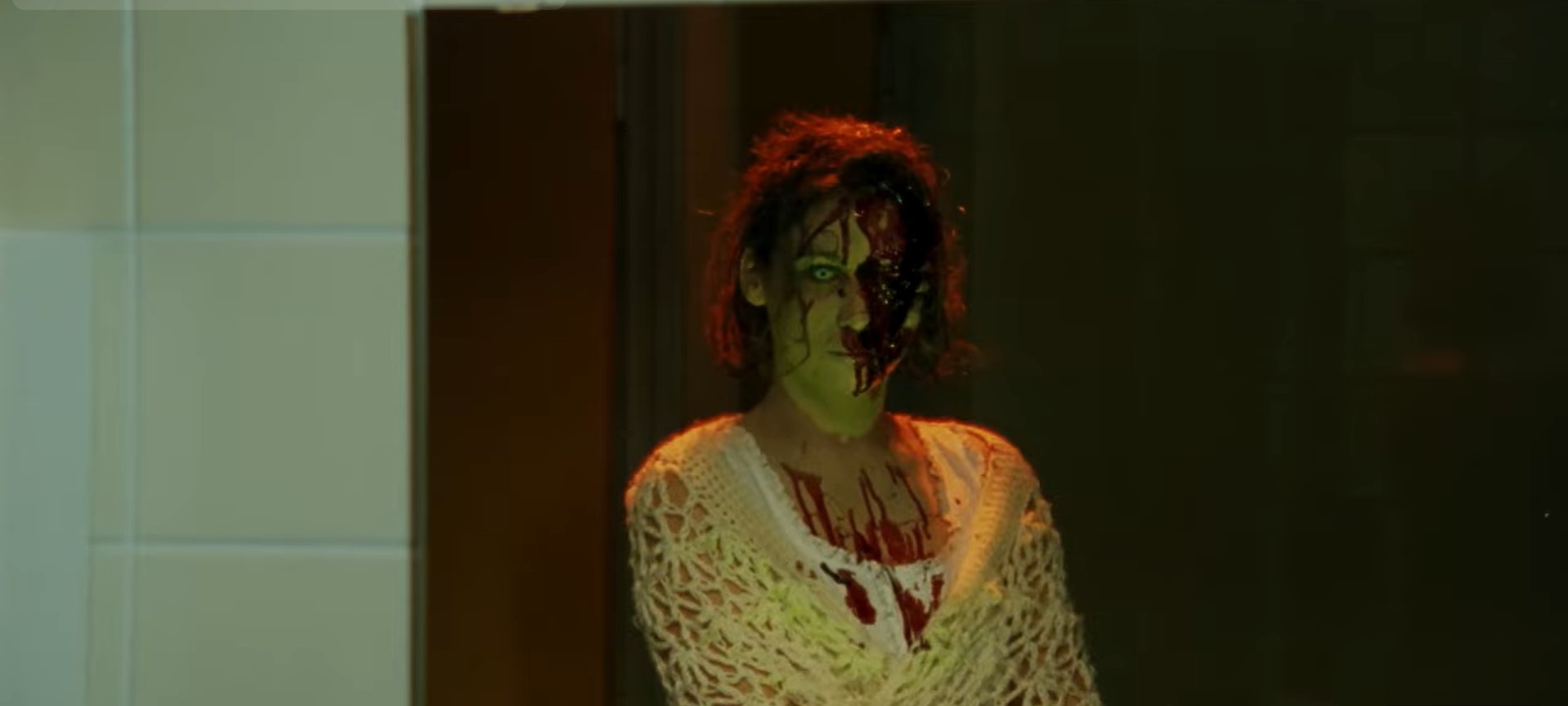
Natacza Boon, the English actress behind acting in a parallel Ittanbach production “Beyond the Limits” the same year, stars the adult version of Rebecca Verlaine bewildered by the truth be told after learning of her amnesia and once ghastly ghosts begin to talk to her through television sets.  Boon does a good job selling the initial fear and then transitioning into acceptance that was she’s visioning is real, real enough to absolute slaughter anyone in a spray of blood spatter when crossing its path.  While Boon is English born, the rest of the cast also includes more Ittenbach entourage American with Daryl Jackson (“Beyond the Limits,” “Dard Divorce”) playing Rebecca’s secret-holding lover David and the German native James Matthews-Pyecka (“Beyond the Limits,” “Legend of Hell”) as the initial inspector on the Verlaine massacre returning to the cold case to assist Rebecca’s need to explore her forgotten history.  Through the differing nationalities and styles each performer brings to the this splatter film, their dynamics have synergy having worked in tandem with another and despite their difference languages there is no language barrier to be broken as the film is written and shot in English with Mattehws-Pyecka, and the rest of the living principal cast of Rebecca’s adopted parents in Uncle Don and Aunt Barbara (Donald Stewart and Alexandra Thom-Heinrich), communicating with clear pronunciation.  German musician and actor, Bela B., a stage name as the punk rock drummer and vocalist for Die Ärzte, has an equally primary role that opposites Boon in portraying her murdered father’s vengeful spirit.  Real name Dirk Albert Felsenheimer, he’s depicted mostly in gruesome face-wounded makeup and ghostly milky white eyes that haunt his onscreen daughter Rebecca from beyond the grave and manifest only in the building where he died (much like that BBC show “Ghosts” but Ittenbach did it first).  Felsenhaimer’s unique facial contours make for good prosthetic balefulness and frightful fear being the head ghost who doesn’t necessarily go for the throat right away like the others.

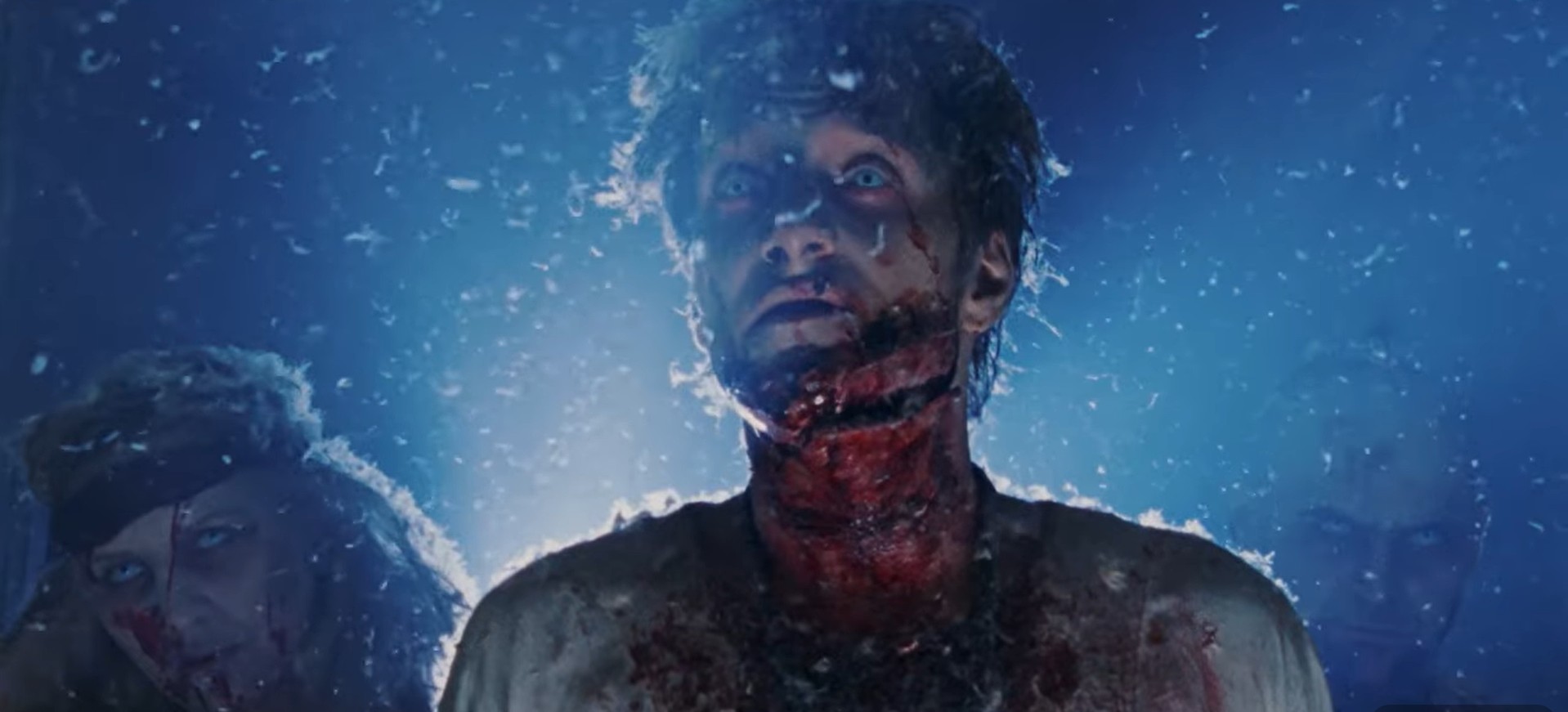
“Garden of Love” is a cut-and-dry revenge film from the other side with not just a touch of but a full five-finger death punch of gory exaggerated explosion from Olaf Ittenbach.  Gabe Verlaine, his daughter, and his commune of bohemians have their harmony violently stolen from them, creating disharmony in the afterlife.  Their unrest is stretched outward into the corporeal world as love and peace is replaced with hate and spite in stark contrast.  Yet, and this where the little things become lost to the ridiculously entertaining blood splatter, the reason why their group returns to take vengeance is far from being elucidated.  Apparently, Gabe is also sitting on a fortune for his…well…we don’t know.  He plays the guitar but there are hints of him being a talented musician, but it’s never explained on why he’s sitting on a nest egg that’s the overarching theme of greed ingrained into the “Garden of Love” story.  What’s not ambiguous is the practical effects done with complete care in all fields from Olaf Ittenbach and Tommy Opatz (“BloodRayne,” “Black Death”) special makeup and prosthetic effects to the flawless editing work of Eckart Zeraway to piece the components of a sequence together for seamless quality and relayed purpose, such as pulling out comedy from the slapstick splatter of bodies literally being torn apart.  Let’s not forget to mention Holger Fleig’s cinematography as he captures eldritch supernaturality to emphasize the undead commune in an European, specifically Italian, way with a glowingly colorful, backlit haze that’s denotes an otherworldly tone, a tinged musing of Michael Müller’s work in “Premutos, compared to the modernist and contemporary arrangements of a clean and minimalism look with the living done without specialized lighting.

Unearthed Films delivers more Olaf Ittenbach to a 1080p high definition transfer, AVC encoded, Collector’s Limited-Edition Blu-ray, a BD50 disc.  Plenty of storage capacity to handle Fleig’s aura lighting aesthetic that’s show pristine saturation inside the 35mm stock, a format departure for Ittenbach who regularly use of video was an antithesis to pinnacle quality.  With an aspect ratio of 1.77.1 widescreen, “Garden of Love’s” imagery looks good albeit some of its sterile mise-en-scene layering of a production set, colors are touched up nicely to provide a supernatural backlit of purple and blue gel lighting, diffused through a smoke machine that greatly cues the in-and-outs of Gabe Verlaine’s crew of the vengeful dead with an accompanying gore with a stark tone of red and black, and the compression coding is easily digestible on the extended capacity disc with no signs of artefact interference to note and no interruption from a preserved early 2000’s print.  Aforementioned, this German product is entirely shot in English, recorded during principal photography, and can be presented in either an uncompressed PCM 2.0 or an uncompressed DTS-HD 5.1 surround mix depending on your setup.  Dialogue can be a bit boxy, leans little toward overexertion within the scope of the production setup, and is not the native language of a few actors but through the release encoding the mix comes out nicely balanced and clear without any distortion.  Same can be said for the milieu and the action Foley, especially during the carnage of spirits versus the coppers that highlights the perforation of body, the squish and thwack from pulverizing, and the spray of the blood, resulting in a range of onomatopoeia that too includes gun shots and atmospheric reverberate. English subtitles are available.  Extras include a making-of featurette that provides raw footage from behind-the-scene of principal photography and the special effects gags, a second behind-the-scenes featurette with cast-and-crew clipped interviews, an Unearthed Films exclusive outtake reel that runs without audio for much of it, a new photo gallery, and the original trailer.  The first Blu-ray pressings include a limited O-slip cover with a new illustrated composition artwork on the front cover of the slip and inside the Amaray sleeve that showcases exactly what you’re getting – gore, ghosts, and an otherworldly glow – presented in a dark and soul peering artistic rendition.  I did find the slipcover to be annoying too tight around the case, making it difficult to remove the Blu-ray to the point of damaging the product.  The disc is pressed to resemble a vinyl, like the one used in the film to signal the arrival of the spirits’ malevolence.  The region A locked Blu-ray comes not rated and has a runtime of 89 minutes. 

Last Rites: Fans of absurd violence and gore need to see Olaf Ittenbach’s “Garden of Love” that’s not colorfully rich in all its limbs and viscera, as well as an ethereal lighting, on a new Blu-ray release from Unearthed Films!

“Garden of Love” on Blu-ray from Unearthed Films!

EVIL Pays High Dollar to Hunt, Kill, and Play With their Prey! “Game in the Woods” reviewed! (Jinga Films – Danse Macabre / DVD)

Survive the “Game in the Woods!” Buy the DVD!

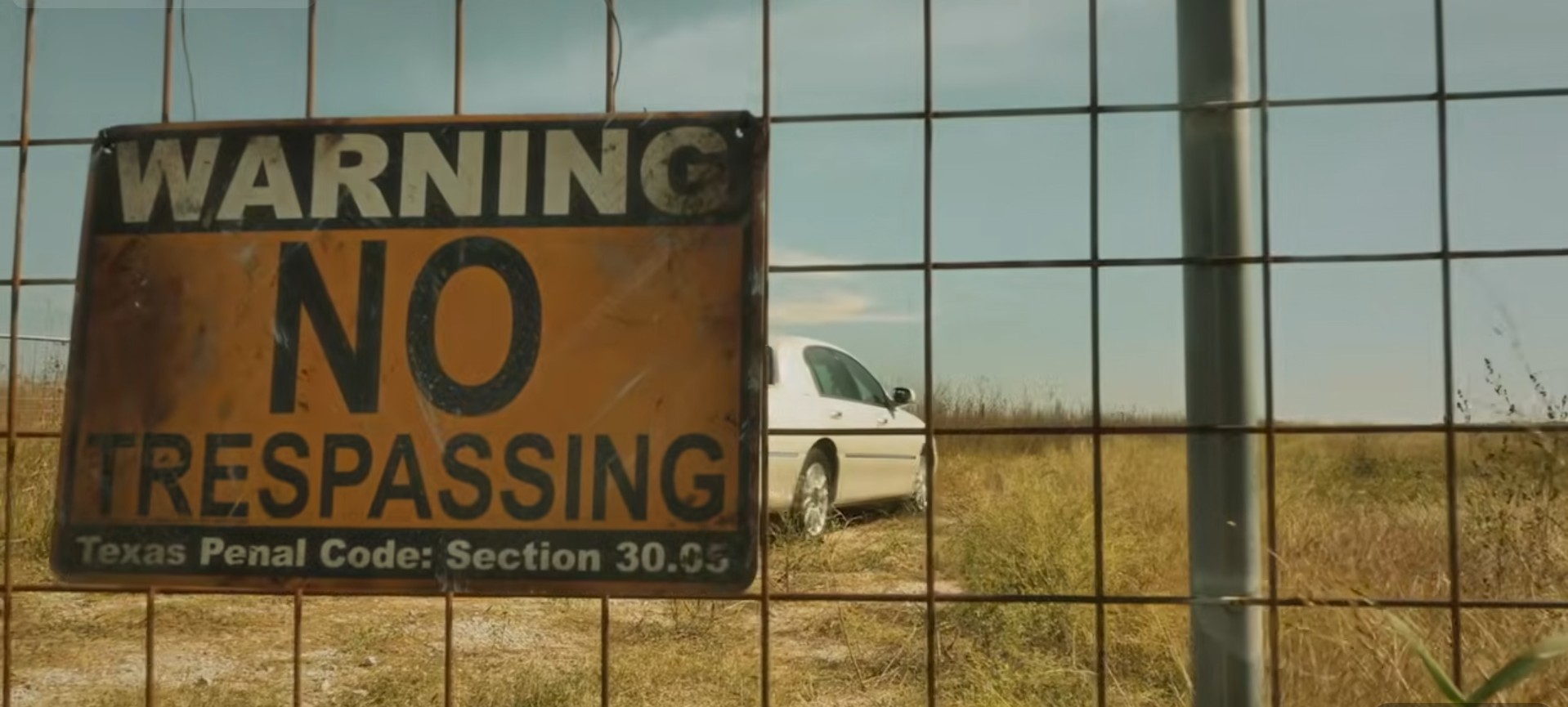
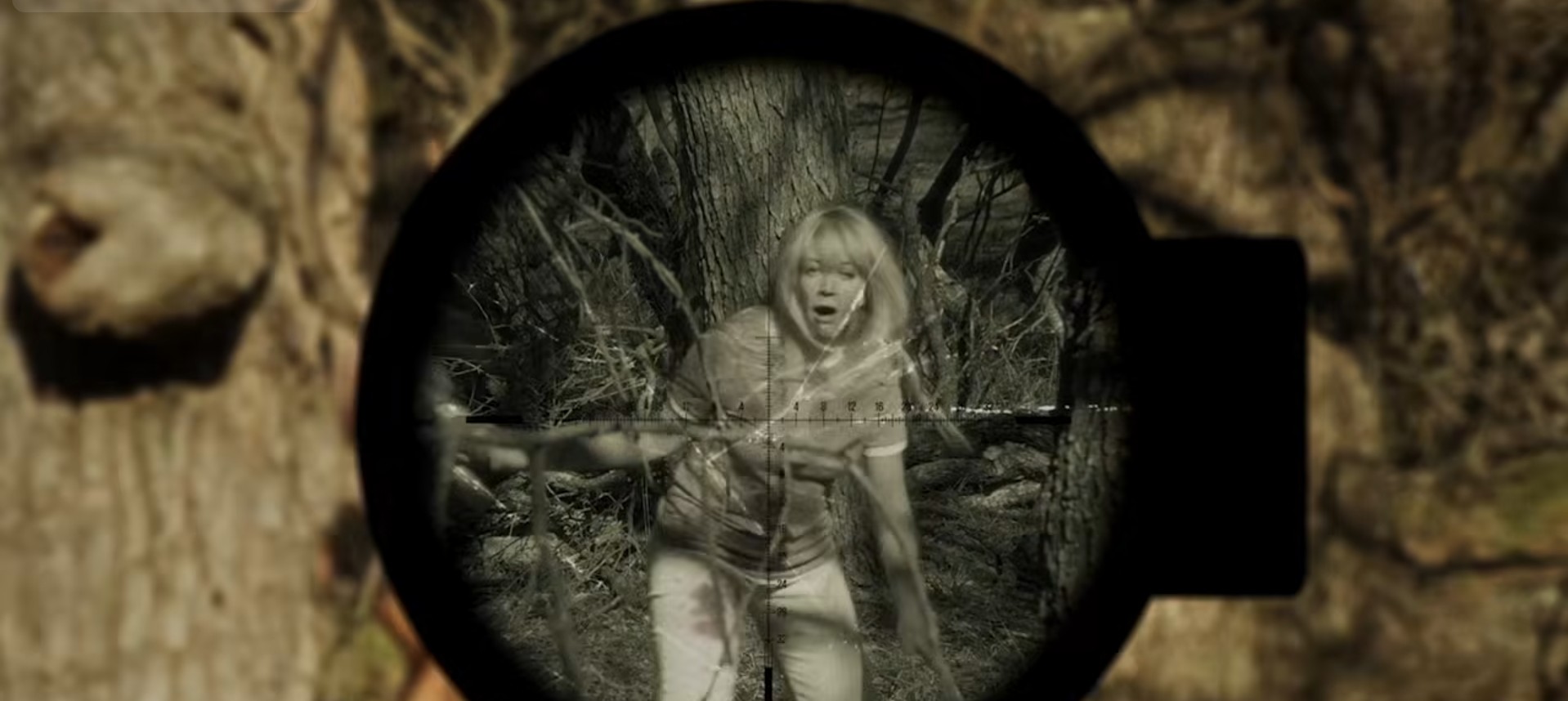
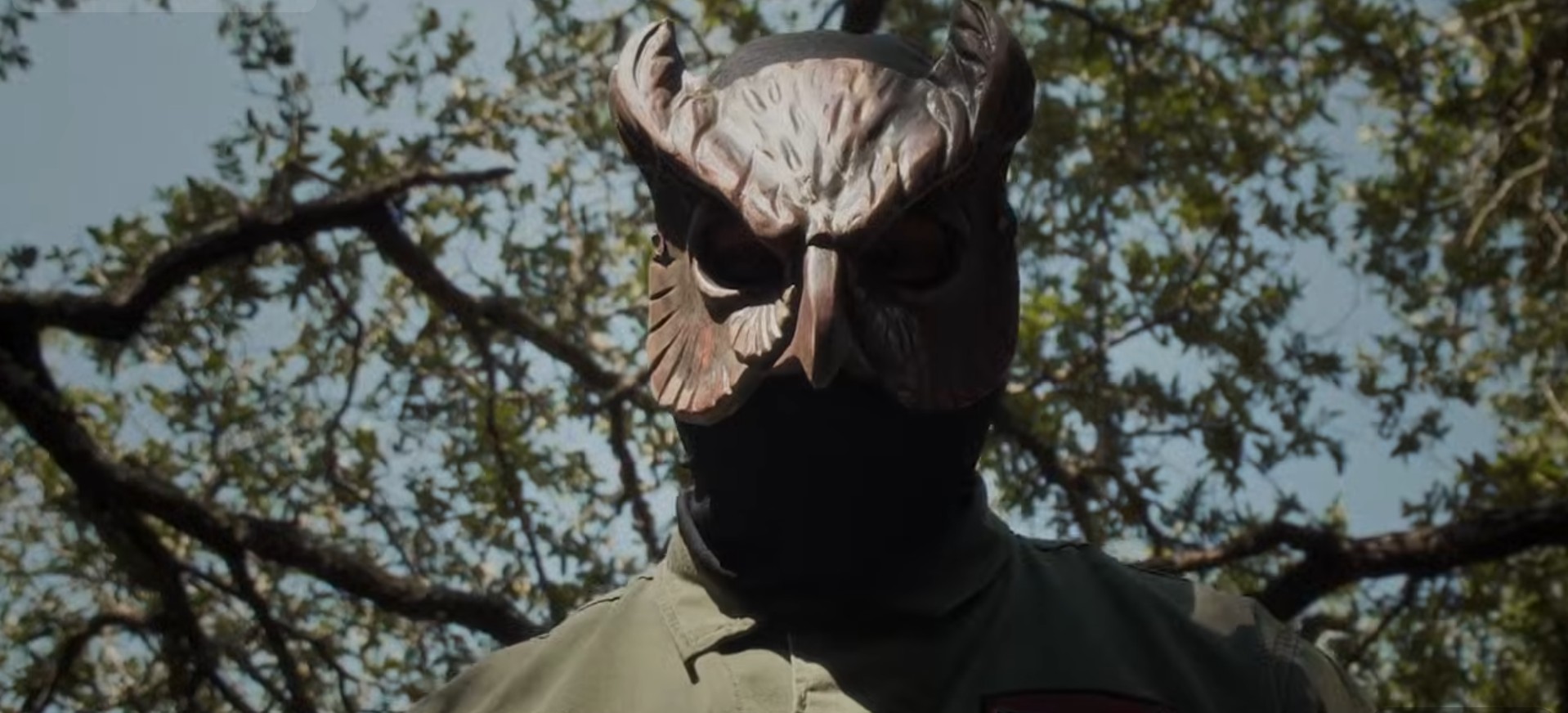
After her grandfather’s death, Ash travels through Texas with her brother Ted and girlfriend Sam to his isolated ranch cabin to be the first to claim his most valuable possessions before their Ash’s cousin, Bobbie Jo.  They arrive to find the cabin unlocked but about the same as it always been and go into woods for a little rest and relaxation, enjoying nature with a little alcoholic to supplement the relief of tension between the turbulent odds of Ash’s fast-and-loose ways and Sam’s more strict conservatism in regard to their relationship.  When they found a spray painted, screaming woman with a metal collar around her neck and a bear trap lodged into her ankle, they found themselves in the middle of a hunting party of masked men with melee weapons.  Ran by The Game Warden, Ash’s grandfather leased the land for a deadly game of sadistic clients hunting down non-English speaking immigrants for sport and depravity with their bodies no matter if they were alive or deceased. 

A surely bastardized version of “The Most Dangerous Game,” a novel that’s been re-imagined many times over about one man’s obsessive hunting for man, director Mike McCutchen follows up his debut violent chase thriller film “The Next Kill” with “A Game in the Woods” as his sophomore feature that eases him into the horror and exploitation subgenre.  McCutchen cowrites the script with Drew Thomas, the first feature film writing credit for the “Sex Terrorists on Wheels” cinematographer, and is based off a story by the collaboration between McCutchen and Drew Guajardo set in the boondocks of nowhere, Texas where land is aplenty and help is scarce if cried for.  The 2024 produced picture is a product of McCutchen’s Austin, TX based Fault Pictures and is produced by J.J. Weber (“The Next Kill”) with Andrew Bragdon and Kyle Seipp serving associate producers with Lonnie Seipp in the executive producer role. 

Eleanor Newman and Emily Skeen play the lesbian couple Ash and Sam and I make it a point to call out their characters’ sexuality because it feels inherently important to the story.  Newman comes to light in the sophomore Mike McCutchen feature that takes her from out of a minor role to a key lead, if not near final girl protagonist, in the unconventional fearful female but rather head-on heroine in “A Game in the Woods.”  Skeen’s more sensible Sam becomes a quasi-damsel in distress without the distressing part but tries to formulate plans on the fly to escape her demented captors.  Ash and Sam have a palpable troubled relationship like oil and water but find themselves commingling when the right sadistic additives are involved, spearheaded by the apathetic Game Warden from John P. Crowley who also finds himself in a more visible and prominent principal role.  Crowley’s Game Warden harnesses a Bill Moseley energy and sarcastic tone but not in a carbon copy way that adjusts just enough to make confident and cocky Game Warden is own.  The lesbian portion of Ash and Sam does feel engrained into the narrative, especially with two women with shortened names for Ashley and Samantha but it also implies a male identity, as if equal sex.  All the women in the story have a common them about them too, they all have tenacity and a fighting spirit from Ash and Sam’s battling Crowley and the masked hunters to the captured women who fight and kill, to even Ash’s cousin, Bobbie Jo (Grace Robbins), who joins in on the offensive fight for survival.  There are zero helpless women, which is an amazing elemental theme and characterization.  As mentioned, all the male hunters wear masks, hiding themselves behind theiran masks, and the hunted men are tied to an object, make poor decisions, and just have no fight in them.  Even Ash’s brother Ted (Jamison Pitts) doesn’t put up resistance when confront and is more of the farting, comic relief.  Aside from the Game Warden, the male presence is weak charactered by far.  The hunters and the hunted fill out with Gary Kent, Steve Wilson, Kevin Corn, Caroline Schmitt, Doug Field, Scott Kimbrough, J.J. Weber, Ray L. Perez, Kyle Seipp, Yane Carvalho, Lonnie Seipp, Morgan Faber, and Michelle Mendiola with Lloyd Kaufman (“The Toxic Avenger”) making a cameo appearance. 

Working on one’s relationship with their partner usually takes a time, some self- reflection, or maybe even a little therapy.  For Ash and Sam, they come together be means of violence, tossed into the throes of their grandfather’s ghastly involvement in man’s flawed thirst for the cruel and unusual sadism, and though there’s never a come to Jesus epiphanic moment that they can overcome anything, the blood-soaked trial by fire is proof enough.  McCutchen immerses the women, and explosive collar device and spray-painted prey, into a whole new world of hurt in Earth’s backyard.  The clandestine organization the Game Warden works for laces are slightly untied and unkempt with the full scope of their national, maybe even international, chapters of a snuff wonderland where murder is king and nearly anything goes from chopping up bodies to molesting corpses.  McCutchen brings enough gore to the table without it being over gratuitous and overkill, literally.  Exploding heads, a chainsaw eviscerated torso, body parts strewn here, there, everywhere are what to mostly expect as the game devolves with the hunters becoming the hunted as the emotional depth is quickly pushed aside for the conflict ensued rising action, leaving no time for Ash and Sam to master their relationship troubles as the spider never contemplates life when winged food is snared in it’s web. 

From Danse Macabre and Jinga Films LTD comes “A Game in the Woods” on region free, R-rated DVD.  Encoded with MPEG-2 compression onto a single layer DVD5, the film is presented in with an upscale 720p resolution and a widescreen 1.78:1 aspect ratio.  Basking in the warmth of a dessert brown and tan, Cinematographer Zedrick Hamblin DiMenno opts for a natural approach aesthetic that focuses heavily on the medium-close to extreme closeup shots of gory bits and pieces of tear away flesh.  There’s nothing too terribly stylistic to note with only a hint of television glow and a momentarily use of key lighting with interior scenes.  Compression encoding goes without a hitch that captures image reproduction just find for viewing pleasures, losing only some minor background details of blended foliage and objects viewed from afar.  The English audio formats include a PCM stereo 2.0 and a 5.1 Surround.  The surround sound mix will be the preferred option dependent on your audio setup as the environment layers diffuse evenly through the back and side channels, leaving dialogue and proximity action, such as the kill scenes, to translate with full-bodied effect to squeeze out every squish and squirt from the practical effects carcass.  There are ideal pitch, tone, and range with the clear and prominent dialogue without any underlining interference or hissing effect through the clear, digital recording.  English subtitles are available for selection.  Aside from the feature trailer on the main static menu, there is no other encoded bonus content.  Though the movie is engaging enough through evisceration through torture and there’s a a glimmering theme of women empowerment, if I saw this DVD on the store shelf, the cover art isn’t attractive enough to pickup with its dark imagery of a shadowy hunter drawing his bow toward something off scene.  The façade doesn’t offer a flutter of fancy and there’s no other physical features to warrant a second glance if physical media shopping.  However, give this region free film a once over and there’s a solid film underneath’s it’s dull shell. 

Last Rites: Despite the run-of-the-mill, uninspired DVD cover, check out this sadistic Jinga Films and Danse Macabre “Game in the Woods” where the hunt is solely for the thrill to kill.

Survive the “Game in the Woods!” Buy the DVD!

An Old Woman Coughs Up Blood and Smells of Death. That’s When EVIL is Afoot! “Death Ride” reviewed! (International Media Network / DVD)

“Death Ride” Available on DVD!

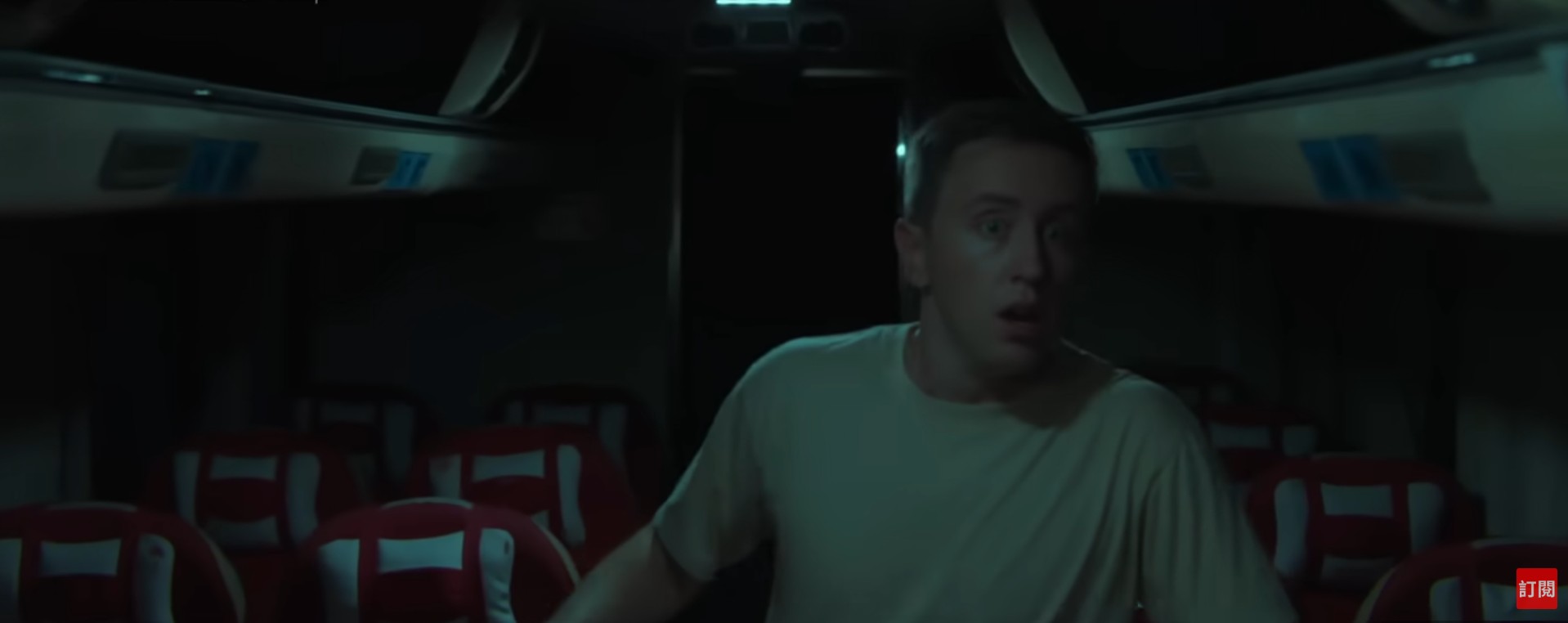
Nick’s about to board an overnight bus in Thailand with other passengers travelling toward the city.  As all passengers take their seats, luggage stowed, and the driver starting the engine, one last ticketed passenger boards, a quiet elderly woman who reeks of fermented fish and has a continuous cough.  What should have been a pleasant ride to the city has turned into an unbearable stench that’s seated right next to Nick.  When the woman dies after a severe coughing fit, neither passenger or bus staff know what to do when the body suddenly disappears, and the believed idea of ghost enters most of everybody’s assumptions.  With the small still strongly permeating inside the cabin, the driver agrees to stop at the next rest area and call for a replacement bus, but the dark road has seemingly no end and a strange curse of the old woman snatches the passengers one-by-one, providing a bus terminus of death.

“Death Ride,” aka “VIP Death Seat,” is the 2024 released commercial transportation ghost story hailing from Thailand.  One half of the “Black Magic Mask” directors, Pasit Panitijaroonroj, splinters off to helm the horror, credited in the title cards as Phasit Panitijaroonroj.  Known by various other interpreted titles, such as “Seat 204,” “The Seat,” and as “Rot Tour Wee Ai Phee” in native Thai, the feature is also written for cinematic screen by Panitijaroonroj with the conceptual story conceived by Wiroj Chotichiawong combines the already tense mass transit journey with a supernatural grim fated outcome that pits people not only against a malevolent and eerie force and terror but also seizes each other in a plight of fear of the unknown.  The production studio behind “Death Ride” is Arriya Film, who produced “Black Magic Mask,” “The Attic,” and “Check-in Shock,” and is distributed internationally by Antenna Entertainment. 

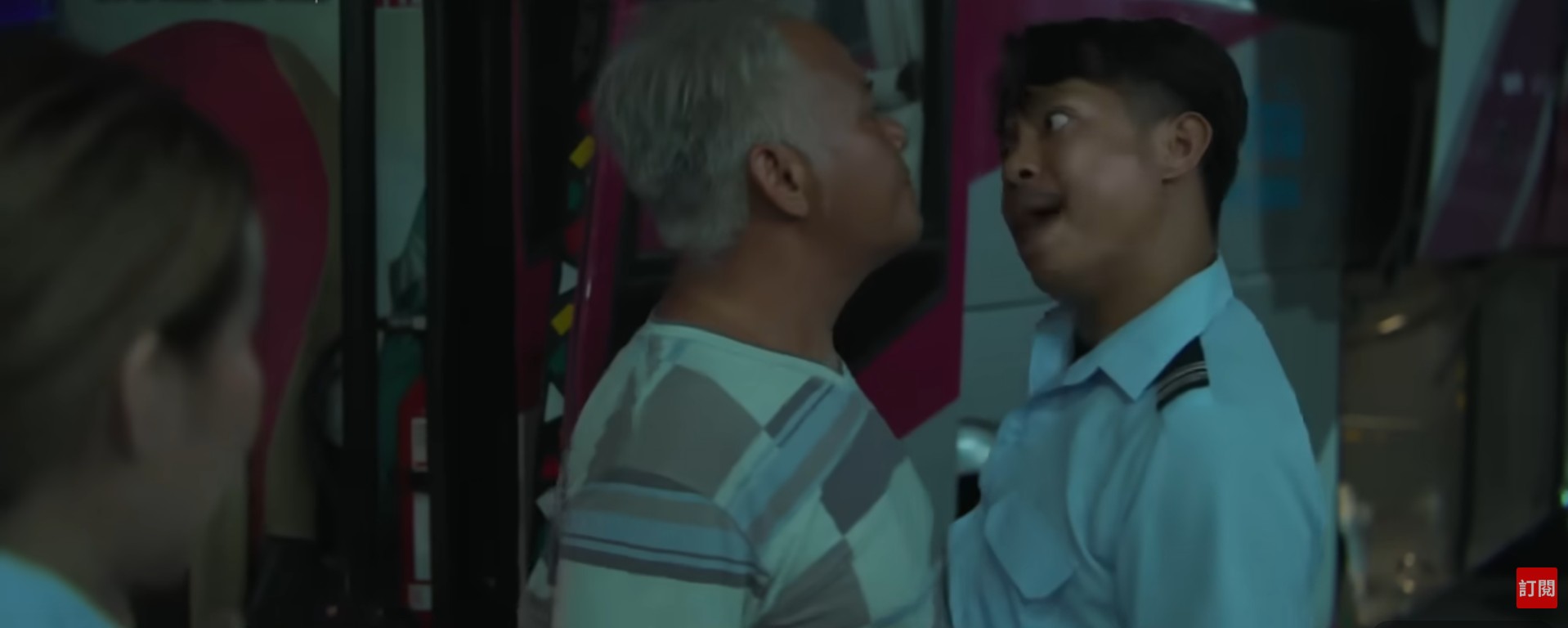
The “Death Ride” story has an ensemble cast setup that bounces between westerner Nick, a group of young people, an older narcissist, the pair of bus staffers, and briefly minor support characters who stand out but without expressed intent, such as the mother and son combo, Nick, who’s travelling solo on unmentioned grounds, has more attention as he wanders the bus stations, becomes the primary disgusted toward the old woman, and has an unaccompanied third act all to himself.  Nick is played by American Nathan Bartling, Youtuber of My Mate Nate, a bilingual prankster who actually was in Thailand authorities’ legal crosshairs for teaching Thai children how to flatten coins on a railway and he was threatened with railway obstruction and damage.  Bartling has since been promoting the Thailand in a positive light despite his expatriate infamy.  He goes on to star in the film as the ignorant and blamed party for the cursed bus ride.  Bartling is joined by Pawornwan Verapuchong, Nichapat Chaiaek (“Bangkok Dangerous”), Prasert Weangwichit, Innyada Yurot, and Jariya Rachomas as the group of youngsters on their way to the city and become intwined in the same mesas Nick but Nick ultimately becomes singled out for being a westerner, to stir up offensive requests to change seats, and because he’s an easy target as a lone travler whereas the group of young people travel in a pack.  Another social media personality-prankster in homegrown Jaturong Papho has a smaller but concentrated role as the trip’s first bus driver who must excuse himself from duty when the local cuisine bottoms out in the stomach.  Papho provides a lot, if not all, the comedy that’s been stitched into “Death Ride’s” loose haunting narrative with fart jokes, overreactions, and funny expressions.  The cast fills out with Pichet Iamchaona, Watsana Phunphone, Suchao Pongwilai, and Namgneun Boonnak as the sickly old woman. 

Panitijaroonroj pulls together an ensemble that audiences will have a difficulty relating to, will struggling favoring for in either demise or survival, and just plainly like as characters in general.  There’s nothing characteristically interesting about the ill-fated lot who come to the story without context to their lives or the reason why their on this bus trip the city anyway.  Nick’s is a solivagant who shares not one single tidbit of information about anything substantial to anyone.  In fact, Nick is brutally quiet for much of the duration.  The only time the principal character speaks is to question strange occurrences or be in complaint of the smelly old woman next to him.  The entire cast is written to complain, mostly about the decaying fish smell emanating from who the follow passengers constantly refer to as granny, and this leaves little room to get to know the players of the malevolent spirit misadventure who are trapped with it on a 22-ton bus careening into oblivion. There desperately needs to be some subtext conversations that reach deeper into their lives that sway their motivations or speak to their typology.  Instead, all there is is screaming, bickering, blame throwing, and just being a body just to be fringe fodder for the spirit.  The spirit itself lacks an understanding as the elderly woman is escorted to the bus stop by a boy, assumingly her grandson or nephew, but he wanders off the story at some point before disembarking. At least with the spirit, there can be assumptions made about it, such as a representation of death with the fermented fish smell and the bleeding from the facial orifices, and that suggest this bus fare could cost them everything.  “Death Ride” is also loosely similar to that of Jean-Baptiste Andrea and Fabrice Canepa’s better evolving and character steeping 2003 holiday-thriller, “Dead End,” but “Death Ride’s” ending steers wildly into a ghostly eldritch to resultingly shock viewers with its foreseeable twist ending.

Our first review coverage of an International Media Network distributed DVD begins with “Death Ride” with a DVD5 encoded with NTSC MPEG2 compression and presented in 720p and a widescreen 1.78:1 aspect ratio.  The first impressions are not off to a great start with a heavily aliasing with the lower bitrate that hangs around 3-5Mbps, creating an unnatural blur during active motion and reducing the detailed textures.  The story is entirely set at night that inherently produces the appropriately laid out negative spaces, casted shadows from key lighting, and a distinct higher contrast levels and while the negative spaces show some banding, there definitely some data loss with the image breaking down during the decoding.  Color saturation is left muted for a darker grading to set a bleaker tone and an eerie atmosphere.  The Thai PCM 2.0 Stereo track offers a front and center mix that retrieves and decodes dialogue in a precise and prominent reproduction with a range extended to the hum of the bus engine, the haunting echoes of a malevolent spirit, and perhaps the most asinine element, the hyperbolic hits passengers take against each other and from the angry spirit.  The ill-fitting score, uncredited, is what free stock music dreams are made of with an aggressive and overreaching tone harrowing score that was applied to every single situation the characters came to face.  Forced English subtitles appear error free and move along well enough with the quick Thai Siamese language.  IMN’s release is barebones with only a chapter selection in the static menu.  Also not impressive is the tangible DVD presence that doesn’t indicate even who the distributor is and luckily the IMN title card is presented precursing the feature.  What’s also missing is any kind of cast and crew credits from the back in what is rather also a bareboned informational and image design.  There is no MPAA rating listed but the assumption is unrated, if no rating is given.  The region free disc has a feature duration of 85 minutes.

Last Ride: “Death Ride” is a long, arduous trip to sit through. Lacking depth in story and in character, refunding the bus ticket is perhaps a better deal.

“Death Ride” Available on DVD!

This Serial Killer is the Mother of all EVILs. “Ed Kemper” reviewed! (Dread / Blu-ray)

“Ed Kemper” on Blu-ray Home Video

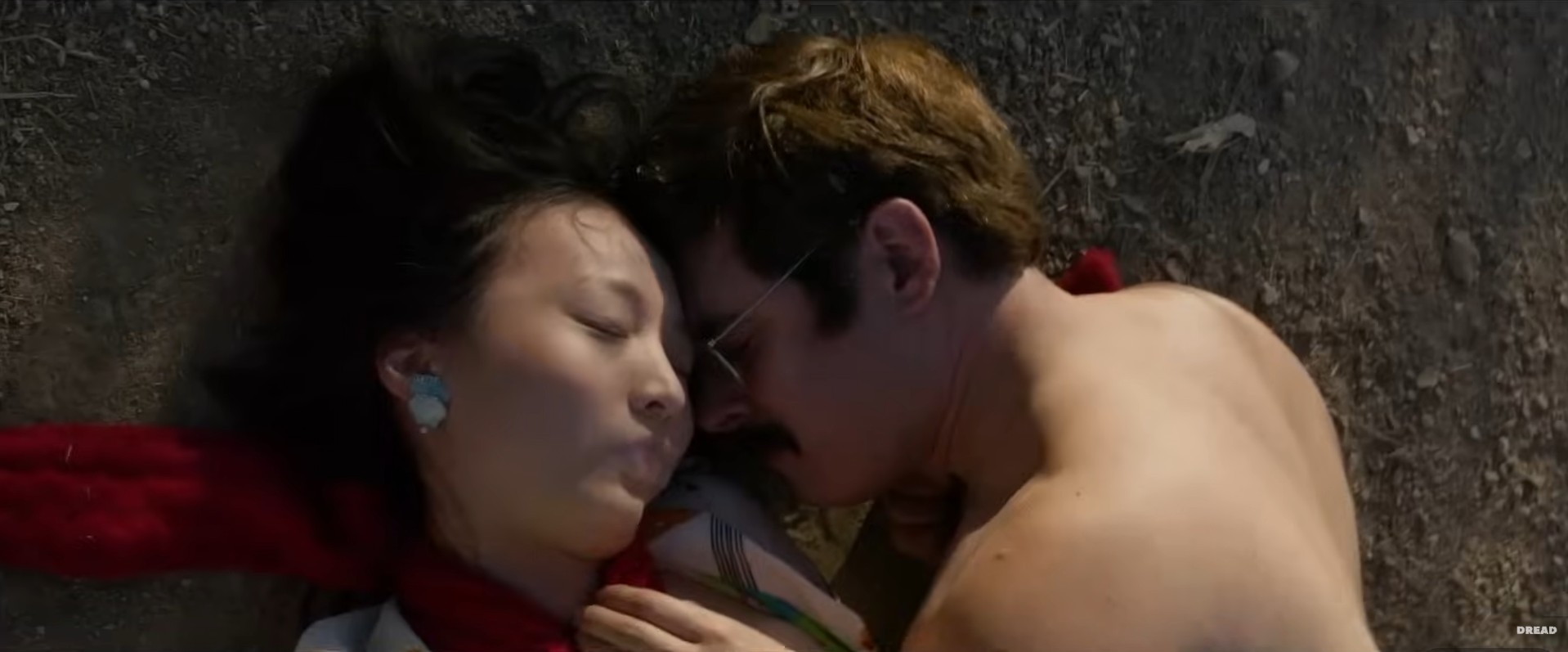
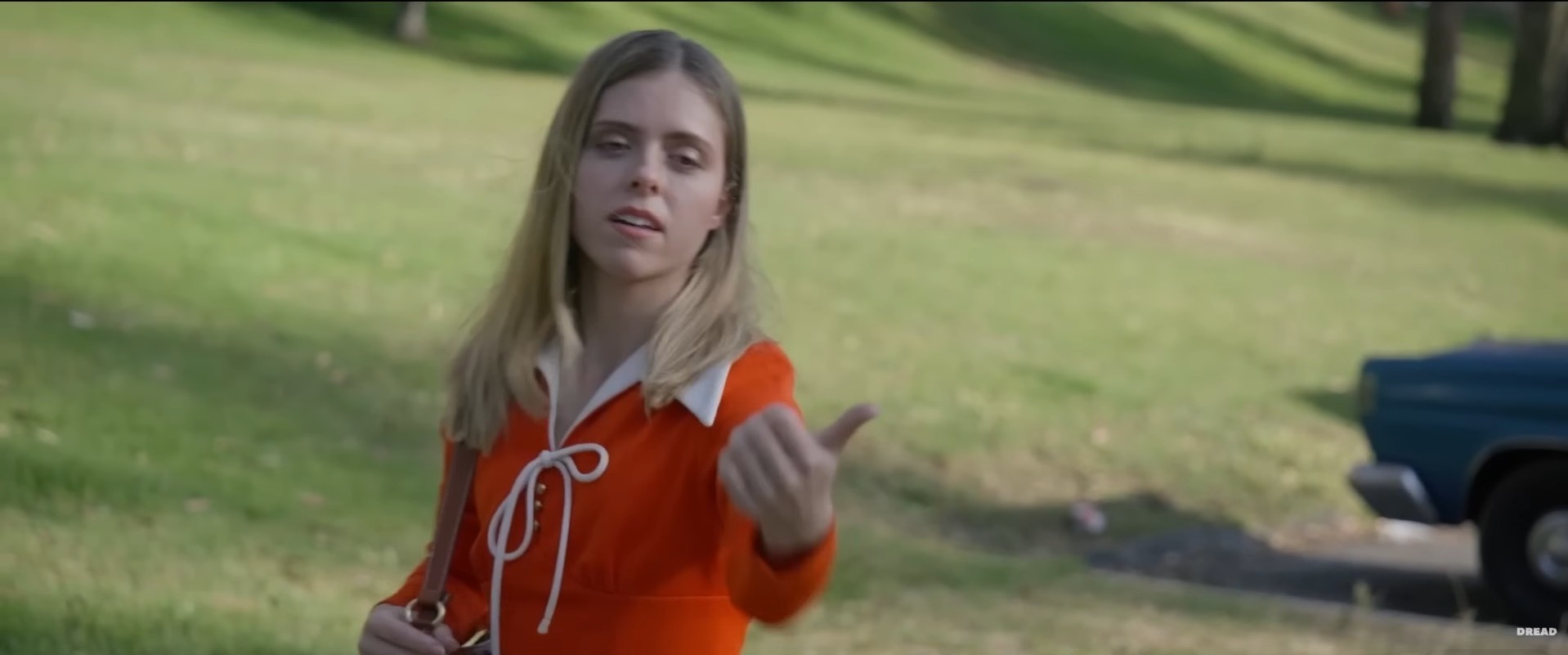
Edmund Kemper at the age of 15 tortured animals and killed his grandparents just to see what it was like.  For five years, Kemper was held at and subsequently released from a psychiatric ward where he was deemed not harmful to society.  His acrimonious relationship with his mother as a child did not stop Kemper from living with her as an adult man after his release and her abusive, alcoholic ways continued on him as well.  After some time, Kemper’s aggressive sexual urges sought out hitchhiking women and in the months between 1972 and 1973, Kemper had abducted multiple school age women and either strangled, stabbed, or shot them in isolated areas of arid California.  From there, Kemper satisfied his depravities with dismembering their bodies and committing necrophiliac acts with the sawed-off parts.  Before turning himself in to authorities, Kemper’s killing spree culminates back to his very existence with the death of his abusive mother and he does not spare her from receiving the same kind of posthumous dismemberment and sexual acts he done upon the young women before her.

American Edmund Kemper is the titular subject of the latest film from director Chad Ferrin, horror director known for pushing eyelids open for atrocity-laden films, such as “Someone’s Knocking at the Door,” “Pig Killer,” and “Scalper.”  Ferrin also cowrites the biographical horror drama with Stephen Johnston, a serial serial-killer screenwriter who has painted with font some of America’s most notorious serial murderers from Ed Gein to Ted Bundy, to Kenneth Bianchi from “The Hillside Strangler.”  The tall, dark complexioned, round glasses framed, and pitched mustached Kemper is the next subject for Johnston and the first serial killer biodoc from Ferrin that takes him from fiction to nonfiction while still retaining his admiration for graphic content, produced under Ferrin’s production company of Crappy World Films in association with Dance On Productions and Laurelwood Pictures.

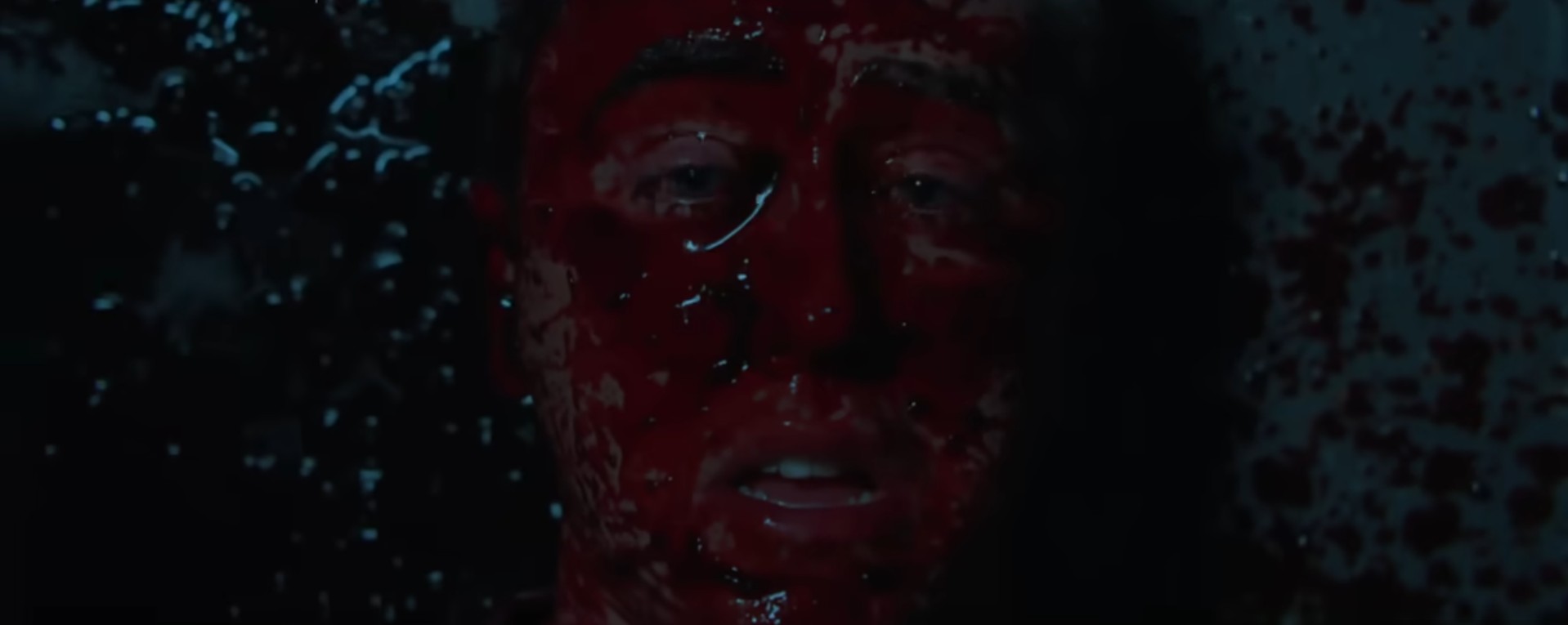
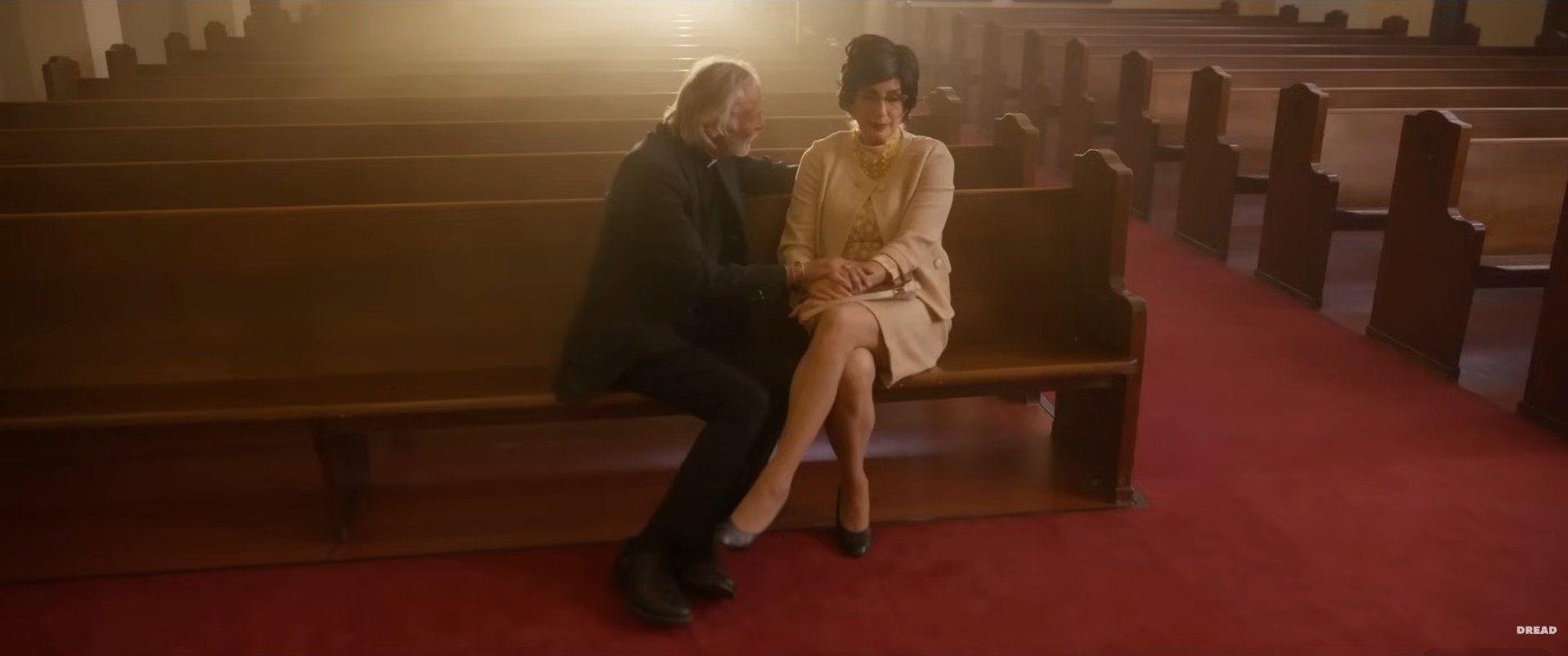
In the role of Kemper is Brandon Kirk who is a by all comparisons a beefier Ed Helms and Kirk has worked with Ferrin on numerous projects since their first collab in 2021’s “Night Caller,” marking “Ed Kemper” as their sixth film together in Ferrin’s rapid release method.  Initially, Kirk seemed to not fit the role that started off with Kemper suitcase in hand being escorted out of the psych hospital and back into society.  His presence felt shallow, unimportant, and a punching bag for his mom’s barrage of boozy hate with little kickback from Kemper’s large and formidable frame and his deadly past which was only half a decade ago.  Kirk has the tall stature and framework to resemble Kemper in that department but didn’t quite fit the bill instill a confident killer that can chill to anyone to the bone with a simple smirk.   By the end, Kirk proves our conceptions incorrect by becoming a delusionally composed killer that no longer needed a smirk to make blood curdle but rather just look into the camera with his plain eyewear frames and mile stare when casually conversing atrocity as if noting the weather.  It’s plain to see how Kemper came to be with a mother like Clarnell Strandberg and her incessant physical and verbal abuse through and beyond Kemper’s youth; Susan Priver, who has also worked with Ferrin and Kirk since “Night Caller,” nails worst mother of the year being in Strandberg’s constant drunken tirade.  Kirk and Priver’s mother-son dynamic has no and is not depicted to have such traditional warmth or merit and, instead, is a one-sided browbeating at Kemper’s expense is fueled by necessity, and perhaps a little bit of masochism on Kemper’s part because if it really got under the skin of either one of them, I’m sure living on the street would have been better.  Repeat scene principals are laid with only a few with Brinke Stevens (“Nightmare Sisters,” “Slave Girls from Beyond Infinity”) in the role of Clarnell’s closeted lover Sally Hallett, adding a bit more complexion to Clarnell’s life choices and fueled bitterness after failed heterosexual marriages, and Joe Castro (“Blood Feast 2:  All U Can Eat”), special effects makeup artist on the film, also down the traditional black horn, red-caped devil that influences young Kemper’s abused mental state.  The co-ed of the Co-Ed Killer include roles filled in by Erin Luo (“Feral Female”), Patty Hayes, Isabelle Morgan, Autumn Rose Ruch, Gloria Therese, and Katie Silverman (“The Exorcists”).  Familiar faces of Lew Temple (“The Devil’s Rejects”), Robert Miano (“Chained Heat”), and Cassandra Gave (“Conan:  The Barbarian”) pop in supporting parts. 

If you’ve seen the deeply studio underappreciated and fan-favorite “Mindhunter” Netflix television series that was prematurely and devastatingly cancelled, Cameron Britton’s performance may have already seared a first impression of Kemper.  The David Fincher crime drama was dark, bleak, and interesting in what makes serial killers tick as the series investigators sat down with Kemper and utilized him as a source of knowledge, much like novelist Thomas Harris had done with his Hannibal Lector character to track down the Red Dragon killer.  Britton’s large stature and soft-spoken delivery made for a terrifying persona when Kemper goes bluntly, coldly, and without expression into detail of his own exploits and methodology with women and corpses.  Side-by-side, Britton and Kirk are starkly different portrayals and those familiar with “Mindhunter,” like me, may already have an impressed idea of Ed Kemper, but Kirk manages to reign in that initial impression and engrave his own version of the murderer into the solidified stone.  In contrasting stylistic and storytelling choices, Ferrin’s film also strays away from reality quite a bit with the Devil inside Kemper’s mind as a child, his frequent disconnection with time, and delusions with seeing things, like John Wayne knocking on his driver side window and giving him sage advice.  There’s more cinematic universe with “Ed Kemper” the feature film than reality-gripping realism to tell his tale without sensationalism, but the story does get down and dirty in Kemper’s Co-Ed killing days.  Initially, the feature felt watered down and wouldn’t go into the darkest of territories inside Kemper’s skeleton closet and deranged mindset but Ferrin, true to form, gets weird with Kemper and his sexualized obsession with dismembered corpses, unafraid to flash gore and nudity that couldn’t go untold with this type of nonfictional narrative, and to be honest, being the nudity shy Dread Presented film, I was shocked with their green light of certain scenes. 

Dread and Epic Pictures Group present true crime horror-drama “Ed Kemper” on Blu-ray that’s AV encoded with 1080p resolution on a BD25.  Presented in a widescreen 1.85:1 aspect ratio, Jeff Billings cinematographer handles the 70’s aesthetic of an arid brown California scenery melded perfectly with 70’s period specific avocado green, mustard yellow, and a singed orange while also tackling the black-and-white representing Kemper’s childhood past.  No compression issues to note, blacks are solid, the colors saturate and diffuse nicely throughout, and details are on the softer side but stick the detailed landing unequivocally in the color scenes with the black-and-white harnessing what it can through lack of color.  The English language audio track is compressed with a Dolby Digital 5.1 and Dolby Digital 2.0.  The sole compressed options hangs back the full potential of disorienting muscle, such as with Joe Castro’s basement dwelling devil who’s aimed to be an intense, delusional provocateur of Kemper’s evildoings and also Kemper himself when he goes into full-throttle turmoil within himself, when he can’t take his mother abuse or when he’s grinning ear-to-ear with killing, hacking up, and necrophiliac-loving co-ed victims.  Dialogue comes through clear and clean with optional English and Spanish subtitles available under the title menu.  What’s additional interesting about the “Ed Kemper” score is it’s orchestrated by Richard Band, brother of Charles Band, and is a stray away from his conventional carnivalesque tone into a more traditionally dark that swells tension when needed and coddles the more abusive scenes to picture Kemper as the victim of abuse.  Special features contain an audio commentary track with director Chad Ferrin, co-ed victim audition tapes, deleted scenes, a Kemper 70’s Psycho featurette documentary that’s a raw look behind-the-scenes and get a real sense of Chad Ferrin’s all-in, guts and all, directing style, a Lost Ending providing an alternate finale to the sensationalized Kemper tale for this release, “The Devil’s Slide” music video, the official theatrical trailer, and trailers for other Dread Presents films.  The traditional Blu-ray case has a mustard yellow covert art of Kemper’s face close up but does not appear to be Kirk’s Kemper mug.  The cover art is one sided and there are no other physical trimmings with a disc printed with Kirk’s Kemper mug split down the middle expressing two different faces and incorporated into a personnel file like design.  Not rated with a runtime of 92 minutes, “Ed Kemper” is encoded with a region free playback compatibility. 

Last Rites: To put all of his immoral and depraved transgressions into just over 90 minutes is simply skimming the odious surface but the Chad Ferrin and Dread / Epic Picture Group collaboration condense the irreverence and the ickiness of “Ed Kemper” onto a platform that reminds us all there is true pure evil in this world.

“Ed Kemper” on Blu-ray Home Video

Creating the Perfect EVIL Race Takes Needless Amounts of Surgery and a Good Pair of Balls! “S.S. Experiment Love Camp” reviewed! (88 Films / 4K UHD and Standard Blu-ray)

“S.S. Experiment Love Camp” 4K and Blu-ray is Ripe for the Taking!

Nazi officer Colonel von Kleiben heads a concentration camp where he experiments of young Jewish and Russian female prisoners.  His experiments bore through the encampment lot with unconventional reproductive system surgery for the good of and in the name of purifying the Aryan race, experimentations that also including nonconsensual sexual activities between the women captives and the top physical specimens of the Nazi ranks.  Kleiben’s masked, real intentions are to practice for his own sake in a testicle transplant after a Russian woman castrates him during his attempted raping of her during conflict.  Woman after woman is sacrificed for the surgeon’s rigorous rehearsal by having their uteruses removed and replaced by another and when they expire on the table, their corpses are discarded into the camp’s incinerating ovens.  One Nazi solider is earmarked to be Kleiben’s hope to be whole again and uses the soldier’s affections toward a female prisoner to gain power and control in coercing him blindly into the experiment. 

If pleasure seeking banned films from certain sovereign states, then perhaps “S.S. Experiment Love Camp” should be on your short list.  The 1976 Nazisploitation film from Italy depicts a semblance of torture simulations used from Hitler’s Reich and lays the groundwork for total absurdity with a plot coursed with nonsense motivation at the disadvantage of a minority group under the threat of torture and death.  Also known as “Captive Women II:  Orgies of the Damned,” as more of a sequel in the collective Naziploitation subgenre popular in the 70’s, or most widely known as simply “S.S. Experiment,” the film is from the “Django the Bastard” and “Kill Django… Kill First” director Sergio Garrone, who co-wrote the script alongside “The Weapon, the Hour, & the Motive” co-screenwriter Vinicio Marinuci.  The Società Europea Films Internazionali Cinematografica produced the video nasty venture and expressed no regret the depictions of Nazi terror with the continuation of the subgenre by producing “S.S. Camp 5:  Women’s Hell” as well as other rape-inclined exploitation, such as “Mandinga” between master and plantation slaves and the caged women narrative of “Barbed Wire Dolls.”  

Sifting through the atrocious Nazi experiments, the unabashed sum of nudity, and the ridiculously selfish plot of one Colonel’s lengths to restore his manhood, “S.S. Experiment Love Camp” has a handful of mainstay principals key to the premise’s perpetuation encircled around Colonel Kleiben’s clandestine reasons to willingly and uncompassionately order a new type of surgical procedure on innocent civilian women prisoners.  Played by the square jawed, blonde haired Italian Giorgio Cerioni, who after “S.S. Experiment Love Camp” went on a string of playing a woman abusing Nazi in nazisploitation films between ’76 and ’77 with “Deported Women of the SS Special Section,” “SS Camp:  Women’s Hell,”  “The Red Nights of the Gestapo,” Kleiben’s a stoic, behind-the-scenes force and Cerioni dons the decadence evil well behind German medals and sense of false soldier duty as he works both the known to Kleinben Jewish world class surgeon Dr. Steiner (Attilio Dottesio, “The Sinful Nuns of Saint Valentine”) pretending to be German and Kleiben’s targeted German solider Helmet (Mircha Carven, “Death Will Have Your Eyes”) sought for his textbook testicles.  Dottesio’s Dr. Steiner is a conflicted man brought to do surgery on his fellow Jews that will result in their certain death and while he knows this, and it weighs on his conscious, the stuck doctor keeps himself from being exposed from other than the Colonel who knows and exploits his little secret for advantage; Dottesio wears a burden upon the surgeon’s face but doesn’t do enough to provide the body language of resistance in being doctor death against his will.  Yet, Carven wholly depicts an outlier amongst the typical German national who rather read books than shoot the sexual gab of his countrymen, which is in itself a nice slice of visual irony with the Nazi being known for burning literature.  Carven keeps Helmut relatively quiet, reserved, and a watcher from afar, noticing blonde prisoner Mirelle as the two fall for each other at the moment of locking eyes.  Carven and Paolo Corazzi (“SS Camp:  Women’s Hell”) sizzle with chemistry that’s left pieced too far apart and with not enough relationship context toward their insta-love connection.  There are other peripheral dialogue characters that keep the story spicy in their debauchery with Serafino Profumo (“Escape from Hell”) who had that perfect thin mustache and bald and stout look that makes him a formidable slimeball as the Nazi Seargent, Patrizia Melega (“SS Camp:  Women’s Hell”) as Dr. Steiner’s sadistic lesbian colleague Dr. Renke, and a handful of German soldiers to be the plug to the female prisoner outlet, such as with Matilda Dall’Agilio, Agnes Kalpagos, and Almina De Sanzio.  One of the more details to gripe about the cast is that they’re all Italian bronze that dilutes the allusion of the nationalities their portraying. 

“S.S. Experiment Love Camp” comes with a smidgen of notoriety having been banned in select western European countries over its depiction of violence, especially at the hands of Nazis, and its controversial poster of a naked woman crucified upside.  To this day,  Garrone’s film is still shocking and abhorrent with the aforesaid but also the emotion confliction etched into characters like Dr. Steiner or Helmut who must make a choice, weighing the balance of self-preservation over the salvation and safety of others, and that’s what really drives this nazisploitation to have tremendous impact in an absurdist plot of colonel cajones.  Garrone favors a more realistic approach to the tortures and horrors of a Nazi concentration camp by including close reenactments to their torture methods and Garrone also lingers ever so uncomfortably on the complete discard of corpses into the oven without any dialogue, expression on any faces, and even adds a surrealist glance into the oven of the bodies moving, in an artful dance way, when the flames are ignited.  There’s also the given, often gratuitous nudity that accompanies most nazisploitation films and while nudity usually arouses, stimulation stalls under the barbarism that’s present in the air, the context of which the sex acts are being conducted for, and the outcome of ghastly blood and sinew that follows to the end of the mortal coil.  There’s sensuality between lovers and transactions between prostitution and paying customers but even those innocuous instances rapid degrade into unnerving anticipation. 

88 Films’ new 2-disc, dual format 4K UHD Blu-ray and Standard Blu-ray set is a marvel of physical media engineering.  The 4K UHD is HVEC encoded and presented in Dolby Vision HDR10, 2160p ultra high-definition, and stored on a BD100 while the Standard Blu-ray is AVC encoded with a 1080p resolution on a BD50, both brand new 4K remastered transfers stem from the original negatives and displayed in a widescreen 1.85:1 aspect ratio.  Between the two formats, there’s identical visuals to the naked eye but the 4K UHD does provide a slightly sharper image that has more an immersive pop when comparing the two formats side-by-side.  Colors are rich with a complete hue saturation that isn’t present in previous, more muted DVD or other Blu-ray editions.  Darker scenes have an intention rough quality about them as well as the concrete and unpigmented concentration camp as intended by director Sergio Carrone to put forth as much realism as possible.  No identifiable issues with compression as the picture quality looks clean through-and-through with blacks retaining an inky bide, grading remains consistent and stable, and the minutiae of fabric and skin color doesn’t contest with any ambiguity as Nazi uniforms distill a gray cotton-wool blend, you can also touch the little fuzzies on their garb, and the stubble and sweat greatly show the length of detail on strained and tense faces during torture or combat scenes.  The formats both have the same audio mixes:  an ADR English 2.0 LPCM and an ADR Italian 2.0 LPCM.  The uncompressed audio brings an unfiltered and considerate quality to the front channels with clean and clear dialogue under a diminutive amount of interference and an ambience track that puts its best foot forward, or rather the front, with distinct, sundry range of electronic voltage, machine gun fire, and the surgical slippery stickiness of organs being handled.  The new translated English subtitles are paced well and have no grammatical or misspelling issues.  Special features include a feature tandem audio commentary with Italian film experts Eugenio Ercolani and Nanni Cobretti.  Plus, Italian audio only interviews subtitled in English, including an interview with the late director Sergio Garrone Sadistically Yours, Sergio G., an interview with music historian Pierpaolo de Sanctis SSadist Sound, an interview with editor Eugenio Alabiso The Alibiso Dynasty (a back cover misspelling error perhaps?), an interview with cinematographer Maurizio Centini Framing Exploitation.  The special features conclude with the Italian title credits for the opening and closing of the film and the original Italian trailer.  88 Films and Joel Robison bring a newly illustrated, censored and uncensored cover art with the censored version on the rigid dual-sided slipcover that’s crazily detailed in all its tempestuous glory with the backside depicting the original poster art of a reverse crucified naked woman, both images are impressed with a pop-pulp coloring and chrome effect. The uncensored version lies within the plastic slip of the black 4K Amaray with a reverse side depicting also the original cover in its more traditional coloring of the horrendous and country-banning portrayal.  Inserted on the left interior is an uncensored illustrative cover, of the original poster art, atop of a 11-page English essay from Tim Murray entitled “Nazisploitation, Punks, and The Nasties…”  The Not rated, 95-minute film is region free for global player use. 

Last Rites: If nazisploitation or Eurosleaze just isn’t what tickles your movie mania, any cinephile can appreciate the pristine transfer, the raw and uncompressed audio, and its physical accoutrements that rise “S.S. Experiment Love Camp” into a must-have release.

“S.S. Experiment Love Camp” 4K and Blu-ray is Ripe for the Taking!