Tune In to EVIL’s Frequency. “99.9” reviewed! (Cult Epics / Blu-ray)

Lara, a paranormal radio show host, learns her close friend and former lover has been tragically killed in an accident at small village of Jimena.  Determined to find out what happened after a mysteriously mailed tape unveils disturbing images of her friend, Lara travels to Jimena to investigate the accident she believes was intentional.  Entangled amongst the village’s strange residents, suspicions are high on just about everyone who had contact with the deceased, but Lara is certain about one thing, at the center of her investigation is an abandoned house with a ghastly urban legend, afflicted by the entombment of murdered women and children souls and, one-by-one, the faces of the torture souls are manifestly etched out from within the walls onto the surface.  As Lara inches closer to the truth of her friend’s research of the phenomenon, the shocking truth will reveal a dark power trying to keep the house’s secrets contained.

Estranged lover.  Tortured souls.  Witchcraft.  Secret experiments.  Murder mystery.  Agustí Villaronga’s “99.9” depicts a loaded, shrouded ethereal thriller with a thin translucent layer of homosexuality draped over so delicately you almost don’t realize the Spanish filmmaker’s subtle exhibition of lifestyle exile.  The 1997 film, also known as “99.9:  The Frequency of Terror,” a subtitle moved from the main title to tagline status, is shot primarily in Madrid as well as certain exterior shots in La Vereda, Guadalajara to provide the intimate essence of a small village’s ever-watching glower.  Villaronga, along with cowriters Lourdes Iglesias and Jesús Regueira, stitch an argyle style narrative sweater of consistent checkered behavior inside an ostentatious presentation of simmering hostility toward foreigners and homosexuals, stirring an isolating heroine into a mixture of local animus and lingering occultism.   “The Black Moon” and “Ninth Gate” executive producer Antonio Cardenal solely funds “99.9” and with Impala and Origen Producciones Cinematograficas serving as co-productions. 

Bearing most of the story’s weight is lead actress María Barranco (“Witching and Bitching”) in an unfamiliar to her thriller role polar opposite of her profound previous work as a comedienne in the vocational genre.  Yet, Barranco grabs the role with undue hesitation or eager to professional please Villaronga with her character entering a spurning atmosphere seething with mistrust and ill-intent.  Playing a single mother enduring the unknown status of her estranged lover, also the father of her fatherless child, it isn’t until a package containing a VHS tape of mostly recorded static and a naked man, her estranged lover Victor (Gustavo Salmerón, “V/H/S Viral”), briefly seen fleeing for his life instills a strong uncompromising need to find the truth.  Barranco captures being rocked and shaken by Victor’s footage so much so that her tension and fear contagiously transmit to the viewer and that hardly lets up in a deluge of suspicious and dread curiousness compelling her to investigate the gruff and oddly civil villagers.  One of those village inhabitants, Juan Márquez, reeks of nervous energy that’s poured into his hunky local mechanic Mauri who becomes the mystery’s weakest link amongst the unbreakable locals, especially under the rigid impatience of Mauri’s girlfriend Julia (Ruth Gabriel), house owner Lázaro (Ángel de Andrés López, “Sexy Killer: You’ll Die for Her “), and the creepy committed bruha mother Dolores (Terele Pávez, “The Day of the Beast,” “Witching and Bitching”).  Pávez stamps her presence into “99.9’s” grim resolve that links Dolores to the souls trapped in the house with fanatical obsession.  The cast rounds out with Simón Andreu (“Flesh+Blood”), Pedro Mari Sánchez (“Creation of the Damned”), Maite Brik, and Paula Soldevila (“Immortal Sins”).

If I had to compare another film to “99.9’s” persistent bleak atmospherics and a singular principle quietly poking around to solve a cryptic scene-turner, a more widely known and recognizable title with a familiar cast, I would put up Villaronga’s film against Robert Zemeckis’s circa 2000 Harrison Ford and Michelle Pfeiffer thriller “What Lies Below.”  Both works are saturated with melancholy stuffing and are beautifully shot in their own stylistic right, but Villaronga adds an undercurrent of homosexual persecution as well as a xenophobic aspect that seeks to discourage, dismay, and disconcert nosy foreigners poking around in local business with a gray area of a big city versus little community vibe and scientific fact versus yokel superstition.  Yet, the script renders omission at more pivotal character junctures that go in-depth about backstory, such as the case with the forgotten Victor who, despite being a major plotpoint in the opening scene of the movie, is more a name thrown around as device to stir commotion amongst the locals.  Victor’s experiments in capturing the images and sounds of tortured souls aimlessly floating inside an ethereal plane in the electronic noise of television broadcast during his very much alive subjects’ REM sleep practically dissipates faster than a bottom burp with the window open and the breeze blowing. As loose as the script may be, Villaronga makes up for it with a tone of stern pall, a delicate theme of bigotry mitigated by the tortured souls and mischievous plot ingredients, and the timorous determination exuding from Maria Barranco’s portrayal.

“99.9” is Lara’s radio station frequency; a frequency in the story that nurtures and embraces the abnormal paranormal from callers night in, night out. Instead of sitting comfortably behind a mic and headphones, cozy in her sound proof studio, her frequency is a barrier that is flipped on it’s head as she becomes involved in like the stories of her callers. Speaking of flipping, in more of a “99.9” is Lara’s radio station frequency; a frequency in the story that nurtures and embraces the abnormal paranormal from callers night in, night out. Instead of sitting comfortably behind a mic and headphones, cozy in her sound proof studio, her frequency is a barrier that is flipped on it’s head as she becomes involved in like the stories of her callers. Speaking of flipping, in more of a layman, satanic sense, “99.9” inverted is also the sign of the beast. Either way, two solid possible metaphors for “99.9” give meaning to the tuning title that’s now available on a dual-layer Blu-ray and DVD combo from Cult Epics who present the film in the original European preferred widescreen 1.66:1 aspect ratio from a 2K scan of the original 35mm negative. Villaronga’s chromatic vision finds unadulterated success in the crisp, clean picture of the Cult Epics release with almost no damage from the original transfer. There’s a slight, and extremely brief, scratch noticeable in the first half of the film, but the amount of grain is perfection and no evidence of manipulation of enhancing. Details are insanely delicate on every tactile texture, even the skin. Aforesaid, Villaronga expresses in color, using a cool blue tints, which is actually toned down some with the transfer, and implementing different lighting techniques to reinforce Javier Aguirresarobe’s breathtaking scenic wide wide shot cinematography. The Spanish language DTS-HD Master Audio 5.1 on the Blu-ray packs a punch with balanced channels funneling not only clean, unobstructed dialogue, but also “Pan’s Labyrinth” composer, Javier Navarrete,’s brooding baritone, chordophone score. There are two other audio options for the DVD: a LPCM 2.0 Stereo and a Dolby Digital 2.0 Stereo. Optional English subtitles are available and do match up well with no faults. Special features include a new-ish interview with director Agusti Villaronga conducted by Cult Epic’s Nico B, the making of 99.9 that has archival interviews with the director, María Barranco, and other cast and crew, an isolated Javier Navarrete score, and Agusti Villaronga trailers. Both formats are region free and not rated with a runtime of 111 minutes. Back in the 90’s when Spanish supernatural thrillers peaked, “99.9” was right there with a captivating ghostly gossamer from Spain.

Own 99.9 on Blu-ray DVD Combine from Amazon.Com!

Next Gen to Regain What EVIL Took. “The Walking Dead: World Beyond” reviewed! (Acorn Media International / Blu-ray)

Ten years after the sky fell and the undead walked the Earthed, a new generation of survivors live comfortably behind gated walls at the Nebraska University campus.  Sisters Iris and Hope sometimes counteract each other’s position on campus hardly see eye-to-eye and, especially when dealing with the clandestine Civic Republic Military who has recruited their scientific father to do research in New York, but when secret messages about their father’s safety in potential jeopardy, Iris and Hope come together, along with campus outcasts Elton and Silas, to trek East on foot through the hordes of undead and the dangerous obstacles that separate them from their father.  The first generation to grow up in the apocalypse must learn to survive in the ravaged world of today and battle not only the dead and evad the mighty Civic Republic Military but also confront their individual haunting pasts. 

“The Walking Dead” executive showrunners Scott Gimple, Robert Kirkman, Brian Bockrath, Matthew Negrete and David Alpert envision a vast Walking Dead universe filled with endless storylines searing with undead mayhem on the precipice a human emotional depth charge explosion.  In 2020, a new and limited two-season spinoff series of AMC’s “The Walked Dead” lumbered forward with “The Walking Dead:  World Beyond” that aimed to explore the untapped emotive locomotive with teenagers having grown up naïve of usual adolescent behavior while also learning how to survive the outside world having been safe behind guarded walls most of their young lives living inside a smaller-scale social structure and guidelines like pre-apocalypse.  While “The Walked Dead” focused on the mid-Atlantic, stretching from George to West Virginia, and “Fear of the Walking Dead” went to the West Coast in Cali, down the border to Mexico, and finally landing near the Gulf coast, “World Beyond” takes the Pacific Northwest beginning inside Nebraska then stretching our main character’s journey to New York state, through the upper areas of what’s left of the country, but filming is actually shot in yours truly home state of Virginia surrounding the capital Richmond area.  Based not off the popular graphic novel series by Robert Kirkman, albeit with a few minor connections, “World Beyond” is a production of AMC, Idiot Box, Skybound Entertainment, Circle of Confusion, and Valhalla Entertainment.

A younger, fresher cast of faces grace “The Walking Dead:  World Beyond” with an innocence facade and juvenile decision making that lifts the series into that rite of passage in adolescent-hood where the children of the apocalypse must explore their own needs and desires as if the evolutionary behavior of growing up has never changed.  Only this time, someone’s trying to bite your face off or actually steal everything you possess off your back.  Aliyah Royale and “Unfriended: Dark Web’s” Alexa Mansour play the contrasting adopted sisters Iris and Hope with an underlining bond that’ll blossom sluggishly forward to season one’s conclusion.  Iris has always conformed to safe living behind the campus walls, but takes a page out of Hope’s book of radical ideas to venture out against policy to find their CRM recruited, and possibly distressed, father.  Through the series, I found Royale to be slightly unauthentically preachy in her delivery that never fastens an emotional connection to her saintly-turned-intrepid persona.  Hope has more complexity turmoil tinned up inside of her pulled and worked very delicately by Mansour in becoming the wild card amongst the group.  “Nine Perfect Strangers’s” Hal Cumpston and voice actor Nicolas Cantu join Iris and Hope as the reserved Silas and the ever hopeful pessimistic Elton, searching for a fresh start and answers to their philosophical questions.  Silas and Elton add more dramatic complications than friendly assistance on the journey with personal violent demons resurging out form Silas’s past to the death of Elton’s mother in which Hope hesitant disclosure of her involvement in the killing of his mother back during the first days of apocalypse sets the tension for a good portion of their travels.  As supporting characters, Silas and Elton also provide sub-storylines “The Walking Dead” thrives on along with two more characters, a pair of campus security details in Nico Tortorella (“Scream 4”) and Annet Mahendru (“The Americans”) playing close friends and colleagues Felix and Huck venturing out to rescue the four inexperienced youngsters from a fate far worse than being a gnawed on scrap of undead jerky. Mahendru’s pulled up hair, facial scar, and widely inflated draw is quite a far cry from her dolled up and partial nudity espionage performance in “The Americans,” a performance that makes her nearly unrecognizable, while Tortorella shoulders a lot of personal baggage in self worth and difficult promises to his makeshift family built on friendship – a regular theme throughout not just with Felix but with the youth group searching for answers.  “World Beyond” rounds out the cast with Ted Sutherland (“Fear Street:  Part Two” and “Part Three”), Natalie Gold (“Birdman or (The Unexpected Virtue of Ignorance”)), Joe Holt, Jelani Alladin, and Julia Ormond (“Inland Empire”) as the CRM spearheading a covert operation.

The enormity of the “TWD” universe and with end in sight of the undead not working the Earth would inevitably bring up the question of how young children would grow up and face old world teenager issues.  Their not-so-normal childhood forged when the sky fell, as phrase that use to describe the day the dead risen, has ultimately molded who they are when we meet the characters 10 years after that doomed day, but the series dives into backstories on the regular with flashes back, turning every episode of the 10 episode series into a non-linear segment, something that strays, but is not completely foreign, to the “TWD” universe.  Another aspect that’s different, and is terribly detrimental, is the lack of graphic bloody violence, especially against the living.  “World Beyond” tries very hard to shield the viewers from gruesome dispatching of the undead by offscreen kills to implied deaths and not until the latter half of the season does “World Beyond” begin to ooze out of it’s conservative shell as the story becomes more complicated and into more adult themes from lies and betrayals to violence and loss, a parallel of the passage from childhood to adulthood when reality of the real world hits you in the face.  What does stay true to it’s origins us the same is the overgrown sets, the detailed decay, and same beautiful morbid imagery that really compliments to effort in production value and budget.  My only gripe is that many of the actors look fresh out of the shower with perfect hair and loads of makeup in a scenario that would harried and haggard any individual. The story also connects to it’s more fierce bigger brothers with a broader introduction of the Civic Republic Military whose symbol shows up in “The Walking Dead” when whisking Rick Grimes away in one of their helicopters and also in “Fear of the Walking Dead” in the troops who were the bite impervious suits, sleek black helmets, and the assault rifles with dual piercing bayonets. “World Beyond” builds upon their mysterious nature by giving an wider, longer look into their enigmatic, cavillation building window.

With the series finale, aka season two, in full swing this fall at AMC, Acorn Media International concurrently delivers the first season onto an UK 2-disc Blu-ray. The region 2, PAL encoded, BD50s are presented in a televised widescreen 1.78:1 aspect ratio with a total runtime of 453 minutes. Not discernable issues with the digital image that renders virtually the same veracious tone as the other two “Walking Dead” series with “World Beyond” being a tinge bit more colorful as if the saturation provided more youthful characteristics. There really is some nice imagery happening in certain episodes, such as in episodes “Brave” and “The Blaze of Gory,” that work the dead into being connected with the surrounded elements as if the dead are now the more natural bond with Earth. The English language Dolby Digital 5.1 surround sound audio channels with clarity and equally amongst the five points. Dialogue is clean and unobstructed with a balanced breadth of depth and range amongst the various scenarios of death and deception they stumble into. English subtitles are also optional. Bonus features include A Look at the Series that dives into what “World Beyond” aims to accomplish with a fresh young cast, A Meet the Character segment that, obliviously, dives into the actors going over their character profiles, and the Making of Season 1, split into two parts with one on each disc, with the cast and creators provided a deeper understanding of character headspaces. “World Beyond” is rated 15 for the violence, some language, and some gore. Diluted decimation of the dead with a softer complexion in an overall comparison, “The Walking Dead: World Beyond” is the naïve little brother of two juggernauting series macheting a path of blood and guts for the less traumatic to have a spot in the world. Yet, the sluggish first few episodes clears out for a much more palatable and gripping series that we’ve come to expect from a universe built on rotting corpses and collective violence.

Catch Up on “The Walking Dead: World Beyond” season 1.  Purchase the Blu-ray/DVD here!

A Career Boost Too EVIL to Ride. “Star Vehicle” reviewed! (Unearthed Films / Digital Screener)

For super movie aficionado and independent film production driver Donald Cardini, film crew after film crew treat him with very little worth.  Full of creatively complimenting movie ideas and brandishing a go-getter attitude, nothing will stop the driver’s own creative outlet.  When his favorite scream queen, Reversa Red, is involved in his next gig, Cardini’s creative juices bubble to the surface as he personally drives her to and from the set, sparking a connection with the actress who values his input, but the threat of a Reversa Red stalker places Cardini on edge and the rest of the film crew continues to ceaseless disparage him.  Pushed over the edge into madness, the violence prone driver hijacks those belittling him, along with Reverse Red, to an isolated location where he can shoot his own snuff movie, a one of a kind production starring his favorite actress.

You might have read on how much I’ve given my two cents praise toward the late Ryan Nicholson in previous reviews of “Hanger,” “Live Feed,” and “Gutterballs.”  Those trio of pictures are stuffed with gratuitous violence and nudity, wealthy in rich, colorful characters, and are just the epitome of gonzo-grindhouse cinema from the multi-talented filmmaker from our Canadian neighbor.  “Star Vehicle” rides that same bonkers high-speed train full of Nicholson-ism and topics too crass for comfort, but even with all the similar vulgarity and depravity that makes Nicholson so ghastly loveable and even with a few of the same actors from previous works, “Star Vehicle” regresses technically into a lesser shell when compared to the aforementioned films above.  The 2010 exploitation-slasher, alternatively known as “Bleeding Lady,” is executive produced by former model Charie Van Dyke under her New Image Entertainment production banner and Nicholson’s company, Plotdigger Films.

At the tip of the spear is the non-titular “Hanger” front man Dan Ellis in the role of the abrasive Donald Cardini.  Instead of wearing face-altering prosthetics and aviator shades that made his The John character in “Hanger” an antiheroic and perverse veteran of the armed services unforgettable, Ellis steps down into a leaner version of psychotic foreplay by providing his “Star Vehicle” appearance with an all-natural tough guy stern and smirk look under a permed beard and atop hair while seamlessly plotting the same amoral atrocities.  Crazy suits the actor with wild eyes complimenting his grave unsympathetic hand, an act of situational severity that comes more naturally to Ellis when interacting with other castmates as urges begin to take over and all hell breaks loose, leaving not a single other to rival his Donald Cardini wanton killer.  Unlike Ellis, the other characters are not as colorfully mad or interesting and that’s terribly atypical of a Nicholson film who had the ability to craft diabolically perverted and warped behaviors.  I was expecting a punchier leading lady opposite of Ellis with Sindy Faraguna.  Playing a genre scream queen doted on by Cardini with every film she touches, Faraguna inevitably descends into the final girl trope without deserving one ounce of landing in such a fortunate position for the simple fact that her captor really doesn’t wish to hurt her; instead, Cardini exploits her to convince others of his movie-making-macabre magic while Faraguna just screams Reversa Red’s head off for the plot-digging finale that’s more cacophonously raspy in determination than a bloodcurdling cry of terror.  Tangled up in a mix is plot twist and subplot involving a Reversa Red stalker who, as we know how these dropped tidbits of information circle back around eventually, should have determined the fate of our leads but this, too, lands wobbly at best, crusted over by an energetic-drained letdown of corrosion-covered aggressive conduct.  “Star Vehicle” rounds out the cast with Nathan Durec (“Famine”), Nick Windebank, Mike Le, Paiage Farbacher, Erindera Farga, Matthew Janega, Kris Michalesk, and Gary Starkell who also seems to windup playing some version of a homeless man – see “Collar” and “Bad Building.”

“Star Vehicle,” an industry term, defines as a film or television show specifically written and/or created to showcase the talents of a specific entertainer to increase their fame and recognition.  Nicholson sardonically uses that concept as Cardini kills his way to make it happen for his primo starlet Reversa Red, but also Nicholson literally, in a subtle Nicholson-ludicrous manner, has Cardini driving Reversa Red to and from filming sets in his beat up 2000’s Ford Windstar mini-van.   The latter, along with the entire essence of “Star Vehicle,” is essentially a jab to the guerilla style nature of indie movie filmmaking.  A few characters note how producers skimp with the budget, Cardini snarks about his cracked windshield production won’t pay for, and the caliber of the cast comes under indirect fire when one of starlets mechanically delivers her lines like a stiff automaton are just a handful of instances Nicholson mocks in his knock against indie production idiosyncrasies. Where “Star Vehicles” becomes a lemon is with the slapdash editing and the clunky story that tiptoes onto non-linear ground, bashfully uncertain going back into previous events for exposition sake was actually necessary. What’s brought to light with Reversa Red’s stalker and their involvement treads flimsily to an ultimate twist gum up by “Star Vehicle’s” curbed devices. By adding the break down by throwing a monkey wrench in the already galumphing development, the main antagonist, Cardini, can never regain that vice gripping potency touted earlier. Gory as it may be like any Nicholson splatterfest, “Star Vehicle” loses drive to make the finish line but still purrs like a bloodhungry beast.

This October, Unearthed Films releases Ryan Nicholson’s “Star Vehicle” onto Blu-ray and DVD. Unrated and stuff with extras, the sixth Nicholson film to be resurrected for Unearthed Films’ catalogue is presented a widescreen 1.78:1 aspect ratio BD50 and DVD9 with a runtime of 76 minutes on both formats while the Blu-ray is encoded with region A and the DVD with region 1. Extras include a whopping amount with a little more bonus material on the Blu-ray. Blu-ray includes commentary with director Ryan Nicholson and lead Dan Ellis, Left Coast TV present “On the Set with Star Vehicle,” Behind the Wheel of Bleeding Lady, Making “Star Vehicle,” Makeup Students and Acting Students, deleted scenes, alternating opening, Splatterfest! at the Plaza, Nicholson’s 2013 feature “Dead Nude Girls,” photo gallery and trailer while the DVD sports the same content minus the second feature, “Dead Nude Girls.” I can’t relay my thoughts on either the A/V nor the special features since only a digital screener of the film was provided. Don’t be afraid of the clunker comments and opinions, hop in and take a ride with Ryan Nicholson’s “Star Vehicle,” a gory dauntless joyride sped to lampoon it’s own indie outlet with a meta-plot and a tank full of carnage fuel.

“Star Vehicle” available on Blu-ray and DVD.  Click to Purchase at Amazon.com

Tribes at War makes for Eternal EVIL. “The Secret of Sinchanee” reviewed! (Vertical Entertainment / Digital Screener)


Watch “The Secret of Sinchanee” on Amazon Prime Video

Deerfield, Massachusetts – 1995 – a young boy becomes the sole survivor after a drifter senselessly massacres his mother and sister during the Christmas holiday while his father was out of town.  25 years later, Will Stark, that once little surviving boy now haunted by his past, bothers not live outside expectations and to be left alone to a life of normalcy, even working at the same industrial towing company his father once worked managed, but when the untimely death of mentally unstable father, who battled dissociative identity disorder and depression, among other psychological problems stemmed by the tragic loss of a wife and daughter, leaves Will inheriting his childhood home, the same home where the gruesome murders took place, Will’s life becomes anything but mundane with a house pulsating with malevolent paranormal energy connected to the sacred land it’s built on.  Searching for an ancient talisman, unyielding entities exploit Will to stop at nothing and kill anyone to get back what is theirs lost 25 years ago.

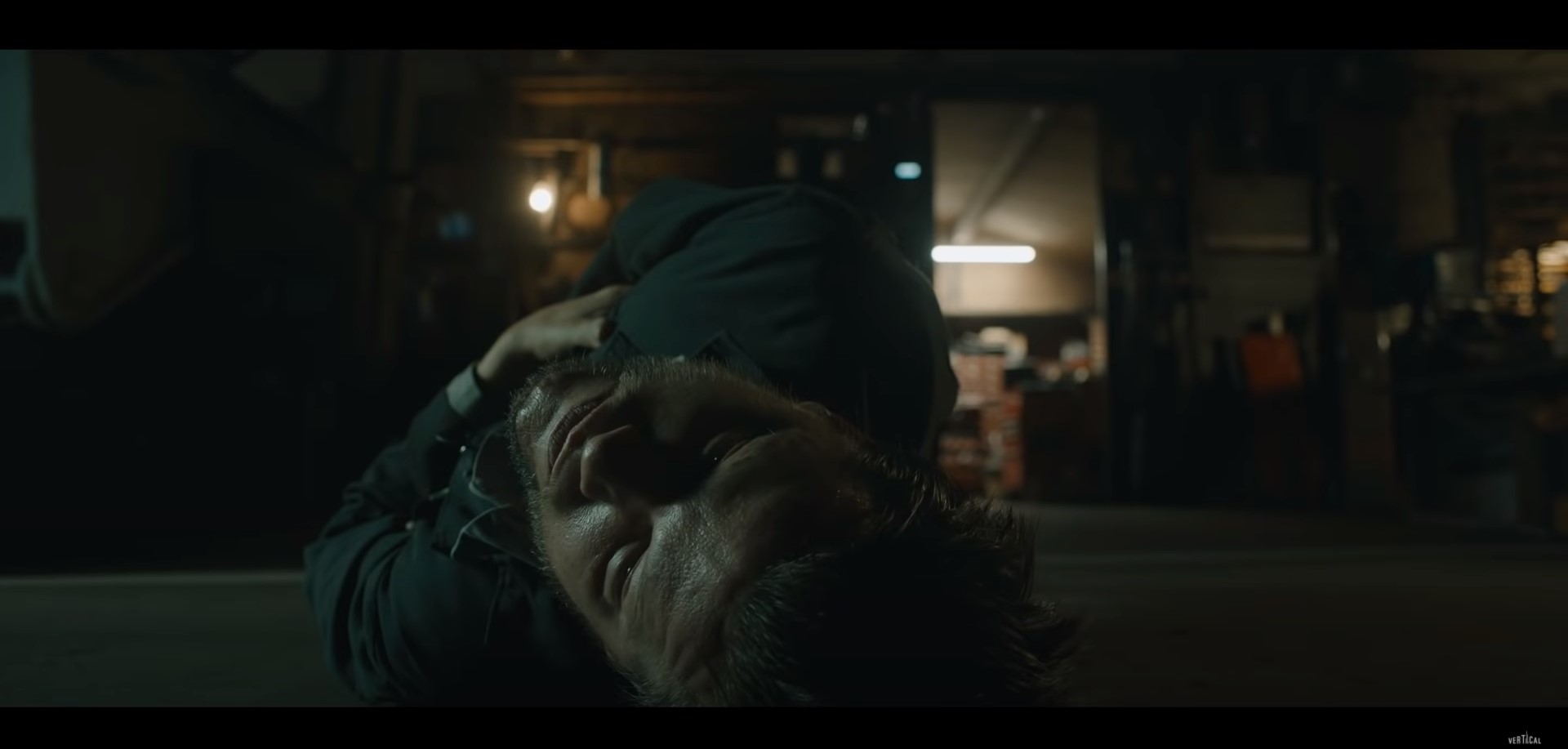
Shot on location around the snowy banks of Deerfield, Massachusetts comes the Steven Grayhm written and directed “The Secret of Sinchanee with a folkloric backstory set in New England about a feud between an invulnerable indigenous people versus malicious pagan settlers stretching over time into present day with an ancient artifact as the centerpiece to possession and murder.  The “House of Dust” and “Crash Site” actor steps into his first feature directorial and writing project with a story that crosses paths the hereditary burden of lineage bred mental issues with the tribalistic supernatural forces, opening with text origins of the longstanding rival feud between the selfless mysticism and disease immune Sinchanee people and the black magic disciples of Atlantow who seek to snuff out the Sinchanee bloodline.  The 2021 American made film is the first product of the Steven Grayhm and Nate Boyer co-founded, military veteran empowering Team House Studios and presented by Truth Entertainment. 

Not only does Steven Grayhm write and direct “The Secret of Sinchanee,” the Canadian actor also helms the lead as Will Stark, the town-talked recluse troubled by his grisly past.  Quiet and unphased by the strange nightmares and powerful visions inside his father’s house, Stark gradually becomes an entranced pawn and Grayhm poses a lifeless, wandering shell of a man honestly enough but on paper, Stark never questions the housebound oddities or even shed a lick of emotion when his dog, his only companion, vanishes.  Grayhm just kind of sleepwalks through the performance which I’m sure was his intended purpose since, you know, he wrote and directed the film.  In a parallel plane, detectives and marital exes, Carrie Donovan (Tamara Austin, “The Walking Dead”) and Drew Carter (Nate Boyer), embroil themselves into a Deerfield homicide case despite their past differences and their shared preteen daughter (Laila Lockhart Kraner).  Though not playing a footballer or someone in the armed forces, Carter steps into law enforcement as Boston PD and though Massachusetts is not a big state, I’m not sure a Boston detective would travel 120 miles outside of the city to continuing investigating a Boston murder in the rural sticks of Deerfield.  The entire dynamic between the local Donovan and the big city Carter plays to unresolved subversive tune of Carter taking advantage of the moment in order to rekindle the spark with his ex-wife or, perhaps, just be close to this daughter.  Obviously some personal tension between them but rarely does that tension surface to endorse strife as Donovan is carried away the homicide case, taking her investigation to an unlawful next level by trespassing onto Stark’s land and inside his house to be spooked by the spirits’ distorted reflection of herself.  Somewhere in the trio of leads lie a more meaningful connection that’s more muddled by individual character, side story offshoots, leaving what’s most important to the film scattered profoundly thin to meet the bar.  What also doesn’t bode well for Grayhm’s debut is the late introduction of a key Sinchanee descendent, Solomon Goodblood, played by Rudy Reyes who starred alongside our horror community gal pal, Diana Prince, in “Beach Massacre at Kill Devil Hills,” who intercedes for his fading bloodline as a shaman against Atlantow. 

Speaking of Atlantow, there is hardly a sense or a tangibility to the sect God plaguing the Stark family going on for decades now and that sides more with the mental instability theme of a family with a history of mental illness coinciding the allusions of one’s own internalized battle with trauma, insomnia, and past down disorders to manifest tragedy into a shared psychosis of Atlantow’s sinister and manipulative craft.  Perceived heinous actions, such as modern day scalping or wielding a tomahawk, can be seen as someone possessed with incoherent malintent because that traumatized person’s survival’s guilt warps them so.  Unfortunately, the story’s jumble beyond one aortic premise and spreads the whole concept thin without hardly touching upon the Sinchanee and Atlantow quarrel as noted in the opening text that laid out the intentions of a contentious war between good versus evil.  In the film’s reality, “The Secret of Sinchanee” is about two cops stumbling into Atlantow’s business in trying to find a sacred artifact.  We’re not even granted the reason why this talisman, a decently sized arrowhead, is terribly significant to the dark forces of Atlantow aside from vocal desperation in the object’s return to sacred ground.  Is “The Secret of Sinchanee” more aligned with themes of desecration of sacred land?  The meddling of a once proud culture now lost?  Not much clarity among the variety of circumstances happening inside Grayhm’s runtime lengthy debut picture other than the surface level possession and the cops’ investigation that motivates them into the paranormal situation.

Under the executive producer team of Joe Newcomb (“Dallas Buyers Club”) and Jose Martinez Jr, “The Secret of Sinchanee” is now available on Digital HD and On Demand this month of October, released by Vertical Entertainment.  With a runtime just shy of two hours, 115 minutes, the film will be available on all major cable and digital platforms, including Apple TV, Amazon Prime Video, Vudu, Comcast, Cox, and Spectrum, as well as playing in select theaters. Though an indie picture, production value pinnacles the budget, shot cleanly by Logan Fulton using an ARRI Alexa camera to capture the serene snow covered wooded landscapes of typical rural New England while succumbing to remain steady in the clean-cut darkness and warmer hues when things go bump in the night. Definitely not much camera movement, but the still shots, mostly medium to closeup, are framed properly without an any abnormality, providing just enough evidences to keep viewers on edge, while sprinkling in a Dutch angle or two to encourage anxiety where due. No special features included with this digital screener nor were any bonus scenes present during or after the credits. “The Secret of Sinchanee” remains private under a lock and key guise of mental illness and consigned to oblivion of parentage without breaking through those cognizant barriers to fully grasp a ancient tribal hatred that spills beyond normal time and space.

The Most EVIL Being in the Galaxy Doesn’t Stand A Chance Against Little Mimi. “Psycho Goreman” reviewed! (Acorn Media International / Blu-ray)

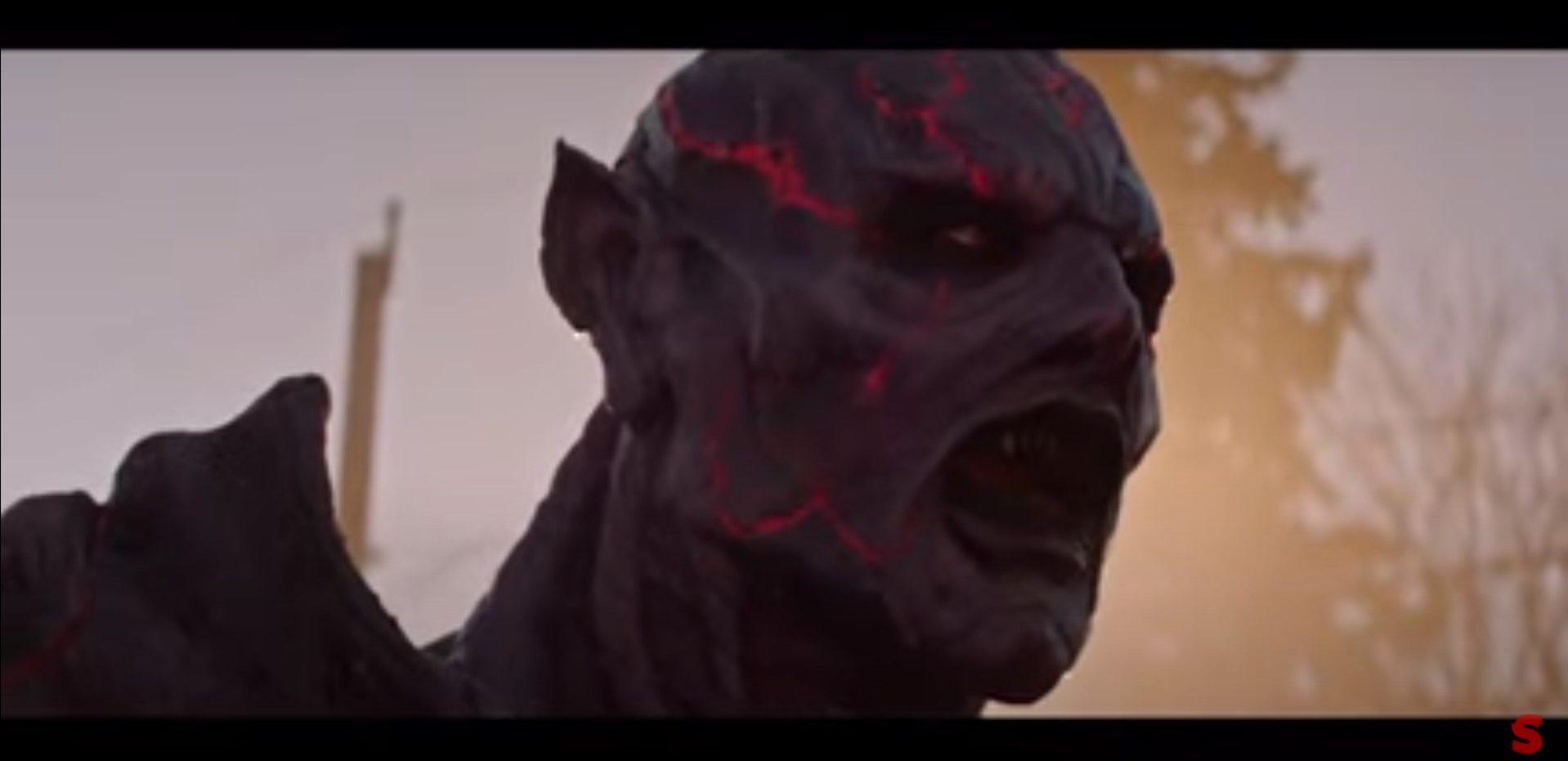
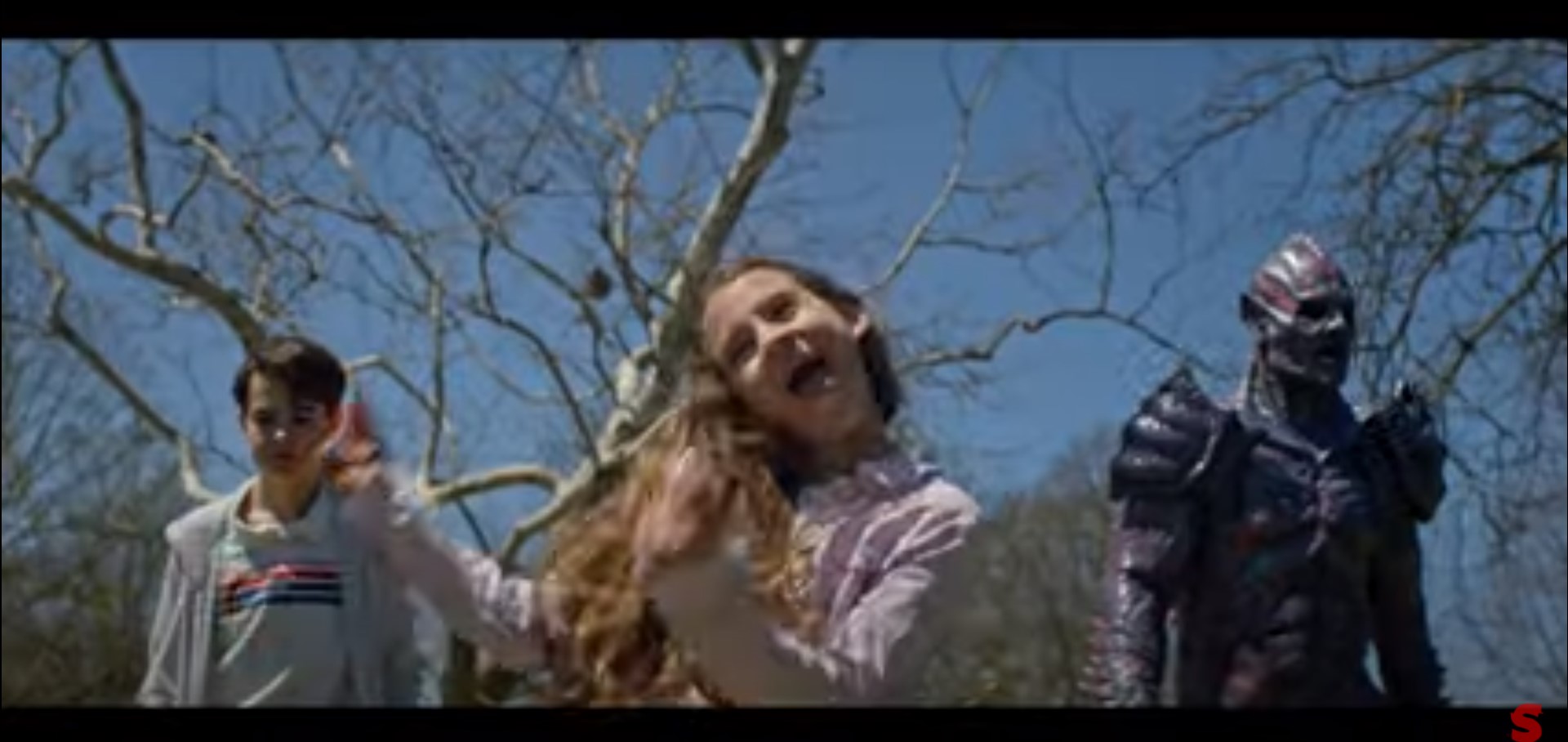
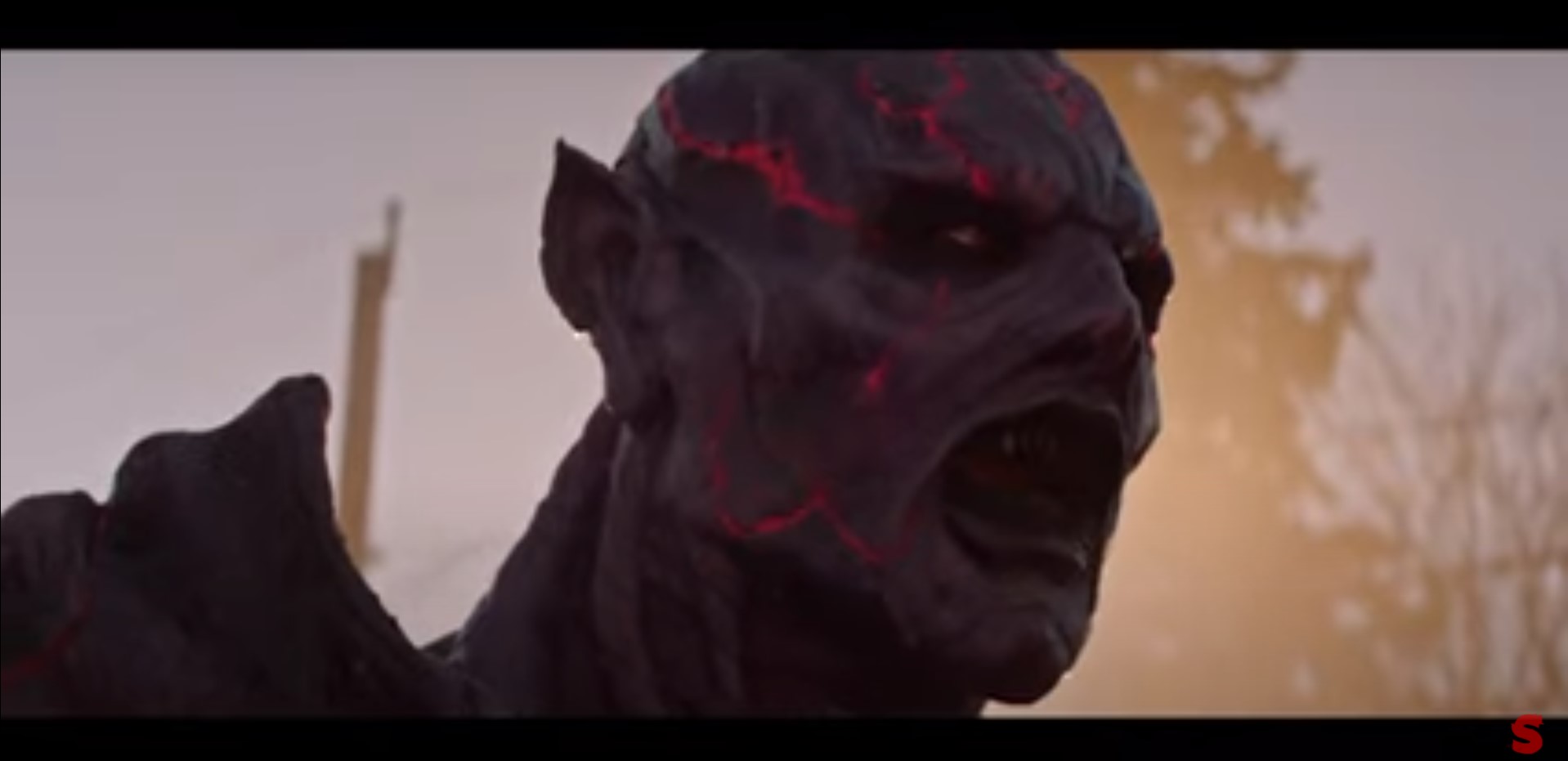
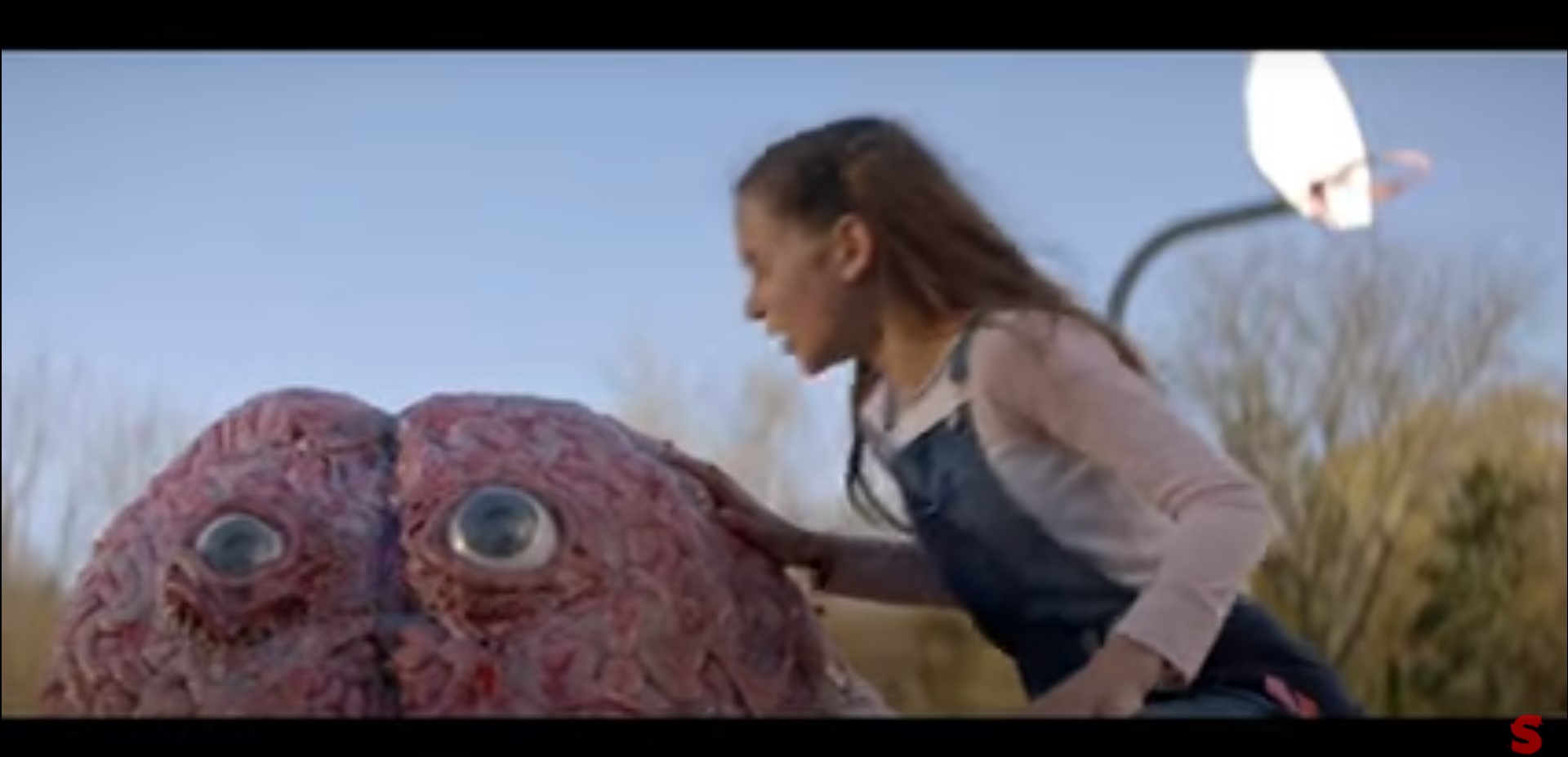
Brother and Sister, Luke and Mimi, discover a gem that unimprisons a dark alien warlord destined to destroy worlds.  The gem and the being are one, connected by the ancient forces powering the talisman, and whoever wields it can control the evil one.  Fortunately for now, the gem is in young Mimi’s possession.  The bossy and sassy preteen sees the alien, dubbed Psycho Goreman, as a new friend and toy, gallivanting around town catering to every Mimi whims.  Lightyears away on a distant planet, a council comprised with the forces of good, who banished Psycho Goreman to eternal banishment and imprisonment, learn of their once terrorizing tormentor having escaped his confines.  Leader of the council, an elysian warrior named Pandora, vows to track down their adversary and put an end to his existence, bringing a destructive showdown of good versus evil in Mimi and Luke’s small-town. 

The anomalous mind of filmmaker Steven Kostanski is vacillatingly distinctive and churning adulation for the late 1980’s to early 1990’s high camp, metal-infused horror films that heavily inspired him.  His latest written and directed Sci-Fi horror-comedy, “Psycho Goreman,” fits perfectly into Kostanski’s brand of stupidity, nonsensical, animation-saturated, bizarro reality horror that has made us, or at least me, fall heads over heels for his previous credits, such as “Manborg” and the “W is for Wish” segment of “The ABCs of Death 2.”  Kostanski is also a special effects guru having worked delivering gruesome terror and insane imagination skills to the big and small screen, but makeup FX artist takes a backseat to his employer, the Ontario-based MastersFX managed by Todd Masters, and they grab the reins by providing a slew of mixed bag practical and visual effects and animation styles that is a time warp back to the tangibly ridiculous and forged every follicle freakshow horror and science fiction celluloid from 30 some odd years ago.  “Psycho Gorman,” or “PG” for short, is a production of the pseudonym Crazy Ball Productions, as in the Crazy Ball game Mimi and Luke play, and Raven Banner, presented as an exclusive acquisition by RLJ Entertainment and Shudder.

To make something as ridiculous as PG to work, you need a colorful, wildcard cast to pull off every microfiber of manic personalities you can muster and sticking out with the wildest personality is not the titular character who is neither the brightest highlight nor the leader of the pack.  That spot was filled far before PG makes an unearthing introduction by the film’s smallest, youngest, and most delightfully sarcastic and ostentation lead in newcomer Nita-Josee Hanna as Mimi, who’s roughhouse and snarky sassiness goes unparalleled even up against the Arch Duke of Nightmares.  The dynamic plays on that whimsical idea of little girls with big personalities can be the center of attention.  In this case, Mimi requires the world, no, the universe to revolve around her ultra-spoiled nurturing.  Her possession of the gem gives her unlimited power with her possession of PG, played by undoubtedly hot and bothered by the latex suit, but otherwise good sport, Matthew Ninaber (“Transference”).  Hanna and Ninaber are an absolute joy to watch together with their contrasting comedic deliveries:  Hanna’s aggressive flamboyance compared to Ninaber’s subtle and solemn stewing.  Then there’s Mimi’s brother Luke, played by Owen Myre, who will have a role in the upcoming “Terrifier” sequel and one of the film’s running jokes is PG can never remember Luke’s name.  That lack of standout presence for Myre’s character is quite literal and not because Myre’s performance is forgettable and a complete wash (in fact, Myre is fantastic is the meek, submissive older brother), but between Mimi and PG, those overwhelming characters totally consume much of the attention.  Adam Brooks (“Manborg,” “Father’s Day”) and Alexis Kara Hancey fill in as Mimi and Luke’s lackadaisical father and frustrated mother while Kristen MacCulloch (“Motherly) suits up as the PG’s holier-than-thou arch nemesis, Pandora, in Templar species form while Roxine Latoya Plummer blends in with the rest of the population with Pandora’s human form.  “Pscyho Goreman” rounds out with Alex Chung, Scout Flint, Robert Homer, Conor Sweeney, Matthew Kennedy, Asuka Kurosawaw, and Scott Flint.

“Psycho Goreman” necessarily fills a pivotal void.  Most genre films aim to pass along a message, sometimes important to the filmmakers, to convey a lesson, an idea, a political or social protest, or to spark awareness on an issue, but with Steven Kostanski, watching his work is like taking a vacation with an immense clearing of any and all undercurrents and obvious messages for pure, unadulterated, frequently mindless entertainment that just looks cool.  Underneath the composited animation and practical effect layers is an anything goes, no strings attached, brutally-caked, dopamine drip that causes glossy-eyes and a warm wash over of all the senses.  Side effects I can definitely live with and be refreshed by when needing a break from reality.  The amount of space medieval practical effects alone makes “Psycho Goreman” feel like “He-Man and the Masters of the Universe” and while that Gary Goddard 1987 science-fiction fantasy starring Dolph Lundgren, perhaps, heavily inspires Kostanski’s intergalactic battle-royale on Earth, the story mirrors much to the tune of “Suburban Commando” with Hulk Hogan.  Hear me out.  Rogue-vigilante, played by Hogan, crashes into Earth where he winds up with the unsuspecting Wilcox family who melts the big, bad commando’s heart and simultaneously fix, mostly unwittingly, what’s broken with the family while alien bounty hunters track him down.  “Psycho Goreman” is the same storyline with less gore; hell, “PG” is even kid dialogue friendly.  If you know “Suburban Commando,” you know, and now you can’t unsee it! 

As part of Acorn Media International’s RLJ Entertainment and Shudder exclusive line, “Psycho Goreman” is destined for darkness onto Blu-ray home video with over 2 hours of special feature content.  The UK region 2, PAL encoded, BD50 is presented in a widescreen 2.39:1 aspect ratio with a runtime of 96 minutes.  Nothing noteworthy to terribly point out from the digital picture shot on an ARRI Alexa Mini with Angenieux Optimo Lens that produces a spherical image you’ll optically notice that seemingly has a rounded surface to bring wide framed objects closer together.  Kostanski utilizes a blend of stop-motion and green screen with seamless results and even though slightly on the caricature side of alien landscape and creature production, everything befits “Psycho Goreman’s” extensive universe.  The English language DTS-HD Master Audio 5.1 has excellent acoustical output in a vast array of vocal timbres and epic ambiance on and off of Earth.  Dialogue is clean and prominent on both the actors and voice actors with the latter sometimes, unfortunately, masked by the voice manipulator.  The Blu-ray release packs a punch with over 2 hours of special features including a director’s commentary, interviews with cast and crew including Steven Kostanski, Nina-Josee Hanna, Owne Myre, Adam Brooks, Alexis Hancy and Matthew Ninabar, different fight chirography records from location and in practice at a martial arts studio, behind the scenes featurettes with character backstories, a trading card gallery, concept art, a behind-the-scenes photo gallery, and the animation creation.  “Psycho Goreman” is rated 15 for strong bloody violence, gore, and injury detail.  Sit back, relax, and let Steven Kostanski speak to your childhood senses with his adult antihero, “Psycho Goreman.” 

Own “Psycho Goreman” on UK Blu-ray (Region 2)