EVIL vs EVIL vs EVIL vs EVIL vs EVIL etc., “Bigfoot vs Krampus” reviewed! (Ruthless Pictures / DVD)

Merry Kirstmas to all!  “Bigfoot vs Krampus” on DVD!

With Christmas time approaching and the Illuminati forces on the retreat, the Allies are in high spirits. Space rough neck Van Helsing considers taking his relationship with Allied Forces leader Princess Kali to the next level. Unfortunately Satan is set to ruin the moment. From the depths of Hell, the wicked Lord Of Darkness summons the demon spirit of Christmas, Krampus to wreak havoc on the living. Upon hearing the news, the clone of magician Aleister Crawley joins forces with the reptilian form of General Stalin and the Illuminati to mount a Christmas Eve attack on the Allies forcing Van Helsing and Kali to take drastic action. With help from the rowdy space rouge Bigfoot, the Allied Forces bait a syndicate of monsters to help take down the fiendish Krampus and restore peace to the galaxy.
Usually, I write my own storyline synopsis for the physical releases I provide review coverage for as there’s something about firsthand accounts that interpret more clearly and is more detailed in story events than the tagline plot that can be misleading at times, whether be a false marketing ploy to sham potential viewers into watching or goes to the other extreme with a less-than-desirable summary of drab when really the movie is much more magical, but with the 2021 released “Bigfoot vs Krampus,” the bizarre synopsis is worth every word count calorie.  Coming off the heels of a decent bigfoot picture from 1976 (“Creature from Blake Lake”) and playing into the festive Christmas holiday theme with the anti-Santa folklore, I was fingers crossed and impossibly hopeful to be two-for-two in the Sasquatch saga that kills two birds with one stone in doing my duty watching holiday-horror.  Boy was I terribly mistaken.  “Bigfoot vs Krampus” is just a full-length computer-generated cog in the machine of writer-and-director BC Fourteen and is a part of his so-bad-they’re bad versus film lot of an unofficial science fiction, comedic and satirical saga of generally evil in nature icons facing off against one another….in space.  “Bigfoot vs the Illuminati,” “Bigfoot vs Megalodon,” and even “Trumpocalypse Now!” and “Trump vs the Illuminati” really speak the filmmaker’s political stance as well really speak volumes on the filmmaker’s wayward clashes of alternative universes that amalgamates characters from horror, sci-fi, folklore, and video games into battle beyond the stars cratered epic. From executive producer Tony Cliftonson and producer Randall Finings, both involved with “Tickles the Clown, another spinoff in BC Fourteen’s gonzo-galaxy epic, “Bigfoot vs Krampus” is a production and a presentation of indie distributor Ruthless Studios.

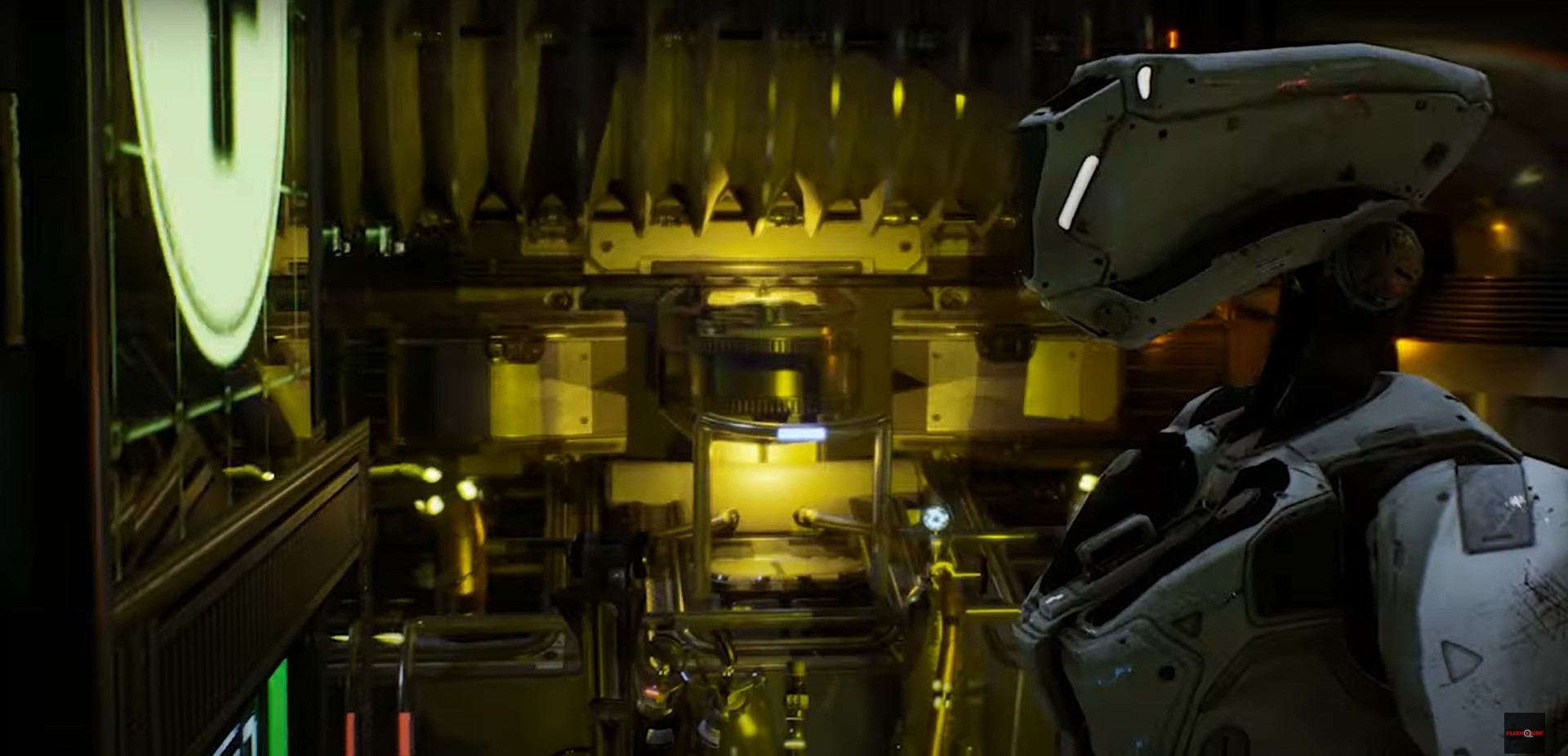
“Bigfoot vs Krampus” is total, 100% computer-generated graphics with only voiceovers to bring the highly kinetic, standing-in-place characters to resemble something that looks like life. BC Fourteen doesn’t stray too far from his regular voice talent as many of the same characters reoccur or popup randomly in this galactic gasbag of all talk and little action. When not voicing family friendly films, Marco Guzmán finds himself fouling the language barrier of space as he lends his vocals to the majority of principal leads and supporting char acters, such as the titular hairy primate Bigfoot who in the film sounds like a bastardized, sonorous, and raspy version of Fat Albert. Guzmán also voices another principal lead in Van Helsing, the 16th clone of the original vampire slayer. Known by his friends as V.H., Van Helsing looks less like a doctor with a stake and more like the Master Chief from Halo, never removing his helmet as he spews surefooted cockiness across the galaxy. Guzmán also voices the reptilian form of a reincarnated Joseph Stalin as well as the Egyptian sun God, Ra, who has ambiguous loyalties but can be useful to the allies as an all-seeing eye of the universe. Carli Radar voices humanities last hope and hero, Kali. The allied forces leader is pregnant with V.H.’s baby, a contentious sore point for Van Helsing who felt tricked into providing Kali a progeny, but has to become mankind and the illuminati, stereotypical green Martians with big black eyes and small mouths, last leader when the Illuminati’s Princess is destroyed by Krampus (who is oddly not listed as being voiced in the film’s credits), Satan’s partner in clinching power over the allies. The voice talent rounds out with Nate Trevors, Edson Camacho, Wes Bruff, Leslie Parsons, Simon Daigle, Carl Folds, Robert Forth, and BC Fourteen.
What do Bigfoot, Krampus, Megalodon, Clowns, The Terminator, Dummy Dolls, The Boogie Man, Werewolves, Satan, Anubis, Ra, and Jack Skeleton all have in common? BC Fourteen CGI’d their likeness into his…I don’t even know how to classify the film. I’ve had a run-in with a BC Fourteen film 8 years ago with 2014’s “Werewolf Rising” when the Pittsburgh, Pennsylvania-born filmmaker went under the name BC Furtney and aside from a stellar performance by the always captivating Bill Oberst Jr. and Irena Murphy baring a full moon going snout-to-nips with a werewolf, “Werewolf Rising received a mixed review but was still comprehensible with a start, middle, and an end. Though I stress the comedic and satire, a precaution must be instilled as the unfunny “Bigfoot vs Krampus” drags through the mud a trove of select horror and sci-fi pop icons in carbon copy tiny spaceships, flying around in a muddlesome mess, and rendered completely unnatural in an advanced resemblant version of the Goldsrc engine – you should see Bigfoot run down the ship’s corridors. If “Bigfoot vs Krampus’ were a series of cinematic story intercuts sewn together with gameplay axed entirely, I would believe it, and I’m sure, having spot check a few of the sequels, prequels, and spinoffs of the same caliber, that some animated scenes are recycled. There’s definitely recycling happening in this feature. If the war between the Illumanti-Humans-Bigfoot allied forces and every evildoer under the sun wasn’t thematic enough, the pseudonymous BC Fourteen throws in Van Helsing’s struggle with conscious as the cloned hired mercenary with legendary blood lineage skips town and on his baby’s mama because he does not feel appreciated in a fight that’s technically not his. The director also adds a subplot of Bigfoot checking in with old friend, and apparently cafe barista, Anubis to make sure the Sun Deity Ra isn’t fibbing about Van Helsing’s unexpected demise at the hands of Krampus. Everything does circle back around to an open-ended showdown for that next exposition heavy installment of intergalactic garbage made with no heart, no respect and very little effort.
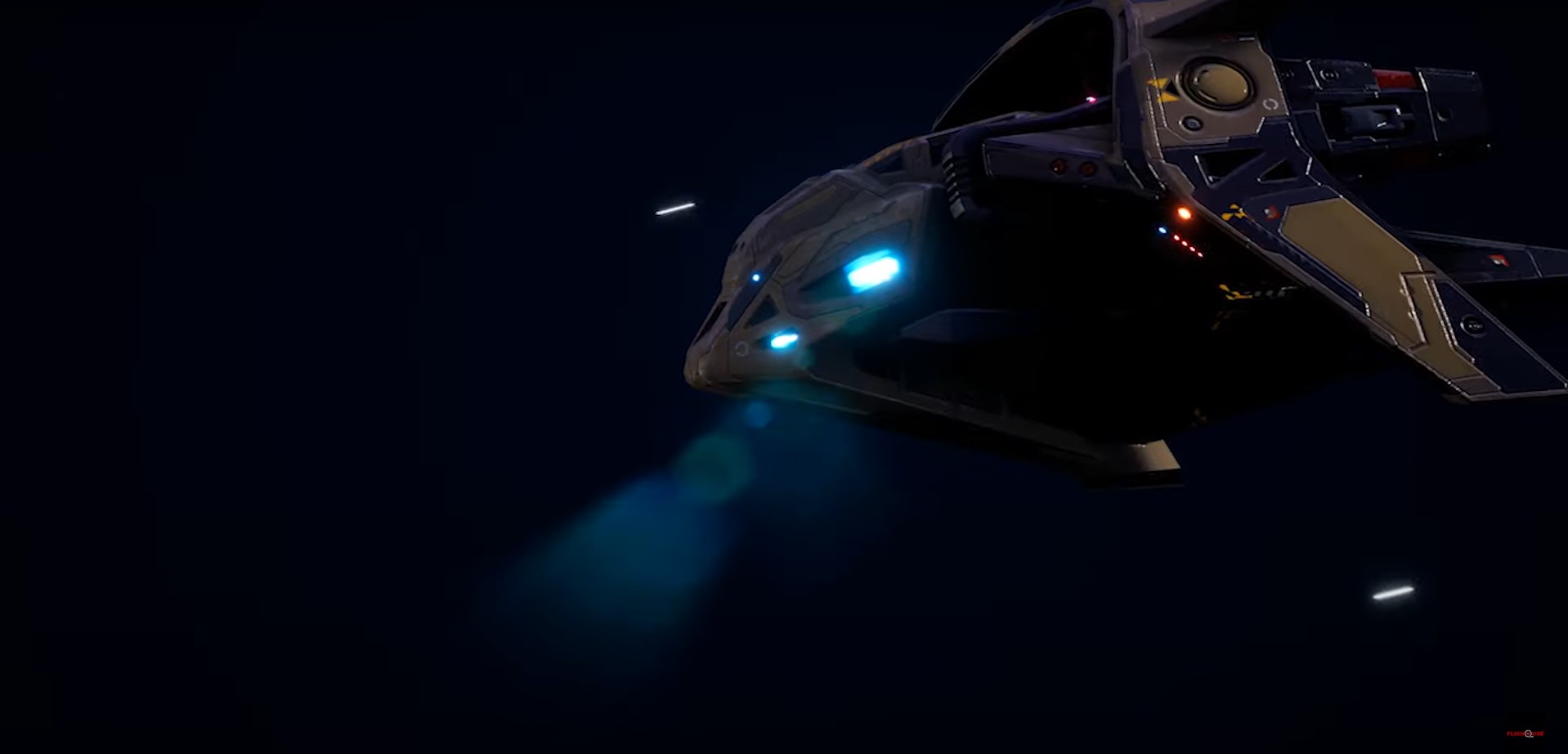
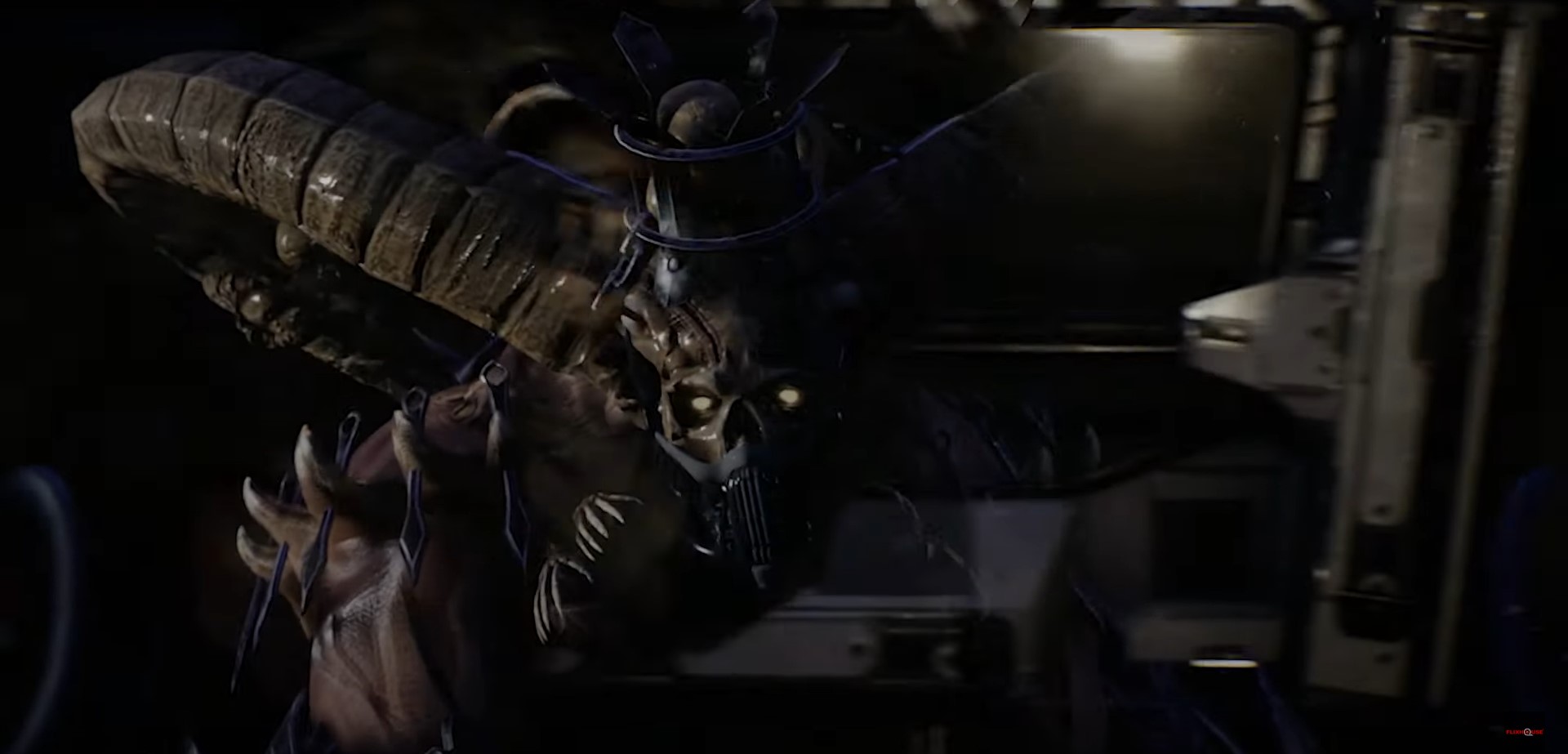
If the synopsis didn’t frighten you off from watching the film, text pulled word-for-word from the Ruthless Pictures’ DVD back cover, I surely hope this review left you with a bit of common sense prior to watching a cool and kitschy what if versus scenario. The Ruthless Pictures DVD presents the glossy computer graphics in a widescreen 1.78:1 aspect ratio. I will admit the animation provides here-and-there tactile moments, such as battle scuffs on robots or the ridges, grooves, and lighting on Krampus’s curled horns. All the animation looks about the same throughout, leaving a one-note taste that’s hard to wash out, but the at times, the CGI provides that nice ragdoll feel for humanoids Van Helsing and Kali and the lighting/shading does make appear more luxurious. Compression issues include background banding and splotches in darker spaces, but for the majority of the feature, those issues are limited. Though no listed on the DVD’s attributes, my players states “Bigfoot vs Krampus” has a single audio option – a Dolby Digital 2.0. For a science-fiction baster war, the lossy format is a lackluster that doesn’t surprisingly match all the other qualities, pushing out a mediocre 5-6Mbps average. Option English subtitles are available under the static menu. The DVD is a bare bones release with zero bonus content. The DVD is encoded region free and has a runtime of a merciful 70 minutes. Bigfoot films are back in the dumps again for this reviewer as “Bigfoot vs Krampus” is a flurry of insipidity and, the worst part of it all, it doesn’t add anything to the Christmas holiday horror subgenre with the Krampus module built-in for the sake of impersonating a something about as old as it’s folklore, a space invader.

Merry Kirstmas to all!  “Bigfoot vs Krampus” on DVD!

Back to the Past to Hunt Down EVIL! “Trancers” reviewed! (Full Moon / 4K Ultra HD and Blu-ray)

Become a Slave to “Trancers” on 4K Ultra HD and Blu-ray!

In the post-apocalyptic ravaged 23rd century, Jack Deth, a brusque and hardened trooper, hunts down Trancers, a group of easily influenced and entranced people turned zombified slaves by a power-hungry hypnotizer named Whistler.  With Whistler killed, Deth lives out his raged-filled days vindictively bounty hunting Trancers still beckoning to Whistler’s lingering snake charming after one of Trancers kills his wife, but when Whistler appears to have cheated death and sent his conscious mind to the year 1985 into a Police detective relative to assassinate ancestors of the Trooper council and gain control of what’s left of the future world, Deth gives chase, sending his consciousness into a journalist predecessor with a fast car, a relaxed lifestyle, and in the arms of a beautiful young woman who Deth must recruit and rely on if he wants to survive the past.

Charles Band’s Homeric Sci-fi opus “Trancers” is time-travelling neo-noir at its boldest.  With a limited budget and loads of talent, the 1984 future bounty hunter with a grudge actioner, the first of a franchise that spawned five sequels stretching over two decades, was penned by then Band hired screenwriters Danny Bilson and Paul De Meo, whose careers have run the variety spectrum of treatments from the Empire days of WWII soldiers battling aliens in a UFO in “Zone Troopers” in the mid-80s to finding themselves on the same credits screen as Spike Lee in the filmmaker’s post-war Vietnam drama ‘Da 5 Bloods.”  “Trancers” has nothing to do with war but has everything to do with a crumbling society, a hardnosed cop, and acrid acolytes with purple chapped lips and a yellowish green tinted complexion.  Also known as “Future Cop” in other parts of the world, the Los Angeles-shot “Trancers” is produced by the “Puppet Master” Charles Band and Debra Dion under Band’s Empire Pictures.

One of the aspects I adore most of the early Full Moon productions, before Charles Band even dubbed his Empire Pictures as Full Moon, was the star power behind the pictures.  Tim Thomerson is a versatile actor who can star in just about anything from microbudget indie productions (“Dollman,” “Left in Darkness”) to big Hollywood celluloids (“Air America,” “Iron Eagle”) as one of the most recognizable faces amongst viewers.  In “Trancers,” Thomerson relishes playing the 5 O’clock shadowed, brooding in a long trench coat, Sam Spade-type detective, Jack Deth, with skin in the game and a gruff attitude to take him to the edge.  Thomerson makes for a good grouchy gumshoe as Deth goes plays the cat-and-mouse game with his onscreen nemesis Whistler, played by Michael Stefani in his one and only feature film credit and also marks his last acting appearance.  Stefani has the long-ominous stare of a conventional villain, but I yearned for more toe-to-toe action between Thomerson and Stafani that what appears on screen in what was only a brief less than handful of moments that weren’t edge of your seat encounters, even the finale was underwhelmingly brisk.  More of the penetrating thrills were held in the future when Jack Deth is ambushed by an old Diner lady wielding a clever or when Deth laser blasts Whistler’s unconscious body to explosive smithereens.   What’s nurtured more in the past is the relationship between Deth and the half-his-age Leena, a role donned by a young Helen Hunt (“Twister,” “As Good as It Gets”) as the L.A. 80’s pop-goth girl with a thing for older men.  Thomerson and Hunt have chemistry that would turn heads clouded with ageism but they’re cute enough to work, especially when they ride matching mopeds around the city to either thwart Whistler’s plans or escape the police under Whistler’s control. The rest of cast that rounds out “Trancers” is just as inundated with individualism as the principal leads with Anne Seymour (“Big Top Pee-Wee”), Biff Manard (“Blankman”), Richard Herd (“Get Out”), and legendary supporting actor, Art LeFleur (“The Blob”).

With any story dealing with time traveler, undoubtedly, plot holes will exist and will stick out like a 23rd century cop time-hopping to 1985. “Trancers” is no different. When Whistler eventually assassinates an ancestor of one of the future council members, the memory of the slain still exists to those in the future. Though the council member never existed in the 23rd because his ancestor was wasted by a mind-melding maniac, their energy and presence is remembered and so that would suggest the 23rd century and the 20th century timelines coexist and move at the same time rate and once the future is written, the memory of can’t be undone? This transtemporal travel stymie comes early into the story and leaves me to chew on this paradoxical gobstopper for the rest of the film, but my advice to other views is to manage it just like I did with forcing that problematic plot hole into the backseat recesses of your mind and focus more on enjoying the nonstop clash and laughs high of a “Trancers” sci-fi speedball. Production value and location security is key to “Trancers” success and Band and his filmmaking team score multiple locations around Los Angeles that are often small but are neon lit or are crazed dress to reflect an era that offer relatability and style. Composited laser beams and vaporized dead bodies effects are an effulgence of neon layered with digitized 8-bit audio bytes for that futuristics flair. The matte work landscapes and set interiors of a crumbling Los Angeles with a blend of new styles are a thing of beauty. Iconic buildings engulfed by the ocean’s rising tides that never ebbed, the neo-totalitarian architecture, and the retrofuturism of a classic interior diner with a newfangled facade borders a dystopian metropolis on the brink of collapse and only held together by the glue of the council and the troopers who enforce the law.

“Trancers” receives the 4K Ultra HD treatment with a 2-disc release from Full Moon Features with the second disc a high-definition, 1080p Blu-ray, distributed MVD Visual. The 4K comes from a scan of the original camera negative; however, the Blu-ray and the 4K are fairly even in detail and clarity. Each format, presented in a widescreen 16:9 aspect ratio, decodes at a disconcerting average of 25Mbps and maintain the luminescence, detail repressive glow which tells me a regrading wasn’t completed to counter the intense neon on darker scenes. The glow shouldn’t be emanating half a foot off of characters. Despite a couple of minimally invasive spotty print damage, details are better in the natural lit and gaffer lit scenes though still quite soft around skin textures. Two English audio are available – a DTS-HD 5.1 surround sound and a Stereo 2.0. As soon as the Empire Pictures logo seizes the screen and the soundtrack begins, I knew the 5.1 was going to be worthwhile with a robust multi-channel output that leverages the Phil Davies (“Society”) synth-beat, adrenaline-producing score while still maintaining an even-keeled and appropriately layered ambient and dialogue track. Dialogue remains clear and clean throughout that compliment a range of action track like an exploding body with a short burst LFE explosion, the pew-pew-esque laser shots as discussed earlier, and the scattering of shattered glass when a moped goes through a sugar glass window. Bonus features are identical on each formatted disc with a commentary from Charles Band and Tim Thomerson, a 2013 documentary of the making of “Trancers,” the complete short film “Trancers: City of Lost Angels, Trancers: A Video Essay, the official trailer, archival interviews, and a still gallery. The physical attributes include a blacked-out Blu-ray snapper case with a cardboard slipcover, both the snapper and the slipcover have the same front artwork of Jack Deth pointing a gun out of a floating open door in space. The region free release has a runtime of 76 minutes and is rated PG-13. With a name like Jack Deth, you can’t go wrong with the science fictional film noir that is “Trancers,” a rustling time-travel good versus evil showdown with the future hanging in the balance.

Become a Slave to “Trancers” on 4K Ultra HD and Blu-ray!

A Stop-Motion EVILscape of Totalitarian Hell! “Mad God” reviewed! (Acorn Media International / Blu-ray)

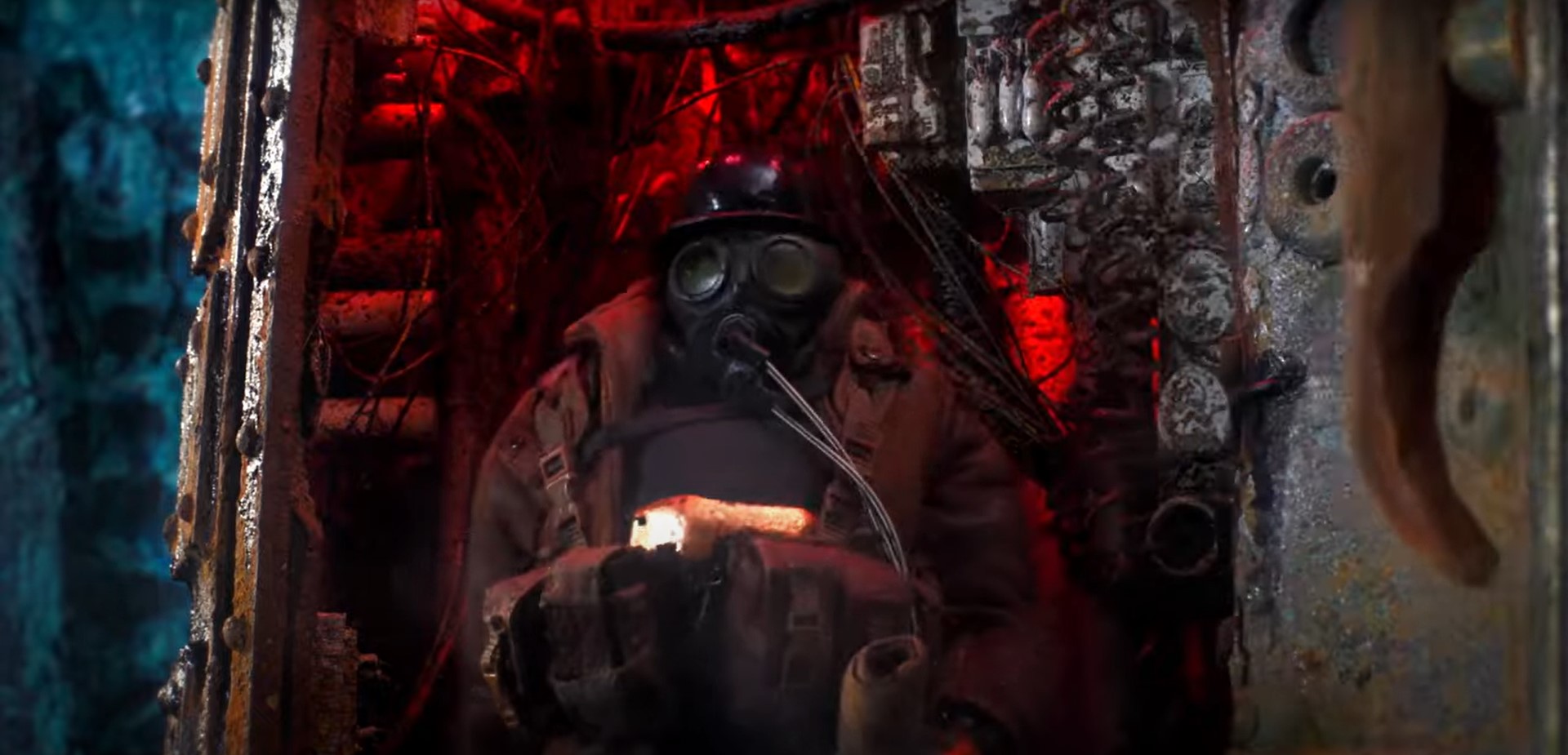
Descending from above into the depths of grotesque terror and suffering, The Assassin steps out of the drop pod with a gas mask, industrial armor, a suitcase, and a crumbling map.  Bearing witness to the surrounding horrors – cruel experimentations, enslaved beasts, tortured manufactured slave laborers, dog-eat-dog atrocities – The Assassin sallies forth, descending deeper into the primordial pit.  The missioned at hand is to set an explosive charge that will eradicate out the ruinous, oppressive filth that aims to corrupt the everything, but there the darkness won’t be so easily wiped away and The Assassin must stay in the shadows and out of sight or else become a tortured fixture in the fray. 

“Mad God?”  More like mad genius!  Phil Tippett’s 34-year, stop-motion, pet-project “Mad God” is the purest Hell I’ve ever seen.  Tippet, famed stop-motion and puppeteer effects artist responsible for the iconic visual effects and stop motion work in fan films such as the original “Star Wars” saga and the “Robocop” franchise as well as cult favorites “Howard the Duck,” “Piranha” and “House II:  The Second Story,” started “Mad God” in 1987 that become more of an ambitious project than originally thought and once the 1993 saw a computer generated effects revolution with a little prehistoric dino-disaster film called “Jurassic Park”, a film Tippett also did work on as dinosaur movement consulting supervisor because of his expertise on the short “Prehistoric Beasts,” the gifted animator had shelved “Mad God” for about 20 years with the though a newer, shiner, computer-driven animation would be the next best thing studios would ardently desire. This two-decade span gave Tippett time to outline objectives and really expand upon ideas of how “Mad God” should look and feel when conveyed. Tippett co-produces the film with Jack Morrissey under Tippett Studios and presented by IFC Midnight and AMC’s Shudder.

Just because “Mad God” is dialogue-less doesn’t make the “Mad God” voiceless. All around, in every scene, is a disturbing commentary or an unhinged metaphor bred mostly out of the animatable inanimate, but there are some live action performances weaved into the mad tapestry of monstrous titans and despot of cruelty. The most clearly discernible face of the lot comes from a director, “Repo Man” and “Sid and Nancy” director Alex Cox to be more exact. Cox plays the long nailed and regime-driven “Last Man,” representing divine leadership of a modest, dieselpunk heaven above a more organic and grotesque hell-type world. Only on screen for perhaps a total of 5-to-10 minutes, Cox grunts and gestures with precision articulation to give off a fair and just ruler impression. Niketa Roman plays the next real person to have some substantial screen time. Less of an actress and more of an animator by trade, with credits including “Blade II,” “Jurassic World,” and “Star Wars: Episode IX – The Rise of Skywalker,” Roman finds an expressive talent in her striking, heavily made-up eyes overtop a surgical mask and gown when whisking away one of the Assassin’s souls to be studied and experimented on by a broodingly ethereal entity. Other micro-performances include minor roles of tortured monkeys, various iron-cladded Assassins, witches, and gnomes from Satish Ratakonda, Harper Gibbons, Arnie Hain, David Laur, Chris Morley, Anthony Ruivivar, Tucker Gibbons, Tom Gibbons, Hans Brekke, and Jake Freytag.

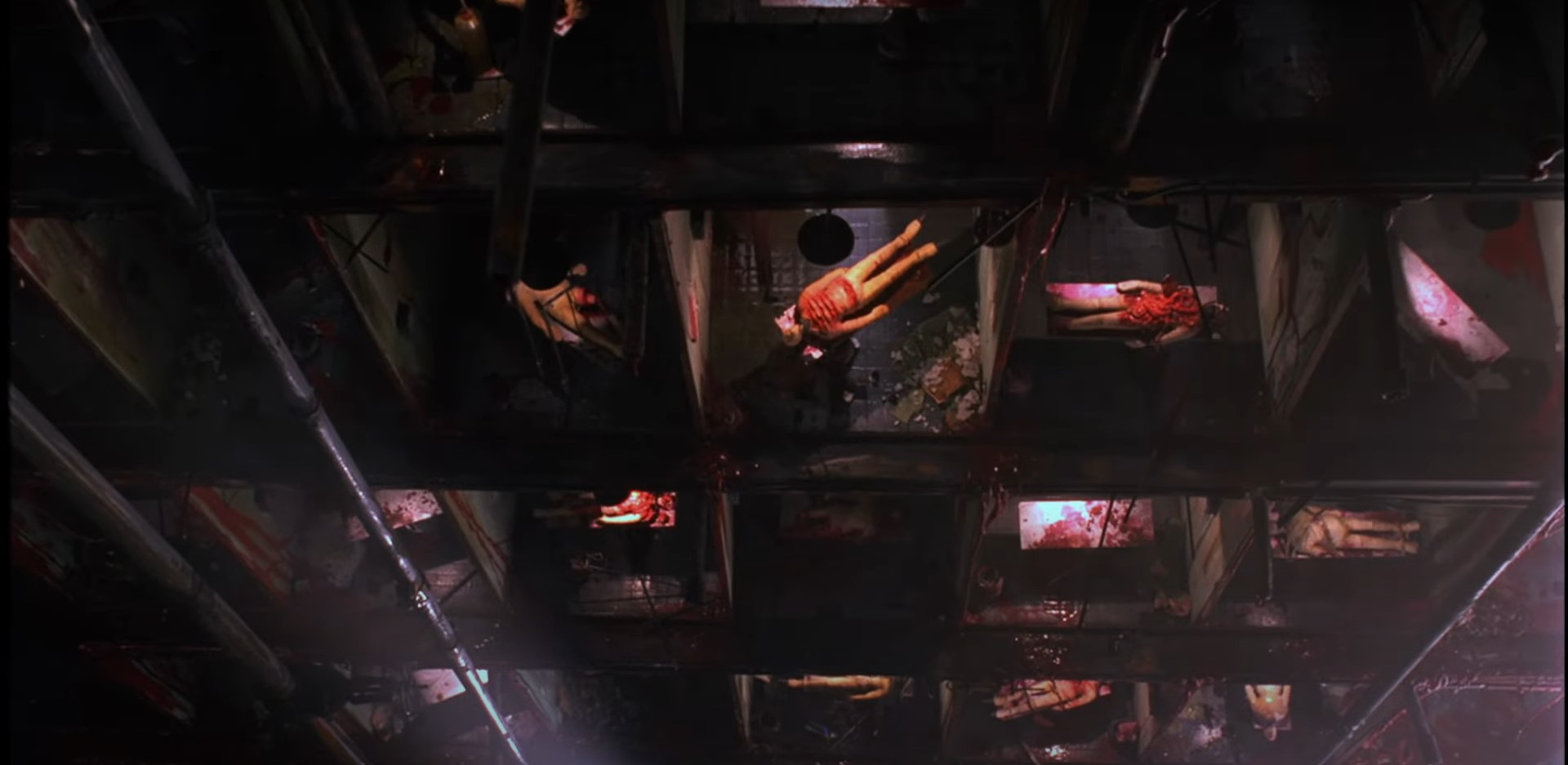
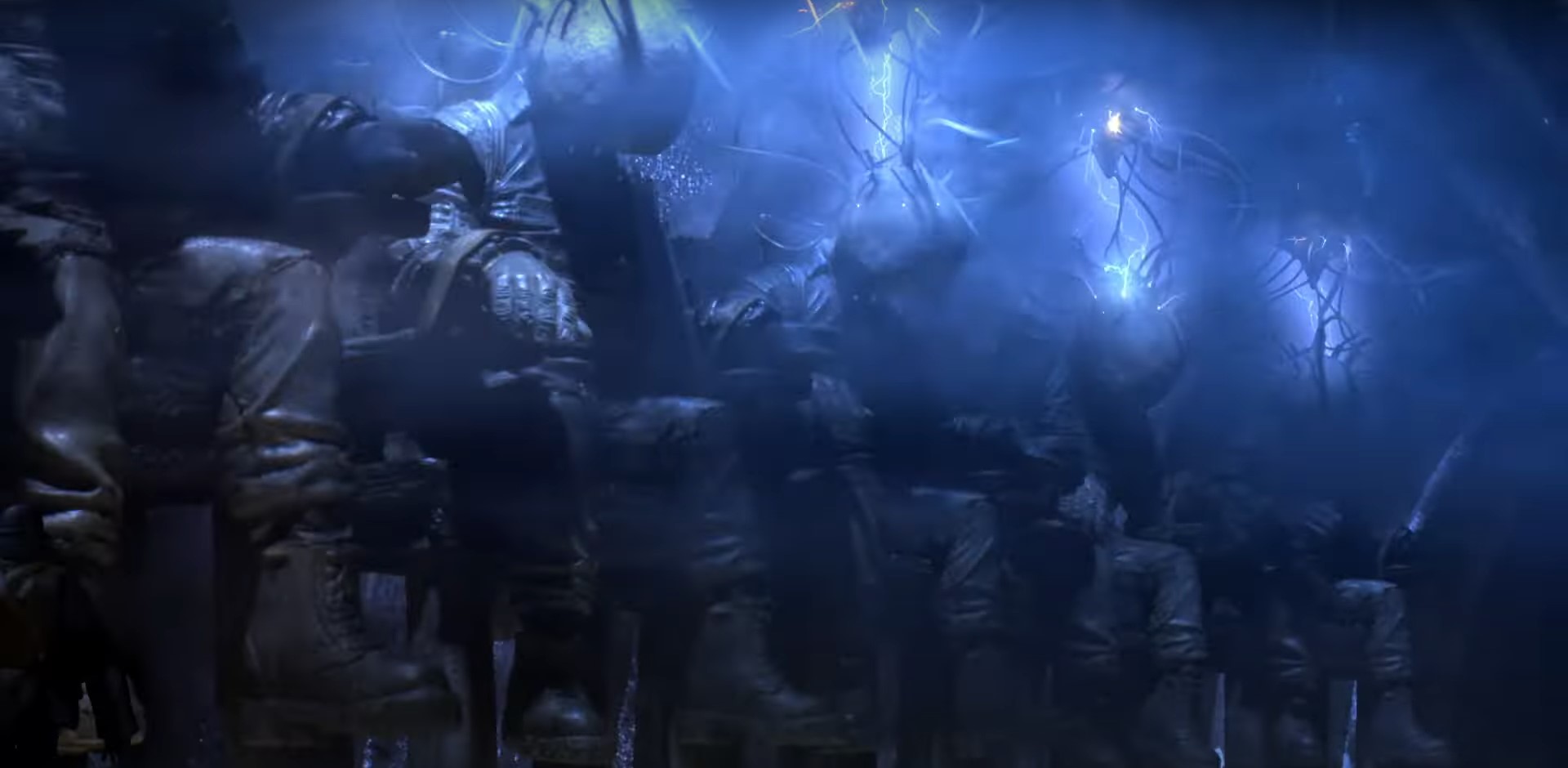
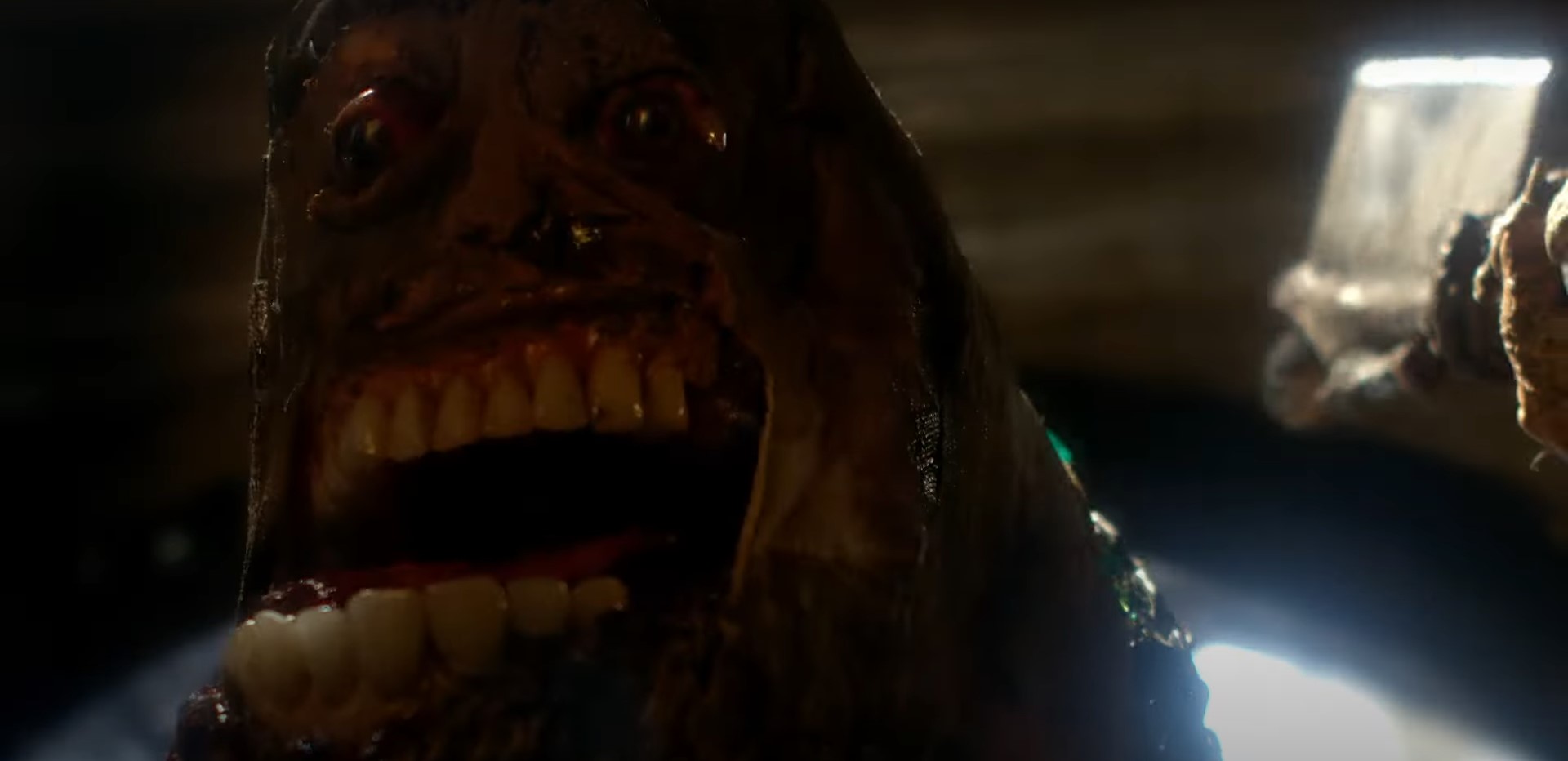
“Mad God’s” possibilities and interpretations are endless. Phil Tippett pulls from a motley of inspiration that includes, but is not limited to the fantastical, sometimes hellish, paintings of Hieronymus Bosch, the wacky, often gonzo animation of Tex Avery, the stop-motion titans of Nathan Juran’s “The 7 Voyages of Sinbad, and Dante’s Inferno. The mind is a deranged and wonderful creator of the macabre and of the aberrant and as a receiving device, the mind can also, if opened up enough, accept such visceral visuals of bowel fluids being jettisoned out by electric shock and into the mouth of an organic machine that manufactures fibrous, lumbering humanoids for slave labor. Like lemmings in a way, these exploited shadows of human beings will succumb under their own demise or at the gnarled and unforgiving hands of their master’s gargoyleish work-whippers. “Mad God’s” eye for detail is greatly disturbing to see cities in monolithic cities and cultures in ruins, the composite depth between foreground and background action in one scene reminds me a lot of older works like “The Neverending Story” or “Clash of the Titans” that create a vast scale with smaller objects, and the playful irony of a nightmare netherworld being commanded over by a baby’s babble doesn’t nearly seem to a stretch from the truth. As the multiple Assassins trek through the chaos and the insanity, an overwhelming sense of life is meaningless scores the landscape as there isn’t an ounce of compassion or empathy to be had or displayed for any of the malformed creatures and wretched humans. A laborer is crushed by a stone – no biggie. A cute and cuddle animal is attacked and whisked away for food storage – all in the day of cruelty. A man is stripped of his armored gear, injected with a mysterious substance, and prepped for exploratory surgery – all for show in front of a live clapping and cheering audience. The only compassion I can make sense is the Assassin’s mission to blow up this God-forsaken world of eternal suffering to restart the heart. Madness grinds bones, fillets spirits, and crushes souls in Phil Tippet’s Godless underworld and can haunt you even while you’re awake.

A surreal stop-motion wonder and excruciation, “Mad God” brings all the horrors of the subconscious mind to the surface with a high-definition, 1080p Blu-ray. The region 2, PAL encoded release from UK distributor Acorn Media International presents Tippet’s tour de force in a widescreen 1.78:1 aspect ratio and the image is purposefully varied to exhibit different strokes of craft as students would assist Tippet with contrastive topographies to carve out an apocalypse-riddled world that’s in a state of a violet retrogression. Tippet and Tippet Studio visual effects artist, Chris Morley, pivot to “Mad God’s” cinematography appearance with brooding, darker tones that illuminate and are erratically sparked with warm neon glows or brilliant voltage streaming through highly conductive bodies. Some earlier scenes from the late 80’s have natural grain from the 35mm stock and then later, more recent scenes have a cleaner, sleeker look with the digital recording. The Dolby Digital 5.1 surround sound mix has an all-embracing range, mostly with sudden and alarming blazons of guttural roars, unnerving baby babble, elongated zaps and shocks, and the indistinct yips and yaps of a mad world, that sustains on a line of being lesser than crisp, which might be contributed to the inexact capture of depth as sometimes all sounds casts like from inside the reverberations of a fishbowl. Descriptive SDH subtitles are available. Bonus features include audio commentary with Phil Tippett and “Pan’s Labyrinth’s” Guillermo del Toro, cast & crew commentary, an interview with Phil Tippett, “Mad God’s” various painter, cartoonist, animator, and psychology inspirations, the making-of “Mad God,” Maya Tippett’s Worse than the Demon – Phil Tippet’s daughter’s 12-minute thesis documentary of her father’s 34-year passion project journey, Academy of Art & “Mad God,” a behind-the-scenes montage, and a behind-the-scenes photo gallery. “Mad God” has a runtime of 84 minutes and is UK certified 18 for strong violence and gore. A motion picture diorama of Phil Tippett’s neoteric psyche, “Mad God” is wrath wrapped in heart and soul, two descriptors not topmost on the surface but are meticulously integrated into every frame of pain, suffering, and despair.

An Experiment Backfiring with EVIL Payback. “Moonchild” reviewed! (Visual Vengeance / Blu-ray)

“Moonchild” now on Blu-ray from Visual Vengeance!

An Inhuman government body of a dystopian future experiments with genetic splicing to create the ultimate weapon, known as Project Moonchild, against the human rebellion. That weapon, Jacob Stryker, is unaware of his newly encoded abilities when he escapes one of their holding labs to rescue his captive son from the very same apathetic regime. Stryker teams up with a group of human rebels and uncover by mistake Stryker’s hidden super solider talent of turning into an unstoppable beast – a werewolf. Hellbent on taking down his son’s brainwashing captives by any means necessary and to do it before an intestinal bomb explodes within 72 hours, Stryker convinces the rebels to assist him and now they have an ace in the pocket as they traverse in search for Stryker’s boy, encountering android and mutant bounty hunters, cannibalistic human survivors, and a surfeit of governmental soldiers hot on his tail, but when the werewolf comes out, Project Moonchild is out to seek and destroy those son-stealing son-a-of-bitches by ripping them to shreds.

Director Todd Sheets has long been considered one of the kings of SOV. The “Zombie Rampage” and “Clownado” Kansas City filmmaker writes and directs “Moonchild,” the 1994 direct-to-video, post-societal, lycanthropy actioner is Sheets’ attempt in splintering himself away from the gore. The American Prince of Gore and the Master of Splatter accomplishes the lessened bloodletting and liquid innards coming outwards werewolf feature with a dystopian rescuer that pits what remains of a separatist human society on a verge of collapse to go on a quest to cure a dividing mutation affliction and to go up against the malign immortals of killers and assassins constructed with nuts and bolts and sawblades on a super independent budget. The ambitious project comes with car chases, a large cast, and a hairy beast that fights for family! Executive producer Greg Petrak returns to Todd Sheets’ side after “Bloodthirsty Cannibal Demons” and is a production of Sheets’ very own Extreme Entertainment, a now 34-year standing product company based out of Kansas City, Missouri. Feel old yet?

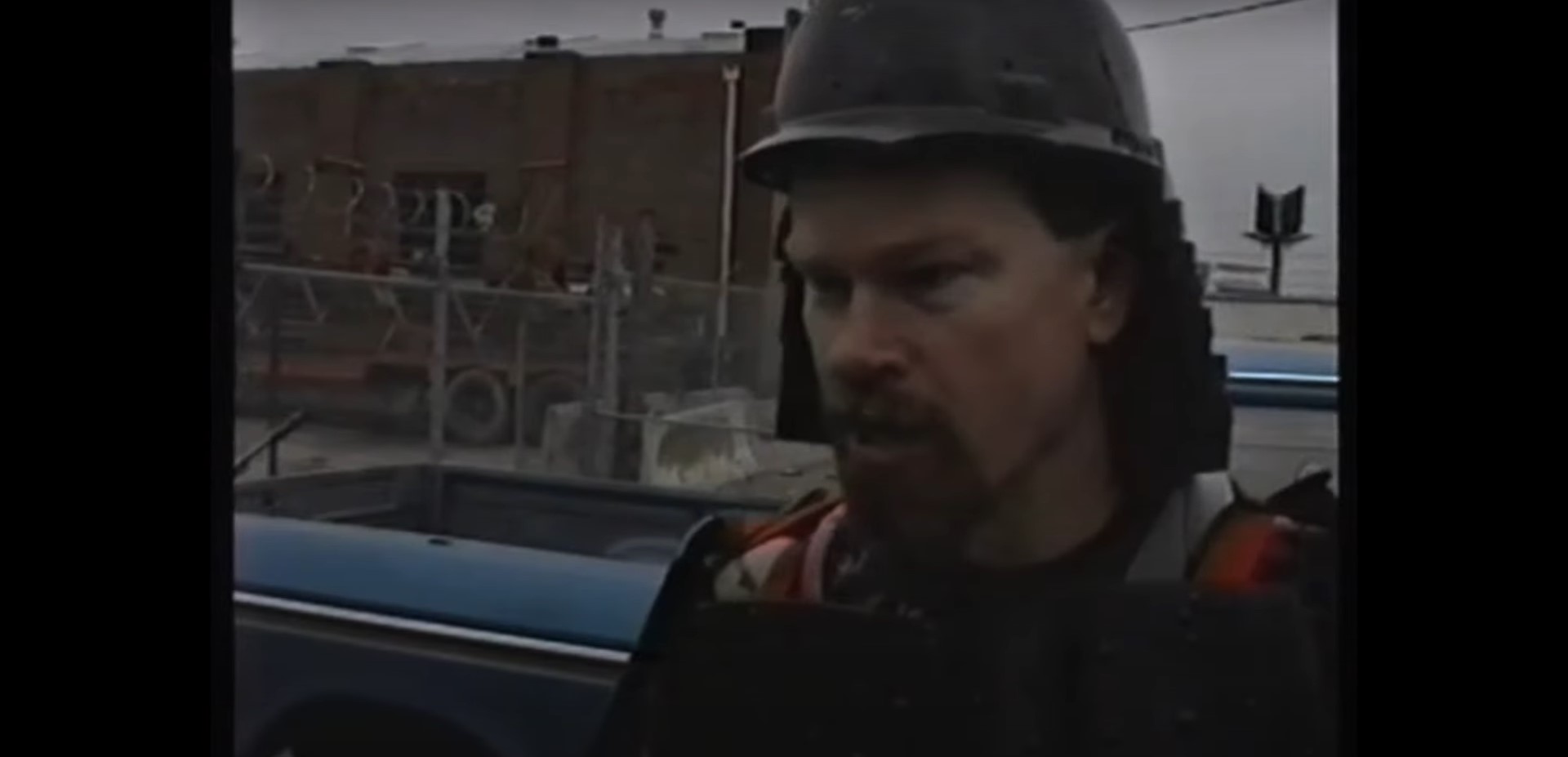
Playing the lab rat, the werewolf, and the integral hero, Jacob Stryker, to the story is Auggi Alvarez (“Zombie Bloodbath”) as a widowed father who will stop at nothing to save his son Caleb (Stefan Hilt) in the hands of iron-hearted inhuman leader, Lothos (Harry Rose). Alvarez, like much of the rest of the cast, fall into a monotonal expositional black hole that can make “Moonchild” a slog between the excitement. While fleeing captivity, Stryker runs into Rocky (Julie King, “Zombie Bloodbath 2”), Talon (Dave Miller, “Violent New Breed”), and Athena (Kathleen McSweeney, “Violent New Breed), a band of underground resistant fighters who are desperate enough to overthrow the authoritarian ruling class that’s comprised of henchmen with duct tape masks and are skippered by a mustache wearing an unadorned samurai kabuto helmet – catching a tad resemblance to Mel Brooks’ Lord Helmet of “Space Balls.” If you have noticed already, the cast is an entourage of Todd Sheets regulars, a small niche of actors and actress with close ties to the Master of Splatter and have reoccurring roles in most the director’s early 90s indie gems. That trend continues with Carol Barta (“Prehistoric Bimbos in Armeggedon City”) as the bounty hunter, Medusa. Looking more like your next-door neighbor grandmother, Medusa is viper-tongued assassin with an unforgettable cackle and a throaty super ability that’ll inject nightmares for nights to come. Barta’s performance is one of those cliched it’s so bad, its good acts that you have to see to believe. Cathy Metz, Kyrie King, Rebecca Rose, Jody Rovick, and Mike Hellman round out the cast.

Character names drenched with Greek mythology inspiration and a contemporary take on the werewolf canon, “Moonchild” is an interesting and unorthodox story to say at least. Todd Sheets had obviously perfected the limited capabilities of S-VHS shooting or was confident enough to build in a lengthy car chase into a project that didn’t rely on disgusting audiences with blood and guts, but rather actionable thrills and singular characters of the post-apocalypse with only a smidgen of horror. You see, the werewolf doesn’t make too many appearances on screen, only surfacing from beneath Jacob Stryker’s human skin twice in total. The wolfish transformation is shoddy but for the budget, there is an appreciation for the amazing looking effect as well as the other practical effects throughout the feature. “Moonchild’s” pacing can be concernedly plodding to make sure the exposition covers aspect of Stryker’s intentions, slowing down the film to the point sluggishness. It doesn’t help that the scripted word-for-word, automaton performances are not tonally textured with droning dialogue that can’t captivate and contributes to the fatigue at times. Though “Moonchild” is an evolving project for Sheets with conviction in his ability to produce, there are still some editing continuity blunders that downgrade the overall result. Upward closeup shots of Julie King as she looks down when supposedly holding a rifle on Auggi Alvarez show her hand mock holding a rifle as it comes into the frame and then the next cut is the actress actually holding a rifle. Another scene involving King has her smash in the head of a traitor on a concrete floor and the next shot is of her running down the hallway away from where the body should be but wasn’t. The corpse had vanished. Howlers, pun intended, like these conspicuous examples are what depreciate an already discounted movie, curbing any kind of recognition for Todd Sheets going outside his blood and guts comfort zone.

As one of Visual Vengeance’s SOV cult-horror titles, we come to expect temperamental image and sound quality from the Wild Eye Releasing banner due to the consumer grade S-VHS equipment and the novicey of the filmmakers as, and mostly related to the former, Visual Vengeance warns of prior to the start of every feature so thus far, but the 50GB, MPEG-4 encoded, 2-disc Blu-ray set, that presents the feature in 1080p of the 1.33:1 aspect ratio, is the best technical-looking SOV to date for the company. Hardly any tracking issues, artefact issues, and any tape distortion of any kind and while still lacking premium quality as we all expect today, nothing is taken away from “Moonchild’s” original SD master transfer that is a director supervised. The single soundtrack audio option is an English analogue 1.0 mono mix and the dialogue as well as the score come over nicely despite a less punchy channel output. There’s a steady, feature length electrical interference from start-to-finish that is no surprise and is not terribly audio intrusive. Depth suffers mostly with the type of equipment that doesn’t filter and level out ambient noise, but the range of sound is pleasant with the added clip tracks. English subtitles are option. The bonus features include two new audio commentaries – director Todd Sheets and star Auggi Alverz and Todd Shoots and Visual Vengeance. Other bonus features include the alternate VHS cut, Wolf Moon Rising documentary, archival behind-the-scenes cast and crew interviews featurette, the original VHS trailer, deleted ending, the Todd Sheets’ directed music video Burn the Church by the now defunct Kansas City-based, goth metal band Descension, short film “Sanguinary Desires,” trailer for Todd Sheets “Bonehill Road,” and other Visual Vengeance trailers.” The phyical release comes with a 2nd disc, a bonus audio CD of the movie soundtrack, reversible cover art featuring original VHS cover on the inside, new art on the clear cased Blu-ray snapper, and original art on the cardboard slipcover by The Dude Designs aka Thomas Hodge. Inside the snapper lining are four-page liner notes by Matt Desiderio, folded mini poster of the snapper front cover, and the standard VHS throwback sticker sheet. “Moonchild” on a Visual Vengeance Blu-ray comes unrated, region free, and with a runtime of 87-minutes. Todd Sheets is a maniacal moviemaking machine with “Moonchild” being released a decade after the gorehound began and there’s plenty of admirable spirit and effects in the Kansas City werewolf in dystopia tale, but one can’t shrug off the oversights and the exasperating exposition that goes way off trail the turbulent path of indie filmmaking.

“Moonchild” now on Blu-ray from Visual Vengeance!

EVIL Comes in Pairs. “The Witch: Part 2 – The Other One” reviewed! (Well Go USA / Blu-ray)

“The Witch:  Part 2 – The Other One” – A Whole New Blu-ray Tale of Intensity.

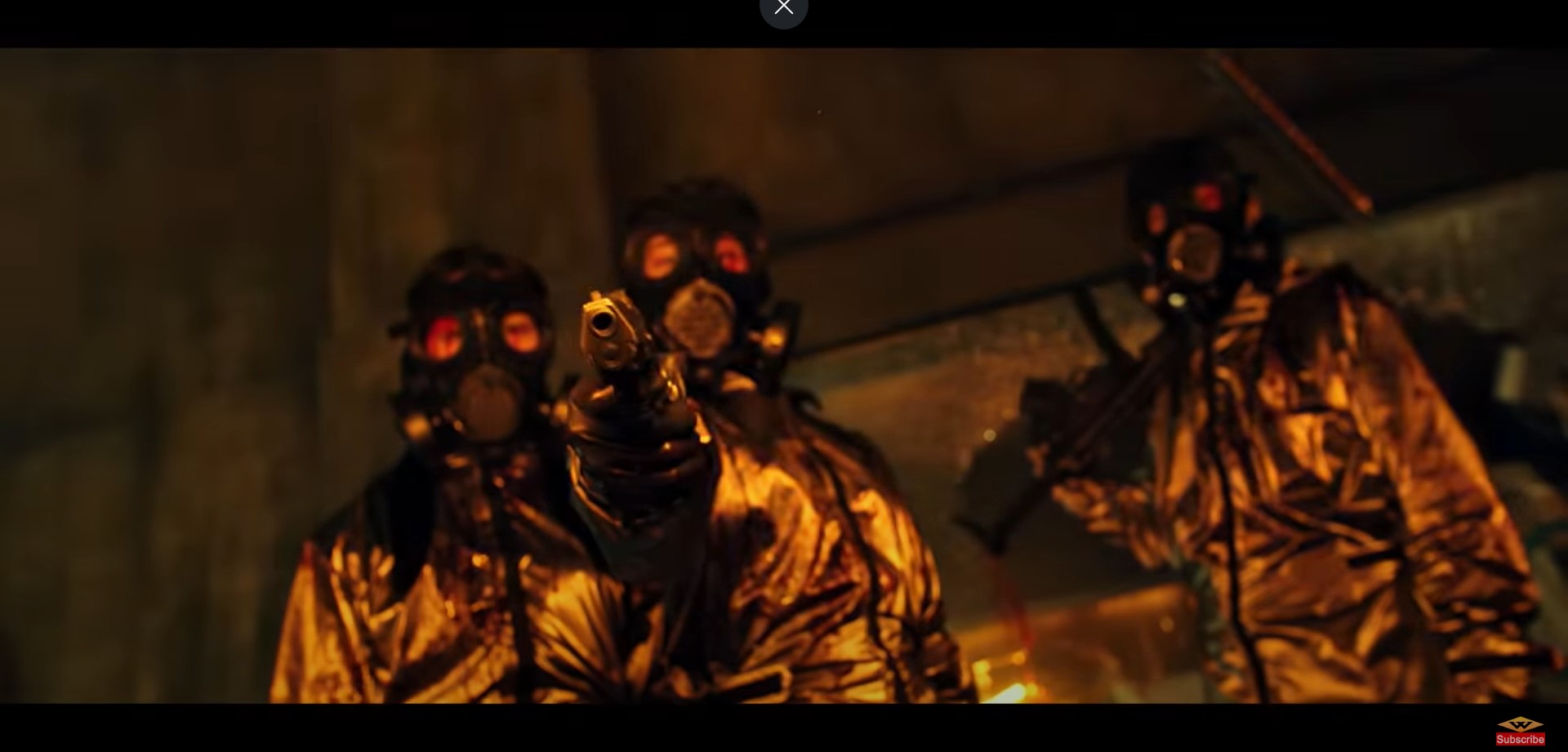
A top-secret lab, known as the Ark 1 of Jeju Island where The Witch project is being conducted, is raided by ruthless mercenaries armed to the teeth with weapons and an enhanced superpowers resulting from The Witch project.  Eradicating every living person in the tundra camouflaged facility, one teenage girl emerges bloody from the carnage and wanders off into a neighboring snow-covered forest.  She’s rescued by Kyung-hee and her brother Dae-gil who inherited the land from their recently killed father.  The siblings are in a contentious situation of their own with a gangster uncle, Yong-du, who will stop at nothing to get his hands on the property, especially when he took care of the previous landowner.  With her Witch powers, the girl helps her kind rescuers to fend off a Yong-du shakedown, but the problems only begin there as the Ark 1 mercenaries are tracking down the girl’s whereabouts to finish what they started and a tactical team, enhanced with Witch powers too, has also been dispatched to eliminate the girl as an unpredictable global threat.  When all forces collide, the Earth will shake in a bloodbath of superpowers. 

A direct, but not an entirely direct sequel to the 2018 high-action Korean thriller “The Witch:  Part I – The Subversion,” writer-director Park Hoon-jung (screenwriter of “I Saw the Devil”) returns with a follows up the long awaited sequel “The Witch:  Part 2 – The Other One” that promises to be just as excitingly unrestrained with more players in the superpower game culminating to an explosive head that plays out like a hard-hitting Guy Richie storyline of intersecting plot threads except without wisecracking Englishmen.  The sequel follows another, and a handful of others in sperate, funneling threads, like the first installment’s principal character Koo Ja-yoon with insurmountable supernatural abilities except now everyone and their brother can “Twilight”-jump and Wolverine-heal, making the field even-steven to a known extent up until the grand finale.  Park returns as producer as well as newcomer Hyun-woo Kim, producer of “I Saw the Devil” and “Snowpiercer,” with Next Entertainment World and Goldmoon Films serving as production companies.

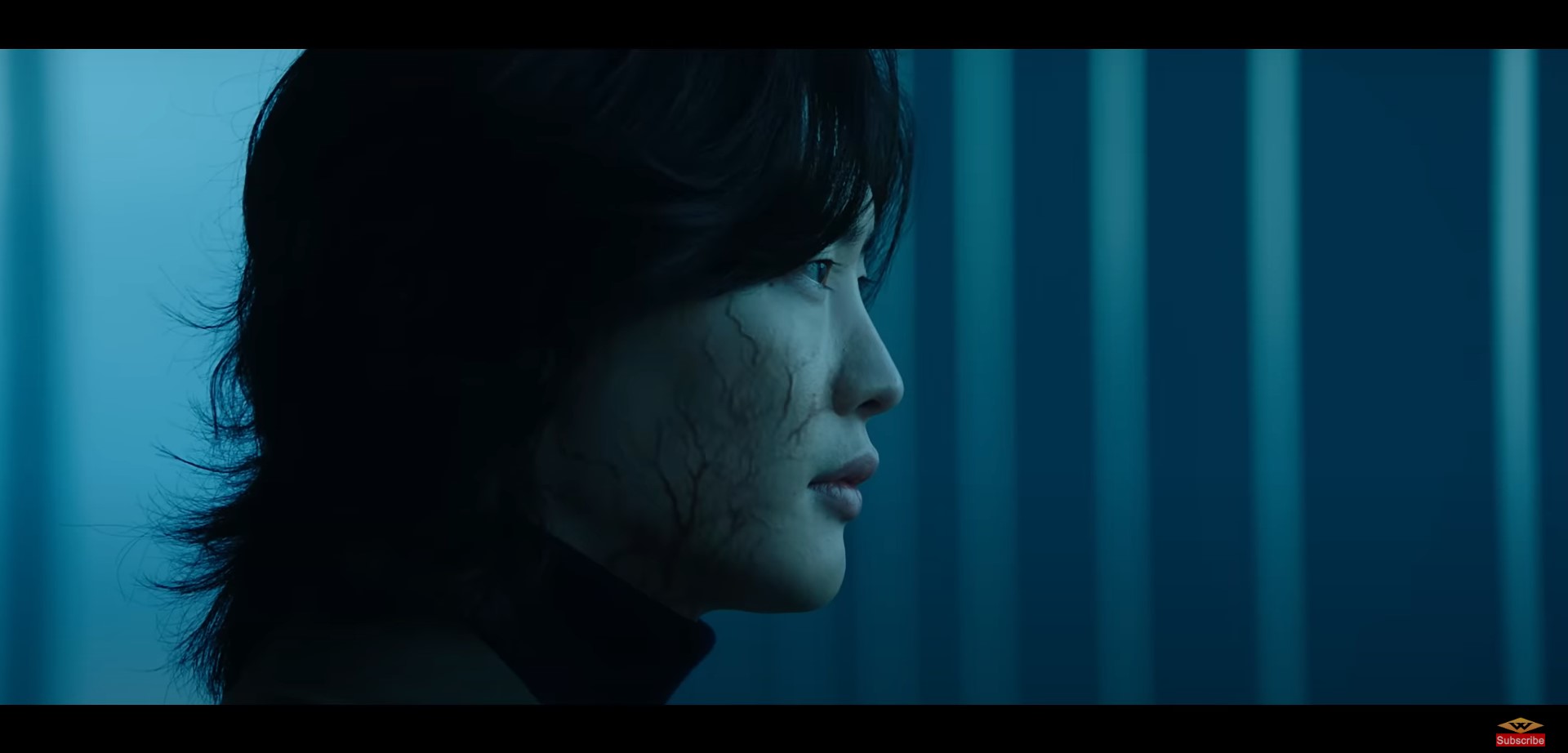
The sequel does not specifically revolve around first film femme fatale Koo Ja-yoon and turns the focus on a new prodigal Witch who has been cooped up in a lab since birth, hence why the film is not a full-fledged direct sequel as the storyline goes into an offshoot that later intersects. The face of the new witch is played by Shin Si-ah who makes her feature film debut.  When not covered in blood, Shin’s mostly reserved performance opens to light-hearted and childlike wonder as her character is experiences everything for the first time outside the Ark 1 lab.  Kyung-hee (Park Eun-bin, “Death Bell 2:  Bloody Camp”) and Dae-gill (Sung Yoo-bin, “Manhole”) take in the girl and become the warm absorption resemblance of family life or a life with romantic interests that can quickly be ripped away at any moment, sending the emotionally teetering girl into battle mode.  However, that sensation of relationships and tenderness hardly translates well on screen.  Perhaps losing some impact in literal translation, the trio’s dynamic retains a goalless fruition of connecting with other people, especially the superhuman powerless ones.  I found more complexities in the two factions seeking the same target – the girl.  Enigmatically opening with the mercenary raid on the secret Ark 1 lab and executing all in their path, we’re not immediately introduced to, and then barely given an introduction at all, is “The Cursed Lesson’s” Chae Won-bin’s mercenary boss lady and her squad of lesser-though of subordinates who all carry this overly murderous confidence with the latter being often measured inside their own group.  The other group is quite the opposite with the official tactical response team deployed by the Witch project head Dr. Baek (Jo Min-soo), a returning character from “The Subversion.”  Compiled as chief agent Jo-hyeon (Seo Eun-soo) and her second-in-command, a South African named Tom (Justin John Harvey). Seo and Harvey have a better act as the exchange is degrading and goofy in a comical manner with Jo as a workaholic lone wolf leader of an elite group of special ops while Tom brown noses his commander with new tech and offers helpful suggestions to which his commander either breaks or doesn’t use the new tech and views him as more of a warmhearted nuisance. Jin Goo completes the principal cast as a high-level gangster boss that would be big time in reality but in “The Witch’s” universe equates to an insignificant goon in a fancy coat. With an entourage of loyal henchmen, Jin Goo rubs elbows with his business smarts to get in bed with a clandestine organization as well as staying alive as long as he can in order to rob property right from under his niece and nephews’ nose. Goo plays the part with sly astonishment as he creates a pompous persona mildly shocked by awesome abilities of a young girl with the strength of 100 men.

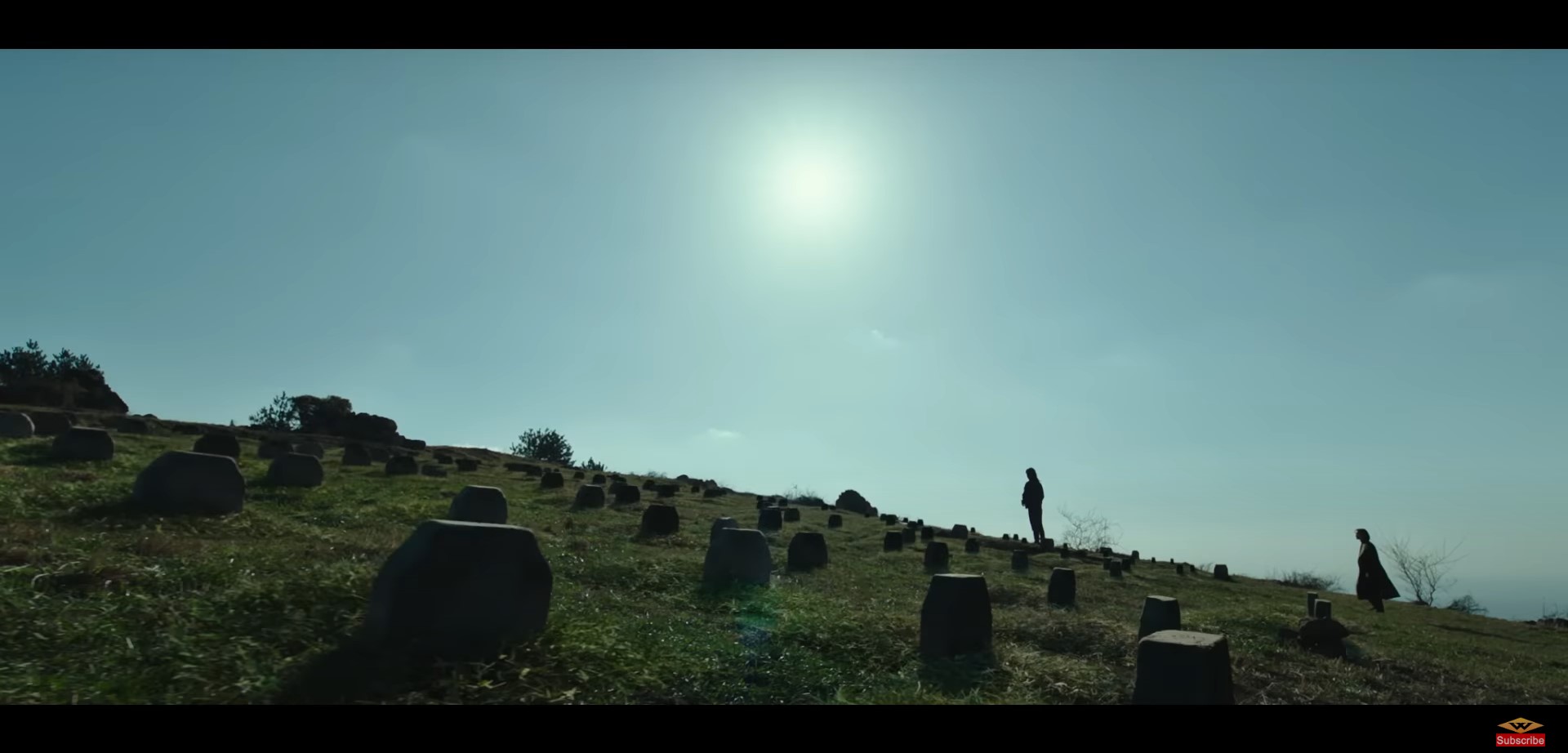
What garnered much fascination with the 2018 film was the Korean dark, neo-noir tone intermixed with the uncanny abilities of a mystery person who can’t remember jack about their past. Park Hoon-jung essentially removes the simplified spine of “Part 1” and transplants it as the basis of “Part 2” with the similar added angles of a destroyed lab that supposedly no one survives but one person ultimately does and a pair of benevolent landowners who rescue, nurse, and essentially adopt the amnesiac girl back to 100% percent. “Part 2′” mirrored storyline is then targeted by at least three different angles represented by each bird-dogging group to add elements of change that include a contrast of comedy and austere posturing, the former being refreshingly novel to the two-film series that promises more to come after an open-ended finale. Returning to the sequel is the insane visual effects of “Twilight”-esque rapid movements and epic fight sequences with large explosions, a cold and bloody violent complexion, and high body count and while that’s all good and dandy for surface level popcorn effects, what’s agonizing is the how sped up they are as if every super occurrent was purposely depressed on fast forward by the power of three. If Park and his creative visual supervisors and gurus could have tempered down every other two moments with instead of having thrown cars, and among other things, seemingly skip multiple frames would have had more of a plausibility impact. The mélange complexity of multiple pursuers armed to the teeth and converging onto an unexpected teenage girl shacked up in a humble abode is a great classical spell of barnstorming besiegement that has the same improbability odds of survival as before betting on David versus Goliath until upended unto the aggressors, with all their guns and knives, who now need a prayer and much more against the prodigal youth with a considerably more amount of Witch power.

A fierce force of controlled power, and unforeseen surprises, the long-anticipated sequel, “The Witch: Part 2 – The Other One,” has finally landed post-pandemic. Well Go USA Entertainment, who released the first installment on Blu-ray, has picked up the rights to release the sequel on the high-definition format, presented in a sleek and sharp 16:9 aspect ratio. Virtually no issues with the digital presentation, the Blu-ray’s 1080p heightens every aspect of detail, even to a fault with the wonky visual effects as mentioned earlier. The overall darker lit tone and range can sometimes give off the appearance of softer details but with solid contrasting, the outlining shapes up more so than often and there’s no compression distortion to render an ill-defined texture. The Korean-English Dolby Digital 5.1 mix, also available is a Dolby Digital 7.1 Atmos and a Stereo 2.0, delivers a formidable, comprehensible, and frenzy-favorable mix of balanced action and dialogue. Depth perfectly pitches the focus properly while the range fuses together mostly during the fighting sequences until there’s a deep and punch-packed explosion mushrooming into a ball of crackling fire. No evident issues with dialogue and the English subtitles synch well with no flaws. Bonus content features a glossy and sped-cut behind-the-scenes featurette and the theatrical trailer. Physical features include the original Blu-ray snapper case with a cardboard slipcover featuring the same cliff-note touching cover art as the snapper case. The NTSC Blu-ray come region A hardcoded, is unrated, and has a runtime of 130 minutes. Time flies when you’re engrossed in “The Witch: Part 2 – The Other One’s” take no prisoner thriller of transcendent turbulence.

“The Witch:  Part 2 – The Other One” – A Whole New Blu-ray Tale of Intensity.