Superpowers Can Be Just as EVIL as They are Good. “The Unhealer” reviewed! (Scream Factory / Blu-ray)

“The Unhealer” on Blu-ray home video from Scream Factory!

An old graverobber unearths the supernatural powers of an ancient Native American burial ground that gives him the ability to heal as well as to be resilient against injury with self-restoring powers.  When exploiting the local residents of his newfound “Godly” gift, a botched healing of a bullied teenage Kelly with severe pica disorder transfers the powers to him, curing his disorders and restoring his health while also leaving the old graverobber to die.  With a new lease on life, Kelly pursues his dreams, standing up to his relentless tormenters, and even finding the courage to ask out a girl, but when the powers prove to be addiction beyond control and the bullies never let up on their aggression on him, Kelly uses his newfound gifts to exact a deadly course of revenge. 
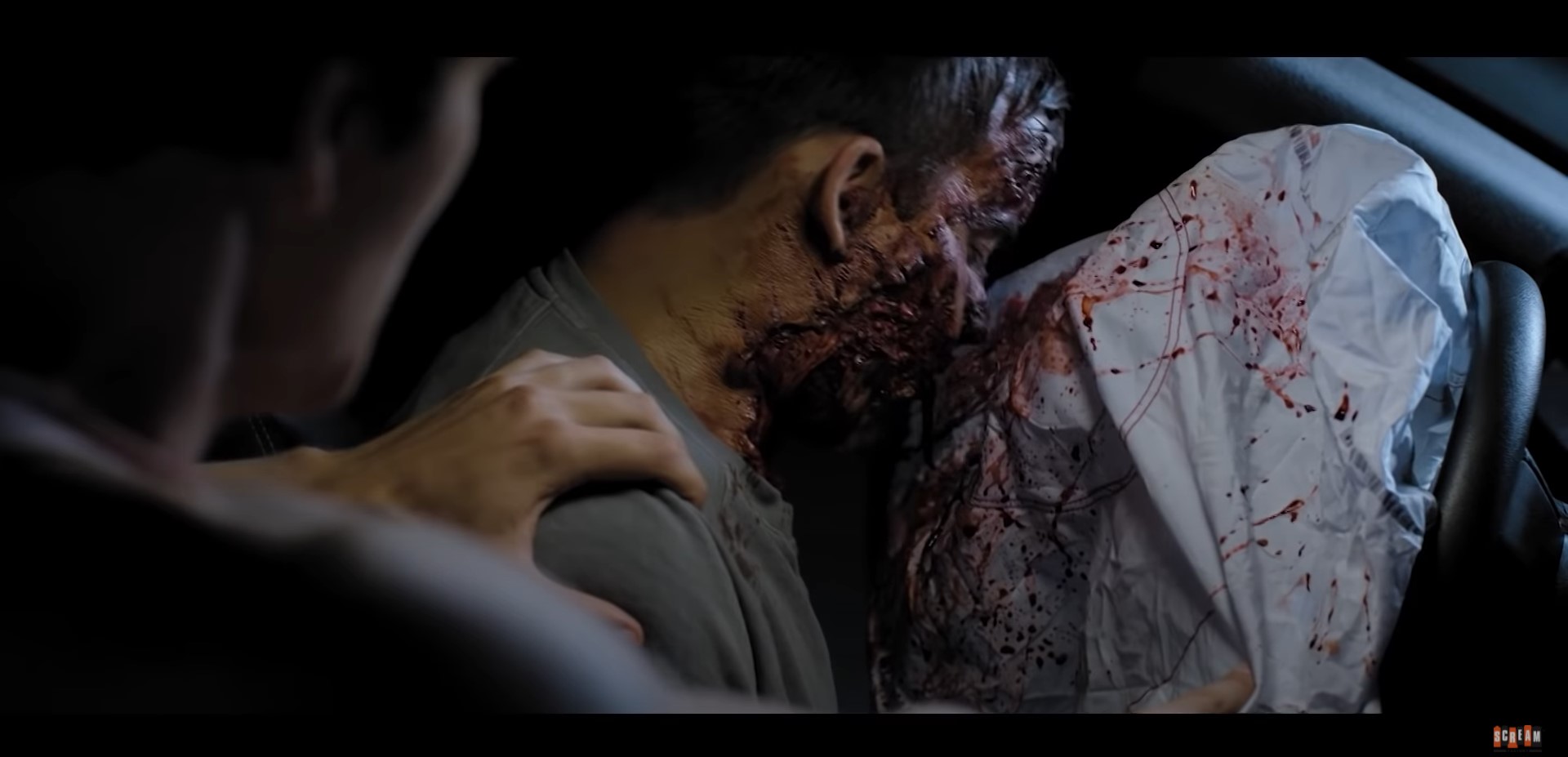
“Pet Sematary” meets “Christine” – a Stephen King-esque bully-revenge, supernatural thriller “The Unhealer” from the Argentinean born director Martin Guigui.  The music video and feature film director returns to American horror nearly a decade later after helming the 2011 “Beneath the Darkness,” starring Dennis Quaid, with a thrilling teen angsty script penned by first time screenwriters Kevin E. Moore and J. Shawn Harris that recalls a narrative very familiar to the late 80’s to early 90’s with oppressive high school bullying by the jocks and the turning point revenge by the receiving end pipsqueak.  Originally scripted under the title “Pica Boy,” “The Unhealer” reveals the dangers of severe polarities between one disorder to the next with the humbling fragilities trapped inside one’s own psychological disorder to the over-confidence of feeling invincible due to physical anomalies that result in no pain being suffered, losing one’s empathetic reasoning.  “The Unhealer” is produced by writer J. Shawn Harris and his sibling actress, “Night of the Demons 2” and “Night of the Scarecrow’s” Cristi Harris along with star Natasha Henstridge and “Why?” filmmakers Corbin Timbrook and Galen Walker with Horror Business Films and 7 Ideas serving as production companies.
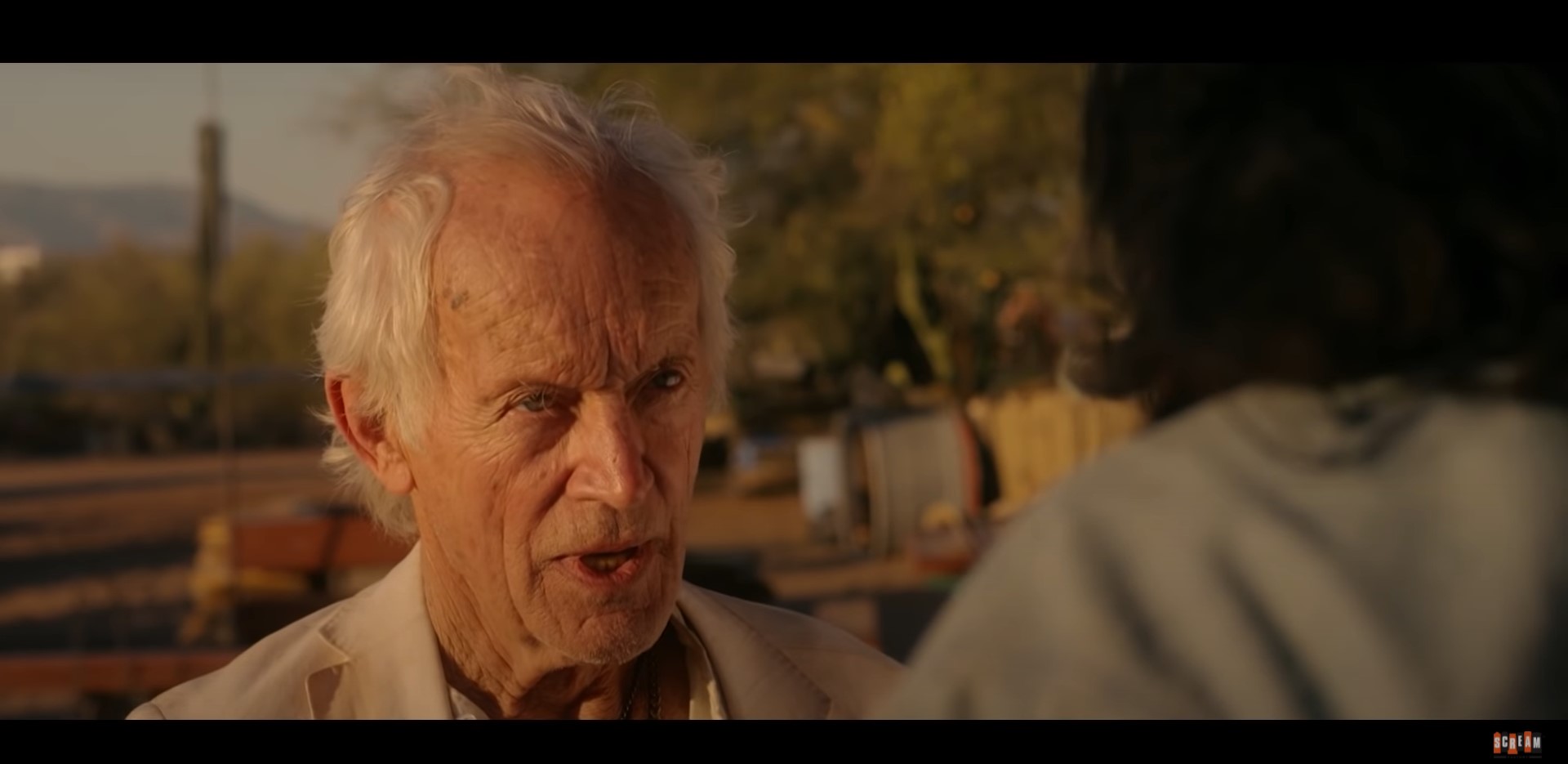
Headlined with three big and recognizable names inside the genre circles and out, the film stars Lance Henriksen (“Pumpkinhead,” “Aliens”), Natasha Henstridge (“Species,” “Ghost of Mars”) and Adam Beach (“Windtalkers,” “New Mutants”) playing variable degrees in their roles important to “The Unhealer’s” story progression and each performance never overlaps prominent personalities that can sometimes stall out and unbalance a production.   Henriksen plays a long in the tooth snakeoil salesman named Pflueger who exploits the locals with his newfound healing powers and when he’s hired by Kelly’s desperate mother, Natasha Henstridge, the scene becomes a passing of the torch as Pflueger unintentionally transfers his powers to Kelly (Elijah Nelson, “Chain of Death”) that magically heals him of his longtime psychological Pica disorder. Not so much a youthful soul anymore, Henriksen has tall tell signs of showing his age, but the 81-year-old New York City born actor can still sear memorable performances into our psyche with a wisecracking charlatan conman in Pflueger, dressed from head to toe in a shabby white suit and tossing up awkward hand gestures when deriding burial ground protecting Shaman Red Elk, played by long time serial supporting man Branscombe Richmond (“Commando,” “Hard to Kill”). More awkward in his reaction to receiving an unexplainable supernatural gift is Elijah Nelson who goes from deaths door to want to join the Navy Seals in a matter of minutes after the Pflueger plot point passes. The writing doesn’t exactly assist in Kelly’s transition with an acceptance of power without an inkling of trying to comprehend is as Kelly tries to hurt himself and tries to encourage being pounded by bullies as if he already fully understands the immense reality of his abilities. Even his mother, who under the understanding that she has tried everything possible scientific medicine man has to offer to cure her only child, is instantly okay with Kelly’s rushing into the unknown. A nearly unrecognizable Natasha Henstridge from her “Species” franchise days after a thyroid autoimmune disease diagnosis doesn’t stop the late 40’s blond beauty from being just that – a beauty – in an overly protective mother role desired by the local single men from the house visiting doctor to the Adam Beach’s Native American Sheriff Adler. Beach becomes the absent father figure for Kelly and a person who has a foot in both the Native American spiritual world and in the Anglo-Saxon realities and melodramatics. Beach proceeds as the main lead of the third act, following Henriksen and Henstridge to keep a constant, recognizable presence throughout and providing his own stamp as the voice of reason whereas the first two culminated extreme biases toward Kelly. Kayla Carlson, Angeline Appel, Gavin Casalegno, David Gridley, Mike Gray, Thomas Archer, Will Ropp, and one my new personal favorite actors in Chris Browning (“Agnes”) fills out the remaining cast.

Very early on initial reactions toward “The Unhealer” were poor mainly because of the luridly unflattering dialogue and perplexing transitions between scenes that don’t exactly hit the mark matching up character intentions, but the more I watched, the more an optimistic sensation started to arise in me. Starting small in the recesses of my cerebral film database then growing until metastasizing fully into my mind and, eventually, into my nostalgic-detecting ticker is “The Unhealer’s” robust recollection toward how fun bully-revenge-thrillers from two to three decades ago can be with a carbon copy simulation ingrained with a novel narrative surrounding Midwest Native American mysticisms carrying with it that age old “Spiderman” insinuation that with great power, comes great responsibility, but in “The Unhealer’s case, as the tagline suggests, comes great pain. Screenwriters Moore and Harris burden Kelly with a King Midas touch that no matter how hard the character tries to contain his nearly invincible power, outside forces influences and unforeseen happenstances steer Kelly toward self-destructing disaster. Between a group of buffed up and obnoxious high school jocks as unyielding tormenters, Kelly pushed into a self-protecting corner despite a generous passive attitude, especially being run over with car at one point, and the unpredictable and limitless avenues built as substory awry to make “The Unhealer” a joyful hidden gem, the Martin Guigui film on the outside appears to be a cheap, indistinguishable, B-movie, but if you dig deeper, dig until you unearth a medicine man’s ancient dusty bones, and you’ll discover deep seeded veneration, a gripping story, and dark magic carnage.

“The Unhealer” will undoubtedly fly under many viewers’ radars but is a must watch from (Shout!) Scream Factory’s distribution label in a cooperation release with VMI Worldwide (“Orphan Killer”). The full HD, 1080p Blu-ray of the 2020 production is an encoded region A release with unrated certification and a runtime of 93 minutes, presented in a widescreen 2.35:1 aspect ratio. Generally nothing to swing image quality from one spectrum to the next with a RED Weapon Dragon digital shot. Already decent at compression, the RED camera provides a crisp demarcating image in the forefront and capture the textures in a literal closeup with focus precision. “The Unhealer’s” lighting and set dresses cater less to the supernatural phantasmagoria with Massimo Zeri’s realistic Arizona landscapes and suburbia venues that don’t excite the camera with its cold truth realism rather than the mise-en-scene tropes of horror atmospherics. The English DTS-HD Master Audio 5.1 also has zip to complain about with high resolution quality with a surprising ample range of effects. Dialogue is prominent and clear as well. English SDH subtitles are an available option. Special features include one-sided individual cast/character behind-the scenes interviews which is basically cut and edited footage of the actors describing their characters in footnote fashion. The gag reel is a better feature that takes the same interview format, intertwines it with music, and lines up the gags with an instrumental soundtrack in one seamless show of goofs and hijinks throughout production. Deleted scenes and extended/alternate scenes, surrounding mostly around Kelly and Dominique’s coy love interest, cap the features. At first glance of the final package, “The Unhealer” looks totally like a rip off inside and out of the cardboard slipcover with a “Star Wars'” lightsaber color scheme and a character illustrated design underneath the title dressed in “Stranger Things” font, but don’t let parroting cover fool you as “The Unhealer’s” dark journey from being the bullied to the bully is an unabated and inescapable catch-22.

“The Unhealer” on Blu-ray home video from Scream Factory!

Chainsaws, Tanks, Booger Flicking! So Much Bloody EVIL! “Premutos: The Fallen Angel” reviewed! (Unearthed Films / Blu-ray)


Grab “Premutos:  The Fallen Angel” on 2-Disc Blu-ray at Amazon.com!

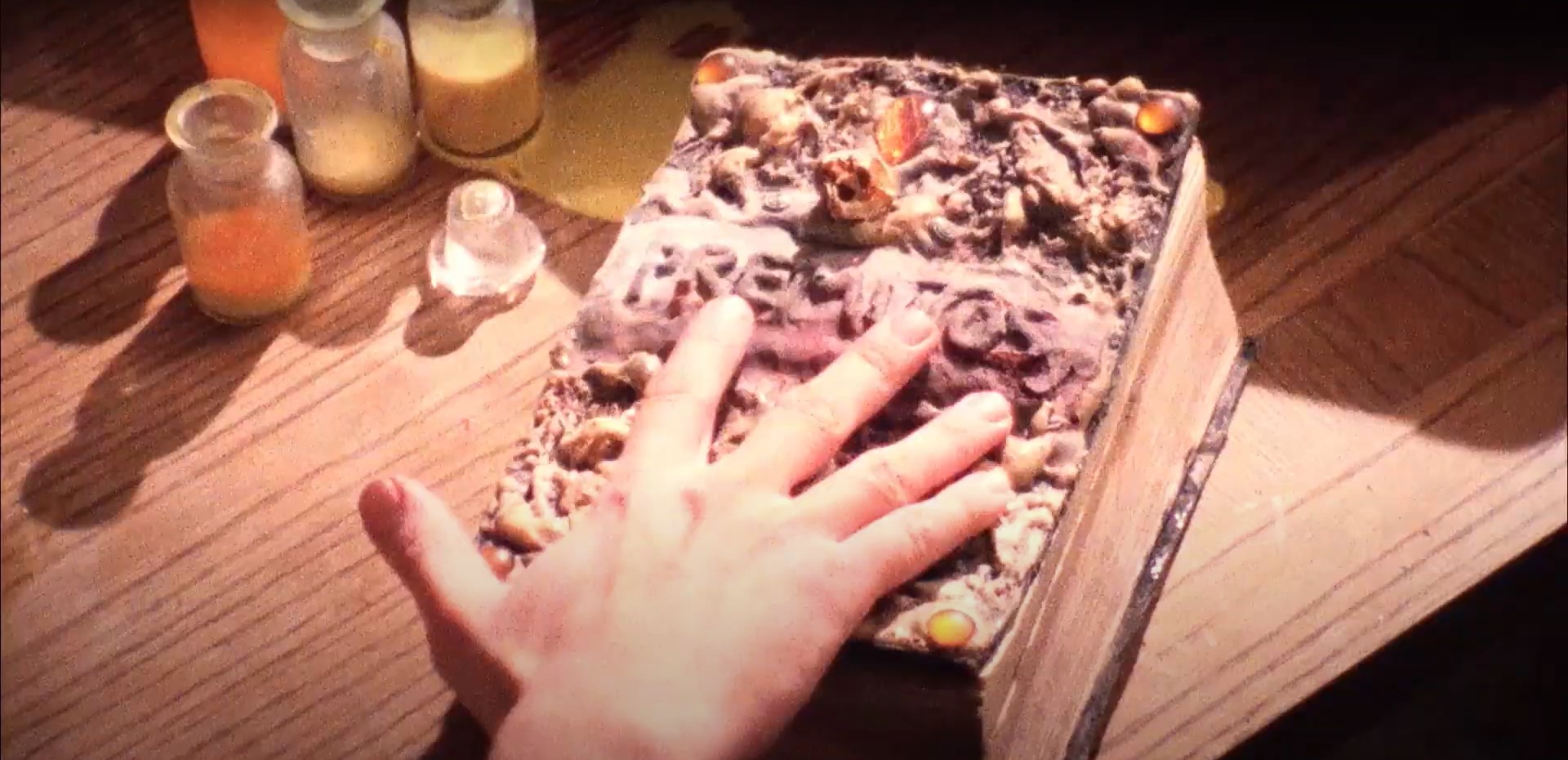
Before the fall of the angel Lucifer, Premutos was the very first angel to fall from heaven.  More wicked and desirous for power, Premutos resurrects legions of the undead to conquer mankind on Earth and throughout the centuries, the ruthless former angel of Hell casts his conduit son to build his army of the dead, but has failed again and again to squash the spirit of man into servitude submission, discarding Premutos back to the depths of Hell to try again at another time.  This time being present day Germany when a young man discovers a book that chooses him to be the emissary of death, paving the way for the rebirth of Premutos, but an arms and ammunition’s enthusiast and his party guests must fight to survive and kill every last zombie and underworld creature thrown at them.

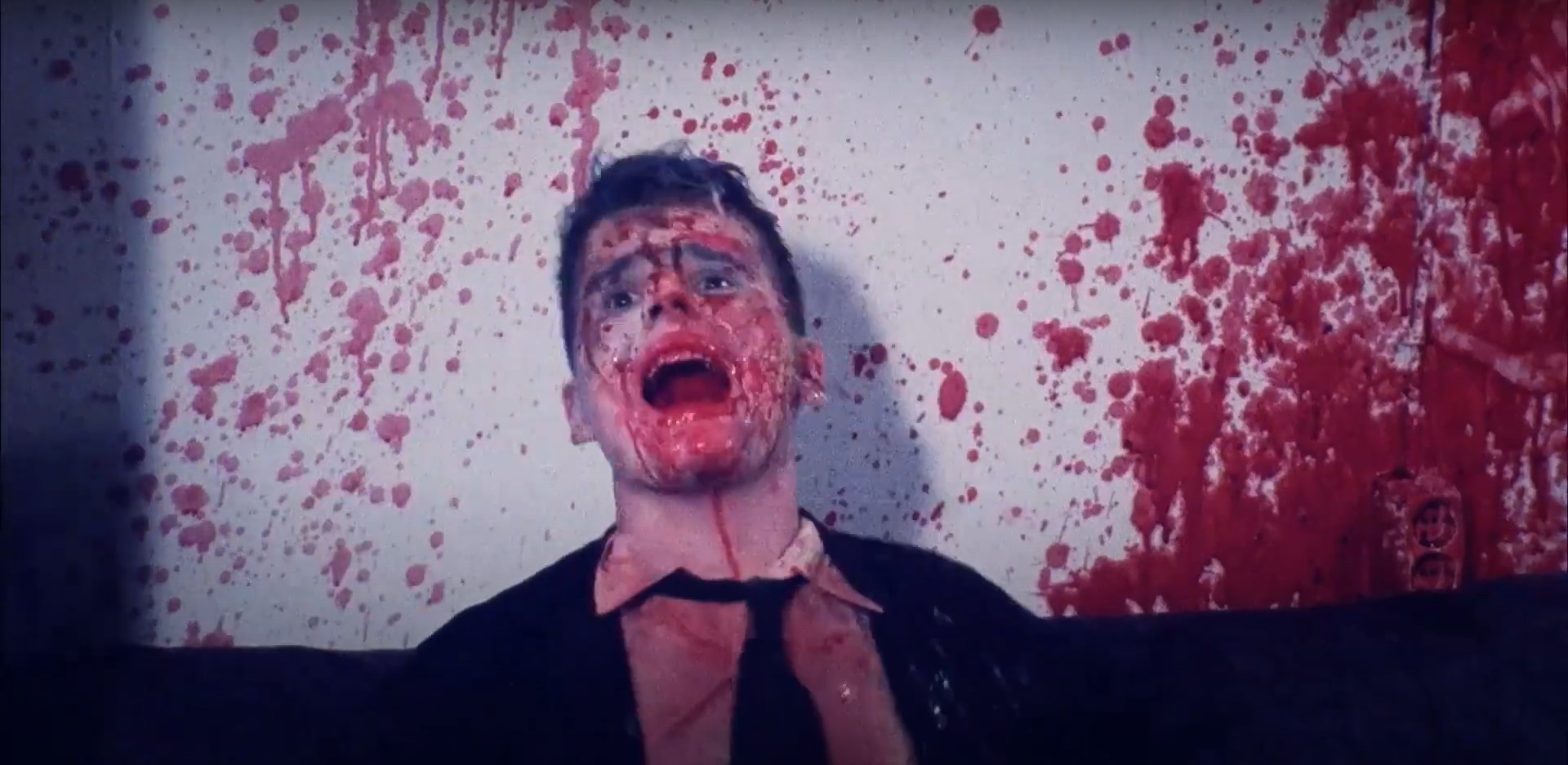
After having reviewed his 2010 existential horror “No Reason,” a need to dive into and experience more the splattering Armageddon of Olaf Ittenbach’s gore shows has been gnawing on my fairly acutely demented subconscious and this past week, I was fortunate enough to receive a newly released extended director’s cut of the director’s late nineties, pseudo creed, blood berserker “Premutos:  The Fallen Angel” and get my corneas dirtied by its unholy high body count.  Doom-estically translated from “Premutos – Der gefallene Engel” and more commonly known in the States as “Premutos:  Lord of the Living Dead,” relies very little on the unrefined visual special effects that were going through a massive evolution with computer advancements pre the turn of the millennium.  “Premutos” is a big practical effects enchilada with exploding bodies, gallons upon gallons of blood, and there’s even a real tank painting the walls and everything surrounding the walls red with a detonation of blood and gut splatter!  Kaboom!  Ittenbach mind-to-movie visualization goes from zero to 1,000 in a blink of a plucked-out eye and nothing stops the filmmaker from his warped creativity and comedy that can take the more puritanical few back a few steps and cause a ruckus of disgust.  “Premutos” is produced by Ittenbach, stars Anke Fabré and André Stryi, and cinematographer Michael Müller with IMAS Filmproduktion serving as principal the production company.

“Premutos” begins with an epic epilogue, historizing the horrific mythos alongside equally horrifying visual components of Premuto’s death and destruction attempts to conquer man.  When the history lesson ends a transition begins with Olaf Ittenbach himself as a bumbling mama’s boy Matthias coming across the ancient resurrection incantations of Premutos his gun nut father Walter (Christopher Stacey) unearths in his backyard.  Ittenbach plays a wonderful pitiful thumb sucker in contrast to Stacey, who doesn’t look that much older to Ittenbach, as a rugged, hardnose, hard=working ammosexual.  Before we can bask in what could have been a good diatribe, Matthias goes through a painfully metamorphosis of wrapping barbed wire and impaling steel rods to become Premuto’s death commencing son.  Corpses exhume themselves and attack the living to form an army of the fleshing eating undead and descend upon Walter’s birthday party and his wide-ranging personalities in attendance with the snobbish and loud Tanja (Ella Wellmann), Walter’s oblivious wife Rosina (Heike Münstermann), the drunkard Christian (Fidelis Atuma), Hugo’s ex-love Edith (Anke Fabré), and Edith’s ex-love Hugo (André Stryi) who has gone into a meek shell as he marries Tanya to fill the gap in his heart Edith had left.  The whole dynamic is an ostentatious display of vulgarity, a hyper overextension of behaviors that clash in one room before clashing with another over and beyond presences, beyond being the key word in being those beyond our plane of existence.  A blood gushing fight for survival ensues as the partygoers become trapped and only Walter’s arsenal of weapons can blow away the undead into slimy bits of smithereens. 

The closest movie Ittenbach’s “Premutos” reminds me of, with all the zany and quirky hijinks, insanely high body count, a geyser explosion of pouring down blood, and all the unbelievably bilious hoopla yet, all that nonsensical napalm draws you in like a moth to the sweet-smelling flame, is Peter Jackson’s “Dead Alive” aka “Braindead.” “Premutos” has that exact same tactless tone and a soaking bloodbath quality with a major stark difference in the comedy style as Ittenbach leans more to a cruder-crass approach with setups involving boogers, penis injuries, and BDSM gags. Somewhere in there I want to say that’s typical German flare, to shock and disgust audiences with eye-adverting and head-turning taboos. The rest of Ittenbach’s is an up-and-down rollercoaster of highs and lows that begins with an expositional illustration, highly detailed and greatly edited, to showcase Premutos’ barbaric backstory up until the title card “Premutos” to where we’re dumped into half-assed cosplay battles still rendering excellent practical effect kills. Ittenbach is supposed to play a man, or rather a man-child, who is the reincarnated wicked herald who begins the end of days for his dark master, Pemutos., but the way Ittenbach structures the aforesaid concept falls upon more experimental means than literal ones and Matthias randomly succumbs to flashbacks of a former life in what looks like medieval times or maybe even early 20th century Europe – hard to tell – where he’s persecuted without reasonable justification until he turns into a large snaggle tooth and demonic monster in his visions. The latter half is where all the action is at with a horde of zombies laying sieged to a ragtag bunch of Germans drinking beer and ridiculing each other. Somewhere in there is also the rekindle of a former love life between Hugo and Edith who have to first regain their lost backbone in a rampage of mowing down the dead by any means possible before the two love-struck lovers rekindle a long-thought-lost relationship. That struggle is Ittenbach’s, about as elegant as he knows how to be, show of an obstacle between the power of love, to put the world facing the destruction of slavery in their path to deliver a blood, sweat, and tears of flesh robust connection of attraction between them that can’t be stopped.

ItsBlogginEvil says check it out, the extended director’s cut of “Premutos: The Fallen Angel” on a 2-disc Blu-ray released by Unearthed Films and distributed from MVD Visual. Coming in at number 6 on the Unearthed Classics banner, “Premutos” is neatly packed and presented in a widescreen 1.78:1 aspect ratio on a region A BD50. Full high definition and 1080p specs apply to the now 24-year-old feature shot on an Arriflex with 16mm stock and the results are immaculate from a pristine transfer. Palpable, yet palatable, amount of grain over top a sustainable image that sees almost zero artefact issues and the tactile textures are greatly fine in the details. Hues don’t exactly pop but display more naturally up until Ittenbach’s gothic and surreal side envelopes him into the swirling of smoke and backlighting to create otherworldly glows and Cenobite-like torments. The release comes with two audio options: a German DTS-HD 5.1 surround sound and a German 2.0 PCM. The 5.1 has excellent fidelity and outputs a work into all channels as the background chattering, especially in the bar scene, gives off the sensation that people are talking behind you. That signal flows every explosion and weapon discharge with strength and prevalence throughout. Dialogue is also strong and prevalent despite much of the gibberish that comes out of the characters’ mouths. English subtitles are available and sync well with accuracy intact but can be fleeting at times and hard to keep up with. The second disc is a compact disc of A.G. Striedl soundtrack which I found to be the most disappointing and lossy aspect in listening to lo-fi grunge and hard rock that provides no boost to chaos on screen. Other special features included on the Blu-ray alone are the original cut of the film with an English dub and original German language, the extended making of “Premutos,” the early years of Olaf Ittenbach, a photo gallery, and trailers all stowed inside a new cardboard slipcover. “Premutos” may be soaking in its meaningless, hellish narrative but it’s an unforgettable slaughter-ride through body, blood, and bone, a genuine practical effects wet dream made into gruesome reality and keeps surprising you at every frame.

Grab “Premutos:  The Fallen Angel” on 2-Disc Blu-ray at Amazon.com!

Gather Around. We Must Call Forth EVIL For the Sake of Our Lives! “Seance” reviewed! (Acorn Media International / Blu-ray)

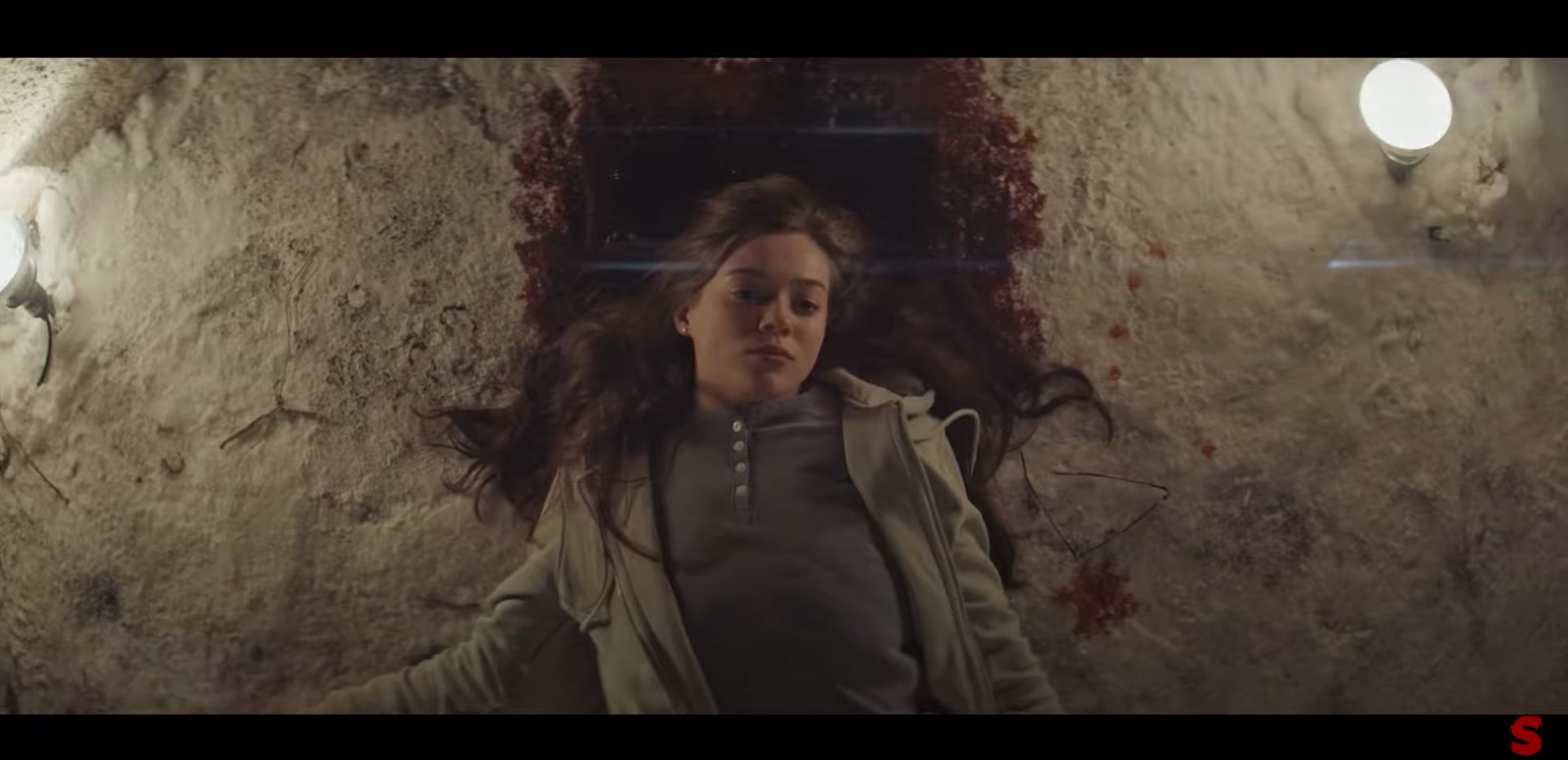
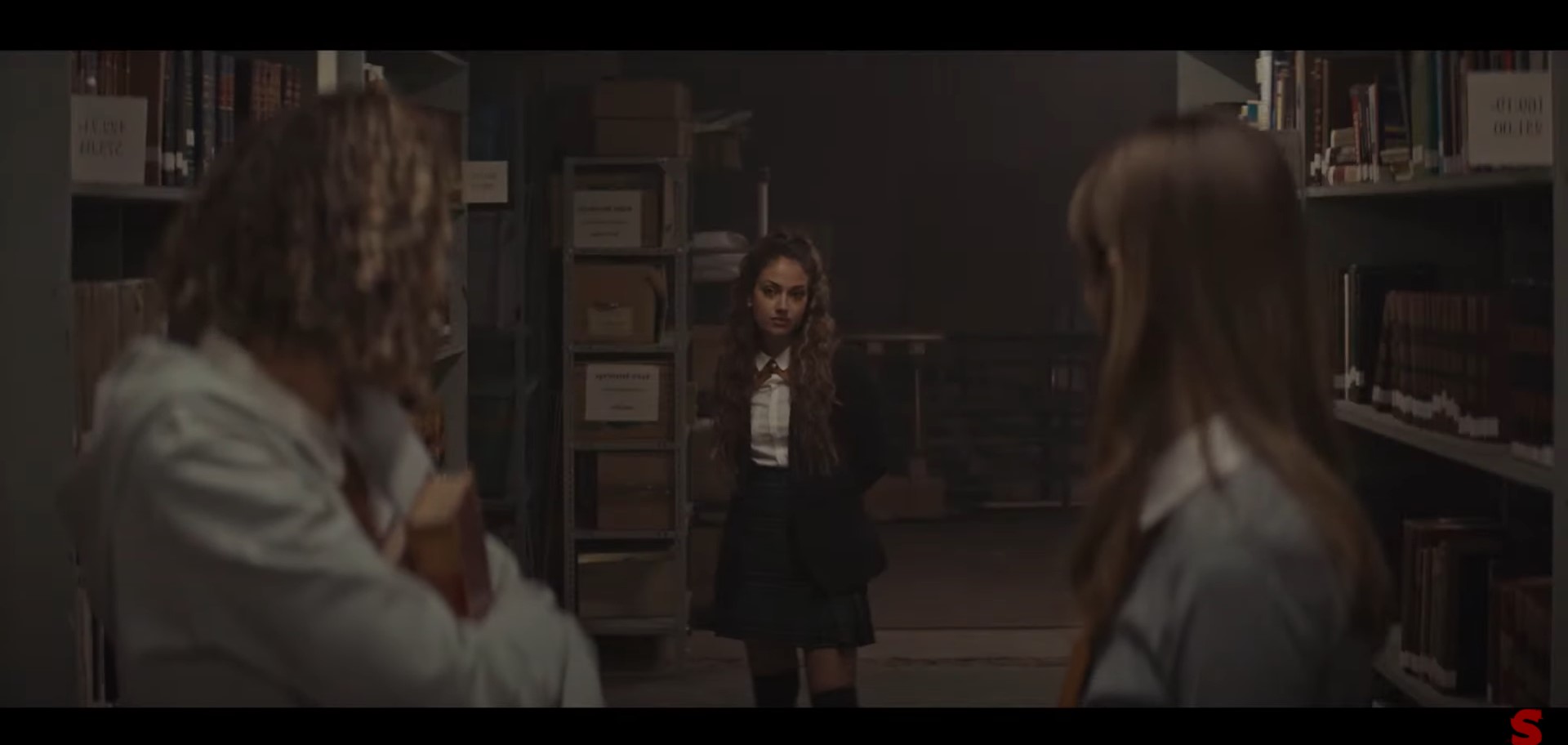
A practical joke in summoning a spirit sends one girl to die of mysterious circumstances at the isolated and elite all-girls boarding school of Edelvine Academy. At the top of the wait list is Camille Meadows who finds herself in mid-semester adversity with not only her studies but also the deceased girl’s group of browbeating friends as Camille replaces their friend’s now vacant opening. When another friend disappears and another dies in a freak accident, differences and quarrels are put aside before one of them becomes the next victim. The group conducts a seance to call their friend from beyond to discern whose taking them out one-by-one and the spirit’s cryptic response determined one thing evident, a killer, whether supernatural or real, will stop at nothing until every last one of them is dead.

In what feels like an extremely unquantifiable amount of time that has passed since the last high school teen slasher has graced our once beholding subgenre, “You’re Next” and “The Guest” screenwriter Simon Barrett ends up sneaking one into the fold before the grand fourth sequel release in the “Scream” series come mid-January 2022. “Seance” is the first feature length film directed by Barret who pens the supernatural slasher encrusted with snarky teenage melodrama agitated by a mysterious, unknown killer wreaking havoc upon the catfighting girls of Edelvine Academy. The adolescent cutthroat temperaments give way to actual throat cutting macabre in this whodunit thriller lessoned with a mix of the power of friendships and an attenuated lesbian aura presence throughout up until the very affirming finale in an allegorical show representing hiding in plain sight. The snowy and serene Manitoba-shot Canadian film is a production of HanWay Films (“The Guest”), Ingenious Media (“Unhinged”), and the Gothically-inclined Dark Castle Films (“Thirteen Ghosts”) with select producers Adam Wingard, who has a long his filmic history collaborating with Barret, Tomas Deckaj (“The Green Knight”), and Devan Towers (“Day of the Dead” television series).

For High School girls, all the actresses with the exception for Ella-Rae Smith are mid-to-late 20’s with lead actress Suki Waterhouse (“The Bad Batch,” “Pride, Prejudice, and Zombies”) tipping the pendulum nipping at her 30s. However, Waterhouse and the others defy their actual corporal ages portraying teenagers in the throes of adolescent social clique.  Waterhouse plays the cool as a cucumber newcomer Camille to Edelvine Academy, befriending right off the bat with her personal Academy introductory host, a solitary Xanax-popper Helena (Smith).   Immediately, new girl Camille becomes public enemy number one with Edelvine’s most smug impractical prankers led by Alice played by Inanna Sarkis. On paper, Alice might have been the group’s ringleader, but the character doesn’t throw around a lot of power or is admired by followers, albeit Sarkis role permanency as the uptight and sarcastic bully or rad bad gal. Following Alice are ancillary player pieces to the group’s effort as a whole to be a thorn in Camille’ side just for being the unfortunate replacement of their dear dead friend. Between the brainy Bethany (Madison Beaty, “The Clovehitch Killer”) and the more elegant Yvonne (Stephanie Sy, “Tales from the Hood 3”) vie the potential right hands of Alice deduced from the dialogue and screen time hierarchy of their roles but they are definitely more interesting than Alice with a punch of flavor in the personalities, especially in Bethany who is built to be a master-whiz in conjuring up devilish pranks to play on her friends and enemies. Furthermore, there’s also the hint of pizzaz that is shamefully cut short and slidden under the radar with the last two in the coterie with the playgirl subtilties of Lenora (Jade Michael, “Fatal Friend Request”) and the unexplored suggestions of Roselind’s (Djouliet Amara, “Tales from the Hood 3”) sexuality, leaving their arcs unfulfilled. “Seance” cast fills out with “Books of Blood’s” Seamus Patterson in the single speaking male role in the entire film, “Cult of Chucky’s” Marina Stephenson Kerr as Edelvine’s firm-handed headmaster, and Megan Best playing the narrative’s lamented backbone of mysterious tragic circumstances.

Portions of where “Seance” flourishes are within the parameters of the teen slasher, a subgenre that lingers on into severe tedium much like the zombie films of the early 2010 decade. The late 90’s and well into the 2000s saw a slew (pun intended) of killer adolescent atrocities in film. Moviegoers were intrigued by the allusive masked killer that, for most of the time, had a palpable-to-satisfying twist ending after roughly 90 minutes of frantic chases, dooming nudity clauses, merciless kills, and one stupid decision to go back into that ominous house after another. Then, when 2010 came along – poof – teen slashers were now a thing of the past, literally. Attempts were poor renditions of previous successes, rehashes of the once was, and didn’t quite tickle the right places. Slowly and surely, the wheels are turning on a rejuvenation of a new generation and Simon Barrett’s “Seance” serves a prime candidate for admittance. Isolated in the stillness of a snow-covered all girl school sets the intended mood for a campus killer, the girls have a warring dynamic mended by a need to survival commonality, and the what or the who that is slaying them is well kept out of sight with misdirection cues to make audiences think they have it all figured out. Plus, the climatic finale has not one twist, but two in its full of blood and surprise double twist spectacular. “Seance’s” character development is one annoyingly flawed aspect that bends the elbow at the wrong angle at times is how characters wonder off alone having just filled their youthful, spongy minds with knowledge that something or someone malevolent is after them. “One friend is missing. My other friend has mysteriously died in an accident. The Ouija board spells out certain doom and gloom. Yet, I’m going to practice my recital routine alone on a dimlit stage with my noise cancelling headphones on,” says nobody ever. “Seance:” “hold my beer!

“Seance” is more than a teen slasher, it’s Simon Barrett’s genre-bending good time and this Shudder-streaming 93-minute horror from Edelvine Academy is coming to Blu-ray home video courtesy of Acorn Media International come January 17th. The Region B UK release, PAL encoded, BD25 is certified 18 for strong bloody violence and presents “Seance” in a widescreen 2.39:1 aspect ratio. Many of the scenes circulate through repeatedly – the snow-covered school, the drab hallways, the quaint rooms, and the bleak storage room – that don’t offer a ton of vivid aesthetics within a limited range, but quality-wise, there’s a dour, shadowy coating accompanying the coarsely, unpretentious realism. However, the fishbowl lens on certain scenes poorly captured smaller spaces, leaving already thin actresses looking anorexic, and for some reason, the decision to position the actresses shoulder-to-shoulder does antagonize that realism as those, who were mischievous back in the day and sent to the principal’s office, never sat right up against a fellow classmate. The English Dolby Digital 5.1 surround sound has favorable qualities with a well diverse mix of ambience, a strong dialogue track, and a Sicker Man aka Tobias Vethake laying down a spectrum from brooding synth string pops, piano, and cello bass that stands out with profound poignancy to a lo-fi hip-hop beat and EDM noise of embroiled sounds. Special features include a commentary with Simon Barrett, a behind-the-scenes with select cast, minor outtakes, deleted scenes, a crude pre-production setup for the VFX decapitation scene, and a behind-the-scenes still gallery. “Seance” isn’t all Ouija boards and flickering candles as there’s more obscurity to the slasher than what meets the eye with its mania-driven motives and orientational undertones making this little-known film worth a look.

Two College Girls Are Subjected to EVIL’s Violations Below Deck. “White Slaver” reviewed! (Impulse Pictures / DVD)

Two college girls are abducted and brought aboard a small yacht by a sex trafficking white slaver. Bound and covered, the young girls have no idea where they’re being taken or what’s in store for them by their three kidnappers, but the captors’ perversities are clear when the girls are forced to strip naked and submit to multiple sexual depravities against their will. When one abductor sympathizes with their ordeal, he attempts a dangerous escape plan to save the girls from a sex slave fate, but his degenerate cohorts have other plans.

If you have an unallocated 60 minutes of your life to spare for a below deck X-rated roughie, “White Slaver” would be all-aboard lecherous pleasure cruise to kill time. The anonymously directed “White Slaver” is the quintessential 42nd Street fare regularly spanked to on every other corner theater established with luminous marquees or neon signs lighting up salacious keywords and acronyms, like Sex or XXX, inside the once infamous The Deuce stretch of New York City. Also known as “White Slavers,” the pornographic roughies, like the 1974 released feature, are typically scarce in background and information due in part to the pocket change budget and low on the totem pole unknown sex studs and starlets engaging in mediocre debauchery in the single sticky setting of steerage, an appropriate term for cheap seat patrons. Bookend by the title and the end title, “White Slaver” is claimed by none, recognized by few, and holds no designation for a production company or even who produced the one-hour fornication of the seas.

So, who is the cast that comprises up the porn that makes a debasing mockery of the severity of sex trafficking? Well, who the hell knows? Only half the cast is credit on the back of the DVD cover and same credits are listed on IMDB.com and a deep rooting search, inserting every possible name combination one can think, through the search engines of the world wide web has come up with exactly diddly-squat. While in the early beginnings of the gilded age of porn, “White Slavery” doesn’t exactly have the cream of the crop of the then industries top shelf A-listers like Joey Silvera or Vanessa del Rio. Instead, we there’s a guy with two first names, Bill Scott, a white slaver in a sweater with an average porn-stache. In the most rigid, uninterested, lack of enthusiasm performance I’ve seen from a male performer in a long time, Scott’s blank expression sums up his own bag of tiresome tricks as he slums through his scenes with brunette #1 (uncredited first kidnapped college girl) and brunette #2 (uncredited Jim’s sleazy, tits-out, beer drinking, bi-sexual boss). Frankly, the female cast are appealing with a variety of taste to accommodate. Brunette #1 is a slim figured beauty, toned in all the right places, with an innocent face. Brunette # 2 contrasts #1 with a more butch approach and a thicker physique. The third woman, listed as Devon Mayer, is a blonde bombshell with a small waist and buxom chest and while Scott gets his licks in with both brunettes, Mayer is sexing only, who I assume is her husband, Jim Mayer as the two share a couple exclusive bowline knots, if you get my sailing terminology drift. Mayer on Mayer is a better, more enticing, combination in its well-rounded package. There’s also another unknown character with the sexless scene sex slave trader who purchases the girls at a staggeringly deal at $1000/each. In the 1970s, inflation was at an all-time low.

If you’re the average wanker looking to get off by any means possible, even on old JCPenney lingerie circulars, “White Slaver” will do the job. If you’re like me, someone who needs a little more substance and depth in their viewing pleasure coinciding with their kinky pleasure, “White Slaver” is a sinking blow to the stern with little diversity and a shell of a premise. All the skin-on-skin action happens inside the small yacht’s tight quarters that houses two segregated rooms, containing two beds, and a couch in one of them and all being used for carnal embarking. This makes for crammed cinematography to limit shots to only a few positions and severe closeups of the of the hairiest and dimple-laden hind parts and though those scenes are inherently a part of porn’s shooting culture, as they are indeed the money shots, not every damn scene has to be the width and height of my television. At least believe in the illicit sex trafficking premise, despite the morally insensitive nature of trading people for purpose of sex-lining one’s pockets. The hapless girls of “White Slaver” initially vocally counter their abductors with verbal threats and pleas for an unharmed release, but when the clothes come off and boat starts to rock, the two female sex slavery victims are all about it. When everyone’s sexed out, the girls go right back to playing pawns. While watching this wishy-washiness transpire, the lost appetite of a struggle against a mean brute before he has his way with her kills the enticing narrative that now lacks crucial roles for its very own, stay afloat, survival.

Amongst a sea of countless pornographic celluloids, “White Slaver” is definitely an interesting commodity of low-end rarity unearthed in modern times than it ever was inaugurally for the pleasures of jacks looking to unload in the middle of a theater. The provocative Synapse label off-shoot, Impulse Pictures, releases “White Slaver” onto a region free DVD home video, presented in the original 1.33:1 aspect ratio of its 35mm film. Though I’m sure Impulse Pictures presentation is the best we’ll ever see of “White Slaver,” the transfer suffered moderate trauma of wear and tear with evident film lacerations, blemishes, dirt, scratches, and even some light infiltration during processing. Also, an indication of the process mishandling is the exposure of the perforations. The sprocket holes of the 35mm stock swerve in and out of the picture due to either the introduction of light during the process or a sever misaligning of the stock in the camera reel but, either way, it’s annoying to see a rounded-rectangle box enter the frame at varied points. Not much to gain here with a flat color palette with lower deck love surrounded by nothing but awfully antiquated wood paneling and cupboards. The English language Dolby Digital single channel whispers the limp and zestless dialogue not because of the mono layer but because the amount of camera roll and static interference by shoddy recording equipment dampens the entire vocal spectrum. Special features include feature chapters and 42nd Street Forever: The Peep Show Collection with the flipping of projection audible only reels of similar, rare, era-related porn, included peep shows are “Vogue,” “Good Help Isn’t Hard to Find,” and “Liquid Plumber.” Obscurity and obscenity can’t always be a substitute for quality, but Impulse Pictures remains a steadfast platform for the little guy, even if that little guy is a forgotten morsel of American sleaze, with their newest rediscovered relic, “White Slaver.”

“White Slaver” on DVD courtesy of Impulse Pictures

Let the Heavens Fall to Cleanse the EVIL Away! “Undead” reviewed! (Umbrella Entertainment / Bluray)

The small finishing town of Berkley, Australia comes under siege by blazing meteoroids that turn the quaint residents into mindless flesh-hungry zombies. A small band of survivors led by the town’s dismayed local beauty queen and a fisherman turned doomsday prepper fight the undead hordes in order to escape the carnage by reaching the city limits, but when faced with an otherworldly monolithic barrier surrounding the town and blocking the exits, a hopeful way out becomes quickly fleeting. To make matters worse, unusual rainstorms drench them with fear of what’s really in the rainwater of the apparent alien attack. In a last-ditch effort, the remaining survivors board a personal prop plane to scale the great extraterrestrial wall that’s imprisoning them with the undead. An onslaught of end of days catastrophes drives their instinct to battle on, to push forth toward living, despite all the evidence of a contrary methodology to the misunderstood, overwhelming alien actions.

A 9-year marriage, three children, the death of my dog, two states, a new home, four jobs, four presidents, and a global pandemic in more than almost two decades’ passing has transpired since the first and last time I saw the Spierig brothers’ 2003 zombie-comedy “Undead” and, still, the 2003 Australian film impresses with a large-scale gore show on a small-scale budget. Before terraforming new vampire words with Ethan Hawke in “Daybreakers” and taking a stab at an entry in the “Saw” franchise with “Jigsaw,” the brothers Michael and Peter Spierig’s first full feature-length venture was an ambitious love letter to their’ most endeared cult films of their youth, more heavily influenced by Sam Raimi’s “The Evil Dead.” Blowing through the meager budget halfway into filming and shooting an insane 40 to 50 shots per day for the better part of two months, the completion of “Undead” was a must for the self-funding brothers under their production banner of Spierigfilm and the success of “Undead” also jumpstarted the careers of cinematographer Andrew Strahorn (“Hostel III,” “Lethal Weapon” television series), production designer Matthew Putland (“San Andreas”), and special effects artist Julian Summers (“Bait,” “Mortal Kombat” ’21).

“Undead” was the first film for Felicity Mason and Mungo McKay in a lead role as that dismayed local beauty queen, Rene, and that fisherman turned doomsday prepper, Marion, mentioned in the above synopsis. Rene seeks to leave the town of Berkley in the wake of the tragic death of her parents before becoming the burdened beholder of their debt; instead, she thrusted into a crisis that won’t allow her to escape so easily from a destiny laid out for her in hometown. Mason’s humble portrayal of Rene is nearly invisible compared to her more boisterous and gun-fu counterparts but grounds us to an agreeable realism of reactions whereas Marion’s limitless gun-toting out of his fishing overalls and Matrix-like gunplay moves adds that layer of voguish fun of the Chow Yun-fat variety. The other four survivors fall into the run-of-the-mill of yowlers and cutting personality types who throw around their weight and cowardly sarcasms in immediate show of unfounded animosity. Supposedly, a longer cut of “Undead” provides more backstory for father-to-be charter pilot Wayne (Rob Jenkins, “Australiens”) and the law enforcement neophyte Molly (Emma Randall, “Bullets for the Dead”) but the release copy which this review is based off was not of that longer cut. Dirk Hunter supplies a purge of negative comic relief as Harrison, the chief constable without a clue, and Lisa Cunningham’s Sallyanne is Wayne’s antagonizing pregnant lover of bitterness as she comes in second place next to Rene at the local beauty pageant and seizes moments, during all Hell breaking loose, to confront Rene’s rope-wrangling talent that won her the cast prize.

Over the past year, I watched and reviewed another Australian sci-fi horror “Dustwalker” from director Sandra Sciberras where crash landed space objects turned the local dustbowl residents into the resemblance of zombies and connected to the chaos is a not from this world creature. I likened “Dustwalker” to be a lesser, weaker, total rip-off of the Spierigs’ ozploitation rager and I still stand 100% behind my claim as I reaffirm “Undead” to be the reigning supreme champion, and “did it first” as far as story goes, between the two nearly identical narrative plots. There’s an uncrushable affinity for “Undead’s” bold risk of looking at the bigger picture head on and absolutely landing each scene whether in prosthetics or in post with better than your average computer rendered imagery. Are the effects the sleekest, most realistic, graphics you’ve ever seen? Absolutely not but what they are are ultra-rich in creative detail rather than quality detail and can give most substantial budgeted films a run for the money, especially in the closeup shots that can be an obvious slapdash, might as well be silicone, fake. The Spierig brothers also don’t overcomplicate the plot with survivors trying to simply quickly decamp the overran town madness with plot points sensible to character designs and not relying on gratuitous happenstance scenarios for the sake of gore alone. However, do believe me when I say that “Undead” will delight gore geeks with a gut-spilling, face-lifting, head-decapitating mixture of zany zombie knockoffs that are steady throughout. If you’re deciding between the more recent “Dustwalker” and the now almost considered antique 15+ year-old “Undead,” the choice is clear with “Undead’s” superior campy, shoot’em, blood-splattering zombie mayhem.

For U.S. horror viewers looking for something that borders obscurity and might be out of their comfort zone, “Undead” has yet to make an appearance on Blu-ray, surprisingly enough. Only the Lionsgate DVD version is the known, and authorized, copy to be released in America. For those searching high and low, the all-region Blu-ray from the Australian distributor, Umbrella Entertainment, offers a 2-disc alternative with a new 1080p, Full High-Definition, release as volume # 12 on the company’s World on Film: Beyond Genres banner. The Aussie cult modern classic is presented in a widescreen 1.77:1 aspect ratio and with a runtime of 97 minutes, mirroring the U.S. DVD length which is a bit disappointing as longer cuts of the film do exist on other European releases. Day scenes play into an agreeable enough flat, more natural, color scheme with some serious grain in the 16mm film stock use, moving the photography toward a retro de-aged semblance courtesy of Spierigs’ cult film homage, but the darker scenes, mostly through a moderately intense blue filter, sees the unstable pixelation flareups, especially in black blank spaces and I’m taken aback by the lack of touchup to clear up any stylized misgivings. Umbrella offers two audio options – an English 5.1 DTS-HD Master Audio and an English 2.0 DTS-HD Stereo. Paired with an excellent soundtrack, the audio tracks do “Undead” complete justice without a smidgen of lossy fidelity. With plenty of action to go around – firearm discharges, explosions, zombie grunts/groans/sneers, and sundry of miscellaneous and oddball effects – each elemental output is distinct and clear. The dialogue renders nicely as well. Umbrella holds a few exclusive and rehashed special features that include an audio commentary from Peter and Michael Spierig and cinematographer Andy Strahorn, a raw video behind-the-scenes look on the set of “Undead,” the more production quality making of “Undead,” “Attack of the Undead” short films from the Spierig brothers that inspired the feature, home-made Dolly Video, the camera and makeup tests, still gallery, and theatrical trailer. Plus, an exclusive Simon Sherry illustrated art on the front covers of the snap case and the cardboard slipcover along with reversal DVD cover art and a second disc containing the complete 17-track soundtrack from Cliff Bradley. The rating is listed as an Australian certified MA 15+ for horror theme, medium level violence. which sounds severely tamer than it is for the more recent video nasty with all its zombies punching holes through hapless skulls, bloody brain munching, gooey face ripping, and severed torsos with spine exposures.