Amusing Little EVIL Enjoying the Carnival Rides! “Ghoulies II” reviewed! (MVD Visual / Blu-ray)

Next Time You Sit On the Can, Check the Bowl First!  “Ghoulies II” on Blu-ray!

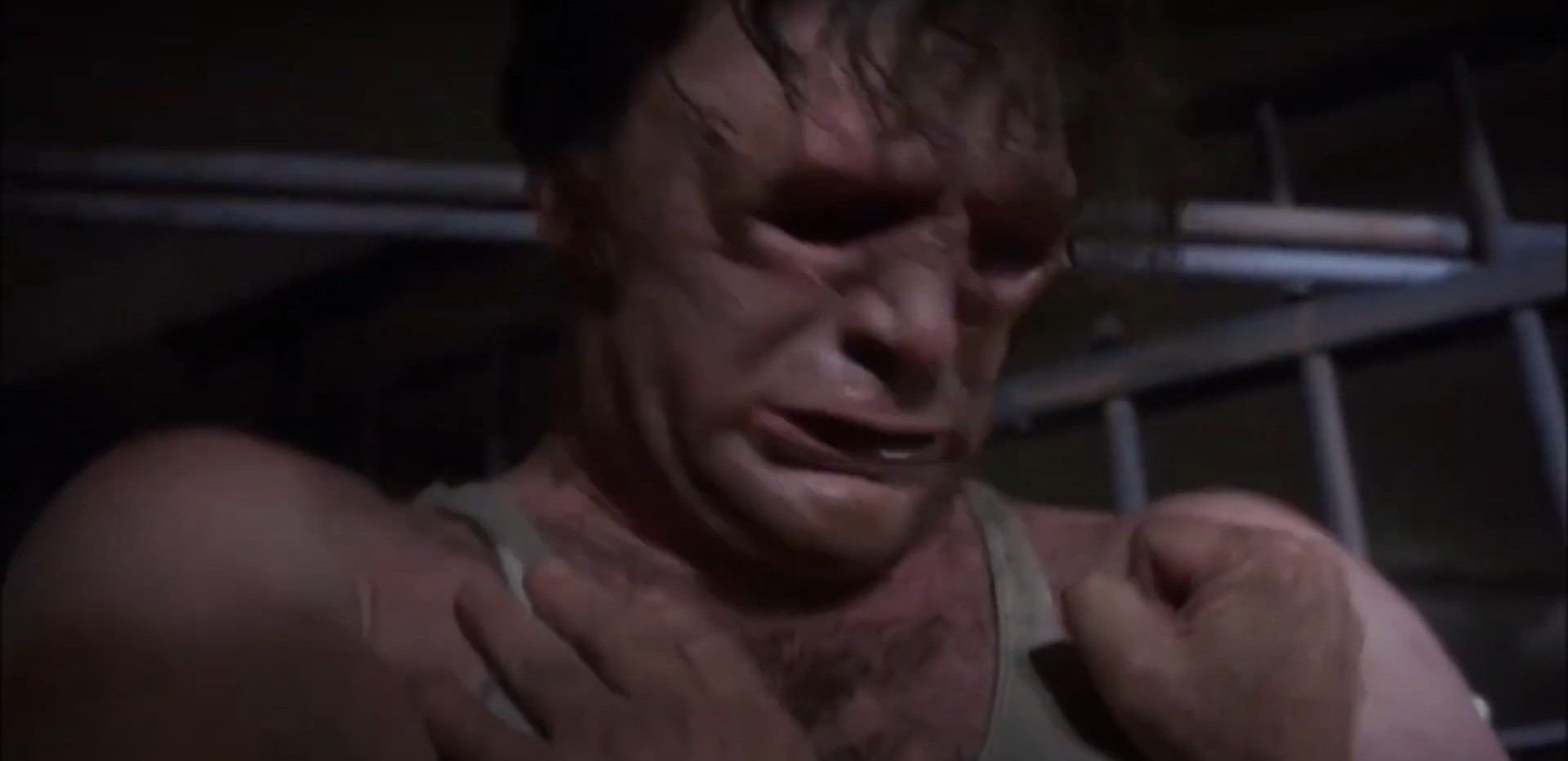
The travelling Hardin Family carnival has been on a steady decline through the years.  The Hardin Holdings group, aka Mr. Hardin, dispatches his young senior accountant and son, Philip Hardin, as authoritative proxy to ensure sustainable profit.  One of the longstanding attractions, Satan’s Den, lies headfirst on the chopping block with a dismal profit rate.  Determined to recover and avoid being permanently shut down, Larry, his drunk uncle Ned, and actor Sir Nigel Penneyweight won’t give up so easily despite needing a miracle.  That miracle comes in the form of the Ghoulies who hitch a ride on Satan’s Den’s trailer while escaping persecution.   The pintsized demons bring the slowly withering Satan’s Den back to lucrative life but at the deadly cost of the patrons and carneys who fall victim to the Ghoulies impish behavior.  Larry vows to rid the amusement on their infestation after uncle Ned perishes at the demons’ tiny hands but Philip has glimmering money signs in his eyes. 
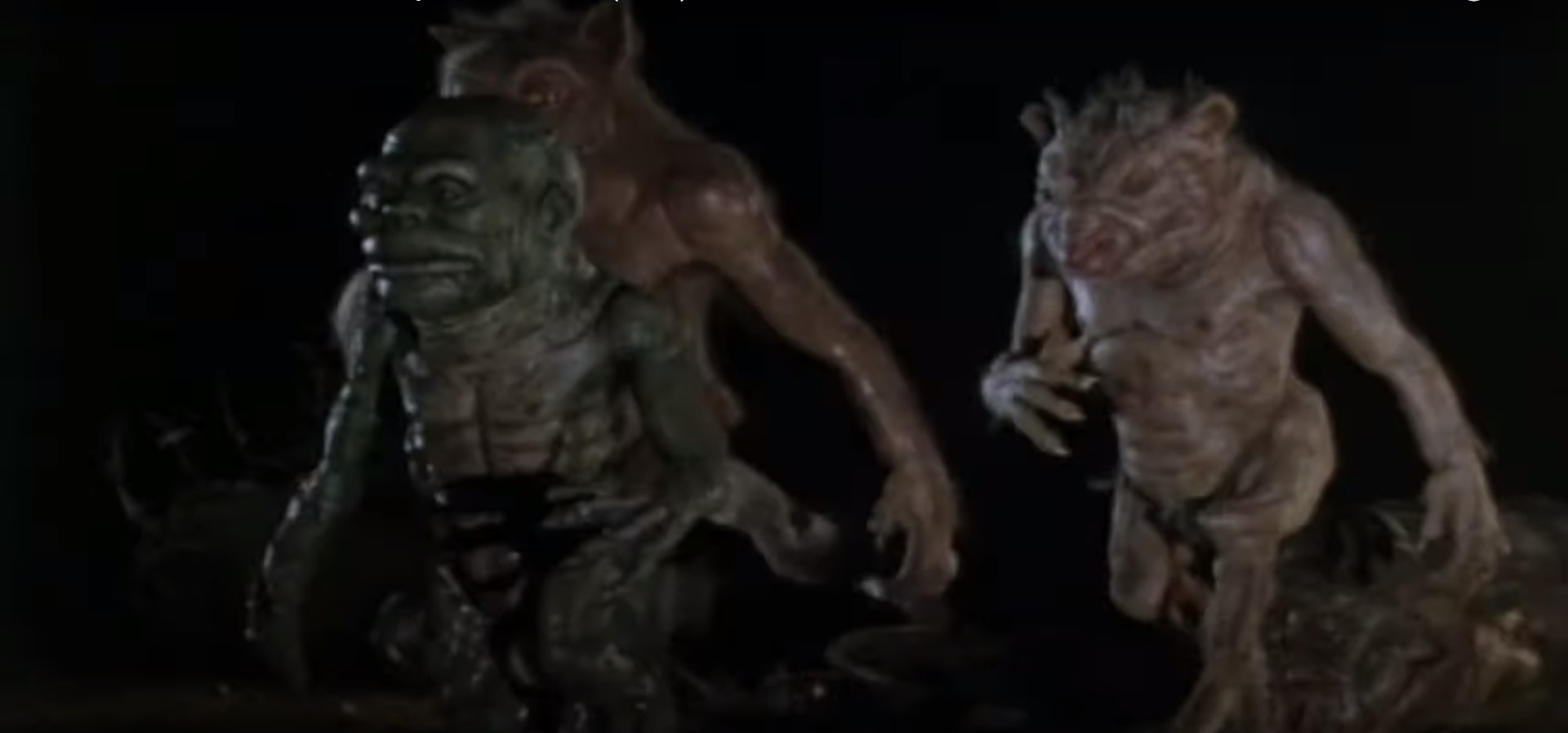
They’re back!  The Ghoulies return as masterless nomads after a failed attempt of abduction by a devout crusader aiming to destroy the pagan evocations and wreak mischievous havoc on a two-bit amusement park suffering from low attendance.  The late Albert Band, father of Full Moon’s Charlie Band and director of “Dracula’s Dog” and “I Bury the Living,” took over the reins from first film director Luca Bercovici and helmed “Ghoules II,” a vastly different kind Ghoulies tale of terrorizing totality based off the Charlie Dolan story and a polished script from “Re-Animator’s” and “From Beyond’s” Dennis Paoli.  Filmed entirely in Rome, and mostly in a soundstage, where Empire Pictures headquarters were located, the 1987 sequel was the last Ghoulies venture from executive producer Band and his Empire Productions empire before Vestron oversaw the subsequent sequels.  Albert Band produced the feature with Frank Hildebrand (“Once Bitten,” “Project Metalbeast”) serving as associate producer. 
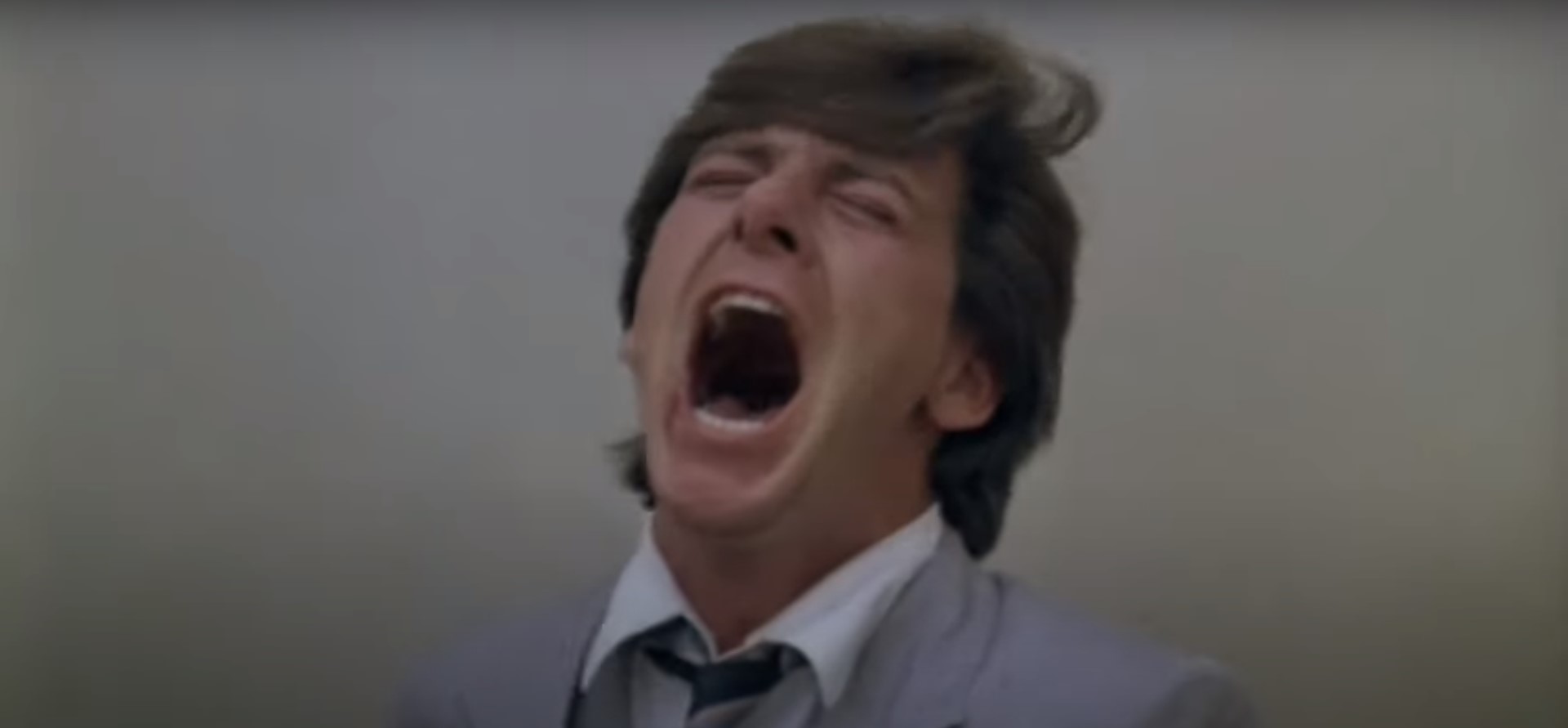
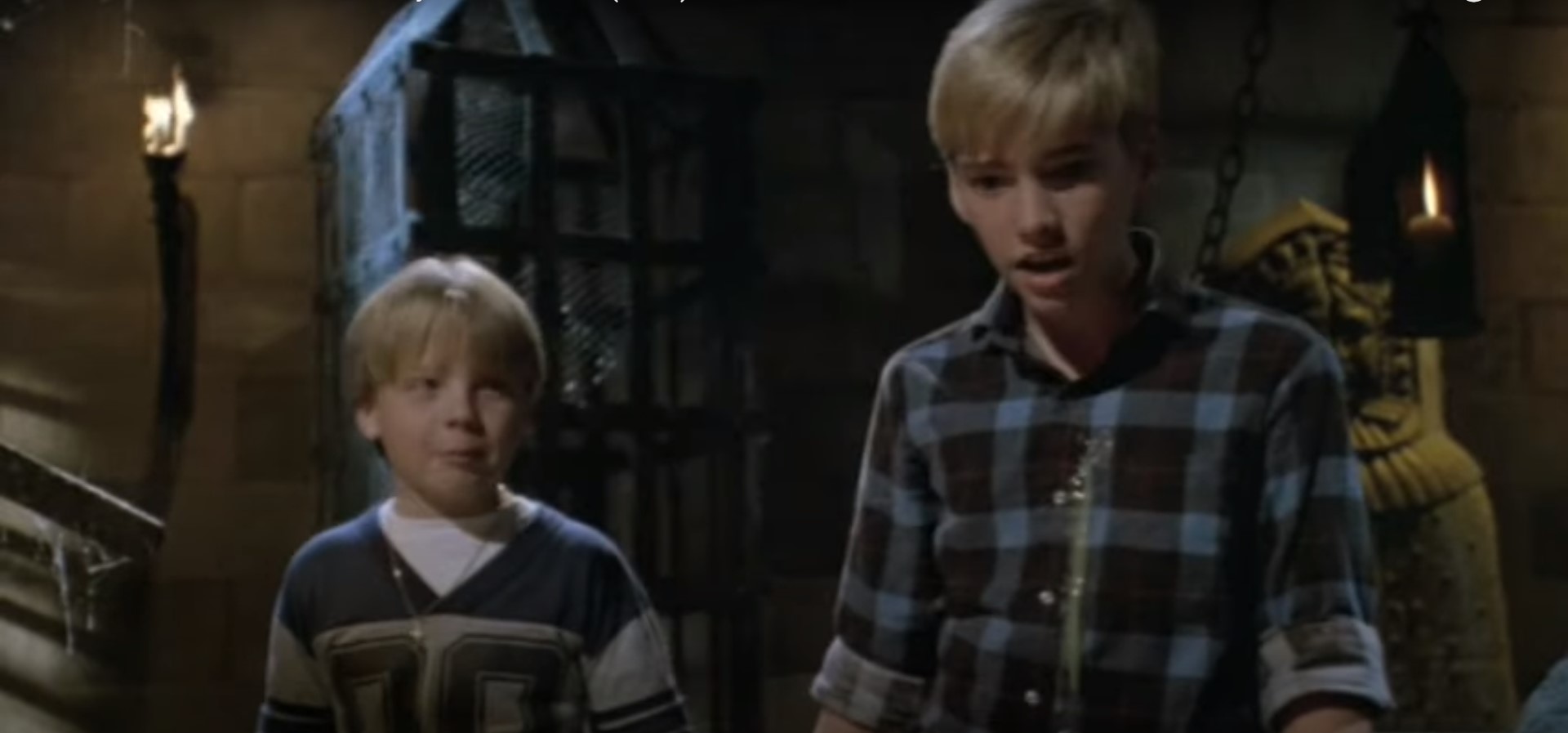
With the contestable exception of the five prosthetic creatures receiving a dust off and sprucing up paint job, none of the lively characters from the first film return for the sequel in what becomes a principal clean slate.  The story starts off with who appears to be a man of God fleeing on foot with a bag over his shoulder from three cloaked cult acolytes.  There’s never a reference to this escaping man (Anthony Dawson) or the shrouded cultists in torch-in-hand tow but does arouse a bit of enigmatic energy around the Ghoulies misadventures through the human plane and happening upon the likes of two opposite side of the spectrum carneys who are also related between the long-in-the-tooth and drunk Ned by the loveable character actor in Royal Dano (“Killer Klowns from Outer Space,” “Spaced Invaders”) and his big top tenderfoot nephew Larry played by Damon Martin.  Ned’s alcoholism combined with stress over possibly losing Satan’s Den makes causes him complexity within his closest confidants for when he happens upon the Ghoulies after citing an incantation, he’s also in a drunken stupor, and so he words of exciting, or maybe even warning, fall on deaf ears as intoxicated imaginations that result in a pity for his dependency.  As Larry and the Shakespearean line spewing Sir Nigel Pennyweight (Phil Fondacaro, “Willow”) continue with setting up the ragamuffin that is the antiquated Satan’s Den, they let Neg wander despite suspecting his delusions of demons due to the pressures of one carnival hotshot Phil Hardin (J. Downing, “Robot Wars”) who has come to town to clean up his family’s carnival act with threatens of shutdowns and layoffs.  Hardin’s your typical weight-throwing antagonist with a pompous attitude and wandering eye for the most gorgeous girl under the tent, in this case it’s with Larry’s love interest Nicole (Kerry Remsen, “Pumpkinhead”), a once great high-wire performer turned belly dancer for the departmental freakshow act.  Nichole’s hidden talents, buried deep beneath past personal pain, will undoubted be utilized for climatic gain as all chaos breaks loose on carnival grounds with the Ghoulies break free of Satan’s Den menagerie of cardboard and latex-crafted horrors.  “Ghoulies II” rounds out the cast with Jon Pennell, Sasha Jenson, Donnie Jeffcoat, Donald Hodson, Dale Wyatt, Romano Puppo, Ames Morton, Michael Deak, and Full Moon actor-turned-director William Butler (“Night of the Living Dead” ’90, “Baby Oopsie”).
Along with a new set of human characters, “Ghoulies II” also freshens up the trajectory by focusing less on the black magic that saturated the plot of the first film and relying more on the gremlin-like playfulness of the Ghoulies themselves, rightfully giving way into the very creatures of the title. There’s some magic involved but only to the extent that doesn’t have the Ghoulies rely on a master to evocate them from the Netherworld or for the dark powers to be used to perpetuate wickedness upon others.  Instead, the ghoulies are depicted utilizing their skillsets, such as flying, oral expelling sticky-gunk, super-strength, and chomping, which obviously lead to more of a micro-level apocalypse of carnage; however, the print obtained for the MVD Blu-ray release is the edited down version for theatrical circulation so some, not a lot mind you, of the gory bits have been taken out and this makes the storyline stutter with misplaced time with rough segues and an imbalance of edits that aren’t as smooth.  From what I’ve seen, the minuscule timed deleted scenes are not much more violent or gory but add just that tad more context to the next scene instead of our brains working to connect the dots on what should be a brain shutoff, entertaining creature feature.  Yet, you can’t deny the sequel’s appeal that has turned to center around the little demons assiduously but managing to keep the same, steady pace of ferity and gothic skim of mise-en-scene from the first.  Puppetry is retained for that palpable product while also introducing stop-motion, a visual effect that has served Empire/Full Moon well throughout the years and is only used sparingly to wet the limitless capabilities of our miniature monsters to roam free in open spaces. 
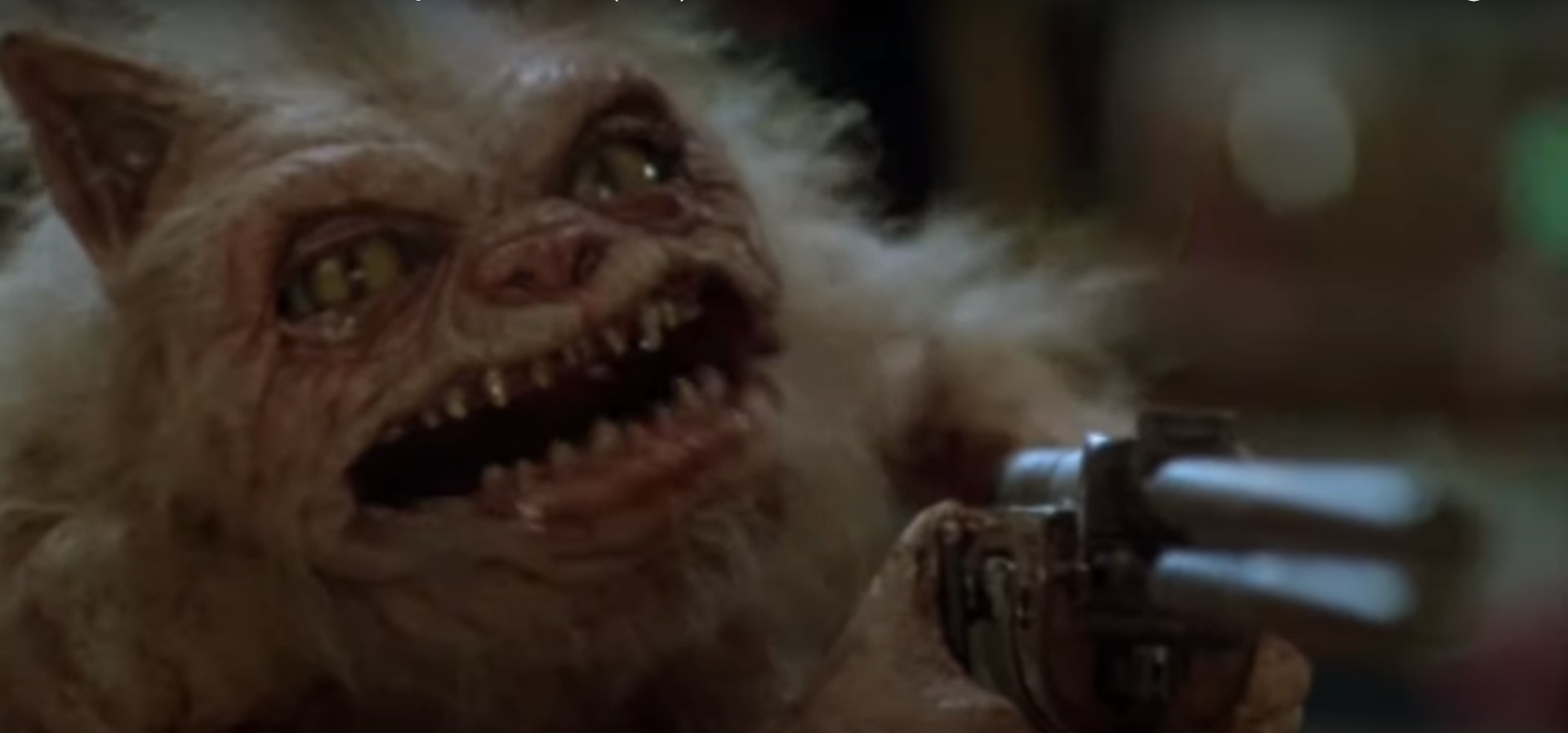
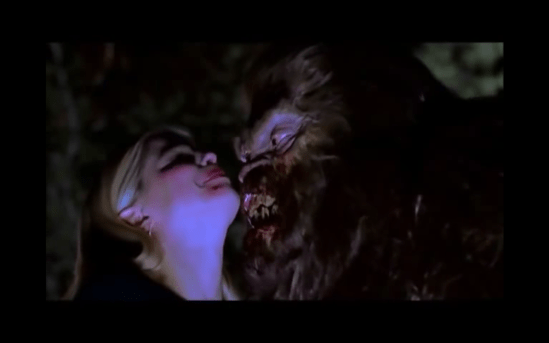
“Ghoulies” return with the sequel to MVD’s Rewind Collection as Blu-ray release number 53 on the spine. The AVC encoded, high-definition, 1080p Blu-ray is presented in a widescreen 1.85:1 aspect ratio. A virtual carbon copy of the first film in regard to a well-preserved print, the sequel isn’t noted in having a 4K restoration scan like the antecessor release number 52 but the 2K scan offers an abundancy of positive picture rendering with a seamless color grading that isolates distinction and range as well as a tangible details, especially on characters and the ghoulies alike who are often gleaming and show off every nook and cranny ridge on their dark, hairy bodies. Aforementioned, this print is the theatrical cut, missing some gruesome elements for the sake of a broader audience, and while most of the print is near flawless, there is one dunk tank scene that’s cropped and noticeably marred with horizon creases in the brief airtime. The English LPCM uncompressed 2.0 stereo mix caters to every audible necessity of the “Ghoulies” soundtrack, ambience, Foley, and dialogue. The latter is clean and clear with prominence over the rest of the layers though I wouldn’t label it flawless with some echoey segments, almost a doubling effect, that might be due to the soundstage vibrations at Empire. Ambient track provides a wide range with exact depth with the example being inside Satan’s Den of horrors where doors creak, motorized bats fly overhead, and other models of haunted house spookery, along with an underlining carnivalesque soundtrack by Fuzzbee Morse (“Dolls”), is the epitome of a great sound design suffused together. English, French, and Spanish subtitles are optionally available on this release. Special features include an introduction by screenwriter Dennis Paoli, which is also available as a standalone at the play feature option, More Toilets, More Terror: A Making of Ghoulies 2 is a retrospective lookback with select cast and crew, an interview with Dennis Paoli Under a Magic Moon, the gruesome deleted scenes, a photo gallery, and theatrical trailer. Physical attributes include a VHS retro-esque mockup of the original poster art on a cardboard O-slipcover, fitting for the sub-bannering Rewind Collection. The same image graces the front cover of the clear Blu-ray Amary case, but the cover art is also reversible with one of the film’s most memorable smoochy-kiss moments plus title above. The disc is art pressed similar as the first film, a laser disc veneer on the Blu-ray top. Opposite side is the folded poster insert of the slipcover front image. The region A playback release has a runtime of 90 minutes and is rated PG-13. “Ghoulies II” retains that same diabolical energy as the first film but channels it very differently into the very titular creatures that puts them at the forefront instead of being just an afterthought in a sequel that celebrates their uncontrollable knavery and loving every second of it.

Next Time You Sit On the Can, Check the Bowl First!  “Ghoulies II” on Blu-ray!

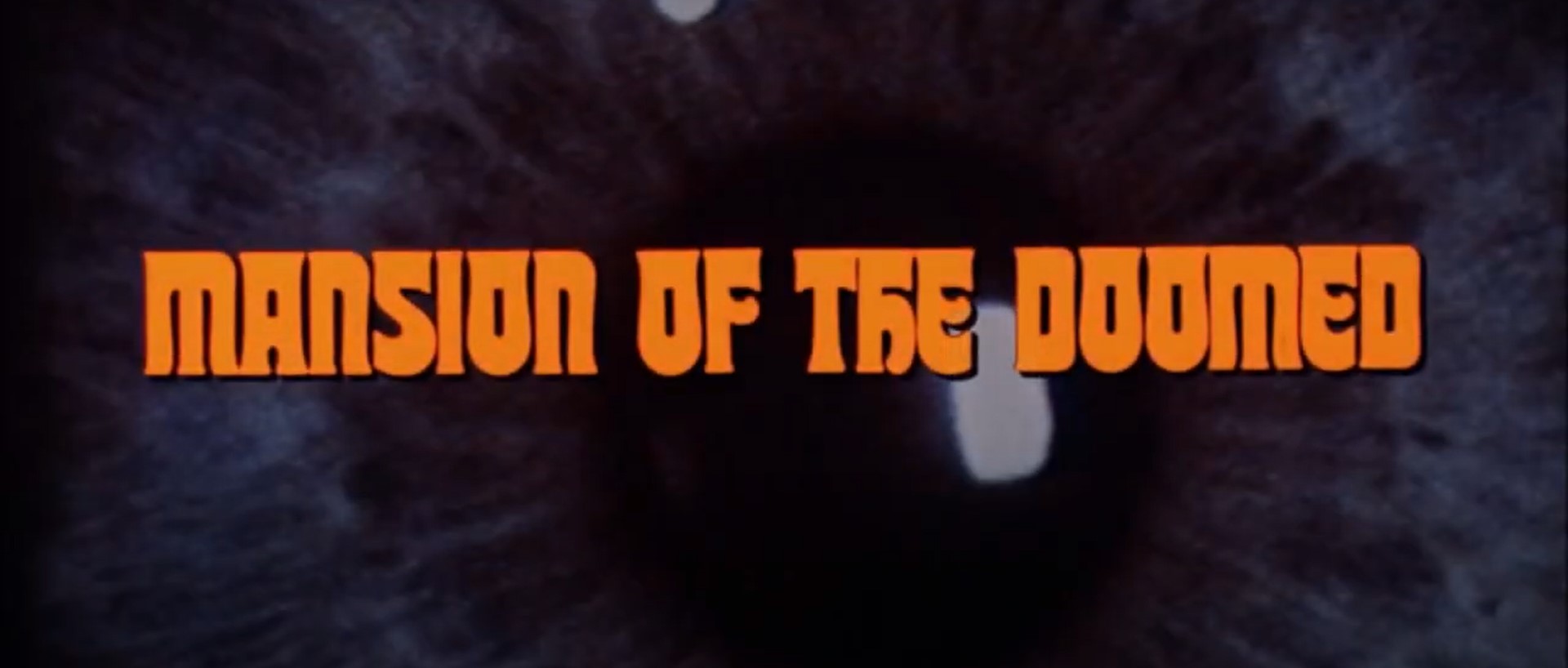
EVIL is in the Eye of the Beholder! “Mansion of the Doomed” reviewed! (Full Moon / Blu-ray)

“Mansion of the Doomed” on Blu-ray.  Hold Onto Your Eyeballs!

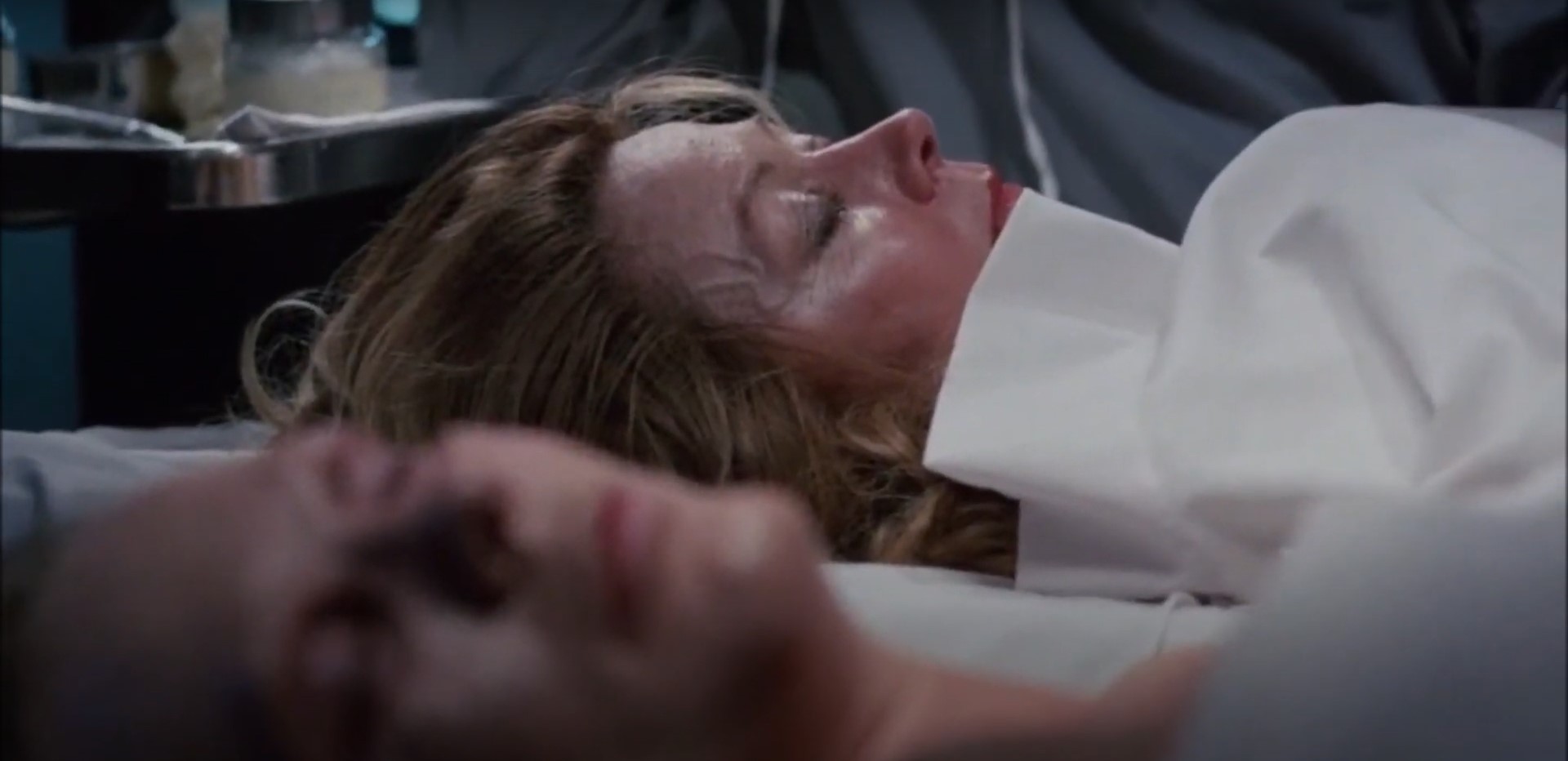
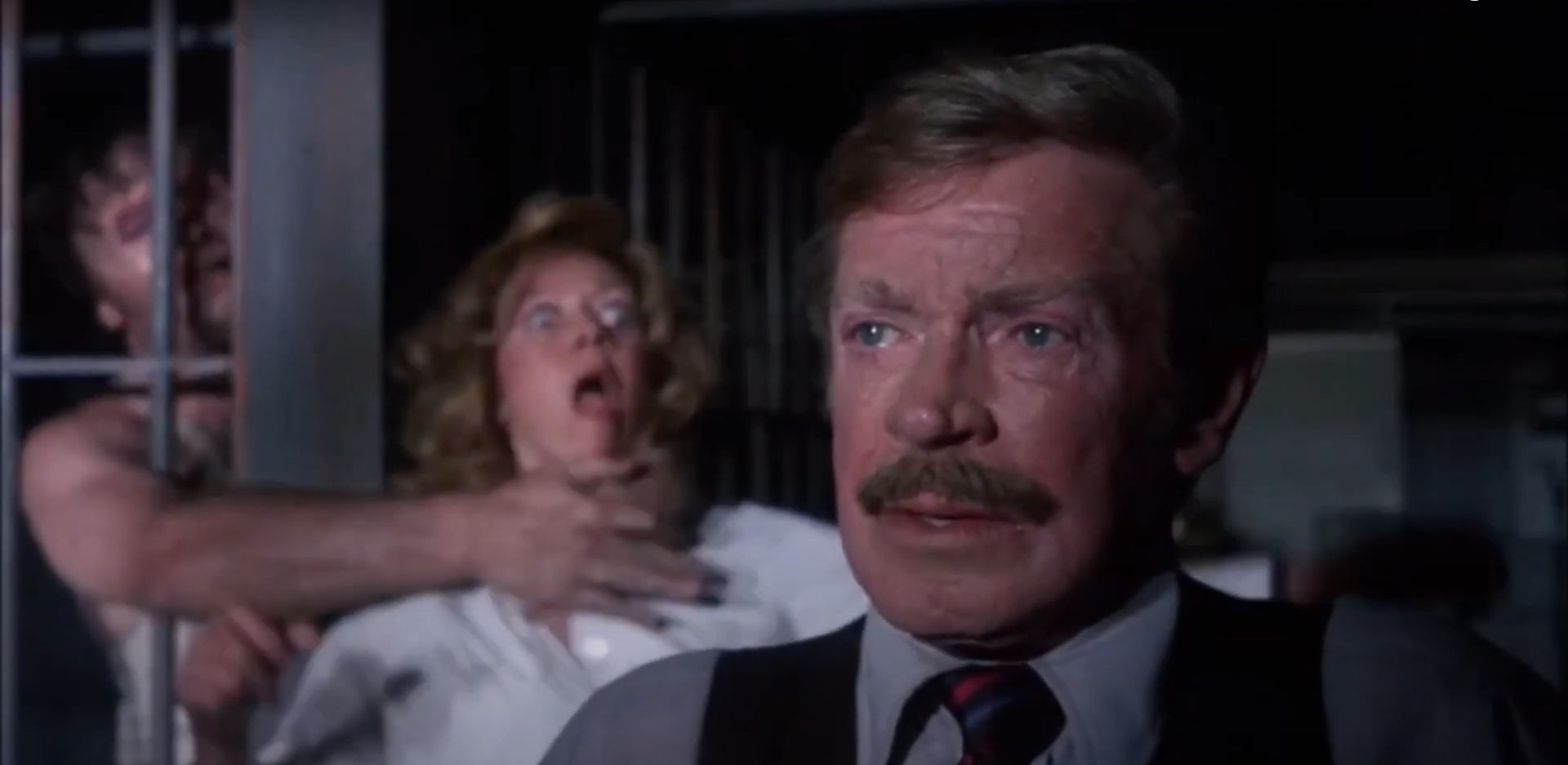
In a stroke of irony, renowned optometrist surgeon Dr. Leonard Chaney had a car accident that accidently causes his young adult daughter permanent blindness.  Obsessed by guilt and determined for her to see again, Chaney moves toward a not only radical procedure but also unethical one of a full eye transplant.  The catch for this type of surgery to be successful is the eye has to be extracted from a living patient.  Unwilling to wait for a donor, Chaney employs every deceptive tactic to lure unwillingly healthy and beautiful globular organ donors into his dark basement where he drugs them unconscious, surgically plucks out their entire eyes, and leaves them locked in a cellar cage, blind and crudely healed with scar tissue but still alive.  With each failed attempt at restoring her eyesight, the reminders of his experiments linger down below, screaming in pain, and pleading for their lives.  Soon, those pleas will ultimately catch up to him. 

Before his fascination with mini-sized maniacs of killer animated toys and malicious experimental oddities, Charles Band used to produce other types of original horror and the “Mansion of the Doomed” was one of them.  The 1976 Frank Ray Perilli (“Dracula’s Dog,” “Alligator”) written and the “Dead & Buried” and “Halloween 4: The Return of Michael Myers” actor Michael Pataki directed mad surgeon “Mansion of the Doomed” was the first feature film Charles Band officially stamped his actual name onto along with father and western screenwriter, Albert Band, as financial executive producer.  While “Mansion of the Doom” is known by various other titles around the world – “Massacre Mansion,” “Eyes,” “Eyes of Dr. Chaney,” “House of Blood,” “Eyes of the Living Dead,” and “The Terror of Dr. Chaney” – the one aspect that the film is firm in is its Hancock Park and estate shooting location in Los Angeles as one of the very first features to come out of Charles Band Productions company.

Lance Henriksen.  You know name, right?  Sounds familiar, yes?  The “Aliens” and “Pumpkinhead” actor, hot off the success of “Dog Day Afternoon” with Al Pacino, begins his tour de force of horror and dark science fiction with the Pataki mad doctor eye opener.  Dr. Chaney uses his misguided experimental expertise first on Dr. Dan Bryan, played by Henriksen, after Dr. Bryan’s recent romantic relationship breakoff with the recently blind daughter of Dr. Chaney, Nancy (Trish Stewart).  Before he became the narrating voice in TV’s “Knight Rider,” the veteran actor Richard Basehart, who also had a role in the 1977 “The Island of Dr. Moreau,” became his own inhumane medical malpractice physician in Dr. Chaney.  Though Basehart makes for the epitome of a professional doctor, his performance was the weakest link in the cast’s locks that didn’t exhibit the stress and desperation of a man continuously exploiting and disfiguring people for his own personal guilt release.  The guilt was not compounding as much as the story wanted to suggest, but we feel more empathetic to Dr. Chaney’s longtime assistant in Gloria Grahame (“Blood and Lace,” “Mama’s Dirty Girls”) who we can see her character dissolve with each abducted patient and affected to the core by their sightless screams.  “Mansion of the Doomed” rounds out the cast with Al Ferrera (“Dracula’s Dog”), Marilyn Joi (“Black Samurai”), Donna Andersen, JoJo D’Amore (“Dracula’s Dog”), and Katherine Stewart.

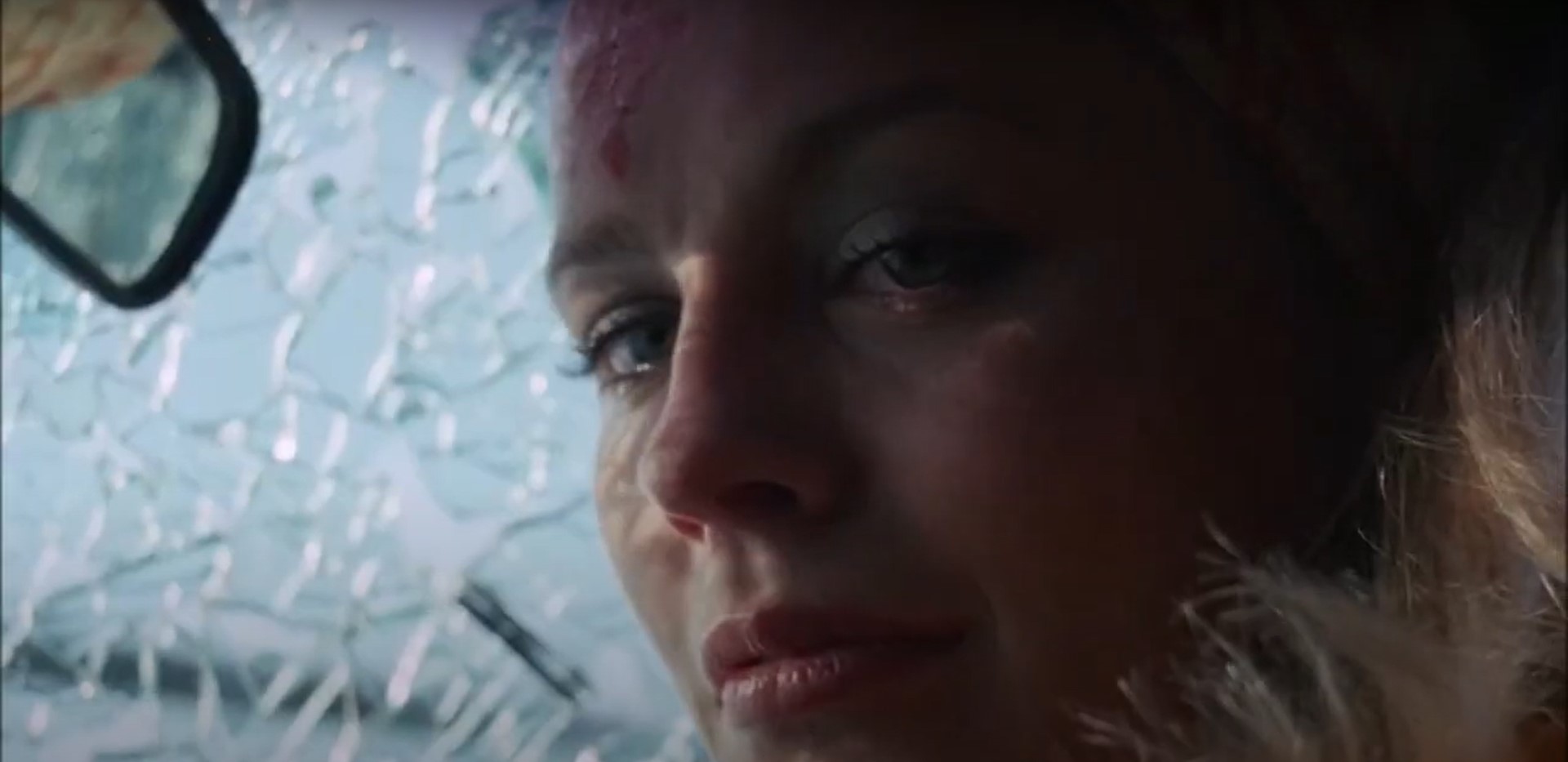
Michael Pataki’s “Mansion of the Doomed” is an eye-peeling shocker that’s dark and grim to the core and has an eye for cynicism. I could keep the eye puns going but that would be too easy to pluck out. Perilli’s story is rather plainly spoken with not a lot of fluff diving into medical or procedural jargon to bore you down into a loss of interest. Instead, the good doctor character goes right to work getting his hands elbows deep into the eye sockets of his victims and that’s how this particular exploitation perfectly crafted the balance by tabling the under stimulating medicalese with caged disfigured patients left to live in agony. Where Pataki and Perilli faltered some is in the preface by skimming the surface of the Dr. Chaney caused accident that rendered Nancy blind when she face-planted right into the doctor’s windshield as he swerves to not runover a mutt. In driver’s ed, you’re supposed to hit the small animal that runs in front of you in order for these kinds of accidents don’t happen! Told in the inner thought of a flashback, the force between the two immovable objects shatters the glass but leaves Nancy unscathed physically yet, somehow, she loses her sight in both of her eyes and while Dr. Chaney is unable to best the blindness with everything the surgical optometrist throws at it, perhaps that’s the unsolvable mystery that beleaguers abashedly an expert at the summit of their excellence. ‘Mansion of the Doomed” is not a feel-good film as not one single character has a positive outcome and having lost more than just their sight but also, to name a couple, their humanity and their hope.

Uncut, restored, and remastered onto a new Blu-ray release, Full Moon Features re-release “Mansion of the Doomed” onto 1080p, full high definition, from the original 35mm negative. Source material held up over father time with a pristine 85-minute uncut transfer to retouch in a pop of color and refine the details in a softer, more airy-soft image, presented in a widescreen 1.85:1 aspect ratio. Full Moon offers two audio options available with an English Dolby Digital 5.1 surround sound and a Dolby Digital 2.0 PCM. Though slightly staticky in the ambient and dialogue tracks, the balance works and is full-bodied around more essential scenes of surgery and the cries of anguish. Dialogue doesn’t sound overly boxy or hissy and the cult composer Robert O. Ragland’s (“Deep Space,” “Q”) classic orchestra score come across with a powerful range that speaks the scene without exposition. The region free Blu-ray has no extra features, leaving this release as a bare bone, feature only. “Mansion of the Doomed’s” harrowing ending induces stupefying blank stare and feels like a brick just walloped you in the face knowing that every pawn in this story loses at the hands of man disillusioned in playing God.

“Mansion of the Doomed” on Blu-ray.  Hold Onto Your Eyeballs!

Superpowers Can Be Just as EVIL as They are Good. “The Unhealer” reviewed! (Scream Factory / Blu-ray)

“The Unhealer” on Blu-ray home video from Scream Factory!

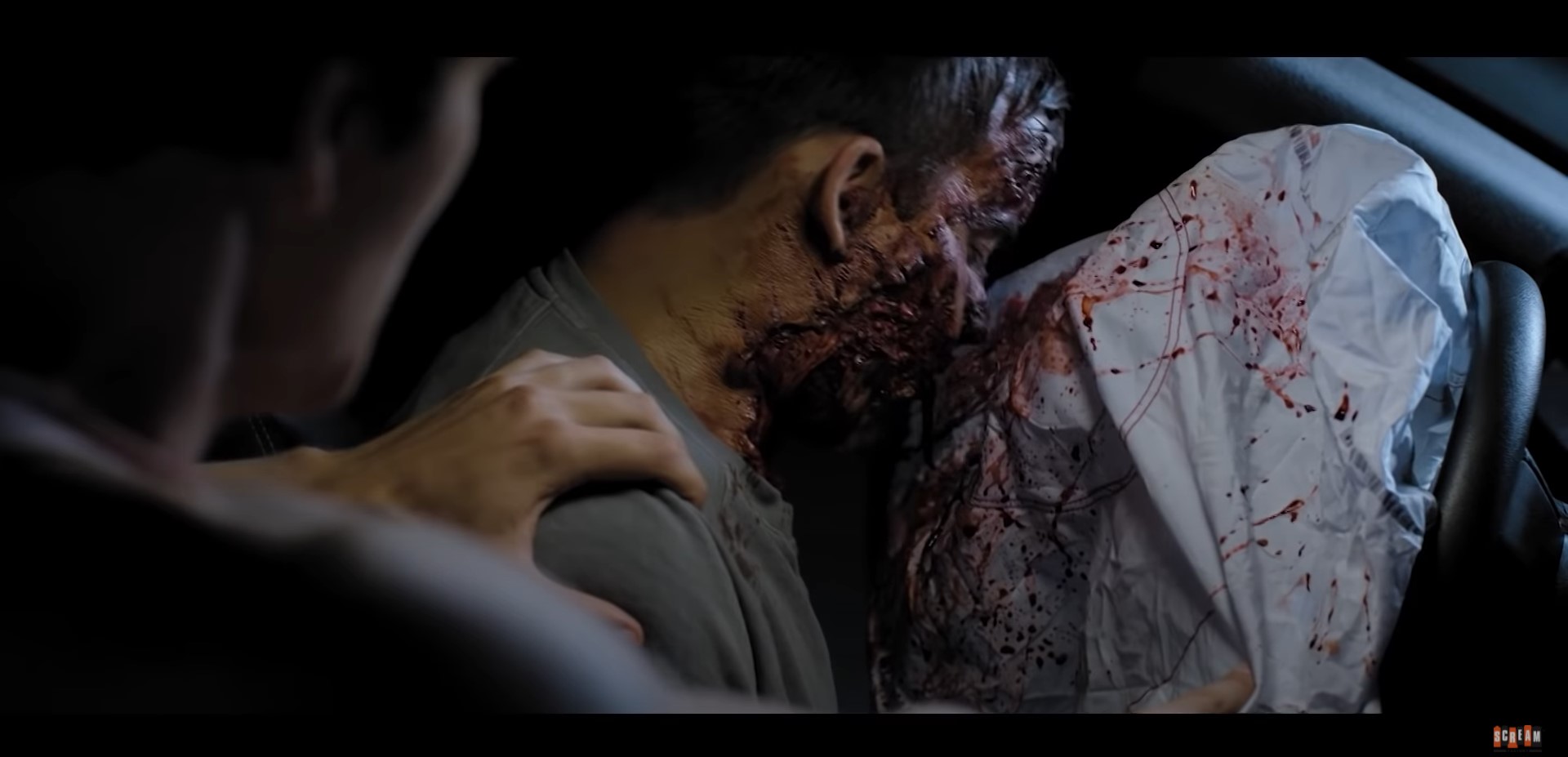
An old graverobber unearths the supernatural powers of an ancient Native American burial ground that gives him the ability to heal as well as to be resilient against injury with self-restoring powers.  When exploiting the local residents of his newfound “Godly” gift, a botched healing of a bullied teenage Kelly with severe pica disorder transfers the powers to him, curing his disorders and restoring his health while also leaving the old graverobber to die.  With a new lease on life, Kelly pursues his dreams, standing up to his relentless tormenters, and even finding the courage to ask out a girl, but when the powers prove to be addiction beyond control and the bullies never let up on their aggression on him, Kelly uses his newfound gifts to exact a deadly course of revenge. 

“Pet Sematary” meets “Christine” – a Stephen King-esque bully-revenge, supernatural thriller “The Unhealer” from the Argentinean born director Martin Guigui.  The music video and feature film director returns to American horror nearly a decade later after helming the 2011 “Beneath the Darkness,” starring Dennis Quaid, with a thrilling teen angsty script penned by first time screenwriters Kevin E. Moore and J. Shawn Harris that recalls a narrative very familiar to the late 80’s to early 90’s with oppressive high school bullying by the jocks and the turning point revenge by the receiving end pipsqueak.  Originally scripted under the title “Pica Boy,” “The Unhealer” reveals the dangers of severe polarities between one disorder to the next with the humbling fragilities trapped inside one’s own psychological disorder to the over-confidence of feeling invincible due to physical anomalies that result in no pain being suffered, losing one’s empathetic reasoning.  “The Unhealer” is produced by writer J. Shawn Harris and his sibling actress, “Night of the Demons 2” and “Night of the Scarecrow’s” Cristi Harris along with star Natasha Henstridge and “Why?” filmmakers Corbin Timbrook and Galen Walker with Horror Business Films and 7 Ideas serving as production companies.

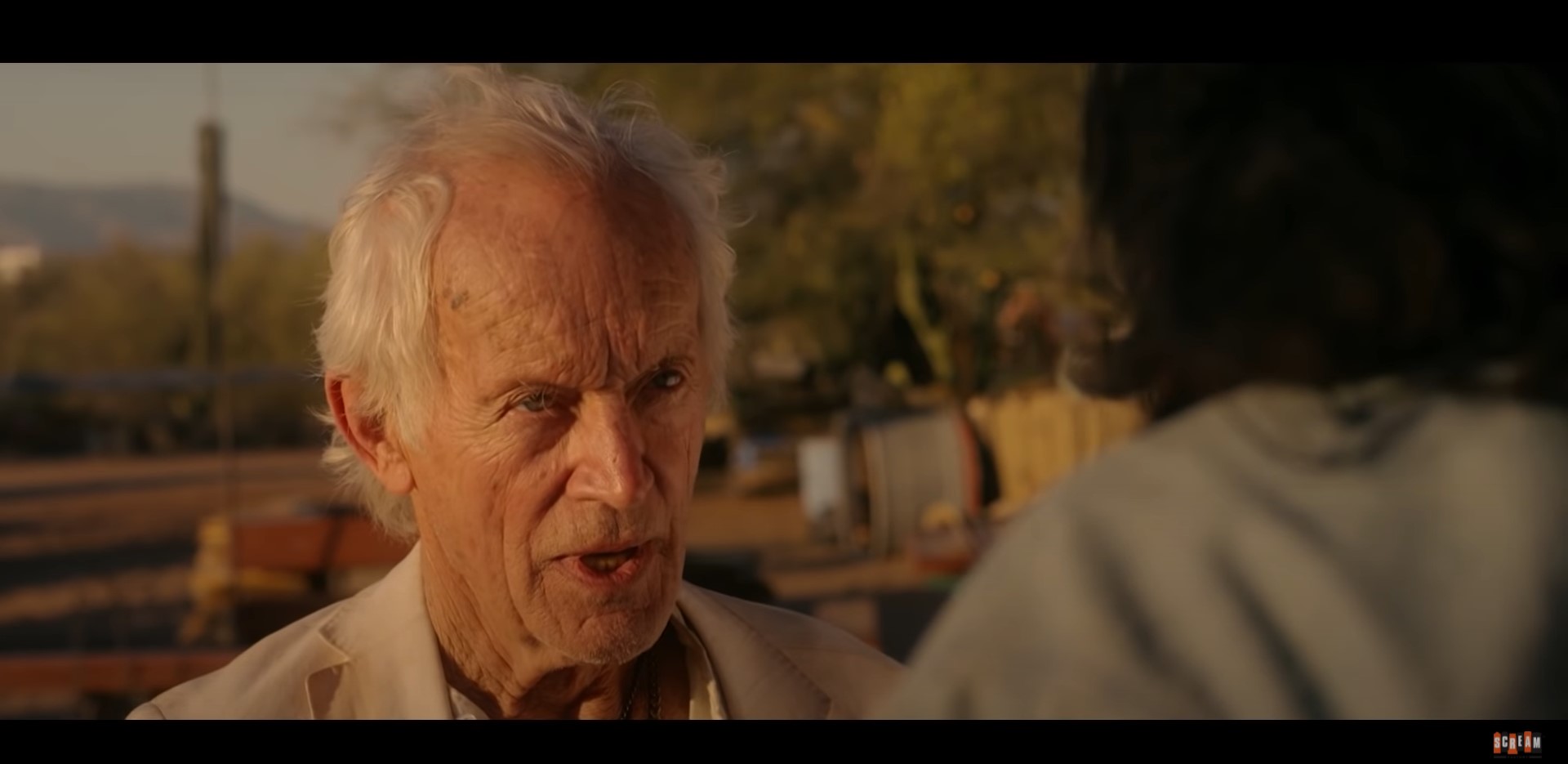
Headlined with three big and recognizable names inside the genre circles and out, the film stars Lance Henriksen (“Pumpkinhead,” “Aliens”), Natasha Henstridge (“Species,” “Ghost of Mars”) and Adam Beach (“Windtalkers,” “New Mutants”) playing variable degrees in their roles important to “The Unhealer’s” story progression and each performance never overlaps prominent personalities that can sometimes stall out and unbalance a production.   Henriksen plays a long in the tooth snakeoil salesman named Pflueger who exploits the locals with his newfound healing powers and when he’s hired by Kelly’s desperate mother, Natasha Henstridge, the scene becomes a passing of the torch as Pflueger unintentionally transfers his powers to Kelly (Elijah Nelson, “Chain of Death”) that magically heals him of his longtime psychological Pica disorder. Not so much a youthful soul anymore, Henriksen has tall tell signs of showing his age, but the 81-year-old New York City born actor can still sear memorable performances into our psyche with a wisecracking charlatan conman in Pflueger, dressed from head to toe in a shabby white suit and tossing up awkward hand gestures when deriding burial ground protecting Shaman Red Elk, played by long time serial supporting man Branscombe Richmond (“Commando,” “Hard to Kill”). More awkward in his reaction to receiving an unexplainable supernatural gift is Elijah Nelson who goes from deaths door to want to join the Navy Seals in a matter of minutes after the Pflueger plot point passes. The writing doesn’t exactly assist in Kelly’s transition with an acceptance of power without an inkling of trying to comprehend is as Kelly tries to hurt himself and tries to encourage being pounded by bullies as if he already fully understands the immense reality of his abilities. Even his mother, who under the understanding that she has tried everything possible scientific medicine man has to offer to cure her only child, is instantly okay with Kelly’s rushing into the unknown. A nearly unrecognizable Natasha Henstridge from her “Species” franchise days after a thyroid autoimmune disease diagnosis doesn’t stop the late 40’s blond beauty from being just that – a beauty – in an overly protective mother role desired by the local single men from the house visiting doctor to the Adam Beach’s Native American Sheriff Adler. Beach becomes the absent father figure for Kelly and a person who has a foot in both the Native American spiritual world and in the Anglo-Saxon realities and melodramatics. Beach proceeds as the main lead of the third act, following Henriksen and Henstridge to keep a constant, recognizable presence throughout and providing his own stamp as the voice of reason whereas the first two culminated extreme biases toward Kelly. Kayla Carlson, Angeline Appel, Gavin Casalegno, David Gridley, Mike Gray, Thomas Archer, Will Ropp, and one my new personal favorite actors in Chris Browning (“Agnes”) fills out the remaining cast.

Very early on initial reactions toward “The Unhealer” were poor mainly because of the luridly unflattering dialogue and perplexing transitions between scenes that don’t exactly hit the mark matching up character intentions, but the more I watched, the more an optimistic sensation started to arise in me. Starting small in the recesses of my cerebral film database then growing until metastasizing fully into my mind and, eventually, into my nostalgic-detecting ticker is “The Unhealer’s” robust recollection toward how fun bully-revenge-thrillers from two to three decades ago can be with a carbon copy simulation ingrained with a novel narrative surrounding Midwest Native American mysticisms carrying with it that age old “Spiderman” insinuation that with great power, comes great responsibility, but in “The Unhealer’s case, as the tagline suggests, comes great pain. Screenwriters Moore and Harris burden Kelly with a King Midas touch that no matter how hard the character tries to contain his nearly invincible power, outside forces influences and unforeseen happenstances steer Kelly toward self-destructing disaster. Between a group of buffed up and obnoxious high school jocks as unyielding tormenters, Kelly pushed into a self-protecting corner despite a generous passive attitude, especially being run over with car at one point, and the unpredictable and limitless avenues built as substory awry to make “The Unhealer” a joyful hidden gem, the Martin Guigui film on the outside appears to be a cheap, indistinguishable, B-movie, but if you dig deeper, dig until you unearth a medicine man’s ancient dusty bones, and you’ll discover deep seeded veneration, a gripping story, and dark magic carnage.

“The Unhealer” will undoubtedly fly under many viewers’ radars but is a must watch from (Shout!) Scream Factory’s distribution label in a cooperation release with VMI Worldwide (“Orphan Killer”). The full HD, 1080p Blu-ray of the 2020 production is an encoded region A release with unrated certification and a runtime of 93 minutes, presented in a widescreen 2.35:1 aspect ratio. Generally nothing to swing image quality from one spectrum to the next with a RED Weapon Dragon digital shot. Already decent at compression, the RED camera provides a crisp demarcating image in the forefront and capture the textures in a literal closeup with focus precision. “The Unhealer’s” lighting and set dresses cater less to the supernatural phantasmagoria with Massimo Zeri’s realistic Arizona landscapes and suburbia venues that don’t excite the camera with its cold truth realism rather than the mise-en-scene tropes of horror atmospherics. The English DTS-HD Master Audio 5.1 also has zip to complain about with high resolution quality with a surprising ample range of effects. Dialogue is prominent and clear as well. English SDH subtitles are an available option. Special features include one-sided individual cast/character behind-the scenes interviews which is basically cut and edited footage of the actors describing their characters in footnote fashion. The gag reel is a better feature that takes the same interview format, intertwines it with music, and lines up the gags with an instrumental soundtrack in one seamless show of goofs and hijinks throughout production. Deleted scenes and extended/alternate scenes, surrounding mostly around Kelly and Dominique’s coy love interest, cap the features. At first glance of the final package, “The Unhealer” looks totally like a rip off inside and out of the cardboard slipcover with a “Star Wars'” lightsaber color scheme and a character illustrated design underneath the title dressed in “Stranger Things” font, but don’t let parroting cover fool you as “The Unhealer’s” dark journey from being the bullied to the bully is an unabated and inescapable catch-22.

“The Unhealer” on Blu-ray home video from Scream Factory!

Evil Big Enough to Bite Your Face Off Clean! “Abominable” review!


Six months after a tragic climbing accident that left his wife dead and him crippled and bound to a wheel chair, Preston Rogers has been ordered by his doctor to return home, near the site of accident, with the assistance of a nurse to unify Preston’s shattered psyche. Next door, five, young party girls check in for an all-girls party weekend. However, they’re not alone. In the woods, lurks a monstrous living legend, blood thirsty, and ready to feast on the flesh and bone of animal and human alike. As Preston witnesses one death after another from a perched view while sitting in his wheel cheer, he becomes desperate to reach the survivors’ attentions and no one, from police to his uncouth nurse assistant, believe his story of a vicious, hairy creature skulking in the woods, leaving Preston by himself to save others as well as himself.

They don’t make monster movies like this anymore! “Abominable” is the 2006 blood splattering creature feature from writer-director Ryan Schifrin. The director’s freshman film is a wallop of entertainment with ton of homage and a plenty of gruesome kills that you can revisit over and over again on some kind of morbid repeat in this high caliber, independent, coal-coated gem that’s “Read Window” meets a whole hell of a messed up version of “Harry and the Hendersons.” You don’t want this ginormous meat eater breaking in your couch or raiding your fridge! The tightly knit set locations that might usually stagnant a story are easily compensated with a graphic and bloody violence that stems from the many full frontal visuals on the towering, practical effects monster. “Abominable” also looks and feels really expensive and not a slapped together, last minute production.

Now, Ryan Schifrin might not agree with me here and the director might say that it was his passion that attracted some of the genre’s biggest names to have small roles in first time feature, but I’m pretty confident that his well-known composer father, Lalo Schifrin whose composed for movies “The Amityville Horror” and “The Class of 1984”, had some influential help other than also being the orchestrating composer for his son’s film. In leading with “Abominable’s” main star, I remember this actor from his charismatic boyfriend material character in “Deep Star Six;” Matt McCoy plays the crippled Preston Rogers who must rely on his smarts rather than his physical strength. McCoy’s piecing blue eyes and solid acting chops has him being a believable character in an unbelievable movie. McCoy’s character and his at odds dynamic with skeezy male nurse Otis Wilhelm, dedicatedly played in a first time performance by special effects artist Christien Tinlsey, is probably one of the better shallow pissing matches around. The five party girls are Karin Anna Cheung, Natalie Compagno, Ashley Hartman, genre scream queen Tiffany Shepis, who has one of the best death scenes ever, and rounding off with Haley Joel in the female lead. Hold onto to your hats, because we’re not done yet with the star-studded cast list that includes Rex Linn (“Cliffhanger”), Phil Morris (“Dark Planet”), Dee Wallace Stone (“E.T.”), Lance Henriksen (“Aliens”), Jeffrey Combs (“Reanimator”), and Paul Gleason (“Breakfast Club”). Dialogue between Henriksen and Combs is pure magic and just adds that cherry on top of something already pretty sweet.

Schifrin’s “Abominable” is a down to Earth horror. Practical, small, and a straight shooter that doesn’t try to gimmick a way to fame and cult fandom. Schifrin, with the help of the late “Blairwitch Project” director Neal Fredericks, was able to capture the atmosphere and the creature without having to burden themselves with computer generated imagery or relying heavily on camera tricks or crafty edits to progress the story that certainly needed to be blunt. Fredericks cinematography creates the allusion of a bigger world, a world where Schifrin’s creature lives, breathes, and hunts as the urban legend of the Flatwoods Monster. McCoy sells his role of a challenged individual; one whose on the cusp of giving up with he realizes there’s hope in saving these young girls when he could not save his wife or the use of his legs. Auxiliary cast members are not two-bit nobodies with lifeless personalities of backwoods piss ants; instead, Jeffrey “The Frighteners” Combs and Lance “Pumpkinhead” Henrikson are the best backwoods creeps with shotguns and oxygens canisters to act the roles. The monster’s absolutely and gratifying heinous with the Frito-razor teeth, the dingy string hair, and the mouth that opens up a foot wide.

“Abominable” reclaims a home on the MVD Rewind Collection label with a brand new 2K definition transfer 2-disc, DVD (Standard Definition) and Blu-ray (1080p) combo set, presented in a widescreen, 1.78:1 aspect ratio; however the ratio is stretched to fit the entire screen. The image quality is rather clean, but has a fuzzy, soft overlay that’s true to form with a film originally shot in 35mm coming into contact with some electrical interference. The version of “Abominable” is also a all new cut of the film with improved CGI-effects, which there were some, and were overseen by director Ryan Schifrin and editor Chris Conlee. The release continues with a forthright note about enhancing the color timing and correction to further the experience which epitomizes more clearly in a scene where the blue eyes of Matt McCoy and Haley Joel are depicted overly brilliant when staring at each other in the darkness or in the lighted room or, in fact, anything that’s blue, i.e. Joel’s blue jeans or Otis’s nurses getup is indistinguishable being any other hue. This edition comes with an English 5.1 surround audio, uncompressed PCM on the Blu-ray, and the balance is remarkable. Dialogue is poignant and punctual with the beast’s belly deep roars echoing through with such range and depth that it heightens the monstrous terror. Lalo Schifrin’s score comes out clean enough despite slightly schlocky in comparison to his son’s material. New extras include a new introduction from director Ryan Schifrin and bonus material from other releases become rebranded on this combo release with an audio commentary by Schifrin, Jeffrey Combs, and Matt McCoy, a making of featurette, deleted and extended scenes, outtakes and bloopers, “Shadows” – short film by Ryan Schifrin at USC Student Film school, “Basil & Mobius: No Reast for the Wicked” short by Schifrin that features a score composed by Lalo Schifrin, the original theatrical trailer, poster and still gallery, stoyboard gallery, and a collectible mini poster insert! Whew! MVD Rewind Collection went big and landed huge with Ryan Schifrin’s “Abominable.” The mammoth release will surely be a definitive cut for the scarcely heard of creature feature that’s made with deep reverence for the classic monster movie and denotes a sincere and unwavering passion for the genre, making “Abominable” a lovable tribute of beast slaughtering stowed with paralyzing anxiety and symbiotic with pure, addictive joy.


“Abominable” is a must own!


Wes Craven’s Evil After School Special! “Summer of Fear” review!


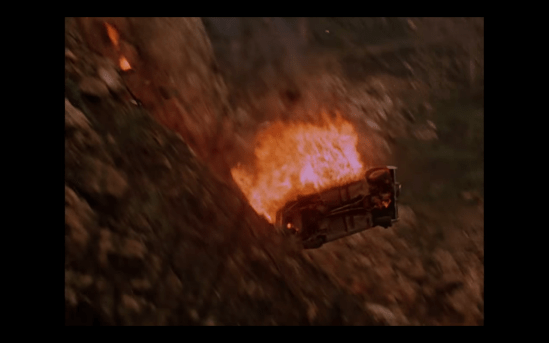
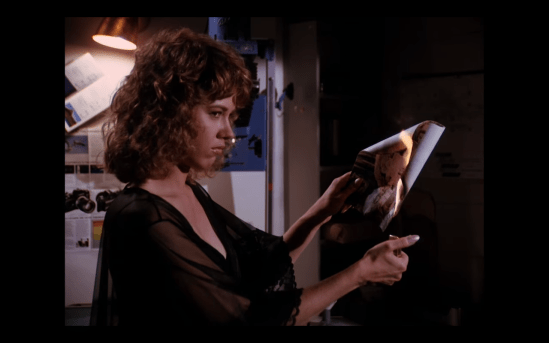
Julia Trent is left orphaned after the fatal accident of her parents that involved them falling to their fiery deaths when their car careens off a cliff attempting to drive their housekeeper home. The only family Julia has left is the Bryant family whom she hasn’t seen in over 15 years. The Bryants welcome their niece with consolation and open arms, inviting her to room with her cousin, Rachel. Rachel has the perfect life: a loving mother and father, a cute boyfriend, and the ability to ride and compete in horse competitions. However, Rachel’s world is upended when Julia enters her life and something just doesn’t seem right when Julia slowly begins to push Rachel out of her comfy position, bewitching the men in her life to turn against her and being the center of a number of considerable accidents. As Rachel suspicions grow and she becomes further attached from all those that surround her, an investigation ensues with Rachel at helm to retrieve what’s rightfully her’s from an underlying evil.

The late Wes Craven made for television movie “Summer of Fear,” also known as “Stranger in the House,” is a living relic; a time capsule type horror this generation will find difficult to grasp, like Nintendo’s Gameboy or music tape cassettes, with thrilling suspense unlike today’s cookie cutter product. After he shocked audiences with the controversial “The Last House on the Left” and crafted a shifty dream killer in “A Nightmare on Elm Street,” director Wes Craven embarked on a venture into the television movie scene that didn’t spur graphic content, but focused putting the supernatural in the forefront of reality with a similarity to that of “Tales of the Darkside” or “The Twilight Zone,” captivating audiences sitting in front of the boobtube with twists and thrills in a Halloween premiered NBC movie. Based on Lois Duncan’s novel of the same title and written for television by Glenn Benest (who also wrote another Craven directed picture “Deadly Blessings”) and Max Keller, Wes Craven greatly accepted the challenge of reaching a broad audience without being subversive and explicit, sharing his vision with another living horror icon in the starring role.

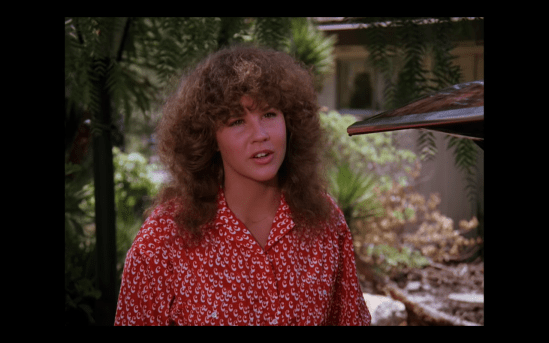
“The Exorcist’s” Linda Blair has a role that’s certainly a far cry from the possessed Reagan, but the 1978 “Summer of Fear” had opened up a sleuth-type role for Blair that made her more of the hunter than the victim. Blair’s raspy voice and spoiled girl attitude completes the privileged daughter of the household compared to her tall and charming rival, Julia Trent, in “Necromancy’s” Lee Purcell. Purcell compliments Blair all too well and, together, the on screen tension is ever present, even if slightly over exaggerated. From that point on, “Summer of Fear” was filled in by other great talent such as Jeremy Slate (“True Grit” ’69), Carol Lawrence, a very young Fran Drescher in the beginning of her career, Jeff McCracken, and Jeff East (“Pumpkinhead”), but the more fascinating role, that was hardly explored, is awarded to MacDonald Carey, the resident occult professor of the neighborhood. Carey’s has a very old school actor with a performance very familiar to Robert Mitchum and the veteran actor’s vast career felt very small here in the catalytic role as the confirming source for Rachel in her suspicions.

In addition to the withdrawal of the contentious content, “Summer of Fear” entertains on a minimalistic special effects stage that still pops with jaw-dropping suspense and still caters to an, even if slightly dated, story altering moment that rockets toward a maelstrom finish. All the while, Lee Purcell’s character has such glam and beauty that the bewitching sticks overpoweringly raw as a telling moment that beauty isn’t all that’s wrapped up to be and people can be ugly on the inside. Through brief glimpses into Julia Trent’s authentic past, including the mountainous Ozark retreats, one could conclude the story’s ultimate ending, but the fact that the actors embrace their rolls and Wes Craven connects himself enthusiastically to the project makes “Summer of Fear” a solid small box show of terror.

Doppelgänger Releasing releases the Wes Craven classic “Summer of Fear” for the first time onto Blu-ray home video. Transferred to a 1080p resolution, the presentation is certainly made from TV in the Academy, 4:3 or 1.33:1, aspect ratio. Image quality sporadically has moments of definition instability where the image goes fluffy or soft and amongst the duration’s entirety are a slew of white specks and noticeable grain, but the transfer remains solid over the decades that display a grandeur of vivid coloring despite some scenes of with an overburdening washed yellow tint. The English 2.0 DTS-HD Master Audio cleanly presents the feature with not a lot of flashy audio moments and the dialogue is clean and clear suggesting that the audio track aged very well. Bonus material includes an audio commentary track by director Wes Craven, an exclusive interview with Linda Blair, photo and poster gallery, and concluding with the original 1978 trailer. “Summer of Fear” might be obsolete in modern ways of terror filmmaking, but Wes Craven imprints a searing cult classic that brandishes more than just guts and gore. Instead, the father of “Scream” continues to impress beyond the grave, thanks to distributors like Doppelgänger Releasing, with the filmmaker’s expansive range that debunks many popcorn horror goers’ assumptions about the director and his films. “Summer of Fear” simply showcases that Craven was a jack of all trades when coming down to brass tax in creating a terrifying story.

Buy Summer of Fear at Amazon!