Trapped Inside His Own Body While EVIL Buries Him Alive! “Short Night of Glass Dolls” reviewed! (Celluloid Dreams / 4-Disc 4K UHD and Blu-ray)

Collector’s Run to Grab Celluloid Dreams’ “Short Night of Glass Dolls” on 4K UHD and Blu-ray!

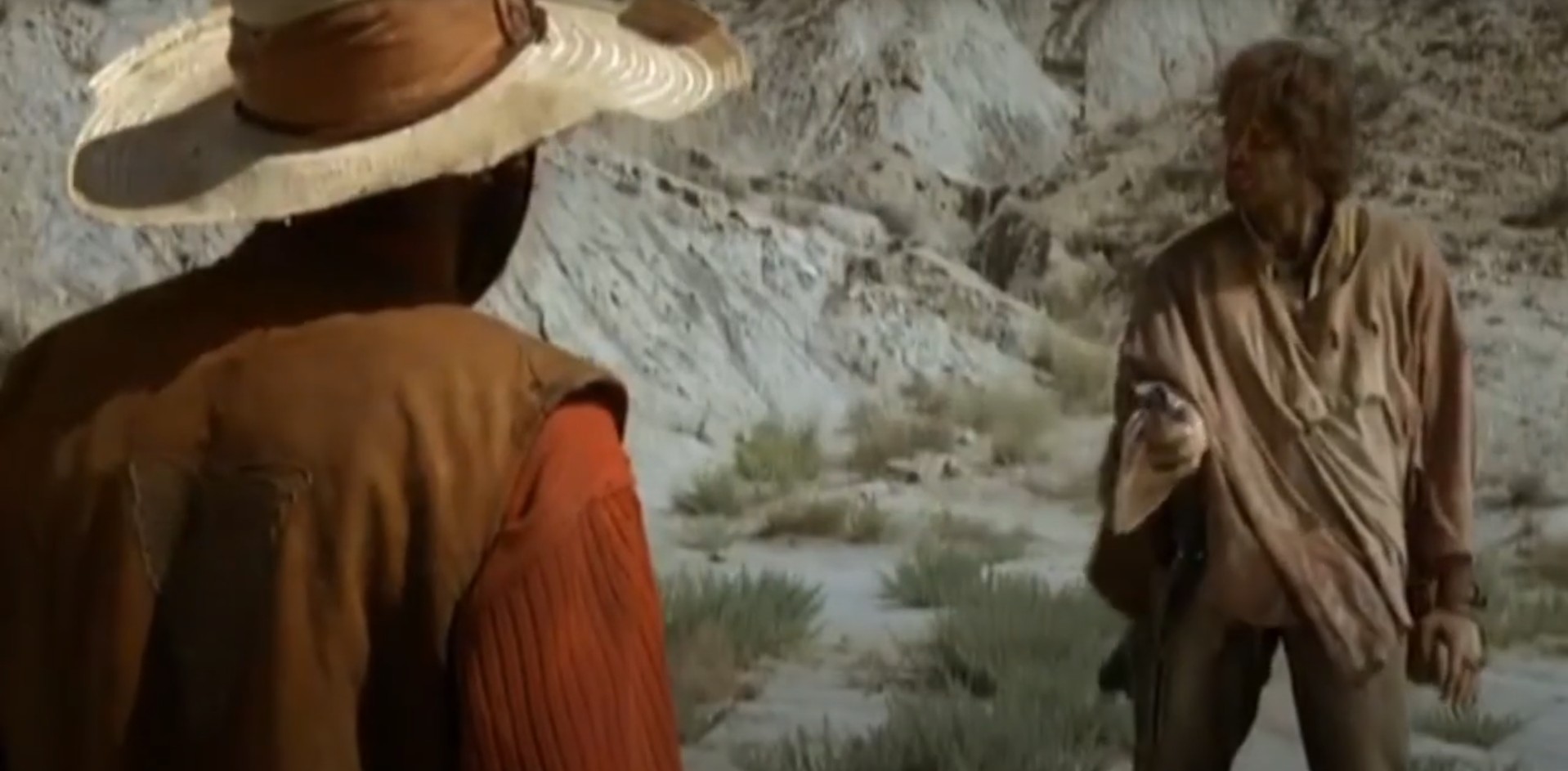
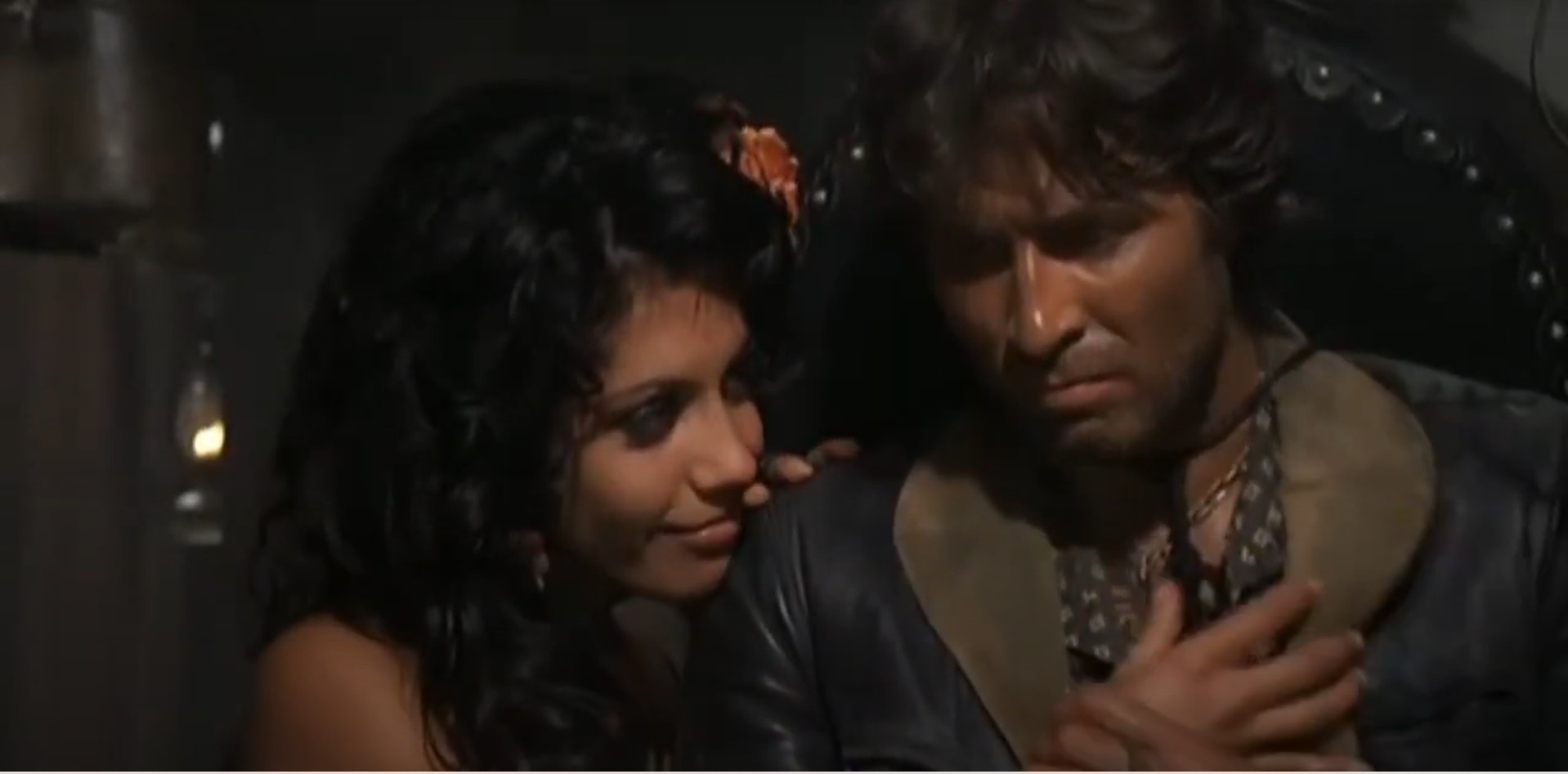
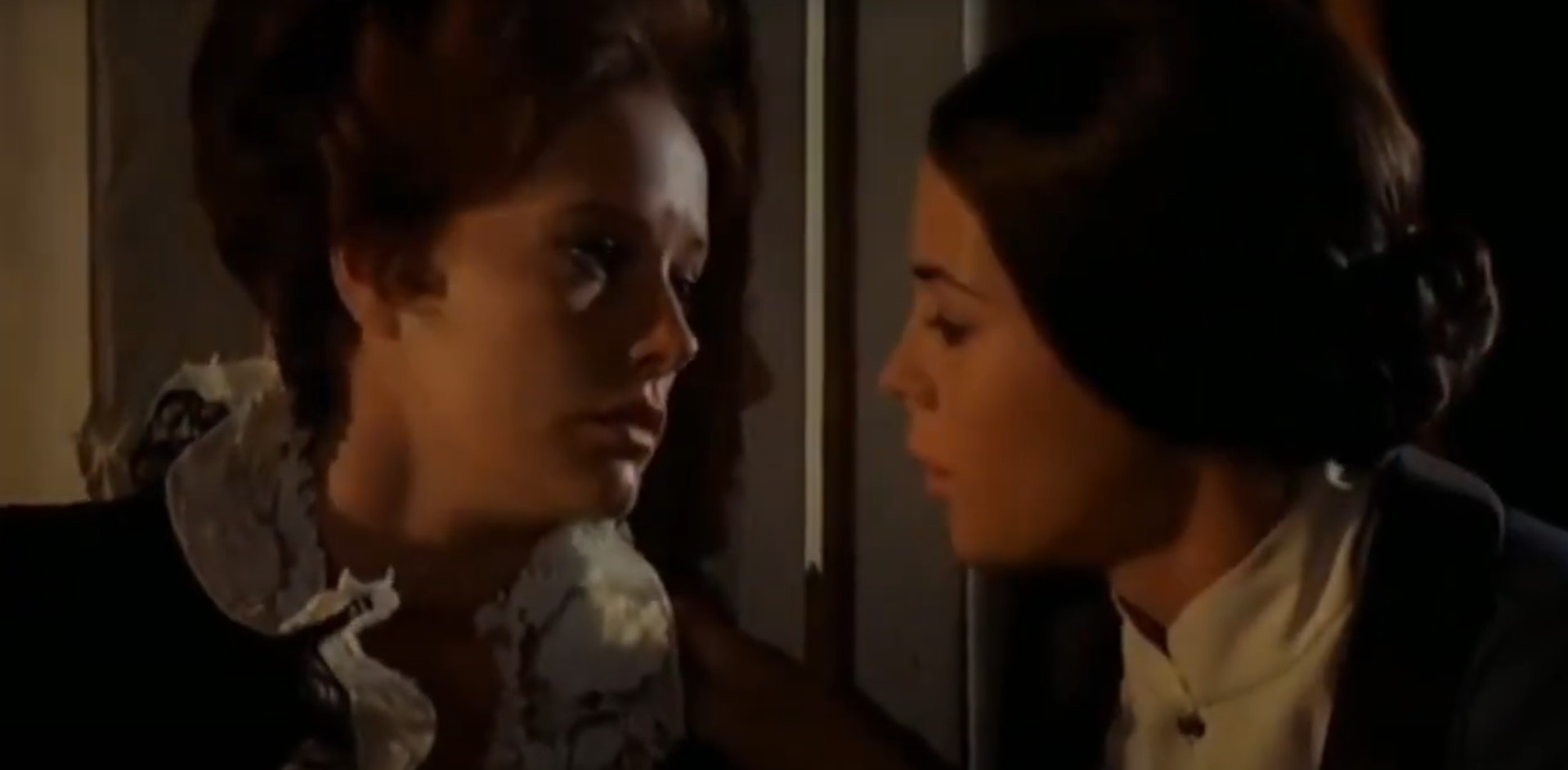
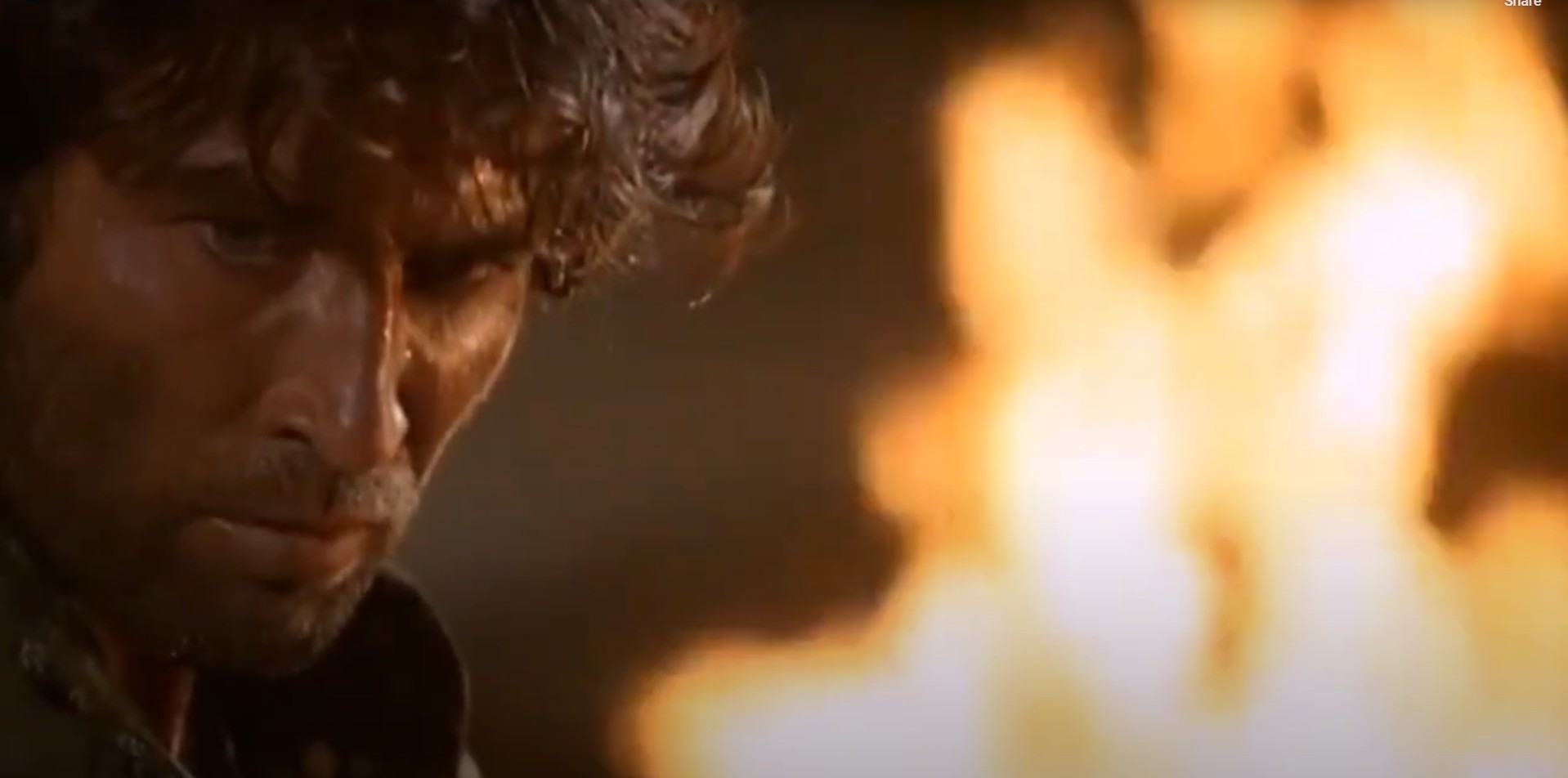
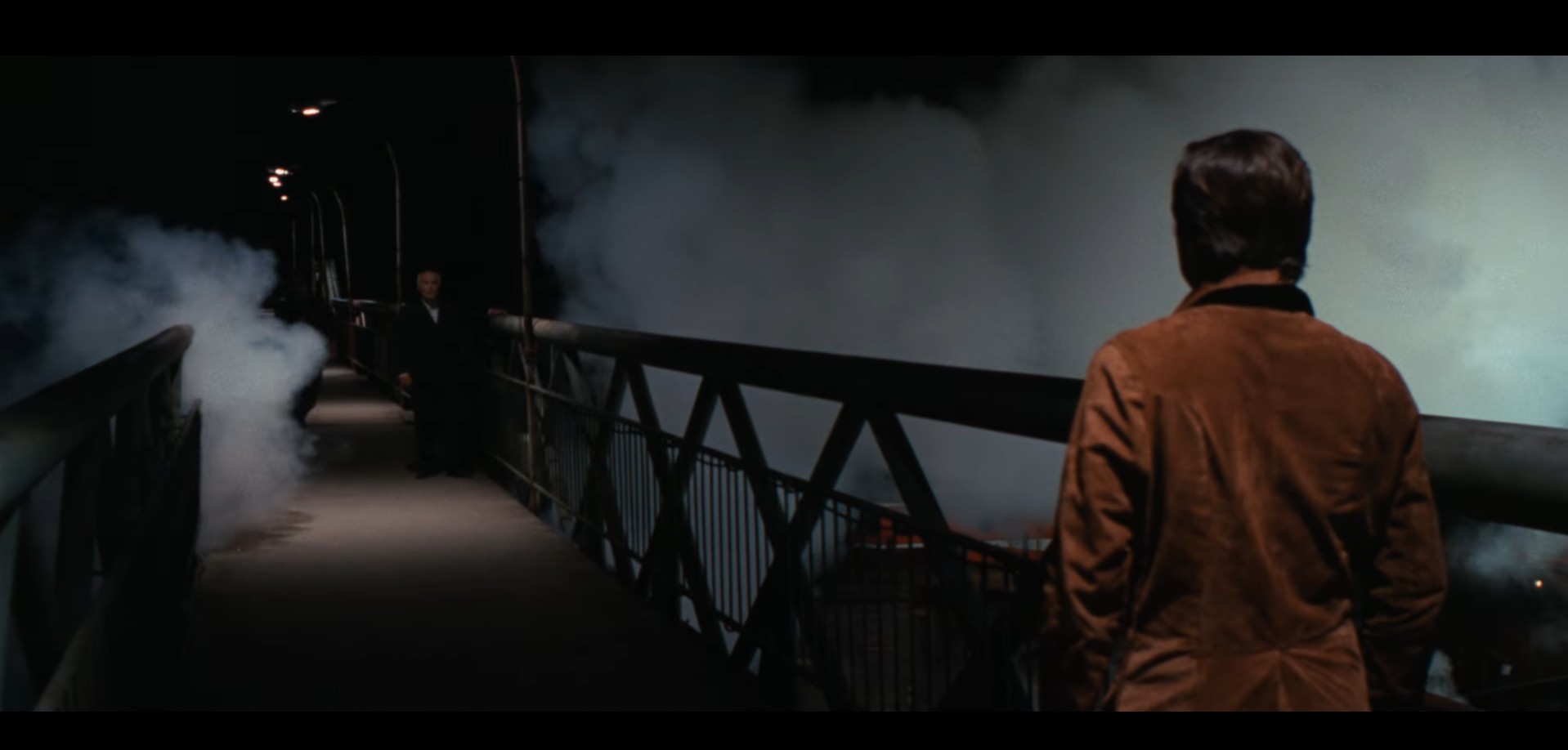
Gregory Moore’s body is found motionless and wide-eyed in a Prague Plaza and is confirmed deceased by local doctors, but Moore is actually alive, paralyzed and trapped inside with only his inner voice able to cry for help.  As his mind races about how to communicate with those around him, Moore must recall the previous days events to see how he ended up this way.  Days before, the American journalist, currently stationed in Prague and soon to be relocated in another European country once his assignment comes to term, is visited by his beautiful girlfriend Mira and they attend an affluent party hosted by socialite Valinski.  Soon after, Mira disappears from his apartment late a night, leaving all her belongings behind in his apartment and as the police begin to suspect Moore as primary suspect, the journalist uses his trade to discover a powerfully mysterious and sexually depraved organization, known as Klub99, may be behind her disappearance.

Aldo Lado’s written-and-directed murder mystery goes by many Italian and English names:  “Short Night of Glass Dolls,” “La Corta Notte Delle Bambole di Vetro,” “Malastrana,” “La Corta notte delle Farfalle,” “The Short Night of the Butterflies,” and, finally, “Paralyzed.”  Doesn’t matter what you call it, “Short Night of Glass Dolls” needs very little title nomenclature as Lado, a dark sided and rich yarn spinner of Italian cult cinema with credits like “Who Saw Her Die?” and “Last Stop on the Night Train,” debuts his 1971 tale of mystery with precision and style that speaks global themes of affluent power for the sake of retaining that power as well as their youth.  The Italian production is a cross-country affair being filmed in not only Italy but also in Croatia, Slovenia, and Prague and is a production of Doria Cinematografica, Jadran Films, and Dieter Geissler Filmproduktion with Enzo Doria (“Beyond the Door,” “Tentacles”) and Dieter Geissler (“Kill! Kill! Kill! Kill!,” “The NeverEnding Story”) as producers.

“Short Night of Glass Dolls’” American protagonist was actually not played by an American but by French actor Jean Sorel with a handsome stached face, bronze swagger, and whose taste of giallo carried into the Lado film after acting in “The Sweet Body of Deborah” and Lucio Fulci’s “A Lizard in Woman’s Skin.”  It’s not surprising or even uncommon for a 1970s through the 1980s Italian production to cast non-native Italians to star and perform as Italy sought foreign talent to be highly marketable abroad and “Short Night of Glass Dolls” is bursting with international talent from America, Yugoslavia, and Sweden to perform alongside Italians.  The only American in the film is the petite and lovely Barbara Bach whose career was mostly a decade and half of Italian films, including “The Great Alligator,” “The Humanoid,” and “Black Belly of the Tarantula.”  Bach’s short stint as Moore’s girlfriend, Mira, is the epitome of innocence and cherished love, an quality lost by Moore because of his work blindness and his philandering with colleague Jessica, “Salon Kitty’s” Ingrid Thulin entrenched into Jessica’s passion for Moore but also keeping a stark low-profile on her looks against Mira with Thulin’s naturally blond hair contained in a colorful headwrap for most of the film.  The love triangle is downplayed from the early revealing signs that Moore may be playing both sides but from the moment Mira vanishes, Moore and Jessica, along with fellow journalist Jacque (Mario Adorf,  “What Have You Done To Your Daughters?”) become a single unit of vocation to find Mira and they bitterness drains from Jessica to just despair by the shocking finale when all the cards laid upon the table.  Lado neatly keeps a tight lid on Klub99’s patrons with only the assures of Valinski as the organization’s ringleader of undisclosed purpose.  José Quaglio (“The Eroticist”) dons well as the oligarchal head keeping a low profile that emerges out like sordid serpentine of perversion and wickedness.  Daniele Dublino, Fabijan Sovagovic, Relja Basic, Piero Vida, and Semka Sokolovic-Bertok are the Croatian and Italian support actors that fill out the cast. 

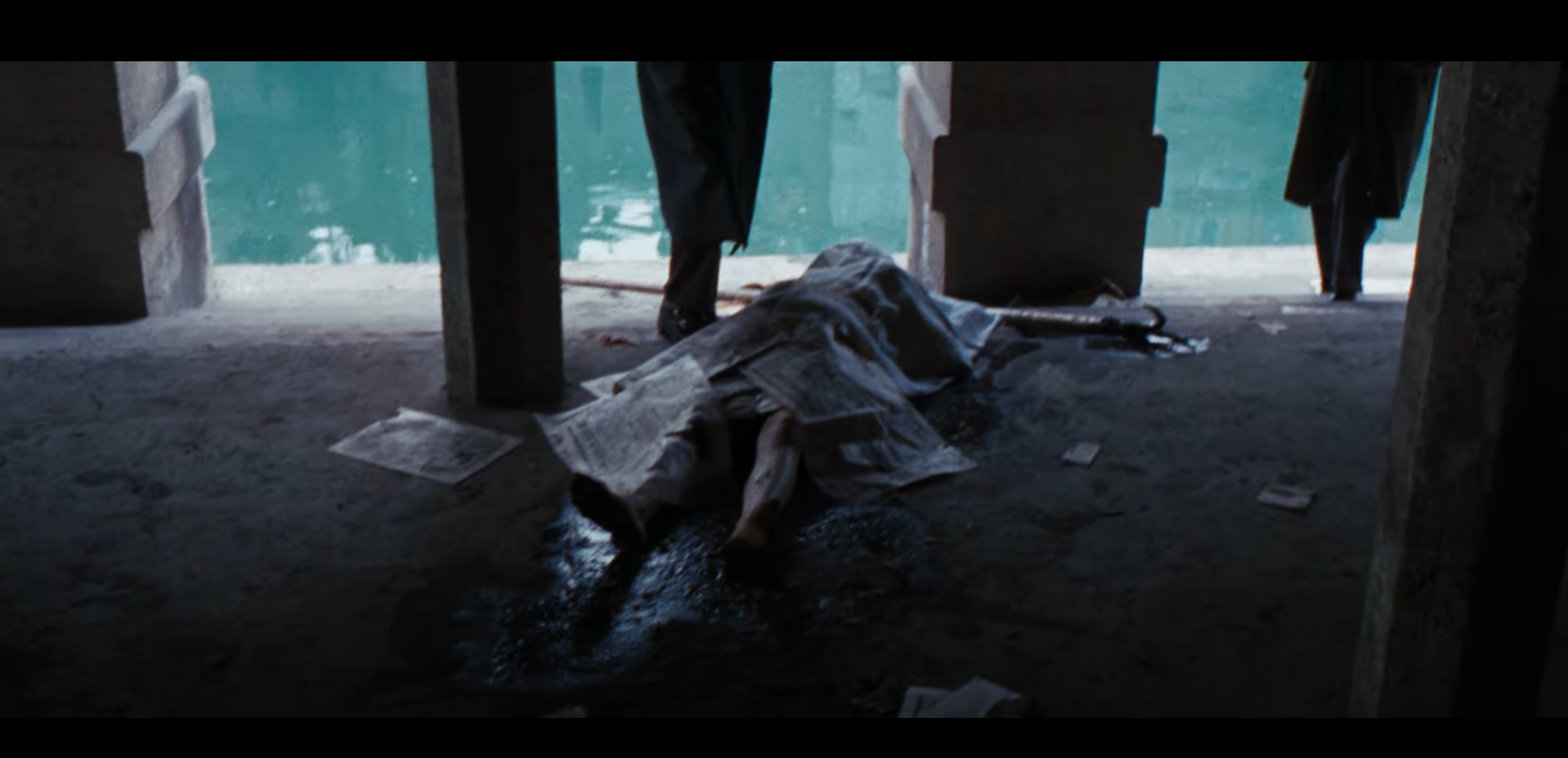
Aldo Lado’s debut film pins him as a productional prodigy with a naturally gifted cinematic eye and a phenomenal storyteller.  “Short Night of Glass Dolls” sallies forth in an untraditional, nonlinear narrative through the perceptive procession of a paralyzed man’s thoughts and recollections.  That man being journalist Gregory Moore who audiences are first introduced lying motionless in the bushes of the plaza morning and, from the start, Moore is at the mercy of bystanders, medical professionals, and friends who mostly believe he’s dead but, on the inside, is in his thought’s echo chamber screaming for help.  Every frame captures the act and emotion, amplified even more so when Jean Sorel is absolutely still, eyes open, and withstanding forces upon, such as chest compressions, to which he doesn’t even flinch.  Lado finds beauty in the macabre imagery when dead women are laid out nude, splayed with an arrangement of flowers or juxtaposed wet against a dry paved ground.   Lado also doesn’t cater to a fixed position and, instead, tracks the characters with smooth movements, coalescing at times a back-and-forth or side-to-side to get lengthier, more dialogue and dynamically enriched, scenes with director of photography, Giuseppe Russolini (“Firestarter”), achieving a naturally dissemination of lighting and color.  “Short Night of Glass Dolls” is not a film without flaws as Moore’s investigation takes the easy pickings route as if briefly glancing over the reported missing, naked women list is an automatic ladder to the winner’s circle for unearthing mostly everything of an deprave inner circle of the powerful rich and so Aldo cheats a little to give his story’s theme of flightless butterflies some much needed wings.

Following up on their definitive, carefully curated, stunning release of Giuliano Carnimeo’s 1972 giallo “The Case of the Bloody Iris,” Celluloid Dreams doesn’t pump the breaks delivering their latest “Short Night of Glass Dolls” with an all-encompassing, 4-disc collector’s edition set that includes 4K UHD and Blu-ray. Scanned and restored in 4K from the original camera negative, the UHD is an HVEC encoded BD100 with 2160-pixel resolution and the Blu-ray is AVC encoded BD50 with 1080-pixel resolution. It goes without saying that both transfers are impeccable in their damage and blight free form for those who might have owned or once owned the cropped, VHS-sourced release under one of its many titles, “Paralyzed.” The grading blends a natural, dynamic pop with peppered psychedelic trips down the dark rabbit hole with Klubb99 is open for business and the color is diffused with balanced, natural saturation, adapting to lighting of all varieties. UHD offers a richer depth of focus with the increased pixel Dolby Vision seizing better delimitation around objects, but that doesn’t mean the Blu-ray doesn’t do the same, the UHD just enhances it by a quarter approximate percentage, while still keeping healthy, transpicuous grain. Two fidelity-true 1.0 DTS-HD offers mostly a dialogue entrenched mix that, audibly, has an imbalance against a rather omitted ambience and that’s not the release’s doing but rather a lack of Foley work amongst an ADR English or Italian track. Ambience hits where it counts but there are times when establishing shots or slow pans of Prague go nearly into a coma state, letting the dialogue and the renowned Ennio Morricone’s piano, triangle, and melodic vocal score take flight through the course of the mystery. English subtitles are available for the Italian language track. Disc one and two not only contain the feature but also contain identical extras with writer-director Aldo Lado & and Freak-O-Rama’s Frederico Caddeo feature-running commentary, a second parallel commentary track with Celluloid Dream’s founder Guido Henkel, an assortment of trailers labeled as grindhouse, Italian, English, and the Catalepsis, with an isolated score that pedestals Ennio Morricone’s score. Disc three delves into the Italian-language, English-subtitled feature documentaries and featurettes with a 2015 archived interview The Nights of Malastrana, clocking in over 100 minutes, that have isolated discussions with Aldo Lado and actor Jean Sorel, All About Aldo is another archived interview with the director circa 2018, The Quest for Money is an interview with producer Enzo Doria, To Italy and Back touches base with producer Dieter Geissler’s perspective and historical context, The Most Beautiful Voice in the World interviews Italian singer Edda Dell’Orso’s haunting vocalizations on Morricone’s score, Cuts Like a Knife speaks to editor Mario Morra, the Flying Maciste Brothers’ video essay The Man on the Bridge: Philosophy, Perception and Imprisonment in Aldo Lado’s ‘Short Night of Glass Dolls,’ the alternate title Malastrana’s German export credits, and an image gallery. Finally, disc four brings the encoded special features home with not one, but two alternate cuts of the film, a 35mm Grindhouse version and the cropped Paralyzed VHS version. If you thought the encoded special features weren’t hefty enough, Celluloid Dream’s physical presence is certainly imposing with a rigid slip box with newly designed cover compositional cover art on back and front, a massive 64-page color picture and poster booklet features a retrospective essay from Andy Marshall-Roberts as well as reprinted column and magazine reviews from the film’s initial release, and, of course, the thick Amaray case, which is surprising in the traditional Blu-ray blue rather than the 4K UHD black. The cover art is an original rendition that brings all theme elements of giallo into the illustrated fold in circling chaos of catalepsy with the reverse side displaying the same image but titled in Italian. Inside, an advert for “The Case of the Blood Iris” and their upcoming third title “La Tarantola dal Ventre Nero” is inserted. The 4K is region free while the Blu-ray is hard coded region A. The unrated main feature has a runtime of 97 minutes.

Last Rites: Celluloid Dreams pursues excellence and strikes twice achieving it with a heart-and-soul poured release that by far has blown all other limited-edition copies, collector sets, definitive releases out of the water and “Short Night of Glass Dolls” deserves every bit of the attention.

Collector’s Run to Grab Celluloid Dreams’ “Short Night of Glass Dolls” on 4K UHD and Blu-ray!

He’s a Beast. He’s Ferocious. He’s EVIL! “Mad Dog Killer” reviewed! (Cheezy Movies / DVD)

“Mad Dog Killer” Unleashed onto DVD!

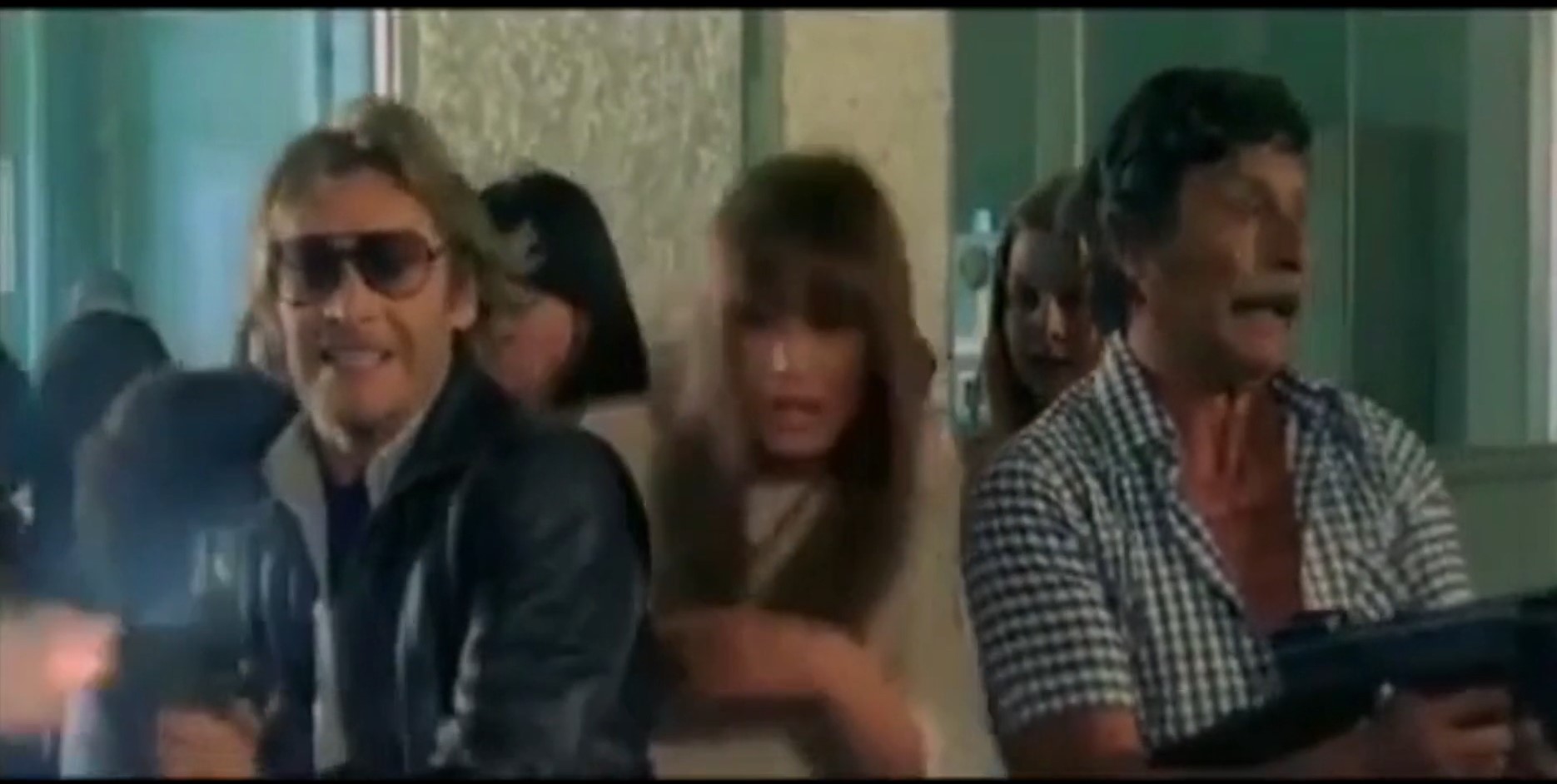
A daring hostage-taking breakout of an Italian prison puts four of the most ruthless killers back on the streets.  Sadistic and full of revenge, Nanni Vitali, the leader of the gang, has one thing of his mind before he begins a reign of outlawing terror, to find and exact due mortal punishment on a stool pigeon that cemented his incarcerated fate during the trial.  Hot on his trail is officer Giulio Santini who will stop at nothing to bring Vitali back into custody or even put a bullet between his eyes, that is until a young woman, Giuliana Caroli, girlfriend of the police informant, becomes caught unwillingly in Vitali’s web of sexual obsession and deviant plans as she’s raped and exploited for Vitali’s personal pleasure and robbery schemes.  When the frightened Caroli betrays Vitali’s trust, she becomes a kill target while Santini’s family also falls into the miscreant’s violence coursing crosshairs. 

“Mad Dog Killer,” aka “Beast with a Gun,” aka “Ferocious Beast with a Gun,” aka “La Belva col mitra,” is an Italian action-crime thriller from the late “The Sinful Nuns of Saint Valentine” and “Violence for Kicks” director Sergio Grieco in what would be his last directorial before his death five years later.  The Rome-born filmmaker also writes the 1977 exploitative and violent caper with additional dialogue from fellow Roman screenwriter, and furthermore director, Enzo Milioni who has had a hand in “The Sister of Ursula” and “Escape of Death.”  A part of the larger, multi-faceted Euro Crime subgenre, or better known as Poliziotteschi, “Mad Dog Killer” hits all the trademark elements, squeezing in a packed lot of similar content as well as stretching out for breathing room by elbowing out the era popular Italian subgenre of the phasing-out Spaghetti Western and bracing for impact against the up-and-coming Giallo films which starts get a footing with Dario Argento and Lucio Fulci paving the way.  The Supercine production is produced by Armando Bertuccioli (“The Sister of Ursula”).

In the crazed-eyed, take-no-prisoners, sandy-blonde shoes of a handsome yet hardnosed criminal in Nanni Vitali is the Austrian born Helmut Berger.  The “Salon Kitty” and “The Bloodstained Butterfly” star is another international actor who found modest success in the Italian film industry of the 1960s-1970s as well as the German movie industry afterwards, but as Nanni Vitali, the rugged actor with piercing eyes doesn’t hold back in a defining performance that’s nowhere near a one-time paltry pass over.  Vitali is so animated and over-the-top, the hot-headed character completely overshadows Inspector Giulio Santini as a counterpart, played by American actor Richard Harrison of “Orgasmo Nero” and portraying many Ninja Master Gordon films in Hong Kong in the late 80s.  No Ninja kicks or ostentatious smoke screens with officer Santini in a rather matter of fact, routine chaser of escape convicts.  The personal connection he has with Nanni, where Santini’s Judge father (Claudio Gora, “The Nun and the Devil”) was Nanni’s convicting judge, is greatly underused to extrude the ferocity needed to match Nanni’s, as so he is described in one of the many titles – a ferocious beast.  This beastly criminal takes captive and tries to psychologically manipulate through sex and threat the wrong place, wrong time victim Giuliana Caroli by the chiseled facial features of Marisa Mell (“Violent Blood Bath”), a fellow Austrian actress.  Caroli’s tall and beautiful on screen but lacks that damsel in distress in initially helpless apprehension of a woman who must restructure her bearings to take matters into her own hands.  Mell’s acting is forced throughout her span, and without that frightened bird despondency in her eyes, she looks as if she could handle Nanni Vitali by herself with ease in stature, broad shoulders, and a fierce look, diminishing Richard Harrison’s Santini role almost out of the picture entirely.  “Mad Dog Killer” rounds out the cast with Marina Giordana, Luigi Bonos, Ezio Marano, Albert Squillante, Nello Pazzafini, Antonia Basile, Sergio Smacchi, and Vittorio Duse.

“Mad Dog Killer” lives up to the designation that attentively develops the lengths the titular principal will go to achieve a wrongful debt that must be paid in full with excessive violence to spare.  Sergio Grieco lays Nanni’s nihilistic sleaze and transgressions on thick, coating the character with monolithic and enduring characteristics of a sordid and lawless bandido with Spaghetti Western type intensity, especially inside a compositional scene where he slowly walks back to the car toward a frightened Giuliana Caroli, eyes affixed onto her soul, and the all-pervading, debut score by Umberto Smaila just swallows you into the moment.  Like a true mad dog, the story never lets up on an unpredictable temperament and trajectory; it foams at the mouth with rabid blackguard that is true Euro Crime fashion, but unlike most Euro Crimes, “Mad Dog Killer” ends on an unconventional note, perhaps an unsatisfactory to some, but definitely askew yet fresh compared to the genre’s dominantly preordained doppelgangers. 

A film that goes by many names usually suggests numerous releases from around the world.  “Mad Dog Killer” receives a cheapie DVD release from our friends at Cheezy Movies with a MPEG-2 encoded, standard definition 480i, DVD5.  Not an upscaled presentation, the transfer used retains the lower quality pixel count that bleeds the definition, often better in brighter contrast scenes than in the darker settings. The forced English dub LPCM mono track, though you can clearly lip read that most principals actors are speaking English, has auditory value; the lossless quality removes compression from the table, offering a clean and robust dialogue and Smaila score through just a thin, faint even, layer of interferential static, and pops. The English dub track is the only audio option available with no optional English, or any other language, subtitles. Cheezy Movies primary goal favors a feature only release so there are no special features encoded or tangible supplementary content. Cheezy Movies pulls the stark front cover image, laced intently with suspense, sex, and violence, from one of the marketing one sheets, used by other labels such as foreign companies like 88 Films and Polar. The disc is pressed with the same image. Not rated and region free, “Mad Dog Killer” has a runtime of 91 minutes.

Last Rites: An enjoyable sadist manhunt romp, “Mad Dog Killer” does criminals gone wild Italian style. Without a higher resolution release, quality of life with this Euro Crime actioner is not at peak levels but the film, by itself, lays waste to many counterparts with a fiercer hand and a charismatic leading villain in Helmut Berger that tips the scale in the film’s favor.

“Mad Dog Killer” Unleashed onto DVD!

A Concentration Camp of Desecrated Flesh and Pure EVIL. “The Gestapo’s Last Orgy” reviewed (Blu-ray / 88 Films)

After nearly escaping war criminal charges for his role as Commander of a bordello operated Nazi concentration camp that mistreated and murdered multiple thousands of Jewish women, former office Conrad Starker meets his lover Lise Cohen, a former Jewish prisoner of his he fell fond of during their time of occupation, at the same barbaric camp now in vacant ruin. Alone together and wandering the grounds, Lise recalls her first arrival at the camp and how the then ruthless Starker made it his mission to break Lise of her guilt-based nihilism by exacting cruel torture upon her and those close to her in camp. Commander Starker’s direct reports, a dominatrix SS officer named Alma and a sordid Lt. Weissman, serve as his deviant and sadistic right arm, assisting him in striking fear into his new pet project. While troves of Jewish women are being raped by a slew of German soldiers on leave, as well as being tortured and even tested as a source of delicacy, Lise’s alleviated guilt turns her to play Starker’s game, making her become his own mistress, but Lise will never forget the camp atrocities at the hands of the Gestapo.

Never in my life would there be the time I salivated over the thought – dang, what a poignantly awesome title. Far from a generic, uninspired appellation that has completely captured my attention, lured me in like a fish by a dangling sex and exploitation worm, is the 1977 Italian-made Naziploitation “The Gestapo’s Last Orgy.” Understanding that the Cesare Canevari written-and-directed exploitation extravaganza is fabricated fiction from the mind of the Italian filmmaker sexploitation films such as “The Nude Princess” and “A Man for Emmanuelle,” and amongst other popular genres of that particular Italian era, there still lies a contrite underlayer deep inside my bowels for knowing “The Gestapo’s Last Orgy” is inspired by a baseline of truths – aka – the rounding up of Jewish people, forcing them into work and slavery in some sort of servitude compacity, and ending their lives as many were murdered in concentration or extermination camps by incinerations while still alive; all of which are displayed in graphic detail by Canevari in his film. Also known as the “Last Orgy of the Third Reich” and co-written with fellow “The Nude Princess” collaborator, Antonio Lucarella, no words can describe the depictions of Aryan abomination better than Canevari with a display of a wide-range of depravities from the master race in this shocking Cine Lu.Ce. production that Canevari produces.

Only two main characters span the narrative’s timeline between the active war and in the post-war clampdown of former Nazi officers.  We’re first introduced to Commander Conrad Starker (Andriano Micantoni aka Marc Loud, “LSD Flesh of Devil”) in an unofficial capacity as a voice over of a heated war crime trial rages over his driving around a small village before arriving at a dilapidated camp to meet with his beautiful lover, Lise Cohen, an introductory feature film role for then model, and presently a UNICEF Goodwill Ambassador, Daniela Poggi (aka Daniela Levy, “Olga O’s Strange Story”).  From then on, the story goes back-and-forth between the camp horrors from most of Lise’s perspective and her present day melancholy strolling through the now empty camp.  Just between these two, a burdensome and destructive self-contained bubble ignites a prudent connection for a means to an end, whether be Commander Starker’s from merciless lust to love or Lise’s reversal of her exploitation to gain a survivalist’s upper hand by playing right into Micantoni’s sadistic impulses.  Micantoni and Poggi, despite their vast difference in age with Micantoni in his mid-50’s and Poggi in her early 20’s, have shuddering, knee-buckling chemistry in the more abhorrent scenes, one particular involving the fellatio act on a German Lugar.  There are other various scummy characters and if you like girls in uniform, the Doberman-loving Alma (“The Stepdaughter’s” Maristella Greco) is as beautiful as she is a gestapo femme fatale.  Greco’s domineering performance matches her male counterparts in enthusiasm but with a bonus side dish of sultry sadomasochism that can’t be forgotten as Alma whispers her viperous tongue into the camp Commander’s ear (while also sticking the blunt side of her whip into his rectum – ooph!).  “The Gestapo’s Last Orgy” is a perverse party with respectable size cast, including roles played by Fulvio Ricciardi (“Killing of the Flesh”), Vittorio Jorderi (“Gang War in Milan”), and Caterina Barbero (“Raptus”), enlarged by a grand amount of extras from German soldiers to the Jewish women creating the allusion of an inhuman love camp.

“Ilsa:  She Wolf of the SS,” “Love Camp 7,” “S.S. Experiment Camp,” “Nazi Love Camp 27,” “Achtung! The Desert Tigers,” S.S. Hell Camp.”   I’ve seen my fair share of Nazisploitation and, aside from Tinto Brass’s erotica-elegant “Salon Kitty,” Cesare Canevari’s wartime rape and ravager hails to be one of the more distressingly twisted and disturbingly beautiful entries in the exploitation subgenre.  For Canevari, every scene counts by not making every scene gratuitous.  Yes, “The Gestapo’s Last Orgy” has it’s preposterous moments where sex-crazed Nazis aggressively dominate unarmed, vulnerable women, especially when they decide to soak an unconscious naked woman in brandy and set her on fire to taste pork-like flesh; however, even in that instance of out of left field cannibalism, the atrocities are all in the name of progressing Germany in the wake of victory and to leave nothing to waste in Germany efficiency when utilizing inferior races, whether for labor or food, after Germany has conquered opposing forces.  Most of the second and third acts returns back to Earth with smaller scale plot devices surrounding Lise and Conrad locking horns in a battle of wills to extract fear from Lise’s, mostly nakeda nd suspended, fearless body.  “The Gestapo’s Last Orgy” can be said to be a film about challenging will power, enduring strength, and patience and for when the opportunity is right for the taking, strike while the iron is hot.  Or, for many, Canevari’s lopsided carnal lark can be viewed as a wicked sex fest reaped from the backs of other the people.   Canevari rides that thin line and never pushes the gratuitous full monty  down our throats.

For the first time on Blu-ray, anywhere, “The Gestapo’s Last Orgy” arrive onto a remastered in 2K transfer scan Blu-ray from UK distributor 88 Films who have crossed regions with one of their first North American releases!  Still currently banned in the UK, the stored film’s Blu-ray, remastered from the original print negatives, is region free and in full 1080 high definition, presented in a widescreen 1.85:1 aspect ratio.  The restoration is frankly flawless.  The composition of skin tones and textures and contrasting hue scheme offer a perceptible palate of every shadowy contrast and infinitesimal detail, especially in the impeccable facial diversities.  The release has offers two restored audio options:  An English dub 2.0 DTS-HD master audio and an Italian DTS-HD master audio with in-built English subtitles.  Both tracks share an ambient and soundtrack equality quality through the dual channel stereo; however the original Italian track is inherently smoother with the dialogue with accurately synched English subtitles. The Blu-ray snap case comes with reversible cover art, original poster art are in the inside along with a mini poster of the same art as one of two inserts. The other insert is a 21 page booklet brimming with stills, different country posters, and an essay from film historian Barry Foreshaw entitled Taking on the Censors: Italian Excess. All of this limited edition tangible goodness is housed under a limited edition cardboard slip cover with new art by illustrated Richard Davies. Inside the coding on the BD50 is also a work of art with audio commentaries by Italian film experts Tony Howarth and Nathaniel Thomason as well as a separate commentary with critic and author Samm Deighan. Special features also include an alternate Italian ending (rather an extension of the feature cut), an interview with Pierpaolo de Sanctis on Remembering Alberto Baldan Bembo the soundtrack composer, an interview with Luigi Cozzi in One Thing on His Mind in regards to director Cesare Canevari, and the English trailer. Movies like “The Gestapo’s Last Orgy” are completely in bad taste beyond a shadow of doubt. Luckily for me, and perhaps those reading this review, we’re a tasteless bunch of sleazy celluloid purveyors glad to see 88 Films praise Cesare Canevari’s most controversial and infamous film with a snazzy new Blu-ray treatment.

Don’t Miss Out on Owning 88 Films’ “The Gastapo’s Last Orgy” on Blu-ray!

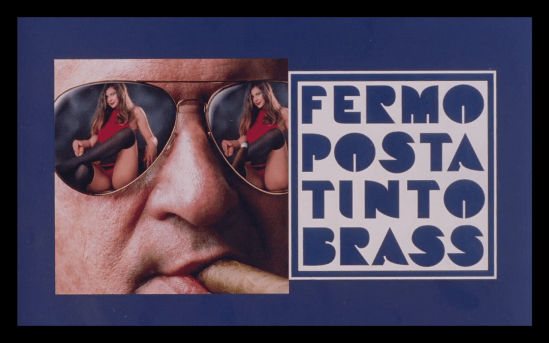
The Maestro Delivers Us From EVIL! “P.O. Box Tinto Brass” and “IsTintoBrass” reviewed! (Blu-ray / Cult Epics)


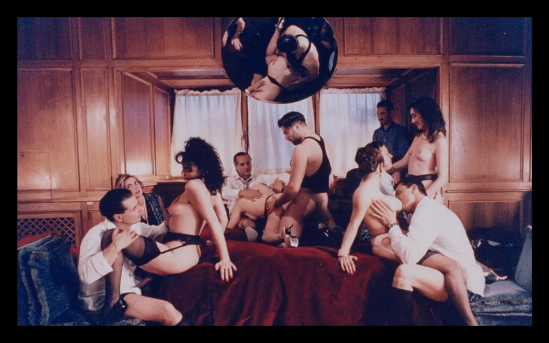
Tinto Brass, whose very name is synonymous with erotica cinema, presents a tantalizing series of letters and videotapes, written and recorded for him by adoring women executing their most sensual fantasies, exploiting their carnal desires, and giving the director a peak into their wet dreams. Brass’s lovely young assistant retrieves numerous submissions from his P.O. Box and as Brass scours through the countless correspondences, attempting to penetrate through the mundane to find that special something from his female fans, the stories become animated from text to short film visuals that involve spread eagle voyeurism, reluctantly desiring wife swapping, and a little husband and wife role playing to spice up their drab marital sex life by incorporating home movies. Each woman is able to confide in the maestro who harbors a gift for delivering classy and joyous erotica to not only the cinema market, but also into his admirers’ private lives.

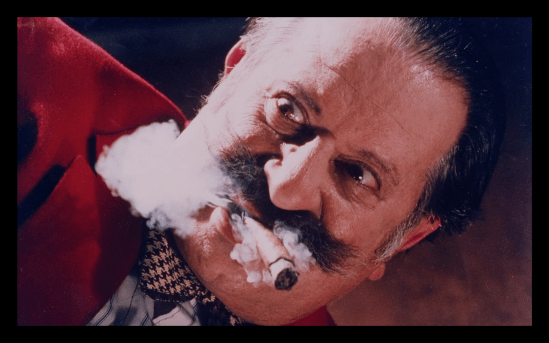
While America became gradually engrossed by the Showtime syndicated erotic drama series, “Red Shoe Diaries,” hosted by “X-Files” David Duchovny that showcased unconnected sensual stories from women who bared it all in heated encounters with male companions, the Italians’, who were experts in erotica cinema that this time, had their very own, slightly more explicit, version released in 1995 in full-length feature form, cleverly titled “P.O. Box Tinto Brass,” from director, and as titular presenter, the erotic master himself, Tinto Brass. Originally titled “Fermo posta Tinto Brass” in the native dialect,” “P.O. Box Tinto Brass” arrives on a new and restored 2-disc Blu-ray release from Cult Epics and acts as a celebration on not only the filmmakers’ immensely arousing body of work, but also a celebration on the director himself who has the uncanny ability to unearth the hidden away desires in all from his tongue-and-cheeky intimacy story arcs that relieve suppression for exploration of our natural sexual ambitions without the culpability instilled by taboo cultures. Granted, some of the material presented might feel dated and not as salacious as every John and Jane Smith can now utilize their God-given bodies to amass a modest fortune across the world wide web of sex, but to understand today’s culture, which still seems a fair share of sexually oppressive forces, we must look at Tinto Brass’s gift in normalizing what once was bedroom only material. Brass, who sport smoking a signature cigar throughout the film, uses his platform and becomes the vessel of expulsion to remove the privacy and shaming barriers that hinder healthy sexual appetites and, literally, creates a tactile representation of sexual jubilee with little-to-no seething judgement other than that of the character’s own restrictions. There are a ton of Brass trademarks shots that include, but not limited to, the hairy vulvas, a playfulness toward the vagina, exhibitionist flaunting, loads and loads of butt and breast angles in and out of clothes, elaborate location patterns on a grand, maybe art deco, scale, and, perhaps his most notable trademark, the expansive range of setting up elegant shots reflected off mirrors. As a whole, “P.O. Box Tinto Brass” brings a lighthearted and free atmosphere that’s uninhibited and sexy during and between each segment and while Brass is no doughy-eyed David Duchovny, I would be remiss in the lascivious eyes of Tinto Brass if I didn’t mention that after immersing ourselves in the “P.O. Box Tinto Brass” anecdotes, me and my wife had the most passionate, free verse sex we ever had since we’ve tied the knot 8 years ago, an experience that’s akin to an economically-friendly version of sex therapy. Thank you, Maestro!

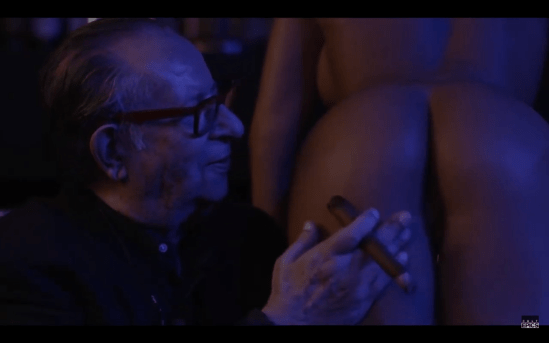
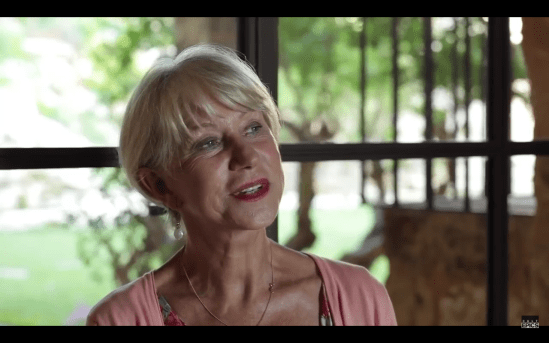
This leads us into the second disc of this Cult Epics epic release with a 2013 documentary, entitled “IsTintoBrass,” from a longtime Tinto Brass colleague and good friend, Massimiliano Zanin, who delves more into Brass’s political, experimental, and monumental work compositions that shaped the director into who is now the renowned eroticism auteur with a belief and a slogan that the ass is the window into the soul. Thought being born, bred, and flourish as an Italian filmmaker, “IsTintoBrass” speaks volumes about his French influences and his life guiding time at the Cinémathèque Française in Paris where he met Henri Langlois and Lotte H Eisner who exposed Brass to rare, unseen films His time Cinémathèque Française afforded him praise on his first films, such as “Who Works Is Lost” and “Attraction,” that were to the likes of French directors like Jean-Luc Godard and were labeled as a blend of part French New Wave movement and pop cinema. Zanin guides us through Brass’s continuous battles with censorship boards whose biggest problem with his filmic formations was not the nudity, but the supposed transgressions against conventional cinematic norms, especially with “Salon Kitty” that was an atypical example against the latter half of his career and used sex as a means of power of another person. His entrenched struggles didn’t end there as the documentary also shed lights on filmmaker’s most controversial work, “Caligula,” which became not his work due to a an underhanded producer who decidedly desired more sex than story and fought Brass, in more than one court of law, for the rights. Notable friends, colleagues, and film critics go through the eclectic Tinto Brass timeline, recalling and reexamining his decisions and aspirations into a multinational praise of his work. Some of these speakers included Franco Nero (“Dropout”), Helen Mirran (“Caligula”), and Sir Ken Adams (“Salon Kitty”). Plus, there is plenty of T and A to go around,

If Tinto Brass didn’t have a stroke in 2010, Zanin’s documentary wouldn’t have been made three years later as it’s a highlighted tribute of one remarkable Italian filmmaker’s life achievements stemmed from something as terrible as a life threatening ailment; yet, that’s how these things usually go, right? A retrospective acknowledgement, usually overwhelming positive in general, of a great artist whose work is greatly admired, frequently in a posthumous manner. In this case, Zanin saw fit to encase a historical record on Tinto Brass before meeting his maker, beginning with a really vigorous look into his inspirations at the Cinémathèque Française, chalking up much of his earlier work to his time spent looking through reels upon reels of avant garde films, but then Zanin quietly fades out of the path that elevated Brass as the cherished erotic connoisseur. Zanin’s story takes this awkward tangent to only skim the surface of Brass’s erotic films, which is strange since Zanin’s known and collaborated with Brass the last 20 years, about 13 years when this documentary was released, and penned a pair of his Brass’s saucy scripts, “Cheeky” and “Monamour.” Yet, the last 20, if not 30, years is surprisingly fleeting in Zanin’s capsulated effort to immortalize Tinto Brass. Still, the overall film is perhaps more endearing than Tinto Brass would have ever imagined, especially as brash and as perverse as his image portrays him outside the parameters of the filmic dome. Inside that dome, Brass has obtained throughout the decades a following of professional admirers and adoring fans who see him for what he truly is, himself. “IsTintoBrass” isn’t a gratuitous or perverted exhibition of an old man’s horniness; it’s an intoxication of what it means to actually be free from the repressive nature of censorship, the rapturous high of being an unchained artist, and being an obsequious master craftsman of cinema.

Cult Epics delivers a 2-disc limited edition Blu-ray of Tinto Brass’s “P.O. Box Tinto Brass” and Massimiliano Zanin’s “IsTintoBrass.” “P.O. Box Tinto Brass” has been newly restored and re-mastered in 4K high definition from the original 35mm negative and presented is a widescreen, 1.85:1 aspect ratio. The picture is absolutely stunning that revels in the burst of primary colors Brass was keen to implement. The details and the tones on the naked skin flesh out every beauty mark, fiber of hair, and every pore. Typically, Tinto Brass films run purposely a little soft to create a dreamlike, if not fantasy-like, setting to obtain a jovial mood setting for the uninhibited moments, but the details are still strong throughout. “IsTintoBrass” is presented in a widescreen, 1.85:1 aspect ratio, from a 2K transfer scan of digital video, aside from the snippets of Brass’s work. Video presentation is like crystal that obviously wouldn’t distinguish any kind of transfer anomalies because there wouldn’t be any. The Italian language 2.0 Mono LCPM/DTS-HD Master Audio 2.0 Mono (“P.O. Box Tinto Brass”) and the DTS-HD Master Audio 5.1 Surround (“IsTintoBrass”) are clearly discernible in all regards, especially in the Tinto Brass directed feature form ’95 with a clarity in the speech, a softer ambience that supports the dialogue rather than be level with it or overwhelm it, a range that mingles to support the dialogue as well. English subtitles are available on both discs. To smooth off any rough edges is a score by Riz Ortolani (“Cannibal Holocaust”) with a vibrant, cheeky score that fits perfectly into Brass’s wheelhouse of curvy, adventurous women. Bonus features on the first disc includes a 2003 interview with Tinto Brass who gives a brief background on his cinematic start, poster and photo gallery, and the trailer. Disc 2’s bonus material includes an interview with writer-director Massimiliano Zanin providing his reasoning for this documentary, a Tinto Brass achieve photo gallery, a couple of short interviews praising Brass’s passion, and trailers The package is also a work of art sheathed inside a cardboard, black and blood red slipcover and inside the casing is a 48-page booklet of Gianfranco Salis stills from the Tinto Brass achieve which are beautiful and almost Playboy-esque. To experience Tinto Brass is invaluable enough, but to experience his films in high definition is without a doubt worth it’s weight in gold with the powerhouse release of “P.O. Box Tinto Brass” and a retrospective documentary “IsTintoBrass” from Cult Epics!

Check out the LIMITED EDITION “P.O. Box Tinto Brass” release!

This is How to Revolt Against an Evil Empire! “Private Vices, Public Virtues” review!

screen-shot-2017-01-04-at-10-11-23-pm
On the countryside of a 19th century central European empire, Crown Prince Rudolf resides at his manor estate with his nanny, faithful servants, and armed guards. However, the Prince abstains from being stately and goes against his father’s, the Emperor’s, wishes. Instead, the pan-sexual Prince frolics through life with his two lovers, his half brother and half sister. Their apathetic about the Emperor’s inclinations and enjoying the carnal pleasures, juvenile games, and the ecstasy of free-spirit inducing drugs with their communal aristocratic friends and feral manor servants. The Prince plans to humiliate his stern father by hosting the biggest festivity with dancing and champagne, laced with uppers that has his guest losing their clothes and parading amongst the grounds in a merry-go-round of uninhibited jovial madness that sends his the Prince’s father into an uproar that calls for the execution of his son and his lovers.
screen-shot-2017-01-04-at-10-09-45-pm
The 1976 “Public Vices, Public Virtues” is a circus of eroticism with a belly full of symbolism and ambiguity. Hungarian director Miklós Jancsó has developed a masterpiece from a script co-written with Giovanna Gagliardo that’s loosely based off the infamous 19th century murder-suicide known as the “Mayerling Incident,” which involved Prince Rudolf, the Crown Prince of Austria and the son of Emperor Franz Joseph I of Austria. Jancsó, called “the greatest Hungarian film director of all time” by his peers, maintains elements of the tragically historical event and morphs it into a melodramatic comedy penned with singsongy dialogue and communicated through various performances of the arts.
screen-shot-2017-01-04-at-10-11-13-pm
Fellow Hungarian Lajos Balázsovits encompasses the lead role of Prince Rudolf who ravages the screen with a lighthearted and uncut male nudity performance that sets an artistic and ethereal tone of beauty, of love, and of revolt. Alongside Lajos Balázsovits comes cult actors such as Tinto Brass regular Franco Branciaroli (“The Key,” “The Voyeur” which he was spectacular), Teresa Ann Savoy (“Salon Kitty,” “Caligula”), Laura Betti (“A Bay of Blood”), and “Night Sun’s” Pamela Villoresi to be at Jancsó disposal to be free to unclothe in a joyous protest against a ruthless and steely ruler. The mutton chops of Emperor Franz Joseph make a resembling appearance as part of the lucrative backdrop for the boisterous sexual revolution that stormed the cinema markets and Balázsovits fully submerges into a pan-sexual role, gladly submitting himself to women, men, and even his goggly-eyed Nanny, Laura Betti, who gets to touch the royal scepter in more ways than one.
screen-shot-2017-01-04-at-10-10-16-pm
The co-produced Italian and Yugoslavian “Public Vices, Public Virtues” has an astonishing production value for soft core erotica. The elaborate, detailed wardrobe and authentic appeal to recreate the 19th century era is stunningly breathtaking and highly infatuating to be in the midst of an amorous atmosphere. With the costumes and manor home, the cash flow trends toward the amount of extras casted to prance and dance in an everlasting parade of jubilance. “Inglorious Bastards” and “The New York Ripper” composer Francesco De Masi displays his brass, as in brass instruments, continuously conducting a marching tune to the aristocratic orgy that doesn’t attest to a viewer allurement, but does put into place a bit of pizzaz into the melodrama. De Masi’s soundtrack compliments the nursery rhymes and classical scores that round out this Filmes Cinematografica and Jadran Film production.
screen-shot-2017-01-04-at-10-11-09-pm
Proclaimed the wild side of world cinema, Mondo Macabro releases “Private Vices, Public Virtues” on a glorious restored and uncut Blu-ray region ABC release. The original negative restored and transferred to a single layer BD25 displays a vibrant 1080p and progressive widescreen presentation. I’m amazed at the retaining of the natural coloring, the amount of spacial depth, and prolific details that doesn’t display a hint of compression artefacts and maintains very low digital noise interference, especially in the black levels. The LPCM audio contains an English dub track and an Italian track with optional English subtitles on both. The digitized analog audio clearly expresses itself without hisses, pops, or other types of disruption. Mondo Macabro stuffs this Blu-ray with exclusive bonus material including three interviews with writer Giavanna Gagliardo, actress Pamela Villosesi, and film historian Michael Brooke. The original theatrical trailer and Mondo Macabro previews bring up the bonus feature rear. “Private Vices, Public Virtue,” to the naked eye, is 104 minutes of a frisky spectacle of the utmost buffoonery, but in the trenches, the Miklós Jancsó film is a Hungarian filmmaker’s undercurrent of inspiration and revolution against oppression and Mondo Macabro just highly defined the era!

Grab “Private Vices, Public Virtues” on Blu-ray!